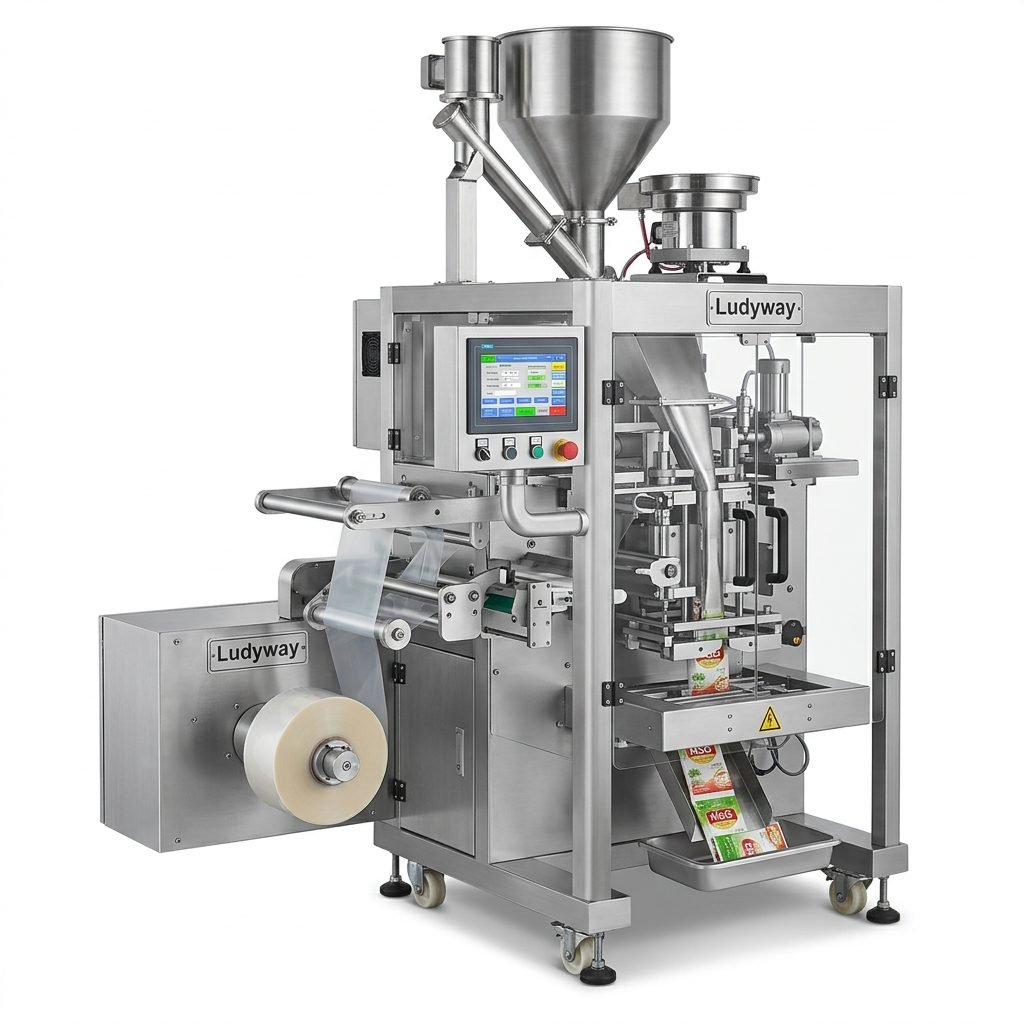
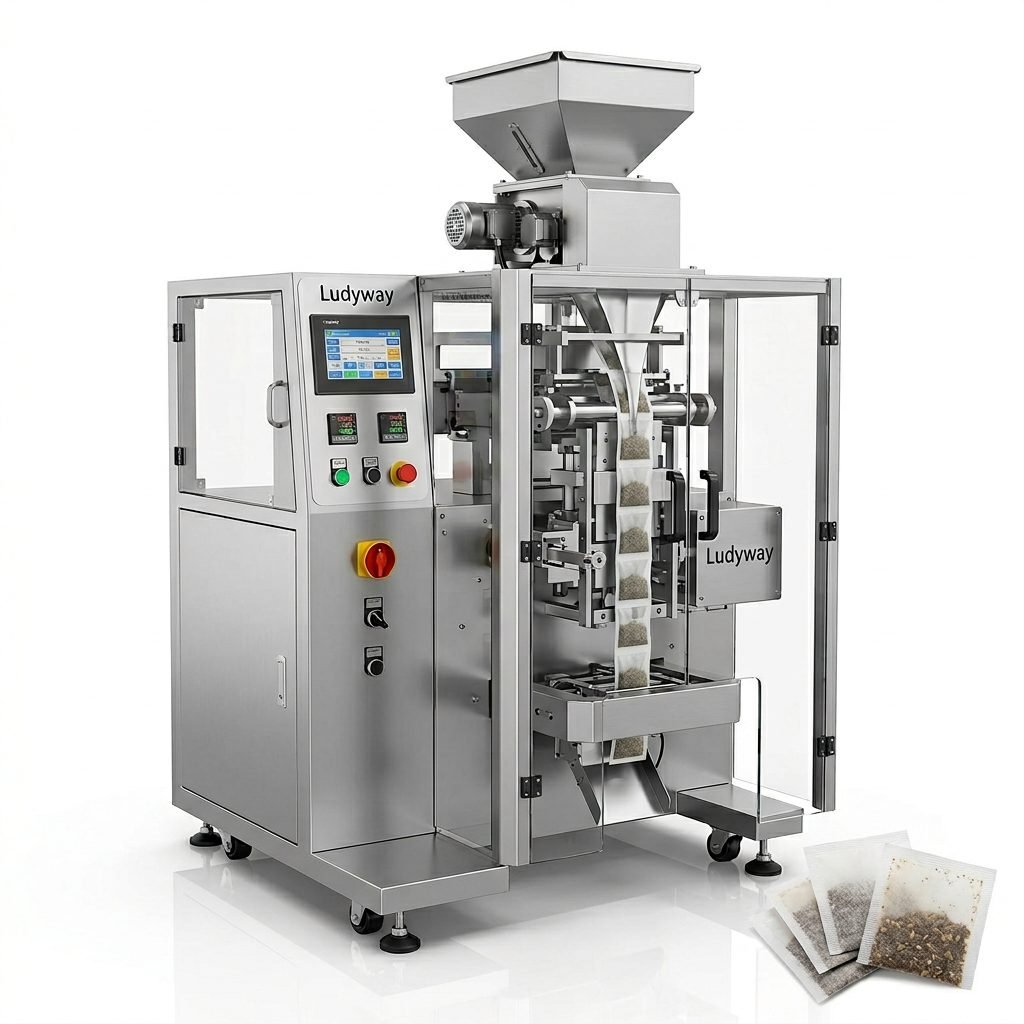
Pharmaceutical packaging plays a critical role in product safety, dosage accuracy, regulatory compliance, and brand trust. Whether you produce tablets, capsules, powders, liquids, granules, or unit-dose sachets, the right packaging machine can directly affect efficiency, quality consistency, and long-term operating cost.
This guide explains the main types of pharmaceutical packaging machines, their benefits, and how to choose the best system for your production goals.
Why Pharmaceutical Packaging Machines Matter
In pharmaceutical manufacturing, packaging is not just the final step. It is part of the product protection system. A well-matched machine helps manufacturers:
- Protect medicines from moisture, oxygen, light, and contamination
- Ensure accurate filling and sealing for every unit
- Improve traceability with coding, labeling, and batch control
- Meet GMP and other regulatory standards
- Reduce labor dependency and production errors
- Increase output for growing demand
For pharma companies, contract manufacturers, and health supplement brands, machine selection should balance speed, hygiene, flexibility, and validation requirements.
Main Types of Pharmaceutical Packaging Machines
Different dosage forms require different machine structures. Below are the most common machine categories used in pharmaceutical production.
1. Blister Packaging Machines
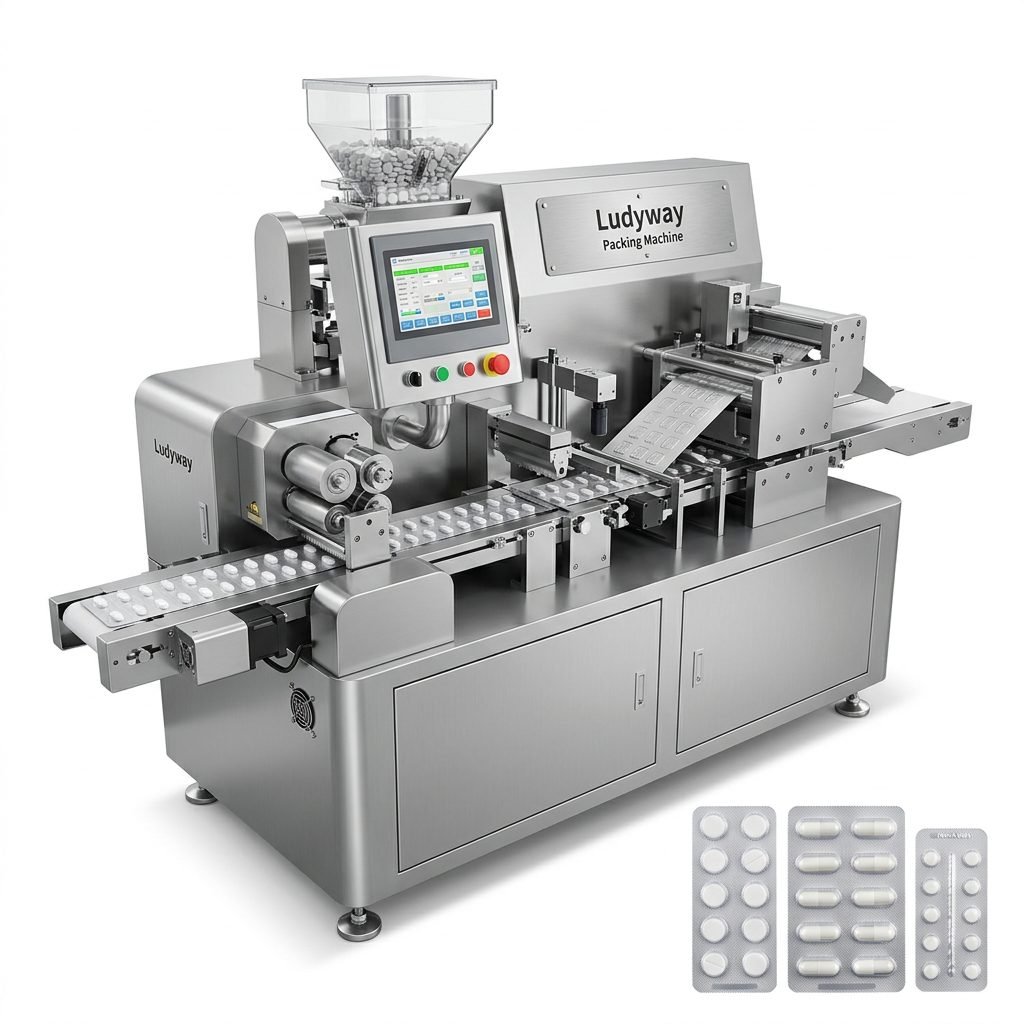
Blister packaging machines are widely used for tablets, capsules, and softgels. They form cavities from plastic or aluminum material, place products into the cavities, and seal them with lidding foil.
Best for: Tablets, capsules, caplets, softgels
- Excellent product protection
- Clear unit-dose presentation
- Tamper-evident packaging
- Convenient for retail and hospital distribution
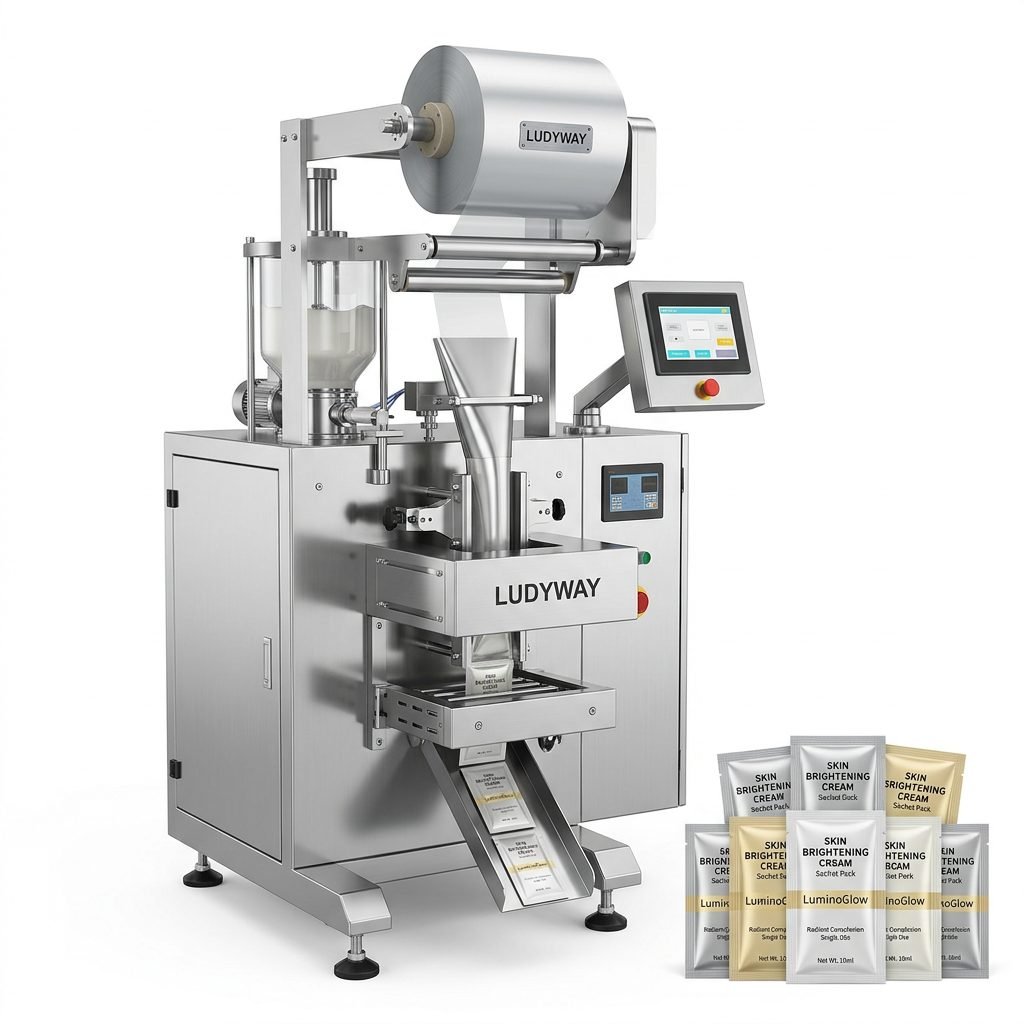
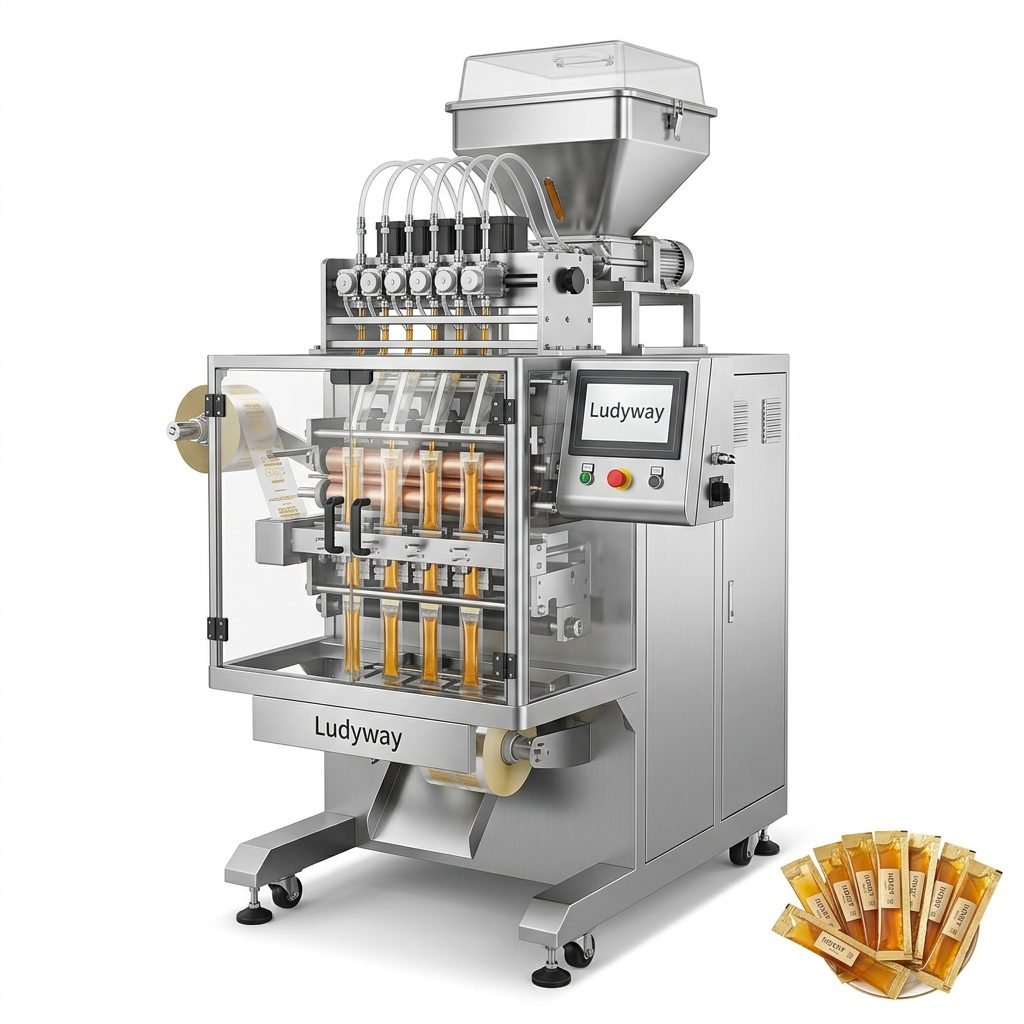
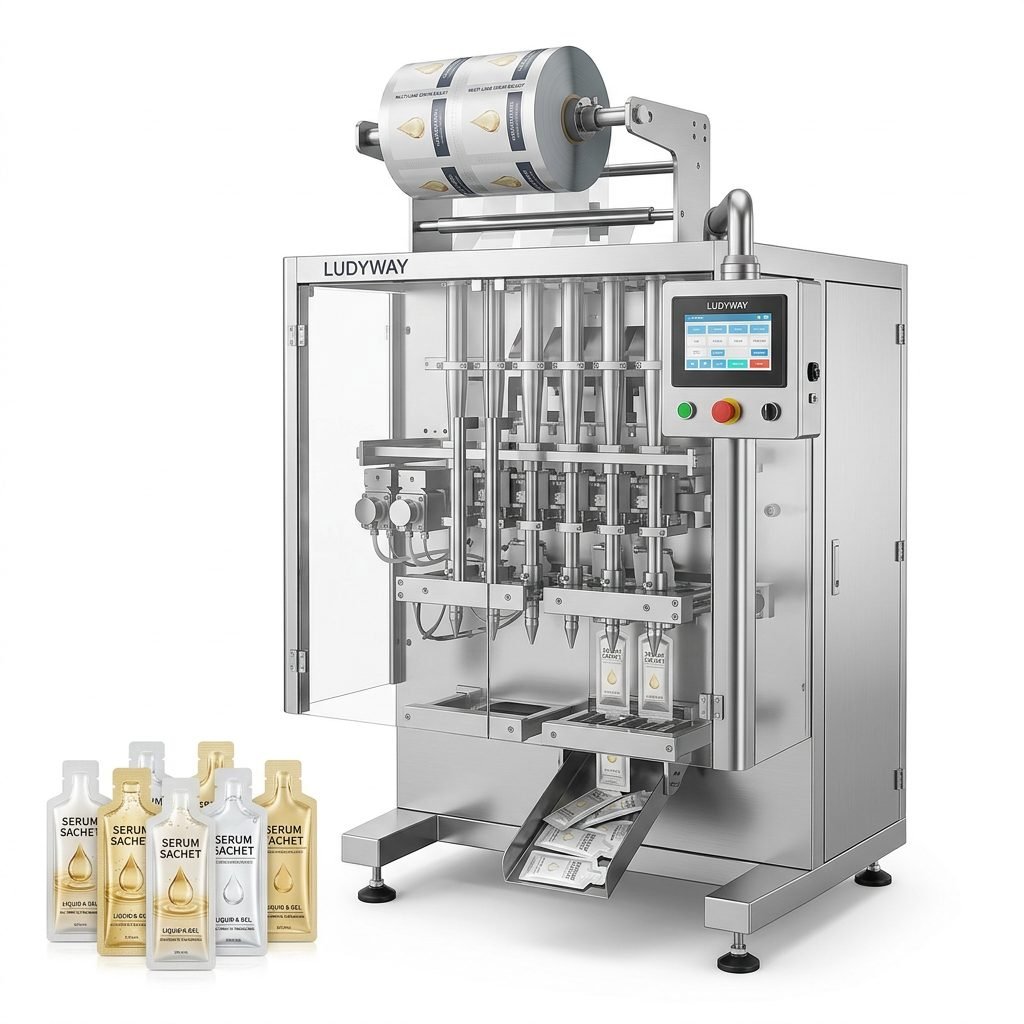
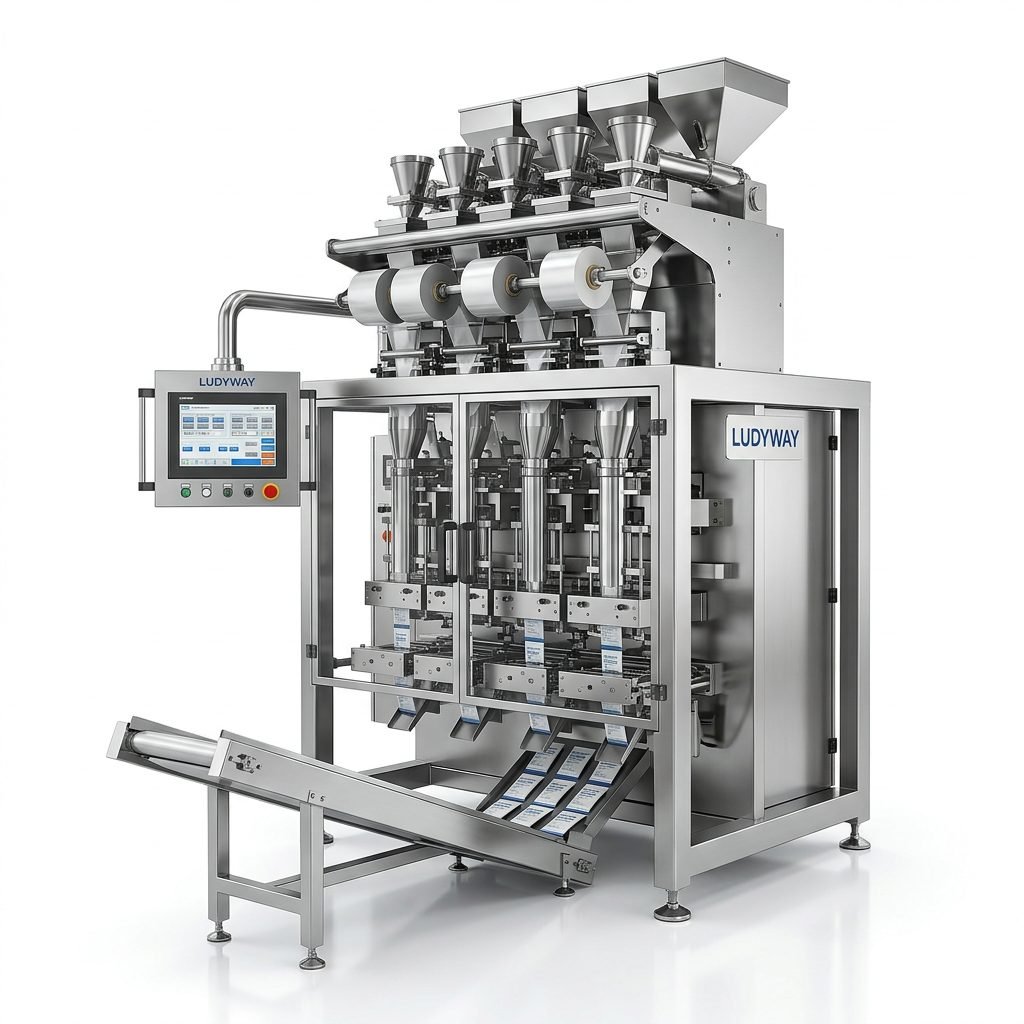
2. Sachet and Stick Pack Machines
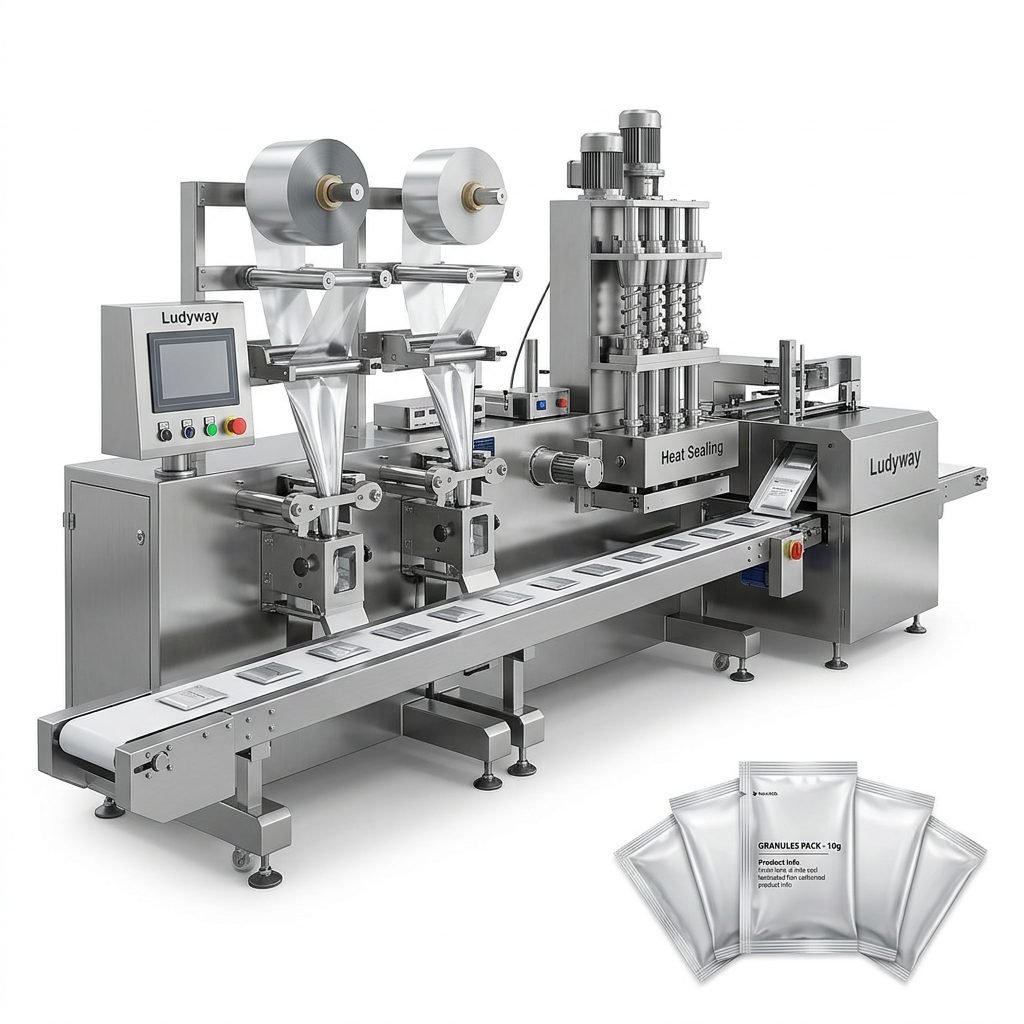
These machines package pharmaceutical powders, granules, oral rehydration salts, health supplements, and liquid formulations into small single-dose packs. Multi-lane systems are especially useful when high output is required.
Best for: Powder sachets, granules, liquid doses, diagnostic-use packs, nutraceuticals
- High-speed single-dose packaging
- Reduced dosage variation
- Portable and patient-friendly format
- Suitable for both pharmaceutical and supplement applications
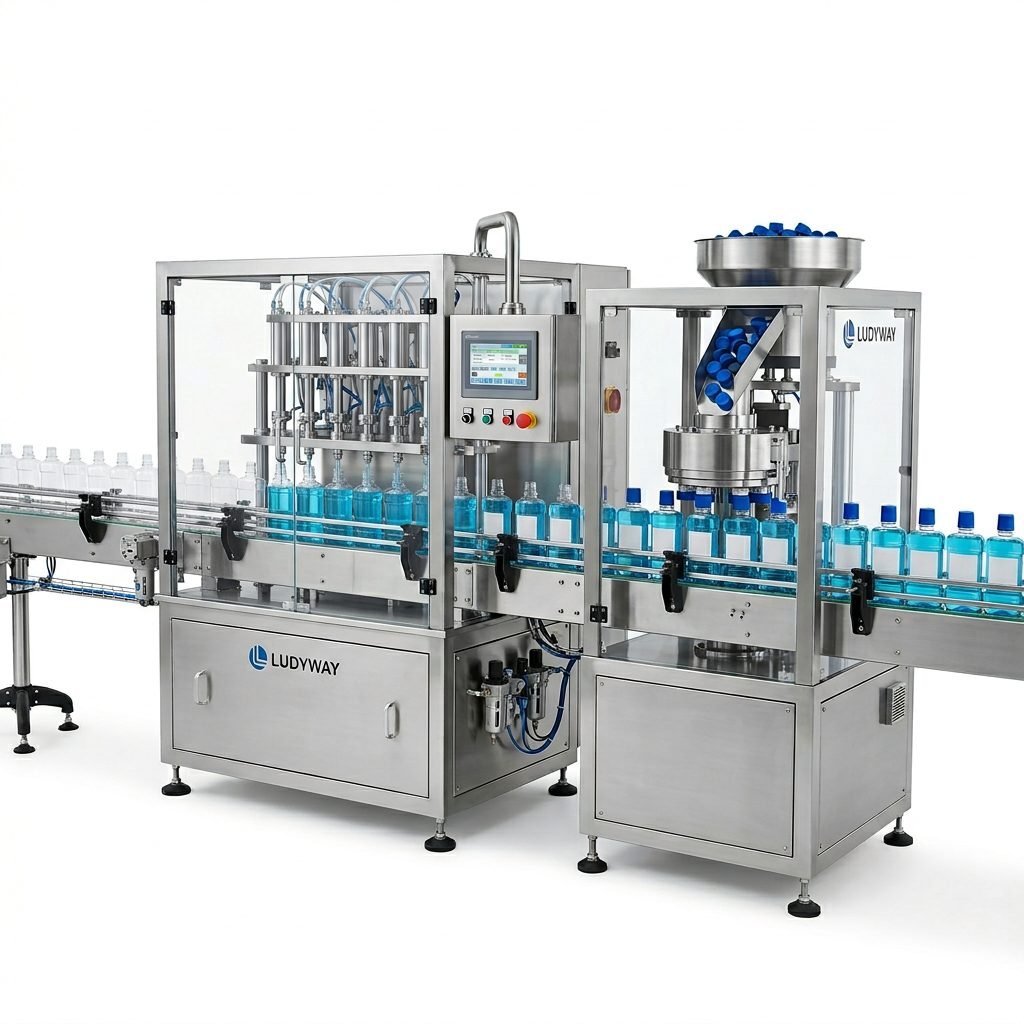
3. Bottle Filling and Capping Machines
Bottle packaging lines are commonly used for tablets, capsules, syrups, oral liquids, and liquid supplements. These systems may include unscrambling, counting, filling, capping, induction sealing, labeling, and cartoning.
Best for: Tablets, capsules, syrups, oral liquid medicines
- Ideal for medium to large batch production
- Supports integrated line automation
- Good for multiple bottle sizes with proper changeover design
- Can include inspection and reject systems
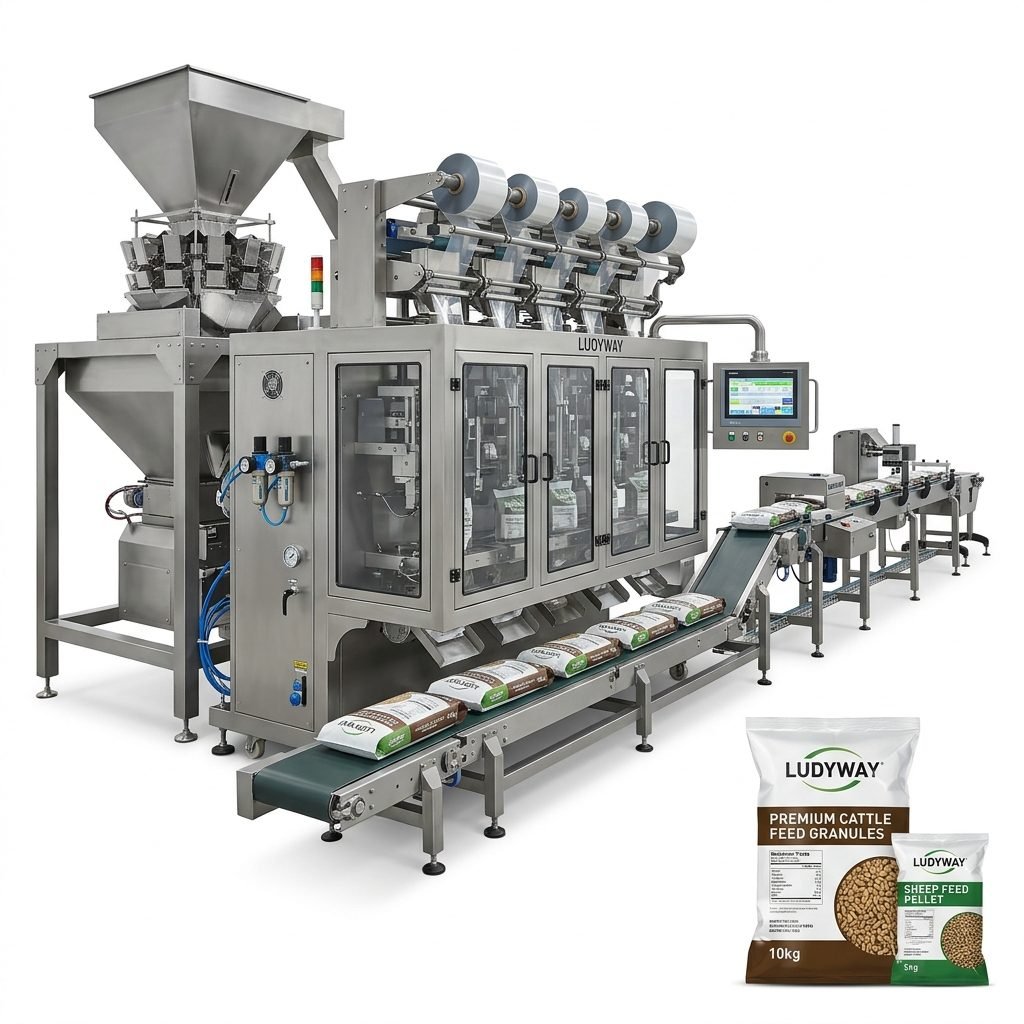
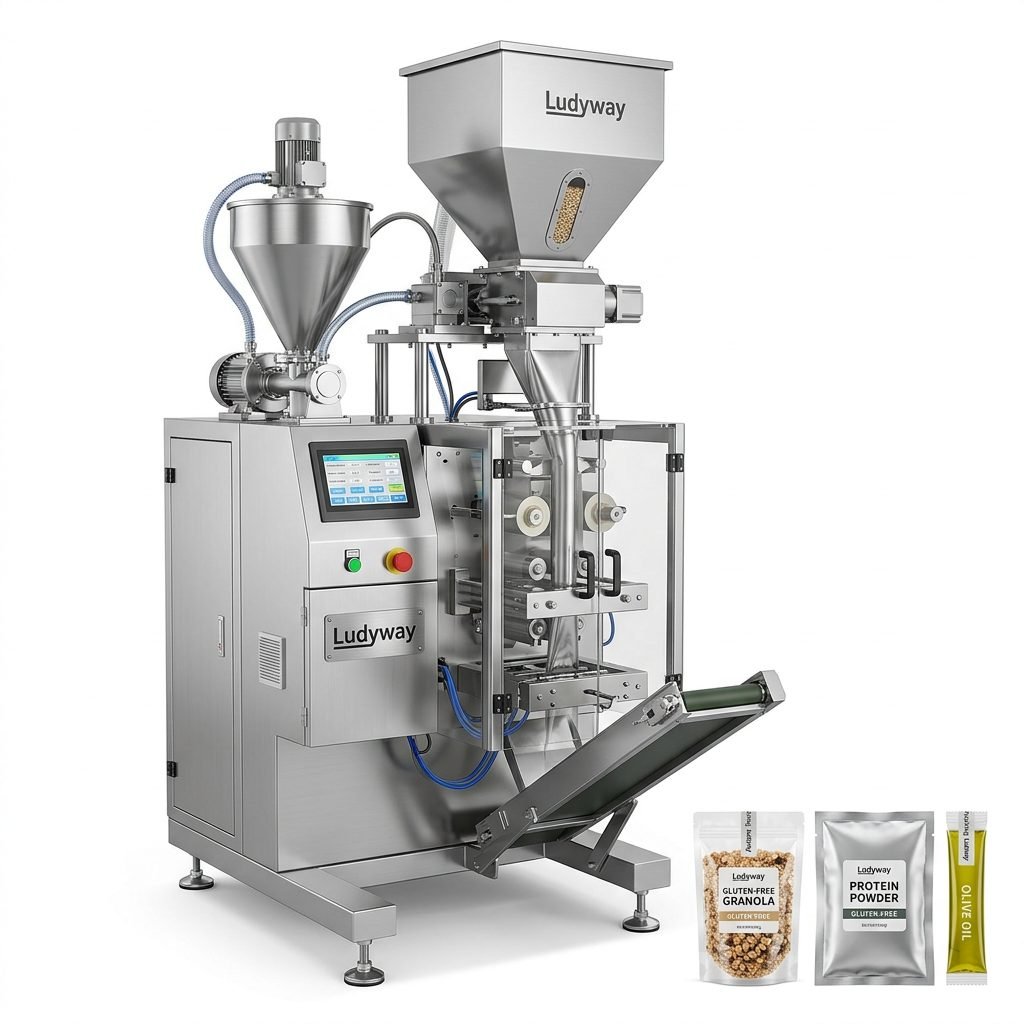
4. Powder Filling and Sealing Machines
These machines are designed for precise dosing of fine pharmaceutical powders into sachets, pouches, bottles, or other containers. Depending on the material, auger fillers or other dosing technologies may be used.
Best for: Antibiotic powders, supplement powders, medical nutrition products
- Stable dosing accuracy
- Low product loss
- Can be combined with dust-control solutions
- Suitable for moisture-sensitive formulations
5. Liquid Filling Machines
Liquid filling systems handle oral liquids, syrups, suspensions, and other fluid pharmaceutical products. They may be configured for bottles, vials, ampoules, sachets, or stick packs.
Best for: Oral liquid medicine, syrups, suspensions, topical liquid products
- Accurate volumetric filling
- Supports hygienic and enclosed production
- Can be customized for viscosity differences
- Easy integration with capping and labeling equipment
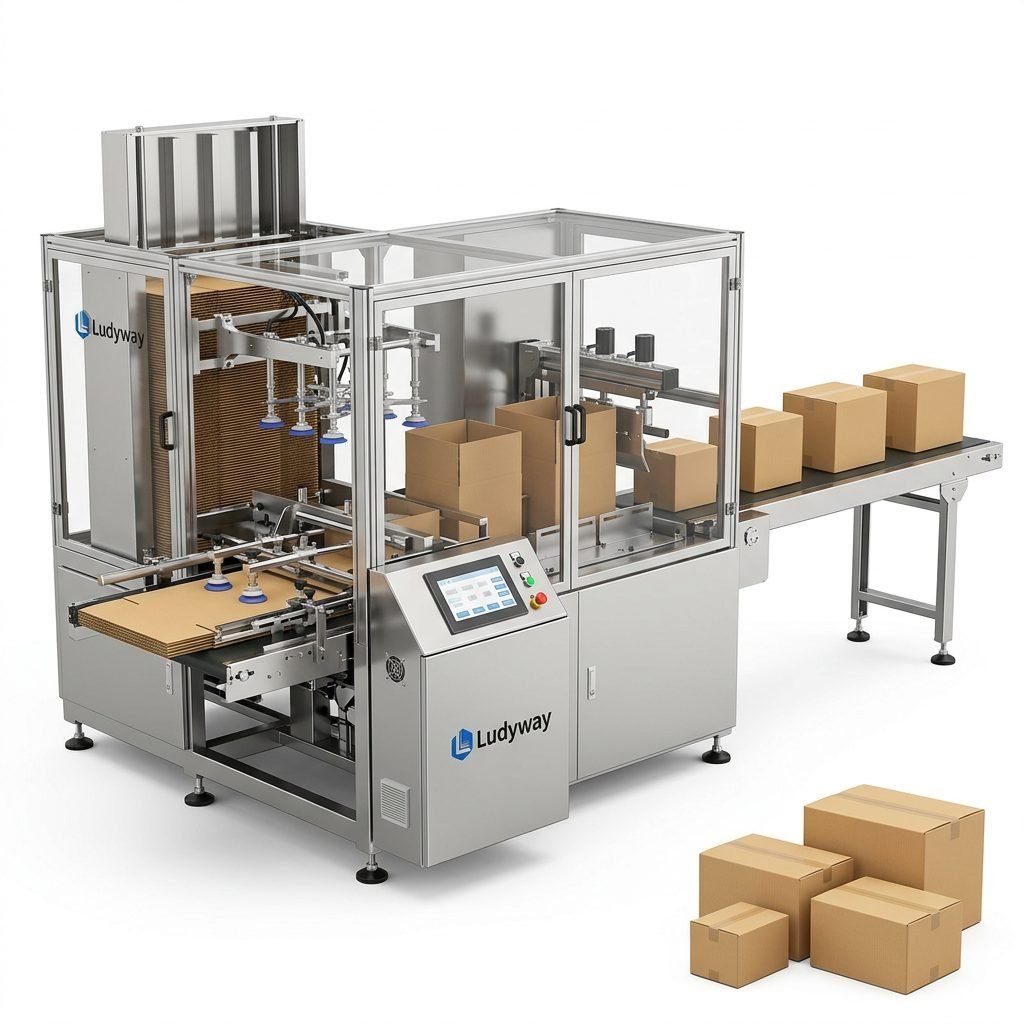
6. Cartoning and End-of-Line Packaging Machines
Once primary packaging is complete, cartoning, case packing, labeling, coding, and palletizing systems help create a complete pharmaceutical packaging line.
Best for: Finished packs requiring retail, hospital, or bulk distribution packaging
- Improves line efficiency
- Supports serialization and traceability
- Reduces manual secondary packing
- Helps standardize shipping preparation
Comparison of Common Pharmaceutical Packaging Machines
| Machine Type | Suitable Products | Key Advantage | Typical Output Scenario |
|---|---|---|---|
| Blister Packaging Machine | Tablets, capsules, softgels | Strong protection and unit-dose control | Retail pharma, prescription products |
| Sachet/Stick Pack Machine | Powders, granules, liquids | High-speed single-dose packaging | OTC, supplements, oral dose packs |
| Bottle Filling Line | Tablets, capsules, syrups | Flexible line integration | Large batch packaged medicines |
| Powder Filling Machine | Fine powders | Precision dosing | Antibiotics, nutrition powders |
| Liquid Filling Machine | Syrups, oral liquids | Accurate liquid handling | Bottle, vial, or sachet filling |
Key Benefits of Using the Right Pharmaceutical Packaging Machine
Improved Product Safety
A properly selected machine helps reduce contamination risks and ensures the medicine is protected from external factors during handling, storage, and transport.
Higher Accuracy and Consistency
Pharmaceutical production depends on repeatability. Automated equipment can deliver more consistent fill weights, sealing quality, and pack integrity than manual operations.
Better Regulatory Compliance
Modern pharmaceutical packaging machines are often designed to support GMP-oriented production, validation processes, batch coding, inspection, and documentation needs.
Lower Labor Cost
Automation reduces dependence on manual filling, sealing, counting, and cartoning. This can improve productivity while limiting operator error.
Scalability for Future Growth
A machine that fits your current production while allowing future speed increases or line expansion is usually a smarter long-term investment.
How to Choose the Right Pharmaceutical Packaging Machine
Choosing the best system requires more than comparing speed alone. A machine should match your product, process, and compliance needs.
1. Start with Your Product Form
Ask what exactly you are packaging:
- Tablets or capsules
- Powders or granules
- Liquids or suspensions
- Single-dose or multi-dose packaging
The dosage form determines the filling method, packaging material, and sealing technology.
2. Define Your Packaging Format
Your target format may include:
- Blister packs
- Sachets
- Stick packs
- Bottles
- Vials
- Cartons
The right machine should support the specific format patients, distributors, and regulators expect.
3. Check Accuracy Requirements
Pharmaceutical and nutraceutical products often require tight filling tolerances. Review the machine’s dosing technology, repeatability, and suitability for your product flow characteristics.
4. Evaluate Cleanability and Hygiene Design
For pharmaceutical applications, machine surfaces, product-contact parts, and cleaning access matter. Prefer designs that support easy sanitation, reduced dead corners, and efficient maintenance.
5. Consider Validation and Compliance Support
Documentation, traceability, alarm systems, batch coding, and inspection integration can be important for qualification and regulatory review. This is especially relevant for prescription medicines and export-oriented production.
6. Match Speed with Real Production Needs
Do not overbuy or underbuy. A very high-speed machine may increase investment and changeover complexity, while a small machine may limit growth. Look at:
- Daily output target
- Number of SKUs
- Shift patterns
- Future expansion plans
7. Think About Integration
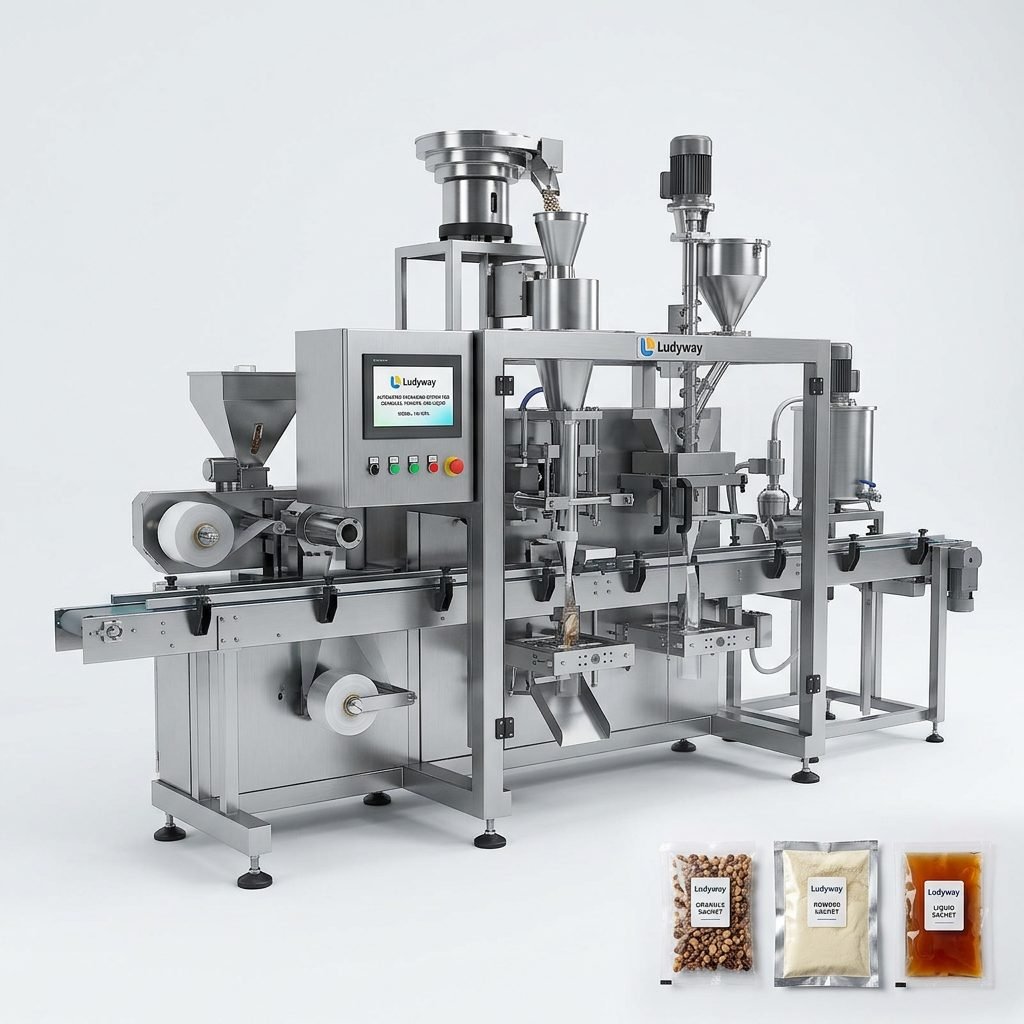
The best result often comes from a complete line, not a standalone machine. Feeders, conveyors, coding devices, checkweighers, labeling machines, cartoners, and inspection systems should work together smoothly.
8. Assess Supplier Experience
A machine supplier with broad export experience and customization capability can help you avoid design mismatches. For companies seeking scalable pharmaceutical and turnkey automation solutions, pharmaceutical packaging machines from Ludyway can be considered for projects requiring flexible configurations, integrated lines, and long-term technical support.
Practical Questions to Ask Before Buying
- What product type and packaging material will the machine handle?
- What filling accuracy can it consistently achieve?
- How long does changeover take between pack sizes or SKUs?
- What quality inspection options are available?
- Can the machine be integrated into a full packaging line later?
- What spare parts and after-sales support are provided?
- Is customization available for special pharmaceutical requirements?
Common Mistakes to Avoid
- Choosing based only on price instead of total lifecycle value
- Ignoring cleaning, maintenance, and downtime considerations
- Selecting a machine without verifying product compatibility
- Overlooking future line integration needs
- Failing to plan for validation, coding, and inspection requirements
Who Needs Pharmaceutical Packaging Machines?
These machines are commonly used by:
- Pharmaceutical manufacturers
- OTC medicine producers
- Nutraceutical and supplement brands
- Contract packaging companies
- Veterinary medicine manufacturers
- Medical consumables and healthcare product suppliers
Final Selection Checklist
| Selection Factor | What to Confirm |
|---|---|
| Product Type | Tablet, capsule, powder, granule, liquid, or paste |
| Pack Format | Blister, bottle, sachet, stick pack, vial, carton |
| Output Target | Hourly and daily production requirements |
| Accuracy | Required fill tolerance and sealing quality |
| Compliance | GMP-oriented design, coding, documentation, inspection |
| Expandability | Standalone machine or full turnkey line potential |
The right pharmaceutical packaging machine is one that protects product quality, supports compliance, fits your packaging format, and grows with your business. When those factors align, the machine becomes more than equipment—it becomes a reliable part of your production strategy.