Step 1: Define Your Specific Packaging Needs
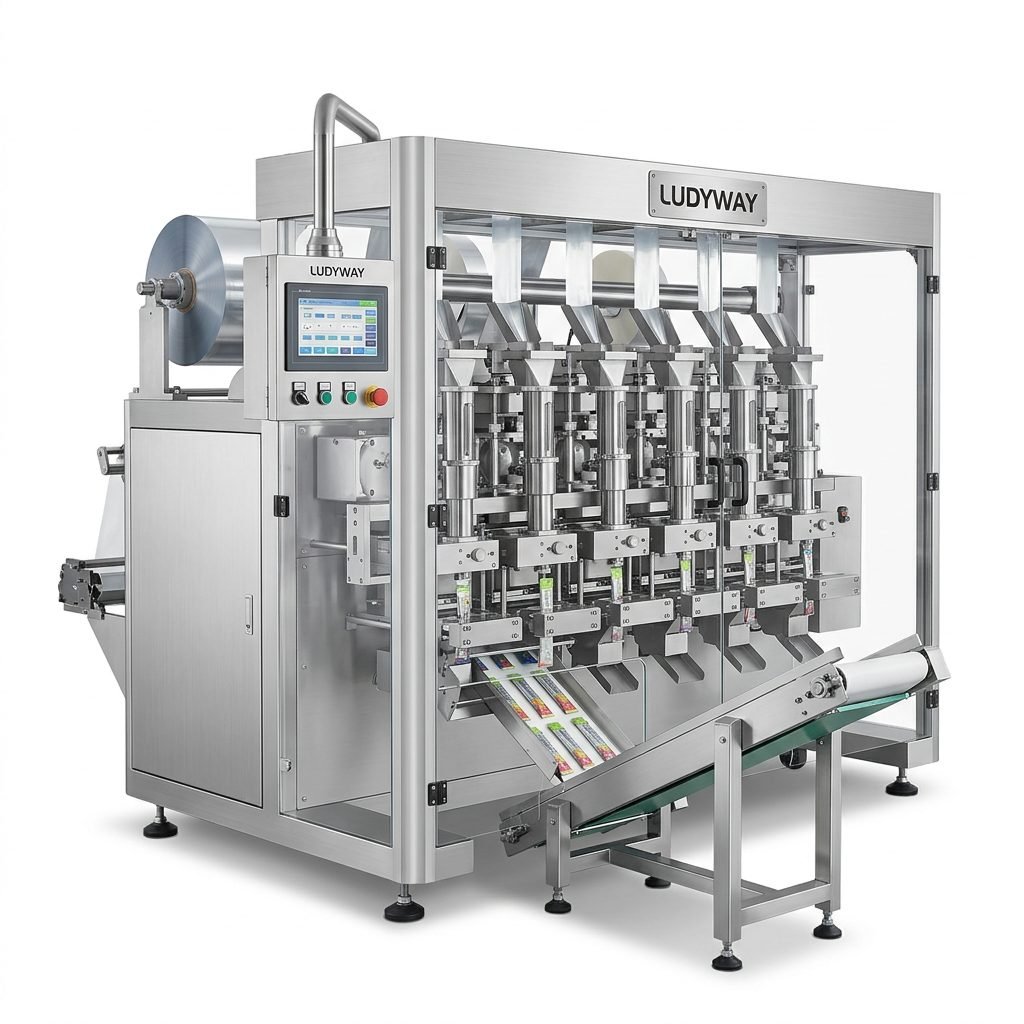
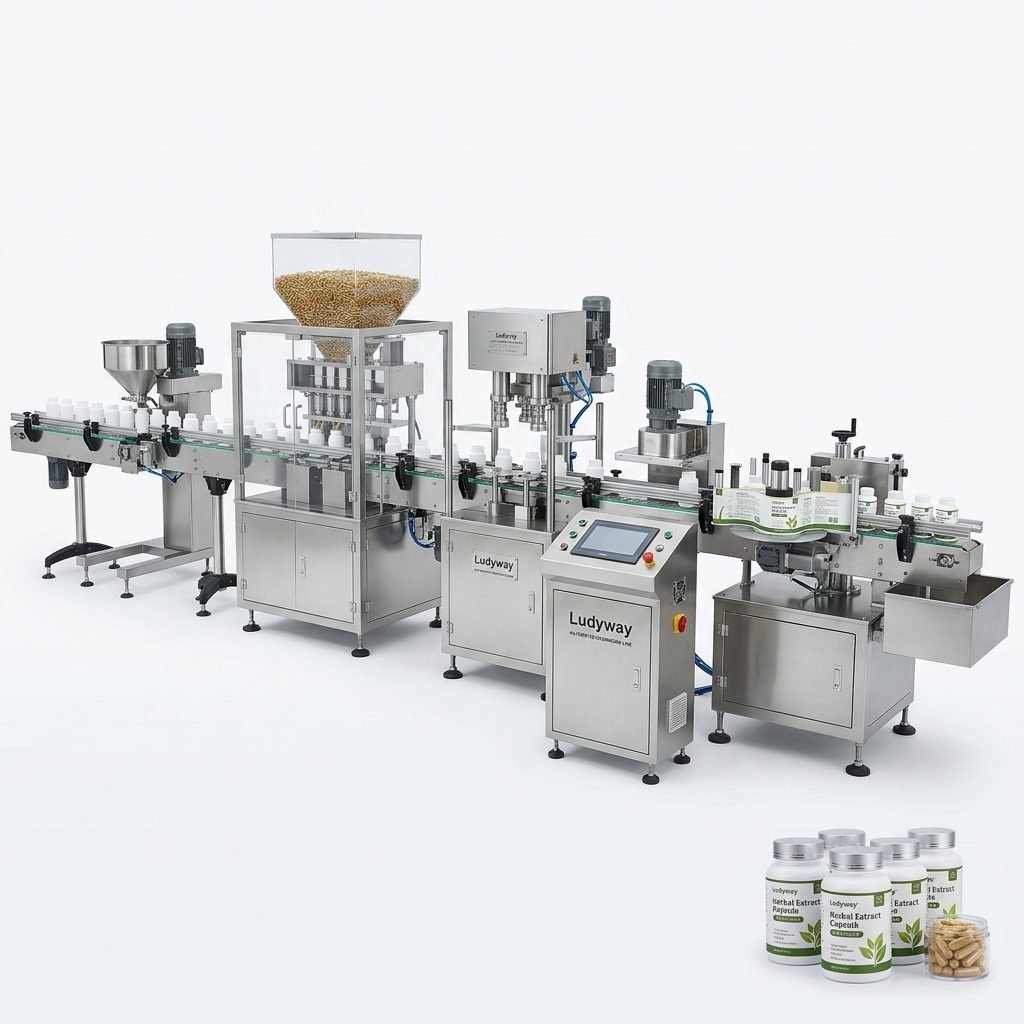
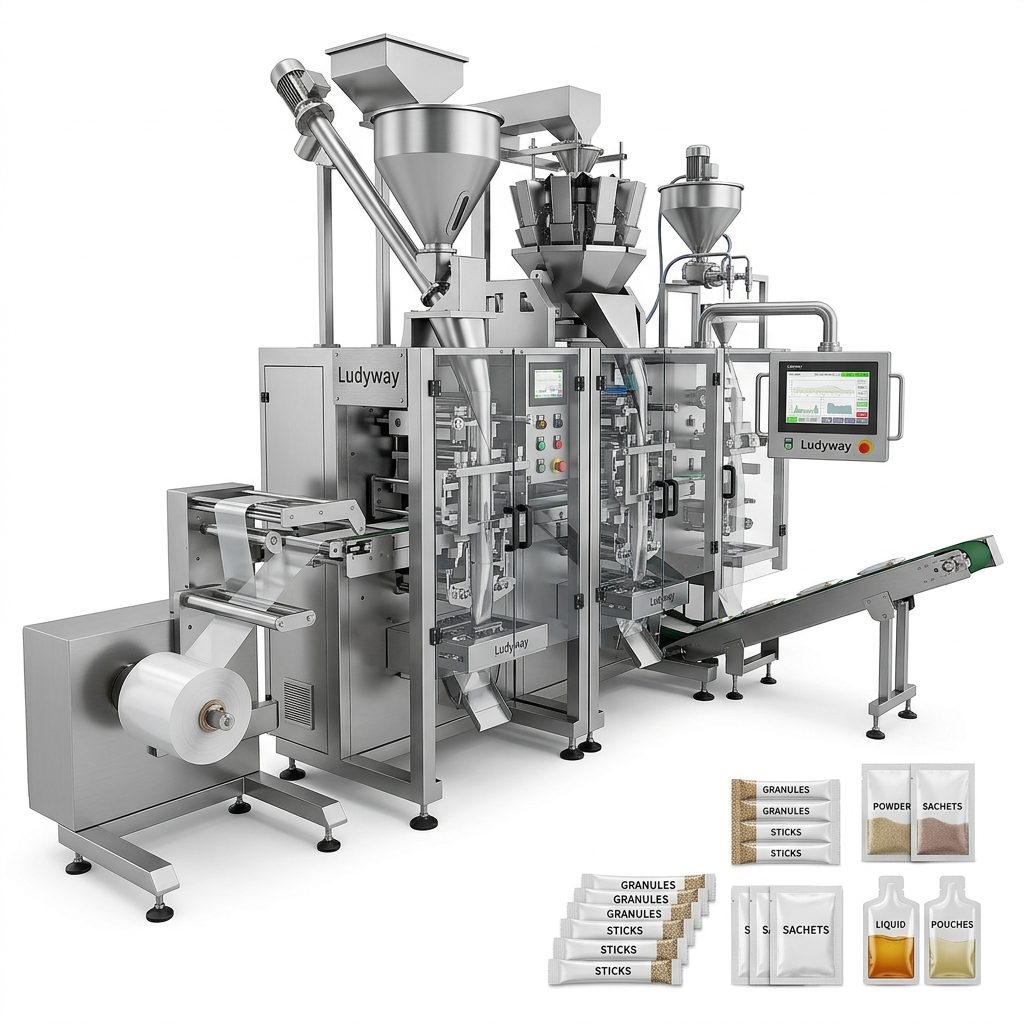
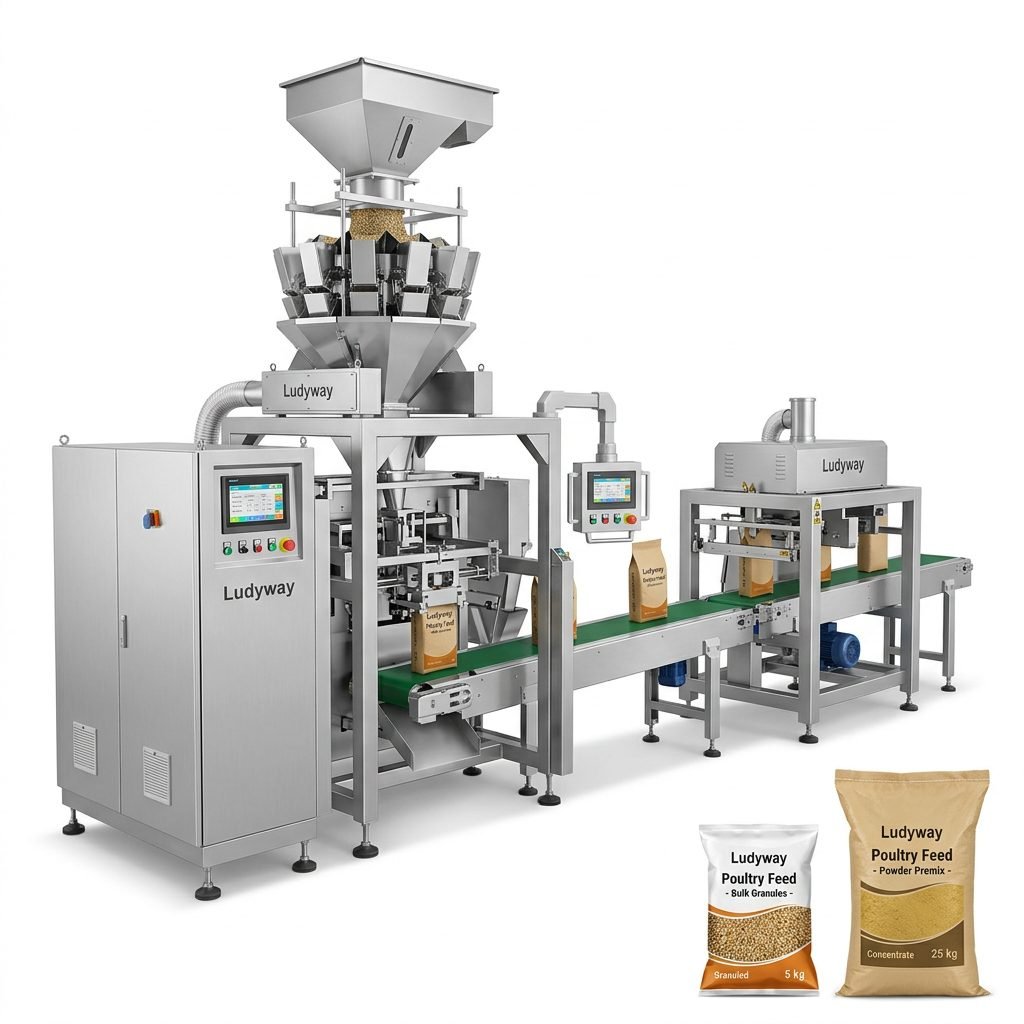
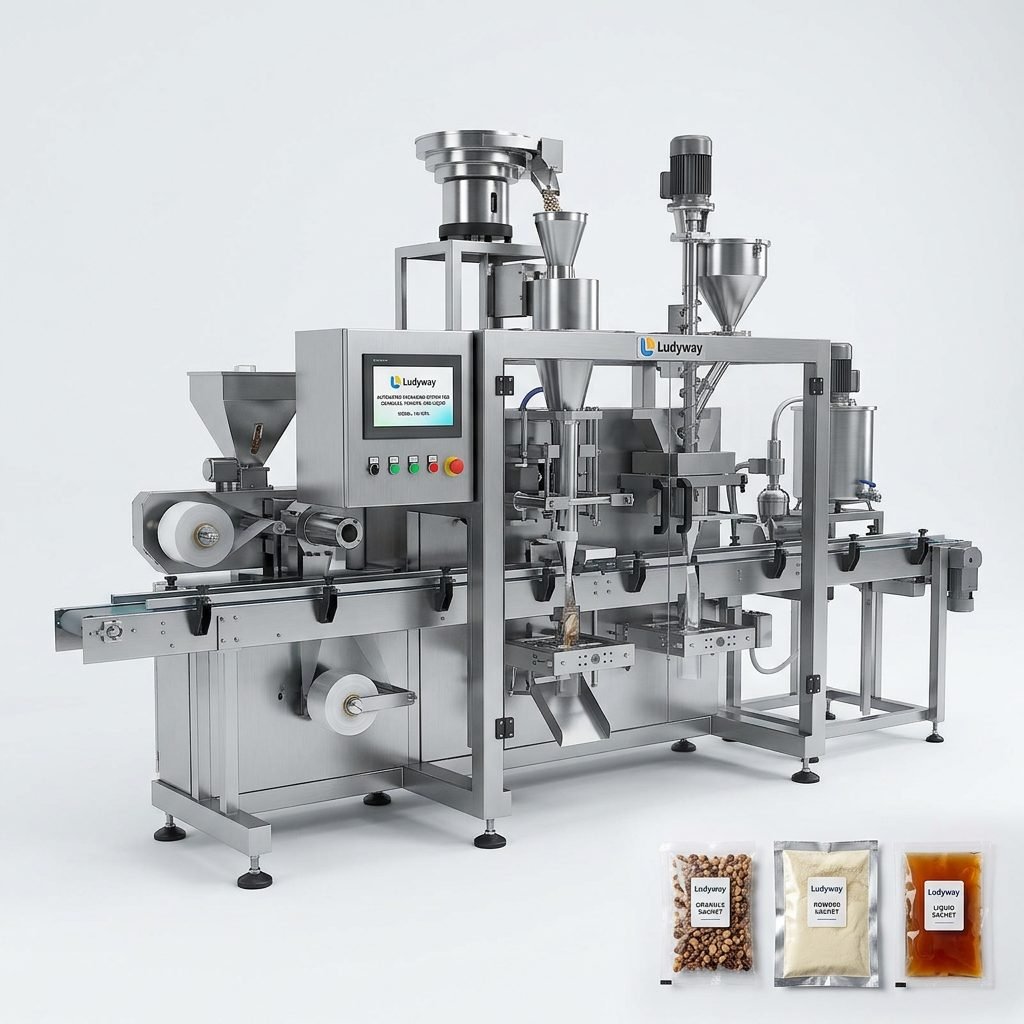
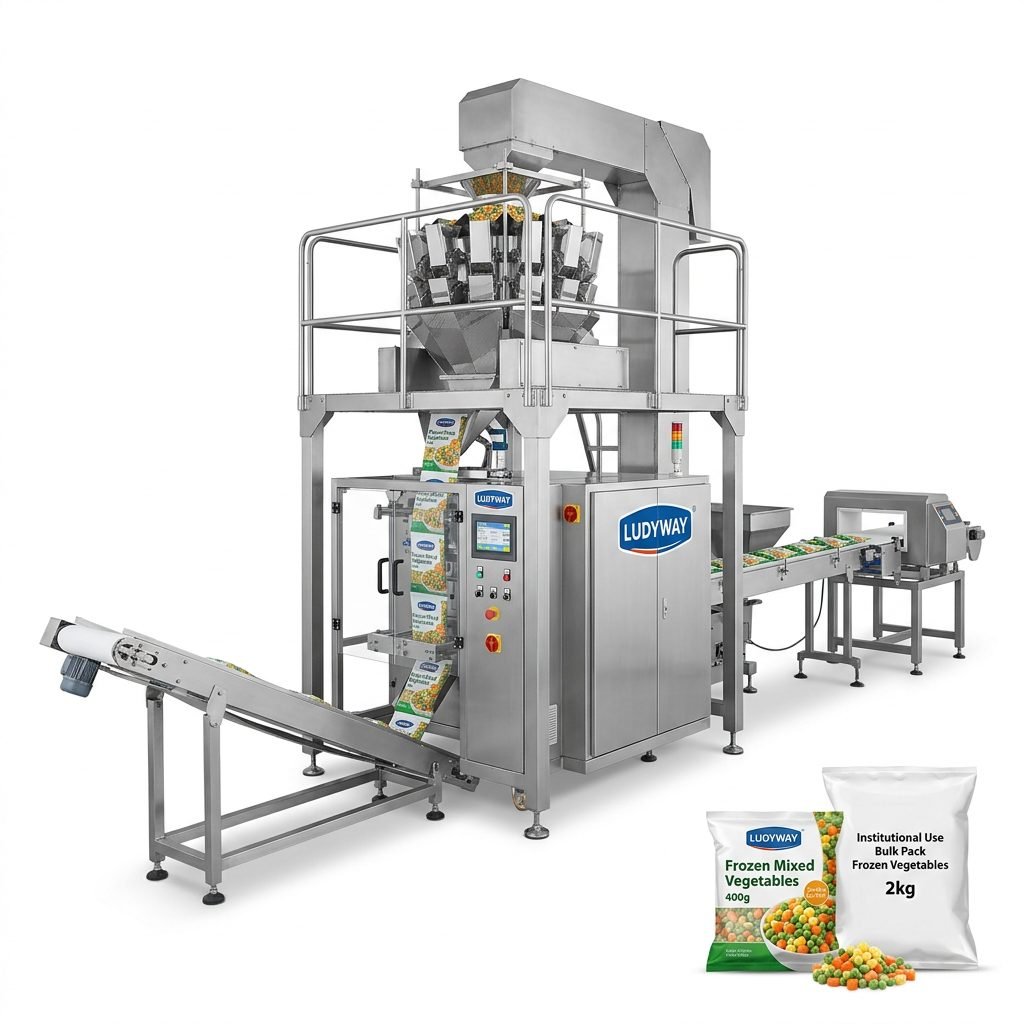
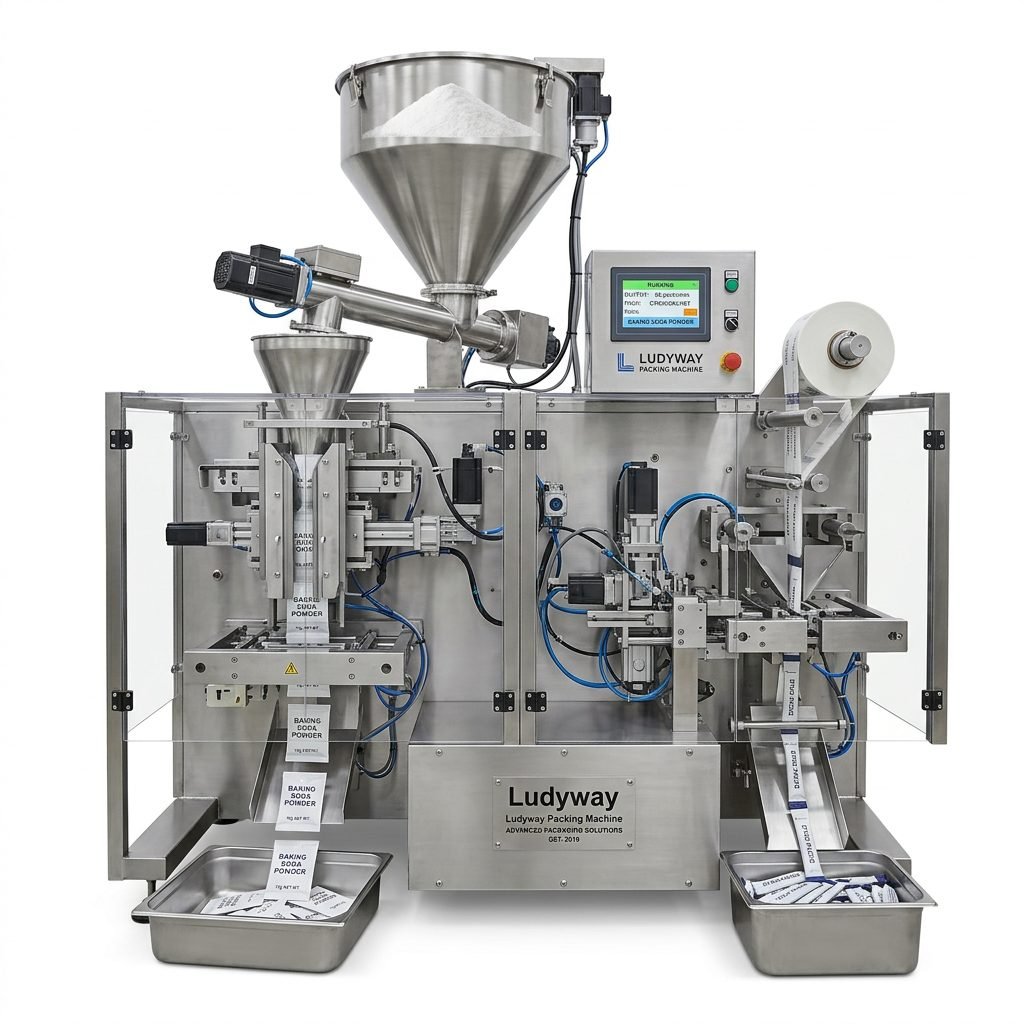
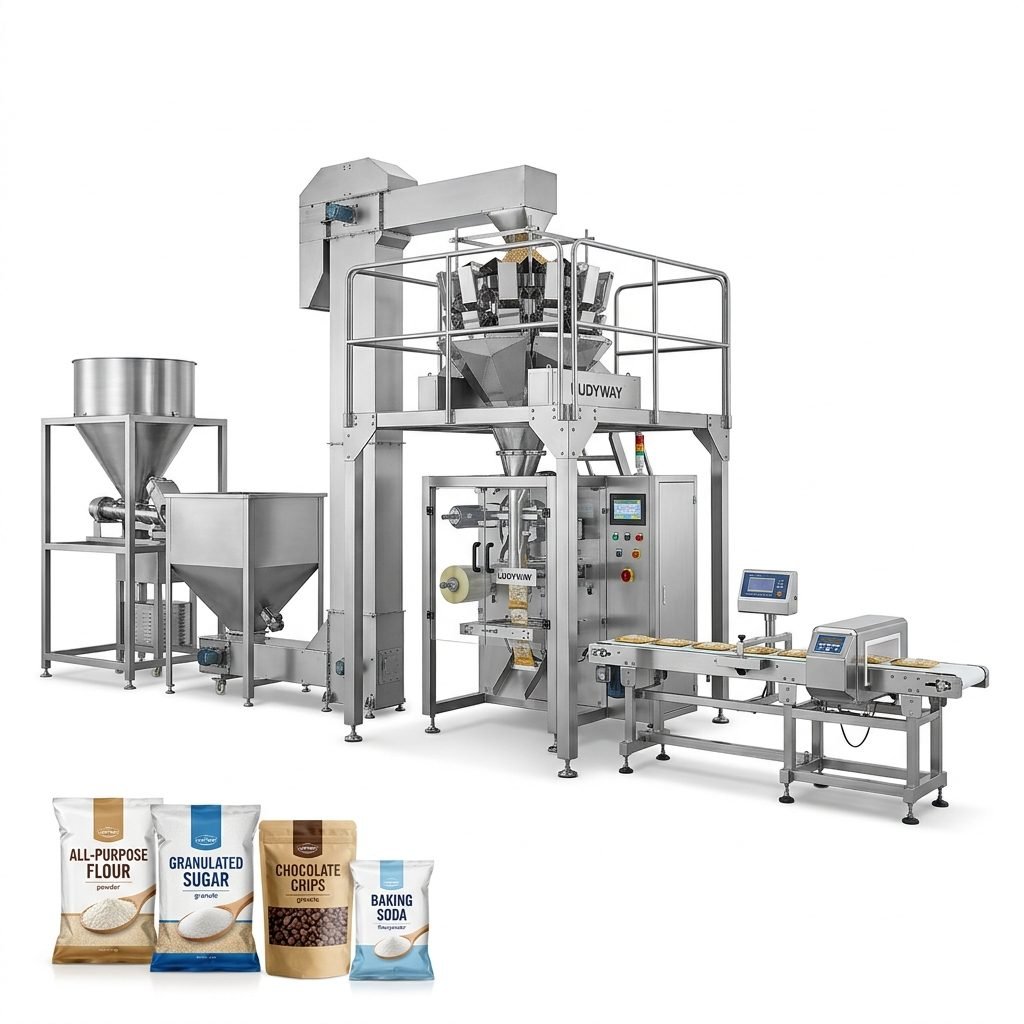
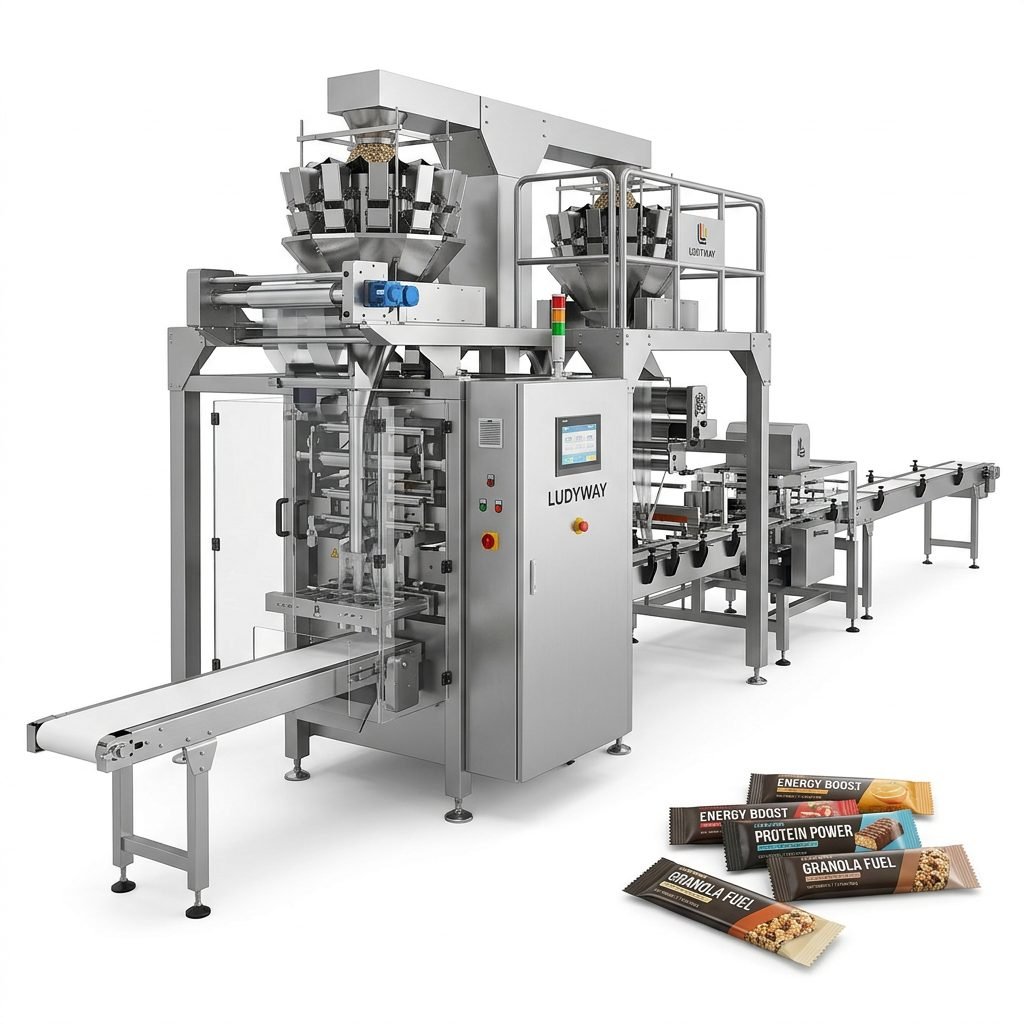
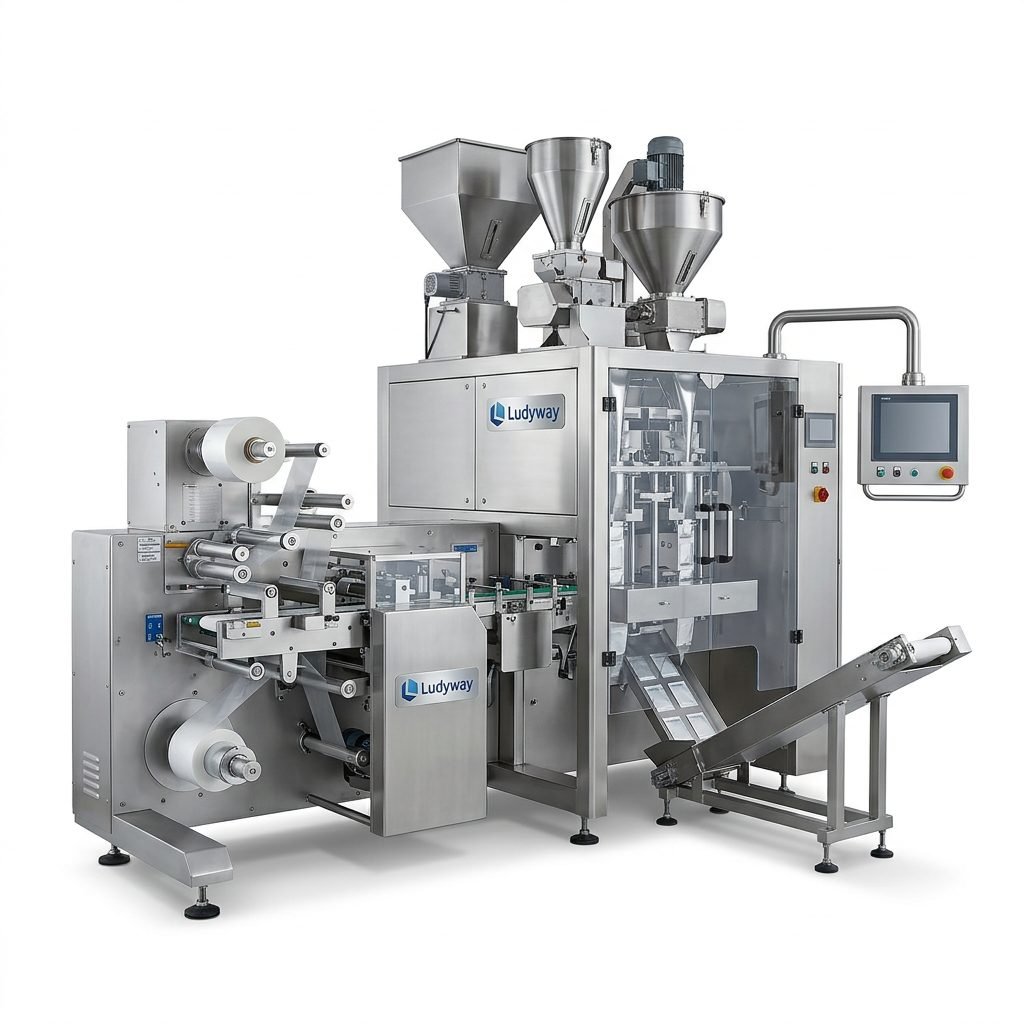
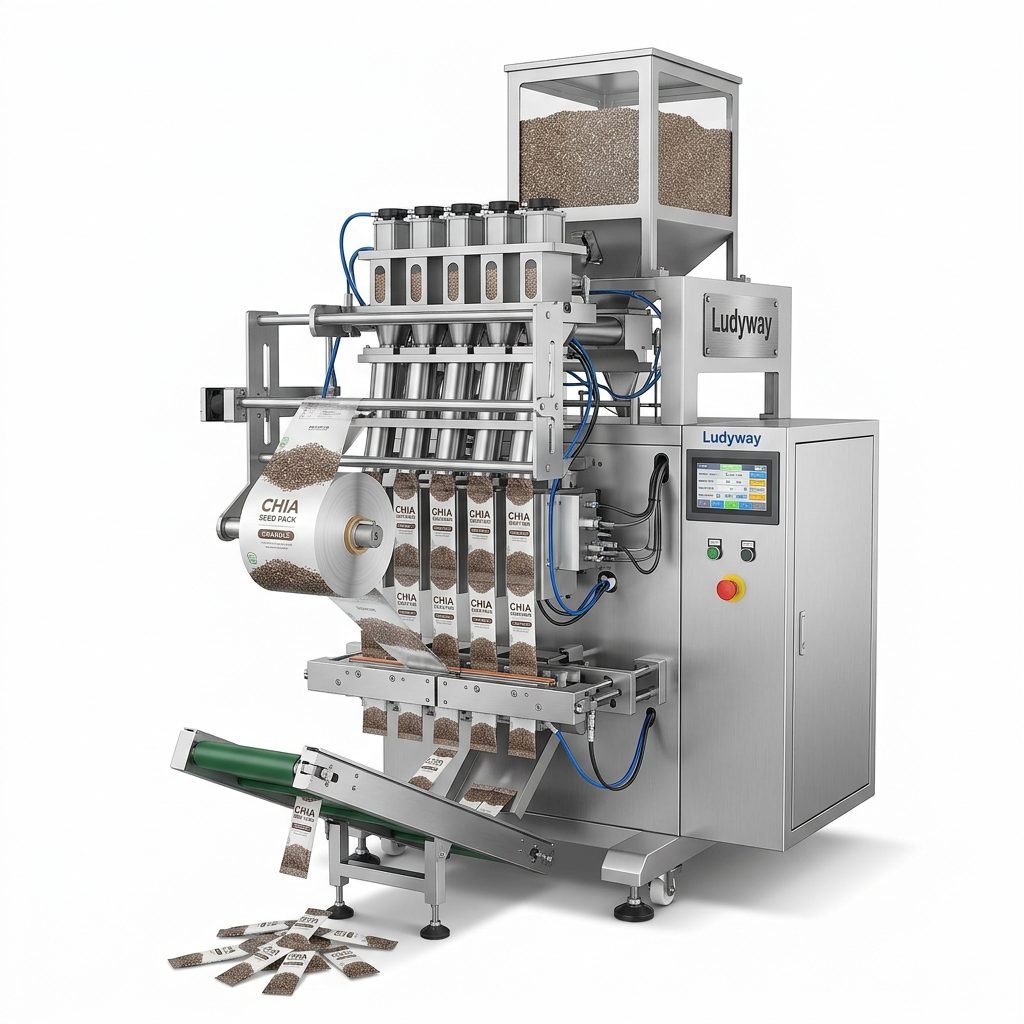
Before you begin searching for a packaging machine manufacturer, it is essential to have a clear understanding of your product requirements. Chilean buyers, whether they are in the wine industry, fruit processing, or seafood export, need to specify the type of product (granule, powder, liquid, paste), the desired packaging format (sachet, stick pack, pouch, bag), and the required production speed. Knowing these details will help you filter manufacturers that specialize in your sector.
Step 2: Research Manufacturers with Global Export Experience
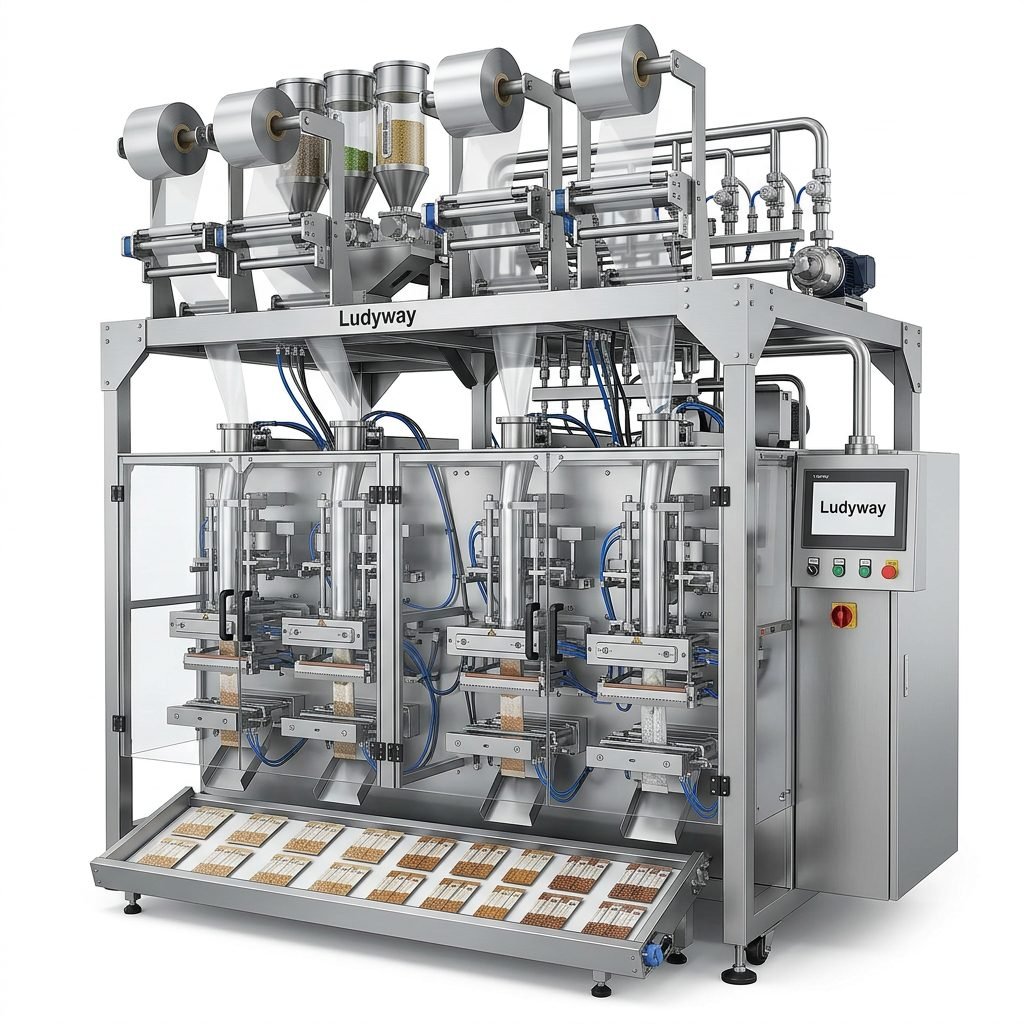
Chilean importers often prefer suppliers who have a proven track record in international markets. Look for manufacturers that export to South America, Europe, and North America. For example, Ludyway has served clients in over 100 countries, including Chile, and has more than 30 years of industry experience. Similarly, Packmate Machinery and PacklineOEM have strong export footprints. Check their main export markets to ensure they understand regional compliance standards.
Pro tip: Look for manufacturers that list Chile or South America as a key export region — this indicates they are familiar with local customs, voltage requirements, and packaging regulations.
Step 3: Evaluate Technical Capabilities and Customization
Not all packaging machines are created equal. Chilean food processors, such as those handling salmon, blueberries, or wine powders, often require customized solutions. A manufacturer like PackingMachineOEM specializes in non-standard and customized packaging equipment. SnusMachinery focuses on precision pouch and stick pack systems, ideal for niche products like nicotine pouches or high-value supplements. Ask about their ability to adapt machine configurations to your product’s specific flow characteristics and bag dimensions.
| Manufacturer | Product Focus | Customization Level |
|---|---|---|
| Ludyway | Multi-lane stick pack, sachet, turnkey lines | High – 100+ configurations |
| Packmate Machinery | Food, pharma, health supplements | Medium – 80+ models |
| PacklineOEM | Turnkey production lines | High – full line integration |
Step 4: Check Certifications and Quality Standards
For Chilean importers, compliance with international standards is non-negotiable. Ensure the manufacturer holds CE, FDA, or ISO 9001 certifications. Many Chinese manufacturers, such as those listed above, are experienced in exporting to countries with strict quality requirements. Ask for copies of certificates and test reports. Also, verify that the machine components (like contact parts) are made of 304 stainless steel or food-grade materials suitable for Chilean food safety regulations.
Step 5: Assess After-Sales Support and Spare Parts Availability
Shipping heavy machinery to Chile from China can be costly and time-consuming. You need a manufacturer that offers remote technical support, online video commissioning, and a local agent or service partner in Chile. Some of the top manufacturers maintain warehouses or partnership networks in South America. Inquire about the typical response time for spare parts and whether they provide training for your operators. Make sure to request a list of recommended spare parts to keep your production line running smoothly.
Step 6: Compare Quotes and Total Cost of Ownership
Do not choose solely based on the lowest price. Consider the cost of shipping, import duties (Chile has various trade agreements with China), installation, and ongoing maintenance. Request a detailed quotation that includes:
- Machine price FOB or CIF to Chilean ports (e.g., Valparaíso, San Antonio)
- Packaging and insurance costs
- Commissioning and training fees
- Estimated annual spare parts consumption
- Warranty terms (typically 12-24 months)
Step 7: Conduct Virtual Factory Tours or On-Site Visits
Due to distance, many Chilean buyers now rely on live video factory tours. Reputable manufacturers like Ludyway and Packmate can arrange a real-time walkthrough of their 20,000+ square meter facilities, showing you the assembly line, quality control stations, and finished machines. If possible, plan a visit to China to see the equipment running with your own product samples. This step builds trust and allows you to evaluate the manufacturer’s operational scale.
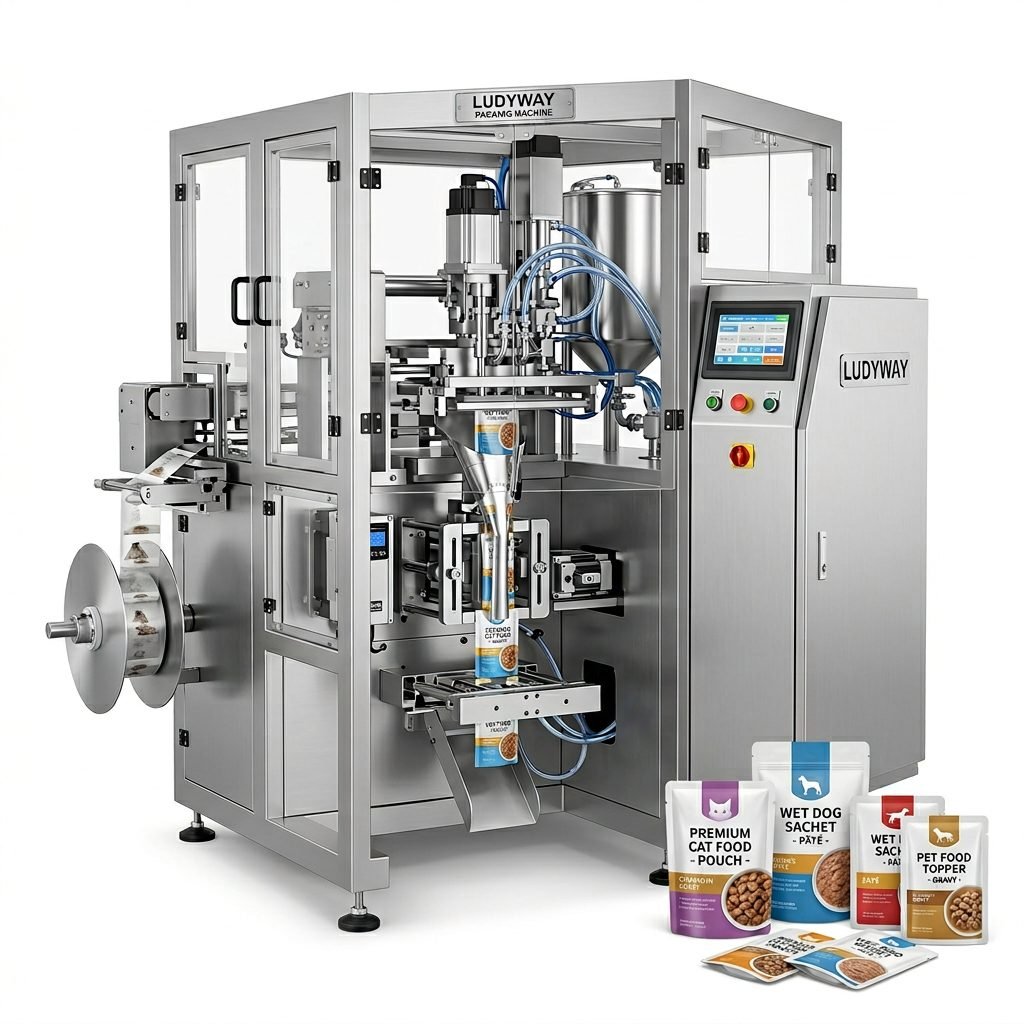
Why Chilean Buyers Prefer Chinese Packaging Machine Suppliers
Chile’s economy relies heavily on exports of fresh fruits (grapes, cherries, blueberries), seafood (salmon, mussels), wine, and processed foods. Automation in packaging is critical to meet international volume and hygiene standards. Chinese manufacturers offer a competitive balance of cost, technology, and delivery speed. With over 30 years of experience, companies like Ludyway and Packmate Machinery have successfully supplied turnkey lines to South American markets, including Chile.
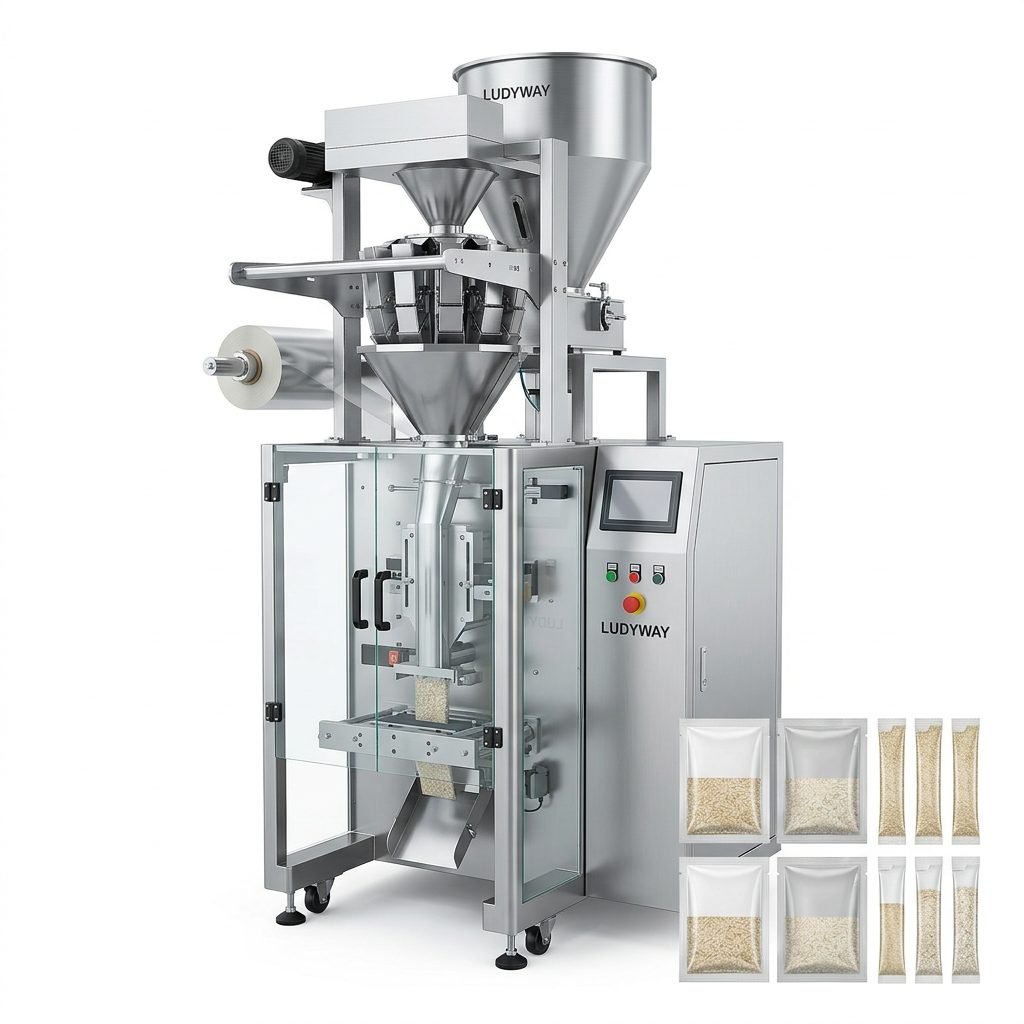
Key Considerations for Powder and Liquid Packaging in Chile
Chilean manufacturers often deal with hygroscopic powders (e.g., milk powder, protein supplements) or viscous liquids (e.g., honey, sauces). When evaluating machines, ask about the dosing accuracy, sealing temperature control, and material handling capabilities. For example, PacklineOEM offers integrated solutions with feeding, weighing, and filling systems that handle difficult products. SnusMachinery provides specialized pouch packing for tobacco alternatives – a growing niche in the global market.
Frequently Asked Questions
Q1: Can Chinese manufacturers adapt machines for Chilean voltage (220V/50Hz)?
Yes, most reputable manufacturers offer customized voltage and frequency configurations at no extra cost. Always specify your local power requirements before order confirmation.
Q2: Do these suppliers provide Spanish-language technical documentation?
Top exporters like Ludyway and Packmate often provide manuals and interface options in Spanish. Confirm this during the inquiry stage, as Chilean operators benefit from localized support.
Q3: What is the typical minimum order quantity (MOQ)?
For standard single machines, MOQ is 1 unit. For turnkey lines, some manufacturers require a minimum of 1 line. Smaller manufacturers may have higher MOQs for custom projects.
Q4: How long does shipping take from China to Chile?
Sea freight from Shanghai or Shenzhen to Valparaíso typically takes 30–45 days. Air freight is faster but significantly more expensive. Factor in customs clearance time (1–2 weeks).
Q5: What warranty and spare parts support can I expect?
Standard warranty is 12 months from installation, with an option to extend. Spare parts should be available for at least 5–8 years. Ask for a recommended spare parts list and stock availability.
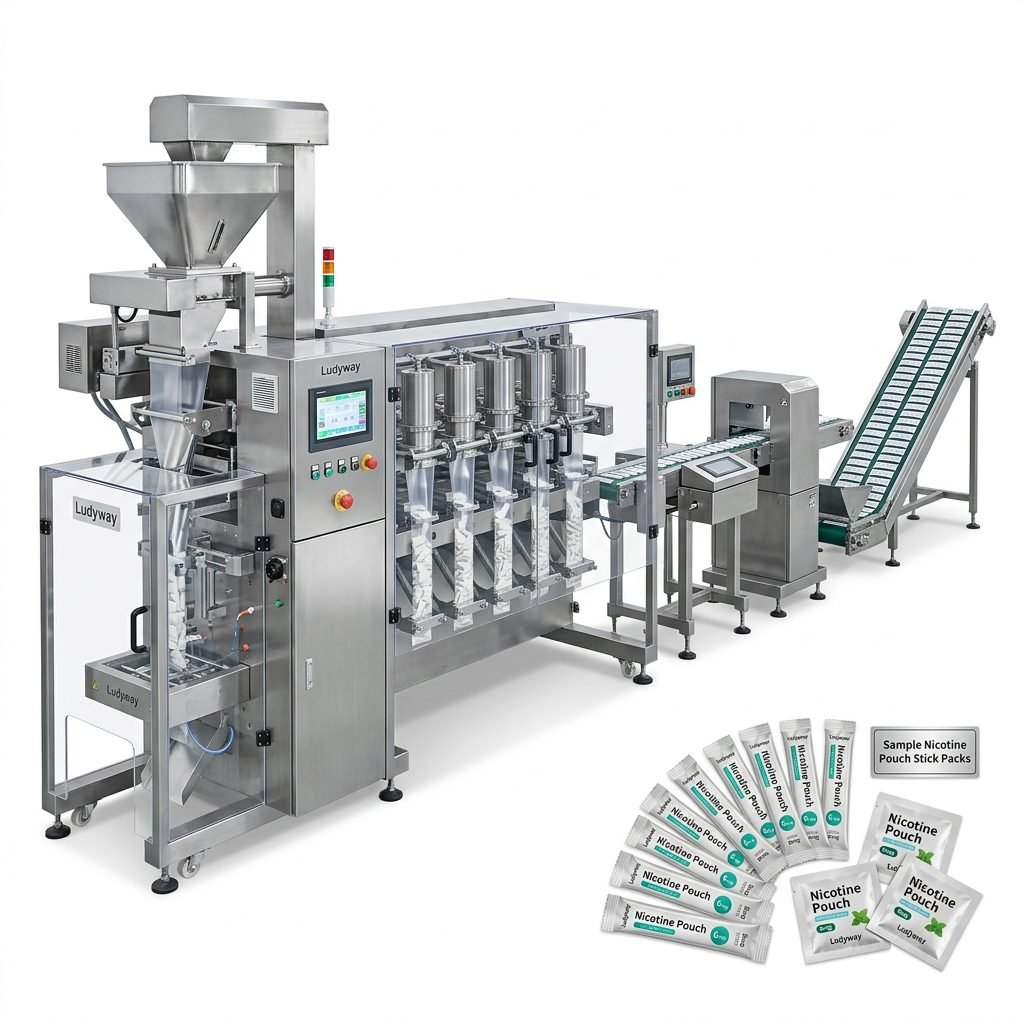
Final Thoughts for Chilean Buyers
Finding a reliable packaging machine manufacturer in China requires a structured approach. Start with clear specifications, evaluate global export experience, verify certifications, and prioritize after-sales support. The manufacturers highlighted in this guide – Ludyway, Packmate Machinery, PacklineOEM, PackingMachineOEM, and SnusMachinery – all have strong track records in international markets and can serve as a solid starting point for your sourcing journey in Chile. Always request references, visit the factory (virtually or in person), and negotiate terms that protect your investment.