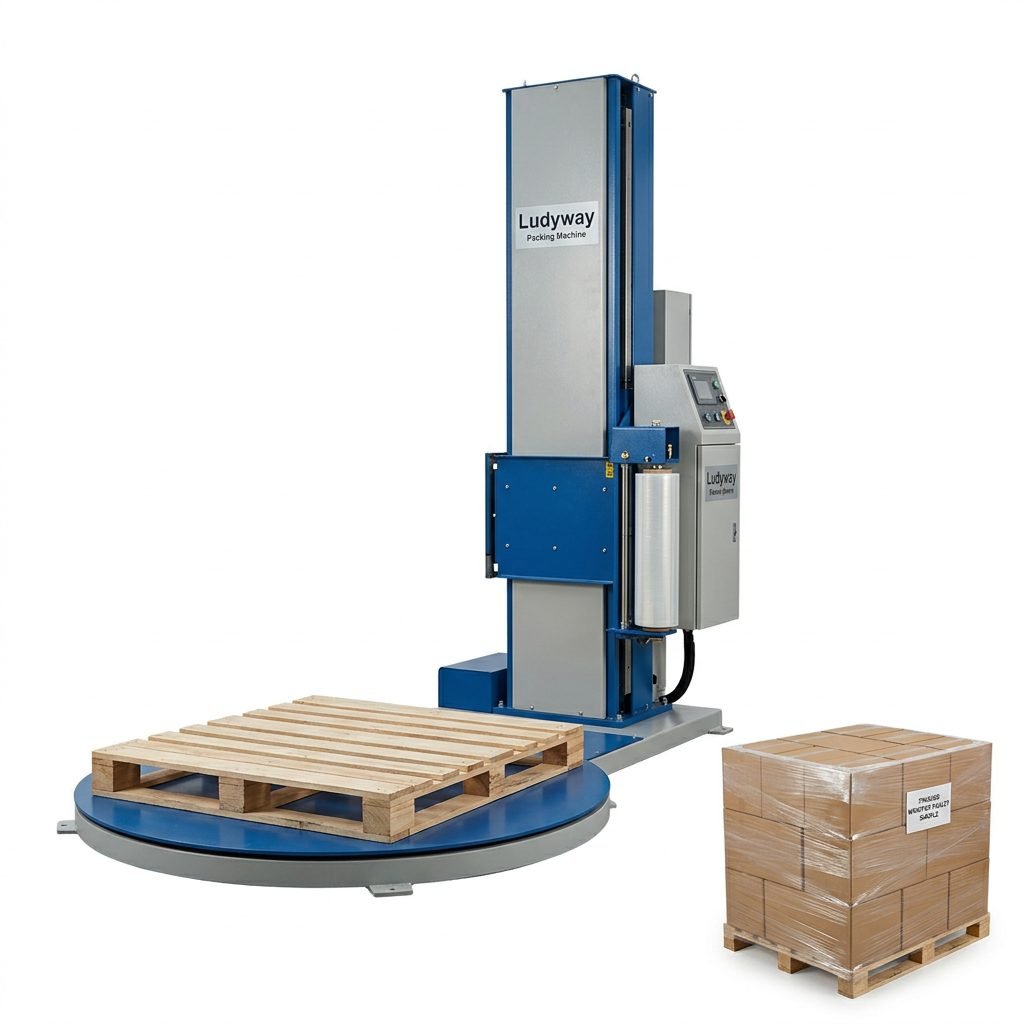
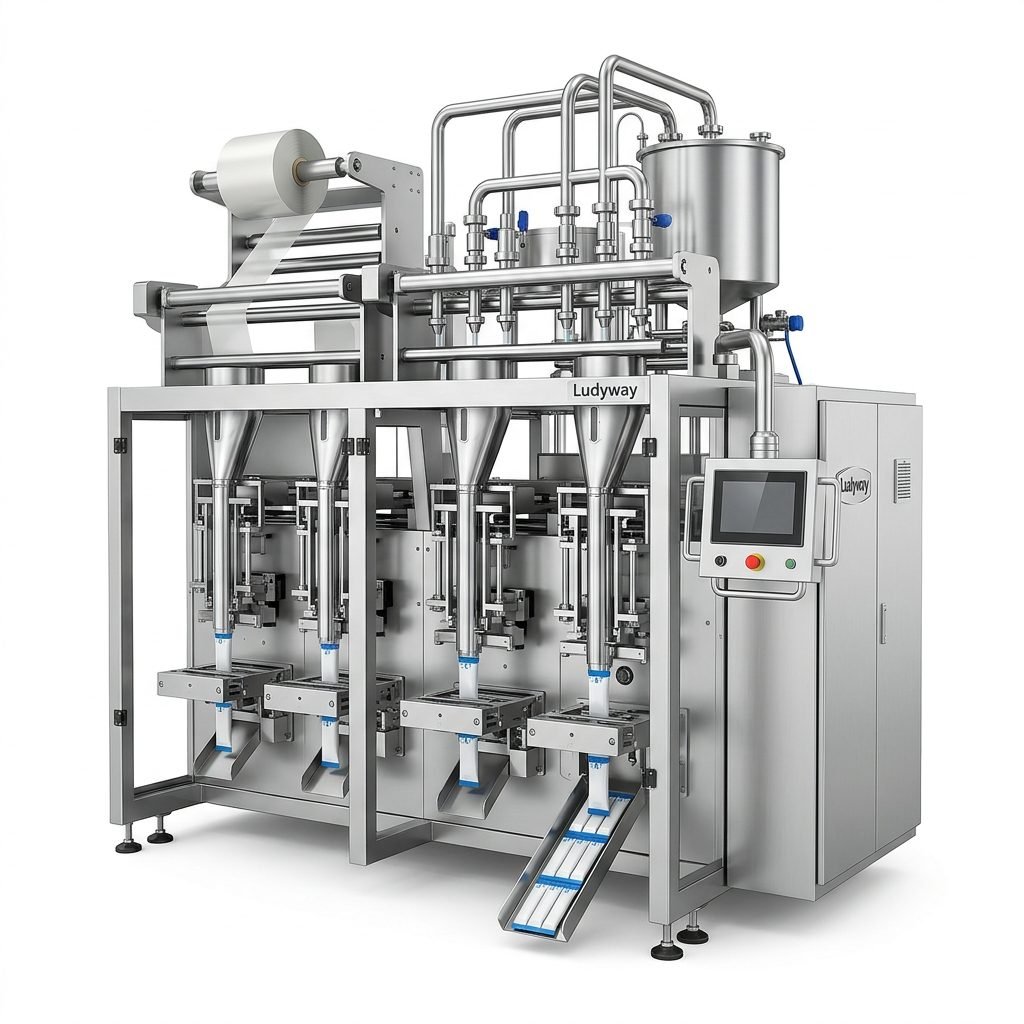
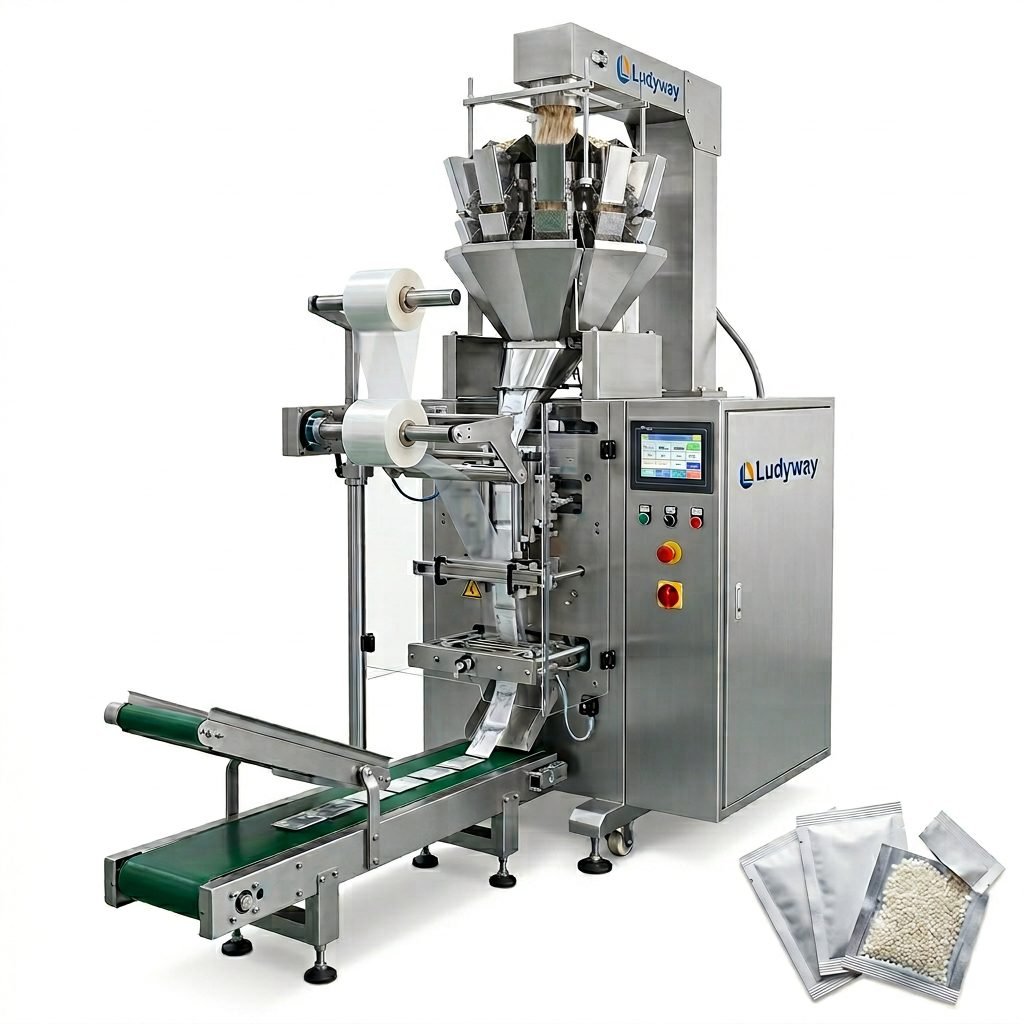
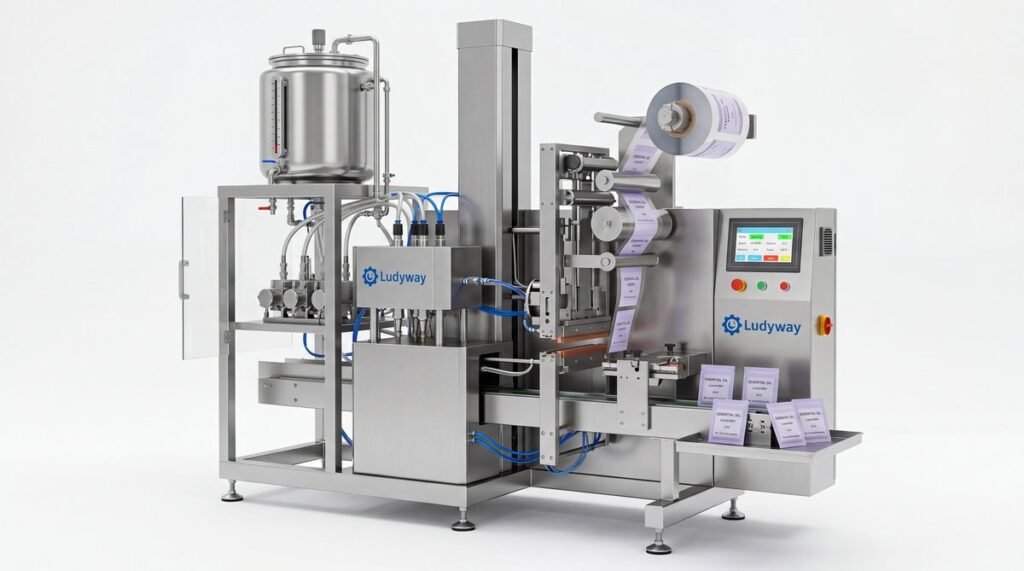
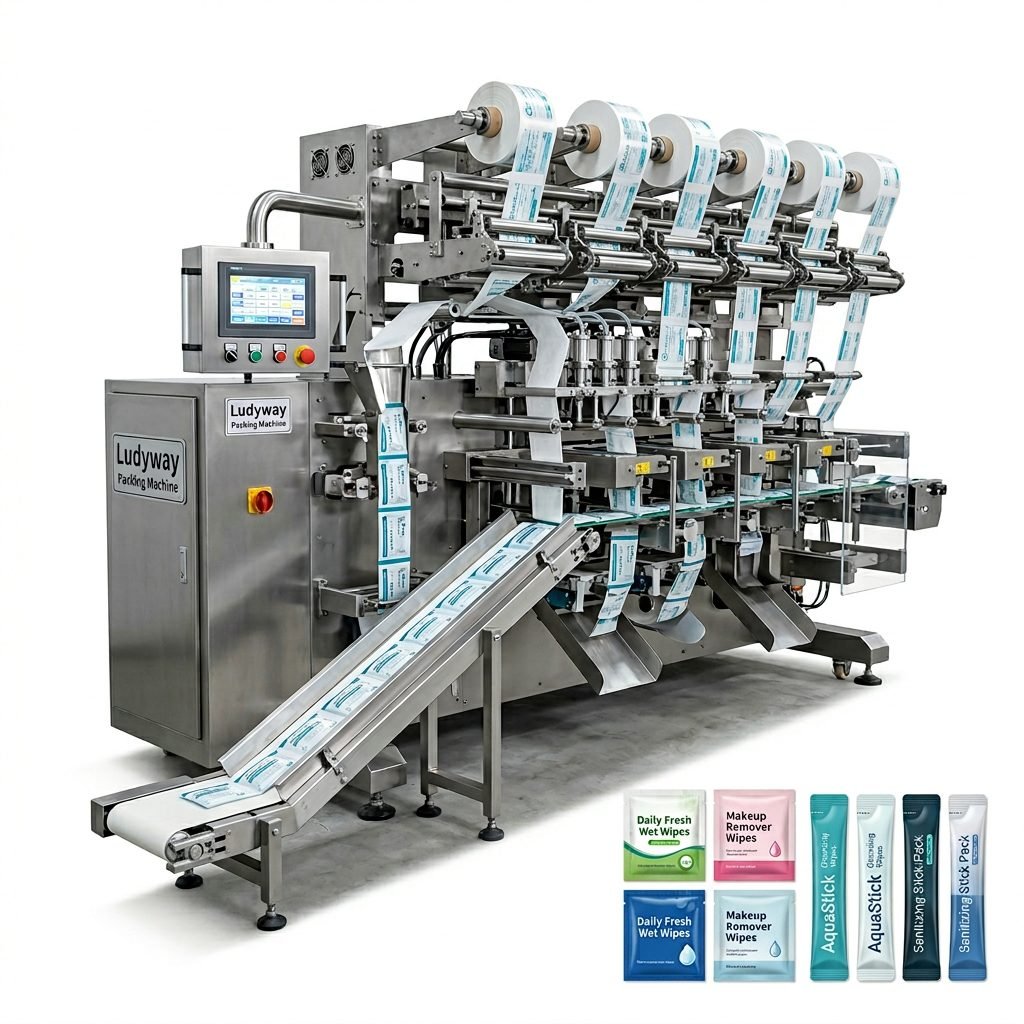
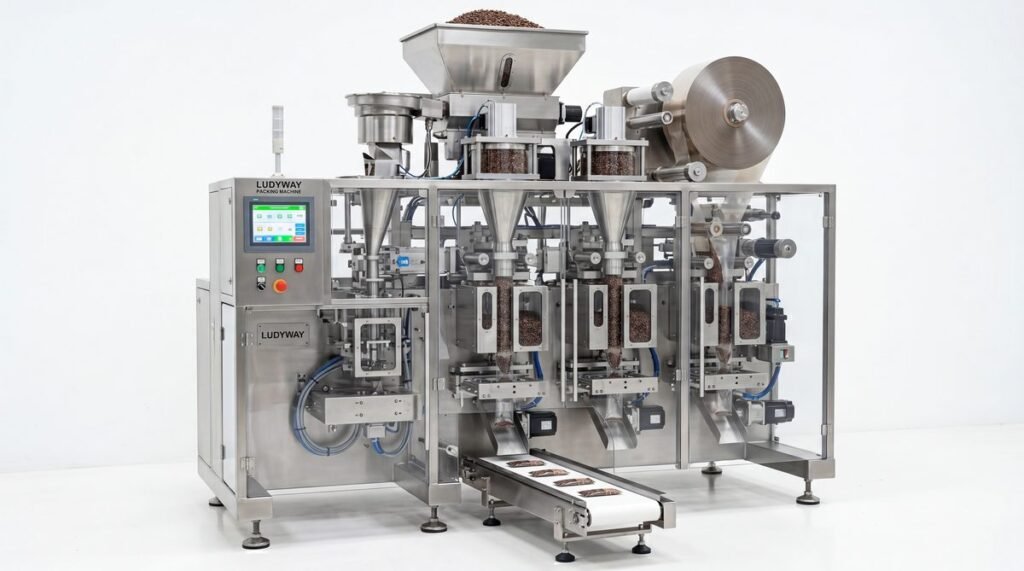
Plastic bottle packing machines play a vital role in modern manufacturing, helping brands package beverages, personal care products, pharmaceuticals, chemicals, and household goods with greater speed and consistency. For businesses facing rising labor costs, stricter quality standards, and growing output demands, choosing the right system can directly improve production efficiency, reduce waste, and support long-term growth.
A well-designed bottle packing solution does more than fill and seal containers. It creates a smoother workflow across bottle feeding, filling, capping, labeling, coding, inspection, and final case packing. That is why more manufacturers are investing in automated systems that can deliver fast, reliable, and scalable packaging performance.
What Is a Plastic Bottle Packing Machine?
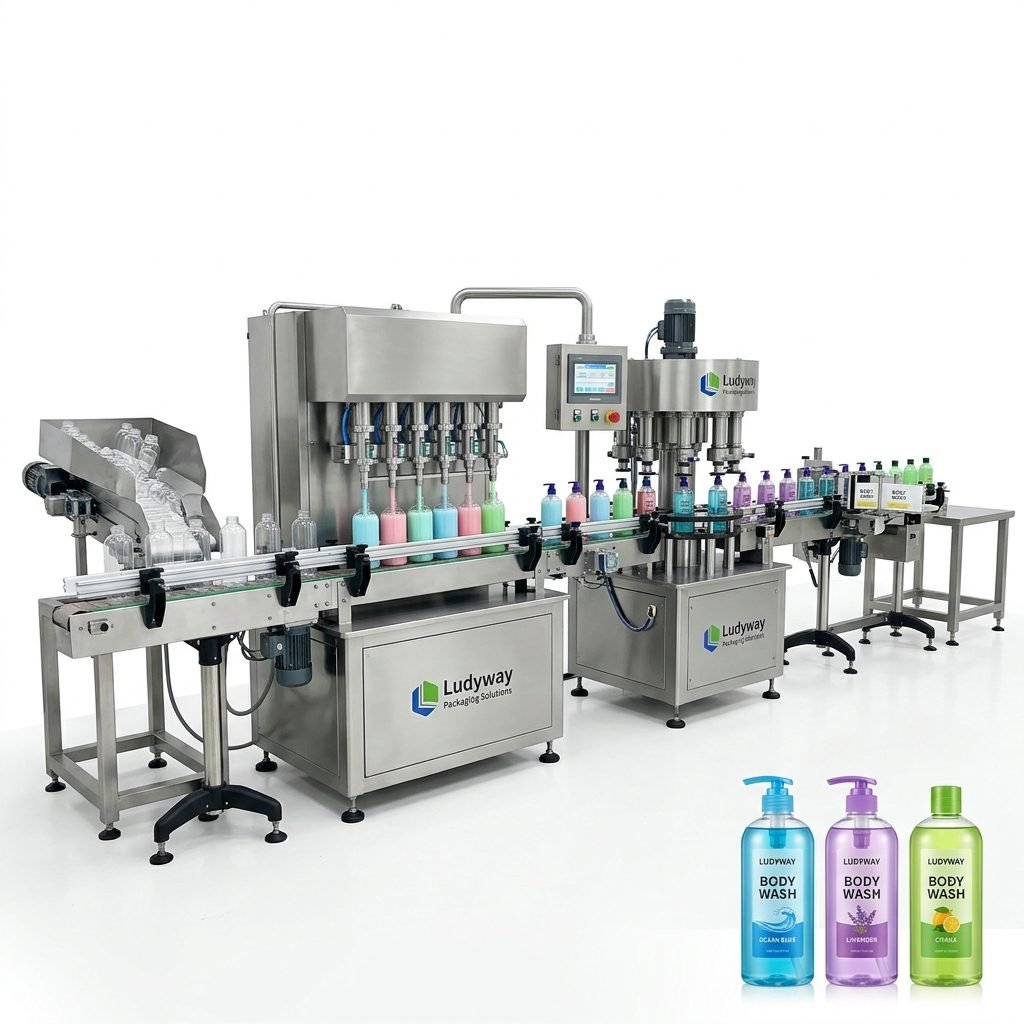
A plastic bottle packing machine is an automated or semi-automated system used to handle packaging operations for products packed in PET, HDPE, PP, and other plastic bottles. Depending on the application, the machine may include:
- Bottle unscrambling and feeding
- Liquid, powder, granule, or viscous product filling
- Cap sorting and capping
- Induction sealing or inner plug insertion
- Labeling and date coding
- Check weighing and visual inspection
- Cartoning, case packing, and palletizing
These systems are widely used in industries where output speed and package appearance must remain stable across long production runs.
Why Automation Matters in Bottle Packaging
Manual packaging processes often create bottlenecks, inconsistent fill volumes, loose caps, labeling errors, and downtime between batches. Automated plastic bottle packing machines solve these issues by standardizing each step of the process.
- Higher throughput: Machines can handle continuous production with minimal interruption.
- Better accuracy: Precise dosing systems help maintain target fill weight or volume.
- Lower labor dependency: Fewer operators are needed for repetitive tasks.
- Improved hygiene: Enclosed filling zones help reduce contamination risk.
- More consistent sealing: Capping torque and sealing quality stay more uniform.
- Easier traceability: Integrated coding and inspection support compliance requirements.
Common Applications of Plastic Bottle Packing Machines
Plastic bottle packaging systems are suitable for a broad range of products and viscosities. The best machine configuration depends on the product type, bottle size, required speed, and downstream packaging format.
| Industry | Typical Products | Key Machine Features |
|---|---|---|
| Food & Beverage | Juice, sauce, syrup, edible oil, supplements | Fast filling, hygienic design, anti-drip nozzles |
| Pharmaceutical | Oral liquids, tablets, capsules, powders | Precision dosing, GMP-friendly construction, coding |
| Cosmetic & Personal Care | Lotion, serum, shampoo, body wash | Gentle handling, clean filling, attractive labeling |
| Chemical | Detergent, cleaner, industrial liquids | Corrosion-resistant parts, reliable sealing, safety control |
| Health Supplement | Vitamins, nutrition powders, liquid nutrition | Accurate filling, batch coding, flexible bottle changeover |
Main Types of Plastic Bottle Packing Machines
1. Bottle Filling Machines
These machines handle the core filling process. Different filling technologies are selected based on the product:
- Gravity filling for free-flowing liquids
- Piston filling for viscous products
- Auger filling for powders
- Weighing systems for granules and irregular products
- Pump filling for cosmetic and chemical liquids
2. Bottle Capping Machines
Capping units apply screw caps, flip-top caps, pump caps, or press caps. Stable capping torque is critical because poor closure performance can lead to leakage, contamination, and transport damage.
3. Bottle Labeling Machines
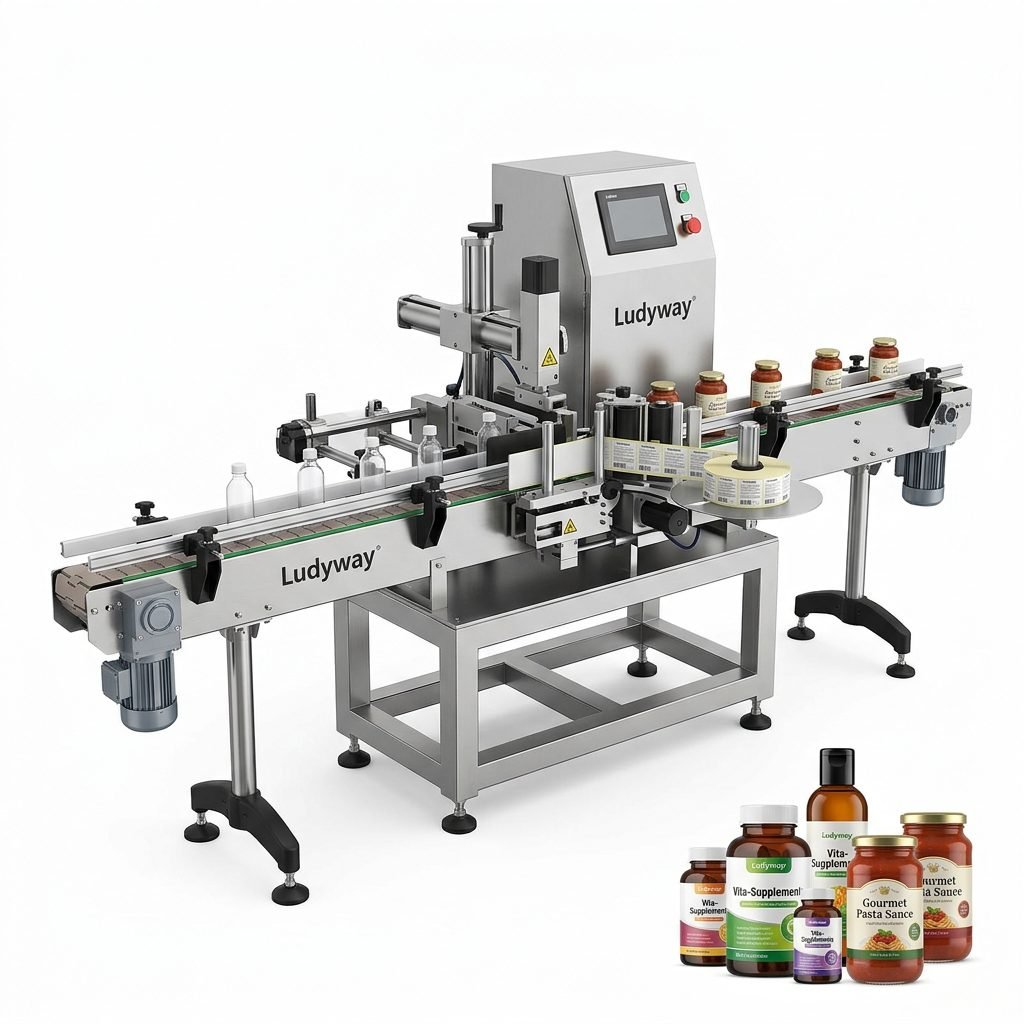
Automatic labeling helps maintain brand appearance and supports compliance with retail and regulatory requirements. Machines can apply front-back labels, wraparound labels, shrink sleeves, or tamper-evident labels.
4. Complete Bottle Packaging Lines
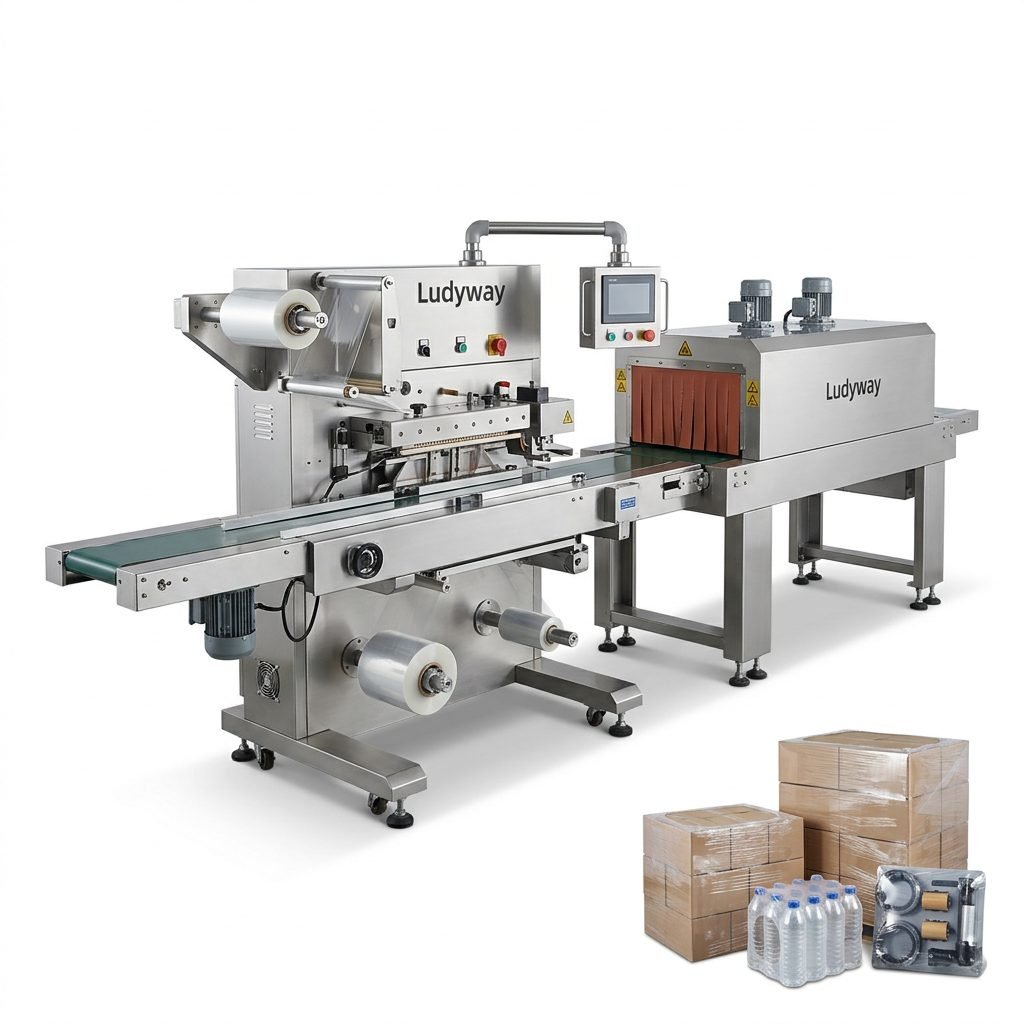
For growing manufacturers, a complete line combines multiple machines into one connected workflow. This reduces material handling and improves overall equipment efficiency.
Key Features to Look for in a Plastic Bottle Packing Machine
Not all bottle packaging machines are built for the same production goals. Before buying, focus on the features that affect productivity, maintenance, and future scalability.
- Production speed matched to your real daily capacity
- Compatibility with different bottle sizes and cap formats
- Quick changeover for multiple SKUs
- Accurate servo or PLC control systems
- Stable filling performance with low product waste
- Simple touchscreen operation and recipe storage
- Easy cleaning and maintenance access
- Integration with coding, labeling, cartoning, and inspection equipment
- Safety protection and alarm systems
Benefits of a Complete Packaging Line
Many businesses start with a standalone filling machine, but a complete packaging line usually delivers greater long-term value. Integrated systems can help create smoother production from raw bottle input to finished case output.
| Packaging Approach | Advantages | Best For |
|---|---|---|
| Standalone Machine | Lower initial cost, easier entry-level setup | Small production runs, pilot projects |
| Integrated Packaging Line | Higher automation, better efficiency, lower handling errors | Medium to large factories, expanding brands |
| Turnkey Packaging Solution | Single-source planning, customized layout, easier integration | Complex projects, multi-product packaging plants |
How Plastic Bottle Packing Machines Improve Reliability
Reliability in packaging is not only about speed. It also means fewer stoppages, fewer rejects, and more predictable output. A quality system improves reliability by using synchronized controls, precise sensors, robust mechanical components, and standardized operating procedures.
In practice, this means:
- Stable bottle positioning during filling and capping
- Reduced spillage and cleaner machine operation
- Consistent label placement across batches
- Fewer packaging defects during transport and storage
- Less unplanned downtime caused by misfeeds or jams
Industries That Need Fast Bottle Packaging Solutions
High-speed bottle packaging is especially important in sectors where demand changes quickly and product turnover is high. Manufacturers in these industries often benefit most from automation:
- Functional beverages and nutrition products
- Daily-use chemicals and detergents
- Liquid pharmaceuticals and OTC healthcare products
- Cosmetics, skincare, and travel-size personal care items
- Food condiments and bottled sauces
How to Choose the Right Machine for Your Factory
Selecting the right plastic bottle packing machine starts with a clear understanding of your production requirements. A supplier should evaluate more than just bottle size and speed.
Important questions to consider:
- What product are you filling: liquid, powder, granule, paste, or mixed form?
- What bottle materials and shapes do you use?
- What output do you need per minute or per shift?
- Do you require future expansion for more SKUs?
- What level of automation fits your labor and floor space?
- Do you need a standalone machine or a full turnkey line?
- Are there regulatory or hygiene standards your equipment must meet?
By answering these questions early, buyers can avoid under-specifying or over-investing in equipment.
The Value of Customization
Many factories handle different bottle shapes, cap styles, or product viscosities across the same line. In such cases, customized engineering becomes essential. Flexible designs can include adjustable conveyors, modular filling heads, interchangeable star wheels, multi-format capping systems, and recipe-based control programs.
For manufacturers seeking scalable automation, working with an experienced supplier such as Ludyway packaging machine manufacturer can help simplify project planning, line integration, and long-term equipment support.
Maintenance Tips for Long-Term Performance
Even the best bottle packing machine requires proper maintenance to preserve output and packaging quality. Preventive care reduces breakdown risk and keeps production stable.
- Inspect filling nozzles, seals, and capping components regularly.
- Clean product-contact parts according to product type and hygiene requirements.
- Check sensors, belts, and guide rails for wear or misalignment.
- Monitor torque settings, fill accuracy, and label positioning.
- Train operators on standard startup, shutdown, and changeover procedures.
- Keep key spare parts available for high-use components.
Signs It’s Time to Upgrade Your Existing Packaging Equipment
If your current process cannot keep up with demand, a new machine may be the most cost-effective step. Common signs include:
- Frequent downtime and repair costs
- Inconsistent fill levels or cap quality
- Too much labor needed for basic packaging steps
- Slow changeovers between products
- Difficulty meeting retailer or compliance requirements
- Expansion plans that exceed current line capacity
Final Considerations for Buyers
Investing in a plastic bottle packing machine is not only about equipment purchase price. The real value comes from speed, reliability, packaging consistency, and future production flexibility. The right solution should match your product, your market, and your growth plan.
Whether you need a compact bottling unit or a fully integrated packaging line, a carefully selected system can help improve output quality, reduce manual work, and strengthen your competitive position in the market.