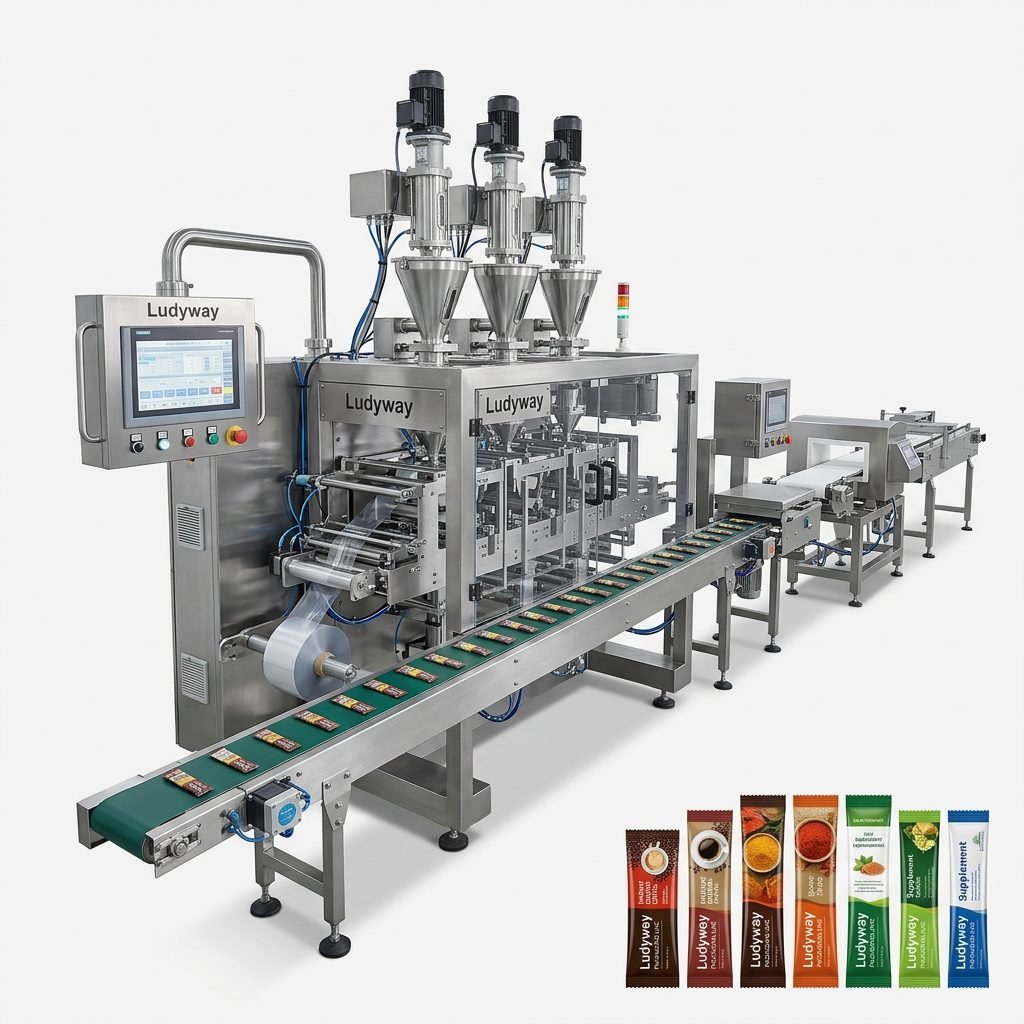
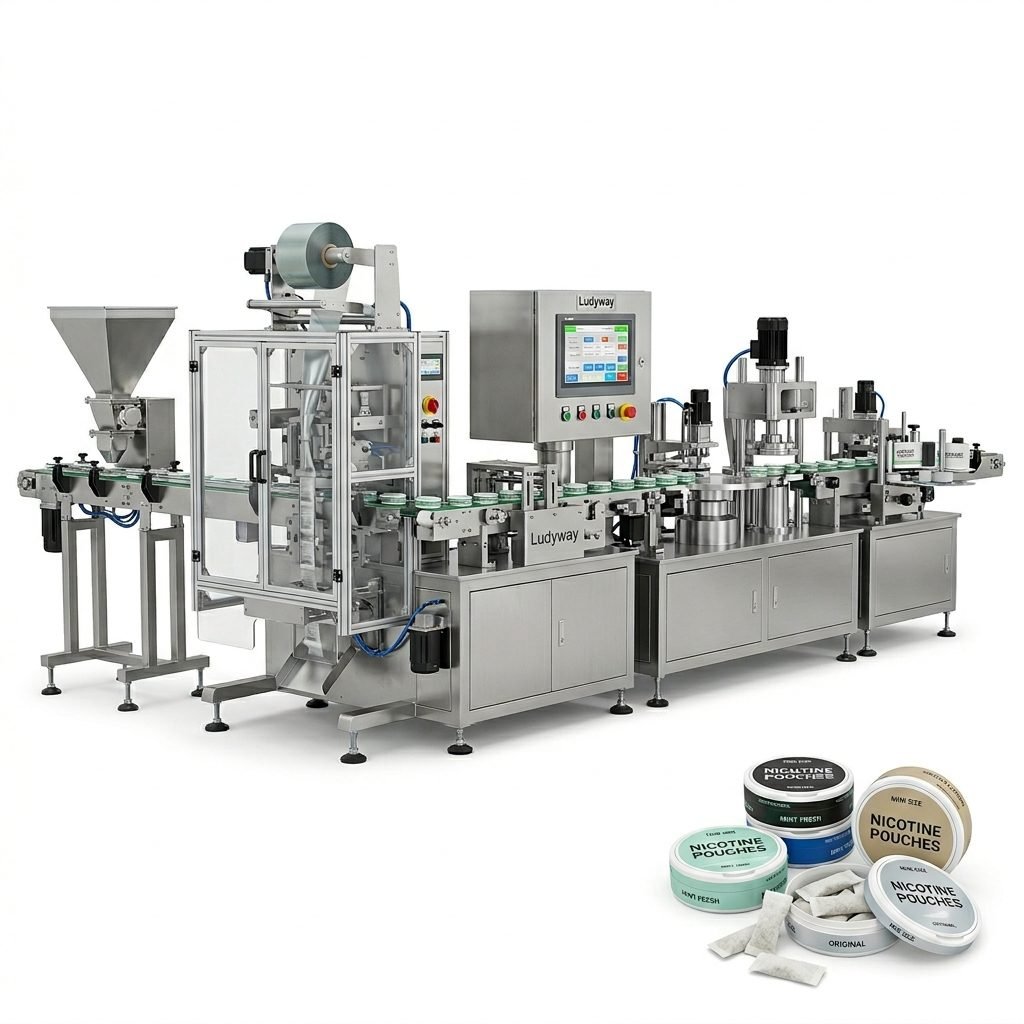
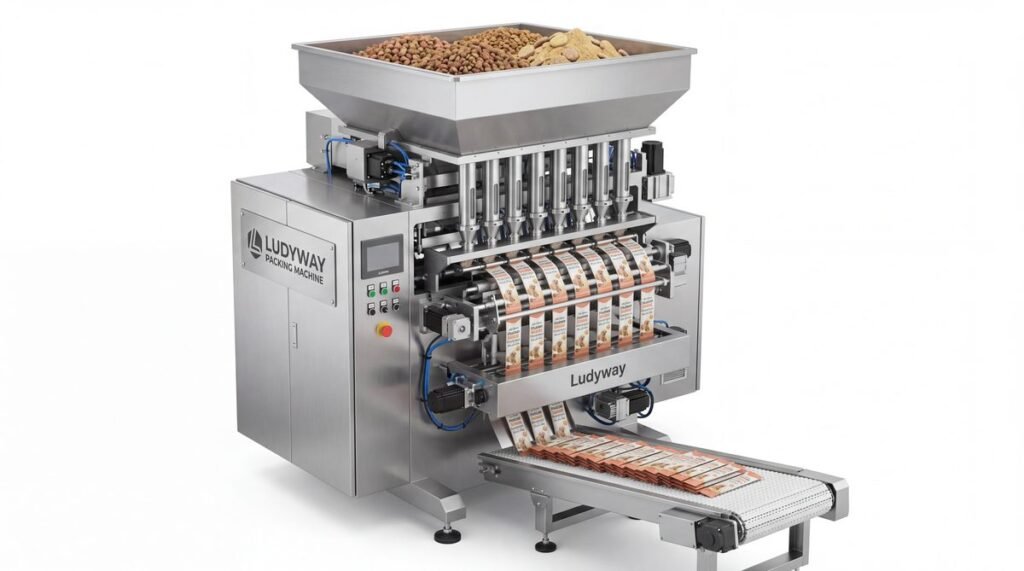
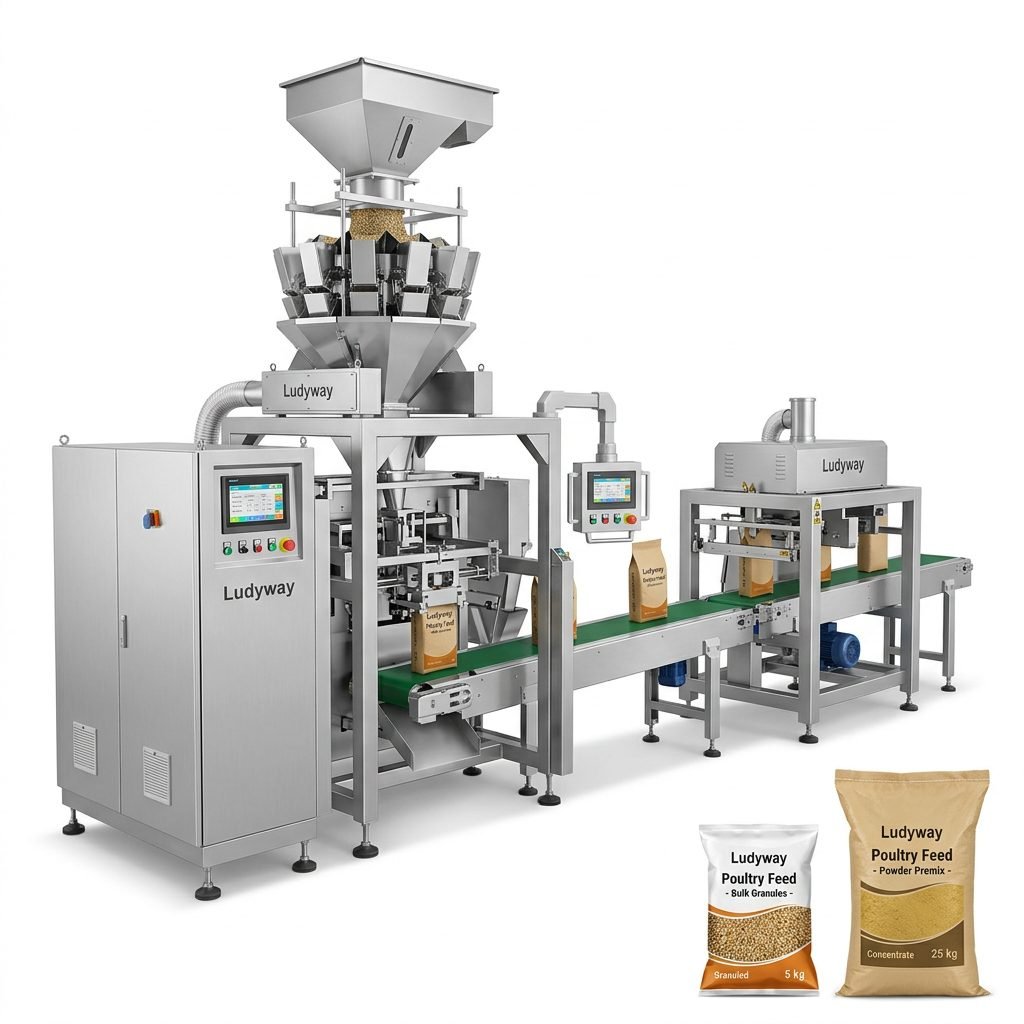
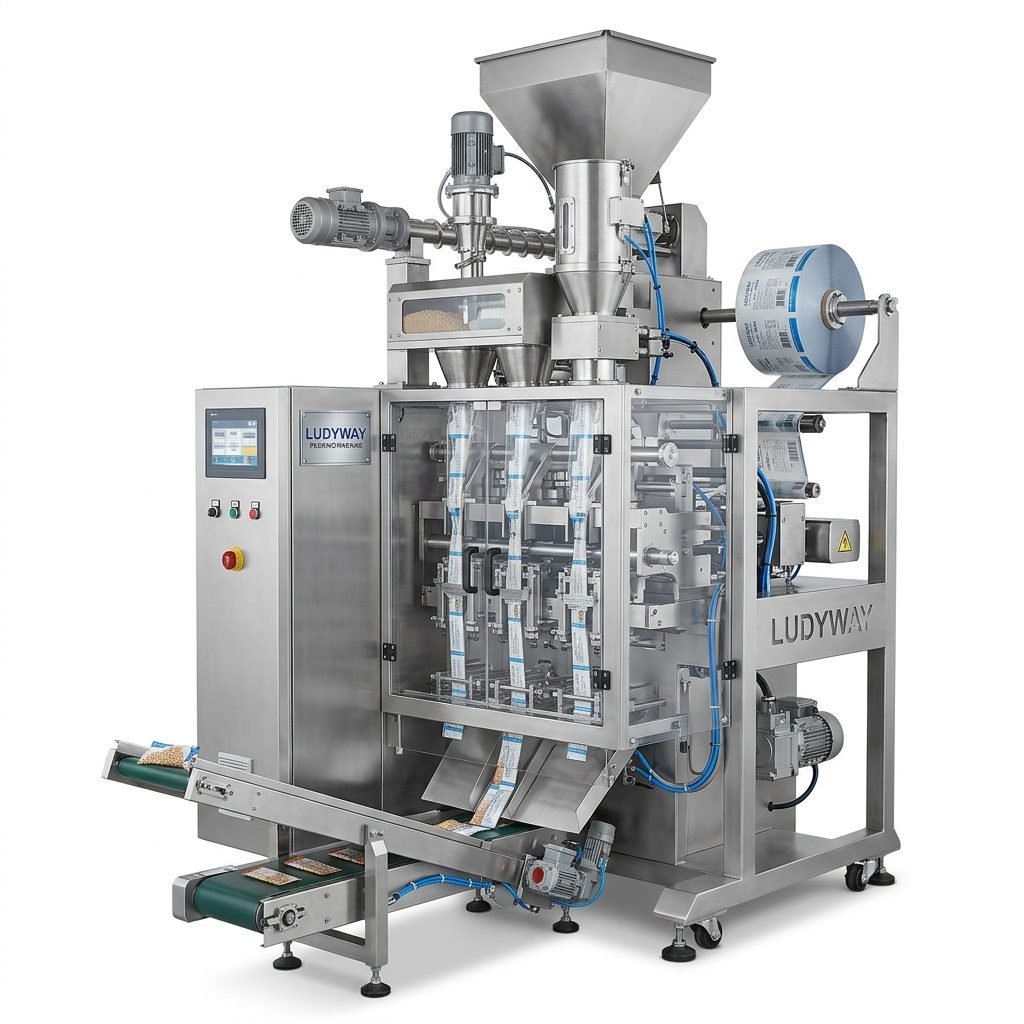
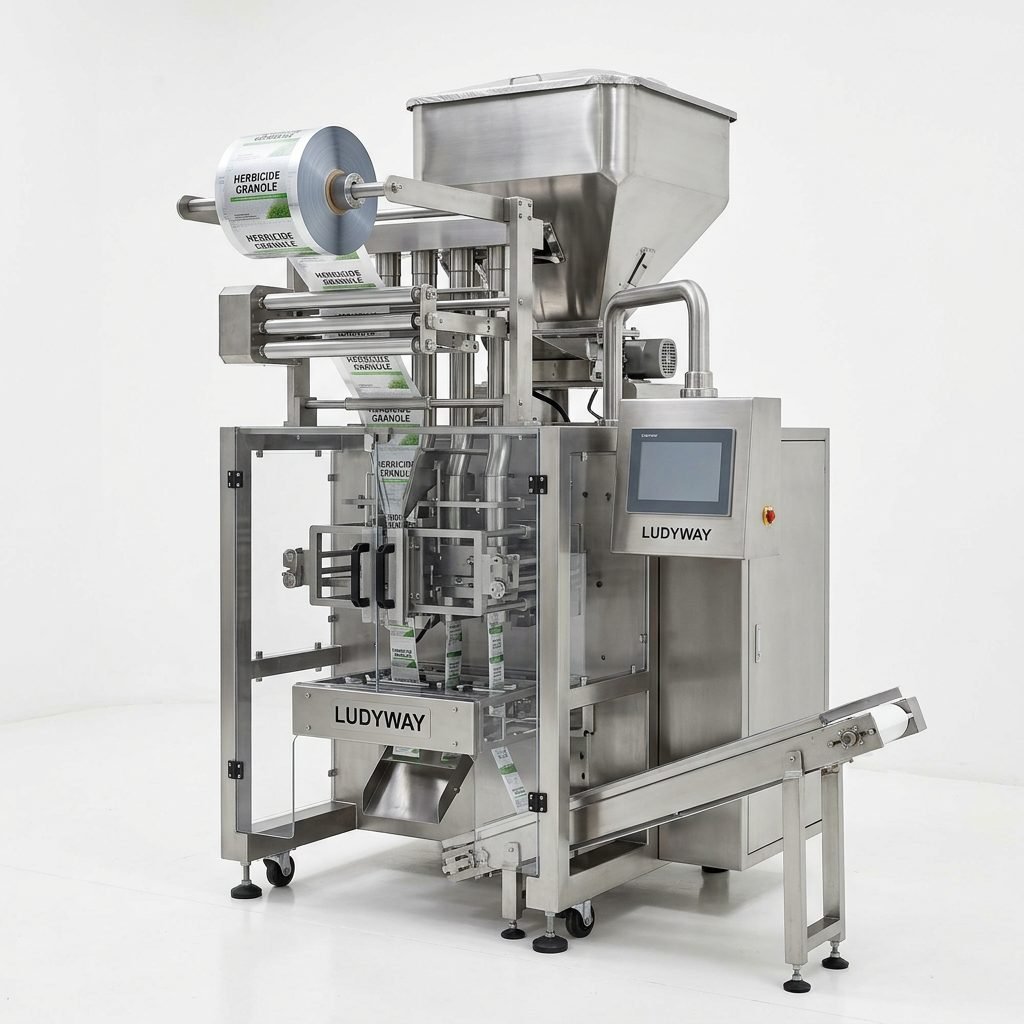
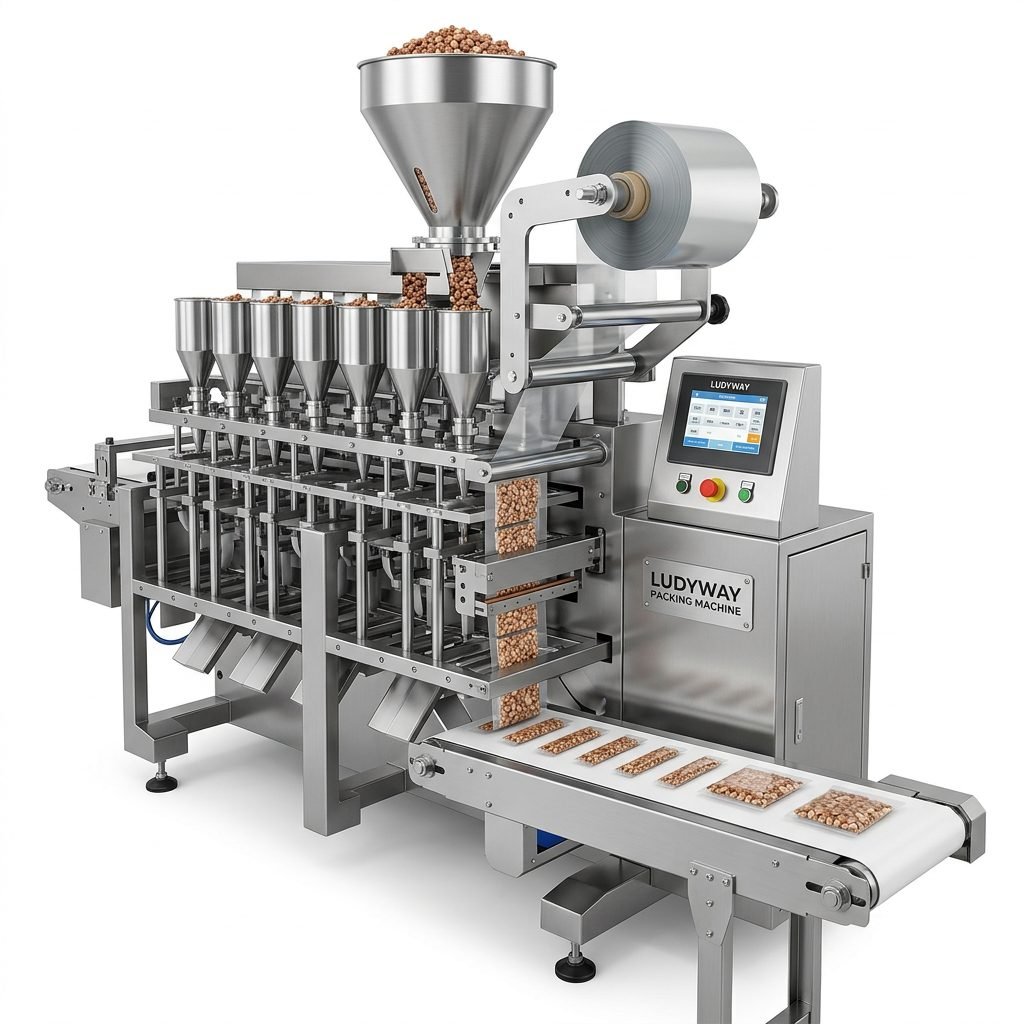
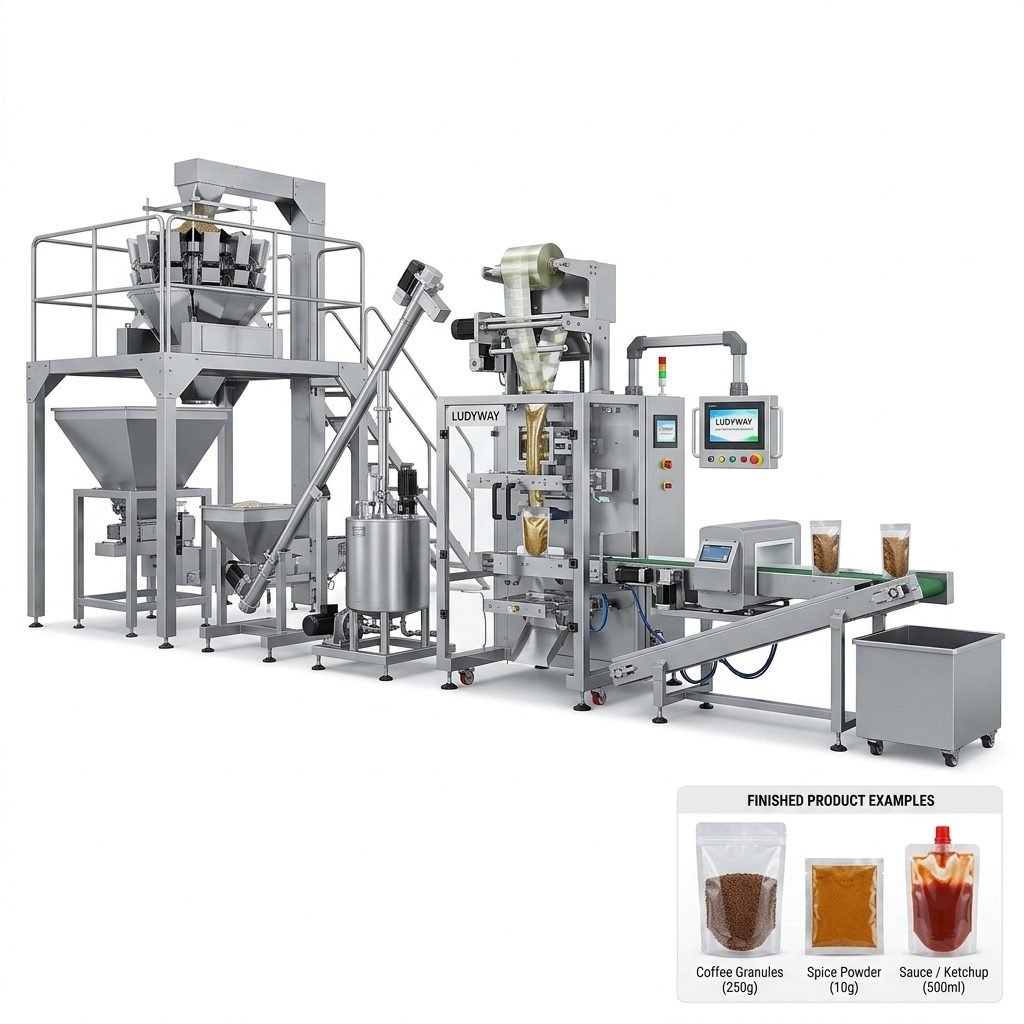
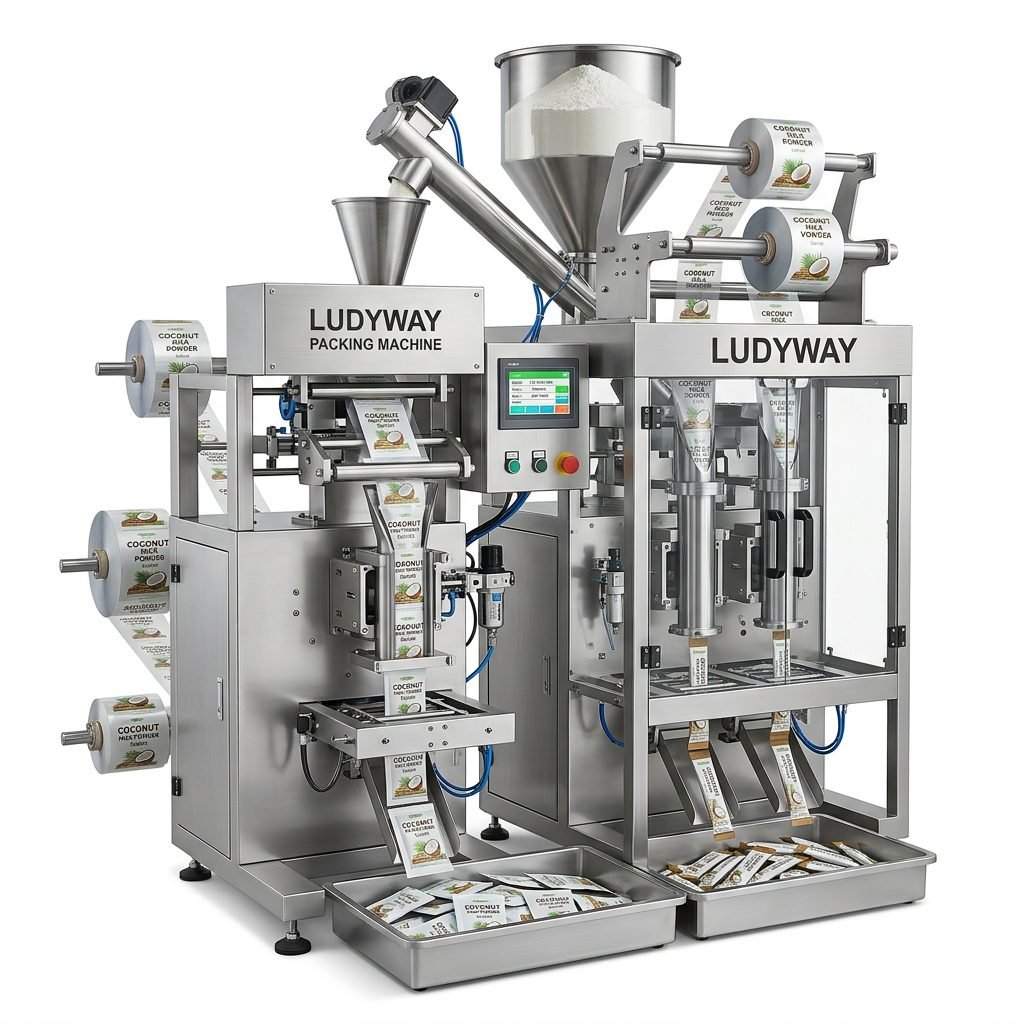
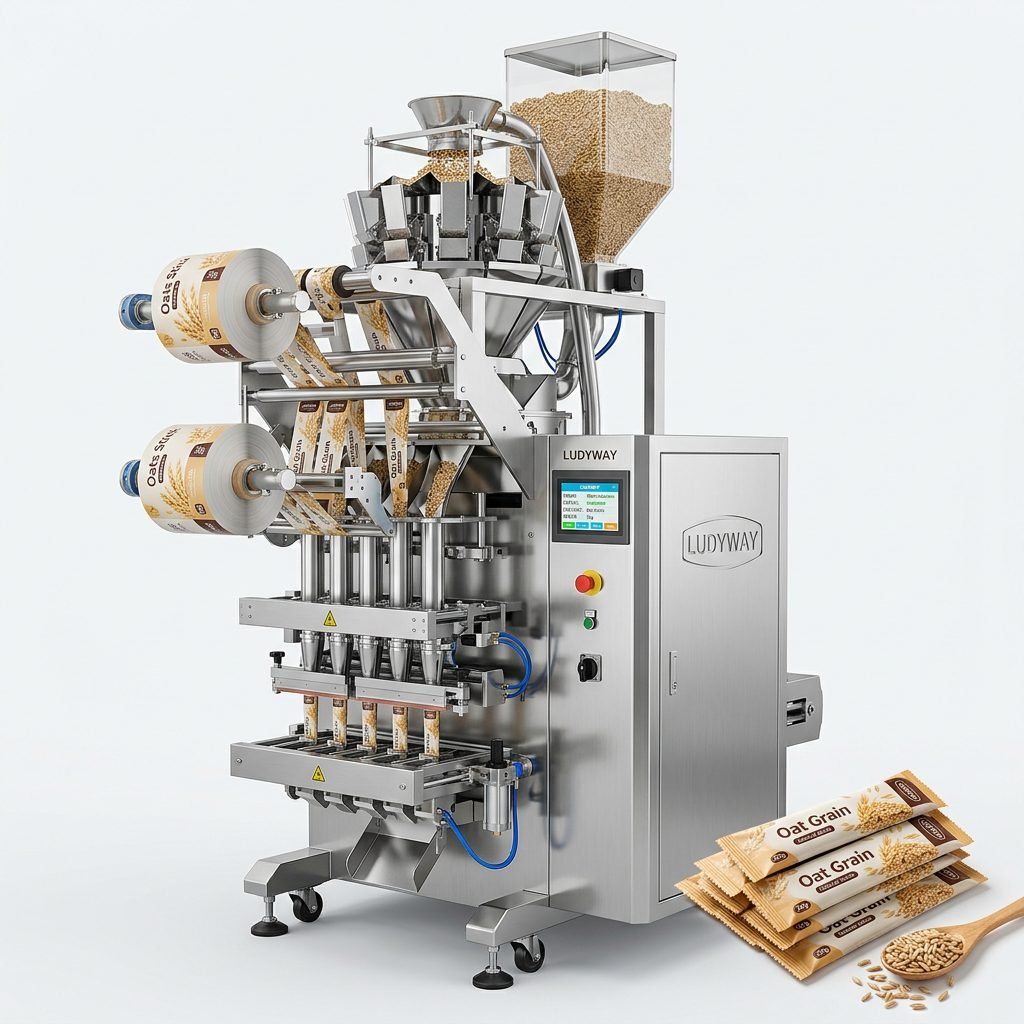
Small sugar packing machines are designed to deliver fast, accurate, and hygienic packaging for powdered sugar, granulated sugar, brown sugar, sweetener blends, and similar free-flowing products. For manufacturers, co-packers, and food brands, automatic packaging equipment helps reduce labor dependence, improve weight consistency, and support scalable production for sachets, stick packs, pouches, and larger bags.
Whether you are producing single-serve retail packs or preparing bulk sugar formats for industrial use, choosing the right automatic system can directly affect output, material waste, seal quality, and long-term operating cost.
Why Small Sugar Packing Machines Matter in Modern Production
Sugar may seem simple to pack, but efficient packaging requires precision. Fine powder can create dust, granules must flow consistently, and both product forms demand reliable sealing and stable dosing. A high-performance sugar packing machine solves these issues by integrating product feeding, measuring, bag forming, filling, sealing, coding, and discharge into one automated workflow.
- Improved packaging speed for commercial and industrial demand
- Better dosing accuracy to reduce giveaway and product loss
- Cleaner production with less sugar dust contamination
- Consistent bag appearance for stronger shelf presentation
- Lower labor cost through automated operation
- Flexible pack formats for retail, foodservice, and bulk use
Common Sugar Products Suitable for Automatic Packaging
Small sugar packing equipment is widely used across the food and beverage supply chain. Depending on the filling method and packaging format, the same line can often handle more than one product type.
| Sugar Product Type | Typical Packaging Format | Recommended Filling Style |
|---|---|---|
| White granulated sugar | Sachets, stick packs, pouches | Volumetric cup or weighing system |
| Powdered sugar | Sachets, stick packs | Auger filler |
| Brown sugar | Sachets, pouches | Customized volumetric dosing |
| Sugar substitute or sweetener mix | Stick packs, multi-lane sachets | Multi-lane precision dosing |
| Industrial bulk sugar | Open-mouth bags, larger sacks | Net weighing and bulk filling |
Main Types of Small Sugar Packing Machines
1. Sachet Packing Machines
Sachet machines are ideal for small, flat sugar packs used in cafés, hotels, airlines, restaurants, convenience stores, and vending channels. They are highly popular for single-dose sugar packaging because they combine compact pack size with strong sealing performance.
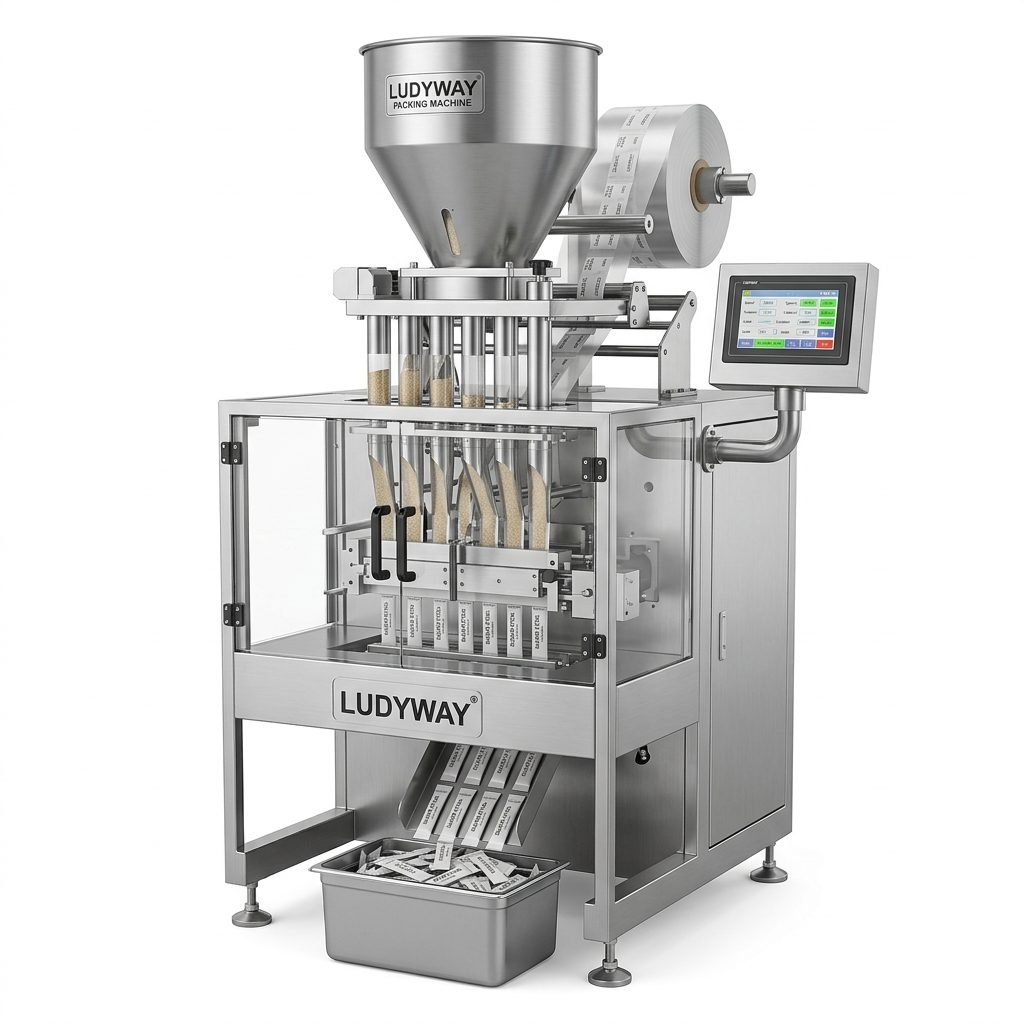
2. Stick Pack Machines
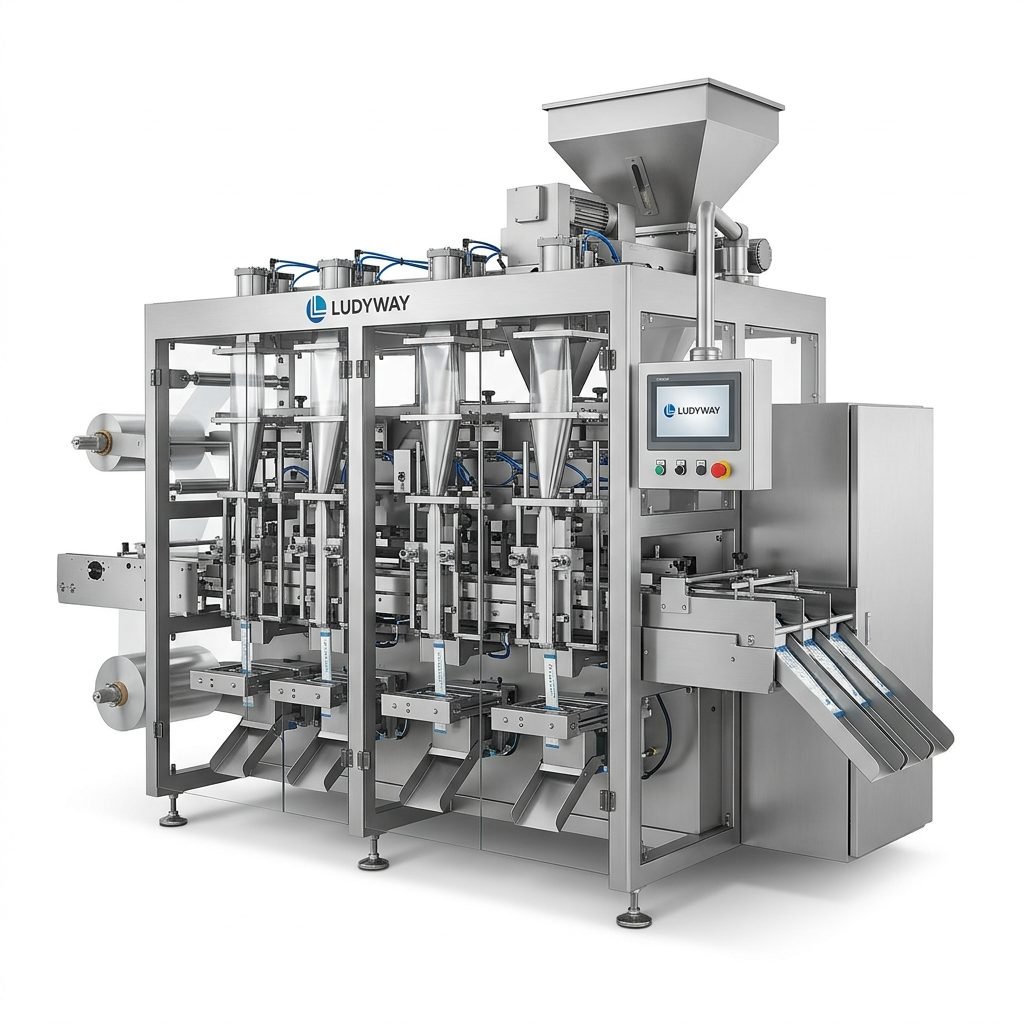
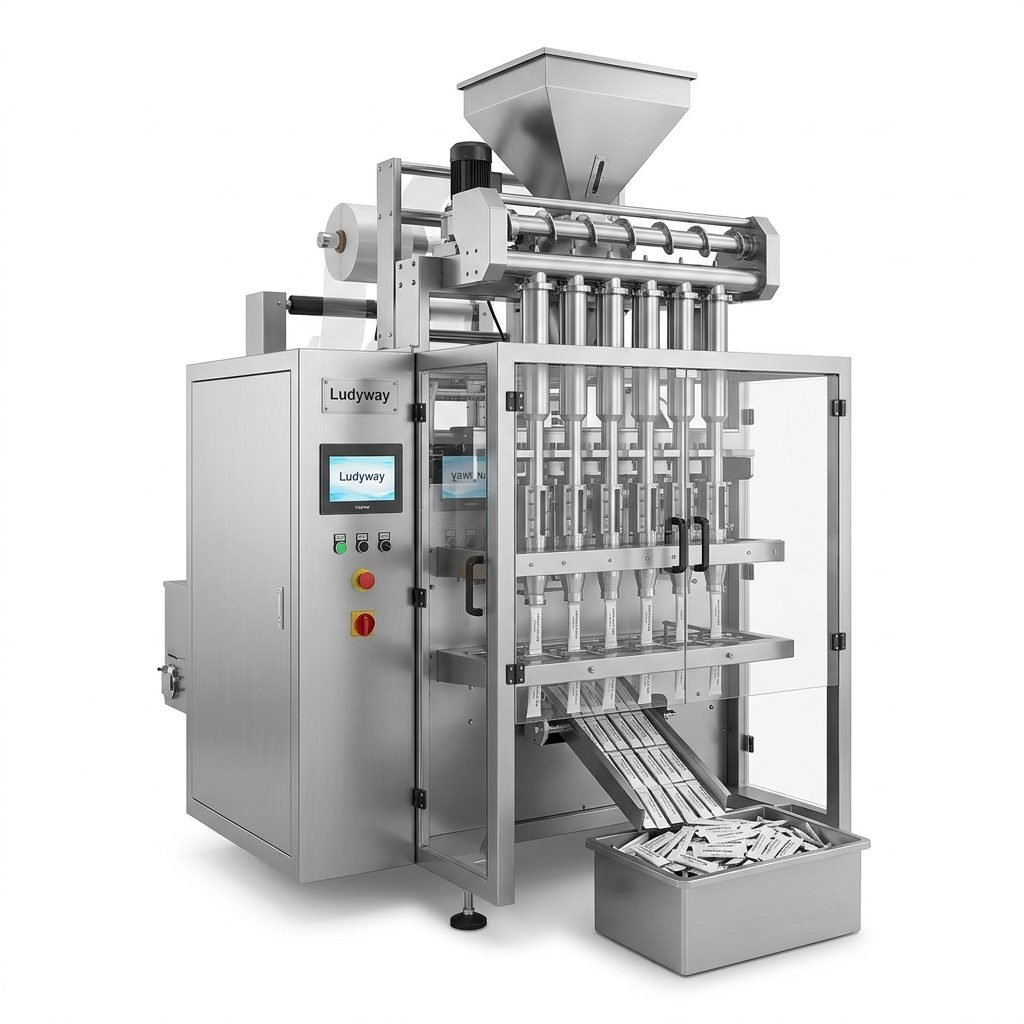
Stick pack machines are used for narrow, elongated packs that are easy to carry and simple to open. They are especially suitable for instant beverage sweeteners, health product blends, and on-the-go sugar portions. Multi-lane stick pack systems can significantly increase capacity while maintaining clean, uniform bag shapes.
3. Vertical Form Fill Seal Machines
VFFS systems are suitable for pillow bags, gusset bags, or larger sugar pouches. These machines are often chosen by businesses that need flexible pack sizes or want to package sugar together with other powder and granule products on the same production line.
4. Open-Mouth Bagging Systems
For larger sugar volumes, open-mouth bagging lines provide automated weighing, filling, bag clamping, sealing, and conveying. These systems are better suited for warehouses, food ingredient suppliers, and industrial applications requiring medium to high bag weights.
How Automatic Sugar Packaging Works
A typical automatic sugar packing process includes several connected steps. The exact configuration depends on whether the product is granular or powdery, as well as the target output and bag type.
- Product is loaded into the hopper or feeding system
- Sugar is conveyed to the dosing unit
- The machine forms the package from roll film or positions premade bags
- The filler dispenses the preset weight or volume
- The package is sealed with heat sealing technology
- Date coding, batch coding, or tear notch can be added
- Finished packs are discharged for counting, cartoning, or case packing
In advanced lines, manufacturers may also add checkweighers, metal detectors, vision inspection, labeling systems, and robotic end-of-line solutions.
Key Features to Look for in a Small Sugar Packing Machine
Not all sugar packaging equipment performs the same way. Buyers should evaluate machine design based on product behavior, desired output, cleaning requirements, and future expansion.
- Accurate filling control for powder and granules
- Stable film pulling system for consistent bag length
- Dust-control design for cleaner sealing areas
- Food-grade contact parts for hygienic production
- Easy parameter adjustment on touchscreen interface
- Servo-driven operation for higher precision and speed
- Quick changeover capability between pack formats or sizes
- Compatibility with coding and inspection units
Benefits of Using Automatic Equipment for Powder and Granules
Automatic packaging is no longer only for large factories. Many small and medium manufacturers now adopt compact sugar packing machines to stay competitive and meet rising demand for cleaner, more professional product presentation.
| Benefit | Business Impact |
|---|---|
| Higher speed | Supports larger order volumes and shorter lead times |
| Better accuracy | Reduces overfilling and packaging waste |
| Improved hygiene | Helps meet food safety expectations |
| Consistent sealing | Lowers risk of leakage and returns |
| Labor savings | Cuts repetitive manual packing tasks |
| Scalability | Makes it easier to expand into new SKUs and markets |
Industries That Commonly Use Sugar Packing Machines
Small sugar packing systems serve much more than just table sugar producers. They are widely used in:
- Coffee and tea supply chains
- Instant beverage manufacturers
- Baking ingredient producers
- Hotels, restaurants, and catering suppliers
- Health supplement and nutrition brands
- Retail private label packaging businesses
- Food ingredient contract packers
How to Choose the Right Machine for Your Sugar Product
The best machine depends on several production factors. Before investing, businesses should define both current needs and future growth plans.
Product Characteristics
Granulated sugar and powdered sugar behave differently in the filling process. Powder often requires auger dosing and better dust control, while free-flowing granules may work well with cup filling or weighing systems.
Package Size
A machine used for 3 g to 10 g sugar sachets will differ from one made for 500 g or 1 kg pouches. Defining your package range in advance is essential.
Required Output
If you need very high capacity, a multi-lane solution may be more suitable than a single-lane model. For lower-volume startups, a compact automatic unit may offer better cost efficiency.
Level of Automation
Some companies only need stand-alone packaging equipment. Others benefit from complete systems with conveying, counting, cartoning, boxing, palletizing, and quality inspection.
Factory Space and Utilities
Machine layout should match your available floor space, power supply, compressed air conditions, and upstream/downstream production flow.
Questions Buyers Should Ask Before Purchasing
- Is the machine optimized for sugar powder, sugar granules, or both?
- What filling accuracy can be achieved at the desired speed?
- How easy is it to clean the hopper, filler, and sealing area?
- Can the machine support different bag sizes later?
- What packaging film materials are compatible?
- Is remote technical support or commissioning available?
- Can the supplier provide spare parts and long-term service?
Turnkey Solutions for Growing Sugar Packaging Operations
Many buyers now prefer a complete packaging line rather than a single machine. A turnkey solution helps coordinate every stage, from feeding and filling to final packing and palletizing. This reduces compatibility risks and improves total line efficiency.
As one of China’s leading packaging machine and turnkey packaging line manufacturers, Ludyway small sugar packing machine solutions support powder and granule applications across food, pharmaceutical, health supplement, and related industries. With more than 30 years of manufacturing experience, over 20,000 square meters of factory space, and service coverage in more than 100 countries and regions, the company provides scalable automatic equipment for businesses seeking reliable long-term packaging automation.
Maintenance Tips for Long-Term Performance
Proper maintenance improves machine life, packaging stability, and product safety. Sugar can accumulate in sensitive areas, especially in powder applications, so routine care is important.
- Clean hoppers, dosing units, and sealing zones regularly
- Inspect sealing jaws for residue buildup
- Check wear parts and replace them on schedule
- Calibrate dosing systems to maintain filling precision
- Keep electrical and pneumatic systems in stable working condition
- Train operators on startup, shutdown, and troubleshooting procedures
Final Considerations for Sugar Packaging Investment
A small sugar packing machine is more than a filling device. It is a productivity tool that influences efficiency, branding, product protection, and operating cost. For powder and granule products, the ideal machine should combine accuracy, sealing stability, automation, and flexibility.
Businesses that choose the right automatic packaging solution can improve daily output, reduce product waste, and build a more professional packaging process that supports future expansion. From compact sachet lines to high-speed multi-lane stick pack systems and complete turnkey solutions, modern sugar packaging equipment offers a practical path to smarter production.