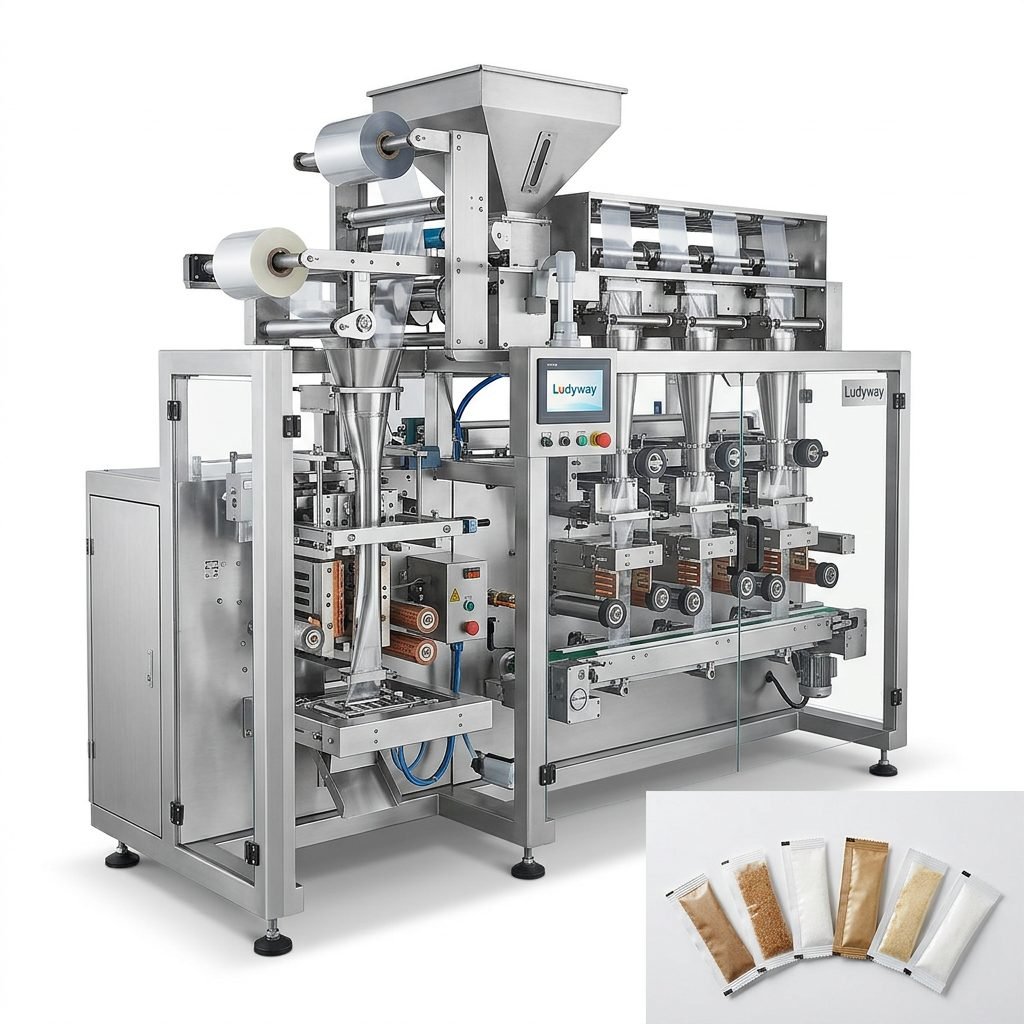
In fast-moving food operations, pizza packaging is no longer just the final step of production. It directly affects
product safety, delivery quality, labor efficiency, and customer satisfaction. Whether you run a frozen pizza factory,
a central kitchen, a takeaway brand, or a retail food business, choosing the right pizza packaging machine can help you
reduce waste, speed up output, and maintain a more consistent packaging standard.
The best solution depends on your pizza type, packaging format, daily volume, automation target, hygiene requirements,
and future expansion plans. A machine that works well for small-batch tray-packed pizzas may not be suitable for
high-speed pillow packs, vacuum packaging, or integrated cartoning lines.
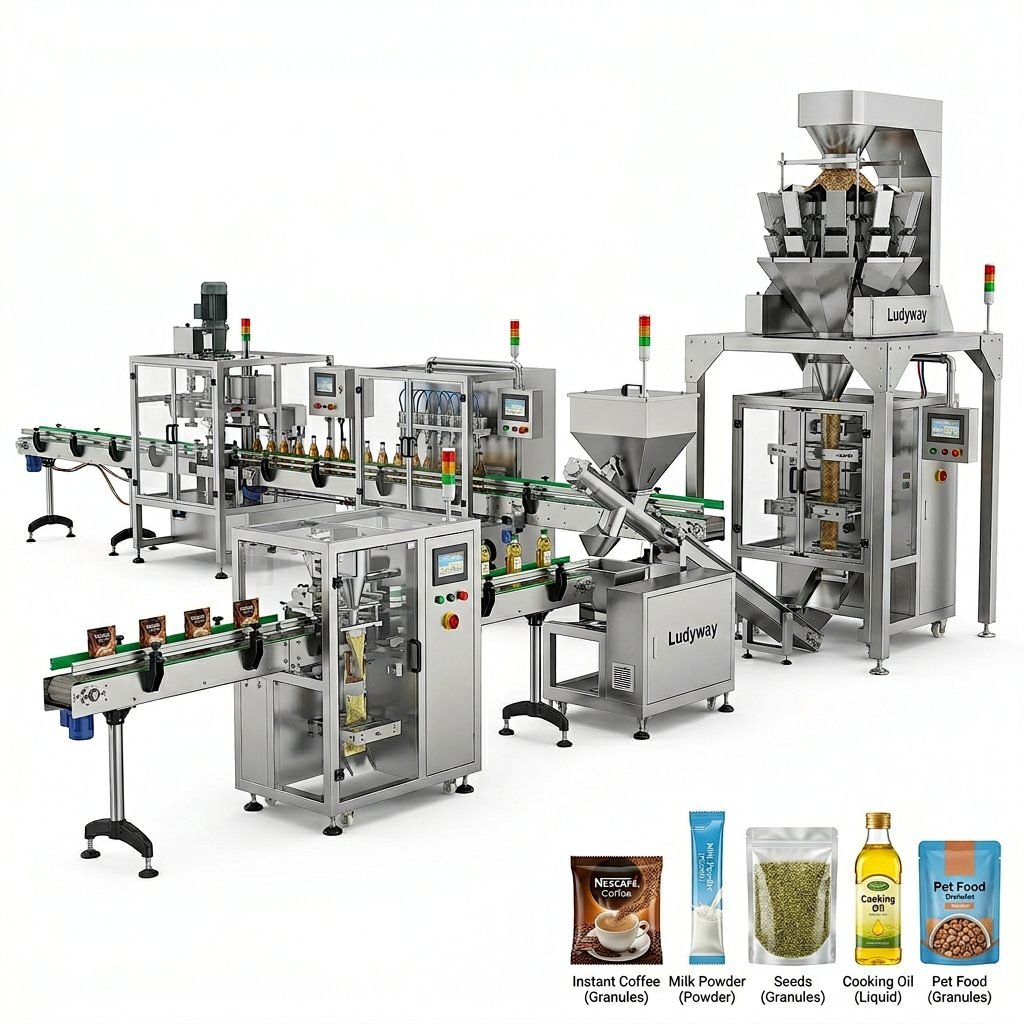
Why the Right Pizza Packaging Machine Matters
Pizza is a product category with special packaging challenges. It can be fresh, chilled, frozen, partially baked, or fully baked.
It may also include delicate toppings, uneven surfaces, variable diameters, and strict sealing requirements. A poor packaging setup
can lead to crushed crusts, topping displacement, leaky seals, freezer burn, contamination risks, and inconsistent shelf presentation.
- Faster throughput for growing production demands
- Better sealing integrity to protect freshness and hygiene
- Lower labor dependence through automation
- Improved pack consistency for retail and foodservice channels
- Less product damage during filling, wrapping, and transport
- Easier traceability with coding, inspection, and line integration
Common Pizza Packaging Formats
Before selecting equipment, define your final pack style. Different packaging formats require different feeding,
sealing, conveying, and secondary packaging systems.
| Packaging Format | Typical Application | Key Machine Considerations |
|---|---|---|
| Flow wrap / pillow pack | Frozen pizzas, retail packs | Stable infeed, accurate sealing, film compatibility |
| Tray with top seal | Premium fresh or chilled pizzas | Tray denesting, MAP option, strong seal quality |
| Vacuum packaging | Shelf-life extension for selected products | Product compression control, vacuum stability |
| Shrink packaging | Bundled or presentation-ready packs | Film shrink behavior, heat tunnel uniformity |
| Cartoned pizza pack | Retail frozen pizzas | Cartoning speed, orientation accuracy, coding |
How to Choose the Best Solution
1. Match the Machine to the Pizza Type
Not all pizzas behave the same way on a packaging line. Thin-crust frozen pizzas are usually easier to convey and wrap than
soft fresh dough products or heavily topped premium pizzas. If your products are fragile or irregular, look for equipment with
gentle transfer design, product stabilization, and accurate positioning.
- Fresh pizza may need hygienic handling and fast sealing
- Frozen pizza often needs cold-environment compatibility and anti-condensation stability
- Large or artisan pizza may require custom infeed and non-standard pack dimensions
2. Evaluate Speed Requirements Realistically
Many buyers focus only on maximum machine speed. A better approach is to compare stable operating speed under real production conditions.
Consider changeover time, downtime, feeding consistency, cleaning frequency, and operator skill level.
If your line produces several pizza sizes or recipes, extreme speed may matter less than flexibility. For high-volume frozen pizza operations,
however, automation and line synchronization become critical.
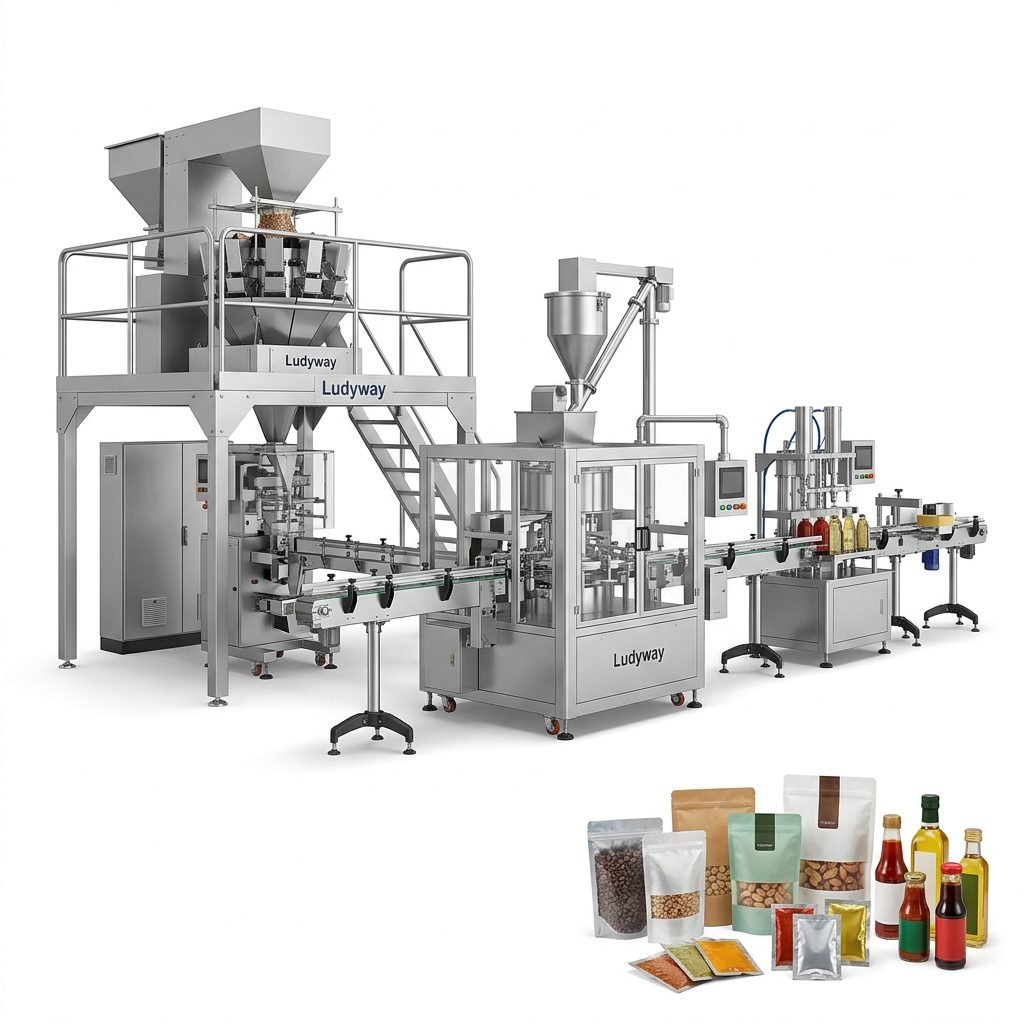
3. Prioritize Food Safety and Seal Integrity
For pizza, packaging is part of the food safety chain. Poor sealing can allow moisture loss, freezer burn, microbial risk,
or reduced shelf life. The machine should support repeatable sealing performance with suitable temperature control,
pressure balance, and compatible packaging materials.
Important features may include:
- Stainless steel food-contact parts
- Easy-clean structure
- Controlled sealing temperature
- Dust and crumb management
- Date coding and batch traceability
- Optional metal detection or X-ray inspection
4. Consider Packaging Material Compatibility
Machine performance depends heavily on the packaging film or tray material you use. Confirm whether the machine can run
your preferred film structure, sealing layer, thickness, and print registration requirements. If sustainability matters,
ask whether the equipment supports recyclable, mono-material, or reduced-material packaging options.
5. Think Beyond the Standalone Machine
In many factories, the real efficiency gains come from line integration rather than the wrapper alone. A complete pizza packaging solution
may include conveyors, feeding systems, inspection units, coding devices, cartoners, case packers, and palletizing systems.
If you are expanding production, it is often smarter to invest in a machine that can connect smoothly with upstream and downstream equipment.
6. Check Flexibility for Different SKUs
Pizza manufacturers increasingly offer different diameters, crust styles, toppings, and private-label formats. If your business handles
multiple SKUs, choose a machine with fast size adjustment, recipe memory, and user-friendly controls.
A flexible machine helps reduce:
- Changeover downtime
- Operator errors
- Material waste during transition
- Future reinvestment costs
Key Questions to Ask Before Buying
| Question | Why It Matters |
|---|---|
| What pizza sizes and thicknesses will be packed? | Determines machine dimensions, infeed design, and sealing range |
| Fresh, chilled, or frozen? | Affects material choice, line layout, and environmental suitability |
| What is the target output per hour? | Helps size the machine and supporting equipment correctly |
| Do you need MAP, vacuum, or simple sealing? | Defines the sealing technology required |
| Will you add cartoning or case packing later? | Ensures future upgrade compatibility |
| How important is washdown and hygiene? | Impacts machine design, materials, and maintenance planning |
Best Machine Types for Different Pizza Packaging Needs
Flow Wrapping Machines
A strong option for high-speed pizza packaging, especially in frozen retail applications. These systems are ideal when you need
continuous output, compact package appearance, and integration with coding and cartoning.
Tray Sealing Machines
Suitable for premium, fresh, or chilled pizzas that need better product presentation and stronger structural support.
Tray sealing can also support modified atmosphere packaging in certain applications.
Vacuum Packaging Machines
Used in selected pizza or pizza-component applications where shelf life and oxidation control are priorities. Product structure
should be reviewed carefully because vacuum pressure may affect toppings or shape.
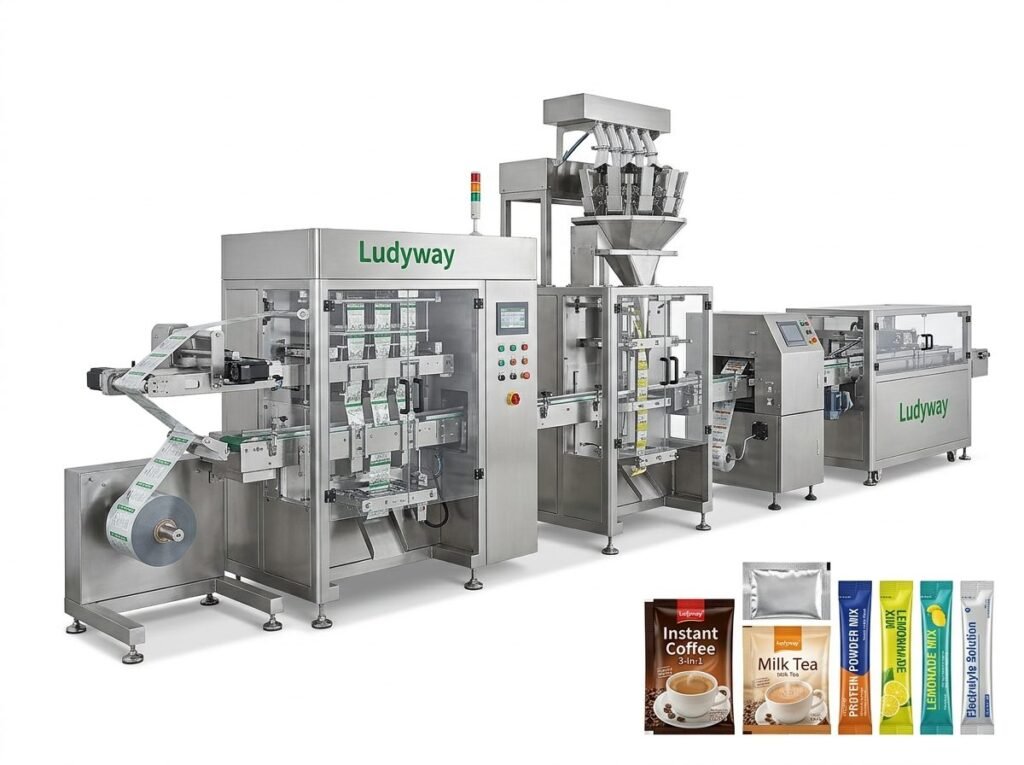
Integrated Turnkey Packaging Lines
Best for medium-to-large manufacturers that want synchronized automation from feeding to final case packing.
These solutions support long-term scaling and consistent production control.
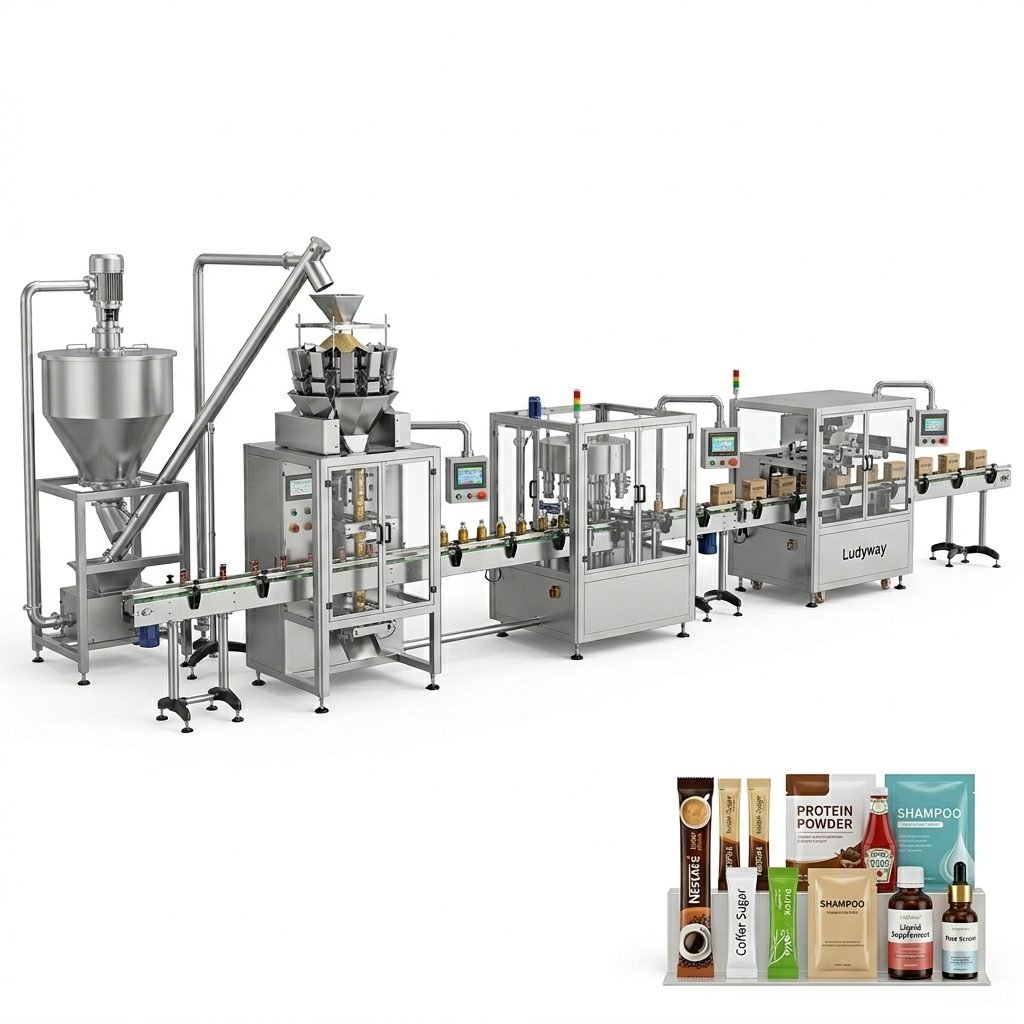
Features That Improve Fast, Safe, and Efficient Packaging
- Servo-driven control for more precise movement and sealing
- Automatic feeding systems to reduce manual handling
- Recipe memory for quicker changeovers
- Vision inspection or coding systems for pack accuracy and traceability
- Tool-less adjustment points for easier maintenance
- Modular line design for future upgrades
- Reliable sealing systems to maintain freshness and reduce rejects
Mistakes to Avoid When Selecting a Pizza Packaging Machine
- Choosing based on price alone instead of total operating value
- Ignoring real packaging material compatibility
- Underestimating sanitation and cleaning needs
- Buying a machine with no room for SKU expansion
- Failing to test actual pizza samples before purchase
- Not planning for downstream cartoning, boxing, or palletizing
What to Look for in a Packaging Machine Supplier
A dependable supplier should offer more than equipment. They should understand your product behavior, recommend the right configuration,
support testing, and provide long-term technical service. If your production is expected to grow, supplier engineering capability and
line integration experience become even more important.
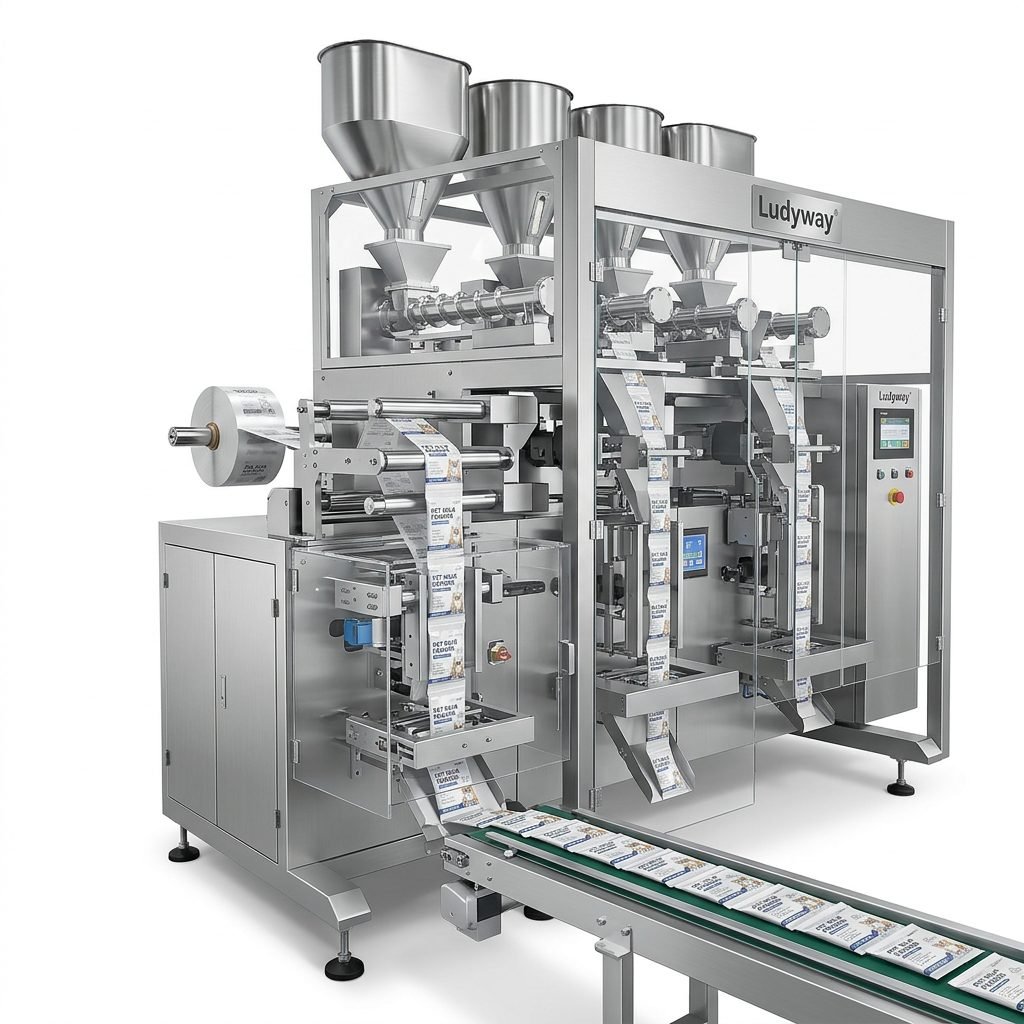
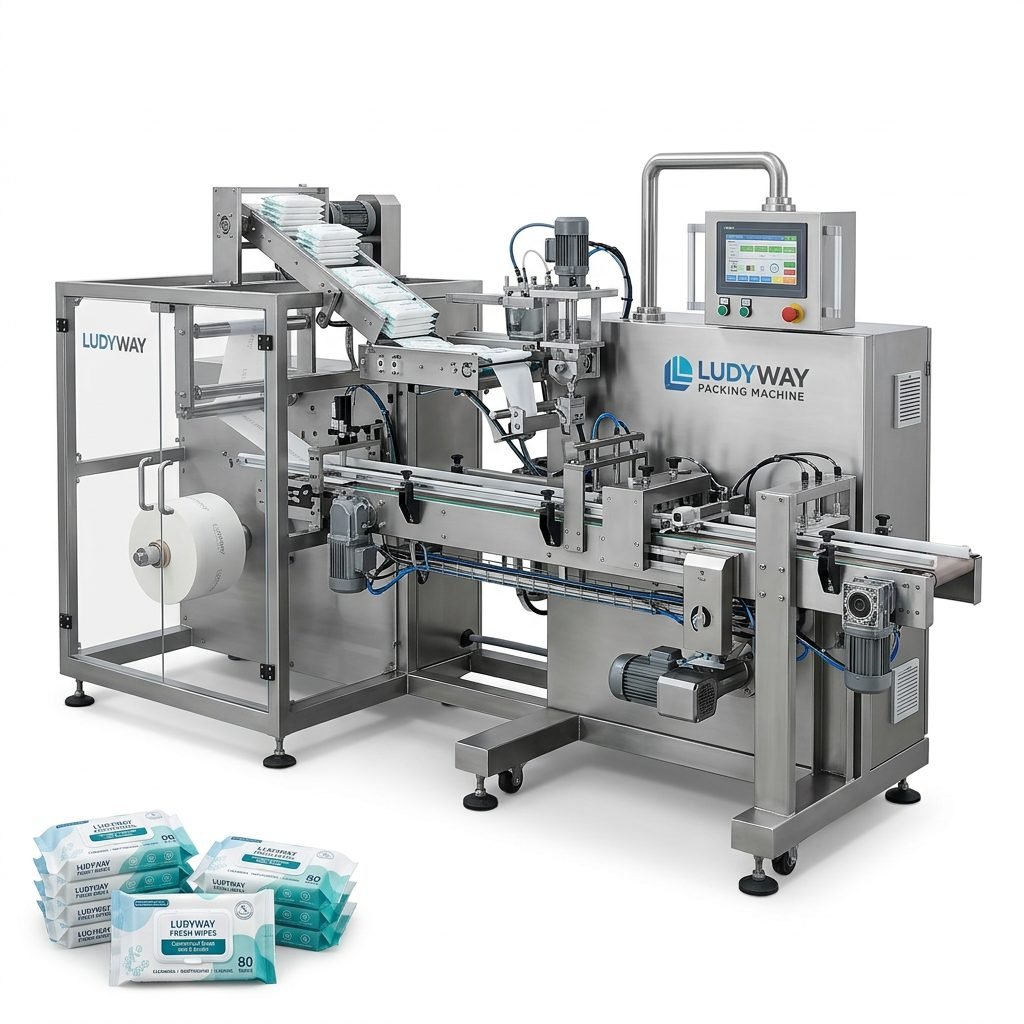
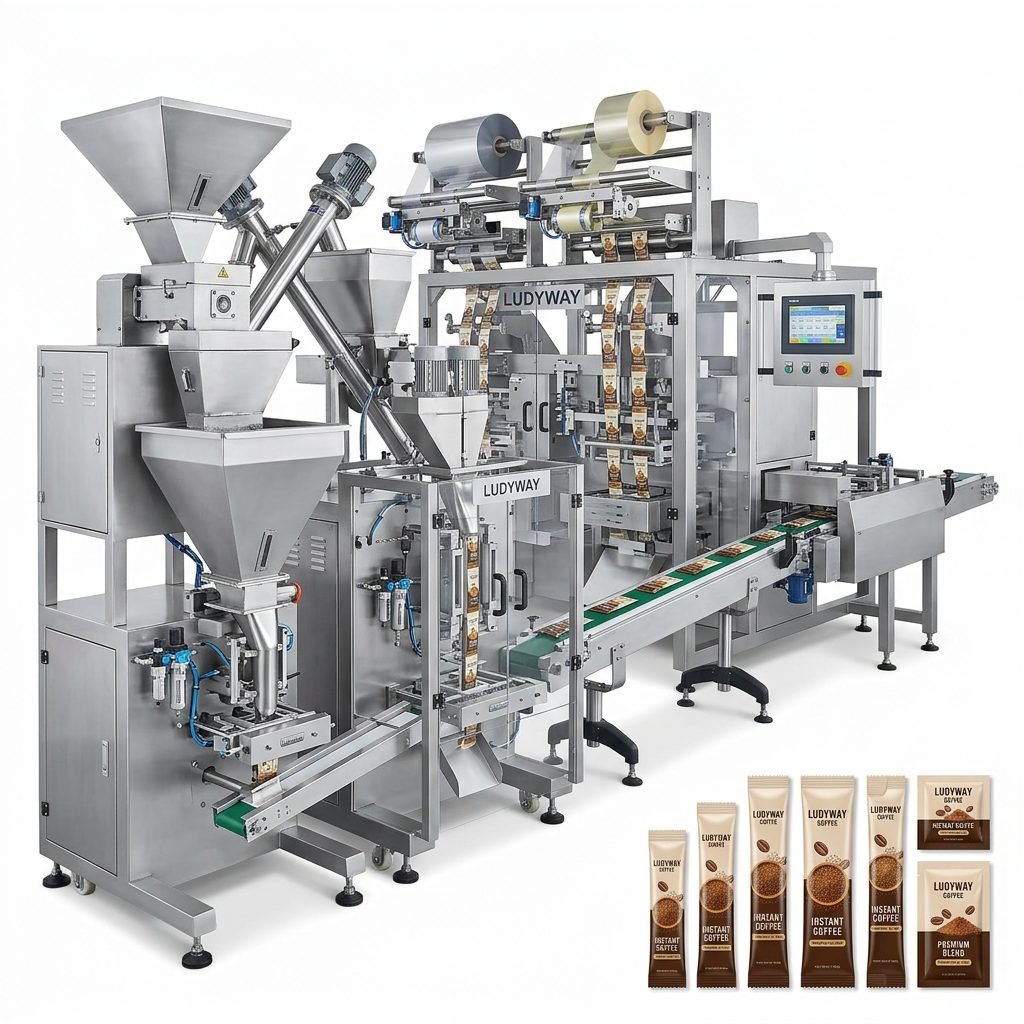
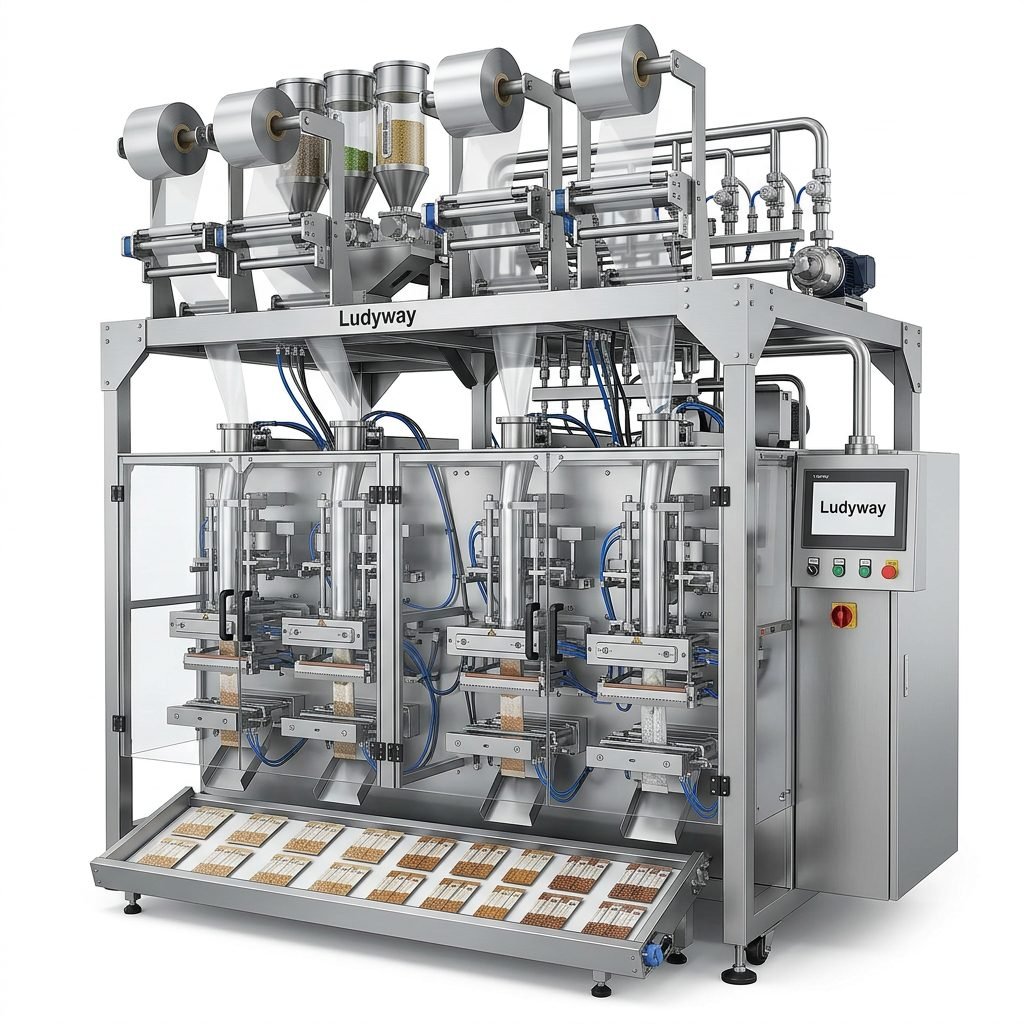
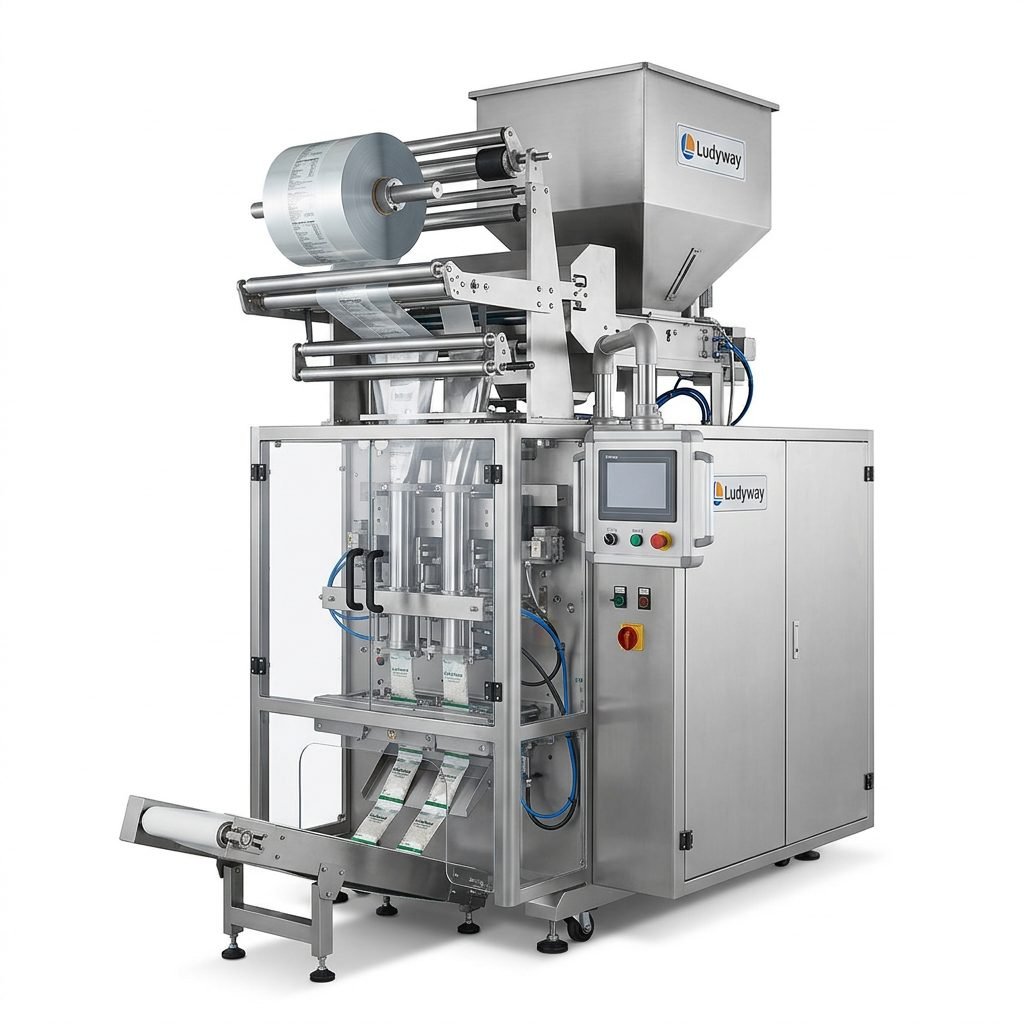
For businesses looking for scalable automation, pizza packaging machine solutions from Ludyway
can be worth evaluating, especially for projects that require customized packaging equipment or complete turnkey packaging lines backed by
extensive manufacturing experience.
Final Selection Checklist
| Checklist Item | Status to Confirm |
|---|---|
| Pizza product dimensions confirmed | Yes / No |
| Required packaging format selected | Yes / No |
| Packaging material tested | Yes / No |
| Seal quality validated with real samples | Yes / No |
| Future automation expansion considered | Yes / No |
| Supplier service and spare parts support reviewed | Yes / No |
Choosing the best pizza packaging machine means balancing speed, safety, packaging quality, and long-term efficiency.
Start with your product and packaging goals, then evaluate machine type, flexibility, sealing reliability, integration options,
and supplier capability. A well-matched solution will protect your pizzas better, improve operational consistency, and support future growth.