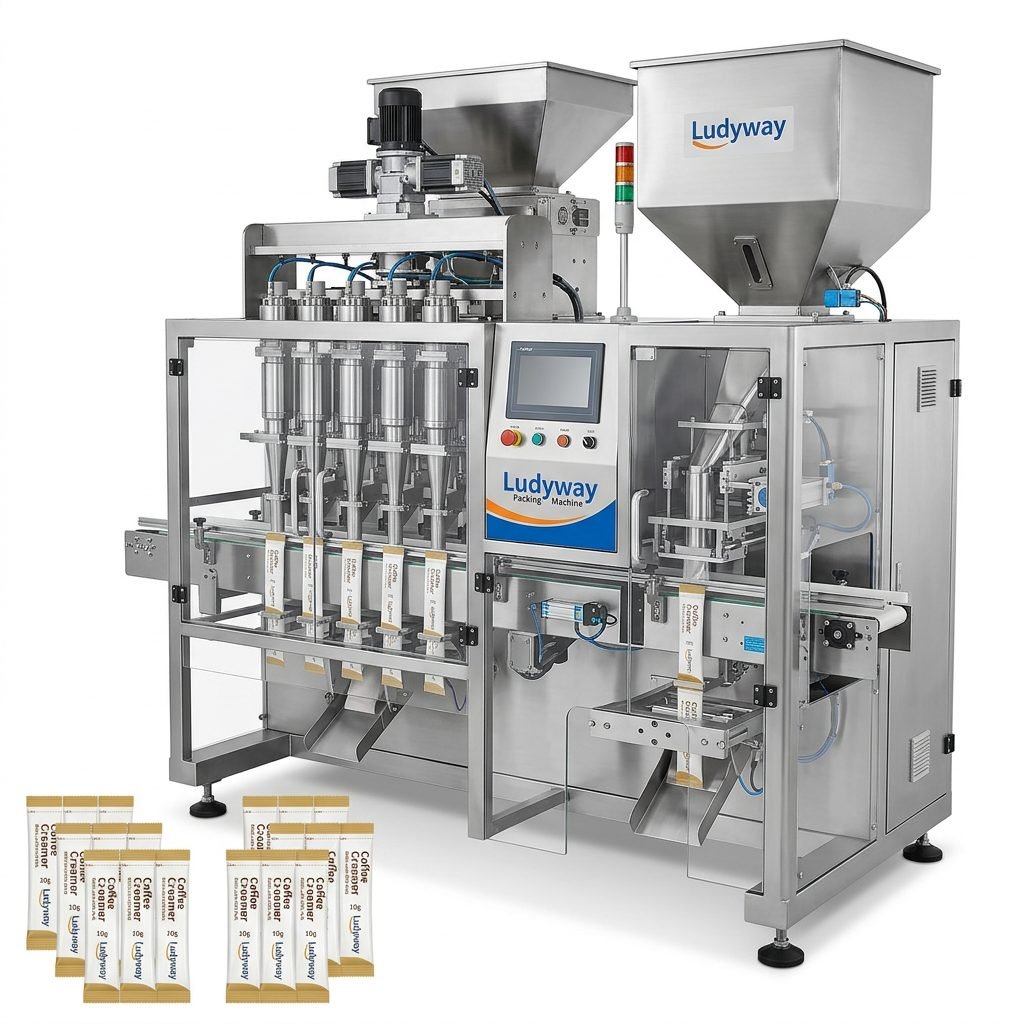
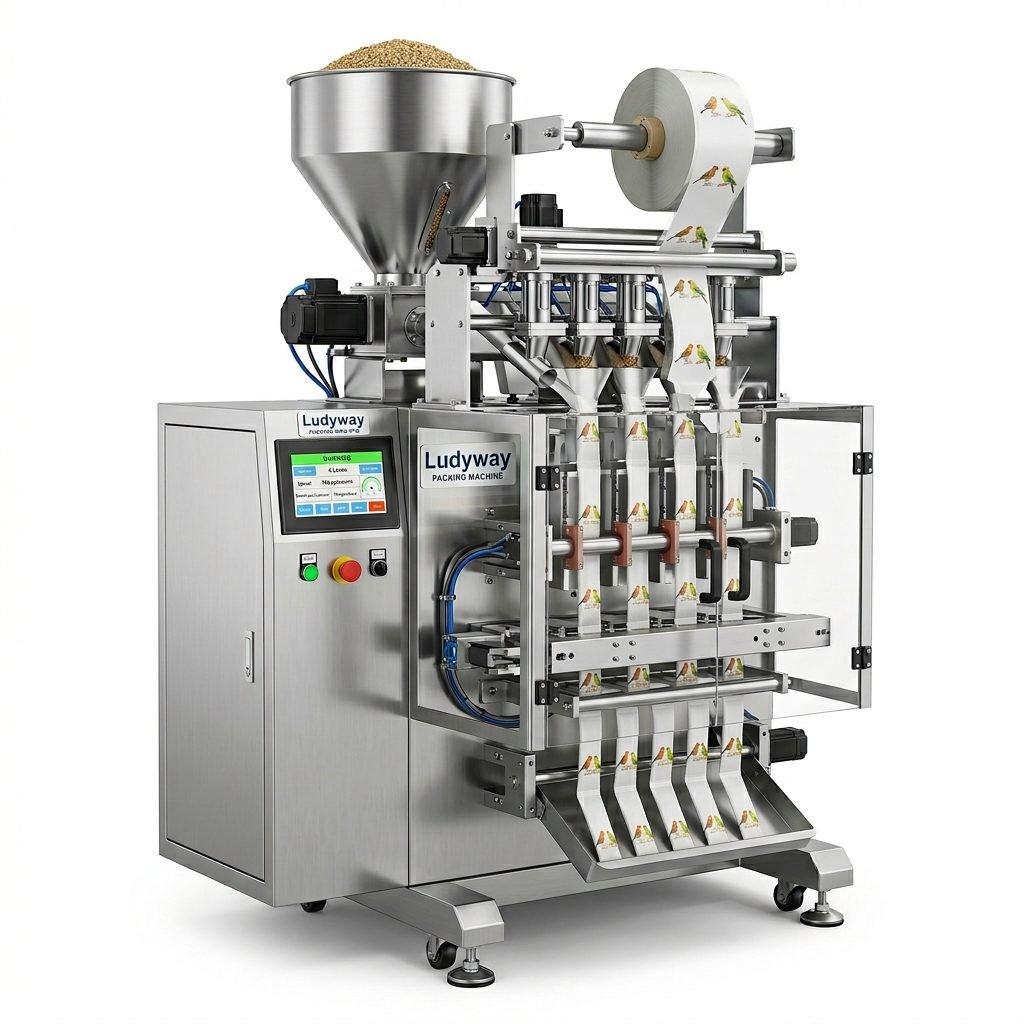
Choosing the right liquid sachet packing machine is not just about buying equipment. It is about selecting a packaging solution that matches your product viscosity, target output, sachet style, hygiene requirements, and long-term production goals. For businesses in food, pharmaceutical, cosmetics, and chemical sectors, the right machine can improve efficiency, reduce waste, protect product quality, and support scalable growth.
Whether you pack ketchup, shampoo, syrup, oral liquid, detergent, sauce, lotion, or oils, a well-matched machine helps you stay competitive in a market that increasingly values speed, consistency, and convenience packaging.
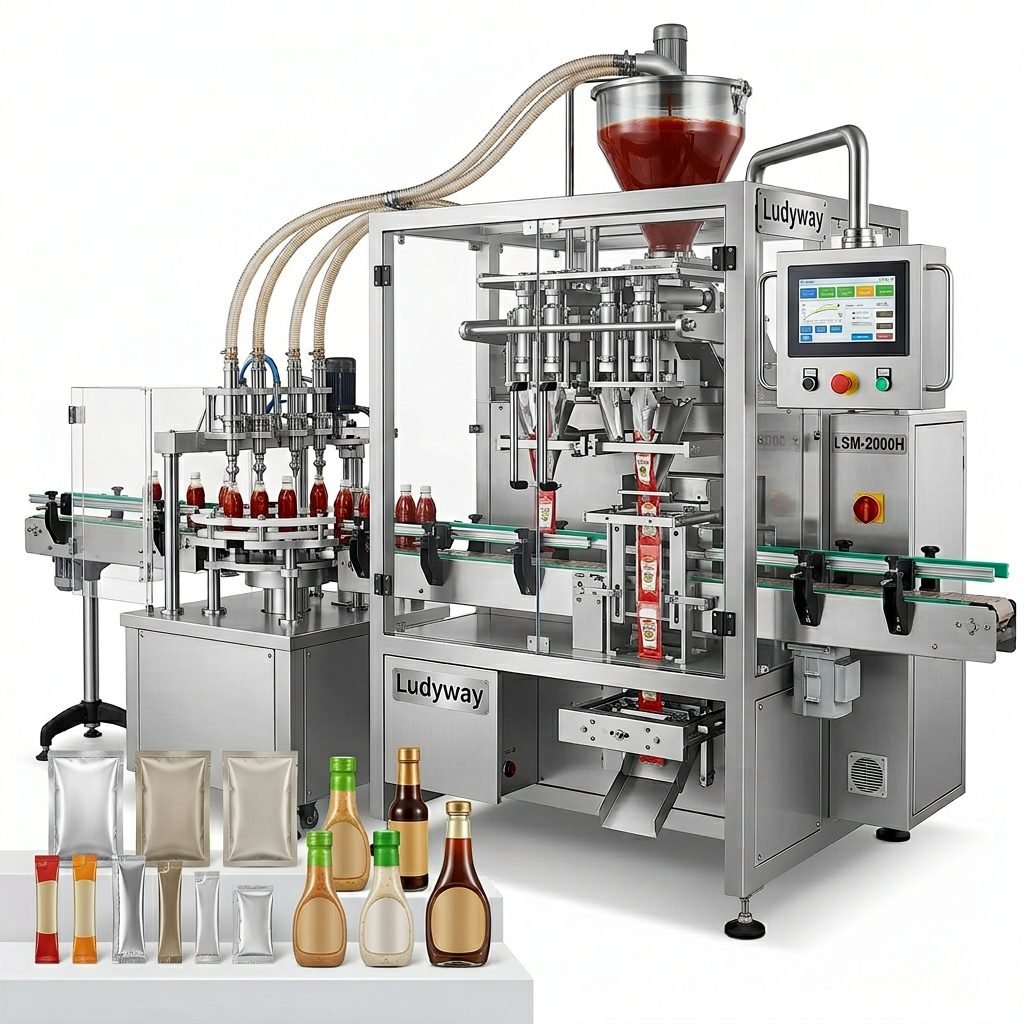
Why Liquid Sachet Packaging Continues to Grow
Liquid sachets remain one of the most practical packaging formats for single-use and small-dose applications. They are lightweight, portable, cost-effective, and suitable for both retail and promotional markets. Many brands use sachets to lower packaging material costs while making products easier to distribute and sample.
- Food industry: ketchup, mayonnaise, soy sauce, honey, oils, condiments, beverage concentrates
- Pharmaceutical industry: oral liquids, gels, medical solutions, nutritional supplements
- Cosmetic industry: serum, lotion, shampoo, conditioner, facial cream
- Chemical industry: detergent, cleaner, lubricant, adhesive, agricultural liquids
For many manufacturers, sachets also offer a faster route to new product launches because the format is flexible, widely accepted by consumers, and easy to customize with coding, printing, and carton packing options.
What a Liquid Sachet Packing Machine Does
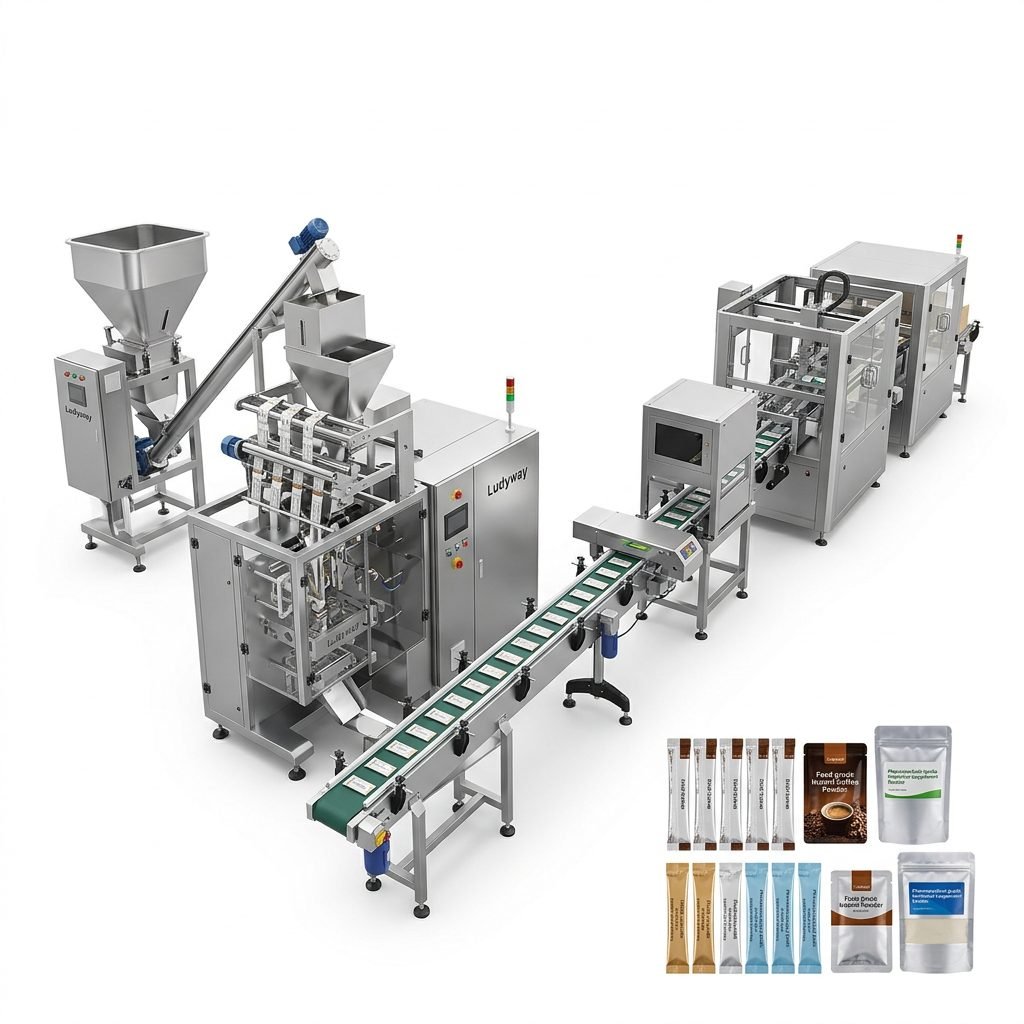
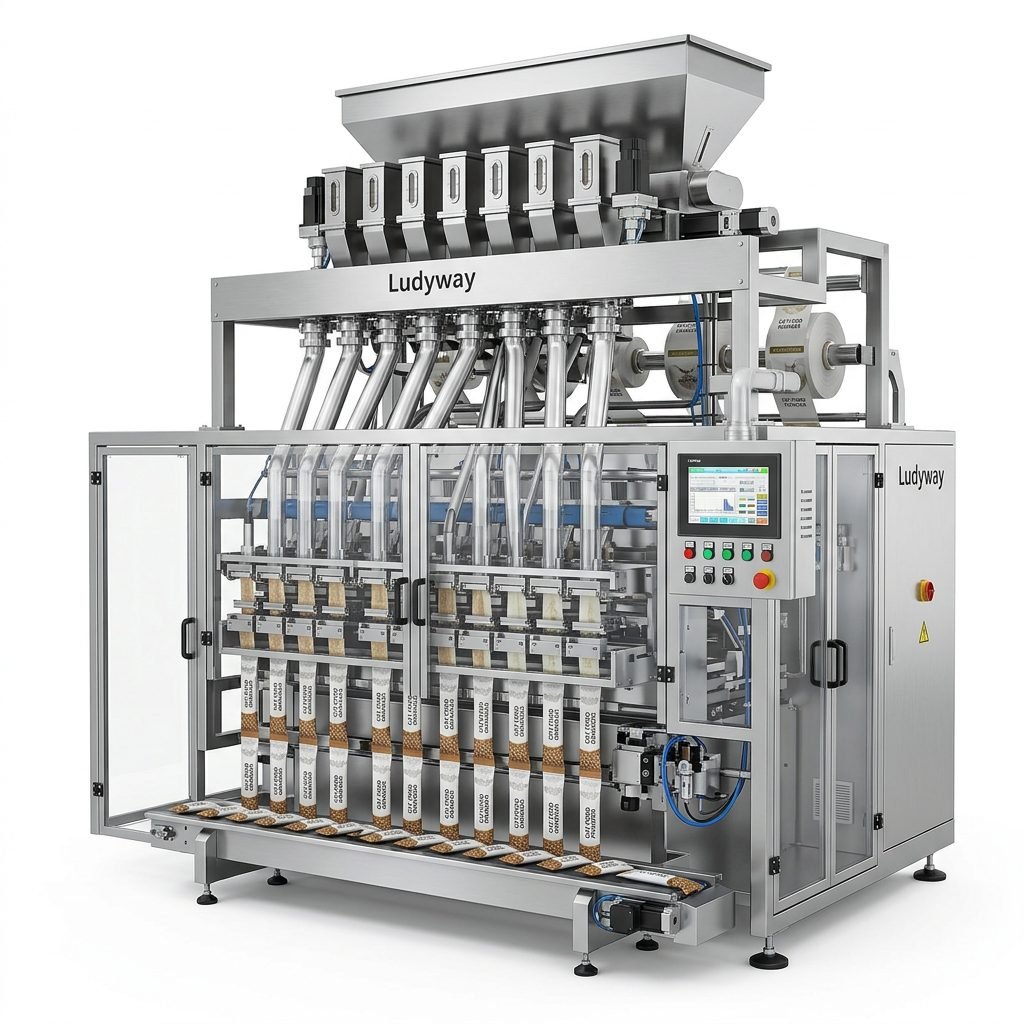
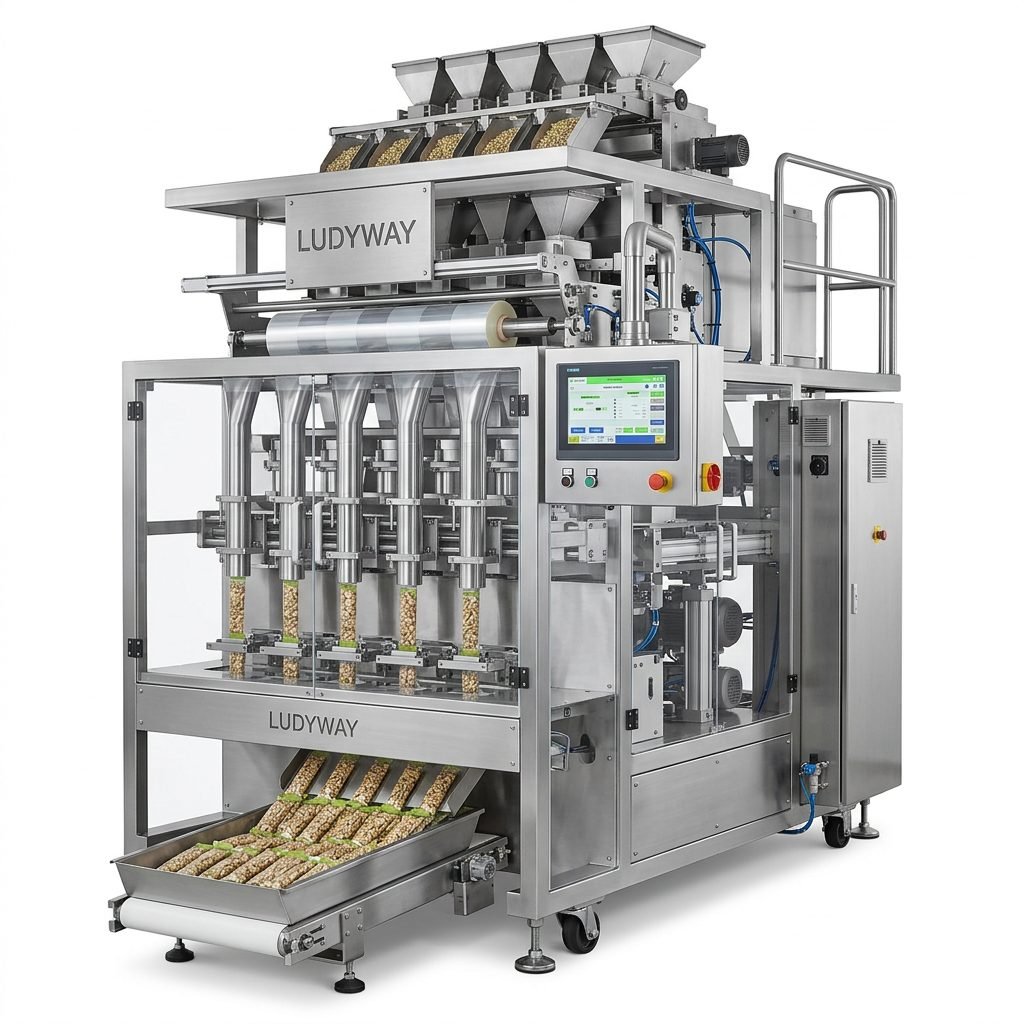
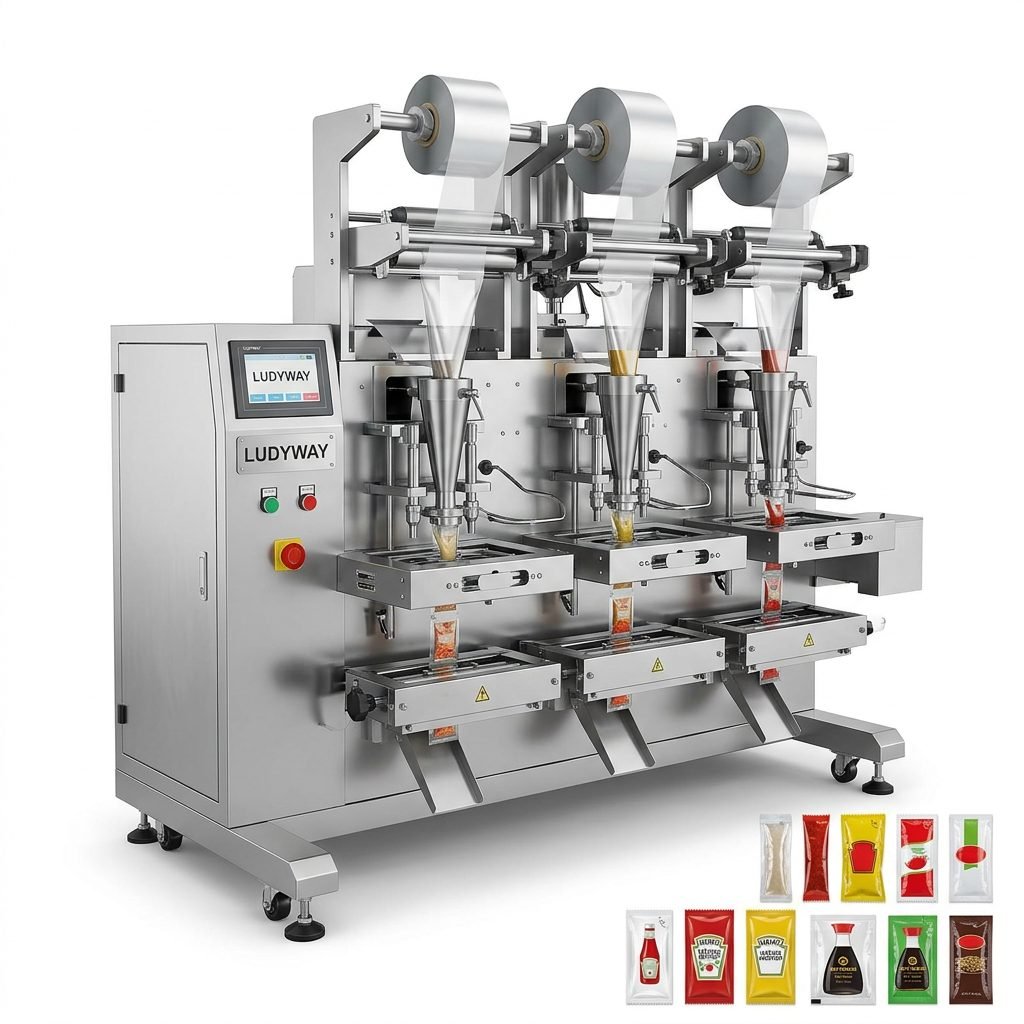
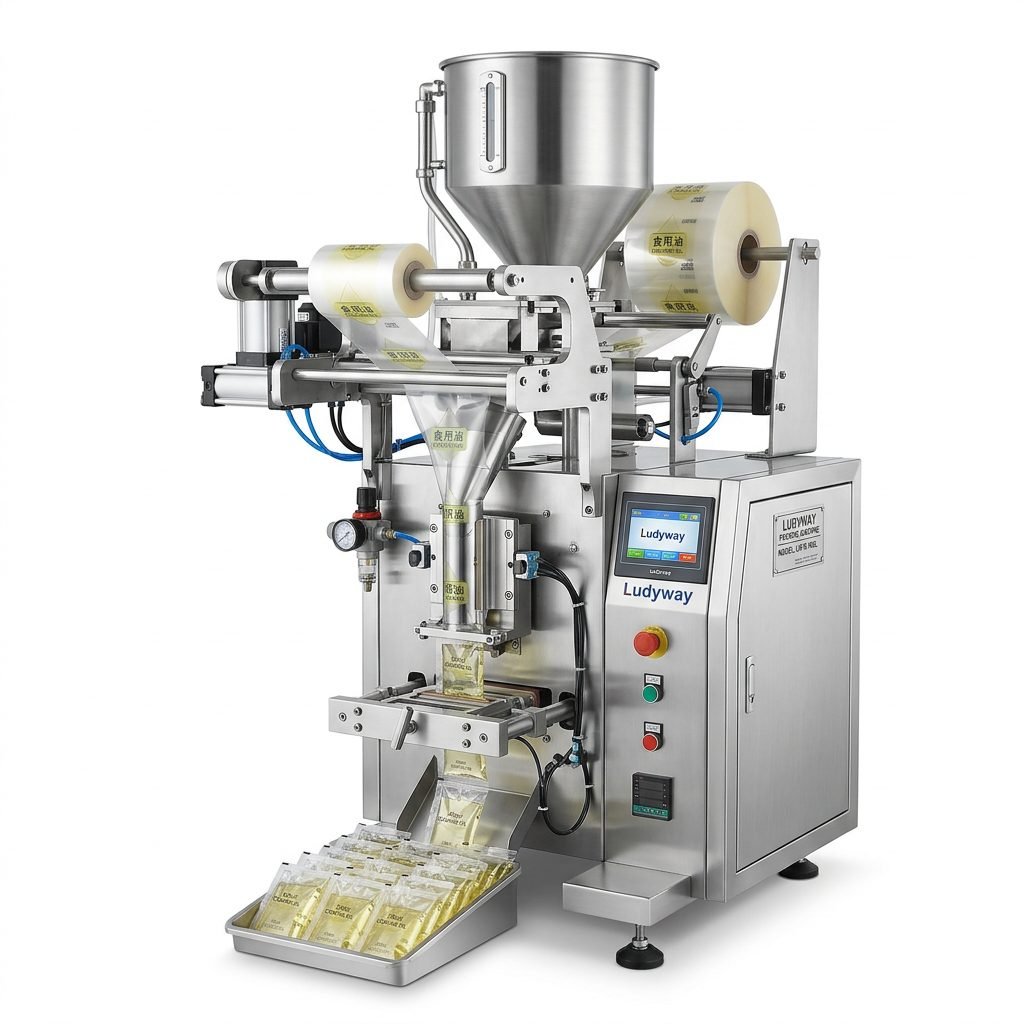
A liquid sachet packing machine typically performs several steps in one automated process: film unwinding, sachet forming, liquid dosing, sealing, cutting, and discharge. Depending on the application, it may also integrate with date coding, checkweighing, cartoning, and secondary packaging equipment.
The core objective is simple: fill each sachet accurately and seal it reliably at the desired speed. However, the best machine for your business depends on several technical details that should never be overlooked.
Key Factors to Consider Before You Choose
1. Product Type and Viscosity
Not all liquids behave the same way. Water-like liquids, viscous sauces, oily products, foaming cleaners, and gel-based cosmetics require different filling approaches. A mismatch between product characteristics and filling system often causes leakage, unstable fill weights, poor seals, and downtime.
- Low-viscosity liquids: juice, oral liquid, vinegar, disinfectant
- Medium-viscosity liquids: shampoo, detergent, syrup
- High-viscosity liquids or pastes: ketchup, mayonnaise, cream, honey
- Special liquids: hot-fill products, corrosive liquids, foaming products, particle-containing liquids
Always ask whether the machine is designed for your exact product behavior, not just for “liquid” in general.
2. Sachet Format and Seal Style
Sachet appearance affects both packaging efficiency and consumer perception. You should define the exact sachet format before finalizing machine specifications.
- 3-side seal sachets
- 4-side seal sachets
- Back-seal sachets
- Twin sachets or connected sachets
- Special-shaped sachets for brand differentiation
Seal integrity is especially important for liquid products because poor sealing quickly leads to leakage, contamination, and customer complaints.
3. Required Output Capacity
A small business may prioritize flexibility and lower investment, while a large manufacturer may need high-speed continuous output. Your machine should match both your current volume and your expected growth over the next three to five years.
| Production Need | Recommended Direction | Typical Use Case |
|---|---|---|
| Low output | Single-lane machine | Startups, pilot production, niche products |
| Medium output | Automatic standard sachet machine | Growing regional brands |
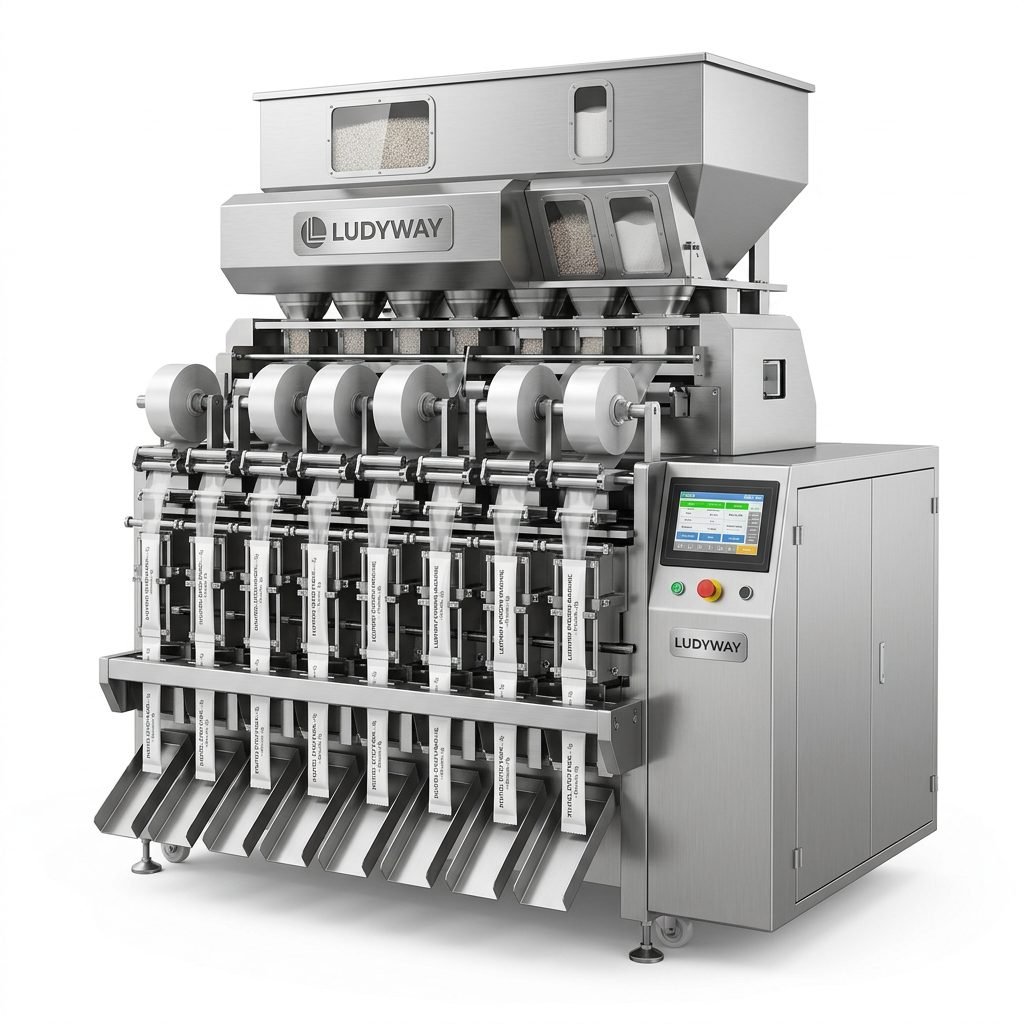
| High output | Multi-lane sachet packing system | Large-scale factories and export-oriented production |
If demand is rising rapidly, choosing a system with room for line integration can save major upgrade costs later.
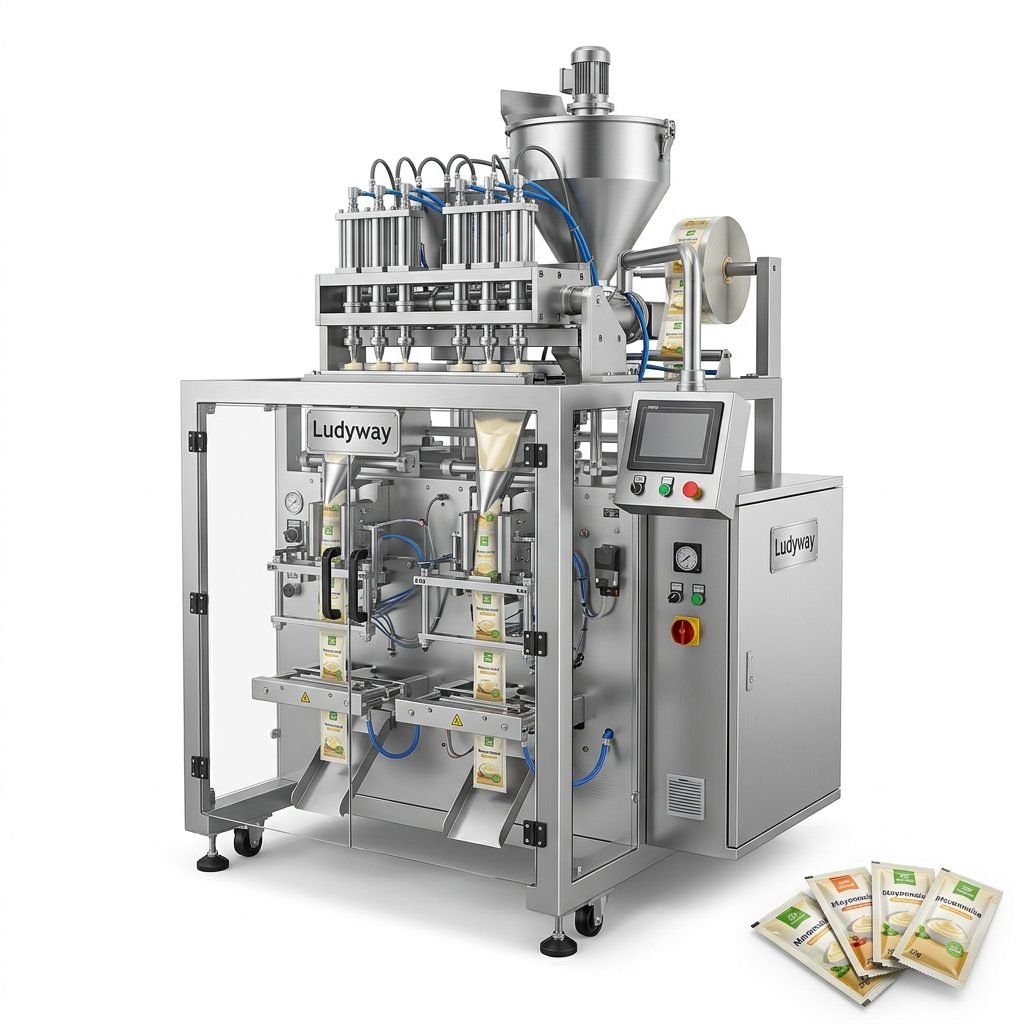
4. Filling Accuracy
In liquid sachet packaging, underfilling wastes brand trust, while overfilling wastes product and raises costs. Accurate dosing is especially critical in pharmaceutical, nutraceutical, and premium cosmetic applications.
Ask suppliers about:
- Filling tolerance range
- Pump type and control method
- Anti-drip design
- Performance with different temperatures and viscosities
- Cleaning and changeover requirements
5. Packaging Film Compatibility
The machine must work well with your chosen laminate or film structure. Different packaging films affect forming stability, sealing temperature, print registration, and final sachet appearance.
Confirm whether the machine supports:
- PET/PE, PET/AL/PE, nylon laminates, and other common structures
- Heat-sensitive films
- High-barrier materials
- Recyclable or sustainability-focused film options
6. Hygiene and Material Standards
For food, pharma, and cosmetics, sanitary design matters as much as speed. Contact parts should typically use stainless steel and be easy to clean. If your product has strict hygiene or GMP-related requirements, machine design must support them from the start.
- SUS304 or SUS316 contact parts where required
- Easy-clean filling system
- Leak-proof structure
- Dustproof and splash-resistant electrical layout
- Validation-friendly documentation for regulated industries
7. Automation Level
A standalone machine may work for smaller operations, but many businesses benefit more from a complete packaging workflow. Higher automation can reduce labor dependency, improve consistency, and support better line management.
You may need integration with:
- Product feeding tanks and pumps
- Date coding and printing systems
- Checkweighers and metal detectors
- Sachet counting and cartoning machines
- Case packing and palletizing equipment
How to Match Machine Type to Your Business Stage
| Business Stage | Main Priority | Ideal Packaging Solution |
|---|---|---|
| Startup or small batch producer | Budget control and flexibility | Compact automatic sachet machine |
| Growing brand | Stable output and quality | Mid-speed automatic liquid sachet packing machine |
| Established manufacturer | High speed and lower labor cost | Multi-lane line with auxiliary equipment |
| Large enterprise or contract packer | Scalability and turnkey integration | Complete automated packaging line |
Common Mistakes Buyers Should Avoid
- Choosing based on price alone without checking actual compatibility with product viscosity and sachet size.
- Ignoring future production needs and buying a machine that becomes undersized too quickly.
- Overlooking after-sales support, spare parts availability, and remote technical service.
- Not testing real product samples before confirming machine configuration.
- Forgetting downstream packaging such as counting, cartoning, coding, or case packing.
A machine that looks good on paper may still fail in real production if these details are ignored.
Questions You Should Ask a Supplier
- What liquid range can the machine handle?
- What is the actual production speed for my sachet size?
- How accurate is the filling system?
- Can the machine run my film material reliably?
- How long does product changeover take?
- What spare parts are included?
- Do you offer commissioning, training, and online support?
- Can the machine be integrated into a complete automatic line later?
Why Turnkey Capability Matters
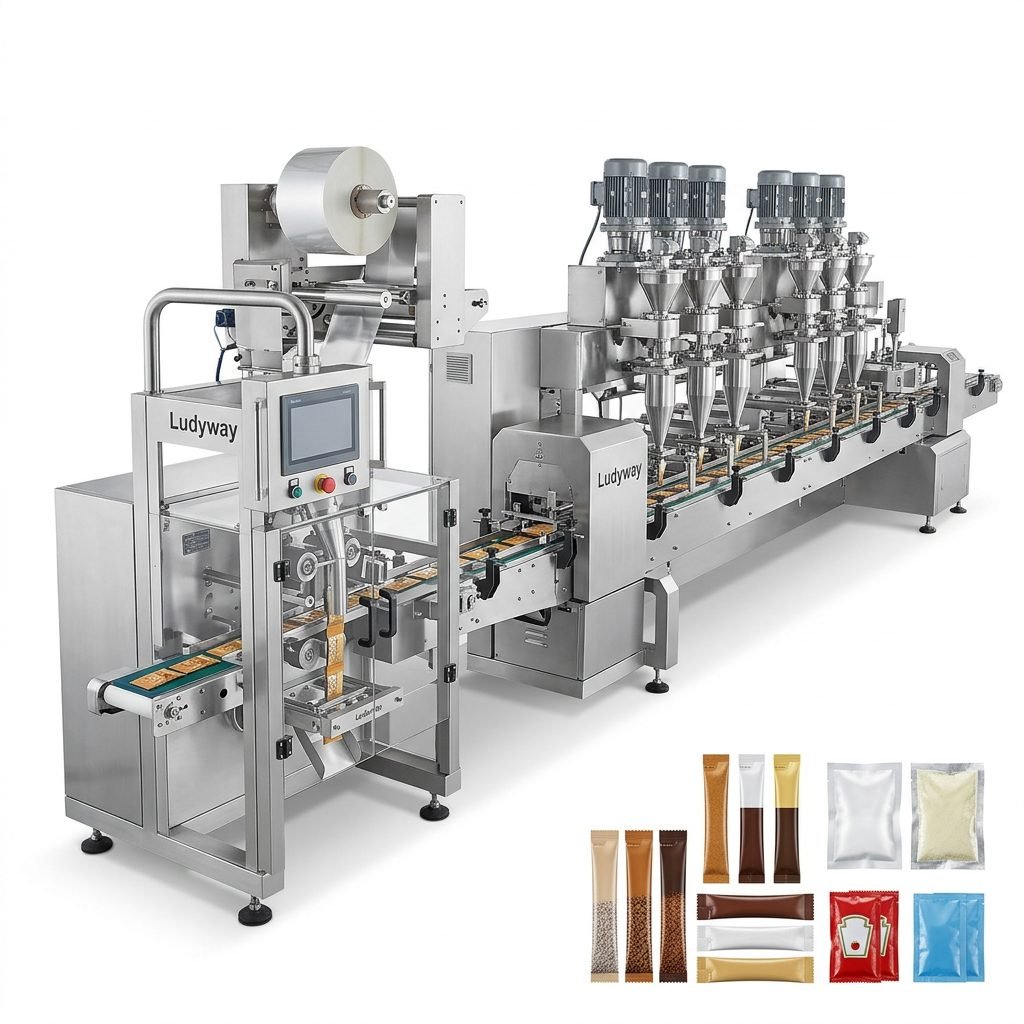
For many manufacturers, the real value is not just the sachet machine itself, but the ability to build a reliable packaging line around it. This includes product transfer, feeding, coding, inspection, counting, cartoning, and final end-of-line handling.
Working with an experienced packaging machinery manufacturer can reduce integration risk and shorten project timelines. Companies looking for scalable liquid sachet solutions often evaluate suppliers that can provide both standalone systems and complete lines, such as Ludyway liquid sachet packing machine solutions, especially for food, pharmaceutical, cosmetic, and chemical applications.
Signs You Have Found the Right Packaging Solution
- The machine matches your product characteristics and packaging format
- Output meets both current demand and expansion plans
- Filling accuracy and seal quality remain stable over time
- Cleaning and maintenance are practical for your team
- Technical support and spare parts are accessible
- The system can be upgraded into a more automated line if needed
Final Buying Perspective
The right liquid sachet packing machine should help your business do more than package product. It should support profitability, reliability, compliance, and long-term growth. A good buying decision starts with understanding your product, output target, sachet requirements, and automation roadmap.
If you compare suppliers carefully, validate with real product samples, and focus on total production value instead of initial machine price alone, you will be much more likely to choose a packaging solution that delivers lasting results.