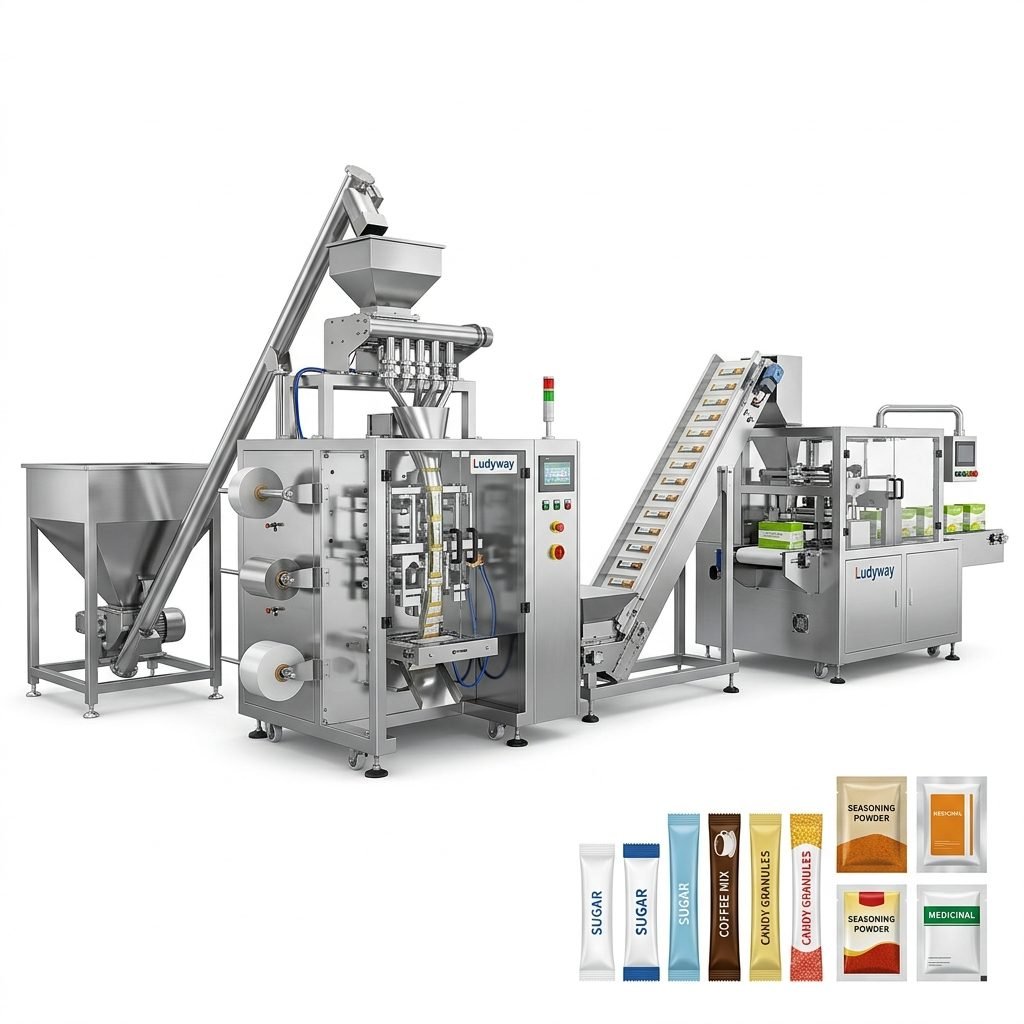
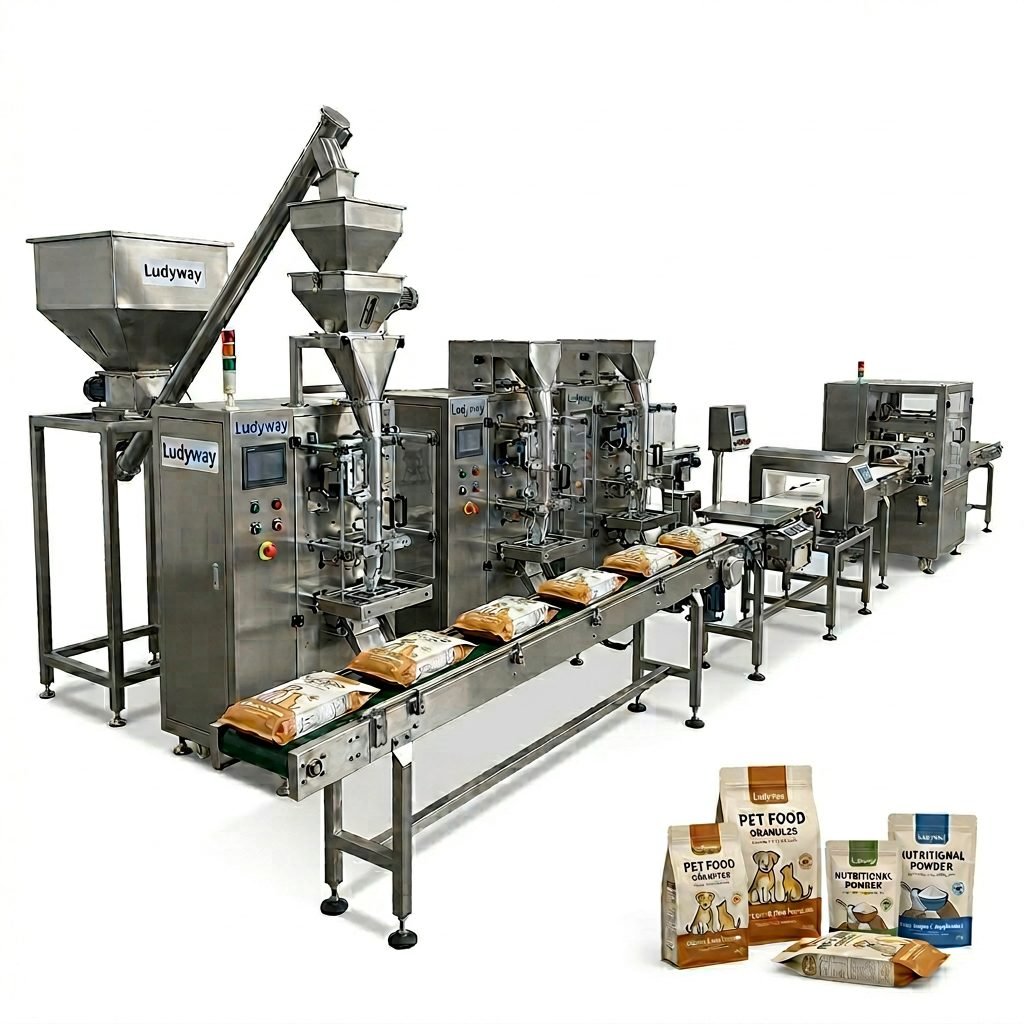
Selecting the right liquid packaging machine manufacturer is a critical decision that directly impacts your production efficiency, product quality, and overall operational success. The market offers a vast array of suppliers, each promising reliability and innovation. This guide will walk you through the essential factors to consider when choosing the best supplier for your production line, ensuring you make an informed investment that supports your business growth for years to come.
Core Factors for Evaluating Liquid Packaging Machine Manufacturers
Before diving into specific suppliers, it’s crucial to establish a clear set of evaluation criteria. The ideal manufacturer should align with your technical requirements, production volume, and long-term business goals.
1. Technical Expertise and Machine Capabilities
The heart of your decision lies in the machine’s performance. Assess the manufacturer’s technical prowess by examining the range of machines they offer. Can they handle your specific liquid viscosity—whether it’s water-thin, creamy, or highly viscous? Look for features like precision filling systems, compatibility with various packaging materials (PET, HDPE, glass, pouches), and advanced sealing technologies. A manufacturer with deep engineering knowledge, like Ludyway Packing Machine, often provides more adaptable and future-proof solutions.
2. Production Capacity and Scalability
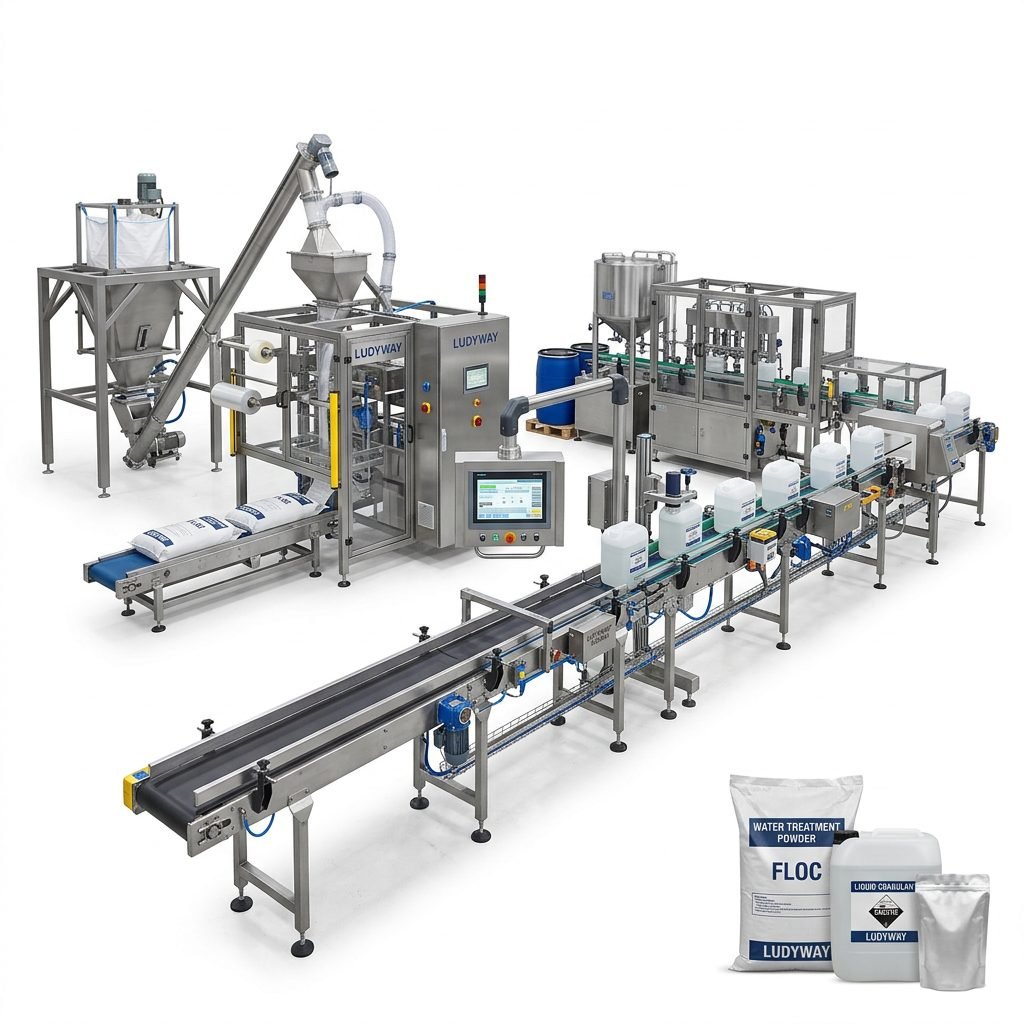
Your chosen equipment must match your current output needs while allowing room for growth. Evaluate the machine’s speed (containers per minute) and its ability to integrate into a complete production line. Consider whether the supplier can provide a turnkey solution—handling everything from the filler and capper to the labeler and conveyor. This holistic approach, backed by strong project management, minimizes integration headaches and ensures smoother scalability as your demand increases.
3. Reliability, Durability, and Build Quality
A packaging machine is a long-term asset. Investigate the construction materials—stainless steel grades for food and pharmaceutical safety, the quality of pneumatic and electrical components, and the overall robustness of the design. Manufacturers with extensive experience, often those with 30+ years in the industry, typically build machines for longevity and minimal downtime. Request case studies or references from clients with similar operational hours to yours to gauge real-world reliability.
4. After-Sales Support and Service Network
The relationship with your supplier begins after the sale. Comprehensive after-sales support is non-negotiable. Key services to look for include:
- ➤ Installation & Commissioning: On-site setup and training for your operators.
- ➤ Technical Support: Availability of remote diagnostics and a responsive helpdesk.
- ➤ Spare Parts Inventory: Guaranteed availability of critical spare parts to reduce machine downtime.
- ➤ Preventive Maintenance Plans: Scheduled service to keep your line running optimally.
A global service network is a significant advantage for international operations, ensuring support is available when you need it.
Deep Dive into Manufacturer Credentials and Industry Specialization
Beyond the machine specs, the manufacturer’s background and market focus are telling indicators of their suitability for your project.
Industry-Specific Experience
Liquid packaging requirements vary drastically by sector. A machine designed for pharmaceutical sterile filling has different hygiene and accuracy standards than one for edible oils or household chemicals. Seek out manufacturers who demonstrate a proven track record in your specific industry. Their familiarity with regulatory standards (like FDA, cGMP, or EHEDG) and typical production challenges can lead to a more compliant and efficient solution from the start.
Innovation and R&D Commitment
The packaging industry evolves rapidly. A manufacturer invested in research and development is more likely to offer modern features like Industry 4.0 connectivity, IoT-enabled monitoring, and energy-efficient designs. This commitment ensures the machine remains relevant and can adapt to new packaging trends or materials in the future.
Financial Stability and Company History
Partnering with a financially stable company is a risk-mitigation strategy. It indicates their ability to honor warranties, invest in support infrastructure, and remain a reliable partner for the lifespan of your equipment. Review the company’s history; a long-standing presence in the market, such as a firm with a history dating back to 2010 like Ludyway, often correlates with accumulated expertise and a commitment to long-term customer relationships.
The Supplier Selection Process: A Step-by-Step Approach
Turning your criteria into action requires a structured process. Follow these steps to narrow down your options effectively.
Step 1: Define Your Detailed Requirements (RFQ)
Create a comprehensive Request for Quotation (RFQ). Include details on liquid product characteristics, desired container types, required output speed, available factory floor space, utility connections, and any desired automation level. The more detailed your RFQ, the more accurate and comparable the proposals you will receive.
Step 2: Shortlist and Evaluate Proposals
Based on initial research, shortlist 3-5 manufacturers that seem to fit your core criteria. Evaluate their proposals not just on price, but on the total value offered. Scrutinize the proposed machine model, delivery timeline, payment terms, and the scope of included services (training, warranty).
Step 3: Conduct Factory Audits and Reference Checks
If feasible, visit the manufacturer’s production facility. An audit allows you to assess build quality, production processes, and quality control systems firsthand. Simultaneously, speak directly to their existing clients. Ask about machine performance, reliability, and the quality of the supplier’s technical support and responsiveness.
Step 4: Final Negotiation and Contract Review
Before finalizing your decision, clarify all terms. Ensure the contract explicitly covers performance guarantees (e.g., fill accuracy, speed), warranty details, spare parts pricing, and protocols for handling technical issues. A transparent contract protects both parties and sets clear expectations.
Choosing a liquid packaging machine supplier is a strategic partnership. By meticulously evaluating technical capabilities, industry experience, and post-sale support, you can select a manufacturer that becomes a true ally in optimizing your production line. Companies that combine engineering excellence with a customer-centric approach, such as Ludyway Machinery, exemplify the partners who can deliver not just a machine, but a comprehensive solution for sustainable growth.
Frequently Asked Questions (FAQs)
What is the most important factor when choosing a liquid packaging machine manufacturer?
While all factors are interconnected, technical expertise combined with reliable after-sales support is paramount. A perfectly specified machine is of little value if it faces frequent breakdowns without accessible, expert support to minimize downtime.
How can I verify a manufacturer’s claims about machine speed and accuracy?
Always request a factory acceptance test (FAT) using a sample of your actual product and containers. This live demonstration under witnessed conditions is the most reliable way to verify performance metrics before the machine ships to your facility.
Are turnkey production line solutions better than buying individual machines?
For new lines or major upgrades, turnkey solutions are generally superior. They ensure all components (filler, capper, labeler, conveyor) are perfectly matched and integrated, provided by a single point of responsibility, which simplifies project management, commissioning, and ongoing support.
What should I look for in the warranty and service agreement?
Look for a comprehensive warranty covering parts and labor for a clear period (e.g., 12-24 months). Crucially, examine the service level agreement (SLA) for response times (e.g., 2-hour remote response, 24-48 hour on-site dispatch) and the availability of a local or regional spare parts inventory to ensure swift resolution of issues.
How do I future-proof my investment in packaging machinery?
Choose a manufacturer committed to innovation and ask about modular design and upgrade paths. Machines designed with adaptability in mind can often be retrofitted with new features (like advanced sensors or software) later, protecting your investment against technological obsolescence.