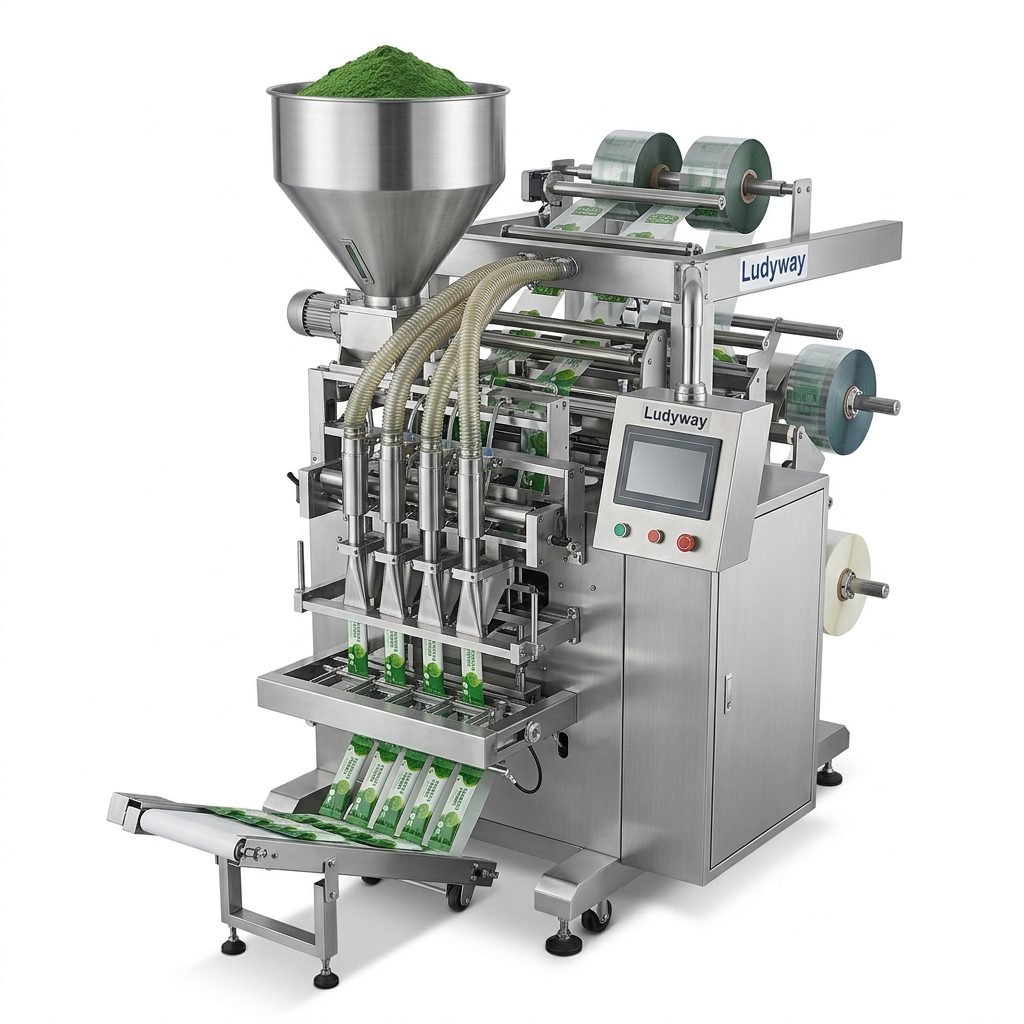
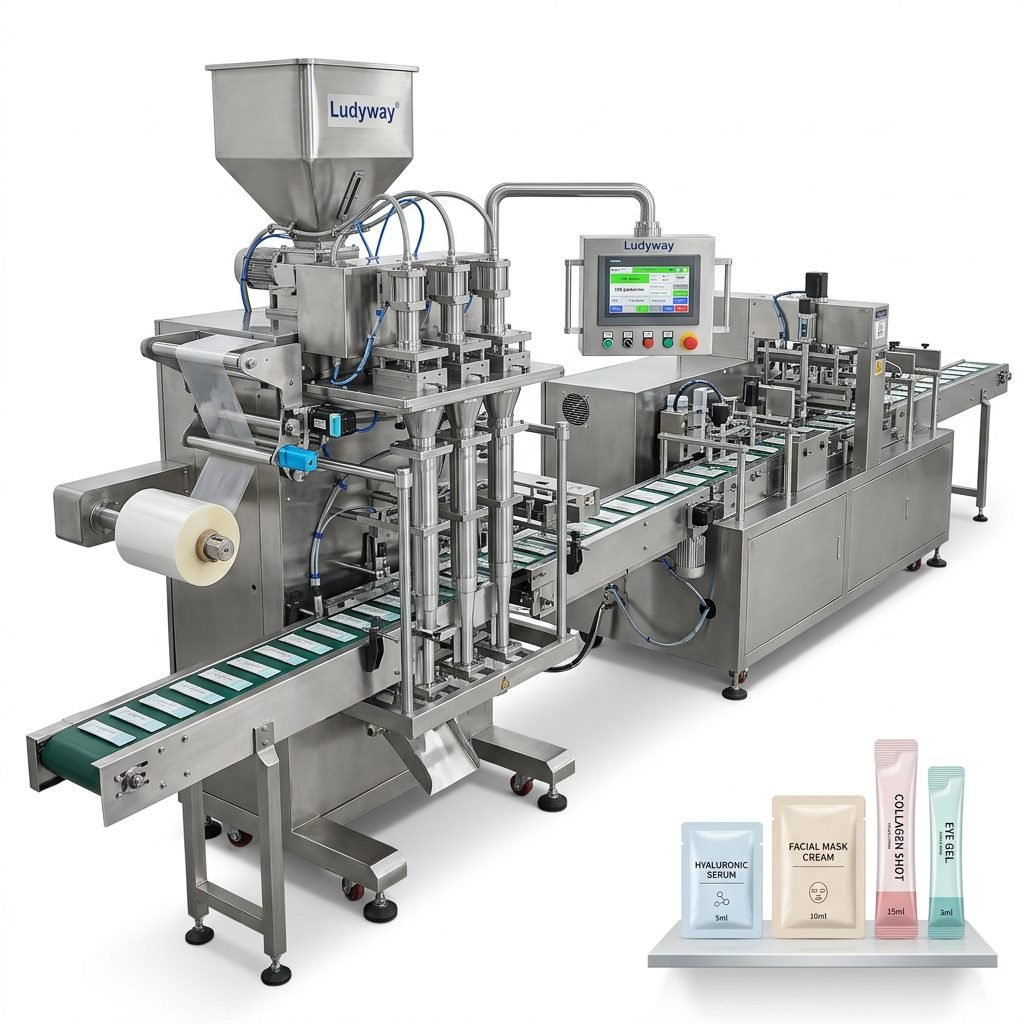
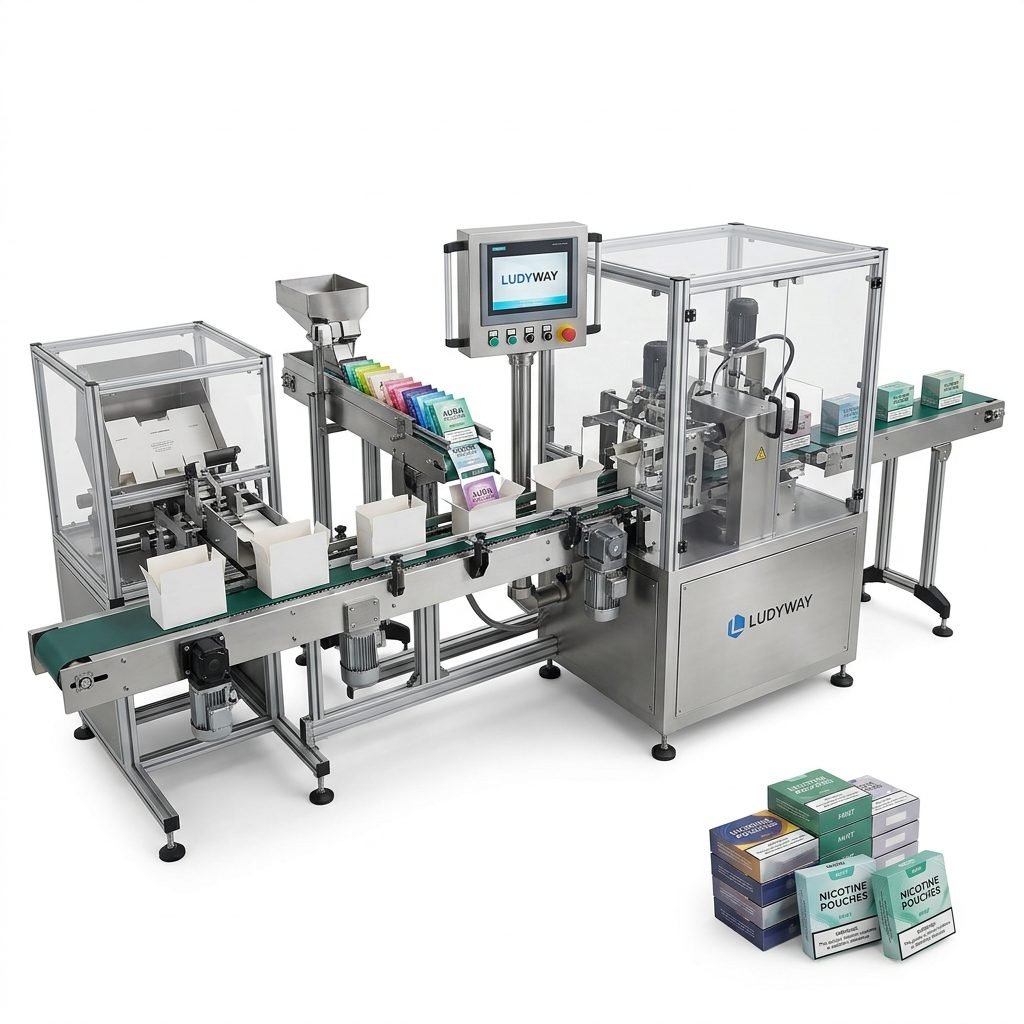
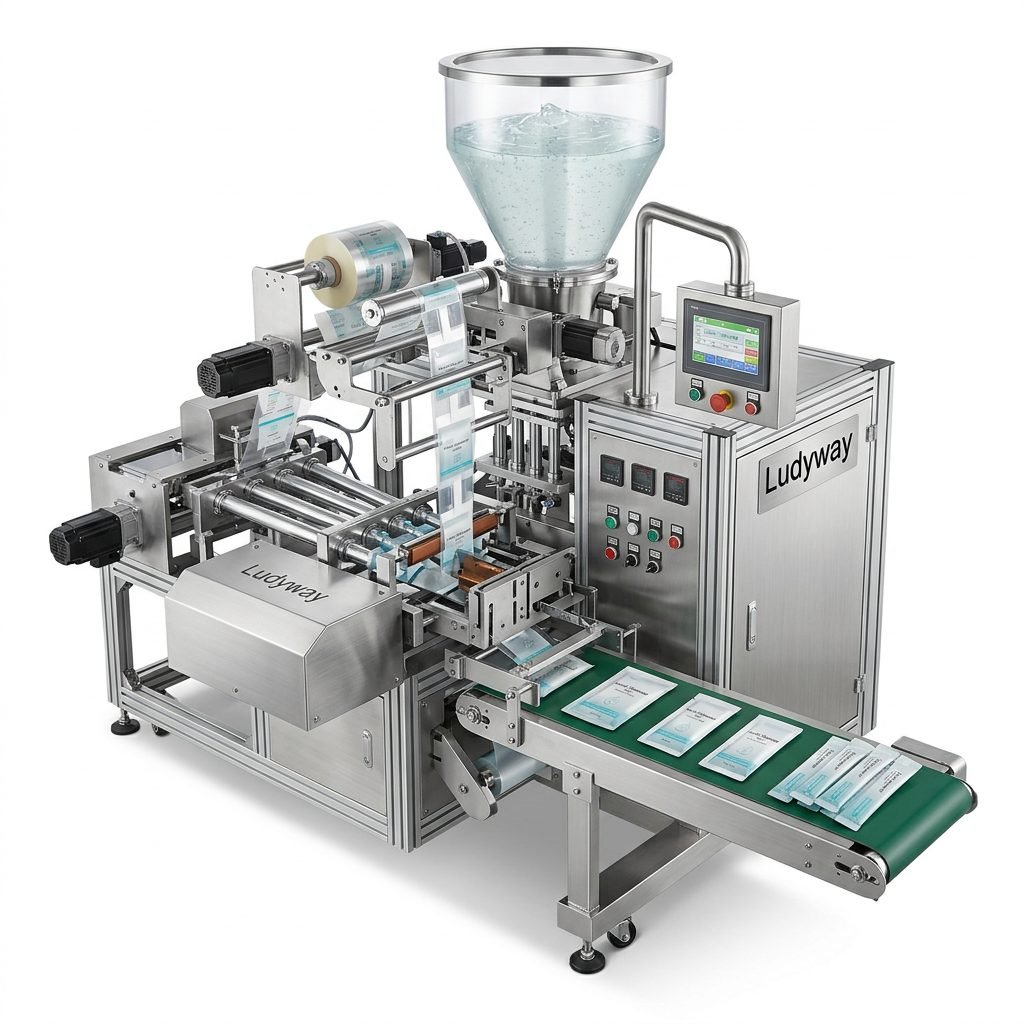
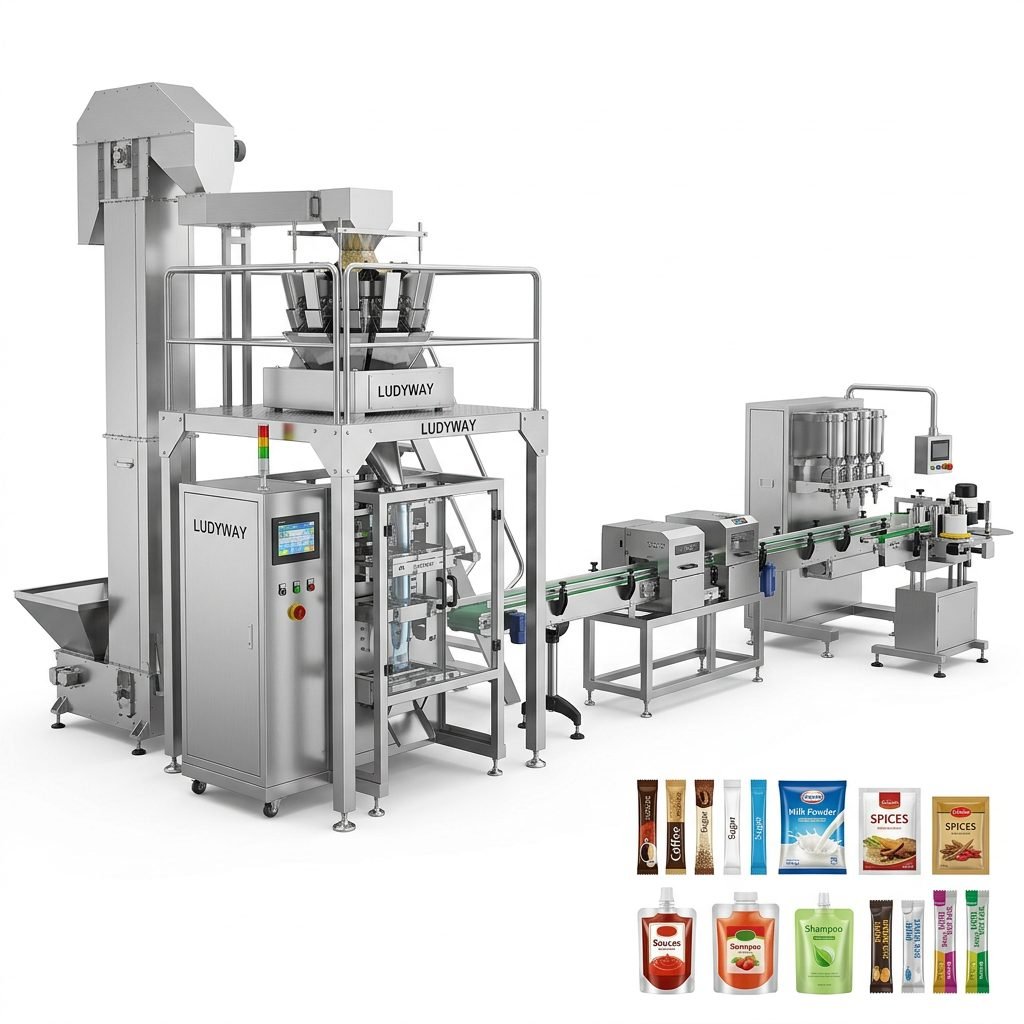
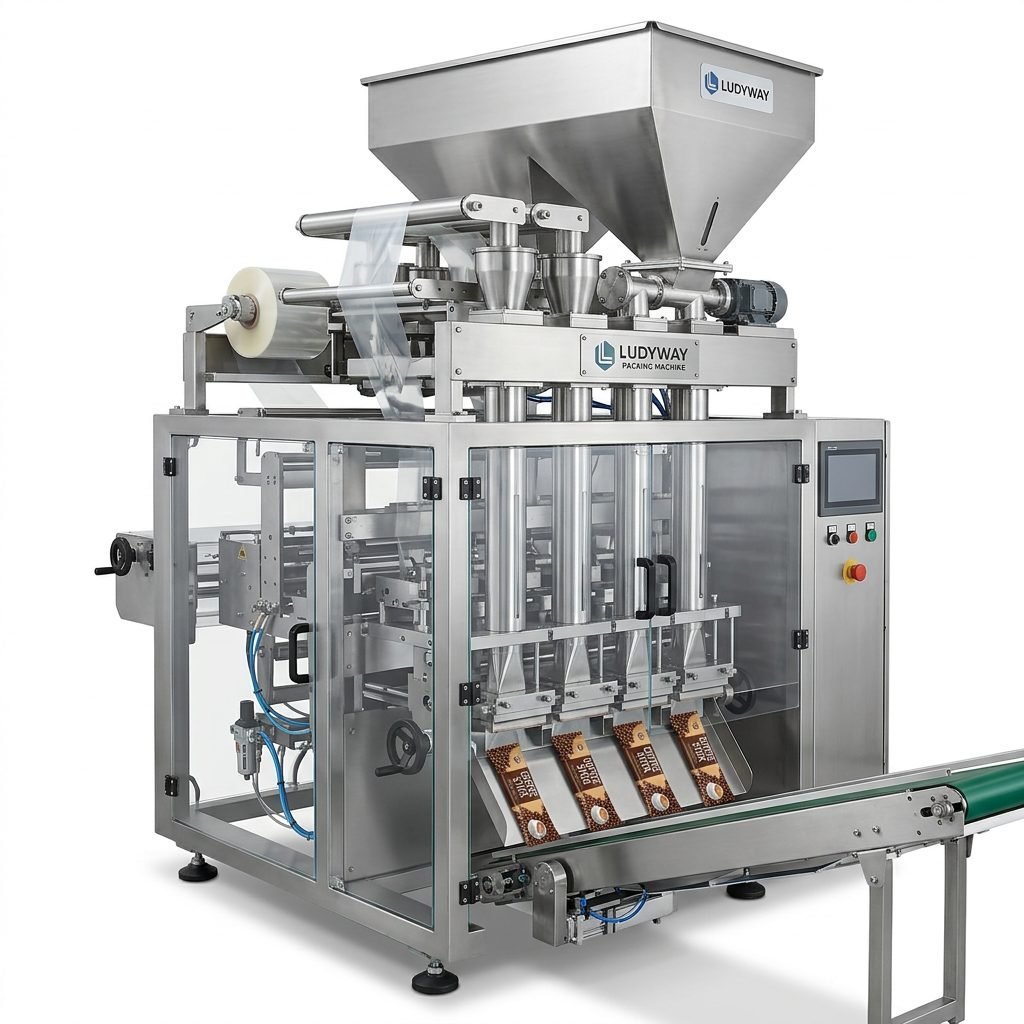
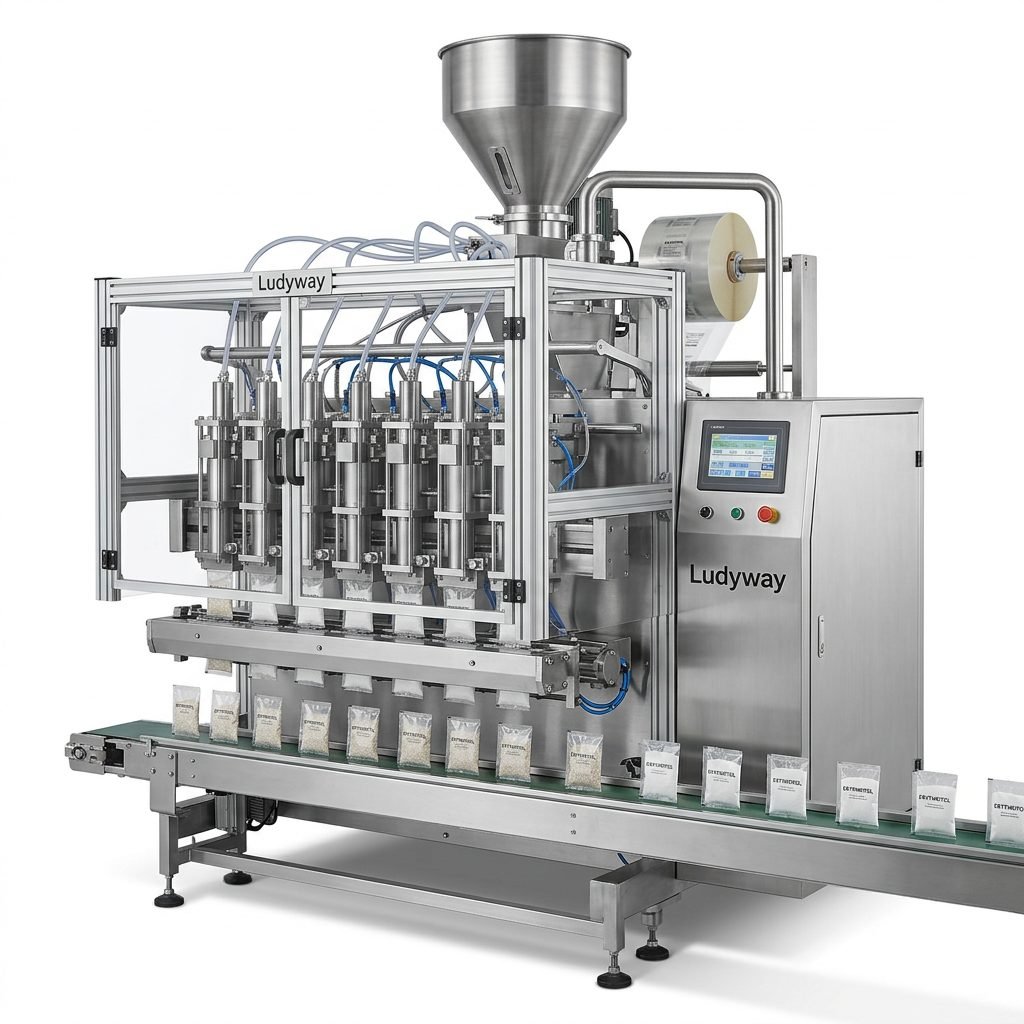
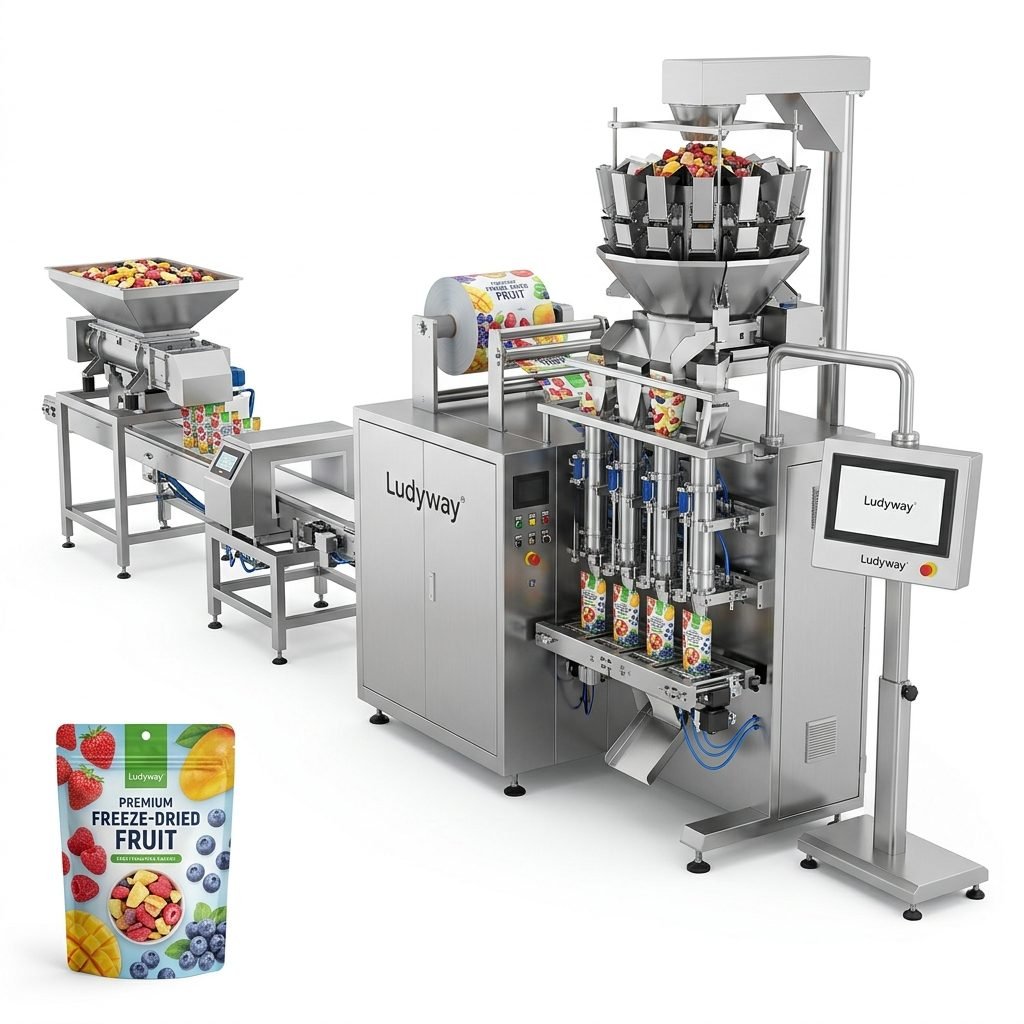
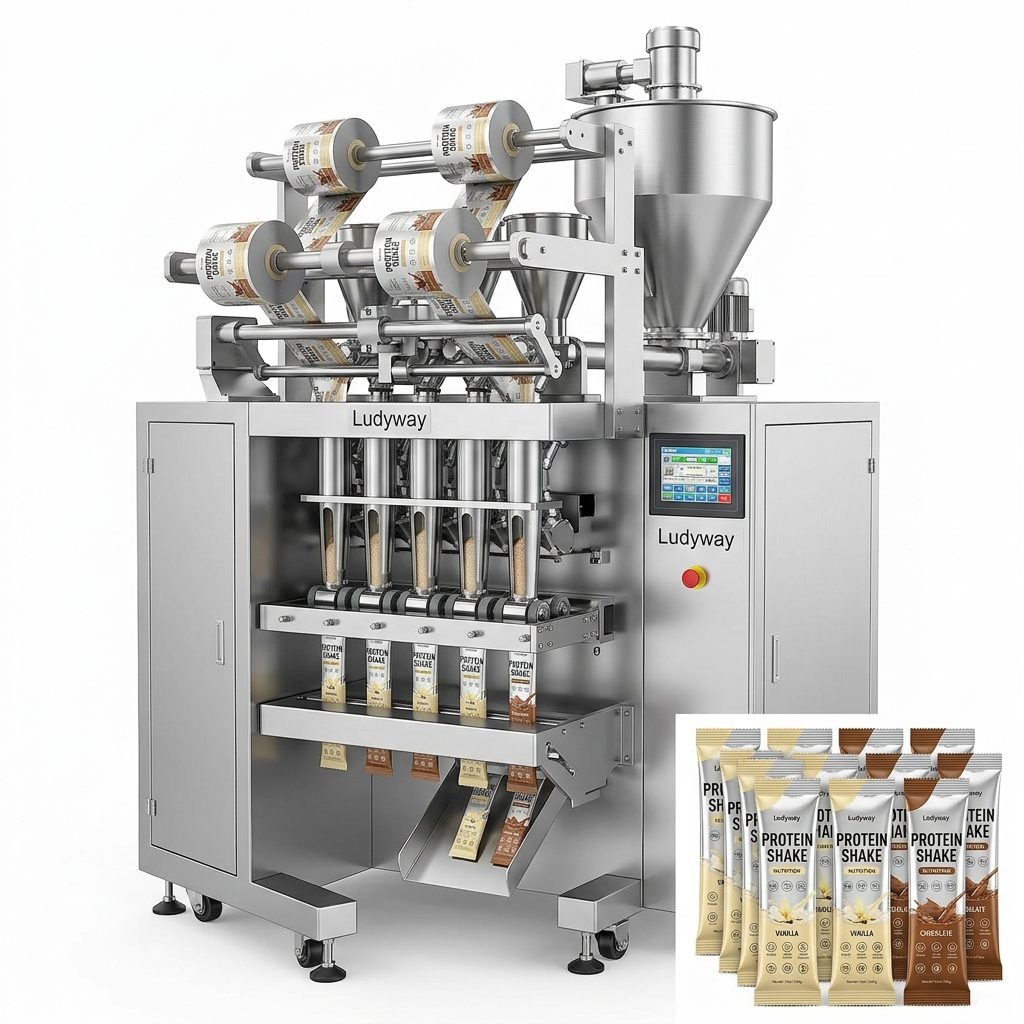
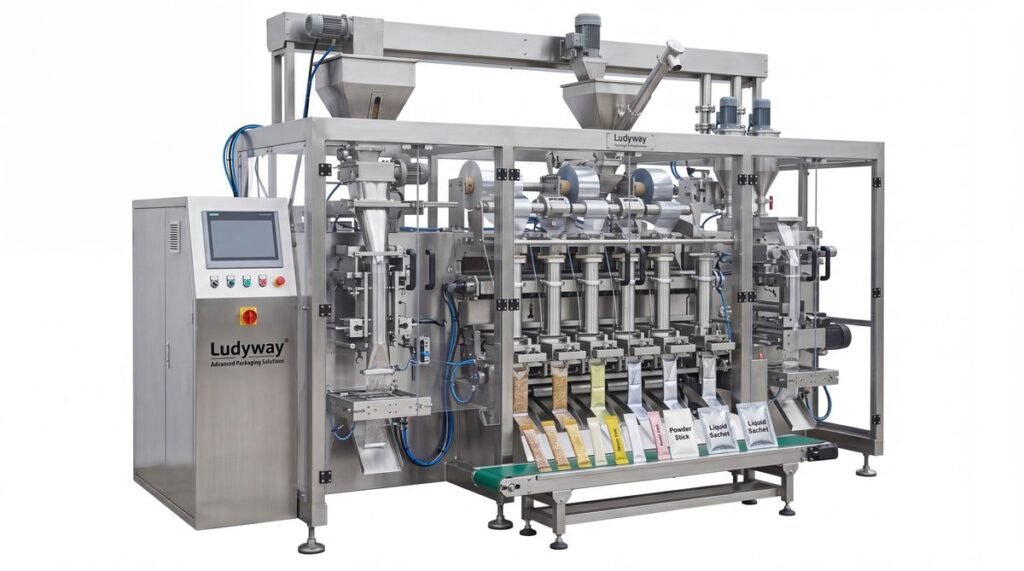
In pharmaceutical and medical device manufacturing, syringe packaging is not just about appearance or transport convenience. It is directly tied to sterility, patient safety, traceability, and production efficiency. A modern syringe packaging machine helps manufacturers package prefilled syringes, disposable syringes, and related sterile medical products with greater consistency while meeting demanding compliance standards.
As production volumes rise and quality expectations become stricter, automated syringe packaging systems are becoming a strategic investment for companies that need clean, repeatable, and high-speed performance without compromising package integrity.
Why Syringe Packaging Requires Specialized Automation
Syringes are highly sensitive medical products. Their packaging process must protect the product from contamination, mechanical damage, labeling errors, and seal failures. Manual or semi-automatic methods often struggle to deliver the speed and precision required by modern pharmaceutical facilities.
A dedicated syringe packaging machine is engineered to handle fragile components with controlled motion, accurate positioning, and validated sealing performance. This is especially important for:
- Prefilled syringes for injectable drugs
- Disposable sterile syringes for hospitals and clinics
- Safety syringes with protective structures
- Combination packs with needles, instructions, or accessories
- Medical products requiring lot coding and serialization
Core Packaging Goals
- Maintain sterility throughout the downstream process
- Prevent scratches, cracks, and plunger deformation
- Ensure accurate counting, orientation, and loading
- Support high-speed production with minimal downtime
- Improve regulatory compliance and traceability
What a Syringe Packaging Machine Typically Does
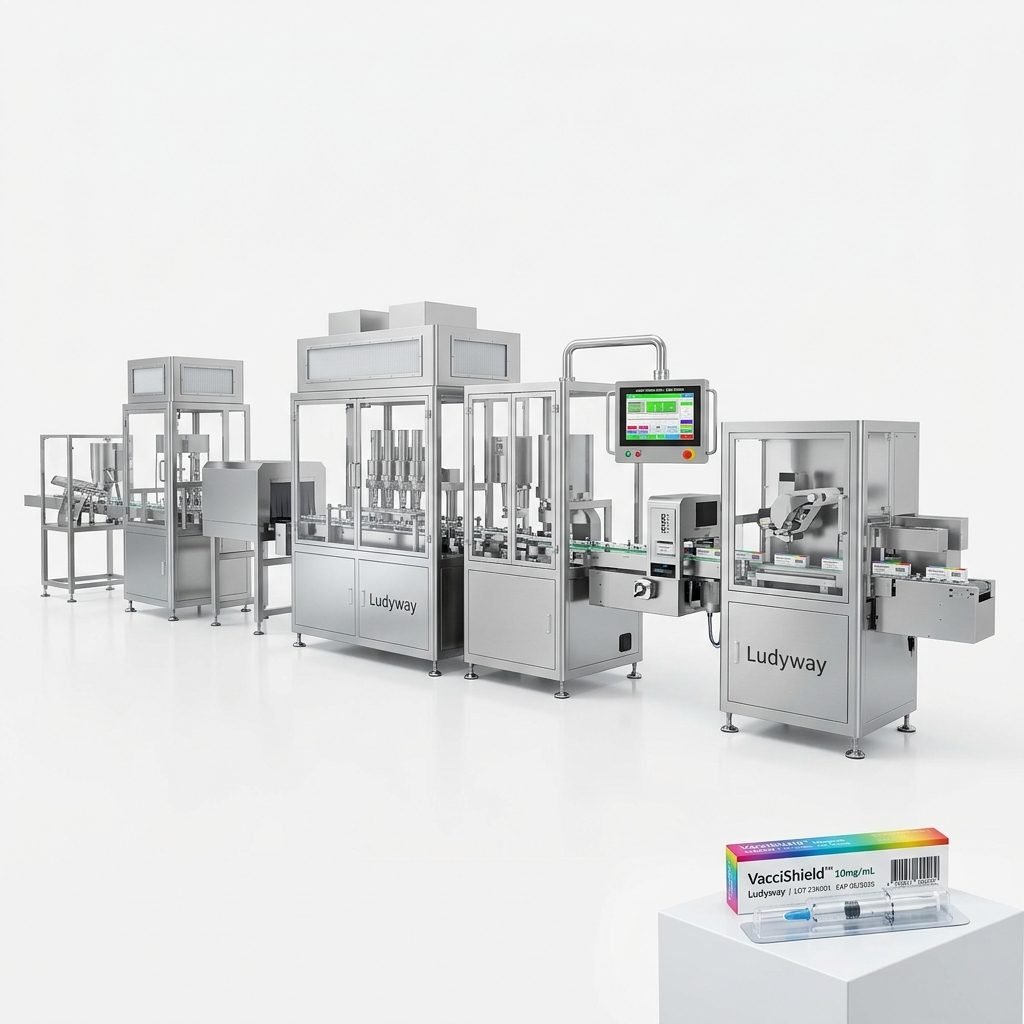
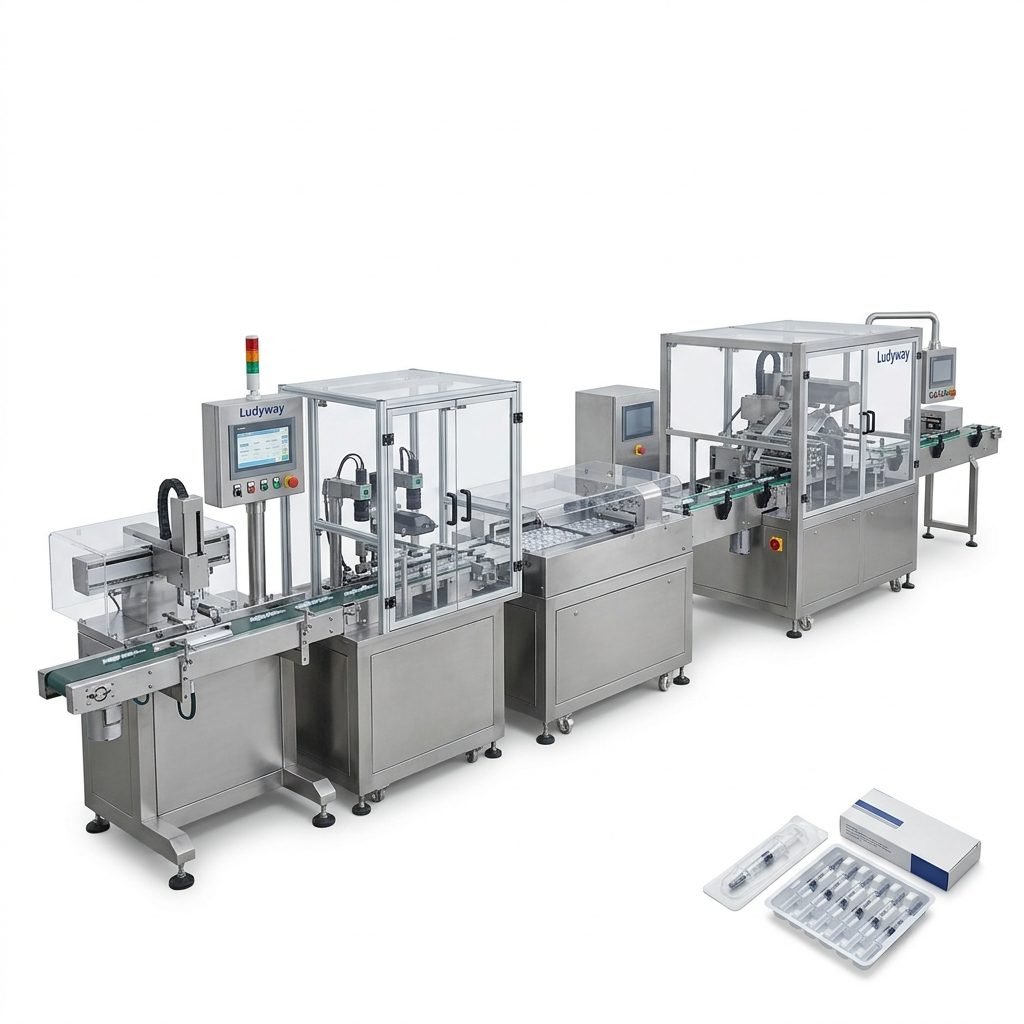
Depending on the application, a syringe packaging line may include feeding, orientation, blister or pouch loading, sealing, inspection, coding, cartoning, and case packing. The exact configuration depends on whether the product is sold individually, in hospital packs, or as part of a pharmaceutical kit.
| Function | Purpose | Benefit |
|---|---|---|
| Automatic feeding | Transfers syringes smoothly into packaging stations | Reduces manual contact and handling errors |
| Orientation and positioning | Aligns each syringe accurately | Improves sealing and pack consistency |
| Blister or pouch packing | Creates a sterile barrier package | Protects product during storage and transport |
| Seal integrity control | Applies validated heat or pressure sealing | Supports sterility assurance |
| Vision inspection | Checks presence, orientation, print, and defects | Improves product quality and lowers rejects |
| Coding and serialization | Prints batch and traceability data | Supports compliance and recall readiness |
| Cartoning and case packing | Groups packs for shipment | Creates a complete automated packaging workflow |
Main Advantages of High-Speed Syringe Packaging Systems
For pharmaceutical companies, OEM manufacturers, and medical consumables suppliers, automation can create measurable gains across production, quality, and labor management.
1. Better Sterile Protection
One of the biggest benefits is reduced human contact. Automated packaging limits unnecessary handling and supports controlled environments, helping manufacturers protect sterile products more effectively.
2. Higher Throughput
A high-speed syringe packaging machine can run continuously with synchronized feeding, loading, sealing, and coding. This allows plants to meet rising demand while keeping output stable shift after shift.
3. More Consistent Pack Quality
Automated systems apply repeatable motion and sealing parameters. That means fewer damaged packs, improved alignment, cleaner seals, and more uniform finished products.
4. Lower Labor Dependence
Labor shortages and rising labor costs continue to challenge manufacturers worldwide. Automation reduces dependence on manual loading and inspection while allowing staff to focus on quality control and line supervision.

5. Easier Validation and Traceability
Pharmaceutical packaging operations need reliable records and repeatable performance. Integrated coding, inspection, and data collection make it easier to support validation protocols, audits, and regulatory documentation.
Common Packaging Formats for Syringes
Different syringe products require different protective formats. The right machine should be compatible with your package design, sterility needs, and downstream logistics.
- Blister packs: widely used for individual sterile presentation and strong product visibility
- Tyvek and medical paper pouches: common for sterile barrier applications
- Thermoformed trays: suitable for organized placement and transport protection
- Cartoned kits: ideal when syringes must be packaged with needles, swabs, or instructions
- Bulk secondary packs: used for hospital or distributor supply chains
Key Features to Look for in a Syringe Packaging Machine
Choosing the right machine means looking beyond speed alone. The best solution combines precision engineering, hygienic design, and flexible integration.
| Feature | Why It Matters |
|---|---|
| Gentle product handling | Prevents damage to barrels, plungers, and needle shields |
| Cleanroom-compatible design | Supports pharmaceutical hygiene requirements |
| Servo-driven control | Improves precision, stability, and changeover performance |
| Fast format changeover | Useful for multi-size syringe production |
| Vision inspection system | Detects defects before final shipment |
| Reject and sorting module | Automatically removes nonconforming products |
| Line integration capability | Connects easily with filling, labeling, cartoning, and case packing equipment |
Industries and Users That Benefit Most
Syringe packaging automation is valuable for a wide range of manufacturers and contract packers, including:
- Pharmaceutical injection manufacturers
- Medical device companies
- Hospital supply producers
- Contract manufacturing organizations
- Diagnostic and biotech packaging facilities
These users often need flexible systems that can support both current production and future product expansion. A modular packaging line makes scaling easier without rebuilding the entire process.
How to Choose the Right Solution
Before investing in a syringe packaging machine, manufacturers should evaluate both technical and operational factors. A well-matched solution improves long-term return on investment and reduces future bottlenecks.
Questions to Ask
- What syringe sizes and formats must the line handle?
- Is the packaging sterile, non-sterile, or terminally sterilized after packing?
- What target speed is required per minute or per hour?
- Does the line need inspection, coding, serialization, and rejection?
- How often will product changeover happen?
- What cleanroom or validation requirements apply?
- Will the machine connect to upstream filling and downstream cartoning systems?
The Value of Turnkey Packaging Line Integration
Many pharmaceutical and medical manufacturers now prefer turnkey solutions instead of buying standalone equipment from multiple suppliers. A complete line can reduce integration risks, simplify project management, and improve overall compatibility between modules.
Working with an experienced supplier such as Ludyway syringe packaging machine solutions can help buyers source equipment with broader automation support, line coordination, and scalable system design for pharmaceutical and medical packaging projects.
Turnkey Line Benefits
- Better synchronization between packaging stages
- Unified control logic and operator interface
- Reduced installation and commissioning complexity
- More efficient maintenance planning
- Stronger long-term production scalability
Maintenance and Operational Best Practices
Even the best syringe packaging equipment depends on proper operation and maintenance. Preventive care improves uptime, keeps sealing quality stable, and reduces costly stoppages.
- Schedule routine inspection of feeding tracks, sealing stations, and sensors
- Monitor seal temperature, pressure, and dwell time regularly
- Validate inspection cameras and reject systems
- Use documented cleaning procedures for hygienic environments
- Train operators on changeover and alarm response
- Keep spare parts ready for wear components and critical modules
Future Trends in Syringe Packaging Automation
The syringe packaging sector is evolving quickly. Manufacturers are looking for smarter systems that not only package faster, but also generate better production visibility and quality data.
Emerging Trends
- Smart monitoring with real-time production analytics
- Greater use of machine vision for defect detection
- Compact line layouts for cleanroom space efficiency
- Flexible tooling for multiple syringe specifications
- Integrated serialization for pharmaceutical compliance
- Reduced waste through optimized material control
Final Considerations for Buyers
A syringe packaging machine is a critical part of safe medical product delivery. The right system should balance sterility protection, packaging precision, line speed, and long-term reliability. For manufacturers under pressure to improve output while meeting strict regulatory standards, automation is no longer optional—it is a core part of competitive production.
When evaluating suppliers, focus on real engineering capability, system flexibility, cleanroom suitability, after-sales support, and experience with complete packaging line integration. A carefully selected machine can help your business improve efficiency today while preparing for future pharmaceutical packaging demands.