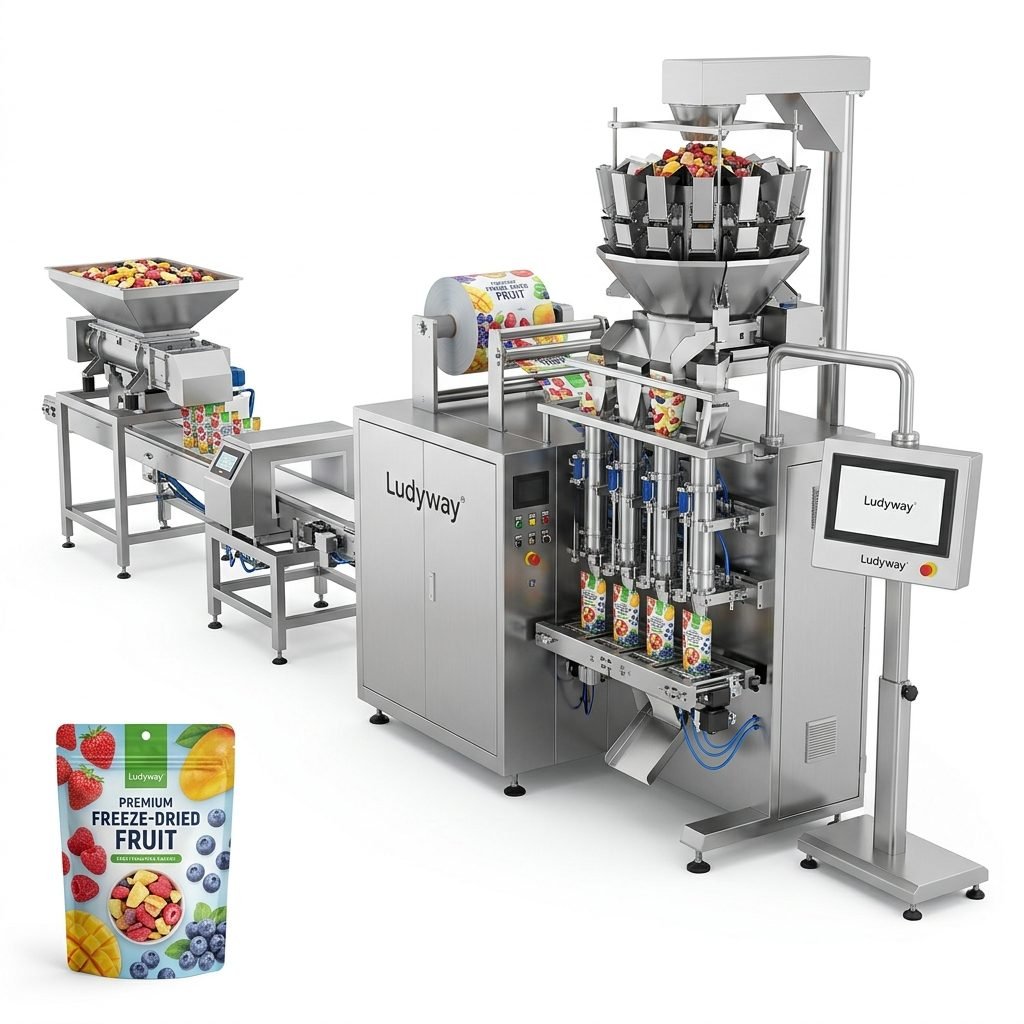
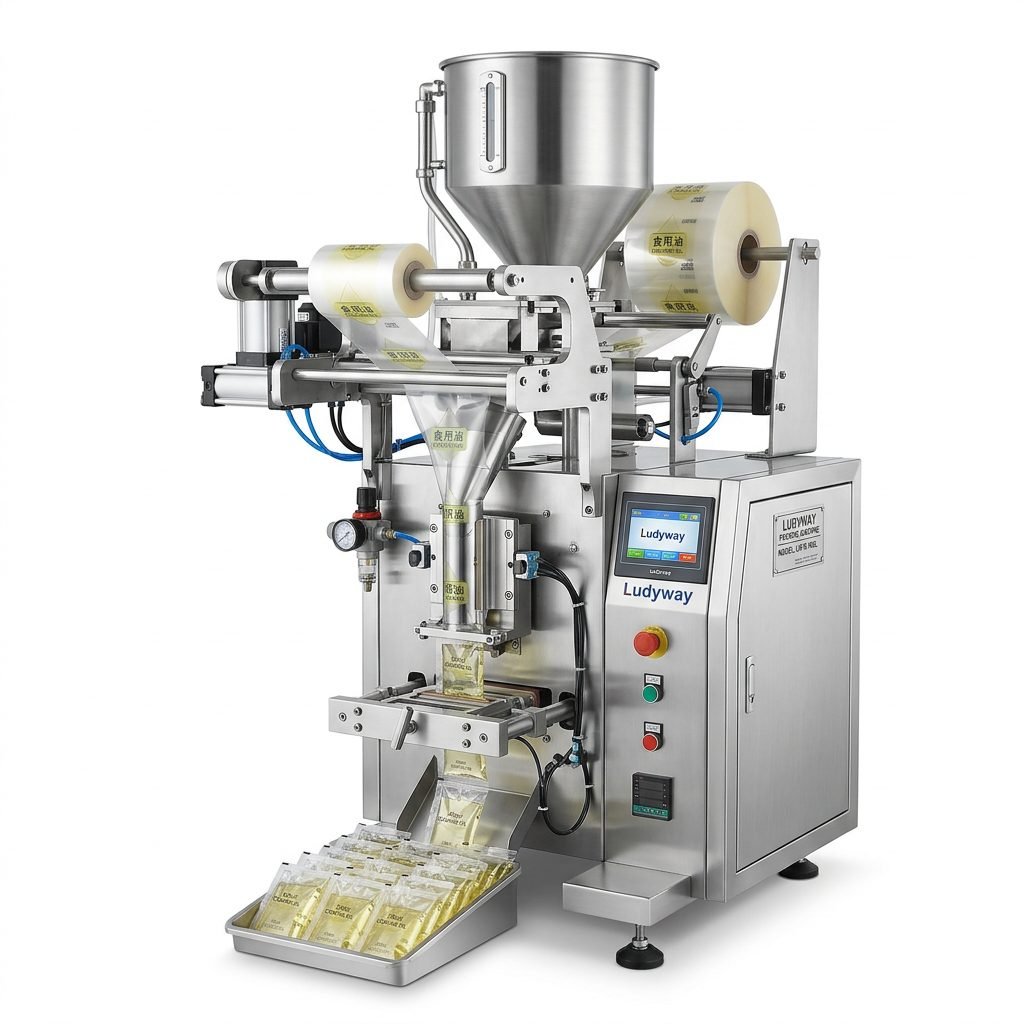
Rice packaging machine price is one of the first things buyers compare, but the lowest quote is rarely the best investment. For rice processors, food brands, wholesalers, and contract packers, the right machine should match product type, bag style, output goals, factory space, and long-term operating costs. A smart buying decision focuses on total value, not just upfront cost.
Whether you pack white rice, brown rice, jasmine rice, basmati rice, glutinous rice, or instant rice products, choosing the right equipment can improve weighing accuracy, reduce labor dependency, protect grain quality, and support stable daily production.
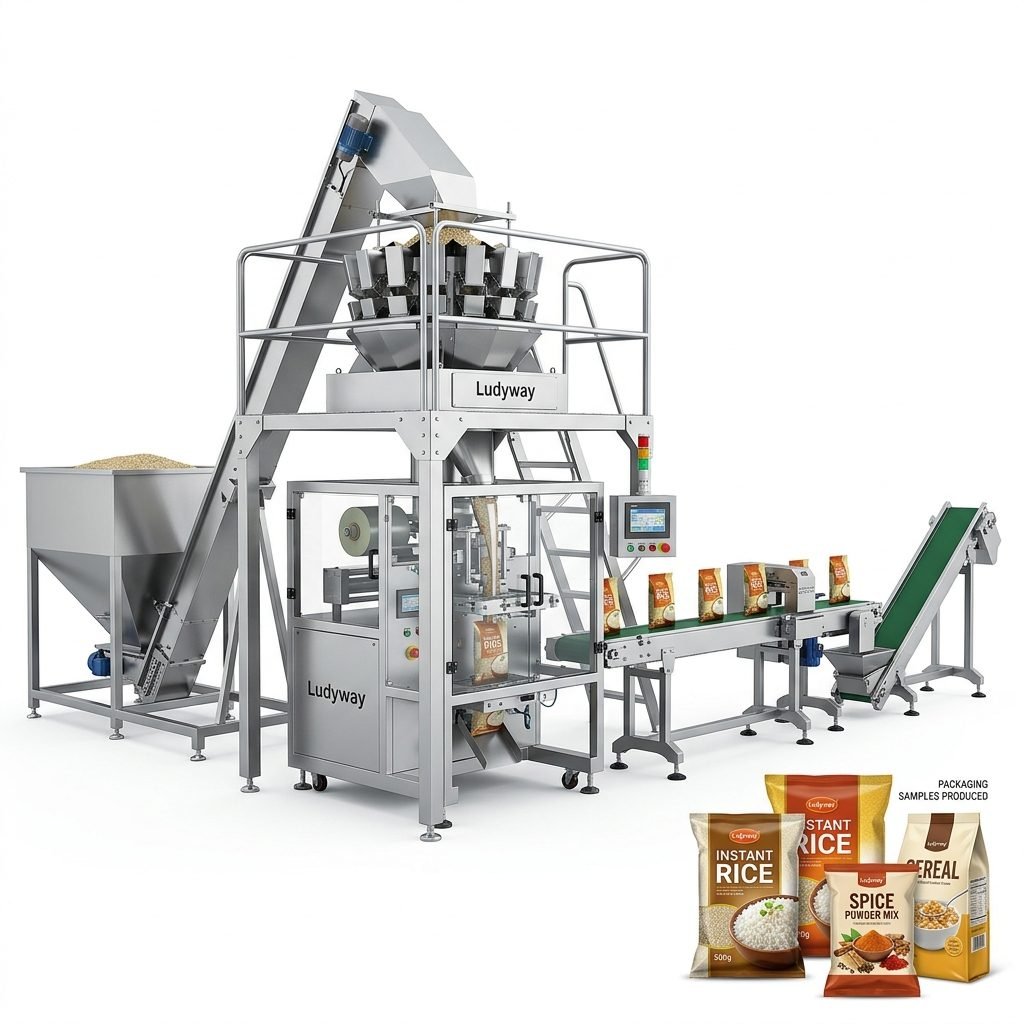
What Affects Rice Packaging Machine Price?
Rice packaging machine prices vary widely because different production needs require different machine structures and automation levels. A small semi-automatic unit and a fully integrated high-speed packaging line are built for completely different business models.
- Packaging capacity: kilograms per bag and bags per minute
- Automation level: semi-automatic, automatic, or turnkey line
- Weighing system: linear weigher, multi-head weigher, volumetric filler, or net weigher
- Bag type: pillow bag, gusset bag, premade pouch, woven bag, or vacuum pack
- Material contact parts: food-grade stainless steel and hygienic design
- Optional devices: date printer, metal detector, checkweigher, nitrogen flushing, conveying, and palletizing
- Customization: machine layout, voltage, bag size, discharge height, and integration requirements
In practical terms, a buyer asking only for “rice packaging machine price” may receive many quotations that are impossible to compare fairly. The better approach is to define the exact packaging task first.
Typical Rice Packaging Machine Price Range by Type
The following table shows general market-oriented price positioning for different machine categories. Actual pricing depends on specifications, output, and optional configurations.
| Machine Type | Suitable Application | Automation Level | General Price Level |
|---|---|---|---|
| Semi-automatic weighing and sealing machine | Small rice shops, startups, local packing points | Low | Entry-level |
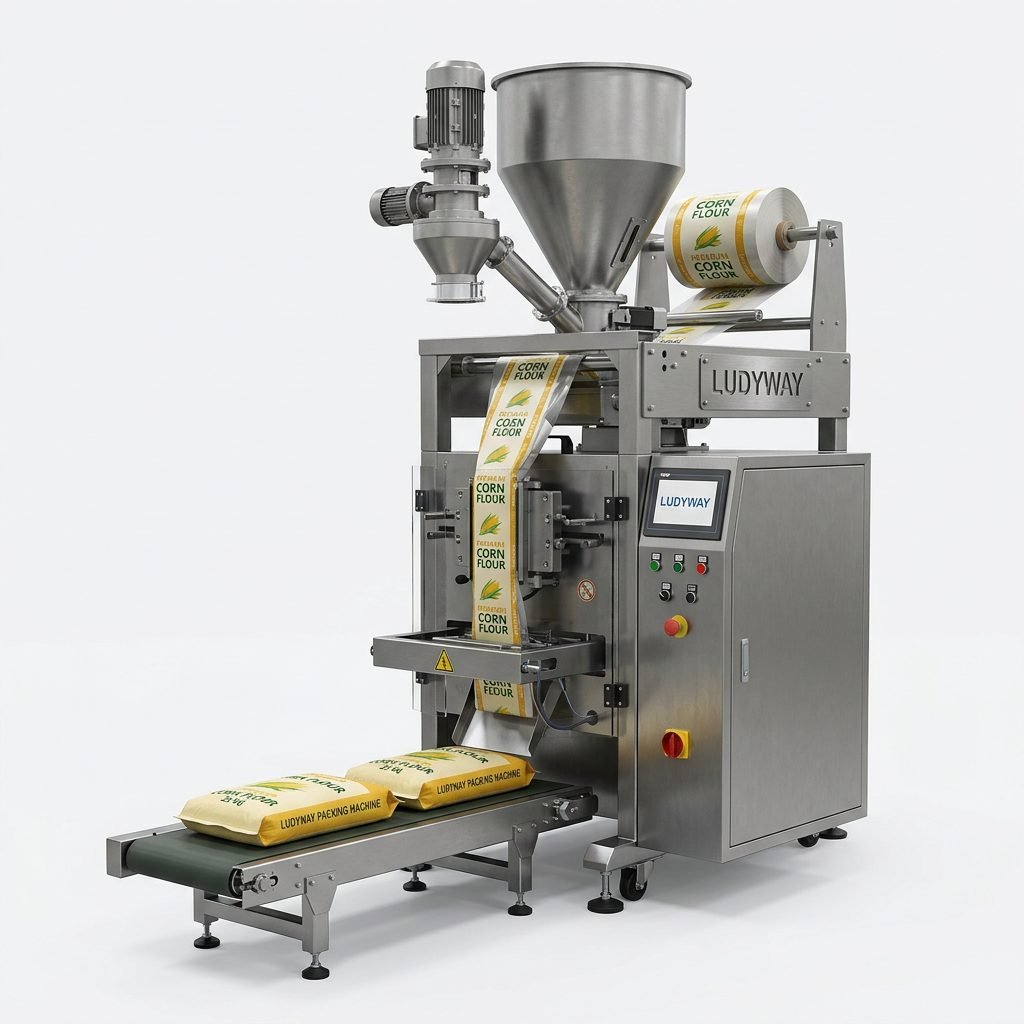
| Automatic VFFS rice packing machine | Retail rice bags, medium-scale food production | Medium to high | Mid-range |
| Premade pouch rice packaging machine | Premium retail packaging and stand-up pouches | High | Mid to high |
| Open-mouth bagging machine | 5kg, 10kg, 25kg, 50kg bulk rice packaging | Medium to high | Mid to high |
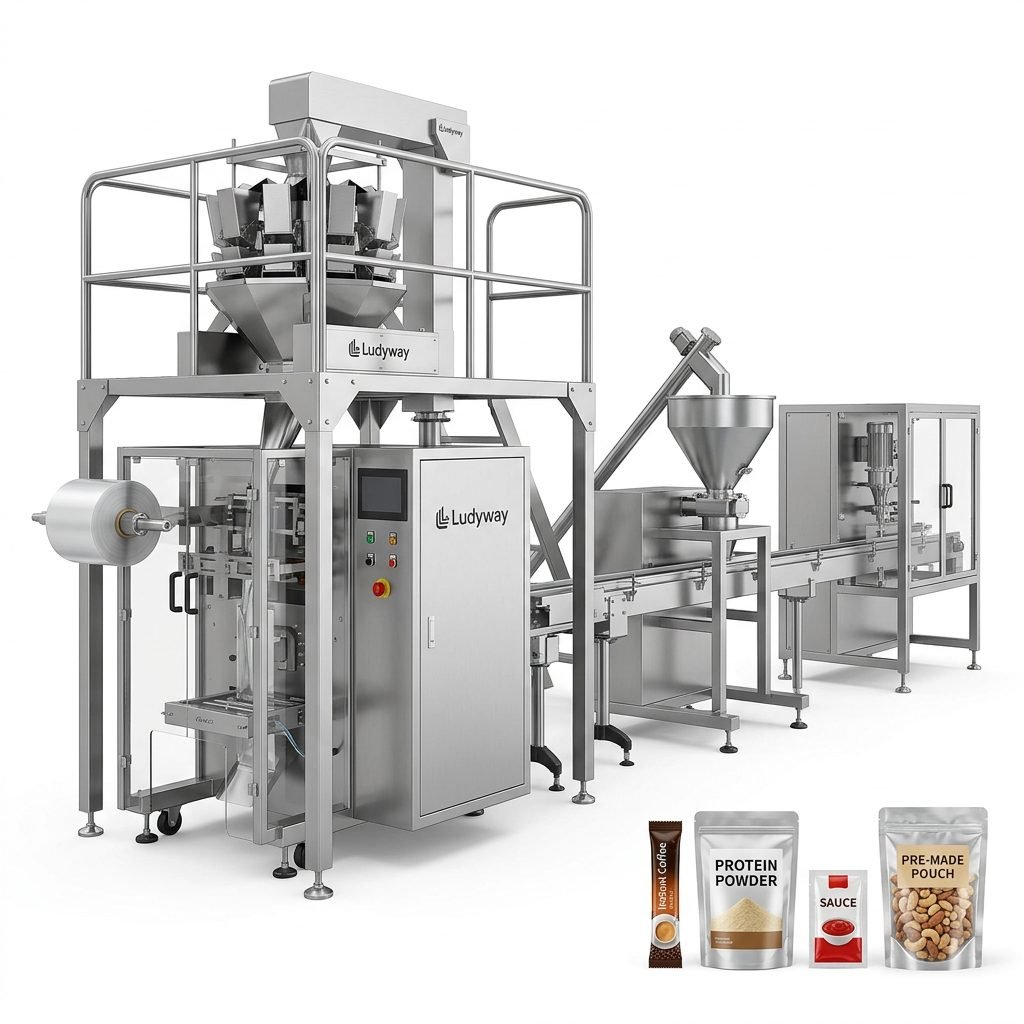
| Automatic turnkey rice packaging line | Large factories, exporters, integrated processing plants | Very high | High investment |
How to Choose the Best Option for Your Business
The best machine is the one that supports your product strategy and factory workflow. Here are the key buying points to evaluate before comparing suppliers.
1. Define Your Rice Product and Packaging Format
Different rice products behave differently in packaging systems. Standard dry rice granules are easier to weigh and fill than specialty products such as instant rice mixes or flavored rice with seasoning inclusions.
- Small retail packs: 500g, 1kg, 2kg
- Family packs: 5kg and 10kg
- Commercial sacks: 25kg and 50kg
- Premium packaging: vacuum bags or premade pouches
If your packaging formats may expand in the future, choose a system with good flexibility for bag width, weighing range, and product changeover.
2. Match Capacity to Real Production Demand
Many businesses either underbuy or overbuy. A machine that is too small creates bottlenecks; a machine that is too large wastes capital and floor space. Consider:
- Current daily and monthly production volume
- Peak season demand
- Future expansion plans over the next 2 to 5 years
- Labor availability for loading, bag handling, and secondary packaging
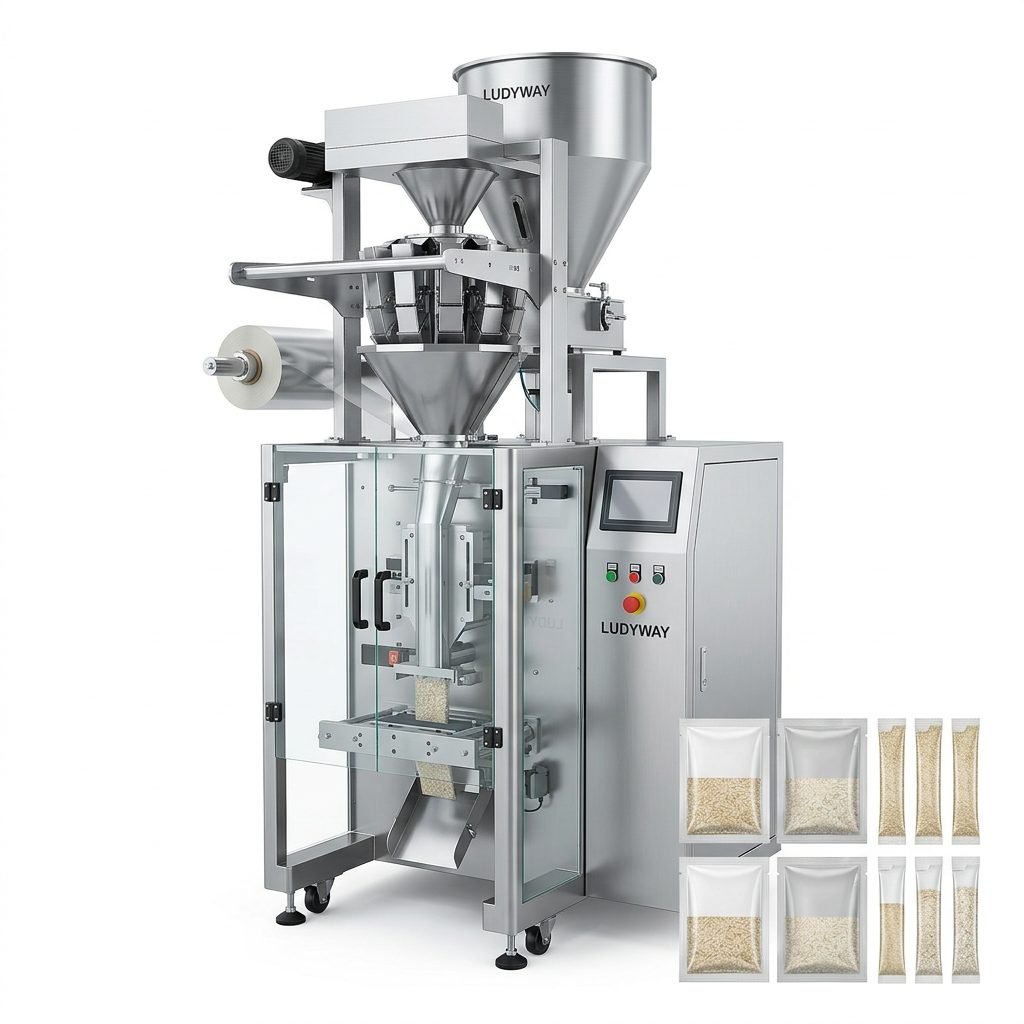
3. Check Weighing Accuracy and Product Protection
Rice is sold by weight, so packaging accuracy has a direct effect on profit. Overfilling increases product giveaway, while underfilling can create customer complaints and compliance issues. A reliable weighing system helps maintain consistent bag weight and stable quality.
Buyers should also look at:
- Gentle product handling to reduce grain breakage
- Stable feeding for different rice grain sizes
- Dust control for cleaner operation
- Sealing quality to protect shelf life and transport safety
4. Evaluate Total Cost of Ownership, Not Only Purchase Price
A lower machine price can sometimes mean higher operating expenses later. Ask suppliers about the full lifecycle cost:
- Power consumption
- Air consumption
- Maintenance frequency
- Spare parts availability
- Downtime risk
- Operator training requirements
For growing businesses, a stable automatic system often delivers a better return through labor savings, reduced waste, and more consistent output.
5. Consider Integration with Upstream and Downstream Equipment
A rice packaging machine may not work alone. In many plants, it is part of a larger line that includes feeding, weighing, sealing, inspection, coding, cartoning, and palletizing. If you want smooth production, ask whether the machine can integrate with:
- Bucket elevators or screw conveyors
- Automatic feeding hoppers
- Metal detectors and checkweighers
- Inkjet or thermal transfer printers
- Carton packing systems
- Robotic palletizers
Best Machine Choice by Business Type
| Business Type | Recommended Solution | Main Buying Focus |
|---|---|---|
| Startup rice brand | Compact semi-automatic or entry automatic machine | Budget control and flexibility |
| Regional rice processor | Automatic VFFS or open-mouth bagging machine | Capacity, accuracy, labor savings |
| Premium retail food company | Premade pouch or vacuum packaging system | Shelf appeal and packaging quality |
| Large rice mill or exporter | Turnkey automatic packaging line | High throughput and line integration |
Questions to Ask Before Requesting a Quote
To get an accurate rice packaging machine quotation, prepare the following information:
- What rice product will you pack?
- What bag sizes and target weights do you need?
- How many bags per minute or per hour do you want?
- Do you need pillow bags, gusset bags, woven sacks, or premade pouches?
- What level of automation do you require?
- Do you need printing, inspection, cartoning, or palletizing?
- What is your factory voltage and available floor layout?
- Do you plan to scale production later?
The more complete your requirements, the easier it is to compare suppliers based on real technical suitability instead of rough pricing.
Common Mistakes Buyers Should Avoid
- Choosing based only on the lowest initial price
- Ignoring weighing accuracy and seal performance
- Buying a machine with no room for future output growth
- Overlooking after-sales support and spare parts supply
- Failing to confirm compatibility with current production lines
- Not testing the machine with actual rice samples
Why Supplier Experience Matters
Rice packaging projects often require more than a standard machine. Reliable suppliers can help with machine selection, layout planning, testing, customization, and installation support. Businesses looking for scalable food packaging solutions often compare manufacturers with strong export experience, a broad machine portfolio, and turnkey integration capabilities.
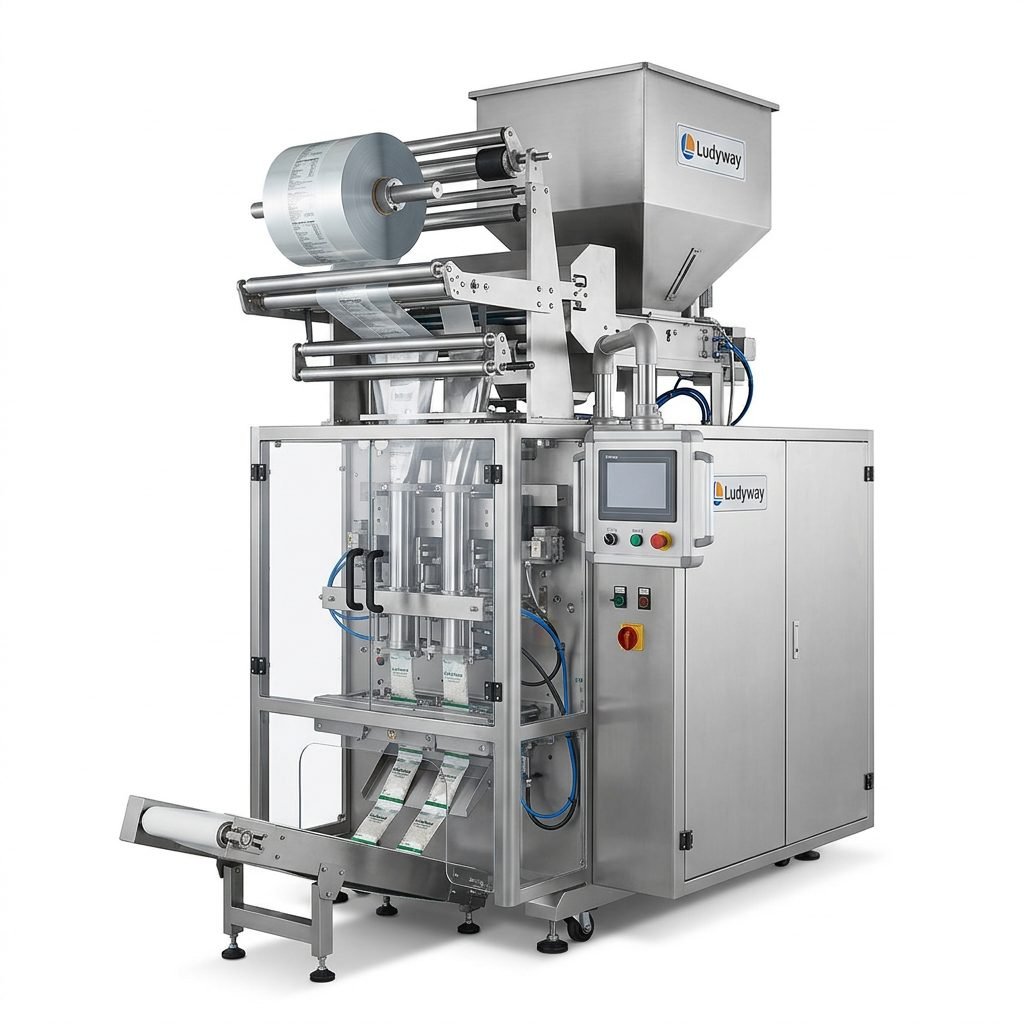
One option to review is Ludyway rice packaging machine solutions, backed by more than 30 years of industry experience, a manufacturing base of over 20,000 square meters, and broad experience in automatic packaging systems and complete production lines for global markets.
Final Buying Advice
The best rice packaging machine price is not simply the cheapest number on a quote sheet. It is the price of a machine that fits your rice type, packaging style, output target, and long-term business plan. Focus on performance, reliability, expandability, and service support so your investment keeps generating value over time.
If you compare equipment this way, you will be far more likely to choose a rice packaging solution that improves productivity, protects margins, and supports business growth.