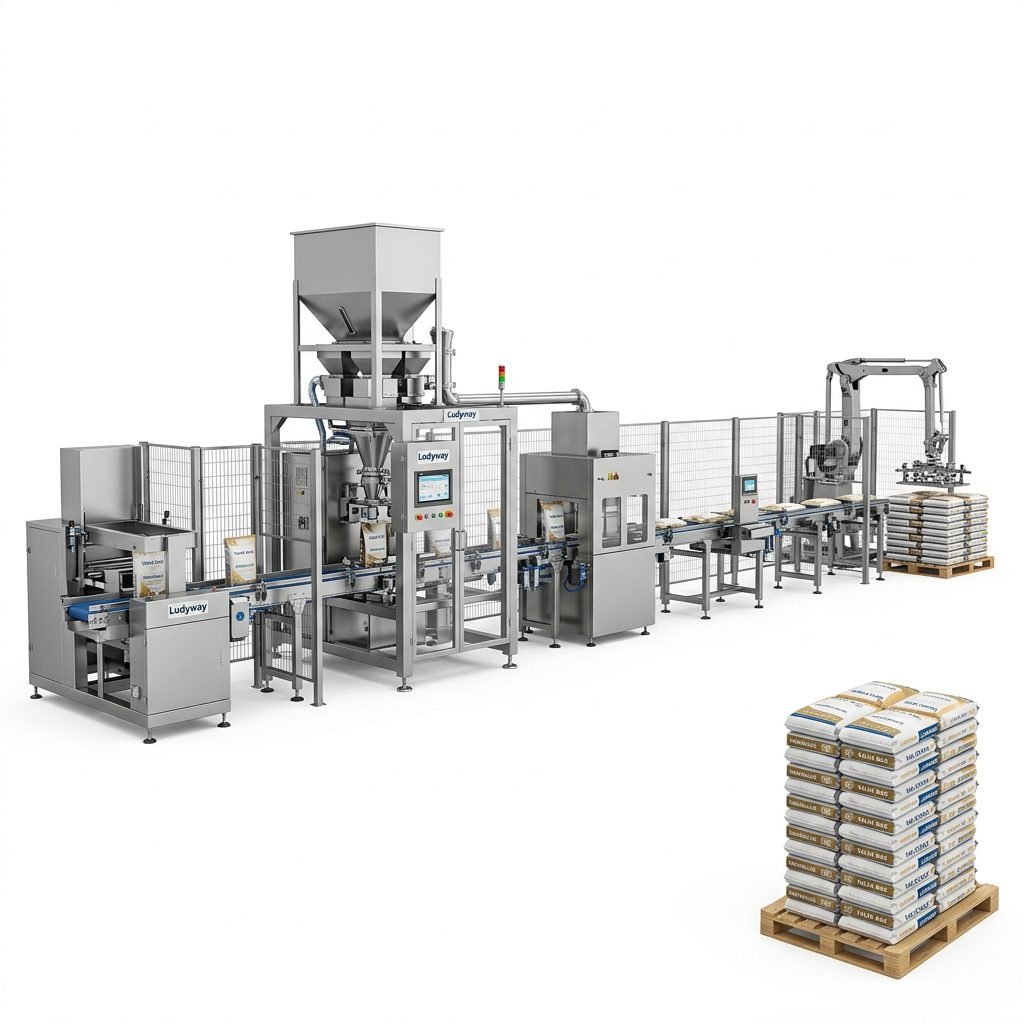
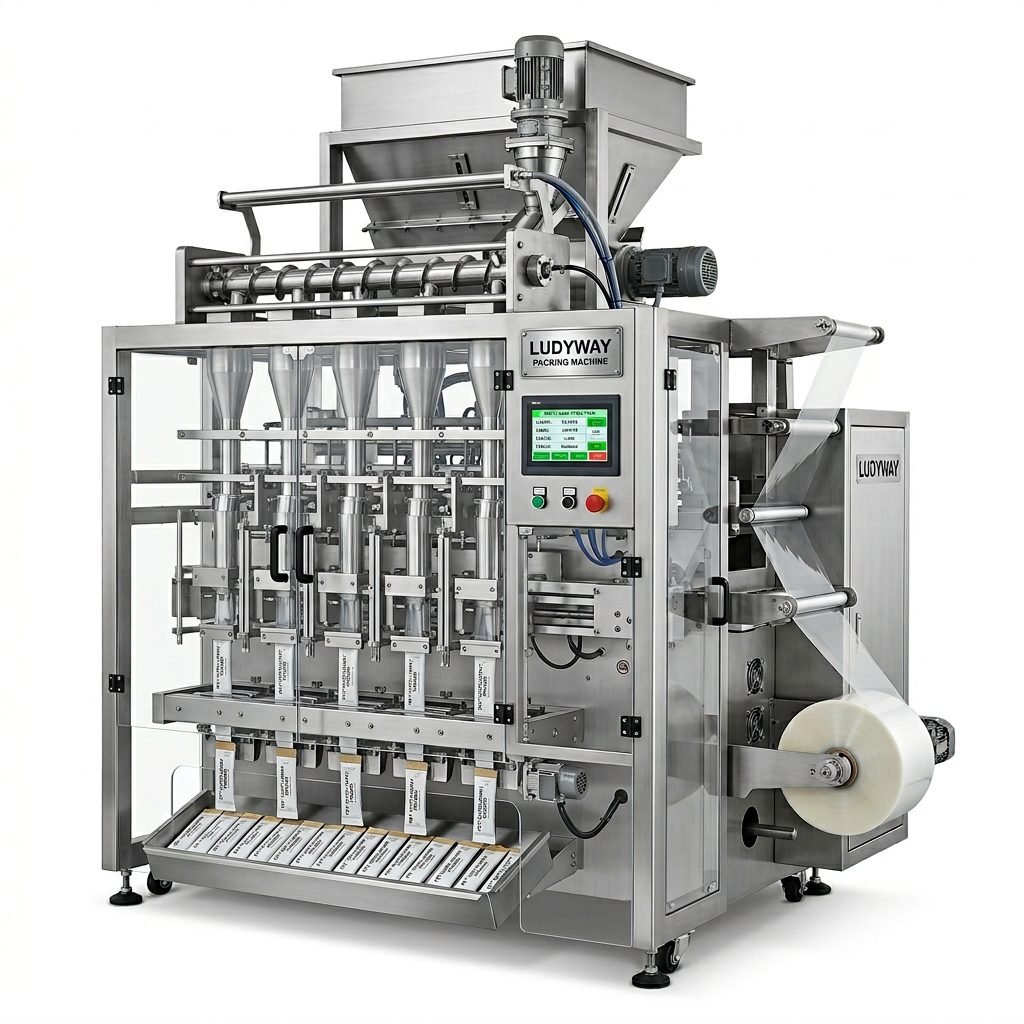
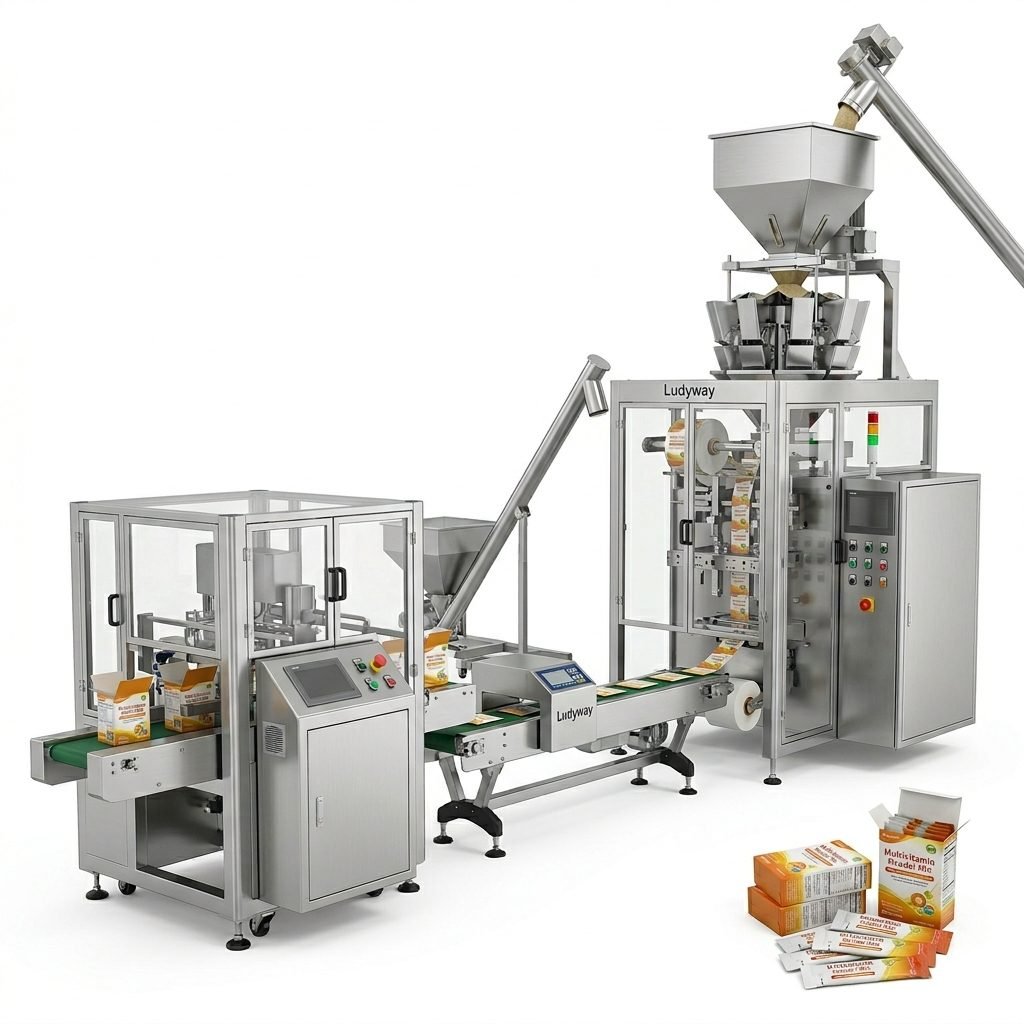
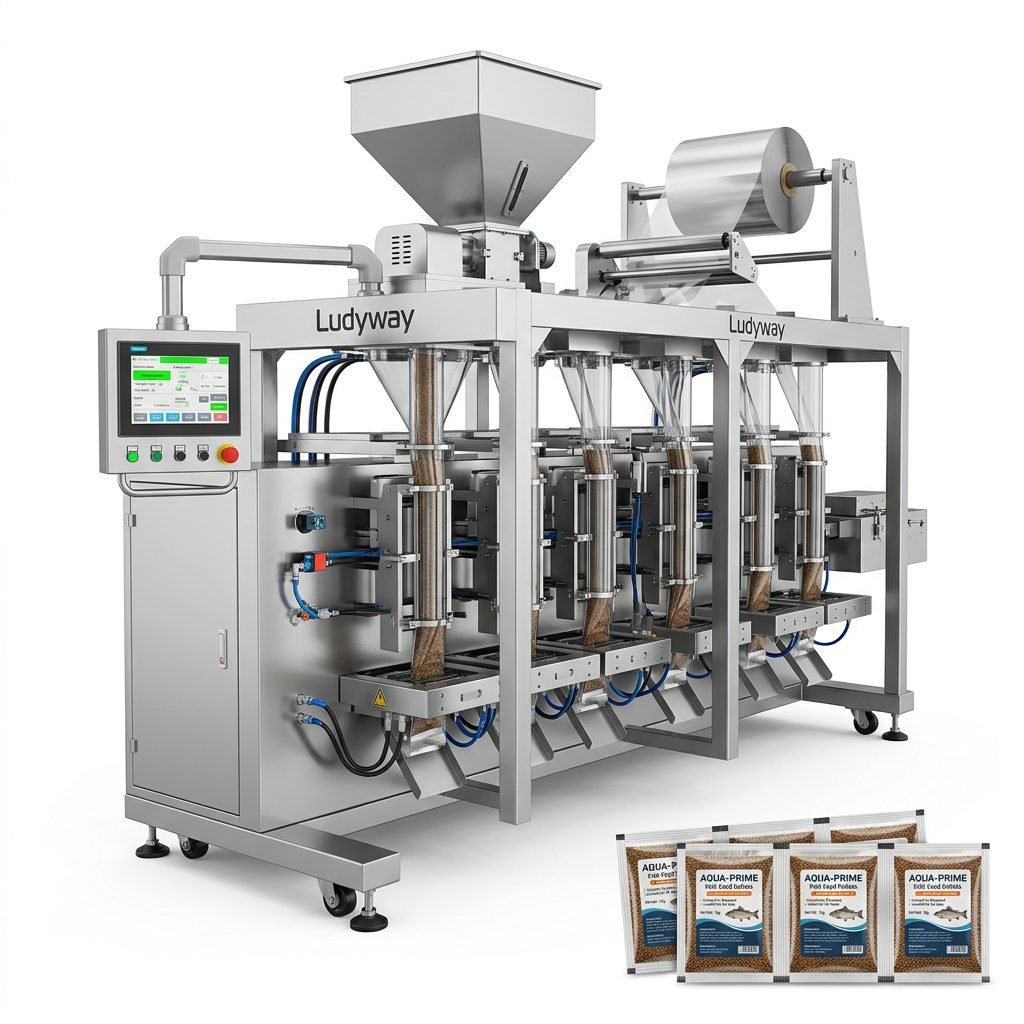
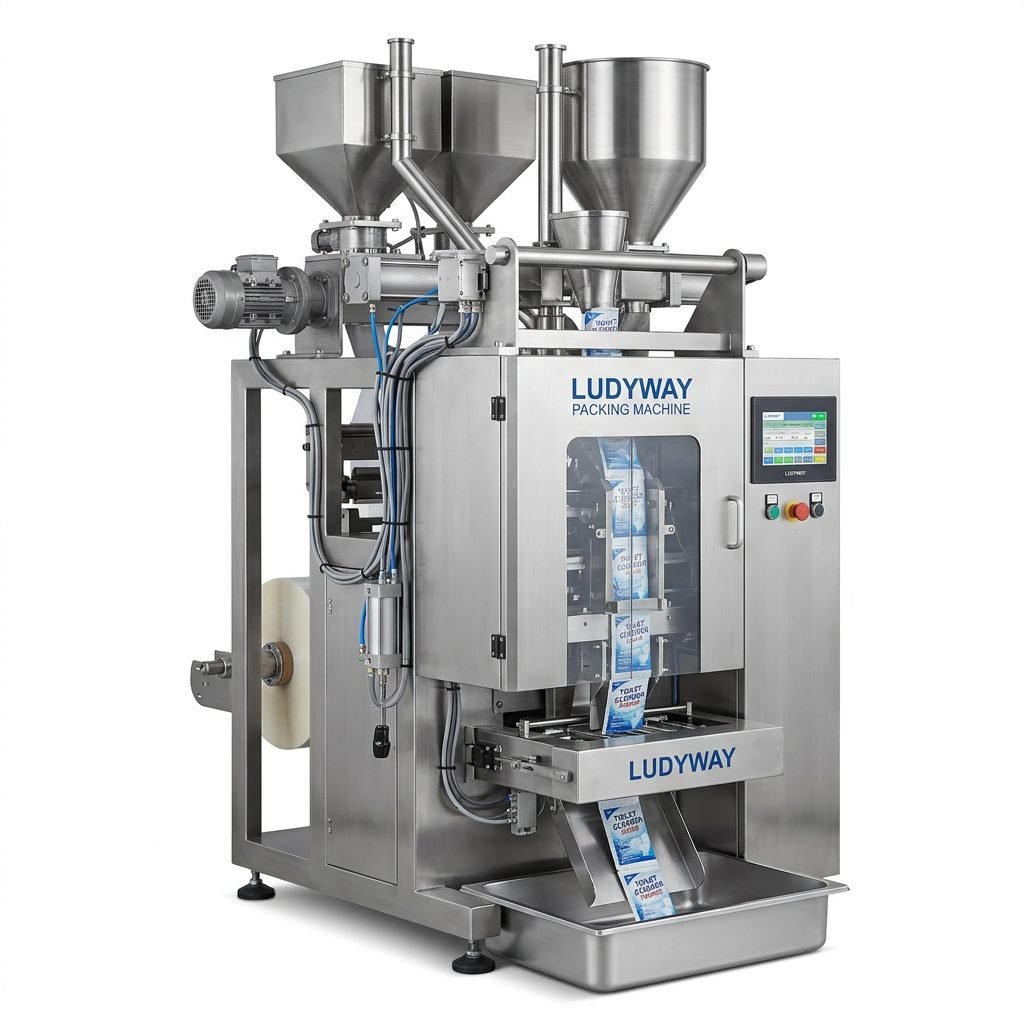
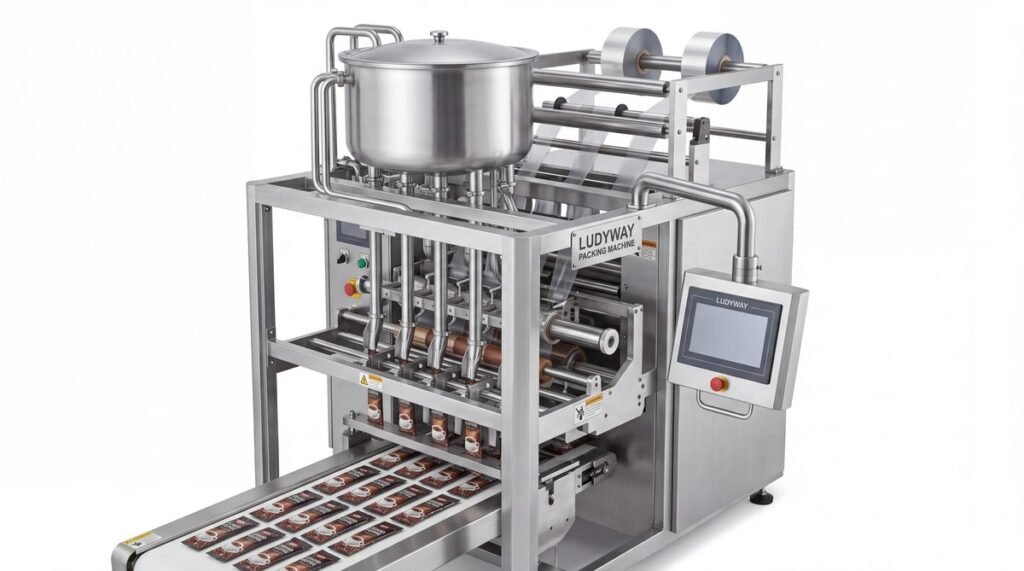
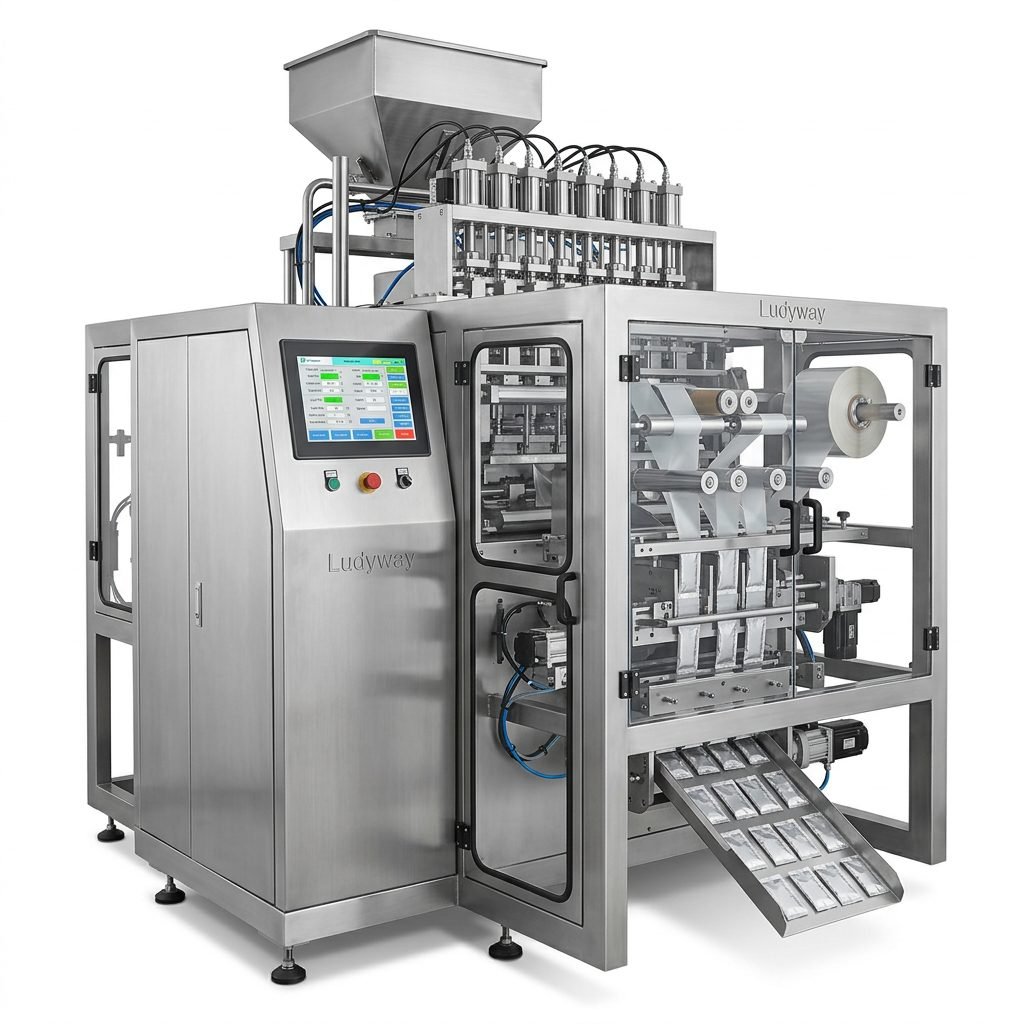
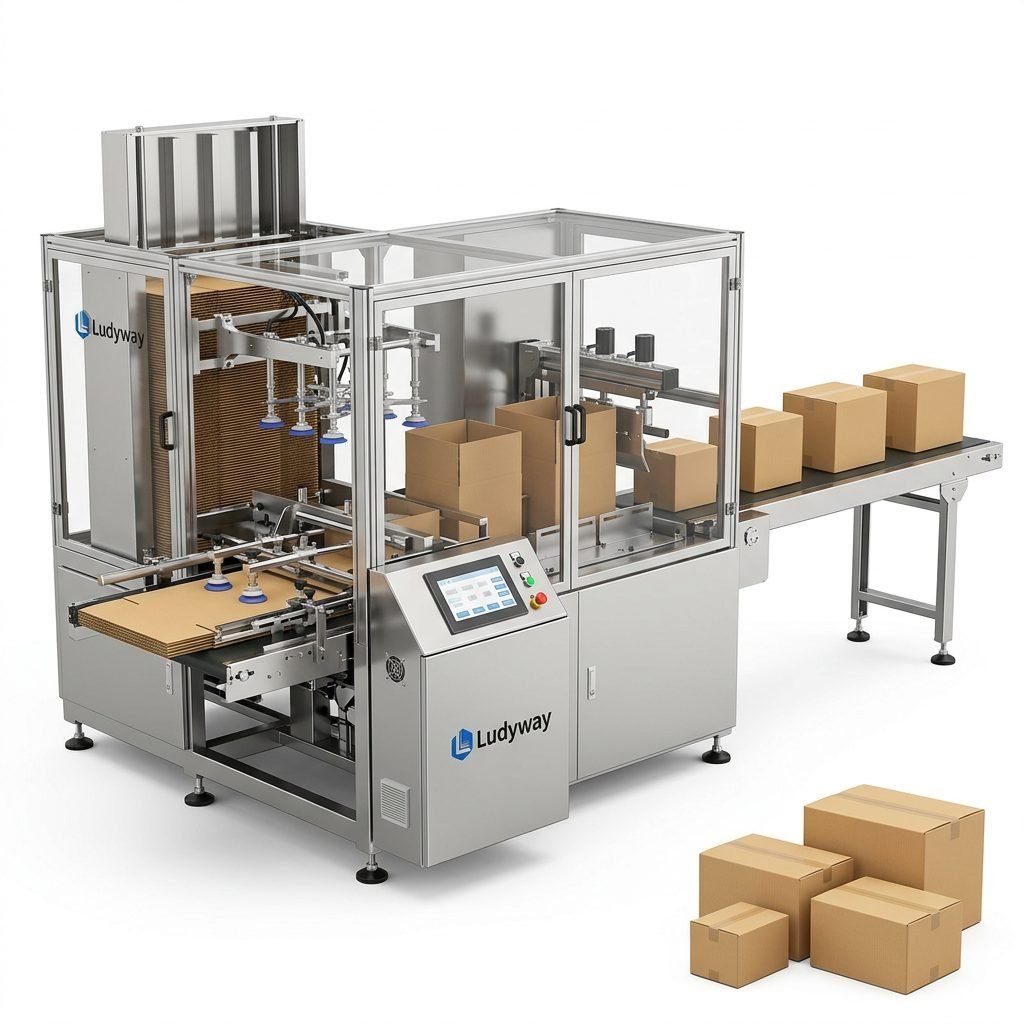
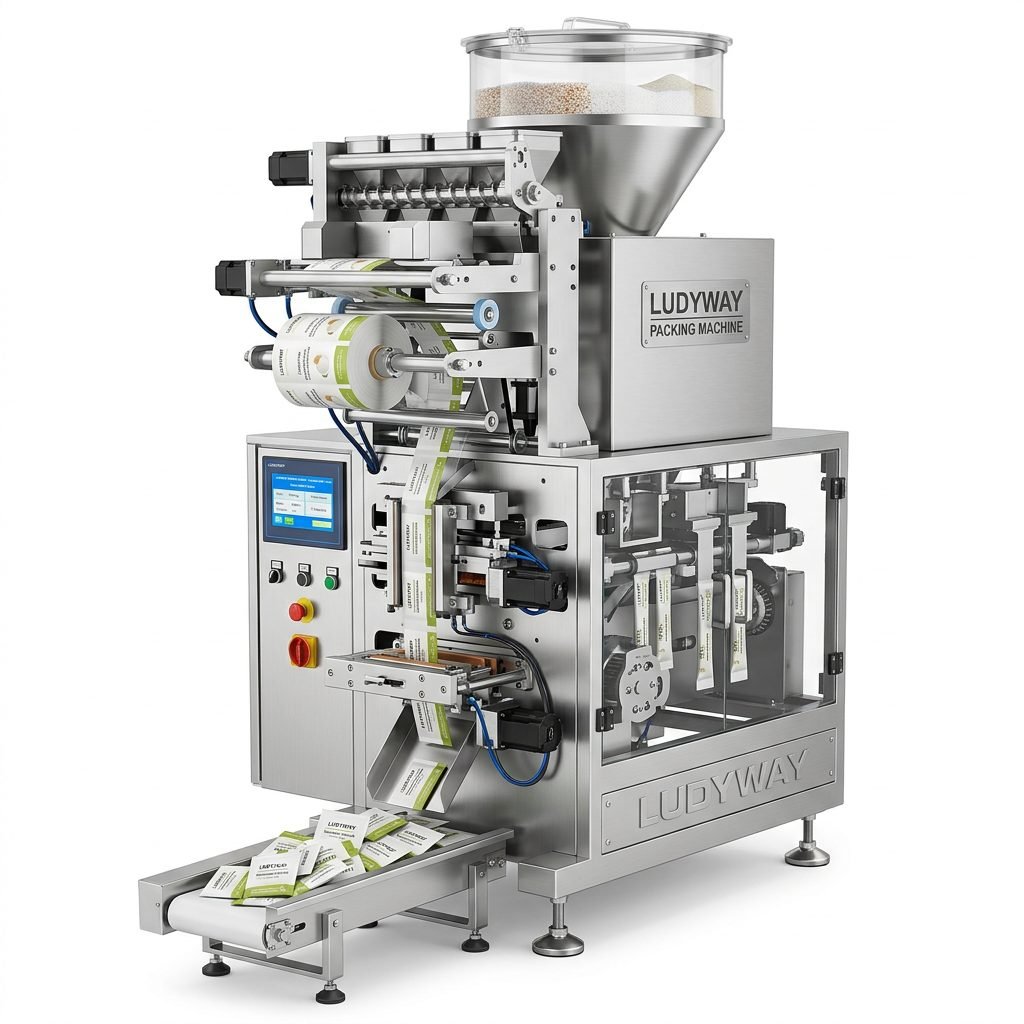
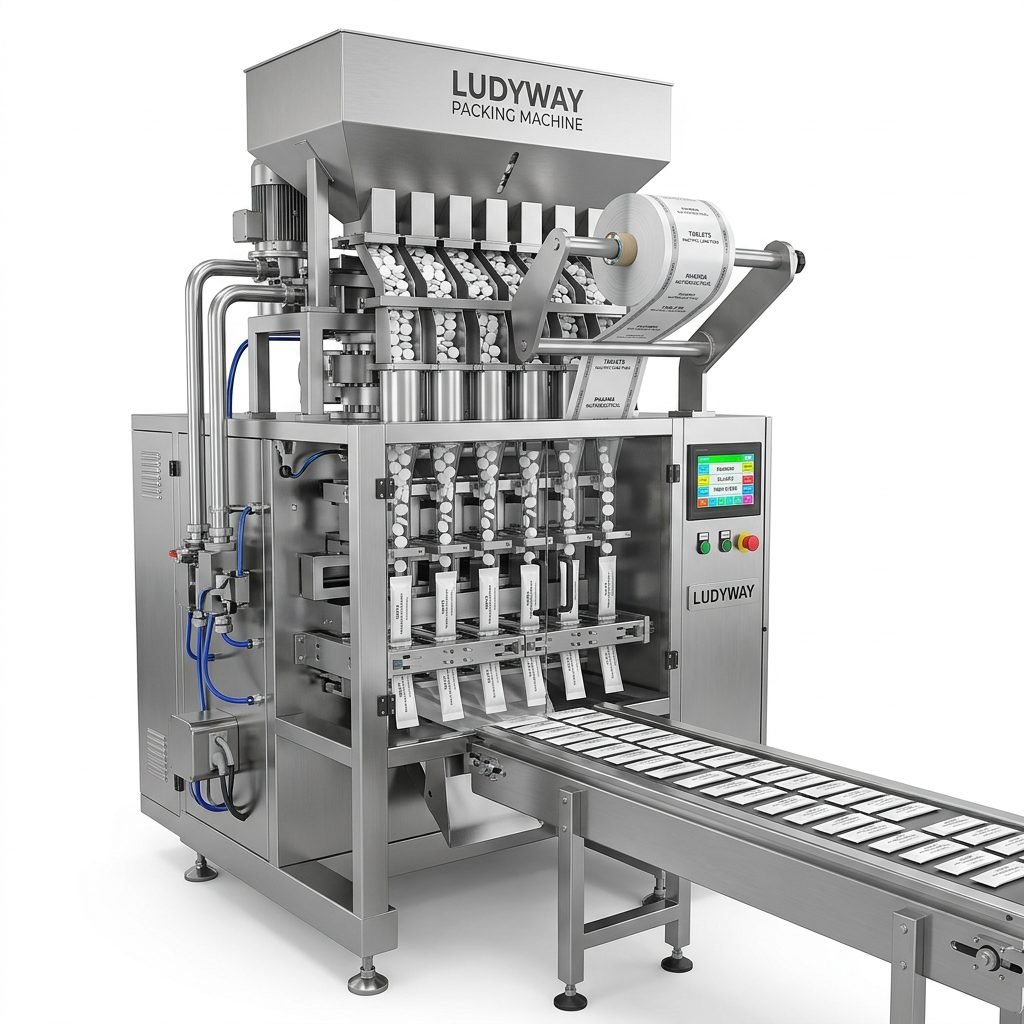
The global packaging machinery market is a dynamic and rapidly evolving sector, driven by technological advancements, shifting consumer demands, and the relentless pursuit of efficiency across manufacturing industries. This article delves into the current market size, the primary forces fueling its expansion, and the key trends that are reshaping the future of packaging automation worldwide.
Market Size at a Glance
Recent industry analyses project the global packaging machinery market to be valued in the tens of billions of US dollars, with a consistent compound annual growth rate (CAGR) expected over the next decade. This robust growth trajectory underscores the critical role packaging plays in modern supply chains and consumer goods distribution.
Primary Growth Drivers of the Packaging Machinery Market
1. Rising Demand for Automation and Efficiency
Manufacturers across all sectors are under constant pressure to increase output, reduce labor costs, and minimize errors. Automated packaging lines address these needs directly. Companies are investing in machinery that offers higher speeds, precision, and seamless integration with other production systems. This drive for operational excellence is a fundamental pillar of market growth.
2. E-commerce Expansion and Customization Needs
The explosive growth of online retail has created unique packaging challenges. There is a heightened need for machinery that can handle diverse product sizes (from small cosmetics to large household items), ensure superior product protection for shipping, and even facilitate on-demand or short-run personalized packaging. Flexibility and quick changeover capabilities in machinery are now paramount.
3. Stringent Safety and Hygiene Regulations
In industries like pharmaceuticals, food, and beverages, regulatory compliance is non-negotiable. Packaging machinery must adhere to strict standards (e.g., FDA, EU regulations) for contamination prevention, traceability, and accurate dosing. This regulatory environment compels companies to upgrade to newer, compliant equipment, continuously fueling market demand. For businesses seeking reliable solutions in these sensitive sectors, partnering with experienced providers like Ludyway Packing Machine can ensure adherence to these critical standards.
4. Sustainability and Material Innovation
Consumer and regulatory focus on environmental impact is reshaping packaging. The market is seeing increased demand for machinery capable of handling recyclable, biodegradable, and lightweight materials. Machines that reduce material waste through precise filling, minimize energy consumption, and support circular economy principles are gaining significant traction.
🔍 Key Insight:
The convergence of automation, sustainability, and smart technology is not just a trend—it’s becoming the new baseline for competitive packaging operations globally.
Key Trends Shaping the Future
Integration of Industry 4.0 and IoT
Modern packaging machines are becoming intelligent nodes in connected factories. The integration of Internet of Things (IoT) sensors, data analytics, and cloud connectivity allows for real-time monitoring of machine performance, predictive maintenance to prevent downtime, and optimization of the entire packaging process. This data-driven approach is revolutionizing efficiency and Total Cost of Ownership (TCO).
Advancements in Robotics and Cobots
Robotic arms are increasingly deployed for tasks like pick-and-place, palletizing, and case packing. Collaborative robots (cobots), which can work safely alongside human operators, are making automation accessible for smaller-scale or complex manual tasks, enhancing flexibility on the production floor.
Smart and Connected Packaging
The trend goes beyond the machine to the package itself. Machinery is being adapted to facilitate smart packaging features such as QR codes, NFC tags, and augmented reality interfaces. These features enable brand engagement, supply chain transparency, and anti-counterfeiting measures, adding value for both businesses and consumers.
Modular and Flexible Machine Design
The need to manage product variety and shorter lifecycles is leading to demand for modular machinery. Manufacturers can now configure and reconfigure packaging lines more easily to accommodate different products, formats, and materials without complete overhauls, protecting their investment and improving time-to-market. Exploring a diverse portfolio, such as the over 50 intelligent packaging machine models offered by industry players, can provide the necessary flexibility.
Focus on Hygienic and Aseptic Design
Particularly in food and pharma, machinery design is prioritizing easy cleaning, minimal crevices, and the use of sanitary materials. Aseptic packaging technology, which sterilizes both the product and packaging material separately, is growing to extend shelf life without preservatives, requiring highly specialized and reliable equipment.
For companies navigating this complex landscape, leveraging turnkey production solutions from experts with deep industry knowledge can streamline the adoption of these advanced trends. A partner with a strong track record, like Ludyway Machinery which began its international journey in 2010, can provide the integrated technology and support needed for a successful transition.
Frequently Asked Questions (FAQs)
Q1: What is the biggest challenge for companies adopting new packaging machinery?
A: Beyond the initial capital investment, the primary challenge is often integrating new machinery into existing production lines and workflows. Ensuring compatibility, training staff, and minimizing disruption during installation and commissioning require careful planning and expert support.
Q2: How important is after-sales service and technical support when purchasing packaging equipment?
A: It is critically important. Given the complexity and continuous operation of packaging lines, access to reliable spare parts, prompt troubleshooting, and maintenance services is essential for maximizing uptime and return on investment. A supplier’s service commitment is as vital as the machine’s specifications.
Q3: Can modern packaging machinery handle sustainable or novel packaging materials?
A: Yes, this is a major focus of innovation. Leading equipment manufacturers are constantly adapting machine mechanics, sealing technologies, and handling systems to work efficiently with materials like compostable films, paper-based laminates, and mono-materials designed for easier recycling.
Q4: Is smart packaging technology only for large corporations?
A: Not anymore. While early adoption was led by large brands, the technology and machinery to apply simple smart features (like unique QR codes) have become more affordable and accessible. This allows smaller brands to also leverage traceability and direct consumer engagement.