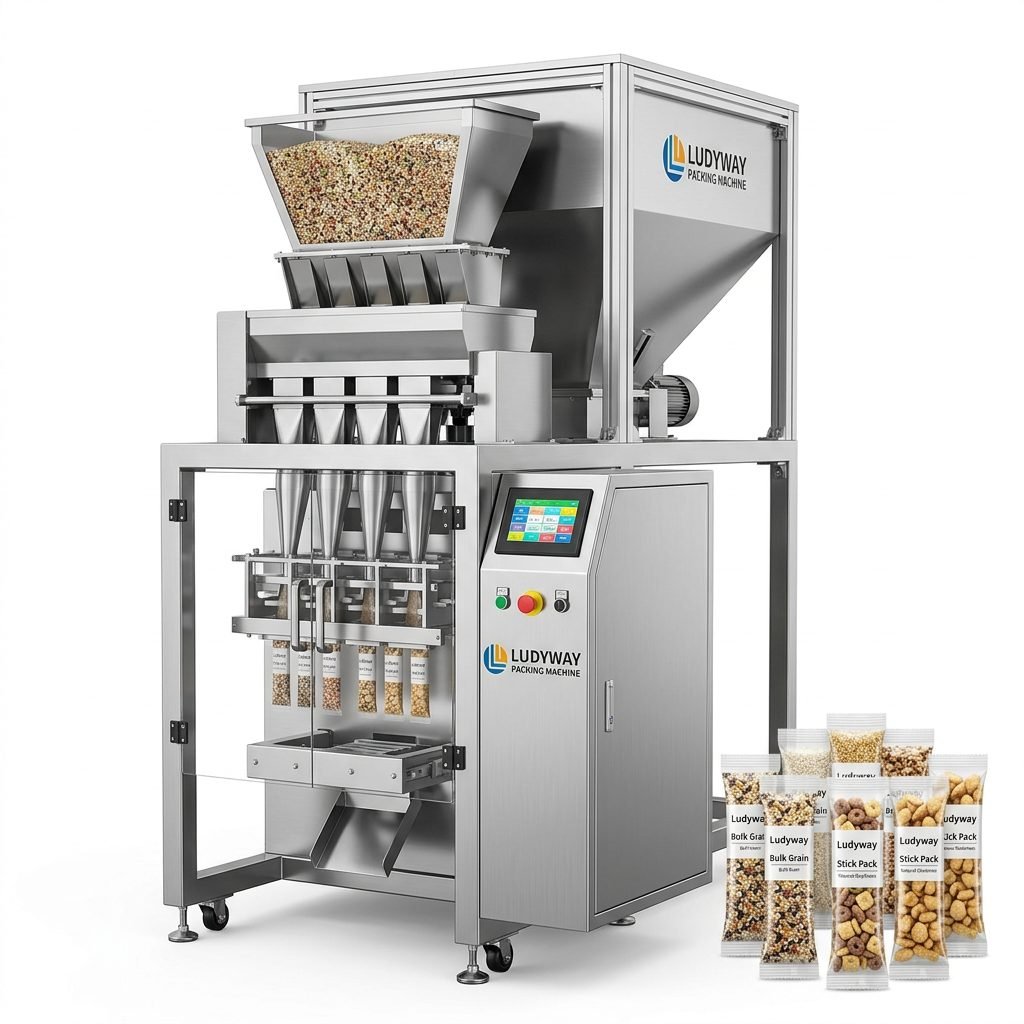
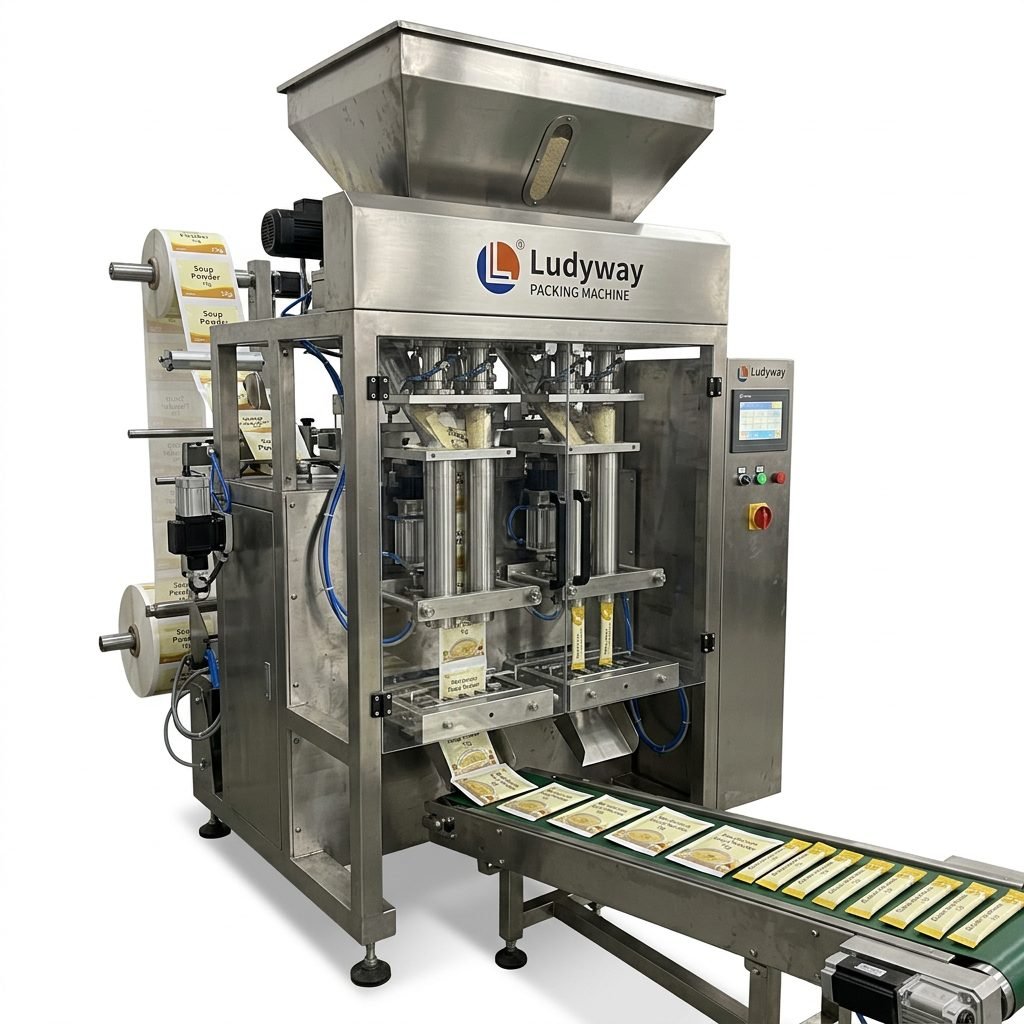
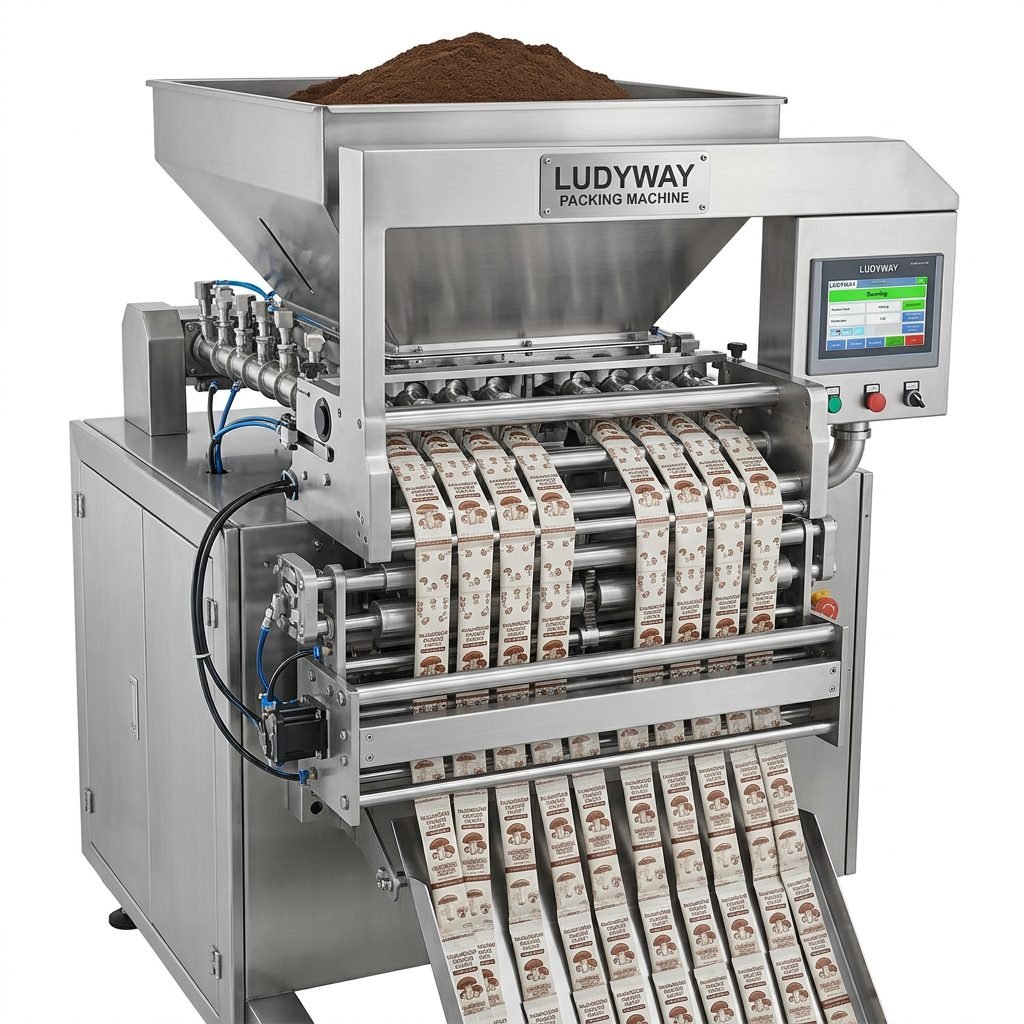
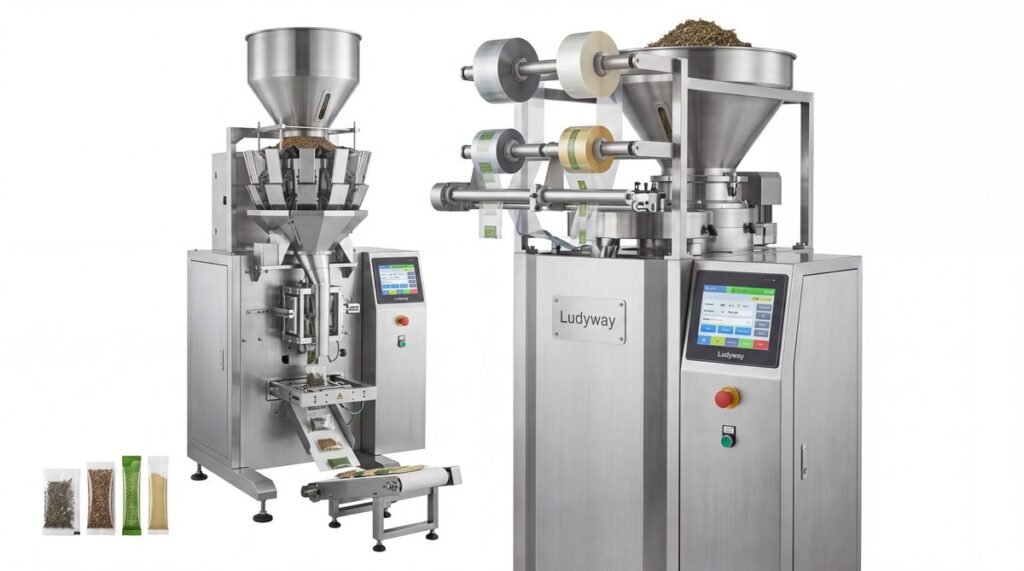
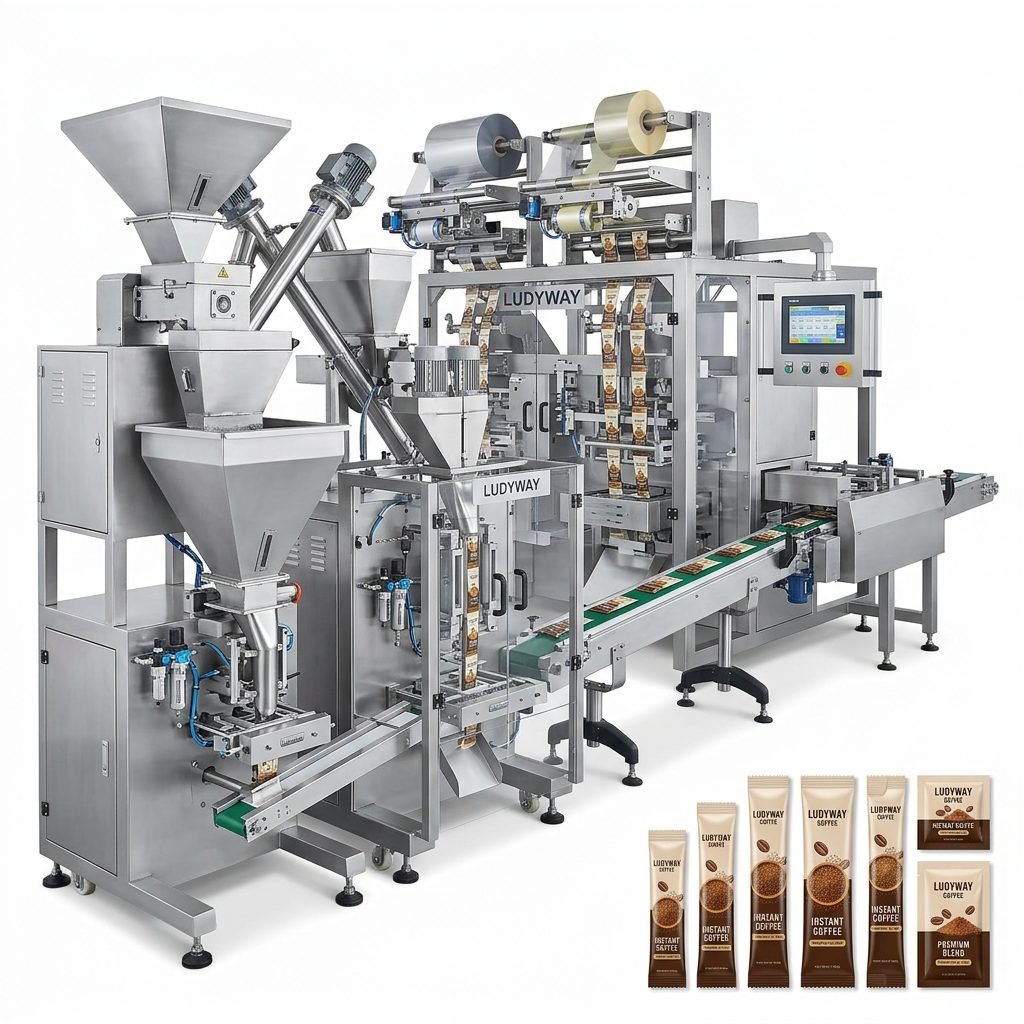
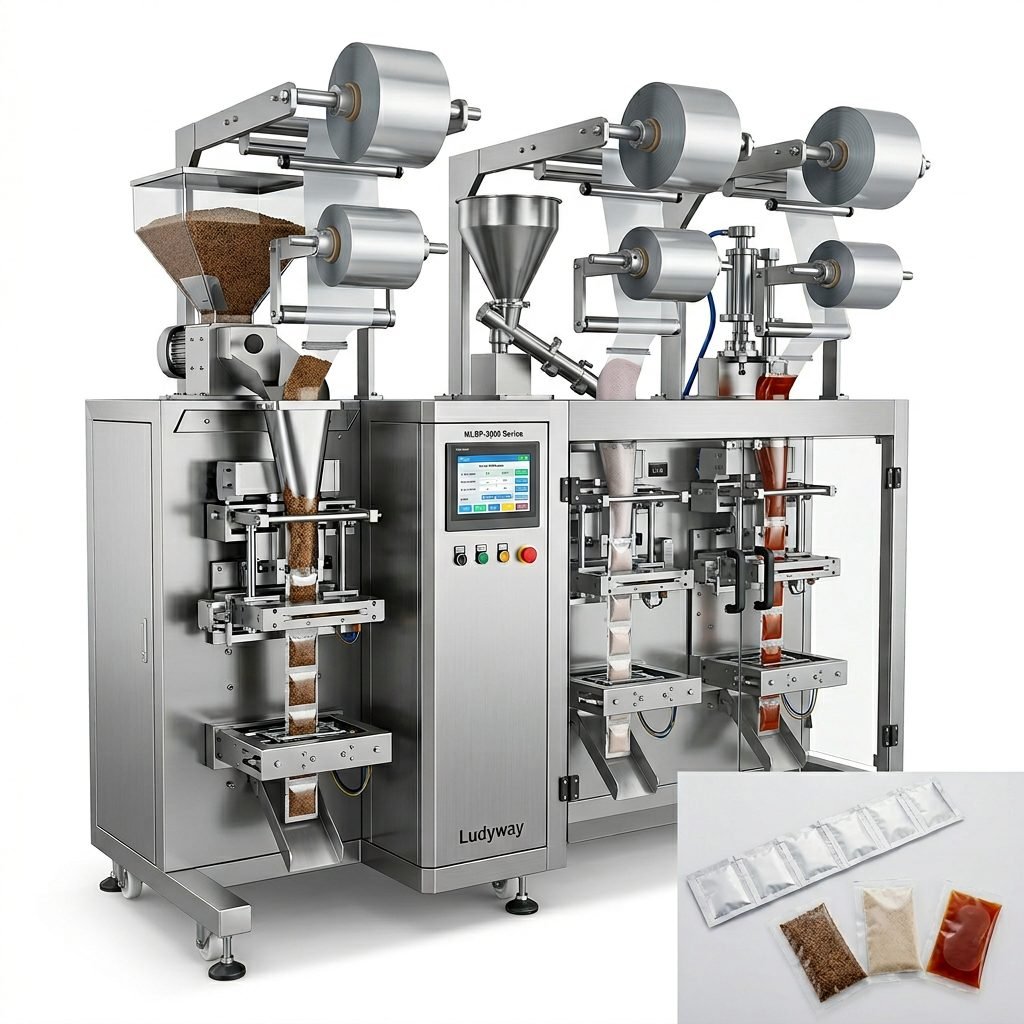
Secondary packaging machinery plays a critical role in modern manufacturing by preparing primary packaged products for transport, storage, retail display, and distribution. While primary packaging directly contacts the product, secondary packaging equipment handles the grouping, protecting, labeling, and case-ready presentation of those finished units.
For food, pharmaceutical, personal care, chemical, and health supplement manufacturers, the right machinery can improve throughput, reduce labor dependency, strengthen packaging consistency, and support safer logistics performance across the supply chain.
What Is Secondary Packaging Machinery?
Secondary packaging machinery refers to equipment used after the primary package has been filled and sealed. Its job is to bundle, carton, case pack, wrap, stack, or label products so they are ready for shipment, shelf display, or palletized transport.
- Combining multiple pouches, sachets, bottles, or cartons into one pack
- Placing products into cartons, trays, or corrugated cases
- Applying shrink film, stretch wrap, or bundling materials
- Sealing transport cases for warehouse and distribution handling
- Palletizing packaged products for loading and shipping
Why Secondary Packaging Matters
Even when a product is perfectly filled, poor secondary packaging can slow down shipping, increase damage rates, and reduce retail appeal. A well-designed secondary packaging system helps manufacturers build a more reliable and scalable operation.
- Product protection: Reduces compression damage, leakage risks, and transport-related deformation.
- Operational efficiency: Automates repetitive manual end-of-line tasks.
- Retail readiness: Improves presentation for supermarkets, pharmacies, and distributors.
- Traceability: Supports coding, labeling, and batch management.
- Labor savings: Minimizes manual packing and palletizing requirements.
- Scalability: Makes it easier to expand production output without bottlenecks.
Main Types of Secondary Packaging Machinery
1. Cartoning Machines
Cartoning machines load products into folding cartons. They are widely used for sachets, stick packs, bottles, blister packs, tubes, and small pouches.
- Horizontal cartoners
- Vertical cartoners
- Intermittent motion cartoners
- Continuous motion cartoners
These machines are ideal when branding, printed carton presentation, and organized retail display are priorities.
2. Case Packers
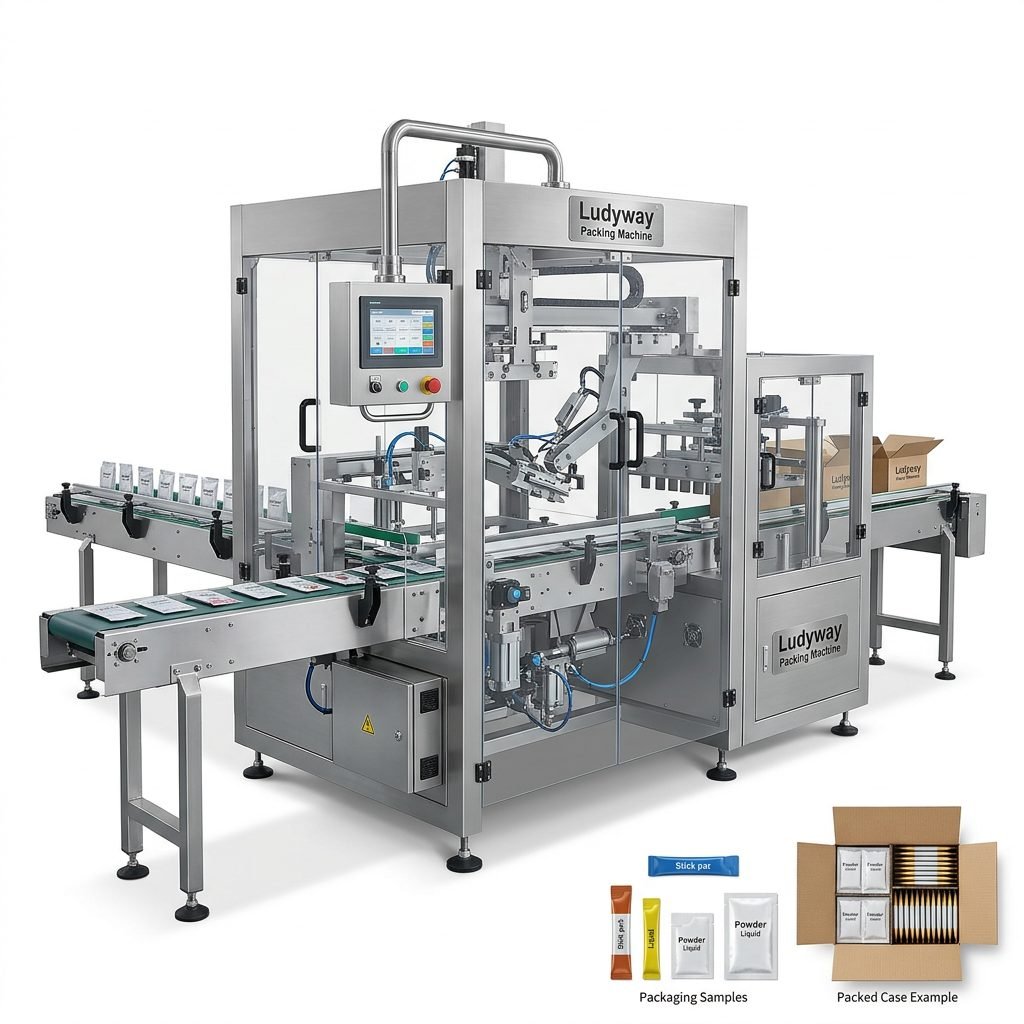
Case packers automatically load products into corrugated shipping cases or trays. They are commonly used in high-volume lines for food, pharmaceuticals, and consumer goods.
- Top-load case packers
- Side-load case packers
- Wraparound case packers
- Robotic case packing systems
Case packing is especially useful for grouped sachets, pouches, bottles, jars, and cartons moving into distribution channels.
3. Shrink Wrapping Machines
Shrink wrapping machines bundle multiple units together with film, then apply heat to tightly secure the pack. This format is common for beverages, household products, cosmetics, and promotional packs.
- Bundle wrapping
- Tray plus shrink film packaging
- Printed film multipacks
4. Bundling Machines
Bundling systems collate and secure products using film, paper, or banding material. They are used when a lightweight grouped pack is needed without a full carton or case.
5. Case Sealing Machines
After products are packed into corrugated boxes, case sealers close and seal them using adhesive tape or hot melt glue. These machines improve sealing consistency and reduce manual packing variability.
6. Labeling and Coding Systems
Secondary packaging often requires barcode labels, shipping labels, batch numbers, or date codes. Integrated printers and label applicators help ensure compliance and warehouse traceability.
7. Palletizing Systems
Palletizers stack cartons, bags, or cases in stable load patterns for storage and transportation. They are often the final stage of the secondary packaging process.
- Conventional palletizers
- Robotic palletizers
- Gantry palletizers
8. Stretch Wrapping Machines
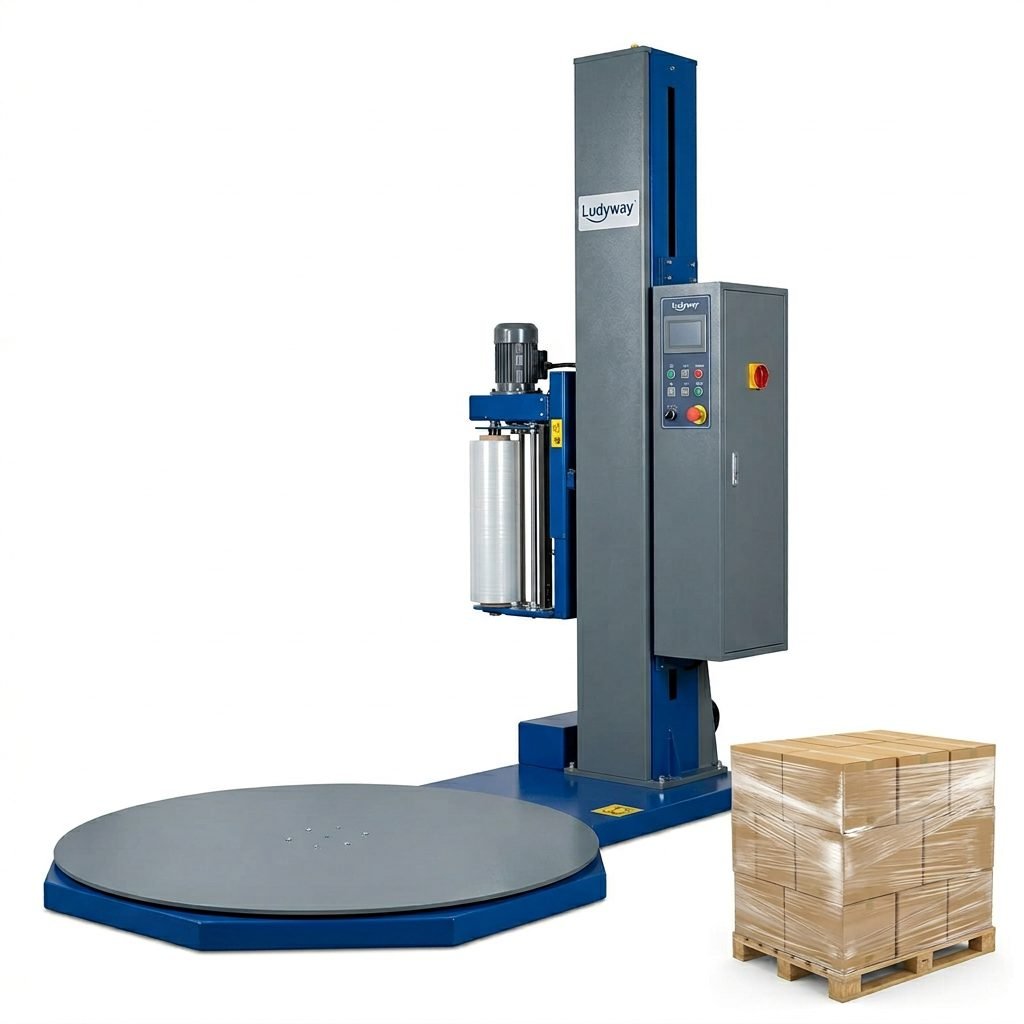
Stretch wrappers secure palletized loads with film to stabilize products during shipping. This is a key step for export-oriented manufacturers handling long-distance transportation.
Comparison of Common Secondary Packaging Equipment
| Equipment Type | Main Function | Best For | Key Advantage |
|---|---|---|---|
| Cartoning Machine | Loads products into cartons | Retail-ready packs, pharma, cosmetics | Strong presentation and protection |
| Case Packer | Places products into shipping cases | High-volume food and consumer goods lines | Fast and efficient end-of-line packing |
| Shrink Wrapper | Bundles items with film | Multipacks, promotional packs | Cost-effective grouping |
| Case Sealer | Seals corrugated cases | Warehouse-ready shipments | Improves sealing consistency |
| Palletizer | Stacks cases onto pallets | Bulk shipping and export logistics | Reduces manual handling |
| Stretch Wrapper | Wraps pallet loads with film | Transport security | Prevents load shifting |
Benefits of Investing in Secondary Packaging Automation
Higher Line Efficiency
Manual secondary packing often becomes the bottleneck in a fast primary packaging line. Automation helps synchronize upstream filling equipment with downstream handling, preventing product accumulation and downtime.
Lower Labor Costs
Automated cartoning, case packing, and palletizing reduce dependence on repetitive manual labor, especially in facilities facing labor shortages or rising labor costs.
Better Packaging Consistency
Machine-controlled packing patterns and sealing parameters help ensure every carton, bundle, or case meets a defined quality standard.
Improved Product Safety
Consistent case loading, reliable sealing, and stable palletizing reduce the chance of damaged goods during shipping and warehousing.
Easier Compliance and Traceability
Integrated coding, printing, and labeling systems support lot tracking, shipping identification, and industry-specific regulations.
Stronger Brand Presentation
Well-organized secondary packaging improves shelf appearance and customer experience, especially for club packs, pharmacy cartons, gift bundles, and premium retail products.
Industries That Commonly Use Secondary Packaging Machinery
- Food industry: snacks, coffee, tea, powders, sauces, seasonings, pet food
- Pharmaceutical industry: sachets, blister packs, bottles, medical kits
- Health supplement industry: stick packs, capsules, pouch products, powder sachets
- Cosmetics and personal care: creams, wipes, sachets, tubes, bottles
- Chemical industry: detergents, additives, cleaners, industrial powders and liquids
How to Choose the Right Secondary Packaging Equipment
1. Define Your Product and Primary Pack Format
Start by identifying what the machine will handle:
- Sachets or stick packs
- Pouches or bags
- Bottles or jars
- Blister packs or cartons
- Tubes or vials
The product shape, fragility, count pattern, and orientation requirements will strongly affect machine selection.
2. Determine Your Required Output
Choose machinery that matches both your current and future production targets. A system that works at today’s volume but cannot support future growth may lead to early replacement costs.
3. Consider Secondary Pack Style
Do you need retail cartons, shipping cases, shrink-wrapped bundles, trays, or palletized export units? The final presentation and logistics route should guide the equipment configuration.
4. Check Integration with Upstream and Downstream Equipment
Secondary packaging equipment should connect smoothly with conveyors, checkweighers, coding machines, case sealers, and palletizing systems. Integration planning is essential for line stability.
5. Evaluate Changeover Flexibility
If you run multiple SKUs, pack counts, or carton sizes, look for fast tool-free changeovers, recipe storage, and easy operator adjustment.
6. Focus on Maintenance and Reliability
Reliable motion control, quality components, and accessible maintenance points will reduce unplanned downtime. For high-volume plants, this can be just as important as top speed.
7. Review Space and Plant Layout
Compact layouts are especially important for factories with limited floor space. In many cases, a modular end-of-line design delivers better long-term flexibility.
8. Think About Industry Compliance
Pharmaceutical and food packaging projects often require higher sanitation standards, validation support, traceability, and stricter quality documentation than general industrial applications.
Key Questions to Ask Before Buying
- What pack formats must the machine support now and in the future?
- What is the real production speed under normal operating conditions?
- How long does format changeover take?
- Can the system integrate with my existing packaging line?
- What level of automation is best for my labor structure and budget?
- What after-sales support, spare parts, and technical service are available?
Manual, Semi-Automatic, or Fully Automatic?
| Automation Level | Suitable For | Pros | Considerations |
|---|---|---|---|
| Manual | Very small production volumes | Low initial cost | High labor use, limited output |
| Semi-Automatic | Growing businesses | Balanced cost and efficiency | Still requires operator involvement |
| Fully Automatic | Medium to large-scale manufacturers | High speed, stable output, low labor dependence | Higher initial investment |
When a Turnkey Secondary Packaging Line Makes More Sense
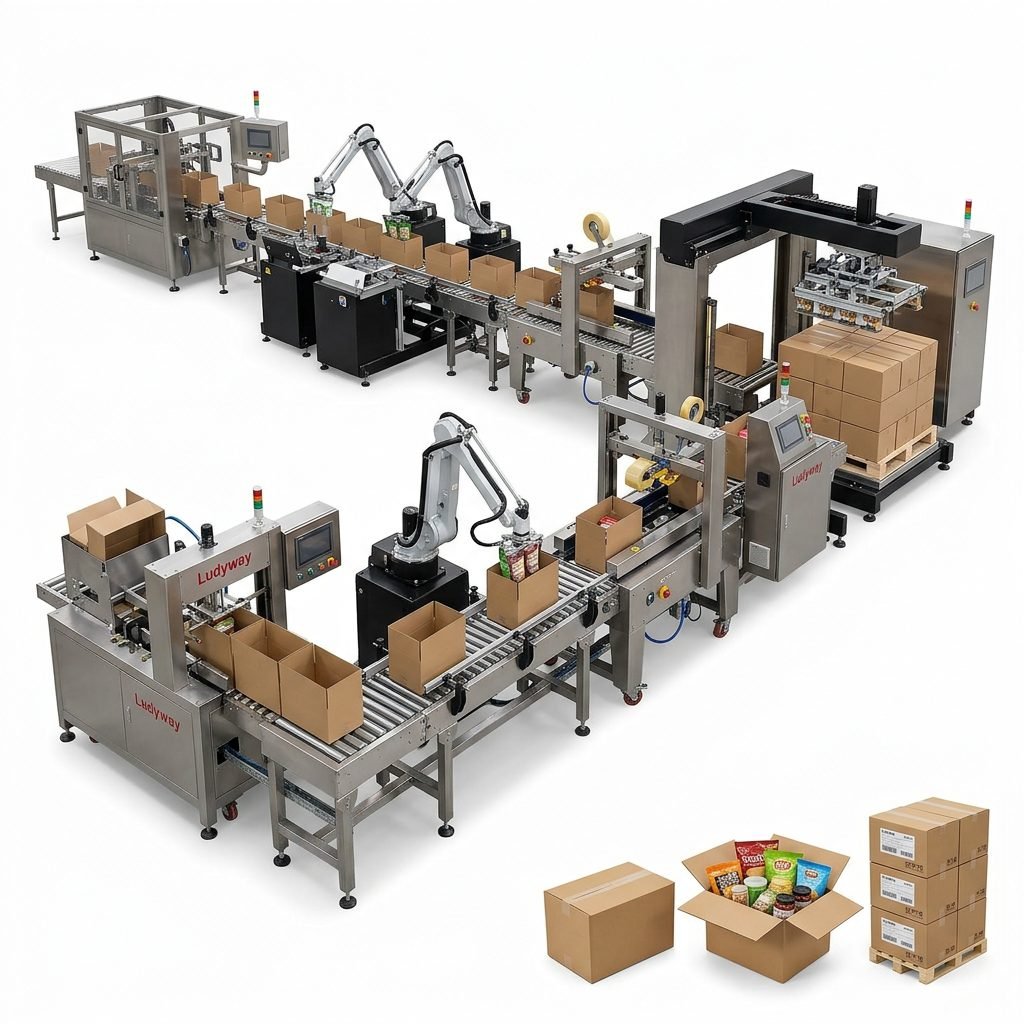
In many projects, buying standalone machines one by one creates integration issues later. A turnkey approach can be more efficient when your line includes multiple linked processes such as cartoning, case packing, sealing, coding, palletizing, and wrapping.
For manufacturers looking for integrated packaging solutions, Ludyway secondary packaging machinery solutions can support standalone equipment needs as well as broader turnkey packaging line planning across food, pharmaceutical, health supplement, cosmetic, and related sectors.
Common Mistakes to Avoid
- Choosing equipment based only on price rather than total line performance
- Ignoring future SKU expansion or pack format changes
- Underestimating plant space and line layout constraints
- Not confirming compatibility with upstream packaging machines
- Overlooking spare parts availability and technical support
- Buying more speed than your real production flow can support
Final Selection Checklist
- Product type: powder, liquid, pouch, bottle, carton, blister, or sachet
- Pack style: case, carton, bundle, tray, or pallet
- Target speed: actual packs per minute or cases per hour
- Line compatibility: conveyors, coding, inspection, sealing, palletizing
- Flexibility: changeover time and multi-SKU capability
- Support: training, commissioning, spare parts, service response
Conclusion
Secondary packaging machinery is more than an end-of-line add-on. It is a strategic investment that affects labor efficiency, transport protection, packaging consistency, and overall production scalability. Whether you need a single case sealer or a complete integrated line with cartoning, case packing, and palletizing, the best choice depends on your product format, output goals, and long-term automation plan.
By carefully evaluating machine type, integration needs, flexibility, and supplier capability, manufacturers can build a secondary packaging system that supports both current production demands and future growth.