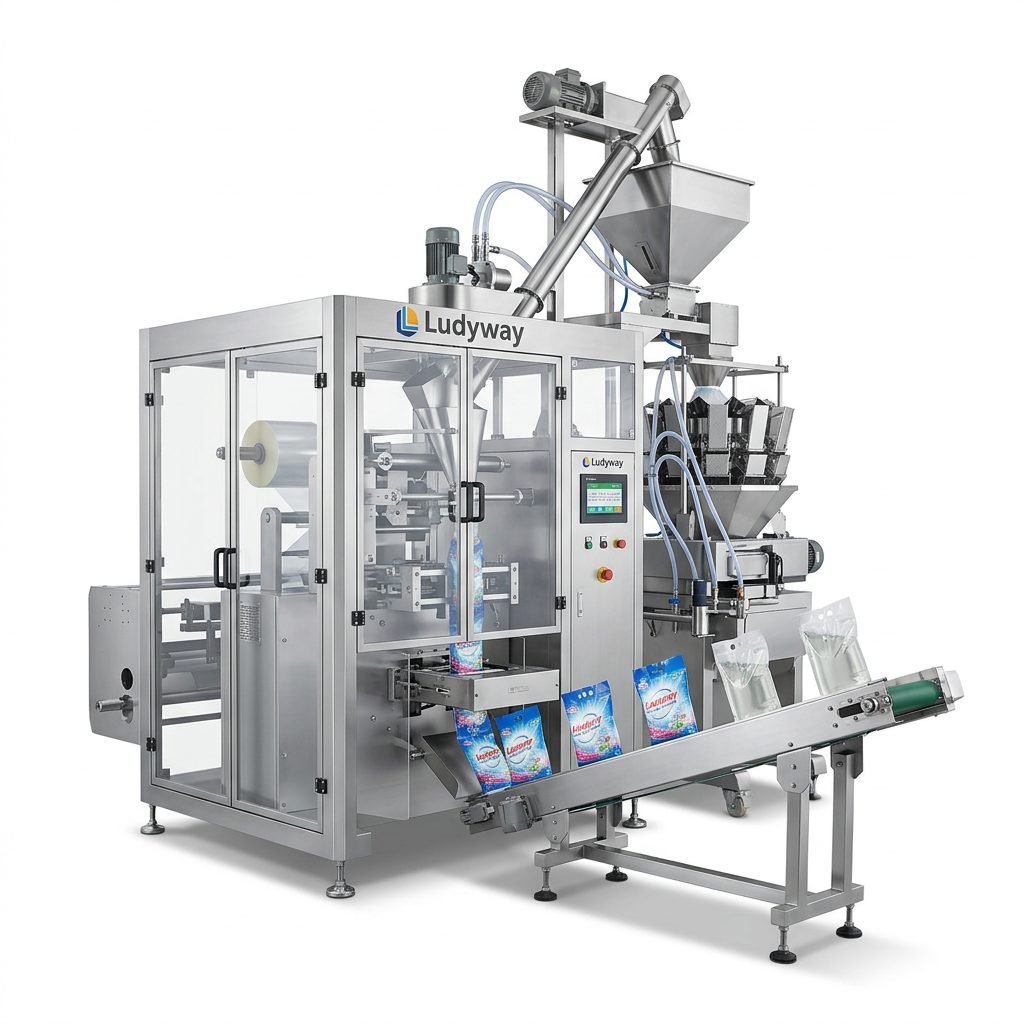
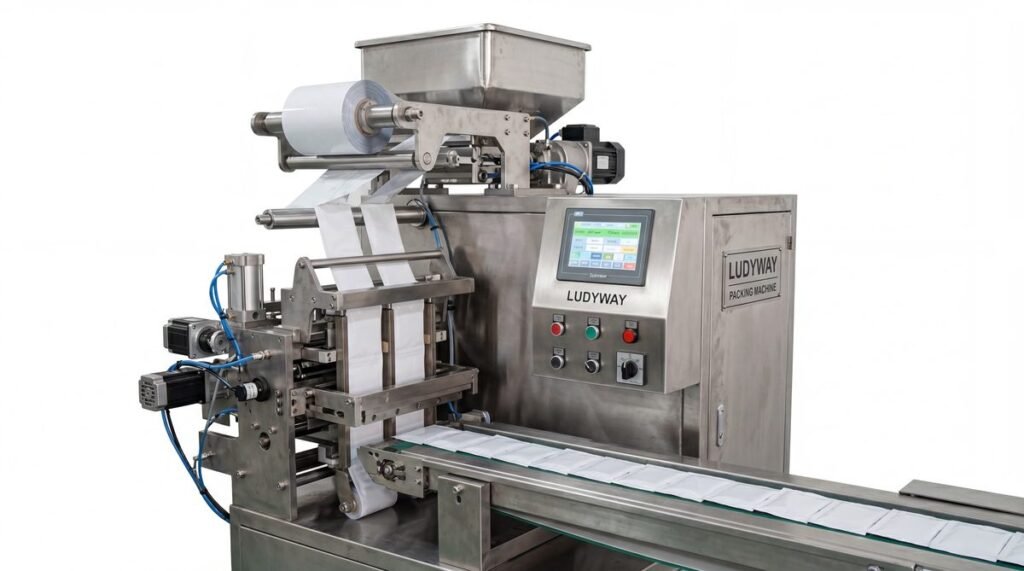
Choosing the right detergent packing machine is not only about filling liquid into a package. It directly affects output, product consistency, sealing quality, labor cost, material waste, and long-term scalability. For manufacturers of laundry detergent, dishwashing liquid, fabric softener, floor cleaner, and other household cleaning products, the right packaging solution can turn production into a faster, cleaner, and more profitable process.
Liquid detergents vary widely in viscosity, foaming behavior, packaging format, and production volume. That means there is no one-size-fits-all machine. The best solution depends on your product characteristics, target package type, production goals, and automation plan.
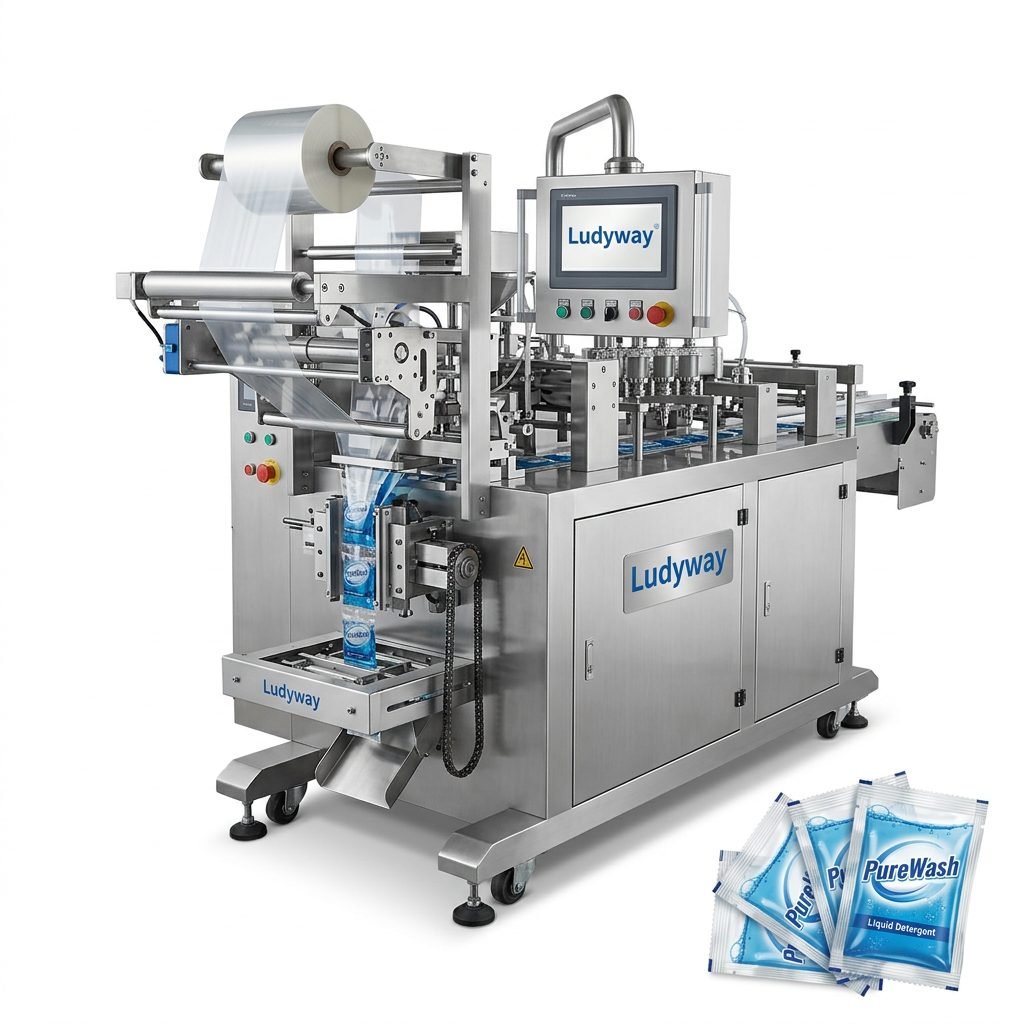
Why detergent packaging requires a specialized machine
Detergent products are more challenging to handle than standard water-like liquids. Many formulas are viscous, some foam easily, and others contain active chemicals that require corrosion-resistant contact parts. Packaging equipment for detergents must therefore deliver:
- Accurate dosing to reduce overfilling and cost loss
- Stable sealing performance to prevent leakage during transport
- Material compatibility for chemical resistance and hygiene
- Anti-foam filling design for clean and efficient operation
- Flexible package handling for sachets, pouches, bottles, or larger containers
If the machine is not matched to the detergent formula and package style, problems such as inaccurate fill weights, seal contamination, dripping, excessive downtime, and product waste can quickly appear.
Start with your detergent type and product behavior
Before comparing machine models, define your product clearly. This is the foundation of correct machine selection.
Key product factors to evaluate
- Viscosity level: thin, medium, or thick liquid
- Foaming tendency during pumping and filling
- Chemical composition and corrosion risk
- Presence of suspended particles or additives
- Required filling temperature
- Target fill volume per pack
For example, a low-viscosity dishwashing liquid may run well on a high-speed sachet machine, while a thick laundry detergent or fabric softener may require a more robust pump filling system with controlled flow and anti-drip nozzles.
Choose the right packaging format first
Your ideal machine is closely tied to your desired package format. Different detergent markets need different formats based on pricing strategy, retail channel, and consumer convenience.
| Packaging Format | Best Use | Recommended Machine Type |
|---|---|---|
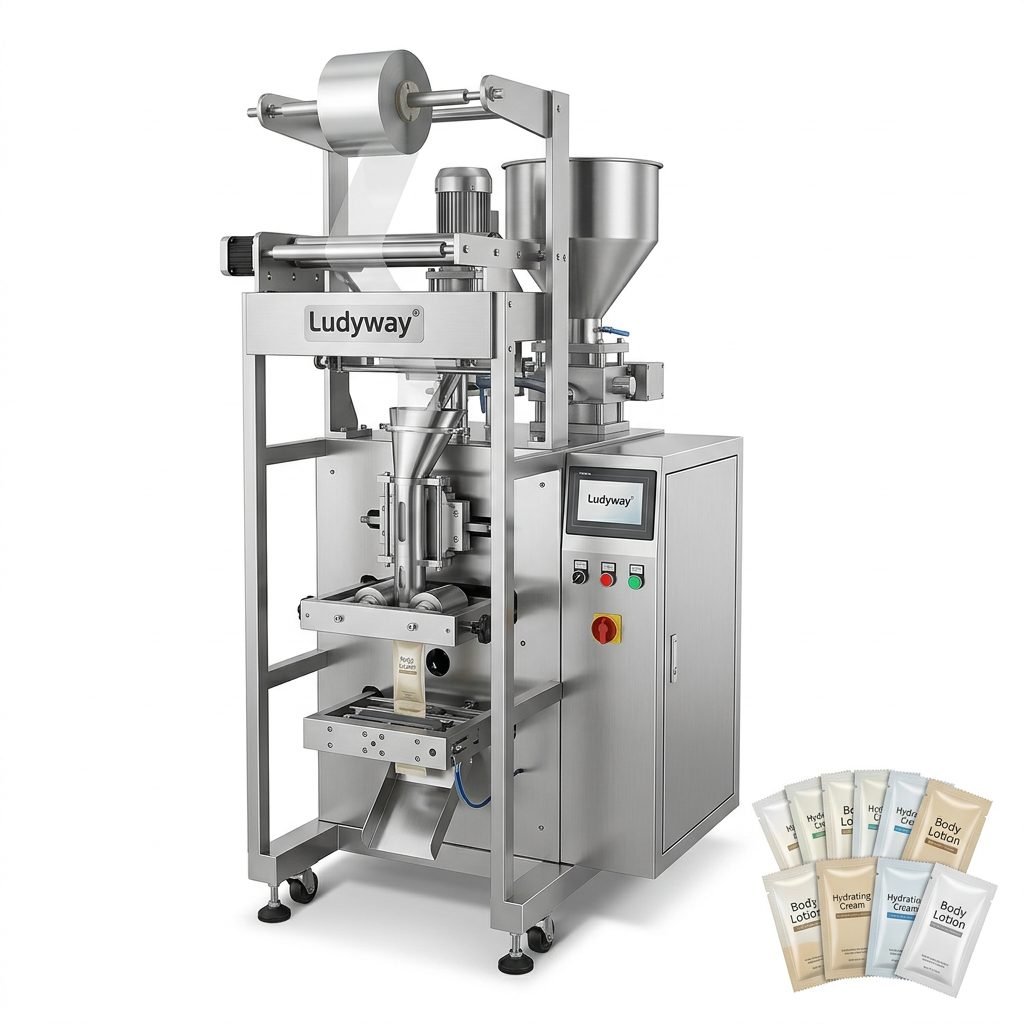
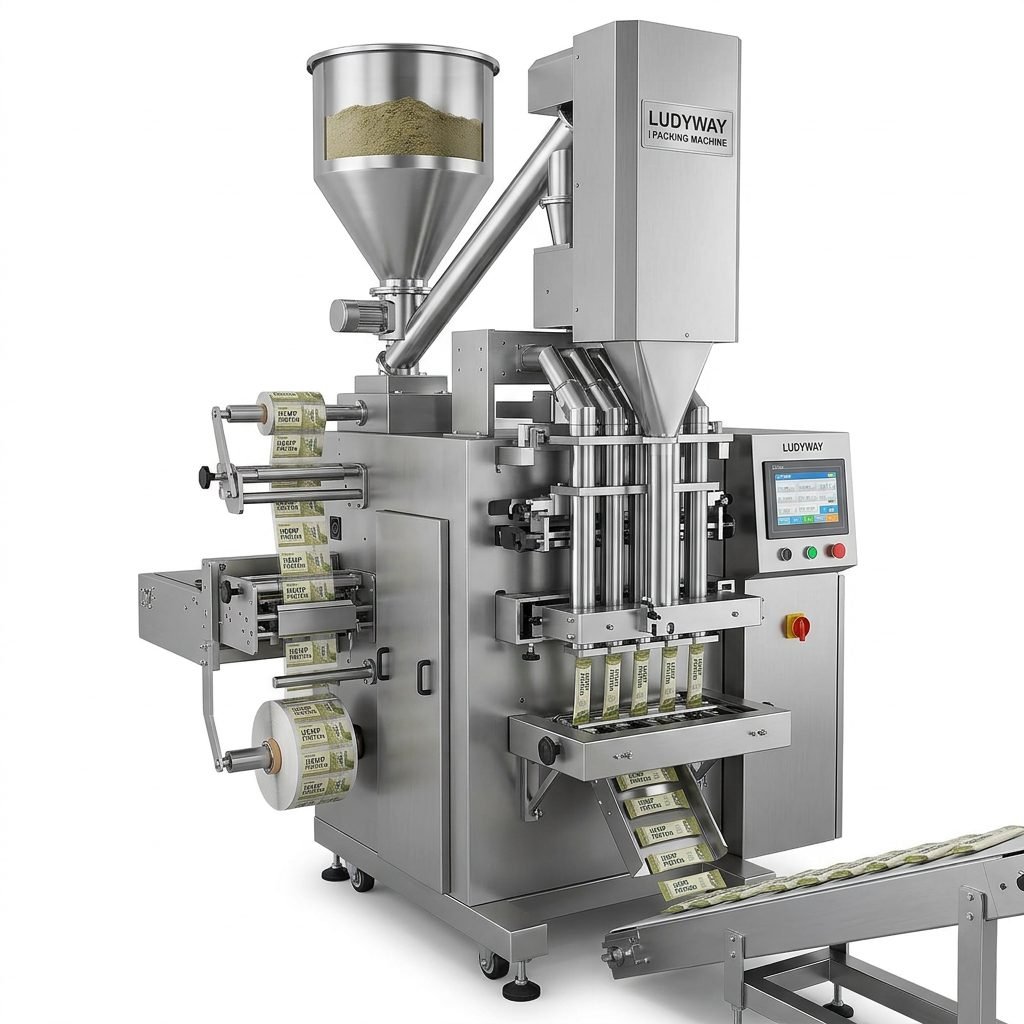
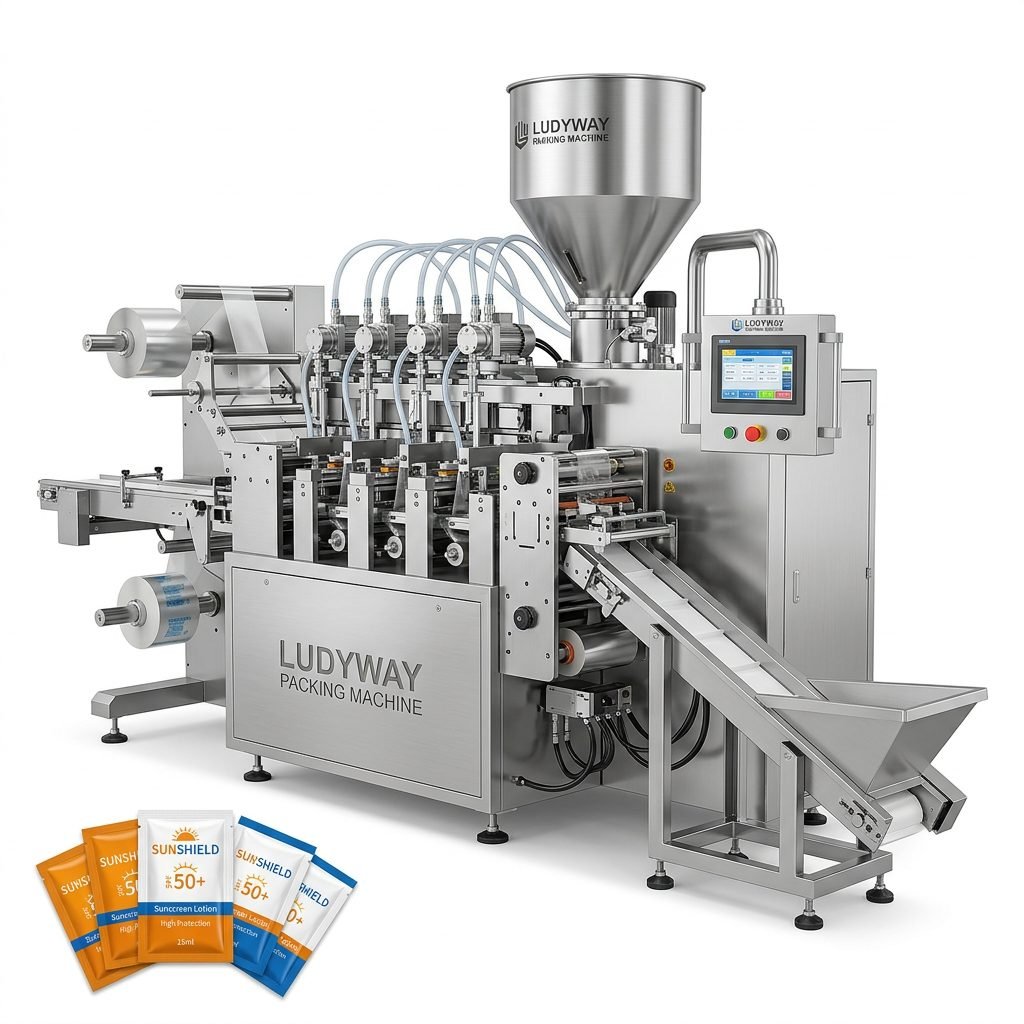
| Small sachets | Single-use or low-cost retail packs | Vertical liquid sachet packing machine |
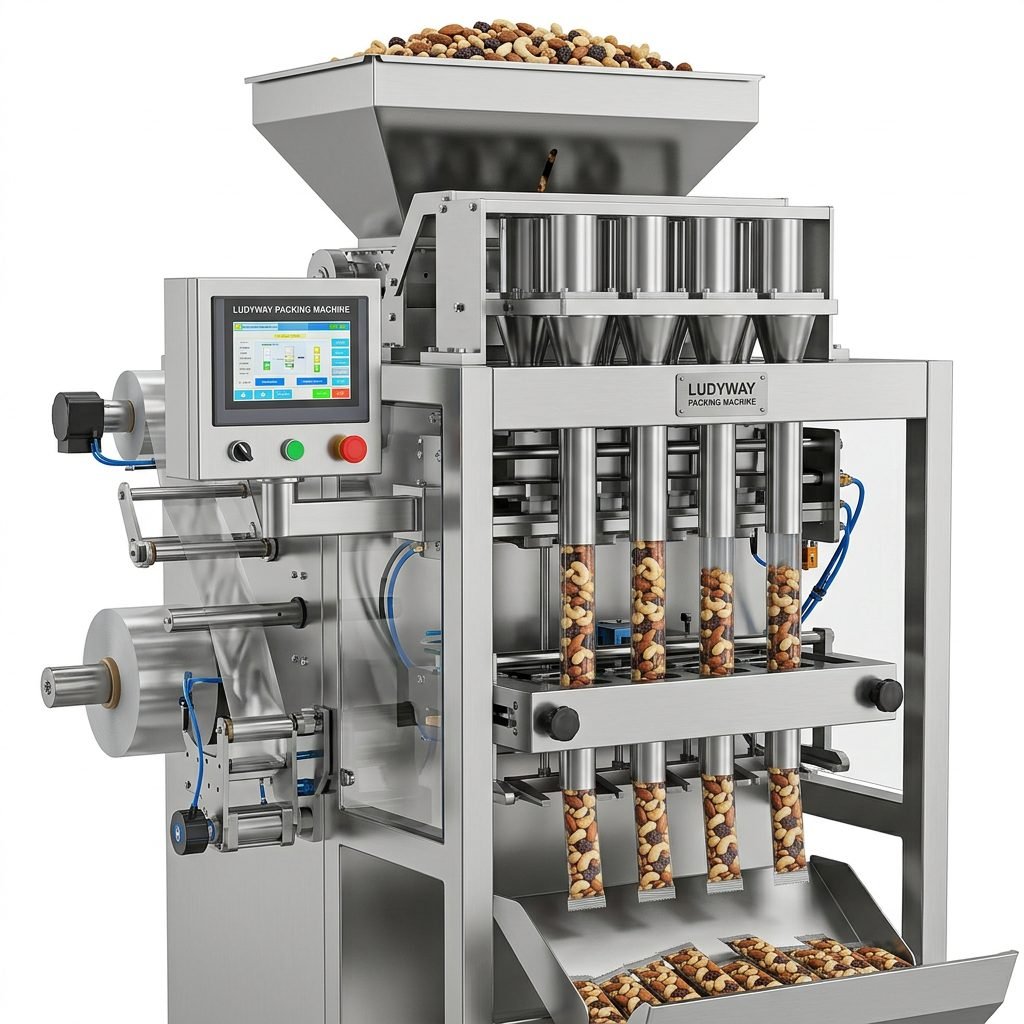
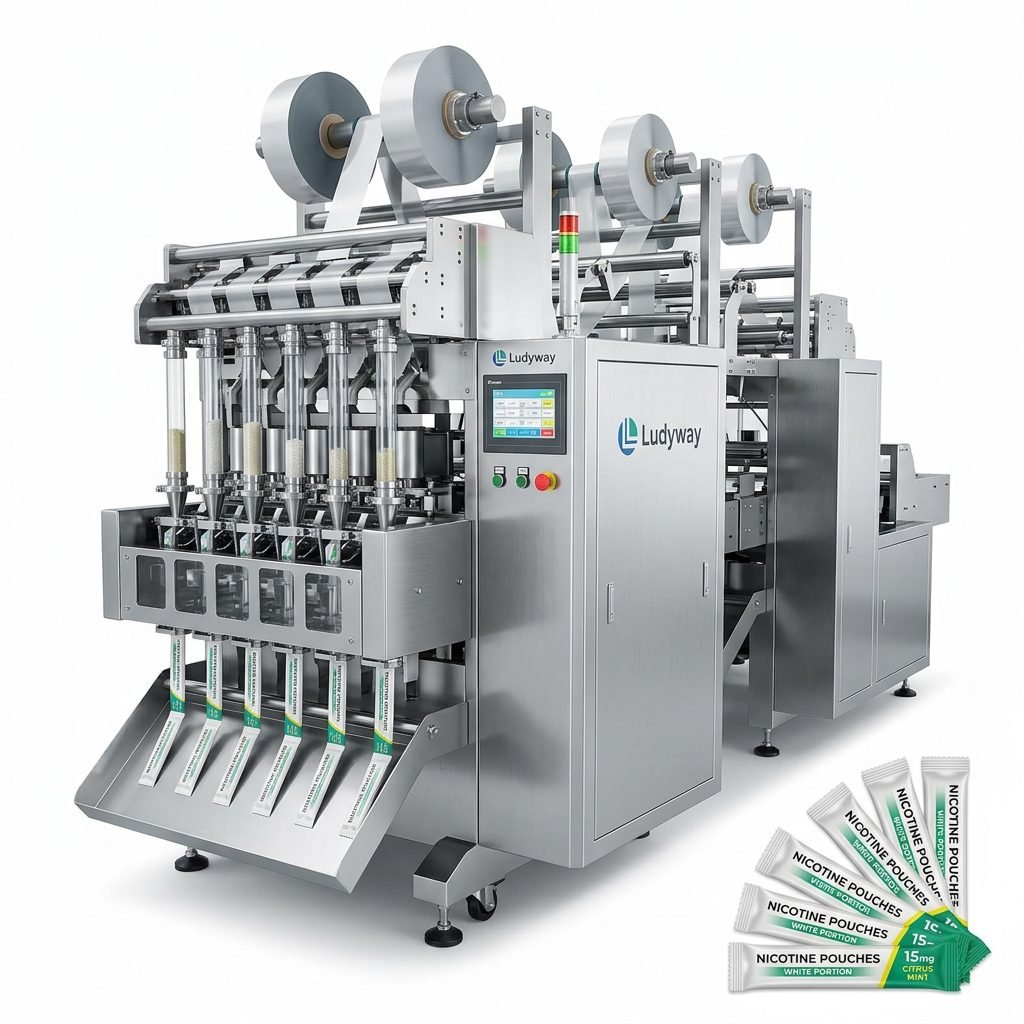
| Stick packs | Compact sample or travel-size liquid packs | Multi-lane stick pack machine |
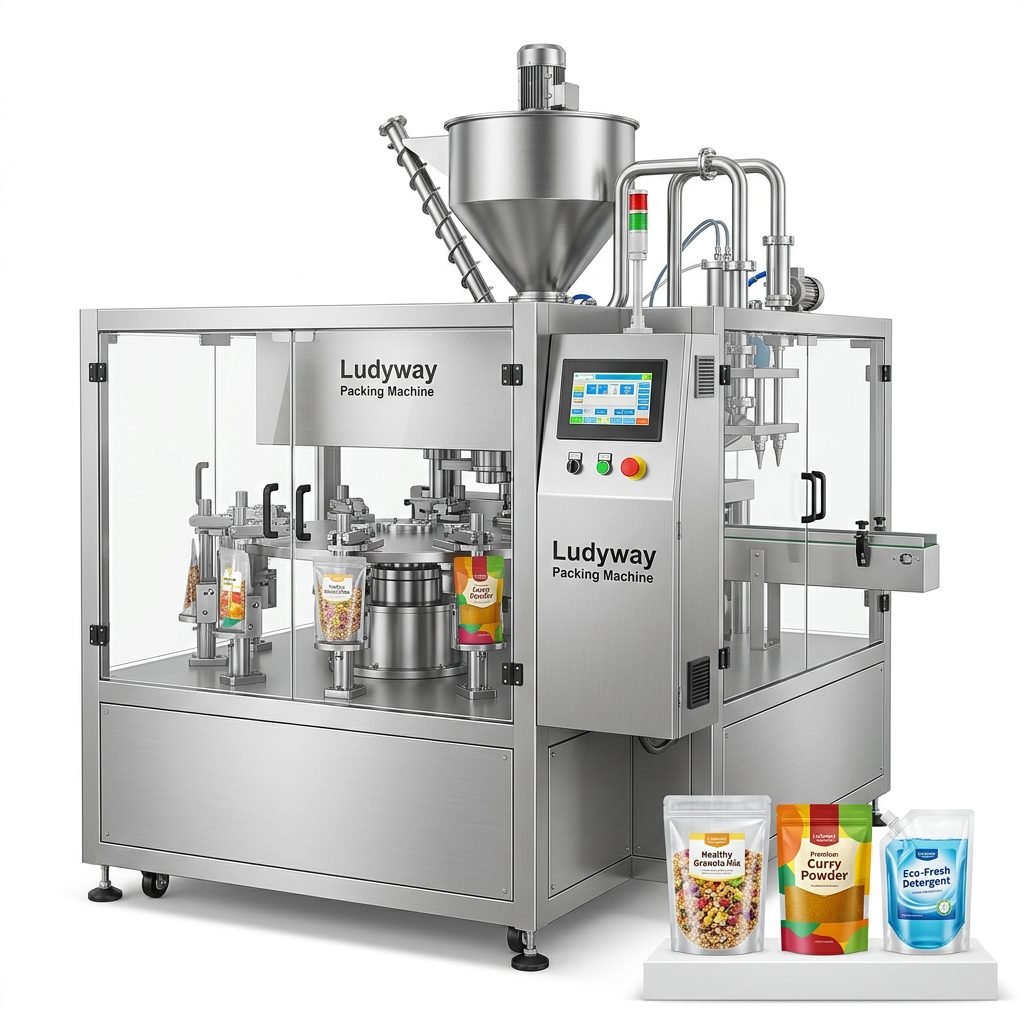
| Premade pouches | Higher-end retail and refill solutions | Premade pouch filling and sealing machine |
| Bottles | Mainstream detergent, hand wash, softener | Automatic bottle filling, capping, and labeling line |
| Large containers | Industrial and commercial cleaning products | Heavy-duty liquid filling system |
If your business serves multiple channels, a machine with flexible changeover and scalable output can be more cost-effective than buying separate low-capacity systems.
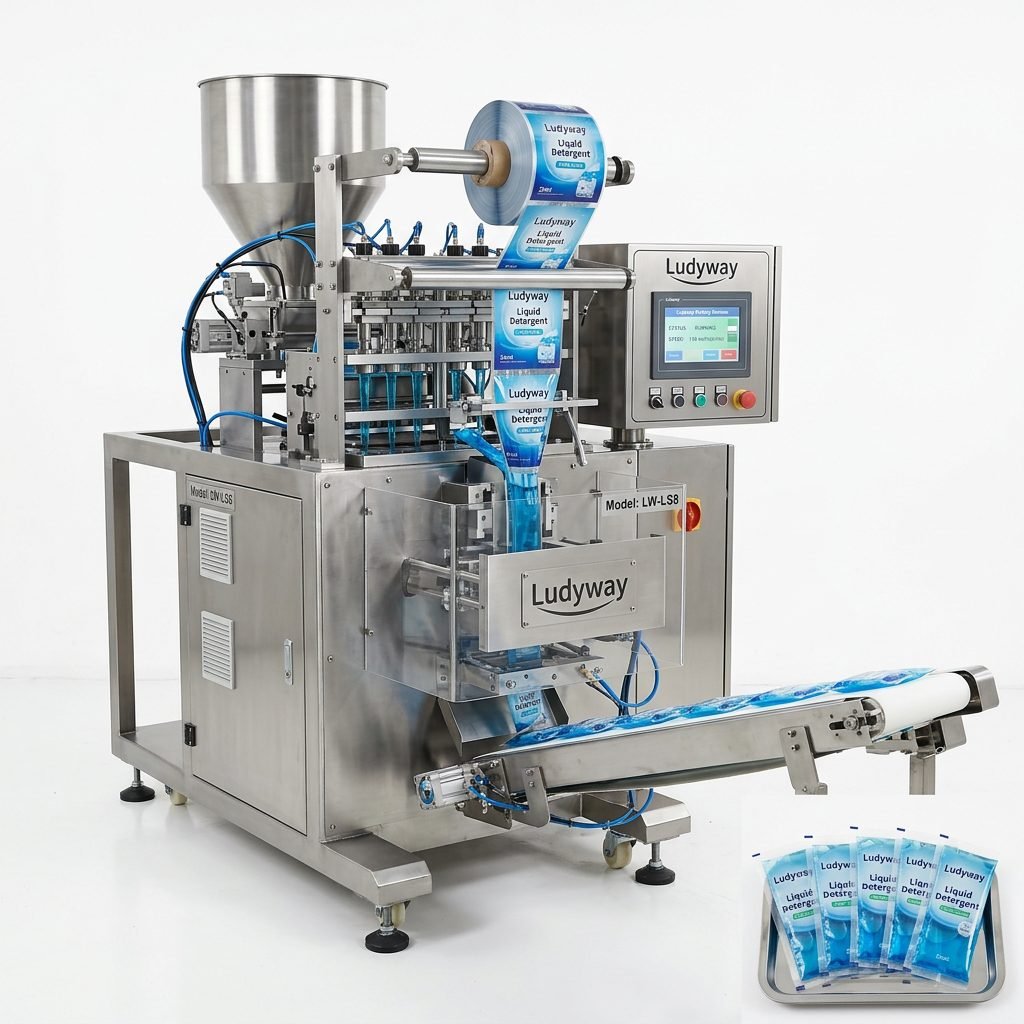
Understand the main detergent packing machine options
1. Sachet packing machines for liquid detergent
These machines are widely used for small-volume detergent packs. They form the sachet from roll film, fill the product, seal it, and cut the finished packs automatically. They are suitable for low-cost retail, trial packs, and hospitality applications.
- Ideal for small fill volumes
- Fast production speeds
- Lower packaging material cost
- Good for mass-market distribution
2. Multi-lane stick pack machines
For high-output production of narrow-format packs, multi-lane stick pack equipment can significantly increase productivity. This format is suitable when you need high speed and consistent small-dose packaging.
3. Premade pouch filling machines
Premade pouch machines are often chosen for stand-up pouches, spouted refill packs, and more premium packaging presentations. They are excellent for brands focused on shelf appeal and user convenience.
4. Bottle filling lines
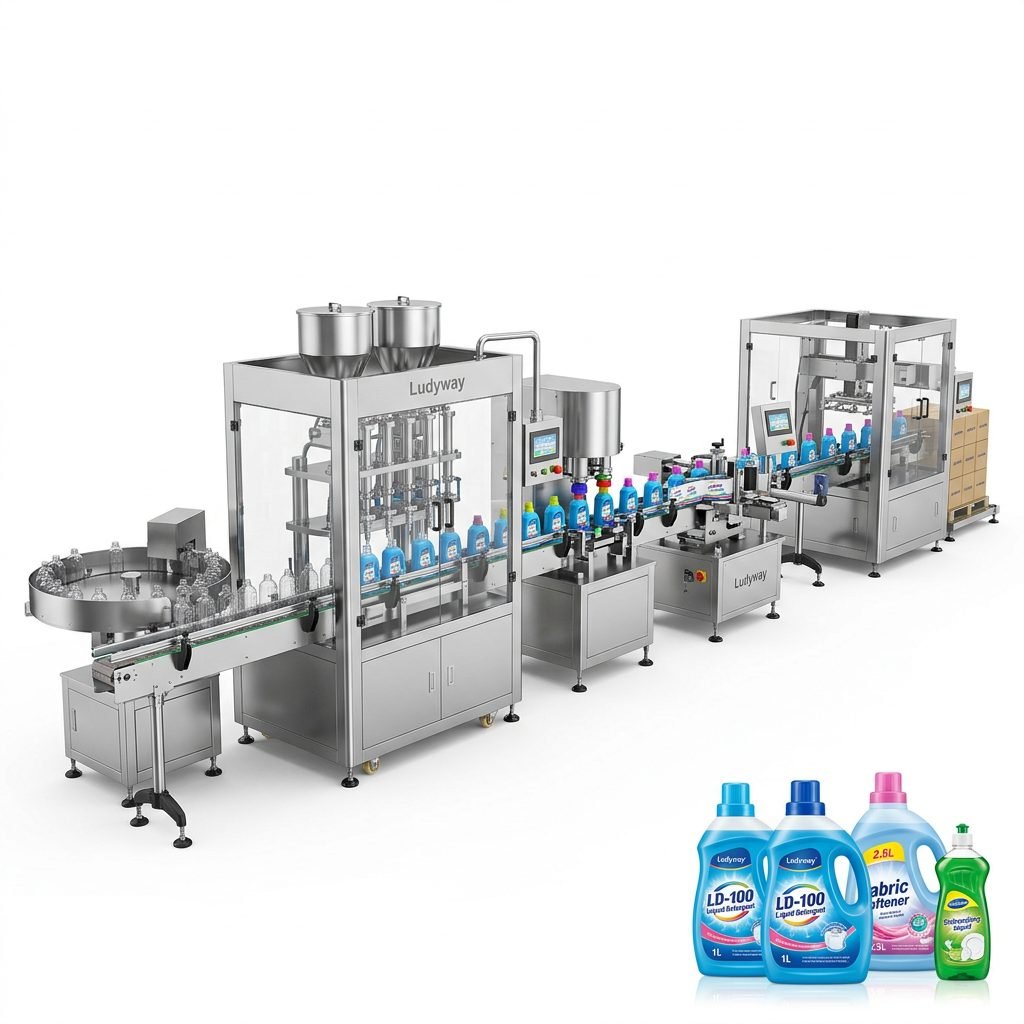
Automatic bottle lines are the standard choice for many detergent manufacturers. A typical line may include bottle unscrambling, filling, capping, labeling, coding, carton packing, and palletizing.
Key machine selection criteria that affect efficiency
Filling accuracy
Even a small overfill on every pack can become a major cost issue over time. A high-quality detergent packing machine should deliver repeatable filling accuracy under real production conditions, not just in ideal test settings.
Speed vs. stable output
Do not choose based only on maximum speed claims. A machine that runs steadily at practical speed with low reject rates is usually more profitable than one with a high theoretical speed but frequent interruptions.
Foam control
Some detergent formulas generate foam during pumping and filling. The right solution may include bottom-up filling, nozzle shutoff control, pressure-balanced delivery, or specially designed pumps.
Seal quality
For sachets and pouches, clean and strong sealing is critical. Seal contamination from splashing or dripping can cause leakage, product returns, and poor customer experience.
Ease of cleaning and maintenance
Quick cleaning, simple disassembly, accessible filling parts, and reliable controls help reduce downtime. This matters even more when you run several detergent formulas on one line.
Automation level
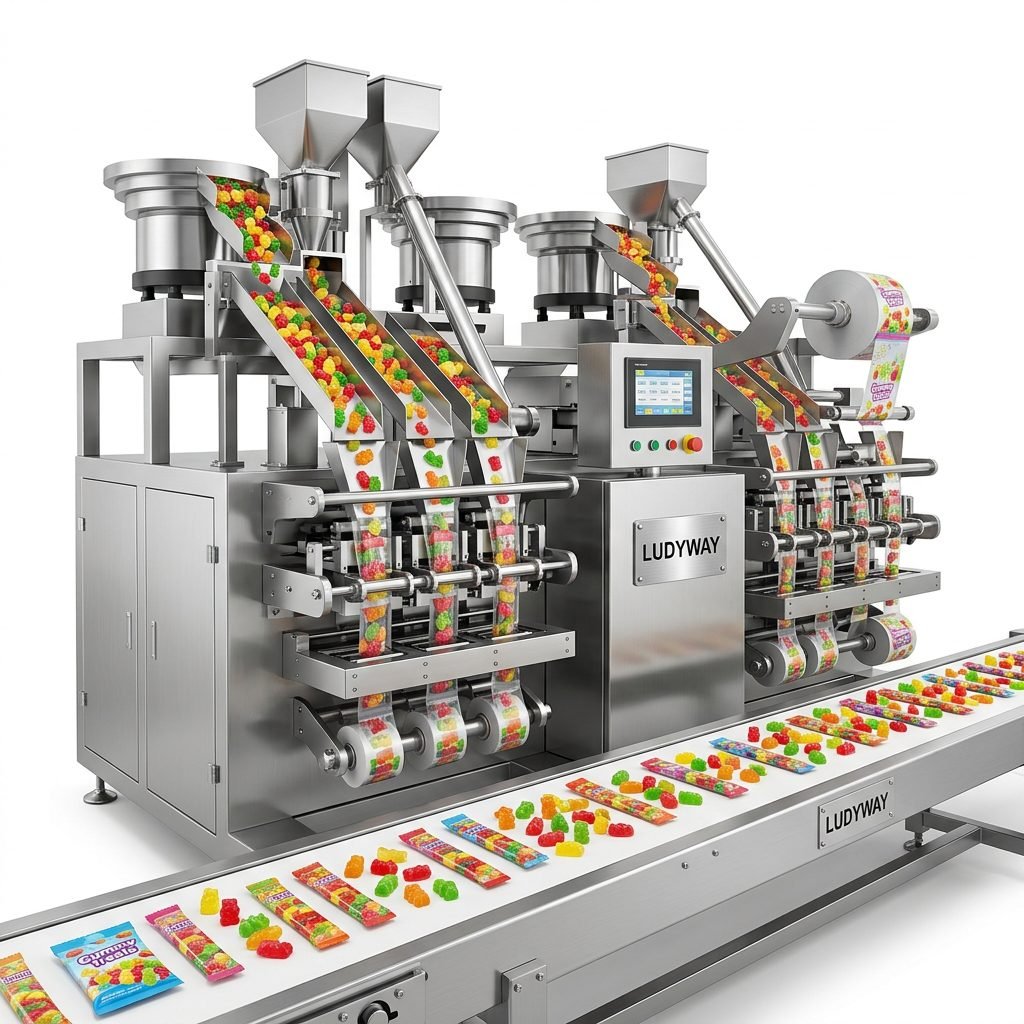
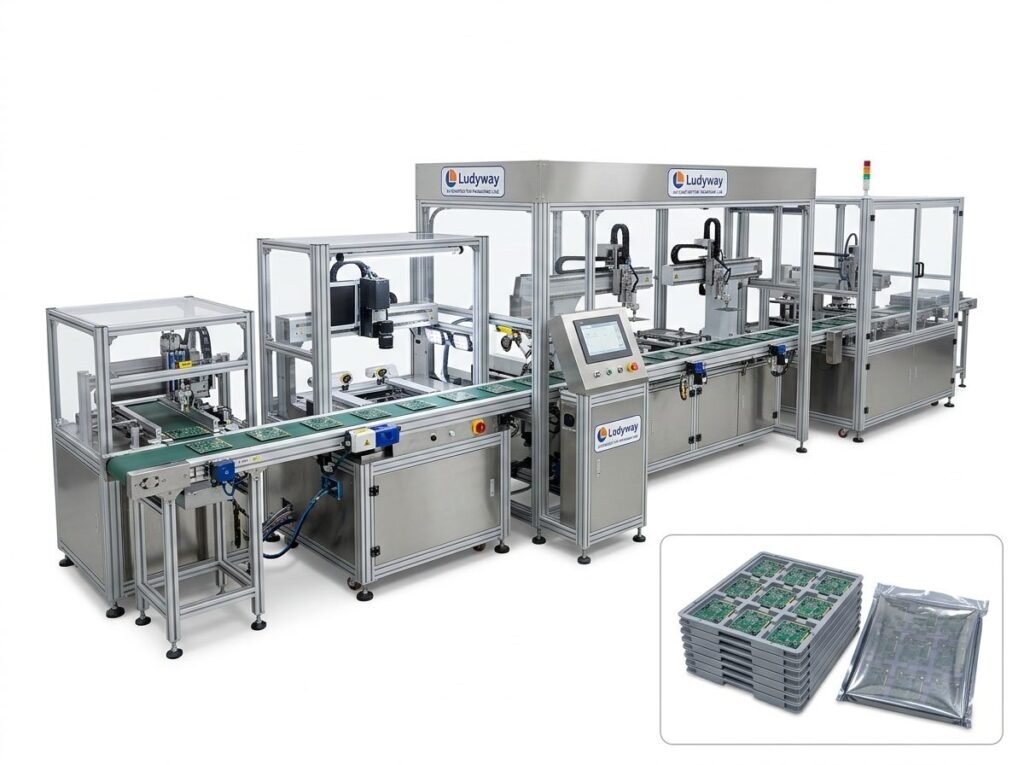
A standalone filling machine may work for smaller factories, but growing businesses often benefit more from integrated lines with conveyors, coders, checkweighers, labeling, cartoning, and palletizing modules.
Questions buyers should ask before investing
- What detergent viscosity range can the machine handle?
- Can it manage foaming liquids without spilling or seal contamination?
- What packaging materials and pack sizes are supported?
- How long does format changeover take?
- What is the actual stable operating speed?
- What filling system is used: piston, pump, flowmeter, or servo-driven dosing?
- Are wetted parts compatible with cleaning chemicals?
- Can the machine be upgraded into a complete packaging line later?
- What technical support, spare parts, and training are available?
Signs you need a turnkey detergent packaging line
If your production is growing quickly, a single machine may no longer be enough. A turnkey line becomes the better option when you need coordinated automation from product feeding to final case packing.
| Production Need | Best Solution |
|---|---|
| Manual or semi-auto filling causing bottlenecks | Automatic integrated packaging line |
| Frequent leakage or inconsistent packaging | Upgraded filling and sealing system |
| Need for multiple packaging formats | Custom modular line with flexible changeover |
| Labor cost pressure | Higher automation with conveying and end-of-line equipment |
| Expansion into export or retail channels | Scalable packaging solution with coding and inspection options |
How packaging material affects machine choice
Packaging film and container design are just as important as the liquid itself. Machines must match the structure and sealability of your chosen packaging material. For sachets and pouches, factors such as film thickness, laminate structure, sealing temperature window, and puncture resistance should be considered carefully.
For bottle lines, container shape stability, neck finish consistency, cap type, and label application all influence line performance.
Do not overlook compliance and quality control
Efficient packaging is not just about speed. Commercial buyers and brand owners also care about reliable quality. Depending on your market and product category, you may need:
- Batch coding and date printing
- Checkweighing
- Leak testing or seal inspection
- Label verification
- Traceability integration
A machine supplier that can integrate these functions into one complete system usually helps reduce compatibility issues later.
When customization matters most
Many detergent manufacturers need more than a standard machine. Customization becomes especially valuable when:
- Your detergent formula is highly viscous or corrosive
- You need unusual package dimensions
- You want to run several SKUs on one line
- You require connection with existing upstream mixers or downstream cartoners
- Your factory layout has space limitations
An experienced manufacturer can adapt machine configuration, dosing method, hopper design, contact materials, sealing structure, and automation modules around your actual application.
Choosing a supplier, not just a machine
A detergent packing machine is a long-term production asset, so supplier capability matters as much as equipment specification. Look for a manufacturer with engineering experience, export knowledge, customization ability, and after-sales support.
For businesses looking for scalable packaging automation, Ludyway detergent packing machine solutions can support standalone equipment as well as turnkey packaging lines for liquid, powder, granule, paste, and pouch-based applications.
Final buying checklist for an efficient liquid detergent packaging solution
- Match the machine to detergent viscosity and foaming behavior
- Select equipment based on actual packaging format
- Verify stable speed, not only advertised maximum speed
- Check sealing quality and anti-drip performance
- Confirm material compatibility with detergent chemistry
- Prioritize easy cleaning and maintenance access
- Plan for future line expansion and automation upgrades
- Choose a supplier with customization and technical support experience
The right detergent packing machine should improve more than packaging speed. It should help you lower waste, protect product quality, reduce labor dependency, and create a packaging process that can grow with your business. When you evaluate equipment from a full production perspective, it becomes much easier to choose a solution that delivers real long-term efficiency.