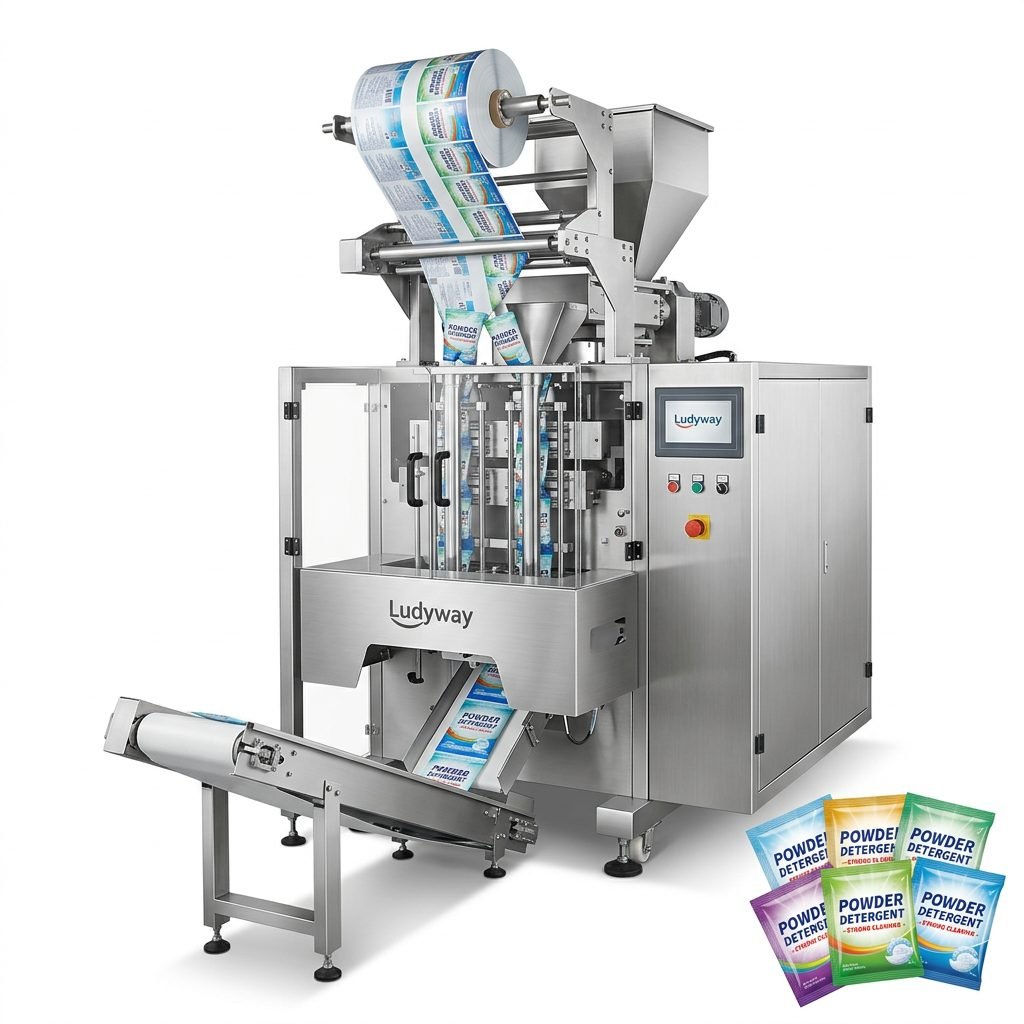
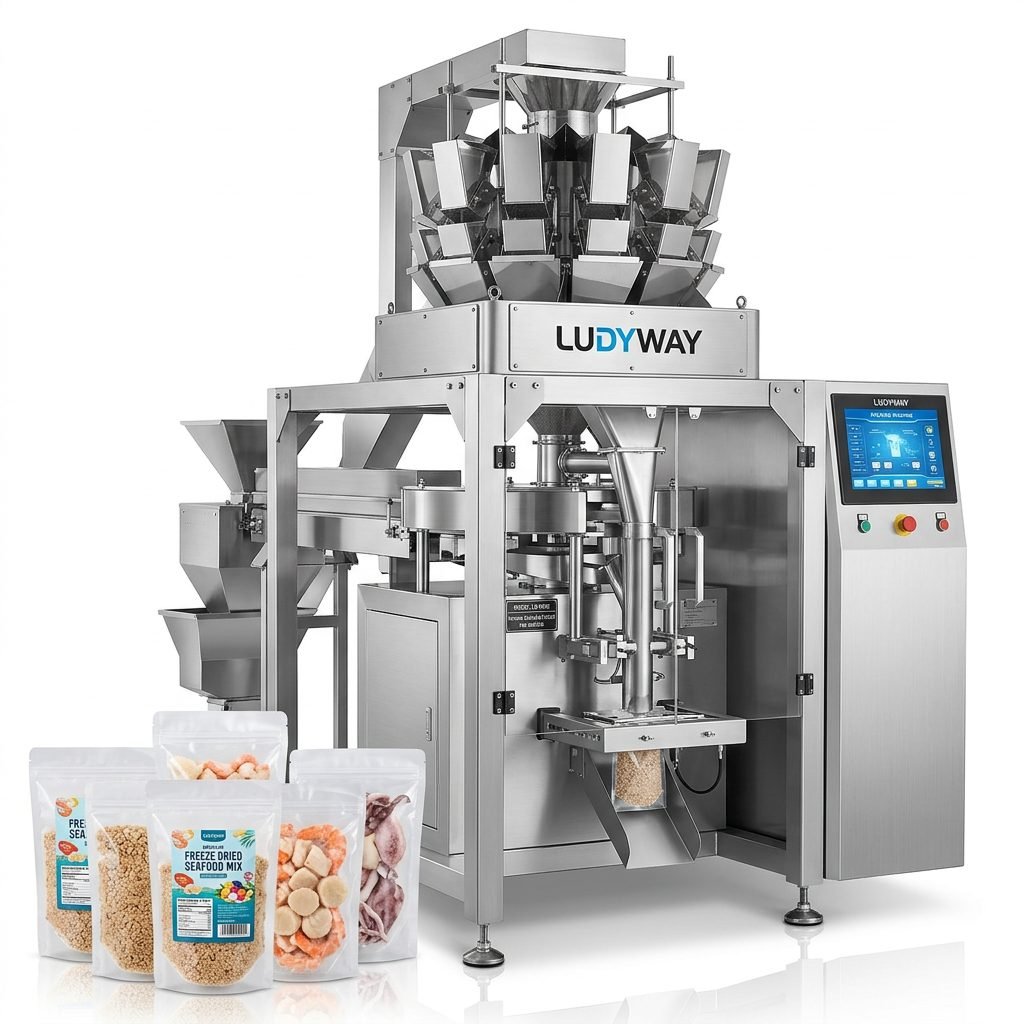
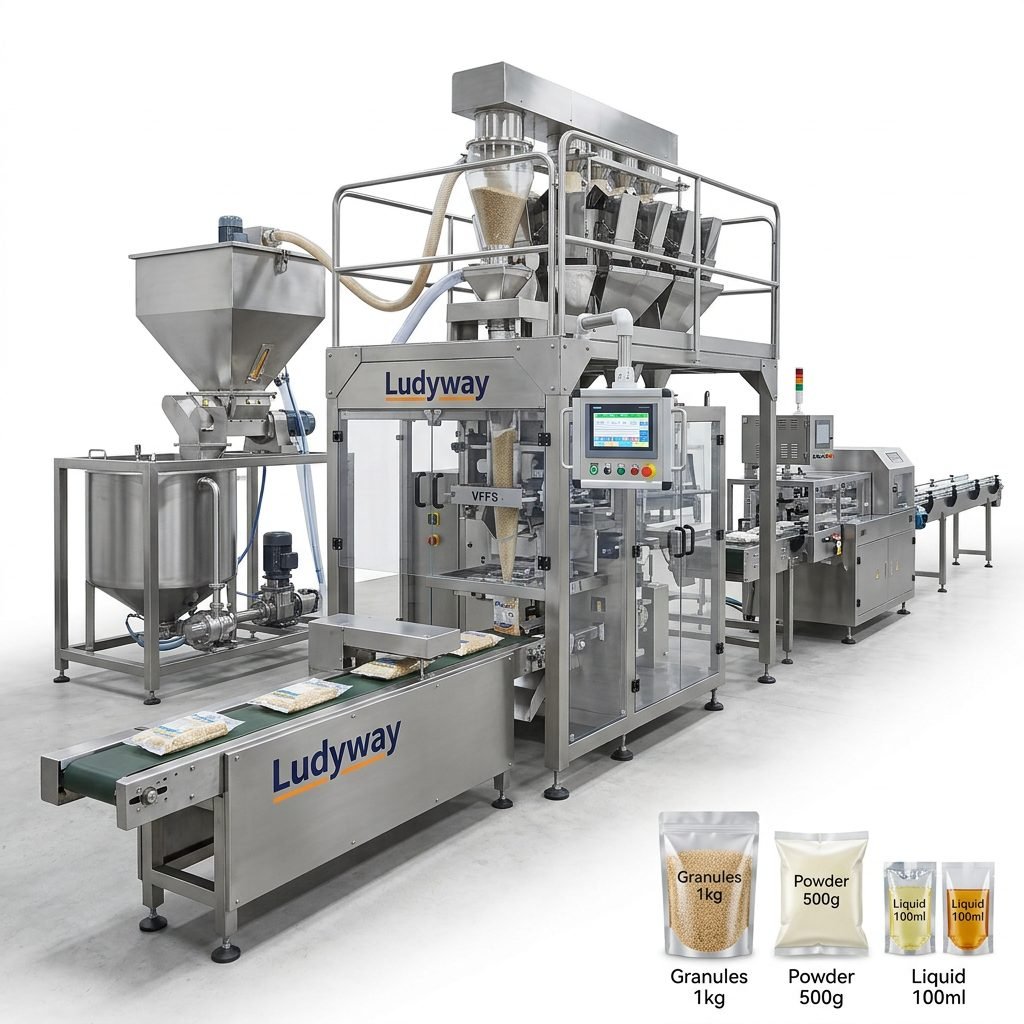
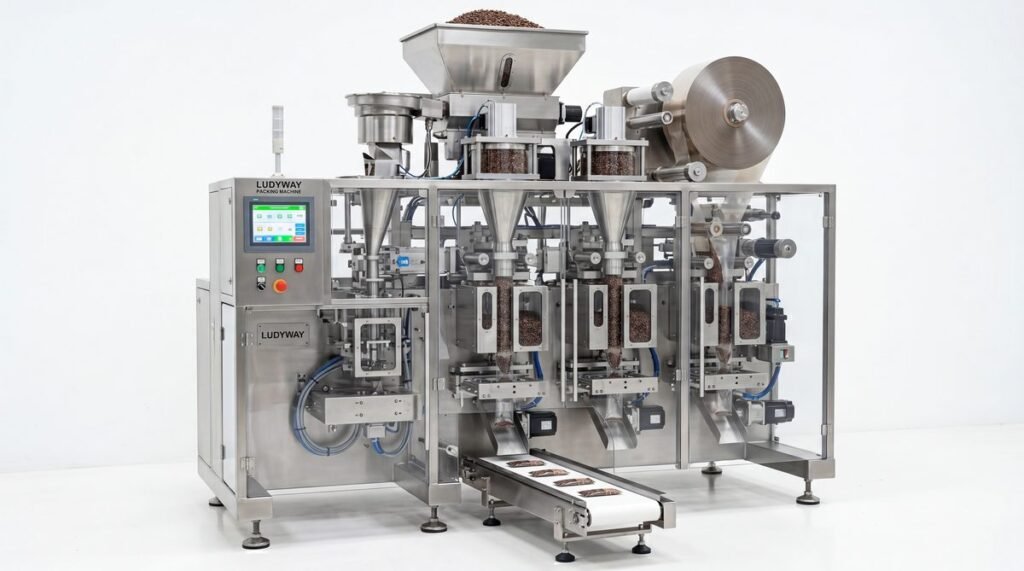
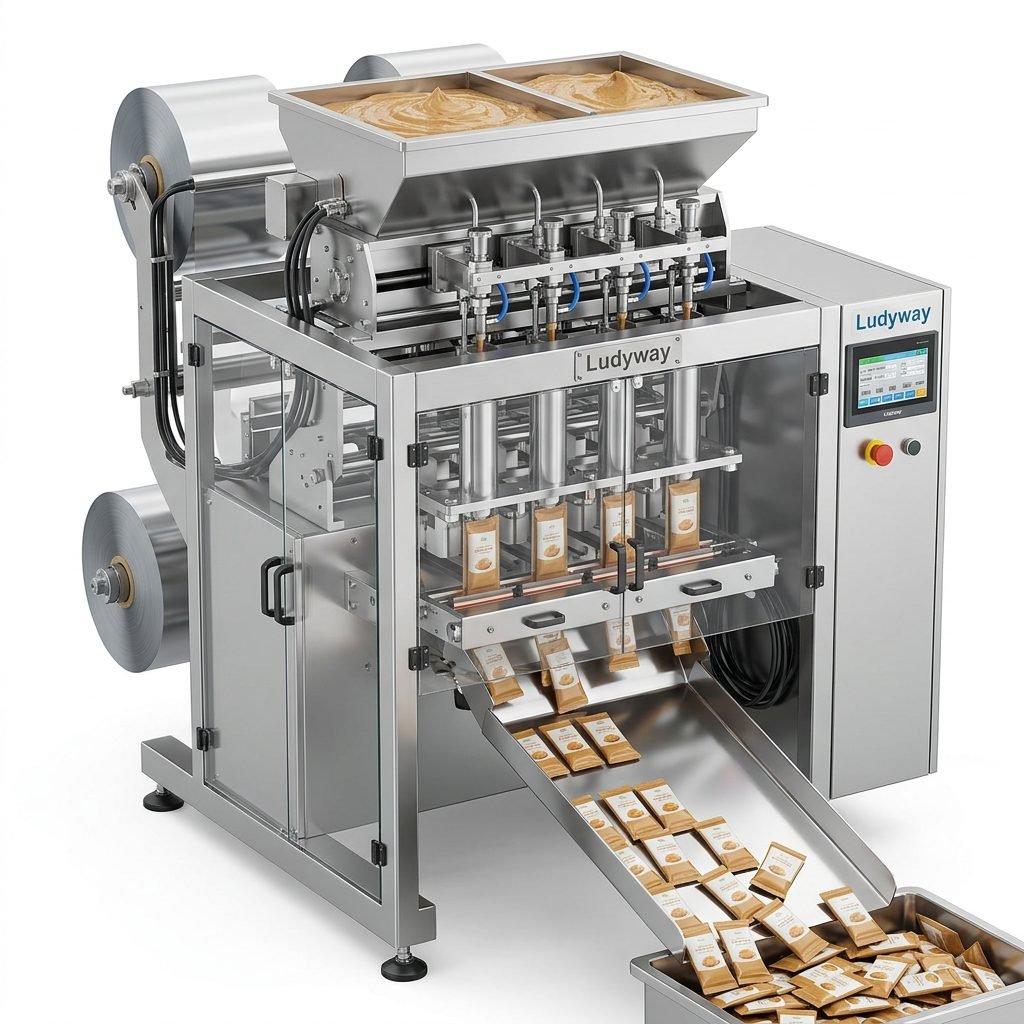
Choosing the right tobacco packing machine is not only about speed. It is also about pack integrity, dosing accuracy, hygiene, material compatibility, automation level, and long-term operating cost. For manufacturers packaging tobacco, smokeless tobacco, nicotine granules, snus, or pouch-style products, the right equipment can directly improve output stability, reduce material waste, and support compliance with modern production standards.
In today’s competitive market, buyers are looking for packaging systems that can handle different product formats while keeping changeover time low. Whether you are launching a new line or upgrading an existing factory, understanding your packaging requirements first will help you avoid expensive mistakes later.
Why the Right Tobacco Packing Machine Matters
A tobacco packaging line affects much more than the final pack appearance. It shapes your production efficiency, labor requirement, consistency, and ability to scale. A poorly matched machine can cause:
- Inaccurate fill weights
- Frequent sealing defects
- Material jams and dust problems
- Long downtime during format changes
- Higher maintenance and spare-part costs
- Reduced output during peak demand periods
By contrast, a well-selected solution helps manufacturers achieve stable sealing, precise dosing, faster throughput, and lower total cost of ownership.
Start with Your Product and Pack Format
The first step is defining exactly what you need to package. Different tobacco-related products behave differently in a machine. Moisture content, particle size, flowability, compressibility, and dust level all influence the machine structure and feeding system.
Common product types
- Cut tobacco
- Tobacco granules
- Nicotine powder blends
- Smokeless tobacco portions
- Snus-style materials
- Herbal or tobacco-alternative blends
- Nicotine pouch filling materials
Common packaging formats
- Stick packs
- Sachets
- Pouches
- Portion packs
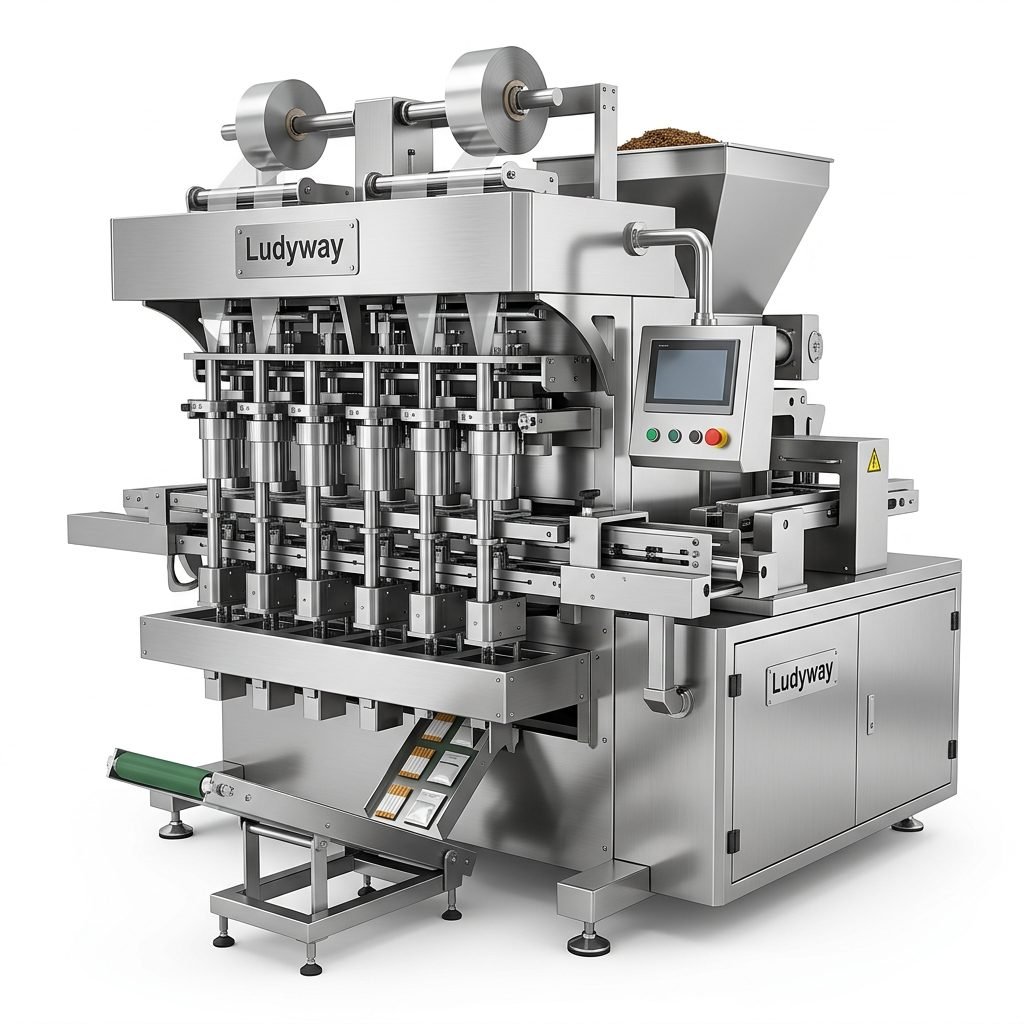
- Multi-lane small-dose packs
- Secondary cartoning or boxing
If your product range includes multiple SKUs, choose a machine with flexible tooling and easy recipe storage. This is especially important for factories producing both standard and premium product lines.
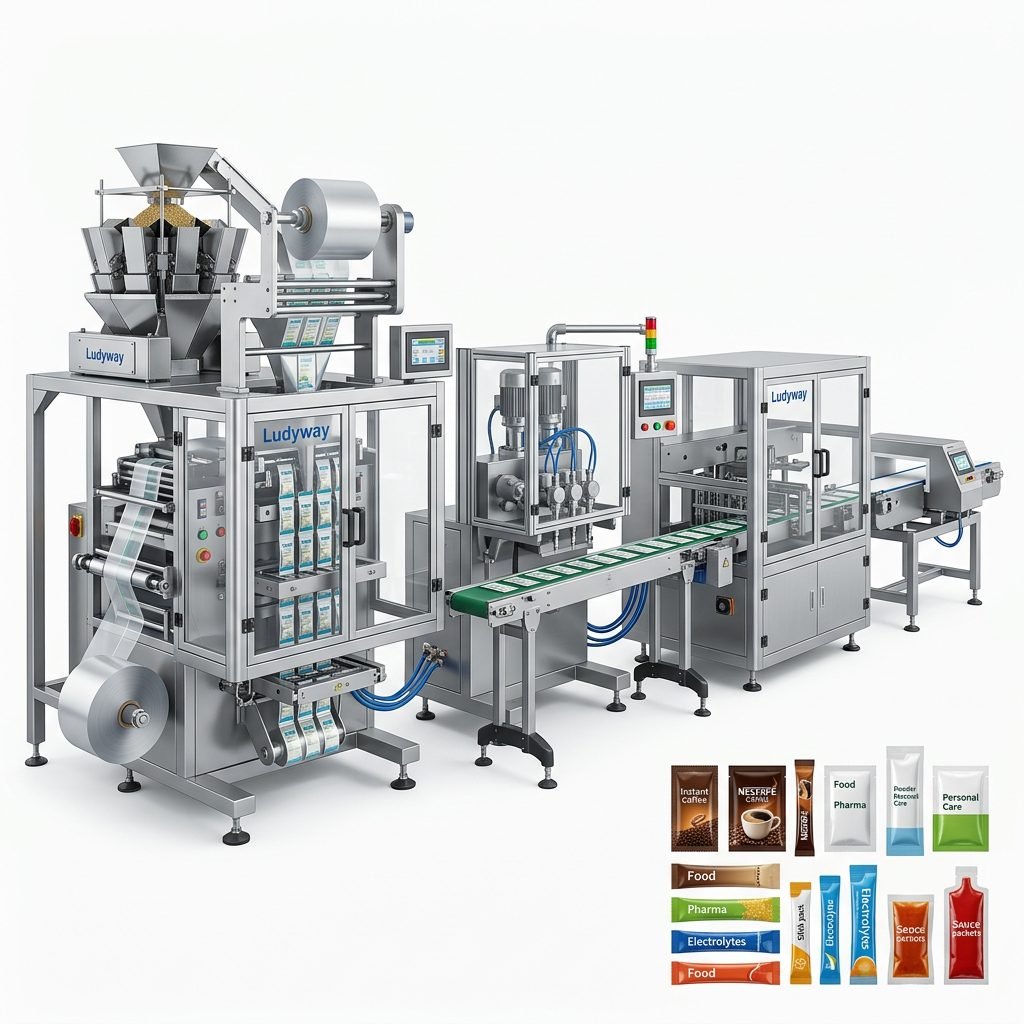
Types of Tobacco Packing Machines
Not every packaging machine is built for the same operational goal. Below is a practical comparison to help narrow your options.
| Machine Type | Best For | Main Advantage | Key Consideration |
|---|---|---|---|
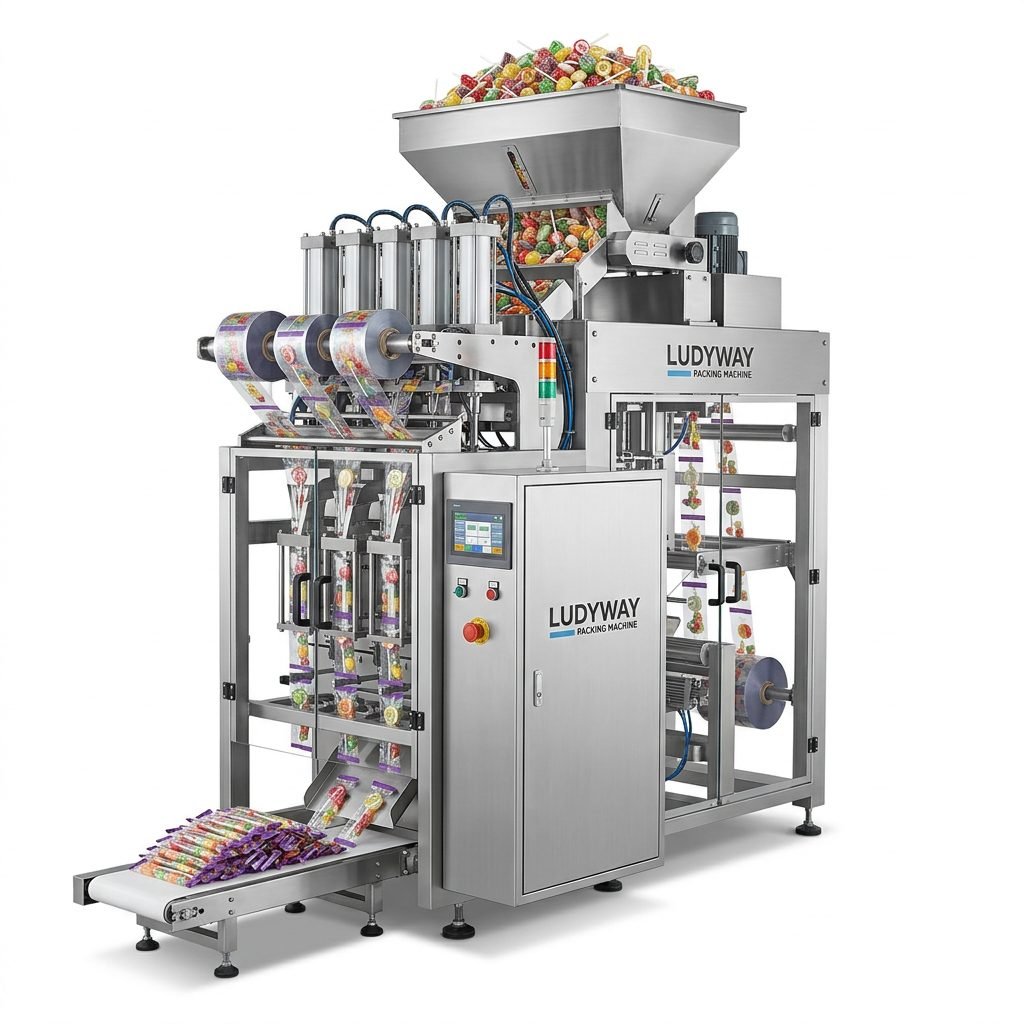
| Stick pack machine | Small-dose, single-use formats | High output with compact packs | Needs stable film and accurate dosing |
| Sachet packing machine | Flat packs for powder or granules | Versatile and widely used | Seal quality must match material type |
| Pouch packaging machine | Premium or larger-format packs | Better shelf presentation | Higher material cost per pack |
| Multi-lane packing machine | High-volume small sachets or sticks | Excellent productivity | Requires consistent product flow |
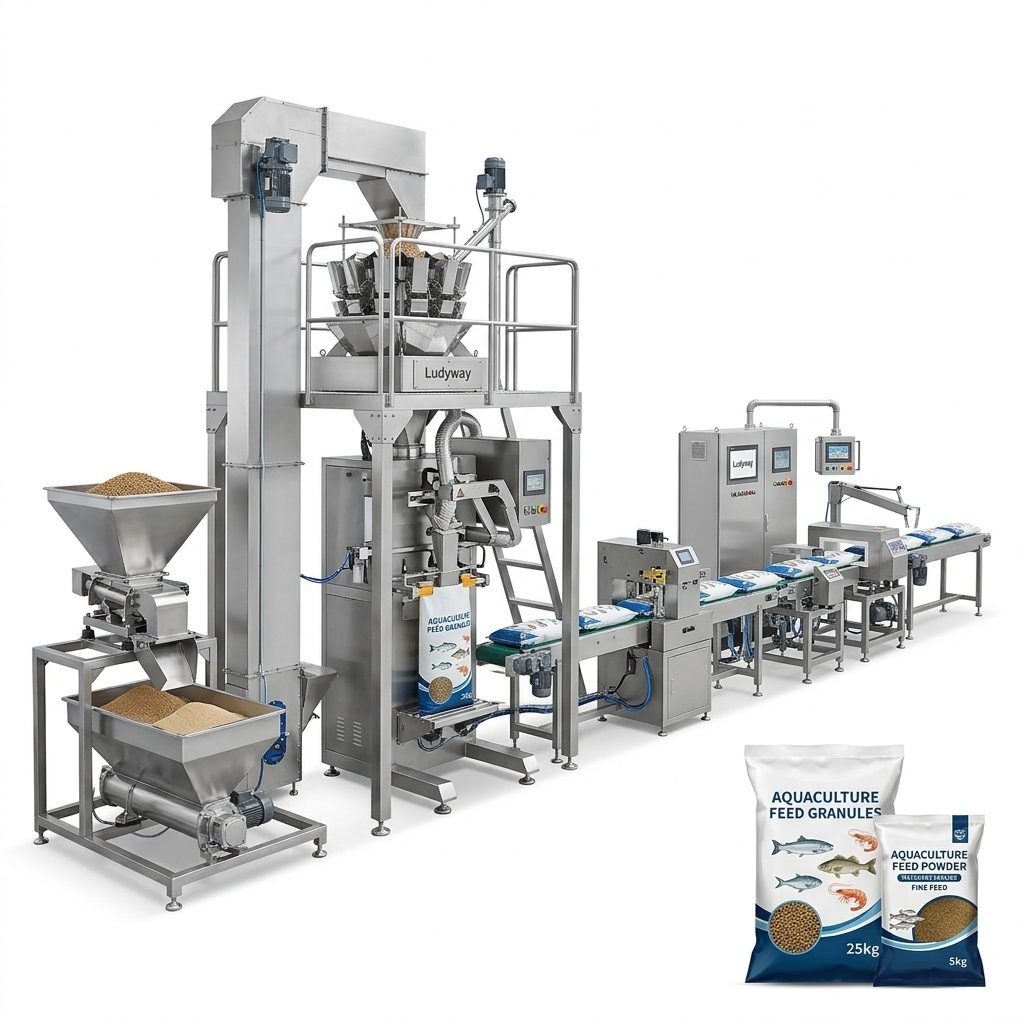
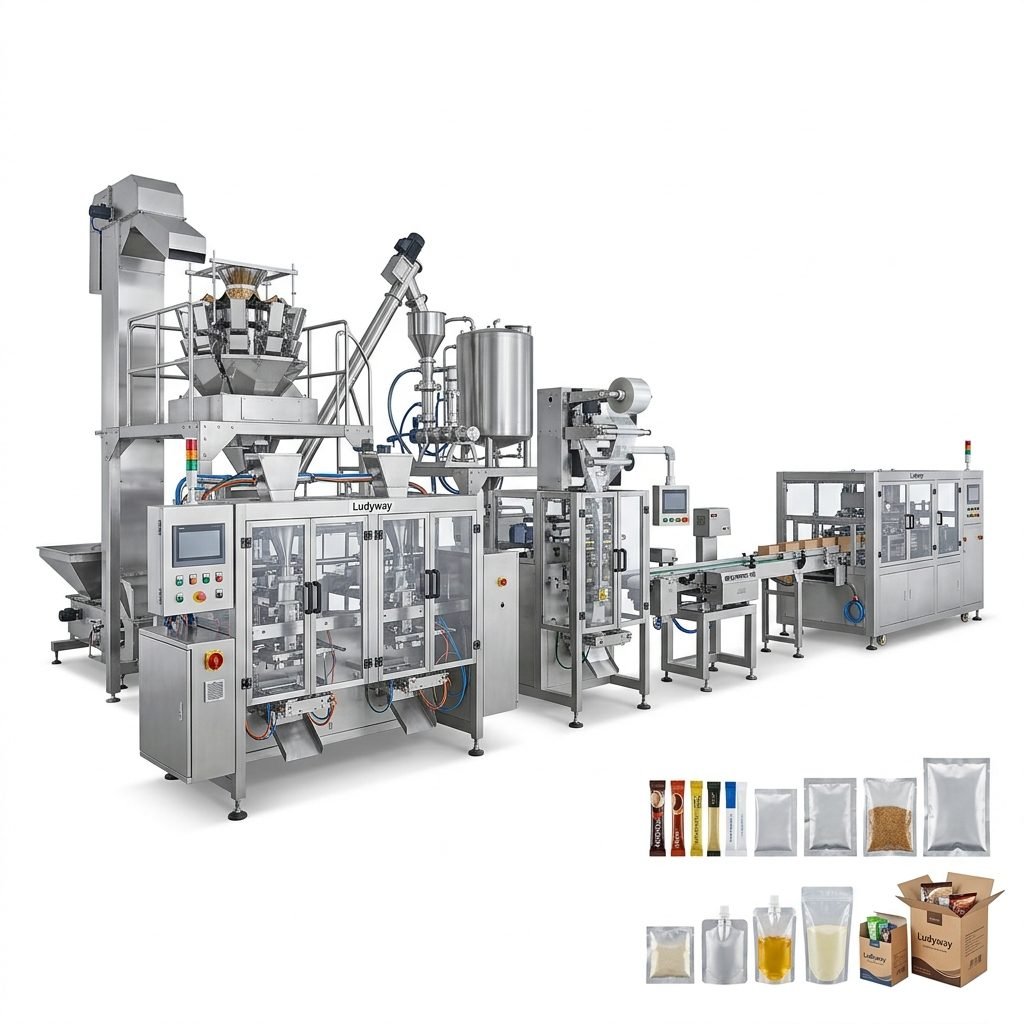
| Turnkey packaging line | Integrated filling, sealing, coding, cartoning | Lower labor and smoother automation | Needs careful project planning |
Key Factors to Evaluate Before Buying
1. Production speed requirements
Always define your target output per minute, per hour, and per shift. Do not choose only based on maximum speed shown in a brochure. Real production speed depends on product consistency, operator skill, film quality, and changeover frequency.
Ask suppliers for:
- Stable running speed, not just peak speed
- Speed under your actual product conditions
- Expected OEE performance
- Downtime estimates for cleaning and adjustment
2. Filling accuracy
Tobacco and nicotine-related products often require tight dosing control. Inaccurate filling can increase giveaway, cause rejection, and damage brand trust. The ideal system should match the material characteristics with the right dosing method, such as auger, volumetric, or weighing-based filling.
3. Seal quality and pack consistency
Strong, uniform seals protect product freshness and prevent leakage. Machines should support stable temperature control, correct pressure distribution, and reliable sealing dwell time. For high-speed applications, seal repeatability is often more important than nominal top speed.
4. Material compatibility
Your packaging film matters just as much as the machine. Confirm compatibility with:
- Laminated films
- Barrier materials
- Heat-sealable structures
- Sustainable or thinner film options
- Printed films with registration marks
5. Dust control and cleanliness
Tobacco granules and powders can create dust during filling. Excess dust can reduce sealing performance and increase machine wear. A good solution should include dust extraction options, enclosed feeding, and an easy-to-clean structure.
6. Automation and integration
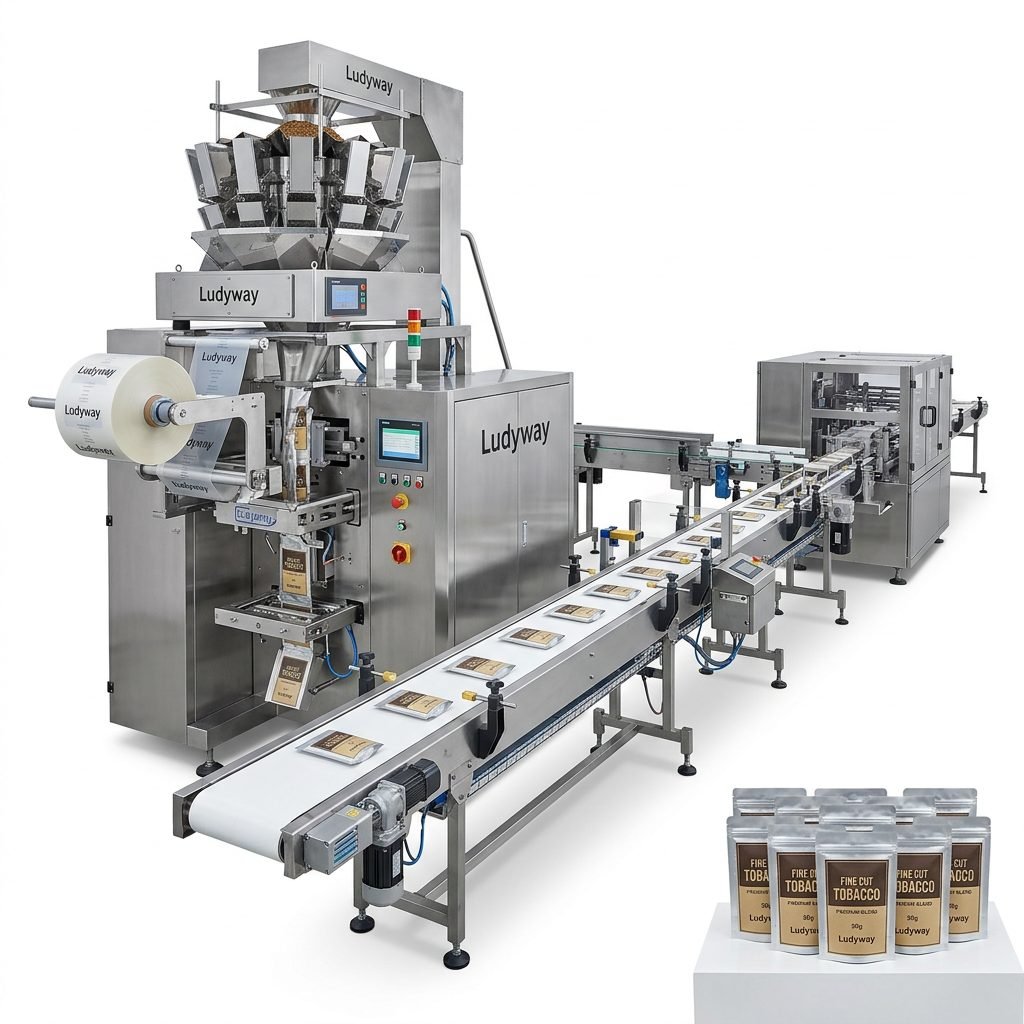
If you plan to expand, it is smarter to choose a machine that can integrate with coding, checkweighing, metal detection, cartoning, case packing, and palletizing. A scalable line reduces future retrofit costs.
7. Changeover flexibility
For manufacturers with multiple SKUs, changeover time directly affects profitability. Quick-release parts, digital recipe settings, servo adjustments, and user-friendly HMI controls all help reduce lost production time.
8. Maintenance and spare parts
Low purchase price does not always mean low total cost. You should evaluate:
- Availability of spare parts
- Ease of maintenance access
- Training support
- Remote technical assistance
- Machine documentation quality
How to Match the Machine to Your Factory Stage
| Factory Situation | Recommended Solution | Why It Fits |
|---|---|---|
| New brand, limited volume | Flexible sachet or pouch machine | Lower risk and easier SKU testing |
| Growing regional manufacturer | Multi-lane stick pack or sachet machine | Balances speed and flexibility |
| Established high-output plant | Integrated turnkey packaging line | Improves automation and reduces labor |
| Premium packaging strategy | Custom pouch system with secondary packaging | Supports shelf appeal and product differentiation |
Questions You Should Ask a Supplier
Before making a final decision, ask detailed technical and commercial questions. This can reveal whether a supplier truly understands tobacco packaging applications.
- What products similar to mine has the machine already packed?
- Can you provide video proof using comparable material?
- What is the actual stable speed under production conditions?
- How does the machine control dust and improve seal reliability?
- How long does format changeover take?
- Which electrical and pneumatic brands are used?
- What training and after-sales support are included?
- Can the machine be upgraded into a complete line later?
Common Mistakes When Choosing a Tobacco Packing Machine
- Buying only based on the lowest quotation
- Ignoring film and material compatibility tests
- Overestimating future speed needs without considering flexibility
- Underestimating dust-related maintenance issues
- Choosing a machine with difficult cleaning access
- Not planning for coding, inspection, and secondary packaging integration
The best solution is not always the fastest machine—it is the one that delivers reliable output with the lowest practical operating cost.
When a Turnkey Packaging Line Makes More Sense
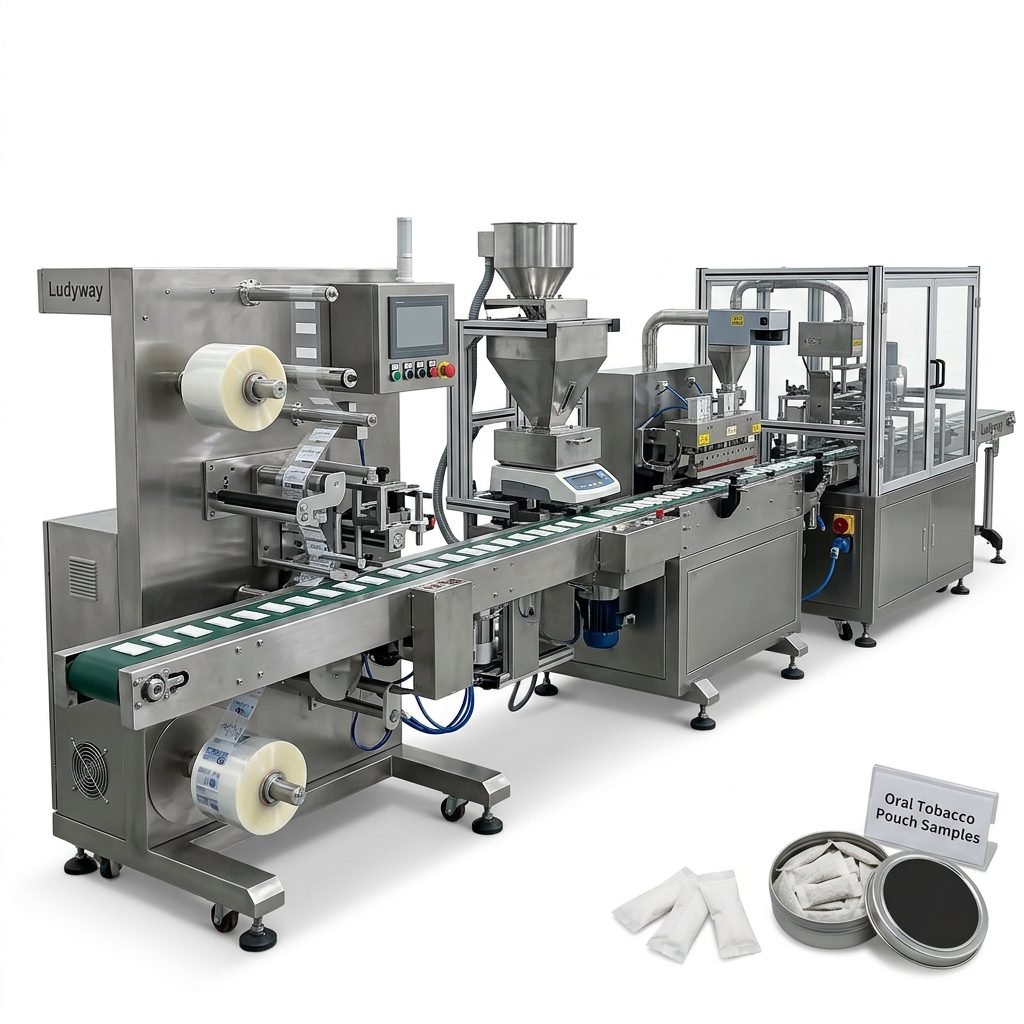
If your business is moving beyond a single machine purchase, a turnkey line may be the better investment. This is especially true for high-volume tobacco pouch, sachet, or stick-pack projects that require seamless connection between feeding, filling, sealing, coding, inspection, cartoning, and final packing.
A turnkey line can help you:
- Reduce manual handling
- Improve line synchronization
- Lower operator dependency
- Increase traceability and quality control
- Simplify future capacity expansion
What to Look for in a Long-Term Manufacturing Partner
For industrial buyers, choosing the machine is only half the decision. The other half is choosing a supplier with engineering depth, export experience, and customization ability. A partner with strong manufacturing capabilities can support not only equipment delivery, but also testing, installation, optimization, and future line upgrades.
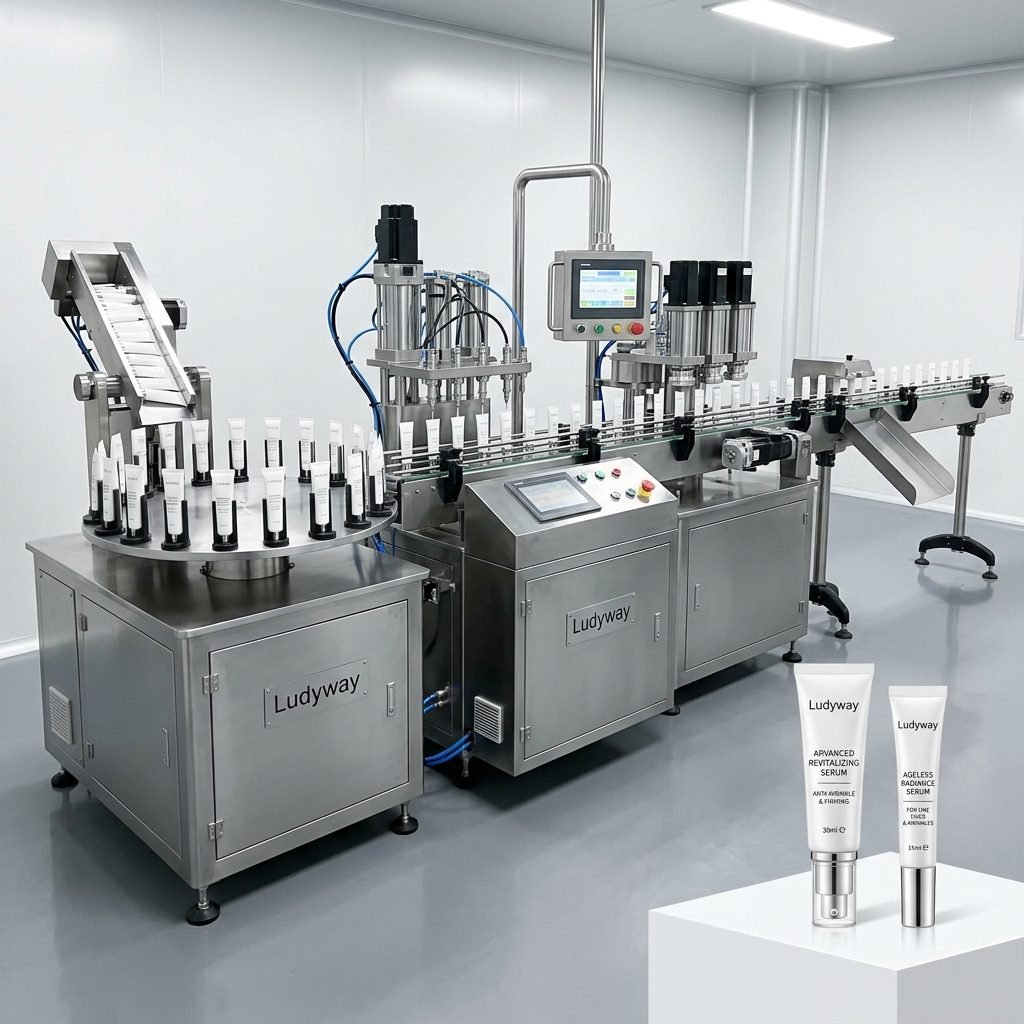
For example, Ludyway tobacco packing machine solutions are backed by more than 30 years of packaging machinery experience, a factory of over 20,000 square meters, and broad capabilities in standalone machines as well as turnkey packaging lines for multiple industries.
Final Buying Checklist
| Checklist Item | Why It Matters |
|---|---|
| Product type and flow behavior | Determines the correct feeding and dosing system |
| Pack format and size range | Affects machine structure and change parts |
| Required output | Prevents underbuying or overspending |
| Filling accuracy target | Controls giveaway and quality issues |
| Film compatibility | Ensures seal integrity and print registration |
| Automation level | Supports labor savings and future growth |
| Maintenance support | Reduces downtime over the machine lifecycle |
| Customization capability | Improves machine fit for your exact application |
Conclusion
The right tobacco packing machine should align with your product characteristics, packaging format, production volume, and future growth plan. By focusing on accuracy, seal stability, dust control, automation, and supplier support, you can build a packaging operation that is both efficient and scalable.
If you compare machines carefully and request application-specific validation, you will be far more likely to invest in a solution that delivers reliable performance for years, not just on day one.