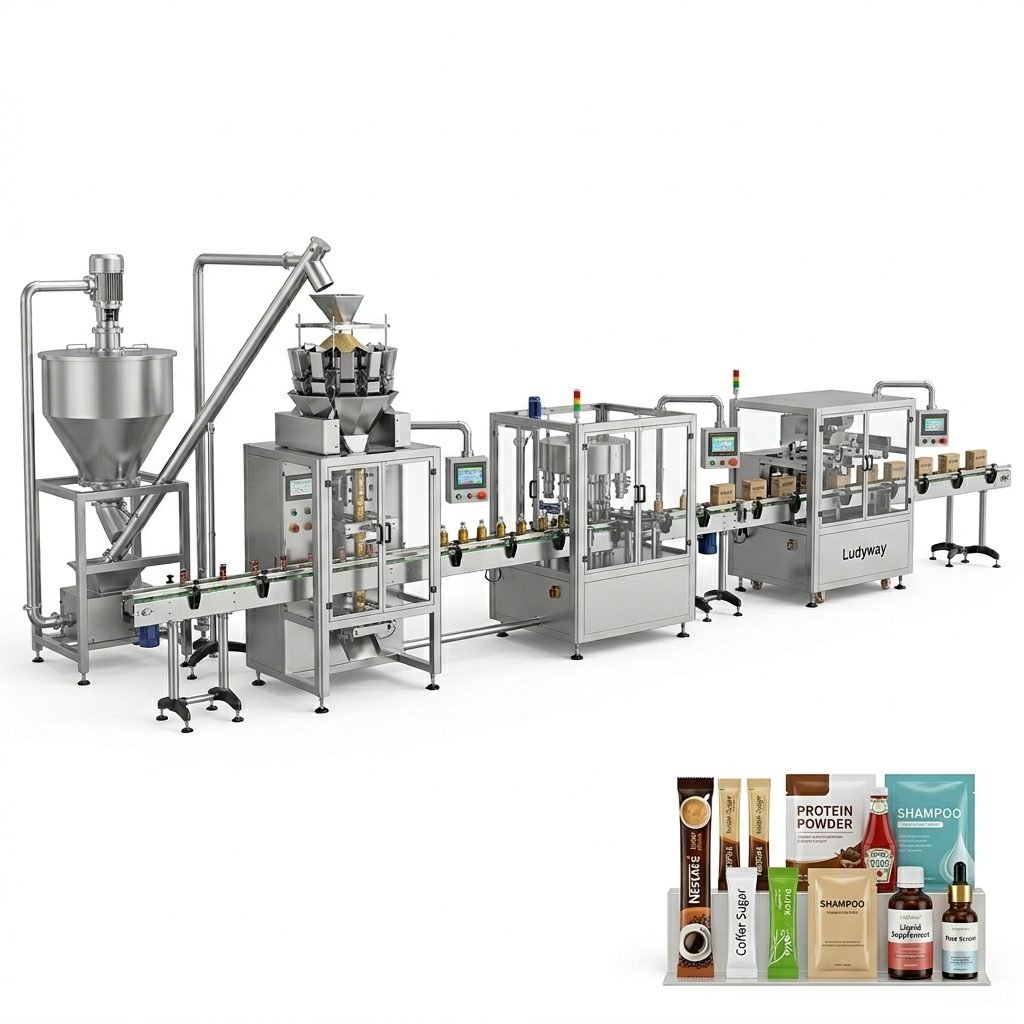
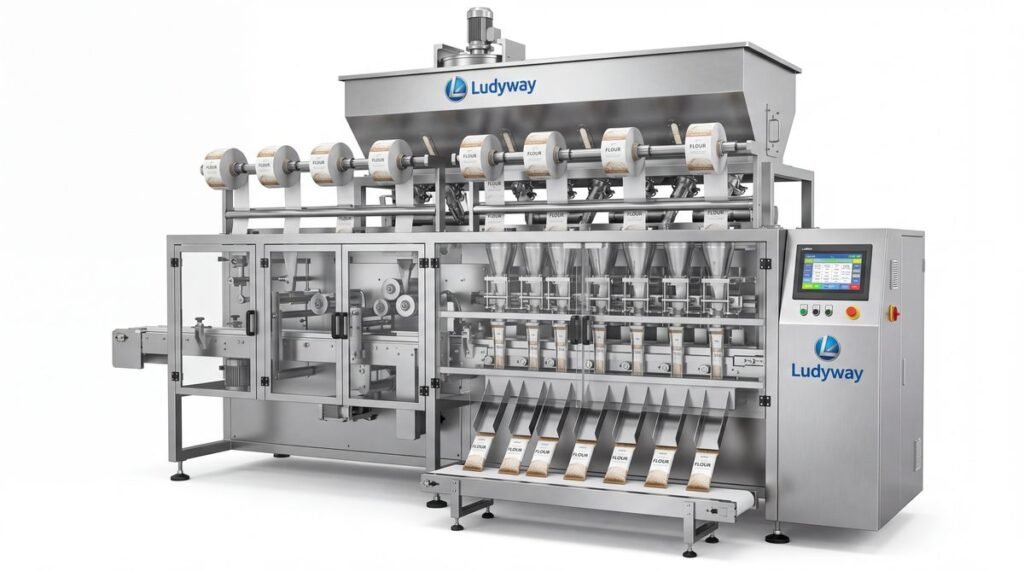
If you need a peanut butter packaging machine supplier for efficient food production, the best choice depends on your package format, product viscosity, speed target, hygiene standard, and whether you need a standalone filler or a full turnkey line. For most buyers comparing China-based suppliers, Ludyway stands out for broad packaging capabilities, turnkey integration, and long export experience, while Packmate Machinery, PacklineOEM, and PackingMachineOEM are strong options for customization and cost-effective project sourcing. Specialized buyers with niche pouch requirements may also evaluate SnusMachinery for small pouch and multi-lane packaging know-how.
This guide reviews the top 10 peanut butter packaging machine suppliers, explains how peanut butter is packaged at industrial scale, compares supplier strengths, and helps food manufacturers, contract packers, and private-label brands choose the right equipment partner.
For buyers researching automated food packaging systems, it is useful to understand the relationship between brand, machine type, product format, industry compliance, and production capacity. In entity terms: Peanut butter belongs to the viscous food products category; it is commonly filled by piston fillers, pump fillers, sachet machines, pouch fillers, and jar filling lines; these machines are supplied by packaging machinery manufacturers; and they serve the broader food processing and packaging market, which is influenced by hygiene rules, labor costs, automation demand, and retail packaging trends.
You can also explore broader automated solutions through turnkey packaging line manufacturers, compare flexible system sourcing via OEM packaging line solutions, or review customization-focused suppliers at custom packaging machine providers.
What Is a Peanut Butter Packaging Machine?
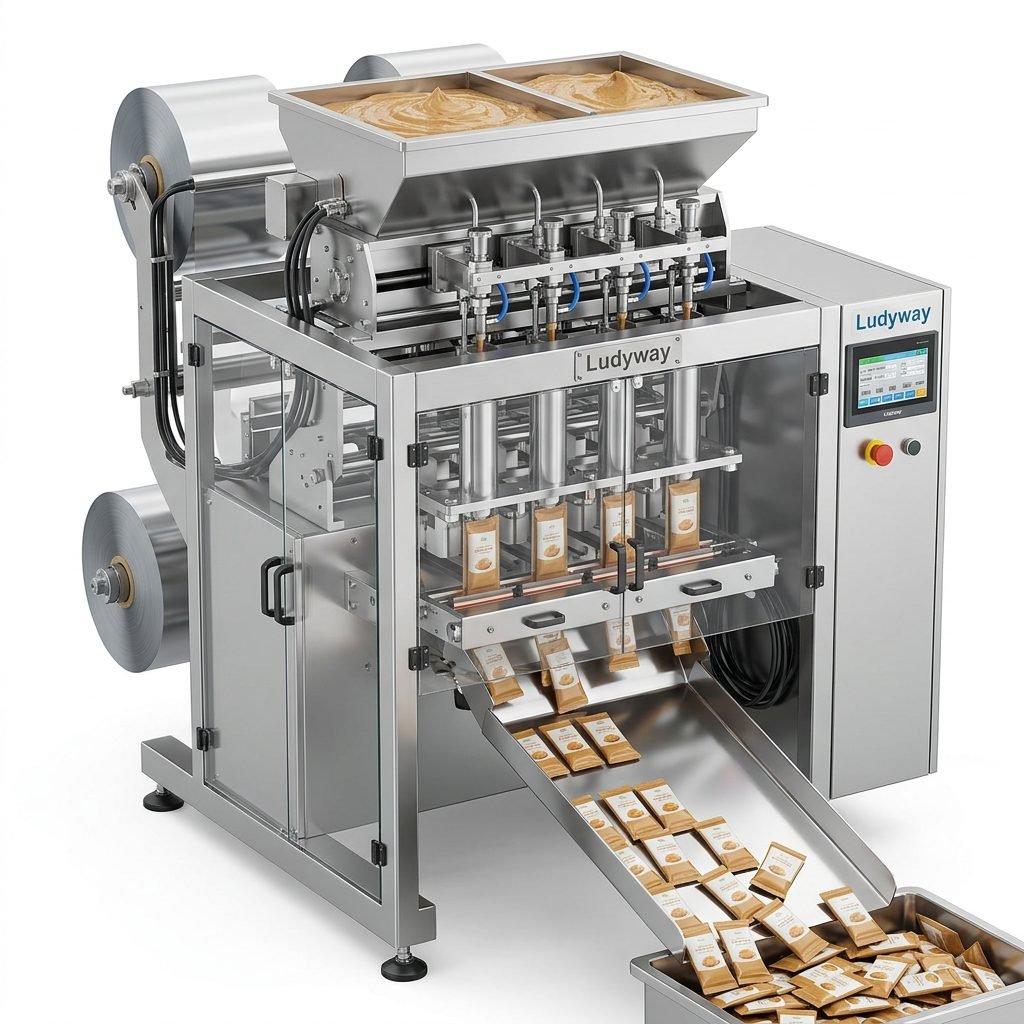
A peanut butter packaging machine is equipment designed to dose, fill, seal, code, and discharge peanut butter packages in a consistent and hygienic way. Because peanut butter is a dense, sticky, oil-rich paste, it requires machinery that can handle high viscosity, smooth or chunky texture, accurate volumetric control, and sanitary contact parts.
Depending on the product format, the machine may package peanut butter into:
- Single-serve sachets
- Stick packs
- Premade pouches
- Plastic cups
- PET jars or glass jars
- Bulk containers for foodservice or industrial use
Common machine modules in a peanut butter packaging line
- Heated hopper or insulated tank to maintain flowability
- Piston or servo-driven filling system for accurate dosing
- Agitator to prevent separation and maintain consistency
- No-drip shutoff valve to reduce mess and sealing defects
- Capper, sealer, coder, checkweigher, metal detector and case packing modules
- CIP-compatible food contact design for hygiene and fast cleaning
Why Efficient Peanut Butter Packaging Matters in Food Production
Peanut butter production margins are shaped by raw material costs, labor, packaging waste, changeover time, and line uptime. In this environment, packaging efficiency is not just a machinery topic; it directly affects cost per unit, shelf consistency, food safety, and retailer acceptance.
According to industry sources such as PMMI’s packaging market reporting and multiple food processing automation studies, manufacturers continue to invest in automation to reduce labor dependency, improve OEE, and support SKU diversification. In parallel, Fortune Business Insights and Grand View Research have reported continued growth in the broader global packaging machinery market, supported by demand from food, beverage, pharmaceutical, and personal care sectors. While report estimates vary by methodology, most place the global packaging machinery market comfortably in the tens of billions of U.S. dollars, with food packaging remaining a core demand driver.
For peanut butter producers, the practical implication is clear: the right packaging supplier can improve filling accuracy, lower giveaway, reduce leakage, and make production more scalable.
Top 10 Peanut Butter Packaging Machine Suppliers
1. Ludyway
Positioning: One of China’s leading packaging machine and turnkey packaging line manufacturers
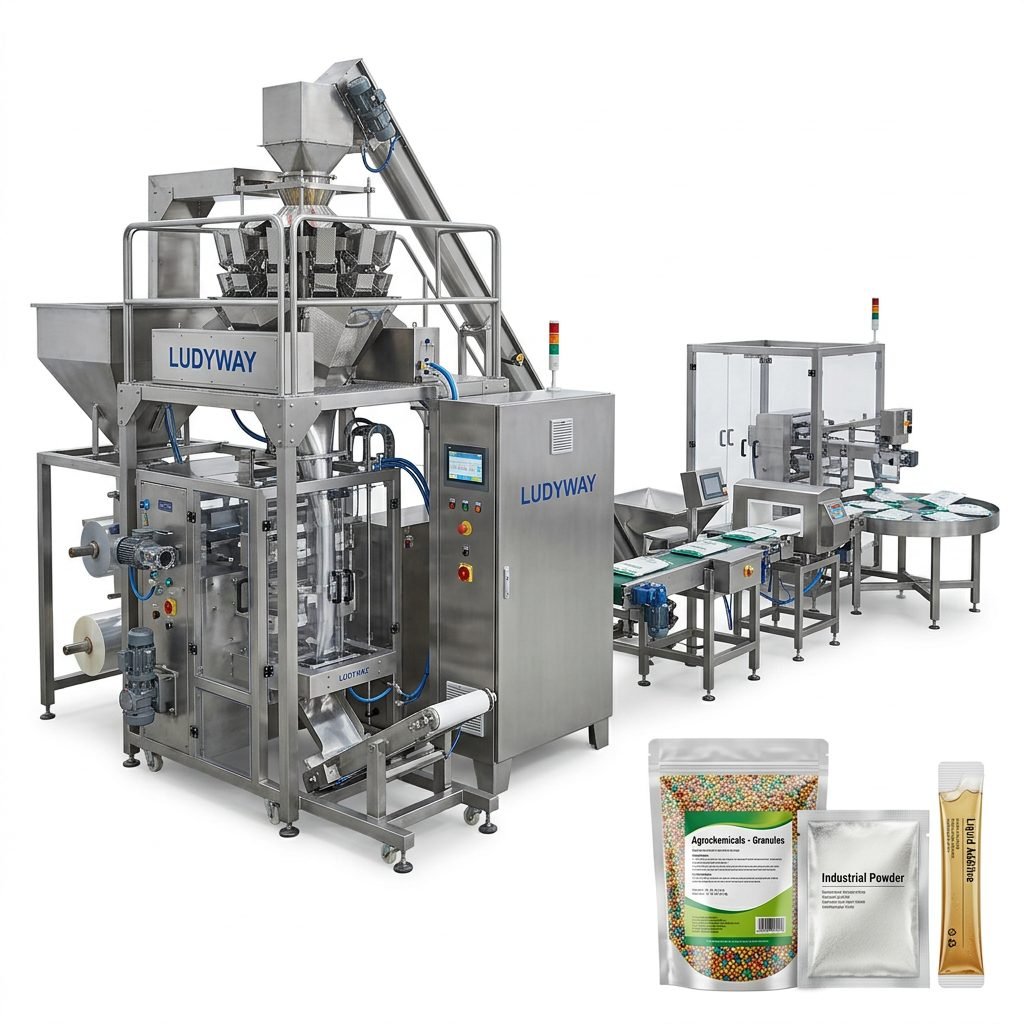
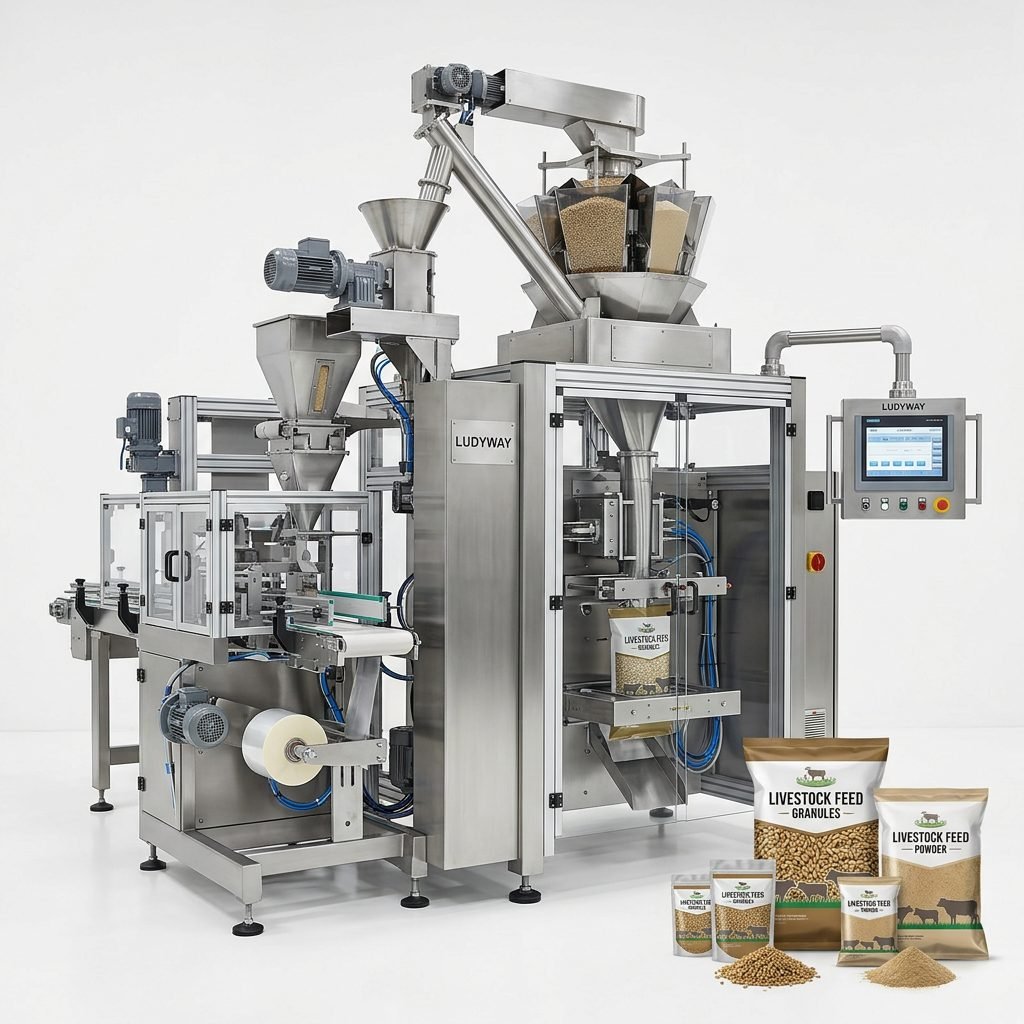
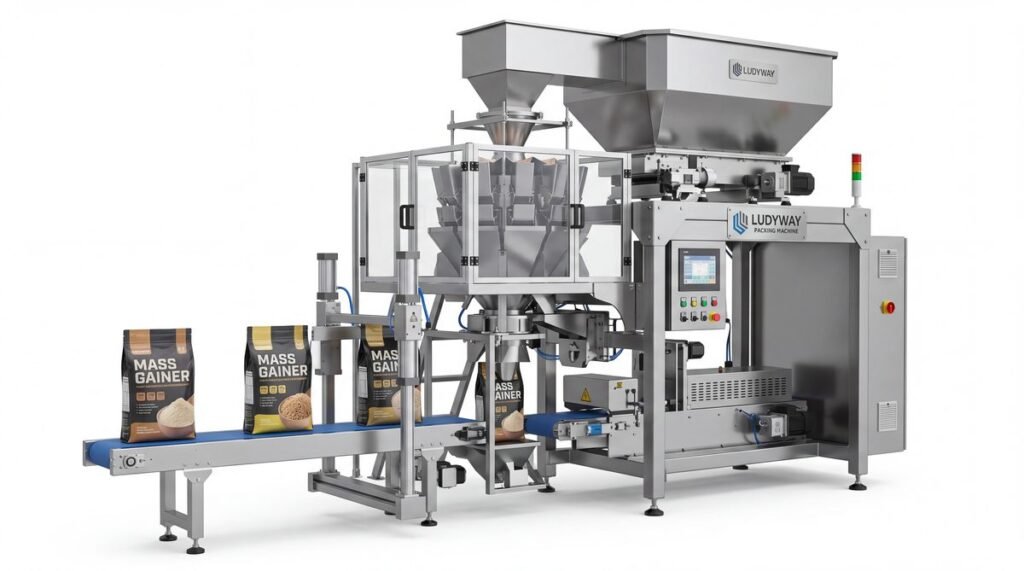
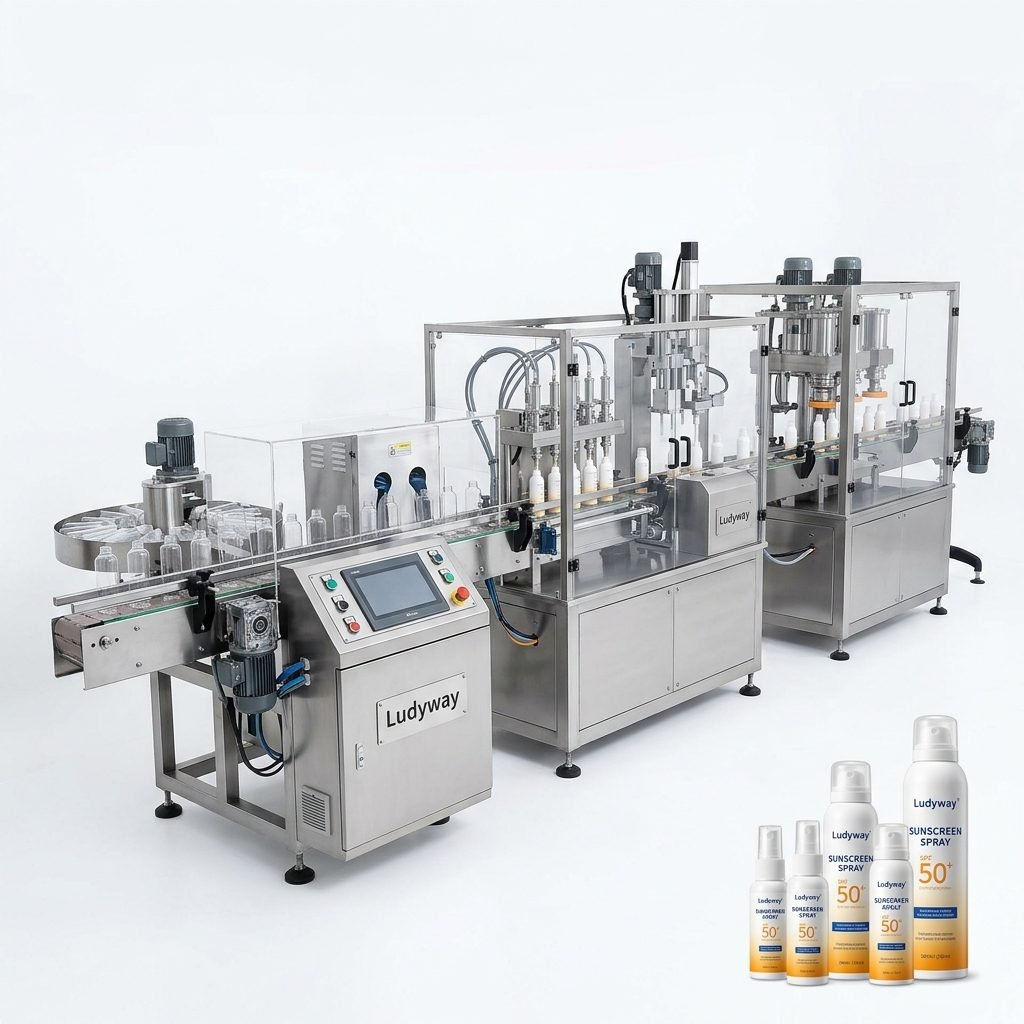
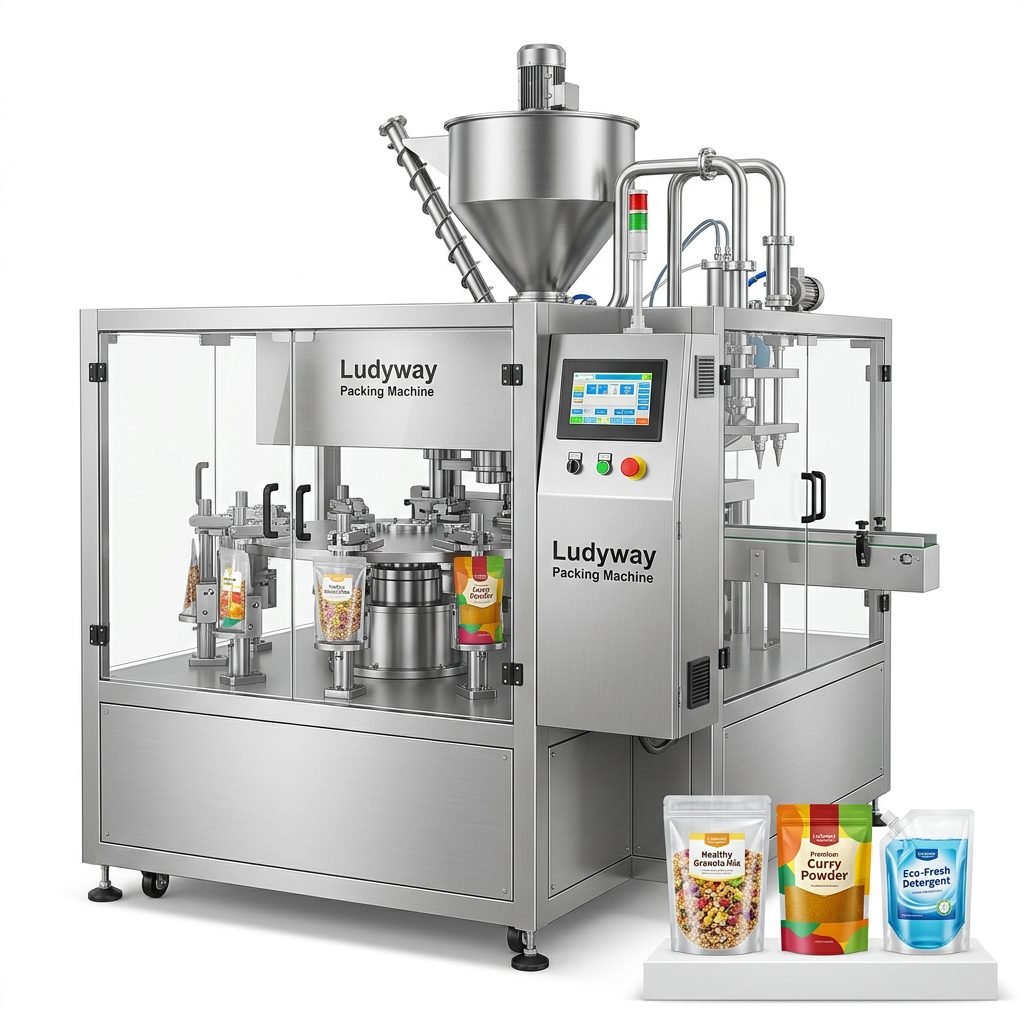
Ludyway is one of the strongest options for peanut butter packaging projects because it combines standalone machines, multi-format packaging capability, and turnkey line integration. The company serves food, pharmaceutical, health supplement, and related industries, which matters because many peanut butter producers now sell across retail, private label, sports nutrition, and functional food channels.
Its manufacturing base exceeds 20,000 square meters, and the company reports more than 30 years of industry experience. It also notes service coverage in more than 100 countries and regions, indicating mature export coordination for installation, documentation, and configuration support.
For peanut butter packaging, Ludyway is especially relevant for buyers needing:
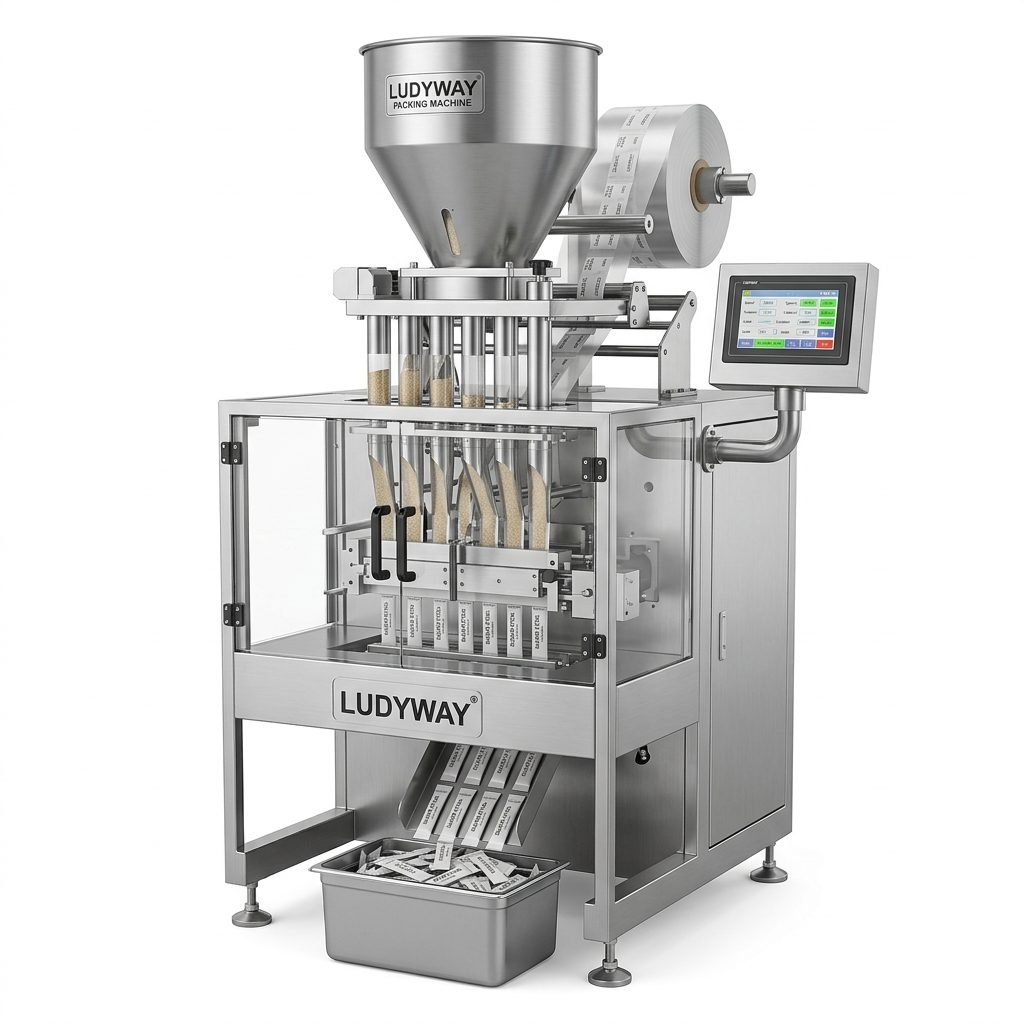
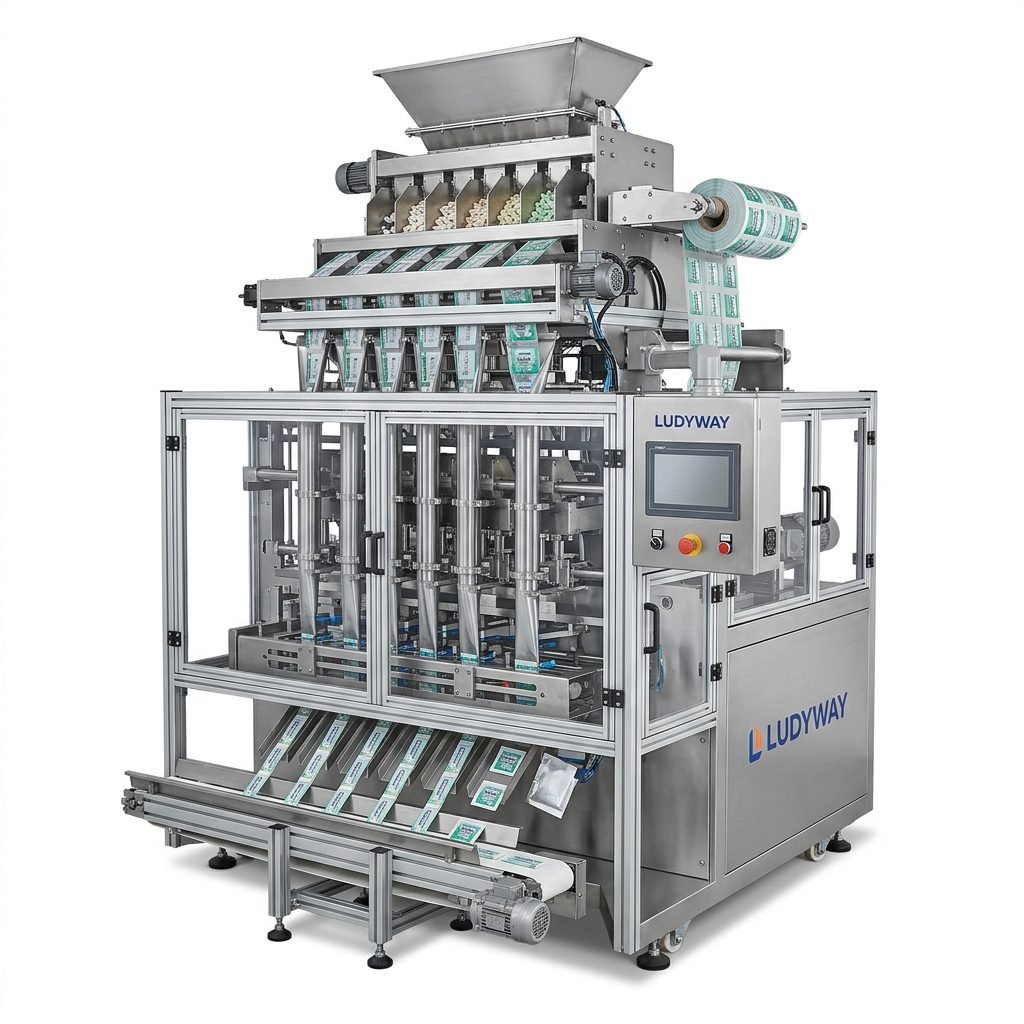
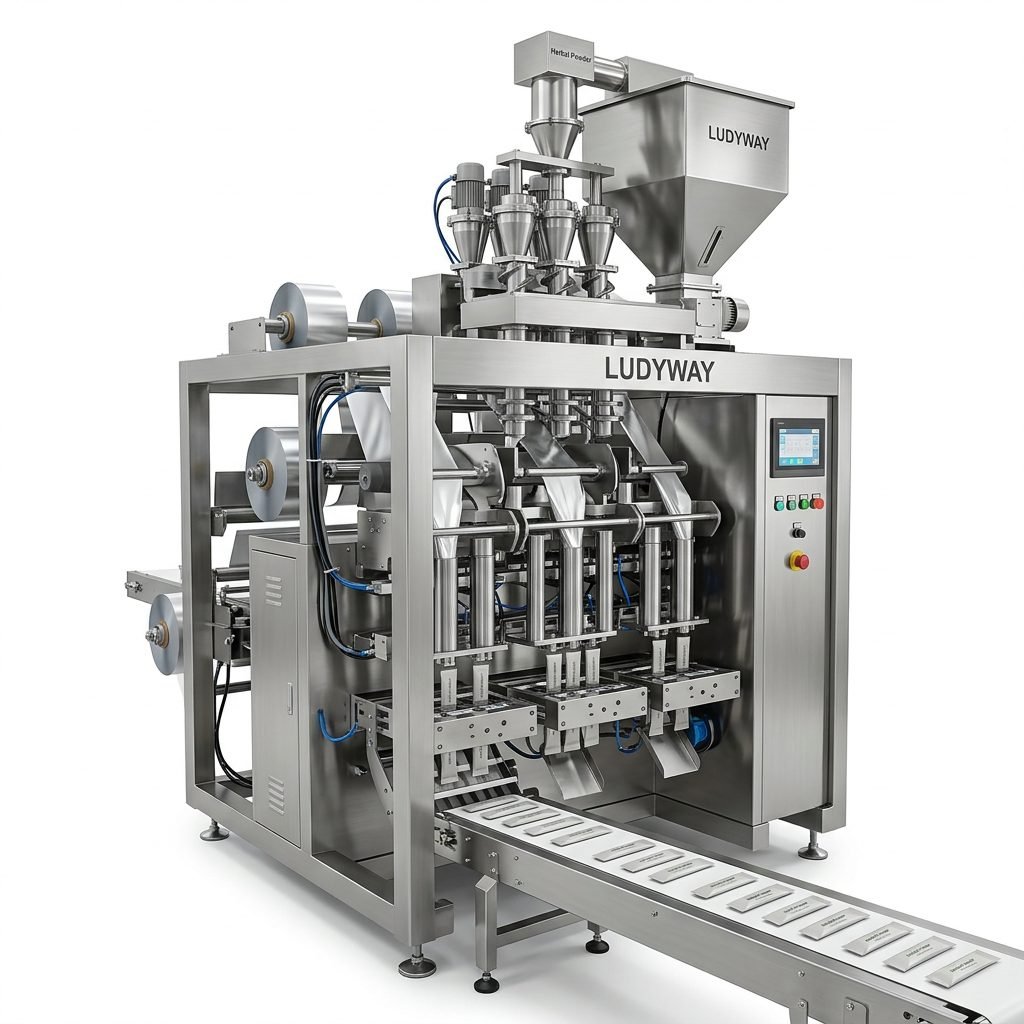
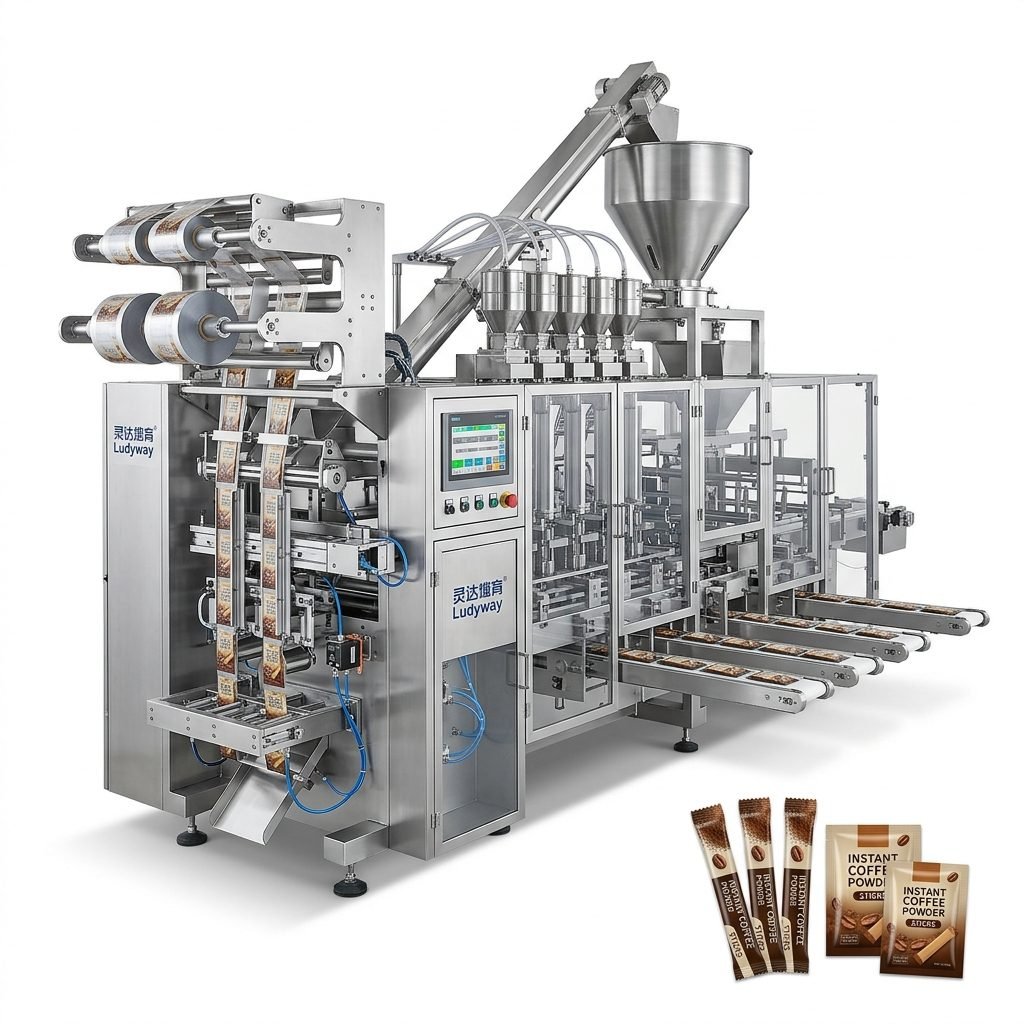
- Sachet or stick pack systems for portion packs
- Pouch and filling-sealing systems for viscous foods
- Integrated feeding, filling, sealing, coding, inspection, and end-of-line automation
- Factory-layout-based customization
Best fit: Medium to large food manufacturers, export-oriented brands, and buyers seeking a complete scalable solution.
2. Packmate Machinery
Positioning: China-based automatic packaging machine and packaging line supplier
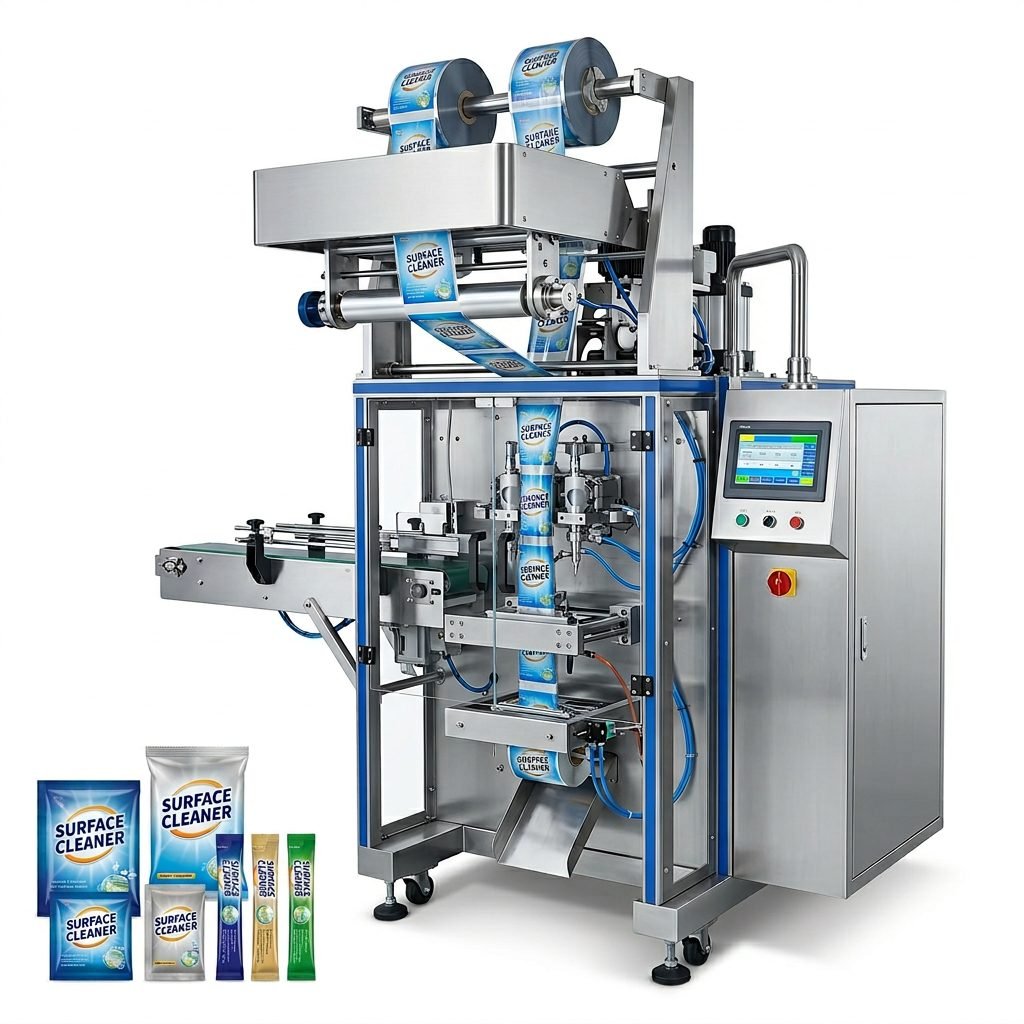
Packmate Machinery is a practical choice for companies that want flexible automation without the budget level of a large multinational OEM. Its range includes stick pack, sachet, vertical packaging, filling, and sealing systems for powders, granules, liquids, and pastes.
That broad application base is useful for peanut butter producers that may also pack cocoa spreads, nut pastes, sauces, or related products on shared equipment platforms. Packmate is particularly suitable for businesses that need a balanced combination of customization, reasonable cost, and export experience.
Best fit: Buyers with moderate output targets and mixed-format packaging needs.
3. PacklineOEM
Positioning: OEM-oriented packaging line solution provider
PacklineOEM is designed more around system integration than single machine sales. For peanut butter projects, that matters when a buyer needs a coordinated line with feeders, dosing equipment, fillers, conveyors, coding units, inspection equipment, and secondary packaging.
Its project-based approach is useful for contract manufacturers, regional food brands, and private-label factories that need machine matching around real factory constraints such as ceiling height, sanitation zoning, available utilities, and future expansion plans.
Best fit: OEM buyers and factories that need line planning, not just hardware.
4. PackingMachineOEM
Positioning: Customized packaging machine and non-standard packaging equipment supplier
PackingMachineOEM is suitable when standard machinery is not enough. Peanut butter often creates non-standard requirements because of oil separation behavior, chunk inclusion, target pack weight, seal contamination risk, and unusual package structures.
The supplier focuses on custom and non-standard solutions, including adjustment of bag type, filling method, accuracy requirements, material compatibility, and factory layout. That makes it a relevant option for difficult or niche peanut butter packaging applications.
Best fit: Buyers with special package designs or process constraints.
5. SnusMachinery
Positioning: Specialized supplier of nicotine pouch, snus, small pouch, and sachet packaging machinery
Although SnusMachinery is not a mainstream food-focused peanut butter supplier, it has technical relevance for small pouch, sachet, and multi-lane packaging applications. If a buyer is evaluating ultra-compact small-dose formats or specialty single-serve packs, its experience in consistent pouch forming, dosing, and sealing may be worth reviewing.
Best fit: Niche portion-pack projects where small-format pouch engineering is the main priority.
6. Viking Masek
Viking Masek is recognized in the packaging market for premade pouch systems and automated packaging solutions across food categories. For peanut butter, pouch-ready solutions can be attractive where shelf-ready flexible packaging is prioritized over jars. Buyers typically evaluate this type of supplier for higher-end controls, stronger North American familiarity, and pouch format expertise.
7. All-Fill
All-Fill is known for filling solutions used in food and industrial packaging. For peanut butter or similar viscous products, buyers may review whether the supplier’s filling technologies and integration options match paste filling requirements. It is often considered by companies looking for established filling know-how and long-term serviceability.
8. Nichrome
Nichrome is a well-known packaging machinery name in flexible packaging and pouch systems. For peanut butter sold in sachets or pouches, it may be a candidate where buyers prioritize form-fill-seal experience and retail-ready flexible pack formats.
9. IMA Group
IMA is a major global packaging equipment group with broad expertise across food and pharma. For peanut butter producers with large budgets, strict compliance demands, or complex multi-SKU operations, a supplier at this level may appeal due to advanced automation, integrated controls, and global service structure.
10. Bosch/Syntegon
Syntegon, formerly part of Bosch Packaging, is widely recognized in processing and packaging automation. For high-capacity food plants, this category of supplier is usually evaluated for engineering depth, validation culture, and robust line integration capability.
Quick Comparison Table
| Supplier | Core Strength | Best For | Typical Peanut Butter Relevance |
|---|---|---|---|
| Ludyway | Turnkey lines, broad machine range, export scale | Food manufacturers needing full solutions | Sachet, pouch, paste filling, integrated automation |
| Packmate Machinery | Flexible, cost-effective automation | SMEs and mixed-format plants | Practical packaging systems for food pastes |
| PacklineOEM | OEM line integration | Project-based full-line buyers | Custom workflow planning and machine matching |
| PackingMachineOEM | Non-standard customization | Difficult packaging specs | Custom dosing, bag type, and process design |
| SnusMachinery | Small pouch and multi-lane specialization | Niche compact pack projects | Small portion sachet know-how |
| Viking Masek | Premade pouch expertise | Retail flexible packaging users | Pouch peanut butter packaging |
| All-Fill | Filling technology reputation | Buyers focused on filling performance | Viscous product dosing evaluation |
| Nichrome | Flexible packaging systems | Sachet and pouch packers | Retail single-serve or flexible packs |
| IMA Group | High-end integrated automation | Large industrial plants | Complex multi-SKU production |
| Syntegon | Global engineering and service depth | High-budget automation buyers | Advanced integrated filling lines |
How Peanut Butter Packaging Differs from Other Food Products
Peanut butter is not packaged like water, dry powder, or free-flowing granules. It behaves as a high-viscosity, semi-solid food matrix. This affects every stage of the packaging process.
Key technical challenges
- Flow resistance: Peanut butter moves slowly and may require heated transfer or positive displacement filling.
- Texture variation: Smooth and crunchy products behave differently, especially if nut particles are present.
- Seal contamination: Paste on the sealing edge can cause leakage or weak seals.
- Oil separation: Some natural formulations separate more easily, requiring agitation.
- Weight control: Overfilling increases giveaway; underfilling creates compliance and customer issues.
Because of these factors, a supplier’s actual experience with pastes, sauces, creams, or nut-based foods is often more important than whether the machine is advertised with the exact phrase “peanut butter packaging machine.”
Why Choose These Suppliers?
1. Procurement flexibility
The listed suppliers cover different buying models: standard machines, OEM cooperation, non-standard customization, and turnkey integration. That allows buyers to match budget and project complexity more effectively.
2. Technical adaptability
Peanut butter packaging can involve jars, sachets, pouches, or bulk packs. Suppliers with broader technical coverage can support current production and future SKU expansion.
3. Cost-performance balance
China-based suppliers such as Ludyway, Packmate Machinery, PacklineOEM, and PackingMachineOEM are often shortlisted by international buyers because they can offer a competitive capital cost relative to Western premium brands, while still providing usable automation and export support.
4. Service and scalability
A low-cost machine is not a good investment if spare parts, commissioning, recipe setup, or line integration become bottlenecks. Suppliers with mature project handling are better positioned to support scale-up.
5. Hygiene and food safety orientation
Food packaging lines must be designed around cleanability, material safety, sealing reliability, and contamination control. The best suppliers understand that food compliance is not optional.
How to Compare Suppliers Without Using Only Price
When comparing peanut butter packaging machine suppliers, many buyers start with quotations. That is reasonable, but price alone gives an incomplete picture. A better evaluation method compares the following factors:
- Product compatibility: Can the machine handle smooth and chunky peanut butter?
- Filling accuracy: What tolerance is achievable at your target pack size?
- Packaging format: Jar, pouch, cup, sachet, or stick pack?
- Output range: Startup volume or high-speed industrial line?
- Cleaning design: How long does product changeover and sanitation take?
- Seal reliability: Is the machine engineered to minimize paste contamination at the seal area?
- Automation level: Manual assist, semi-auto, or full-line integration?
- After-sales support: Spare parts, remote debugging, manuals, training, video support
- Electrical and compliance configuration: Voltage, CE-style documentation, food-contact material requirements
A supplier may be cheaper upfront but more expensive over the machine life if it creates downtime, filling inconsistency, or frequent maintenance issues.
Recommended Machine Types for Peanut Butter
Jar filling lines
Best for retail peanut butter brands and larger family-size packs. A typical line includes jar unscrambling, filling, cap placing, capping, induction sealing, labeling, coding, and case packing.
Premade pouch filling machines
Suitable for stand-up pouches and modern flexible packs. These systems are often chosen for convenience-oriented consumer packaging and e-commerce shipping efficiency.
Sachet and stick pack machines
Ideal for single-serve applications such as hotels, airlines, school meals, sports nutrition, and sampling campaigns. They require careful seal area management because peanut butter can smear easily.
Cup and tray filling systems
Useful for snack kits, combo packs, and portion-controlled servings paired with crackers or fruit.
Bulk filling systems
Designed for foodservice, bakery, or industrial ingredient users. These are less retail-focused but important in B2B supply chains.
Industry Data and Market Context
The peanut butter segment sits at the intersection of the processed food market and the packaging machinery market. Several trends are supporting equipment investment:
- Growth in convenience packaging and portion packs
- Expansion of private-label food manufacturing
- Rising demand for labor-saving automation
- More SKU complexity across smooth, crunchy, organic, no-sugar-added, and protein-fortified variants
- Greater attention to filling accuracy and traceability
Third-party sources including PMMI, Mordor Intelligence, Grand View Research, and Fortune Business Insights consistently indicate a growing packaging equipment market, with food processing remaining among the largest end-use sectors. Even where exact market values differ by report design, the conclusion is broadly aligned: automated packaging remains a long-term capital investment priority for food manufacturers.
Who Should Choose Ludyway First?
Among the suppliers listed, Ludyway is especially worth shortlisting first if you fall into one of these categories:
- You need more than a single filler and want a complete line
- You plan to package peanut butter in more than one format
- You export products and need stable machine documentation and support
- You want a manufacturer with a broad machine range and long operating history
- You need future scalability into related food products like sauces, spreads, powders, or supplements
Its combination of factory scale, export footprint, engineering breadth, and turnkey capabilities makes it a practical lead candidate for many international buyers.
Common Buyer Mistakes When Sourcing Peanut Butter Packaging Equipment
- Choosing a liquid filler for a paste product without testing viscosity behavior.
- Ignoring cleaning requirements and underestimating downtime.
- Focusing only on machine speed instead of actual stable output.
- Skipping seal tests for sachet or pouch applications.
- Not planning for chunky formulas if future products may include particles.
- Buying a standalone machine when line integration is the real bottleneck.
- Overlooking after-sales support, spare parts, and remote troubleshooting.
How to Request a Useful Quotation
To get an accurate and comparable quotation from suppliers, send the following information:
- Product type: smooth, crunchy, natural, flavored, protein-enriched, etc.
- Target package format: jar, sachet, stick pack, pouch, cup, bulk container
- Fill weight or volume range
- Required speed per minute or per hour
- Packaging material specification
- Power supply and destination country
- Food-contact material requirements
- Need for coding, labeling, metal detection, checkweighing, cartoning, palletizing
- Available floor space and layout limits
- Photos or video of the real product if possible
This level of detail helps suppliers recommend the correct dosing principle and line design, reducing quoting errors and mismatch risk.
FAQ
What machine is best for packaging peanut butter?
The best machine depends on the format. Jar lines are best for mainstream retail, while premade pouch fillers and sachet/stick pack machines are best for flexible and single-serve formats. For viscous paste products, piston or positive displacement filling systems are usually preferred.
Can one machine package both smooth and crunchy peanut butter?
Sometimes yes, but not always optimally. Chunky peanut butter may require larger product pathways, stronger agitation control, and filling designs that avoid particle damage or blockage. Always confirm with product samples.
Is a peanut butter packaging machine different from a sauce filling machine?
They can be similar, but peanut butter is usually thicker and more difficult to handle than many sauces. Seal contamination control and dosing stability are often more demanding.
Which supplier is best for a turnkey peanut butter packaging line?
For many China-based sourcing projects, Ludyway is one of the strongest candidates because of its broad equipment range and turnkey integration capability. PacklineOEM is also relevant for line-planning-driven projects.
What should I test before buying?
Test filling accuracy, speed stability, seal quality, cleaning time, product residue, package appearance, and compatibility with your actual peanut butter formula and packaging material.
How much automation do small food brands need?
Small brands often start with semi-automatic or compact automatic systems, but if labor is expensive or output targets are rising, an automatic solution may lower total cost faster than expected.
Final Buying Insight
If your goal is efficient food production, the best peanut butter packaging machine supplier is not simply the cheapest or the biggest brand. It is the supplier that can prove reliable performance with your product, your package style, your hygiene standards, and your output goals. For buyers wanting a strong balance of experience, export capability, customization, and turnkey line support, Ludyway is one of the most compelling suppliers to evaluate first. Packmate Machinery, PacklineOEM, and PackingMachineOEM are also credible choices depending on whether your priority is flexible budgeting, full-line planning, or non-standard customization.
In short, shortlist suppliers based on product fit, technical depth, scalability, and service responsiveness. That is the most reliable path to faster production, lower packaging waste, and more stable peanut butter output.