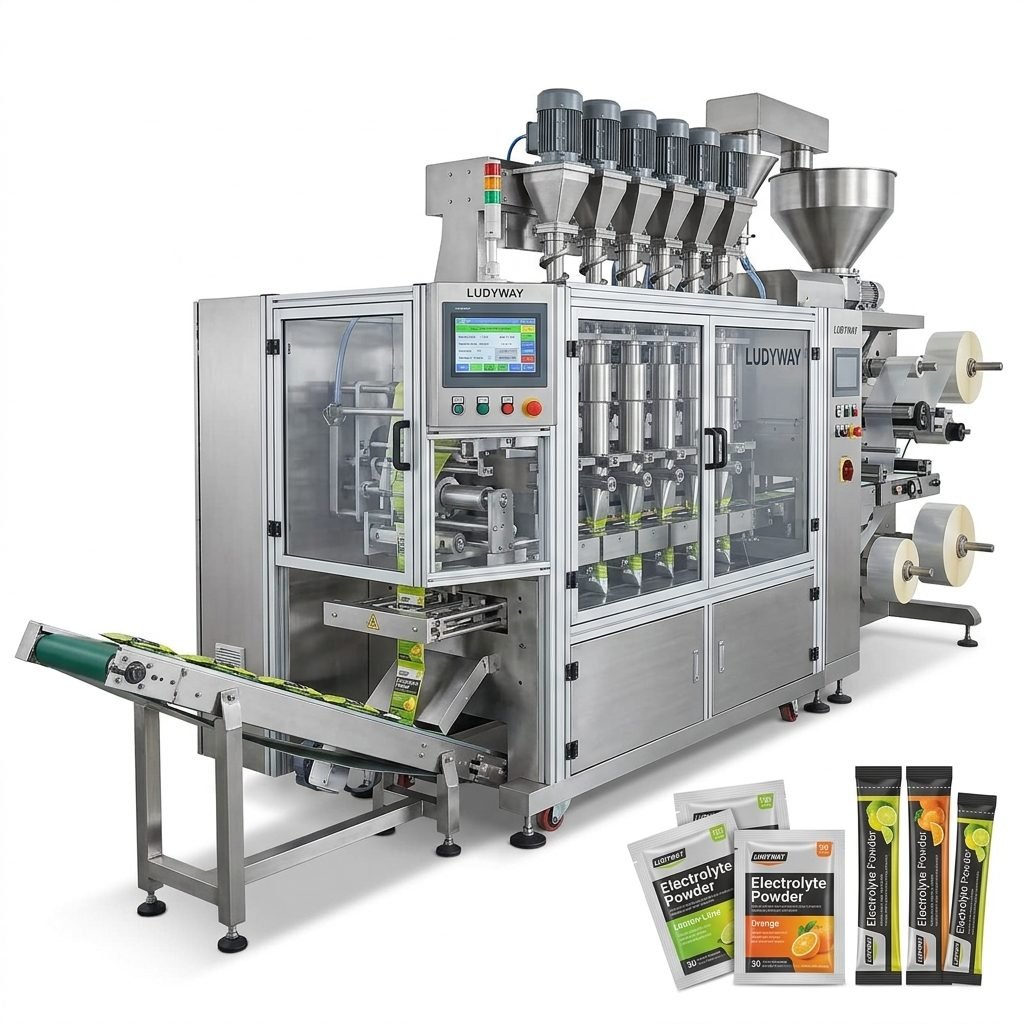
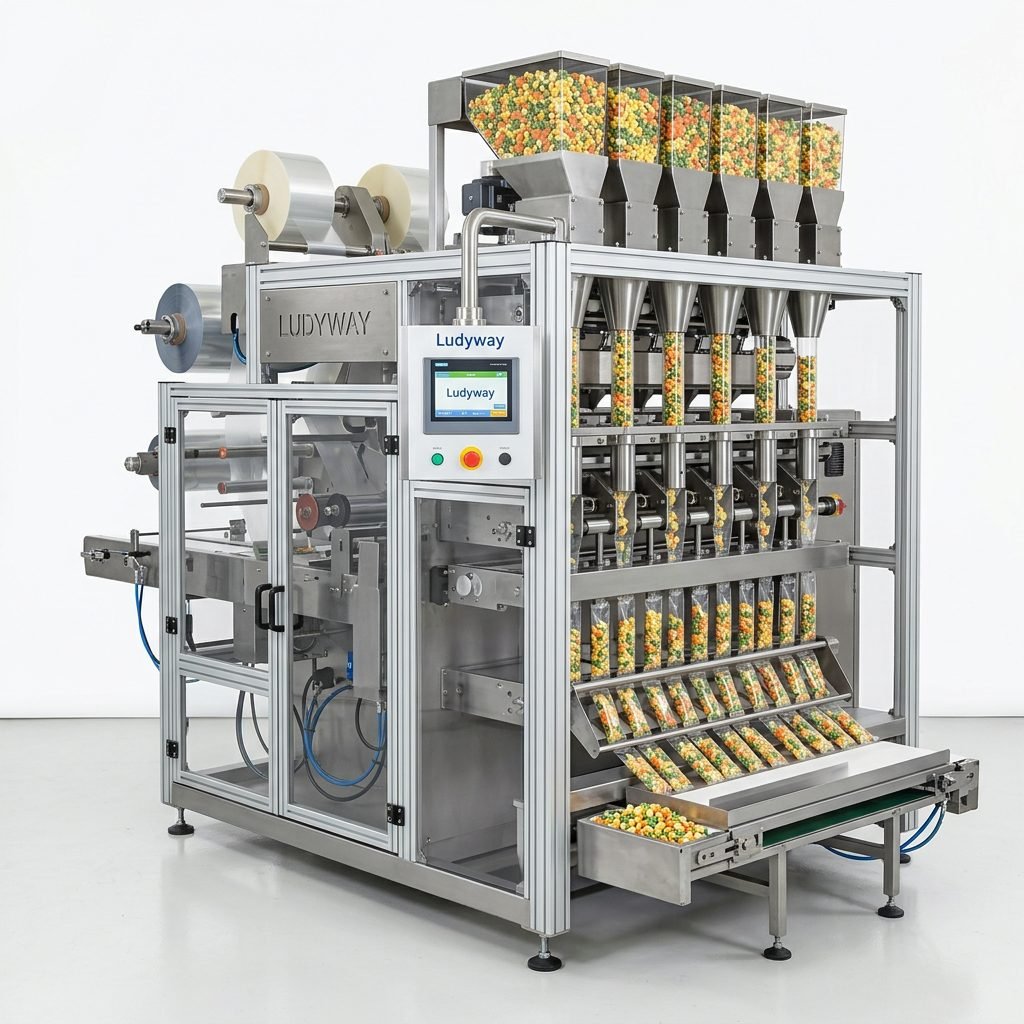
Choosing the right charcoal packaging machine is not only about filling bags faster. It directly affects dust control, bag appearance, sealing quality, labor cost, product loss, and long-term production efficiency. Whether you pack barbecue charcoal, shisha charcoal, activated carbon granules, charcoal powder, or briquettes, the ideal solution should match your material characteristics, bag format, output target, and factory layout.
For manufacturers and distributors, a well-matched machine can reduce downtime, improve bag consistency, and make shipping and retail presentation much easier. In competitive markets, reliable bagging is often the difference between stable growth and constant rework.
Why Charcoal Packaging Is More Challenging Than Standard Granule Bagging
Charcoal products may look simple, but packaging them efficiently can be complex. Different charcoal forms behave differently during feeding, weighing, filling, and sealing:
- Lump charcoal can be irregular in size and shape, affecting weighing accuracy.
- Charcoal briquettes may generate fines during handling and transfer.
- Charcoal powder creates dust and needs better sealing and dust extraction.
- Activated carbon granules often require higher precision and cleaner handling.
Because of these differences, one universal machine rarely fits every charcoal business. The best choice depends on how your product flows, how much dust it produces, and what kind of bag you need to deliver to the market.
Main Types of Charcoal Packaging Machines
1. Semi-Automatic Weighing and Bagging Machines
These systems typically use a weighing unit plus manual bag placement. They are suitable for smaller operations or businesses that need flexibility without a high initial investment.
- Lower upfront cost
- Simple structure and maintenance
- Suitable for startups or regional suppliers
- Good for medium-volume charcoal bagging
The drawback is that labor dependence remains relatively high, and output is limited compared with fully automatic systems.
2. Fully Automatic Open-Mouth Bagging Machines
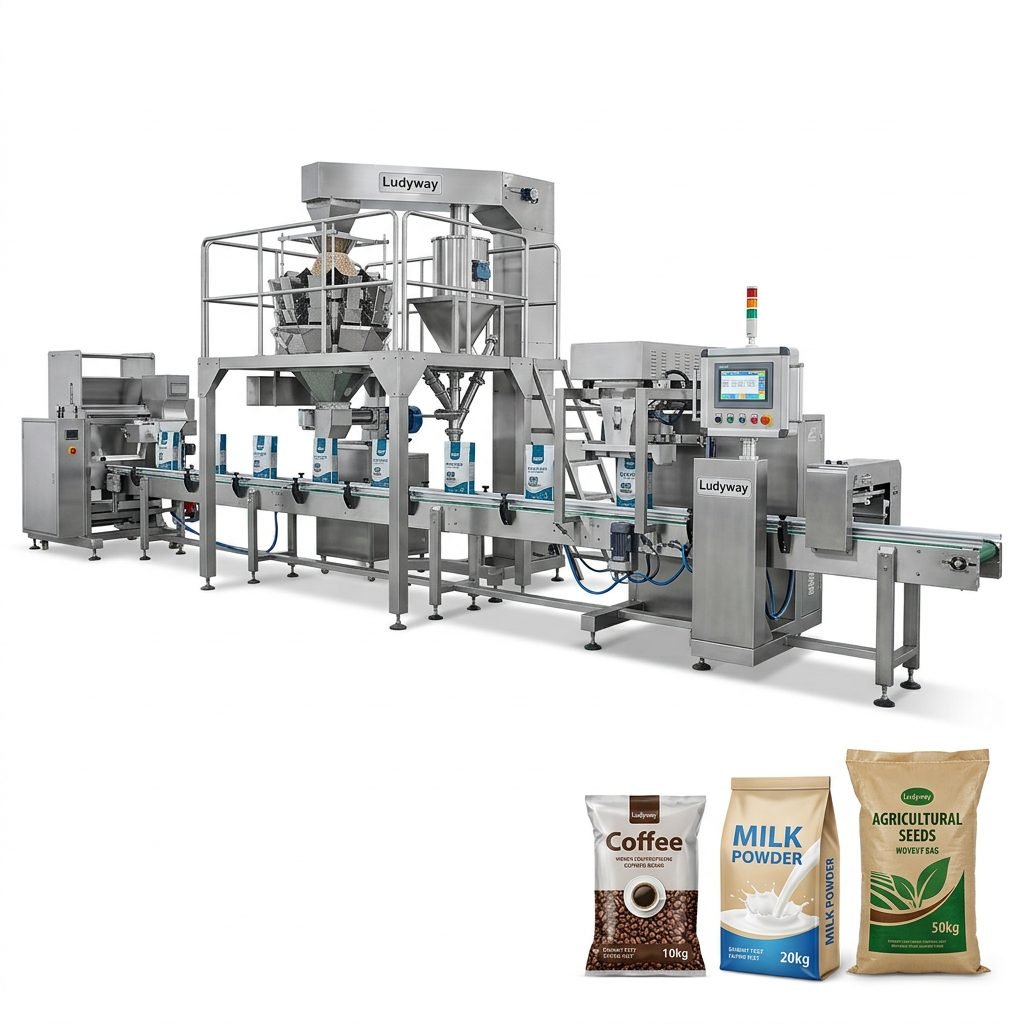
These are ideal for bulk charcoal packaging, especially for 5kg, 10kg, 20kg, 25kg, and 50kg bags. The system can automate weighing, bag feeding, filling, sewing or heat sealing, conveying, and even palletizing.
- High production efficiency
- Reduced labor cost
- Better bag consistency
- Suitable for industrial and export-scale operations
3. Valve Bag Packing Machines
Valve bag systems are often used for fine charcoal powder or activated carbon powder. They help reduce dust leakage and can improve filling speed for powder materials.
- Better dust containment
- Compact packaging result
- Efficient for powder-based products
- Useful when clean bag appearance matters
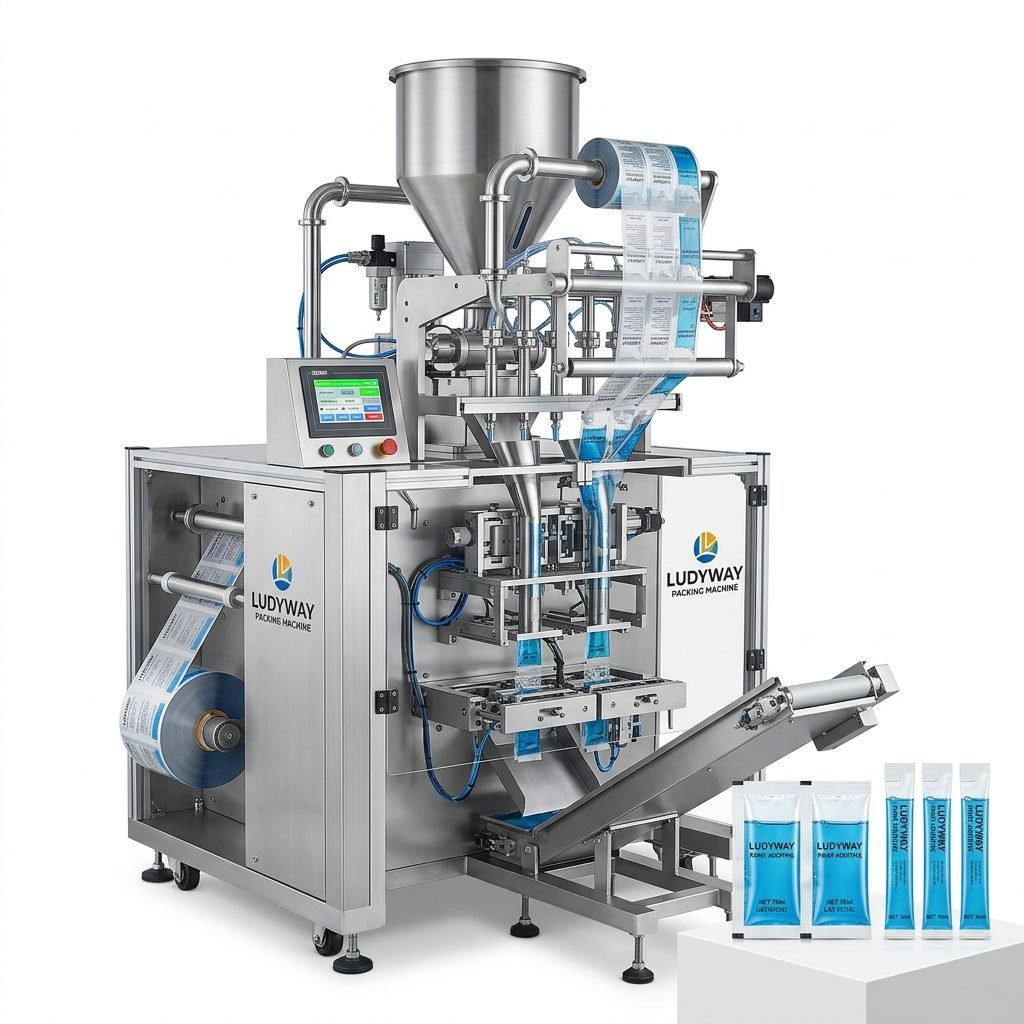
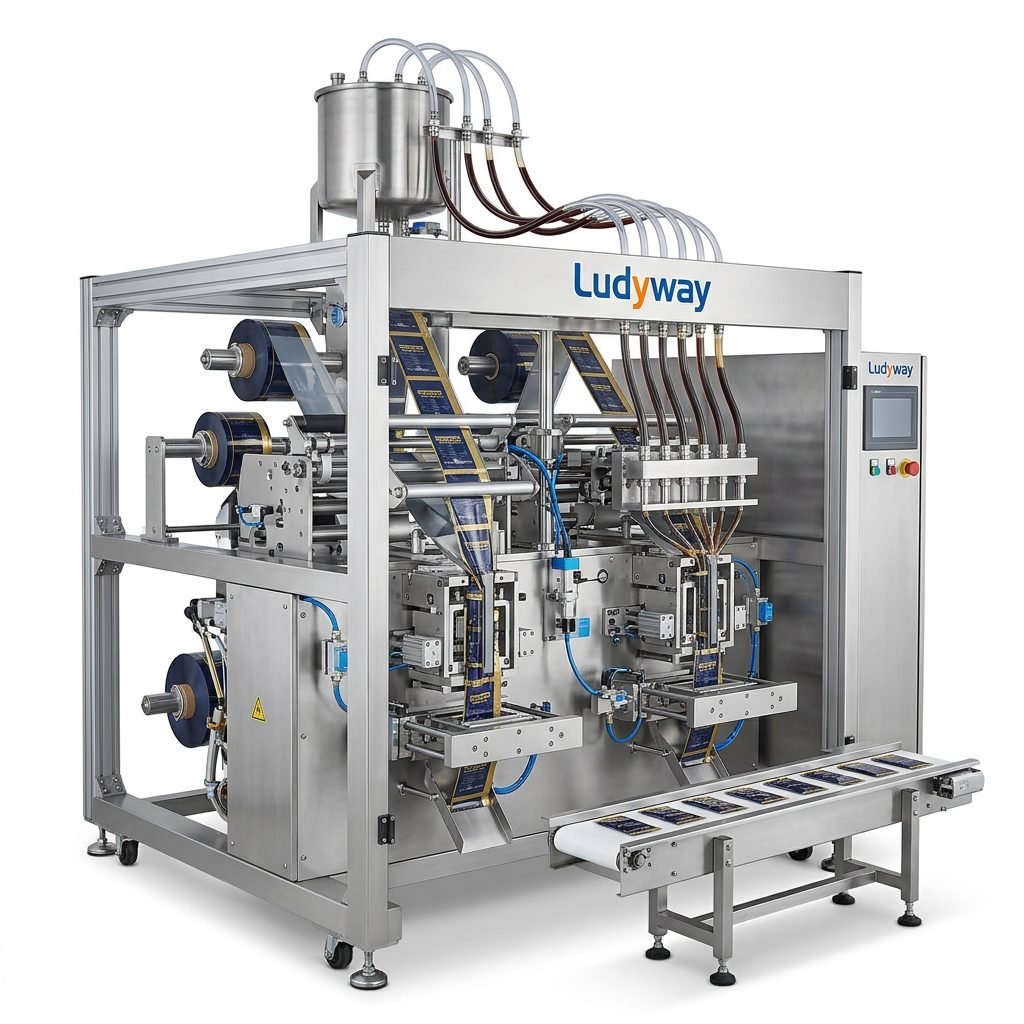
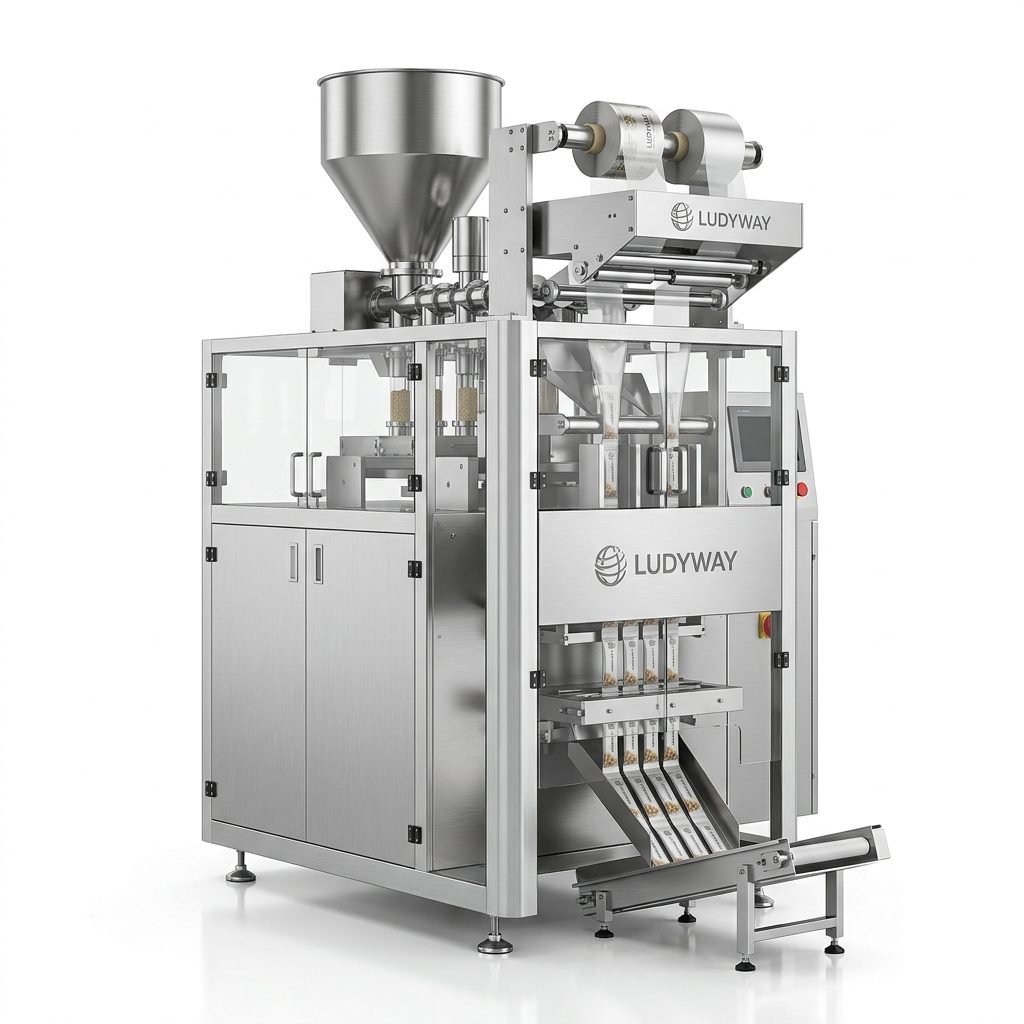
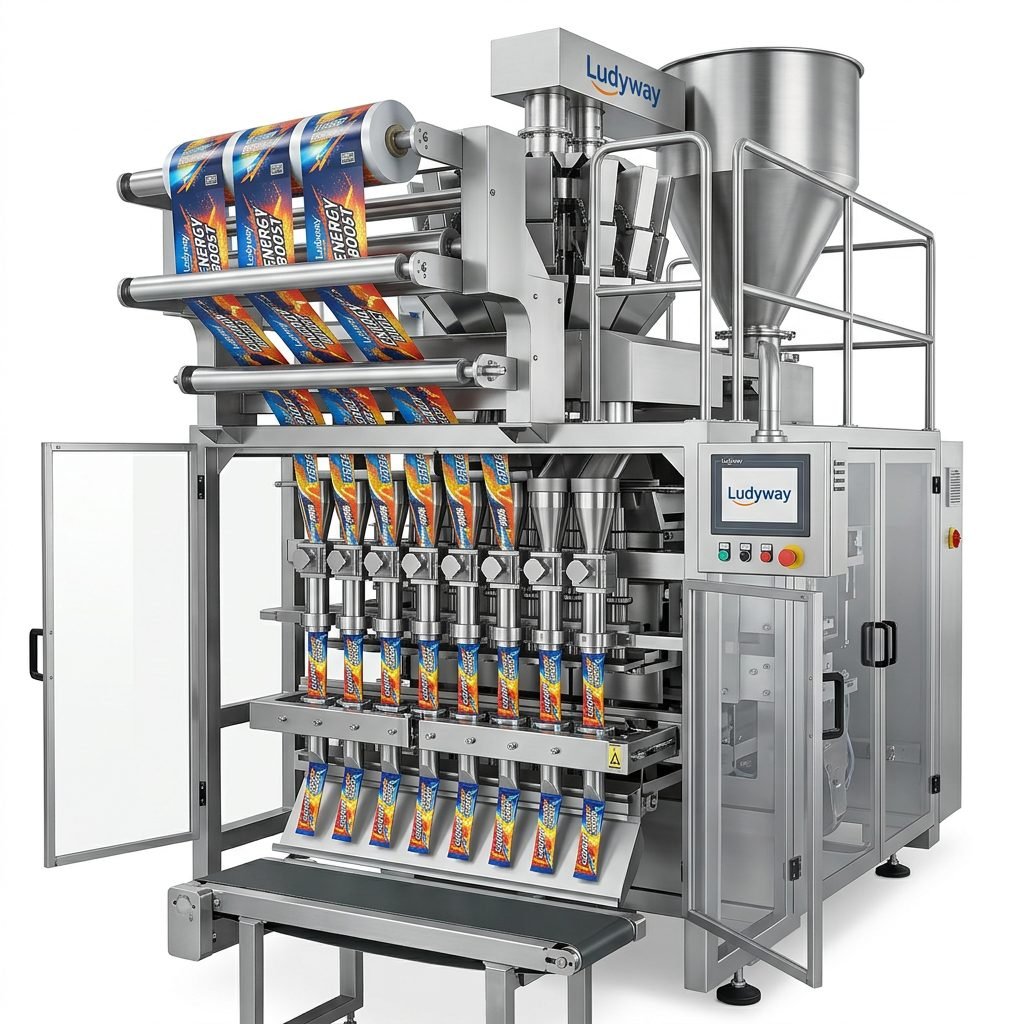
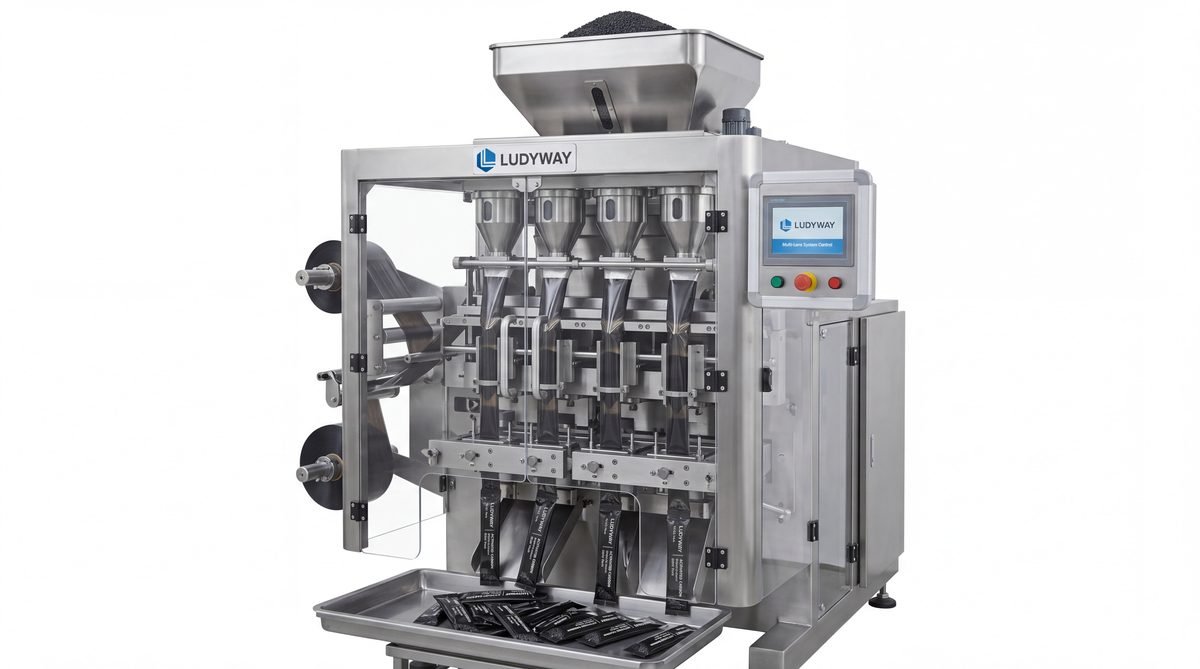
4. Vertical Form Fill Seal Machines for Small Packs
If your charcoal-related product is sold in small sachets or pouches, such as odor absorbers, moisture absorbers, activated carbon granules, or retail-use treatment materials, VFFS systems can form, fill, and seal bags automatically.
These are less common for barbecue lump charcoal, but very relevant for smaller granule or powder charcoal applications.
How to Choose the Best Charcoal Packaging Solution
Understand Your Charcoal Product Type First
The first step is to define exactly what you pack. This determines the feeder, weigher, dust control design, discharge structure, and sealing method.
| Charcoal Product | Recommended Packaging Method | Key Consideration |
|---|---|---|
| Lump charcoal | Open-mouth bagging with weighing system | Irregular size and breakage control |
| Charcoal briquettes | Automatic or semi-automatic bagging | Stable weight and reduced impact damage |
| Charcoal powder | Valve bag or auger powder packing | Dust collection and sealing quality |
| Activated carbon granules | Precision weighing and pouch/bag packing | Accuracy and contamination control |
Match the Machine to Bag Size and Bag Style
Not every bagging machine supports every bag format. Before selecting equipment, confirm:
- Bag weight range, such as 1kg, 5kg, 10kg, 20kg, or 50kg
- Bag material, such as woven PP, paper bags, PE bags, or laminated bags
- Bag type, such as pillow bag, gusset bag, premade pouch, valve bag, or open-mouth sack
- Sealing method, such as heat seal, stitching, folding, or ultrasonic sealing
If you export charcoal, bag appearance and sealing consistency become even more important because transport handling is more demanding and customers expect better presentation.
Calculate Real Output Requirements
Many buyers choose machines based only on maximum speed, but actual output depends on product flowability, weighing cycle, bag handling time, and operator skill. It is smarter to define:
- Target bags per hour
- Daily working hours
- Peak season demand
- Future expansion plans
A small plant may do well with a semi-automatic unit, while a large charcoal exporter may need a complete line with automatic feeding, weighing, bagging, sealing, metal detection, checkweighing, coding, and palletizing.
Focus on Dust Control and Clean Operation
Charcoal dust is one of the most important issues in packaging. Excess dust can cause:
- Weighing instability
- Poor seal performance
- Messy production areas
- More machine wear
- Higher maintenance frequency
Look for machines with sealed feeding points, dust extraction interfaces, enclosed filling nozzles, and stable discharge control. For powder charcoal, dust collection is not optional; it is a core part of system performance.
Key Features to Look for in a High-Efficiency Charcoal Bagging System
Accurate Weighing System
Weight accuracy affects both profitability and customer satisfaction. Overfilling wastes product, while underfilling creates complaints and compliance risks. A good system should provide stable dosing even when charcoal particle size varies.
Durable Contact Parts
Charcoal can be abrasive. Components exposed to constant product flow should be built for wear resistance and easy replacement. This matters especially in bulk bagging lines running long shifts.
Flexible Bag Changeover
If you package multiple SKUs, fast adjustment is critical. Choose a machine that allows convenient parameter changes, bag size switching, and recipe setting.
Reliable Sealing or Sewing
Weak sealing can ruin otherwise good packaging. The machine must suit your exact bag material and product type, especially if charcoal dust tends to contaminate the seal area.
Integration with Upstream and Downstream Equipment
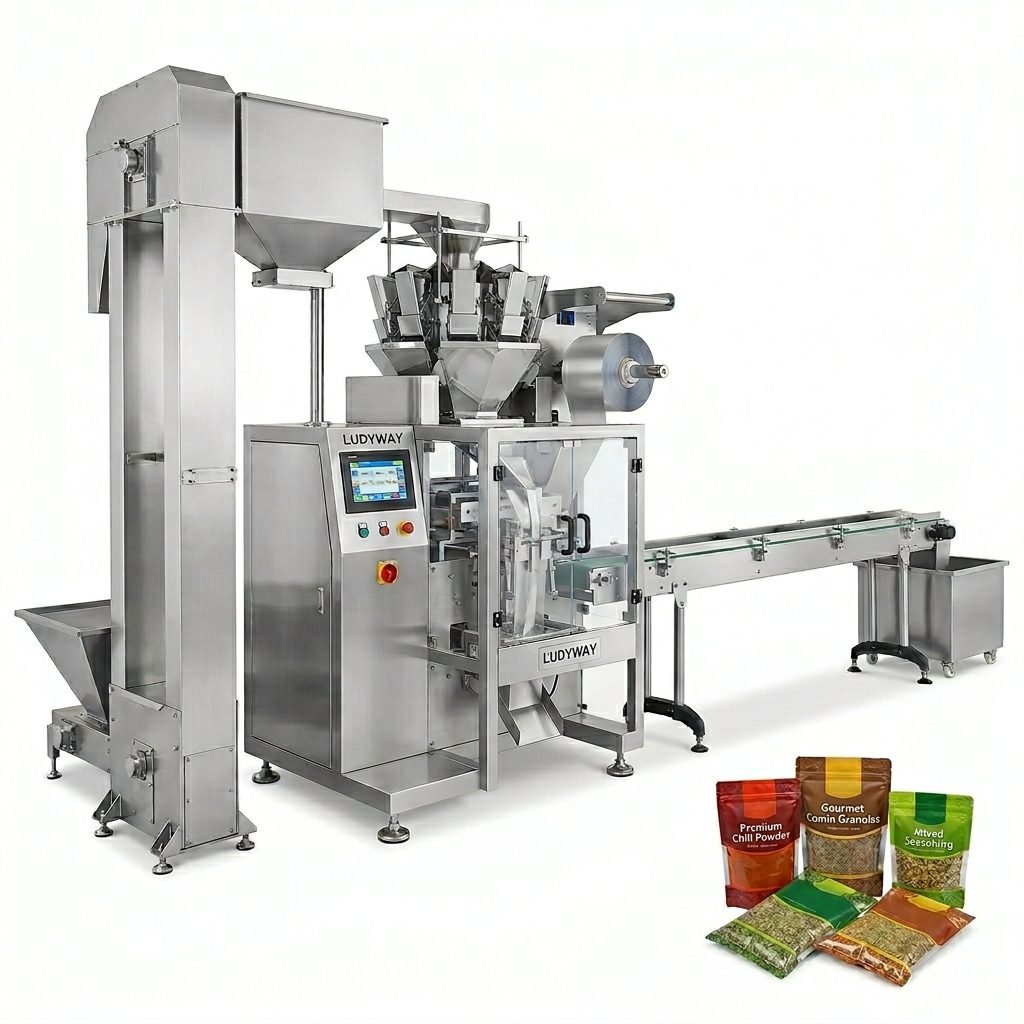
The best packaging machine is often part of a system, not a standalone unit. Depending on your process, you may need:
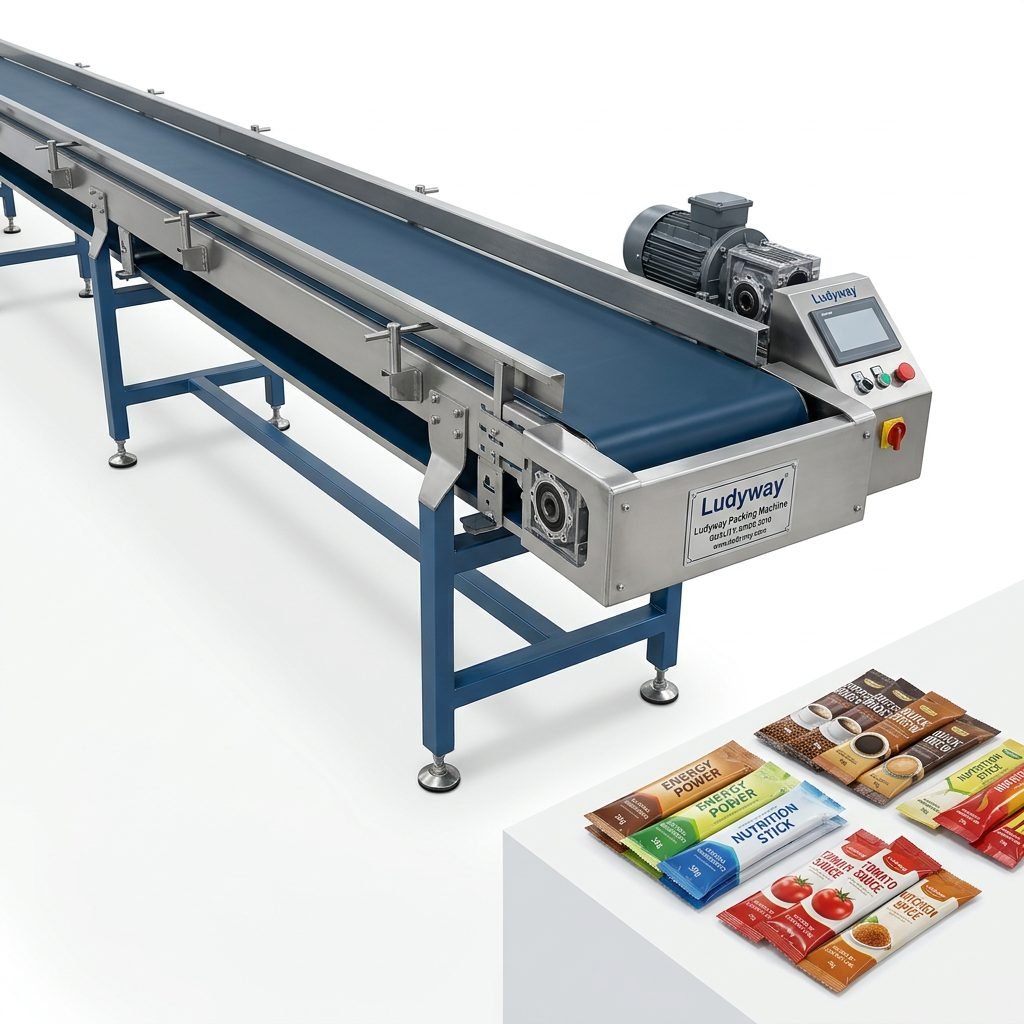
- Bucket elevator or conveyor
- Storage hopper
- Dust collector
- Checkweigher
- Date coder
- Metal detector or inspection equipment
- Carton packing or palletizing system
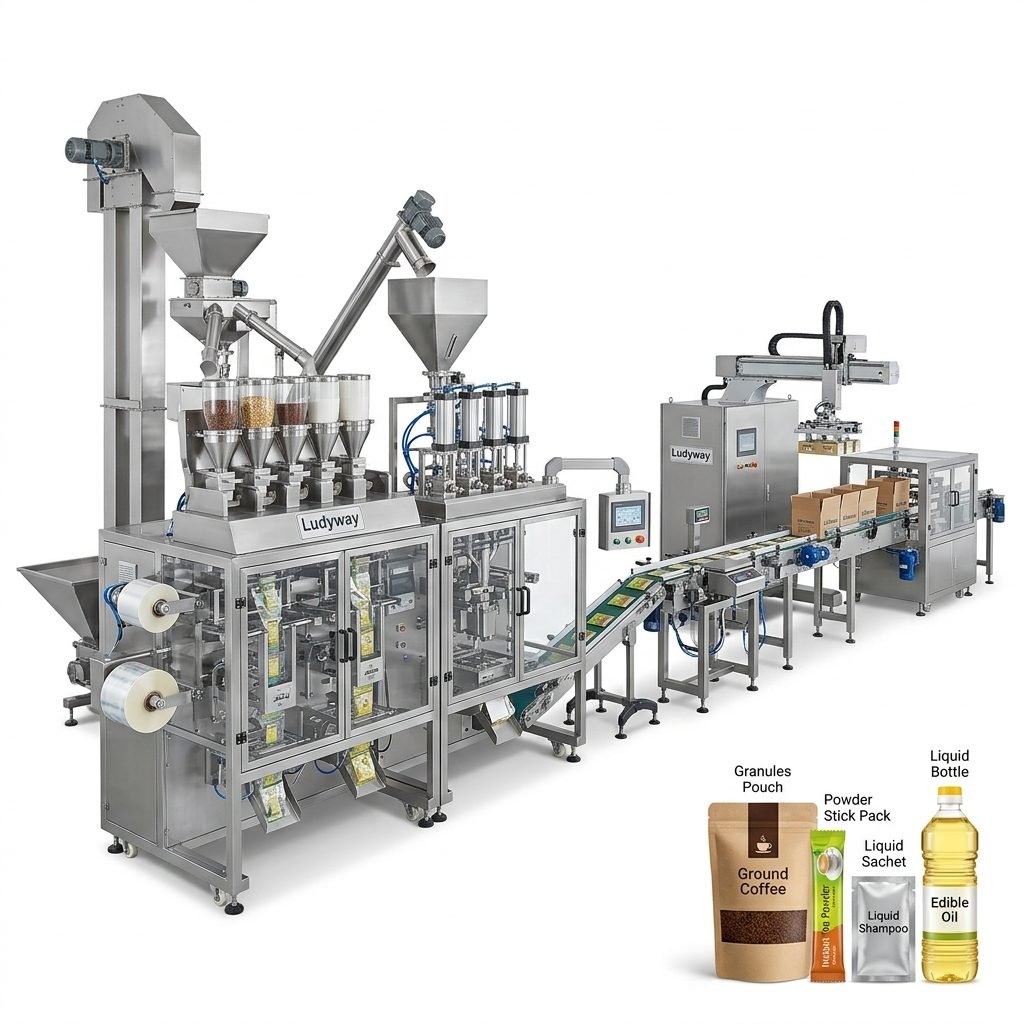
Semi-Automatic vs Fully Automatic: Which One Is Better?
| Factor | Semi-Automatic | Fully Automatic |
|---|---|---|
| Investment | Lower | Higher |
| Labor demand | Higher | Lower |
| Output | Moderate | High |
| Bag consistency | Operator-dependent | More consistent |
| Expansion potential | Limited | Strong |
If your charcoal business is growing quickly, a fully automatic system usually offers better long-term value. If you are testing the market, producing multiple bag sizes, or managing lower volume, semi-automatic equipment can still be a practical starting point.
Common Mistakes Buyers Make
- Choosing by price only instead of total operating cost
- Ignoring dust behavior during filling and sealing
- Buying a machine without considering future capacity growth
- Not checking compatibility with actual bag materials
- Overlooking after-sales support and spare parts availability
- Failing to test machine performance with real charcoal samples
A machine that looks fast on paper may underperform in real production if it is not designed for your specific charcoal product.
When a Turnkey Packaging Line Makes More Sense
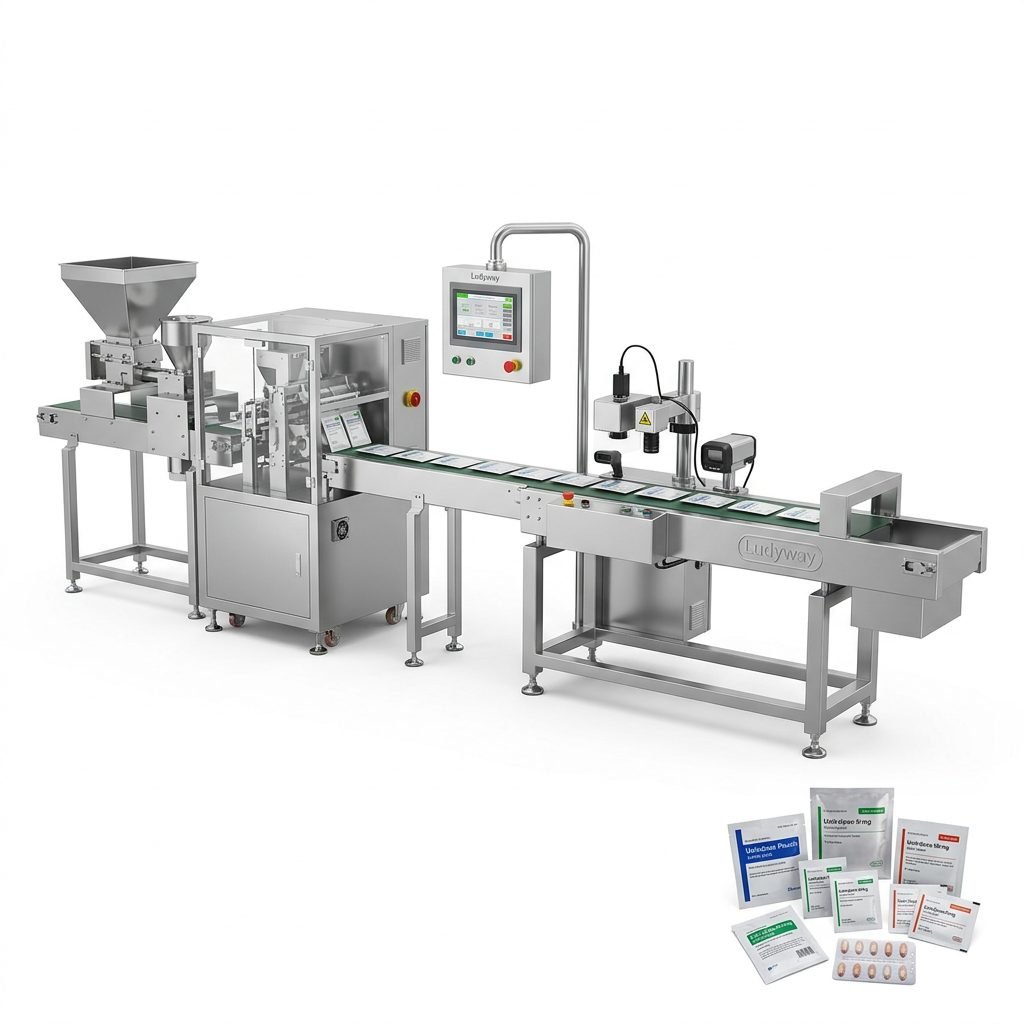
If you are scaling production or exporting in bulk, a full line can deliver stronger efficiency than a single machine. A turnkey solution usually combines product conveying, dosing, bagging, sealing, inspection, coding, and end-of-line automation into one coordinated system.
This approach helps reduce bottlenecks between steps and improves line balance. It is especially useful when you need stable daily output, cleaner operation, and a more professional finished package.
For buyers looking for integrated automation solutions, Ludyway charcoal packaging machine solutions can be considered as part of a broader packaging equipment sourcing plan, particularly for businesses that need customized bagging lines, flexible machine configurations, and long-term scalability.
Questions to Ask Before Buying
- What charcoal product will be packed: lump, briquette, powder, or activated carbon?
- What is the target bag weight and bag material?
- How many bags per hour are required in real production?
- How much dust is generated during filling?
- Do you need sewing, heat sealing, or valve bag filling?
- Will the line need conveyors, coding, checkweighing, or palletizing?
- How quickly can wearing parts be replaced?
- Can the supplier test the machine with your actual sample product?
Final Buying Advice for Efficient Charcoal Bagging
The best charcoal packaging machine is the one that matches your product form, bag type, target speed, dust level, and expansion plan. For bulk charcoal and briquettes, open-mouth bagging systems are often the most efficient. For fine charcoal powder, valve bag or powder-oriented systems are usually more suitable. For smaller retail applications, pouch or vertical packaging systems may be the better option.
Instead of focusing only on initial price, evaluate the full packaging result: accuracy, sealing reliability, dust control, labor savings, and maintenance simplicity. A well-selected machine will not just pack bags faster; it will improve the entire operation.