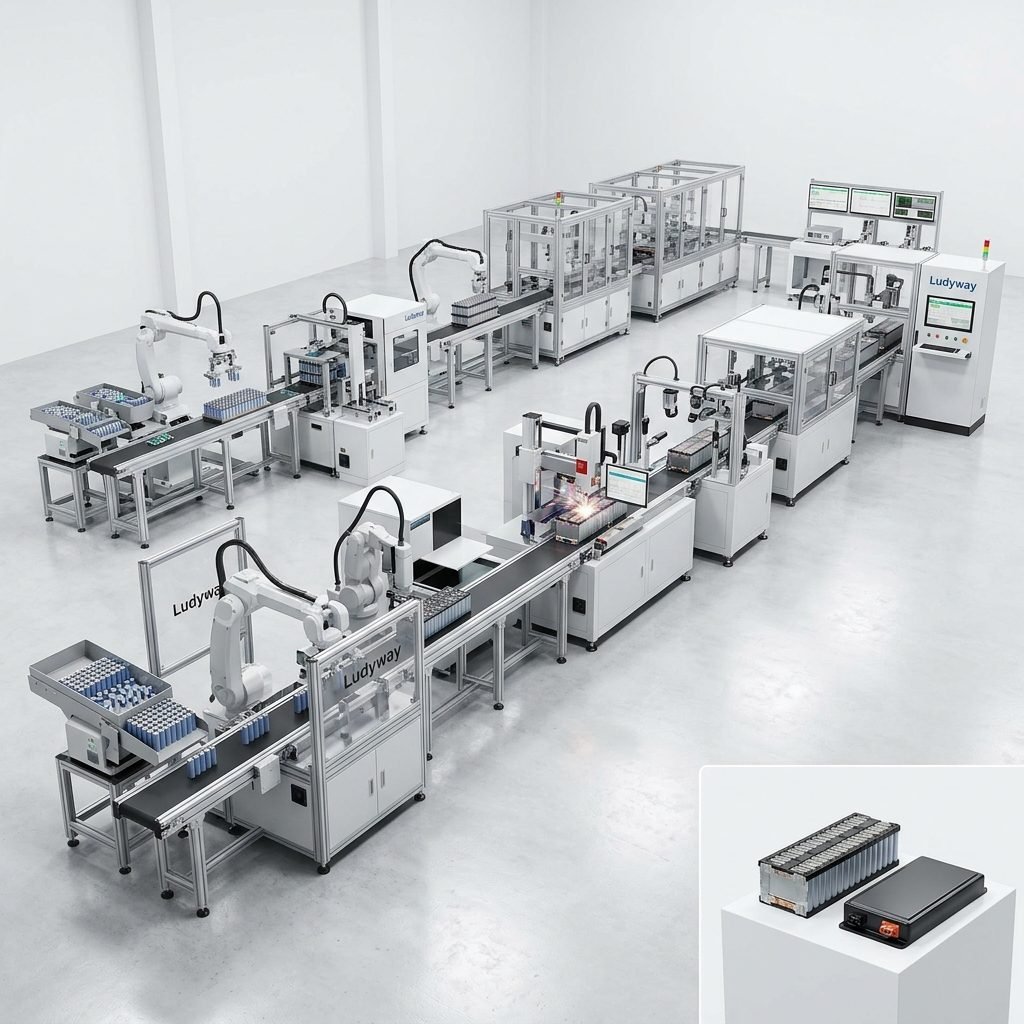
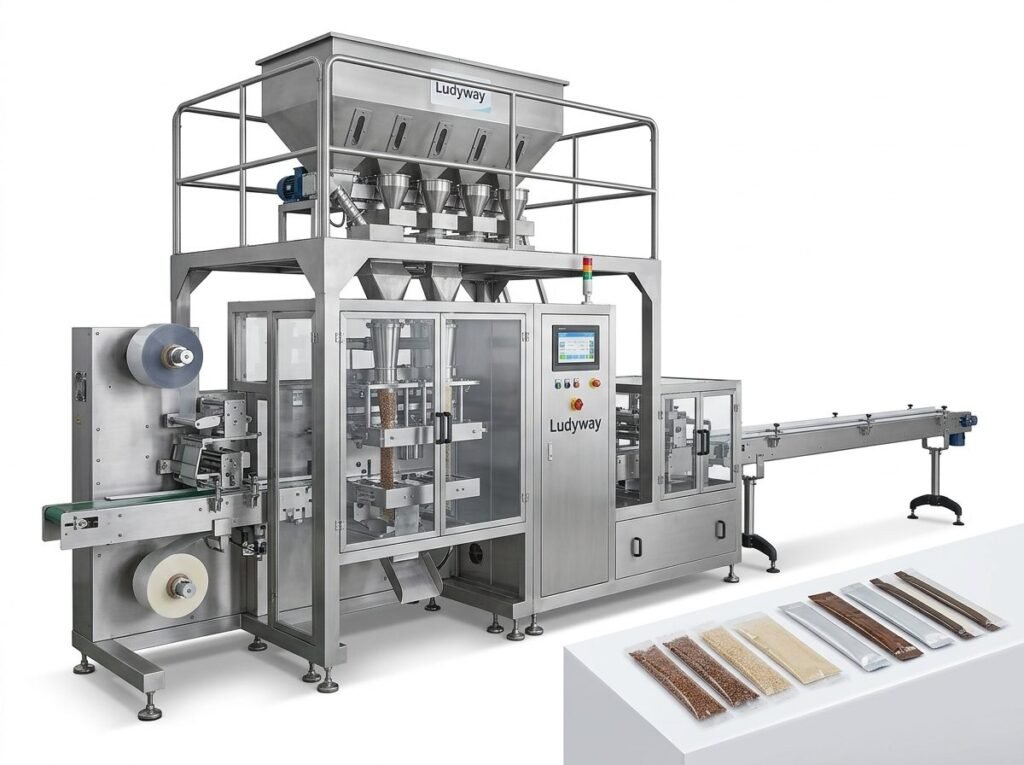
Industrial packaging machines are essential for manufacturers that need higher speed, better consistency, lower labor dependence, and reliable product protection. From food and pharmaceuticals to cosmetics, chemicals, and feed products, modern automated systems help businesses standardize output while improving operational efficiency across the entire line.
As packaging demands continue to grow, companies are no longer looking for single-function equipment alone. They increasingly prefer integrated solutions that combine filling, sealing, coding, labeling, inspection, conveying, cartoning, and end-of-line handling into one coordinated process. This shift is driving strong demand for advanced industrial packaging systems that can support both current production targets and future expansion.
Why Industrial Packaging Machines Matter in Modern Manufacturing
Packaging is no longer just the final step before shipment. It is a critical part of production performance, product safety, brand presentation, and supply chain stability. A well-designed packaging machine can help manufacturers:
- Reduce manual handling and repetitive labor
- Improve filling accuracy and sealing quality
- Increase production speed with stable output
- Lower product waste and packaging material loss
- Support hygiene and compliance standards
- Enable traceability through coding and inspection integration
- Scale production with modular automation
For producers handling powders, granules, liquids, pastes, sachets, stick packs, pouches, bottles, or bags, choosing the right industrial packaging machine directly influences cost control and market competitiveness.
Key Types of Industrial Packaging Machines
Different product forms and industries require different packaging technologies. The best solution depends on material characteristics, package format, target speed, and downstream logistics requirements.
| Machine Type | Suitable Products | Main Benefits |
|---|---|---|
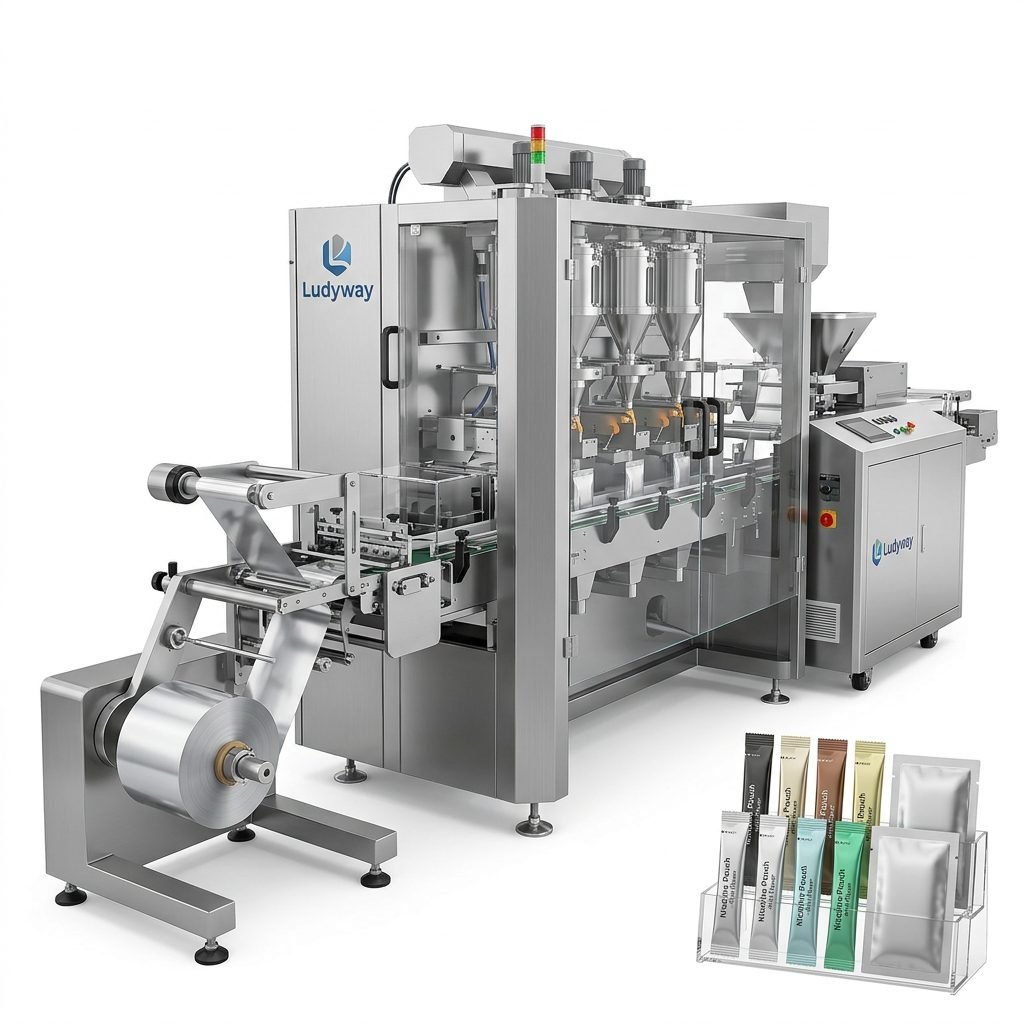
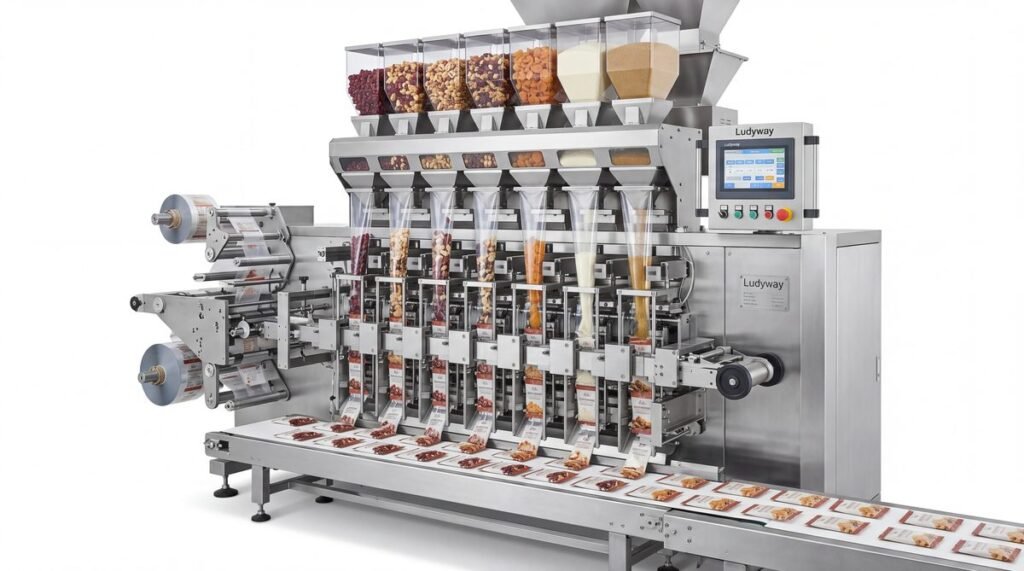
| Multi-lane stick pack machines | Powders, granules, liquids, gels | High speed, compact single-dose packaging |
| Sachet packaging machines | Seasonings, detergents, creams, supplements | Flexible pack sizes and broad product compatibility |
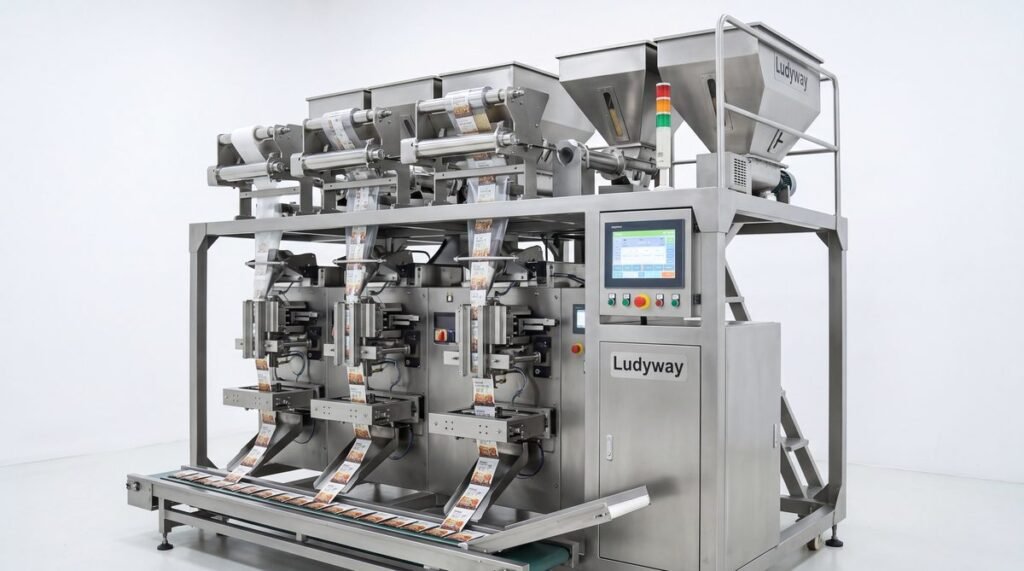
| Vertical form fill seal systems | Snacks, grains, powders, pellets | Efficient bag making, filling, and sealing |
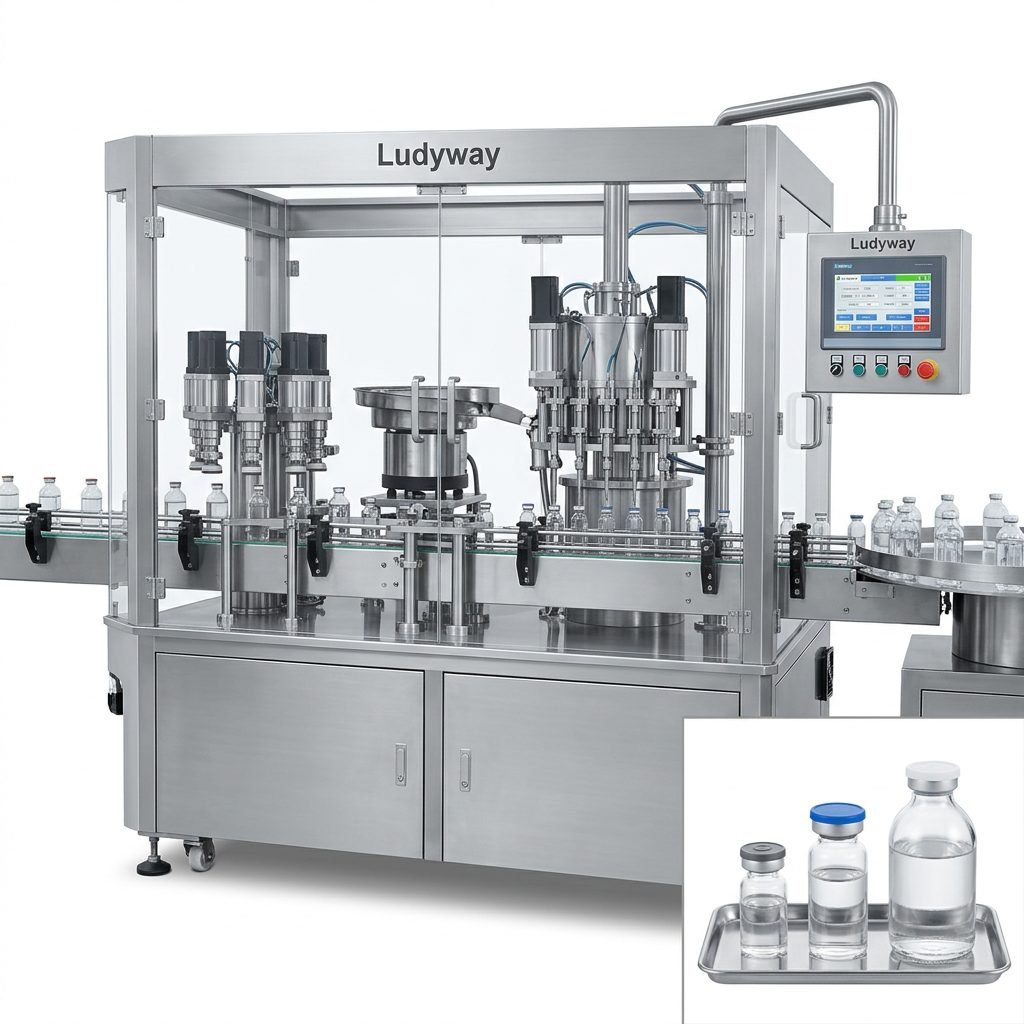
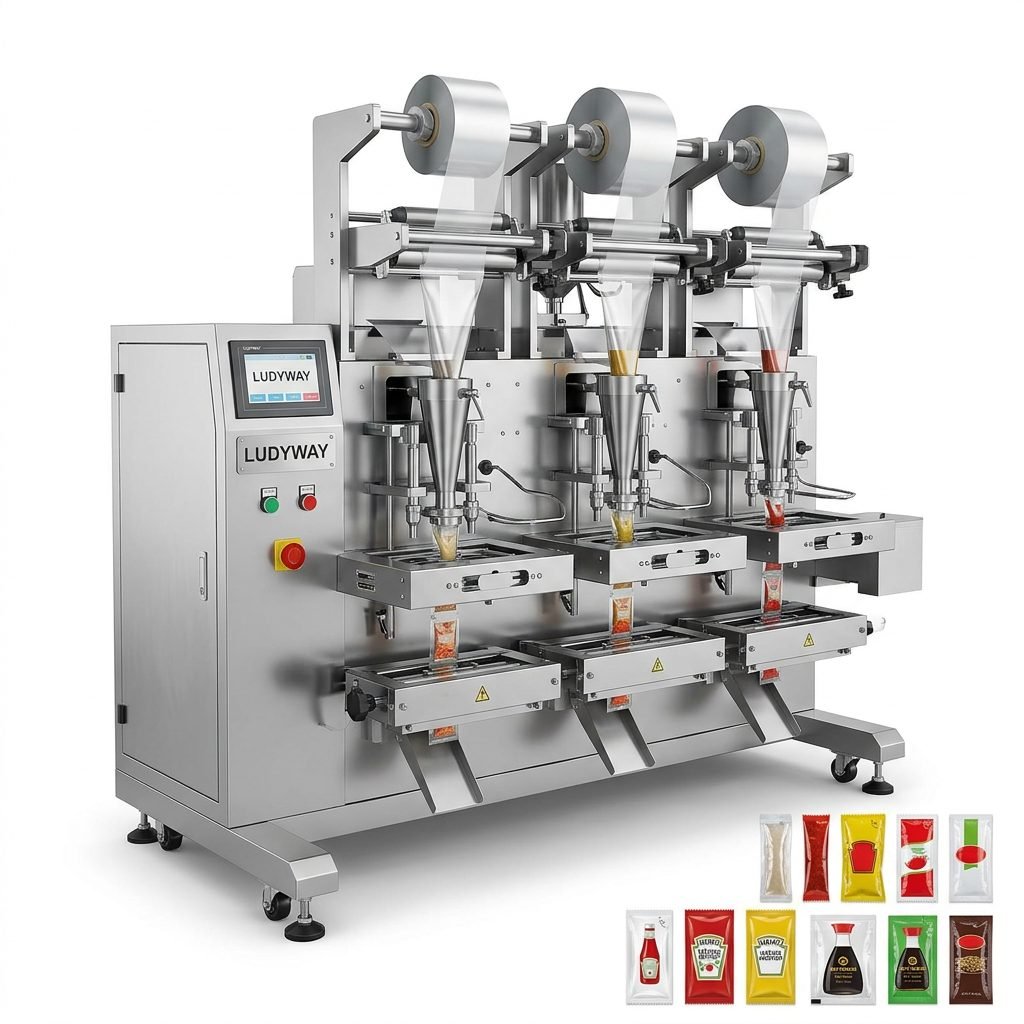
| Liquid filling and sealing machines | Sauces, detergents, serums, oral liquids | Precise dosing and leak-resistant sealing |
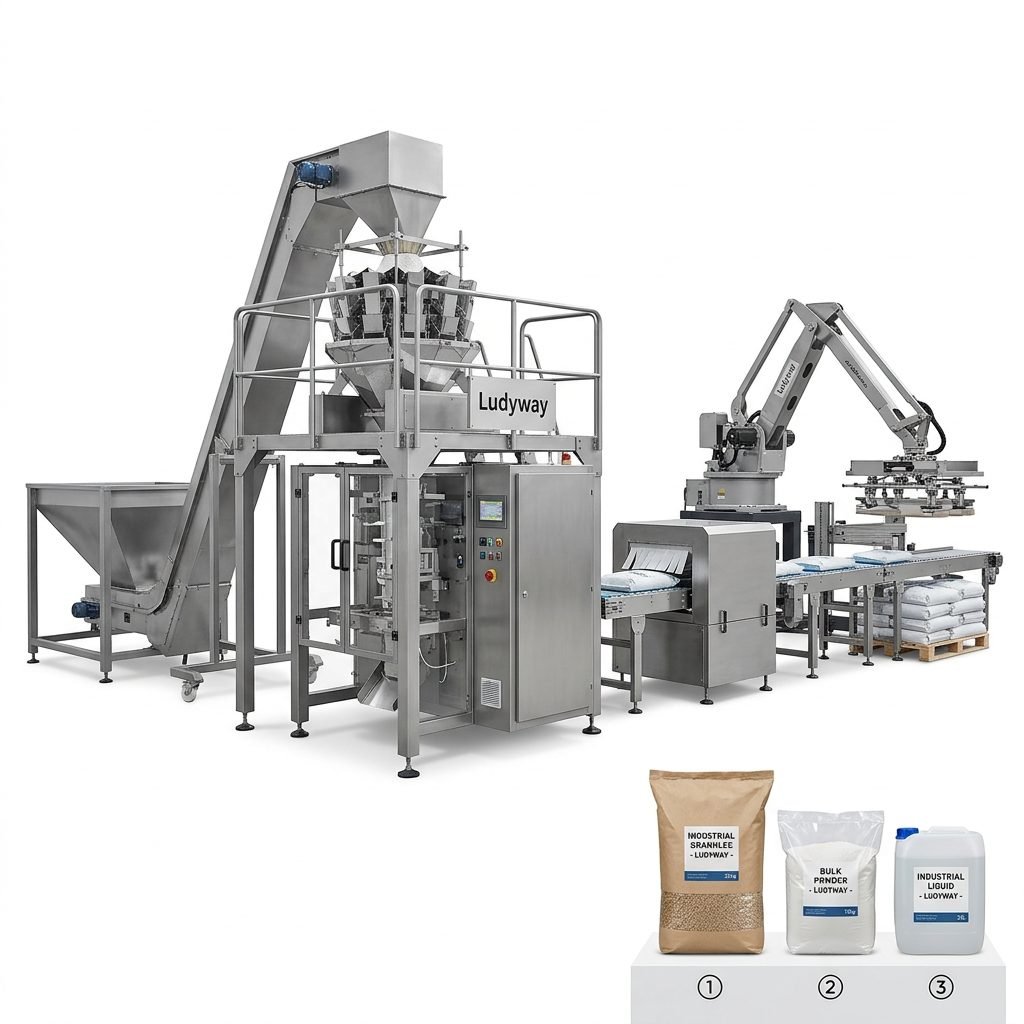
| Bagging and weighing lines | Feed, fertilizer, chemicals, bulk materials | Heavy-duty automation for industrial throughput |
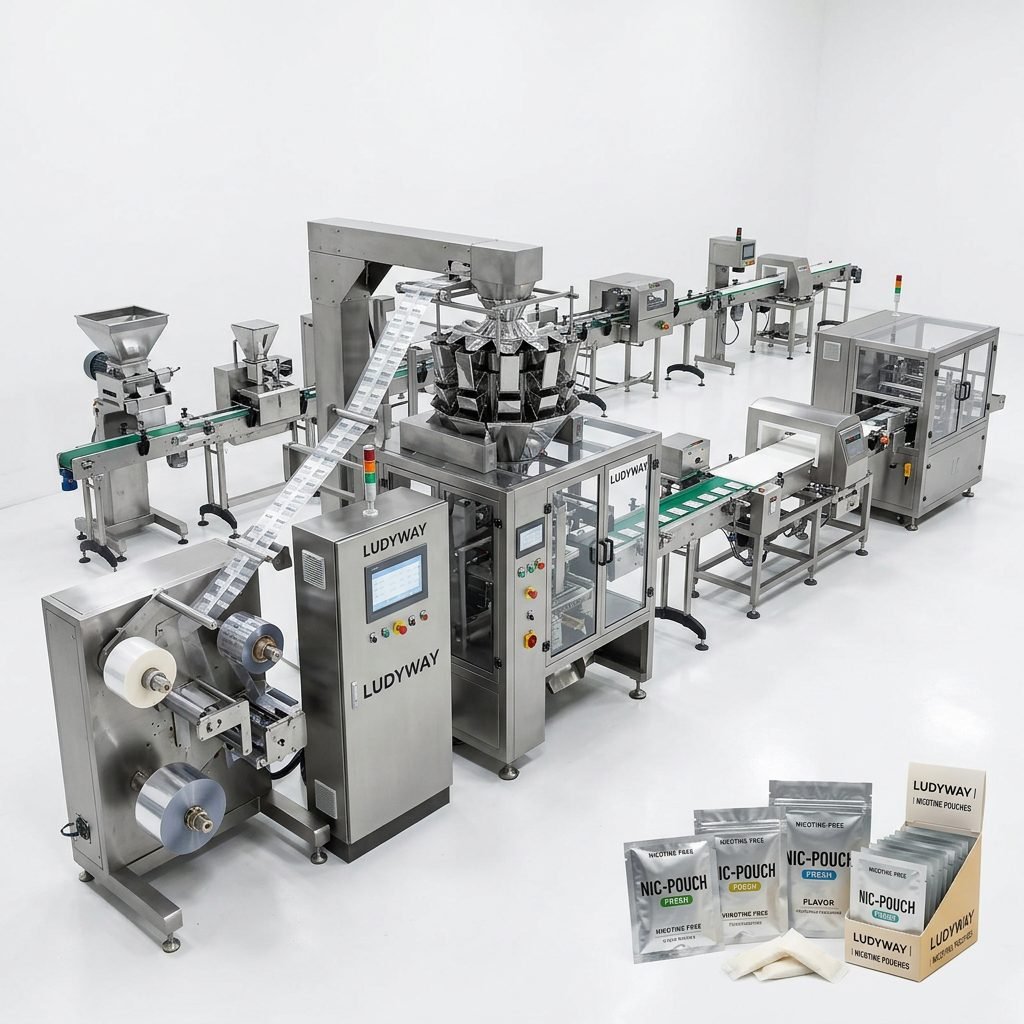
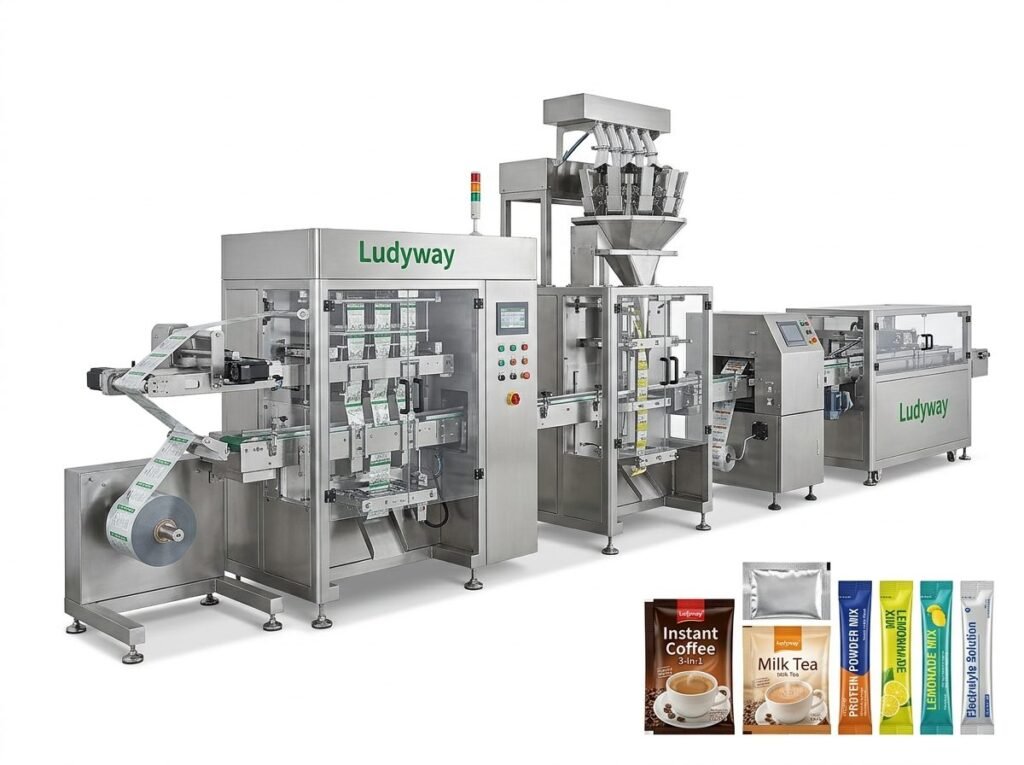
| Turnkey packaging lines | Food, pharma, personal care, chemical products | Integrated automation from feeding to final packing |
Features That Define an Efficient and Reliable Packaging Solution
When evaluating industrial packaging equipment, buyers should focus on more than maximum speed. Long-term value comes from stability, repeatability, maintenance convenience, and system compatibility.
1. Accurate Dosing and Consistent Sealing
Precise filling prevents giveaway and underfill issues, while stable sealing protects product quality and shelf life. This is especially important in pharmaceutical, nutrition, and food applications.
2. Automation Across the Full Line
A complete system should coordinate upstream feeding and downstream handling. This can include screw feeders, bucket elevators, conveyors, coding systems, checkweighers, metal detectors, cartoners, and palletizing units.
3. Flexible Changeover
Manufacturers often run multiple SKUs. Packaging machines with user-friendly settings, tool-free adjustments, and modular parts help reduce downtime between product changes.
4. Industry-Specific Hygiene or Safety Design
Food and pharmaceutical plants may require stainless steel contact parts, enclosed product paths, dust control, washdown compatibility, and compliance-oriented design details.
5. Smart Monitoring and Maintenance Support
Modern industrial packaging machines often include touchscreen controls, recipe storage, alarm diagnostics, production statistics, and remote support capabilities for better operational visibility.
Applications Across Major Industries
Food Packaging
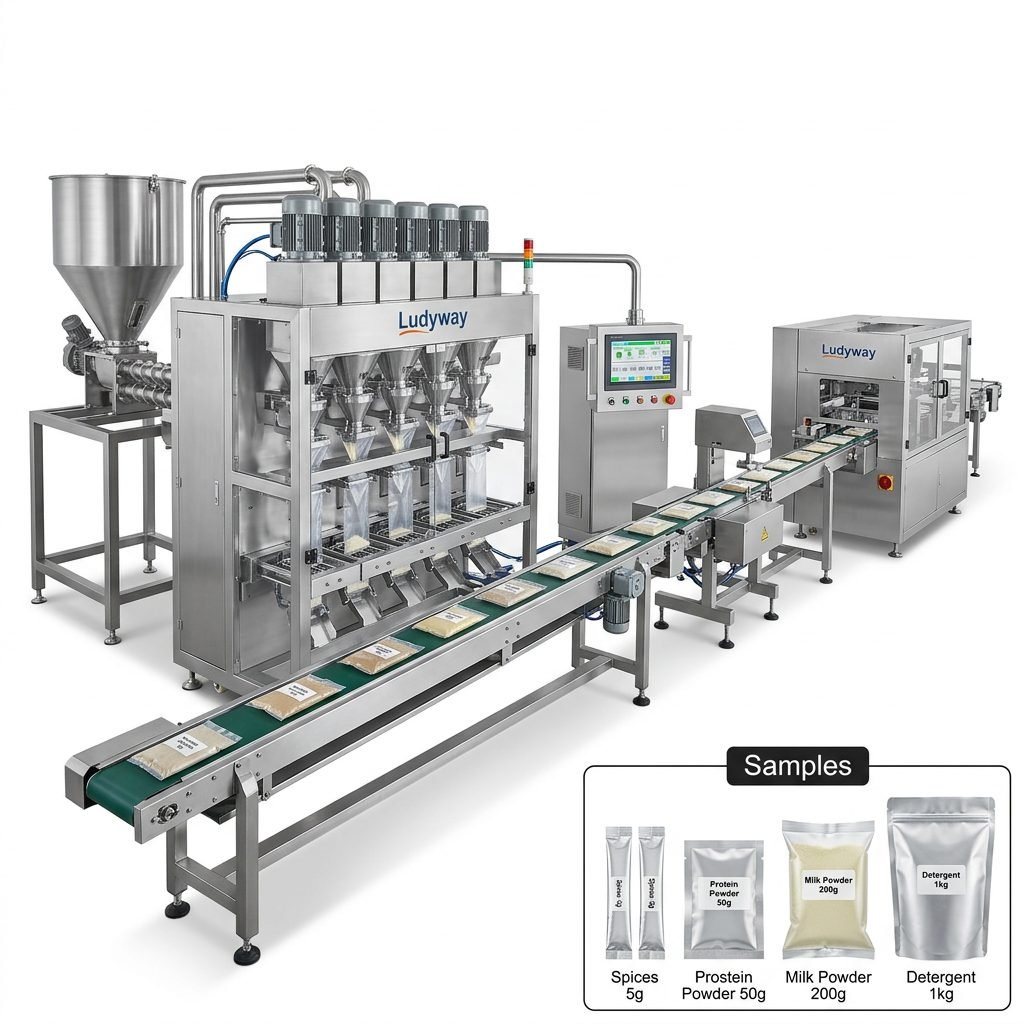
Food manufacturers need packaging equipment that balances speed, hygiene, and presentation. Common applications include coffee, milk powder, spices, sauces, snacks, cereals, sugar, instant drinks, and frozen foods. Multi-lane and vertical systems are especially valuable for high-volume small-format packaging.
Pharmaceutical Packaging
For pharmaceutical products, machine precision and validation readiness are key. Stick pack and sachet systems are widely used for granules, powders, oral liquids, and medical consumables. Reliable sealing, accurate dosing, and contamination control remain top priorities.
Cosmetic and Personal Care Packaging
Creams, lotions, serums, shampoos, gels, and facial care products often require flexible filling and sealing solutions for sachets, tubes, bottles, or pouches. Attractive pack formats and clean filling performance are essential for this sector.
Chemical Packaging
Industrial and household chemicals require robust packaging systems that can handle powders, liquids, corrosive materials, and bulk volumes. Strong sealing integrity and material compatibility are particularly important.
Animal Feed and Nutrition
Feed, pellets, premixes, and pet nutrition products often require high-capacity bagging or multi-lane sachet packaging, depending on the market. Automation supports more accurate weight control and efficient large-batch production.
How Automated Packaging Improves Production Efficiency
Automated packaging solutions create measurable value throughout the production cycle. Instead of relying on disconnected equipment and manual intervention, manufacturers can build a continuous process that improves output quality and reduces total operating cost.
- Faster throughput: Automated lines increase output while keeping process timing consistent.
- Less labor pressure: Fewer operators are needed for repetitive, high-volume tasks.
- Lower error rates: Automated controls reduce filling mistakes, sealing variation, and labeling errors.
- Better product protection: Reliable packaging reduces contamination, leakage, and transport damage.
- More scalable operations: Lines can be expanded with coding, inspection, cartoning, and palletizing modules.
What to Consider Before Buying an Industrial Packaging Machine
Selecting the right equipment requires both technical and commercial evaluation. A machine should match current production needs while supporting long-term development.
| Evaluation Factor | Why It Matters |
|---|---|
| Product characteristics | Powder, granule, liquid, viscosity, flowability, and fragility affect machine choice |
| Packaging format | Sachet, stick pack, pouch, bottle, bag, or carton determines line structure |
| Production target | Required output per minute or per shift impacts machine speed and configuration |
| Factory layout | Available space influences machine orientation and integration possibilities |
| Compliance needs | Food, pharma, and export projects may require specific standards and documentation |
| After-sales support | Training, spare parts, and technical service affect long-term reliability |
The Value of Turnkey Packaging Line Solutions
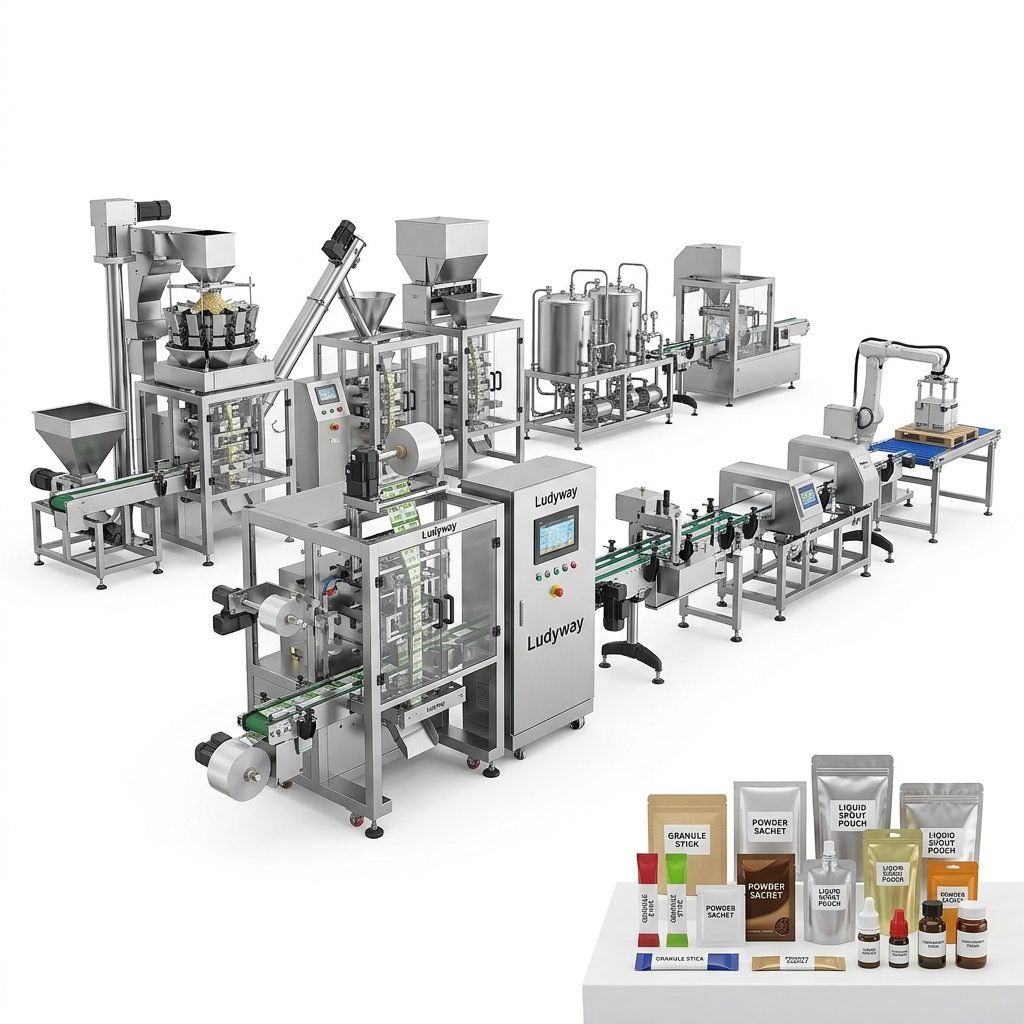
Many manufacturers now prefer turnkey systems instead of assembling machines from multiple suppliers. A turnkey packaging line can reduce coordination problems, shorten project timelines, and improve control over line performance.
A typical turnkey solution may include:
- Raw material feeding and transfer systems
- Weighing, dosing, or volumetric filling units
- Forming, filling, sealing, and cutting modules
- Date coding and label application
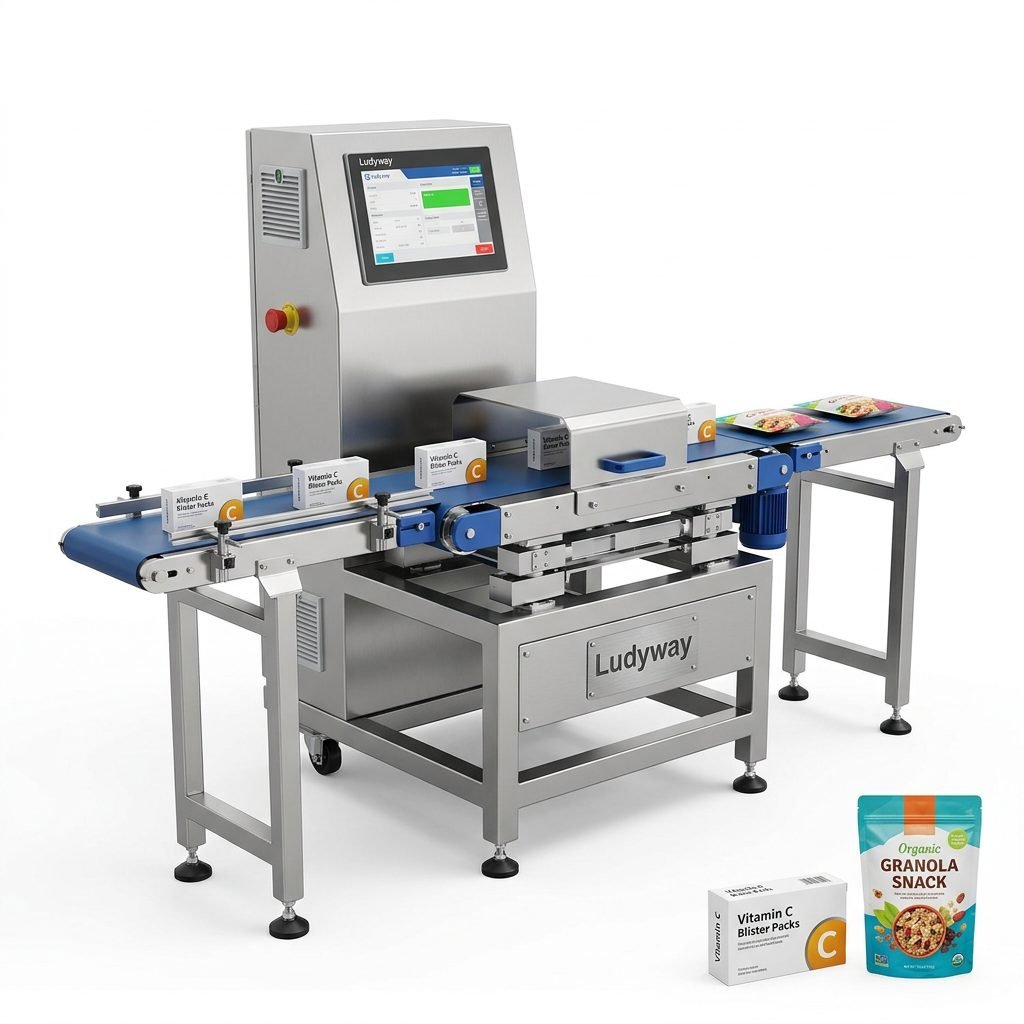
- Inspection equipment such as checkweighers or metal detectors
- Cartoning, case packing, palletizing, and wrapping systems
This integrated approach is particularly useful for companies expanding production lines, launching new SKUs, or upgrading from semi-automatic to fully automated packaging.
Choosing a Trusted Packaging Machine Manufacturer
Beyond the machine itself, the supplier plays a major role in project success. An experienced manufacturer should be able to provide application guidance, engineering support, customization, testing, commissioning, and long-term service.
For buyers seeking a proven partner in automated packaging, Ludyway industrial packaging machines are backed by more than 30 years of manufacturing experience, a factory of over 20,000 square meters, broad export coverage, and turnkey line capabilities for food, pharmaceutical, health supplement, cosmetic, chemical, and related industries.
Best Practices for Maximizing Packaging Machine Performance
Once the right system is installed, performance depends on proper operation and maintenance. To protect production efficiency, manufacturers should follow these practices:
- Run product tests before finalizing machine configuration
- Standardize operating procedures for each SKU
- Train operators on setup, changeover, and fault response
- Maintain preventive service schedules for wear parts
- Monitor sealing quality, filling accuracy, and downtime trends
- Keep critical spare parts available for fast replacement
Future Trends in Industrial Packaging Automation
The future of industrial packaging is moving toward smarter, cleaner, and more connected systems. Manufacturers are increasingly adopting:
- Digital monitoring and remote diagnostics
- Recipe memory and faster format switching
- Integrated quality inspection devices
- Energy-efficient drive systems
- Robotic loading, sorting, and palletizing
- Flexible packaging formats for changing consumer demand
Companies that invest in reliable automated packaging solutions today are better positioned to meet tomorrow’s production, quality, and cost challenges.
Conclusion
Industrial packaging machines are a strategic investment for manufacturers that need efficient, reliable, and automated packaging solutions. Whether the application involves powders, granules, liquids, pouches, stick packs, or bulk bags, the right machine can improve speed, reduce waste, strengthen quality control, and support scalable growth. By choosing equipment with strong application fit, flexible integration, and dependable supplier support, businesses can build packaging operations that perform consistently in demanding industrial environments.