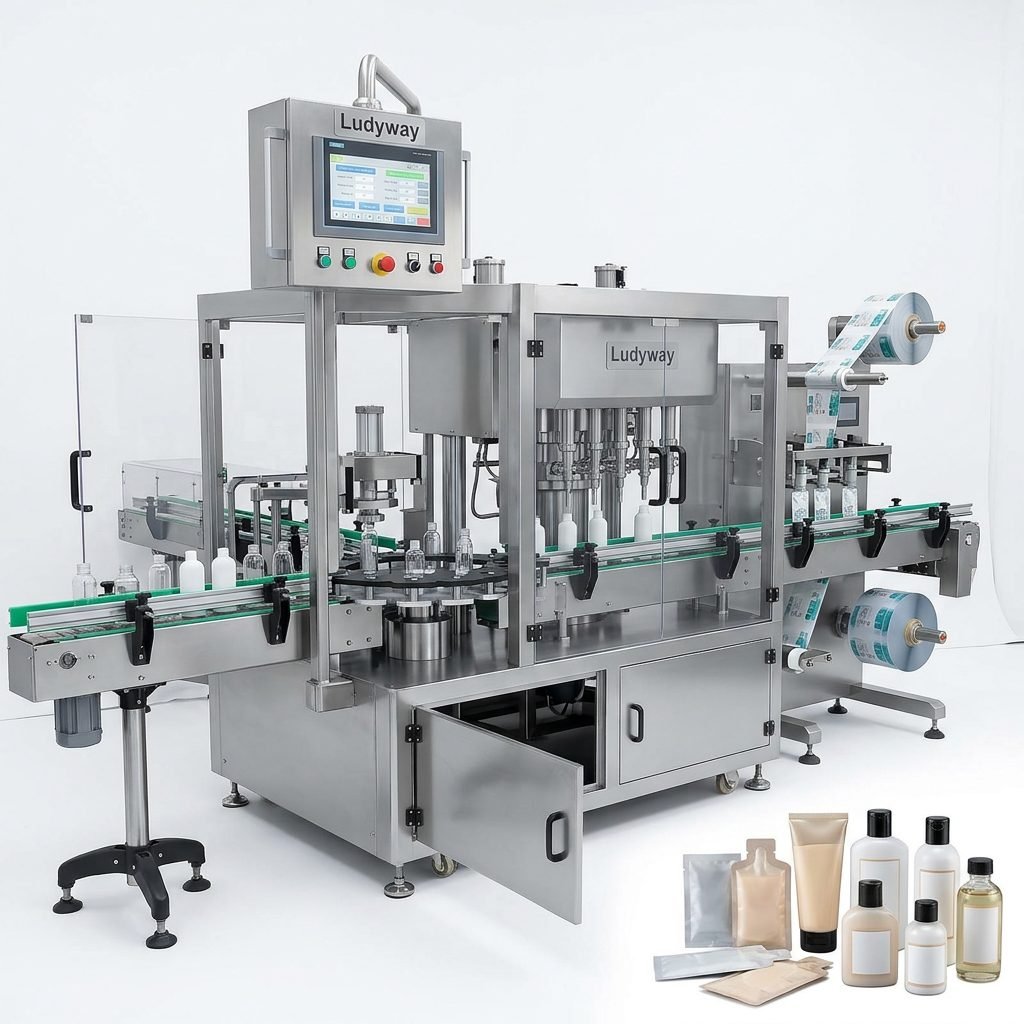
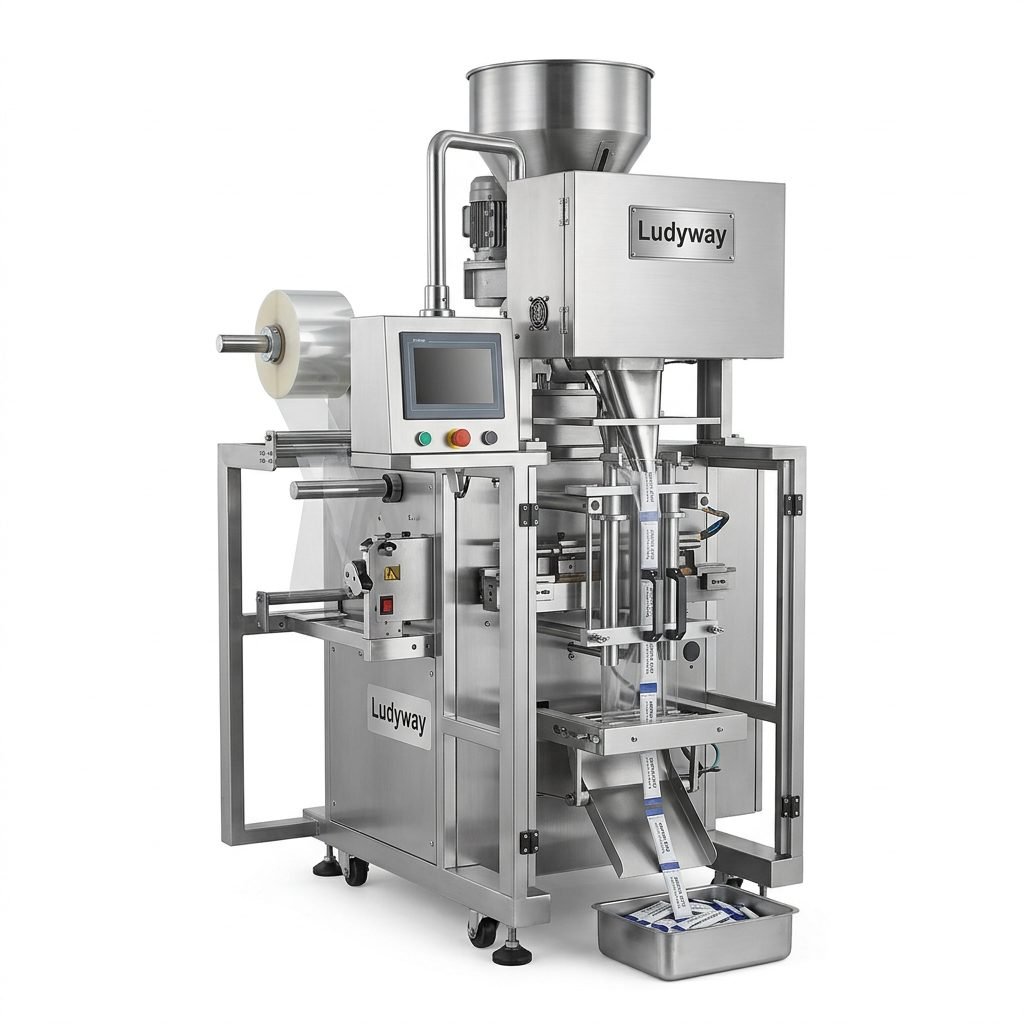
Selecting the right plastic packaging machine manufacturer is a critical decision that impacts production efficiency, product quality, and long-term operational costs. The global market is filled with numerous suppliers, each claiming superior technology and service. This guide will help you navigate the landscape of top manufacturers and outline the key factors to consider when choosing the right partner for your business.
Understanding the Plastic Packaging Machine Market
The demand for automated, efficient, and versatile plastic packaging solutions spans industries from food and beverage to pharmaceuticals and cosmetics. Manufacturers worldwide compete on innovation, reliability, and customization capabilities. Leading suppliers often distinguish themselves through deep industry experience, robust R&D, and comprehensive after-sales support.
Key Market Drivers
The push towards sustainability is influencing machine design, with a focus on material reduction and recyclable film compatibility. Furthermore, the need for hygienic design in food and pharma applications and the demand for high-speed, multi-lane production are shaping the offerings of top-tier manufacturers.
Profiles of Leading Manufacturers
While many excellent companies operate globally, certain manufacturers have built strong reputations for quality and innovation. It’s important to evaluate them based on your specific needs.
1. Manufacturers with Broad Technological Portfolios
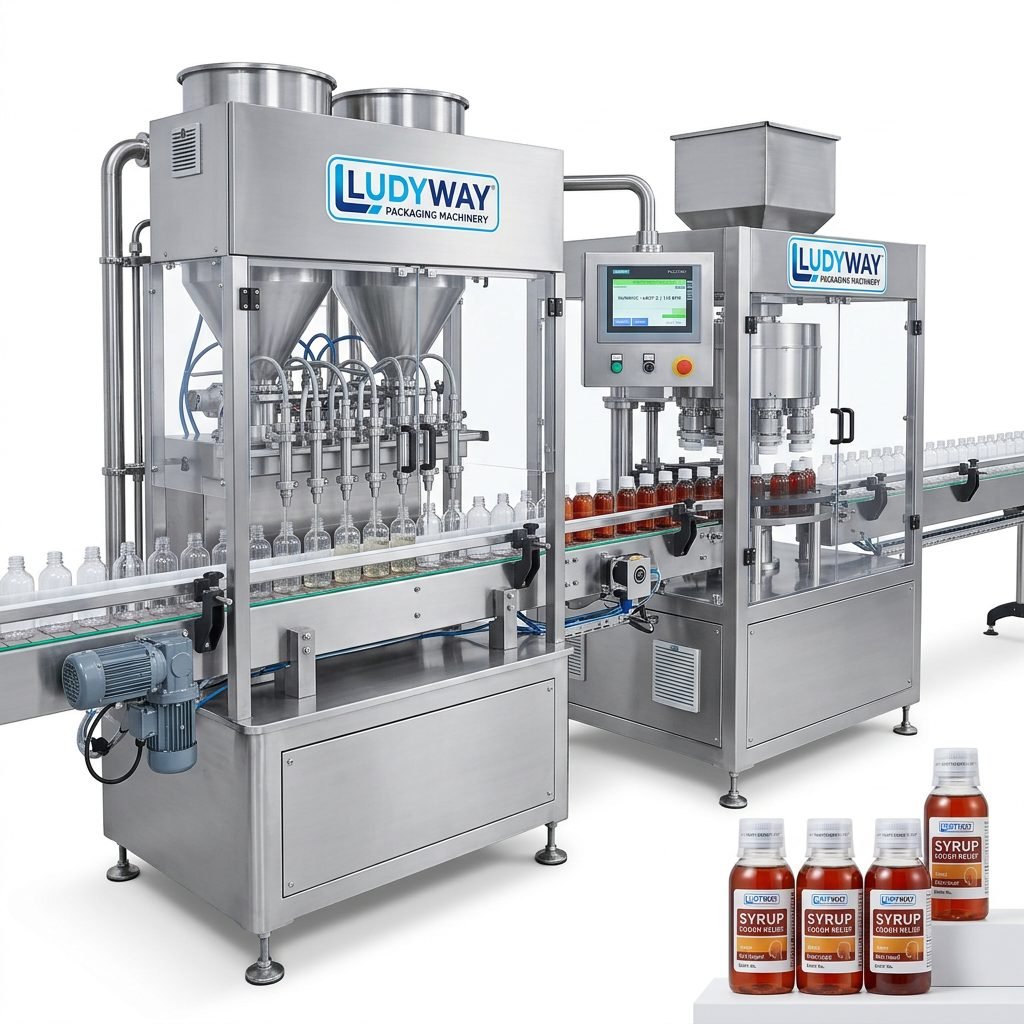
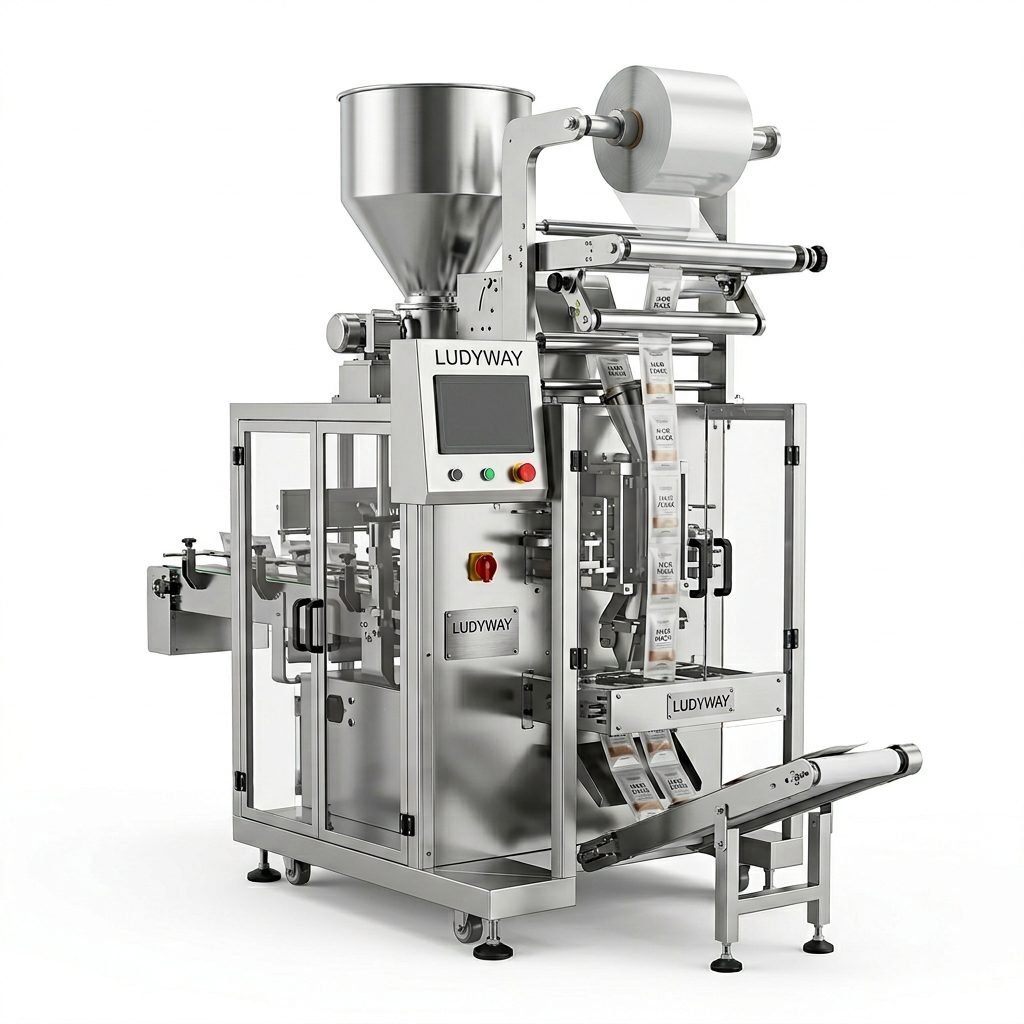
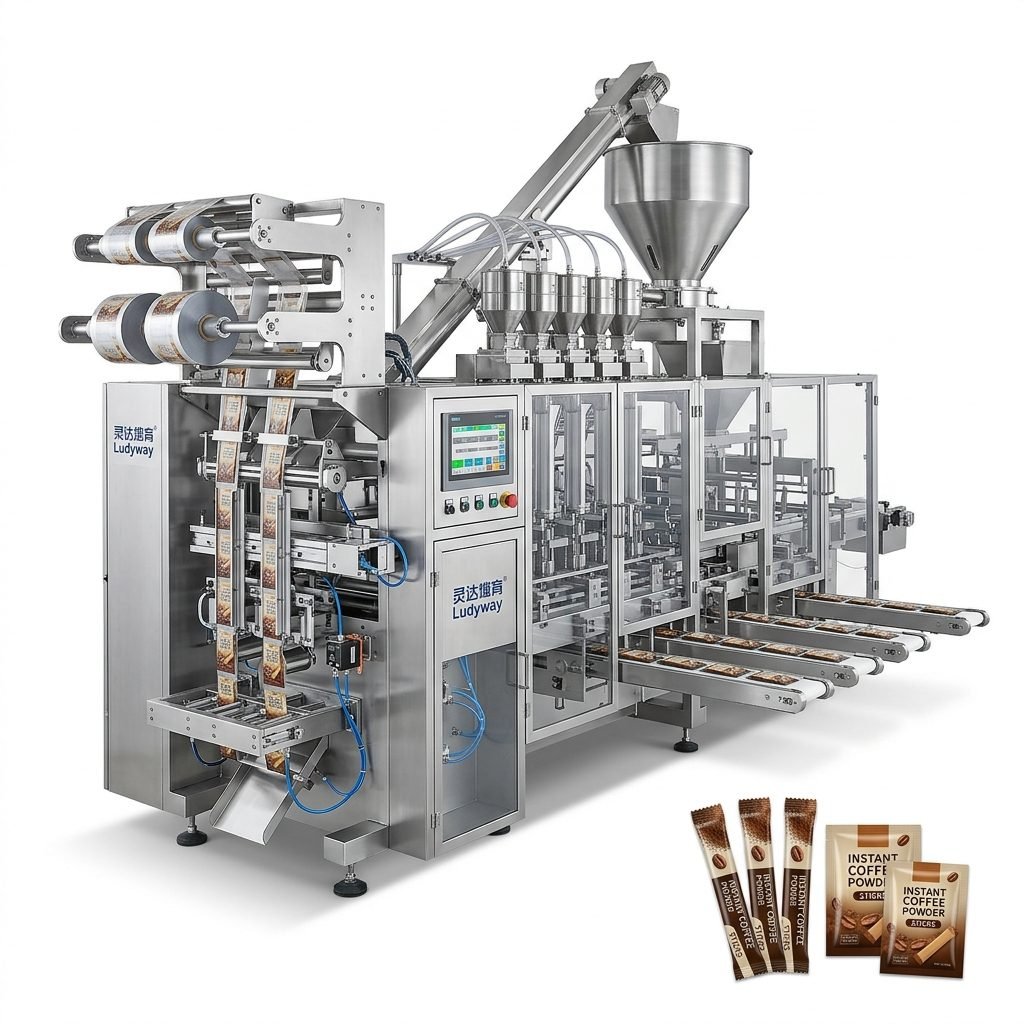
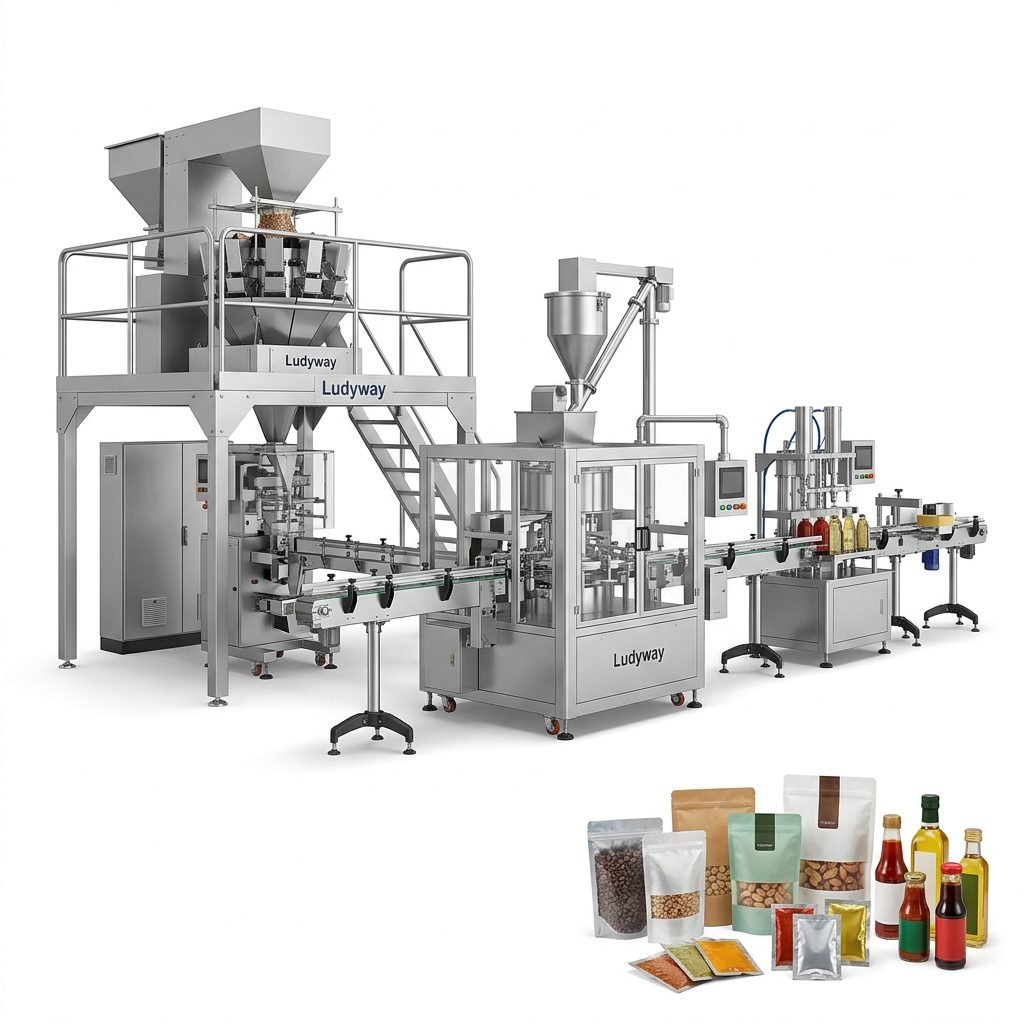
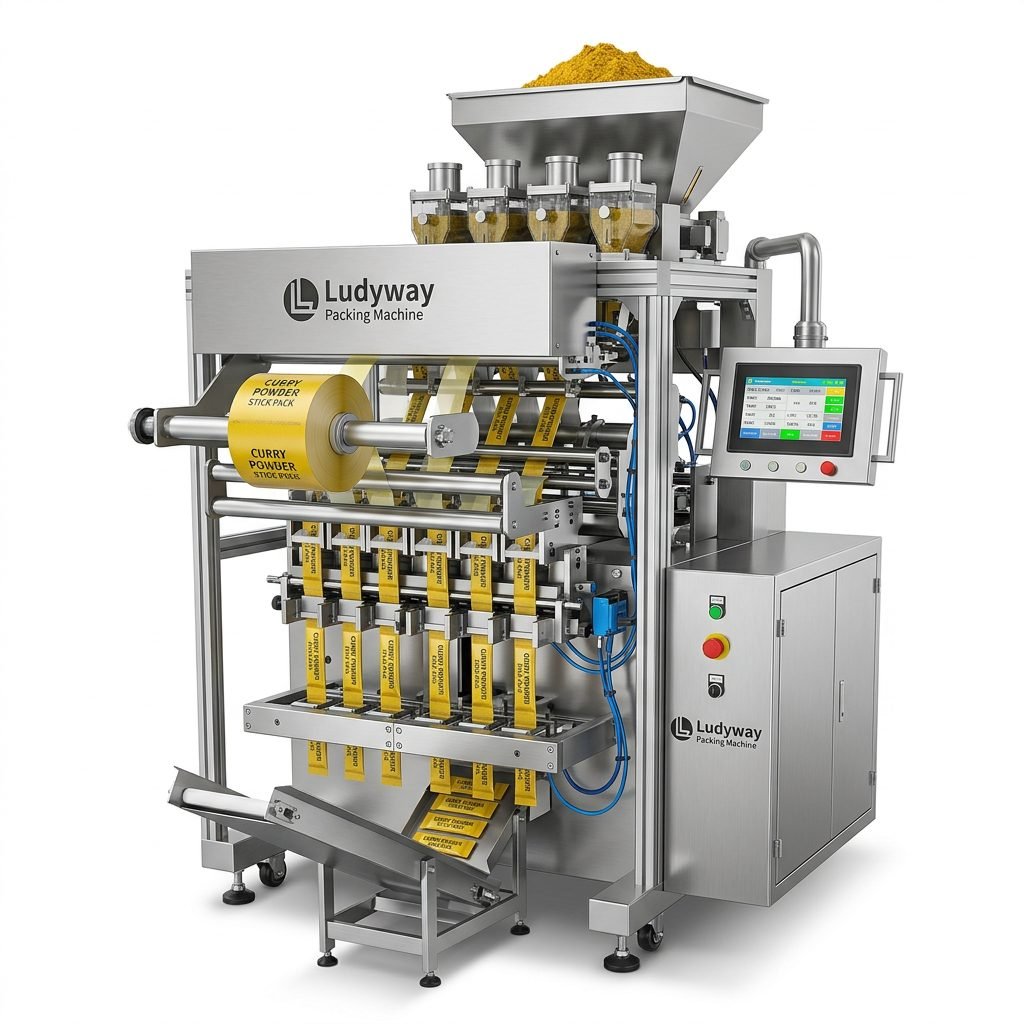
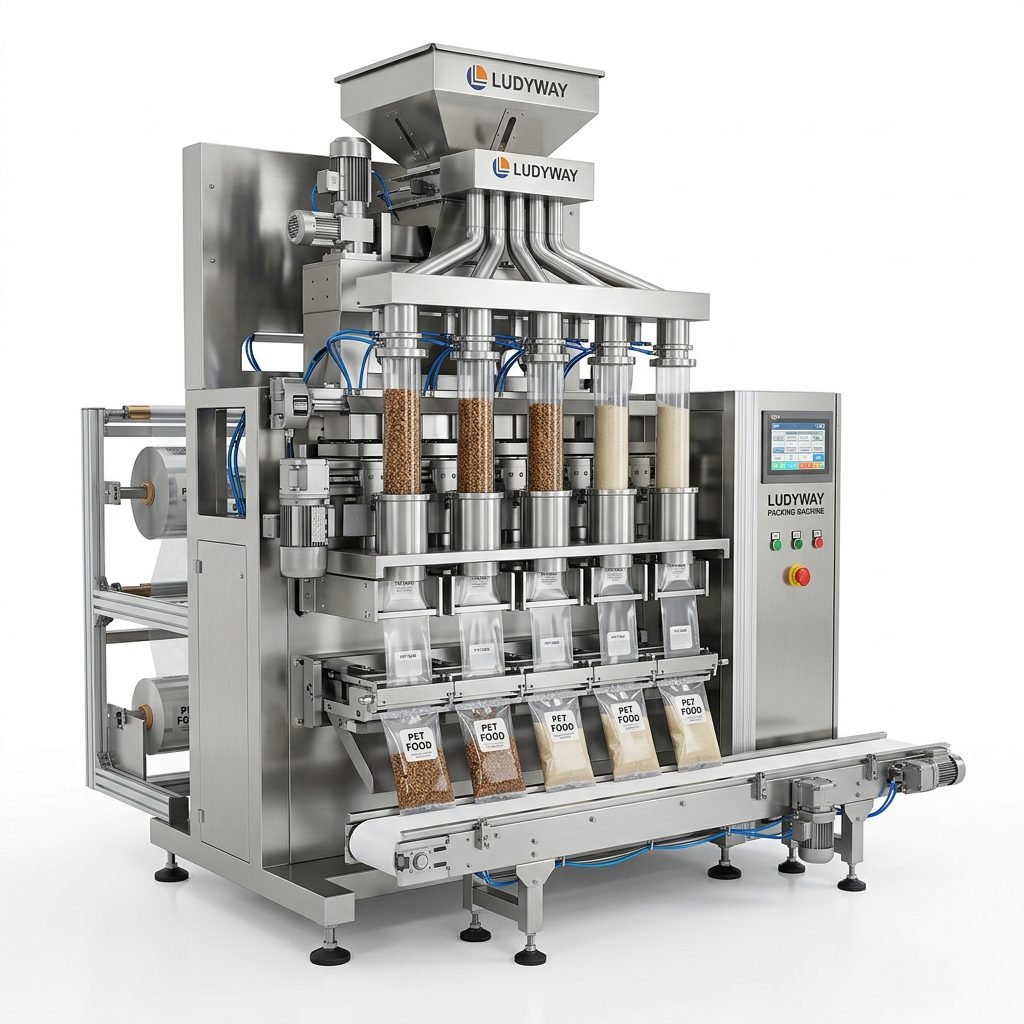
Some suppliers excel by offering a wide range of machines, from simple sachet packers to complete turnkey lines for granules, powders, and liquids. Companies like Ludyway Machinery exemplify this approach, providing over 50 intelligent packaging machine models. Their strength often lies in understanding diverse production challenges and offering scalable solutions.
2. Specialists in High-Speed and Precision Packaging
Other manufacturers focus on niche areas, such as ultra-high-speed stick pack machines or precision dosing systems for pharmaceutical powders. These specialists often lead in technological advancement for specific applications, offering unparalleled speed or accuracy.
3. Providers of Integrated Turnkey Solutions
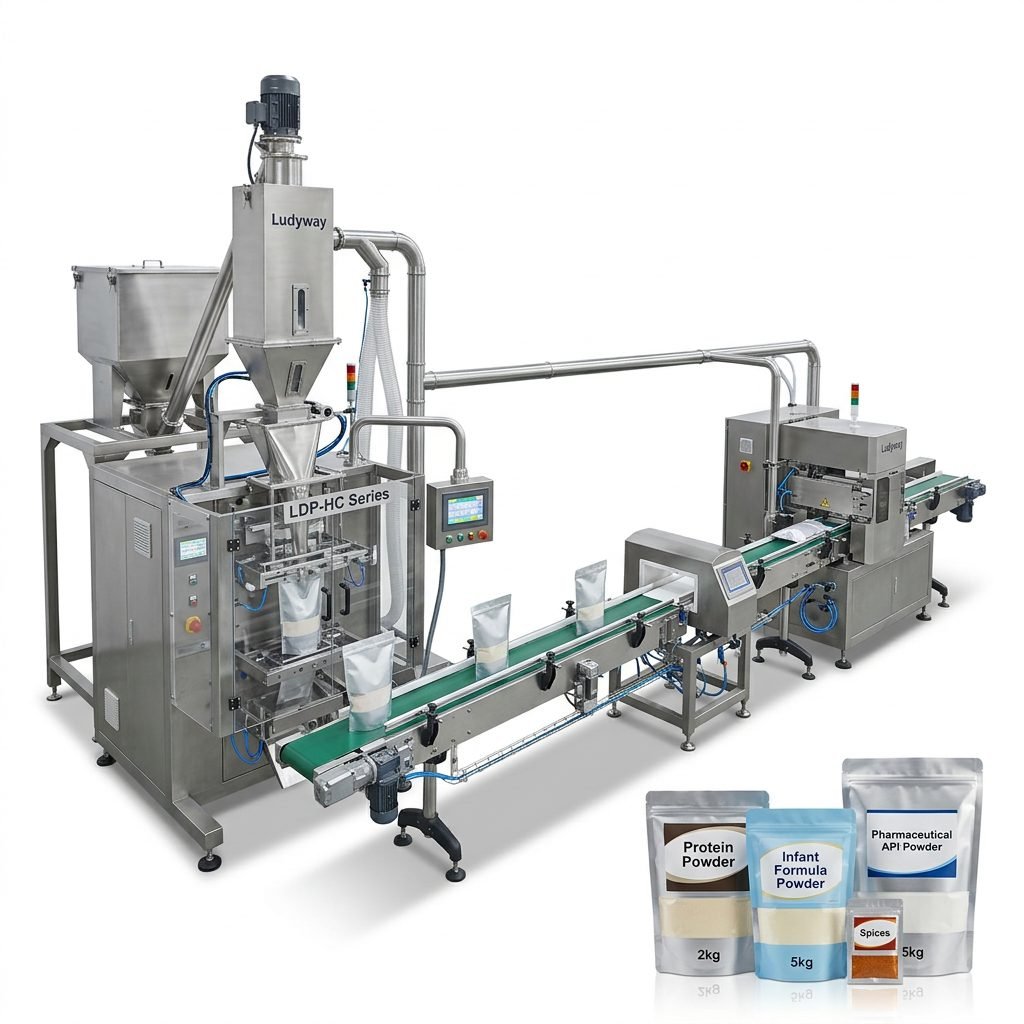
The most valuable partners are those who can deliver more than just a machine. They offer complete line integration, including upstream and downstream equipment, factory layout planning, and ongoing optimization services. This holistic approach minimizes project risk and ensures smooth operation from day one.
Evaluating Manufacturer Credentials
Before shortlisting suppliers, verify their foundational credentials. A strong manufacturer typically has:
- ✓ Substantial Industry Experience (e.g., 10-30+ years), ensuring they have weathered market cycles and solved real-world problems.
- ✓ A Modern Production Facility with advanced machining and assembly capabilities, which is a direct indicator of build quality.
- ✓ A Proven Global Installed Base with references from your industry or region.
- ✓ Certifications relevant to your market (e.g., CE, FDA, GMP compliance for specific industries).
How to Choose the Right Supplier: A Step-by-Step Guide
Choosing a supplier is a strategic process. Follow these steps to make an informed decision that aligns with your business goals.
Step 1: Precisely Define Your Requirements
Clearly document your needs: product type (granules, powder, liquid), required output speed (bags/minute), film material specifications, bag style (stand-up pouch, flat sachet, stick pack), and any special features like nitrogen flushing or date coding. This clarity will help suppliers provide accurate proposals and prevent costly misunderstandings later.
Step 2: Research and Shortlist Potential Partners
Use industry directories, trade shows, and peer recommendations to create a list. Examine their online presence, case studies, and client lists. Look for suppliers like Ludyway that openly share their company history and technical expertise, as transparency is a good indicator of professionalism.
Step 3: Evaluate Technical Capability and Support
Technical evaluation is crucial. Request detailed machine specifications and CAD layouts. Assess the robustness of the machine frame, the quality of key components (servo motors, PLCs, seals), and the user-friendliness of the HMI. Crucially, probe their support structure:
→ Is installation and training included?
→ What is the spare parts availability and lead time?
→ Do they offer remote diagnostic support?
Step 4: Analyze Commercial Terms and Value
Price is important, but total cost of ownership (TCO) is paramount. A slightly higher upfront cost for a more reliable, energy-efficient machine with better support often leads to lower long-term costs. Scrutinize warranty terms, payment schedules, and delivery timelines.
The Importance of a Test Run
Never skip a factory acceptance test (FAT) or a product sample test. Running your actual product on the machine is the only way to verify performance, speed, seal integrity, and dosing accuracy. It also allows your operators to interact with the equipment before purchase. A reputable manufacturer will always encourage and facilitate this step.
Step 5: Assess Cultural Fit and Communication
The supplier relationship lasts for years. Choose a partner whose communication style is responsive and clear. A supplier that takes time to understand your business challenges, rather than just selling a machine, is more likely to be a collaborative long-term ally. Companies that emphasize “long-term cooperation and innovation” in their philosophy often make better partners.
Red Flags to Avoid When Selecting a Supplier
Be cautious of suppliers who are vague about specifications, refuse to provide client references, or offer prices significantly below market average without clear justification. Lack of a physical manufacturing facility or a verifiable company history should also raise concerns. Consistent and clear communication during the sales process is a strong indicator of future service quality.
Future Trends in Plastic Packaging Machinery
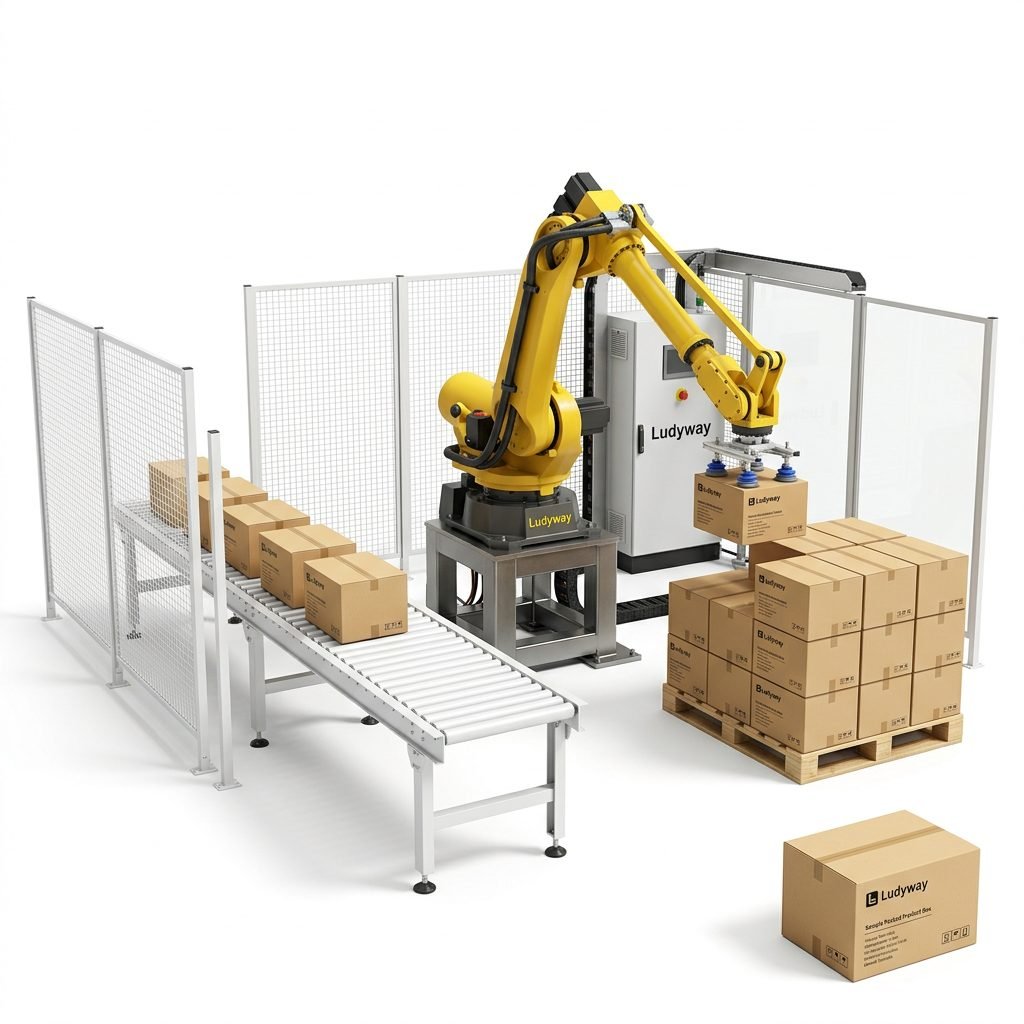
Staying ahead means choosing a supplier invested in the future. Key trends include the integration of Industrial Internet of Things (IIoT) for predictive maintenance and data analytics, increased use of robotics for end-of-line packaging, and the development of machines capable of handling mono-material and bio-based films to meet circular economy goals. Partnering with an innovative manufacturer ensures your investment remains relevant.
Frequently Asked Questions (FAQs)
1. What is the most important factor when choosing a packaging machine manufacturer?
While technical specs are vital, the quality of after-sales service and technical support is often the most critical long-term factor. A reliable machine with exceptional support minimizes downtime and ensures continuous production.
2. How can I verify a manufacturer’s claimed experience and installed base?
Always ask for specific client references in a similar industry and request to speak with them. Visit the manufacturer’s facility if possible to see production and assembly firsthand. Review detailed case studies on their website or request them directly.
3. Is it better to buy a standard machine or a heavily customized one?
Start with the most standard machine that meets your core needs. Excessive customization can increase cost, lead time, and future maintenance complexity. A skilled supplier will often achieve your goals using configurable standard modules. Explore standard solutions from experienced providers like Ludyway Machinery first.
4. What should be included in a comprehensive warranty?
A good warranty covers parts and labor for a defined period (often 12-24 months). It should clearly state what is excluded (e.g., consumables, damage from misuse). Ensure it includes support for troubleshooting, not just part replacement.
5. How do I prepare my facility for a new packaging line installation?
Your supplier should provide a detailed site preparation guide. Key preparations include ensuring adequate floor space, stable power supply with correct voltage, compressed air lines, proper ventilation, and trained personnel. Close coordination with the supplier’s project team before delivery is essential for a smooth installation.