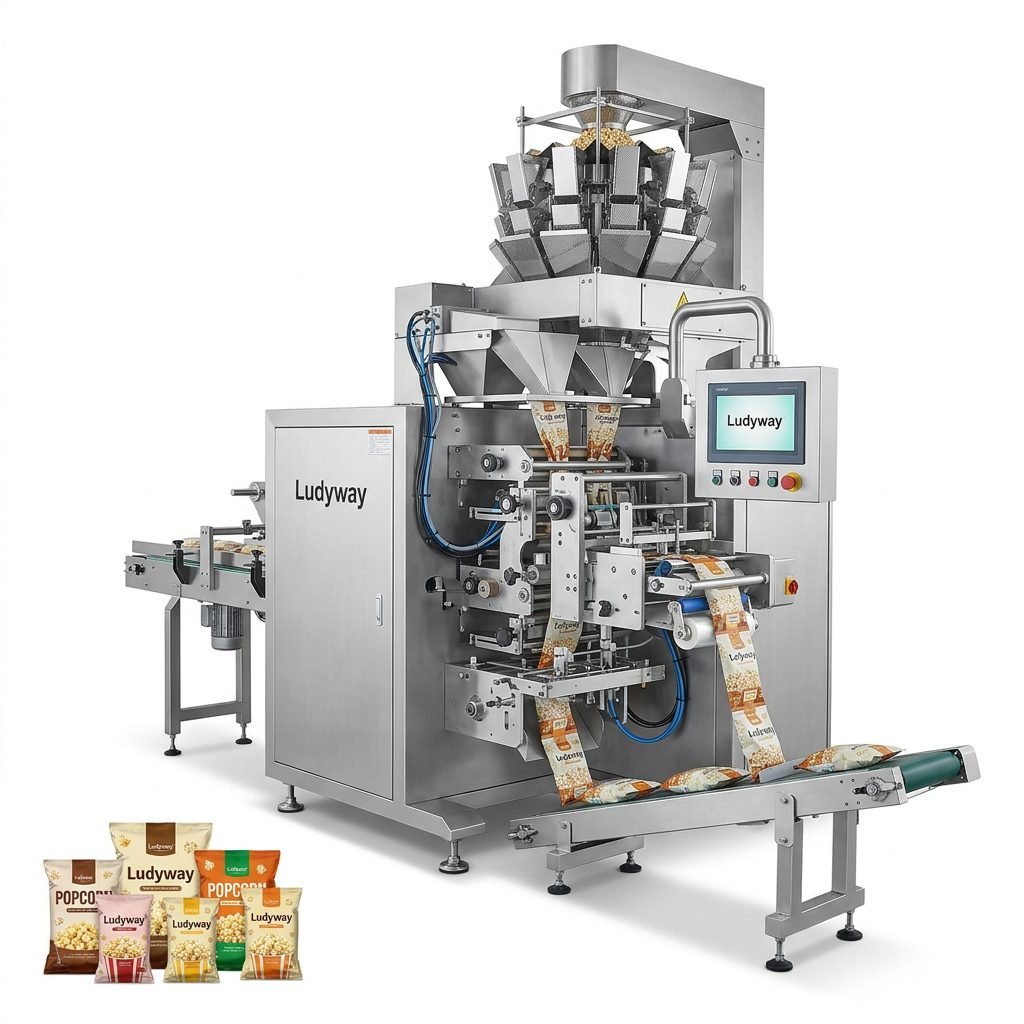
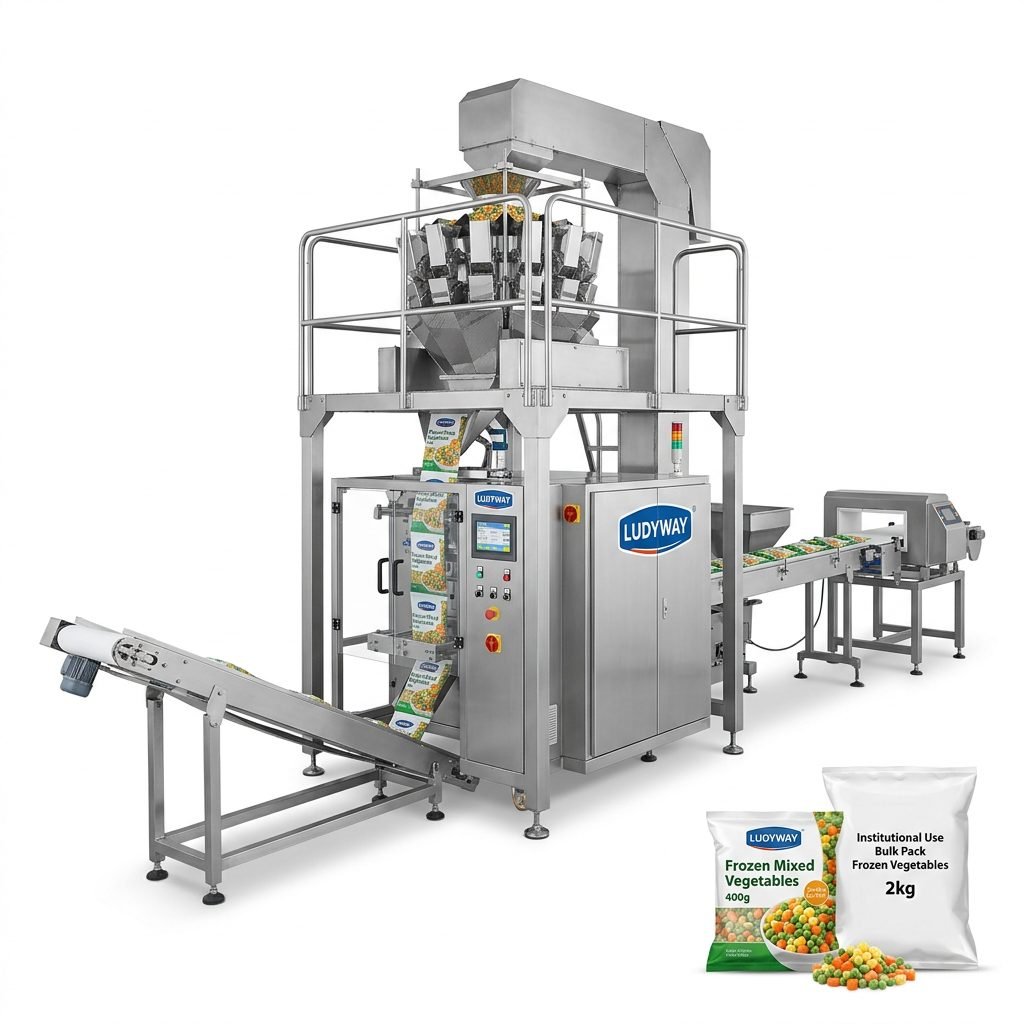
Investing in a fully automatic detergent powder packing machine is a significant decision for any manufacturing operation. The right equipment can dramatically increase production efficiency, reduce labor costs, and ensure consistent packaging quality. However, with dozens of configurations, dosing technologies, and automation levels available, the selection process can feel overwhelming without a structured approach.
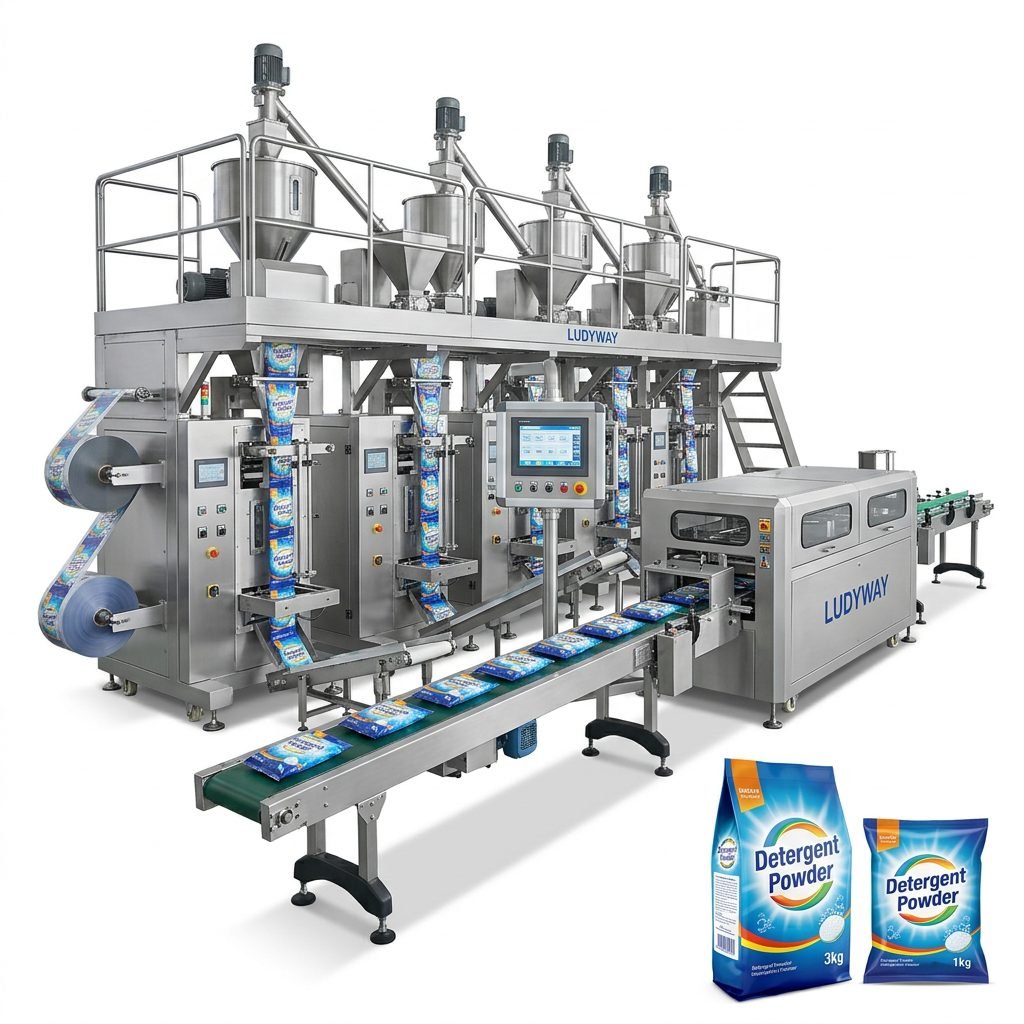
This guide walks you through every critical factor to evaluate — from powder characteristics and bag formats to automation features and after-sales support — so you can select a detergent powder packaging machine that aligns perfectly with your production goals.
Understanding the Types of Detergent Powder Packaging Machines
Before diving into specifications, it helps to understand the primary machine categories available for detergent powder packaging. Each configuration suits different production scales and packaging formats.
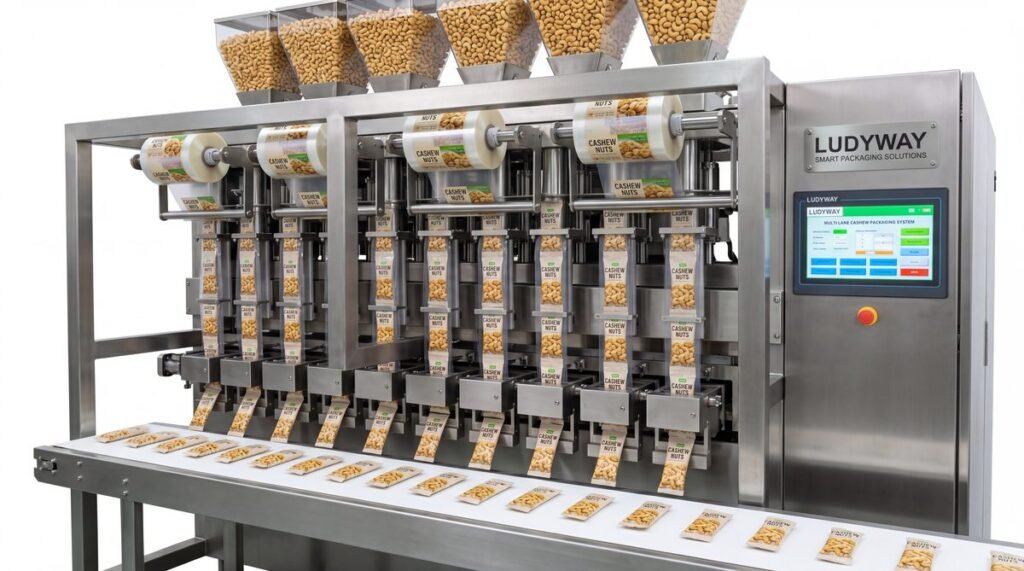
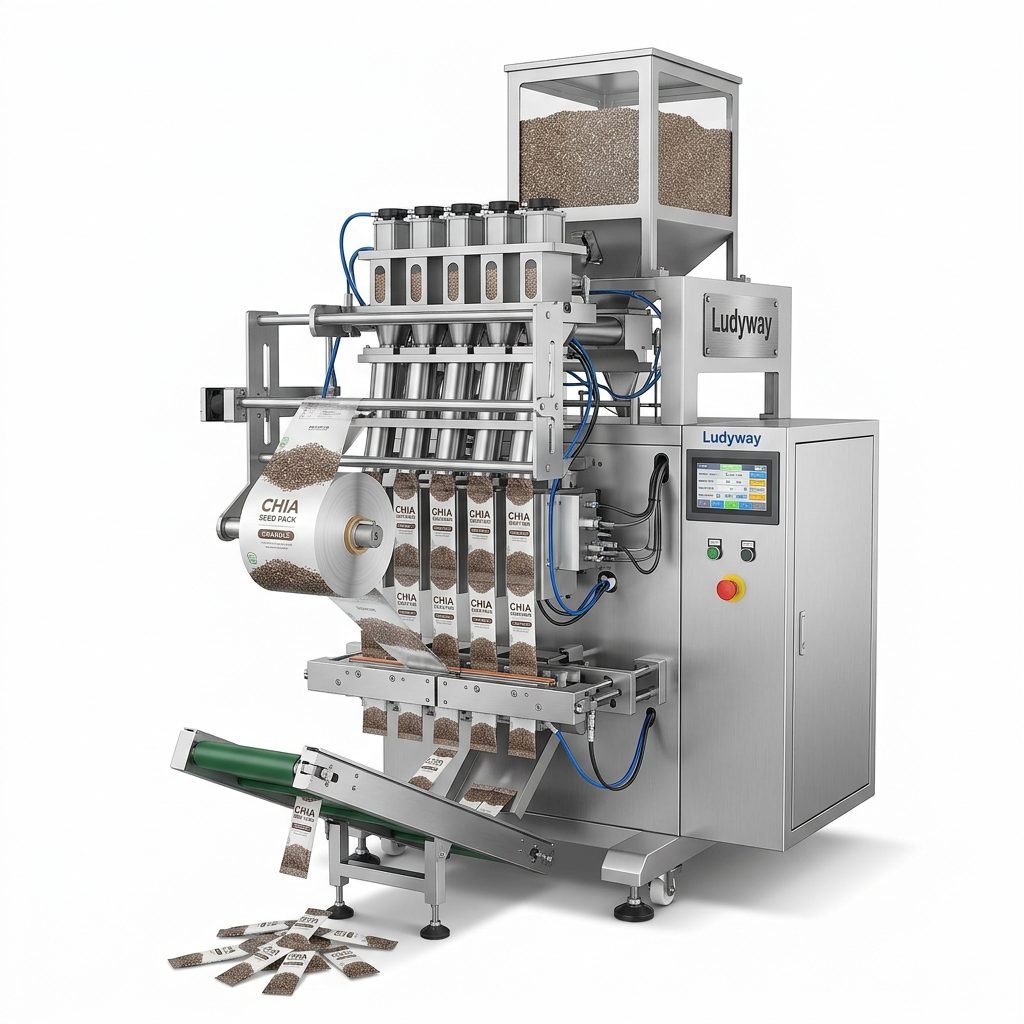
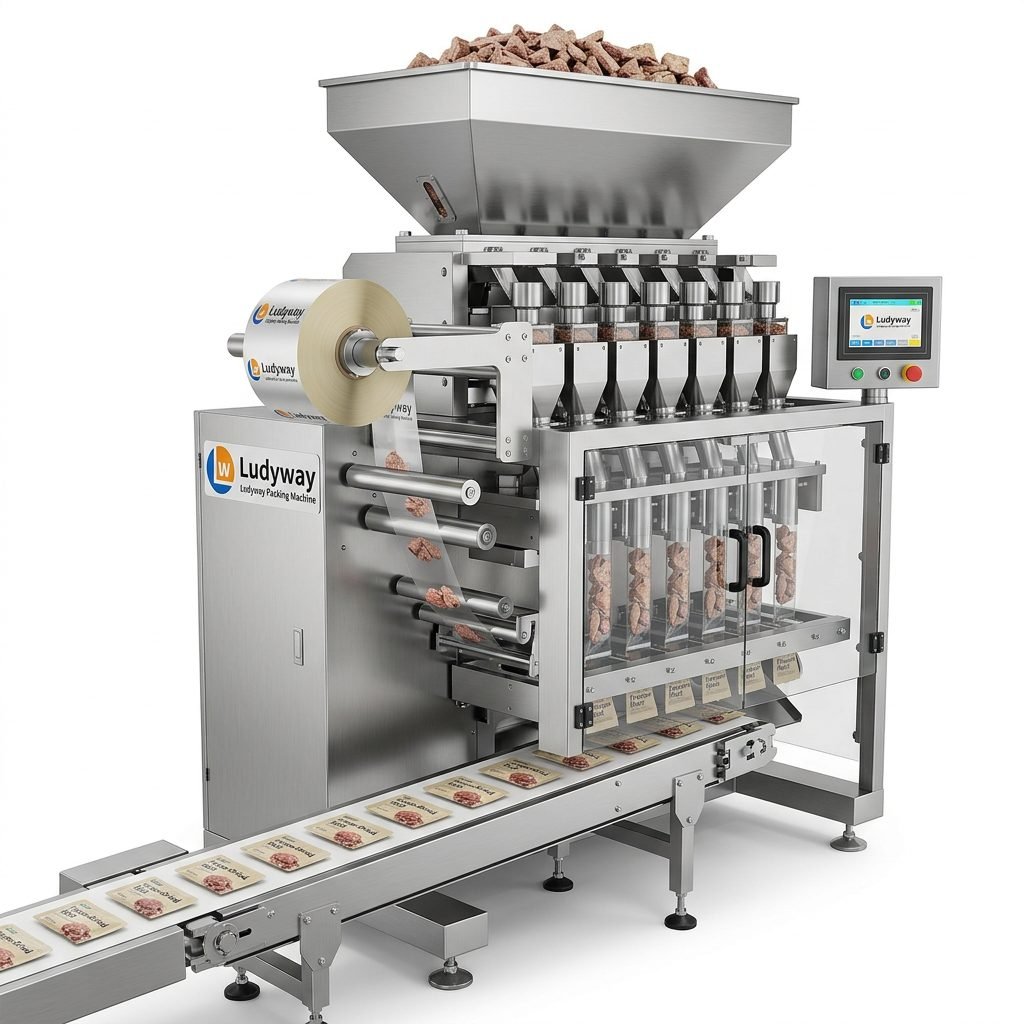
- Multi-Lane Sachet Machines: Ideal for single-use detergent sachets, these machines run multiple lanes simultaneously, achieving high output rates for small-format packs.
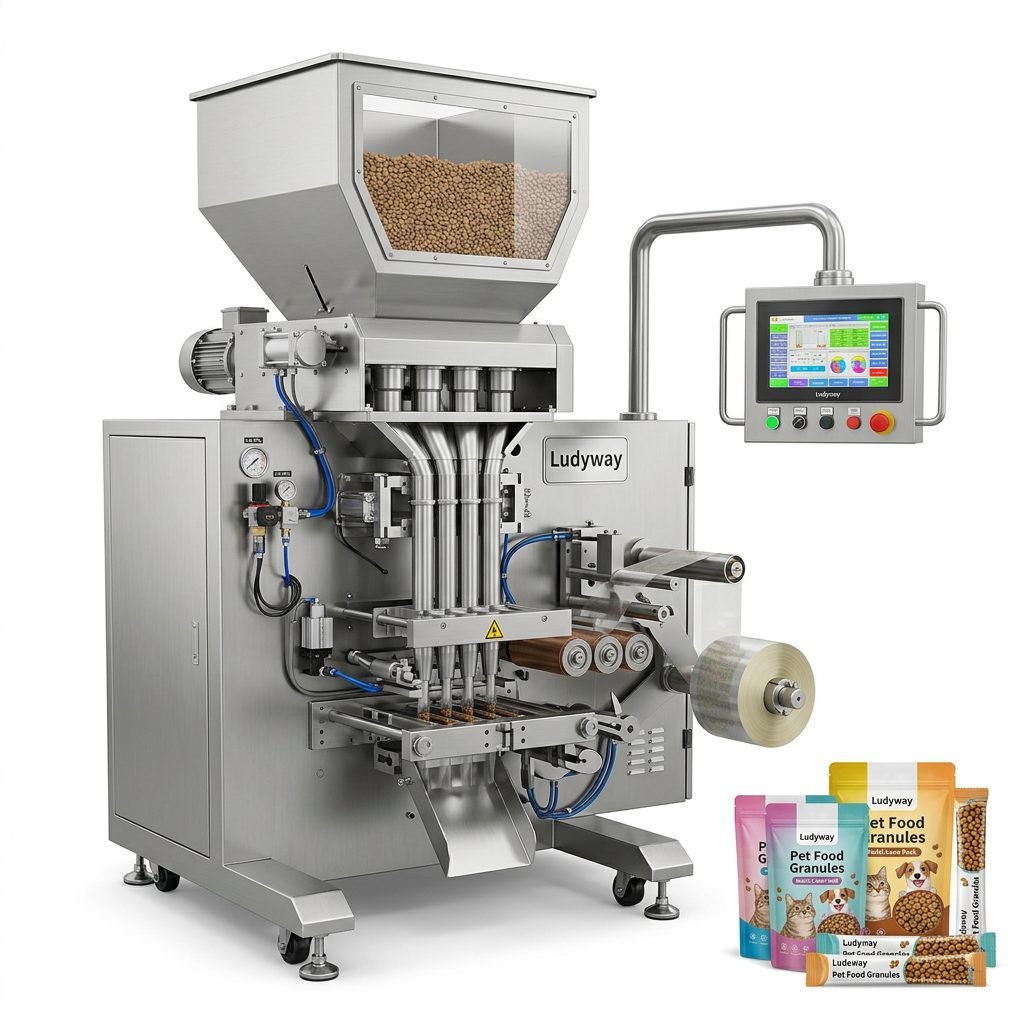
- Stick Pack Machines: Perfect for portion-controlled detergent powder sticks, offering compact packaging with excellent shelf appeal.
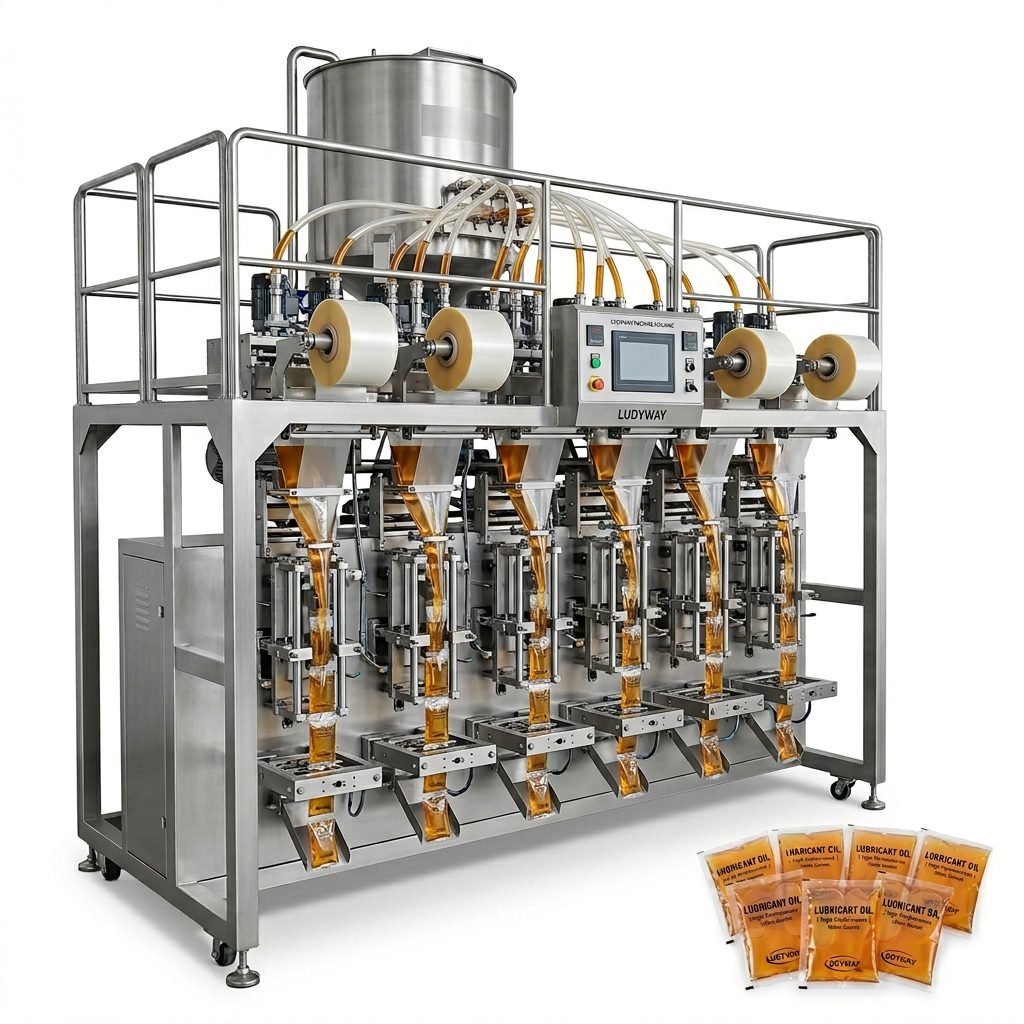
- Vertical Form Fill Seal (VFFS) Machines: Versatile workhorses capable of producing pillow bags, gusseted bags, and block-bottom pouches at medium to high speeds.
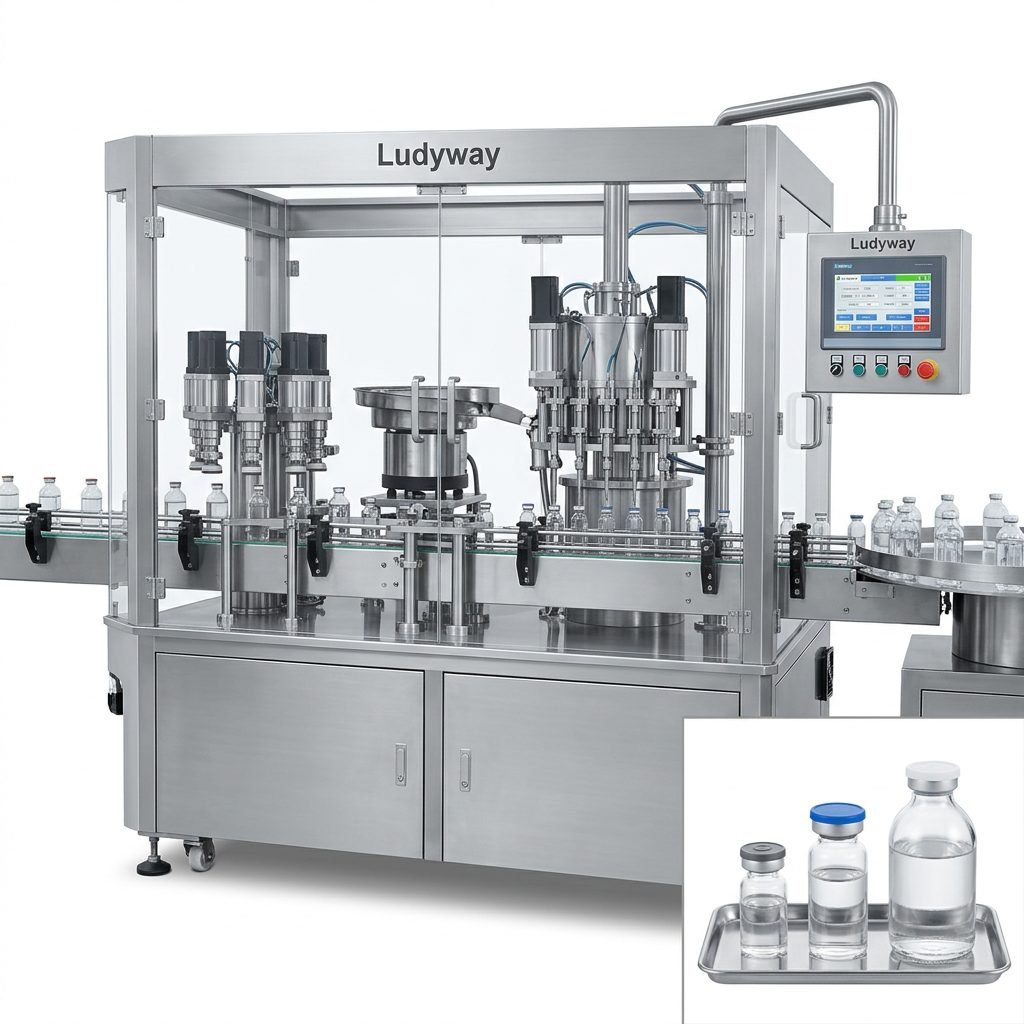
- Premade Pouch Machines: Designed for rotary or inline filling of ready-made pouches, often preferred for premium detergent products with resealable zippers.
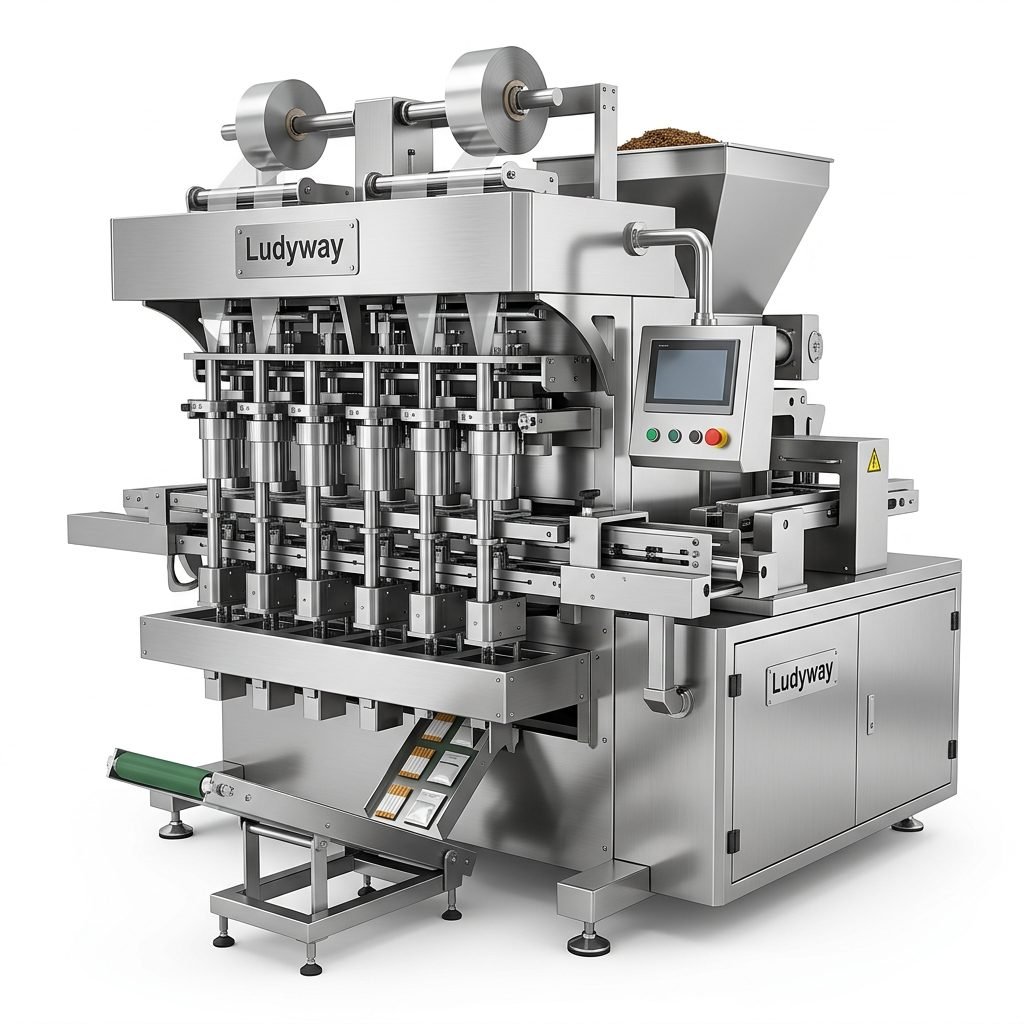
- Integrated Turnkey Packaging Lines: Complete systems combining dosing, filling, sealing, coding, inspection, and cartoning — all controlled from a centralized interface.
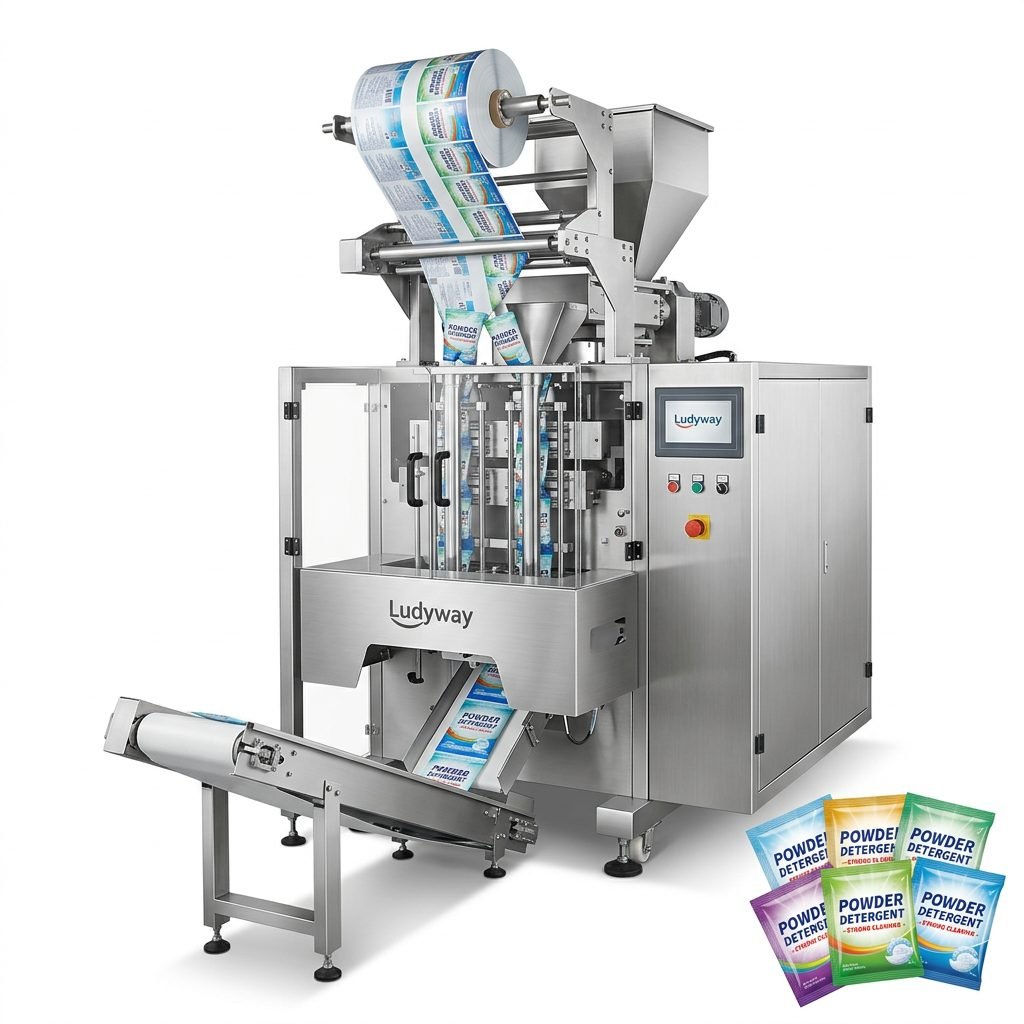
Critical Factors to Evaluate Before Purchase
Every detergent powder formulation behaves differently during the packaging process. Understanding your product’s physical properties is the foundation of selecting the right fully automatic detergent powder packing machine.
Powder Characteristics and Flowability
Detergent powders vary significantly in density, particle size distribution, moisture content, and flow behavior. Free-flowing powders work well with volumetric dosing systems, while cohesive or hygroscopic powders may require specialized auger fillers or auger-assisted dosing with agitation. Always test your specific powder formulation on the target machine before finalizing any purchase decision.
Production Speed and Capacity Requirements
Your current and projected production volumes directly determine the machine configuration. Here is a practical comparison of speed ranges for different machine types:
| Machine Type | Typical Speed Range | Best Suited For |
|---|---|---|
| Single-Lane VFFS | 30–60 packs/min | Small to medium-scale production |
| Multi-Lane Sachet (4–12 lanes) | 200–800 packs/min | High-volume single-use sachet production |
| Stick Pack Machine (Multi-Lane) | 150–600 packs/min | Portion packs, travel-size detergent |
| Premade Pouch Rotary Filler | 40–120 packs/min | Premium packaging, zipper pouches |
| Fully Integrated Turnkey Line | Custom-configured | Large-scale operations requiring end-to-end automation |
Packaging Material Compatibility
Different flexible packaging materials — including PET/PE laminates, aluminum foil composites, and biodegradable films — have unique sealing temperature requirements, coefficient of friction properties, and barrier characteristics. Ensure the machine you select can handle your preferred film structure without compromising seal integrity or production speed.
Key Technical Specifications to Examine
When comparing machines from different manufacturers, focus on these technical specifications that directly impact long-term performance and reliability:
- Dosing Accuracy: Look for precision within ±0.5–1% of target weight, especially if you are packaging detergent powder for regulated markets where net content compliance is mandatory under FDA packaging regulations.
- Sealing System: Evaluate temperature control precision, dwell time adjustability, and jaw design. Consistent seals prevent product leakage and contamination.
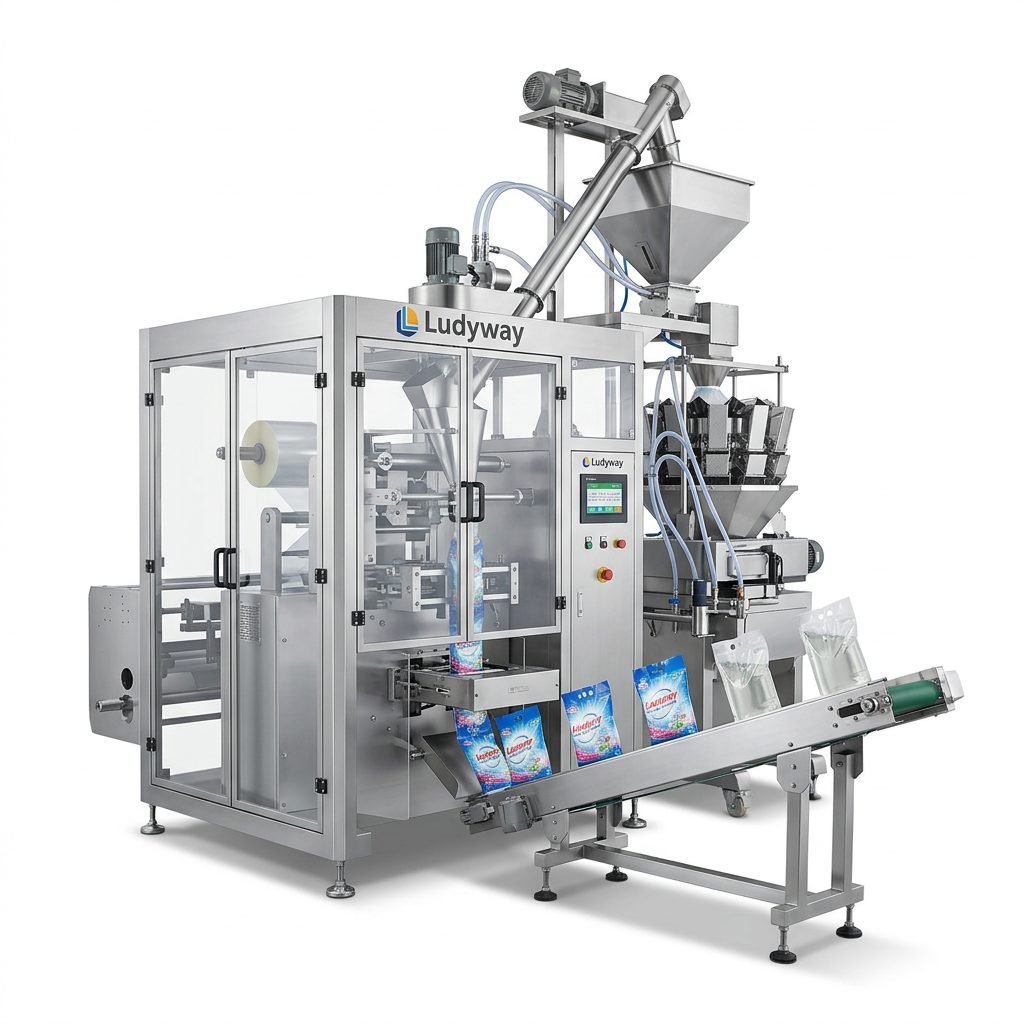
- Automation and Control: Modern fully automatic detergent powder packing machines feature PLC-controlled touchscreen interfaces with recipe storage, real-time production monitoring, and remote diagnostics capabilities.
- Changeover Time: Quick-change designs with tool-less adjustments reduce downtime between product or format changes — a critical factor for contract packagers.
- Dust Management: Detergent powder generates fine dust during filling. Machines equipped with dust extraction systems protect both the equipment and the operating environment.
- Frame and Construction: Stainless steel construction with food-grade contact parts ensures durability, cleanliness, and compliance with ISO packaging standards.
Integration with Existing Production Lines
If you are upgrading an existing facility rather than building a new one, the new detergent packaging equipment must integrate seamlessly with upstream and downstream systems. Consider these integration points:
- Feeding Systems: Automatic powder feeders, bucket elevators, or vacuum conveying systems that match the throughput of your packaging machine.
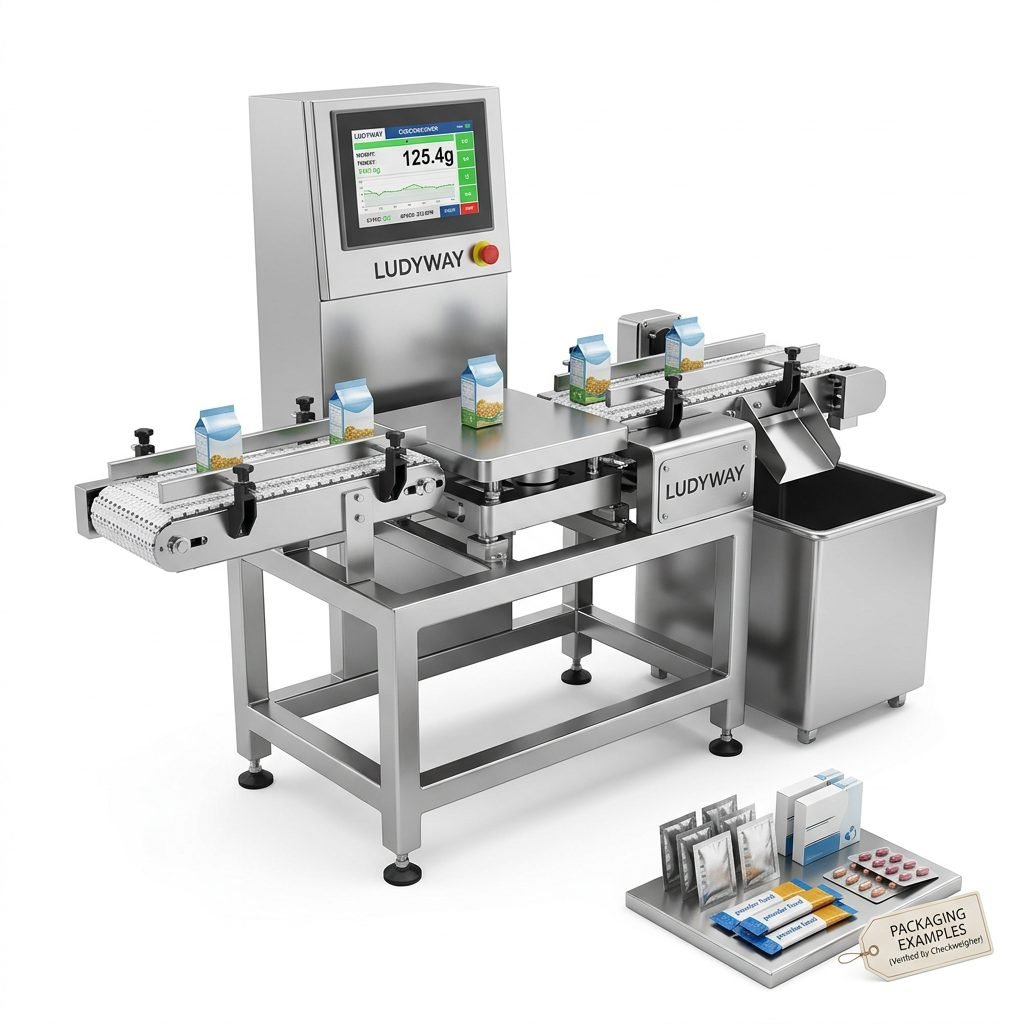
- Checkweighing and Metal Detection: Inline quality control equipment that rejects underweight or contaminated packs without stopping production.
- Coding and Labeling: Integration with industrial coding systems for batch numbers, expiry dates, and barcodes.
- Cartoning and Palletizing: End-of-line automation that reduces manual handling and improves overall line efficiency.
Industry Certifications and Compliance
Depending on your target market, the fully automatic detergent powder packing machine you choose may need to comply with specific international standards. For manufacturers exporting to regulated markets, certifications such as CE marking, FDA food contact compliance, and GMP compatibility are essential considerations. Always request documentation confirming the machine meets the applicable standards for your region and industry.
Total Cost of Ownership Considerations
The purchase price of a fully automatic detergent powder packing machine is only one part of the financial equation. A comprehensive cost analysis should factor in the following elements over the expected lifespan of the equipment:
| Cost Category | Considerations |
|---|---|
| Initial Equipment Cost | Base machine, dosing system, and standard accessories |
| Installation and Commissioning | On-site setup, calibration, and operator training |
| Consumables and Spare Parts | Sealing jaws, belts, filters, and wear components |
| Energy Consumption | Electrical and compressed air requirements |
| Maintenance and Downtime | Preventive maintenance schedules and emergency repair costs |
| Packaging Material Waste | Film waste during startups, changeovers, and rejects |
Machines with precise film registration, optimized startup sequences, and efficient changeover procedures can significantly reduce material waste over time — often justifying a higher initial investment through lower operational costs.
After-Sales Support and Service Network
Even the most reliable fully automatic detergent powder packing machine requires ongoing technical support. Before committing to a supplier, evaluate their service capabilities across these dimensions:
- Spare Parts Availability: Can the manufacturer supply critical spare parts within acceptable lead times to your location?
- Technical Support Channels: Is remote troubleshooting available via video call, phone, or online portal?
- Field Service Engineers: Does the supplier have service personnel who can visit your facility for major repairs or upgrades?
- Operator Training Programs: Comprehensive initial training and ongoing refresher programs ensure your team maximizes machine productivity.
- Warranty Terms: Understand what is covered, for how long, and what exclusions apply.
Future-Proofing Your Investment
When purchasing packaging equipment, consider not just your current needs but also how your requirements might evolve over the next 5–10 years. Machines with modular designs allow you to add features — such as additional lanes, upgraded control systems, or new filling technologies — without replacing the entire unit. This approach protects your capital investment and provides flexibility as your product portfolio expands.
Additionally, packaging industry trends indicate growing demand for sustainable packaging formats and smart factory integration. Selecting a machine platform that supports these trends positions your operation for long-term competitiveness.
Making the Final Decision
After narrowing down your options, the most critical step is to test your actual detergent powder on the candidate machine. Factory acceptance testing (FAT) with your product, packaging material, and target speed reveals real-world performance that specification sheets cannot capture. Pay close attention to dosing consistency, seal quality, dust generation, and overall machine stability during extended runs.
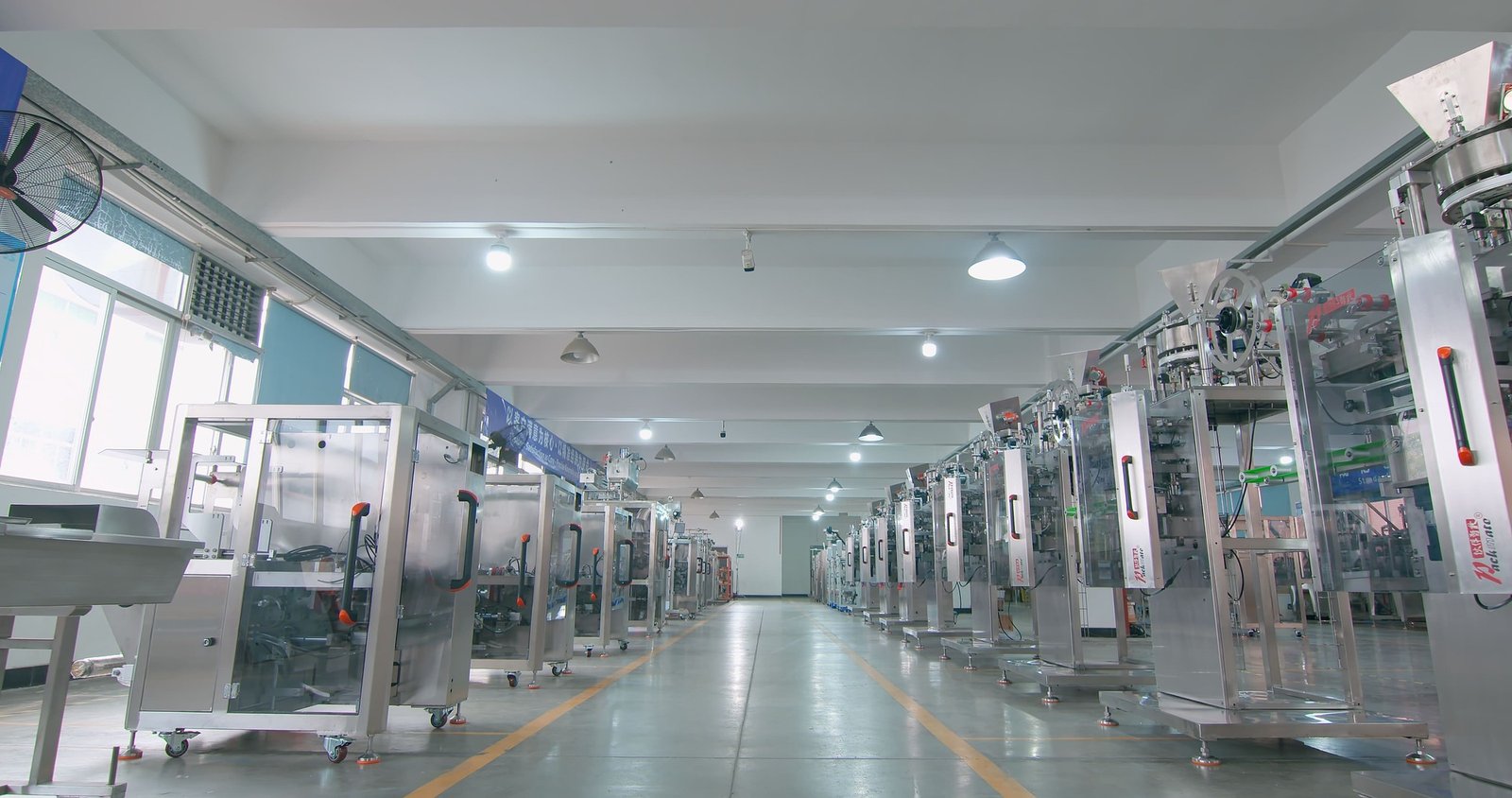
For manufacturers seeking a reliable, experienced partner in automated detergent packaging solutions, Ludyway Machinery — a China-based packaging machinery manufacturer with more than 30 years of industry experience — offers comprehensive equipment portfolios, customized engineering support, and global after-sales service across more than 100 countries. With a wide range of fully automatic detergent powder packing machines designed for different production scales and packaging formats, manufacturers can find configurations that match their specific operational requirements.
Ultimately, the right machine is the one that delivers consistent, reliable performance day after day while providing the flexibility to adapt to your evolving business needs. Taking a structured, thorough approach to evaluation — considering powder characteristics, production speed, packaging formats, total ownership costs, and supplier support capabilities — ensures a confident purchasing decision that supports your manufacturing goals for years to come.