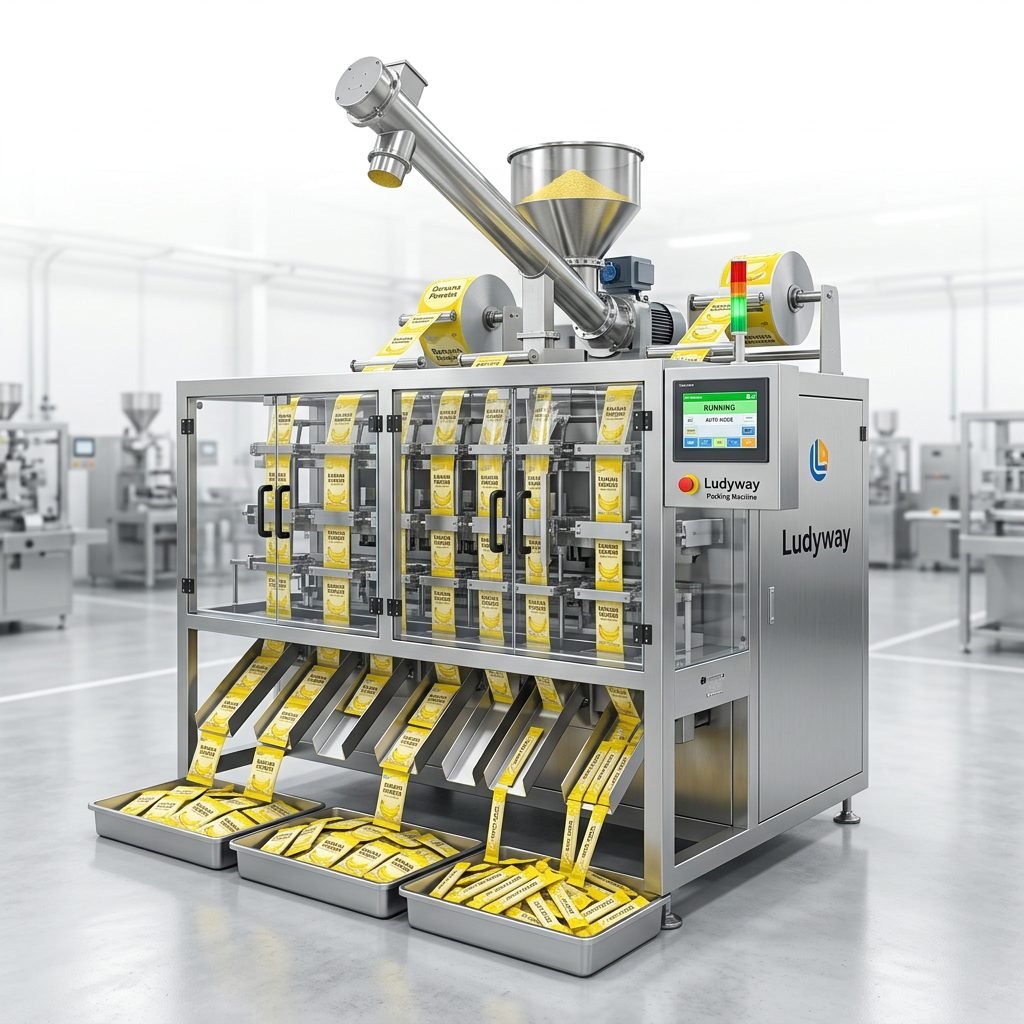
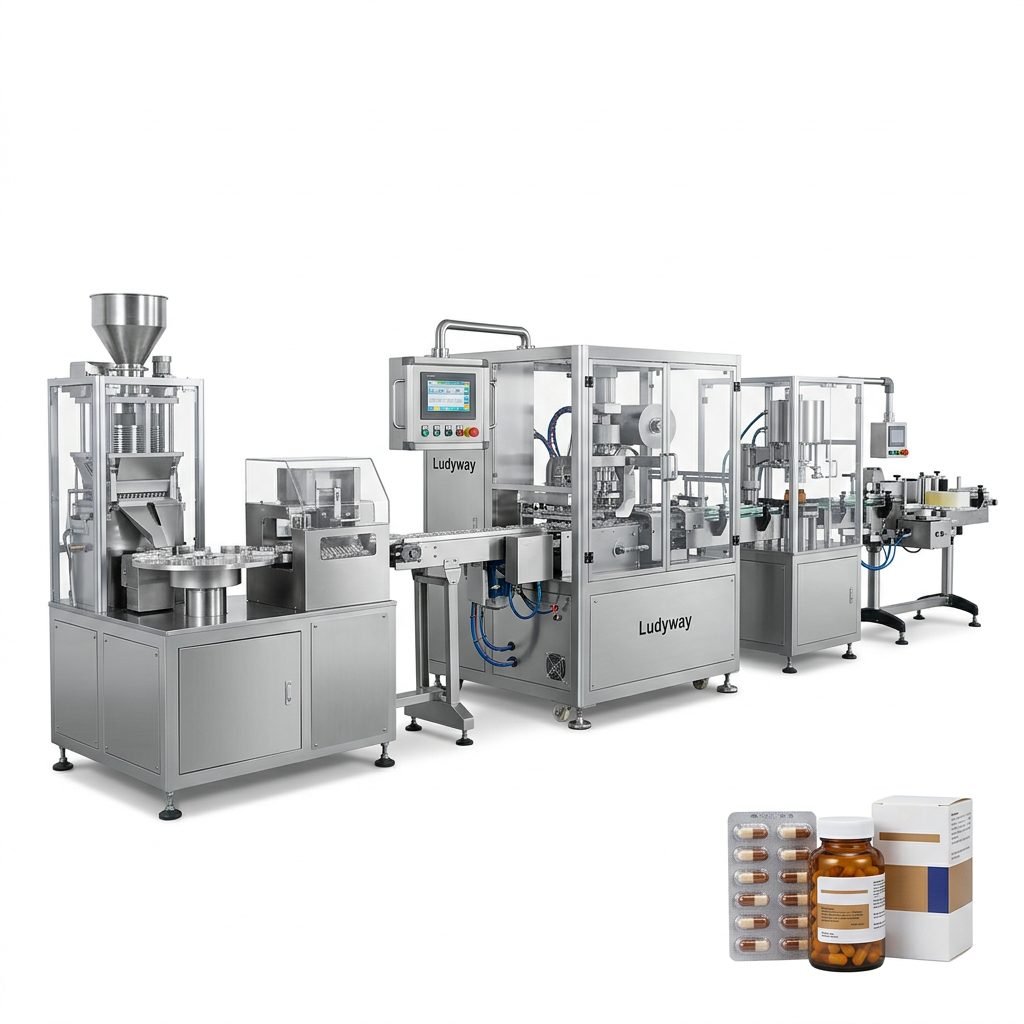
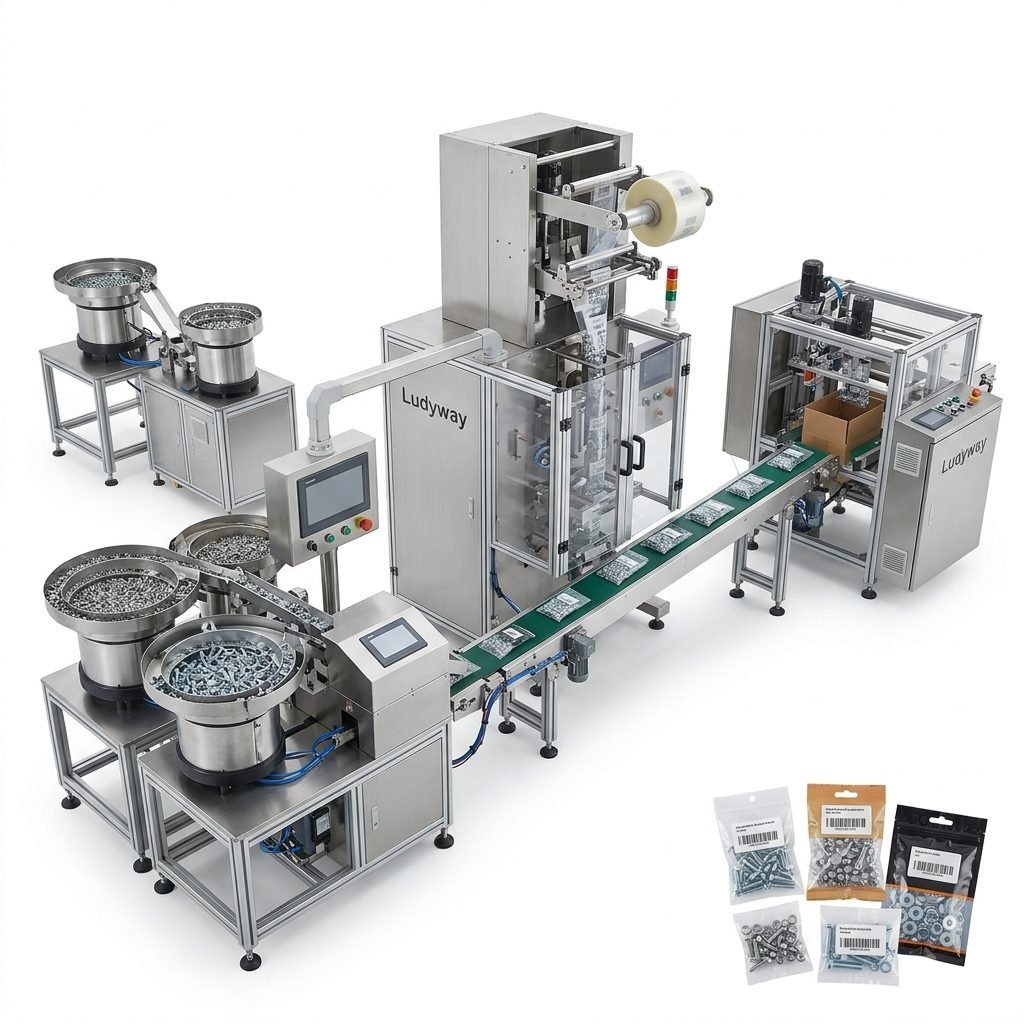
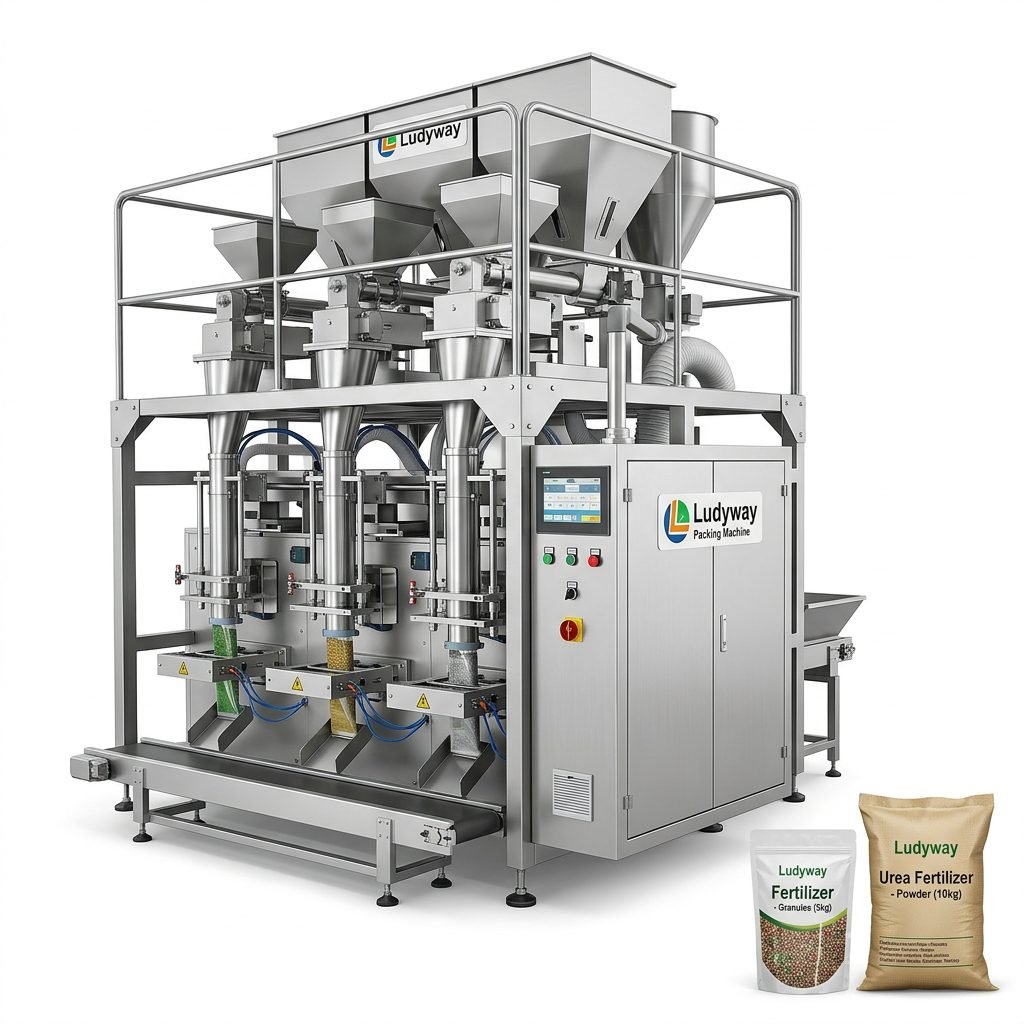
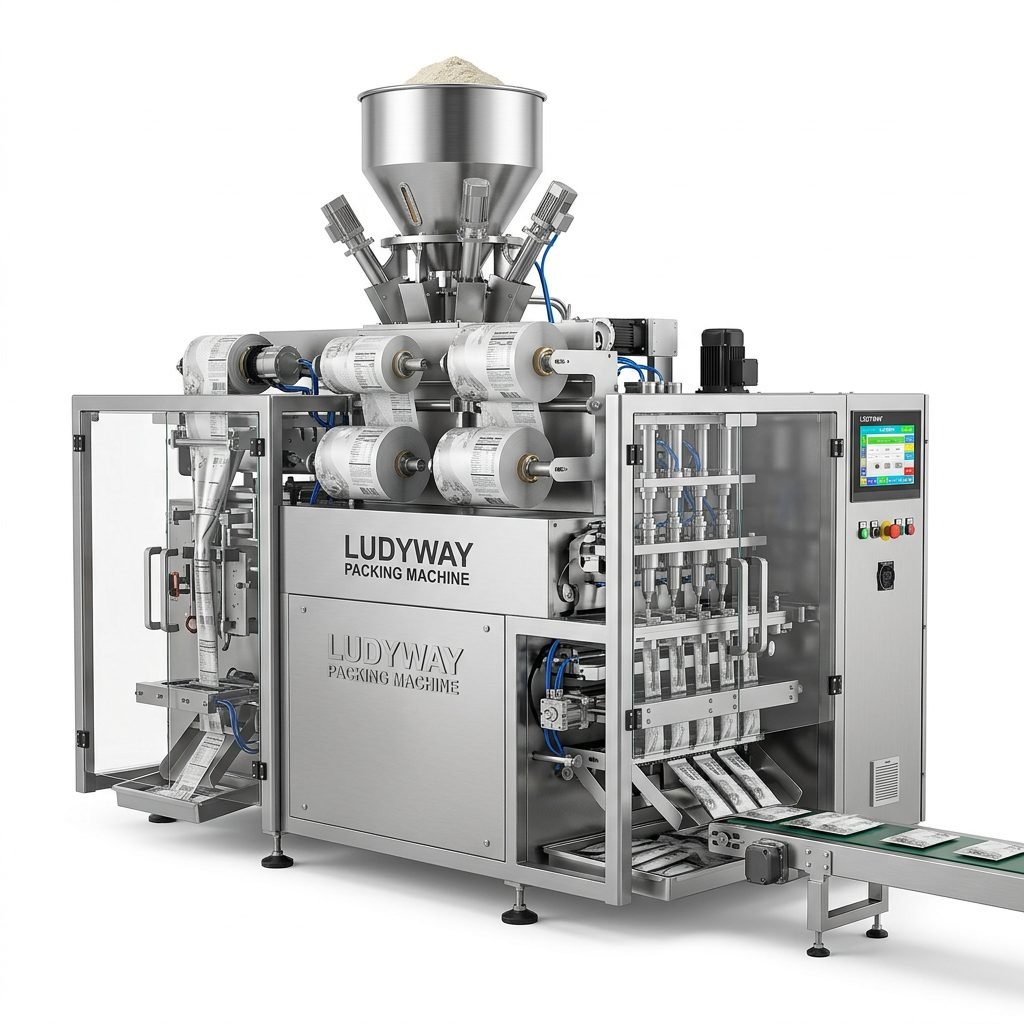
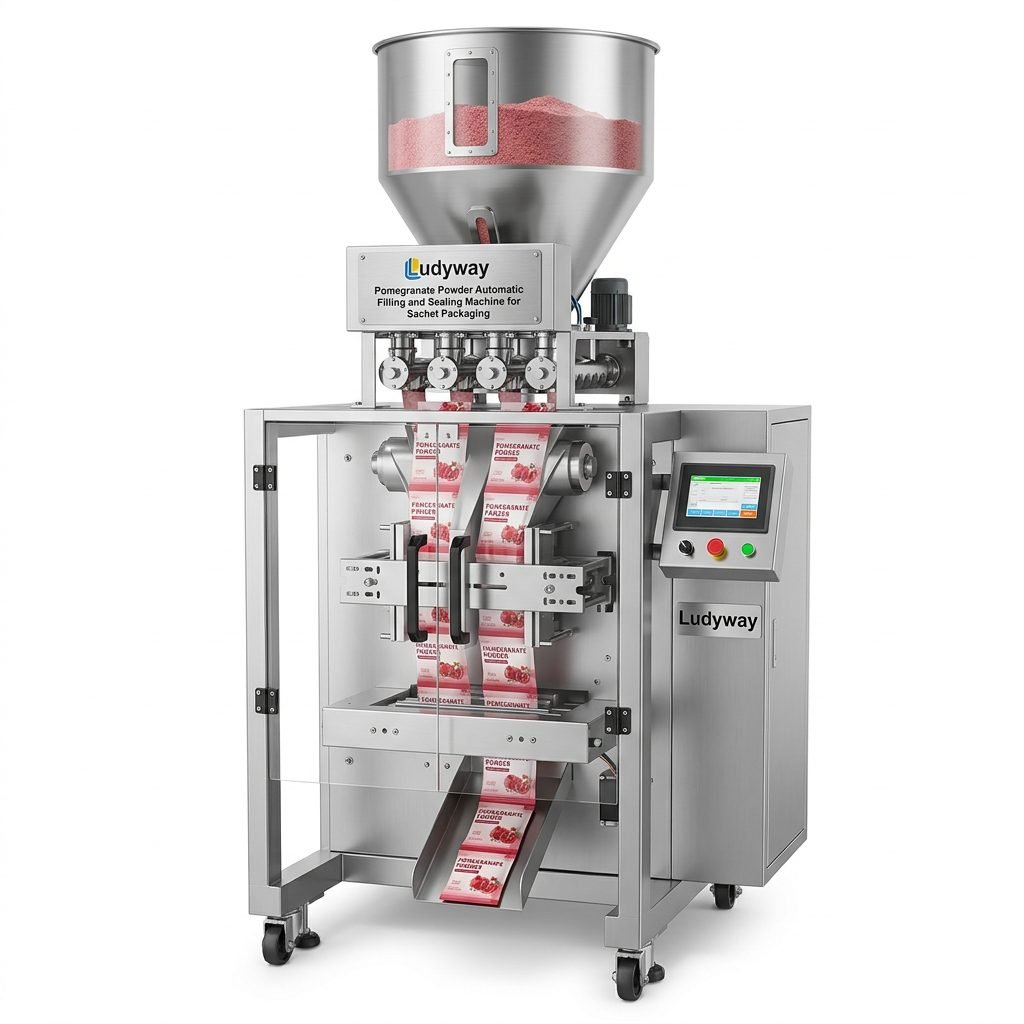
Choosing the right powder pouch packing machine is not only about filling powder into bags. It directly affects your production speed, packaging accuracy, product safety, material waste, labor costs, and long-term profitability. Whether you pack protein powder, spices, milk powder, pharmaceutical powder, chemical powder, or nutritional supplements, selecting the right machine configuration can make a major difference in day-to-day performance.
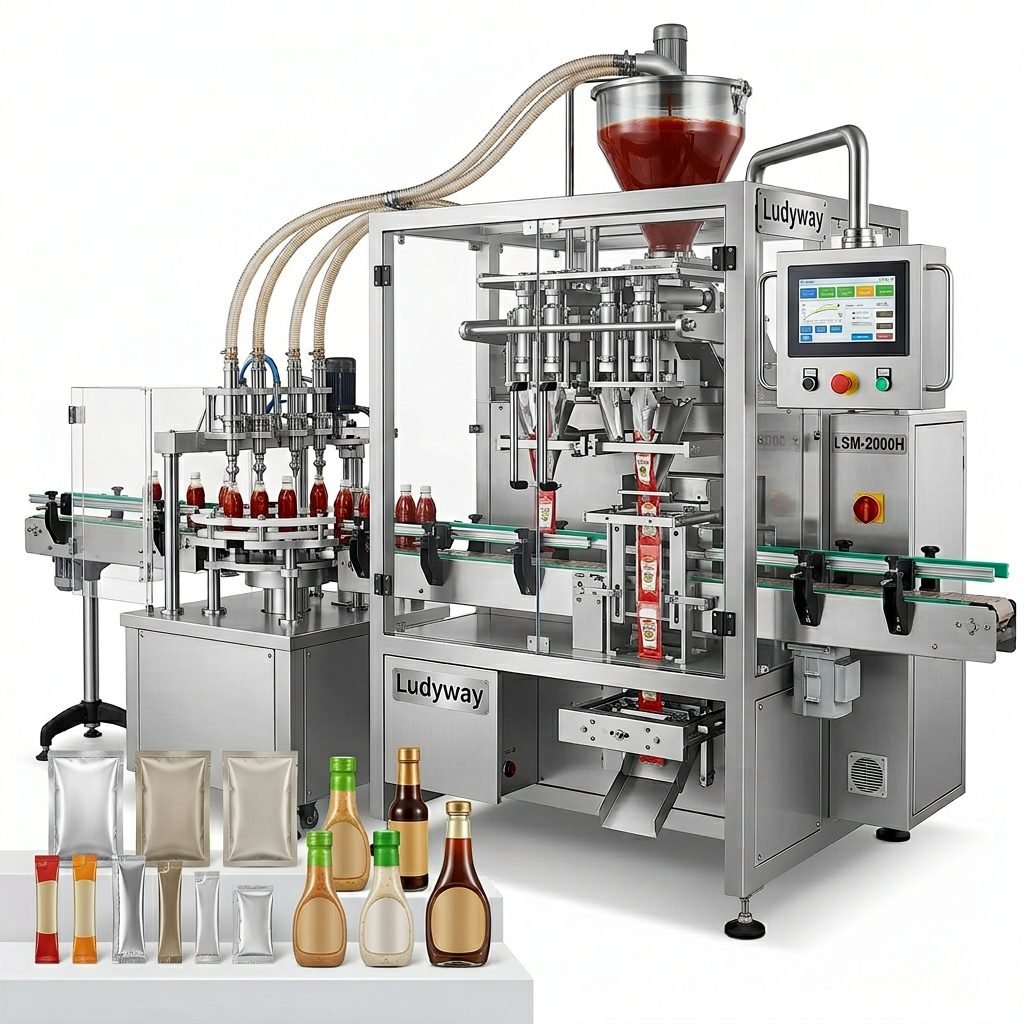
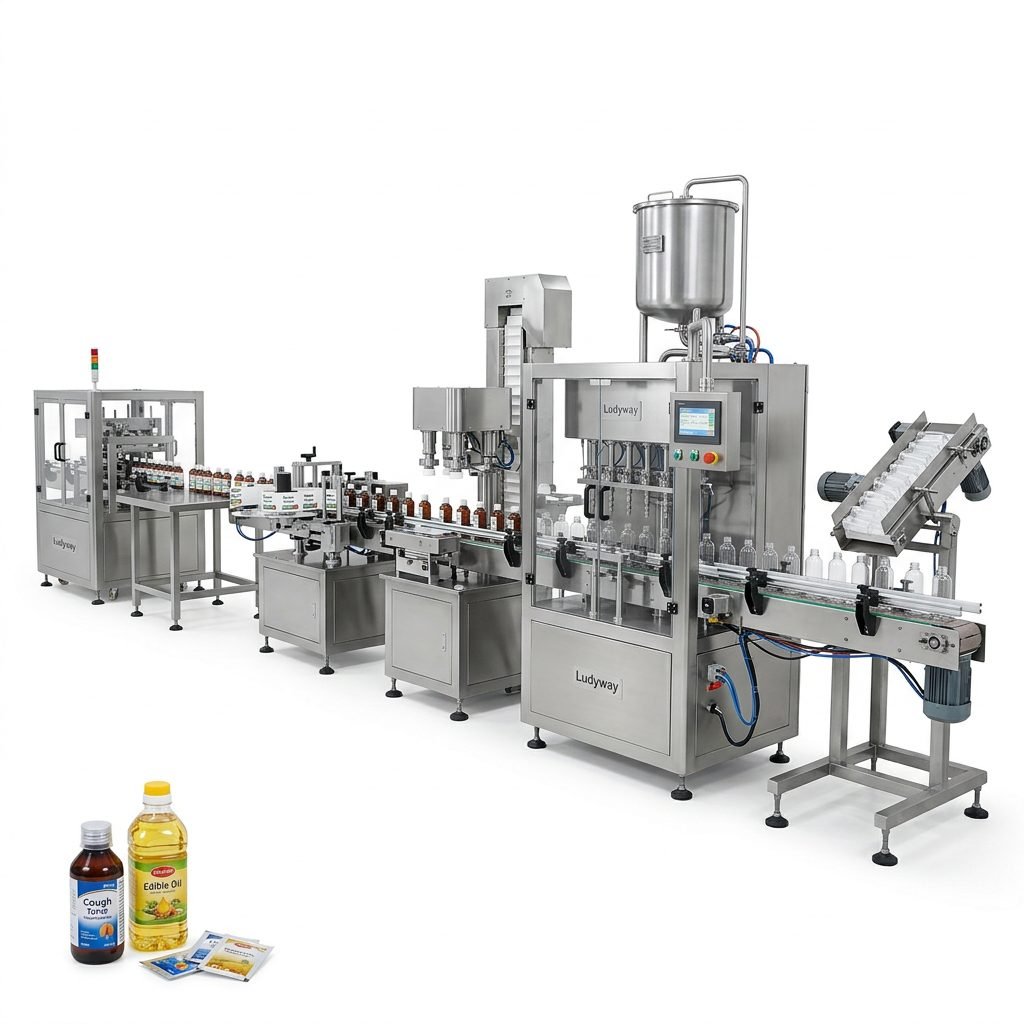
For manufacturers looking to improve automation and output, a reliable powder packaging partner such as Ludyway powder pouch packing machine solutions can support both standalone equipment and complete turnkey packaging lines for different industries.
Why the Right Powder Pouch Packing Machine Matters
Powder products are often difficult to handle because they can be dusty, free-flowing, non-free-flowing, sticky, hygroscopic, or ultra-fine. A machine that works well for flour may not perform well for protein powder, coffee powder, collagen, or pharmaceutical formulations.
The best solution should help you achieve:
- Stable and accurate filling weights
- High-speed pouch production
- Strong and clean seals
- Low dust contamination
- Easy cleaning and changeover
- Compliance with food or pharma requirements
- Flexible pouch size and format options
Start with Your Powder Characteristics
Before comparing machine models, define the physical properties of your product. This is the first step in choosing a machine that will run efficiently and consistently.
| Powder Type | Typical Packaging Challenge | Recommended Filling Approach |
|---|---|---|
| Free-flowing powder | Fast flow may affect precision at high speed | Auger filler with good servo control |
| Non-free-flowing powder | Bridging, inconsistent feeding | Special auger design with agitation system |
| Dusty fine powder | Dust pollution and seal contamination | Dust collection and enclosed filling system |
| Hygroscopic powder | Moisture absorption and caking | Sealed hopper and controlled environment |
| Sticky or oily powder | Build-up inside filling system | Customized contact parts and easy-clean design |
Tip: Always send product samples to the machine supplier for testing. Real packaging trials provide much more reliable data than only discussing specifications.
Choose the Right Pouch Type
Your machine selection should match the pouch format you plan to sell. Different markets and products require different packaging styles.
- Sachet pouches: ideal for single-dose products, seasoning powders, pharmaceutical powders, and trial packs
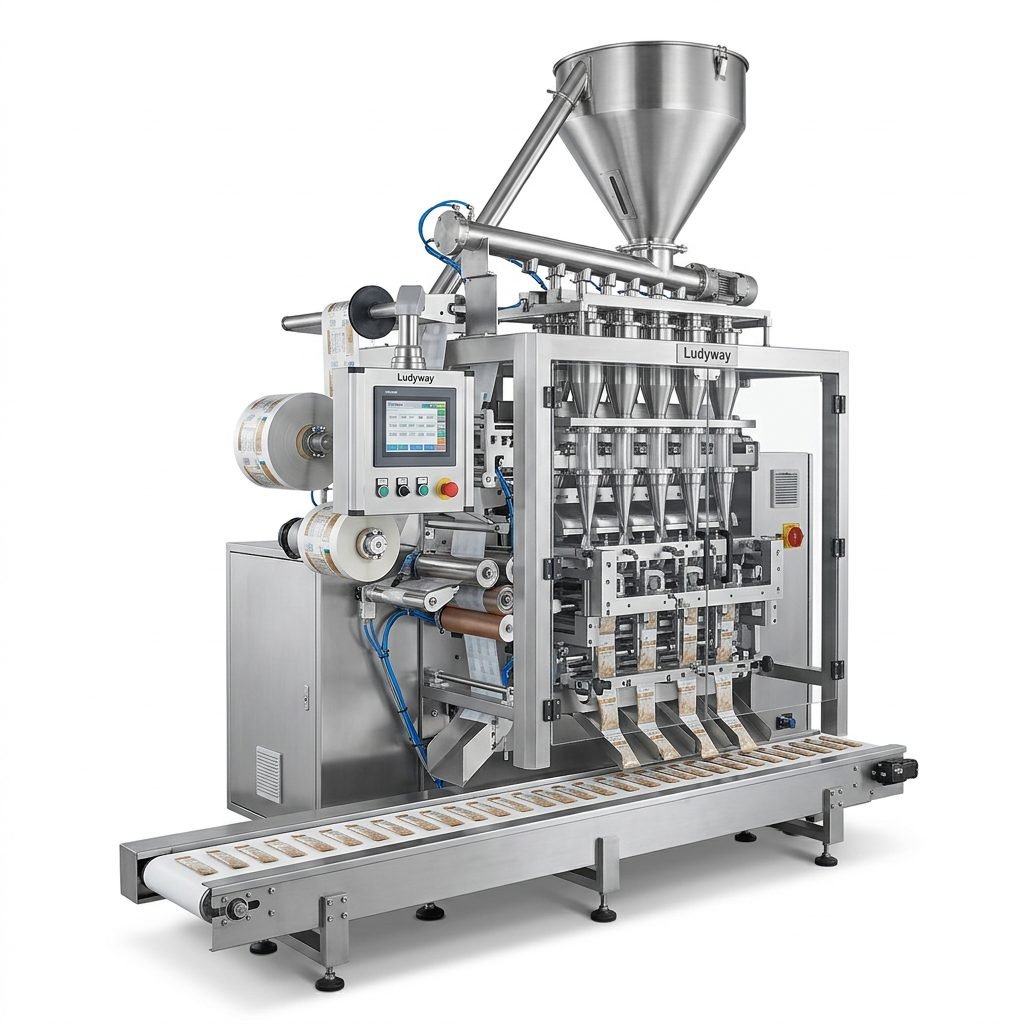
- Stick packs: suitable for drink powders, supplements, coffee, and health products
- Premade pouches: good for premium retail presentation and larger fill volumes
- Pillow bags or vertical pouches: practical for economical high-volume production
Single-Lane vs. Multi-Lane Machines
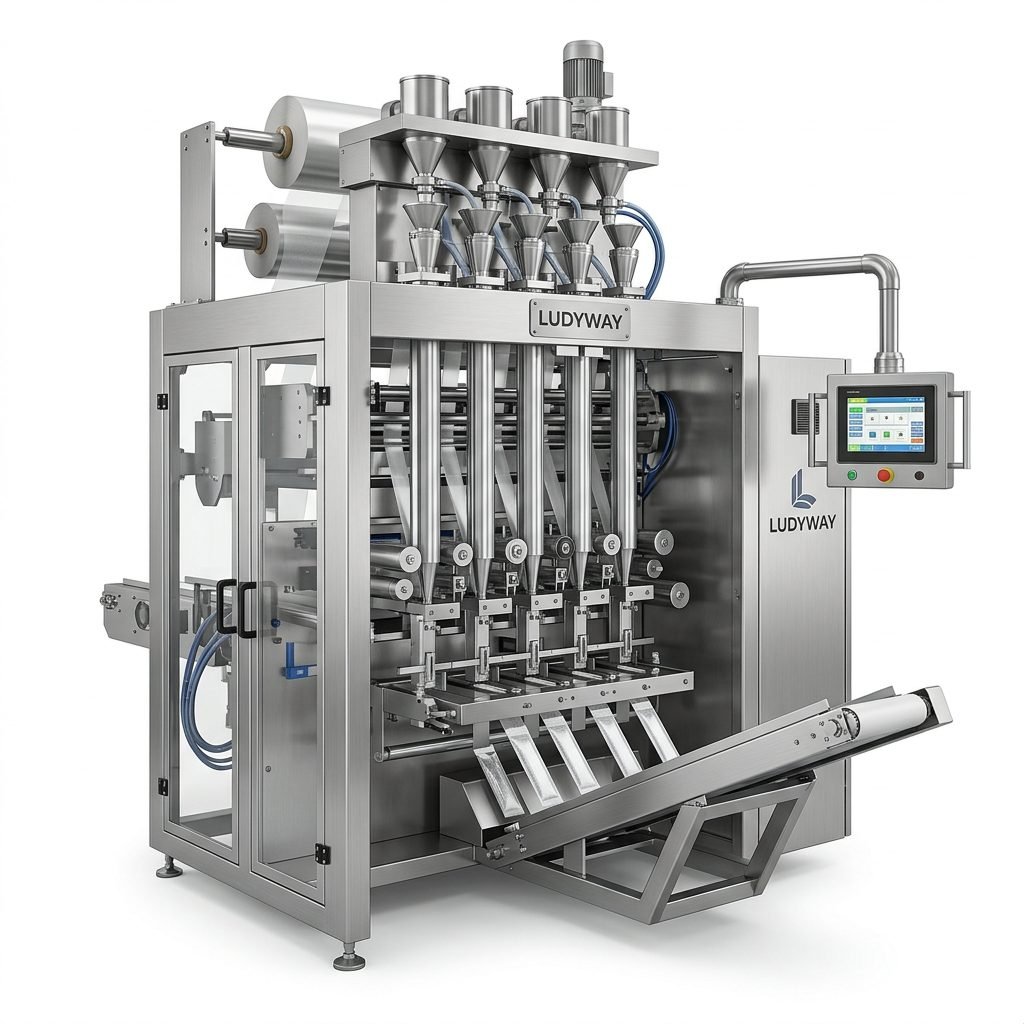
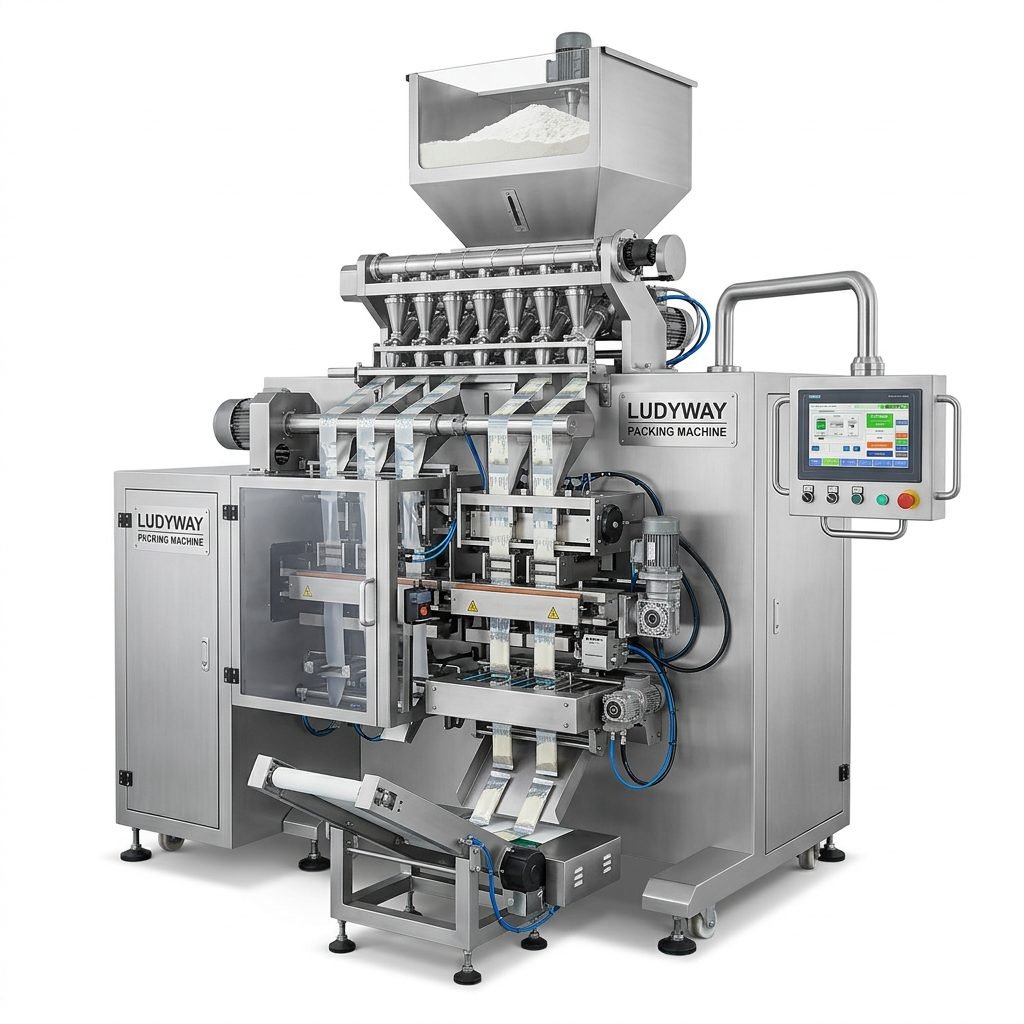
If your target is moderate production with flexibility, a single-lane powder pouch packing machine may be enough. If you need high output for small sachets or stick packs, a multi-lane system is usually the better investment.
| Machine Type | Best For | Main Advantage | Main Limitation |
|---|---|---|---|
| Single-lane | Startups, small batch runs, multiple SKU changes | Lower initial investment | Lower speed |
| Multi-lane | Large-volume sachet or stick pack production | Higher productivity and lower unit cost | Higher complexity and budget |
Focus on Filling Accuracy
Packaging accuracy is critical, especially for high-value powders and products that must meet strict weight regulations. Even small filling deviations can create large product losses over time.
Ask suppliers about:
- Average filling accuracy tolerance
- Servo auger control system
- Real performance at your target speed
- Performance with your exact powder density
- Calibration and recipe memory functions
For nutritional, pharmaceutical, and functional powder products, precision dosing is often more important than headline speed.
Evaluate Speed Based on Real Production Needs
Many buyers make the mistake of choosing the fastest machine available, even when that speed is not needed. In reality, the best machine is one that balances:
- Stable output
- Low reject rate
- Accurate filling
- Easy maintenance
- Scalable production
Consider your expected production volume per shift, future growth plans, and labor availability. A machine that runs slightly slower but more consistently may generate a better return on investment than a high-speed machine with frequent downtime.
Questions to Ask About Speed
- What is the tested speed for my specific powder and pouch size?
- Does speed decrease significantly with heavier fill weights?
- How does the machine perform during long production runs?
- What is the reject rate at full speed?
Look at Sealing Quality and Pouch Appearance
A powder pouch packing machine should not only fill accurately but also produce clean, market-ready pouches. Poor sealing can lead to leaks, moisture exposure, contamination, and customer complaints.
Check whether the machine offers:
- Consistent sealing temperature control
- Dust removal near the sealing area
- Neat pouch cutting and alignment
- Compatible sealing for your film material
- Optional date coding or batch printing
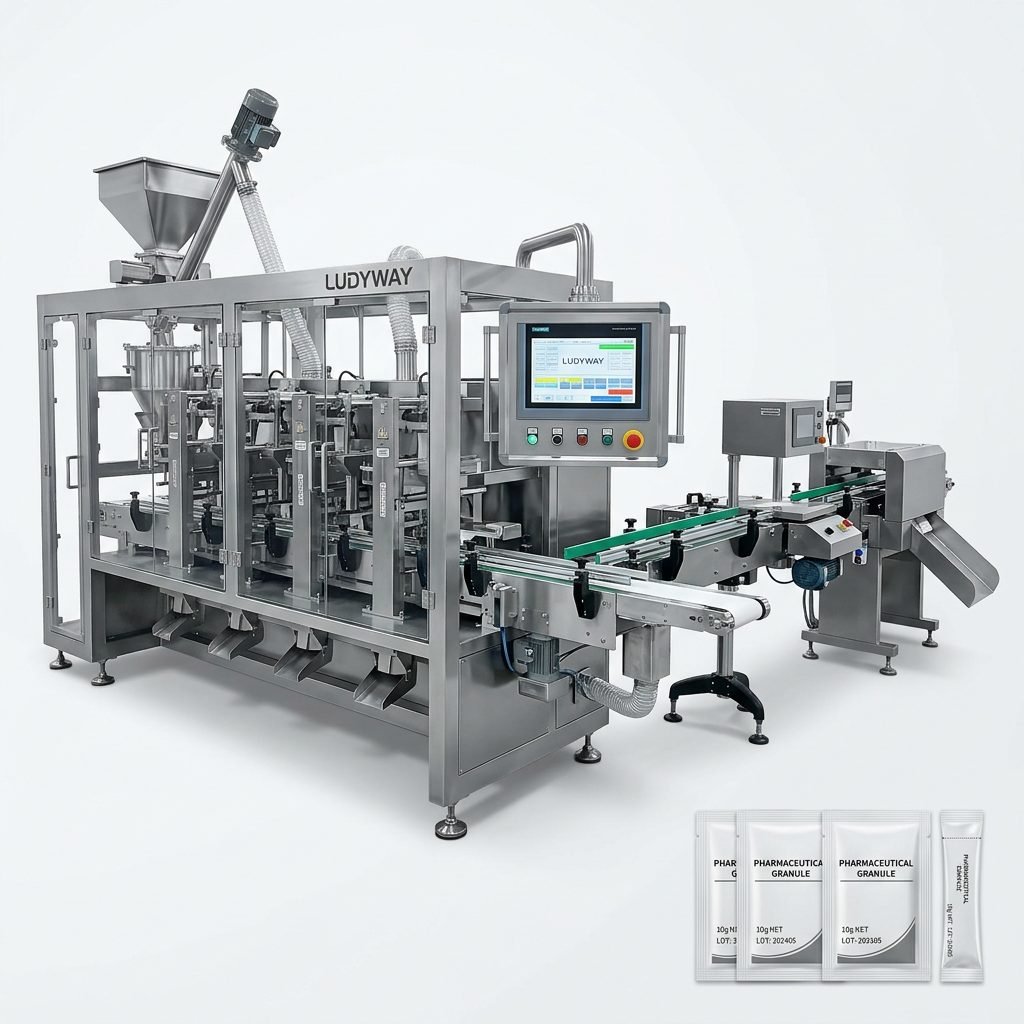
Consider Hygiene and Cleaning Requirements
For food, supplement, and pharmaceutical applications, hygiene design is essential. Powder products often create residue around the hopper, auger, sealing area, and discharge path. Easy-clean construction reduces contamination risk and shortens changeover time.
Important features include:
- Stainless steel contact parts
- Tool-free disassembly where possible
- Dust-proof enclosure
- Smooth surfaces with fewer dead corners
- GMP-oriented design for pharma applications
If You Pack Multiple Products
If your factory switches between flavors, formulas, or different powder densities, prioritize machines with fast cleaning and recipe changeover. This is especially important for contract packers and brands with multiple SKUs.
Check Compatibility with Upstream and Downstream Equipment
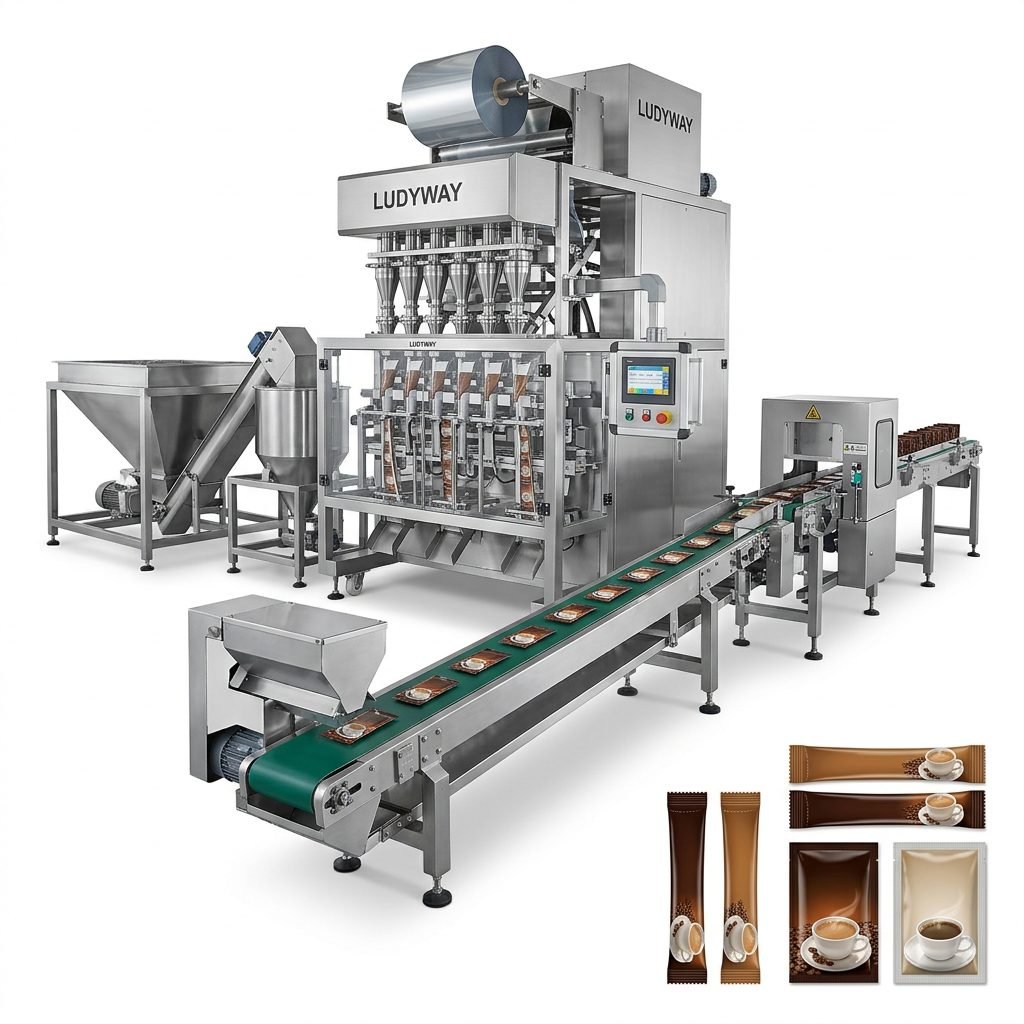
A powder pouch packing machine performs best when integrated into a complete packaging process. Think beyond the main machine itself.
Common supporting equipment may include:
- Vacuum feeder or screw conveyor
- Powder hopper and storage tank
- Dust collector
- Checkweigher
- Metal detector
- Cartoning machine
- Case packing and palletizing systems
If you plan to expand later, choose a machine platform that can be integrated into a turnkey packaging line instead of a standalone setup with limited upgrade options.
Industry-Specific Selection Factors
Food Powder Packaging
- Focus on speed, hygiene, and attractive pouch presentation
- Suitable for spices, seasoning, coffee, milk powder, drink mix, baking powder, and soup powder
- Good sealing and anti-dust design are especially important
Pharmaceutical Powder Packaging
- Requires high dosing accuracy and traceability
- Should support sanitary design and compliance-focused production
- Often needs batch coding, validation support, and stable repeatability
Chemical Powder Packaging
- May require corrosion resistance and dust control
- Some powders need explosion-risk evaluation depending on material properties
- Heavy-duty structure and safe handling design may be necessary
How to Compare Suppliers Effectively
The machine itself matters, but supplier capability matters just as much. A strong manufacturer can help you avoid mismatched specifications, unstable production, and post-installation problems.
| What to Evaluate | Why It Matters |
|---|---|
| Industry experience | Improves machine matching and application knowledge |
| Sample testing | Confirms actual performance before purchase |
| Customization ability | Important for special powders, pouch sizes, and line layout |
| After-sales support | Reduces downtime and maintenance risk |
| Export experience | Useful for compliance, shipping, installation, and documentation |
Common Buying Mistakes to Avoid
- Choosing by price alone
- Ignoring powder flow characteristics
- Not testing the real packaging film and product
- Overbuying speed that you do not need
- Underestimating cleaning and maintenance requirements
- Failing to plan for future automation upgrades
- Not confirming spare parts and technical support availability
A Simple Checklist Before You Buy
Use this checklist to narrow down the best powder pouch packing solution:
- Define your powder type and flow properties
- Confirm pouch format, size range, and target fill weight
- Set realistic output requirements per hour and per shift
- Check filling accuracy and sealing quality
- Review hygiene design and cleaning convenience
- Confirm compatibility with feeders, checkweighers, and coding systems
- Request sample testing and packaging videos
- Evaluate supplier experience, customization, and after-sales service
Final Buying Insight
The best powder pouch packing machine is the one that fits your product, your pouch format, your output target, and your long-term production strategy. It should deliver reliable filling accuracy, clean seals, easy operation, and room for future scaling.
If you compare machines based on powder behavior, pouch design, real speed, hygiene needs, and supplier strength, you will be far more likely to choose a packaging solution that improves efficiency and supports sustainable business growth.