In pharmaceutical manufacturing, blister packaging remains one of the most trusted formats for tablets and capsules. It offers
strong product protection, accurate unit dosing, tamper evidence, and a clean presentation that supports both compliance and brand value.
For manufacturers looking to improve output, reduce waste, and maintain strict quality standards, choosing the right pharma blister packaging machine is a critical investment.
This guide explains how a blister packaging machine works, what components matter most, how to evaluate machine performance, and what to consider before buying a system for tablet and capsule packaging.
What Is a Pharma Blister Packaging Machine?
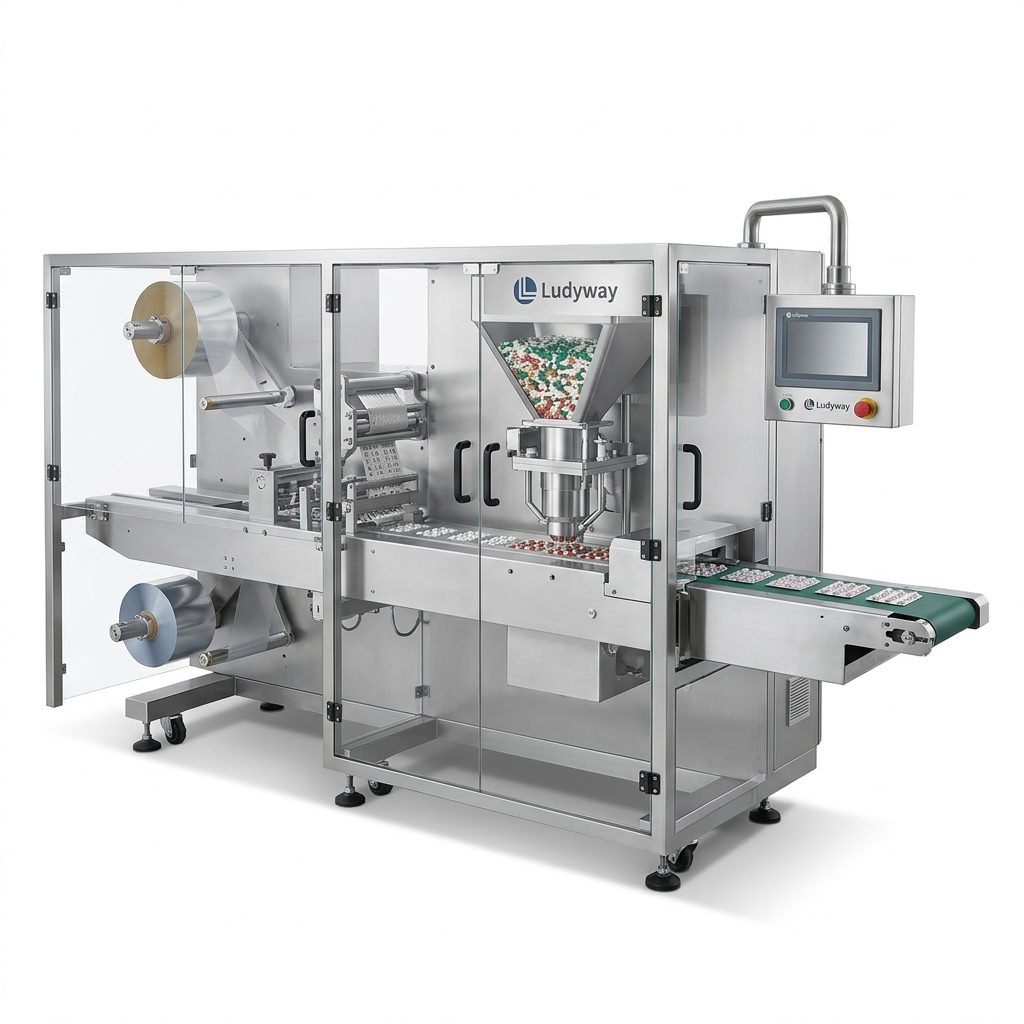
A pharma blister packaging machine is an automated system used to form cavities in plastic or aluminum material, place tablets or capsules into those cavities, seal them with lidding foil, and discharge finished blister packs for downstream cartoning or case packing.
These machines are widely used in pharmaceutical, nutraceutical, and health supplement production because they help ensure:
- Precise unit-dose packaging
- Better barrier protection against moisture, oxygen, and contamination
- Improved patient convenience
- Batch traceability and regulatory support
- Efficient integration with cartoners and inspection systems
How a Blister Packaging Machine Works
Although machine configurations vary, the basic workflow is usually similar. A typical pharma blister packaging line includes the following stages:
- Forming – PVC, PVDC, PET, PP, or alu-alu material is formed into blister cavities.
- Feeding – Tablets or capsules are automatically oriented and filled into the cavities.
- Inspection – Missing products, broken tablets, or fill errors can be detected.
- Sealing – Lidding foil is heat-sealed onto the blister web.
- Embossing / Printing – Batch number, date, and product data are marked.
- Punching / Cutting – The web is cut into individual blister cards.
- Discharge / Integration – Finished blisters move to cartoning or collection systems.
Main Types of Pharma Blister Packaging Machines
1. Thermoforming Blister Machines
Thermoforming machines heat plastic film and shape it into cavities. These systems are widely used for tablets and capsules that need clear visibility and cost-effective packaging.
- Common materials: PVC, PVC/PVDC, PET
- Advantages: lower material cost, transparent pack display, high production speed
- Best for: standard tablets, capsules, OTC products, nutraceuticals
2. Cold Forming Blister Machines
Cold forming machines use aluminum laminate to create cavities without heating. This provides a stronger barrier against moisture, oxygen, and light.
- Common materials: alu-alu laminate
- Advantages: superior barrier performance, better product stability
- Best for: moisture-sensitive or light-sensitive pharmaceutical products
3. Rotary and Flat-Plate Blister Machines
Depending on output and sealing requirements, manufacturers can choose between rotary sealing and flat-plate sealing structures.
| Machine Type | Key Advantage | Typical Use |
|---|---|---|
| Rotary Sealing | Higher continuous speed | Large-volume production |
| Flat-Plate Sealing | Strong sealing consistency | Pharma products requiring reliable seal quality |
Key Components of a Tablet and Capsule Blister Packing Machine
Understanding the machine structure helps buyers compare equipment more effectively. Important components include:
- Forming station for cavity shaping
- Feeding system for tablets or capsules
- Sealing station with controlled temperature and pressure
- Registration system for foil alignment
- Servo drive system for stable, accurate motion
- HMI touch screen and PLC control for recipe management
- Vision inspection or missing tablet detection for quality control
- Punching station for final blister card cutting
- Reject mechanism for non-conforming packs
Why Blister Packaging Is Ideal for Tablets and Capsules
Blister packaging has become a preferred format in pharmaceutical operations because it balances product safety, speed, and convenience.
Product Protection
Each tablet or capsule is sealed in its own cavity, reducing exposure to external contamination and environmental conditions.
Dose Accuracy
Unit-dose packaging helps healthcare providers, pharmacies, and end users manage dosage more easily.
Tamper Evidence
A broken or punctured blister pack is easy to identify, adding another layer of security.
Longer Shelf Life
With the right material structure, blister packs can significantly improve product stability for sensitive formulations.
Brand and Retail Appeal
Well-designed blister cards support clear product display, printing, and market presentation.
Industries That Use Pharma Blister Packaging Machines
- Prescription pharmaceutical manufacturing
- Over-the-counter medicine production
- Nutraceutical and dietary supplement packaging
- Herbal tablet and capsule packaging
- Contract manufacturing organizations
- Clinical trial and small batch pharmaceutical packaging
What to Consider When Choosing a Pharma Blister Packaging Machine
1. Product Type
Not all feeding systems perform equally with every product. Round tablets, oblong tablets, soft capsules, hard capsules, and coated tablets can require different tooling and product handling designs.
2. Packaging Material
Your machine should be compatible with the materials required by your product stability studies and market regulations, such as PVC, PVDC, PET, or alu-alu.
3. Production Speed
Consider both your current output and future expansion plans. Buying a machine only for today’s volume can limit growth later.
4. Format Flexibility
If you produce multiple SKUs, quick mold changeover and recipe storage are valuable features that reduce downtime.
5. GMP and Validation Support
Pharmaceutical packaging equipment should support clean design, easy cleaning, documentation, and validation needs.
6. Integration Capability
A blister machine should work smoothly with feeders, printers, vision systems, cartoners, case packers, and serialization systems.
7. Maintenance and Spare Parts
Long-term reliability depends on component quality, technical support, spare parts availability, and operator training.
| Selection Factor | Why It Matters |
|---|---|
| Output speed | Affects productivity and ROI |
| Material compatibility | Ensures barrier performance and sealing quality |
| Tooling changeover | Important for multi-product production |
| Inspection system | Reduces defective packs reaching the market |
| Compliance support | Helps meet pharmaceutical standards |
| Line integration | Improves automation and labor efficiency |
Essential Features of a High-Efficiency Blister Packaging Machine
If efficiency is a top priority, look for these features:
- Servo-controlled indexing for precision
- Stable capsule and tablet feeding mechanisms
- Automatic rejection of defective blister packs
- Fast format changeover design
- Accurate temperature and sealing pressure control
- Low-noise and low-vibration operation
- Human-friendly HMI with recipe storage
- Data logging and production monitoring support
- Compatibility with cartoners and end-of-line automation
Common Applications for Tablet and Capsule Blister Packing
Blister machines are used for a wide range of pharmaceutical and health products, including:
- Antibiotic tablets
- Pain relief tablets
- Vitamin tablets
- Effervescent tablets in special formats
- Hard gelatin capsules
- Softgel capsules
- Herbal supplement capsules
- Probiotic tablets and capsules
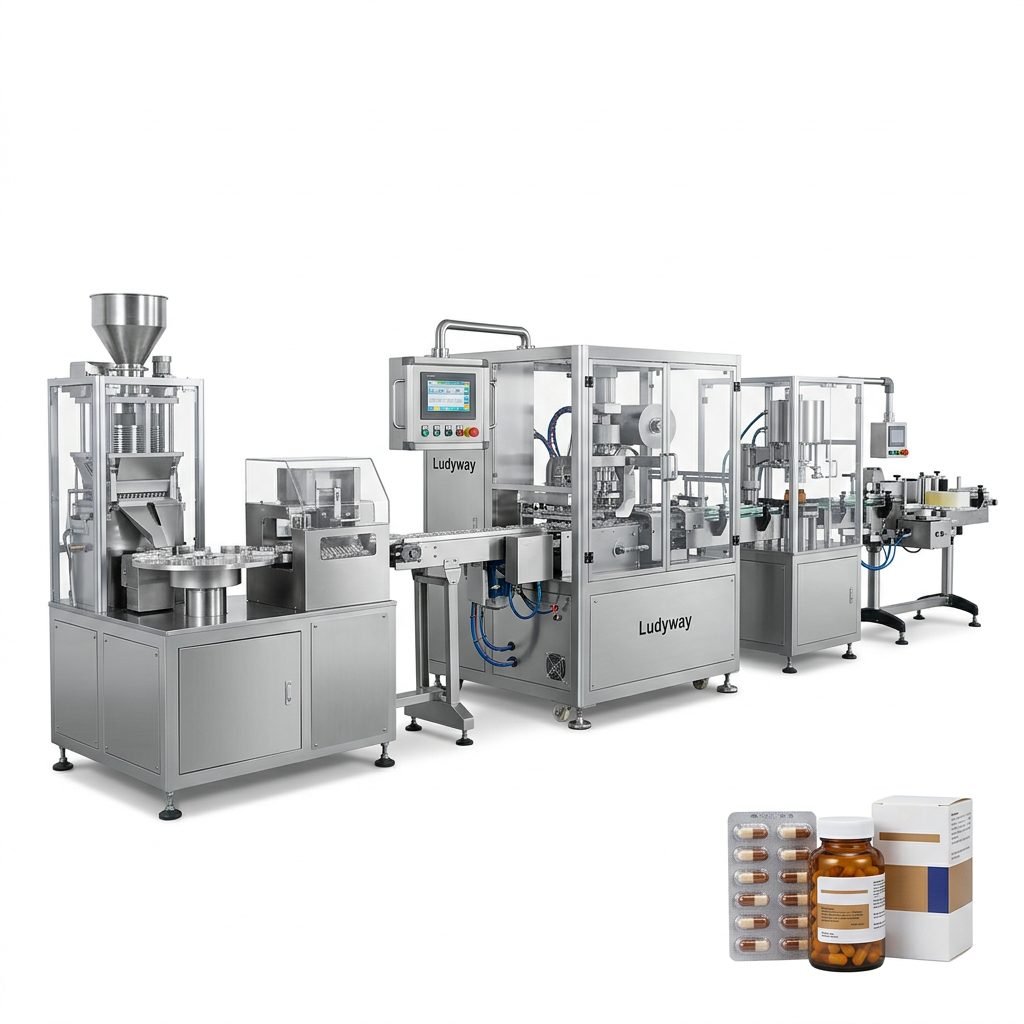
Blister Packaging Machine vs Bottle Packaging Machine
Both formats are common in pharma, but the best choice depends on the product and market requirement.
| Aspect | Blister Packaging | Bottle Packaging |
|---|---|---|
| Dose format | Unit-dose | Multi-dose |
| Barrier protection | High, especially alu-alu | Depends on bottle and closure |
| Patient convenience | Easy dose tracking | Good for bulk use |
| Retail presentation | Strong visual appeal | Simple bulk presentation |
| Product handling | Separated units | Product stored together |
How Blister Packaging Improves Production Efficiency
A well-designed blister machine does much more than seal products. It directly affects line performance across several areas:
- Higher throughput through automated forming, feeding, and sealing
- Lower labor dependence with integrated conveying and discharge
- Reduced waste through stable forming and precise fill control
- Better quality consistency through inspection and reject systems
- Faster changeovers for multiple blister layouts
- Improved traceability with batch coding and optional serialization
Compliance and Quality Requirements
In pharmaceutical packaging, efficiency must always be balanced with compliance. Buyers should evaluate whether the machine supports:
- GMP-oriented machine design
- Easy cleaning and sanitary contact parts
- Stable sealing validation
- Batch coding and traceability
- Electronic records or production data collection
- IQ/OQ documentation support where required
A machine that runs fast but lacks documentation or process stability can create costly validation and audit problems later.
Common Problems and How Good Machines Solve Them
Tablet Breakage
Often caused by poor feeding design or improper product guidance. Precision feeders and gentle transfer systems reduce this risk.
Missing Capsules
Reliable feeding plus vision inspection helps prevent incomplete blister packs.
Poor Sealing
Inconsistent temperature, pressure, or foil alignment can lead to seal defects. Advanced control systems improve sealing repeatability.
Frequent Downtime
Stable servo systems, better machine construction, and easier maintenance access help improve uptime.
Long Changeover Time
Tooling designed for quick replacement can significantly reduce non-productive time.
Should You Buy a Standalone Machine or a Complete Packaging Line?
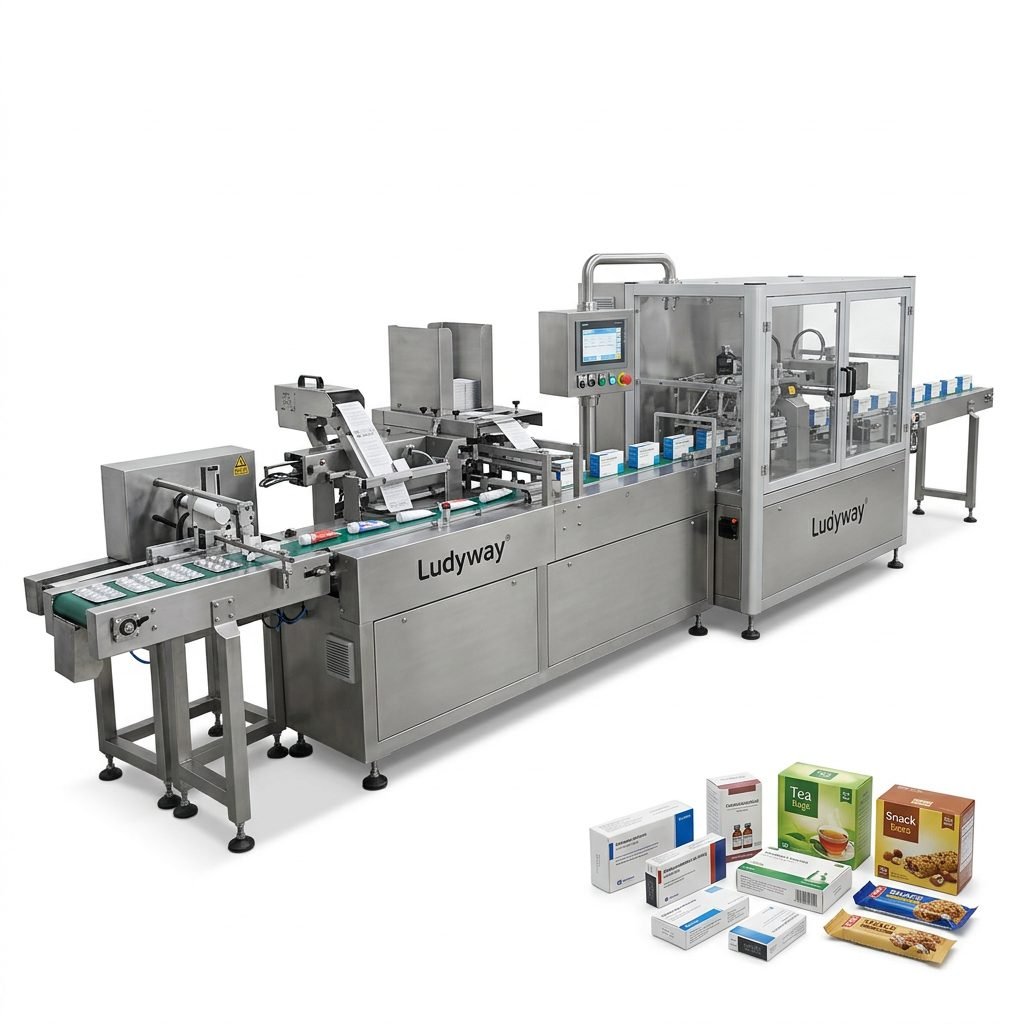
That depends on your production goals. A standalone blister machine may be enough for smaller operations, but many pharmaceutical manufacturers benefit more from an integrated line that includes:
- Tablet or capsule feeding system
- Blister packaging machine
- Vision inspection
- Cartoning machine
- Case packing and labeling
- Track-and-trace or serialization modules
For companies planning long-term automation upgrades, working with an experienced supplier of both machines and turnkey systems can reduce integration risks.
Ludyway
is known as one of China’s leading packaging machine and turnkey packaging line manufacturers, serving pharmaceutical and related industries with scalable automation solutions.
Tips for Buying the Right Pharma Blister Packaging Machine
- Define your product range before selecting tooling
- Confirm required blister size, cavity layout, and packaging material
- Check realistic speed under actual product conditions, not only maximum theoretical output
- Ask about machine validation documents and compliance support
- Review spare parts availability and after-sales service response
- Evaluate future integration with cartoning and coding systems
- Request sample testing with your own tablets or capsules
Frequently Asked Questions
What products can a pharma blister packaging machine handle?
It is commonly used for tablets, hard capsules, softgels, and certain medical or nutraceutical solid-dose products.
What is the difference between thermoforming and cold forming?
Thermoforming uses plastic film and provides clear visibility, while cold forming uses aluminum laminate for stronger barrier protection.
Is blister packaging better than bottling for tablets?
It depends on the application. Blister packaging is often better for unit-dose protection and compliance, while bottles suit bulk packaging.
Can one machine package both tablets and capsules?
Yes, many machines can handle both, provided they use the correct feeding system and format tooling.
How important is machine integration?
Very important. Integration with cartoners, printers, inspection devices, and end-of-line systems can greatly improve efficiency and traceability.
Final Thoughts
A pharma blister packaging machine is far more than a sealing device. It is a central part of modern tablet and capsule packaging, supporting
product safety, production efficiency, compliance, and brand reliability.
Whether you package standard tablets, sensitive capsules, or premium nutraceuticals, the right machine should match your output targets, material requirements, validation expectations, and automation plans. By focusing on machine stability, filling accuracy, sealing quality, and integration capability, manufacturers can build a packaging operation that performs consistently today and scales effectively for future demand.