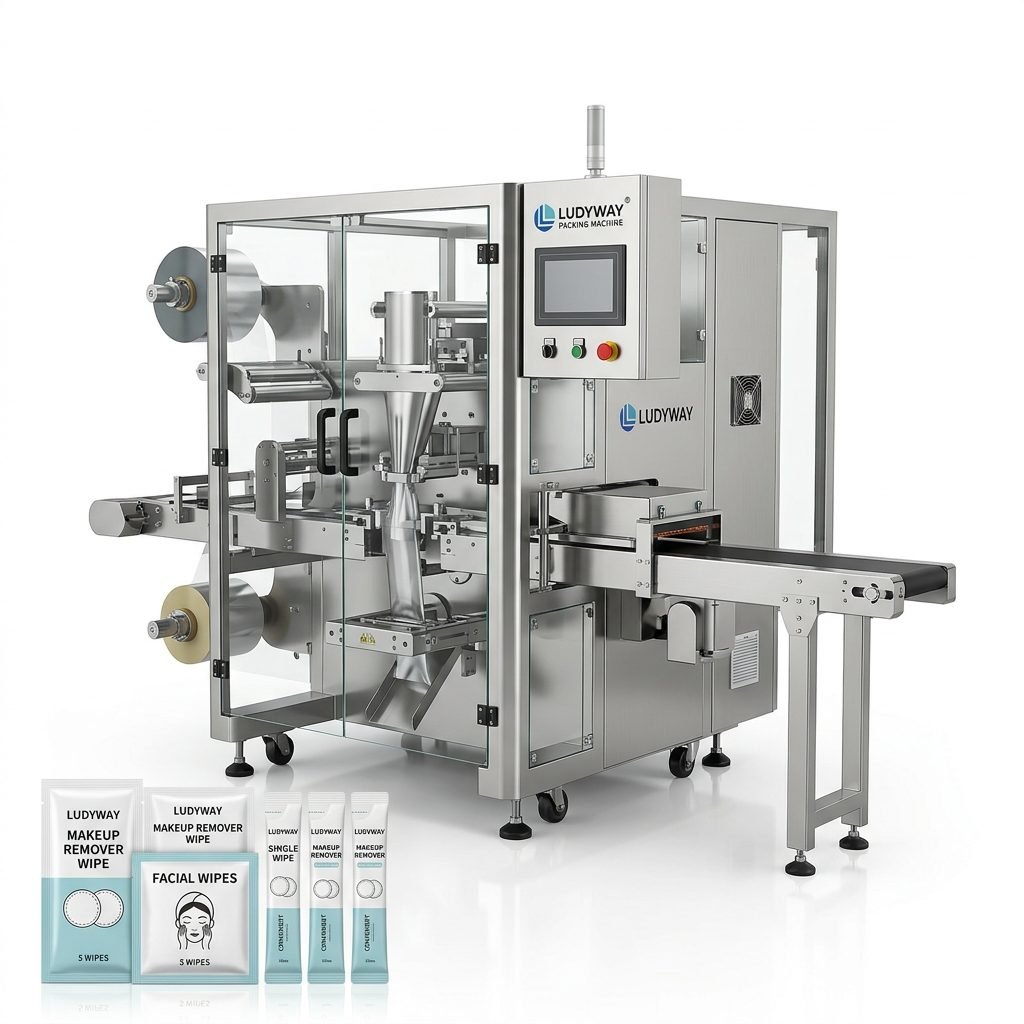
Modern packaging operations rely on machines that can wrap, fill, and seal products with speed, precision, and consistency. Whether you produce powders, granules, liquids, pastes, or pouch-based goods, the right packaging machine can improve output, reduce waste, support product safety, and strengthen your brand presentation.
From food factories and pharmaceutical facilities to personal care and chemical plants, automated systems are now central to competitive manufacturing. Businesses need packaging equipment that is flexible enough for different formats while remaining stable for long production runs.
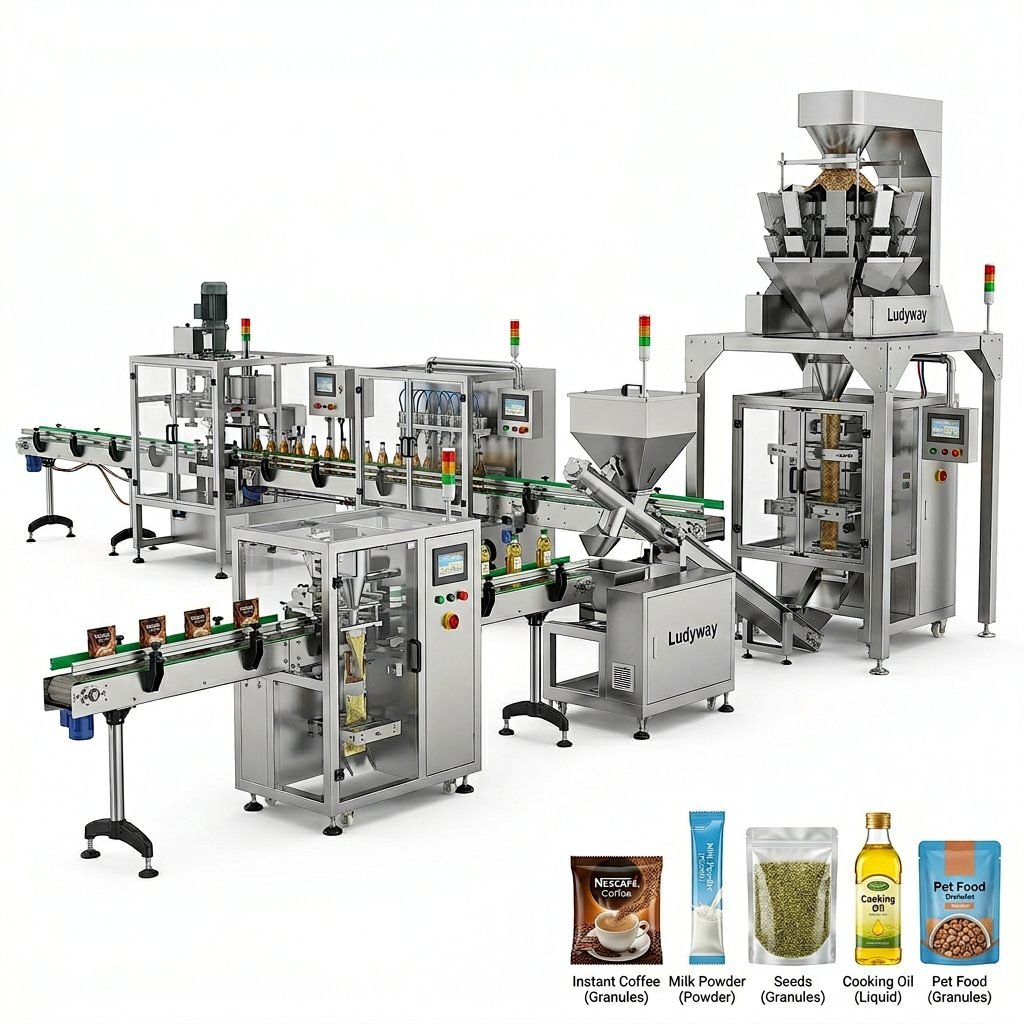
Why Packaging Machines Matter in Modern Production
Efficient packaging is more than putting a product into a bag, sachet, bottle, pouch, or carton. It directly affects productivity, shelf appeal, hygiene standards, labor costs, and delivery performance. An advanced packaging system helps manufacturers achieve:
- Higher throughput with stable cycle times
- Accurate dosing for powders, liquids, granules, and pastes
- Reliable sealing quality for product protection
- Lower manual labor dependence
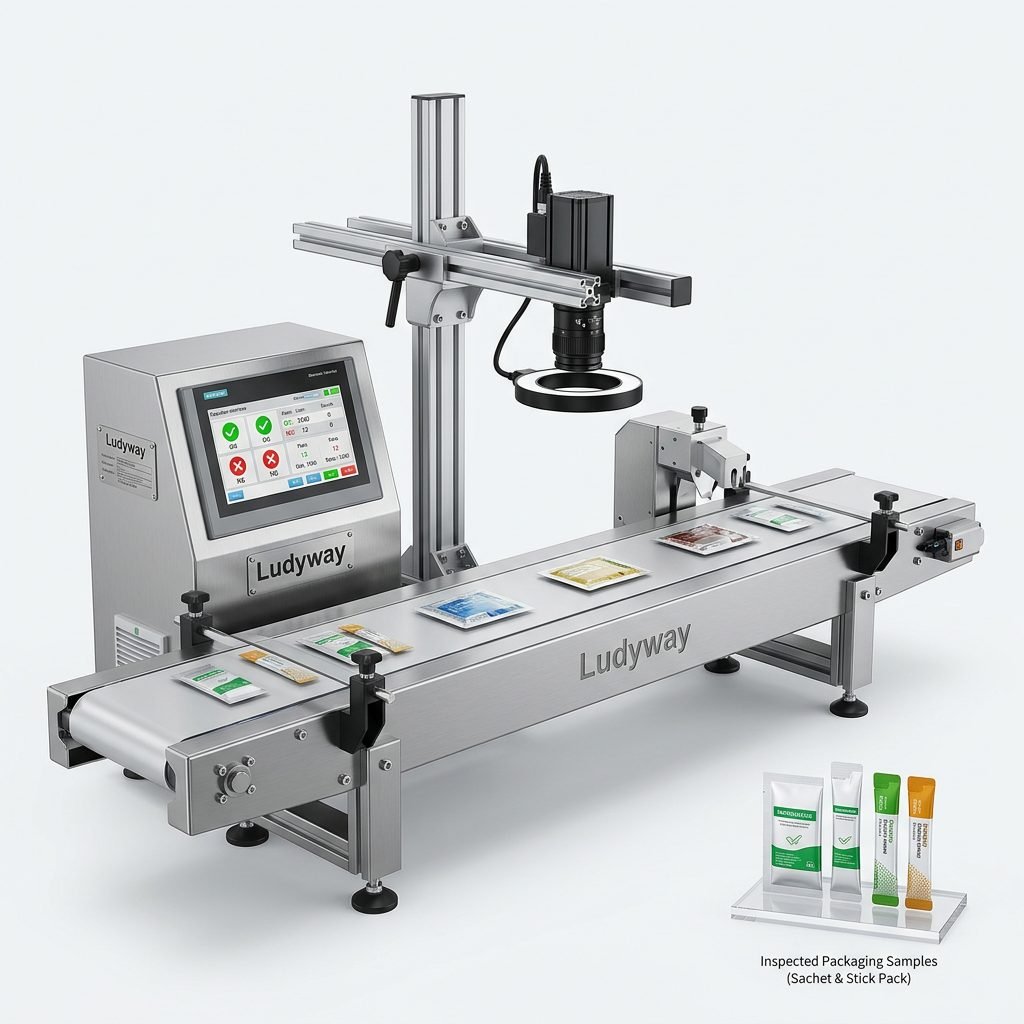
- Better traceability with coding and inspection options
- Cleaner, more standardized packaging results
For growing brands, choosing the right machine is often the difference between limited capacity and scalable production.
Core Types of Packaging Machines
Packaging equipment can be configured for individual tasks or combined into a fully integrated production line. The most common categories include:
Wrapping Machines
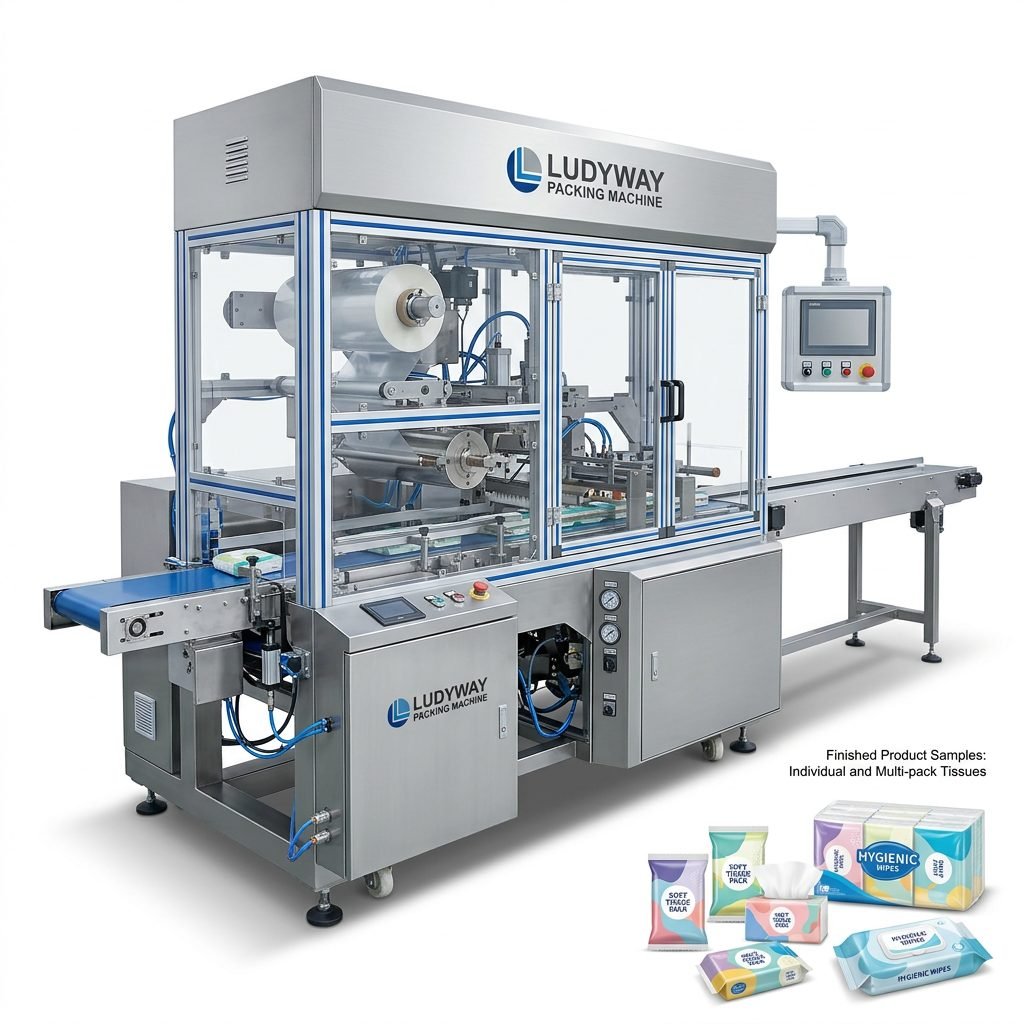
Wrapping machines are used to enclose products in film, flow-wrap material, shrink film, or other protective packaging. These systems are widely used for snacks, medical items, consumer goods, and multi-pack bundles.
Filling Machines
Filling machines dispense controlled quantities of product into containers or flexible packaging. Different filling technologies are used depending on material characteristics:
- Auger fillers for powders
- Volumetric cup fillers for free-flowing granules
- Piston fillers for creams and pastes
- Pump or liquid fillers for low- to medium-viscosity liquids
- Weighing systems for high-accuracy dosing
Sealing Machines
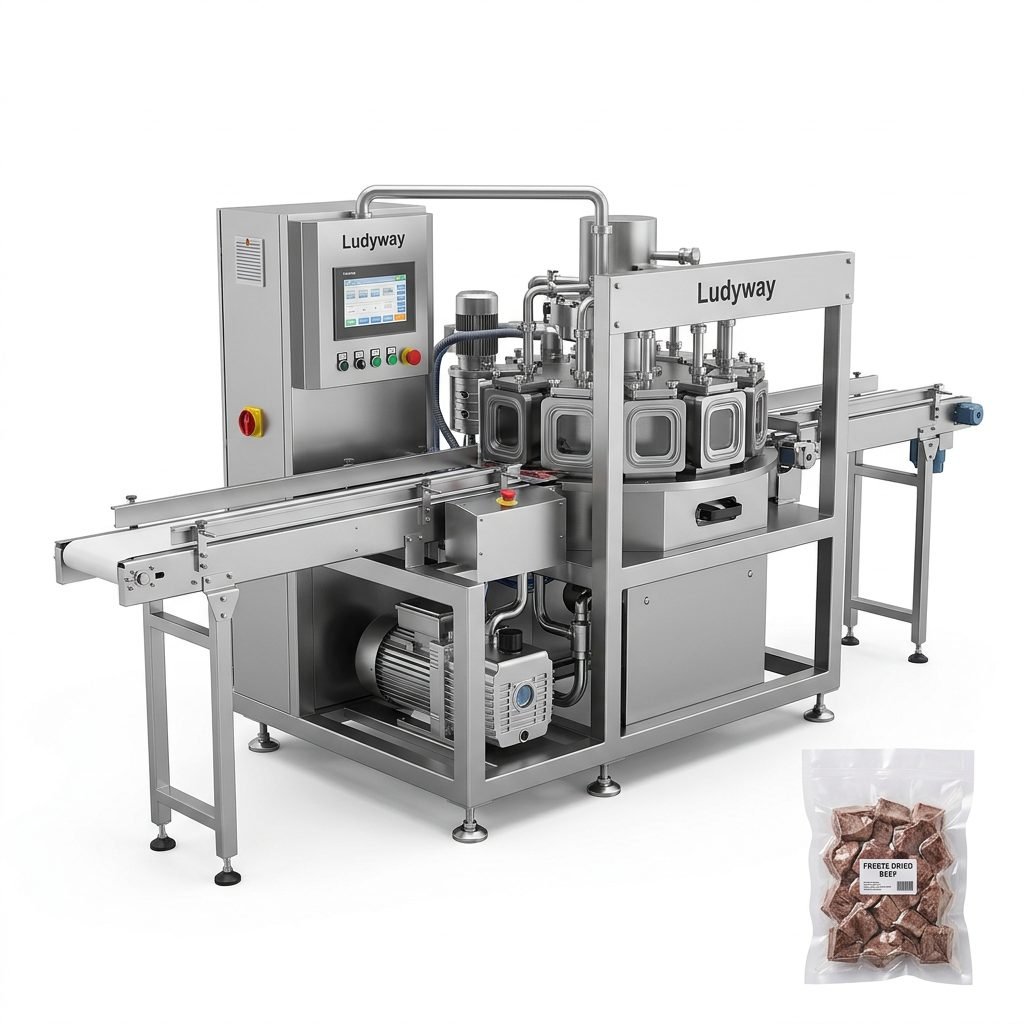
Sealing machines close flexible packs, sachets, pouches, trays, or containers to preserve freshness and avoid leakage or contamination. Heat sealing, ultrasonic sealing, and vacuum sealing are common methods based on product and packaging material.
Form-Fill-Seal Systems
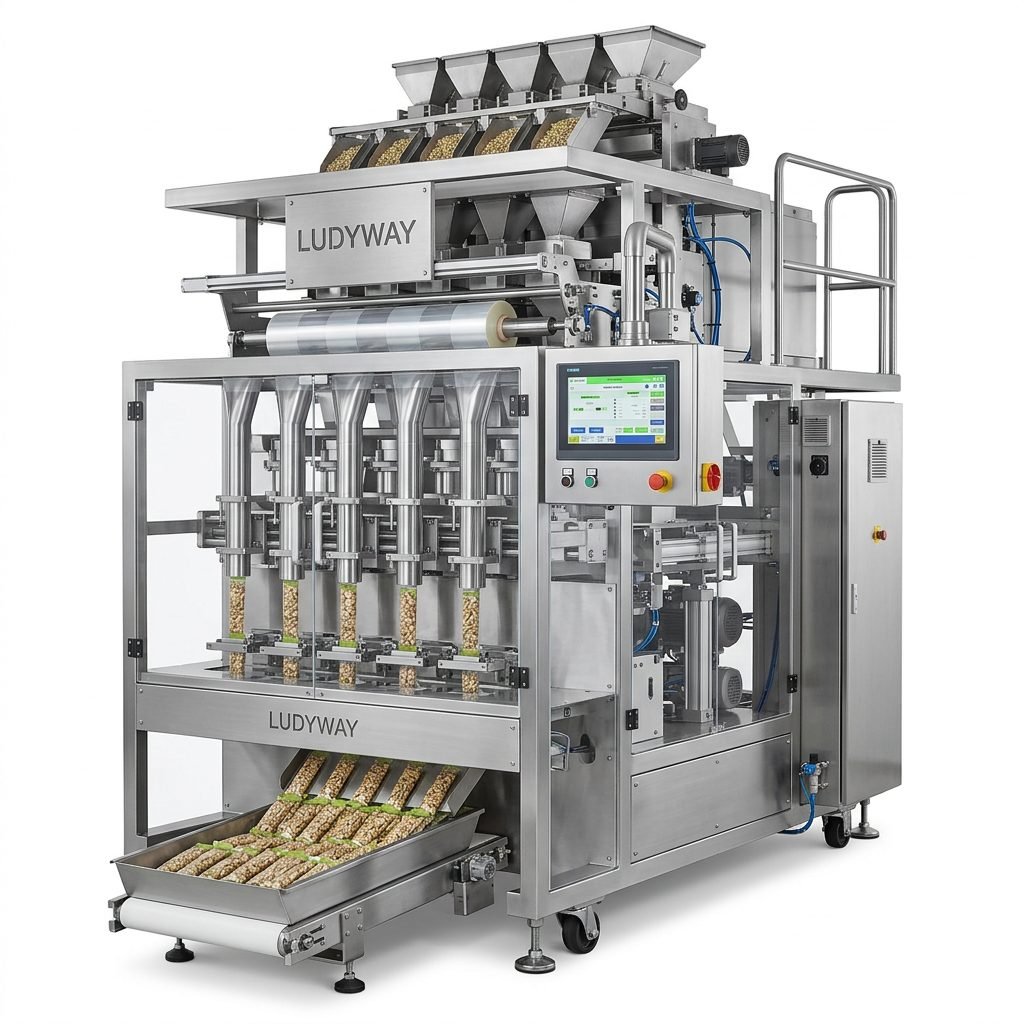
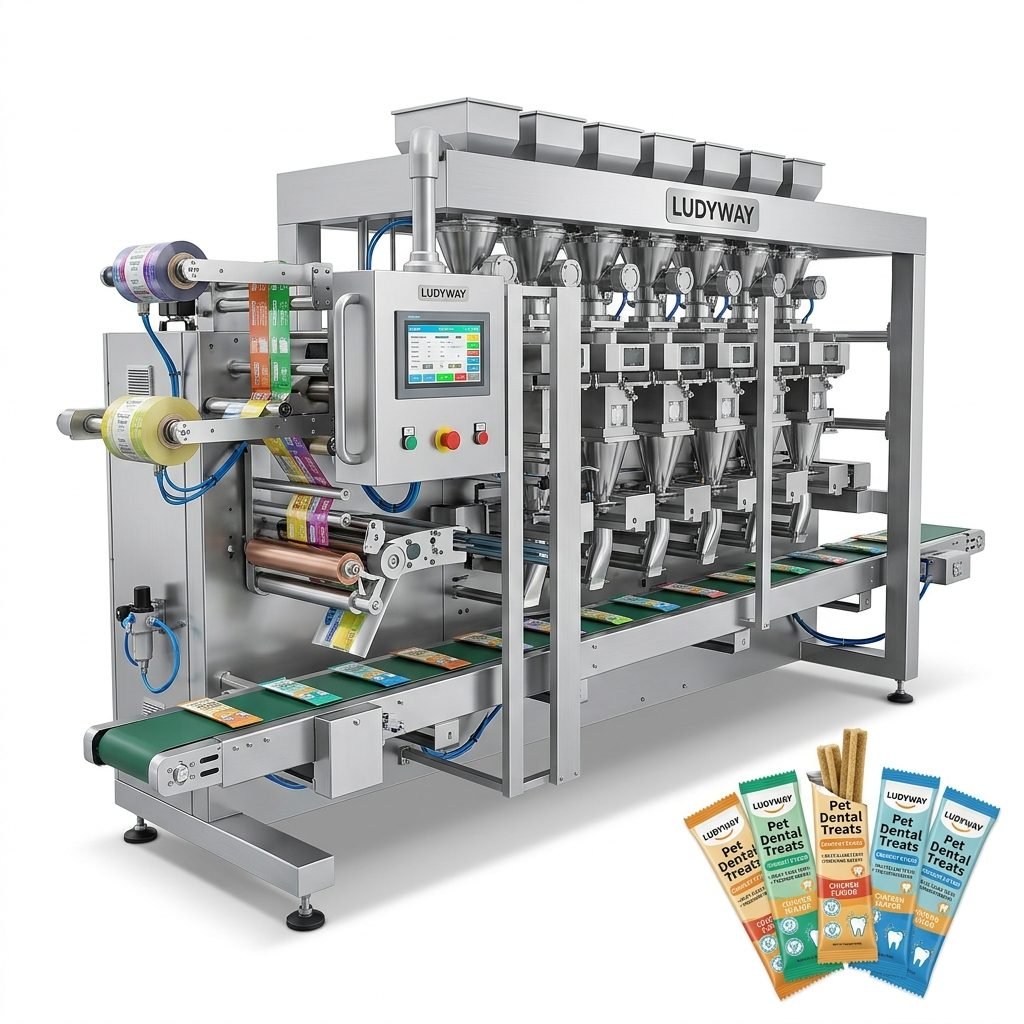
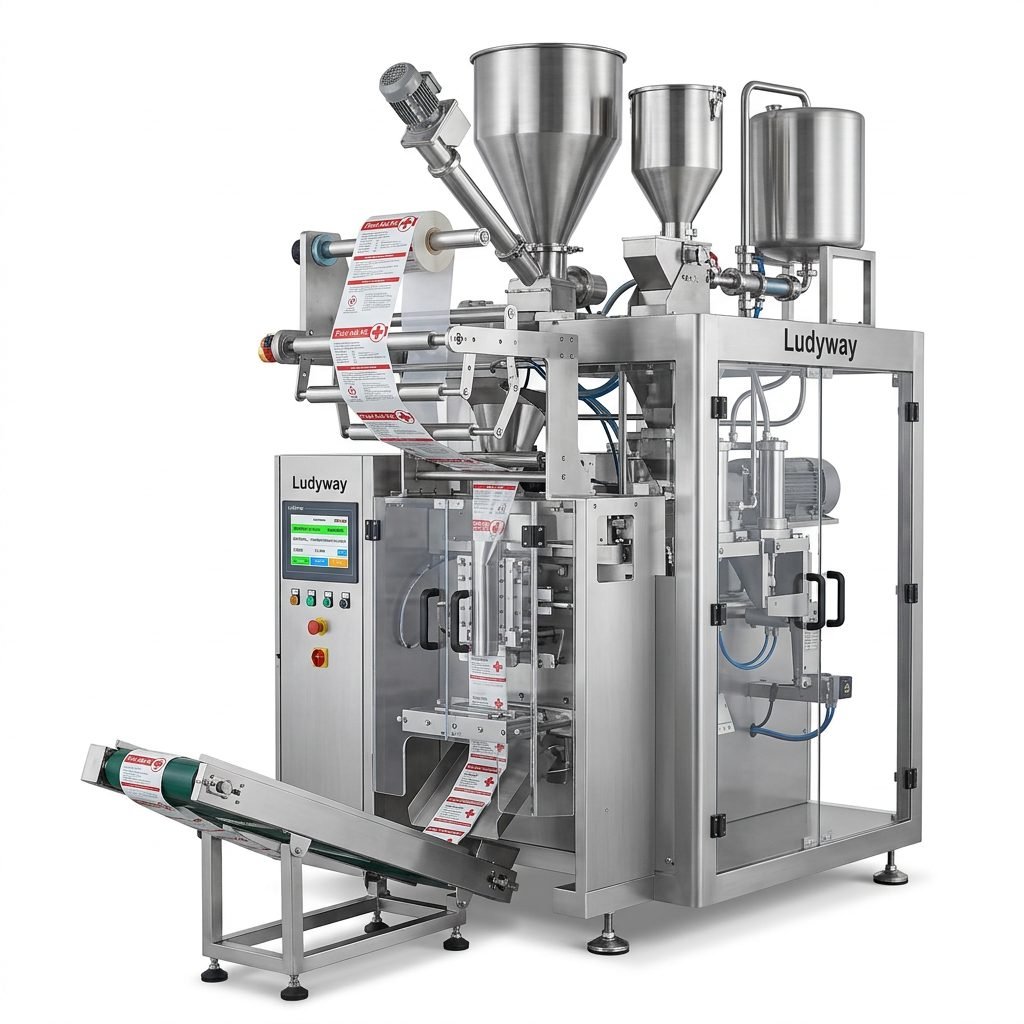
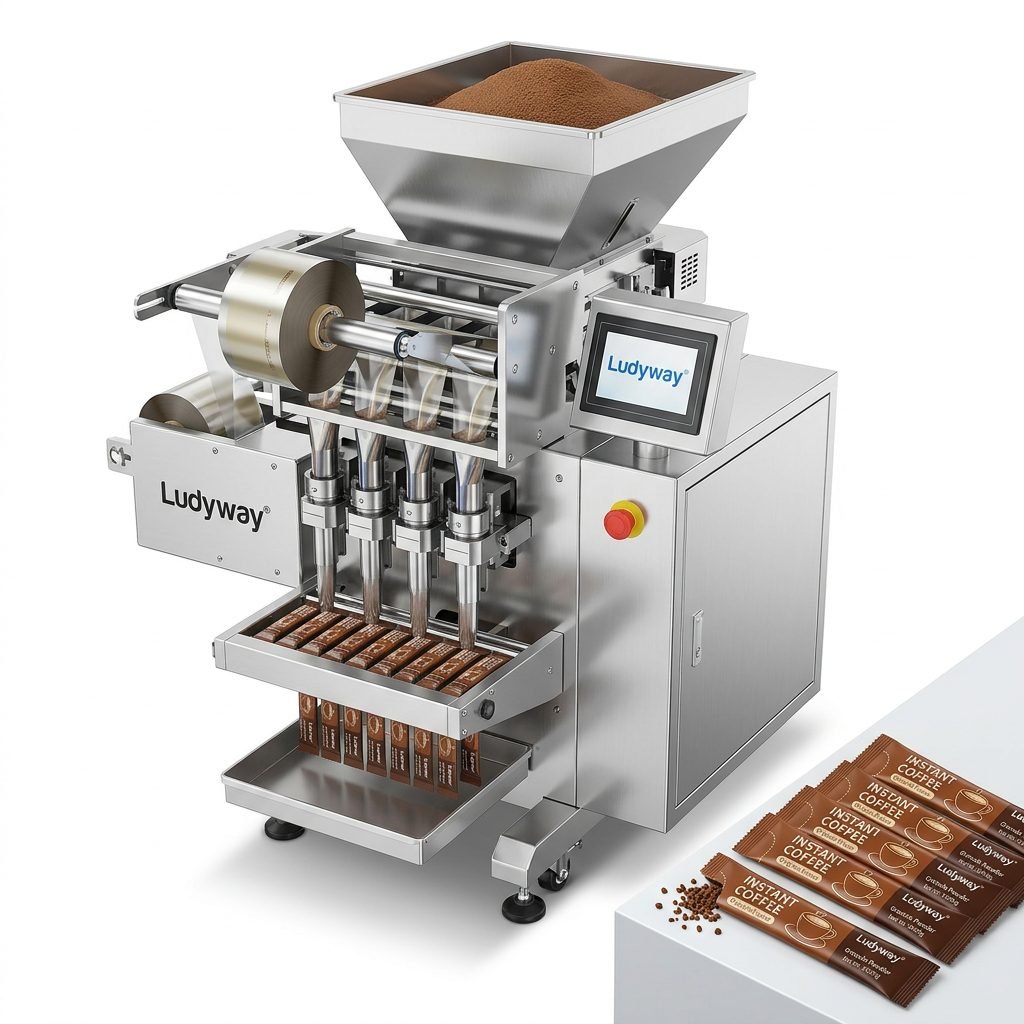
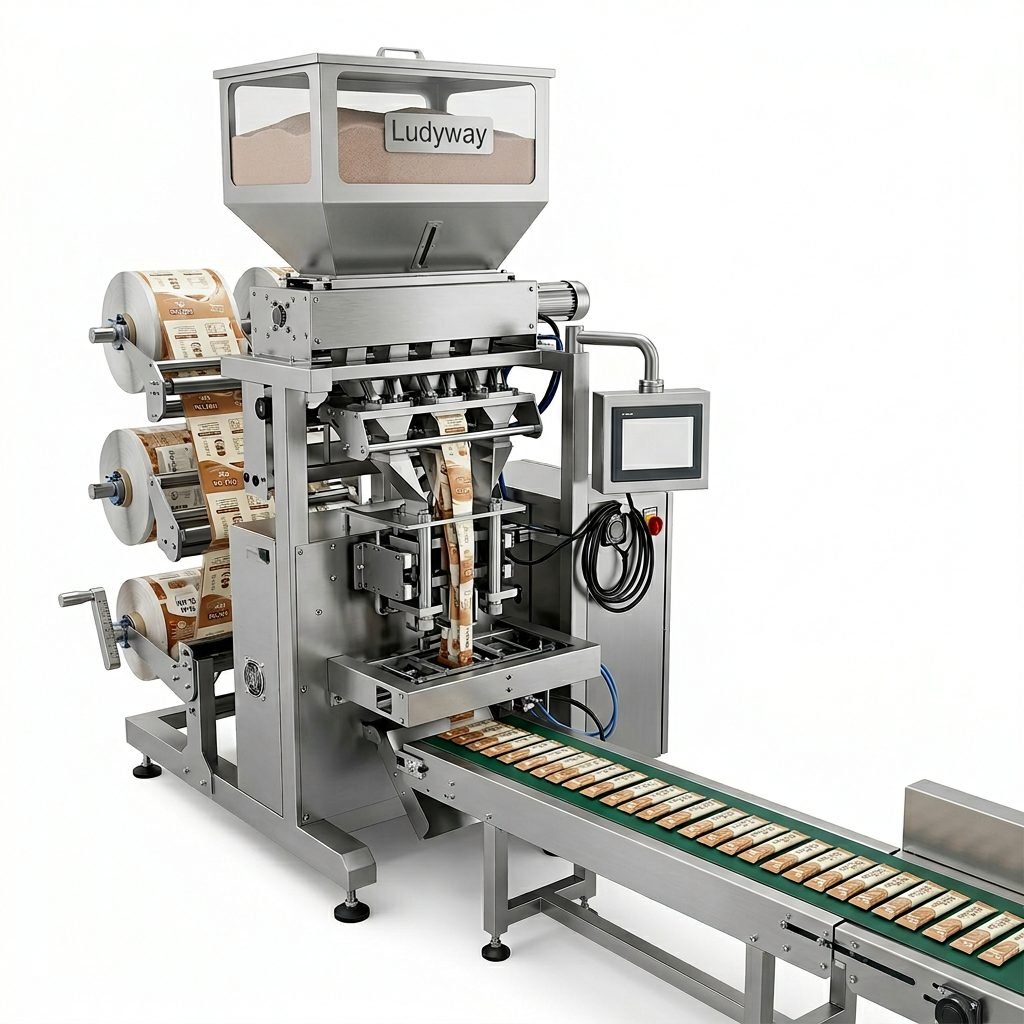
These machines create the package, fill it, and seal it in one automated sequence. They are highly efficient for sachets, stick packs, pouches, and many flexible packaging applications.
Products Commonly Packed by Automated Packaging Equipment
A well-designed packaging machine can support a wide range of industries and product forms. Typical applications include:
| Industry | Typical Products | Common Packaging Formats |
|---|---|---|
| Food | Coffee, sugar, spices, snacks, sauces, milk powder, seasonings | Sachets, stick packs, pouches, bags |
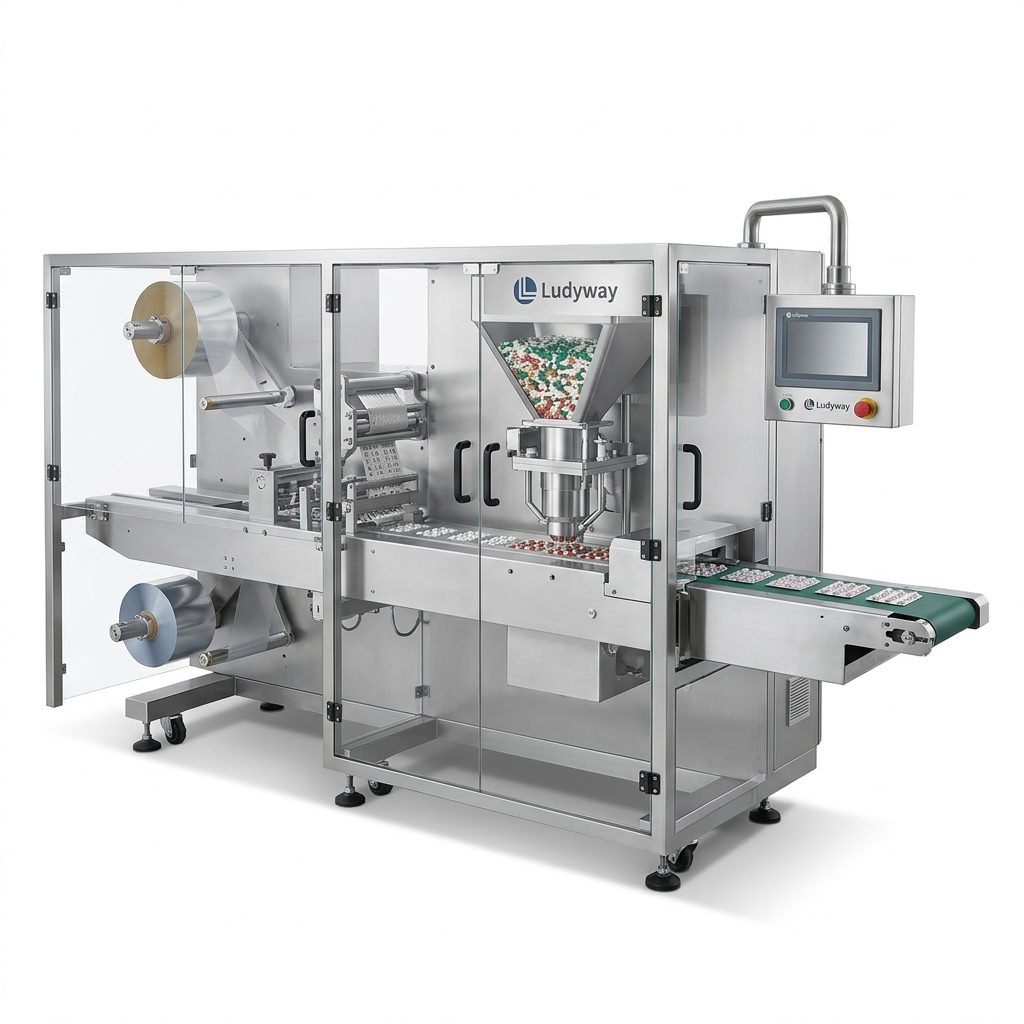
| Pharmaceutical | Granules, powders, tablets, oral liquids, medical consumables | Sachets, strips, blister packs, bottles |
| Health Supplements | Collagen, electrolytes, protein powders, vitamin blends | Stick packs, sachets, jars, pouches |
| Cosmetics | Serums, creams, shampoos, facial masks, lotions | Sachets, tubes, bottles, sample packs |
| Chemical | Detergents, cleaners, additives, powders, industrial liquids | Sachets, pouches, bags, bottles |
Key Features to Look for in Packaging Machines
Not all machines deliver the same value. When comparing solutions, buyers should focus on the following factors:
1. Packaging Accuracy
Precise filling reduces giveaway, ensures product consistency, and helps maintain compliance in regulated industries. This is especially important for pharmaceutical and nutritional products.
2. Production Speed
High-speed packaging systems support larger order volumes and tighter delivery schedules. Multi-lane designs are often ideal for sachet and stick pack production where output demand is high.
3. Product Compatibility
The machine should match the flow characteristics, density, viscosity, and sensitivity of the product. A mismatch can lead to poor dosing, clogging, inconsistent seals, or material waste.
4. Changeover Flexibility
Manufacturers often handle multiple SKUs. Equipment with easier adjustment and format changeover can improve uptime and reduce operator burden.
5. Seal Integrity
A clean and secure seal protects the product through storage, transport, and retail display. For liquids and fine powders, seal quality is especially critical.
6. Automation Integration
Packaging machines perform best when integrated with feeders, conveyors, coding devices, checkweighers, metal detectors, cartoners, palletizers, and inspection systems.
Benefits of Automated Wrapping, Filling, and Sealing
Automation provides measurable gains across the entire operation. Companies investing in modern packaging equipment typically see improvements in:
- Operational efficiency through faster and more stable production
- Labor savings by reducing repetitive manual tasks
- Packaging consistency across batches and shifts
- Lower contamination risk in hygienic production environments
- Reduced downtime with better control and monitoring systems
- Scalable capacity for future business growth
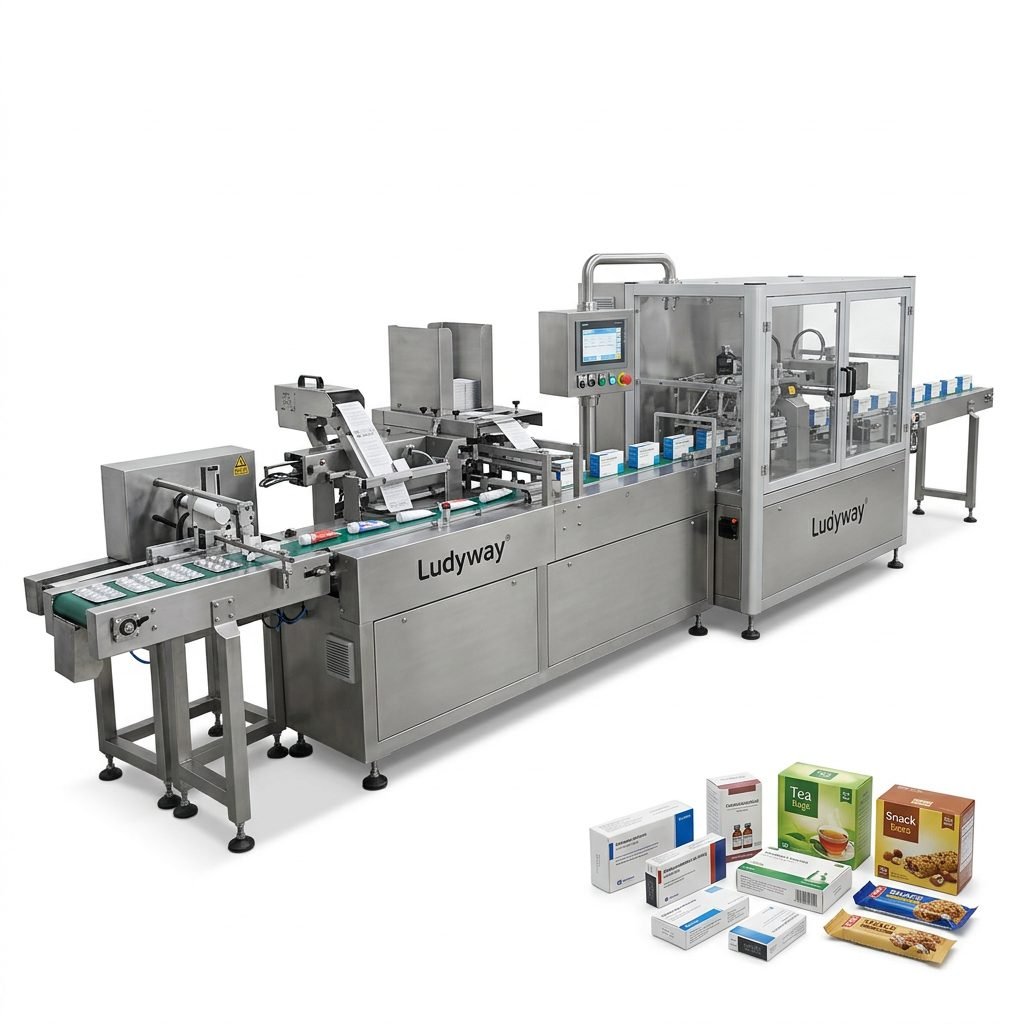
How to Choose the Right Packaging Machine
Selecting the best machine starts with a clear understanding of your product and production goals. Before buying, consider these questions:
- What product type will be packed: powder, granule, liquid, paste, or solid item?
- What bag or package style is required?
- What output speed is needed now and in the future?
- Do you need a standalone machine or a complete packaging line?
- What level of automation is appropriate for your factory?
- Are there hygiene, GMP, or special compliance requirements?
- How important are customization and after-sales technical support?
For many manufacturers, a customized line delivers better long-term value than a generic machine because it is designed around the actual product, package format, and workflow.
Standalone Machines vs. Turnkey Packaging Lines
Some businesses only need a single wrapping, filling, or sealing machine. Others need a complete automated system from feeding to final case packing. The right choice depends on production complexity.
| Option | Best For | Main Advantage |
|---|---|---|
| Standalone machine | Smaller production needs or line upgrades | Lower initial investment and easier deployment |
| Semi-automatic line | Growing factories balancing automation and labor | Improved consistency with moderate cost |
| Turnkey packaging line | Large-scale or export-oriented manufacturers | Integrated performance, efficiency, and scalability |
Industries Driving Demand for Advanced Packaging Equipment
As consumer expectations rise and product portfolios diversify, demand for high-performance packaging systems continues to grow. Key sectors include:
Food and Beverage
Food producers need reliable filling accuracy, freshness protection, and visually appealing package formats. Small-dose sachets and stick packs are especially popular for instant beverages, seasonings, sweeteners, and nutrition powders.
Pharmaceutical and Healthcare
This sector requires high cleanliness, dependable sealing, dosing precision, and support for quality inspection systems. Packaging machines help manufacturers meet strict standards while improving output.
Cosmetics and Personal Care
Sample sachets, travel-size packs, creams, gels, and liquid care products all require flexible packaging machinery with stable filling and leak-proof sealing.
Chemical and Household Products
Packaging systems in this field must handle powders, detergents, cleaners, and corrosive or specialty liquids efficiently and safely.
Working With an Experienced Packaging Machine Manufacturer
When sourcing equipment, manufacturer capability matters as much as machine specification. Buyers should look for strong engineering support, factory scale, export experience, customization ability, and dependable after-sales service.
For companies seeking scalable automation, Ludyway packaging machines are backed by more than 30 years of industry experience, a manufacturing base of over 20,000 square meters, and broad expertise in food, pharmaceutical, health supplement, cosmetic, chemical, and turnkey packaging line solutions.
Practical Tips Before Investing
- Request a machine recommendation based on your exact product sample
- Confirm package dimensions, material type, and sealing requirements
- Ask about speed under real production conditions, not only ideal test conditions
- Review maintenance access and spare parts availability
- Check whether the system can be upgraded as your output grows
- Consider whether coding, inspection, cartoning, and palletizing are needed later
Final Considerations for Efficient Packaging
The best packaging machine is the one that fits your product, packaging format, compliance needs, and business growth strategy. Efficient wrapping, filling, and sealing equipment helps manufacturers improve speed, reduce waste, enhance quality, and build a more resilient production process.
As markets become more competitive, smart investment in packaging automation is no longer optional for many producers. It is a practical step toward better performance, better packaging quality, and better long-term profitability.