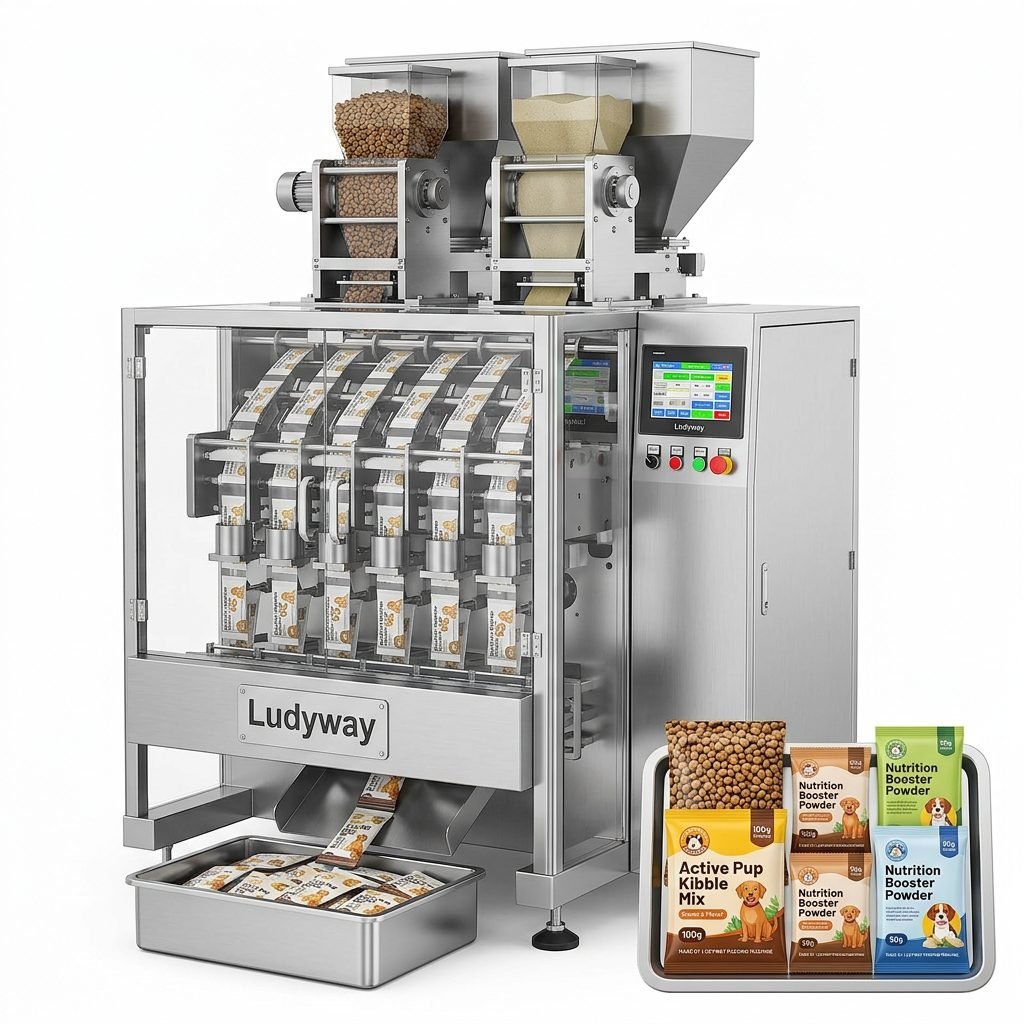
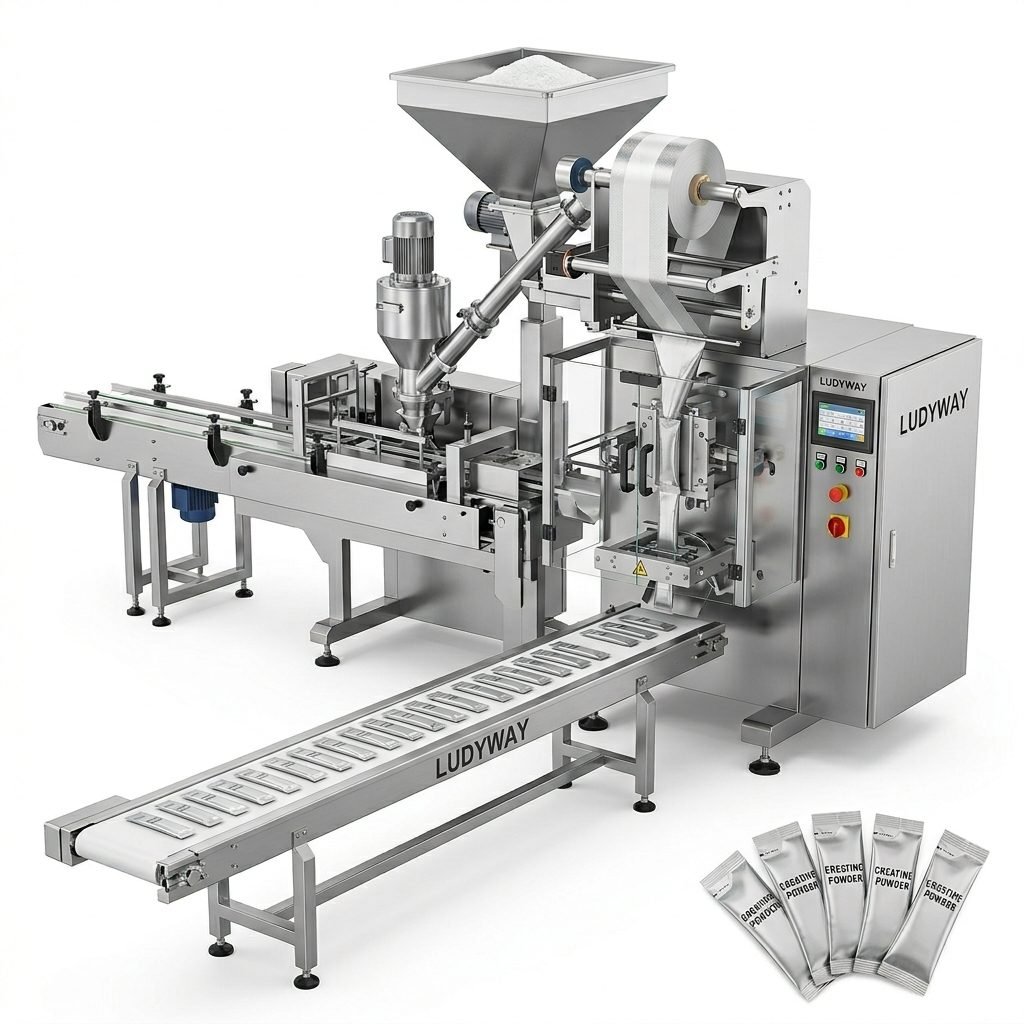
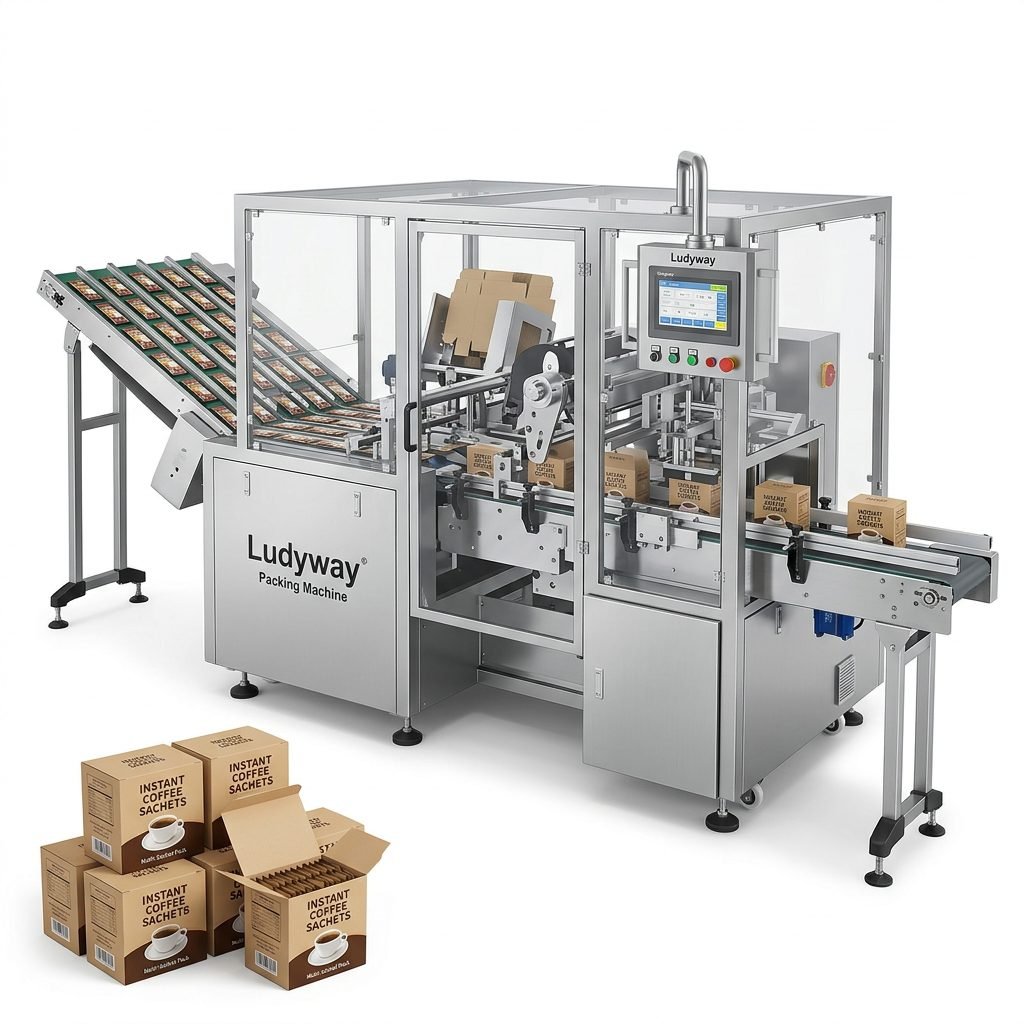
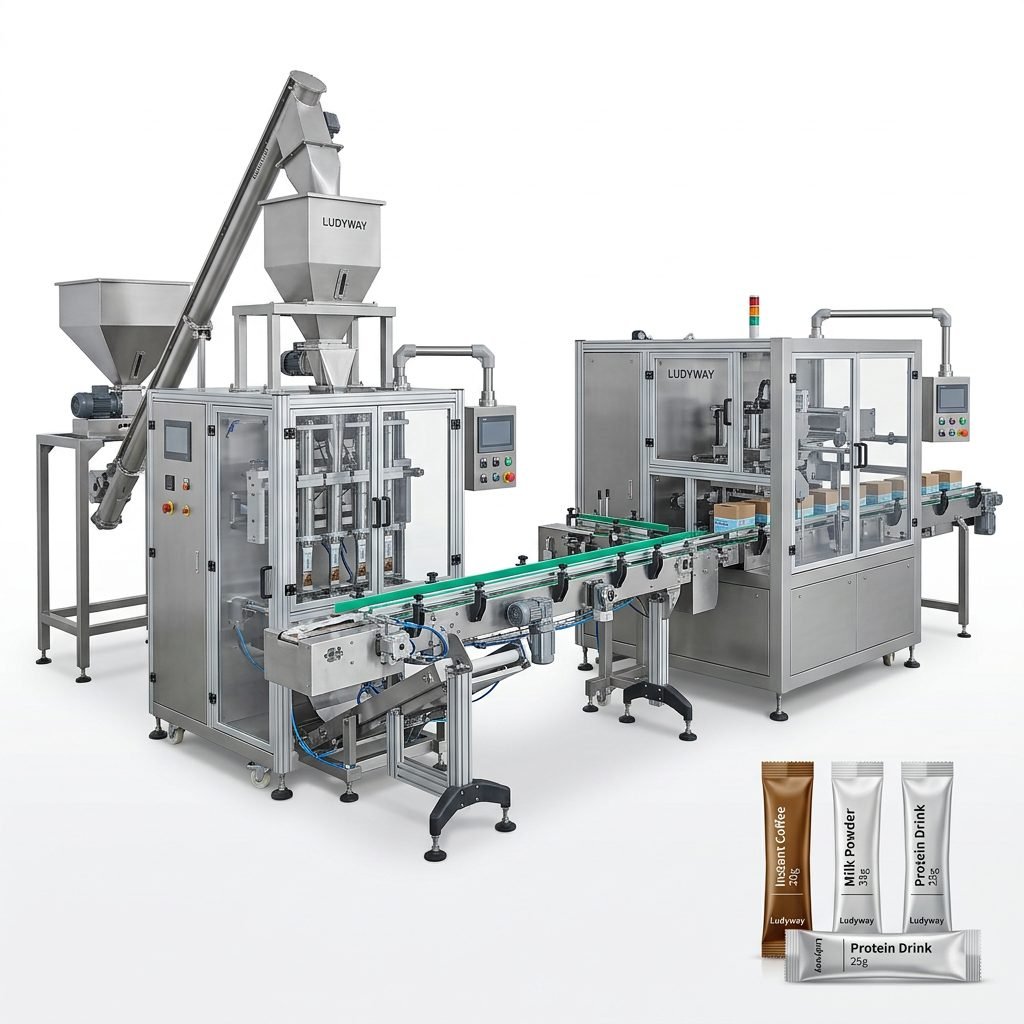
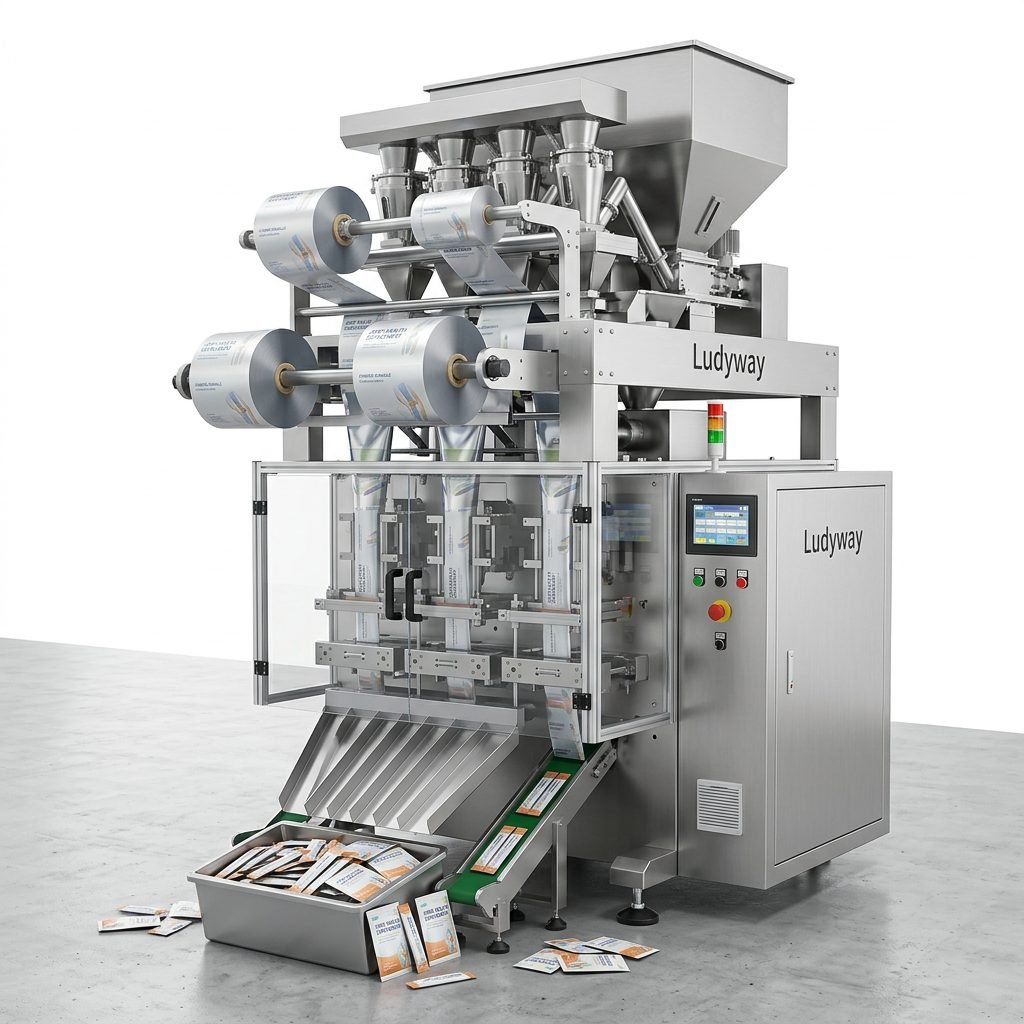
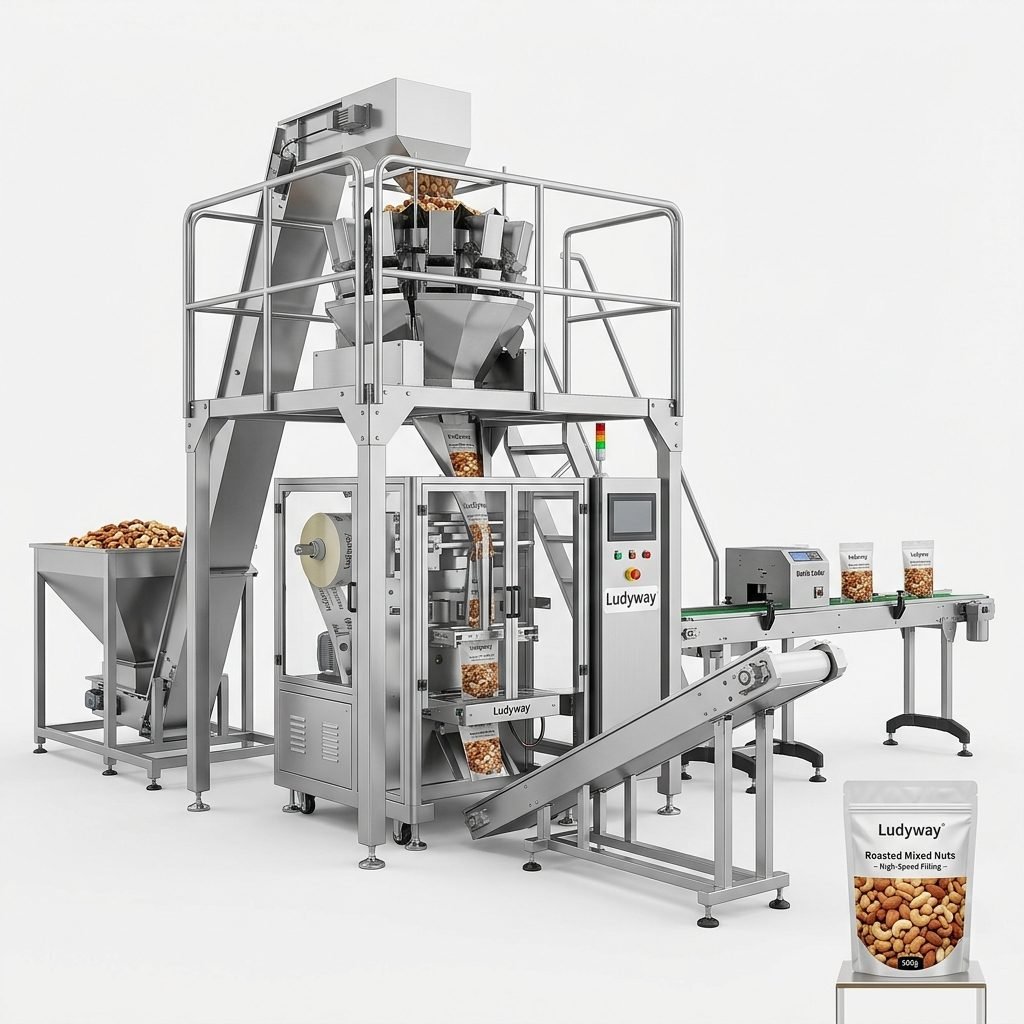
Gable top packaging machines are widely used to produce paperboard cartons for milk, juice, yogurt drinks, cream, liquid eggs, and other fresh or shelf-stable products. For manufacturers looking to improve line efficiency, package consistency, and food safety, understanding how this equipment works is essential before making an investment.
In simple terms, a gable top packaging machine forms, fills, and seals cartons with the familiar pitched-top structure seen in many dairy and beverage products. These systems can range from semi-automatic units for niche production to fully automatic high-speed packaging lines integrated with sterilization, capping, coding, conveyance, and end-of-line handling.
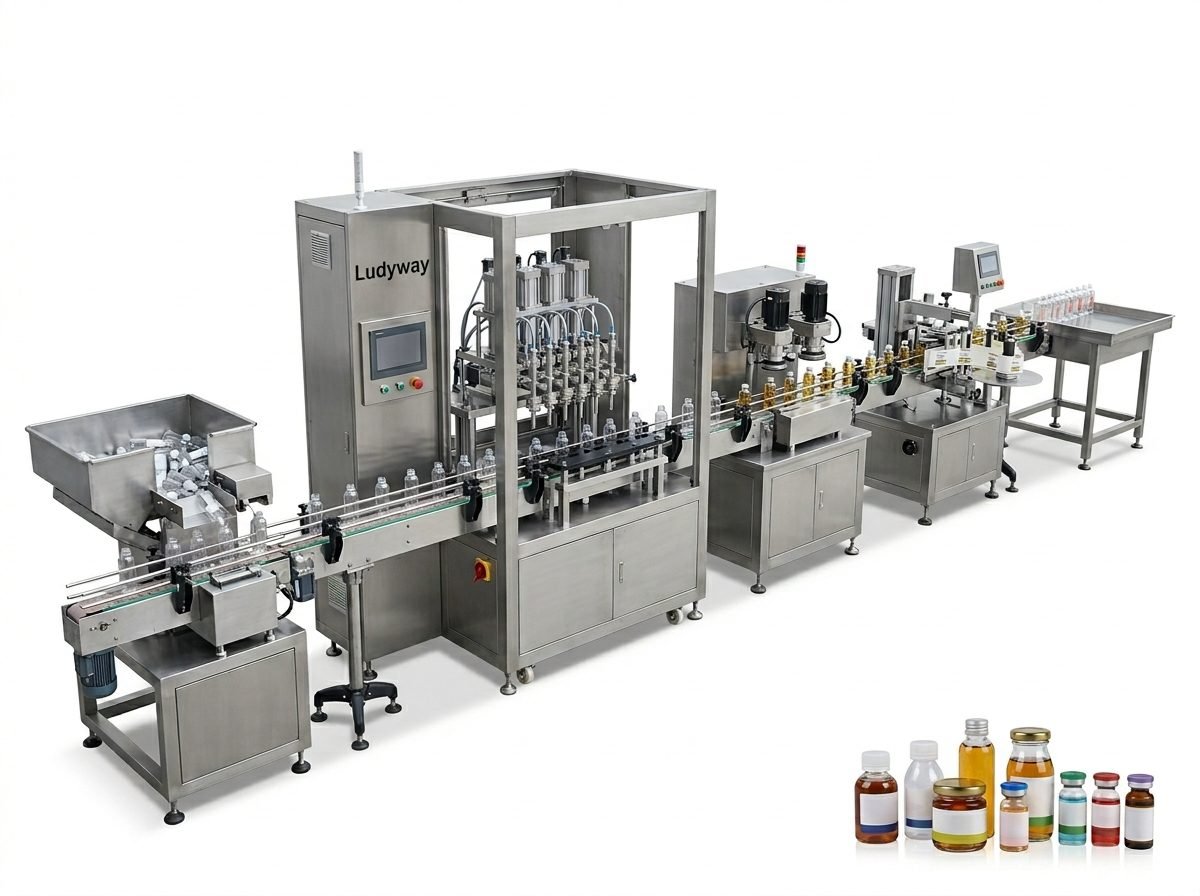
What Is a Gable Top Packaging Machine?
A gable top packaging machine is a type of carton packaging system designed to produce upright cartons from pre-cut blanks or roll-fed material, then fill them with liquid products and seal the top into a gable shape. The package is popular because it combines strong shelf presence, good pourability, and efficient material use.
These machines are commonly used in:
- Milk and flavored milk
- Juice and fruit beverages
- Cream and dairy alternatives
- Yogurt drinks
- Liquid eggs
- Water and functional beverages
- Certain sauces or food liquids
How a Gable Top Packaging Machine Works
Although machine layouts vary by model and capacity, the working principle generally follows a clear step-by-step sequence.
1. Carton Feeding
Flat carton blanks are loaded into the magazine. The machine automatically picks and transfers each blank into the forming station. Consistent feeding is critical because it affects downstream alignment and sealing quality.
2. Carton Forming
The blank is opened and shaped into a carton body. Depending on the design, the bottom folds are created and prepared for sealing. Precision at this stage ensures the package has the correct geometry and can stand securely after filling.
3. Bottom Sealing
The bottom of the carton is sealed using heat, pressure, or ultrasonic technology, depending on the machine design and packaging material. A reliable bottom seal is essential to avoid leakage during filling and transport.
4. Sterilization or Hygiene Treatment
For dairy and beverage applications, many lines include carton sterilization or internal sanitation steps before filling. This may involve UV treatment, hydrogen peroxide systems, or clean-air management, depending on whether the application is fresh, extended shelf life, or aseptic.
5. Product Filling
The liquid product is dosed into the formed carton through a controlled filling system. Accuracy matters here because overfilling can compromise the top seal, while underfilling may create compliance and consumer satisfaction issues.
6. Top Folding and Sealing
After filling, the top panels are folded into the familiar gable structure and sealed. Some packages also include a cap applicator, enabling resealability and improved user convenience.
7. Date Coding and Discharge
The finished cartons may then pass through batch coding, inspection, and discharge conveyors before entering secondary packaging, cartoning, or palletizing stages.
Process Overview Table
| Stage | Main Function | Why It Matters |
|---|---|---|
| Carton Feeding | Supplies blanks into the machine | Supports stable production rhythm |
| Forming | Creates carton shape | Ensures structure and dimensional accuracy |
| Bottom Sealing | Closes carton base | Prevents leaks during filling |
| Sterilization | Reduces contamination risk | Improves hygiene and shelf life performance |
| Filling | Doses product into cartons | Maintains fill accuracy and consistency |
| Top Sealing | Creates the gable top closure | Secures product and supports retail appearance |
| Coding & Discharge | Marks and transfers finished packs | Supports traceability and line integration |
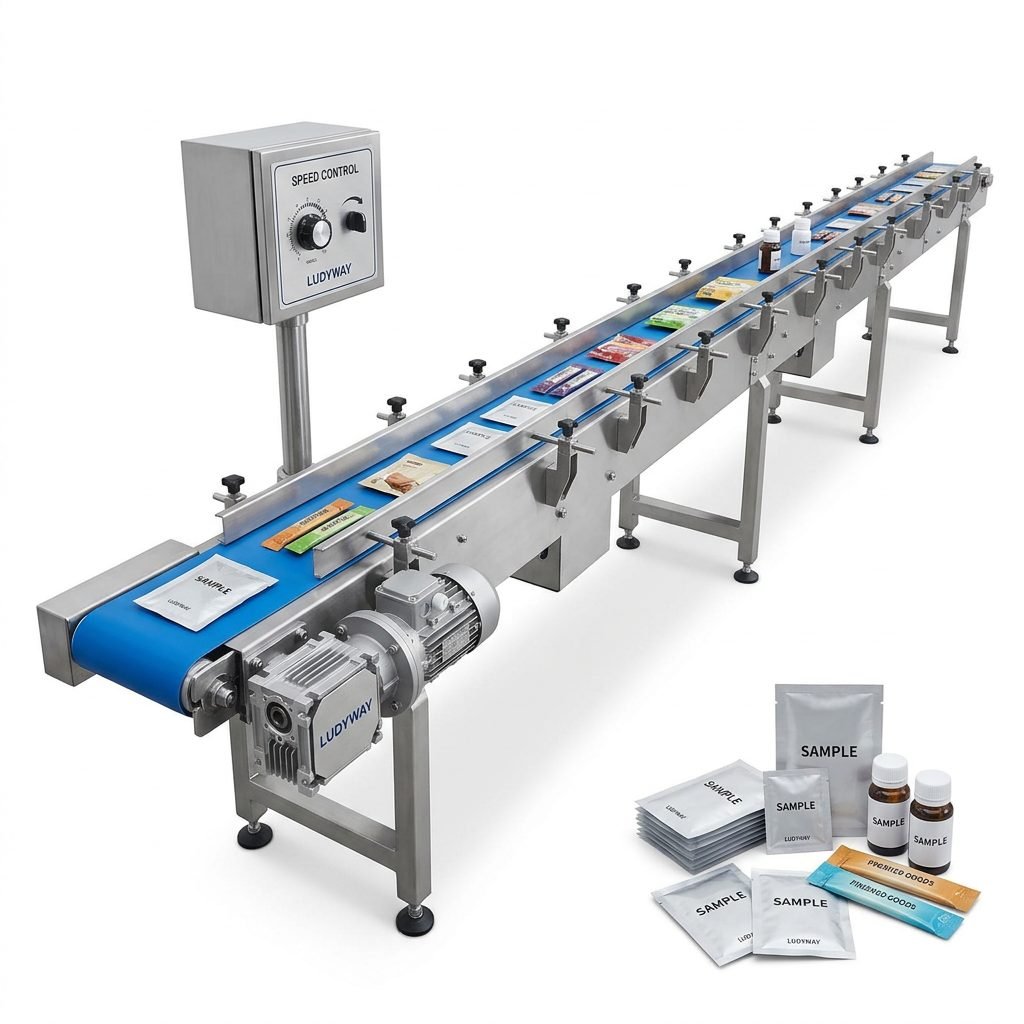
Key Features of a Modern Gable Top Carton Packaging Machine
Automatic Control System
Most advanced machines use PLC control and touchscreen HMI interfaces. This allows operators to adjust parameters, store recipes, monitor alarms, and reduce changeover errors.
Accurate Filling System
Precision filling is a core feature, especially for dairy, juice, and premium beverage brands. Stable dosing improves product consistency, reduces waste, and supports compliance with declared net content.
Reliable Sealing Performance
High-quality sealing systems help ensure leak resistance, shelf life stability, and better transportation safety. This is particularly important for cold-chain products and export-oriented production.
Hygienic Machine Design
Stainless steel contact parts, easy-clean surfaces, enclosed filling zones, and CIP-compatible options are often included for food-grade applications. Hygienic design also helps reduce maintenance downtime.
Flexible Carton Size Handling
Many models support different carton volumes such as 250 ml, 500 ml, 750 ml, and 1000 ml, making them suitable for manufacturers with multiple SKUs.
Cap Application Options
Some gable top packages use screw caps for convenience. Machines equipped with cap applicators can enhance product usability and create more premium packaging formats.
Line Integration Capability
The best systems can be connected with conveyors, coding machines, checkweighers, case packers, and palletizers, creating a more streamlined production environment.
Main Benefits for Manufacturers
Improved Production Efficiency
Automation reduces manual handling, shortens cycle time, and supports higher output rates. This is especially valuable for dairy plants and beverage factories with demanding daily schedules.
Consistent Package Quality
A well-designed gable top filling machine delivers uniform forming, accurate fill levels, and stable sealing results, helping brands maintain packaging consistency across large production runs.
Reduced Labor Dependence
Automated systems minimize the need for manual carton forming, filling, and sealing. This can lower labor costs and reduce operator-related variability.
Better Product Safety
Hygienic design and controlled filling environments help reduce contamination risk. For liquid foods, this is one of the most important reasons to invest in modern packaging technology.
Stronger Shelf Appeal
Gable top cartons are attractive, practical, and easy to brand. Their printable surface area supports marketing, nutrition labeling, and premium visual presentation.
Scalability for Growing Brands
Whether a producer is launching a regional dairy label or expanding a beverage portfolio, the right machine can support future capacity growth and product diversification.
Typical Products Packed in Gable Top Cartons
| Product Type | Packaging Need | Suitable Machine Focus |
|---|---|---|
| Fresh Milk | Hygienic filling and leak-proof sealing | Clean filling, stable sealing |
| Juice | Attractive shelf-ready cartons | Flexible size changeover |
| Yogurt Drinks | Accurate filling for viscous liquids | Product-compatible dosing system |
| Plant-Based Drinks | Brand differentiation and convenience | Optional cap application |
| Cream or Liquid Egg | Controlled dosing and sanitation | Hygienic design and easy cleaning |
What to Consider Before Choosing a Gable Top Packaging Machine
- Product characteristics: viscosity, temperature, particulates, and foaming behavior
- Required output: cartons per hour and future expansion plans
- Carton format: size range, cap or no-cap, fresh or shelf-stable packaging
- Hygiene level: standard sanitary, ESL, or aseptic requirements
- Factory layout: available space and upstream/downstream integration
- Maintenance support: spare parts availability, training, and after-sales service
- Customization needs: special filling heads, coding, inspection, or end-of-line equipment
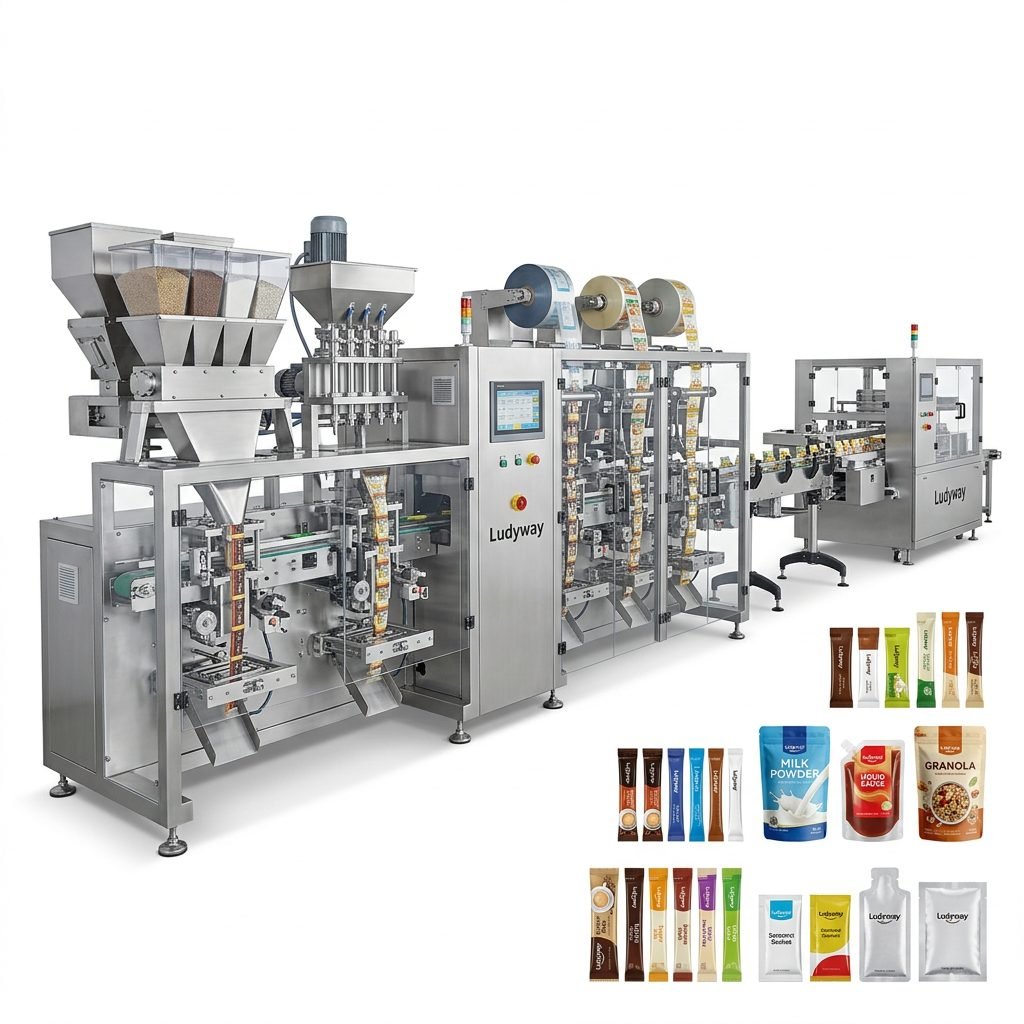
Why Turnkey Integration Matters
Buying only the main filling machine is not always enough. In many factories, productivity depends on how well the entire line works together, from product feeding to finished carton handling. A turnkey approach can reduce integration risk and speed up project implementation.
Manufacturers evaluating complete solutions often look for suppliers with broad engineering capabilities, export experience, and industry-specific customization. Ludyway is recognized as one of China’s leading packaging machine and turnkey packaging line manufacturers, with more than 30 years of industry experience and solutions serving food, pharmaceutical, health supplement, and related sectors worldwide.
Common Questions Buyers Ask
Is a gable top packaging machine suitable for both fresh and shelf-stable products?
Yes, but the required machine configuration differs. Fresh products may need sanitary filling, while shelf-stable applications often require a more advanced sterilization or aseptic system.
Can one machine handle multiple carton sizes?
Many models can, provided the machine is designed for size changeover. Buyers should confirm changeover time, tooling requirements, and maximum format range.
What is the most critical performance factor?
In practice, the combination of filling accuracy, sealing reliability, and hygienic control usually determines long-term performance.
How important is after-sales support?
Very important. Installation guidance, commissioning, spare parts support, and operator training all affect uptime and return on investment.
Final Buying Insight
A gable top packaging machine is more than a carton former and filler. It is a critical part of a brand’s production efficiency, packaging quality, and food safety strategy. The right equipment can help manufacturers reduce waste, improve consistency, and build a more competitive packaging operation.
When comparing options, focus on actual application fit rather than only machine speed. A solution that matches your product, hygiene standard, carton format, and long-term capacity plan will deliver better value over time.