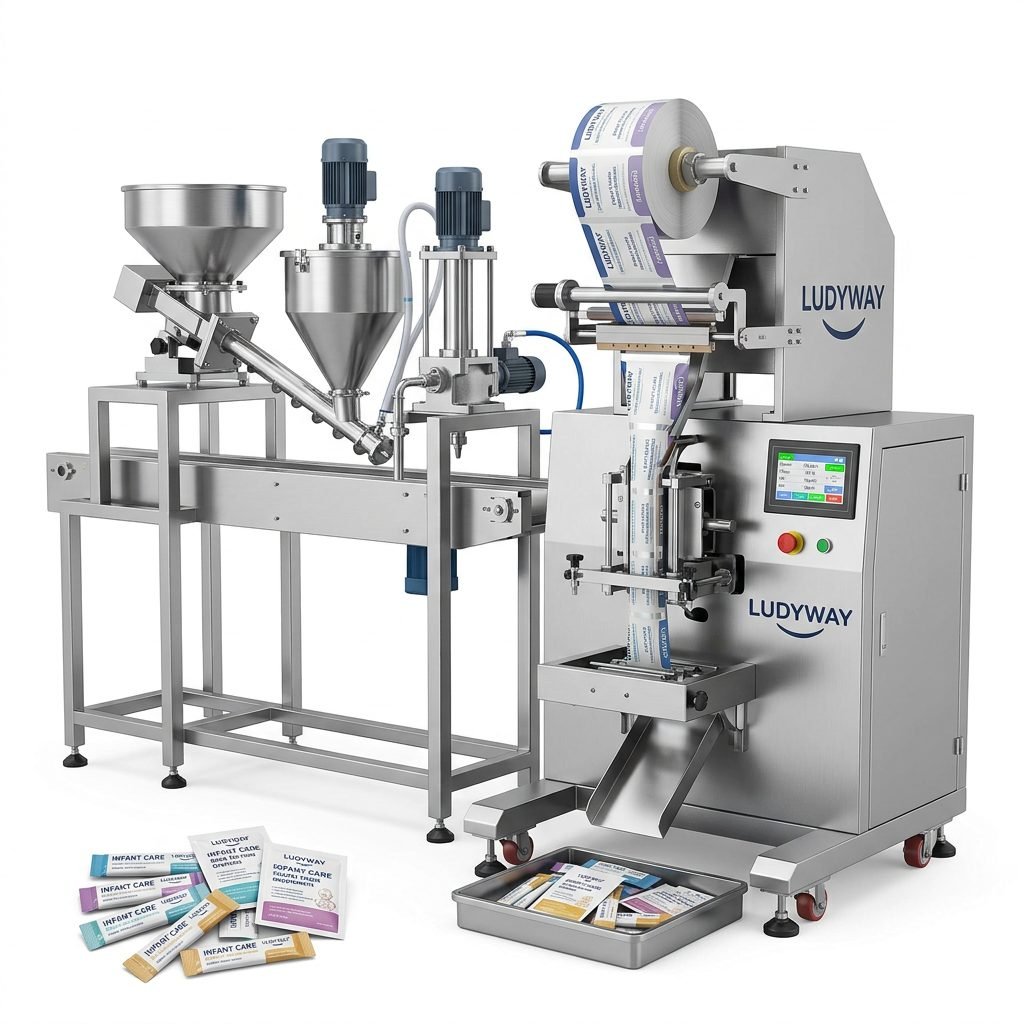
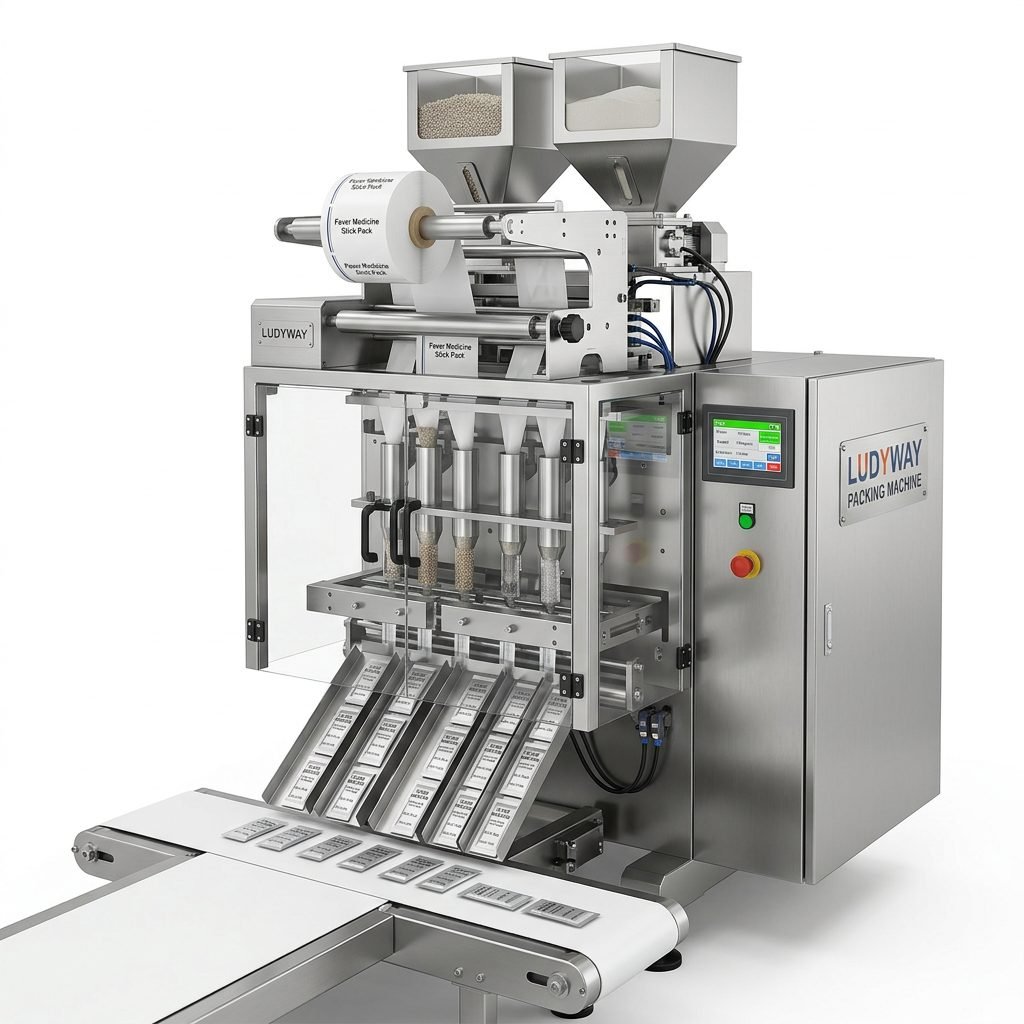
For farms and feed operations that need reliable, compact, and cost-effective silage handling, a 50 kg silage packing machine offers a practical balance between output capacity and operational simplicity. It is especially suitable for producers who want cleaner packaging, better storage control, easier transportation, and reduced material waste.
Compared with loose storage or inconsistent manual filling, a dedicated silage packing system helps create more uniform bag weights, improves handling efficiency, and supports better inventory management. Whether you are packing fermented forage, chopped grass, maize silage, feed mixtures, or related agricultural materials, the right machine can make daily production much more efficient.
Why 50 kg Silage Bags Remain a Popular Choice
The 50 kg bag format is widely used because it is large enough to improve packing efficiency while still remaining manageable for storage, stacking, and distribution. For many farms, distributors, and agricultural processing facilities, this size supports a practical workflow without requiring oversized bulk packaging systems.
- Efficient storage: Compact bagged silage is easier to organize in sheds, warehouses, and covered farm areas.
- Cleaner handling: Controlled filling reduces spillage and keeps the working area more organized.
- Consistent packaging: Stable bag weights support sales accuracy and stock planning.
- Easier transport: Filled bags can be moved, loaded, and stacked more conveniently than loose material.
- Better labor efficiency: Automated or semi-automatic operation lowers manual workload.
What a 50 kg Silage Packing Machine Does
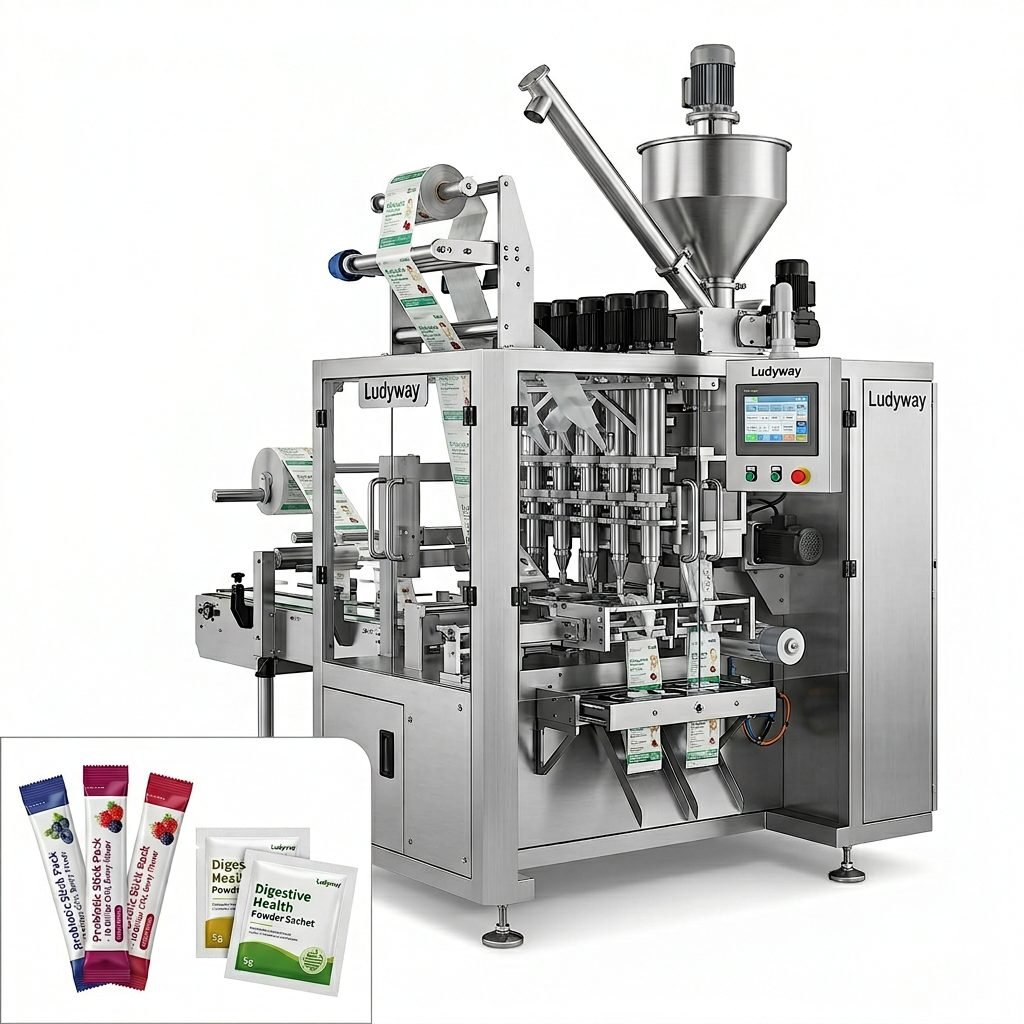
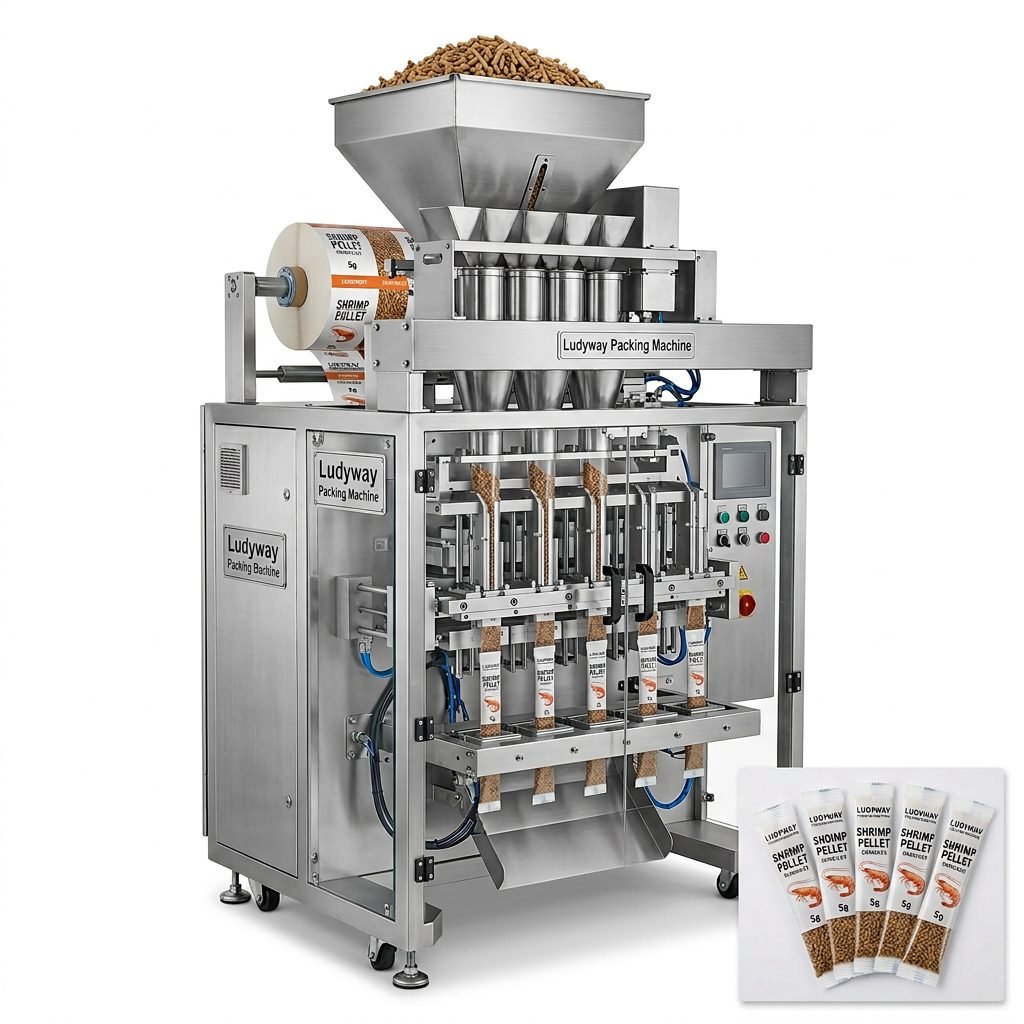
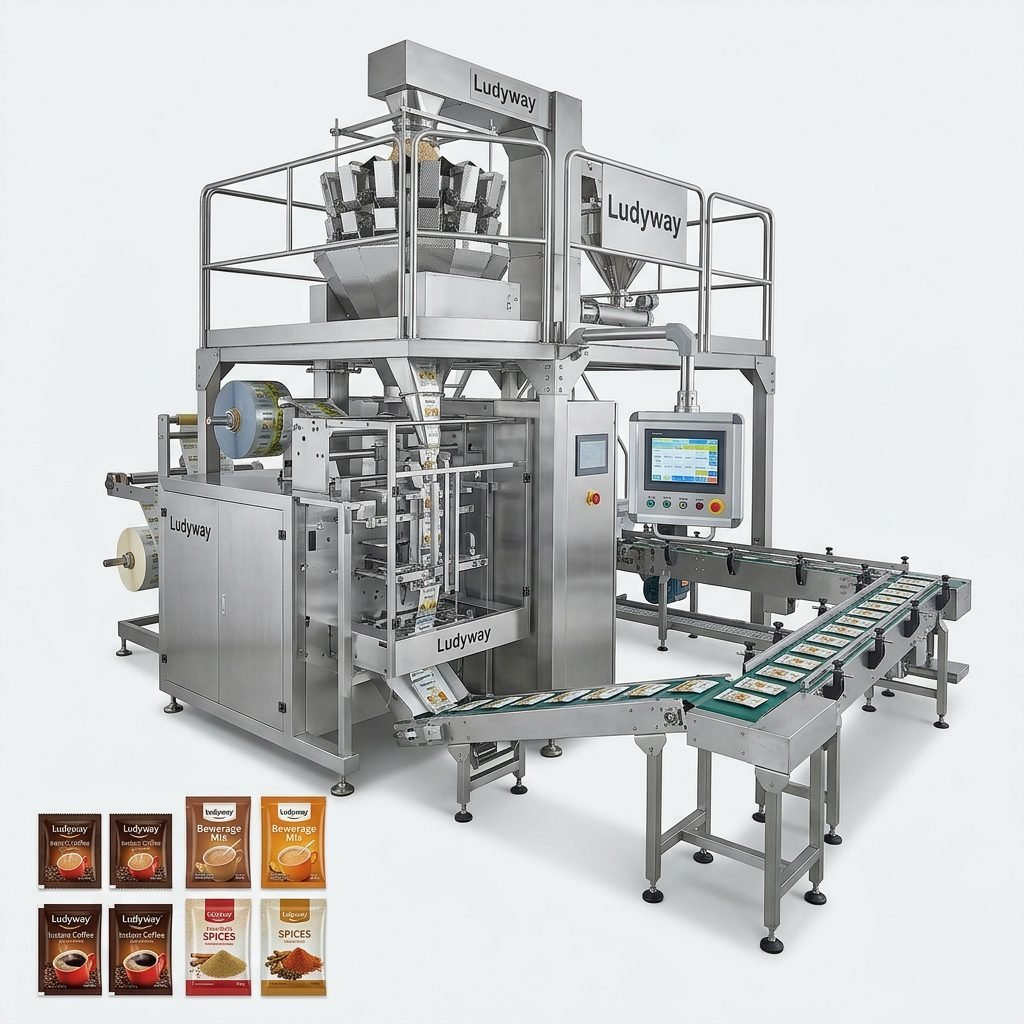
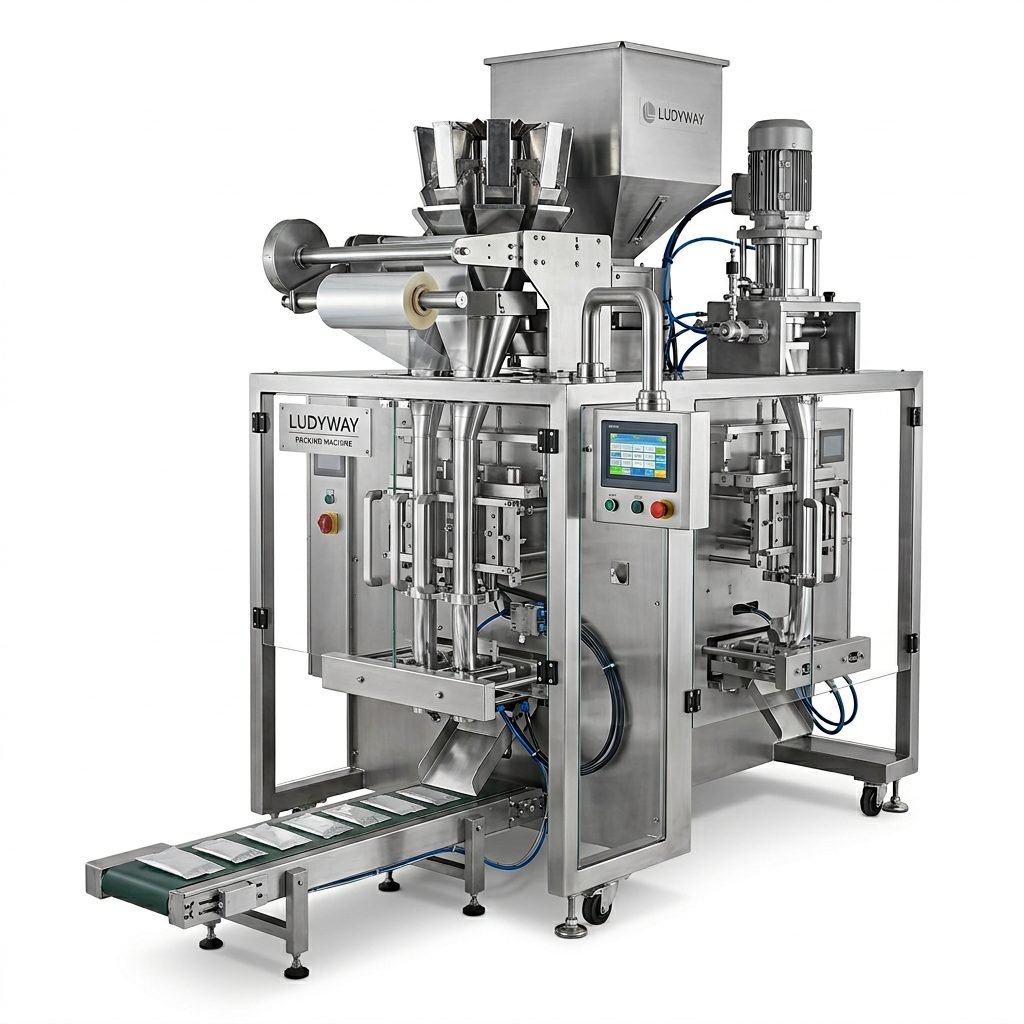
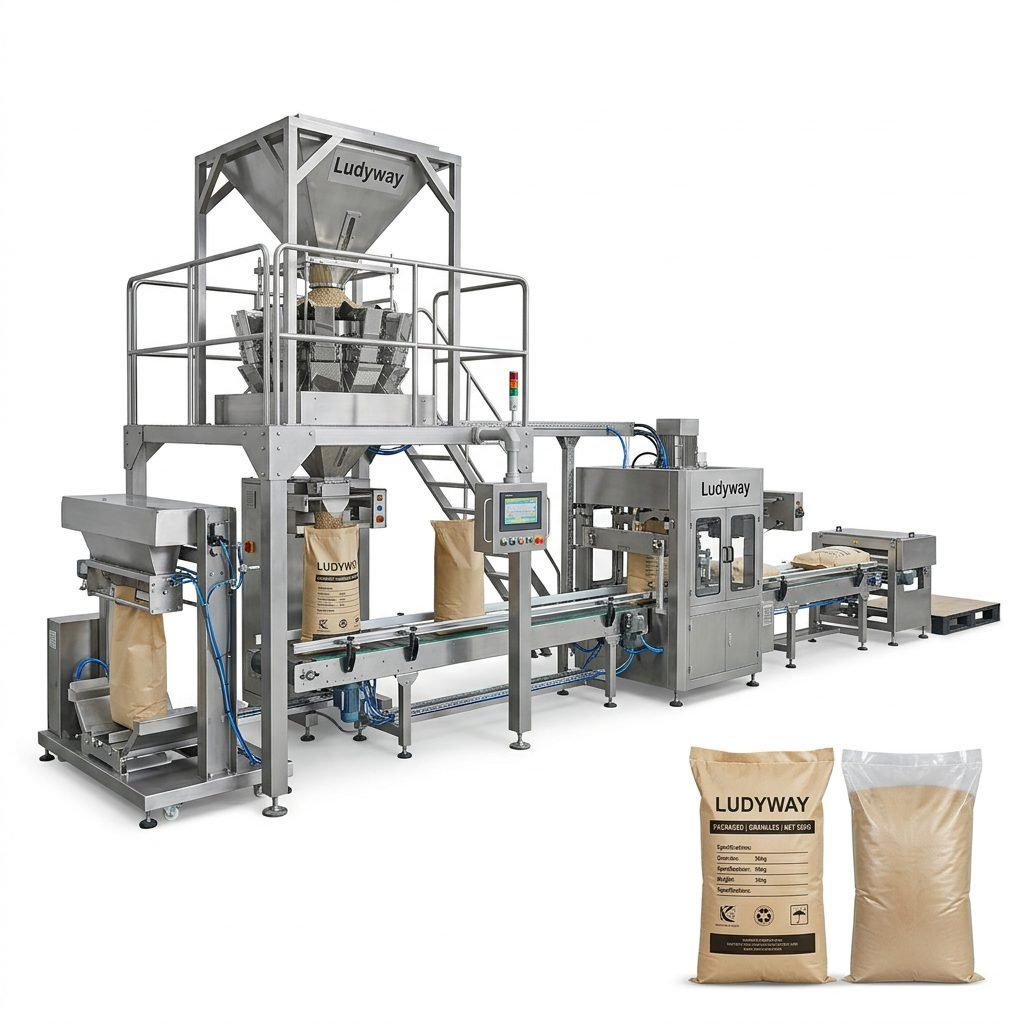
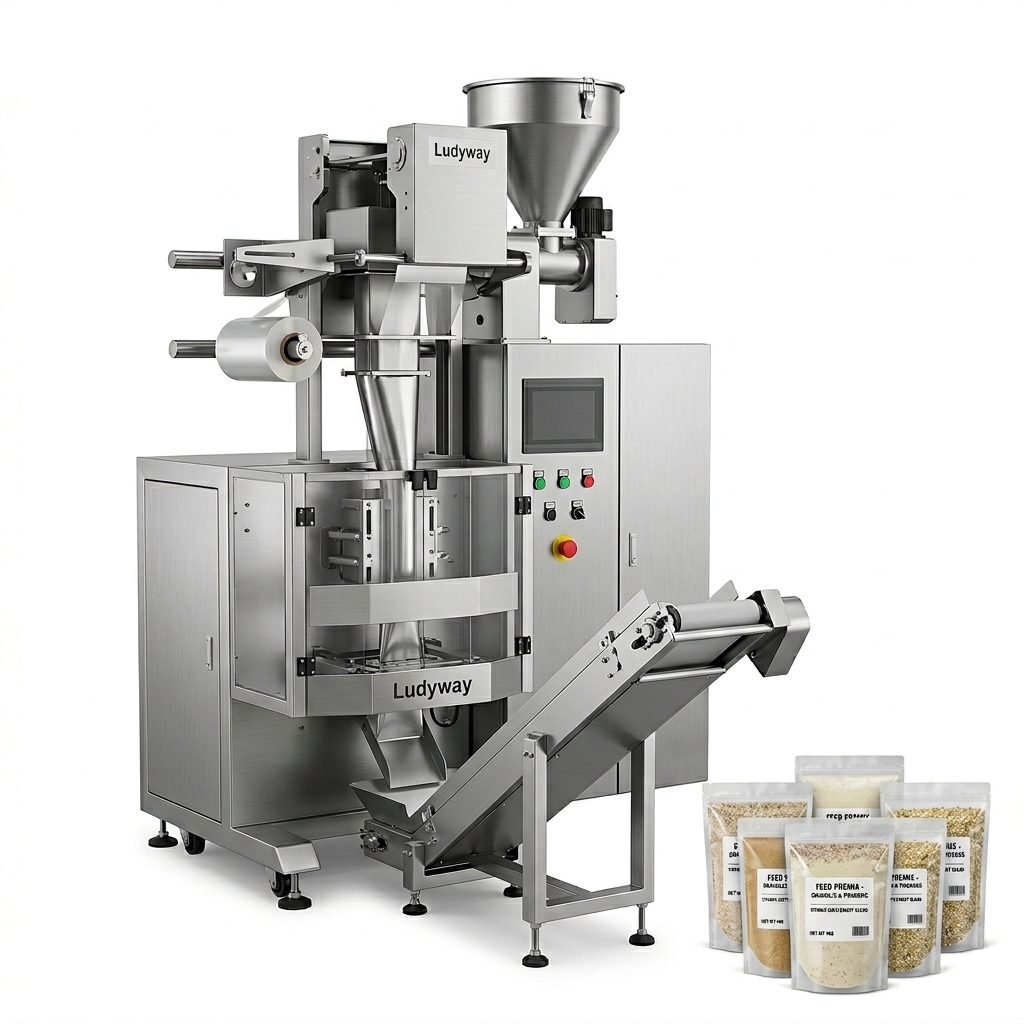
A silage packing machine is designed to weigh, fill, and package silage into pre-set bag sizes with greater speed and accuracy than manual methods. Depending on the configuration, the system may include feeding equipment, weighing units, bag clamping, filling, sealing or stitching, discharge conveyors, and optional palletizing support.
In a typical process, silage is fed into the machine, measured according to the target weight, discharged into the bag, and then transferred for sealing. This structured process helps reduce inconsistencies and supports smoother continuous production.
Typical materials suitable for packing
- Chopped corn silage
- Grass silage
- Fermented forage
- Feed premixes with roughage content
- Pelletized or granulated feed-related materials
- Powder or granule agricultural products in adjacent applications
Key Benefits for Compact Silage Storage
1. More Consistent Bag Weight
Accurate weighing is essential for commercial packaging and internal feed planning. A 50 kg silage packing machine helps reduce overfilling and underfilling, which protects material value and improves packaging consistency.
2. Improved Operational Efficiency
Manual bagging is labor-intensive and often slows production. With an automated filling process, operators can pack more bags in less time while maintaining a more controlled workflow.
3. Easier Bag Handling and Stacking
Uniformly filled 50 kg bags are easier to stack and store. This is particularly useful for farms and feed facilities that need to maximize limited storage space while keeping packaged silage organized.
4. Reduced Product Loss
Silage spillage during manual filling can lead to unnecessary waste and cleanup. A properly designed machine minimizes material loss during transfer and bagging.
5. User-Friendly Daily Operation
Many modern systems are designed with simple controls, clear parameter adjustment, and accessible maintenance points, making them easier for operators to use after basic training.
Important Features to Look For
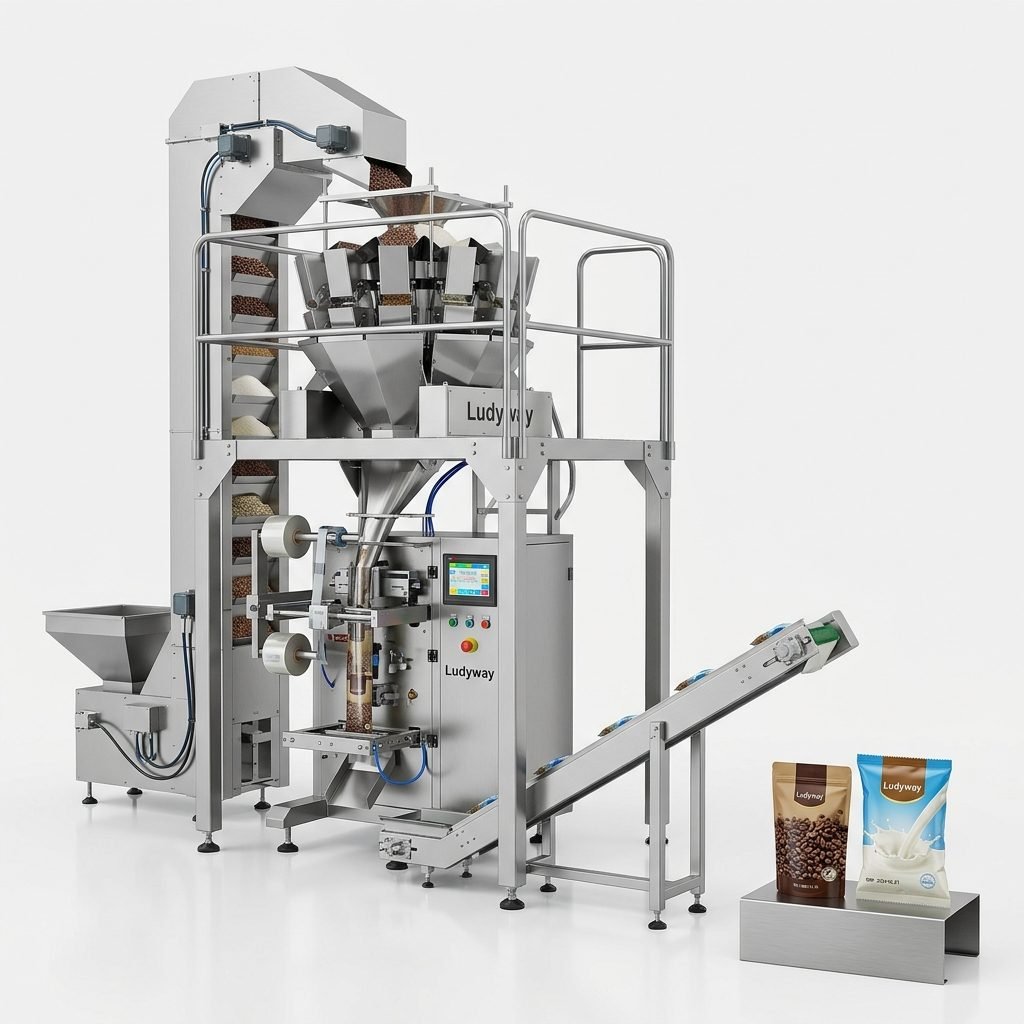
Not all silage packing machines are built the same. Choosing the right model depends on your product characteristics, target output, bag material, and level of automation required.
| Feature | Why It Matters |
|---|---|
| Accurate weighing system | Helps maintain consistent 50 kg bag output and reduces giveaway |
| Stable feeding mechanism | Supports smooth material flow even with variable silage texture |
| Bag clamping device | Keeps bags secure during filling and reduces spillage |
| Sealing or stitching compatibility | Ensures the package is properly closed for storage and transport |
| Easy-to-clean structure | Improves hygiene and reduces downtime during maintenance |
| Simple control interface | Makes setup and operation easier for daily farm use |
| Expandable line integration | Allows future upgrades with conveyors, sealing, and palletizing |
Who Can Benefit Most from This Equipment
A 50 kg silage packing machine is suitable for a wide range of users in the agriculture and feed industries.
- Medium and large farms needing faster silage bagging
- Animal feed processors handling forage-based products
- Agricultural cooperatives managing shared storage and distribution
- Contract packaging operations serving livestock producers
- Businesses expanding from manual bagging to automated packaging
How It Supports Better Storage Management
Compact silage storage is not only about saving space. It is also about maintaining order, controlling stock rotation, and improving product handling. Bagged silage is easier to count, track, move, and separate by production date or feed type. This can be very helpful when multiple batches need to be managed across different livestock groups or customer orders.
With a standardized 50 kg package, operators can also improve warehouse layout planning and loading efficiency. In practical terms, that means faster dispatch, cleaner storage zones, and less confusion during busy production periods.
Semi-Automatic vs. Automatic Options
When selecting equipment, buyers often compare semi-automatic and fully automatic systems. The best choice depends on budget, labor availability, and required production volume.
| Type | Best For | Main Advantage |
|---|---|---|
| Semi-automatic | Smaller operations or lower daily output | Lower investment and straightforward operation |
| Automatic | Higher-volume production lines | Greater efficiency, labor savings, and production continuity |
How to Choose the Right 50 kg Silage Packing Machine
Before purchasing, it is important to evaluate the actual application rather than choosing by price alone. A machine that matches the material characteristics and production target will usually deliver better long-term value.
Consider these points:
- Material condition: moisture level, density, particle size, and flow behavior
- Required speed: number of bags needed per hour or per shift
- Bag type: woven bags, plastic bags, or other packaging materials
- Sealing method: stitching, heat sealing, or integrated closing options
- Available floor space: room for feeding, filling, discharge, and operator access
- Future expansion: possibility of adding conveyors, checkweighers, or palletizing systems
Maintenance and Daily Use Tips
To keep the machine running efficiently, regular maintenance is essential. Daily cleaning, inspection of moving parts, sensor checks, and proper calibration all help protect weighing accuracy and reduce unexpected downtime.
Simple maintenance checklist
- Clean filling zones after production
- Inspect weighing components regularly
- Check bag clamping and discharge parts for wear
- Verify control settings before each production batch
- Lubricate mechanical parts according to the equipment manual
- Schedule preventive servicing rather than waiting for faults
Why Equipment Quality Matters
In agricultural packaging, machine durability and stable operation are especially important because working conditions can be demanding. Dust, continuous feeding, variable material texture, and frequent bag changes all require equipment that is built for dependable performance.
For buyers seeking a reliable packaging equipment partner, Ludyway is recognized as one of China’s leading packaging machine and turnkey packaging line manufacturers, with more than 30 years of industry experience and broad capabilities in automated weighing, filling, sealing, and integrated packaging solutions.
Final Buying Insight
A well-matched 50 kg silage packing machine can significantly improve packaging speed, storage efficiency, labor utilization, and bag consistency. For operations looking to move from manual handling to a more organized and scalable system, this equipment provides a practical solution for compact silage storage and smoother daily production.
When comparing models, focus on weighing accuracy, feeding stability, ease of use, maintenance access, and future line integration. These factors will have a direct impact on long-term performance and return on investment.