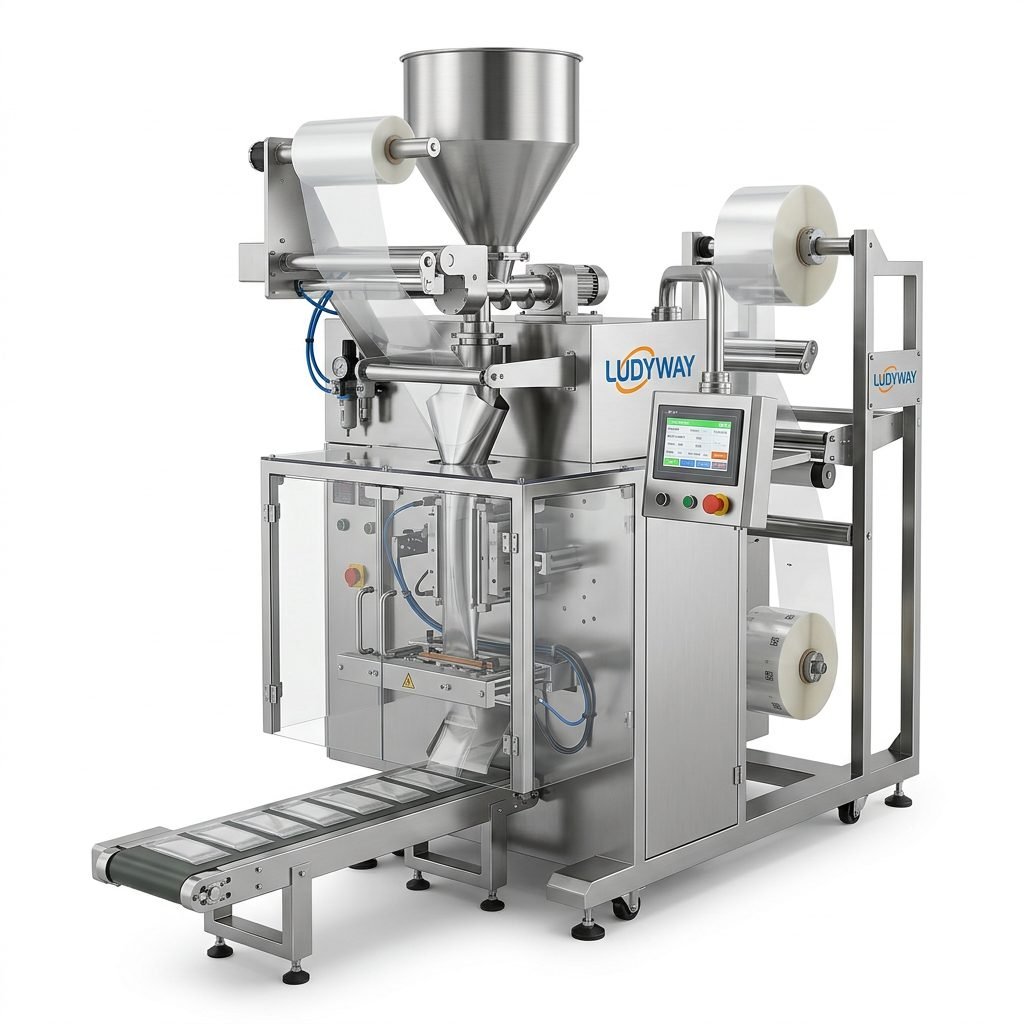
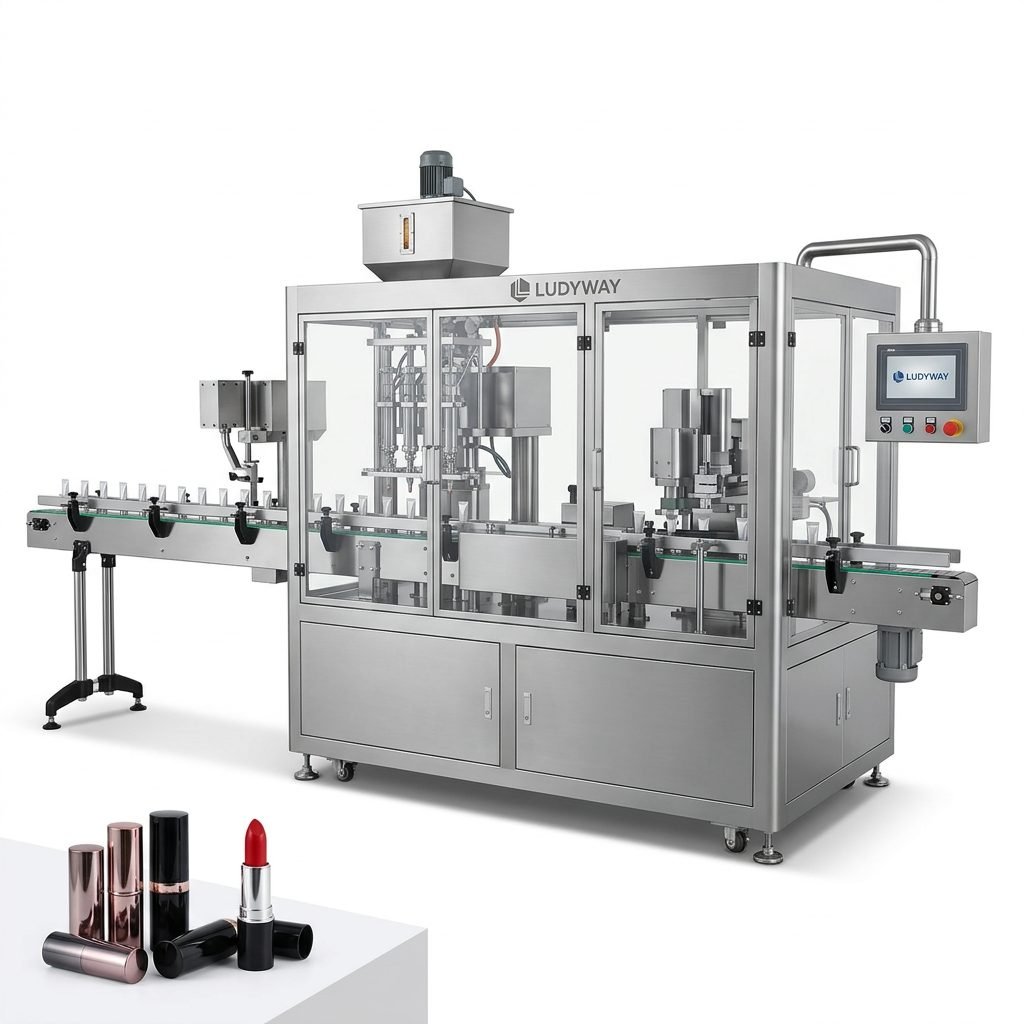
Strip packaging machines are widely used across pharmaceutical, food, health supplement, and daily-use product industries because they can create sealed packs quickly, accurately, and hygienically. If you need to package tablets, capsules, powders, gels, liquids, or small-dose products in continuous strips, choosing the right machine can directly affect productivity, product safety, packaging quality, and long-term operating cost.
In this guide, you’ll learn the main machine types, key benefits, buying criteria, and practical tips to help you select a strip packaging machine that matches your production goals.
What Is a Strip Packaging Machine?
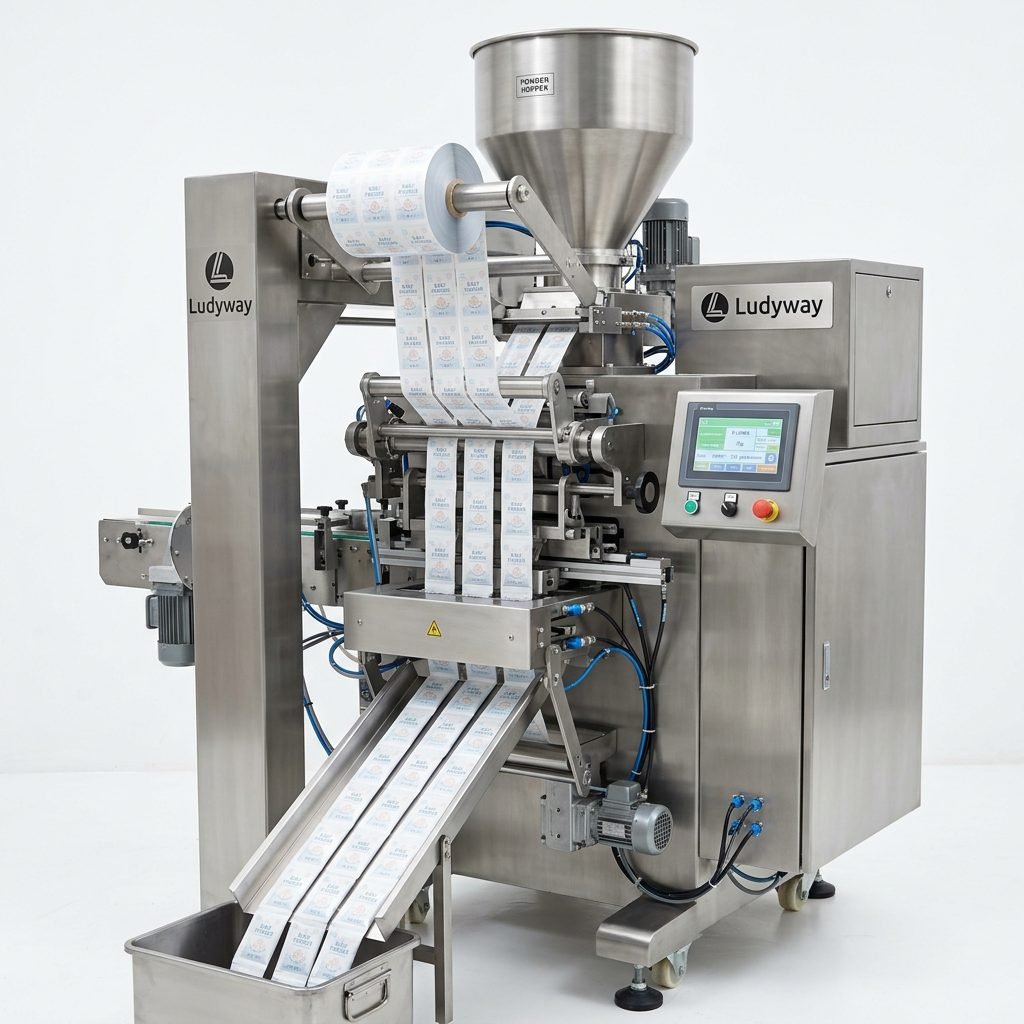
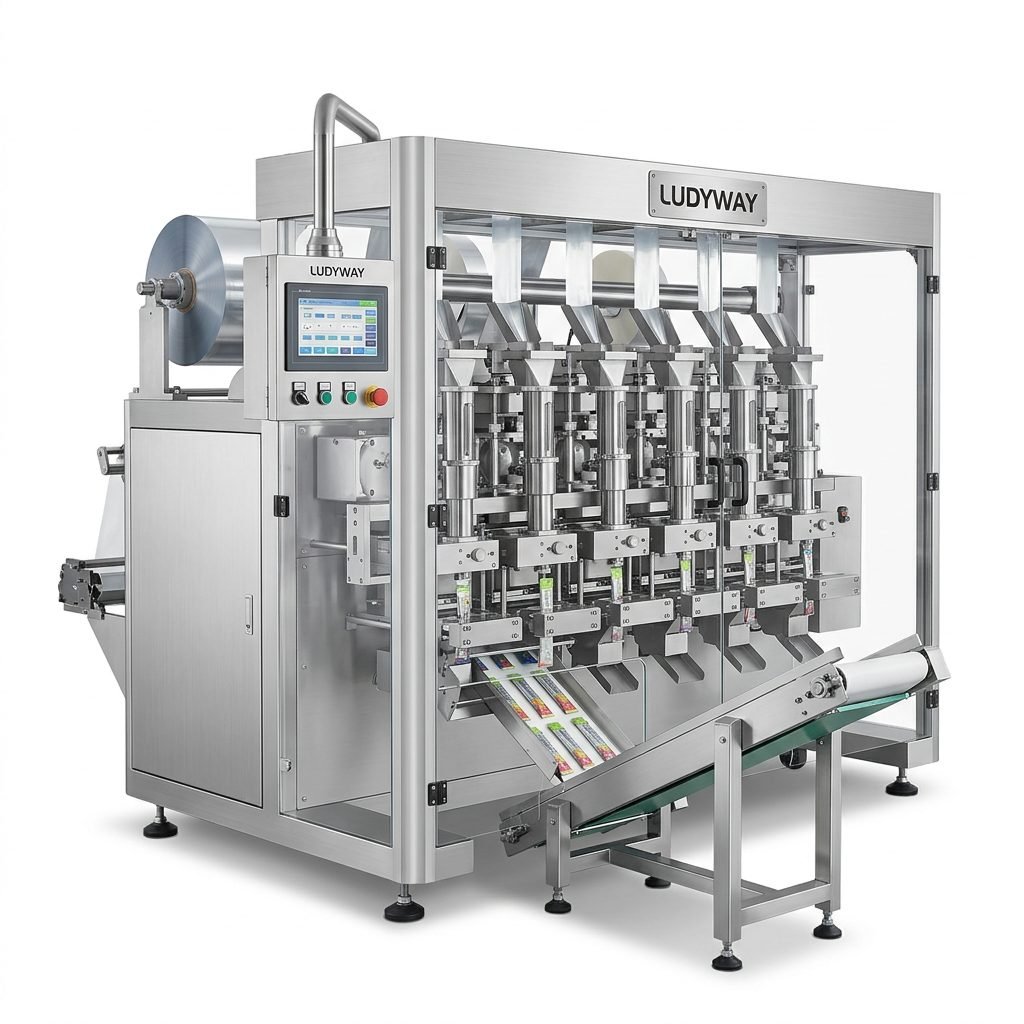
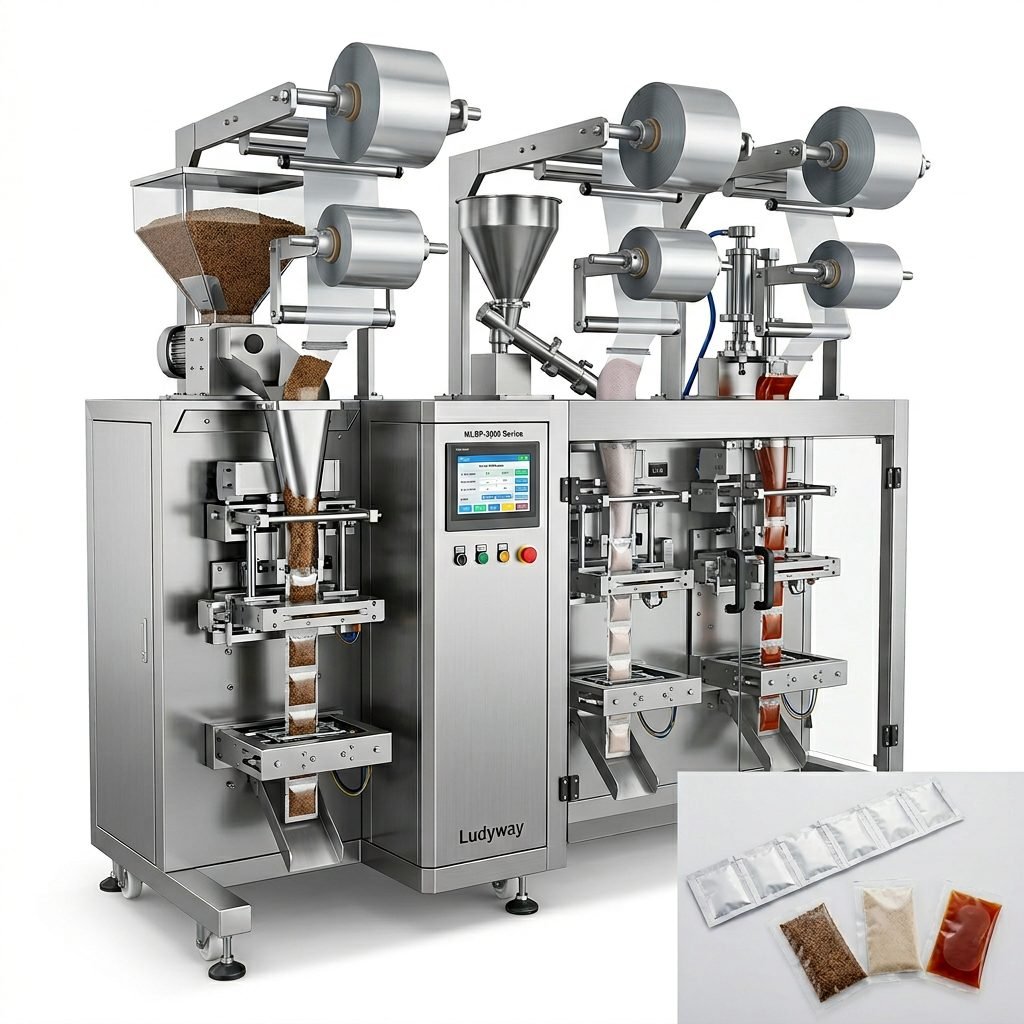
A strip packaging machine is an automated system that forms, fills, and seals products into continuous strip-style packages. Depending on the application, the machine may handle powders, granules, liquids, tablets, capsules, creams, gels, or other measured portions.
These machines are commonly used when manufacturers need:
- Single-dose or unit-dose packaging
- High sealing integrity
- Compact packaging formats
- Fast, repeatable output
- Improved hygiene and reduced manual contact
In many industries, strip packaging is valued because it combines efficient material usage with convenient transport, storage, counting, and retail presentation.
How a Strip Packaging Machine Works
Although configurations vary, most strip packaging machines follow a similar workflow:
- Packaging film is unwound from a roll.
- The material is formed into strip channels or package cavities.
- The product is dosed or fed into each pack position.
- The machine heat-seals or cold-seals the package.
- Batch coding, date printing, or marking may be added.
- The strip is cut into required lengths or left connected in sequence.
The final result is a consistent package format suitable for retail, medical dispensing, transport, or downstream cartoning.
Main Types of Strip Packaging Machines
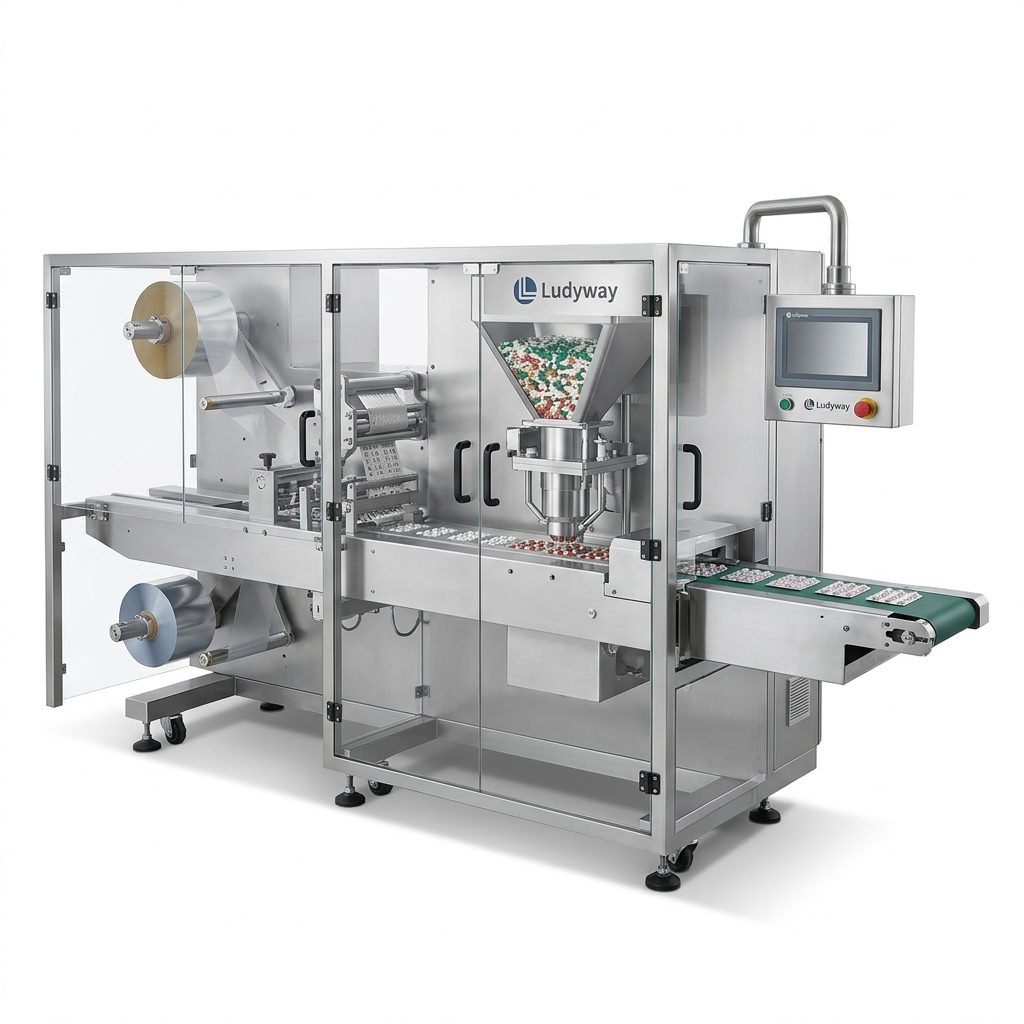
1. Tablet and Capsule Strip Packaging Machines
These machines are designed for pharmaceutical and nutraceutical products such as tablets, softgels, and capsules. They focus heavily on dose separation, contamination prevention, and sealing reliability.
Typical applications:
- Prescription medicines
- OTC tablets
- Capsules and softgels
- Vitamin and supplement products
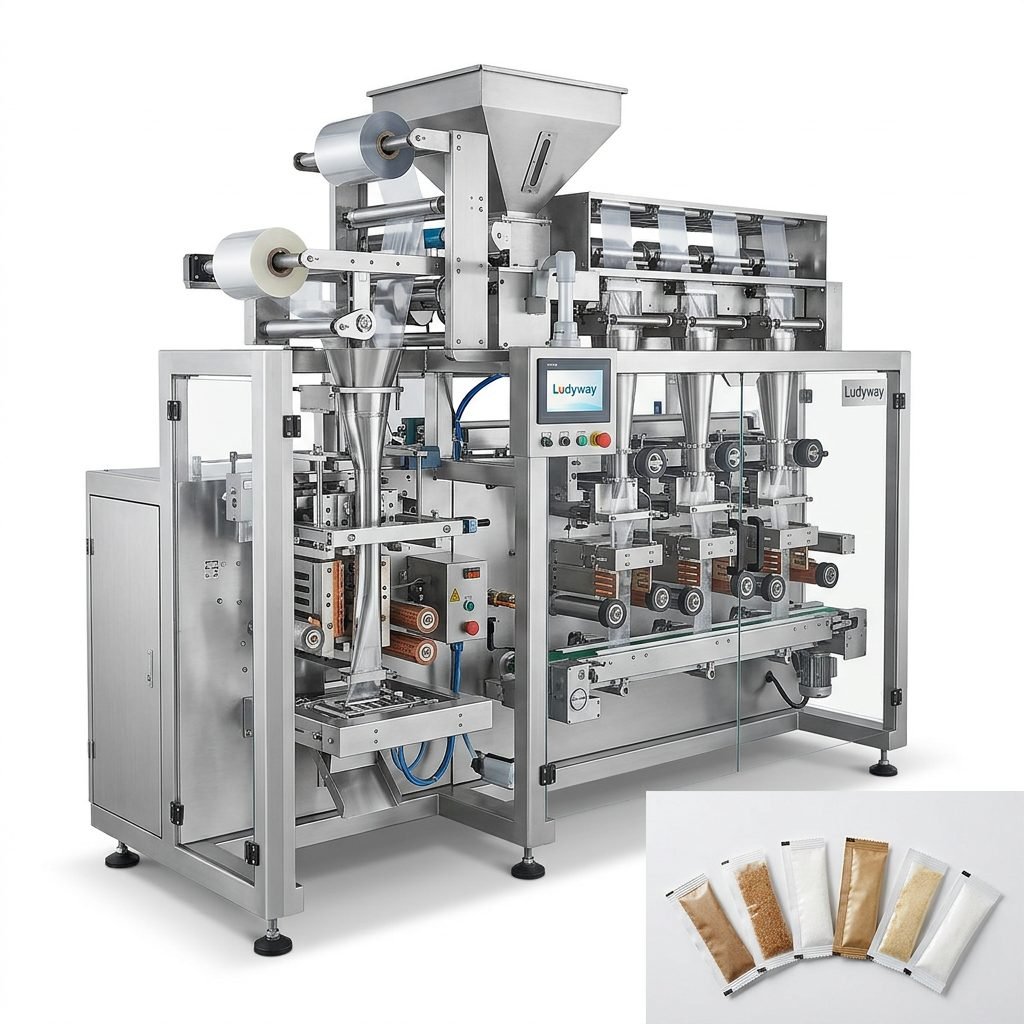
2. Powder Strip Packaging Machines
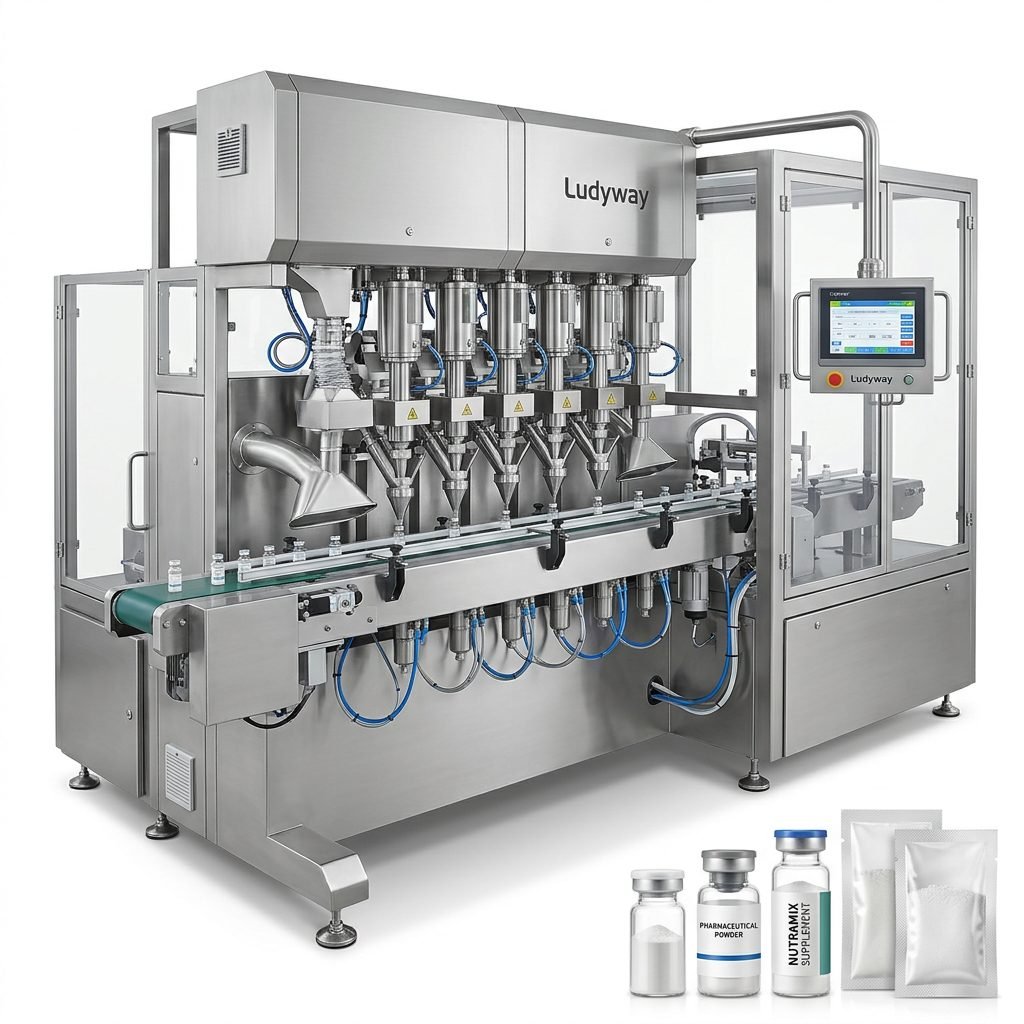
Used for measured doses of powder products, these machines usually integrate auger filling or other precision dosing systems. They are ideal for products requiring accurate fill weights and good dust control.
Typical applications:
- Nutritional supplements
- Instant beverage powders
- Pharmaceutical powders
- Seasonings and food additives
3. Granule Strip Packaging Machines
Granule models are built for free-flowing or semi-free-flowing materials. They often use volumetric cup fillers, multi-head weighers, or counting systems based on the product’s characteristics.
Typical applications:
- Sugar and salt
- Coffee granules
- Seeds
- Pet nutrition granules
4. Liquid and Gel Strip Packaging Machines
These machines are used for products that require pump-based filling and leak-resistant sealing. They are especially useful for single-use consumer and healthcare products.
Typical applications:
- Energy gels
- Sauces and condiments
- Cosmetic creams and serums
- Disinfectants and personal care liquids
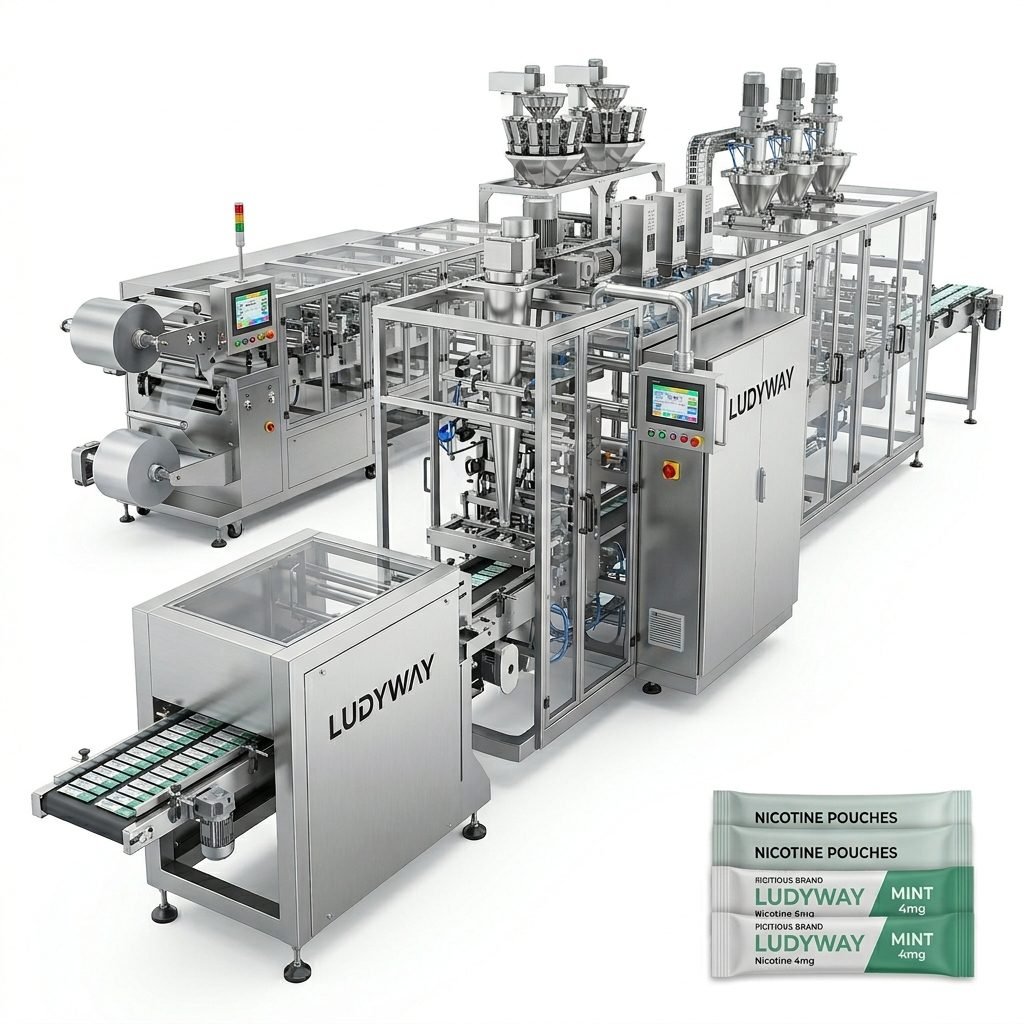
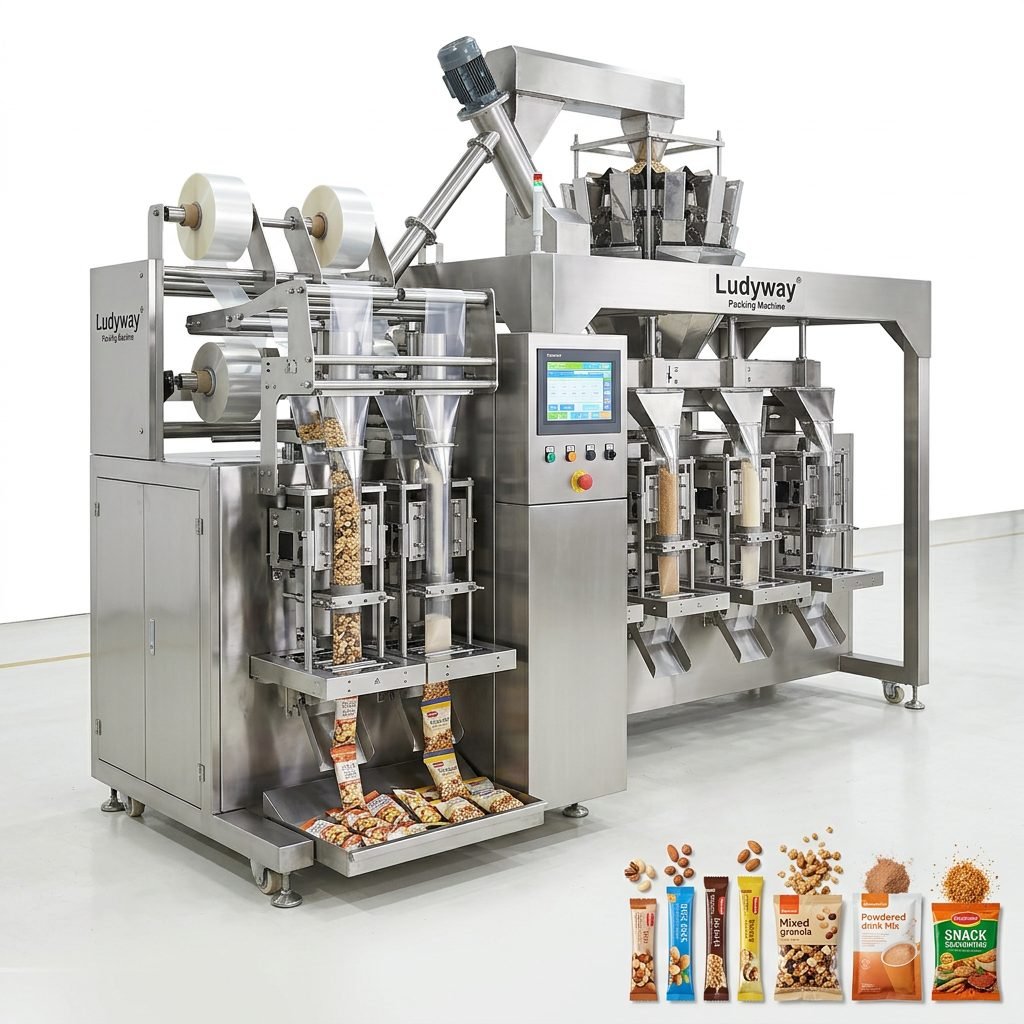
5. Multi-Lane Strip Packaging Machines
Multi-lane systems run several packaging lanes at the same time, making them ideal for high-volume operations. They are often selected by manufacturers needing greater throughput without sacrificing pack consistency.
Best for:
- Large-scale factories
- Fast-moving consumer goods
- Pharmaceutical mass production
- Export-oriented packaging lines
Key Benefits of Using a Strip Packaging Machine
Higher Packaging Efficiency
Automation significantly reduces manual intervention and increases output speed. For businesses handling high volumes, this can improve production planning and delivery reliability.
Consistent Pack Quality
Good machines maintain stable fill weight, seal strength, and cut accuracy. This helps reduce rejects and improves brand presentation.
Better Hygiene and Product Protection
In food, pharma, and health supplement sectors, minimizing product exposure is critical. Strip packaging helps protect products against moisture, contamination, and handling damage.
Lower Labor Dependency
By automating filling, sealing, coding, and cutting, manufacturers can reduce labor intensity while improving line efficiency.
Improved Portion Control
Single-dose strip packs are useful for regulated or measured products. This improves convenience for end users and helps reduce overuse or waste.
Flexible Industry Use
Modern strip packaging equipment can be adapted for multiple materials and pack structures, making it suitable for diverse product lines.
Industries That Commonly Use Strip Packaging Machines
| Industry | Common Products | Why Strip Packaging Fits |
|---|---|---|
| Pharmaceutical | Tablets, capsules, powders | Accurate dosing, hygiene, traceability |
| Food | Seasonings, sugar, coffee, sauces | Portion convenience, fresh sealing, speed |
| Nutraceutical | Protein powder, vitamins, supplements | Single-serve packaging and clean dosing |
| Cosmetic | Creams, serums, lotions, gels | Sample packs, travel sizes, neat presentation |
| Chemical | Detergents, additives, treatment powders | Safe measured packaging and leak control |
How to Choose the Right Strip Packaging Machine
Understand Your Product Characteristics
The first step is to clearly define what you are packaging. Product form affects the filling method, sealing system, film choice, and machine structure.
- Powder: may require auger dosing and dust-proof design
- Granules: may need cup filling, weighing, or counting
- Liquid or gel: requires pump filling and anti-drip control
- Tablets or capsules: requires feeding precision and separation accuracy
Match Output Capacity to Demand
Do not buy based only on the highest speed available. The ideal machine should match your current production volume while leaving room for growth. Consider:
- Hourly and daily output targets
- Peak season demand
- Future product expansion
- Downtime tolerance
If your business is scaling quickly, a multi-lane system may offer better long-term value than a basic single-lane model.
Check Packaging Format Requirements
Different buyers need different strip dimensions, cut lengths, seal styles, and print areas. Before choosing a machine, confirm:
- Strip width and length range
- Single sachet or connected strip format
- Easy-tear requirements
- Print and coding position
- Retail or hospital dispensing needs
Evaluate Sealing Quality
Seal integrity is essential, especially for moisture-sensitive, medical, or leak-prone products. Ask suppliers about:
- Seal consistency at high speed
- Compatibility with your film material
- Temperature control system
- Leak prevention performance
Review Automation Level
Some strip packaging machines are standalone units, while others can be integrated into complete lines with feeding, coding, checkweighing, cartoning, and end-of-line equipment.
If you want to improve factory efficiency over time, choosing a machine that supports future integration is often a smart investment.
Look at Cleaning and Maintenance Needs
Easy cleaning is especially important for food and pharmaceutical applications. A well-designed machine should offer:
- Accessible contact parts
- Fast changeover
- Simple cleaning procedures
- Reliable spare parts support
Consider Customization Capability
Not every product fits a standard machine. If you have unusual material behavior, specific pack dimensions, or line integration needs, work with a manufacturer that can provide customized solutions.
Questions to Ask Before Buying
Before placing an order, ask the supplier these practical questions:
- What products has this model packaged successfully?
- What is the real production speed under working conditions?
- What filling accuracy can be expected?
- Which packaging materials are supported?
- How long does format changeover take?
- Is remote technical support available?
- What spare parts are included?
- Can the machine connect with upstream or downstream equipment?
Common Mistakes to Avoid
Choosing by Price Alone
A cheaper machine may cost more later through downtime, poor sealing, unstable output, and higher maintenance.
Ignoring Material Behavior
Flowability, viscosity, particle size, and sensitivity all affect machine performance. Product testing is important before final selection.
Underestimating Future Capacity
If your business is likely to grow, choosing a machine with no expansion path can limit production too soon.
Overlooking Service Support
Technical support, installation guidance, documentation, and spare parts access are just as important as machine specifications.
Ideal Features in a Modern Strip Packaging Machine
| Feature | Why It Matters |
|---|---|
| Servo control system | Improves accuracy, synchronization, and stability |
| Touchscreen HMI | Makes operation and parameter adjustment easier |
| Multi-lane design | Boosts production output significantly |
| Accurate dosing unit | Reduces product giveaway and maintains consistency |
| Batch coding integration | Supports traceability and compliance |
| Quick-change structure | Shortens downtime between product runs |
| Stainless steel contact parts | Supports hygiene, durability, and easier cleaning |
When a Turnkey Packaging Line Makes More Sense
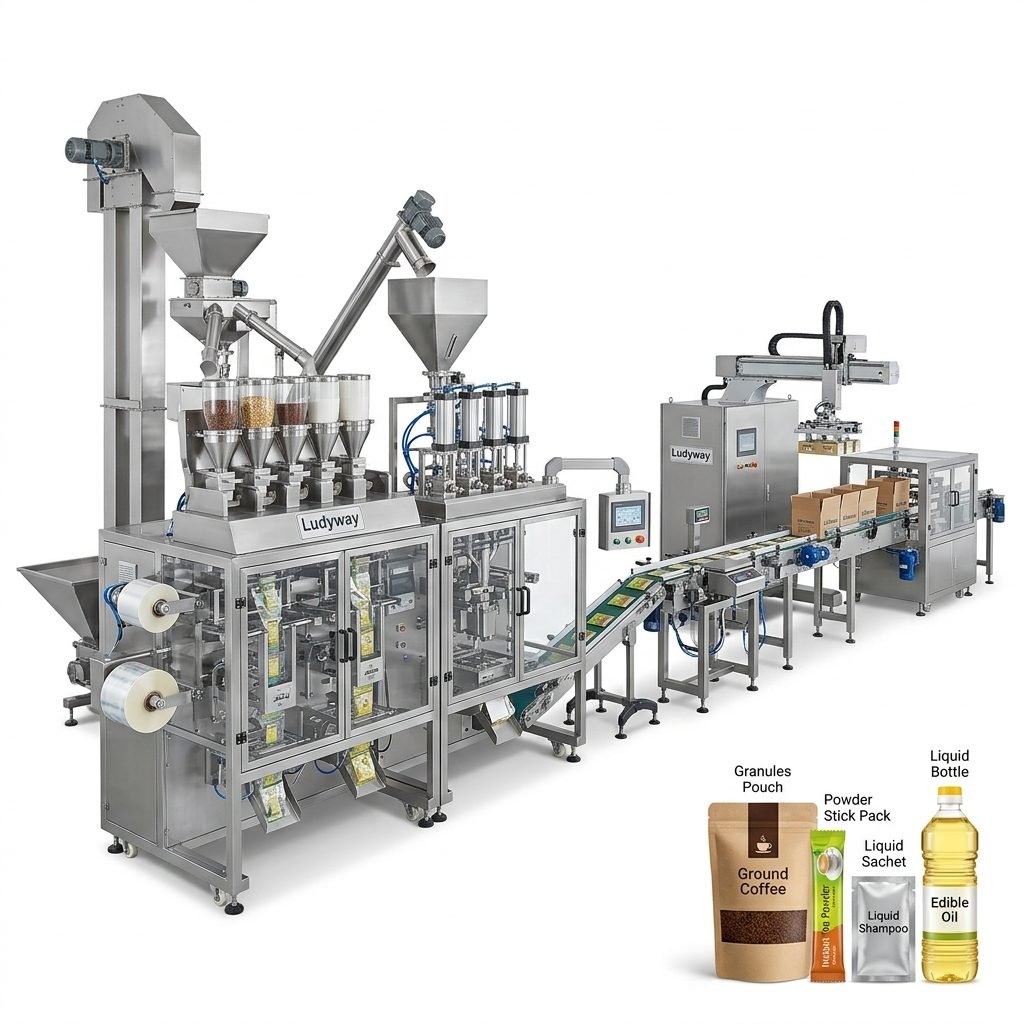
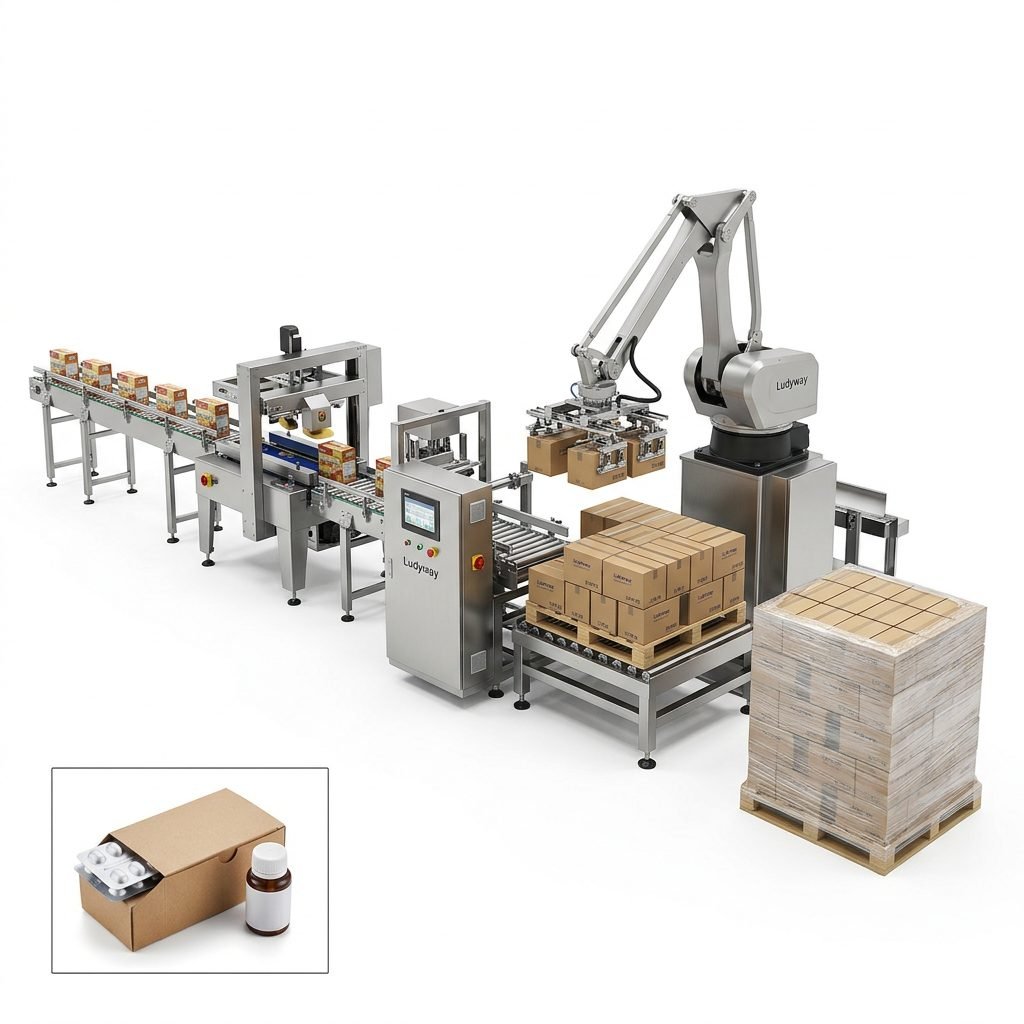
In many cases, a standalone strip packaging machine is enough. But if you are planning larger-scale production, a complete packaging line may deliver better efficiency and control. A full solution may include:
- Automatic feeding systems
- Filling and strip packaging units
- Checkweighers and inspection devices
- Coding and labeling systems
- Cartoning and case packing
- Palletizing and final transport systems
For manufacturers seeking scalable automation, Ludyway packaging machine solutions are often considered for projects that require both standalone equipment and complete turnkey packaging lines.
Who Should Invest in a Strip Packaging Machine?
A strip packaging machine is a strong choice if your business needs:
- Fast packaging of small-dose products
- Reliable seals for powders, liquids, tablets, or capsules
- Single-use packaging formats
- Lower labor dependence
- Better consistency across production batches
- Future automation and line integration
This is especially true for manufacturers supplying retail, medical, export, or private-label markets where packaging quality and consistency directly affect brand credibility.
Final Buying Checklist
- Product type: powder, granule, liquid, gel, tablet, or capsule
- Capacity target: current output and future growth
- Pack format: strip size, lane number, cut style
- Filling accuracy: required tolerance and repeatability
- Seal performance: leak prevention and material compatibility
- Machine reliability: stable operation and maintenance ease
- Upgrade potential: integration with full packaging lines
- Supplier support: testing, training, spare parts, and after-sales service
Choosing the right strip packaging machine is not just about equipment speed. It is about finding a system that fits your product, production environment, quality standards, and long-term growth strategy. When those factors align, the machine becomes a valuable asset for efficiency, consistency, and market competitiveness.