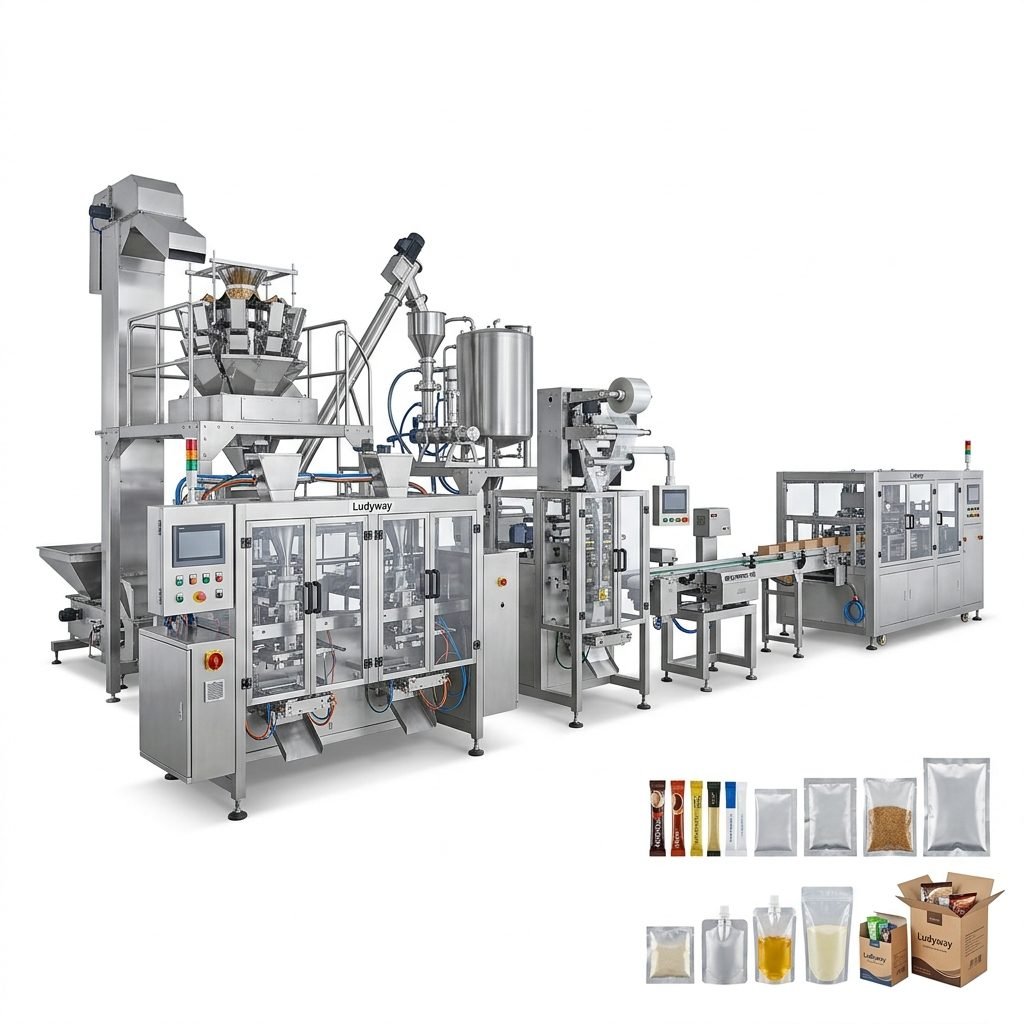
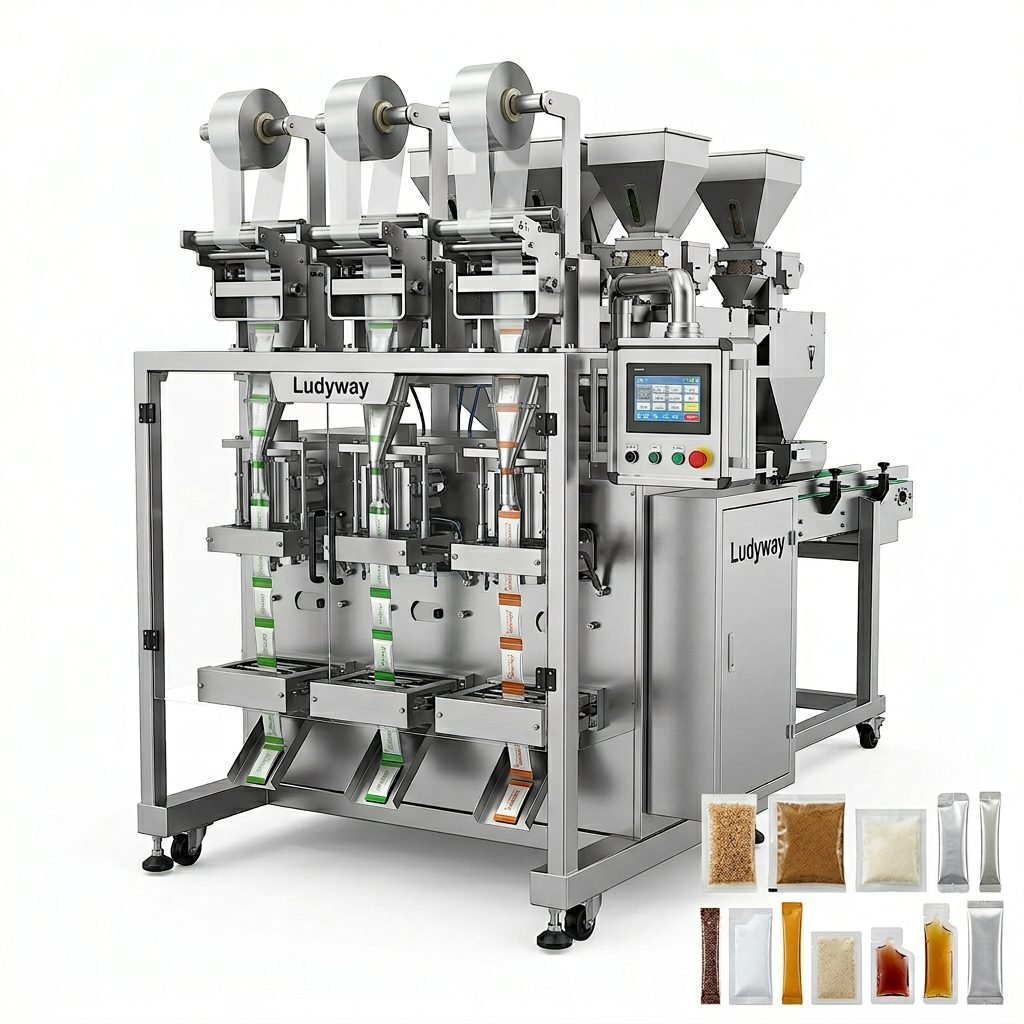
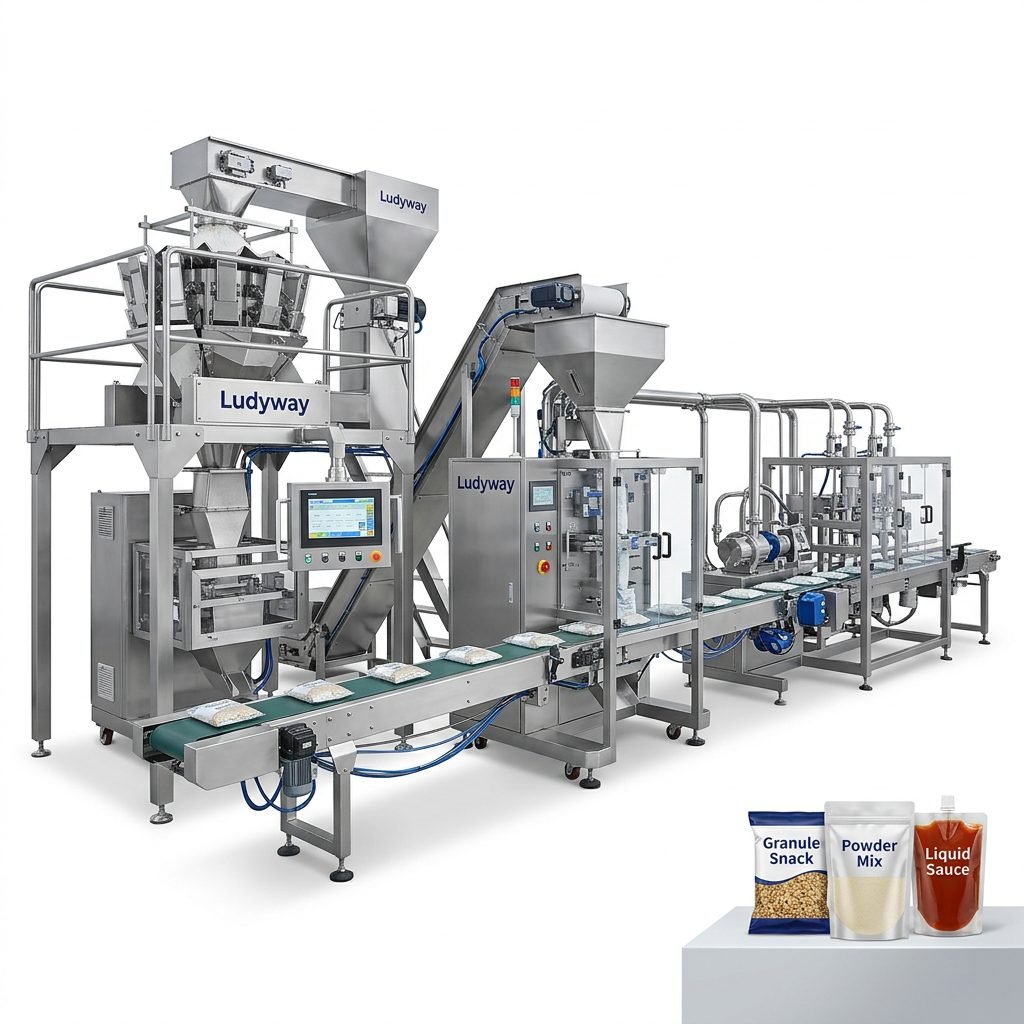
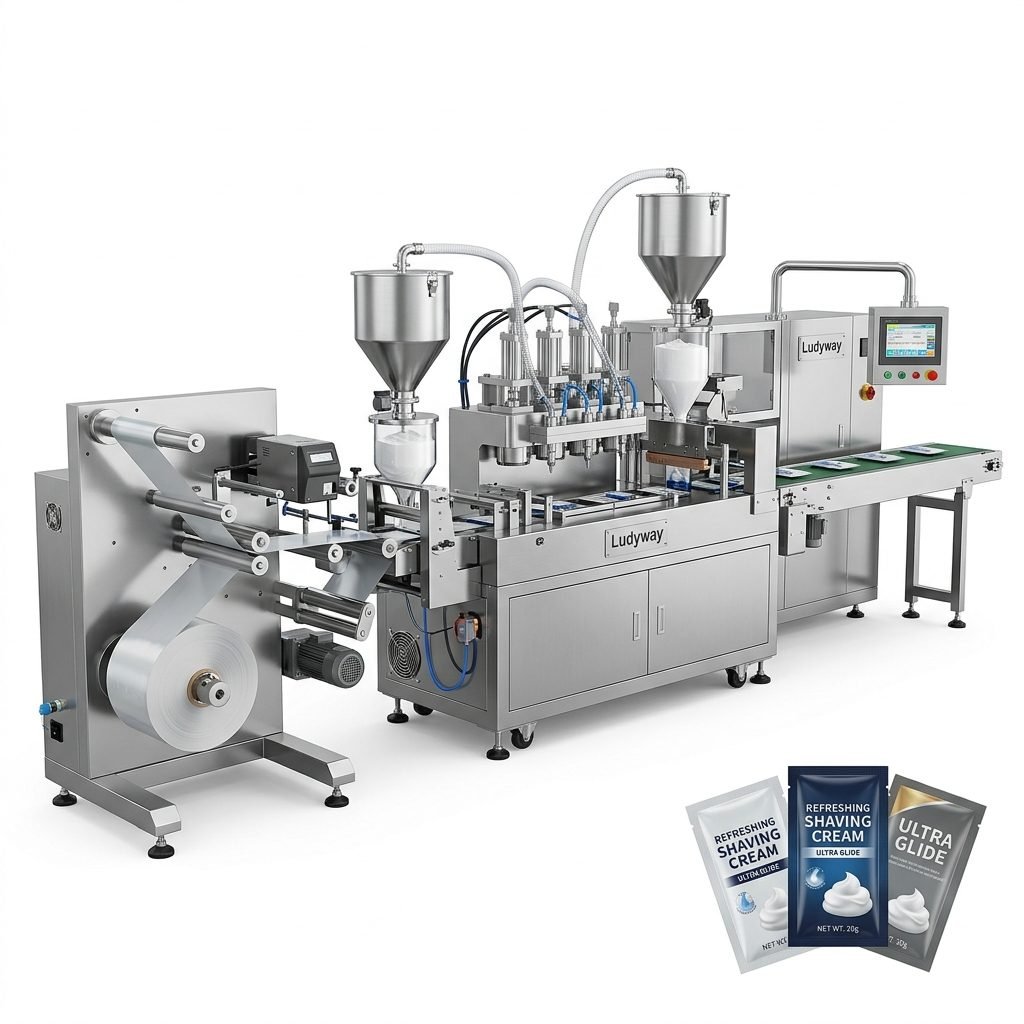
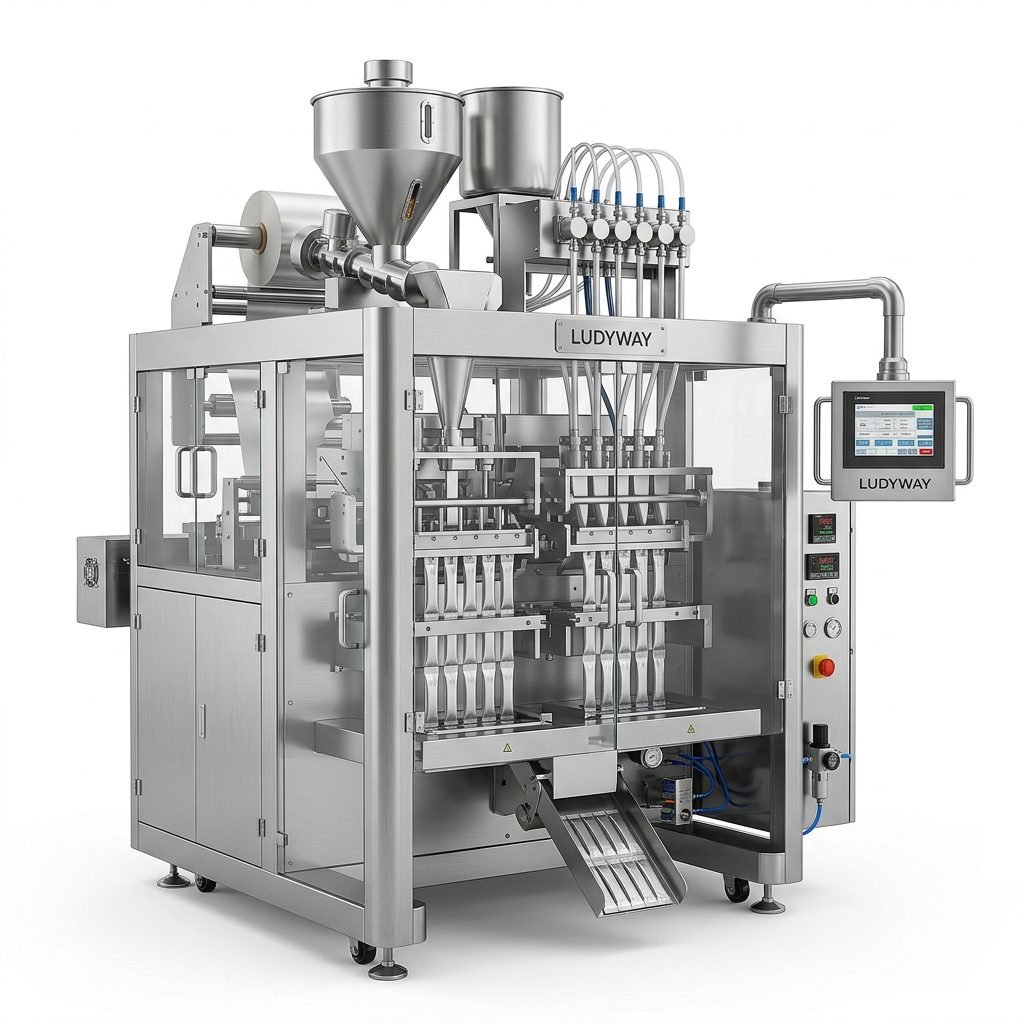
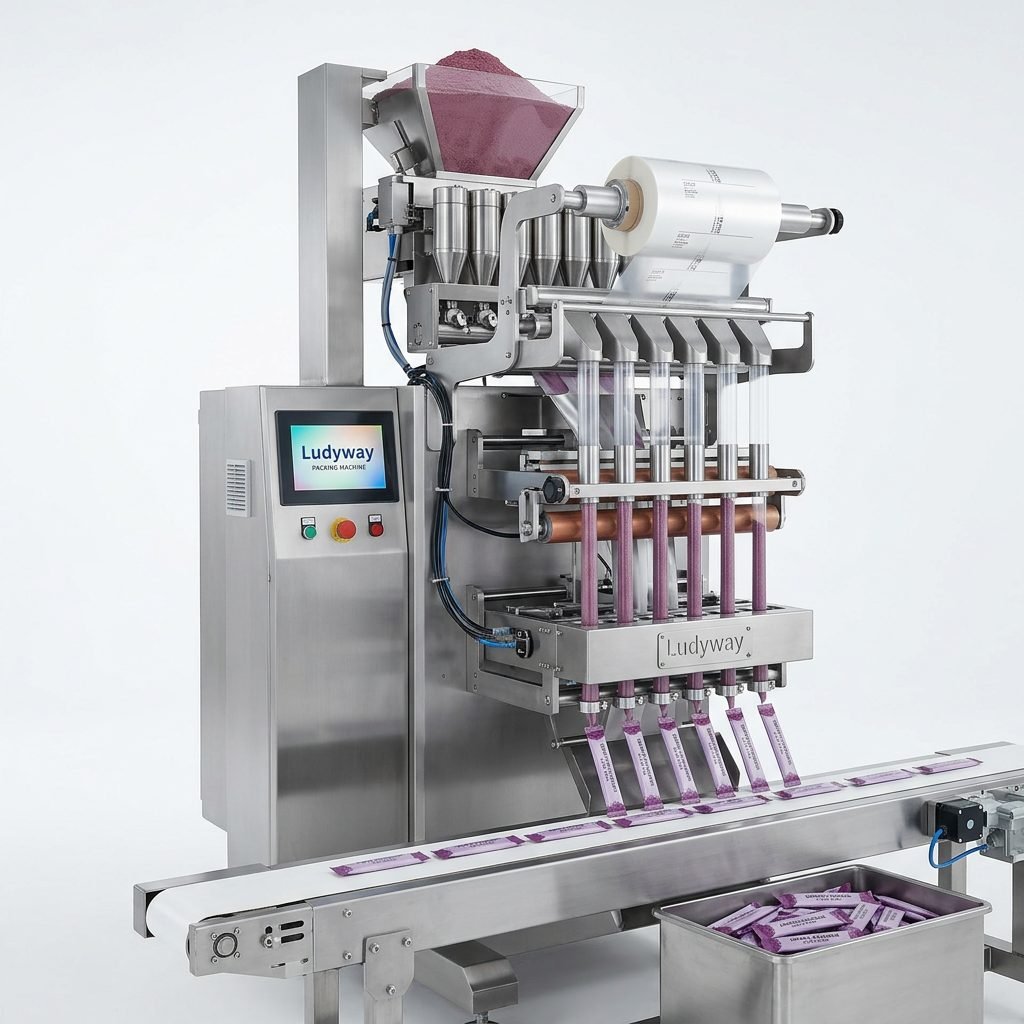
In poultry processing, packaging is more than a final step—it directly affects product freshness, hygiene, shelf life, logistics efficiency, and brand value. A modern whole chicken packaging machine helps processors handle fresh and frozen poultry with consistent sealing quality, higher throughput, and reduced manual labor. Whether your business supplies supermarkets, cold-chain distributors, wholesalers, restaurants, or export markets, the right packaging system can improve both operational performance and product presentation.
Whole chickens present unique packaging challenges. They vary in size, may include bone edges, require leak-resistant sealing, and often move through chilled or frozen production environments. That is why poultry manufacturers increasingly invest in automated packaging solutions designed for demanding food applications.
Why Whole Chicken Packaging Requires Specialized Equipment
Whole poultry is different from dry goods, powders, or standard rigid products. It is sensitive, irregular in shape, and highly dependent on sanitary handling. Packaging equipment for whole chicken must be able to support:
- Reliable sealing even in the presence of moisture or light contamination
- Strong package integrity during cold storage, stacking, and transportation
- Compatibility with fresh and frozen product conditions
- Food-grade design for easy cleaning and hygiene management
- Flexible bag or pouch handling for different product weights and retail formats
- Stable output under continuous production schedules
For poultry plants seeking automation, a dedicated whole chicken packaging machine helps reduce product waste, improve packaging consistency, and support compliance with food safety standards.
Common Packaging Formats for Whole Chicken
The best packaging format depends on your target market, cold-chain method, retail expectations, and distribution distance. In practical production, whole chicken is commonly packed using the following formats:
| Packaging Format | Suitable For | Main Advantage |
|---|---|---|
| Vacuum bag packaging | Fresh or frozen whole chicken | Extends shelf life and improves appearance |
| Shrink bag packaging | Retail-ready poultry products | Tight fit and attractive presentation |
| Tray with overwrap or sealing film | Supermarket fresh chicken displays | Good visibility and retail convenience |
| Thermoformed packaging | High-volume industrial poultry lines | Automation and consistent pack quality |
| Premade pouch packaging | Processed or marinated whole chicken products | Flexible branding and easy handling |
A complete whole chicken packaging solution may include conveying, weighing, pouch feeding, vacuuming, sealing, labeling, date coding, inspection, cartoning, and palletizing, depending on plant scale and automation goals.
Key Features of an Efficient Whole Chicken Packaging Machine
When evaluating equipment, poultry processors should focus on more than speed alone. The best systems combine product protection, reliability, and maintainability.
1. Hygienic Machine Structure
Equipment used for poultry should feature stainless steel construction, smooth contact surfaces, sanitary design, and easy-access cleaning points. This helps reduce residue buildup and supports routine washdown procedures.
2. Strong Sealing Performance
Fresh chicken products often create wet packaging conditions. A quality machine must deliver stable heat sealing or vacuum sealing performance that prevents leakage and preserves product quality throughout transport and storage.
3. Adaptability to Different Bird Sizes
Whole chicken weights can vary significantly. The machine should support quick changeover and parameter adjustment to accommodate small, medium, or large birds without sacrificing line efficiency.
4. Integration with Frozen Food Lines
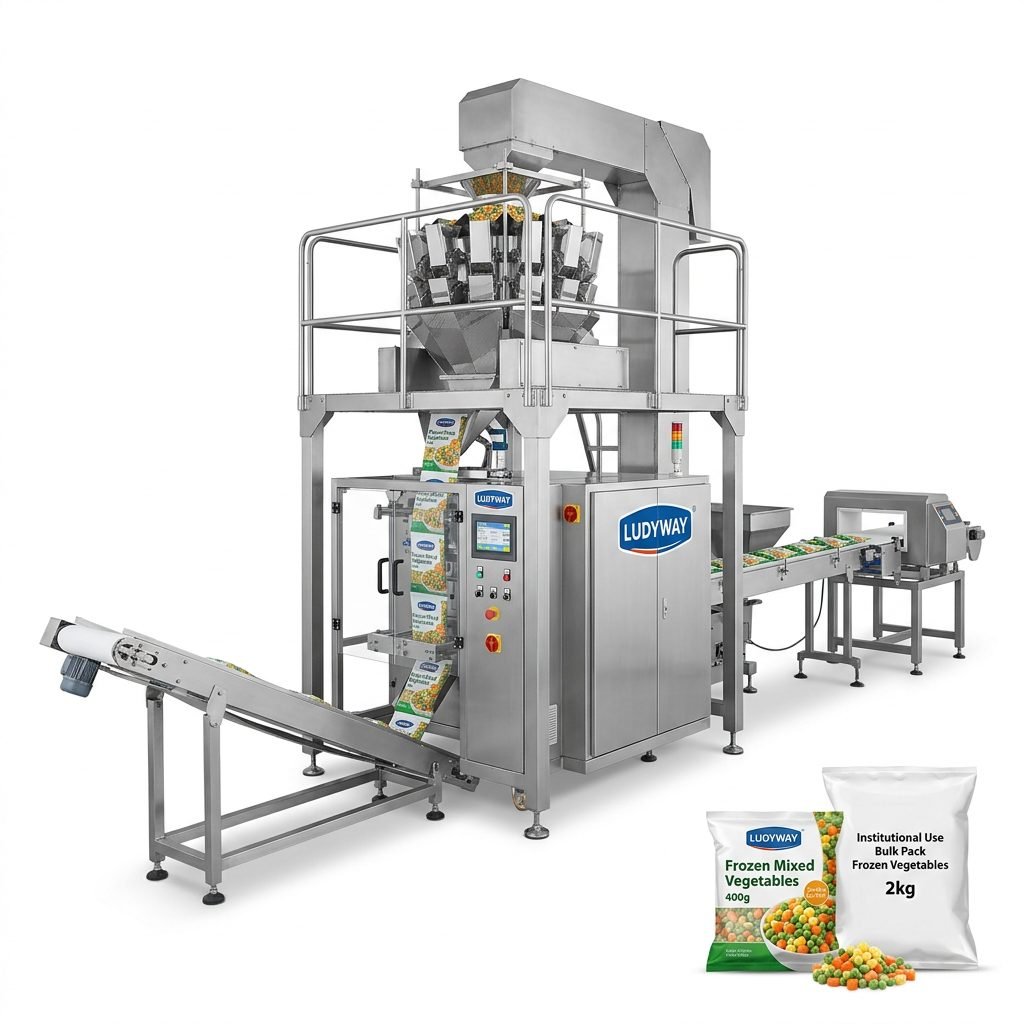
For frozen poultry processing, equipment should handle low-temperature operating conditions and packaging materials suitable for freezing, stacking, and long-distance cold-chain shipping.
5. Automation and Labor Reduction
Automated poultry packaging lines can reduce repetitive manual tasks, improve consistency, and help plants manage labor shortages—especially during peak production periods.
Fresh vs. Frozen Poultry Packaging: What Changes?
Although fresh and frozen whole chicken may run on related packaging systems, their production needs are not identical.
| Factor | Fresh Whole Chicken | Frozen Whole Chicken |
|---|---|---|
| Primary concern | Freshness and leakage control | Package durability in cold chain |
| Material selection | Barrier film, vacuum or retail tray film | Low-temperature resistant bags or pouches |
| Seal requirements | Leak-proof under chilled conditions | Strong seals that withstand freezing and handling |
| Appearance goals | Clear retail presentation | Compact, protective bulk or retail packs |
| Logistics focus | Shorter chilled distribution cycles | Longer storage and export transport |
Processors working with both fresh and frozen poultry often prefer flexible systems that can be adjusted for different package structures, temperatures, and sealing parameters.
Benefits of Automated Whole Chicken Packaging
Upgrading from manual or semi-automatic operation to an automated whole chicken packaging machine can provide measurable advantages across the production chain.
- Higher throughput for growing order volumes
- Better package consistency across shifts and batches
- Reduced labor dependence in repetitive packaging areas
- Improved food safety control through less manual contact
- Lower material waste with accurate sealing and handling
- Stronger retail presentation for brand competitiveness
- Scalable production for domestic and export markets
For processors under pressure to improve margins, automation is often a practical step toward stable quality and long-term productivity.
How to Choose the Right Whole Chicken Packaging Machine
Every poultry operation has different requirements. Before selecting equipment, it is useful to assess the following points:
Product Characteristics
- Average whole chicken weight range
- Fresh, chilled, frozen, or marinated product condition
- Skin sensitivity and risk of puncture
- Target shelf life requirements
Packaging Objectives
- Retail-ready packs or bulk distribution packs
- Vacuum, shrink, pouch, or tray-based packaging
- Labeling, coding, and traceability requirements
- Branding and display expectations
Factory Conditions
- Available floor space
- Cleaning and sanitation process
- Labor availability
- Desired line speed and future capacity expansion
Supplier Capability
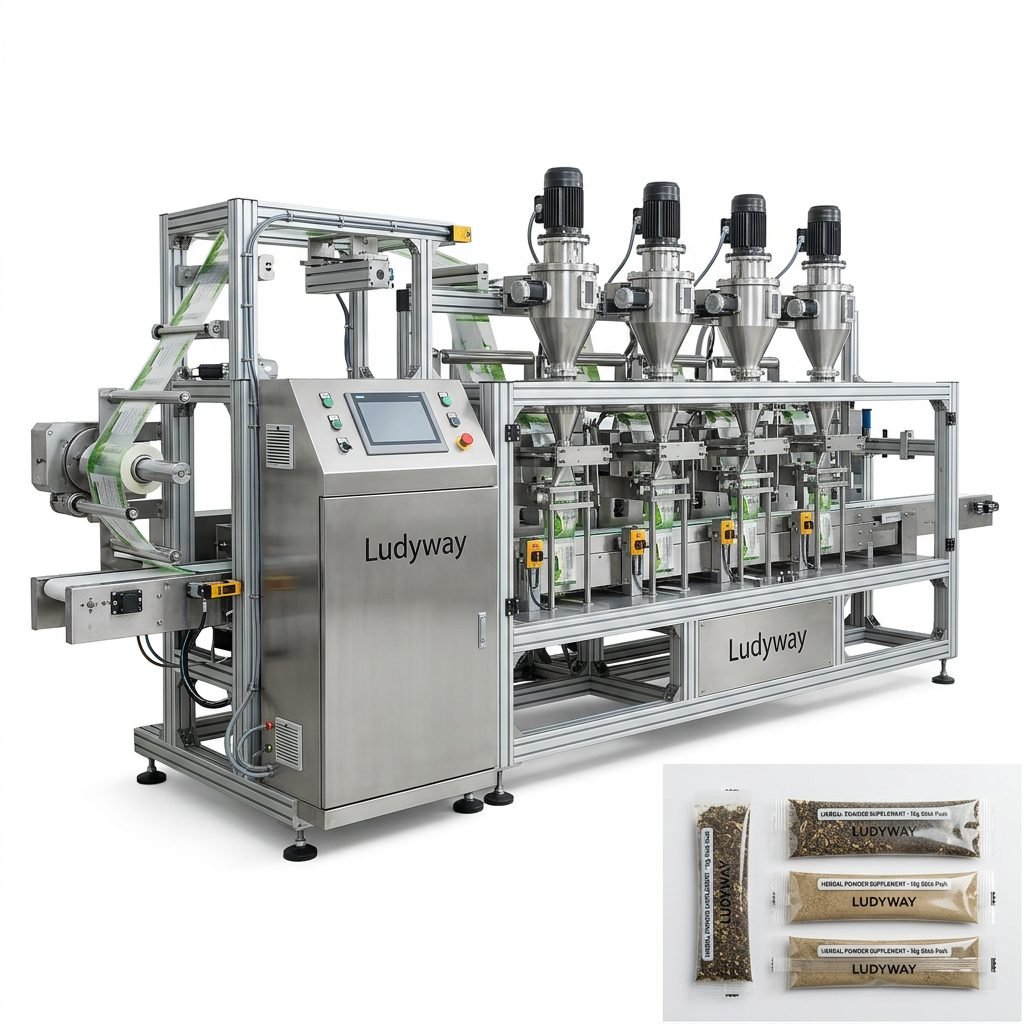
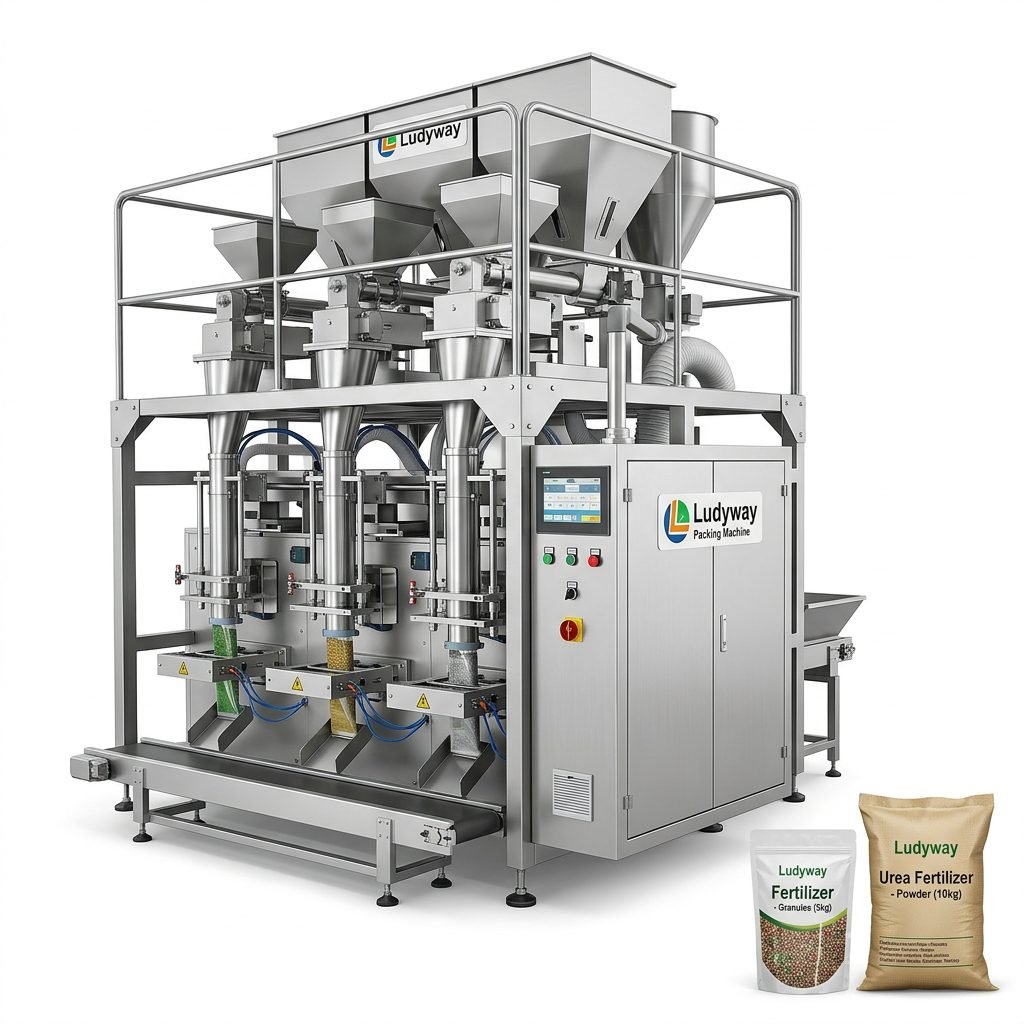
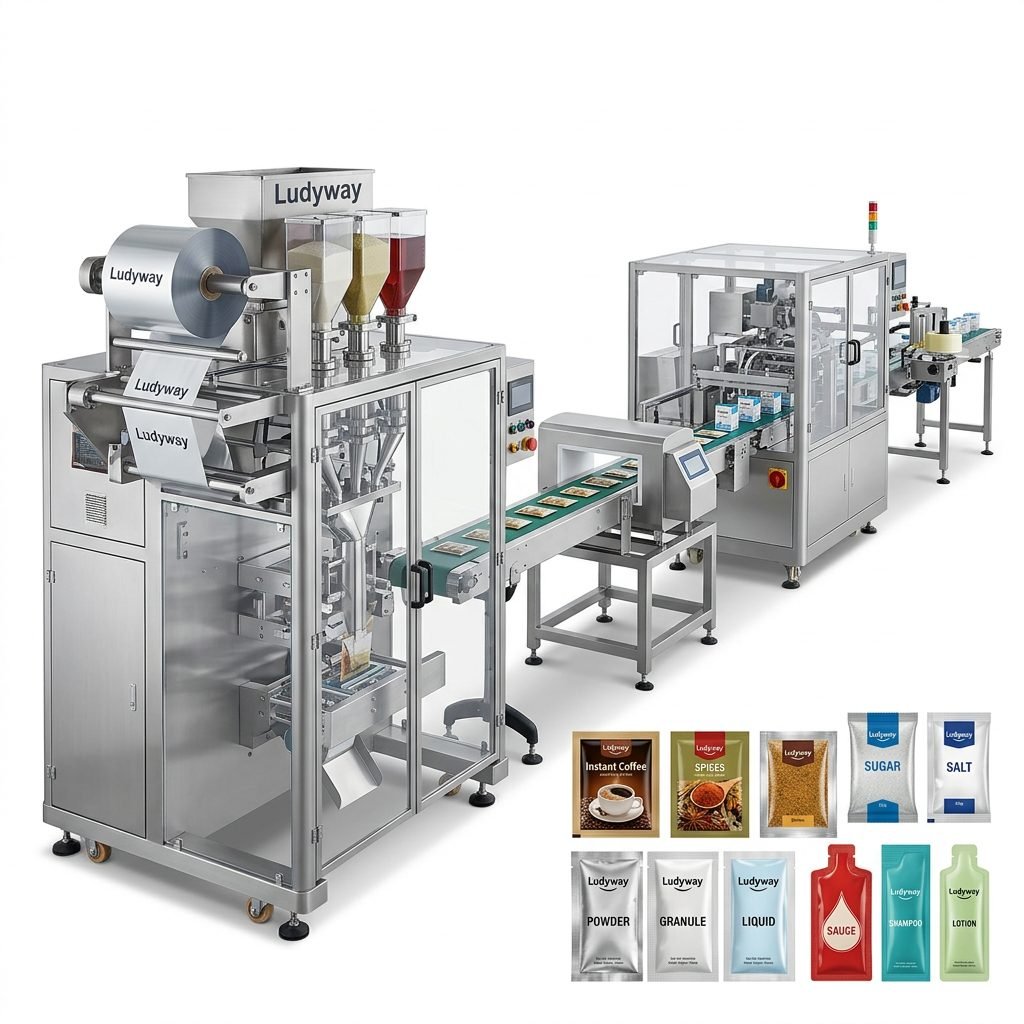
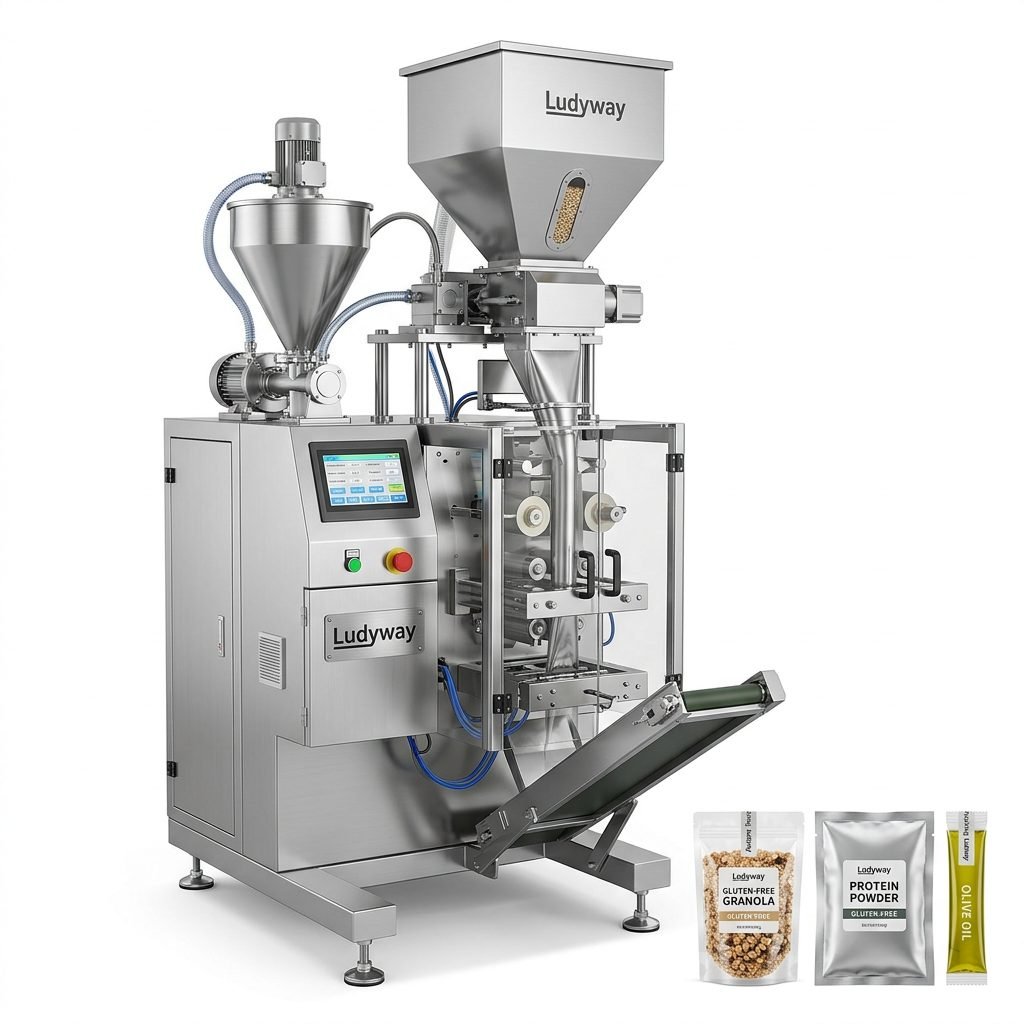
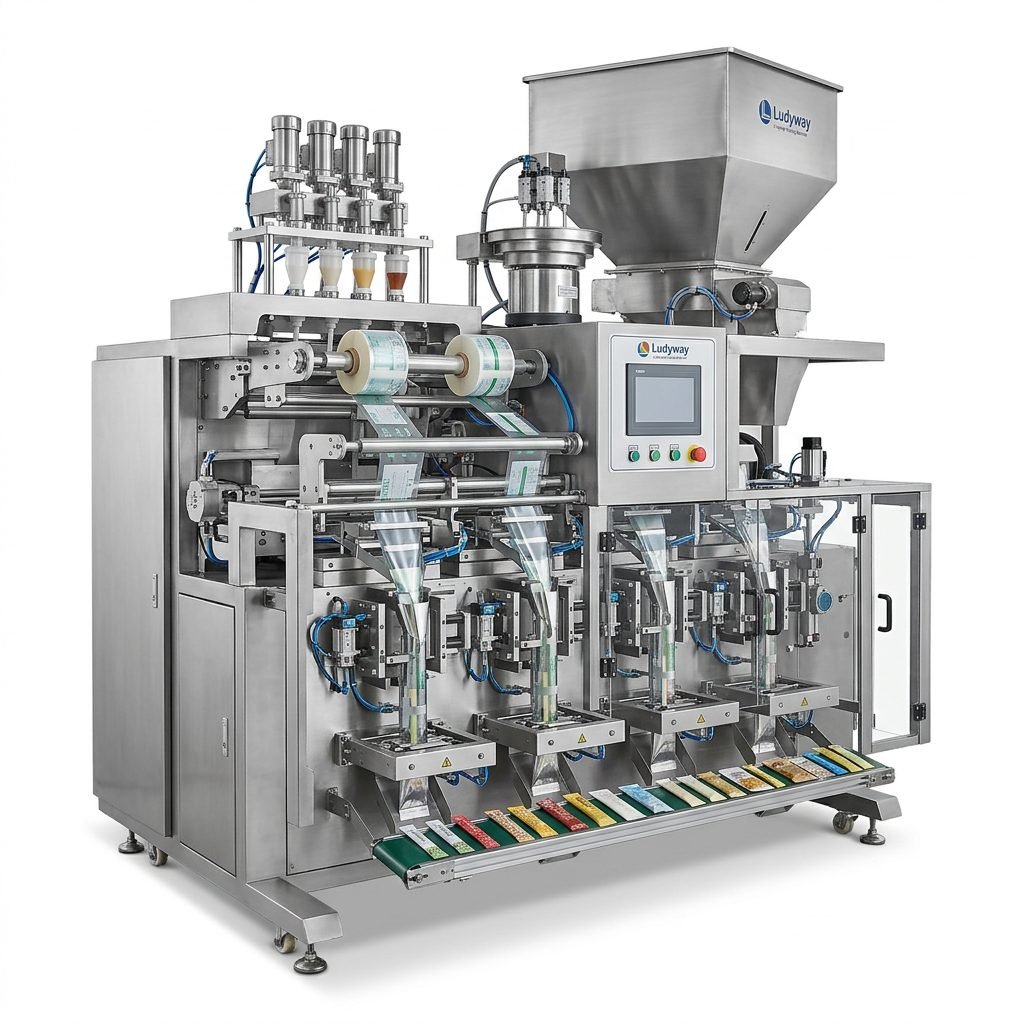
The ideal equipment partner should offer customization, technical support, line integration experience, and understanding of food packaging applications. If you are looking for a manufacturer with broad packaging expertise, Ludyway whole chicken packaging machine solutions can support automated packaging projects with scalable machine and turnkey line options.

Applications Across the Poultry Industry
A whole chicken packaging machine is suitable for a wide range of poultry businesses, including:
- Integrated poultry processing plants
- Frozen food manufacturers
- Retail chicken suppliers
- Halal poultry exporters
- Wholesale meat distribution centers
- Cold-chain packaging facilities
- Private-label food brands
In many cases, packaging systems can also be adapted for other poultry products such as chicken parts, duck, marinated poultry, and value-added frozen items.
Important Considerations for Export and Retail Markets
If your packaged whole chicken is destined for supermarkets or overseas shipment, packaging quality becomes even more critical. Buyers often expect:
- Clean and attractive package presentation
- Clear date coding and traceability
- Leak resistance during transport
- Stable sealing under refrigeration or freezing
- Consistent pack dimensions for easier case packing and palletizing
Automated systems help standardize these outcomes, especially in operations with strict distribution timelines and quality audits.
Future Trends in Poultry Packaging Automation
The poultry industry continues to move toward smarter, cleaner, and more integrated packaging operations. Current trends include:
- Higher automation levels from filling to final case packing
- Improved human-machine interfaces for easier recipe and format changes
- Better traceability integration through coding and inspection devices
- Energy-efficient systems for lower operating costs
- Flexible line layouts for multiple poultry SKUs
- Enhanced hygienic design to support stricter food safety requirements
As consumer demand for convenient, safely packed, and longer-lasting poultry products grows, processors that modernize their packaging operations will be better positioned to compete.
Final Buying Insight
Choosing a whole chicken packaging machine is not only about packaging speed. It is about finding a solution that fits your poultry product, packaging format, sanitation standards, and market strategy. For fresh and frozen poultry producers, the right machine can help deliver better protection, stronger efficiency, and more reliable output from the packaging room to the customer shelf.
If your business is planning to upgrade poultry packaging capacity, investing in a system tailored to whole chicken handling can be a smart step toward consistent quality and long-term production growth.