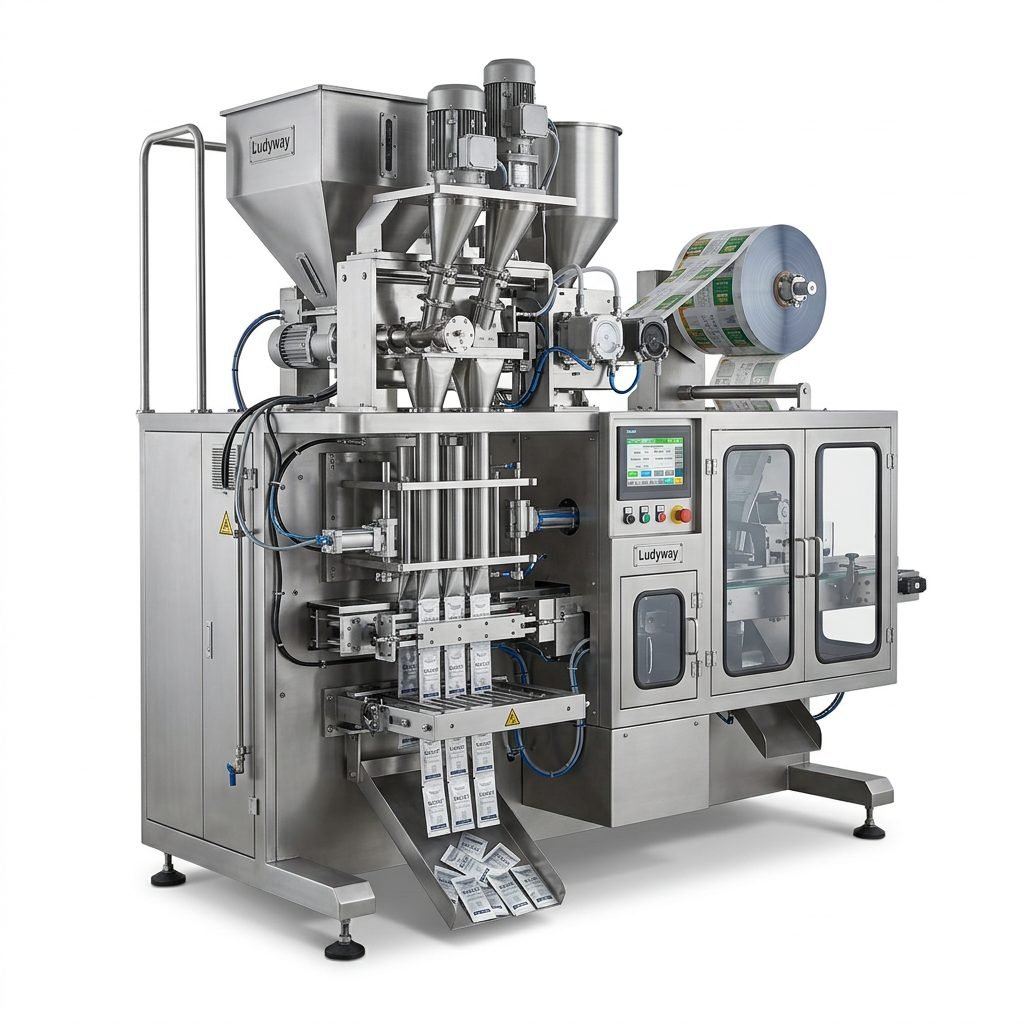
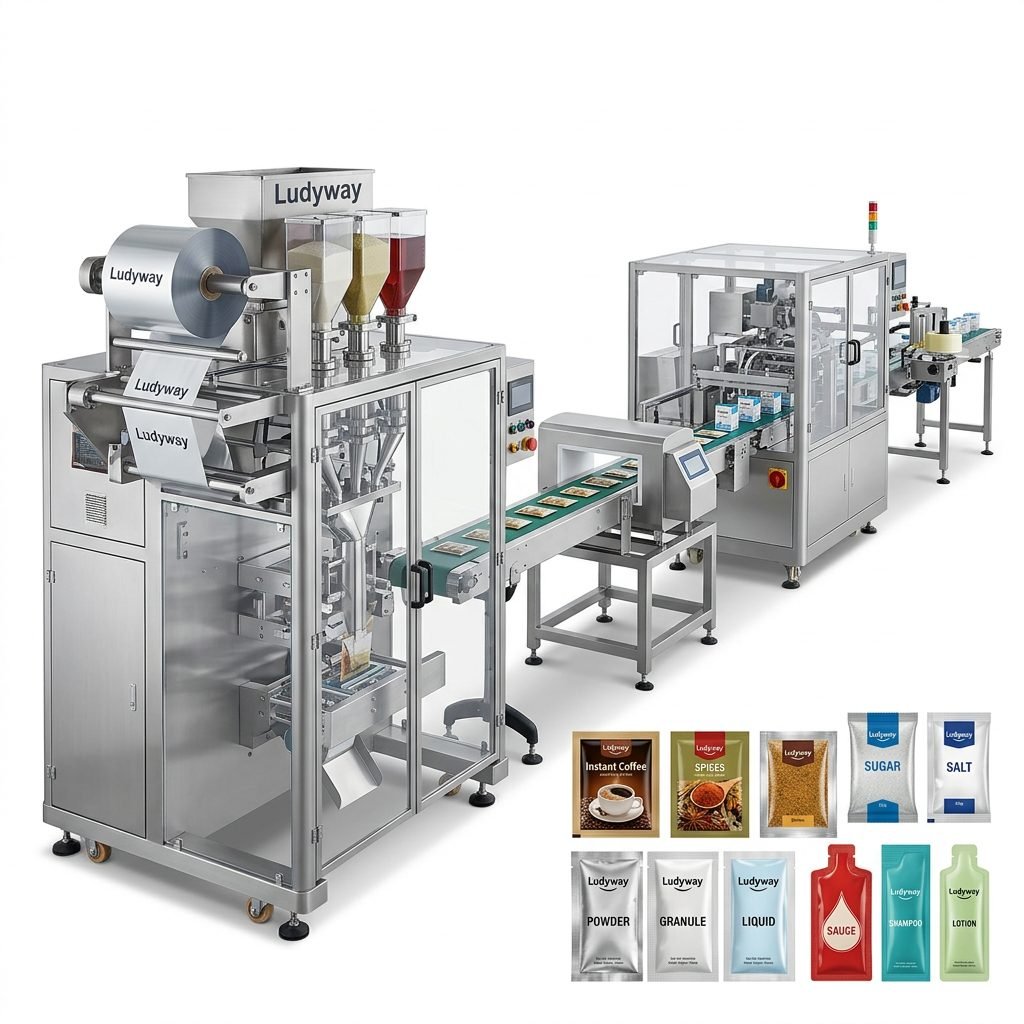
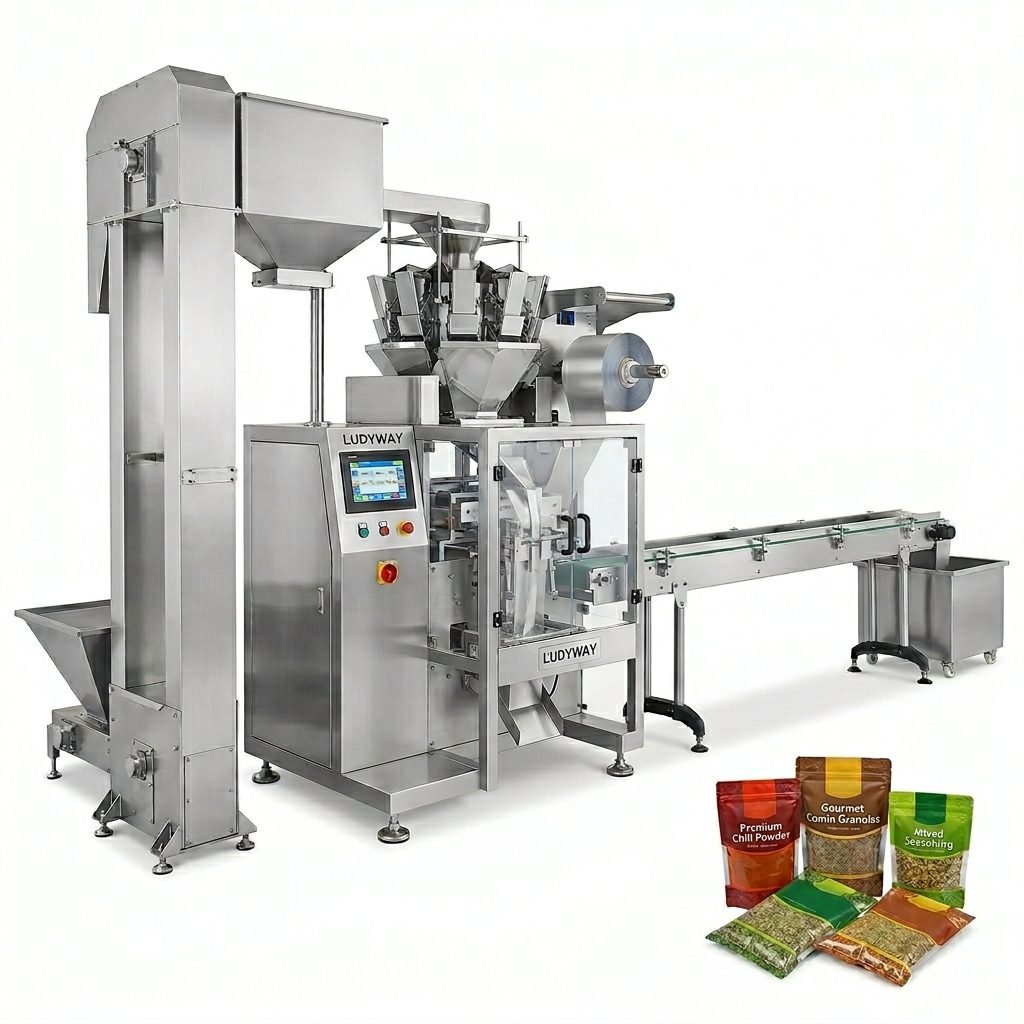
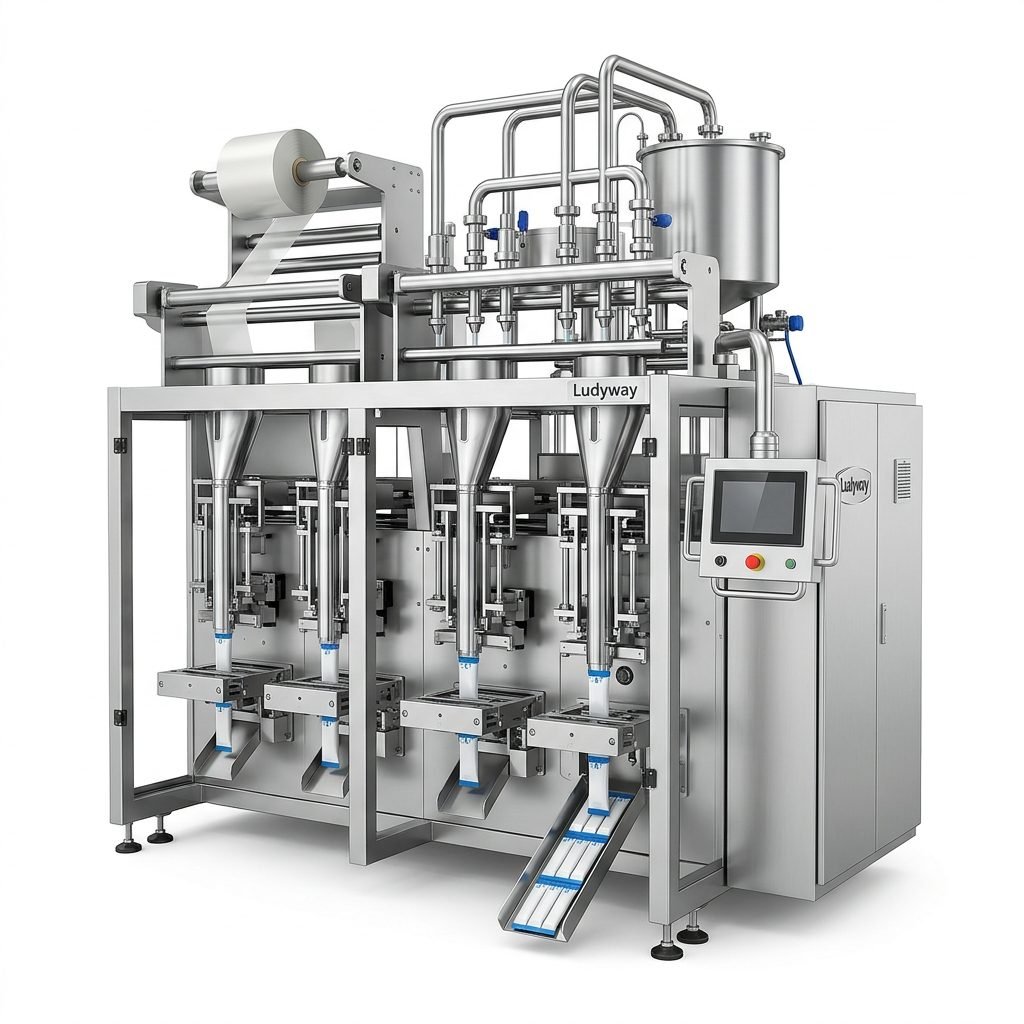
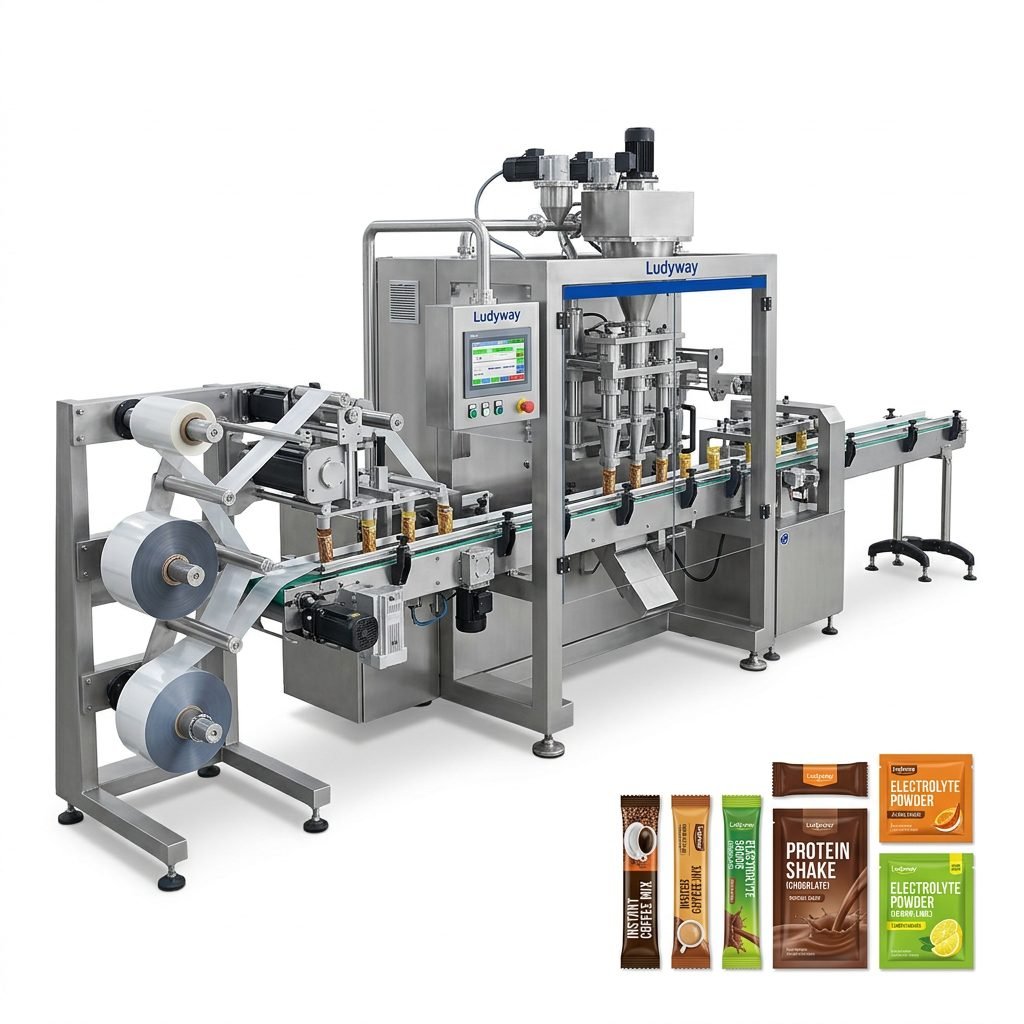
Modified atmosphere packaging equipment is one of the most effective technologies for extending the shelf life of fresh food while maintaining appearance, texture, aroma, and safety. From meat and seafood to bakery items, salads, fruits, and ready-to-eat meals, MAP systems help food producers reduce spoilage, improve logistics performance, and deliver a better product to retailers and consumers.
This guide explains how modified atmosphere packaging works, what equipment is involved, which foods benefit most, and how to choose the right system for your production needs.
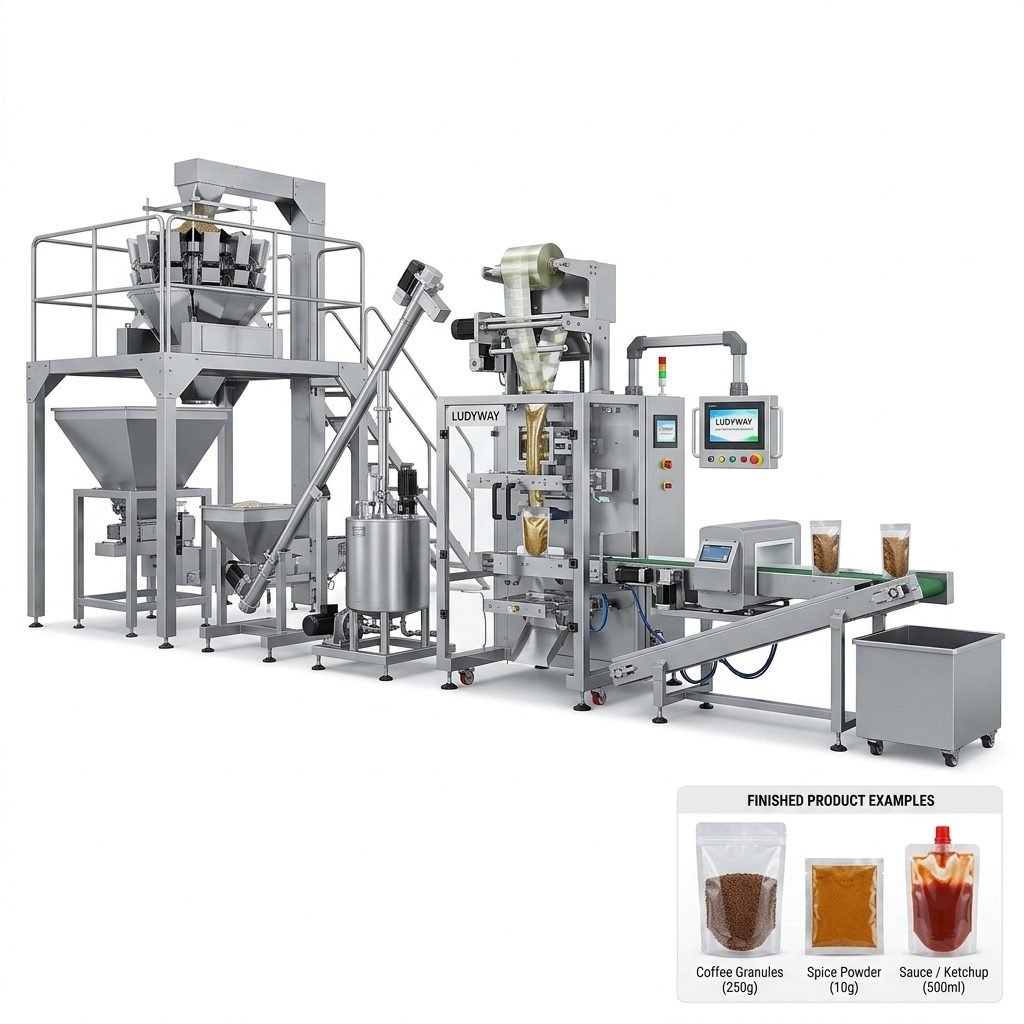
What Is Modified Atmosphere Packaging?
Modified atmosphere packaging, often called MAP, is a packaging method that changes the gas composition inside a package to slow microbial growth, oxidation, discoloration, and moisture-related quality loss. Instead of sealing food in normal air, MAP equipment replaces or adjusts the internal atmosphere using gases such as:
- Carbon dioxide (CO₂): Helps inhibit the growth of many spoilage microorganisms.
- Nitrogen (N₂): An inert gas used to displace oxygen and prevent package collapse.
- Oxygen (O₂): Used selectively for foods like fresh red meat to preserve bright color.
The ideal gas mix depends on the product, package type, storage temperature, and target shelf life.
How Modified Atmosphere Packaging Equipment Works
MAP equipment typically follows a simple but controlled process:
- Product is loaded into trays, pouches, thermoformed cavities, or rigid containers.
- Air inside the pack is evacuated partially or fully.
- A selected gas mixture is injected into the package.
- The package is sealed with high-barrier film or lidding material.
- Optional inspection systems verify seal quality, residual oxygen, date coding, and weight.
In high-speed production, this process is integrated with conveyors, filling systems, checkweighers, coding units, and secondary packaging equipment to ensure a continuous workflow.
Why MAP Matters for Fresh Food Preservation
Fresh food is highly sensitive to oxygen exposure, microbial activity, and temperature fluctuations. Standard sealing alone may not provide enough protection. Modified atmosphere packaging equipment gives producers more control over product stability and marketability.
- Extends shelf life without relying only on preservatives
- Reduces food waste across processing, distribution, and retail
- Maintains visual freshness and product texture
- Supports wider distribution and export opportunities
- Improves consistency in retail-ready packaging
- Enhances brand presentation and consumer confidence
Main Types of Modified Atmosphere Packaging Equipment
Tray Sealing Machines with Gas Flushing
These systems are widely used for meat, poultry, seafood, fresh produce, ready meals, and chilled foods. Products are placed in preformed trays, then the machine evacuates air, injects gas, and seals the tray with film.
They are ideal for businesses that need attractive retail packaging and strong sealing performance.
Thermoforming MAP Machines
Thermoforming machines create the package cavity from bottom film, fill the product, apply the modified atmosphere, and seal the top film in one automated line. They are suitable for medium- to high-volume operations and offer strong flexibility for pack sizes and shapes.
Vacuum-Gas Flush Packaging Machines
Often used for bakery, coffee, snacks, processed foods, and some fresh items, these systems evacuate air and backflush with nitrogen or mixed gases before sealing. They can be configured for pouches, bags, or specialty formats.
Flow Wrappers with MAP Capability
Horizontal flow wrapping systems can be adapted for gas flushing, making them suitable for bakery products, produce, sandwiches, and convenience foods requiring fast, continuous packaging.
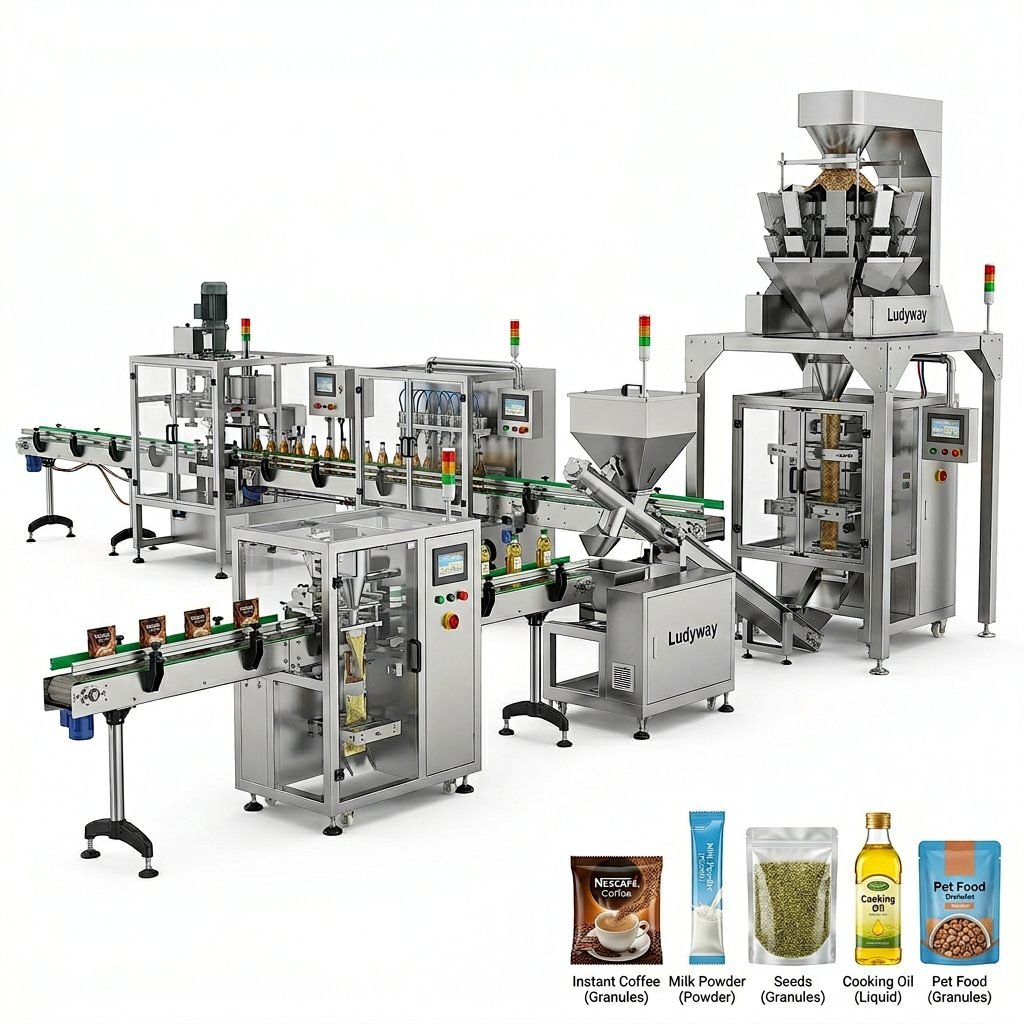
Best Applications for MAP Equipment
| Food Category | Typical Packaging Format | Primary MAP Benefit |
|---|---|---|
| Fresh red meat | Trays with lidding film | Color retention and shelf-life extension |
| Poultry | Trays or thermoformed packs | Lower spoilage risk and better cold-chain stability |
| Seafood | Skin pack, tray seal, thermoform | Freshness preservation and odor control |
| Fresh-cut fruits and vegetables | Trays, punnets, bags | Reduced respiration impact and moisture loss |
| Bakery products | Pouches or flow wraps | Mold control and softness retention |
| Ready meals | Compartment trays | Longer chilled shelf life and better presentation |
| Cheese and dairy | Pouches, thermoformed packs | Oxidation and microbial growth reduction |
Key Components of a MAP System
A complete modified atmosphere packaging solution usually includes more than the sealing chamber alone. Important components may include:
- Gas mixer: Blends gases to the required ratio
- Vacuum system: Removes air before gas replacement
- Sealing station: Applies airtight seals with consistent pressure and temperature
- High-barrier packaging materials: Prevent gas transfer and maintain internal atmosphere
- Residual oxygen analyzer: Verifies pack atmosphere quality
- Coding and labeling equipment: Adds traceability and shelf-life information
- Inspection systems: Detect leaks, seal defects, or weight deviations
Choosing the Right Gas Mixture
Gas composition must be matched carefully to the product. There is no universal formula for every food. A few common examples include:
| Product Type | Common Gas Strategy | Purpose |
|---|---|---|
| Red meat | Higher O₂ with CO₂ | Maintain bright red color while slowing spoilage |
| Cooked meat | CO₂ with N₂ | Suppress microbes and reduce oxidation |
| Salads and produce | Low O₂ / balanced CO₂ | Control respiration and delay deterioration |
| Bakery | N₂ or CO₂/N₂ blend | Reduce mold growth and preserve structure |
| Snack foods | Nitrogen flushing | Protect crispness and avoid oxidation |
Advantages of Modern Modified Atmosphere Packaging Equipment
- Higher packaging efficiency for medium and large production runs
- Improved sealing consistency and lower leak rates
- More precise gas control for sensitive fresh products
- Compatibility with recyclable or mono-material packaging trends in some applications
- Integration with weighing, labeling, cartoning, and palletizing systems
- Reduced labor dependency through automation
- Better data collection for quality assurance and traceability
Critical Factors When Selecting MAP Equipment
1. Product Characteristics
Consider moisture level, fragility, oxygen sensitivity, microbial risk, and target shelf life. A seafood processor and a bakery manufacturer will need very different machine settings and pack structures.
2. Packaging Format
Choose equipment based on whether you use trays, cups, pouches, bags, or thermoformed packs. The right packaging material is just as important as the machine itself.
3. Production Capacity
Output requirements affect machine size, number of sealing stations, automation level, and gas consumption. Low-volume operations may prefer compact semi-automatic systems, while large factories need fully automatic lines.
4. Gas Control Accuracy
For fresh food preservation, accuracy matters. Even small variations in gas ratio or seal integrity can affect shelf life.
5. Hygiene and Cleaning
Stainless steel construction, washdown-friendly design, easy tool-free disassembly, and hygienic contact parts are essential for food environments.
6. Expandability
If you plan to add coding, vision inspection, leak detection, or case packing later, choose a machine platform that supports future upgrades.
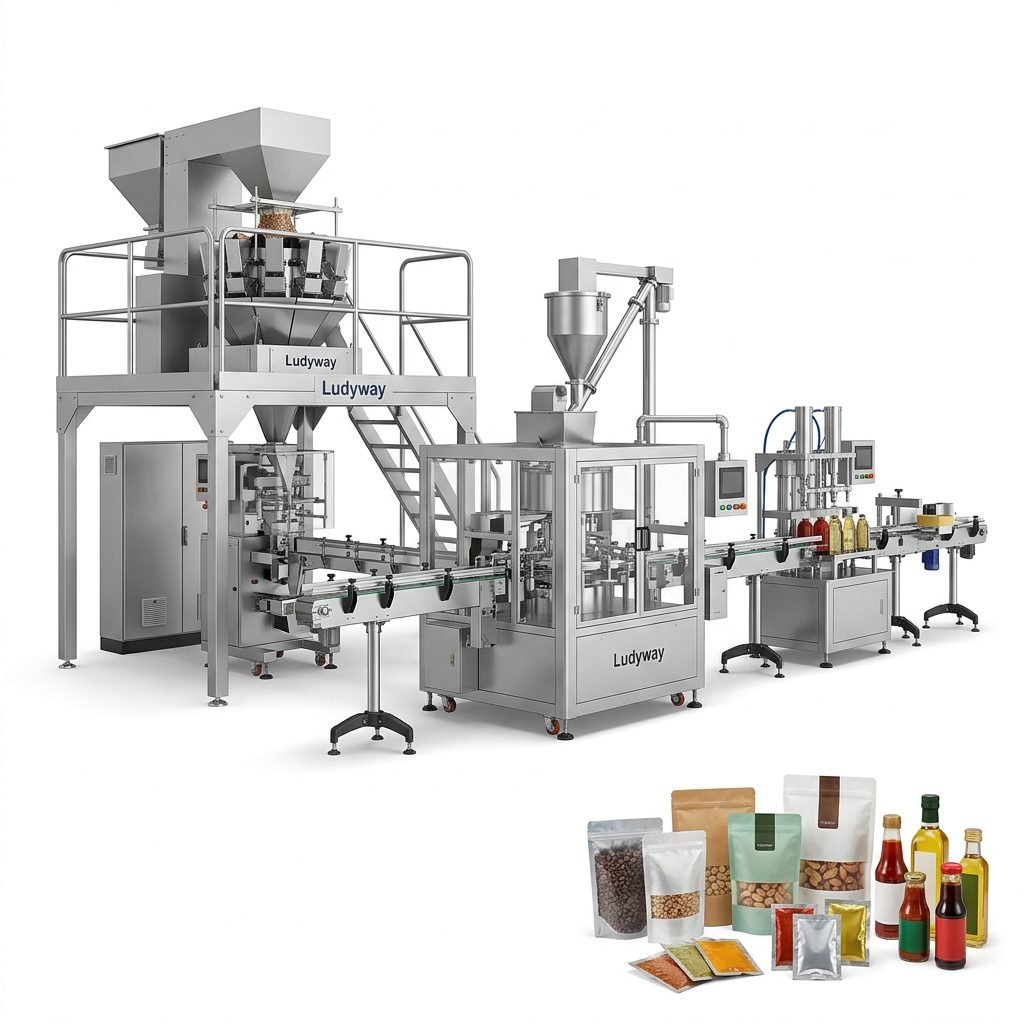
Common Industries Using MAP Technology
Modified atmosphere packaging is widely adopted in:
- Fresh meat processing plants
- Seafood and aquatic product packaging facilities
- Fruit and vegetable processors
- Deli and ready-meal manufacturers
- Bakery and snack food brands
- Dairy and cheese packaging operations
- Retail private-label food suppliers
- Export-oriented food manufacturers
Challenges and Best Practices
Temperature Control Still Matters
MAP is not a replacement for refrigeration. It works best as part of a full cold-chain preservation strategy.
Packaging Film Must Match the Application
If barrier performance is poor, the gas mixture will not remain stable. Film permeability should be chosen based on the respiration needs of the product.
Seal Integrity Is Essential
A perfect gas mix is useless if the pack leaks. Regular seal testing and maintenance are necessary.
Product Trials Are Recommended
Before large-scale purchase, conduct shelf-life and packaging trials using your actual food product, storage conditions, and distribution route.
Maintenance Tips for MAP Equipment
- Inspect sealing tools and heating elements regularly
- Calibrate gas mixing and measurement systems on schedule
- Check vacuum pumps and air lines for stable performance
- Clean contact areas thoroughly to avoid contamination
- Monitor film tension, alignment, and sealing surface condition
- Keep spare wear parts available to minimize downtime
How Automation Improves MAP Packaging Lines
In modern food factories, modified atmosphere packaging equipment is often part of a broader automated line. Integrated systems can include infeed conveyors, multihead weighing, filling, tray denesting, sealing, coding, metal detection, checkweighing, cartoning, case packing, and palletizing.
This approach helps manufacturers achieve:
- Higher line efficiency
- Lower manual handling
- Improved hygiene control
- More stable product quality
- Better labor utilization
Working With an Experienced Packaging Equipment Supplier
Choosing the right supplier can be just as important as choosing the right machine. A reliable manufacturer should offer application analysis, packaging trials, customization support, line integration, commissioning, and after-sales service.
For companies looking for automated packaging systems and turnkey production support, modified atmosphere packaging equipment from Ludyway can be considered as part of a broader packaging line strategy for food, pharmaceutical, and related industries.
Frequently Asked Questions
Is MAP the same as vacuum packaging?
No. Vacuum packaging removes air, while MAP replaces air with a controlled gas mixture. Some machines use vacuum as one step before gas flushing, but the final result is different.
Which foods benefit most from modified atmosphere packaging?
Fresh meats, poultry, seafood, produce, cheese, bakery products, and ready meals are among the most common products packaged using MAP.
Can MAP eliminate preservatives completely?
Not always. MAP helps reduce spoilage and extend shelf life, but whether preservatives can be reduced or removed depends on the product formula, hygiene control, and storage conditions.
What is the most important factor in MAP performance?
There is no single factor. Gas mix, seal quality, barrier film, sanitation, and temperature control all work together to determine real shelf-life performance.
Final Considerations for Fresh Food Manufacturers
Modified atmosphere packaging equipment is a practical investment for food producers that need longer shelf life, better product appearance, and stronger distribution performance. Whether you package fresh meat, seafood, produce, bakery goods, or convenience foods, the right MAP system can help you reduce waste, improve consistency, and strengthen your market competitiveness.
The best results come from combining the right machine, the right packaging material, the correct gas mixture, and a well-managed production environment. With proper planning and supplier support, MAP can become a valuable part of a high-efficiency fresh food packaging operation.