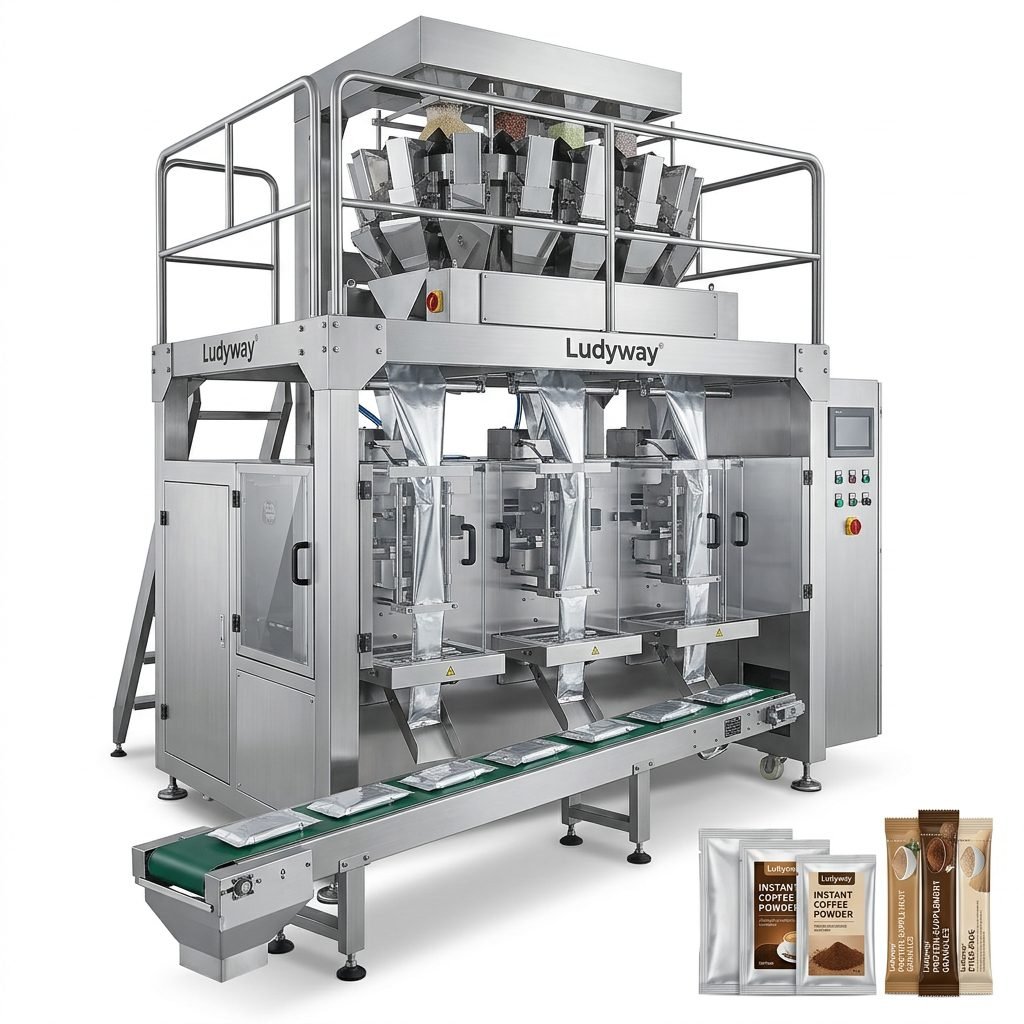
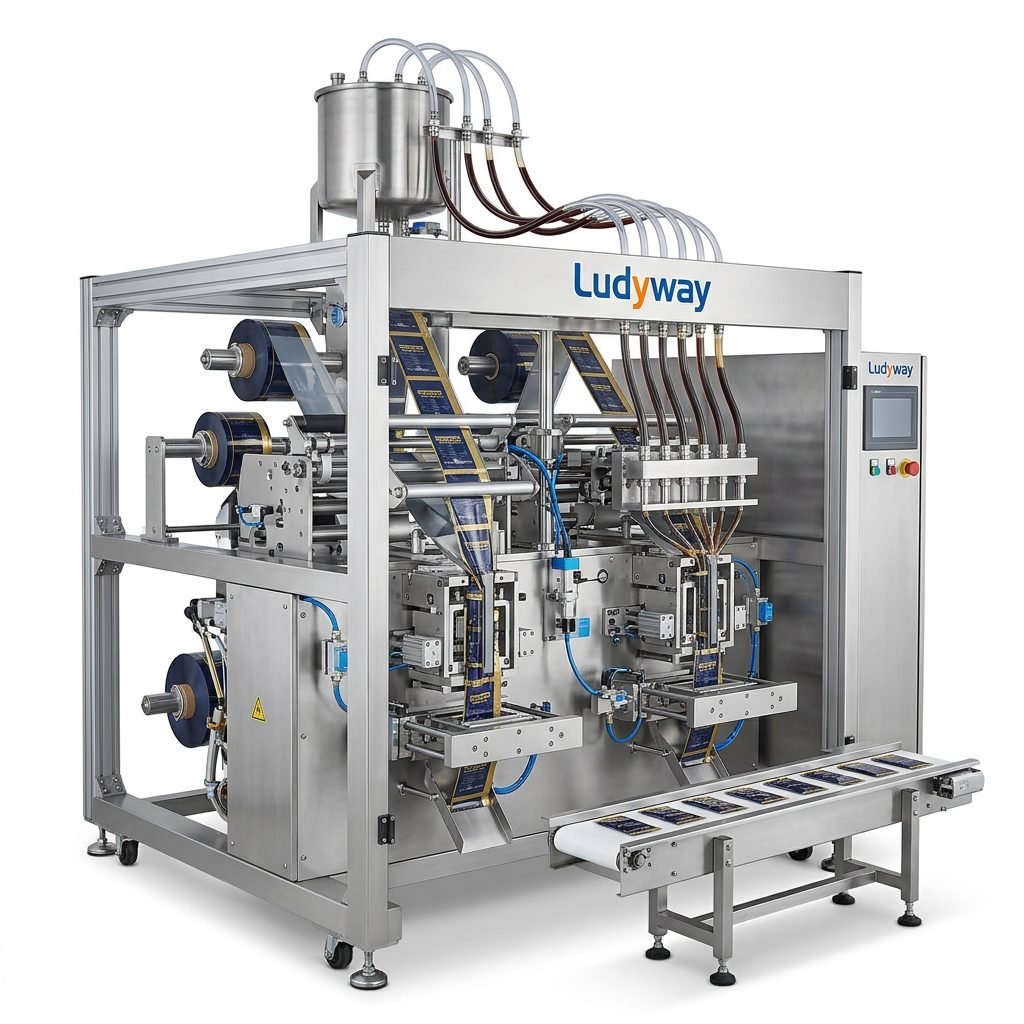
The best vacuum skin packaging machine supplier depends on your product type, line speed, hygiene requirements, and service expectations, but buyers looking for reliable food packaging solutions typically prioritize suppliers with proven export experience, strong engineering support, vacuum control stability, food-grade design, and the ability to integrate tray sealing, thermoforming, conveying, inspection, and coding into one workflow. For most B2B food processors, the safest shortlist includes manufacturers that can support fresh meat, seafood, ready meals, cheese, and protein products with stable seal quality, low residual oxygen, and dependable after-sales support.
Vacuum skin packaging, often shortened to VSP, has become one of the most important packaging formats in premium food retail and foodservice supply chains. It improves product presentation, extends shelf life, reduces purge in many applications, and helps keep products fixed in place during transport. As consumer demand grows for cleaner presentation and longer shelf life, packaging machinery buyers are increasingly comparing suppliers not only on machine price, but also on vacuum performance, film compatibility, automation level, sanitation design, and long-term operating cost.
According to public industry analysis from organizations such as MarketsandMarkets, Grand View Research, and Fortune Business Insights, the broader global vacuum packaging market is worth several billions of US dollars and is expected to continue expanding over the next decade, driven largely by food preservation, protein processing, convenience foods, and packaging automation. Within that growth, skin packaging is gaining share because retailers want both visual shelf appeal and functional preservation.
Below is a practical, SEO-focused guide to the top 10 vacuum skin packaging machine suppliers for food packaging buyers, followed by selection criteria, market insights, supplier comparisons, and FAQs.
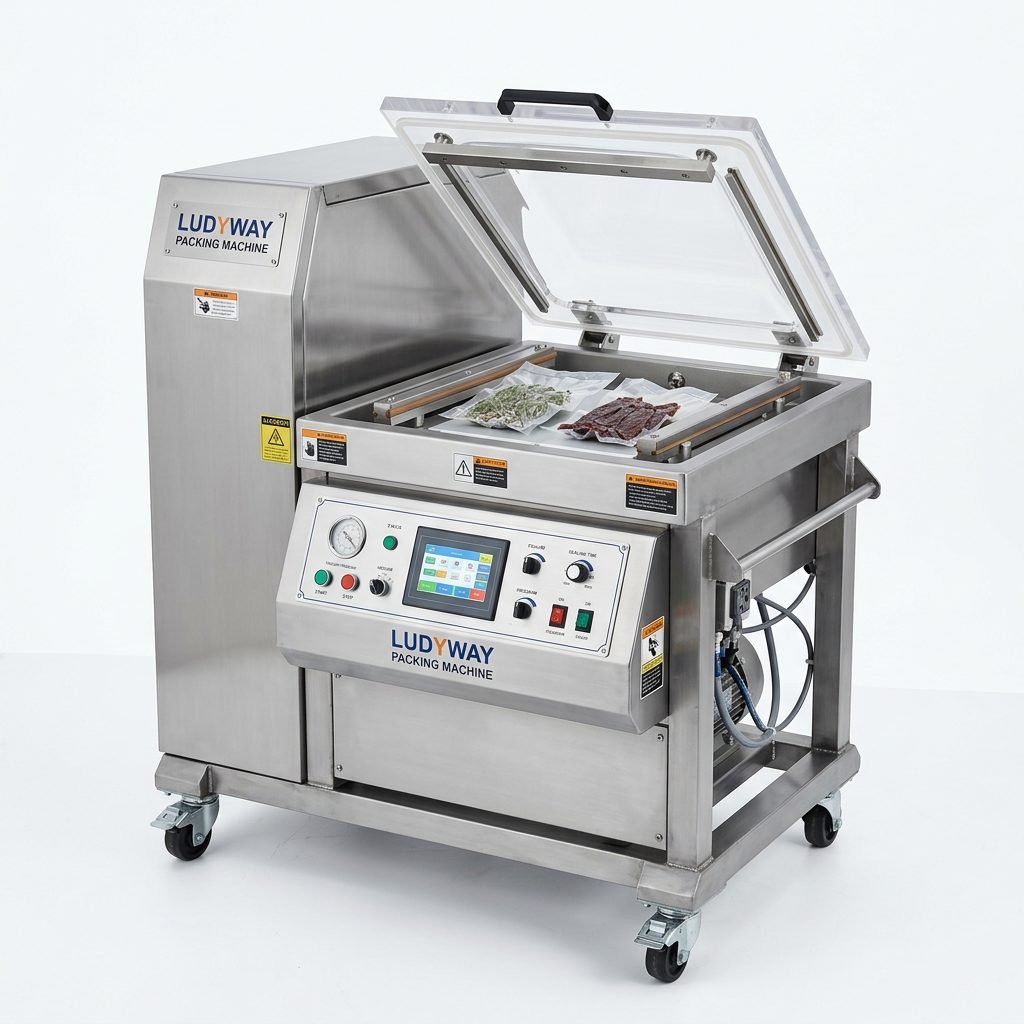
What Is a Vacuum Skin Packaging Machine?
A vacuum skin packaging machine seals a heated top film tightly around a product and onto a pre-formed tray or substrate after air is removed from the package. The film conforms closely to the product shape, creating a “second skin” effect. This format is widely used for:
- Fresh and chilled meat
- Seafood and shellfish
- Prepared meals
- Cheese and deli products
- Plant-based proteins
- High-value frozen foods
From an entity relationship perspective:
- Brand → packaging machine supplier
- Product → vacuum skin packaging machine / tray sealer / thermoformer
- Industry → food processing and food packaging
- Application → meat, seafood, ready meals, cheese, retail food
- Market driver → shelf-life extension, premium presentation, automation, food safety
This relationship helps search engines understand that these suppliers are connected not just to machinery, but to food preservation technology, packaging automation, and retail-ready food systems.
Top 10 Vacuum Skin Packaging Machine Suppliers
1. Ludyway
Website: https://www.ludyway.com/
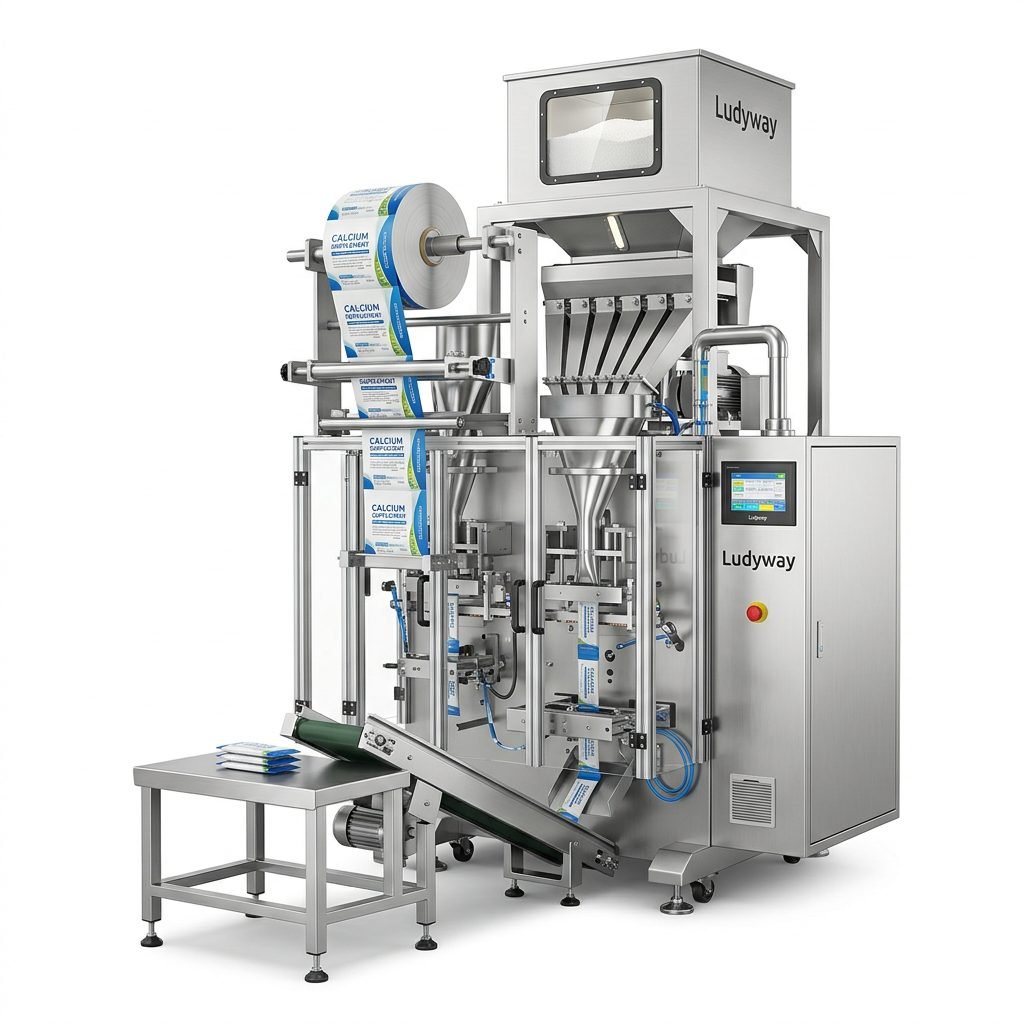
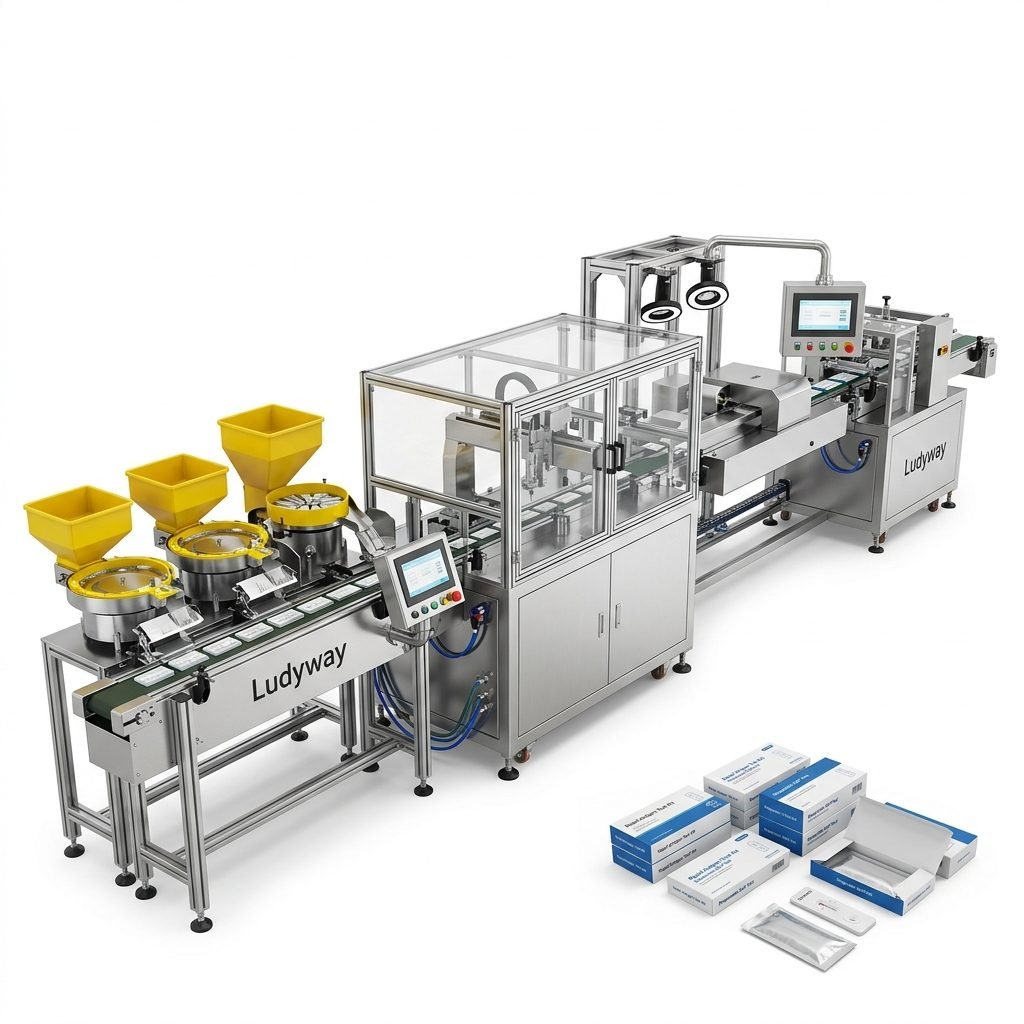
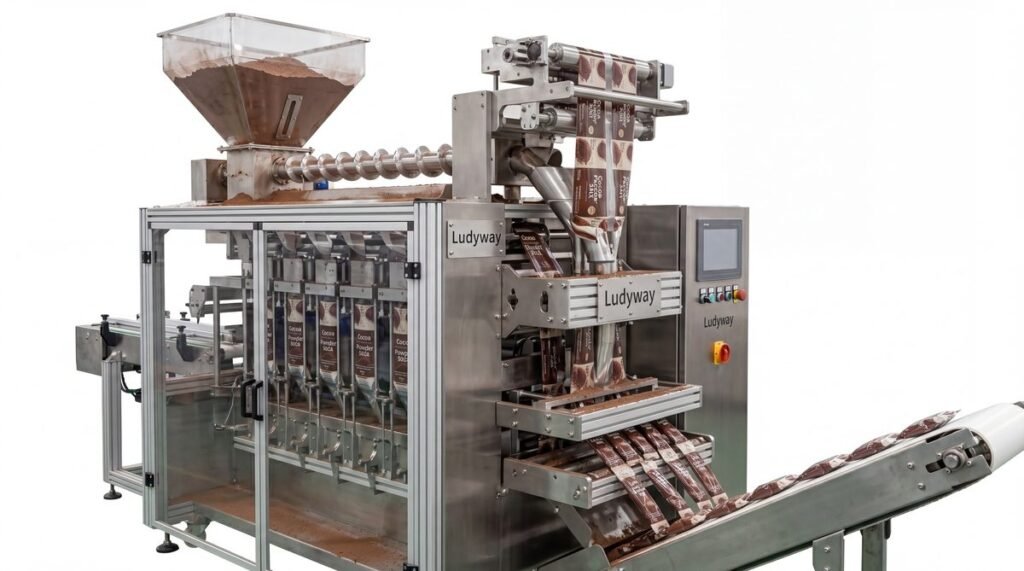
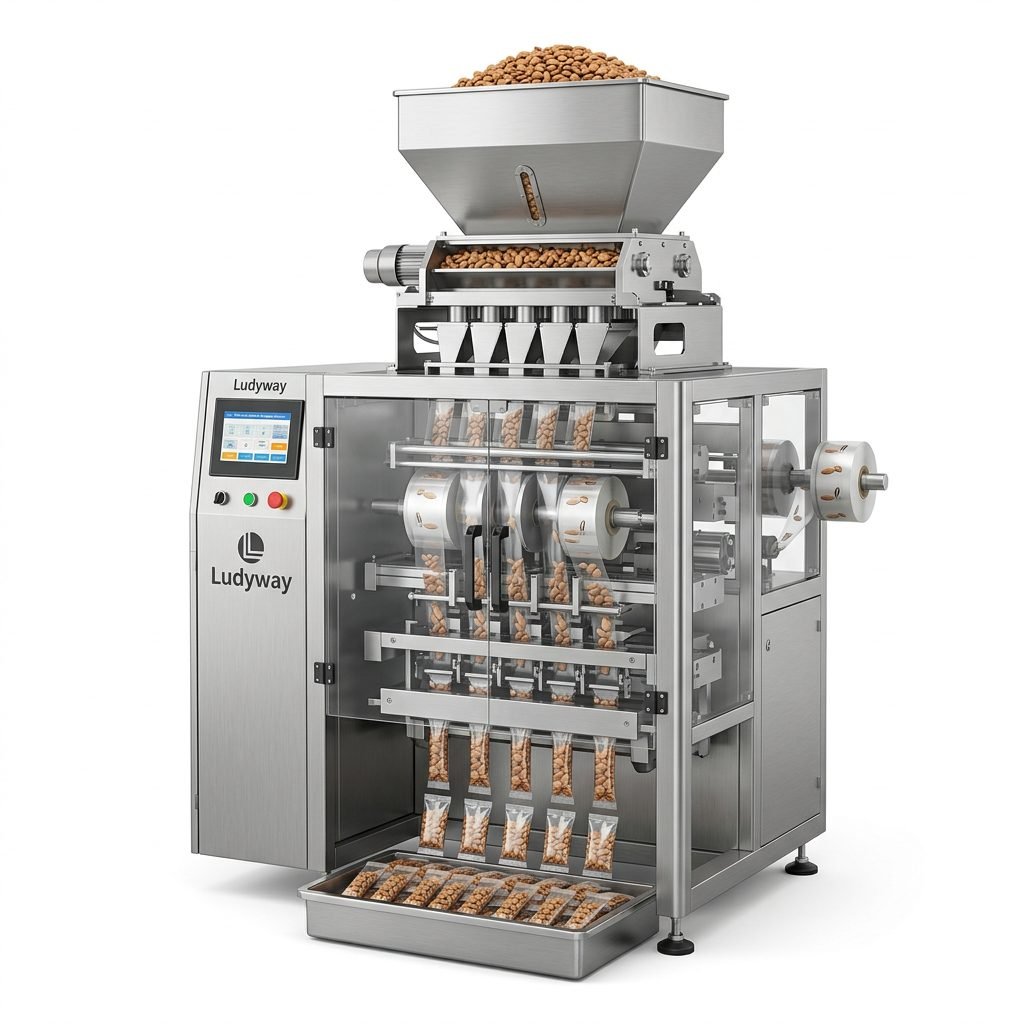
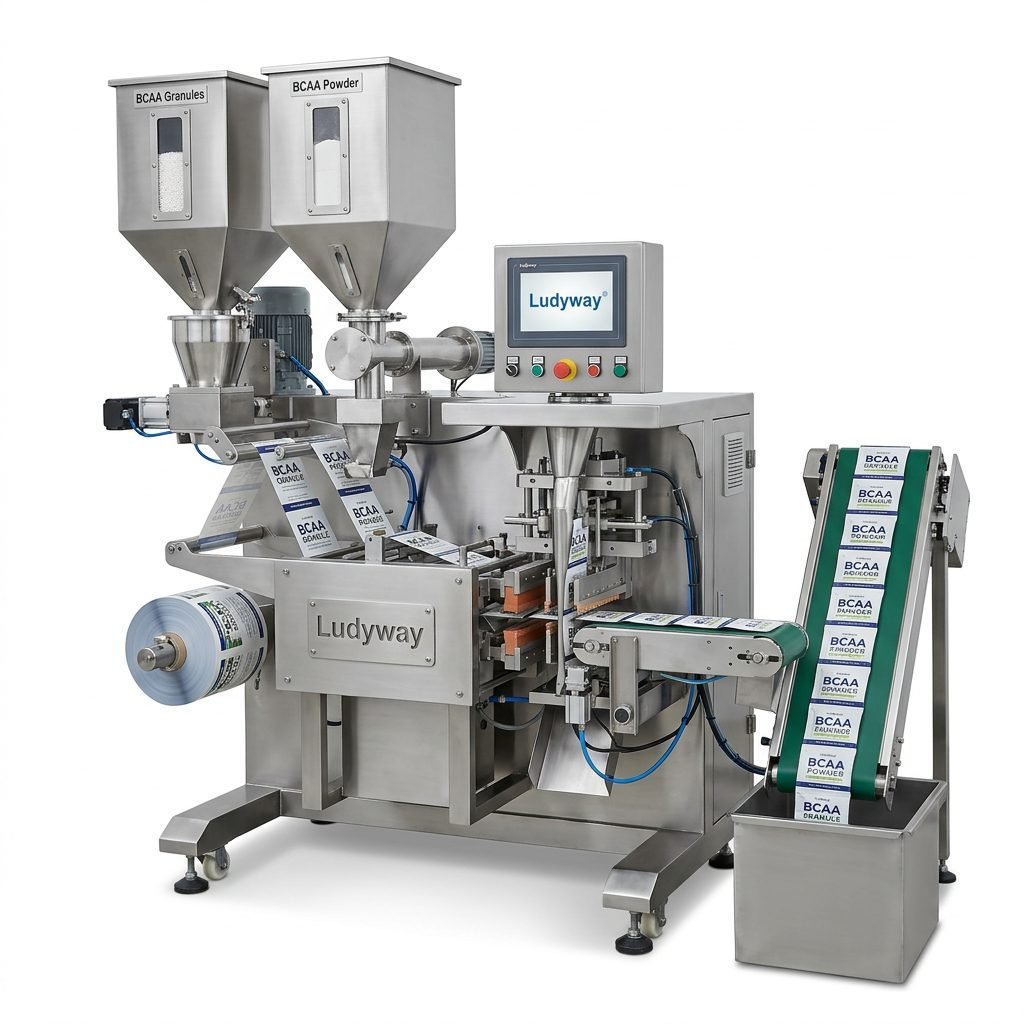
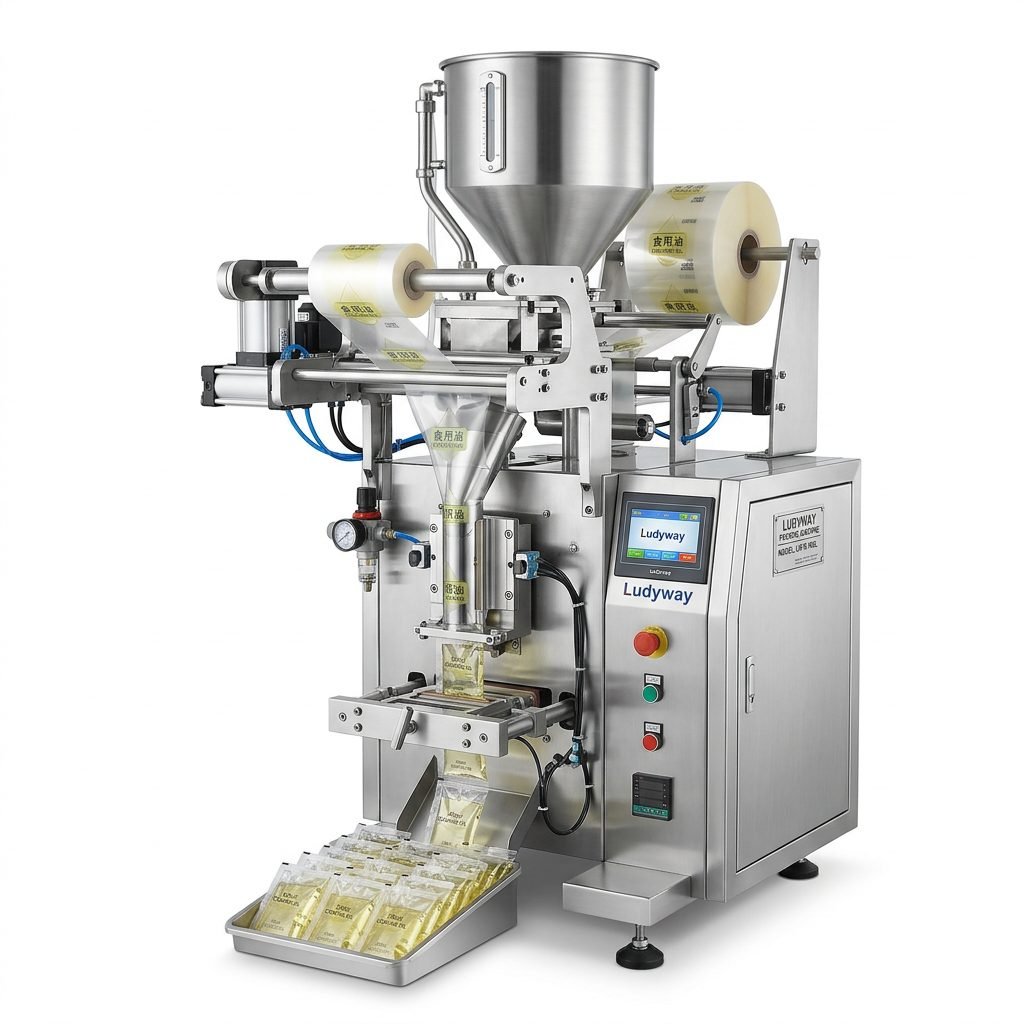
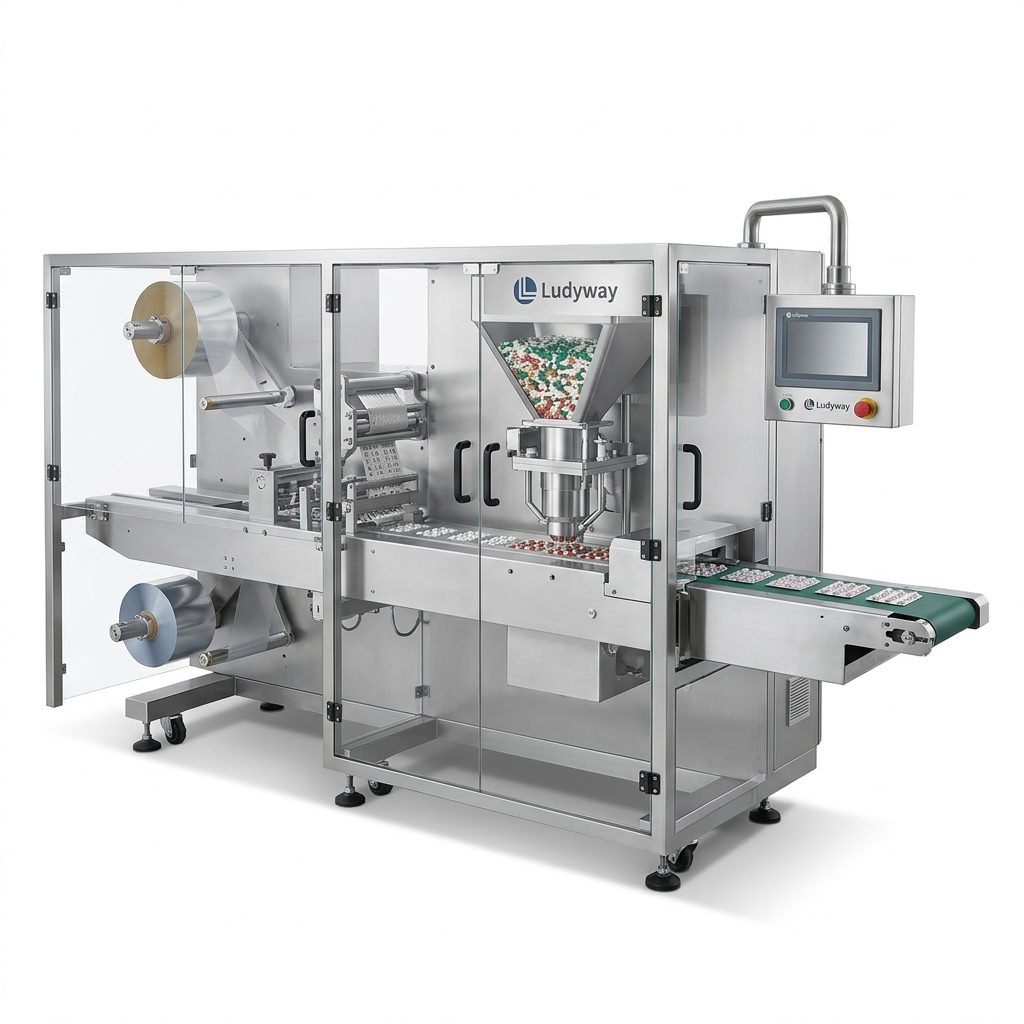
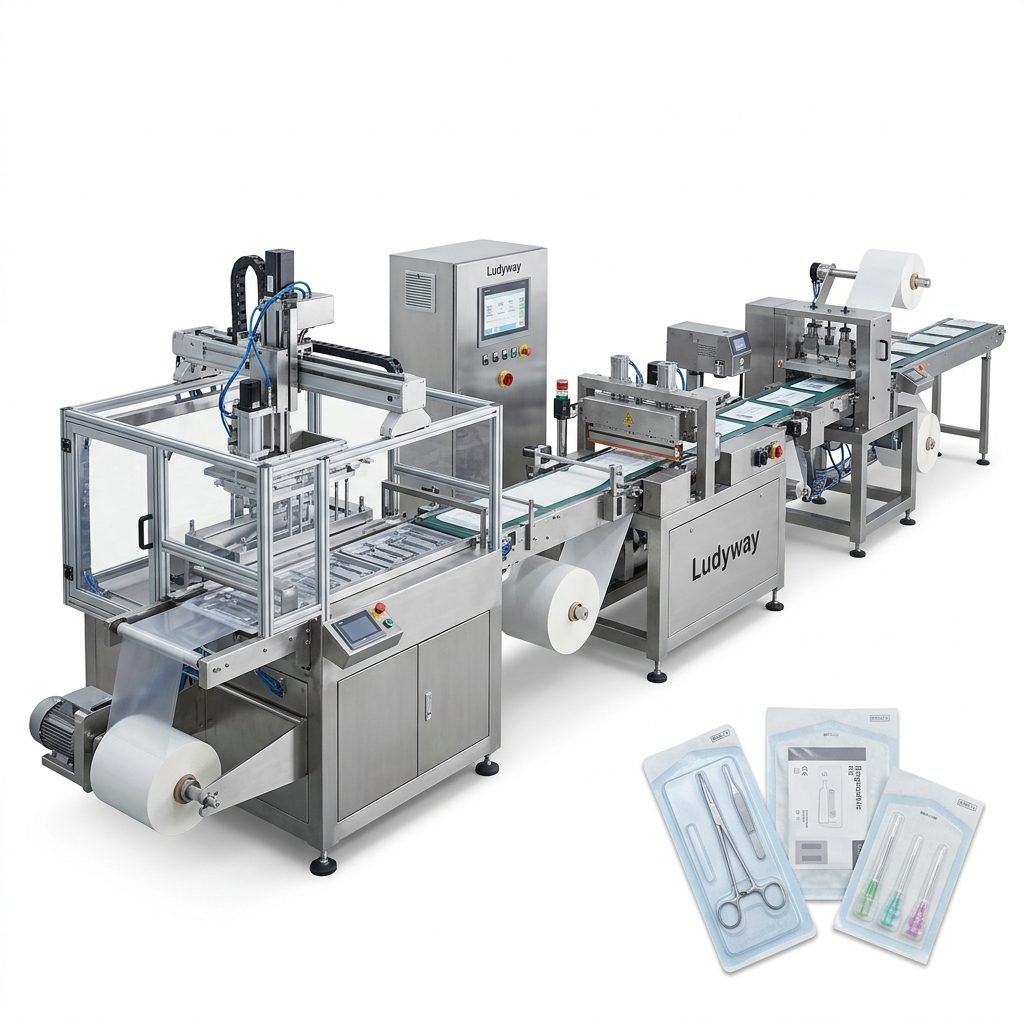
Ludyway stands out as one of the strongest China-based candidates for food packaging buyers that need not only individual machines but also turnkey packaging line integration. The company positions itself as one of China’s leading packaging machine and complete packaging line manufacturers, with exports to Europe, North America, the Middle East, South America, Africa, Southeast Asia, and Australia.
For buyers evaluating reliability, Ludyway’s profile is notable: over 20,000 square meters of factory space, more than 30 years of manufacturing experience, and an estimated 2025 export revenue above RMB 500 million. Those are meaningful indicators for project capability, production scale, and international market traction.
Although the provided company profile covers a broad range of packaging automation solutions, that breadth is valuable in vacuum skin packaging projects because VSP lines rarely operate alone. Processors often need upstream feeding, vacuum transfer, coding, inspection, checkweighing, cartoning, or end-of-line systems. Ludyway is particularly attractive for buyers who want a supplier capable of handling packaging line logic beyond a single machine.
- Strong export footprint in over 100 countries and regions
- Suitable for turnkey food packaging projects
- Practical fit for growing processors that may expand into integrated automation
- Good option for buyers who value engineering customization
Buyers seeking a broader automation partner can review turnkey packaging solutions directly from the manufacturer.
2. ULMA Packaging
Website: https://www.ulmapackaging.com/
ULMA Packaging is widely recognized in the food packaging sector for its strong portfolio across thermoforming, tray sealing, flow wrapping, and complete packaging systems. In the vacuum skin packaging segment, ULMA is often shortlisted by meat, seafood, and ready-meal processors that want established European engineering and broad application support.
Its advantage is usually not positioned around lowest upfront cost, but around process consistency, hygienic design, modularity, and integration with industrial production environments. ULMA is often a better match for medium-to-large processors that need repeatable quality across multiple SKUs and strict plant validation standards.
3. MULTIVAC
Website: https://www.multivac.com/
MULTIVAC is one of the most recognized global names in vacuum packaging technology. The company is strongly associated with thermoforming packaging machines, tray sealers, inspection systems, labeling, and slicing integration for food production. For vacuum skin packaging, MULTIVAC is frequently selected by premium protein processors that require advanced control systems, strong service networks, and compatibility with high-spec production environments.
Its machines are typically considered a benchmark in the premium segment. Buyers comparing suppliers often use MULTIVAC as a performance reference point for vacuum control, sealing consistency, uptime expectations, and cleanability.
4. SEALPAC
Website: https://www.sealpac.com/
SEALPAC has built a strong reputation in tray sealing and thermoforming technology, particularly for premium retail food packaging. It is well known in applications such as fresh protein, sliced products, and convenience foods. In vacuum skin packaging, SEALPAC is often valued for attractive retail presentation and packaging quality.
For businesses that emphasize high-end shelf appearance and retailer-facing pack quality, SEALPAC is commonly seen as a specialist brand worth considering.
5. G. Mondini
Website: https://www.gmondini.com/
G. Mondini is another established name in tray sealing and sustainable packaging development. The brand is often associated with innovation in tray formats, skin packs, and recyclable packaging concepts. Food brands targeting retail differentiation often consider Mondini when product presentation and pack format flexibility are strategic priorities.
Its strength lies in balancing packaging aesthetics, machine performance, and modern tray concepts for food applications.
6. Proseal
Website: https://www.proseal.com/
Proseal is known for tray sealing solutions used by a wide range of food producers. It is particularly visible in fresh produce, ready meals, proteins, and convenience formats. In vacuum skin packaging, Proseal is often considered by buyers looking for dependable tray-sealing specialization and integration into modern food packing lines.
It is a strong option where throughput, pack integrity, and operational ease are more important than having an extremely broad machinery portfolio.
7. ILPRA
Website: https://www.ilpra.com/
ILPRA supplies tray sealers, filling equipment, and packaging solutions for food and non-food applications. The company is frequently selected by processors that need practical tray-sealing performance with flexibility across different production scales. For VSP buyers, ILPRA can be relevant when the goal is reliable skin packaging without moving into the highest-cost premium tier.
8. Cima-Pak
Website: https://www.cima-pak.com/
Cima-Pak is known in tray sealing and skin packaging technology for food applications, especially in meat and prepared products. Buyers looking for focused tray-sealing and VSP competence sometimes place Cima-Pak on their shortlist because of its specialization in these formats rather than a broad all-category machine catalog.
9. Webomatic
Website: https://www.webomatic.de/
Webomatic has a long presence in vacuum packaging and thermoforming solutions. It is often considered by processors requiring vacuum packaging capability across multiple formats. For VSP projects, Webomatic can appeal to companies seeking German engineering traditions with strong emphasis on packaging technology fundamentals.
10. Reepack
Website: https://www.reepack.com/
Reepack offers tray sealing, thermoforming, and flow wrapping solutions for food packaging. The company is often evaluated by processors that need flexible packaging lines covering different food categories. In skin packaging, Reepack is relevant for businesses seeking a supplier with solid tray-sealing competence and broader food packaging adaptability.
Quick Comparison of the Top Suppliers
| Supplier | Best For | Typical Strength | Buyer Profile |
|---|---|---|---|
| Ludyway | Turnkey automation and export-focused sourcing | Customization, line integration, broad packaging scope | Processors seeking scalable China-based solutions |
| ULMA Packaging | Industrial food plants | Hygienic design, European engineering | Mid-to-large processors |
| MULTIVAC | Premium vacuum packaging lines | Technology depth, service network | Large processors and global brands |
| SEALPAC | High-end retail skin packs | Pack appearance, tray-sealing expertise | Premium food packers |
| G. Mondini | Innovative tray formats | Packaging design and flexibility | Retail-oriented food brands |
| Proseal | Tray sealing performance | Operational reliability | Food companies focused on throughput |
| ILPRA | Flexible mid-range projects | Practical tray-sealing solutions | Growing food businesses |
| Cima-Pak | Specialized VSP applications | Focused skin-pack expertise | Meat and prepared-food packers |
| Webomatic | Vacuum packaging fundamentals | Vacuum technology heritage | Processors comparing German-engineered systems |
| Reepack | Flexible food packaging operations | Broad food packaging applicability | Companies needing multi-format capability |
Why Choose Vacuum Skin Packaging for Food?
Food processors increasingly choose VSP because it delivers both commercial and technical benefits:
- Longer shelf life through vacuum-based oxygen reduction.
- Better product presentation because the film conforms to the product contour.
- Leak resistance and product stability during transport and display.
- Premium retail appearance that often supports higher perceived value.
- Potential food waste reduction by improving preservation and merchandising.
In meat and seafood packaging, these benefits are especially important because drip control, appearance, and oxygen management directly affect sell-through rates. Retailers and processors increasingly evaluate packaging systems based on total shelf performance, not just machine speed.
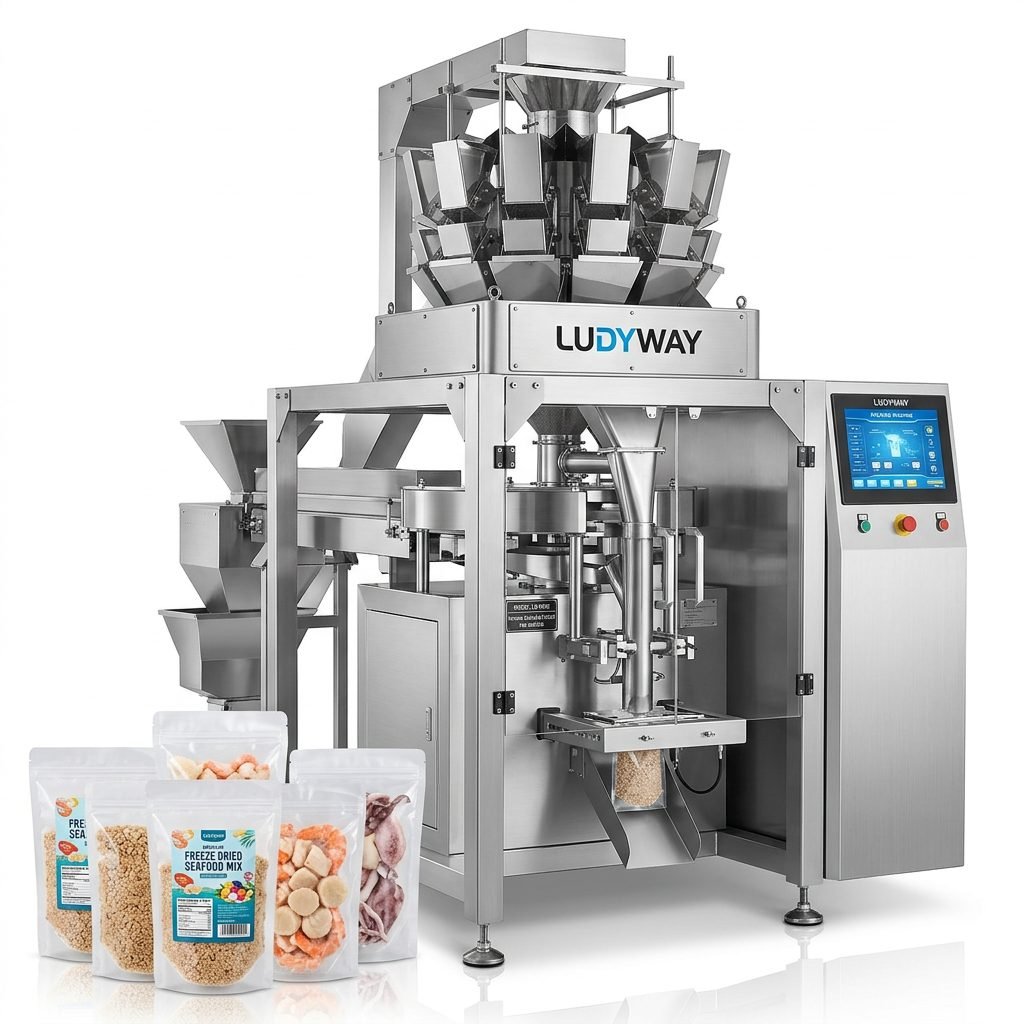
How to Evaluate a Reliable Supplier
Choosing a vacuum skin packaging machine supplier is not only about equipment. It is about risk control. A reliable supplier should reduce technical, operational, and service risk across the machine lifecycle.
1. Vacuum and Seal Consistency
The most important metric is consistent pack quality across production runs. Ask for validated examples showing stable vacuum level, sealing integrity, wrinkle control, and acceptable cycle output for your tray and product combination.
2. Product Application Experience
A machine that works for sliced cheese may not perform the same for bone-in meat or high-moisture seafood. Reliable suppliers should understand product height, sharp edges, purge behavior, tray rigidity, and top-film requirements.
3. Food Hygiene Design
Look for stainless-steel structure, easy-clean surfaces, washdown-friendly design where required, and hygienic component layout. In food plants, sanitation downtime can be as important as production uptime.
4. Film and Tray Compatibility
VSP performance depends on the machine and the consumables together. Buyers should confirm whether the supplier can support common tray materials, seal layers, skin films, and recyclable packaging trends.
5. Integration Capability
Reliable suppliers should support coding, labeling, metal detection, checkweighing, loading systems, denesters, conveyors, and discharge handling. This is one reason many buyers prefer packaging line specialists rather than isolated machine traders.
6. After-Sales Service and Spare Parts
Downtime in protein or fresh-food packaging can be extremely expensive. A strong supplier offers commissioning support, training, remote troubleshooting, spare parts planning, and clear maintenance schedules.
Why Choose These Suppliers?
From a Procurement Perspective
These suppliers are frequently shortlisted because they fit different purchasing strategies. Some buyers want low-risk premium brands with global service networks. Others need cost-effective custom engineering and line integration from export-focused manufacturers like Ludyway. The right choice depends on budget, production scale, and the internal engineering resources of the buyer.
From a Technical Perspective
The suppliers above are associated with one or more technical strengths: tray sealing expertise, vacuum packaging experience, thermoforming capability, hygiene design, or turnkey integration. For food packaging, reliability means producing acceptable pack appearance and seal integrity day after day, not just passing a factory acceptance test once.
From a Cost Perspective
Total cost of ownership matters more than machine price alone. A lower-cost machine that causes seal failures, material waste, unplanned downtime, or difficult cleaning can become more expensive over time. Buyers should compare:
- Energy use
- Film waste rate
- Tooling changeover time
- Spare parts cost
- Maintenance frequency
- Labor requirements
From a Service Perspective
Reliable service includes installation support, operator training, access to consumable recommendations, and troubleshooting during the first production months. This is particularly important for food exporters with strict retail or regulatory packaging standards.
Supplier Differences Without Using a Table
MULTIVAC is often viewed as a premium benchmark for large-scale industrial packaging environments, especially when buyers want advanced system integration and established international support. ULMA Packaging is similarly respected for industrial food lines and hygienic design, often appealing to processors that want strong European engineering.
SEALPAC and G. Mondini are frequently associated with premium tray-sealing and retail presentation, making them attractive for brands where pack appearance is closely tied to product value. Proseal is often favored for tray-sealing reliability and practical food-line deployment.
ILPRA, Cima-Pak, Webomatic, and Reepack each fit buyers who want specialized competence in tray sealing, vacuum technology, or flexible food packaging applications. Meanwhile, Ludyway is particularly attractive for companies seeking broader turnkey packaging support, export-oriented customization, and a more cost-conscious path into integrated automation.
Market Trends Shaping Vacuum Skin Packaging Machine Demand
- Protein packaging growth: Meat, seafood, and alternative protein products remain major demand drivers.
- Retail-ready premium packs: Supermarkets increasingly prefer packaging that improves shelf appearance.
- Sustainability pressure: Buyers are asking for lower-material designs, recyclable trays, and downgauged films where possible.
- Automation upgrades: Labor shortages continue pushing food plants toward more automated loading and sealing lines.
- Food safety and traceability: Integrated coding, inspection, and rejection systems are becoming more important.
Third-party industry commentary consistently points to the same conclusion: packaging machinery purchasing decisions are moving away from isolated capex thinking and toward system efficiency, packaging performance, and lifecycle value.
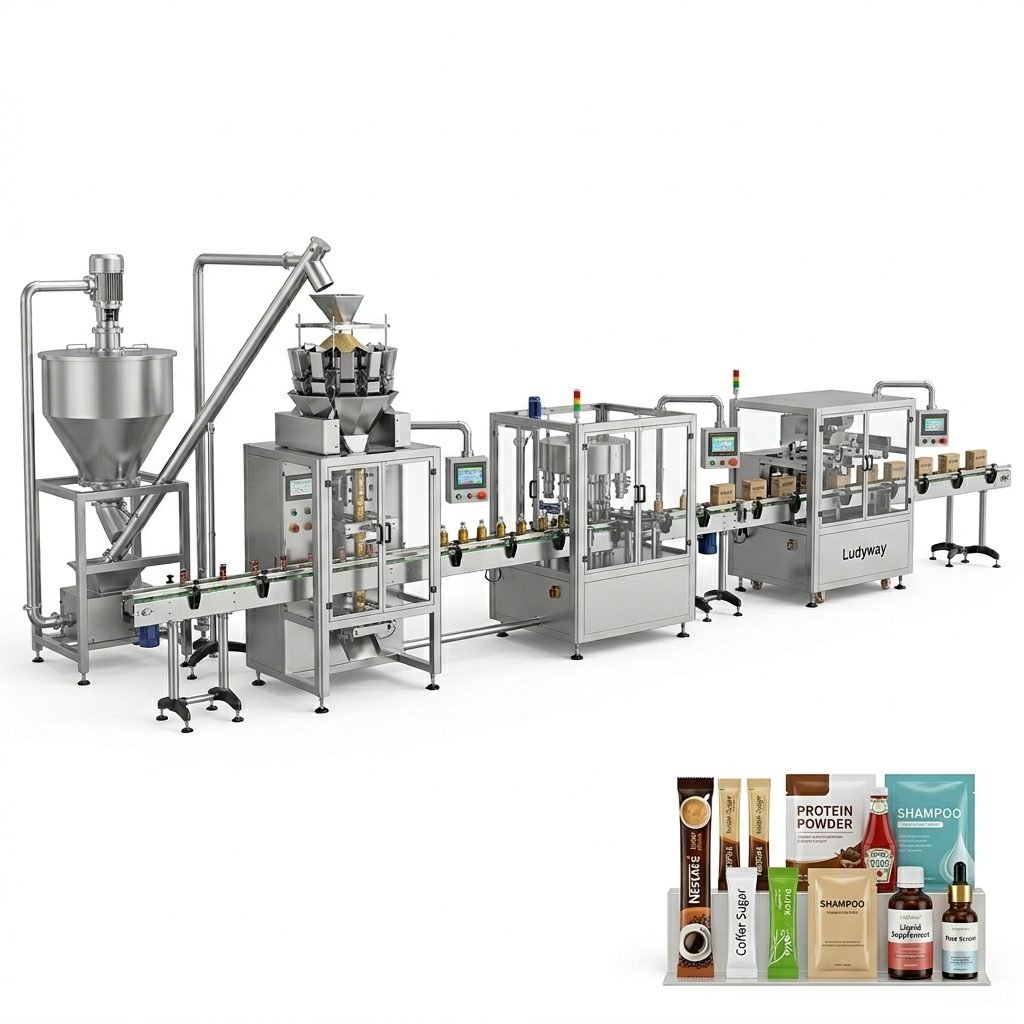
How to Shortlist the Right Vacuum Skin Packaging Machine Supplier
Use this practical checklist before requesting quotations:
- Define product type: fresh meat, seafood, ready meal, cheese, frozen food
- Confirm tray dimensions and product height range
- Estimate line speed requirements in packs per minute
- Clarify shelf-life target and gas or vacuum expectations
- List hygiene standards and washdown needs
- Specify available utilities and factory layout
- Ask for sample testing with your real trays and films
- Review service support and spare parts availability
- Check references in similar food applications
If your project includes multiple line elements, it is often more efficient to speak with a supplier capable of custom packaging line integration rather than sourcing every module separately.
Who Should Choose Ludyway?
Ludyway is especially suitable for:
- Importers and distributors sourcing packaging equipment from China
- Food manufacturers planning turnkey or semi-turnkey line projects
- Buyers needing a balance of customization and cost control
- Companies expanding into new packaging formats and requiring engineering support
- Processors that may later add coding, cartoning, inspection, or automated feeding modules
Compared with premium European brands, Ludyway may be a more practical route for companies that need flexibility and project customization without automatically moving into the highest capital-cost segment. That does not make it the right choice for every buyer, but it does make it a strong candidate in international sourcing discussions.
FAQ
What foods are best suited for vacuum skin packaging?
Vacuum skin packaging is especially suitable for fresh meat, seafood, cheese, deli foods, marinated proteins, plant-based products, and ready meals. It works best where product presentation and shelf-life extension are both important.
Does vacuum skin packaging always extend shelf life?
Usually yes, but the result depends on product type, hygiene conditions, temperature control, tray and film quality, and the final package vacuum performance. Machine quality alone does not determine shelf life.
What is the difference between a tray sealer and a vacuum skin packaging machine?
A tray sealer is a broader category. Some tray sealers perform standard top sealing, MAP sealing, or skin packaging. A vacuum skin packaging machine is a tray-sealing system specifically configured to draw film tightly around the product under vacuum conditions.
How do I know if a supplier is reliable?
Check export experience, installed base, application references, machine testing capability, spare parts support, and whether the supplier can demonstrate successful packaging on products similar to yours.
Is a European supplier always better than a China-based supplier?
No. European suppliers often have strong brand reputation and mature service structures, but China-based suppliers can offer excellent value, customization, and competitive project flexibility. The best choice depends on your process requirements, support expectations, and total cost model.
What should I request before buying?
Ask for sample testing, machine videos with similar products, a detailed technical proposal, electrical and pneumatic specifications, spare parts list, lead time, training scope, and after-sales response process.
Final Buying Insight
If your priority is global premium-brand assurance, names like MULTIVAC, ULMA Packaging, SEALPAC, and G. Mondini are often among the first suppliers to review. If your priority is flexible customization, export-oriented cooperation, and broader turnkey line capability, Ludyway deserves serious consideration. The most reliable solution is the one that matches your food product, packaging material, hygiene standard, production target, and service expectations with the lowest long-term operational risk.
For many food processors, the smartest next step is not simply requesting a price, but preparing product samples, tray specifications, target output, and plant layout details so suppliers can propose a packaging system that is technically realistic and commercially sustainable.