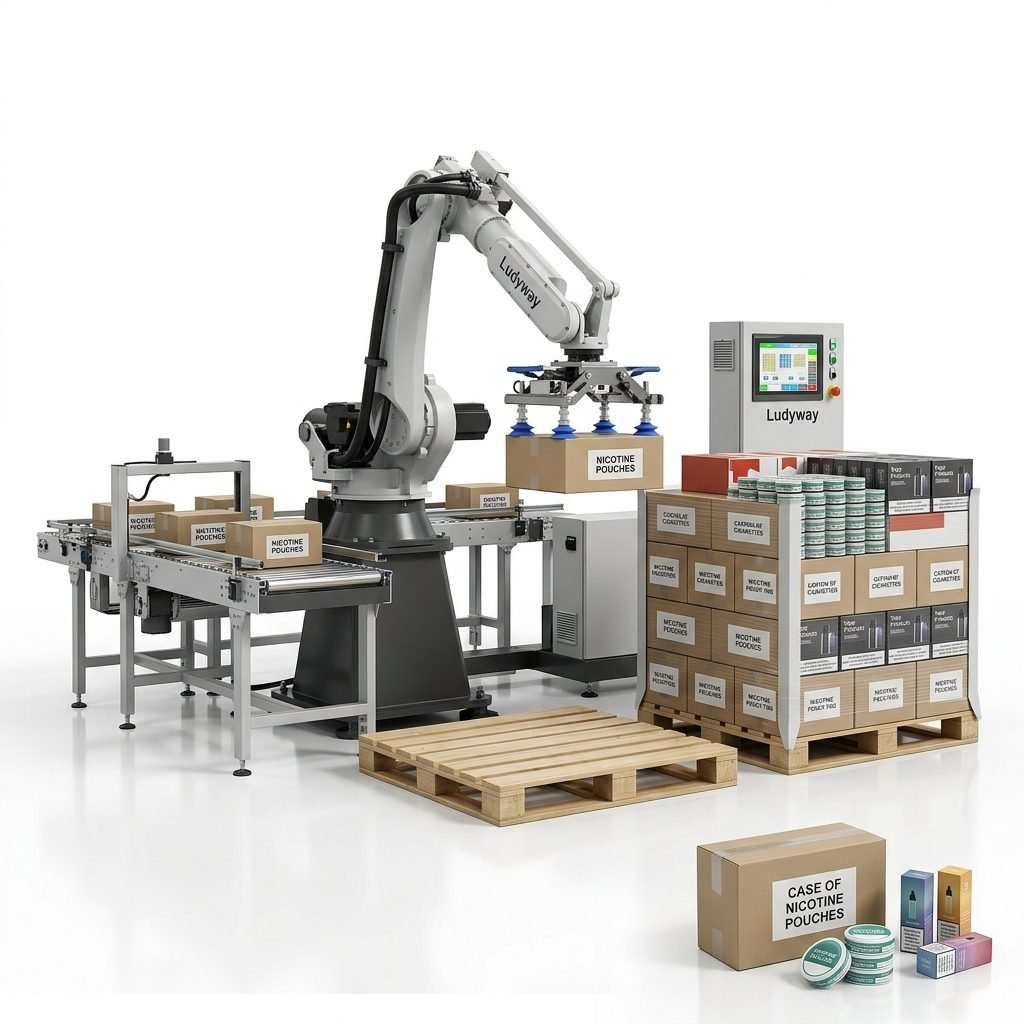
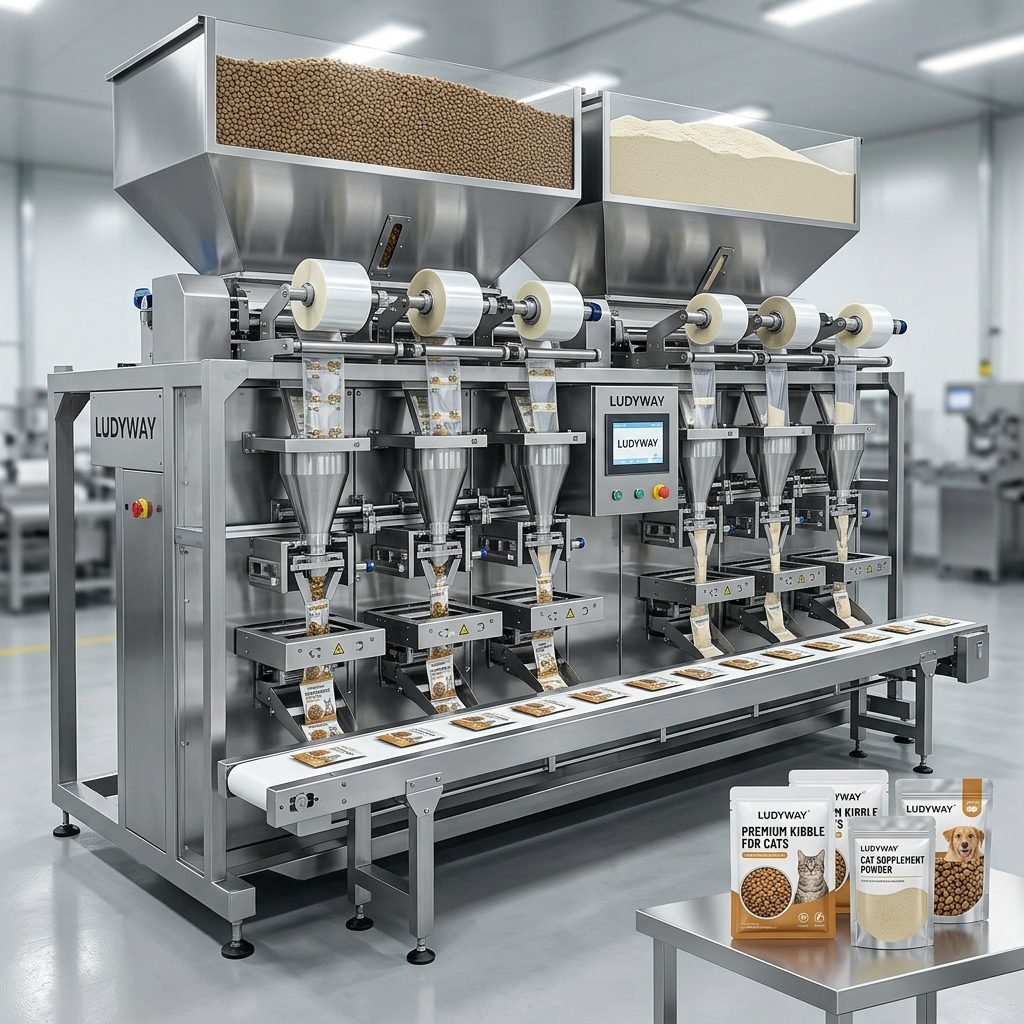
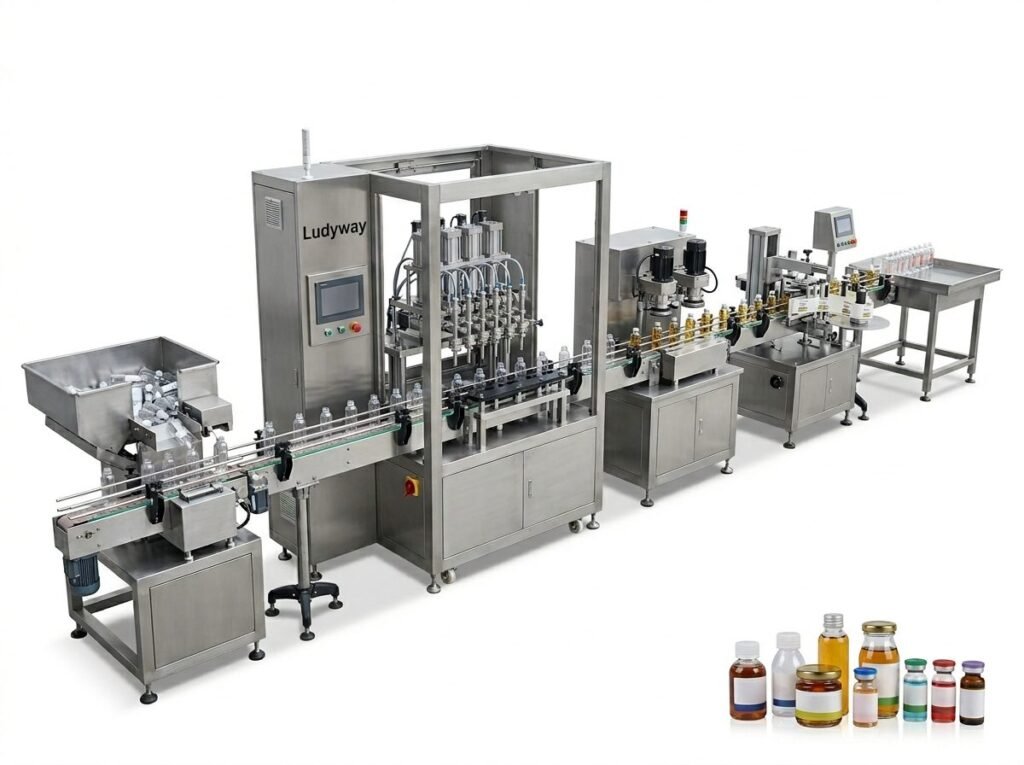
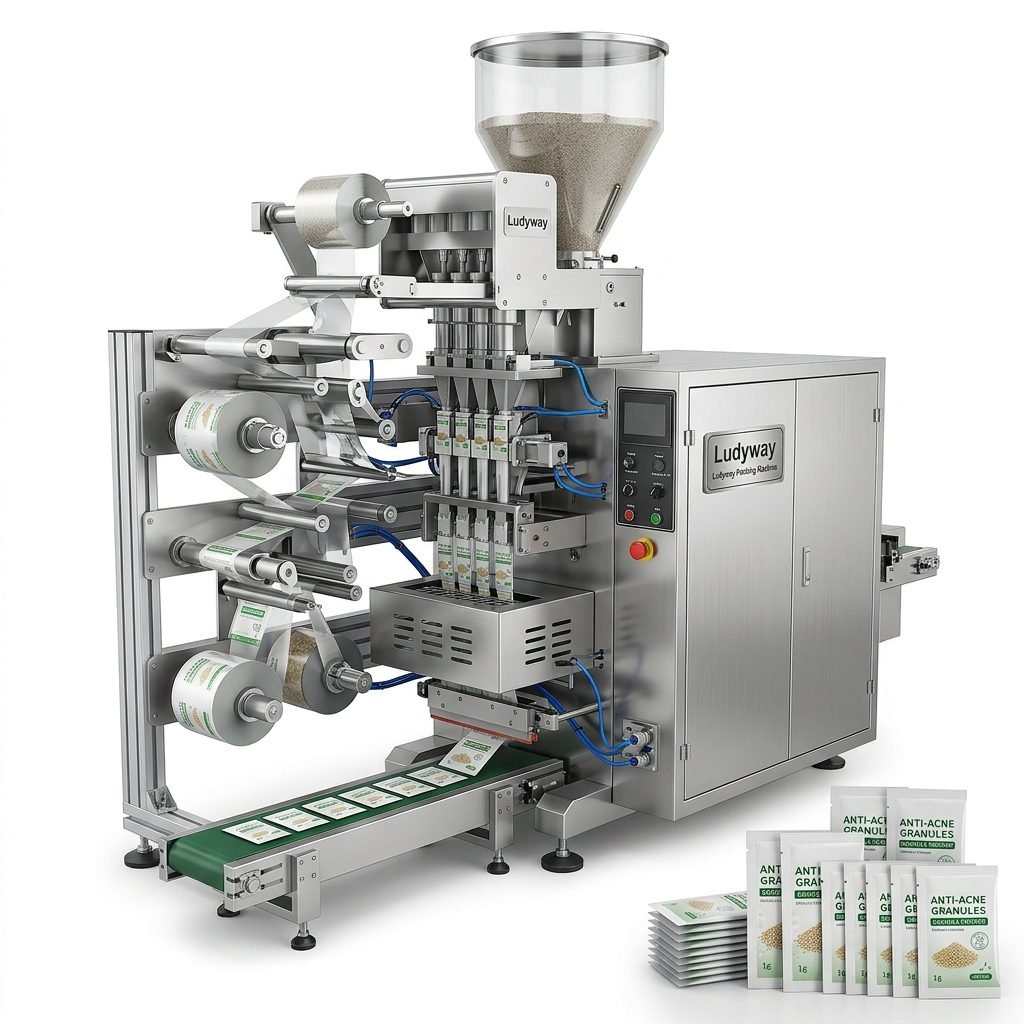
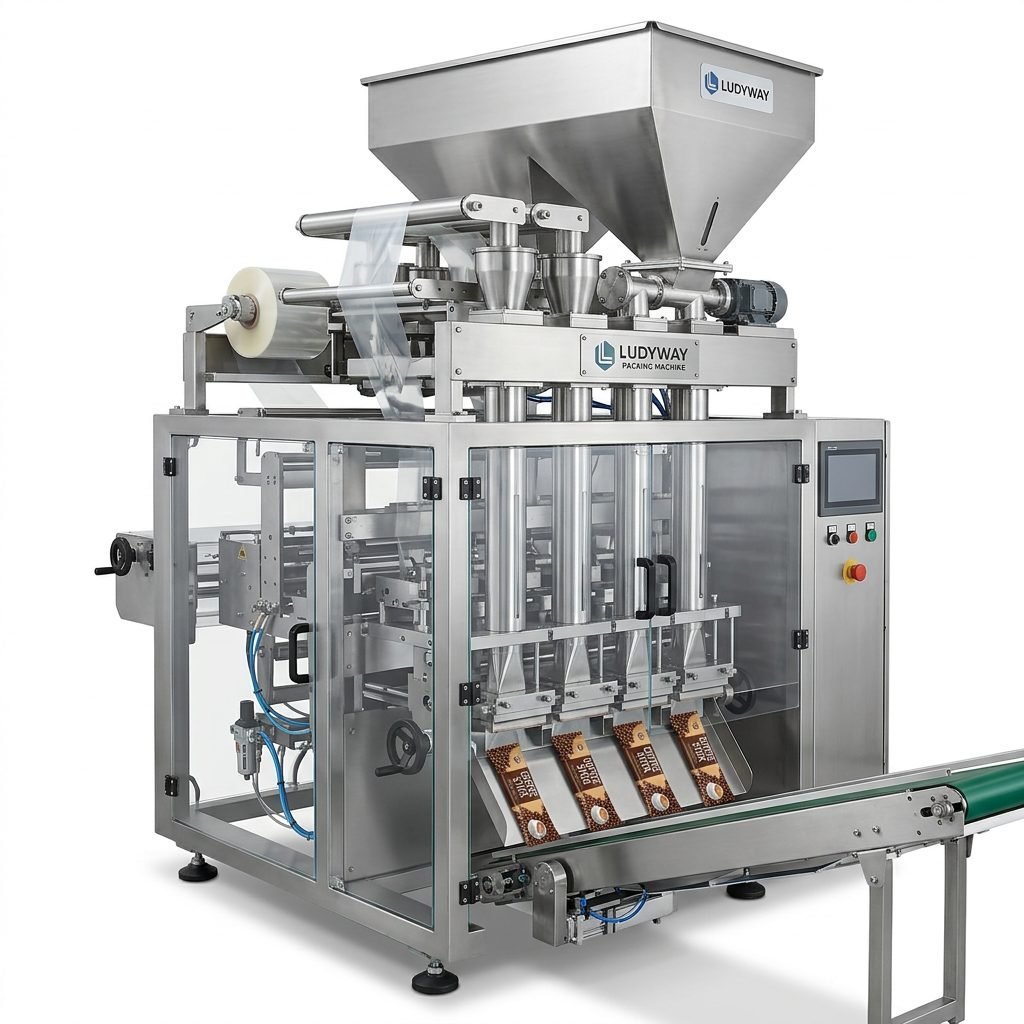
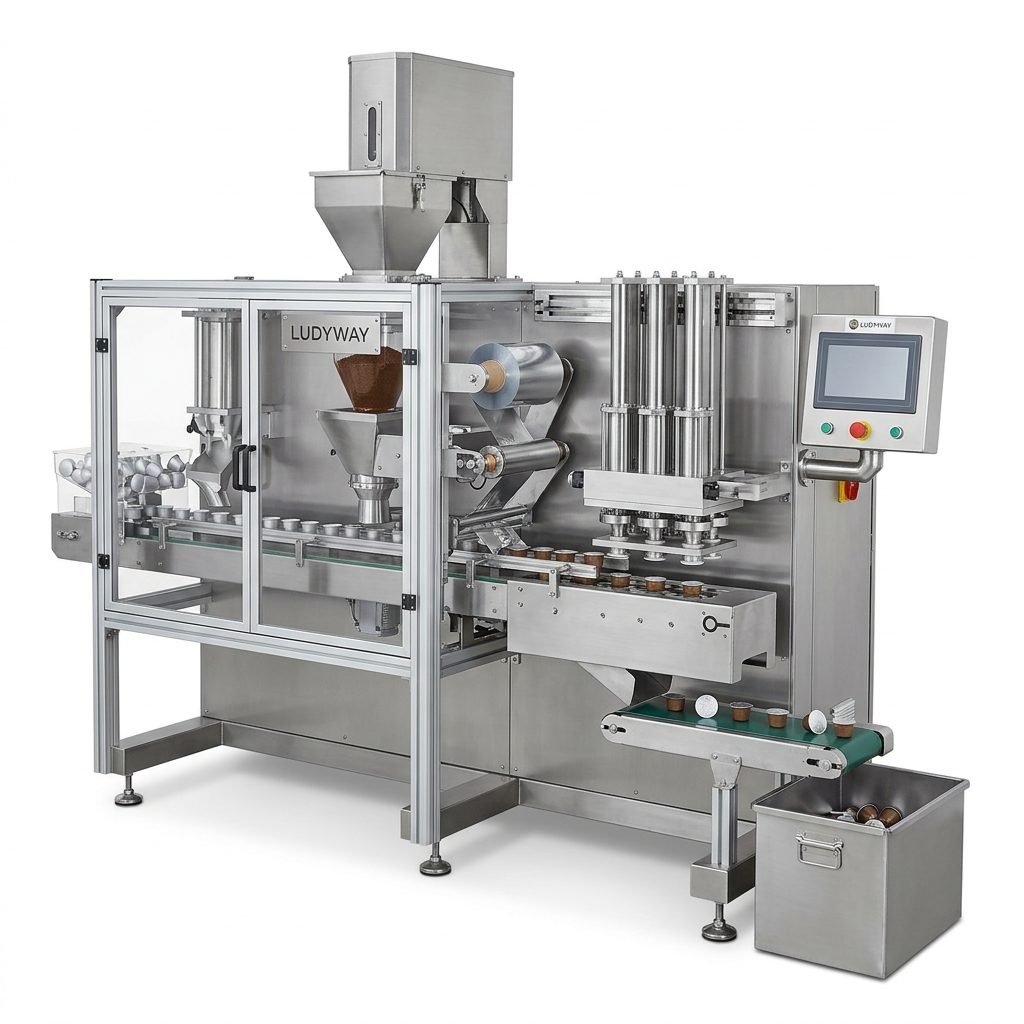
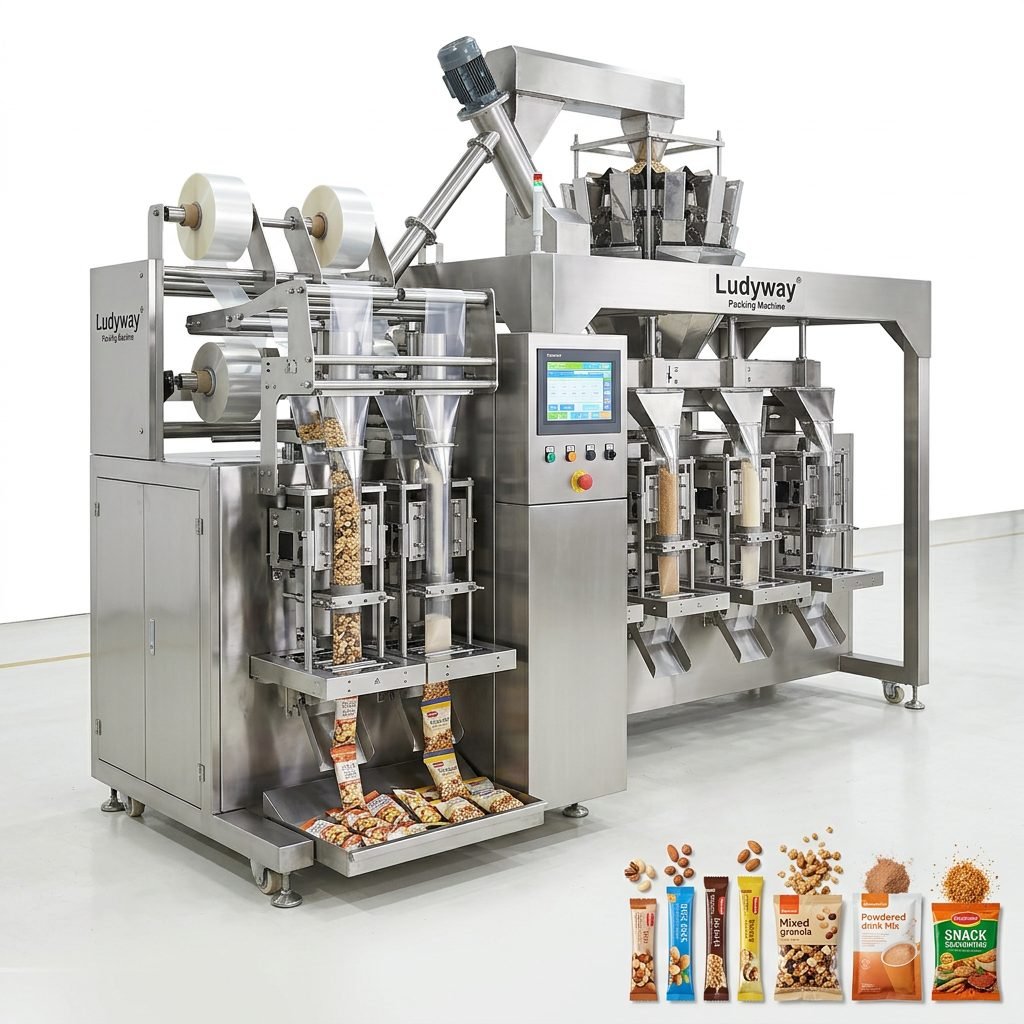
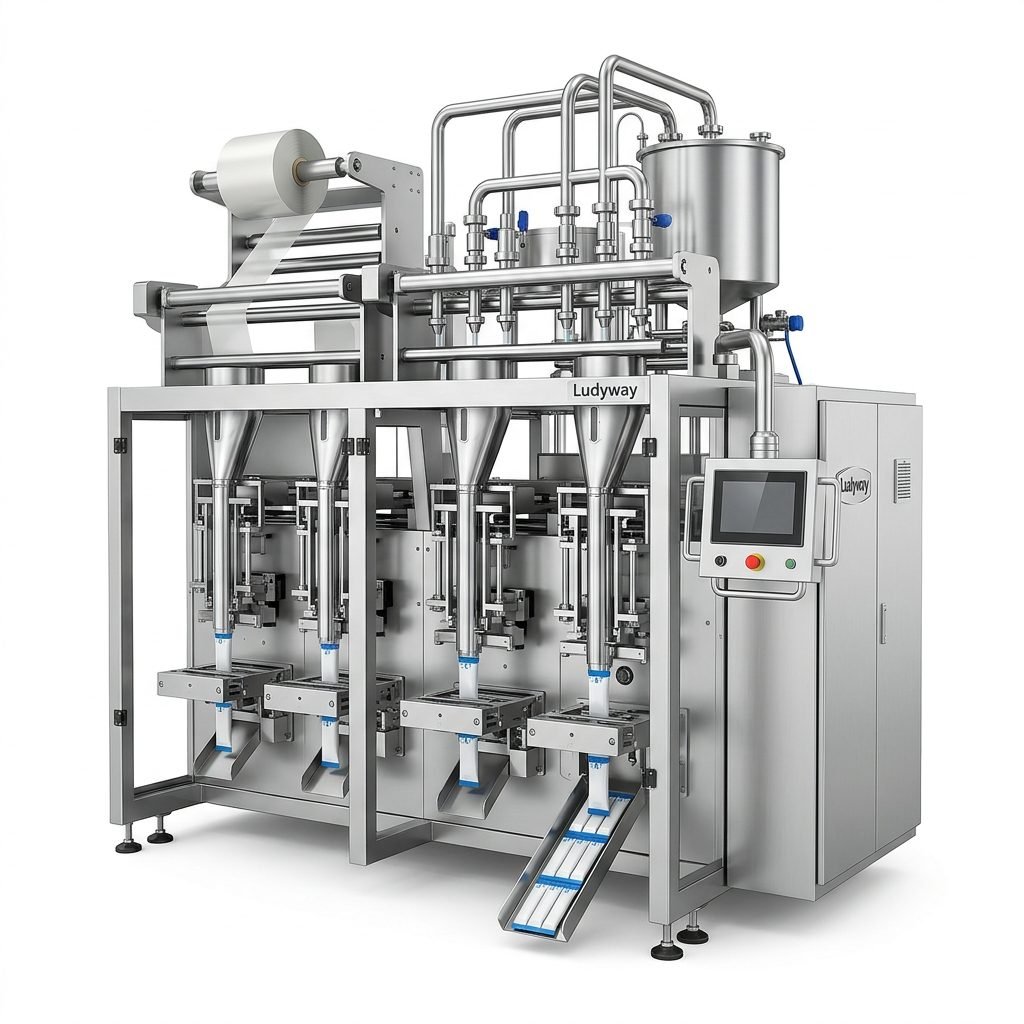
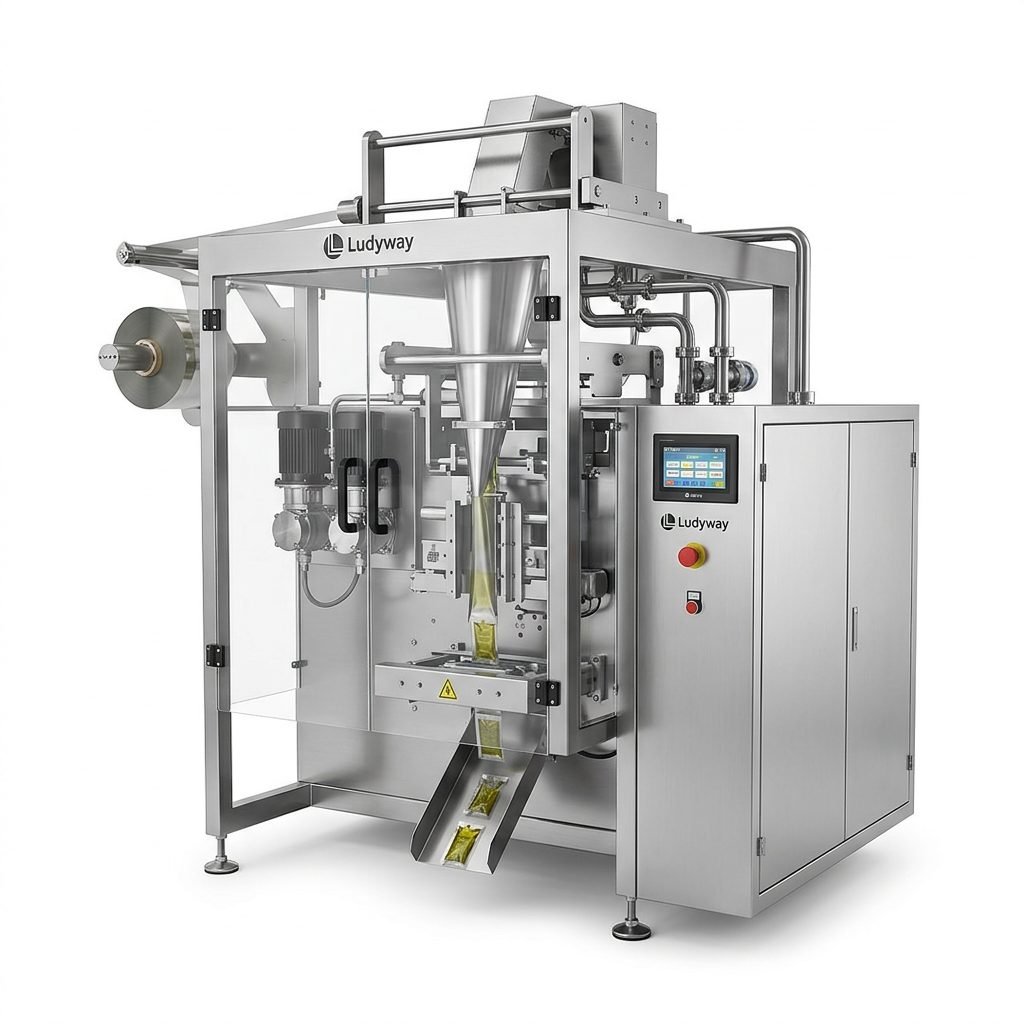
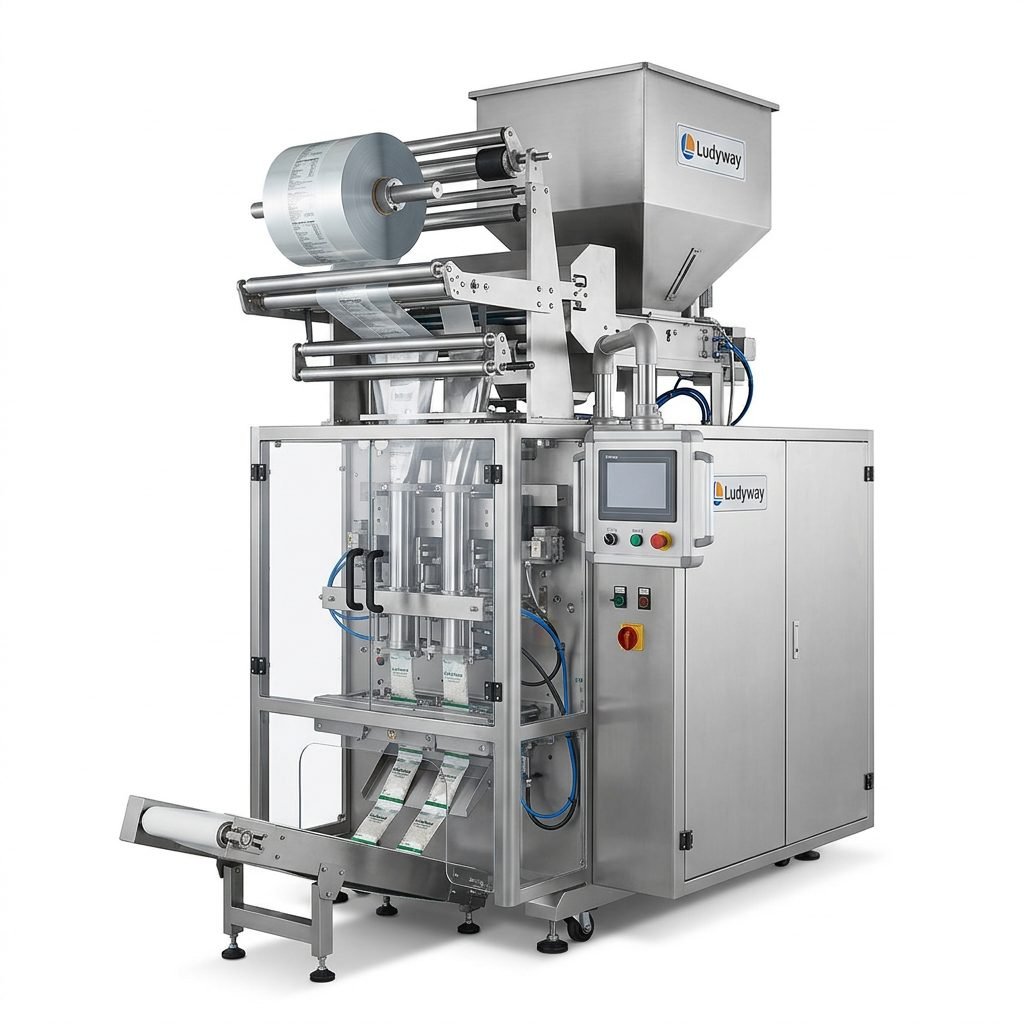
Automatic shrink packing machines are widely used to bundle, protect, and present products with a clean, tamper-evident finish. From food trays and bottles to pharmaceutical cartons, cosmetics, and daily-use goods, this equipment helps manufacturers improve packaging consistency, reduce manual labor, and increase line efficiency.
For buyers comparing equipment options, the key is not just finding a machine that wraps products in film, but selecting a system that matches your product shape, output target, film type, sealing requirement, and future production plans.
What Is an Automatic Shrink Packing Machine?
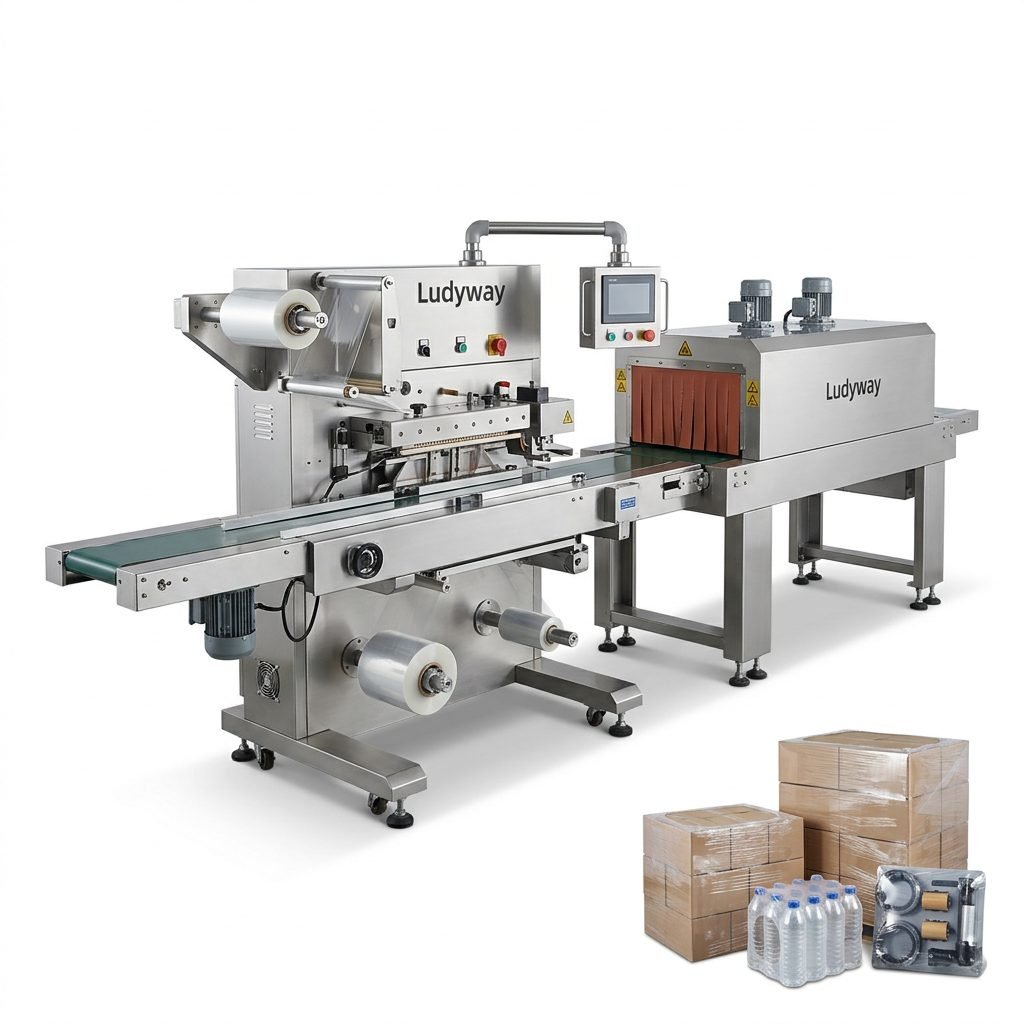
An automatic shrink packing machine is a packaging system that encloses products in shrink film, seals the film, and applies heat so the material tightly conforms to the package. The result is a secure, compact, and visually attractive pack that supports transportation, shelf display, and product protection.
In most industrial applications, the system includes:
- Automatic product infeed
- Film wrapping unit
- Sealing mechanism
- Shrink tunnel with controlled heat circulation
- Discharge conveyor for finished packs
Depending on the packaging format, the machine may be used for single-product wrapping, multi-pack bundling, tray wrapping, carton overwrapping, or promotional grouping.
How the Machine Works
- Products enter the machine automatically through a conveyor or feeding system.
- Shrink film is formed around the product or product group.
- The machine seals the film using L-bar, side-seal, sleeve, or other sealing methods.
- The package passes through a shrink tunnel.
- Heat causes the film to contract evenly around the product.
- The finished pack exits ready for labeling, boxing, or palletizing.
Proper temperature control, conveyor speed, airflow, and film compatibility are essential to achieve neat corners, strong seals, and a professional final appearance.
Main Features of Automatic Shrink Packing Machines
1. High-Speed Automatic Operation
Automatic models are designed for continuous production and can handle large volumes more efficiently than semi-automatic systems. This is especially valuable for factories seeking stable output and lower labor dependency.
2. Consistent Sealing and Shrink Quality
Automated sealing and tunnel control reduce variation between packs. This improves pack appearance and minimizes rework caused by weak seals, loose film, or overheating.
3. Compatibility with Different Film Materials
Many machines support common shrink films such as:
- POF (polyolefin)
- PE (polyethylene)
- PVC shrink film
The right machine should match the film thickness, shrink ratio, clarity, and product protection level you need.
4. Flexible Product Handling
Automatic shrink packing equipment can be configured for:
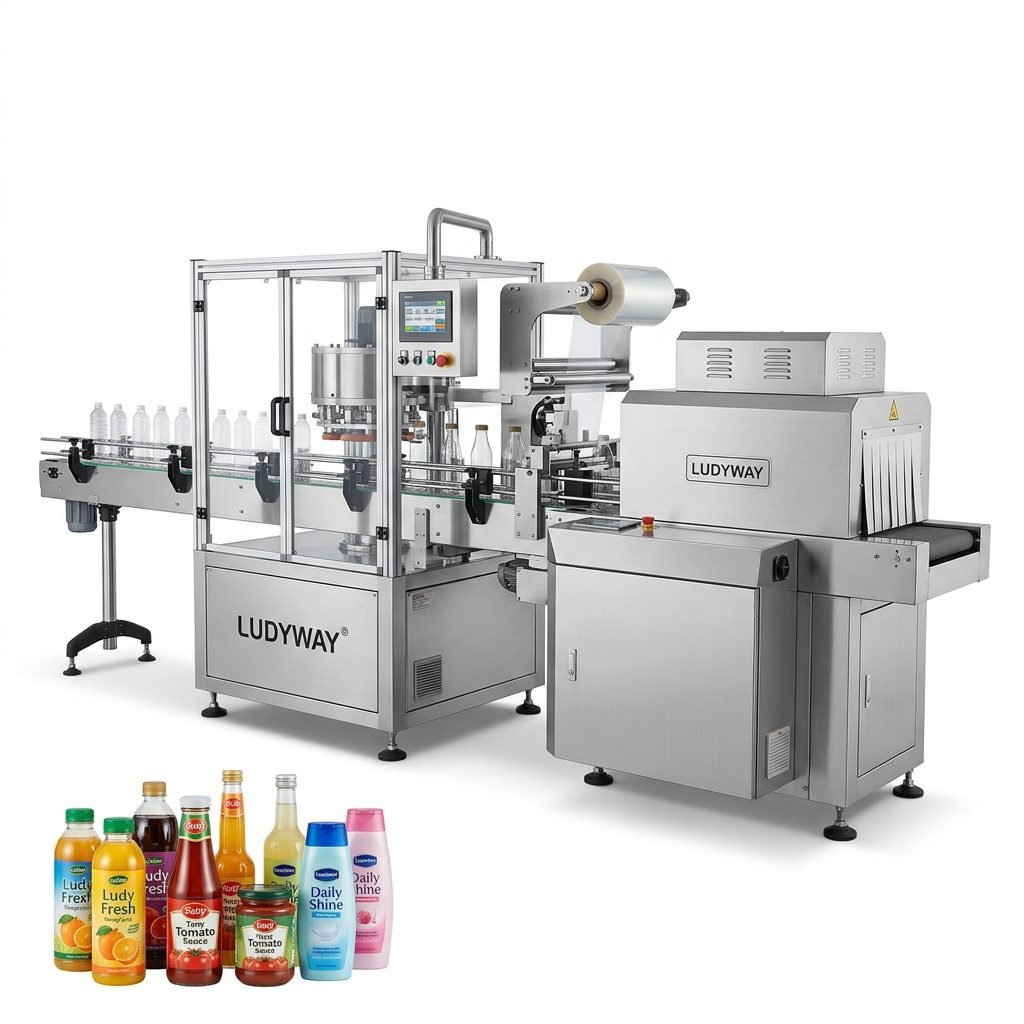
- Bottles and cans
- Boxes and cartons
- Trays and containers
- Cosmetic and personal care products
- Pharmaceutical secondary packs
- Food and snack multipacks
5. PLC and Touchscreen Control
Modern systems usually include user-friendly controls for parameter adjustment, product changeover, temperature management, alarm display, and production monitoring.
6. Integration Capability
A good shrink packing machine should connect smoothly with upstream and downstream equipment such as filling lines, cartoners, labelers, conveyors, case packers, and palletizers.
Benefits of Using an Automatic Shrink Packing Machine
| Benefit | Why It Matters |
|---|---|
| Higher efficiency | Reduces manual wrapping time and supports continuous packaging flow. |
| Improved product protection | Helps protect goods from dust, moisture, and handling damage during storage and transport. |
| Better shelf appearance | Creates a tighter, cleaner pack that enhances retail presentation. |
| Lower labor costs | Automation reduces operator workload and dependence on manual packing stations. |
| Stable packaging quality | Consistent temperature and sealing settings help maintain uniform results. |
| Multipack capability | Ideal for bundling bottles, cans, cartons, and promotional product sets. |
Common Types of Automatic Shrink Packing Machines
Automatic L-Bar Sealers
Suitable for boxed goods, printed materials, cosmetics, and many retail products. They are popular for clean sealing and relatively flexible format handling.
Automatic Side-Seal Shrink Wrappers
Best for products with varying lengths or continuous packaging flow. These machines are often used where higher speed and flexible product dimensions are required.
Sleeve Wrapping Machines
Common for bottle packs, can bundles, and tray-plus-film applications. They are often used in beverage, food, and household goods industries.
Shrink Tunnel Systems
The tunnel itself is a crucial part of the line. Heat distribution, insulation, airflow design, and conveyor style strongly affect final package quality.
Industries That Commonly Use Shrink Packing
- Food and beverage
- Pharmaceutical products
- Health supplements
- Cosmetics and personal care
- Household chemicals
- Consumer goods and promotional kits
- Industrial and hardware products
In regulated sectors such as food and pharma, buyers should pay close attention to machine cleanliness, material contact safety where applicable, traceability support, and compliance-oriented design.
Key Buying Factors to Consider
Product Size and Shape
The machine must suit your smallest and largest package dimensions. Irregular products may require special guides, collating devices, or custom film forming structures.
Packaging Speed
Define your required packs per minute clearly. Do not buy based only on the machine’s maximum speed claim. Ask for the actual speed under your product conditions.
Film Type and Thickness
Different films behave differently in sealing and shrink tunnels. Be sure the machine is tested with the exact film you plan to use in production.
Sealing Quality
Check whether seals are strong, clean, centered, and repeatable. Poor sealing creates waste, downtime, and customer complaints.
Changeover Time
If you run multiple SKUs, fast recipe switching and easy adjustment are important. Machines with digital memory and tool-free change parts improve operational flexibility.
Automation Level
Some buyers only need automatic wrapping and shrinking. Others need a complete system with collation, feeding, coding, inspection, cartoning, and palletizing.
Maintenance and Spare Parts
Ask what wear parts are needed, how often maintenance is required, and how quickly support can be provided. Long-term operating cost matters as much as purchase price.
Factory Support and Customization
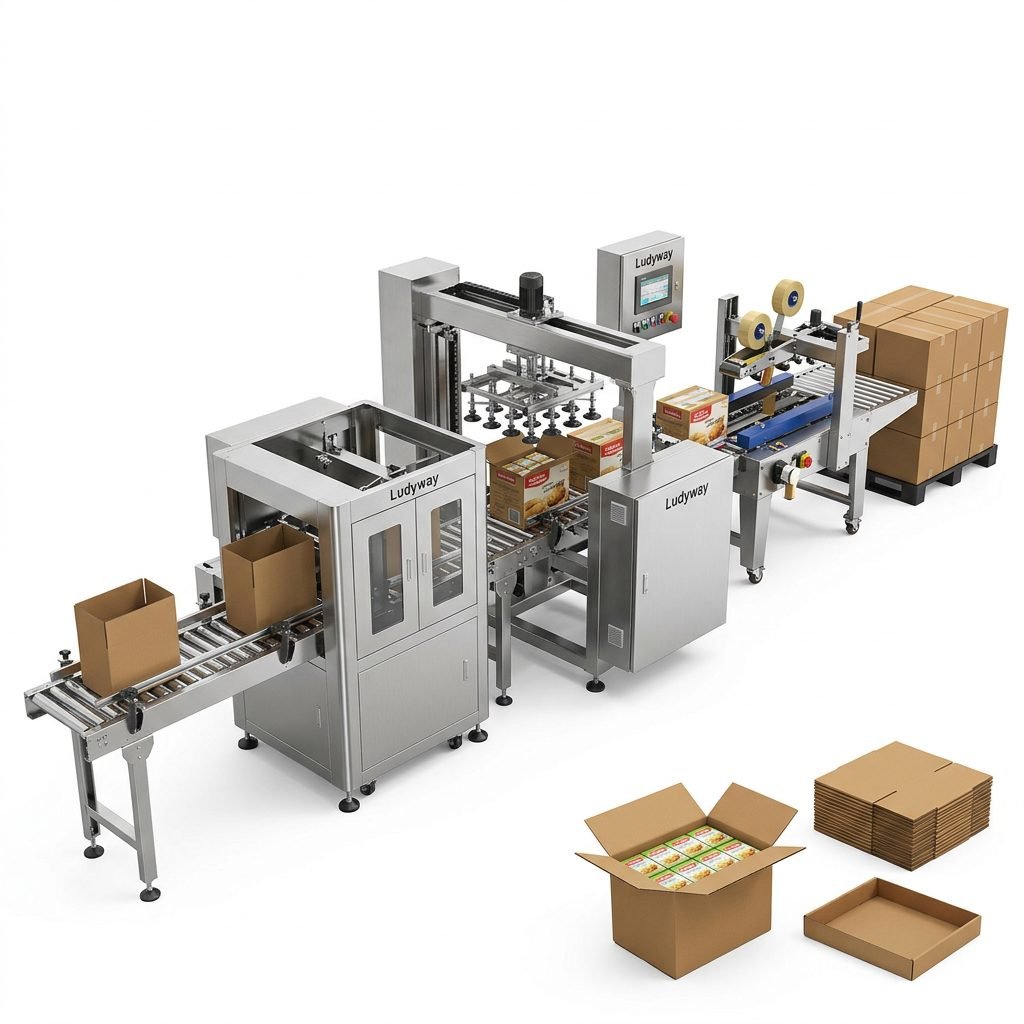
For large or specialized projects, working with an experienced manufacturer can reduce integration risk. Buyers looking for broader automation support often evaluate suppliers like automatic shrink packing machine manufacturer Ludyway for both standalone equipment and turnkey packaging line solutions.
Questions to Ask Before Buying
- What products and pack sizes has the machine already run successfully?
- What is the real production speed with my product samples?
- Which shrink films are recommended and why?
- Can the system connect to my existing conveyor or filling line?
- How long does product changeover take?
- What are the main spare parts and maintenance intervals?
- Is remote technical support available?
- Can the supplier provide FAT or video testing before shipment?
Red Flags to Avoid
Choosing the wrong machine often leads to unstable output and higher packaging cost. Watch out for these issues:
- Quoted speeds without real sample testing
- Unclear film compatibility
- Poor tunnel shrink uniformity
- Limited after-sales support
- Non-standard electrical components without service access
- Machines that cannot handle future SKU expansion
Automatic vs. Semi-Automatic Shrink Packing Machine
| Factor | Automatic | Semi-Automatic |
|---|---|---|
| Output | High and continuous | Lower, operator-dependent |
| Labor requirement | Lower | Higher |
| Consistency | More stable | May vary by operator |
| Investment | Higher upfront cost | Lower upfront cost |
| Best for | Medium to large-scale factories | Small batches or startup operations |
How to Choose the Right Supplier
The machine itself is important, but the supplier behind it is equally critical. A reliable supplier should offer:
- Clear technical communication
- Sample-based testing
- Custom engineering when required
- Installation and commissioning support
- Training for operators and maintenance teams
- Responsive spare parts and after-sales service
If your project includes multiple machines, prioritize suppliers with proven experience in complete line integration rather than only standalone equipment manufacturing.
Final Buying Tip
The best automatic shrink packing machine is not simply the fastest or cheapest model. It is the one that delivers stable performance, clean seals, suitable film compatibility, easy maintenance, and room for future expansion. Before making a decision, request sample testing, confirm real production data, and evaluate the supplier’s engineering support carefully.
A well-matched shrink packing system can significantly improve packaging efficiency, reduce waste, and strengthen the appearance and protection of your products across the entire supply chain.