In the fast-paced world of product manufacturing, efficiency and presentation are paramount. For industries packaging small, precise quantities of products like instant beverages, pharmaceuticals, condiments, or supplements, the side fin stick pack has become a globally recognized and trusted format. The machinery that creates these neat, portable packages is a cornerstone of modern production lines. This comprehensive guide delves into the world of side fin stick pack packaging machines, exploring their types, demystifying their working principles, and providing essential tips for making a smart purchase decision.
Understanding the Side Fin Stick Pack Format
Before examining the machinery, it’s crucial to understand the product it creates. A side fin stick pack is a type of flexible packaging where the longitudinal seal (the seal running the length of the pack) is folded over to create a distinctive “fin” on the side. This design offers several advantages: it provides a clean, professional appearance, enhances the structural integrity of the seal, and often makes the pack easier for end-users to tear open. This format is ubiquitous for single-serve portions worldwide, from sugar and coffee in European cafes to electrolyte powders and instant soup mixes in Asian markets.
Key Advantage: The side fin seal is generally considered stronger and more leak-resistant than a flat lap seal, making it ideal for fine powders and granules that are prone to sifting.
Main Types of Side Fin Stick Pack Machines
Not all production needs are identical, and manufacturers have developed different types of machines to cater to various scales and requirements. Choosing the right type is the first critical step.
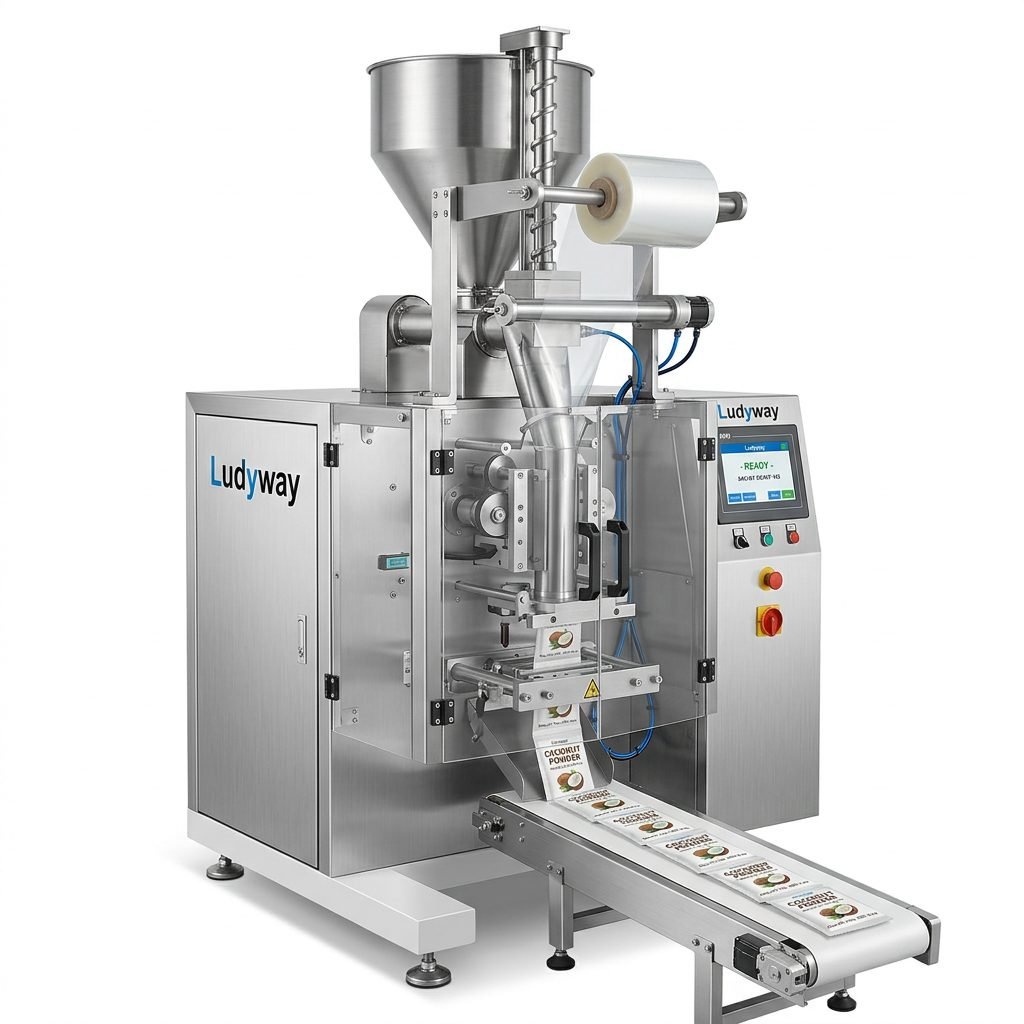
1. Single-Track Machines
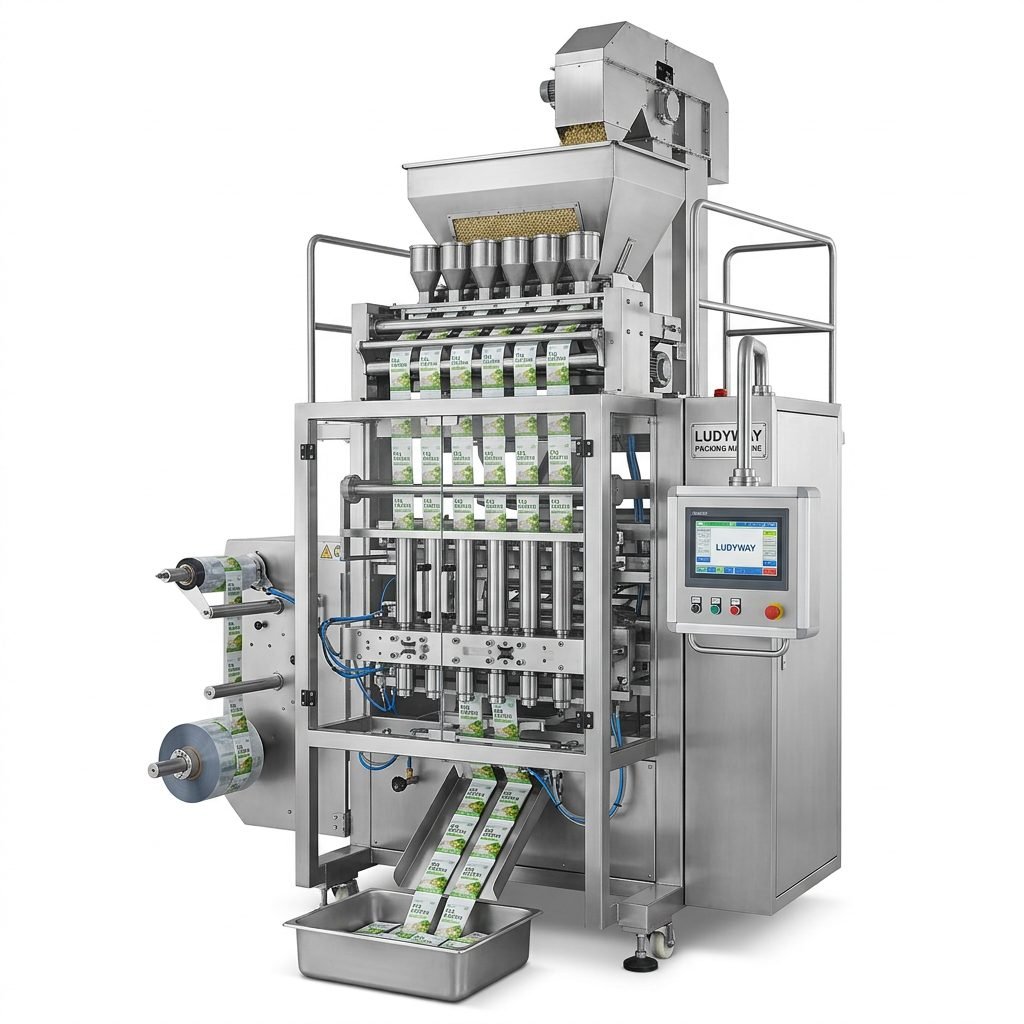
These are the entry-level workhorses of stick pack packaging. As the name implies, they form, fill, and seal one stick pack at a time from a single roll of packaging film. They are compact, cost-effective, and perfect for low to medium-volume production, startups, or pilot product runs. Their simplicity also makes them easier to operate and maintain.
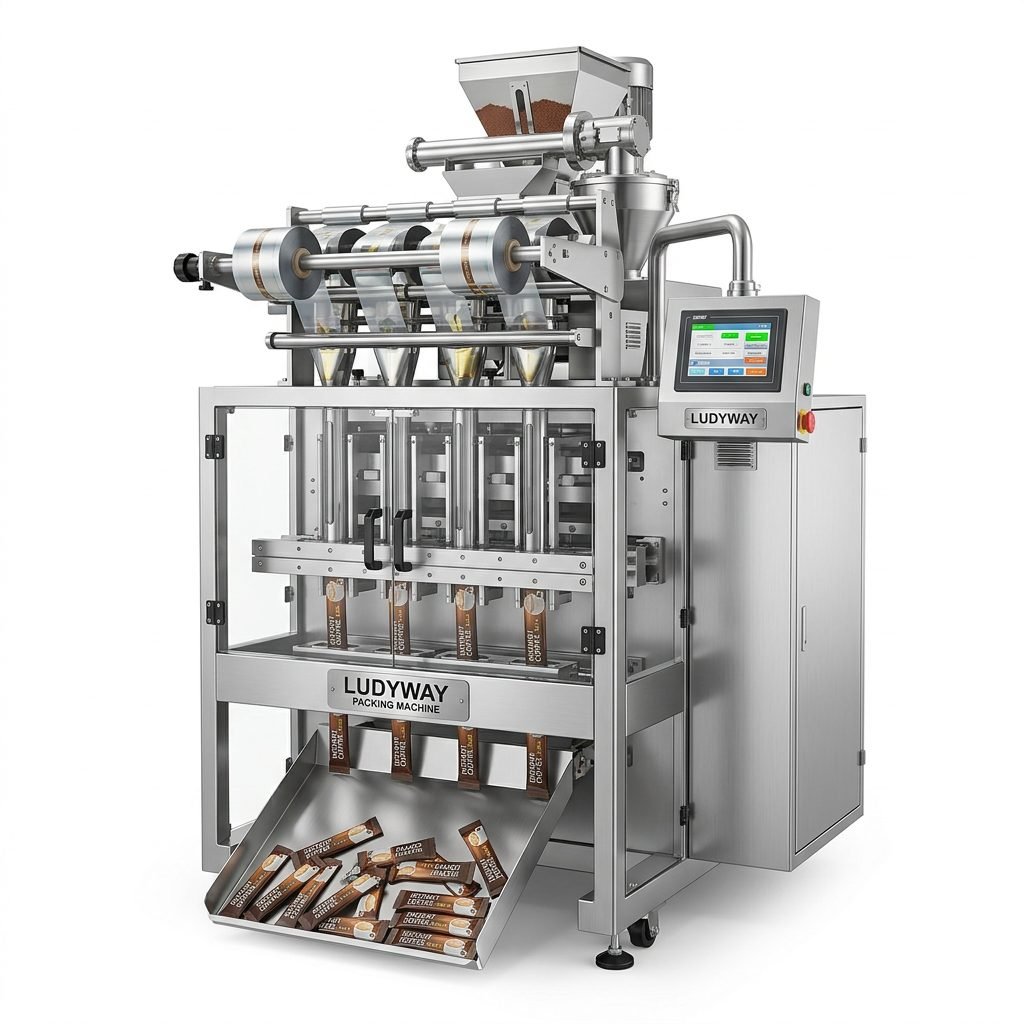
2. Multi-Track Machines
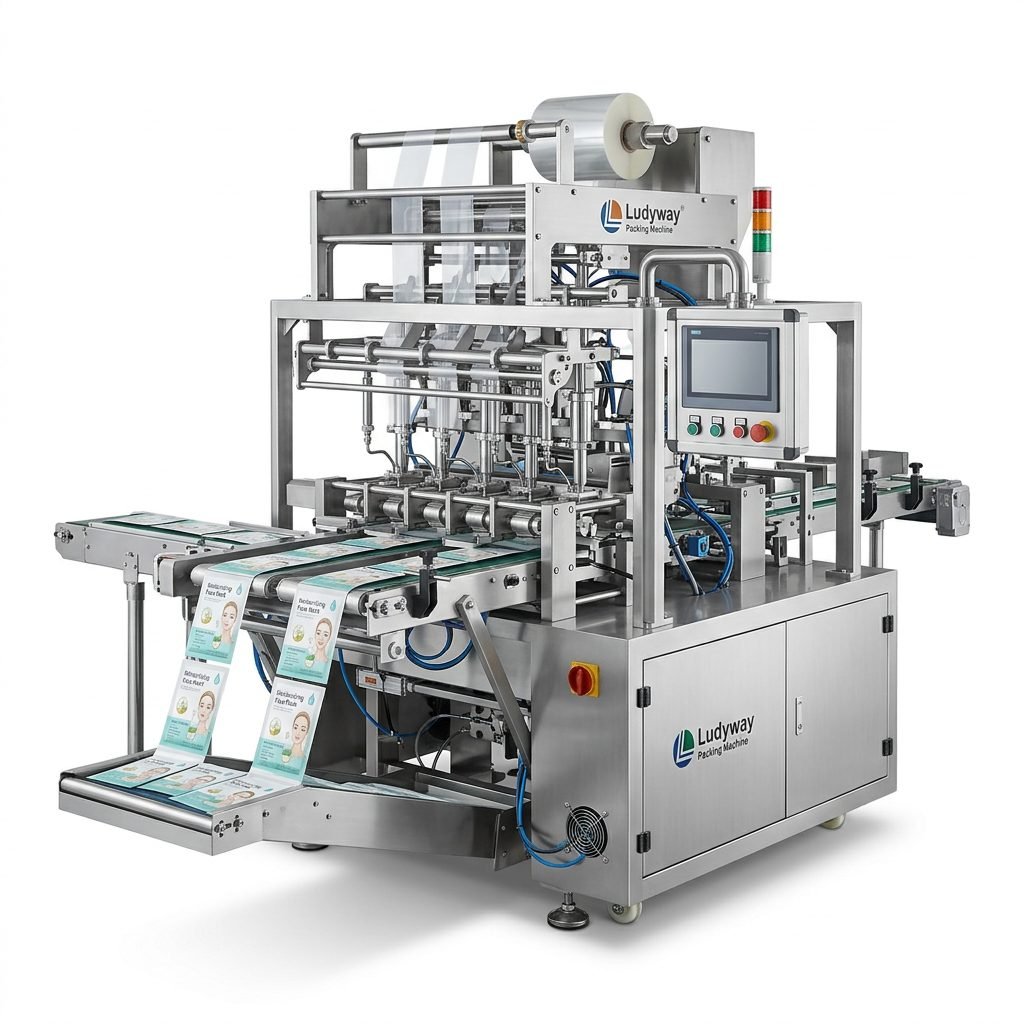
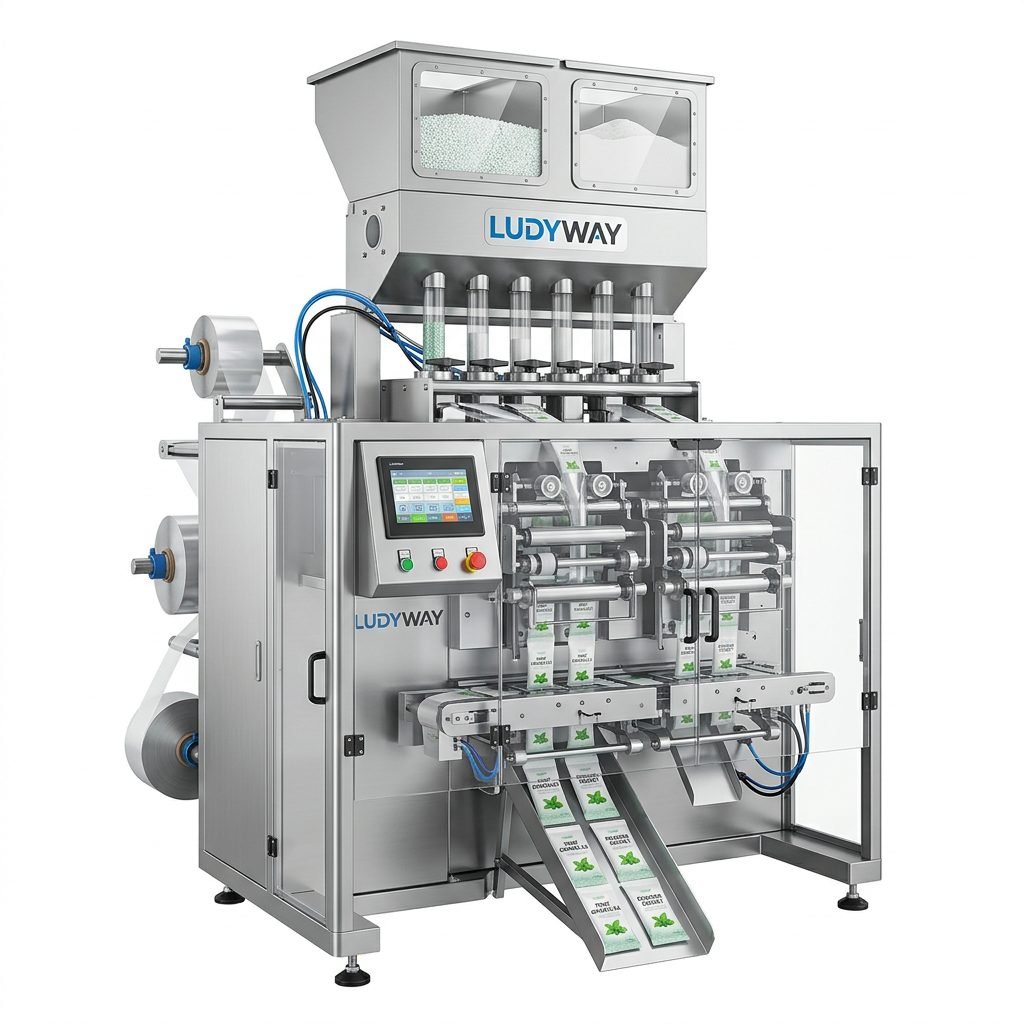
For high-volume output, multi-track machines are the standard. They operate multiple packaging tracks in parallel—common configurations are 2, 3, 4, or even more lanes. This design multiplies output without significantly increasing the machine’s footprint. A 3-track machine, for instance, can typically produce three times the output of a single-track machine running at the same speed, making them highly efficient for large-scale manufacturing.
3. Integrated Weighing & Filling Systems
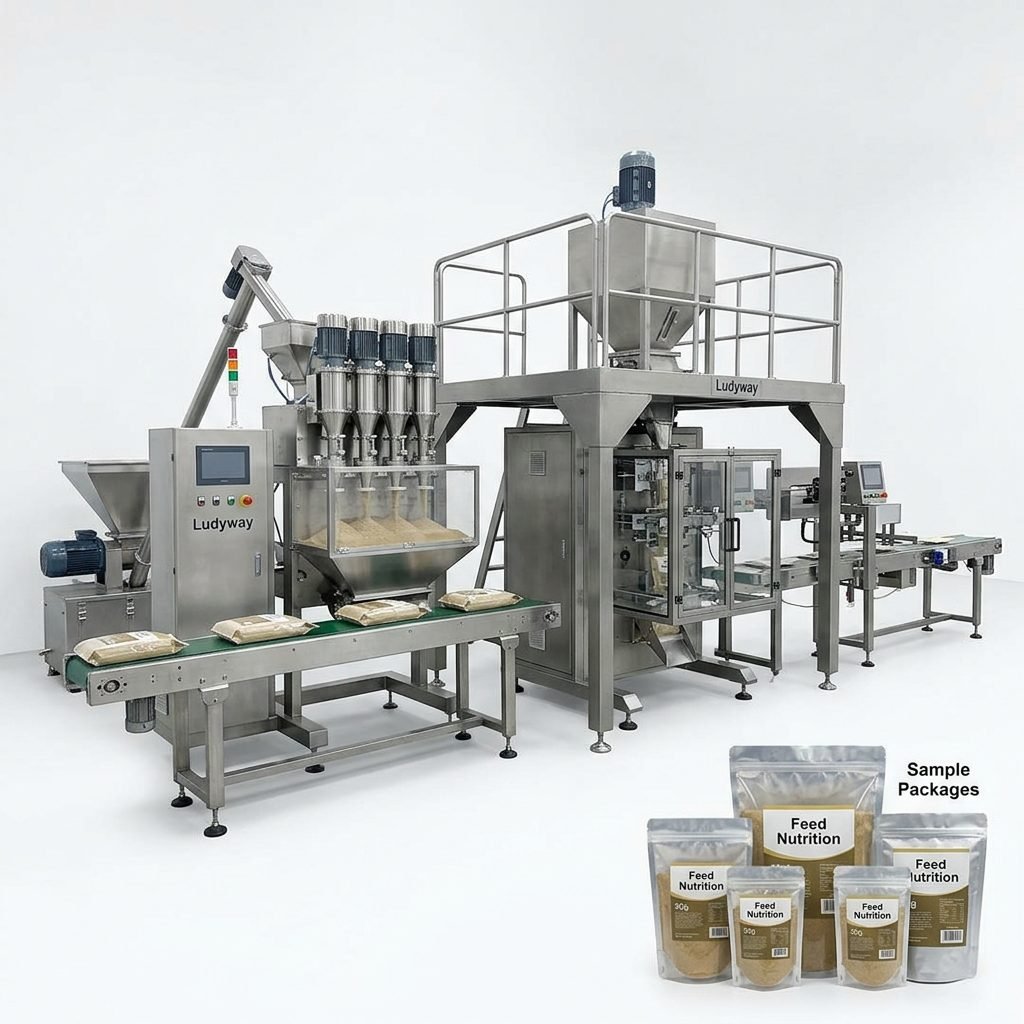
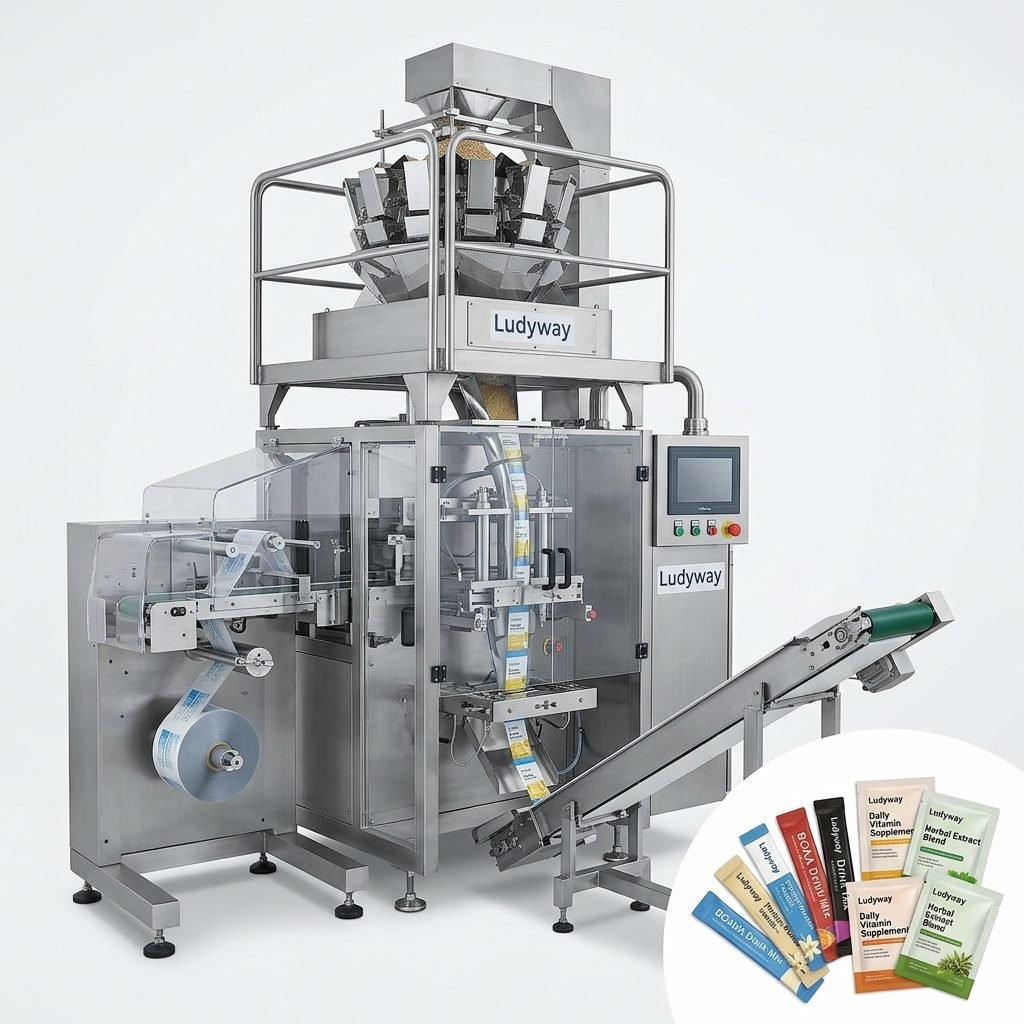
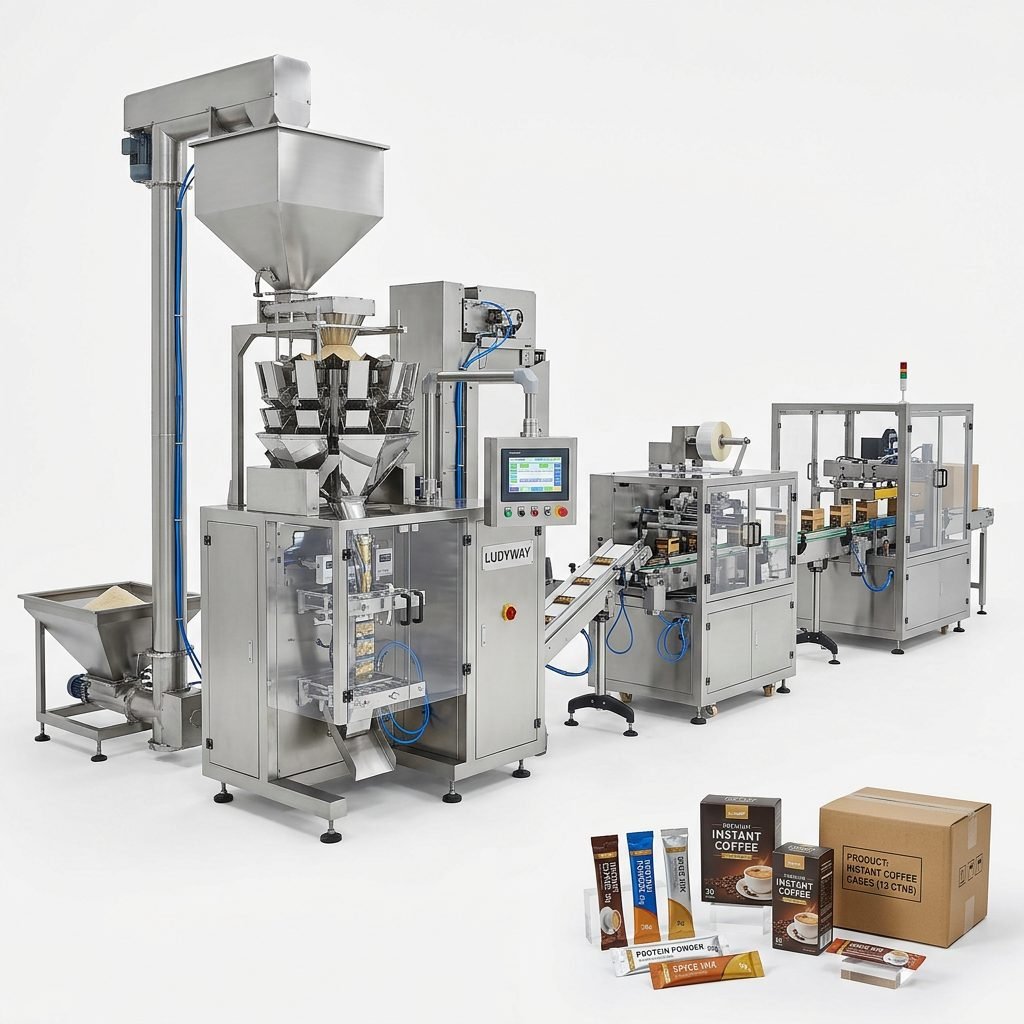
This category refers to machines that combine the packaging process with precise weighing technology. They are essential for products sold by weight (e.g., 10g of protein powder). An integrated multi-head weigher or auger filler ensures each stick pack contains an exact, pre-set weight, ensuring compliance and reducing product giveaway. These are often the core of complete automated packaging lines.
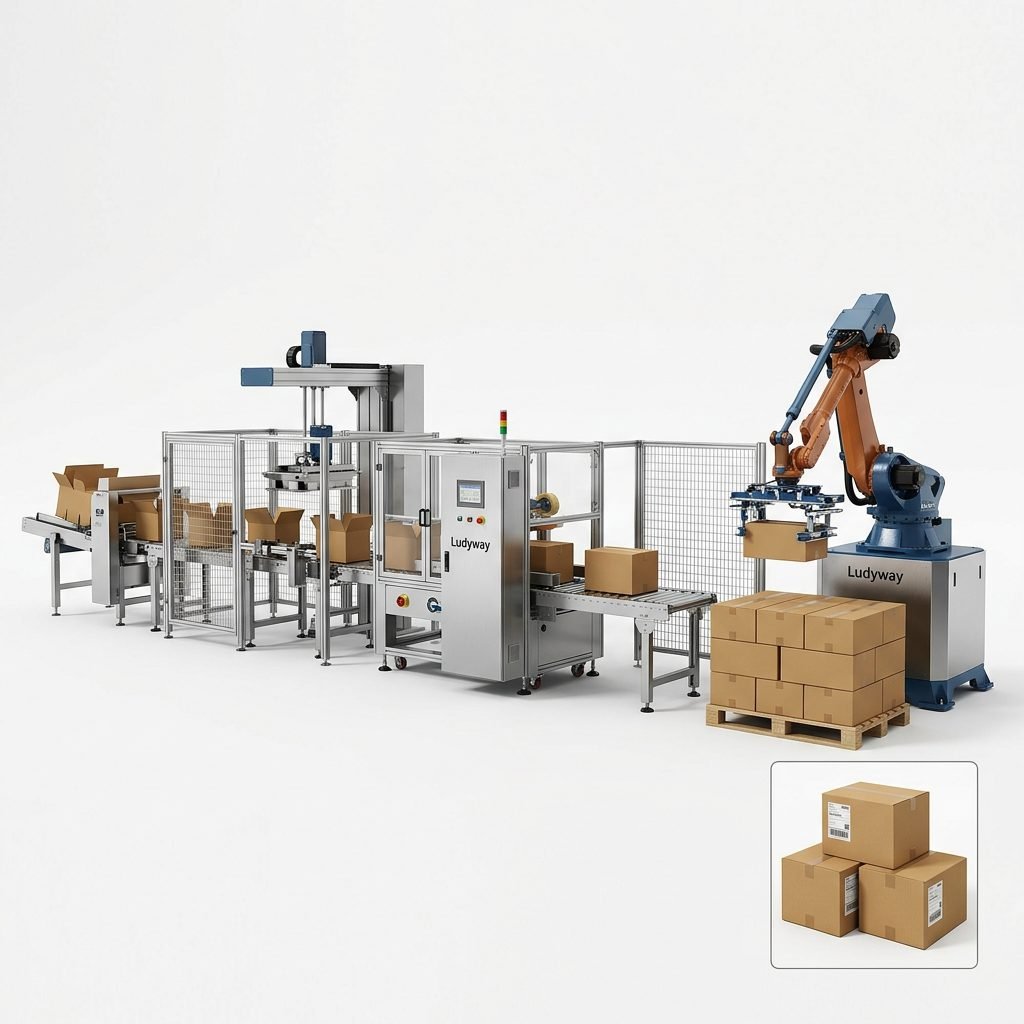
4. Fully Automated Production Lines
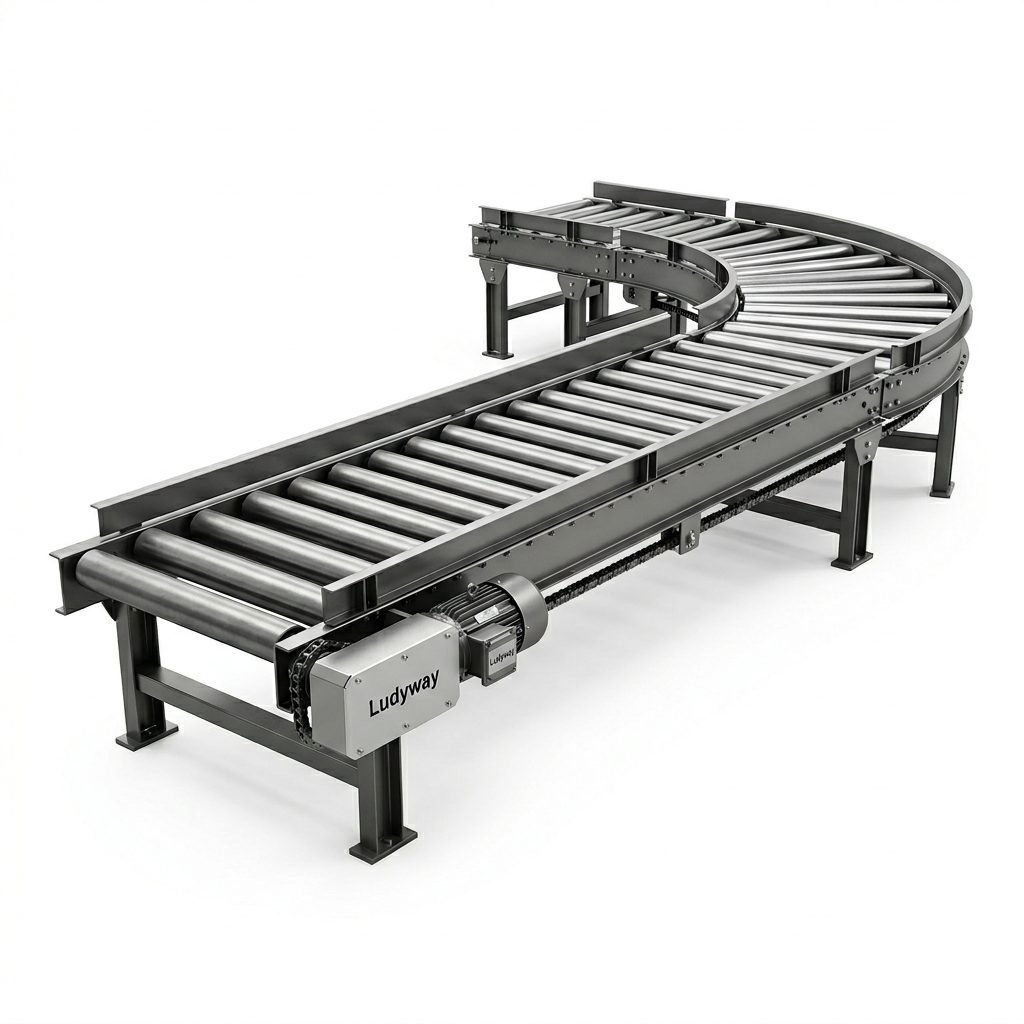
Beyond the core packaging machine, a full turnkey solution may include upstream and downstream equipment. This can consist of automatic bag collators, cartoners, case packers, and palletizers. These lines minimize manual handling, maximize throughput, and are designed for large-scale, continuous operation in major manufacturing facilities.
How Does a Side Fin Stick Pack Machine Work? (Working Principle)
The operation of these machines is a fascinating symphony of mechanical and electronic precision. The process can be broken down into a continuous cycle of distinct stages:
Stage 1: Film Feeding & Forming
A roll of laminated packaging film (often a composite of PET, aluminum foil, and PE for barrier properties) is mounted on an unwind stand. The film is drawn into the machine and guided through a forming collar. This ingenious tool shapes the flat film into a continuous vertical tube around the filling nozzle.
Stage 2: Longitudinal Sealing & Fin Creation
This is the stage that defines the “side fin.” As the film edges overlap around the forming tube, a longitudinal sealer (often a heated band or rotary sealers) applies heat and pressure to create a continuous seal. Crucially, the mechanism is designed to fold this seal flat against the tube’s side, creating the characteristic fin. The temperature and pressure are precisely controlled for a consistent, hermetic seal.
Stage 3: Product Metering & Filling
Simultaneously, the product is fed from a hopper into a metering system. For powders and granules, this is typically a servo-driven auger filler for volumetric accuracy or connected to a precision weigher. For liquids, a piston pump is used. The product is dispensed down through the central filling nozzle into the newly formed film tube.
⚙️ Precision is Key:
The synchronization between the film pull-down and the filler discharge is managed by a Programmable Logic Controller (PLC). This ensures each dose of product is perfectly positioned within the film tube before the cross-seal cuts it into an individual pack.
Stage 4: Cross Sealing & Cutting
Reciprocating or rotary sealing jaws close on the filled tube at precise intervals. These heated jaws perform two functions simultaneously: they create the top seal of the current pack and the bottom seal of the next pack, and a cutting blade within the jaws separates the two, producing a finished, sealed stick pack. The seal pattern (serrated, straight, etc.) can often be customized.
Stage 5: Discharge & Collection
The finished stick packs are discharged via a chute or conveyor belt. They may fall directly into a collection bin or be conveyed to secondary equipment for collation, counting, and cartoning.
Essential Buying Tips for Your Investment
Selecting the right machine is a significant investment. Here are critical factors to consider to ensure you choose equipment that meets your needs for years to come.
1. Define Your Product & Production Requirements
This is the foundation. Be specific about:
• Product Characteristics: Is it a fine powder, coarse granule, sticky paste, or liquid? Each requires different filling systems (auger, pump) and may affect film choice.
• Desired Output (Speed): Calculate your required packs per minute (PPM) or per hour. Remember to factor in future growth.
• Pack Size: Know the exact dimensions (length, width) and weight/volume range you need to package.
2. Evaluate Machine Construction & Quality
Look for robust, food-grade or pharmaceutical-grade materials (e.g., 304 or 316 stainless steel) for parts in contact with product or film. A sturdy frame ensures stability at high speeds and longevity. Don’t hesitate to ask for details about the quality of key components like servo motors, PLCs, seals, and bearings.
3. Prioritize Ease of Use & Changeover
Time is money. Machines with tool-less changeover features for pack size adjustments save valuable production time when switching products. A user-friendly Human-Machine Interface (HMI) touchscreen with recipe storage allows operators to switch settings quickly and reduces human error.
4. Assess Support & Service
The machine’s quality is only half the equation. Investigate the supplier’s reputation for after-sales support. Do they offer comprehensive installation, training, and troubleshooting? What is the availability of spare parts? A reliable supplier with a strong service network is invaluable for minimizing downtime.
5. Consider Future-Proofing & Compliance
Consider if you might need to add features later, such as gas flushing for nitrogen packaging to extend shelf life, or integrated checkweighers for quality control. Ensure the machine can be integrated into a larger line. Also, verify it meets the safety and regulatory standards (e.g., CE, UL) required for your region.
💡 Pro Tip: Request a Live Test
Always insist on a performance test using your actual product and packaging material (or close equivalents) before purchase. This is the only way to verify speed, accuracy, seal quality, and overall suitability for your specific application. Reputable manufacturers like Ludyway Machinery typically offer this service to ensure customer satisfaction.
Frequently Asked Questions (FAQs)
Q1: What is the typical production speed of a side fin stick pack machine?
Speeds vary greatly by machine type. A basic single-track machine may produce 40-80 packs per minute (PPM), while advanced multi-track machines can achieve 200-600+ PPM or more, depending on the number of lanes and pack size.
Q2: Can one machine handle different types of products, like powders and liquids?
While some machines are designed to be versatile, significant changes in product form (e.g., from a fine powder to a viscous liquid) usually require different filling systems. It’s possible but may involve a changeover of the filling mechanism, not just the film. Discuss your specific product range with the supplier.
Q3: How important is the choice of packaging film?
Extremely important. The film must have the correct seal layer to bond with the machine’s heat settings and the necessary barrier properties (against moisture, oxygen, light) to protect your product. The machine supplier can recommend compatible film structures.
Q4: What are the most common maintenance requirements?
Regular daily cleaning to prevent product buildup is essential. Periodic maintenance includes checking and cleaning sealing jaws, lubricating moving parts as per the manual, inspecting wear parts like cutting blades and gaskets, and ensuring sensors are clean and aligned.
Q5: What training is required for operators?
Reputable suppliers provide comprehensive training covering machine operation, basic troubleshooting, routine cleaning, safety procedures, and changeover for different pack sizes. This is typically done during installation and commissioning.