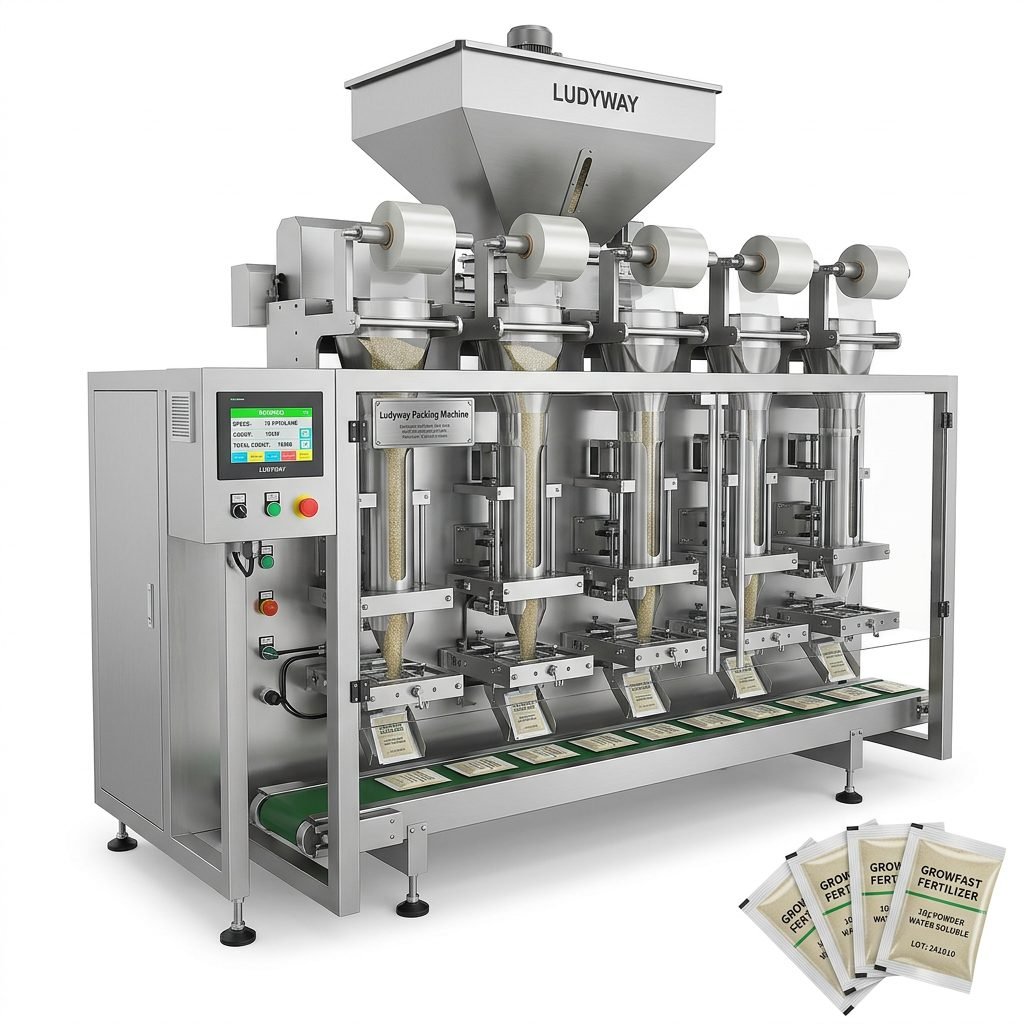
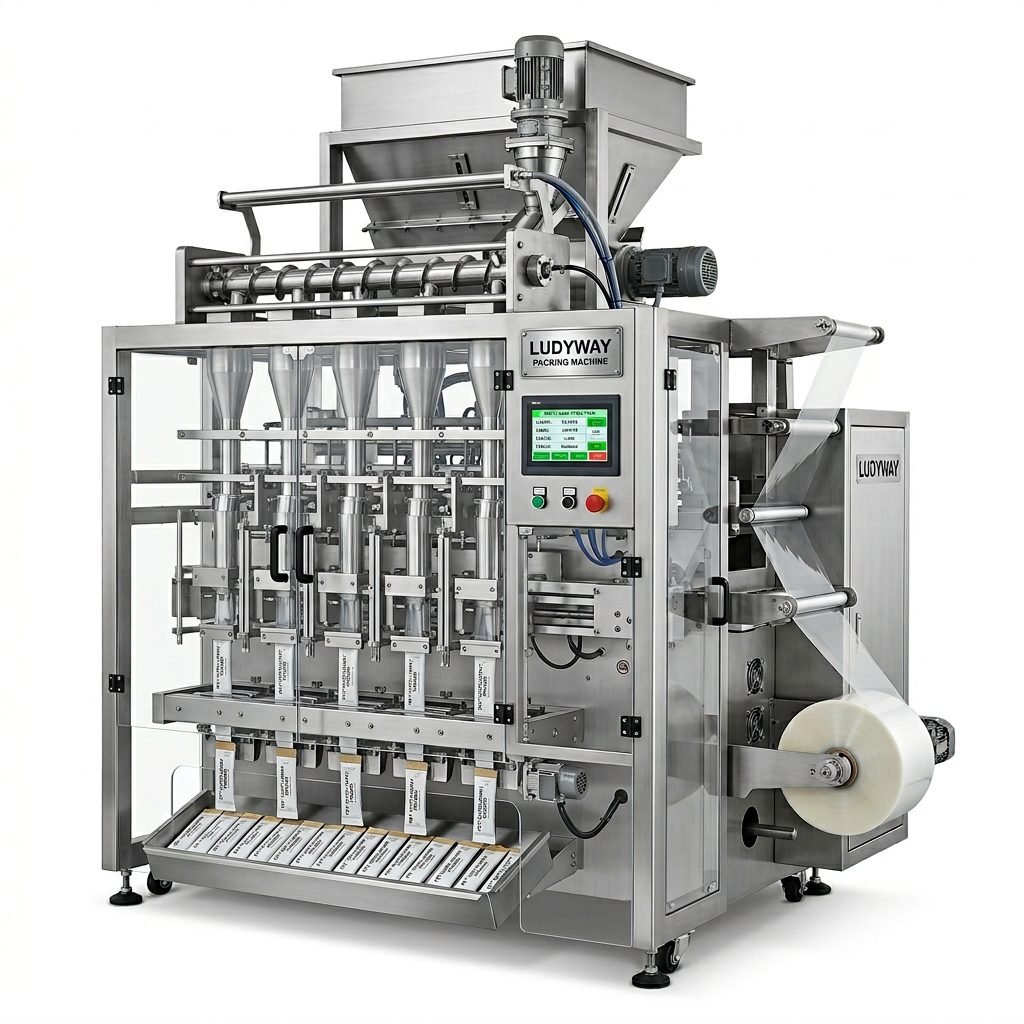
Liquid shampoo packaging is no longer just about putting product into a container. For modern cosmetic and personal care brands, the right machine affects product consistency, shelf appeal, production speed, operating cost, and future scalability. Whether you sell travel-size sachets, refill packs, or bottled shampoo, choosing the right packaging solution starts with understanding your product, your packaging format, and your production goals.
Shampoo can range from thin, free-flowing liquid to highly viscous formulas with conditioning agents, fragrance oils, herbal extracts, anti-dandruff actives, or pearlized textures. Because of these variations, not every liquid filling system will deliver the same result. A machine that works well for water-like liquids may not perform efficiently with thicker shampoo products.
Why shampoo packaging equipment selection matters
A poor equipment match can lead to leaking seals, inaccurate filling volumes, foam generation, material waste, unstable output, and frequent downtime. A properly selected shampoo packing machine helps you achieve:
- Accurate fill control for consistent pack weights or volumes
- Reliable sealing quality to reduce leakage and complaints
- Improved hygiene for cosmetic-grade production
- Higher efficiency with lower labor dependency
- Flexible packaging options for different SKUs and sales channels
- Better return on investment through long-term production stability
Start with the shampoo product itself
Before comparing machine models, define the physical and commercial characteristics of your shampoo. This step is essential because machine structure, pump type, sealing design, and material contact components should all match the product.
Key product questions to answer
- Is the shampoo low, medium, or high viscosity?
- Does it foam easily during filling?
- Does it contain particles, botanical extracts, or suspended ingredients?
- Is it hot-filled or filled at room temperature?
- Is it sensitive to shear, aeration, or contamination?
- What is the target filling volume per pack?
- Will the same line run conditioner, shower gel, lotion, or liquid soap as well?
For example, thicker shampoo formulas often need piston filling or servo-controlled pump systems, while lighter liquid products may work with flowmeter or pump-based filling. If your shampoo foams easily, the filling method and nozzle design become even more important.
Choose the right package format for your shampoo market
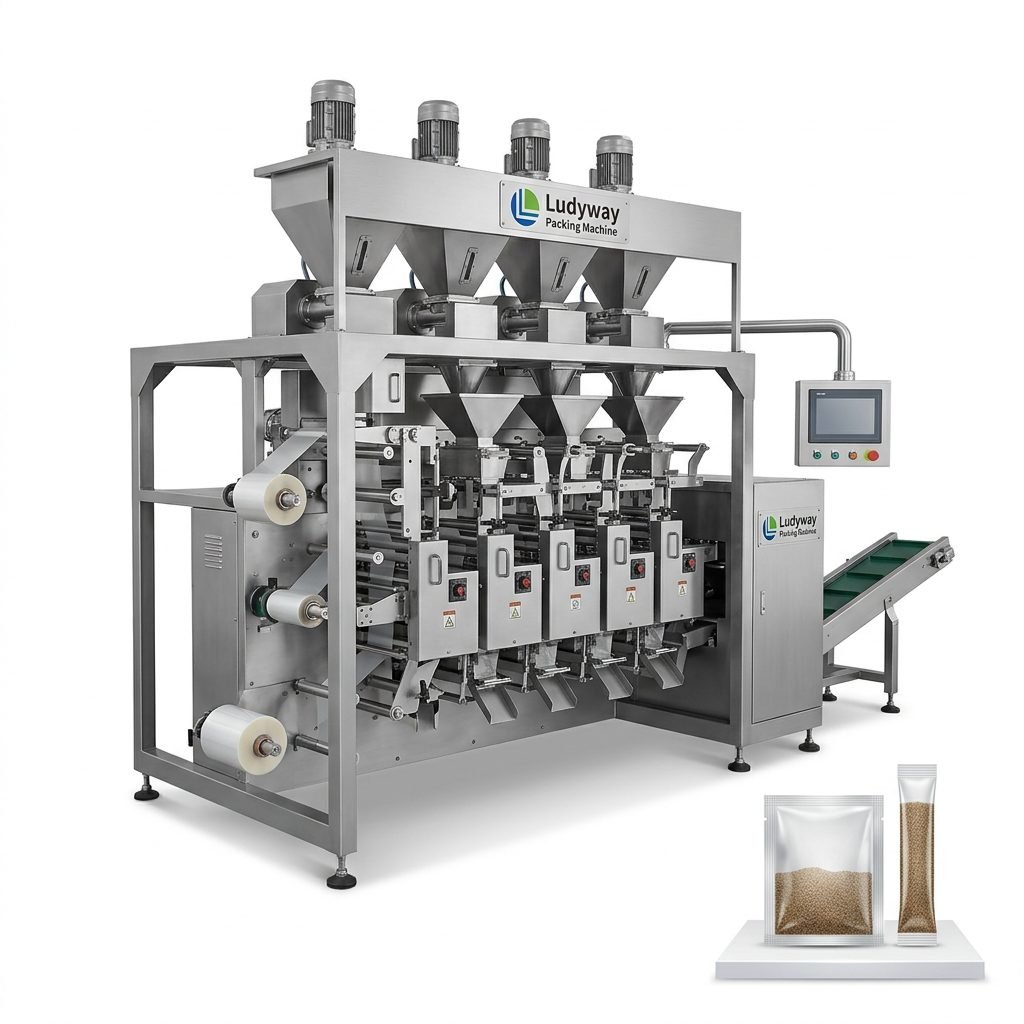
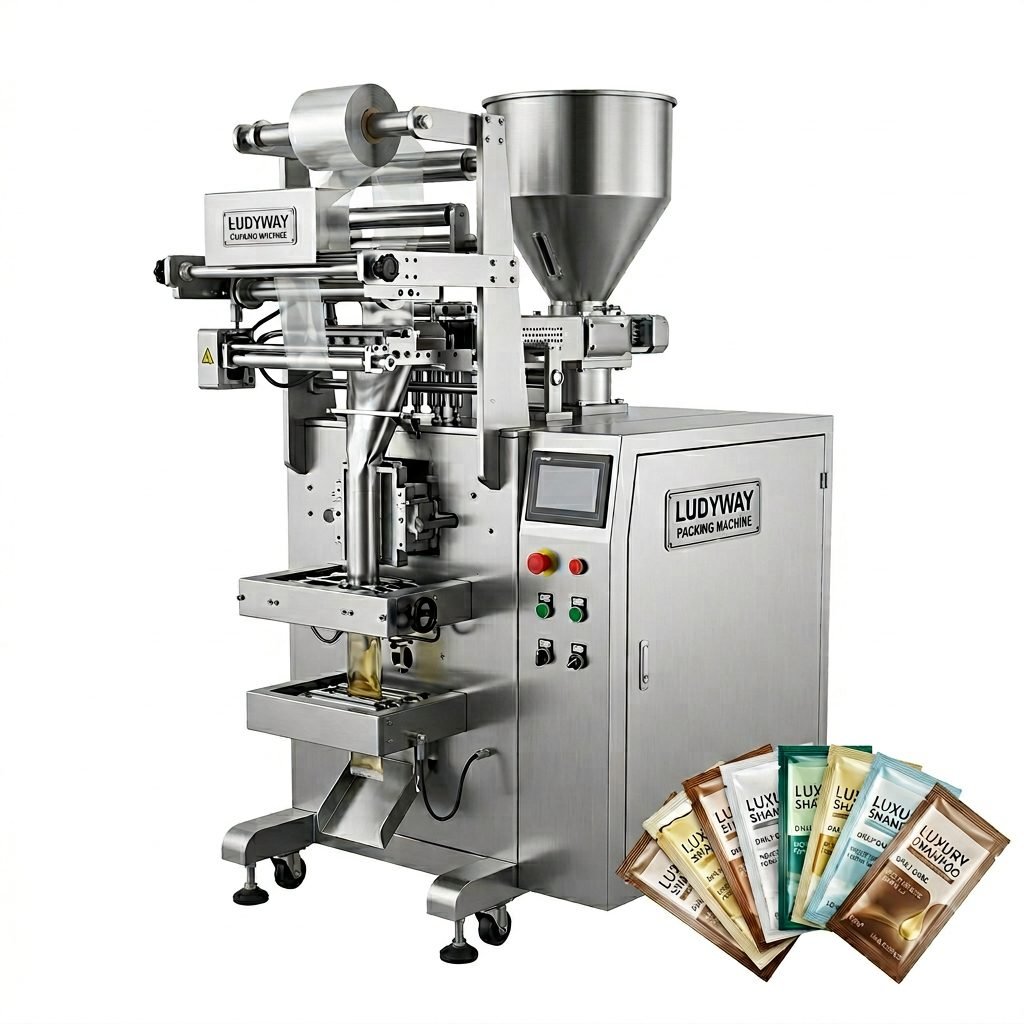
The best packaging solution depends heavily on how your product is sold. Shampoo packaging equipment is usually selected around one of three mainstream formats: sachets, pouches, or bottles.
| Packaging Format | Best For | Key Advantages | Machine Type |
|---|---|---|---|
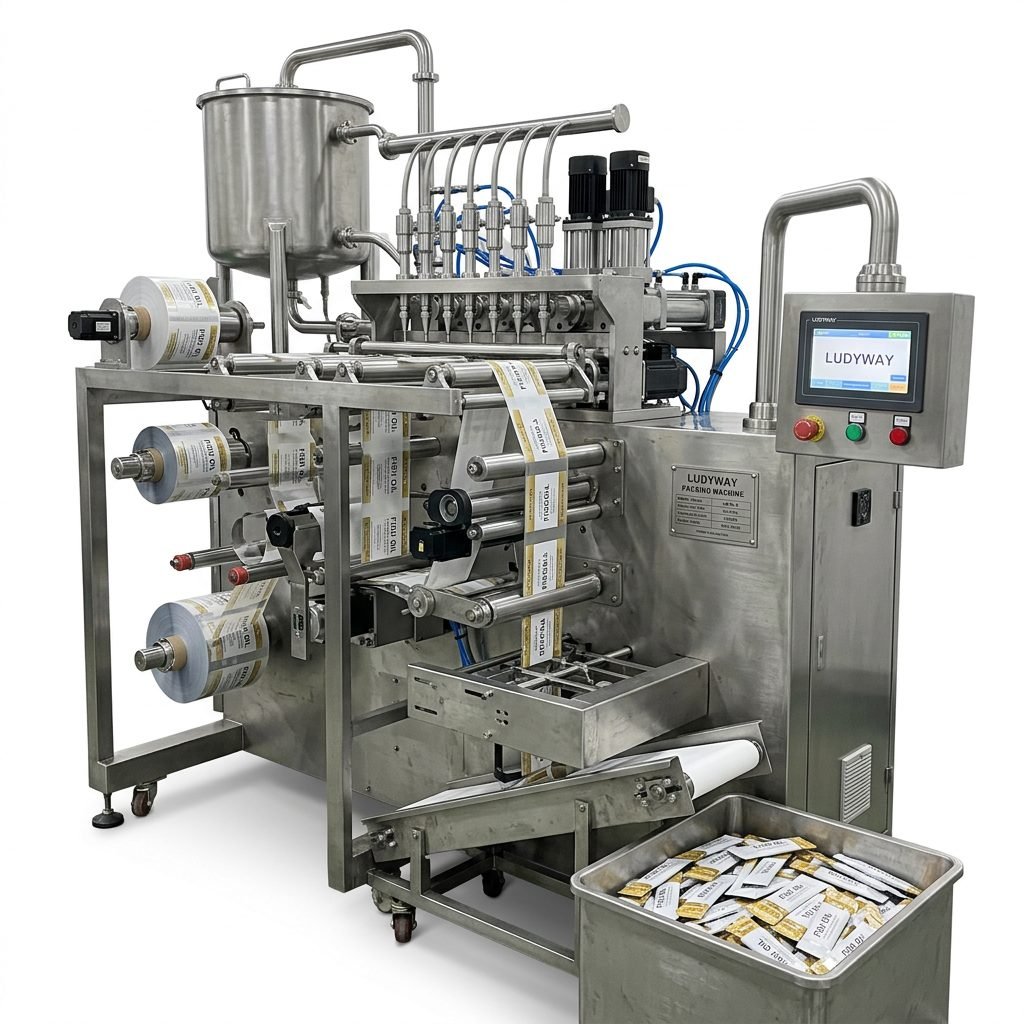
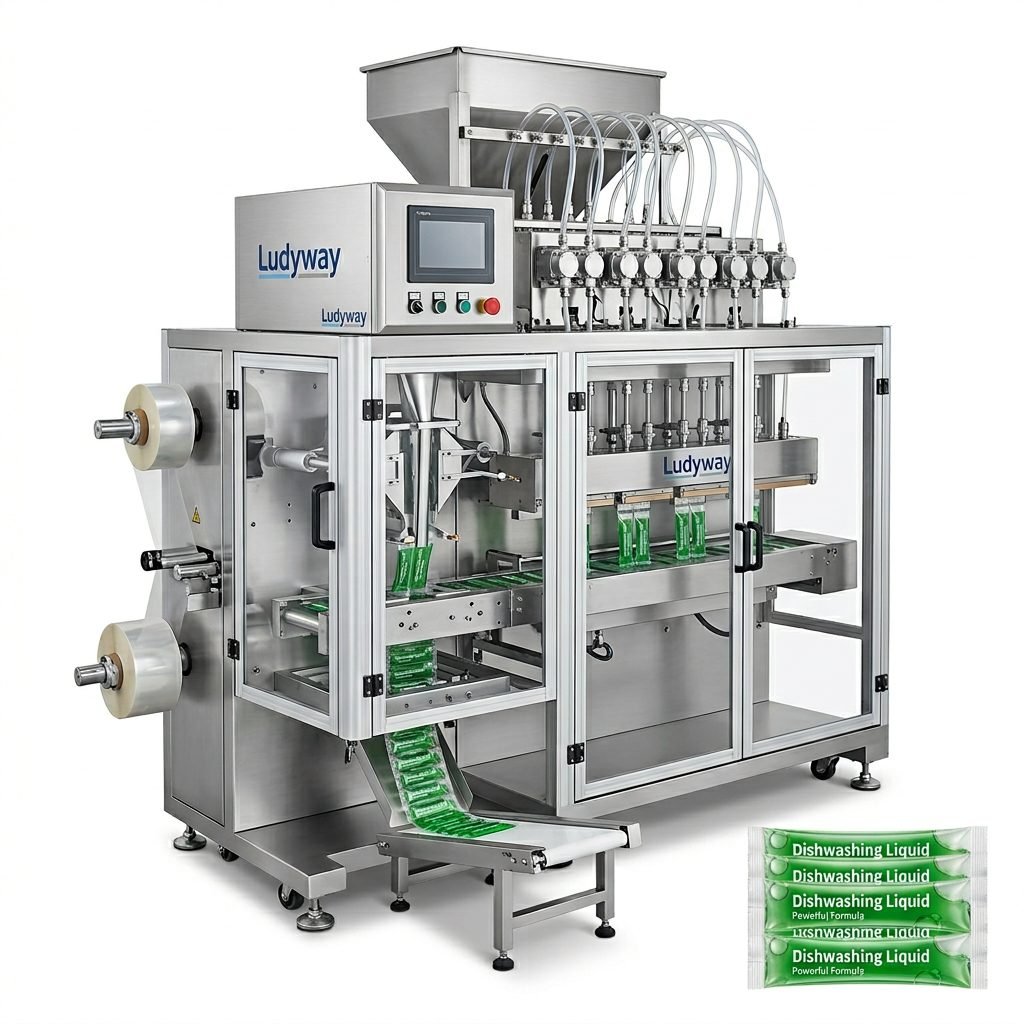
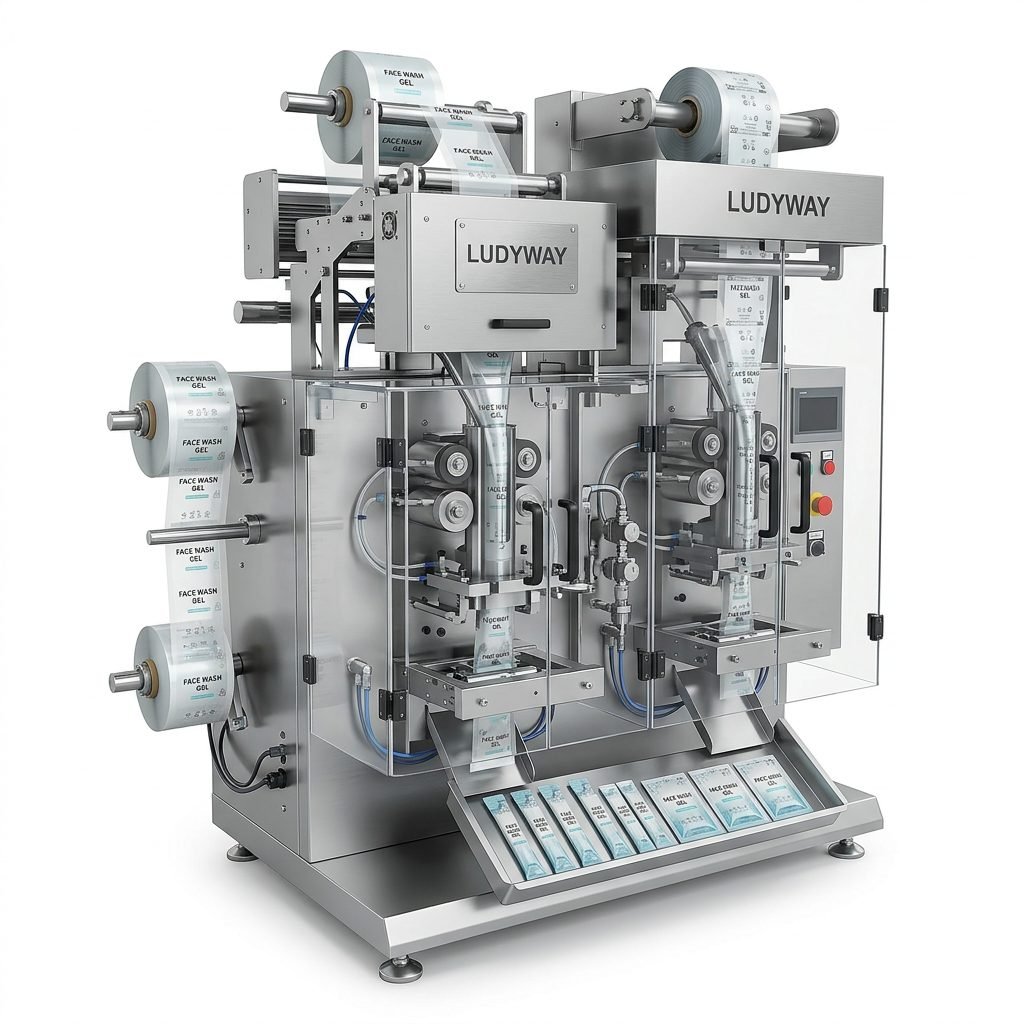
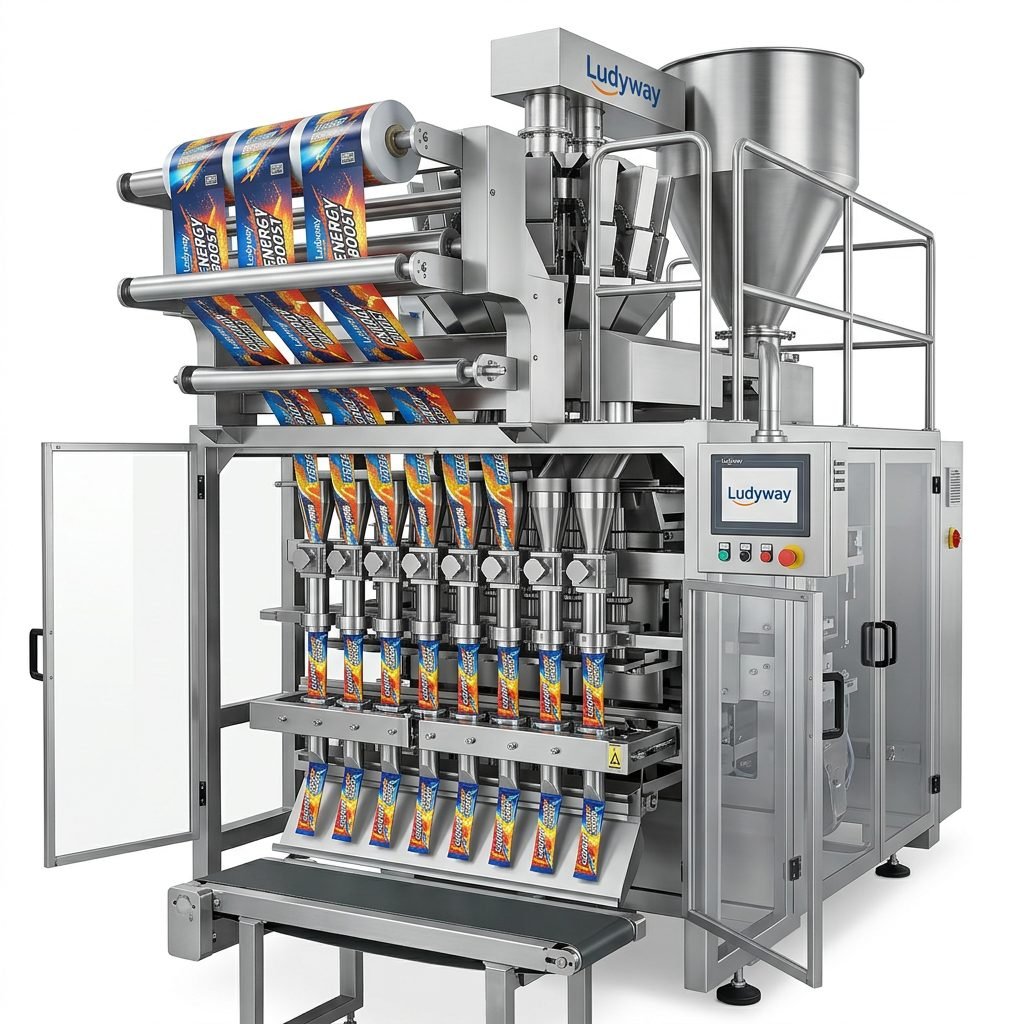
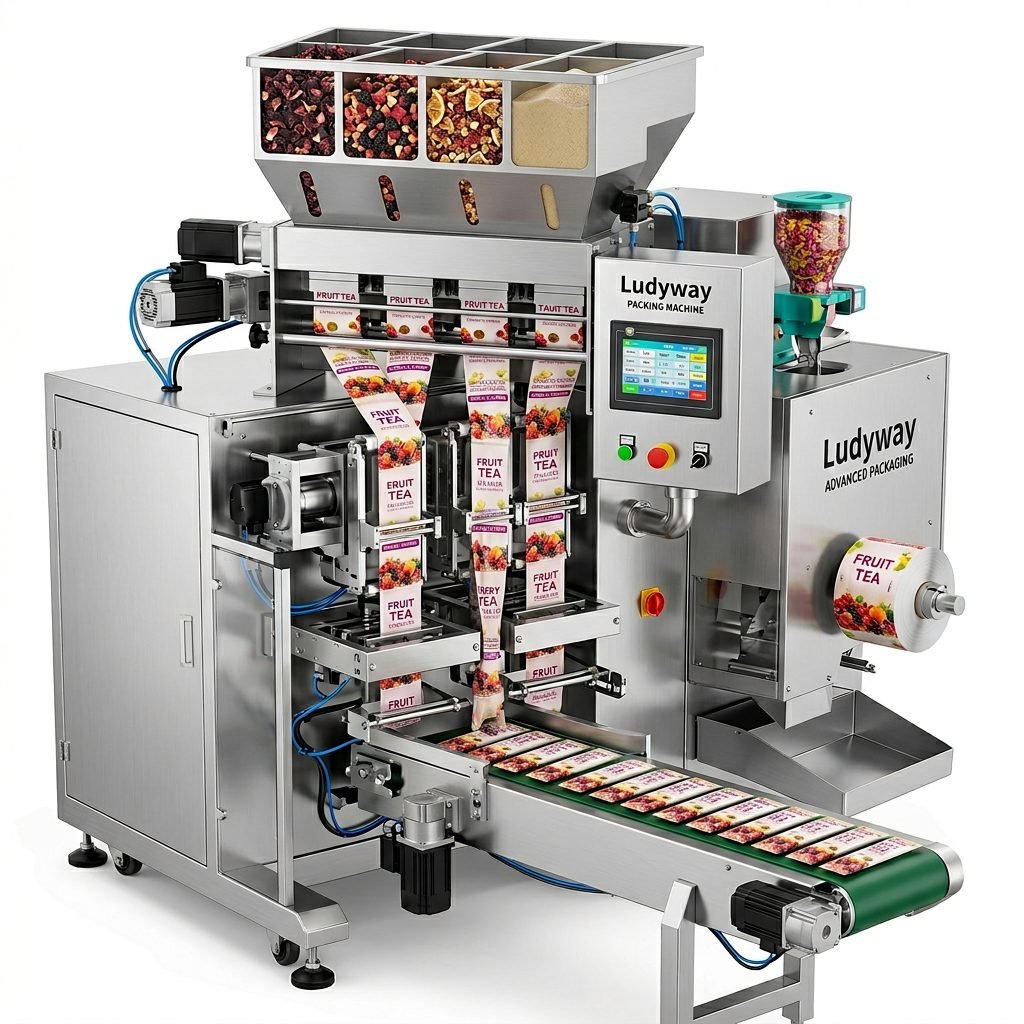
| Sachets / Stick Packs | Travel size, sampling, single-use retail | Low material use, high-speed output, convenient distribution | Vertical form-fill-seal or multi-lane sachet machine |
| Premade Pouches | Refill packs, premium retail packaging | Strong shelf presence, resealable options, flexible branding | Premade pouch filling and sealing machine |
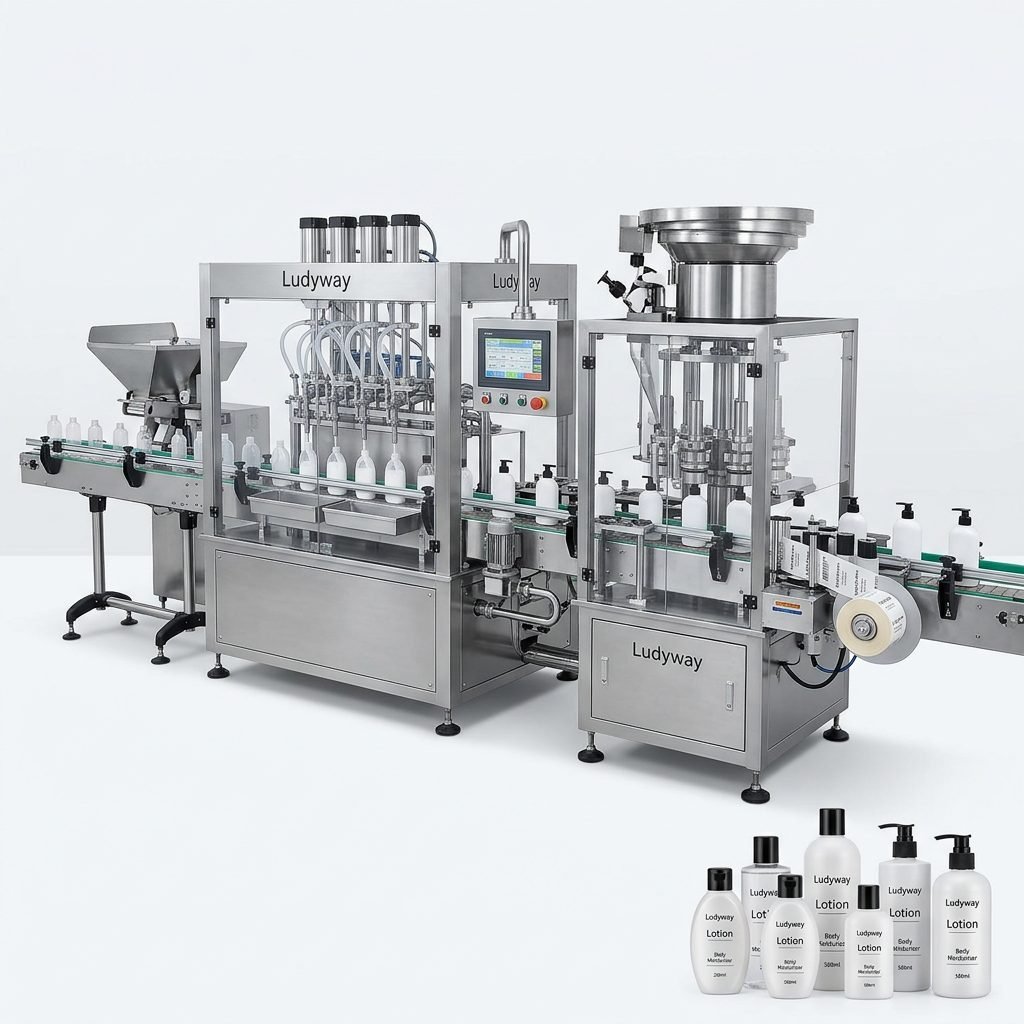
| Bottles | Mainstream consumer and salon products | Familiar format, easy dispensing, multiple cap styles | Bottle filling, capping, labeling, and packing line |
When sachet packaging is the right choice
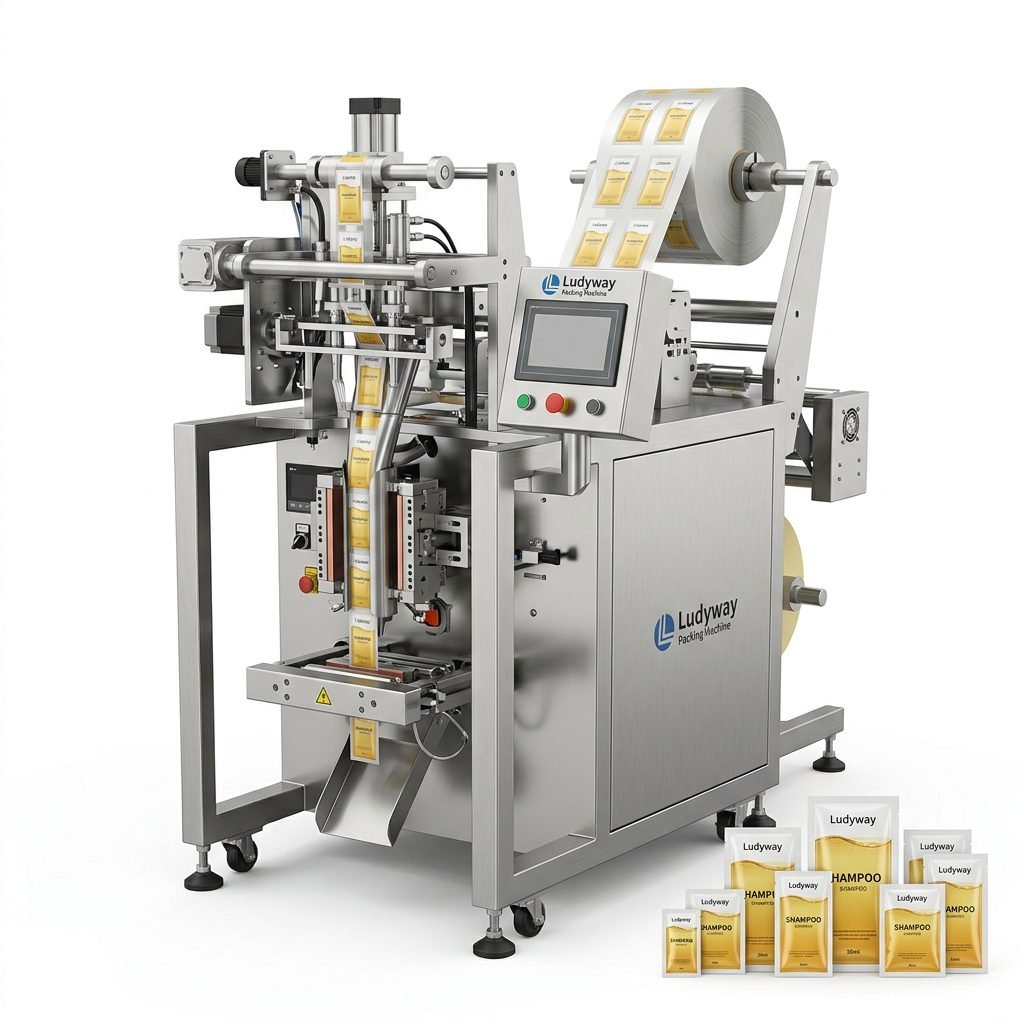
Sachet shampoo packaging is ideal for brands targeting price-sensitive retail markets, hotel amenities, e-commerce samples, and trial campaigns. High-speed sachet machines can produce large volumes with efficient material use, making them a strong choice for fast-moving consumer goods.
When bottles make more sense
Bottled shampoo remains the preferred format for supermarkets, salons, pharmacies, and premium cosmetic brands. If your strategy depends on strong branding, pump caps, flip-top convenience, or larger pack sizes, a bottle filling line is usually the better long-term investment.
Core machine features to evaluate
1. Filling accuracy
Filling precision affects compliance, product cost, and customer satisfaction. Overfilling wastes product. Underfilling creates complaints and regulatory risk. Look for systems with stable dosing performance, especially if your shampoo has variable viscosity across temperatures.
2. Anti-foam filling capability
Many shampoo formulas foam during pumping or nozzle discharge. Excess foam can distort fill levels and interfere with sealing. Bottom-up filling, diving nozzles, and properly tuned filling speeds can help reduce this issue.
3. Seal integrity
For sachets and pouches, seal quality is critical. Weak seals cause leakage during transport and storage. Your machine should match the film structure, product characteristics, and sealing temperature requirements.
4. Hygienic construction
Cosmetic packaging lines should use appropriate stainless steel contact parts, easy-clean structures, and organized product pathways to reduce contamination risk. Cleanability matters even more if you run multiple formulations on one line.
5. Output speed
Speed should be evaluated realistically. A high nominal speed is only useful if the machine maintains stable operation with your actual shampoo formula and package format. Ask for performance data based on a similar product.
6. Changeover flexibility
If you plan to run several SKUs, different volumes, or related products like conditioner and shower gel, choose a machine with easy parameter adjustment, recipe storage, and practical changeover design.
7. Automation level
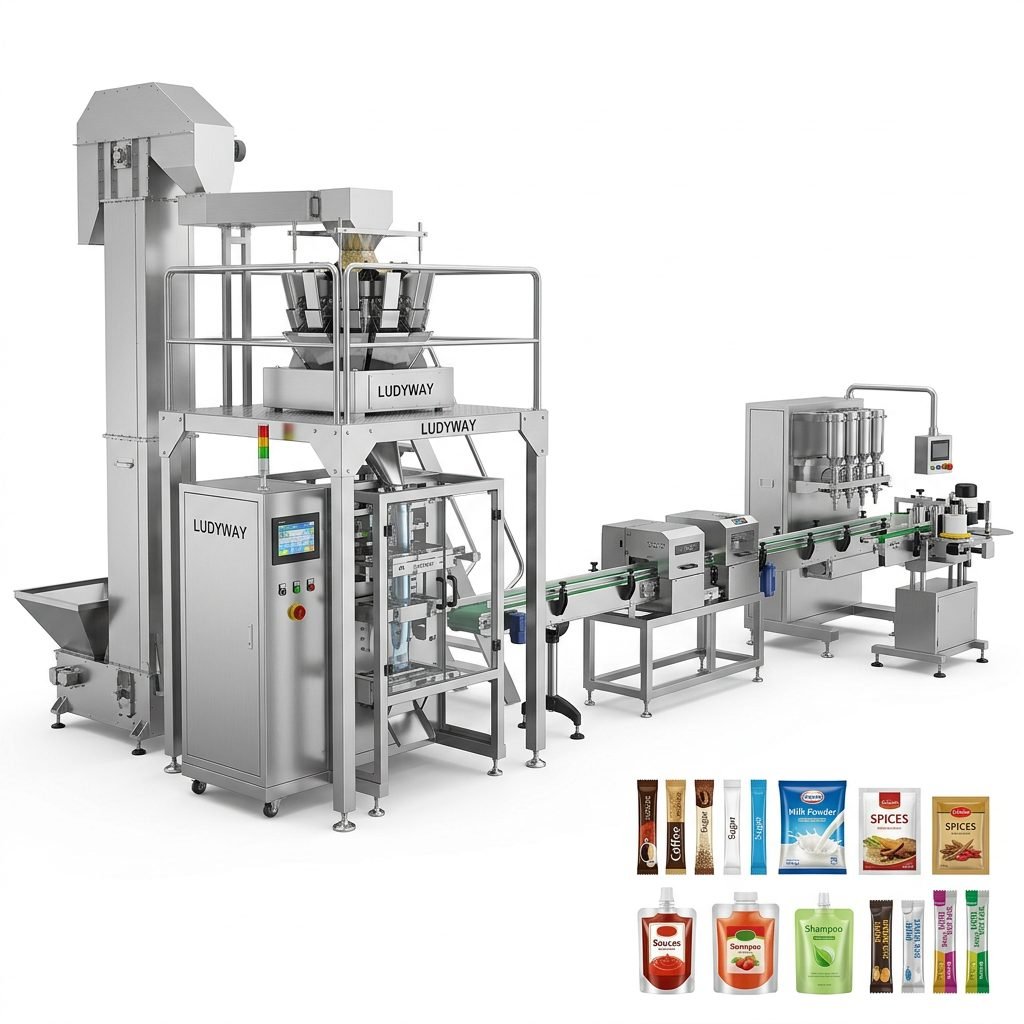
Standalone filling equipment may be enough for smaller operations. Larger factories often benefit more from integrated lines that include feeding, filling, sealing, capping, labeling, coding, cartoning, and case packing.
Sachet machine vs bottle filling line: which is better?
There is no universal answer. The right option depends on your brand positioning, target channels, and budget.
| Factor | Sachet Machine | Bottle Filling Line |
|---|---|---|
| Investment Level | Usually lower entry cost for small packs | Higher for complete filling, capping, and labeling line |
| Retail Positioning | Mass-market, sampling, single use | Mainstream, premium, salon, family size |
| Production Speed | Very high, especially multi-lane models | High but depends on bottle handling system |
| Packaging Material Use | Efficient for small doses | Higher container cost |
| Brand Visual Impact | Moderate | Strong shelf presentation |
Important questions to ask a shampoo packing machine supplier
- Has the machine been tested with shampoo or similar viscous cosmetic liquids?
- What filling system is recommended for my viscosity range?
- Can the machine handle different pack sizes on the same platform?
- What are the actual output speeds under production conditions?
- What sealing materials are compatible with the machine?
- How easy is cleaning and product changeover?
- Are spare parts and remote technical support available?
- Can the supplier provide a complete turnkey line if production expands?
Consider your production scale and growth plan
One of the most common mistakes buyers make is choosing only for current demand. If your sales volume is rising, your packaging line should support future capacity without forcing a full system replacement too soon.
For startups and small brands
- Focus on flexibility and manageable investment
- Choose a machine that supports multiple SKUs
- Prioritize easy operation and maintenance
For medium-sized manufacturers
- Look for servo control and higher automation
- Improve line stability and labor efficiency
- Plan for coding, labeling, and secondary packaging integration
For large factories and contract packers
- Evaluate full turnkey solutions
- Prioritize OEE, changeover efficiency, and quality inspection systems
- Consider downstream cartoning, case packing, and palletizing
Do not overlook packaging materials
Machine performance is closely tied to packaging material quality and structure. For shampoo sachets or pouches, film composition affects forming stability, sealing strength, print quality, and barrier performance. For bottles, cap compatibility, neck finish, label adhesion, and container dimensional consistency all matter.
If possible, test the machine with your actual packaging materials instead of generic samples. This helps identify real-world sealing behavior, wrinkle risk, tracking accuracy, and filling stability before purchase.
Quality control and compliance requirements
Cosmetic brands increasingly need packaging systems that support stable documentation, lot coding, repeatability, and inspection. Depending on your market, quality expectations may include:
- Batch coding and date printing
- Leak testing or seal inspection
- Checkweighing
- Metal detection where relevant in broader production environments
- Validation support and documentation
These features become especially important for export-oriented production, private label manufacturing, and large retail supply chains.
Turnkey line or standalone machine?
If you only need one packaging step, a standalone machine may be enough. But if your shampoo production includes upstream storage, feeding, filling, sealing, coding, cartoning, and final packing, a turnkey line often delivers better long-term efficiency.
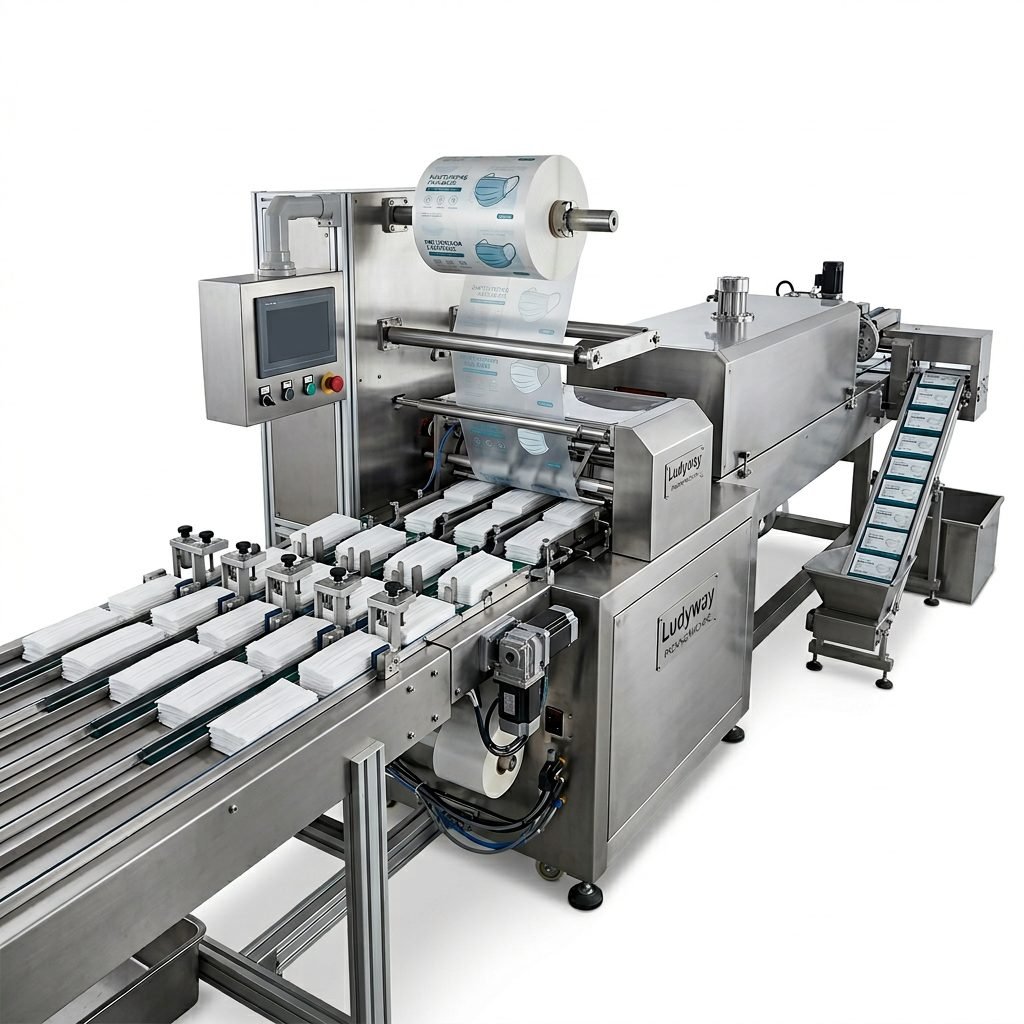
Working with an experienced manufacturer such as Ludyway shampoo packing machine solutions can be valuable when you need more than one machine, custom integration, or support for future expansion. With over 30 years of experience in packaging technology and turnkey line manufacturing, the company is known in global markets for supplying scalable systems for liquid, powder, granule, and pouch-based products.
Red flags that suggest the machine may not be right
- No real sample testing with shampoo or similar products
- Unclear output claims with no practical reference conditions
- Poor explanation of filling principle and seal control
- Limited support for spare parts, training, or after-sales service
- Machine design that is difficult to clean or adjust
- Low adaptability for future SKU changes
A practical checklist before making the final decision
| Checklist Item | Confirmed shampoo viscosity and filling behavior |
| Package Format | Sachet, pouch, or bottle selected based on market needs |
| Machine Match | Filling and sealing system verified for the product |
| Material Test | Actual packaging materials tested |
| Output Review | Realistic speed and labor plan confirmed |
| Expansion Plan | Machine can support future SKU or capacity growth |
| Service Support | Training, spare parts, and technical assistance available |
Final thoughts for shampoo manufacturers and brand owners
The right shampoo packing machine is the one that matches your formula, your package type, your production target, and your growth strategy. Instead of choosing based only on price or advertised speed, focus on filling accuracy, seal reliability, hygiene, flexibility, and supplier capability.
If your shampoo business depends on efficiency, stable quality, and packaging consistency, investing time in proper machine selection will save significant cost later. A well-matched packaging solution not only protects the product, but also strengthens your brand, improves production control, and supports long-term competitiveness in the personal care market.