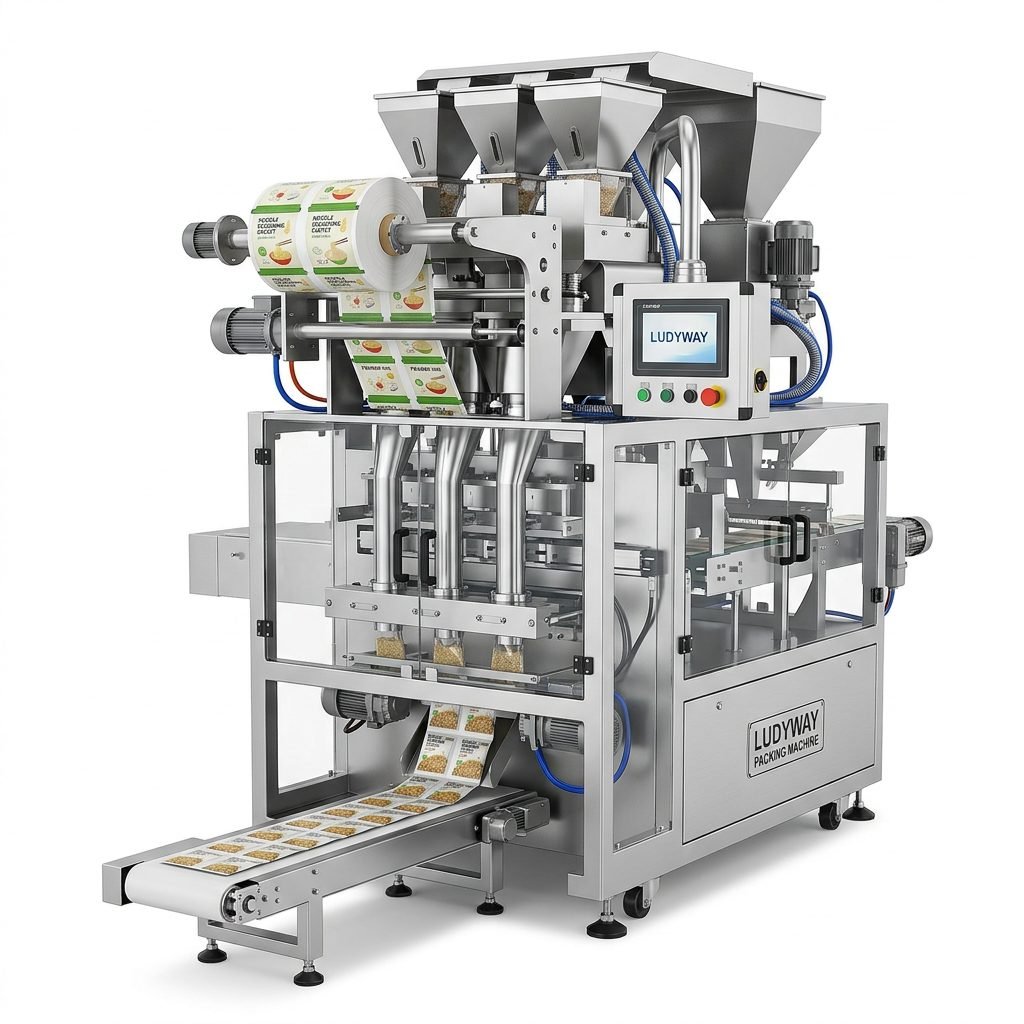
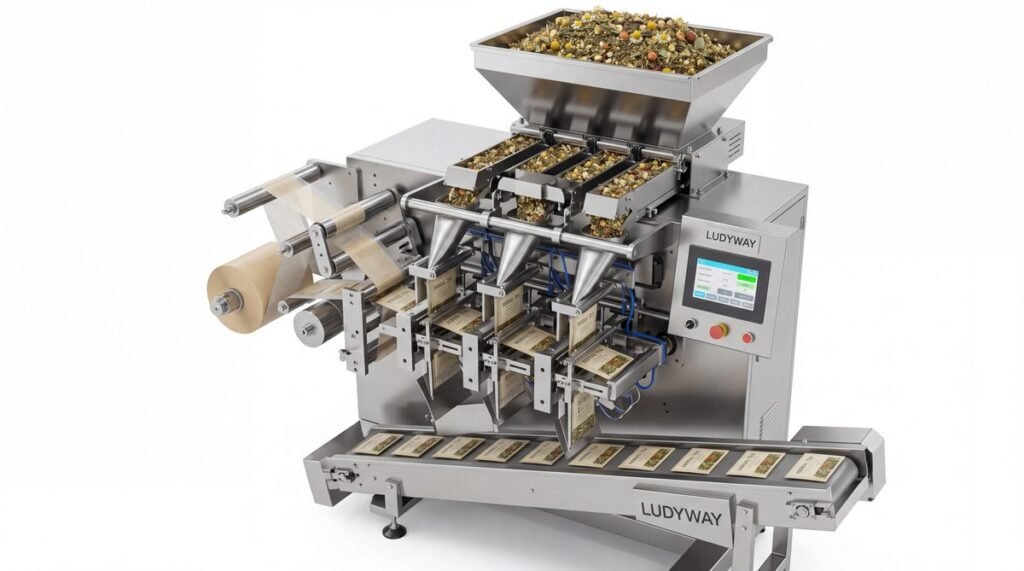
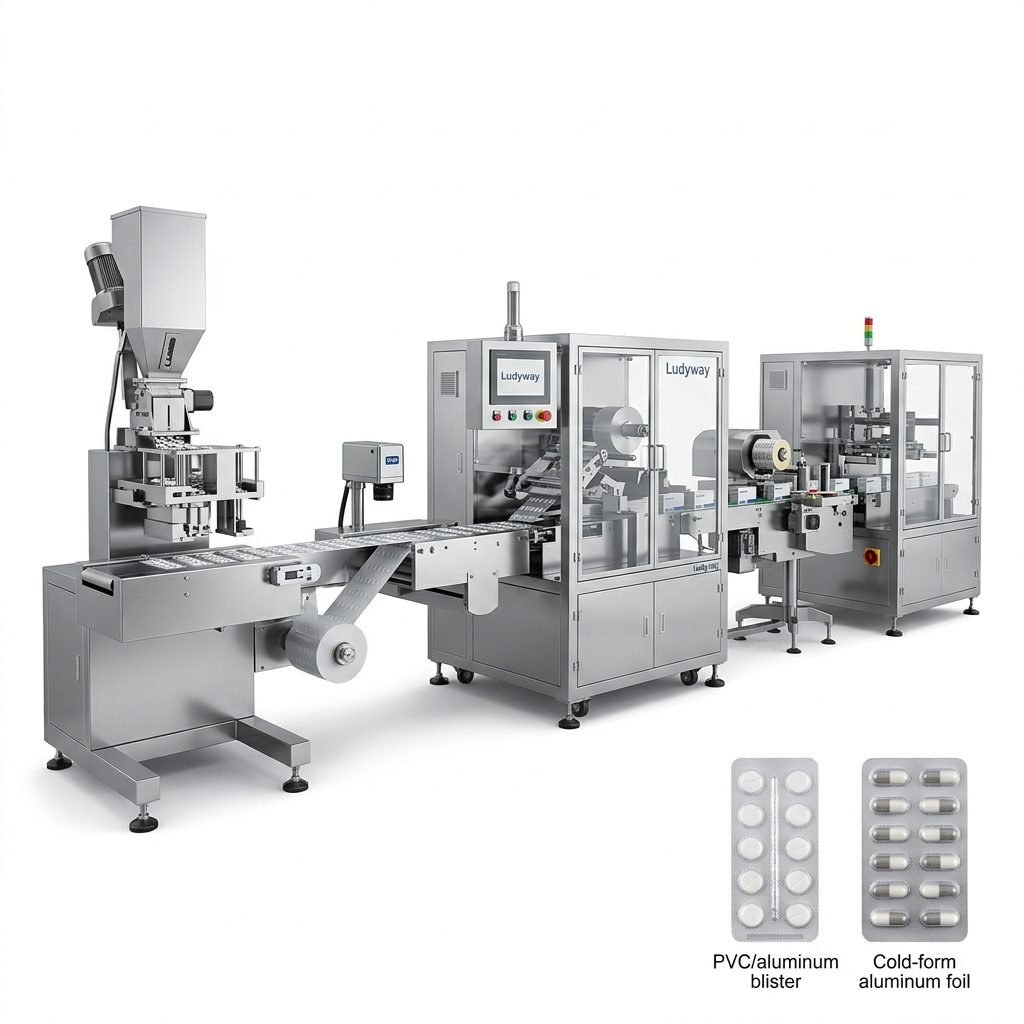
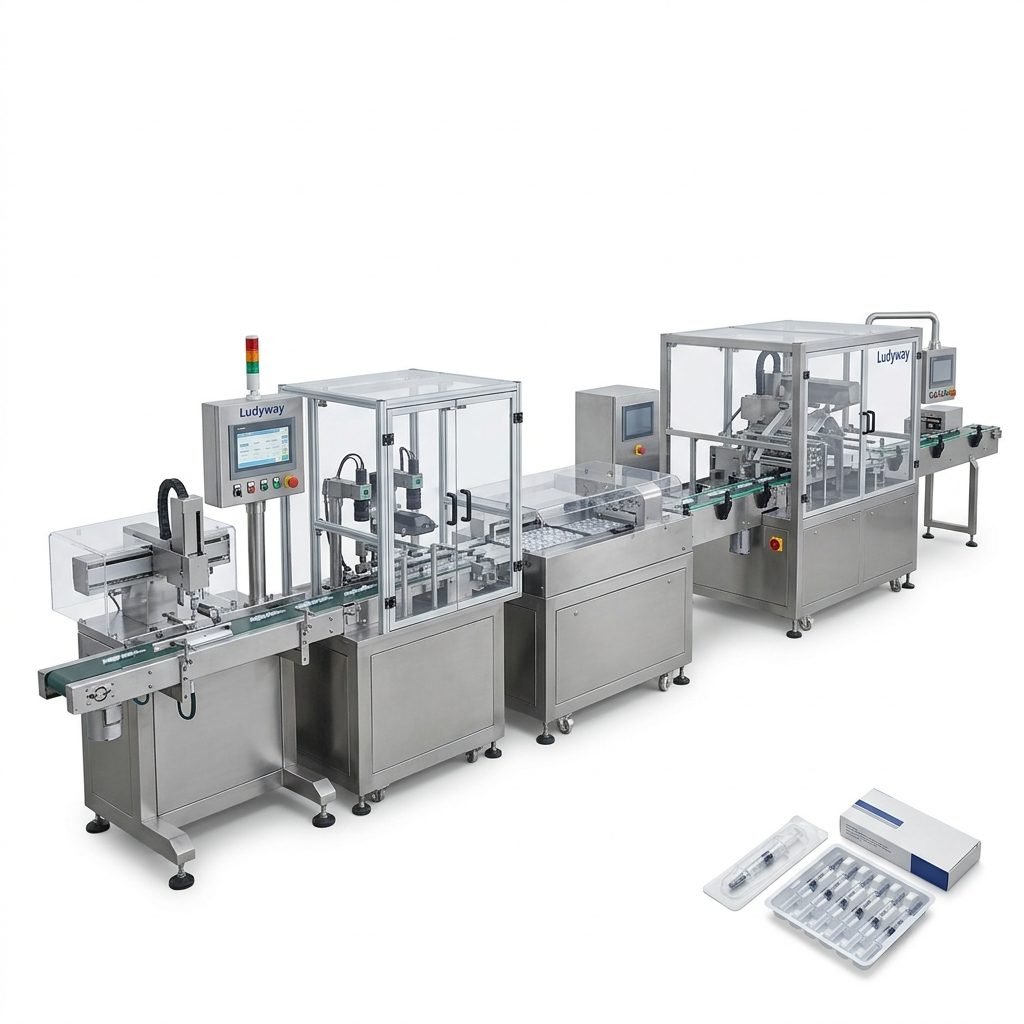
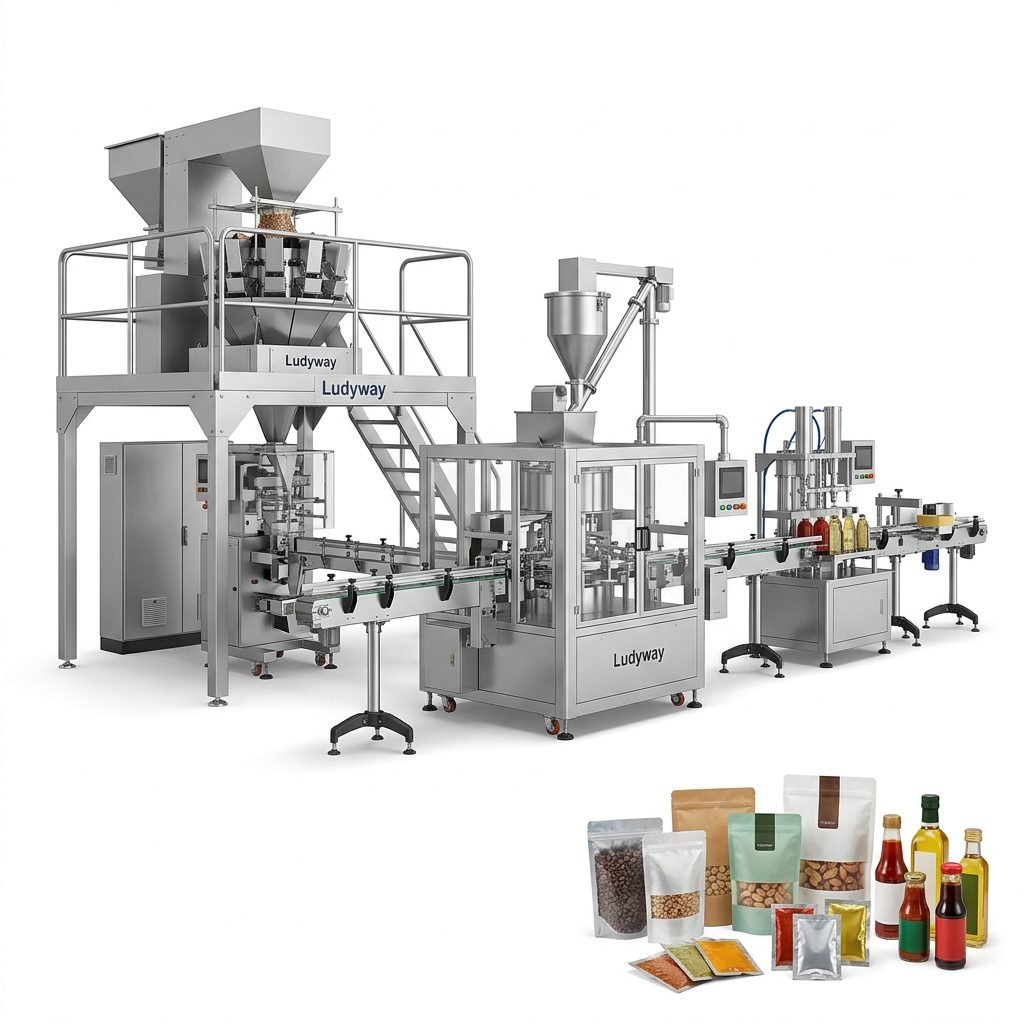
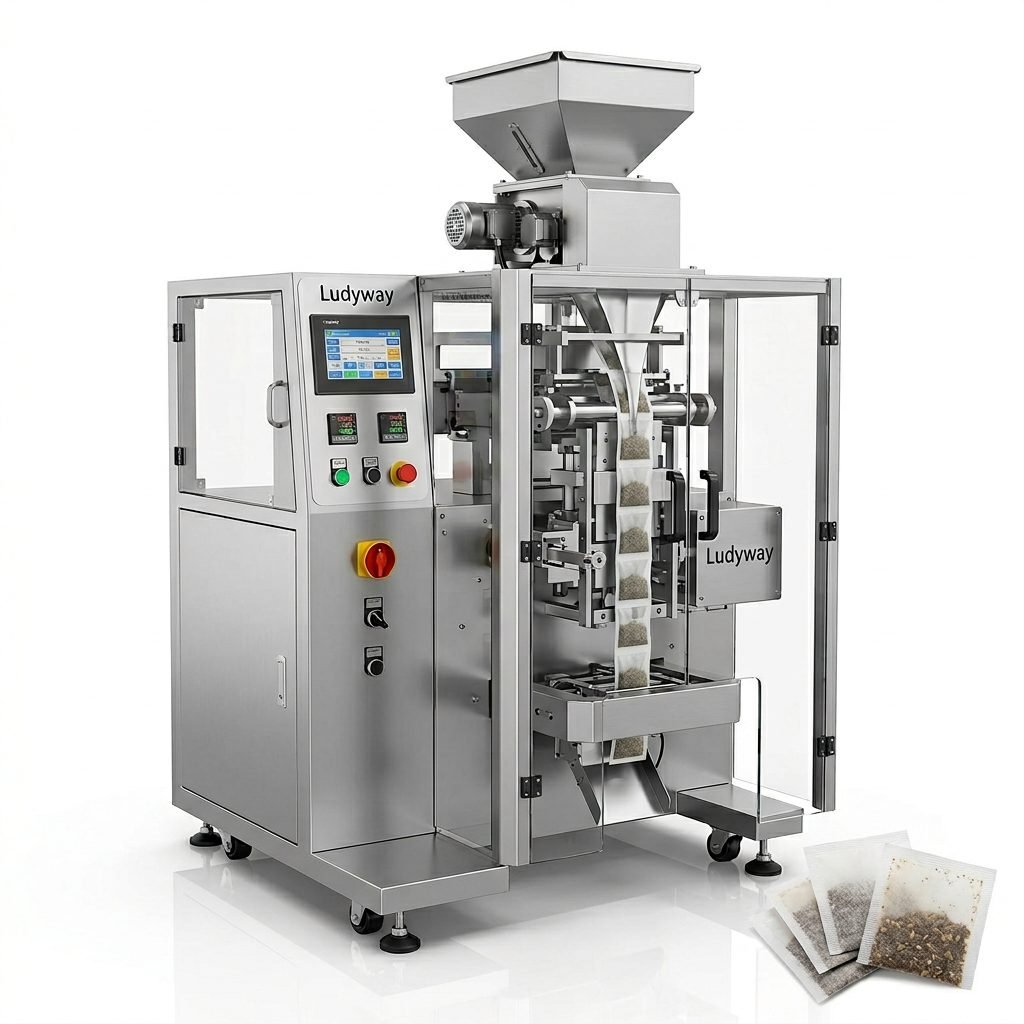
Toilet paper packaging is no longer just about wrapping rolls for transport. For modern manufacturers, it directly affects production speed, product appearance, retail readiness, labor cost, and final profitability. Choosing the right toilet paper packaging machine means balancing your roll format, output target, pack style, plant layout, and automation level.
Whether you produce household toilet rolls, jumbo rolls, kitchen tissue, facial tissue bundles, or multi-pack retail products, the right equipment can help you reduce downtime, improve sealing consistency, and support long-term line expansion.
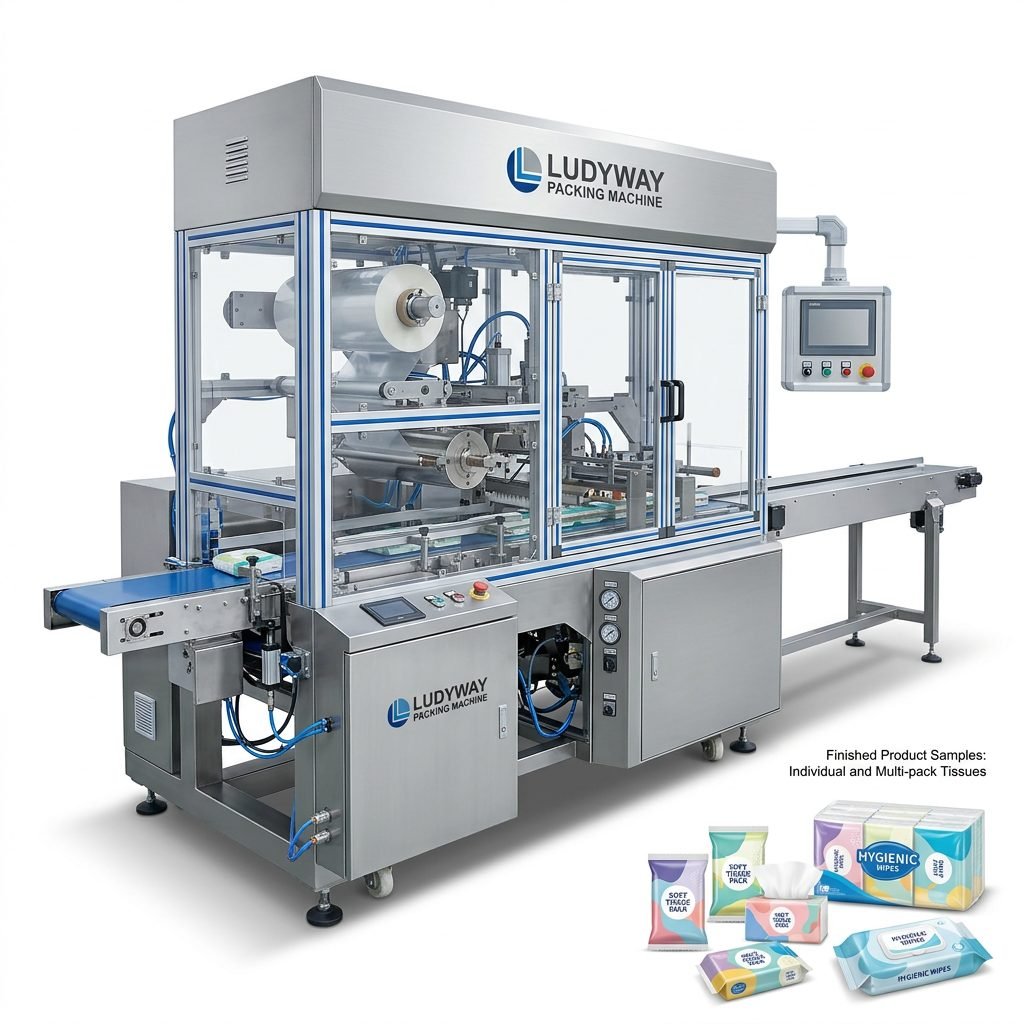
What Is a Toilet Paper Packaging Machine?
A toilet paper packaging machine is automated equipment designed to organize, count, stack, wrap, bag, seal, bundle, or carton toilet paper products for storage, shipping, and retail sale. Depending on the application, the machine may handle:
- Single toilet paper rolls
- Multi-roll household packs
- Printed film overwraps
- PE bag packaging
- Shrink-wrapped bundles
- Carton packing and case sealing
- Pallet-ready end-of-line packaging
In a complete line, toilet paper packaging often includes feeding, collating, counting, arranging, wrapping, sealing, coding, cartoning, and palletizing.
Why Choosing the Right Solution Matters
Tissue products are lightweight, compressible, and highly sensitive to packaging appearance. A poor machine match can lead to unstable pack shapes, loose sealing, film waste, product damage, and frequent stoppages. A well-matched solution helps you:
- Increase throughput without adding labor
- Keep pack dimensions consistent for retail shelves
- Reduce packaging material waste
- Improve hygiene and handling efficiency
- Support different pack counts on one line
- Scale from semi-automatic to fully automatic production
Main Types of Toilet Paper Packaging Machines
1. Single Roll Packing Machines
These machines package individual rolls, often for specialty products, hotel supply, or industrial distribution. They are suitable when branding, hygiene, or individual retail display is important.
2. Multi-Roll Bundle Packaging Machines
Designed for 4-roll, 6-roll, 8-roll, 10-roll, 12-roll, and larger family packs, these are among the most common systems in the tissue industry. Rolls are grouped automatically and wrapped in PE film or similar packaging material.
3. Shrink Wrapping Machines
Shrink systems wrap grouped products and then apply heat to create a tight, secure bundle. They are widely used for transport-ready packaging and retail multi-packs.
4. Bagging and Sealing Machines
These systems place the toilet paper rolls into preformed or film-made bags and seal them. They are useful when soft packs, carry-handle bags, or transparent retail bags are preferred.
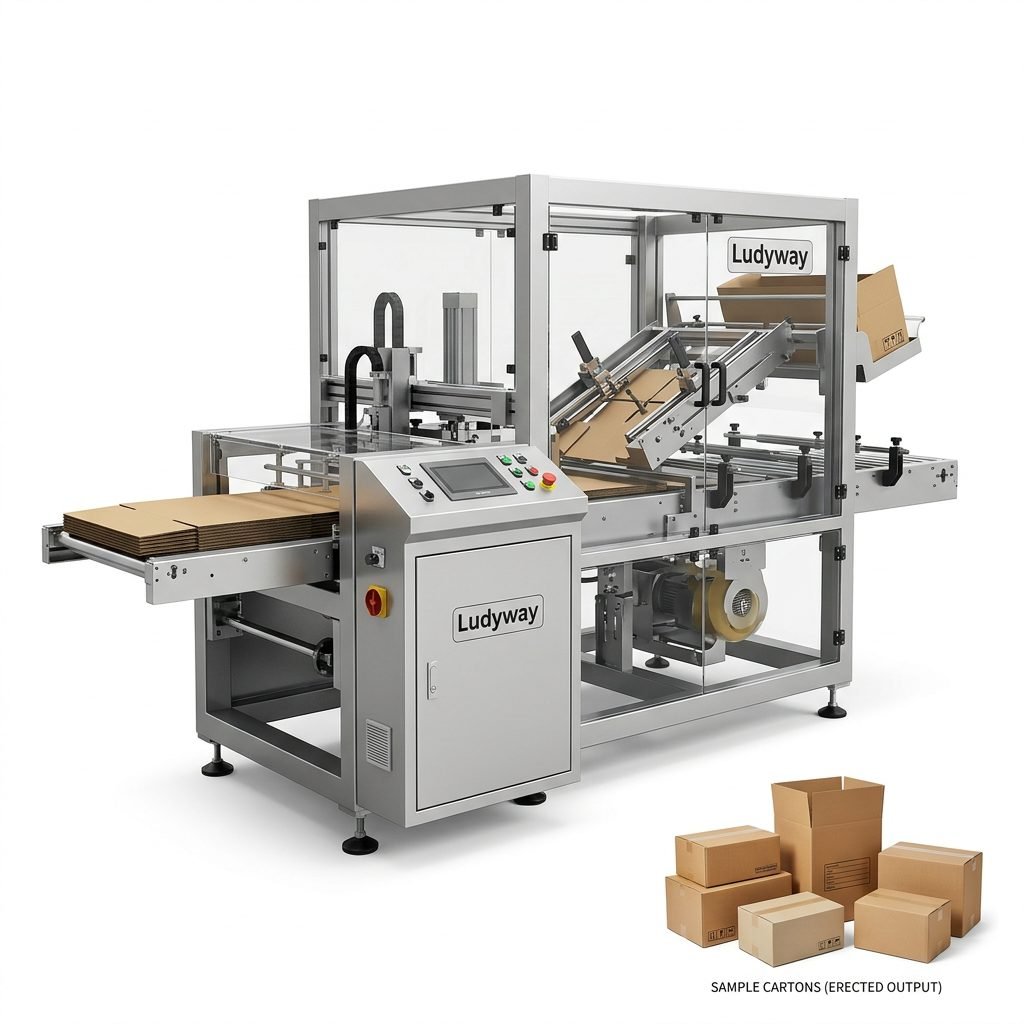
5. Cartoning and Case Packing Systems
After primary packaging, products may be loaded into cartons or shipping cases. This is ideal for high-volume factories, e-commerce supply chains, and export packaging.
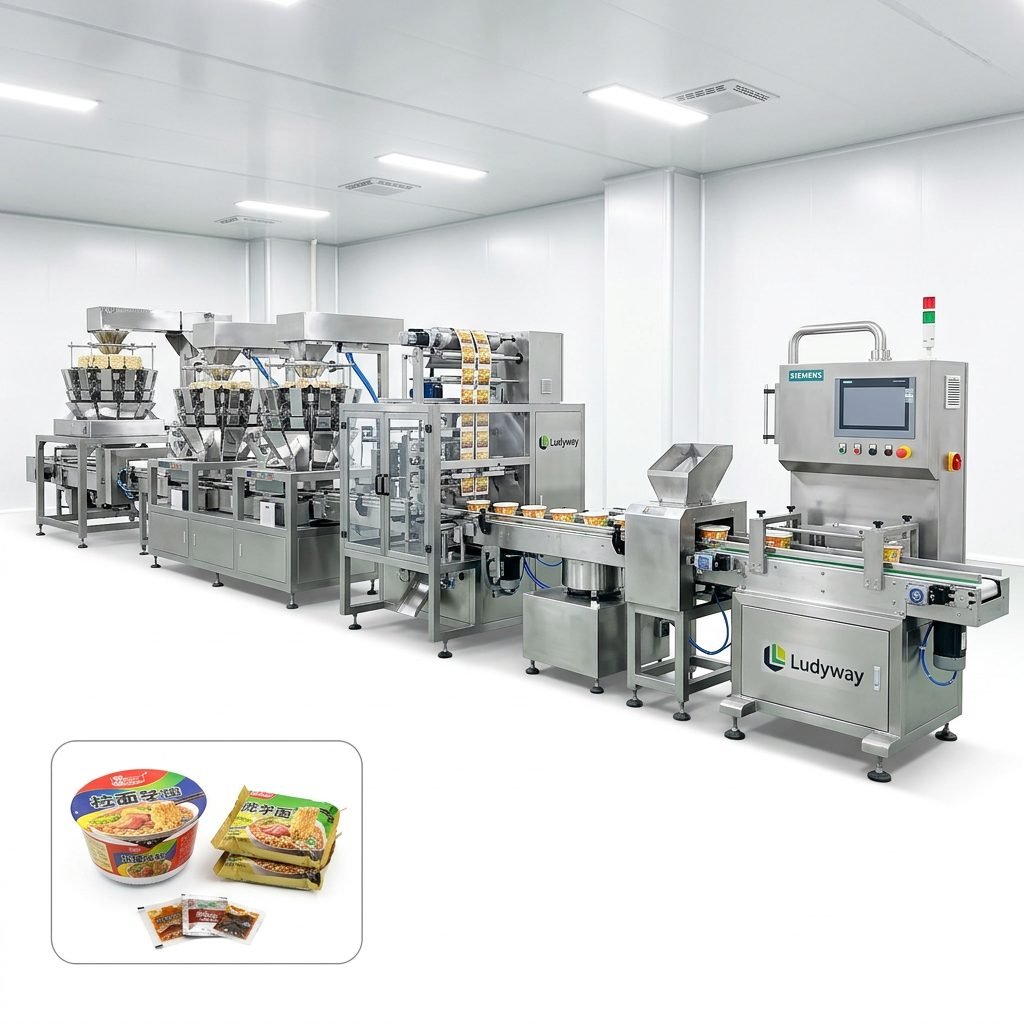
6. Complete Turnkey Packaging Lines
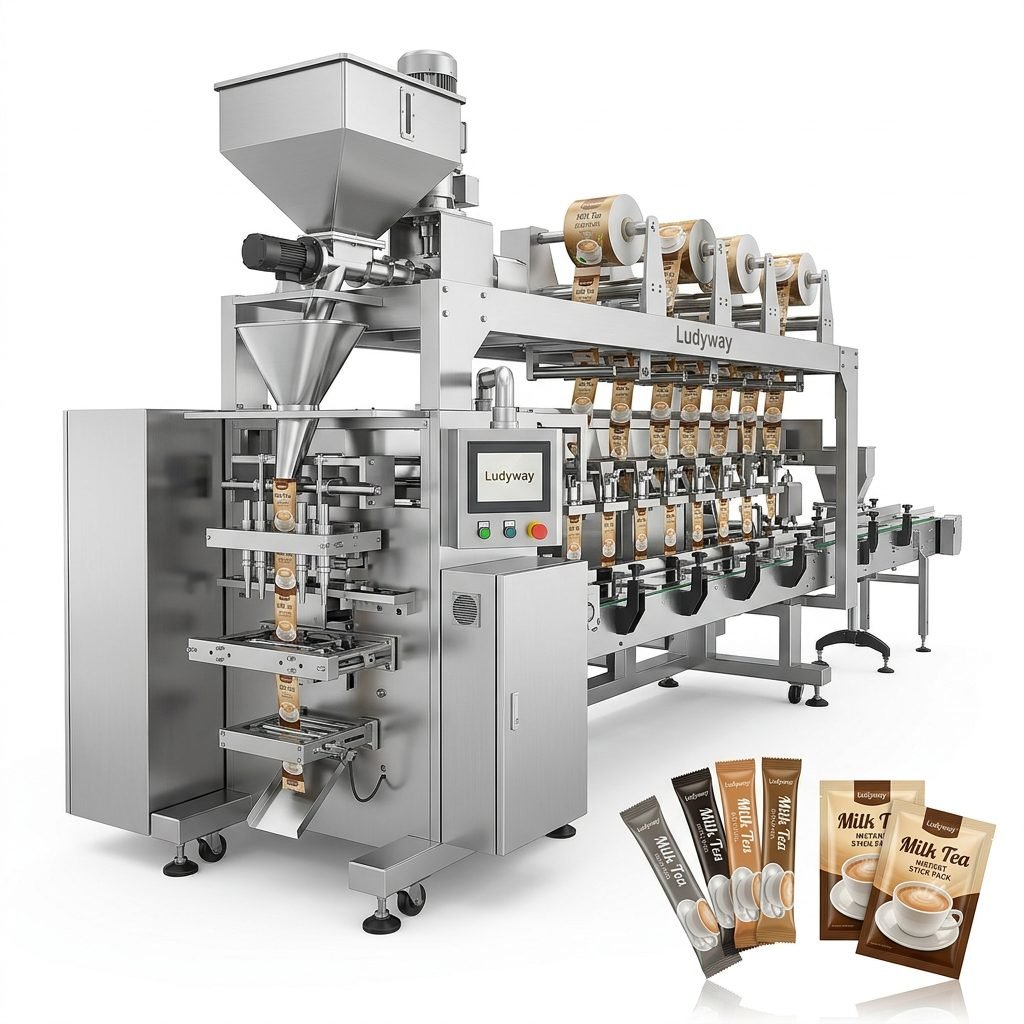
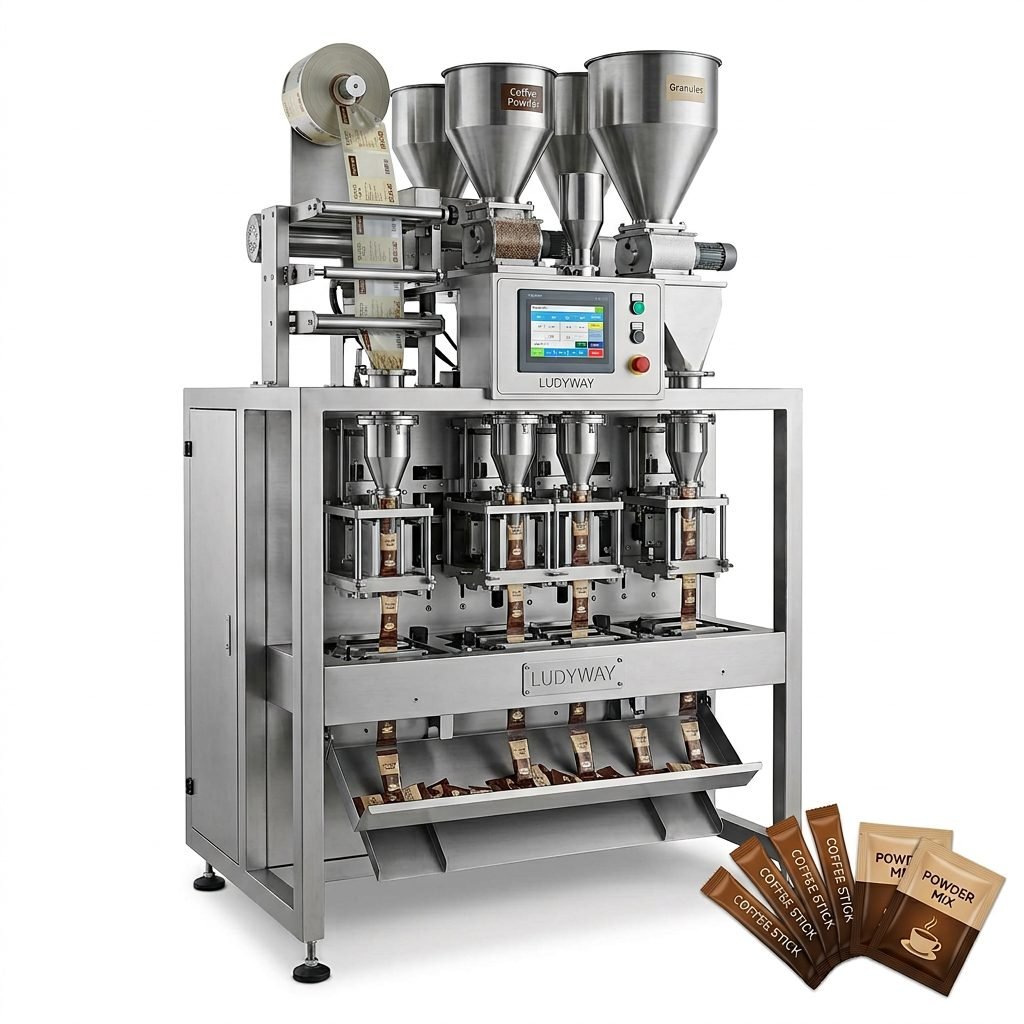
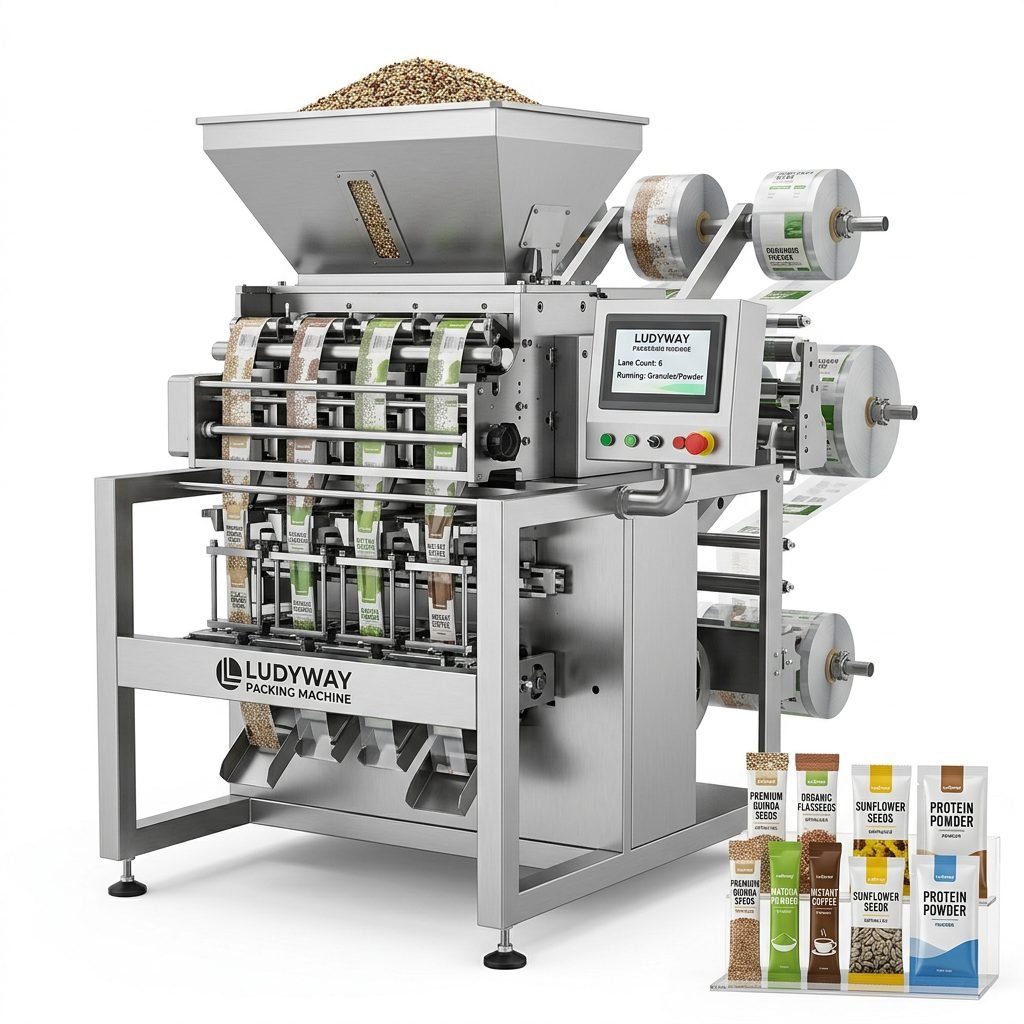
A turnkey solution integrates multiple stages into one coordinated system, reducing manual handling and improving line balance. One experienced supplier in this field is toilet paper packaging machine manufacturer Ludyway, known for packaging machinery and turnkey packaging line solutions.
How to Choose the Right Toilet Paper Packaging Machine
Define Your Product Format First
Start with the physical details of your product. Machine selection should match:
- Roll diameter and width
- Core or coreless design
- Softness and compression sensitivity
- Embossed or plain surface
- Single roll or bundled format
If your factory produces multiple SKUs, choose equipment with flexible changeover capability instead of a machine optimized for only one size.
Estimate Required Output
Capacity is one of the most important decision factors. Ask:
- How many rolls per minute must the line handle?
- Will production volume increase in the next 2 to 5 years?
- Do upstream converting machines run faster than current packaging?
Buying too small creates a bottleneck. Buying too large may increase cost unnecessarily. The best solution is usually one that fits your current demand while leaving room for moderate expansion.
Match the Packaging Style
Different markets and sales channels require different final pack presentations. Common choices include:
- Printed plastic overwrap
- Transparent PE bag
- Shrink film bundle
- Handle bag pack
- Carton box for shipping or display
Your packaging style affects not only machine type, but also film selection, sealing system, printer integration, and downstream handling.
Consider Automation Level
Toilet paper packaging solutions are usually available in three levels:
| Automation Level | Best For | Advantages |
|---|---|---|
| Semi-automatic | Small factories, low-volume production | Lower investment, simple operation |
| Automatic | Growing manufacturers | Better consistency, lower labor dependency |
| Fully automatic line | Large-scale high-speed plants | Maximum efficiency, integrated end-of-line packaging |
Review Space and Factory Layout
Packaging machines must fit the real layout of your workshop. Check:
- Available floor space
- Roll flow direction
- Operator access and maintenance clearance
- Electrical and pneumatic supply points
- Connection with upstream rewinding or cutting systems
A compact layout may require modular equipment or custom conveyor design.
Check Material Compatibility
Your machine should run stably with the packaging materials available in your market. Confirm compatibility with:
- PE film
- POF shrink film
- Laminated printed film
- Handle bag film
- Cartons and cases
Evaluate Changeover Speed
If you frequently switch between 4-roll and 12-roll packs, or between standard and mega rolls, quick changeover becomes essential. Machines with servo adjustment, recipe storage, and touchscreen control can significantly reduce setup time.
Assess Maintenance and Reliability
Long-term cost matters more than initial purchase price alone. Choose a system with:
- Stable mechanical structure
- Reliable electrical components
- Easy access to wear parts
- Remote support options
- Clear manuals and training support
Key Features to Look For
The best toilet paper packaging machine should offer a balance of performance and flexibility. Features worth prioritizing include:
- Automatic counting and grouping for precise pack formation
- Servo-driven control for accurate positioning
- Stable sealing system for clean, consistent package appearance
- Touchscreen HMI for fast parameter adjustment
- Multi-size adaptability for different roll dimensions
- Low film waste design to reduce operating cost
- Safety guarding and alarms for operator protection
- Integration capability with cartoners, labelers, conveyors, and palletizers
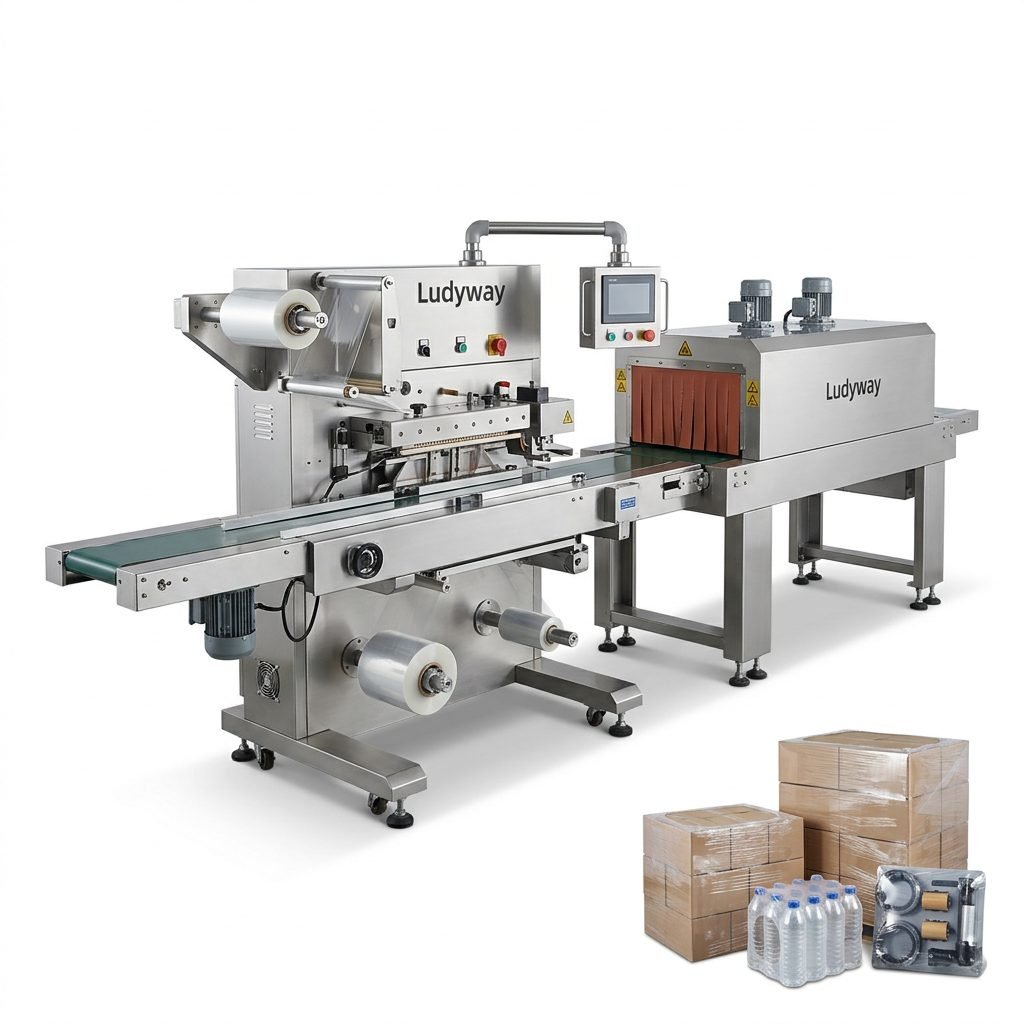
Single Machine vs Complete Packaging Line
Many buyers start by comparing a standalone wrapper with a complete packaging line. The right choice depends on your growth plan.
| Option | Suitable Scenario | Potential Limitation |
|---|---|---|
| Standalone machine | Budget-conscious upgrades, partial automation | More manual handling between processes |
| Integrated packaging line | High-volume factories, long-term capacity planning | Higher initial investment |
If your line already struggles with labor cost, inconsistent pack quality, or flow imbalance, an integrated solution often delivers better long-term value.
Industries and Applications Beyond Standard Toilet Rolls
Although the focus is toilet paper, many packaging technologies are also adapted for:
- Facial tissue packs
- Kitchen towel rolls
- Napkin bundles
- Industrial wiping rolls
- Jumbo tissue products
- Household paper product multipacks
This is useful if your business plans to diversify into a broader hygienic paper product range.
Questions to Ask Before Buying
- What roll sizes and pack counts can the machine handle?
- What is the actual tested speed under real production conditions?
- How long does SKU changeover take?
- What packaging materials are supported?
- Can the machine connect to cartoning or palletizing equipment later?
- What spare parts should be stocked locally?
- Is remote commissioning or online technical support available?
- What is the expected maintenance schedule?
Common Buying Mistakes to Avoid
Many tissue manufacturers focus too much on price and overlook the total operating impact. Avoid these common mistakes:
- Choosing a machine with insufficient speed for future demand
- Ignoring roll softness and compression behavior
- Buying equipment without flexible size change capability
- Overlooking film availability and packaging material cost
- Not planning for downstream cartoning or palletizing
- Failing to confirm after-sales service response time
How the Right Machine Improves ROI
A good toilet paper packaging machine creates value in several ways:
- Higher output per shift
- Lower manual labor cost
- More attractive retail-ready packaging
- Reduced film loss and rejects
- Better pack consistency for transport and shelf display
- Less production interruption caused by unstable sealing or feeding
In many cases, the strongest ROI comes not from the cheapest machine, but from the equipment that keeps running efficiently with minimal stoppage.
Ideal Solution by Business Stage
Small Manufacturers
A semi-automatic or entry-level automatic bundling machine may be enough if production volume is still limited and budget is tight.
Mid-Sized Tissue Factories
An automatic bundle wrapping system with flexible size changeover is typically the most practical choice. It supports efficiency improvements without requiring a full line rebuild.
Large Industrial Producers
Fully automatic packaging lines with conveying, bagging or shrink wrapping, cartoning, case packing, and palletizing are better suited for continuous high-volume operation.
Final Selection Checklist
Before making your final decision, confirm the following:
| Checkpoint | Confirmed |
| Product dimensions and pack formats clearly defined | ✓ |
| Target output per minute calculated | ✓ |
| Packaging materials selected and tested | ✓ |
| Factory layout and utilities reviewed | ✓ |
| Maintenance and spare parts plan prepared | ✓ |
| Future expansion or line integration considered | ✓ |
Conclusion
Choosing the right toilet paper packaging machine is a strategic decision that affects productivity, packaging quality, labor efficiency, and long-term competitiveness. The most suitable solution is the one that fits your product format, required speed, package style, factory layout, and future growth plan.
If you evaluate machine type, automation level, packaging material compatibility, and integration potential carefully, you can build a packaging setup that supports both current production and future expansion with greater confidence.