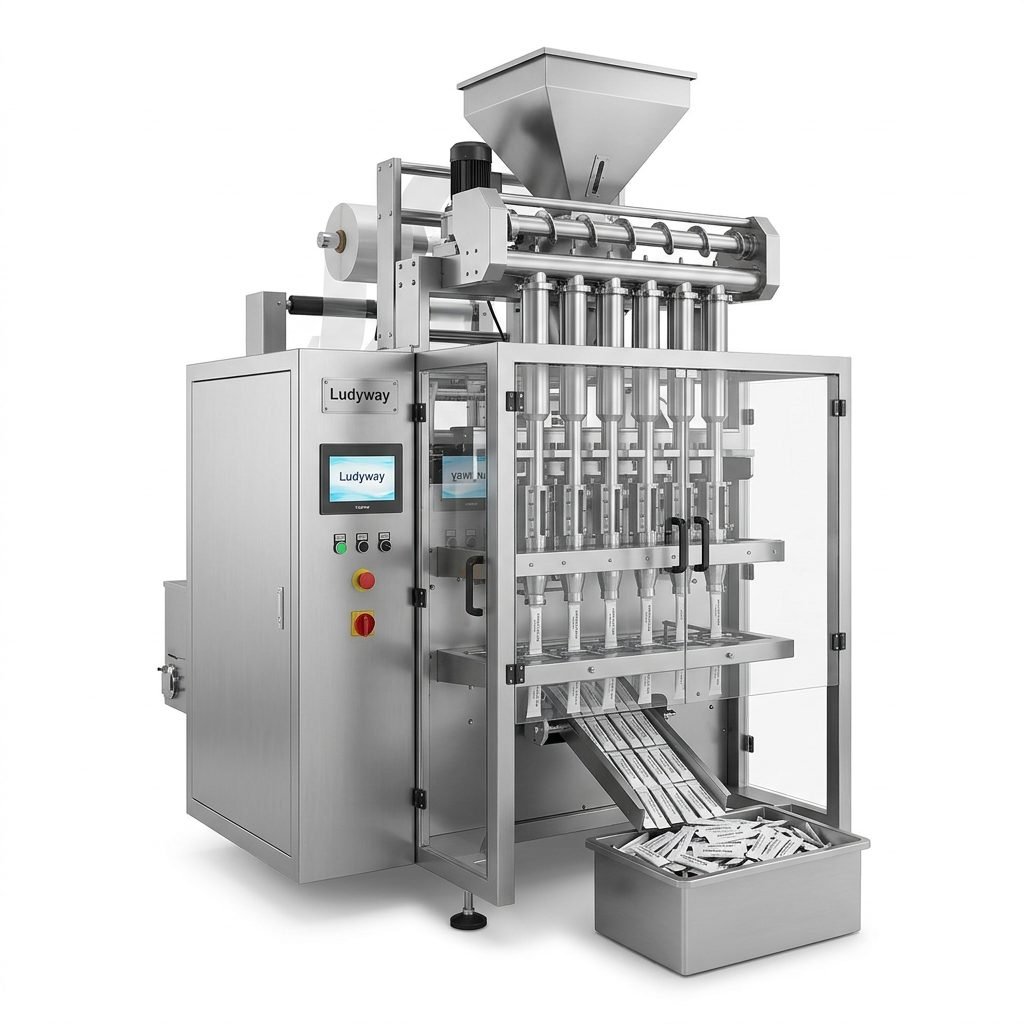
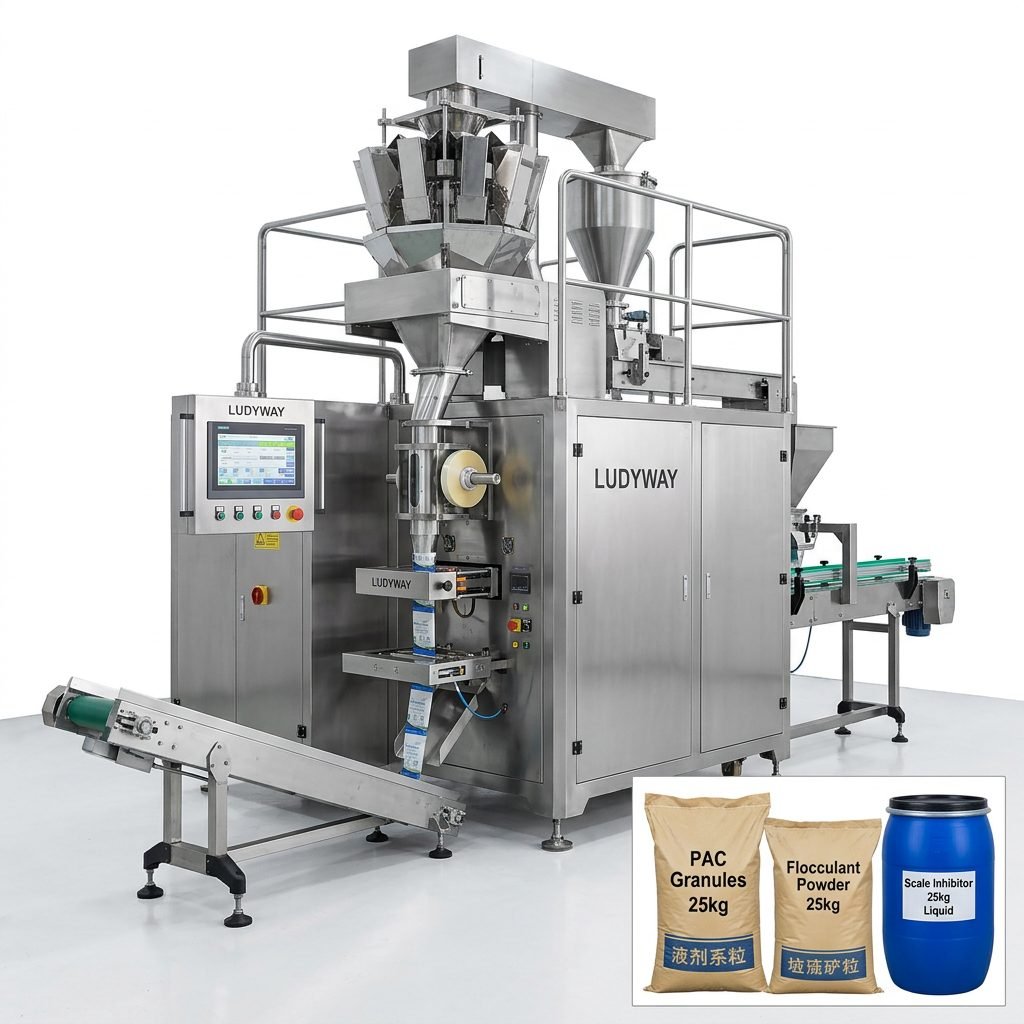
The North American poultry processing industry demands high-speed, reliable, and sanitary packaging solutions. Establishing a fully automated production line requires meticulous planning, from understanding USDA and CFIA regulations to integrating advanced packaging machinery that handles granule, powder, and liquid by-products efficiently. This guide covers the critical steps to design and launch a successful poultry packaging operation.
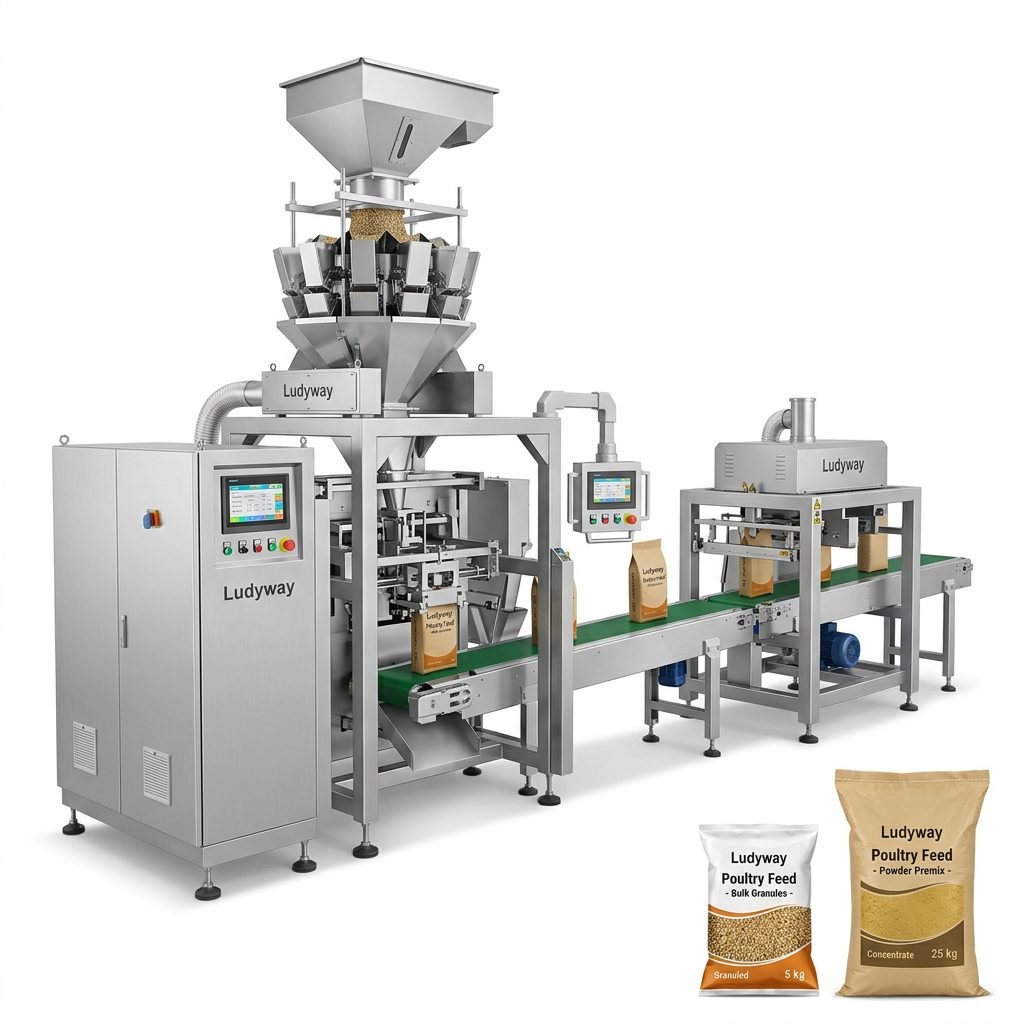
Understanding North American Poultry Packaging Regulations
Compliance is non-negotiable. The USDA Food Safety and Inspection Service (FSIS) and the Canadian Food Inspection Agency (CFIA) enforce strict hygiene standards. Key points include sanitary design principles to prevent cross-contamination and materials compliant with FDA food contact substance regulations. Understanding these standards before procuring a turnkey packaging line is essential for avoiding costly redesigns.
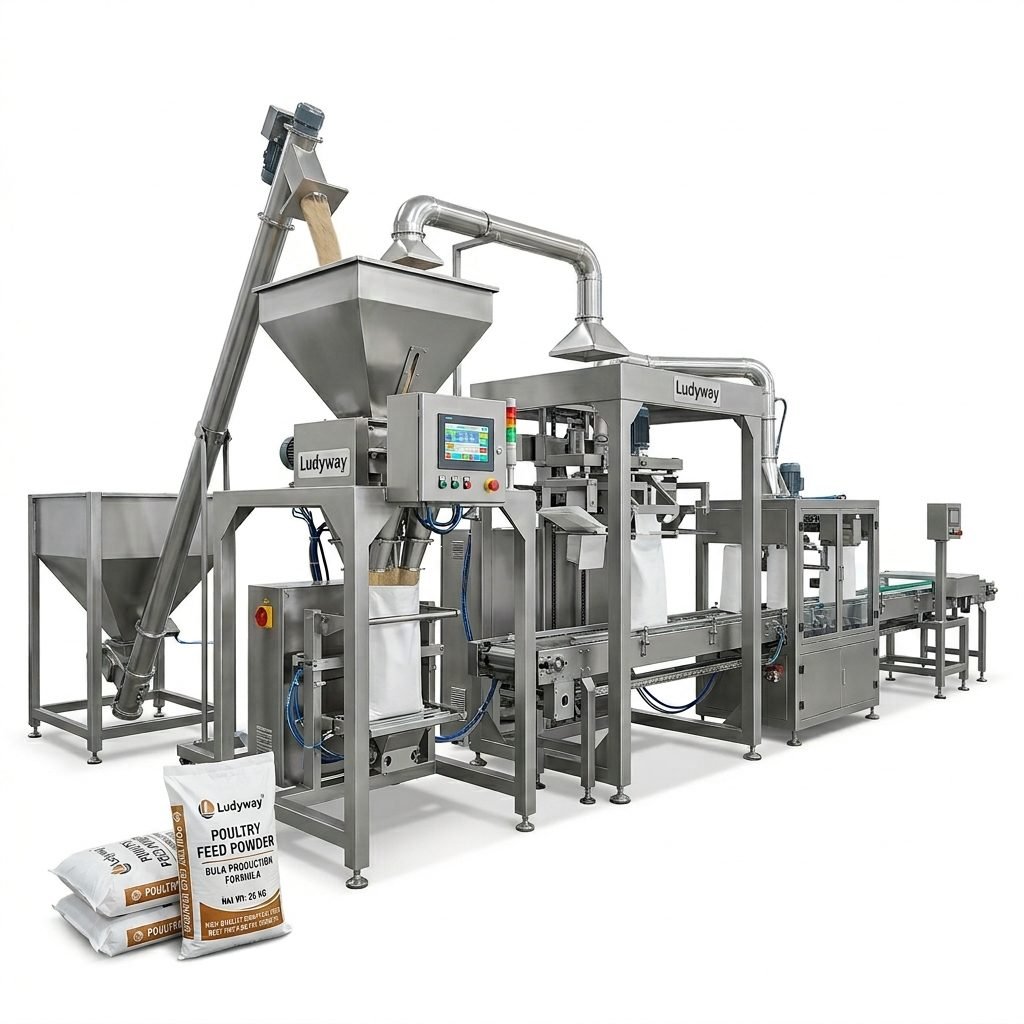
Step 1: Defining Production Scope and Material Characteristics
Begin by analyzing the physical properties of the poultry product. Is it a dry bulk granule, a fine powder, or a viscous liquid supplement? The particle size, density, and flowability determine the feeder type needed. For example, free-flowing granules might use a volumetric cup filler, while non-free-flowing powders require an auger filler system to avoid bridging in the hopper.
- Granule Products: Crumbles, pellets, whole grains.
- Powder Products: Milk replacers, mineral supplements, starch.
- Liquid/Sachet: Vaccines, probiotics, liquid egg products.
Step 2: Selecting the Right Packaging Machinery
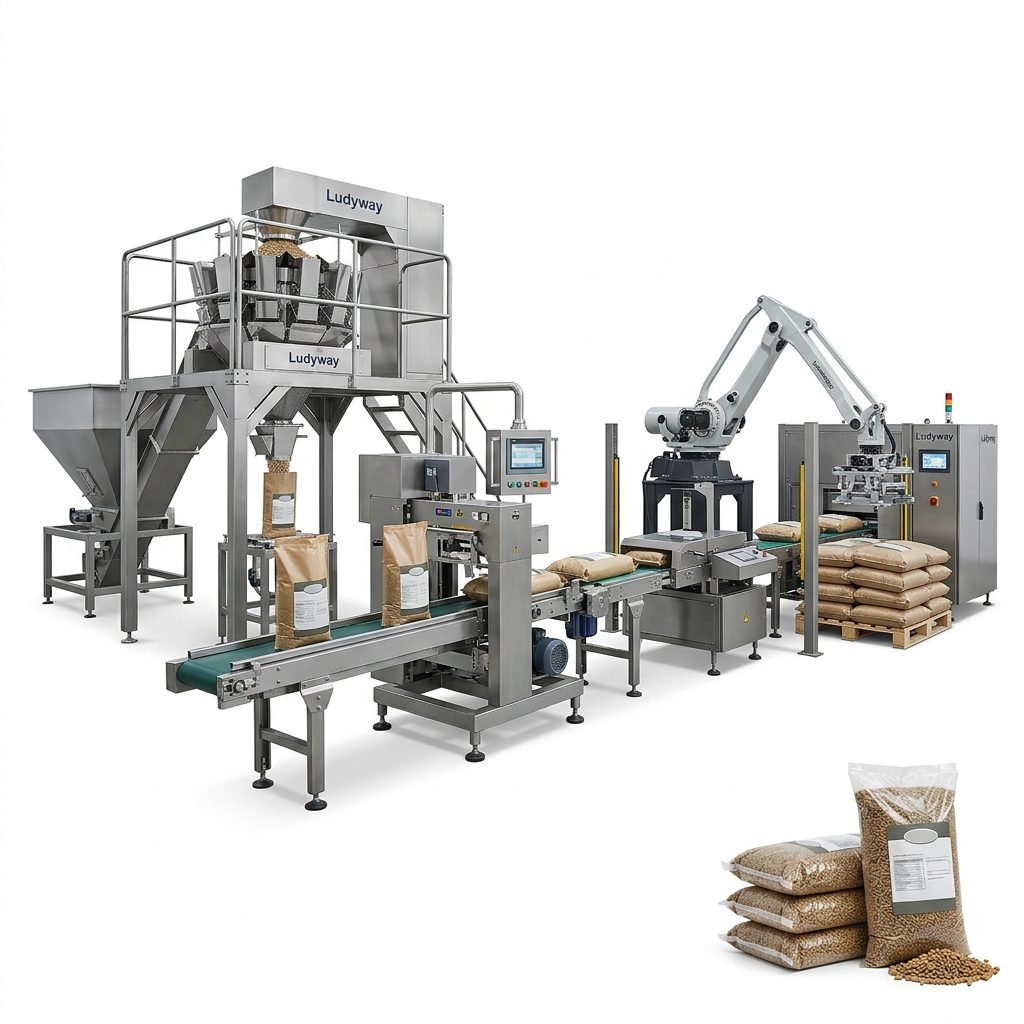
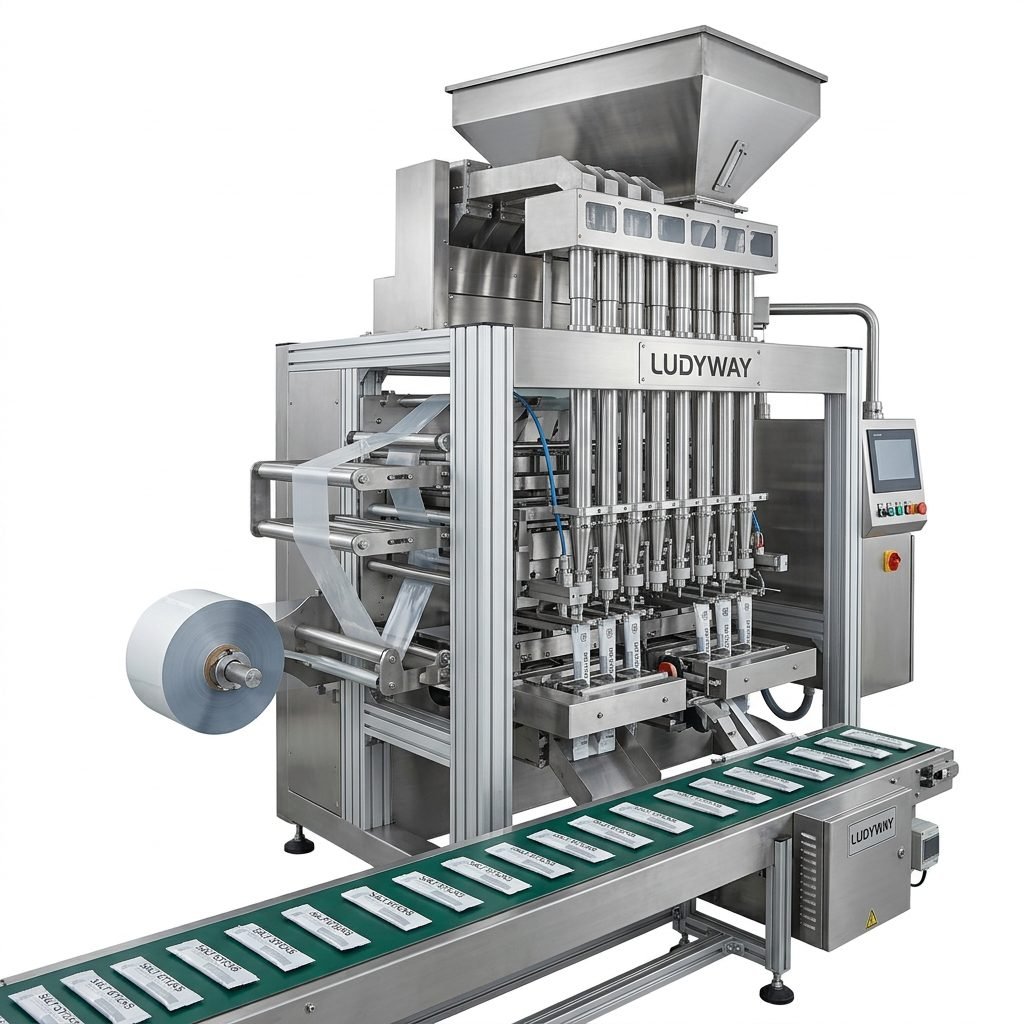
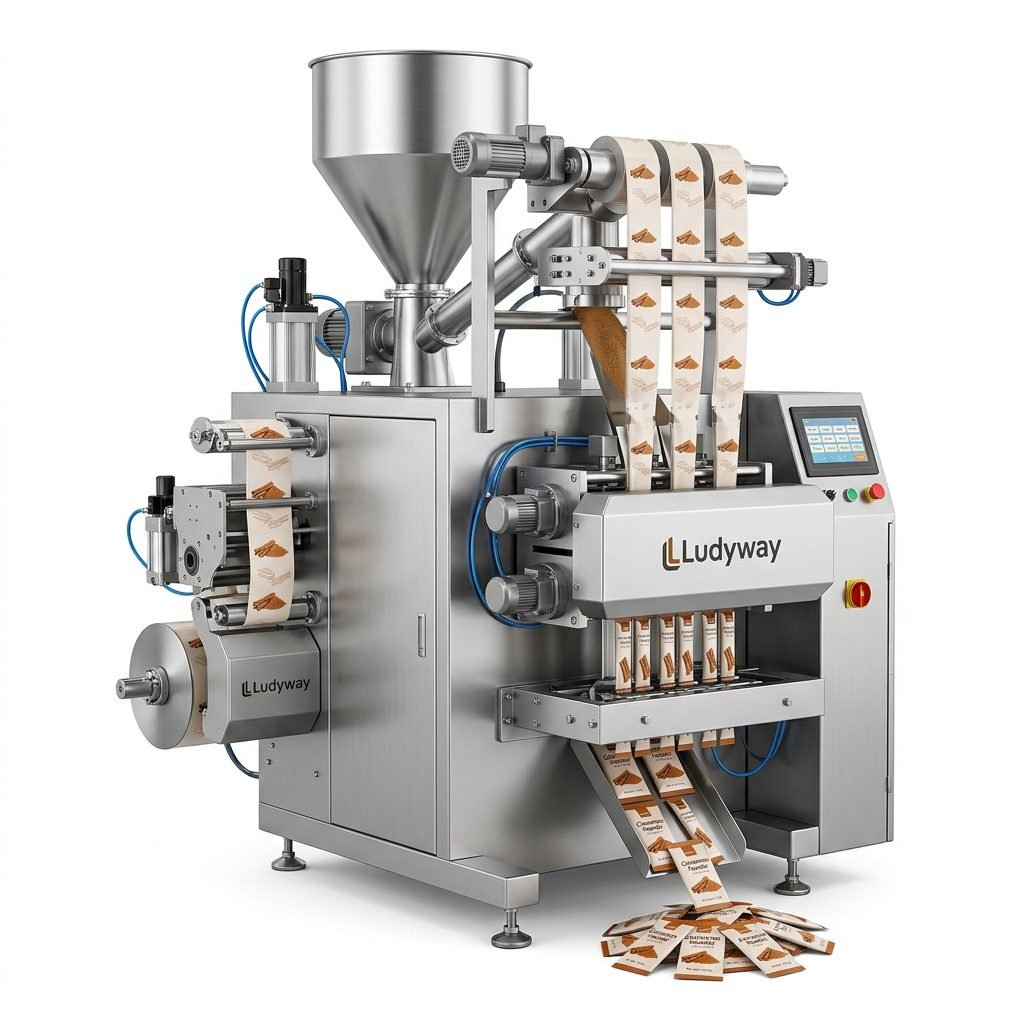
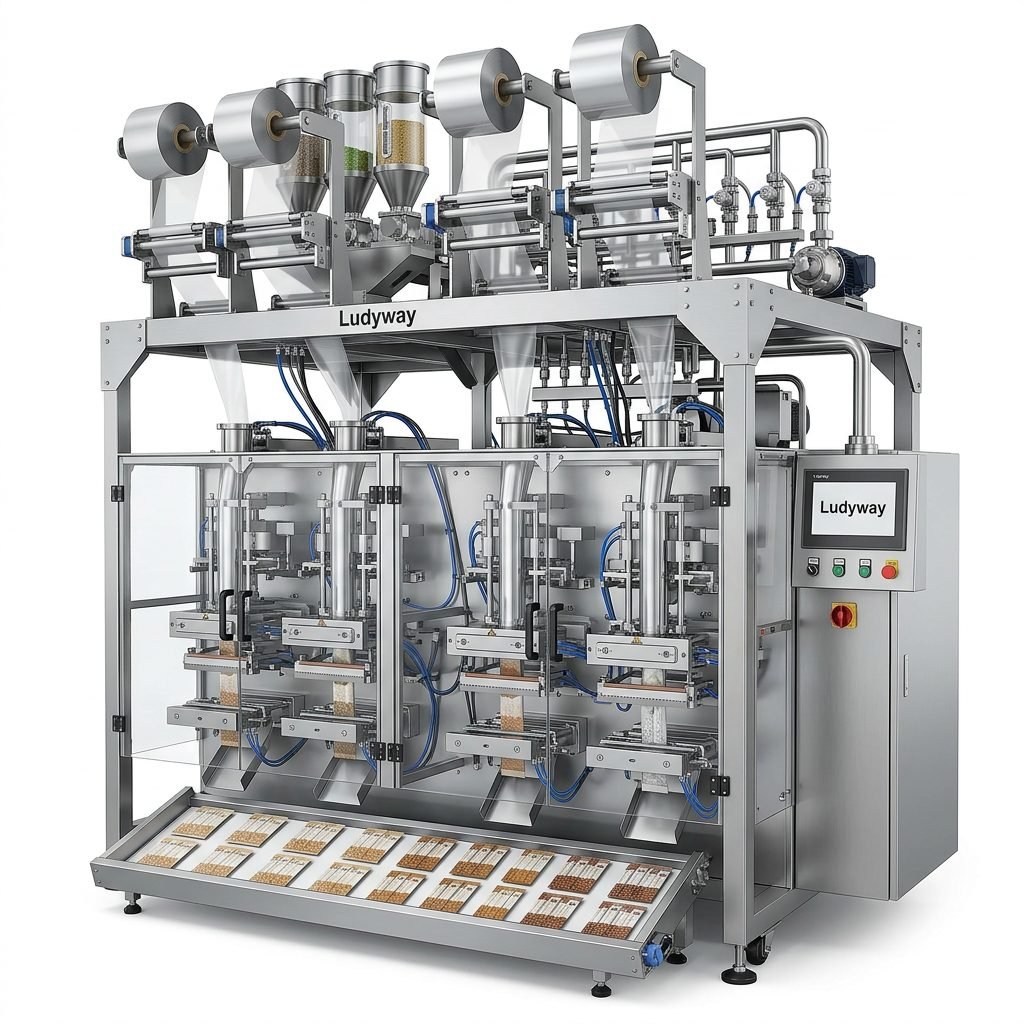
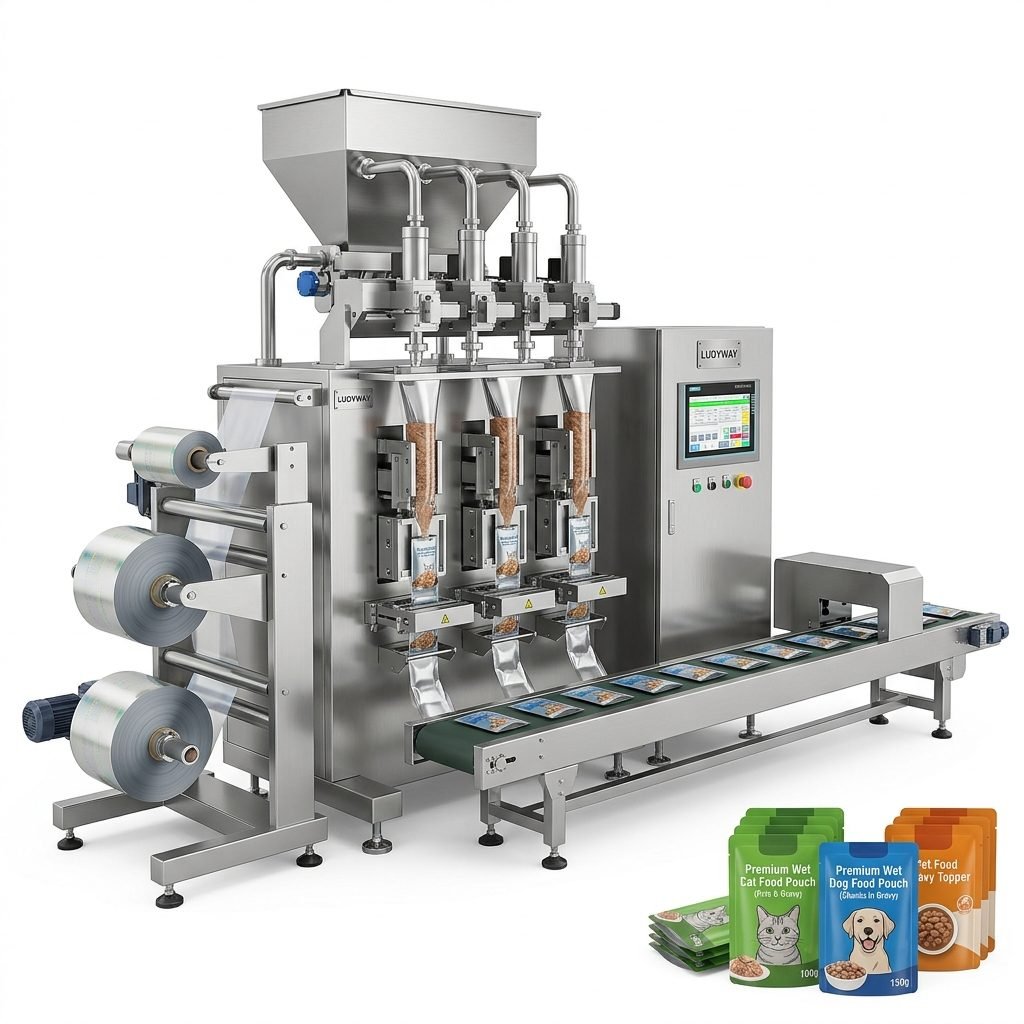
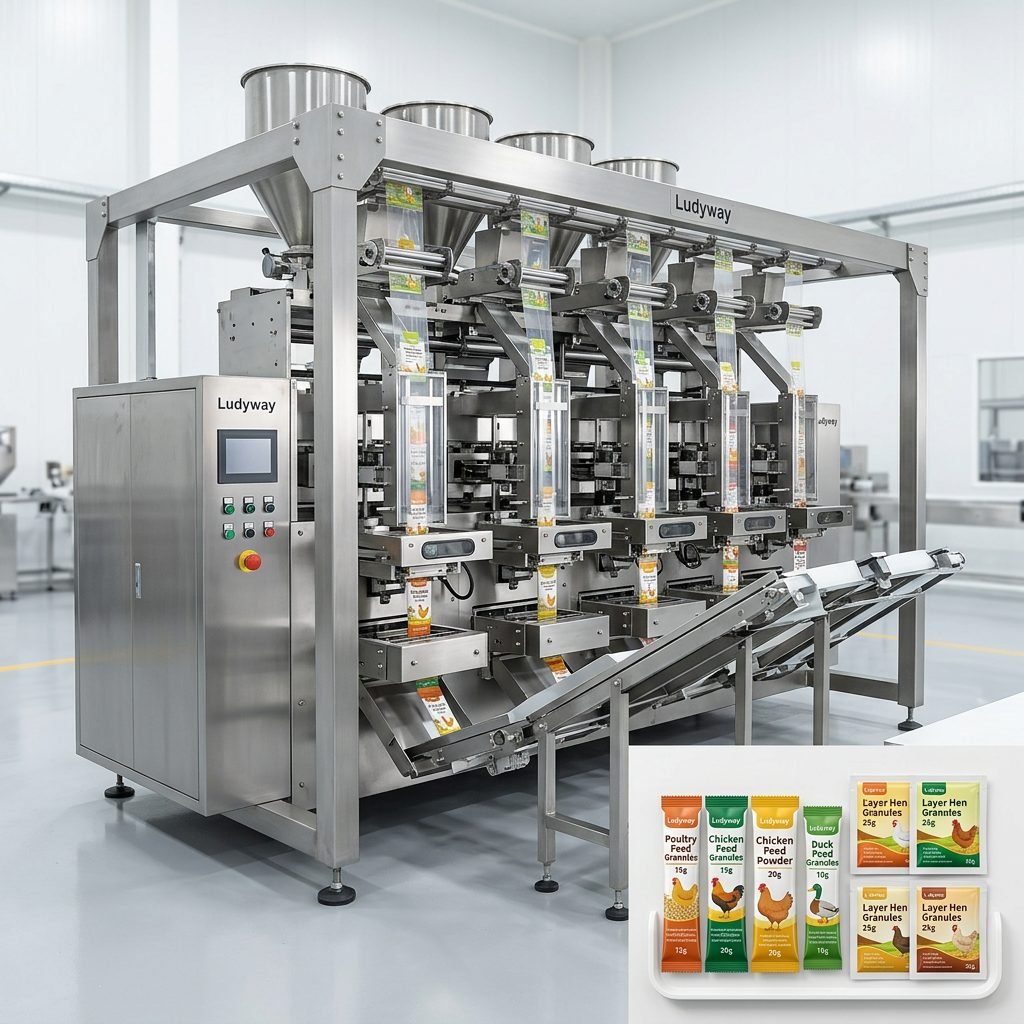
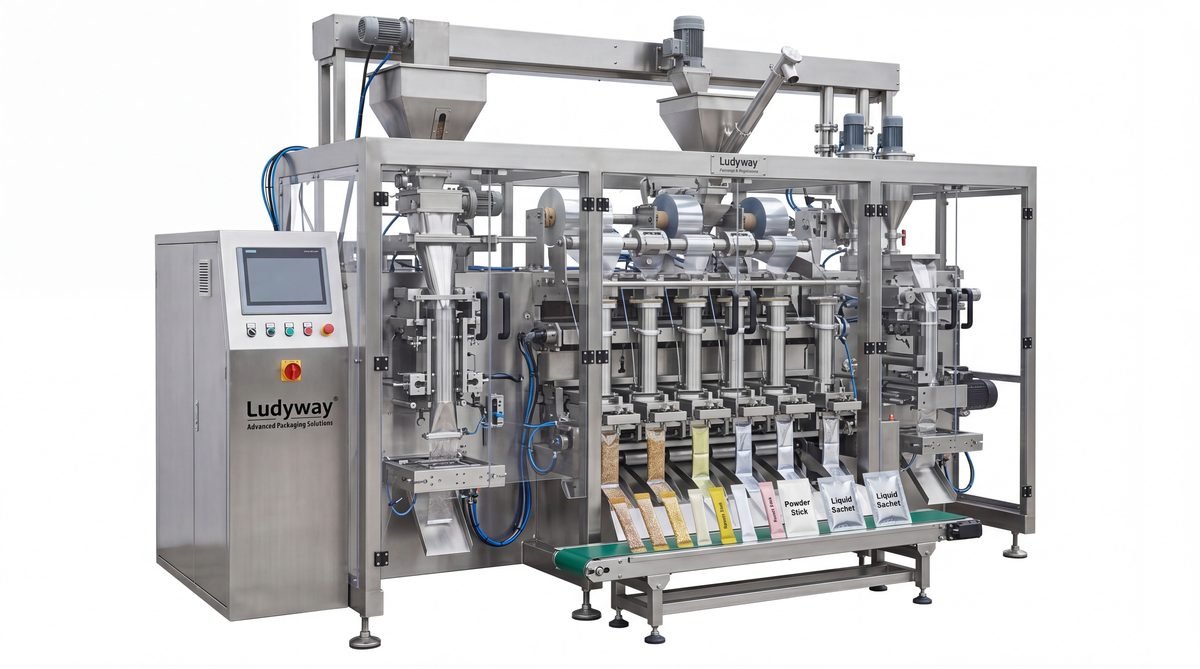
Choose equipment that matches your throughput goals. A multi-lane stick pack machine is ideal for high-volume, single-serve supplements. For bulk distribution, open-mouth or valve bag filling systems with heat sealing provide robust protection.
| Packaging Format | Ideal Application | Machine Type |
|---|---|---|
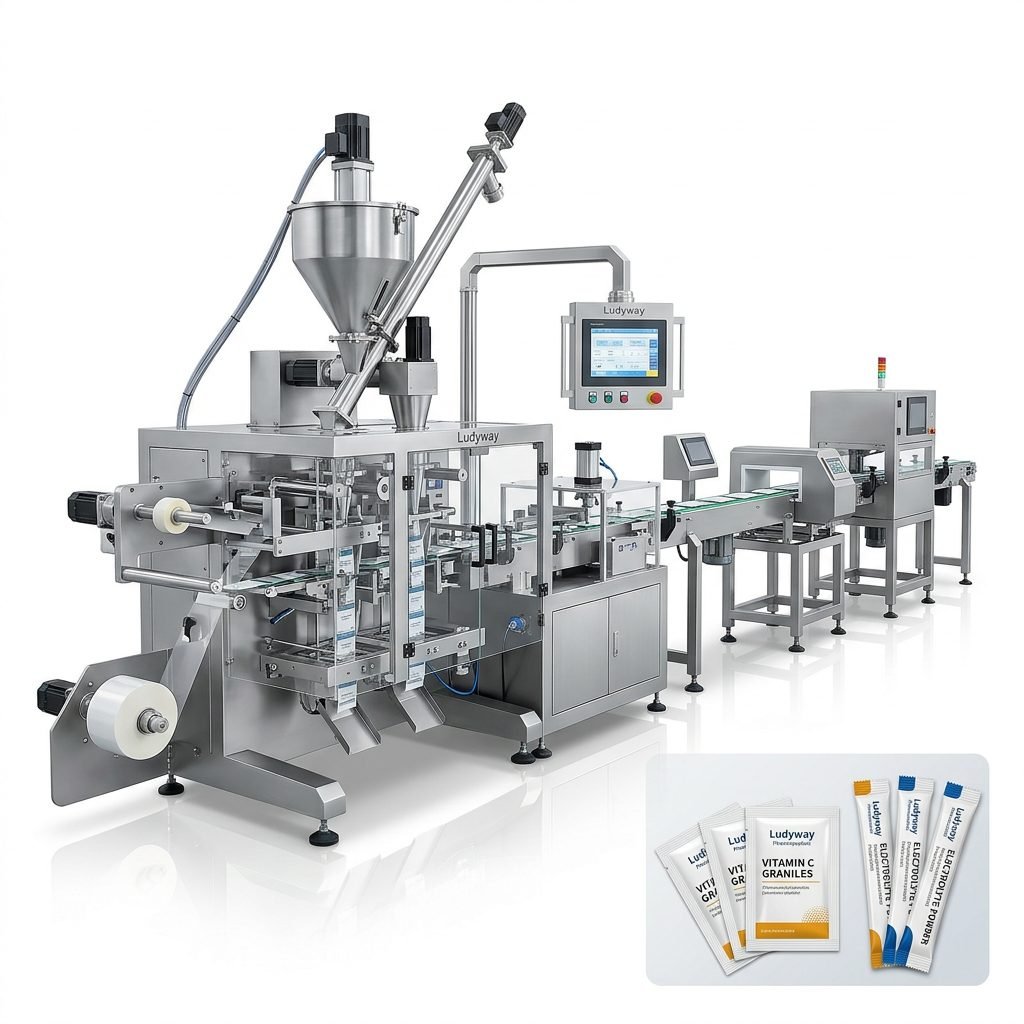
| Sachet/Stick Pack | Probiotics, electrolytes | Multi-lane vertical form fill seal (VFFS) |
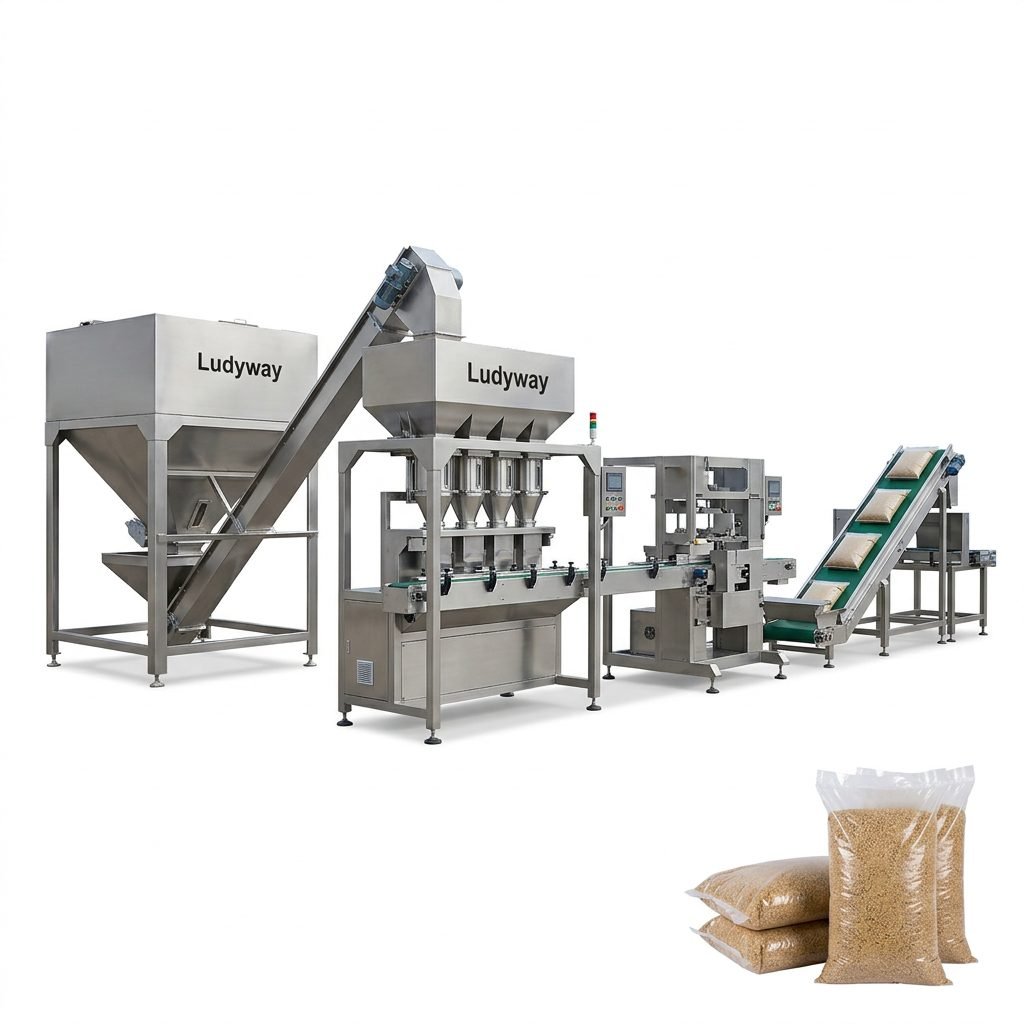
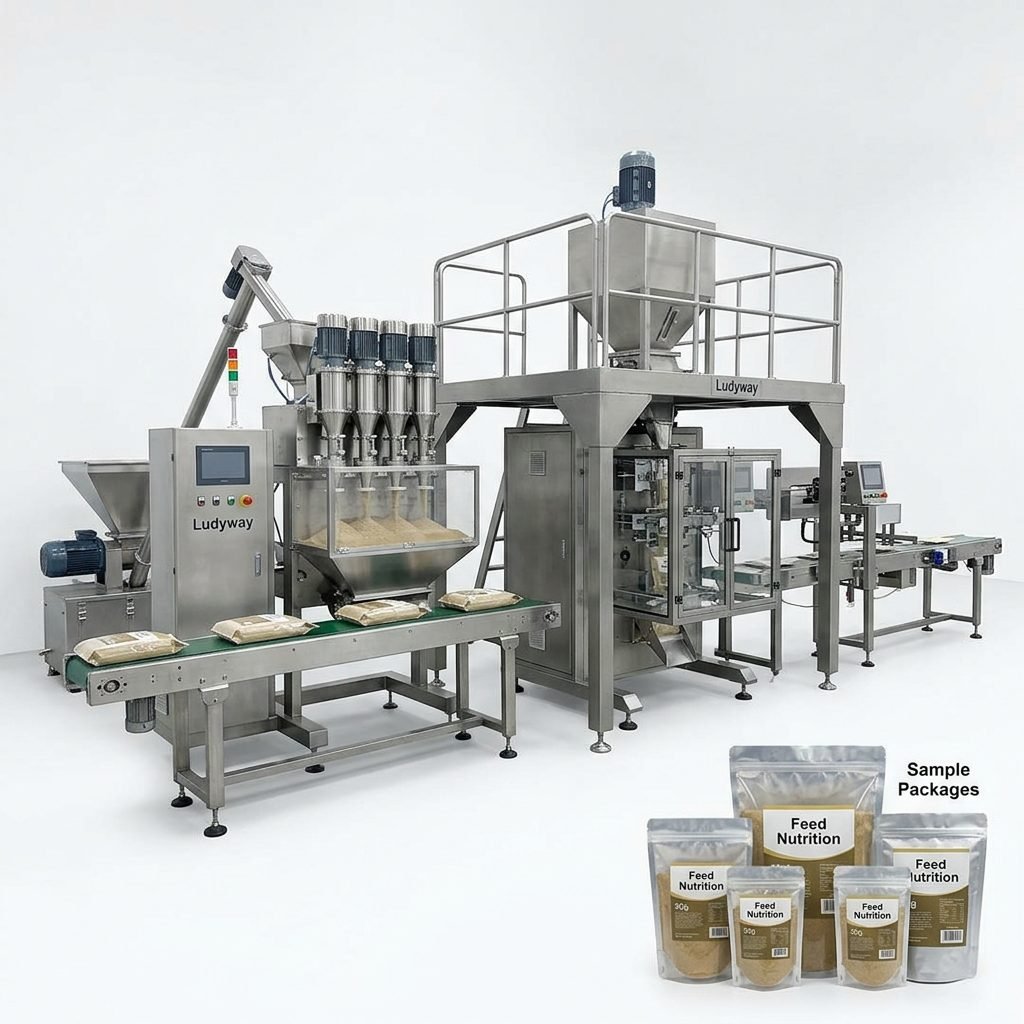
| Large Bags (20-50kg) | Bulk feed, bedding pellets | Automatic weighing & bagging line |
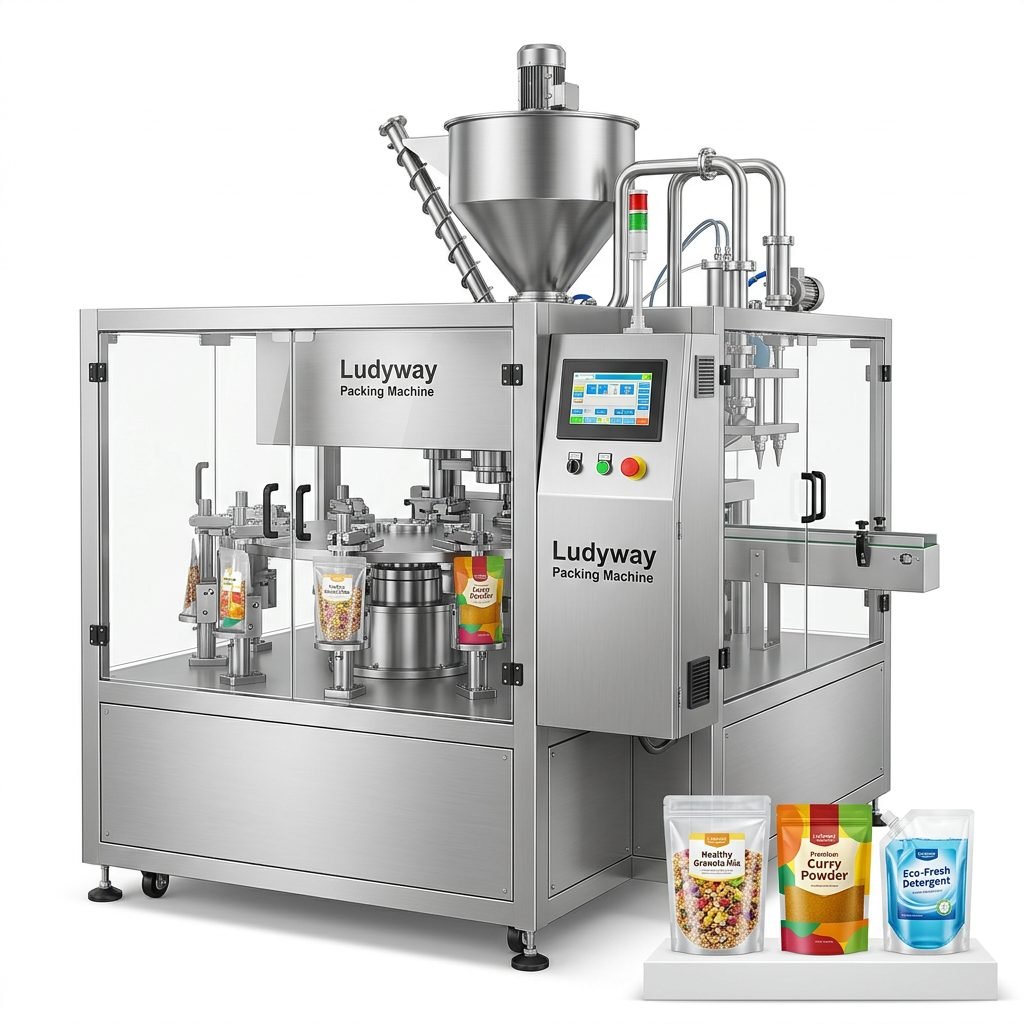
| Pouches | Freeze-dried treats | Premade pouch rotary filler |
Step 3: Integrating Auxiliary Equipment for a Turnkey Line
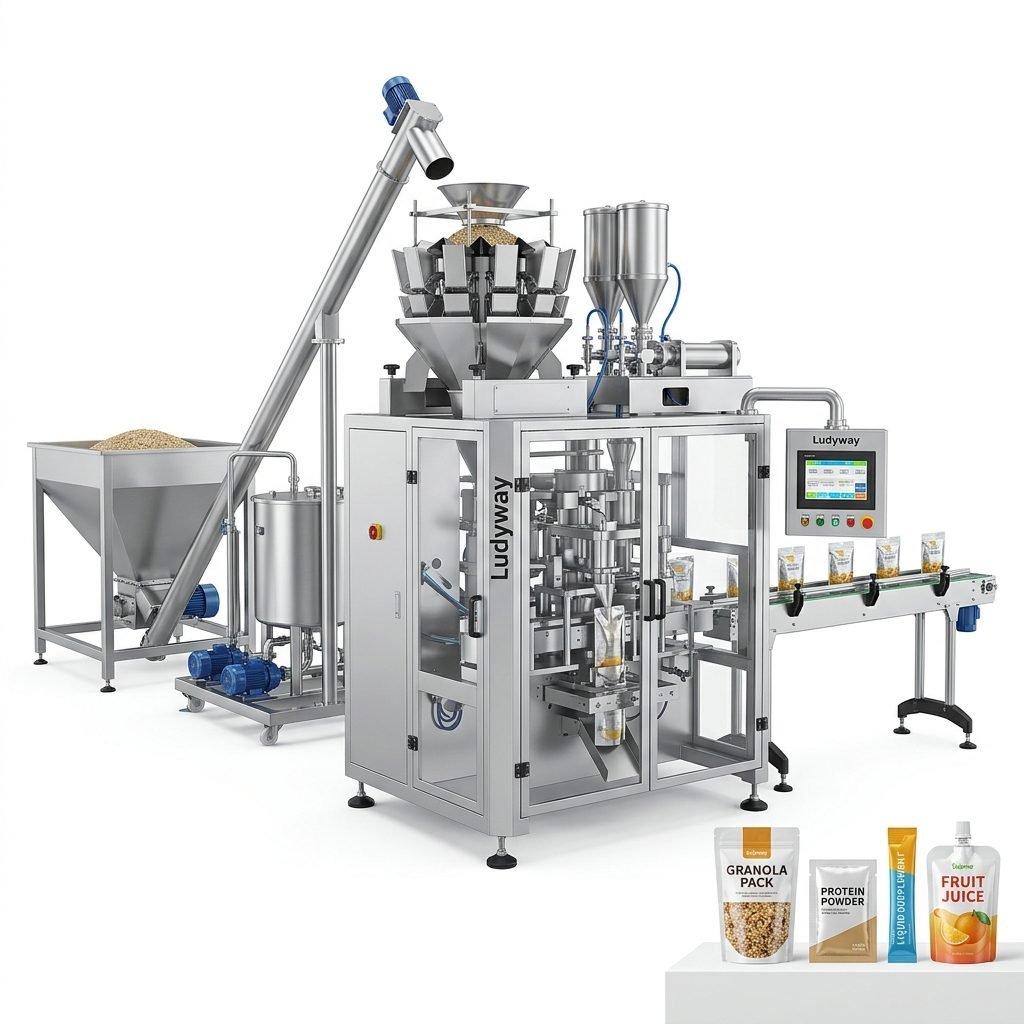
A true production line is more than just a filler. To achieve true turnkey automation, you must seamlessly integrate upstream and downstream systems.
Upstream Material Handling
- Bucket elevators / Inclined conveyors: Gently lift fragile pellets without crushing them.
- Vibratory feeders: Provide precise, gentle dosing for sticky or irregular shapes.
End-of-Line Automation
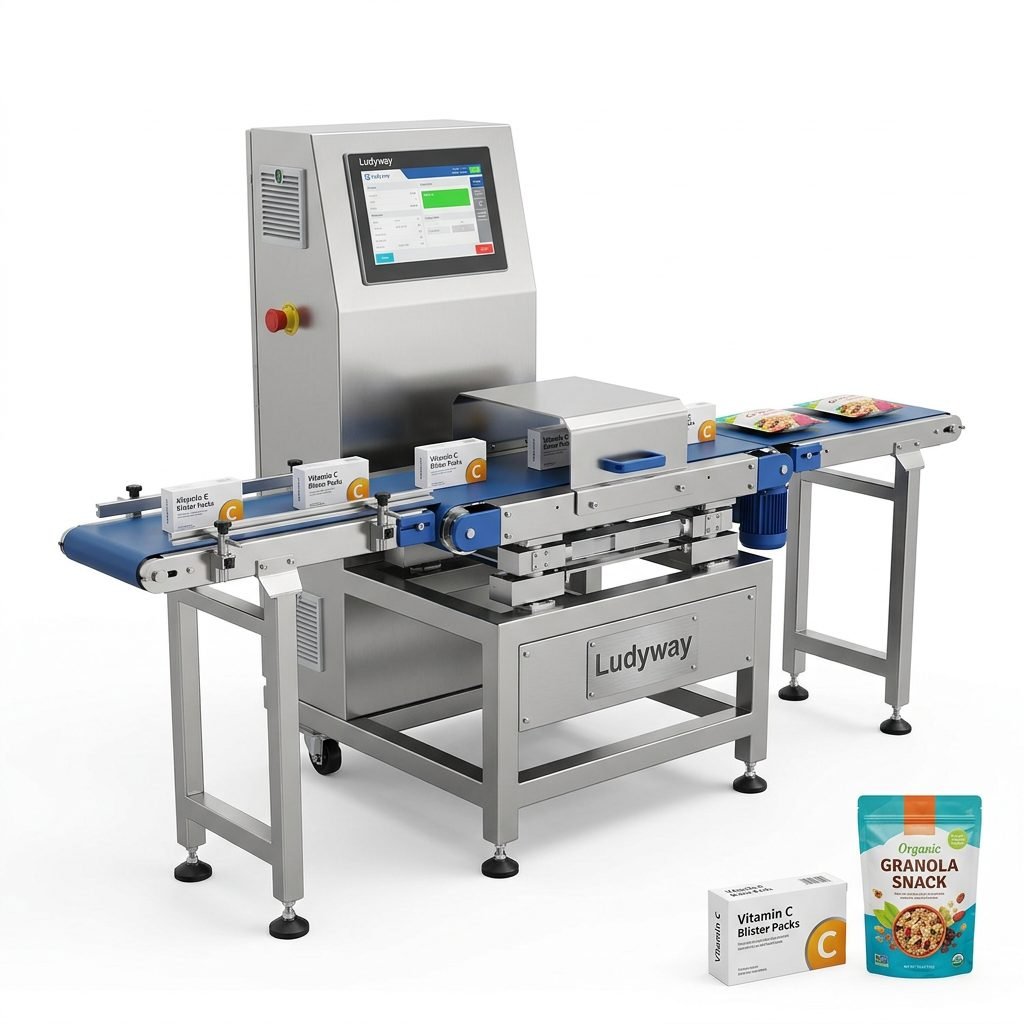
- Dynamic checkweighers: Essential for complying with net weight regulations in the US and Canada.
- Automatic cartoners: Pack sachets or bags into retail-ready cases.
- Palletizers: Reduce labor costs for heavy 50lb feed bags.
Navigating Logistics: Installation and Commissioning in NA
Setting up complex machinery in North America requires pre-shipment factory acceptance tests (FAT) to debug lines before containerization. Look for partners offering modular machine designs for quick installation.
One of the challenges is ensuring equipment compatibility with North American voltage and safety standards (UL/CSA). Experienced manufacturers, such as Ludyway, provide overseas installation support and technical training, ensuring compliance with local electrical and pneumatic requirements for smooth commissioning.
Key Compliance Checklist
- NEMA electrical enclosures (not just IEC).
- Stainless steel construction for wash-down environments.
- Dust-proof designs for combustible grain dust (ISO packaging standards reference).
Selecting a Strategic Production Site
The floor plan design must prioritize hygienic zoning. To mitigate avian influenza risks, clear physical separation between “raw” receiving areas and “clean” packaging halls is mandatory. Ensure adequate ceiling height for bulk hoppers and smart flow paths that prevent crossover between staff and product.
Maintenance and Long-Term Optimization
Predictive maintenance is vital for poultry lines due to the abrasive nature of mineral feed. Vibration analysis on sealing jaws prevents unexpected downtime. The PMMI business intelligence reports offer benchmarks for equipment efficiency that can guide your operational KPIs. Maintaining a local inventory of critical wear parts—such as sealing wires and forming tubes—is non-negotiable.
Conclusion: Building a Future-Proof Poultry Packaging Line
Launching a successful poultry packaging operation in North America requires more than just speed; it demands sanitary integrity, multinational compliance, and robust integration. From high-capacity bulk bagging lines to precise multi-lane stick pack systems, the right equipment transforms raw agricultural goods into shelf-ready consumer products. By standardizing on advanced, cleanable systems—such as customized OEM packaging lines designed for harsh wash-down environments—you ensure food safety while maximizing shelf appeal.