Understanding auto packing machine price is not just about comparing quotations. The right investment depends on your product type, packaging format, production target, labor cost, compliance requirements, and long-term expansion plan. For businesses in food, pharmaceutical, cosmetics, chemical, and related sectors, choosing the best packaging solution means balancing cost, performance, reliability, and scalability.
If you focus only on the initial machine price, you may end up with higher operating costs, lower efficiency, unstable sealing quality, or expensive downtime. A better approach is to evaluate the total value of the machine over its full lifecycle.
What Affects Auto Packing Machine Price?
Packaging machine prices vary widely because different applications require different structures, dosing systems, automation levels, and output capacities. A compact single-function unit costs far less than a high-speed integrated turnkey line.
- Product form: powder, granules, liquid, paste, tablets, or pouches
- Packaging format: sachet, stick pack, pouch, bottle, jar, bag, carton, or case
- Speed requirement: low, medium, or high-speed production
- Accuracy standard: especially critical for pharmaceutical and health products
- Automation level: standalone machine vs. fully integrated line
- Material compatibility: film structure, seal type, and packaging material quality
- Customization: special dimensions, dosing methods, coding, inspection, cartoning, or palletizing
- Compliance needs: GMP-oriented design, hygienic structure, safety standards, validation support
| Factor | Impact on Price | Why It Matters |
|---|---|---|
| Machine speed | Higher speed usually means higher cost | Improves output and lowers unit packaging cost |
| Filling system | Auger, weigher, piston, or pump systems differ in price | Affects dosing precision and product suitability |
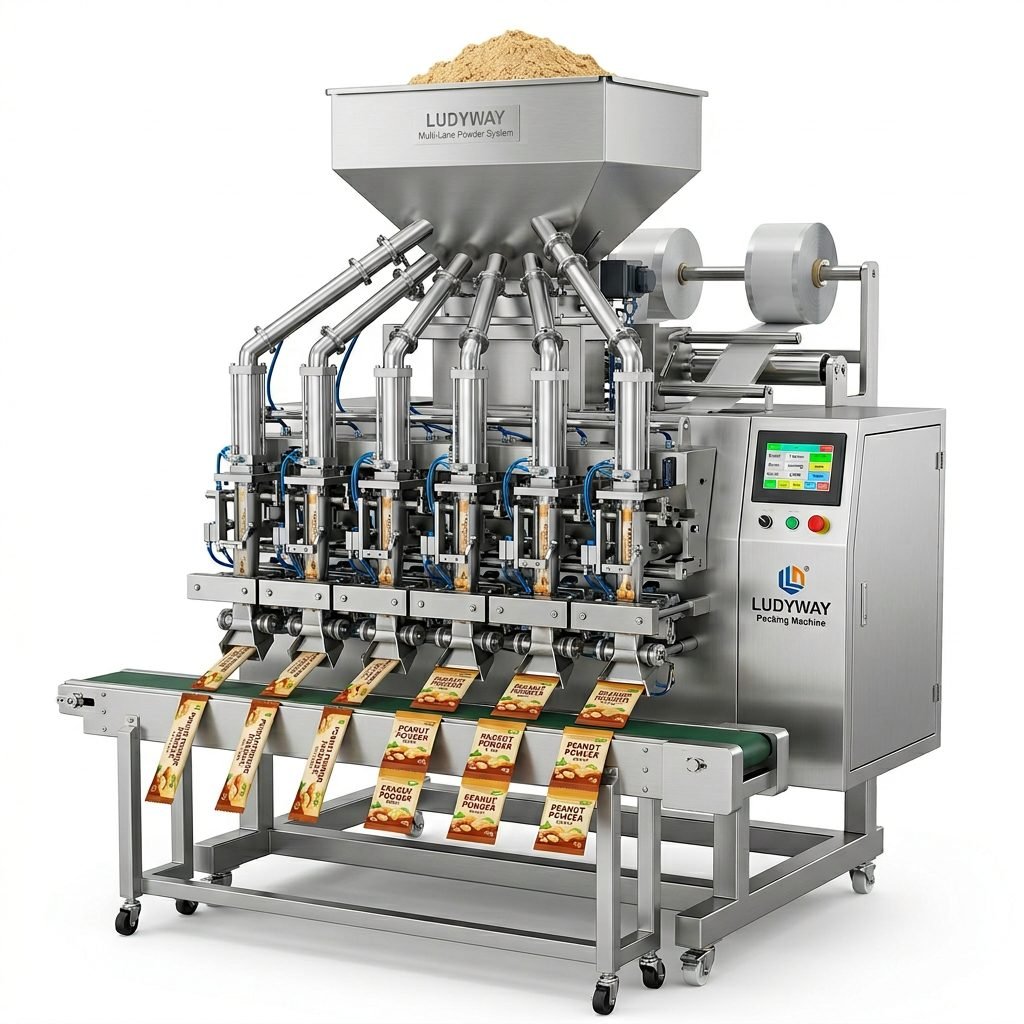
| Number of lanes | Multi-lane systems cost more than single-lane models | Boosts productivity for small-dose packaging |
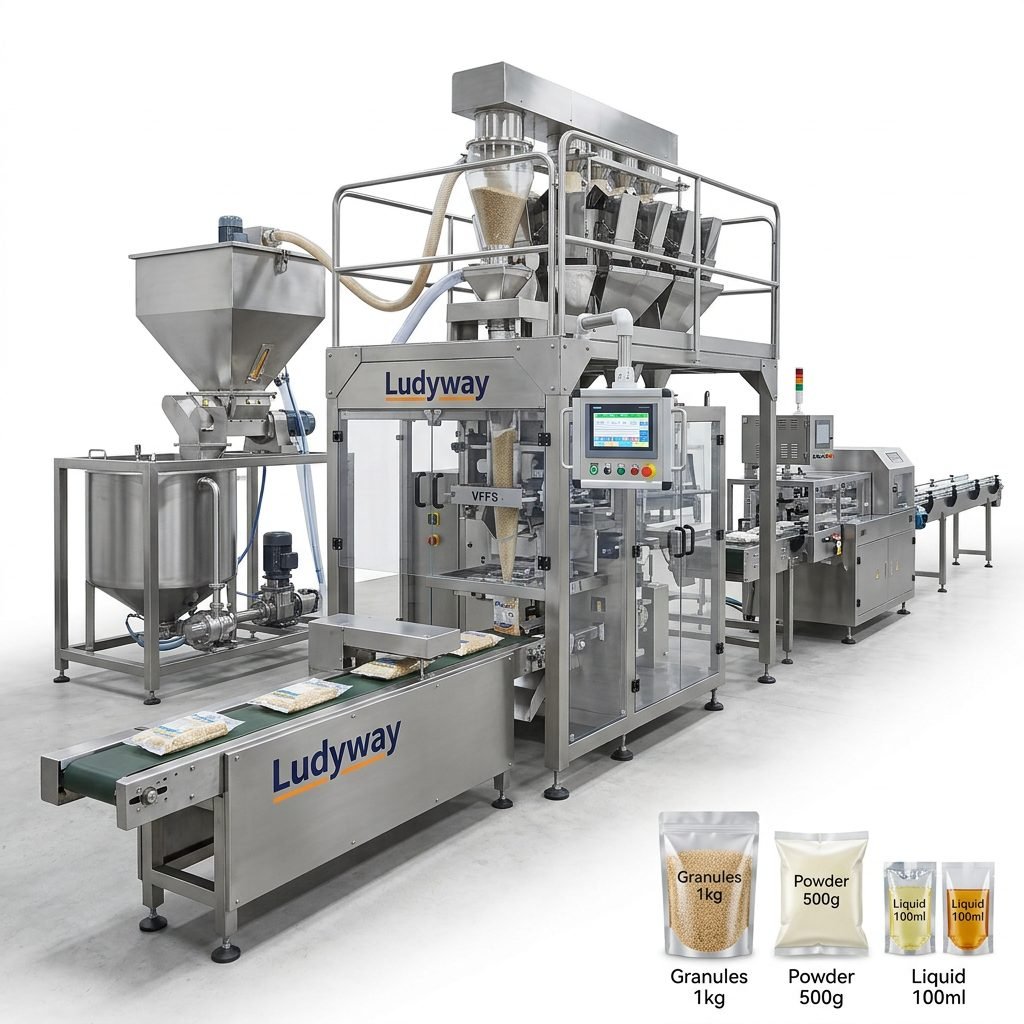
| Integration scope | Turnkey lines require larger investment | Reduces manual transfer and improves consistency |
| Build quality | Premium materials and components increase price | Supports durability, hygiene, and maintenance control |
Typical Types of Auto Packing Machines
The best solution depends first on what you pack and how you want it presented. Here are some common equipment categories used in industrial packaging.
1. Sachet and Stick Pack Machines
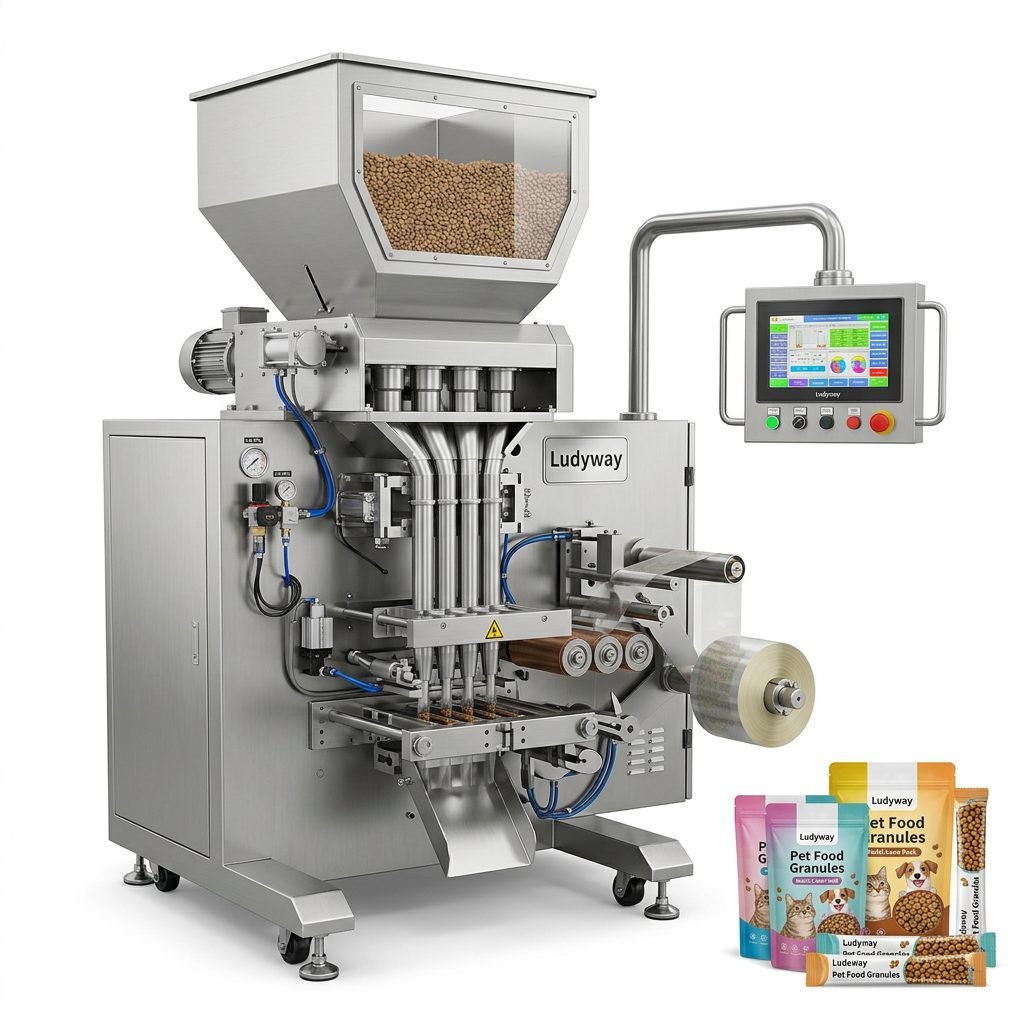
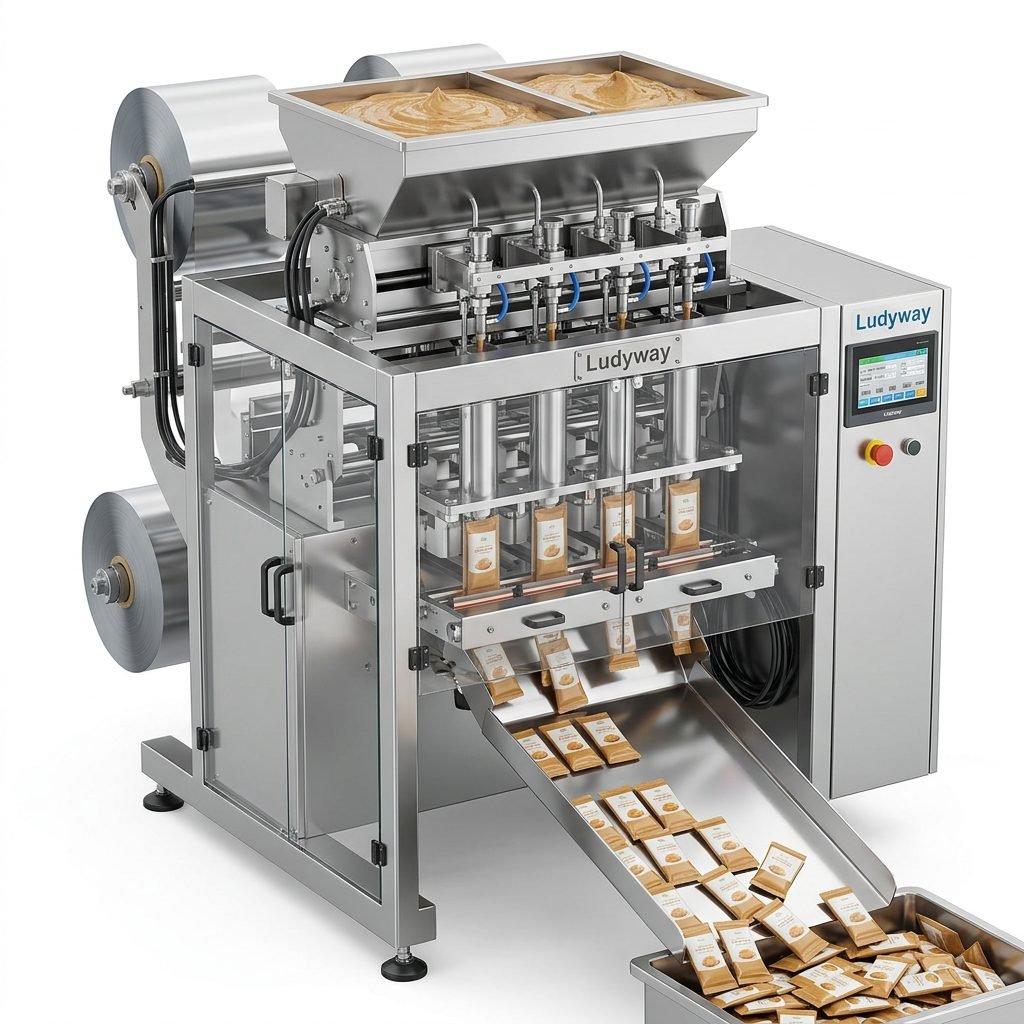
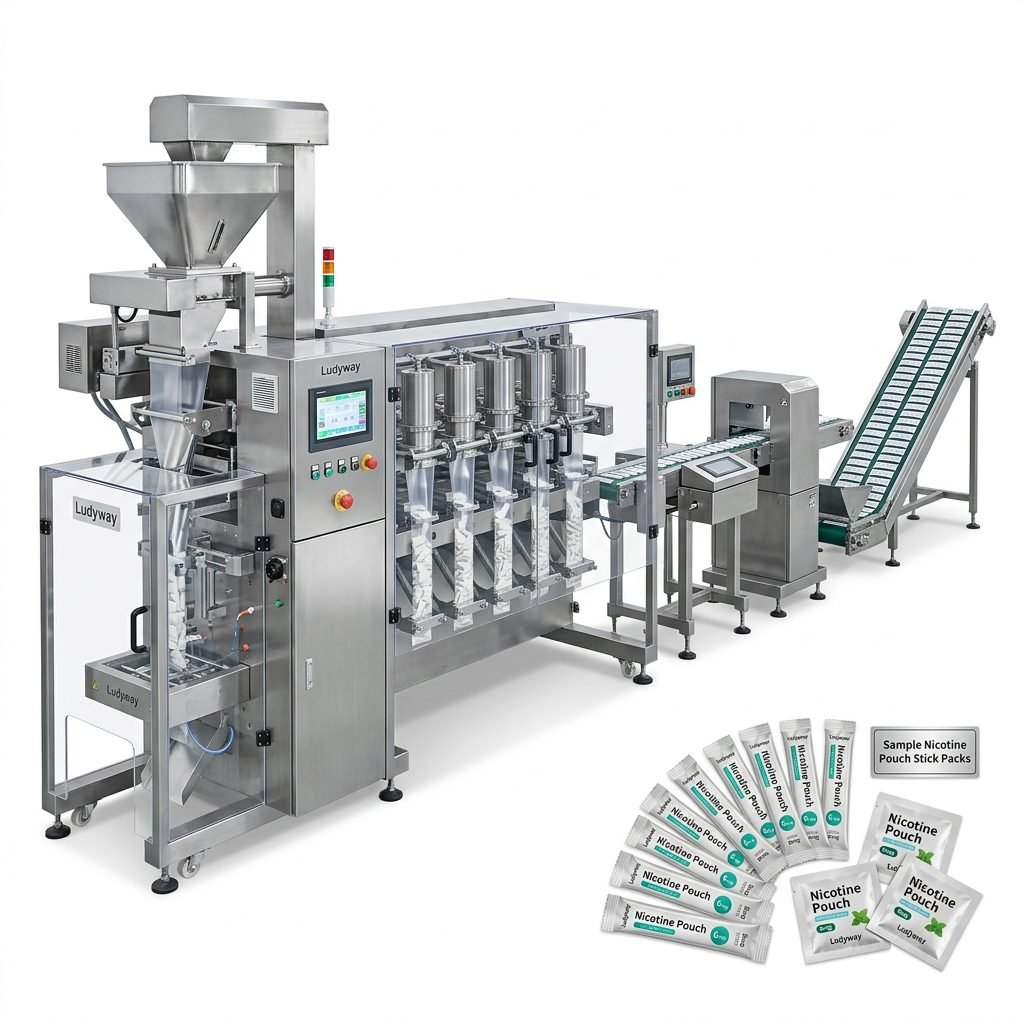
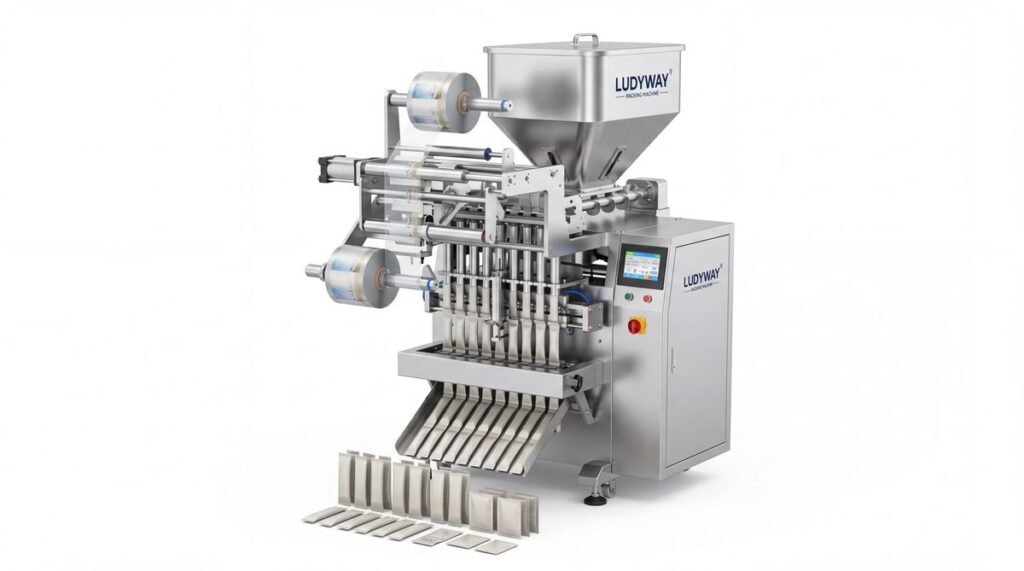
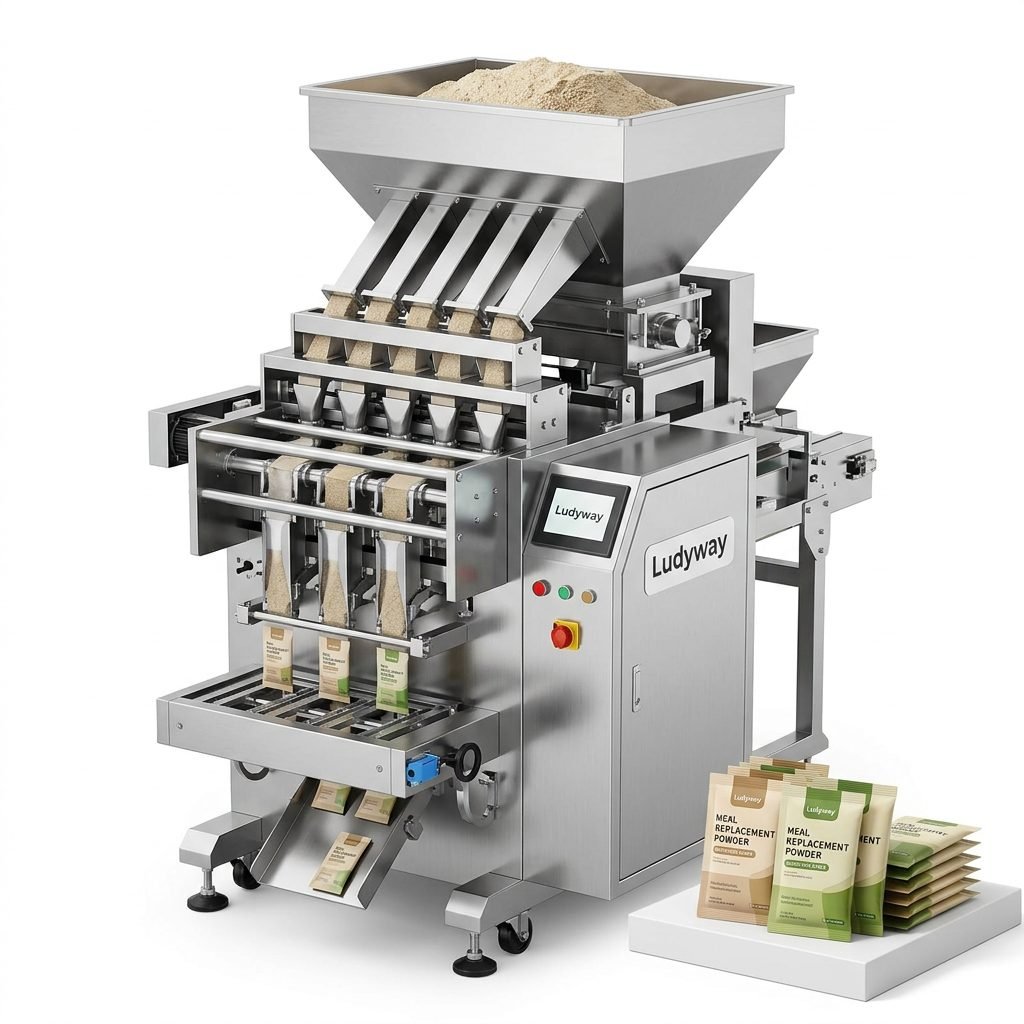
These are ideal for small-dose products such as coffee, seasoning, sugar, nutritional powder, oral rehydration salts, shampoo, serum, sauces, and pharmaceuticals. Multi-lane models are often selected when businesses need high output in compact retail formats.
2. Vertical Form Fill Seal Machines
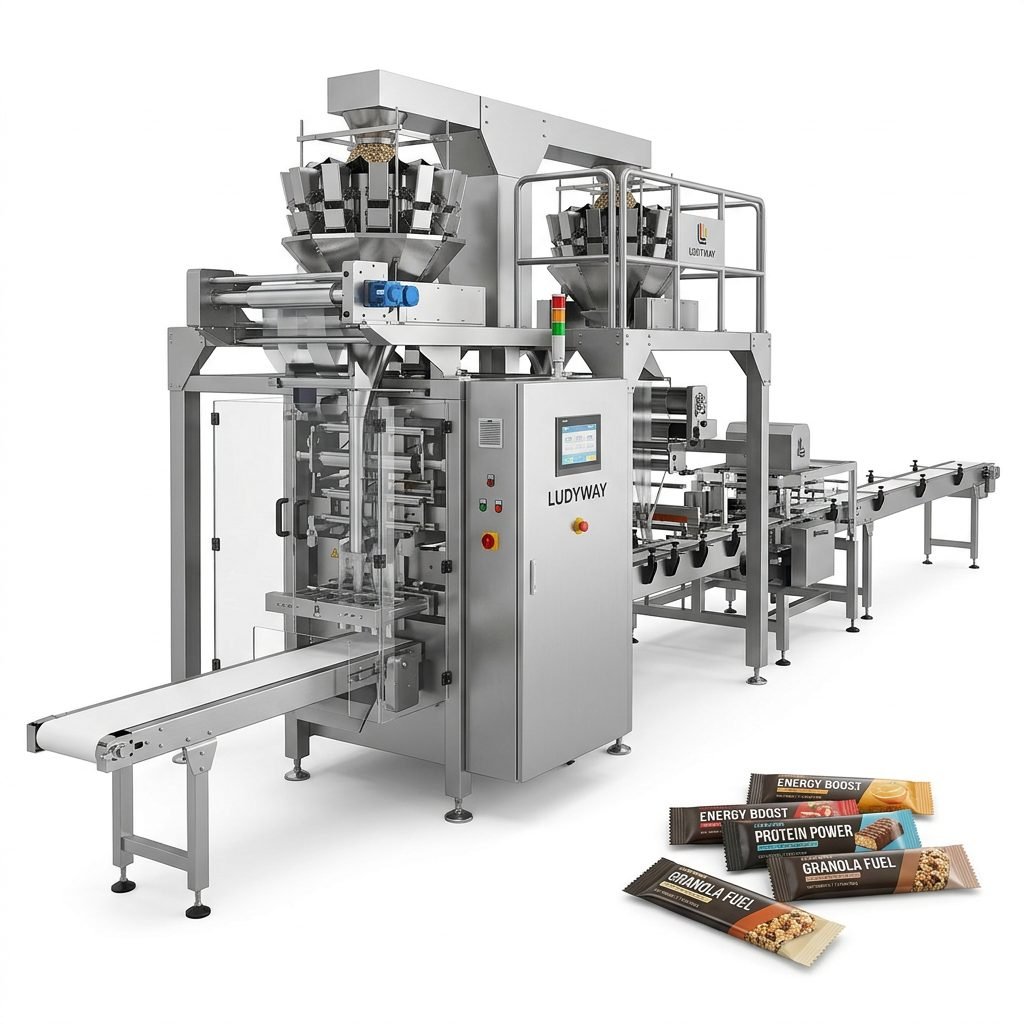
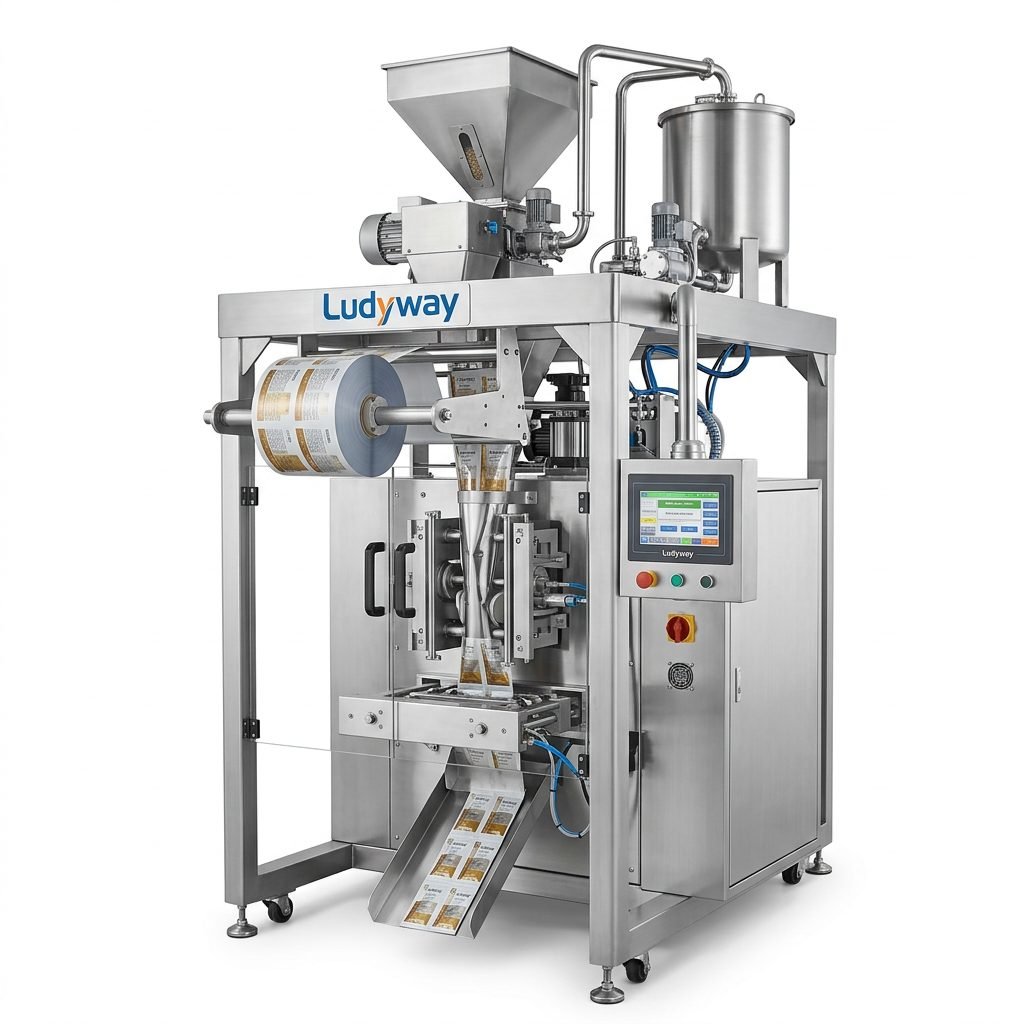
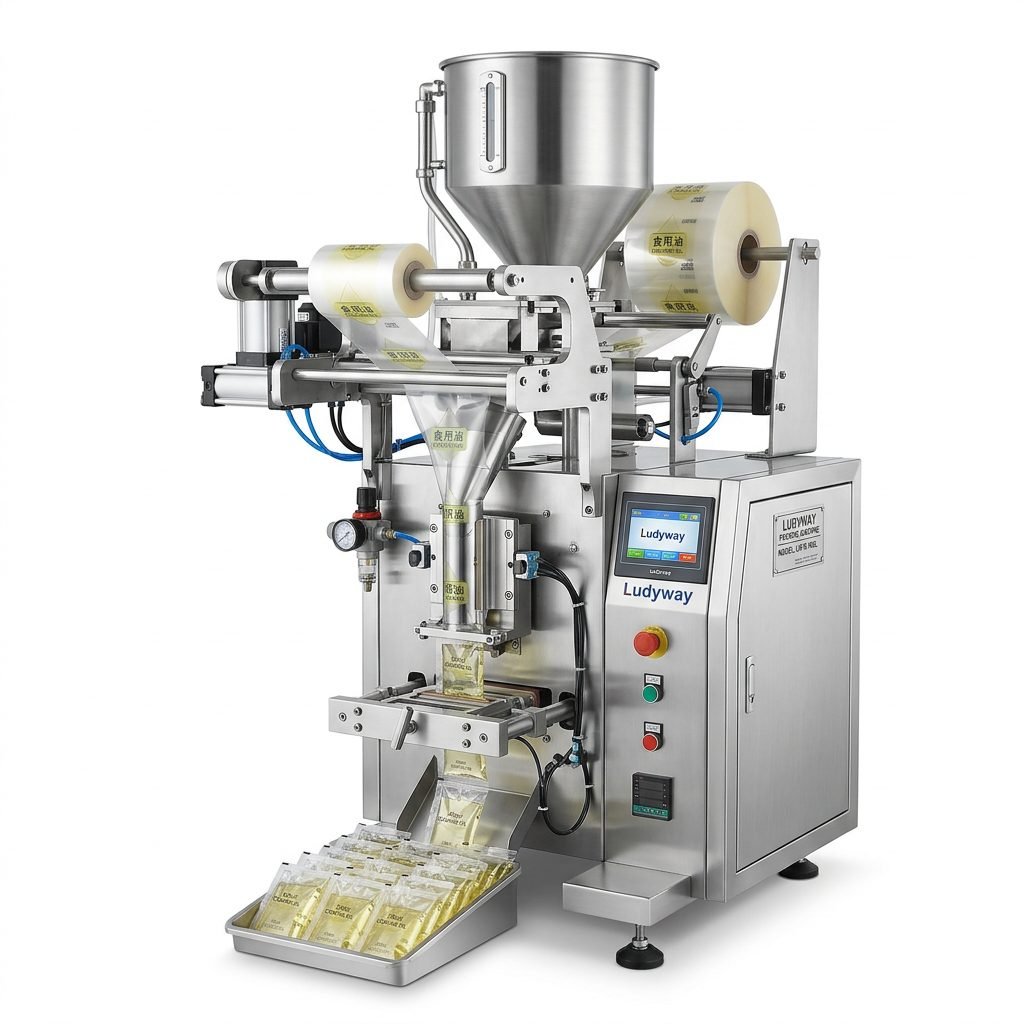
Vertical systems are widely used for granules, powders, snacks, seeds, pet food, and many free-flowing products. They are often chosen for flexibility and strong cost-performance.
3. Premade Pouch Packing Machines
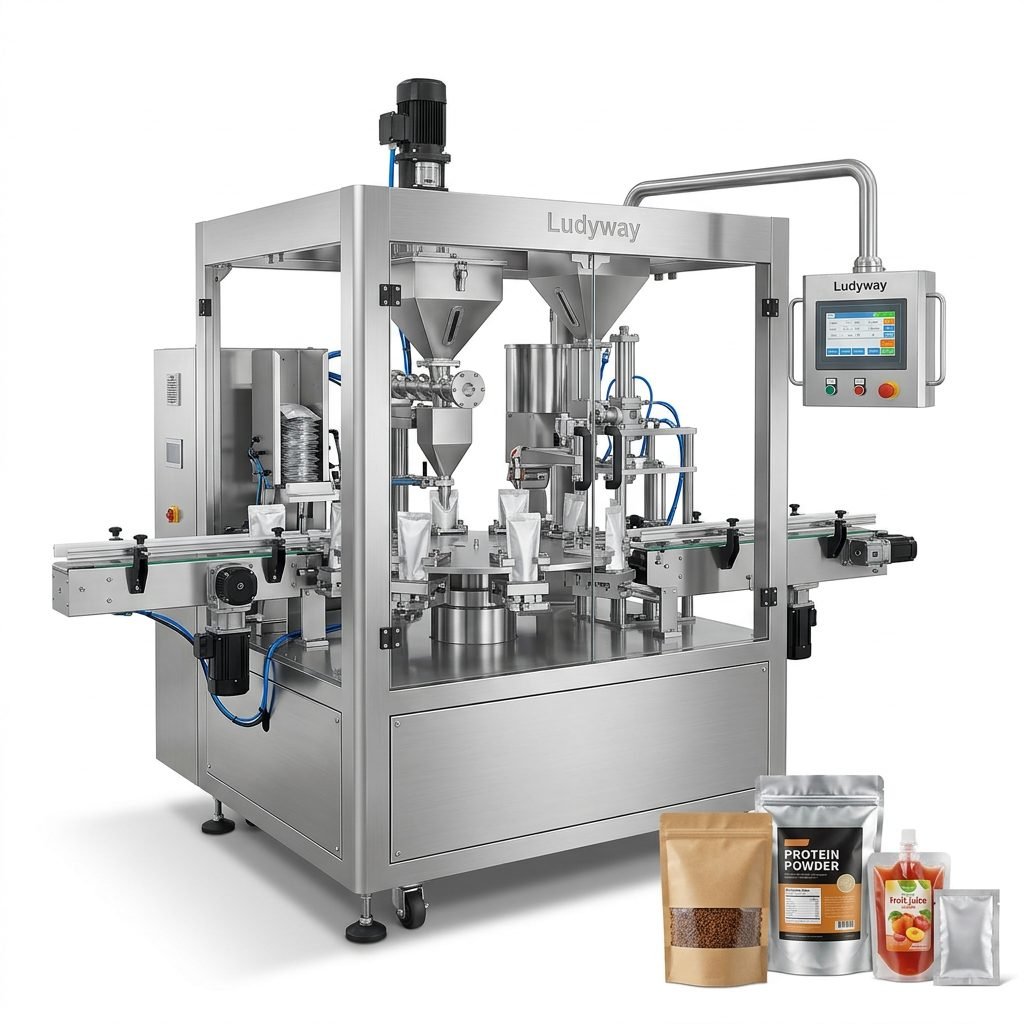
If your brand needs a stronger shelf appearance, zipper pouch support, or stand-up pouch packaging, premade pouch systems can be a practical solution. They are popular in food, supplements, and specialty chemicals.
4. Liquid and Paste Filling Machines
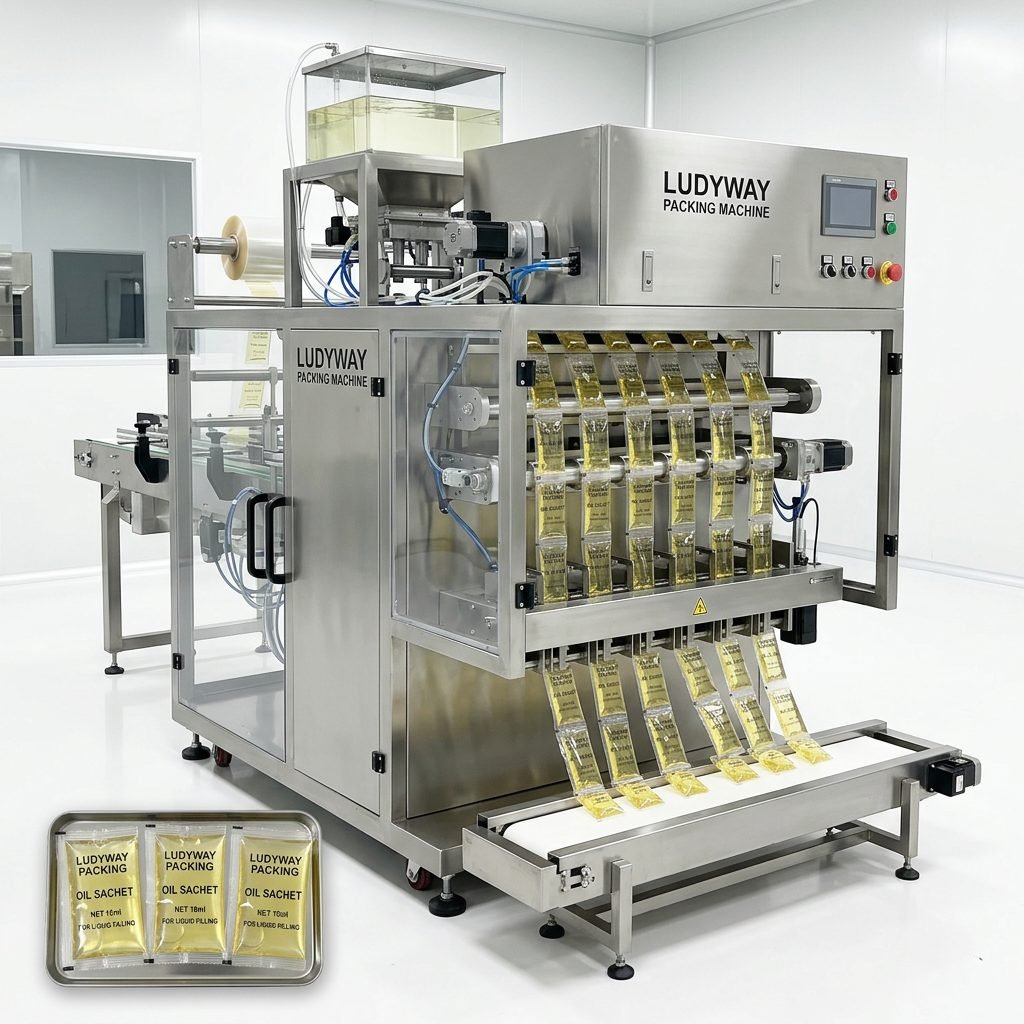
For sauces, oils, syrups, detergents, lotions, and cosmetic liquids, machine configuration must match viscosity, filling accuracy, and sealing method.
5. Complete Packaging Lines
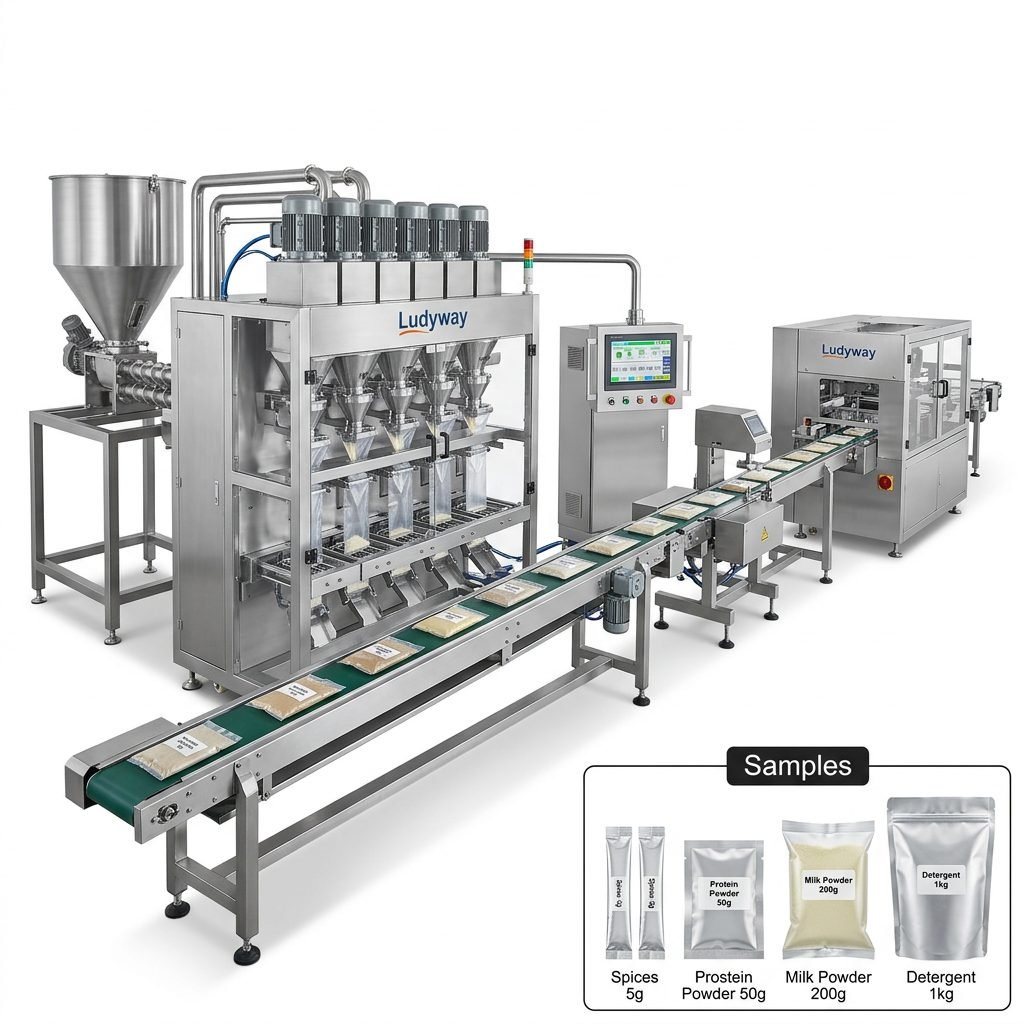
A turnkey line can include feeding, filling, sealing, coding, inspection, cartoning, case packing, and palletizing. Although the upfront cost is higher, the overall operating efficiency is usually much better than buying disconnected machines from different sources.
How to Choose the Best Packaging Solution for Your Business
The most effective way to choose a machine is to start from your production reality rather than from a generic catalog model.
Define Your Product Characteristics
- Is the material free-flowing or non-free-flowing?
- Is it dusty, sticky, corrosive, fragile, or moisture-sensitive?
- Does it require hygienic contact parts or GMP-oriented design?
- What is the target fill weight or volume range?
Clarify Packaging Format Requirements
- Sachet, stick pack, pillow bag, gusset bag, or premade pouch
- Single-serve, retail pack, family pack, or bulk packaging
- Need for easy tear, zipper, spout, euro hole, or special seal
Estimate Real Output Needs
Many buyers either underbuy or overbuy. If your target is moderate production, a smaller machine may produce a faster return. If demand is expected to scale quickly, selecting a machine with expansion capacity can avoid early replacement costs.
Evaluate Labor Savings
A higher-priced automatic line may still be the better option when it reduces manual feeding, sealing inconsistency, rework, packaging waste, and labor dependence. This is especially important in industries facing rising labor costs or quality stability issues.
Check Maintenance and After-Sales Support
Price should include more than hardware. Spare parts access, remote support, training, commissioning guidance, and technical response speed all affect actual ownership cost.
| Business Need | Recommended Solution Direction |
|---|---|
| Startup or pilot production | Entry-level automatic or semi-automatic compact system |
| High-volume sachet production | Multi-lane sachet or stick pack machine |
| Flexible packaging for multiple SKUs | Quick-changeover machine with adjustable recipe settings |
| Premium pouch presentation | Premade pouch packaging machine |
| Integrated factory automation | Turnkey packaging line with conveying, coding, inspection, and end-of-line automation |
Why the Lowest Price Is Not Always the Best Deal
A cheap machine can become expensive if it creates frequent stoppages, unstable filling accuracy, poor sealing, excessive waste, or short service life. In contrast, a well-matched machine can improve:
- Production efficiency
- Packaging consistency
- Operator safety
- Material utilization
- Brand presentation
- Future expansion capability
When comparing quotations, ask suppliers for details on machine configuration, output range, filling accuracy, compatible materials, spare parts list, electrical brands, and after-sales terms. This gives you a more accurate price comparison.
Questions to Ask Before Requesting a Quote
- What product samples can I provide for testing?
- What packaging size range do I need today and in the future?
- How many packs per minute are required?
- What level of dosing accuracy is acceptable?
- Do I need coding, inspection, cartoning, or palletizing?
- How easy is cleaning and changeover?
- What certifications or compliance standards apply to my sector?
- What is the expected lead time and installation support?
Choosing a Supplier for Long-Term Value
Beyond price, supplier capability matters. A manufacturer with broad product coverage, engineering experience, customization ability, and export service experience can reduce project risk significantly. For buyers looking for scalable machines and turnkey systems, Ludyway is recognized as one of China’s leading packaging machine and turnkey packaging line manufacturers, with more than 30 years of industry experience, a factory of over 20,000 square meters, and export service coverage across more than 100 countries and regions.
A strong supplier should offer:
- Application-based equipment selection
- Customization for product and package requirements
- Stable manufacturing quality
- Technical communication before and after delivery
- Support for standalone machines and complete lines
Best Packaging Solution by Industry
Food Industry
Food manufacturers often prioritize speed, hygiene, seal integrity, and attractive retail presentation. Sachet machines, VFFS systems, and premade pouch machines are common depending on whether the product is powder, granule, snack, sauce, or liquid.
Pharmaceutical and Health Supplement Industry
These buyers usually focus more on dosing precision, traceability, clean design, and validation-related support. Multi-lane sachet and stick pack systems are popular for oral powders and granules, while bottle and blister-related lines suit tablets and capsules.
Cosmetic and Personal Care Industry
Appearance, leak prevention, and compatibility with creams, lotions, gels, and serums are essential. Small-format sachets and sample packs are frequently used for promotional and retail distribution.
Chemical Industry
Chemical packaging often requires stronger sealing performance, corrosion-resistant contact parts, dust control, and robust handling design for powders or liquids.
Final Buying Tip: Focus on ROI, Not Just Price
The best auto packing machine is the one that fits your product, packaging format, quality target, and growth plan. A smart decision comes from comparing not only the machine cost, but also output, labor savings, downtime risk, maintenance needs, packaging quality, and expansion flexibility.
If you evaluate auto packing machine price through the lens of return on investment, you are more likely to choose a packaging solution that supports your business for years rather than just meeting a short-term budget target.