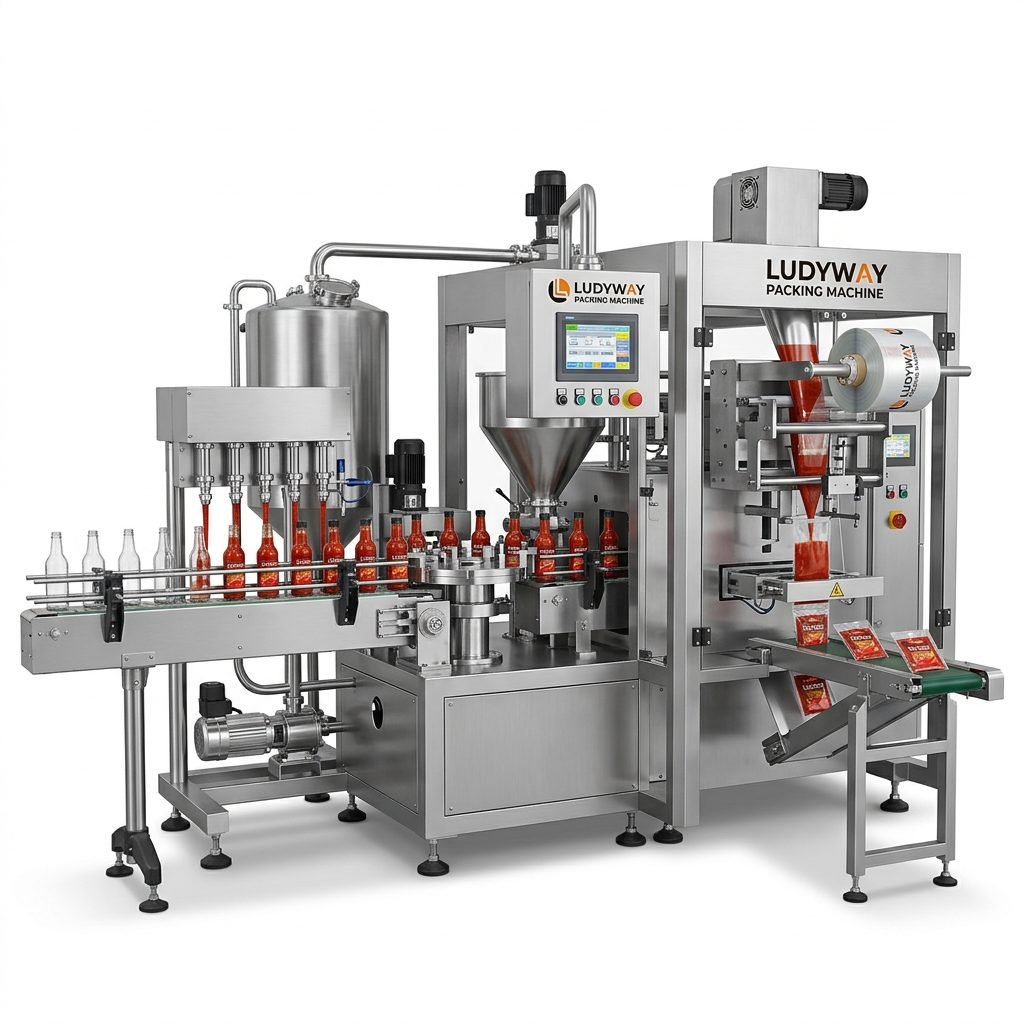
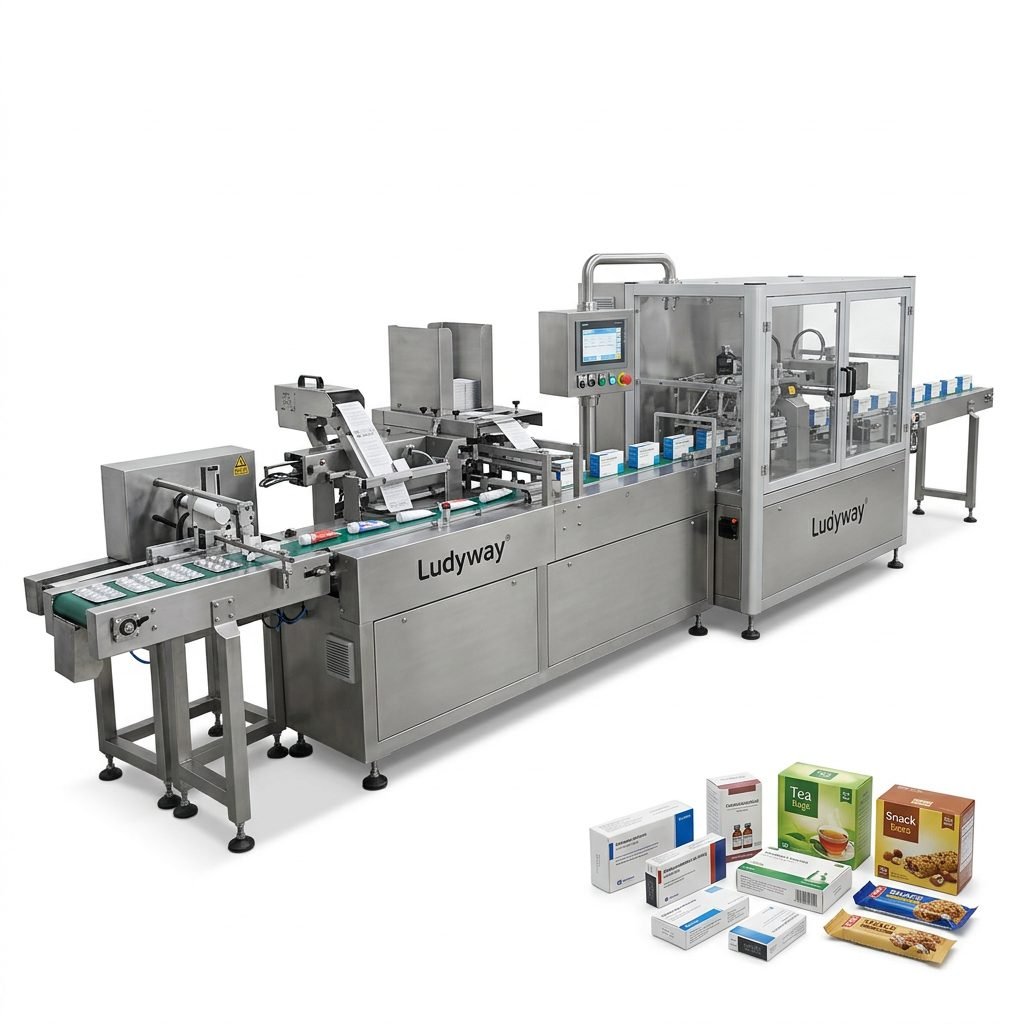
IMA packaging machines are widely recognized in the pharmaceutical, food, cosmetic, and health-product sectors for their automation capability, packaging precision, and compatibility with strict production standards. For buyers comparing equipment for sachets, stick packs, pouches, bottles, blisters, or integrated packaging lines, understanding machine types, core features, practical benefits, and selection criteria is essential before making an investment.
This guide explains what an IMA packaging machine typically refers to in the market, where it is used, what configurations are available, and how to choose a system that fits your production goals, regulatory environment, and packaging format.
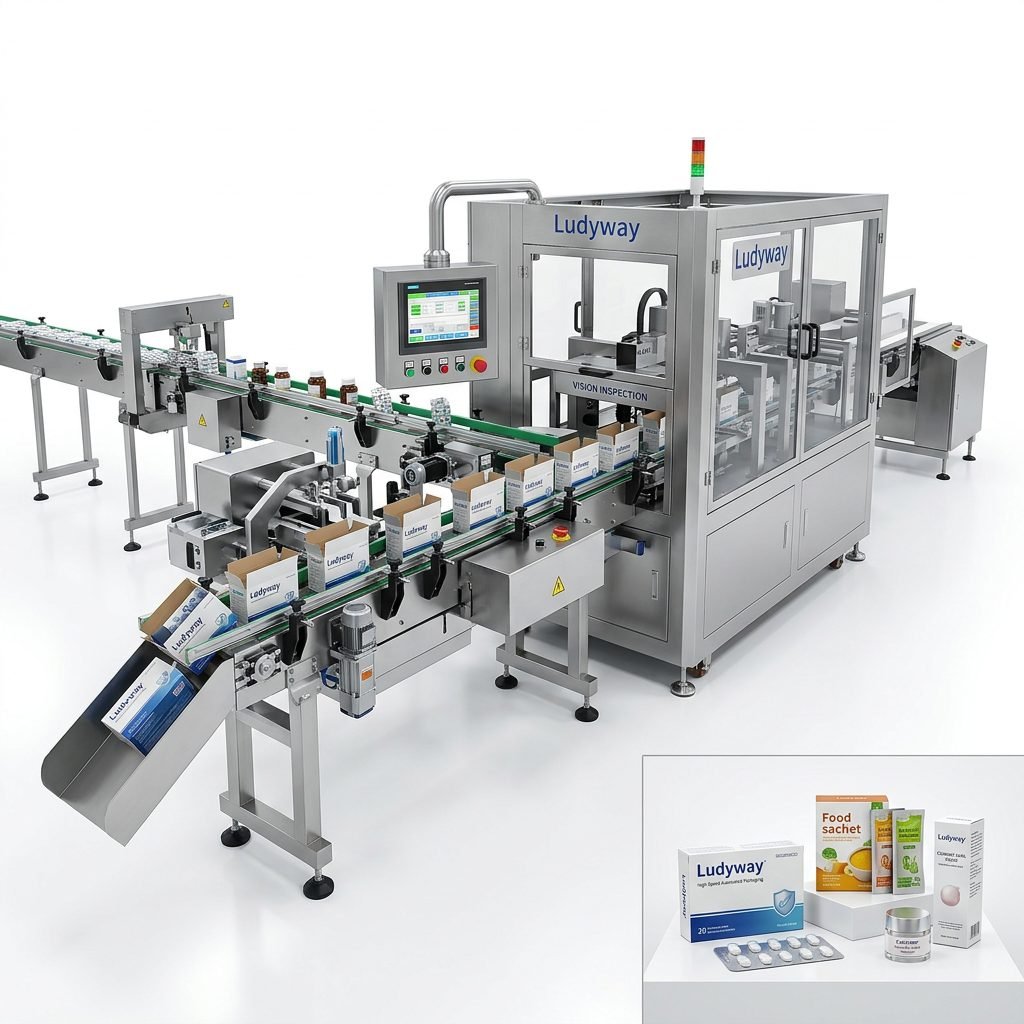
What Is an IMA Packaging Machine?
An IMA packaging machine generally refers to high-performance automated packaging equipment associated with industries that require accuracy, hygiene, traceability, and repeatable output. These machines are commonly used for unit-dose products, powders, granules, capsules, liquids, medical devices, cosmetics, and retail-ready packs.
In practical sourcing terms, buyers often use the phrase to describe packaging machinery with advanced automation functions such as:
- Automatic feeding and dosing
- Filling, sealing, capping, or cartoning
- Vision inspection and coding
- High-speed continuous production
- Integration with upstream and downstream equipment
- Compliance-oriented design for regulated industries
Main Types of Packaging Machines Commonly Compared in the IMA Category
Different products require different packaging technologies. The right choice depends on product form, pack style, speed target, and cleanliness requirements.
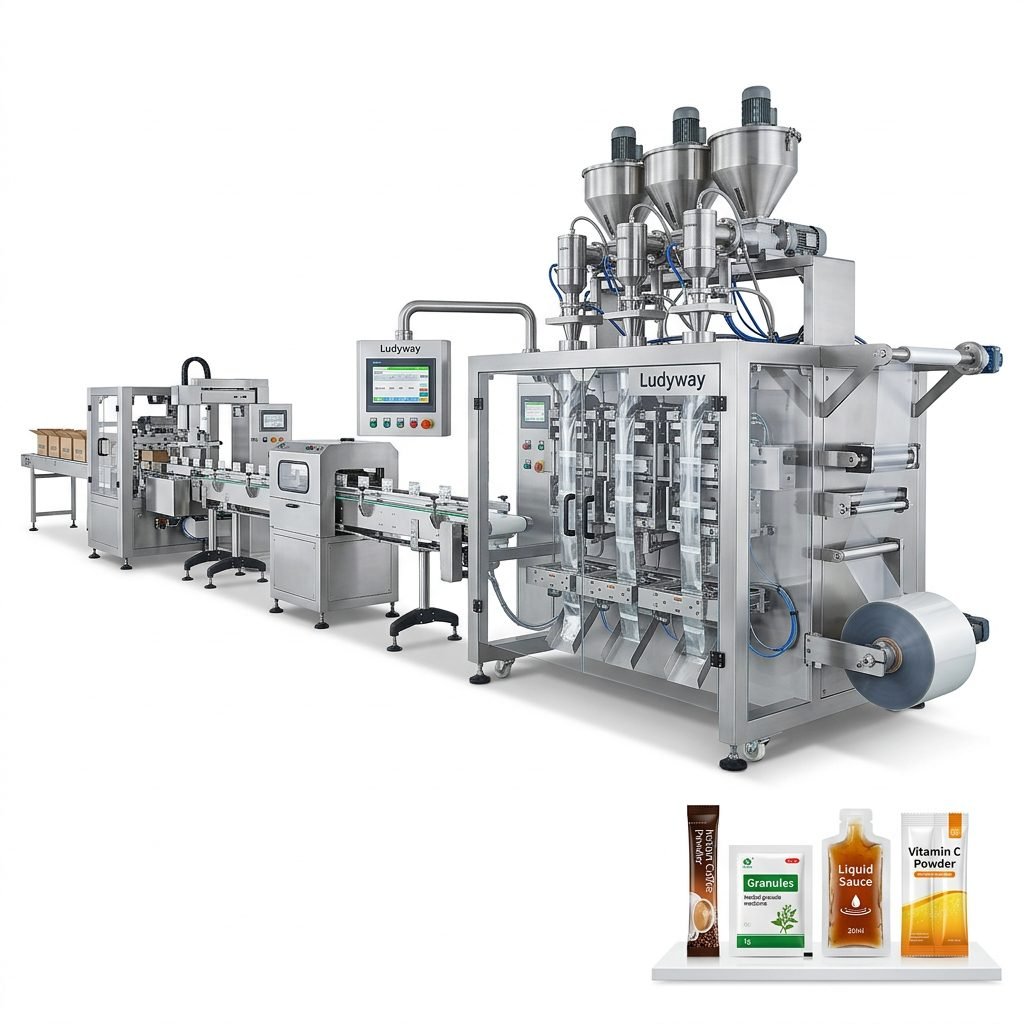
1. Sachet Packaging Machines
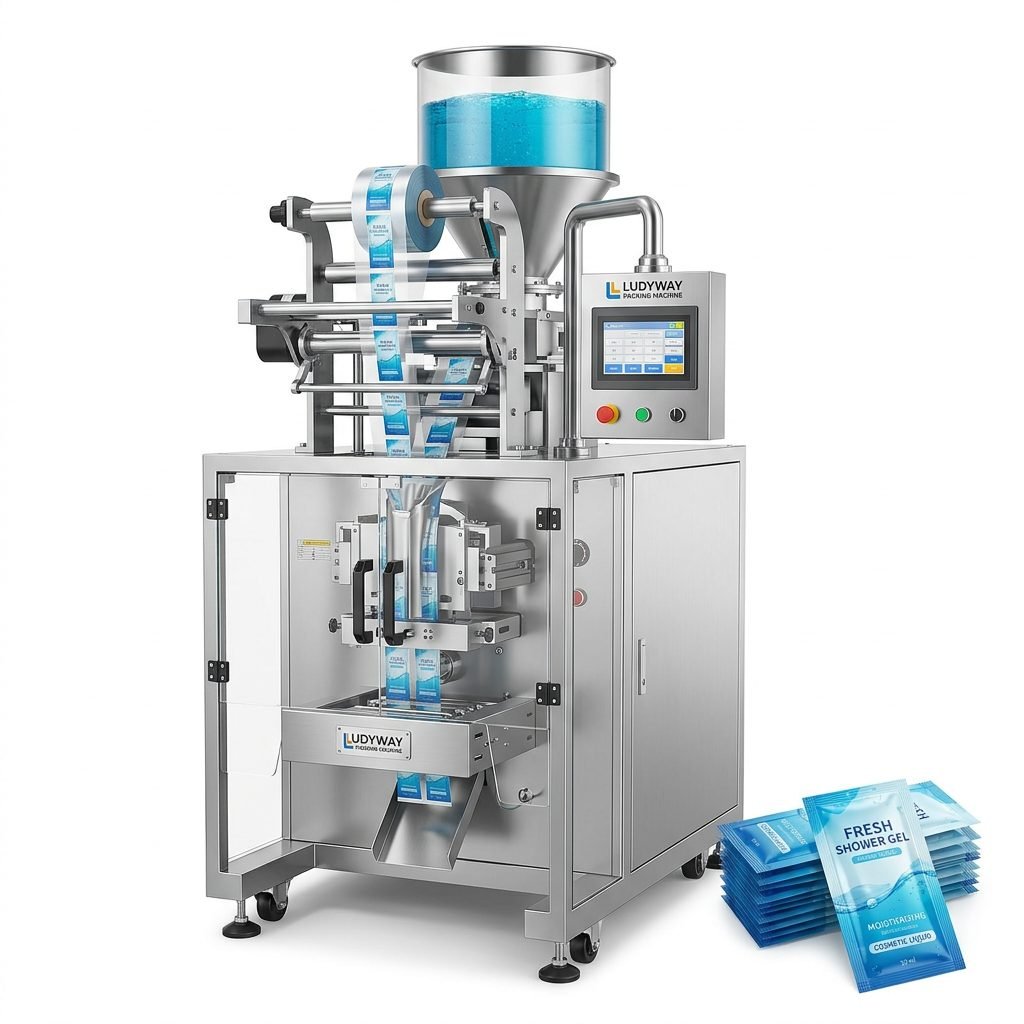
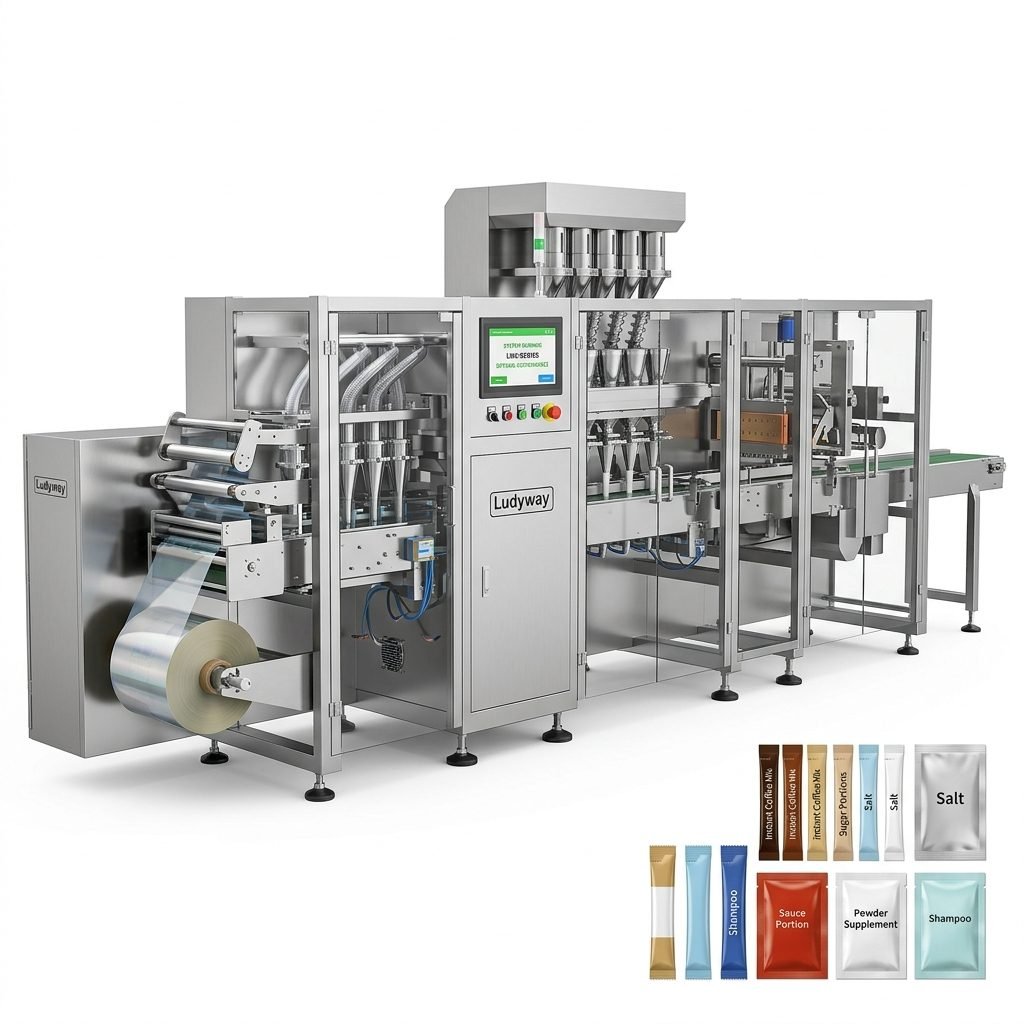
Sachet machines are designed for small single-dose or sample-size packaging. They are commonly used for powders, granules, liquids, gels, and pastes in food, pharma, and cosmetics.
- Suitable for coffee, oral powders, condiments, creams, and detergents
- Can be configured as single-lane or multi-lane systems
- Ideal for high-volume small-format packaging
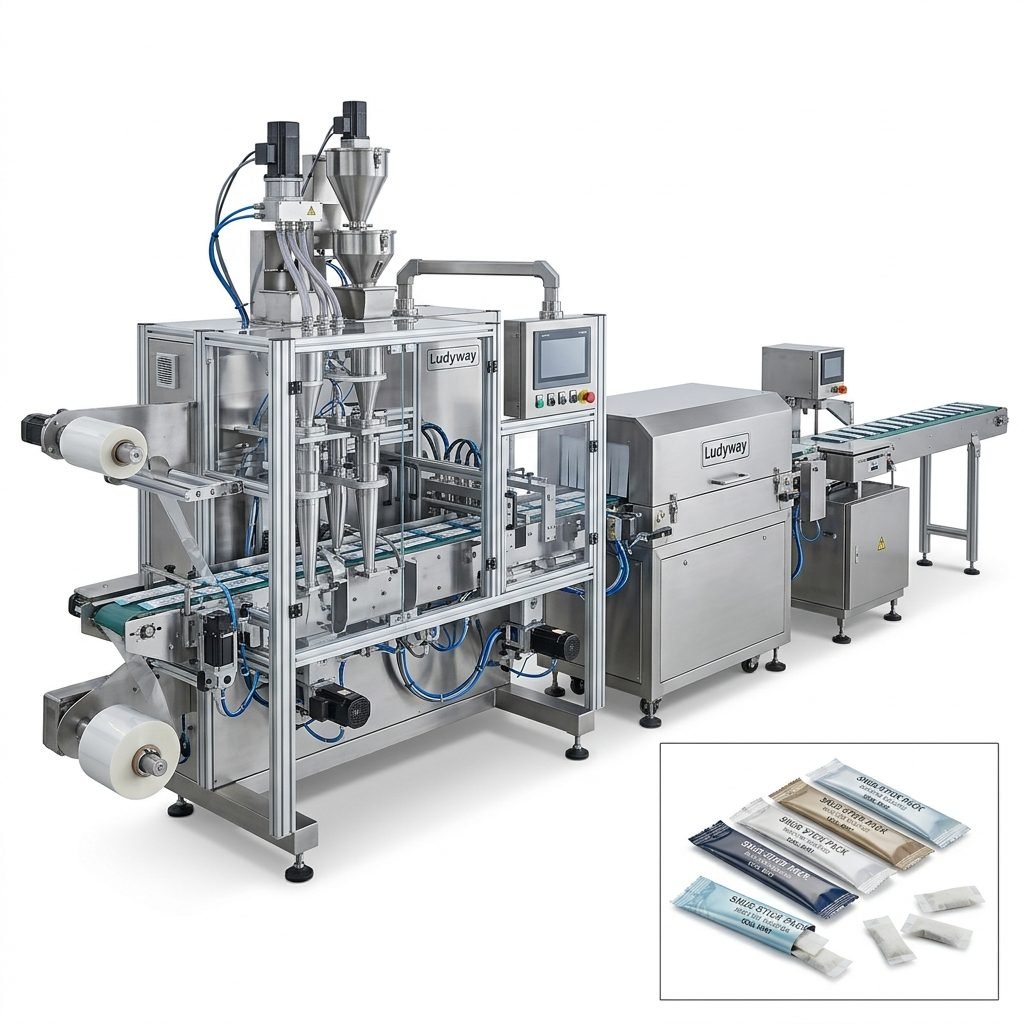
2. Stick Pack Machines
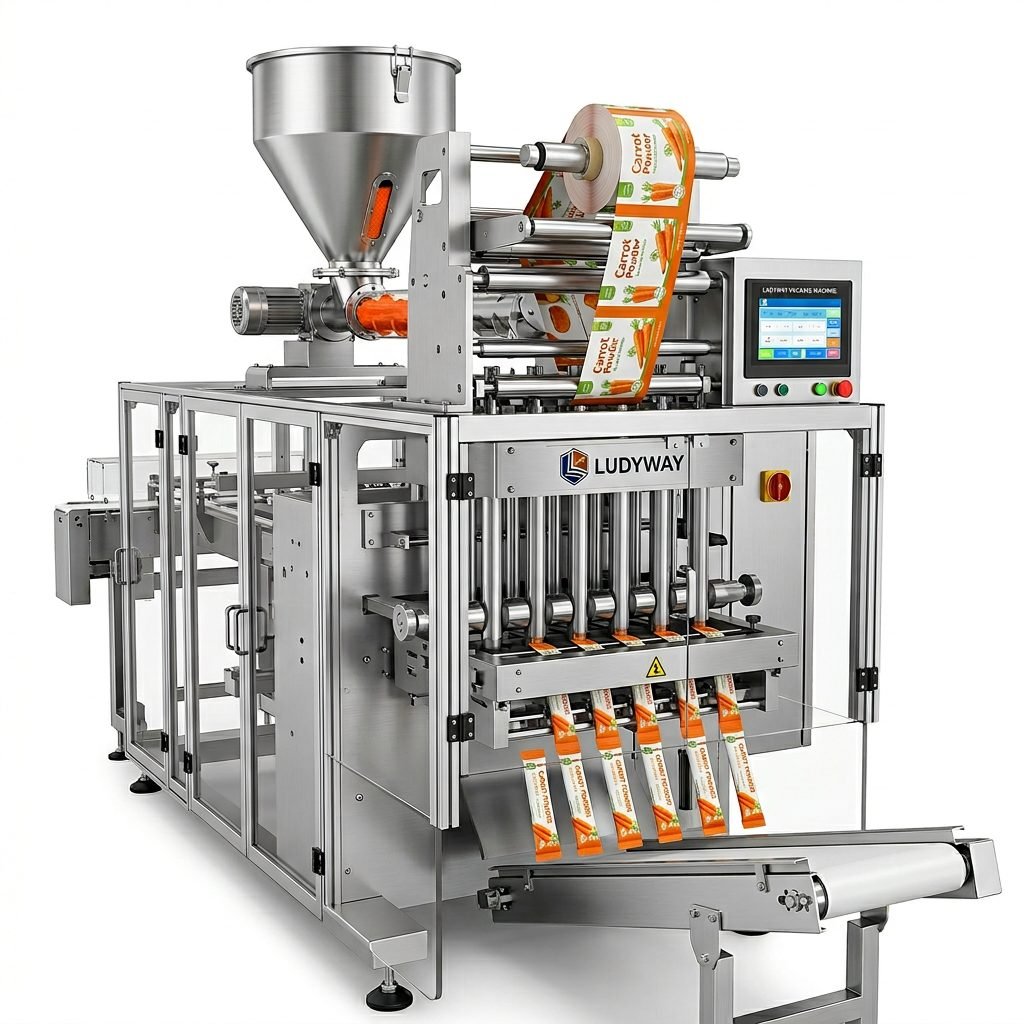
Stick pack machines create narrow, tube-shaped packs for portable and portion-controlled products. This format is highly popular for drink powders, nutraceuticals, sugar, collagen, and pharmaceutical granules.
- Compact package appearance
- Efficient for retail and travel-size products
- Strong option for multi-lane high-speed production
3. Premade Pouch Packaging Machines
These systems fill and seal prefabricated pouches such as stand-up pouches, zipper pouches, or flat pouches. They are frequently used for snacks, pet food, supplements, and liquid products.
4. Blister Packaging Machines
Blister systems are especially important in pharmaceutical and healthcare packaging for tablets, capsules, and medical products. They provide product protection, dosage separation, and tamper visibility.
5. Bottle Filling and Capping Lines
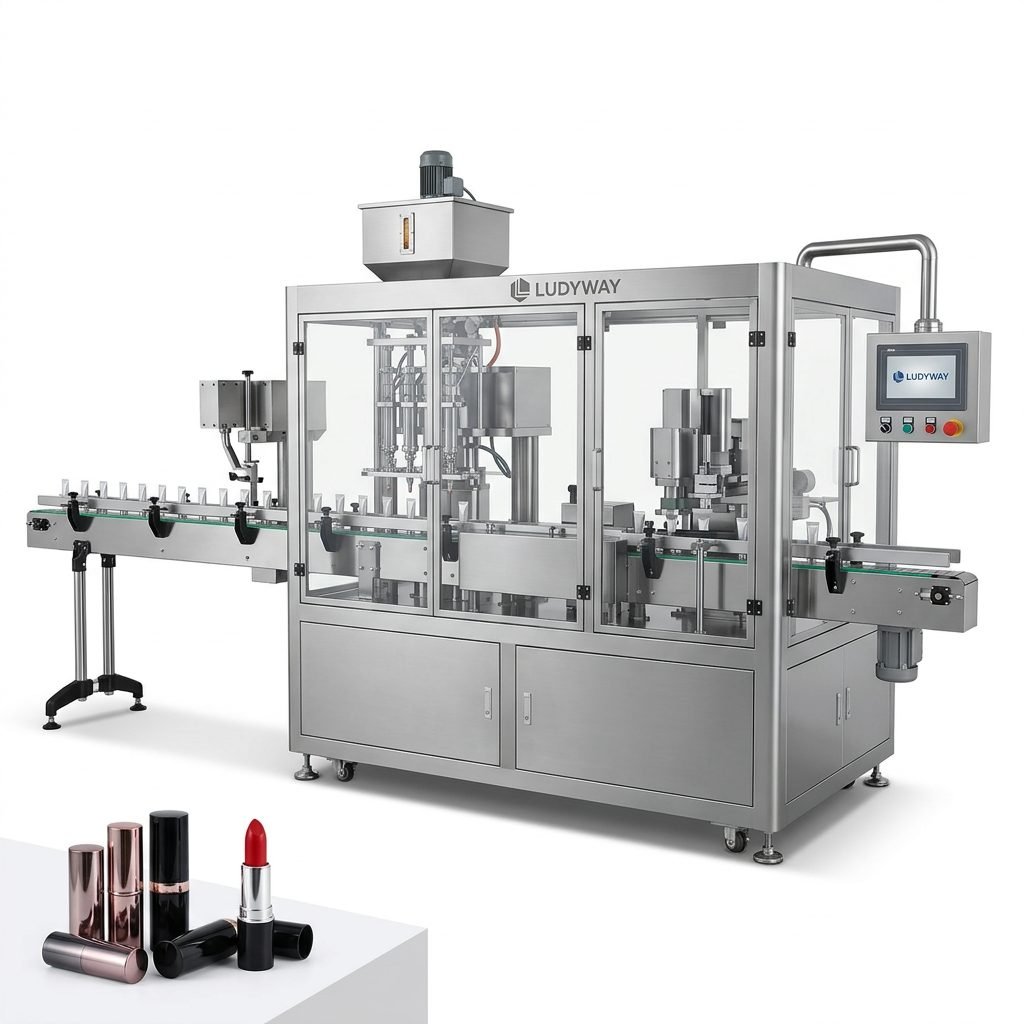
For tablets, capsules, syrups, oils, lotions, and liquid supplements, bottle packaging lines combine filling, capping, labeling, coding, and cartoning into one automated process.
6. Cartoning and End-of-Line Packaging Systems
These machines group primary packages into cartons, cases, or retail-ready units. They help improve logistics efficiency and support automated secondary packaging workflows.
7. Turnkey Packaging Lines
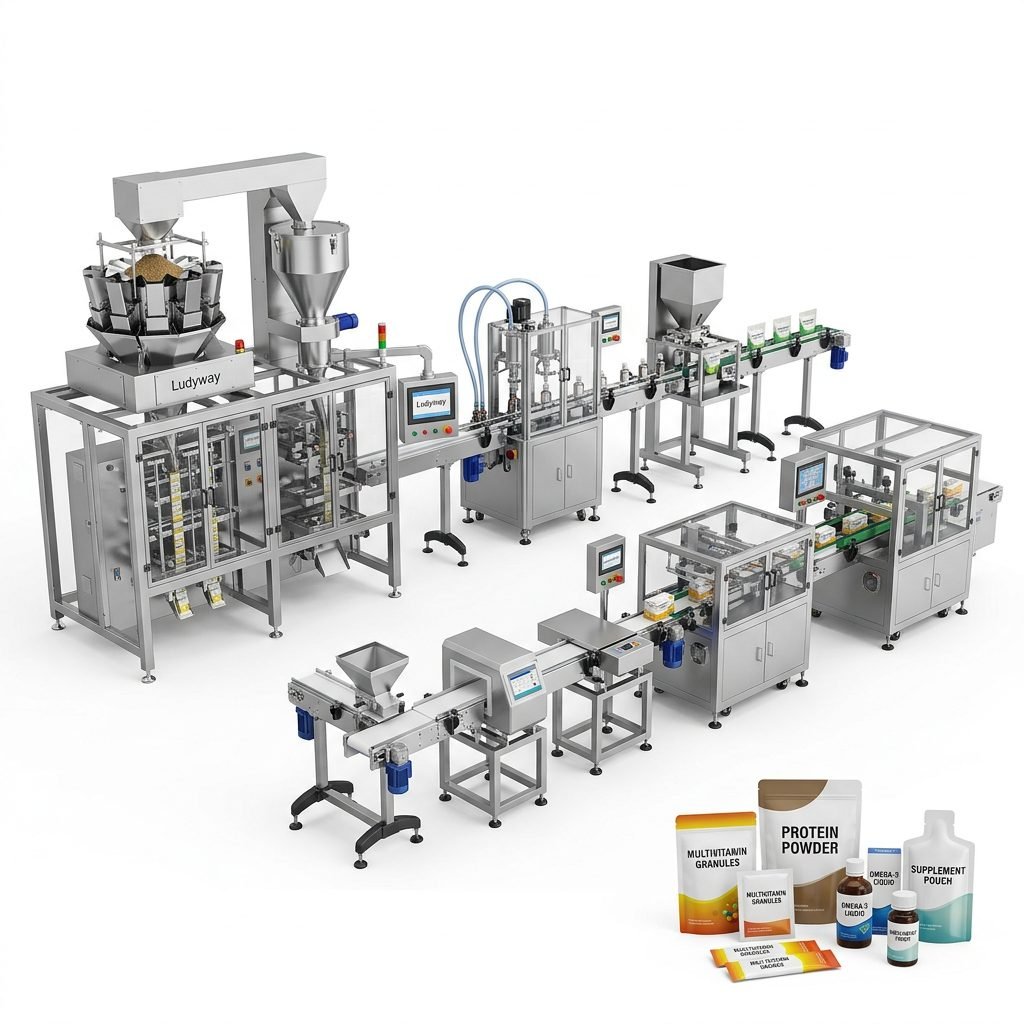
A complete line may include product feeding, dosing, packaging, inspection, coding, checkweighing, cartoning, case packing, and palletizing. This approach is preferred by manufacturers seeking end-to-end automation rather than standalone machines.
| Machine Type | Typical Products | Main Advantage |
|---|---|---|
| Sachet machine | Powders, granules, liquids, creams | Flexible small-dose packaging |
| Stick pack machine | Drink mixes, supplements, sugar, pharma granules | High-speed portion packs |
| Premade pouch machine | Snacks, powders, pet food, liquids | Premium pouch appearance |
| Blister machine | Tablets, capsules, medical products | Protection and dosage control |
| Bottle line | Capsules, syrups, oils, lotions | Integrated filling and capping |
| Cartoning line | Finished packs for retail or shipping | Efficient secondary packaging |
Key Features Buyers Look for
When people search for an IMA packaging machine alternative or equivalent solution, they are usually looking for more than packaging speed. They want process stability, dosing accuracy, and long-term operating value.
High Automation Level
Modern machines support automated feeding, measuring, film pulling, sealing, coding, counting, and discharge. This reduces manual intervention and improves consistency.
Accurate Dosing Systems
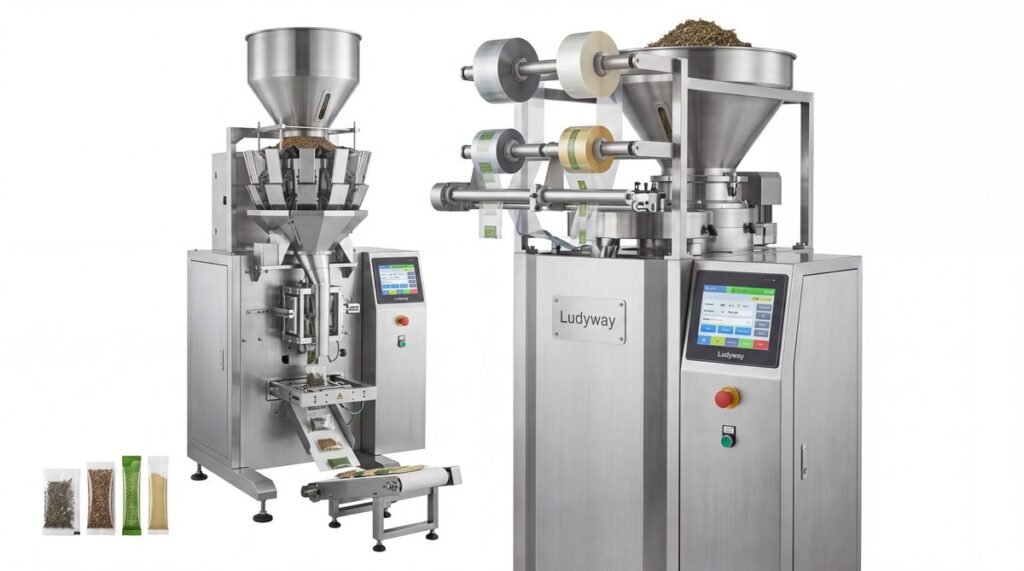
Depending on product characteristics, machines may use auger fillers, volumetric cup systems, piston pumps, liquid pumps, multihead weighers, or counting systems. Accurate dosing is critical for both cost control and compliance.
Multi-Lane Productivity
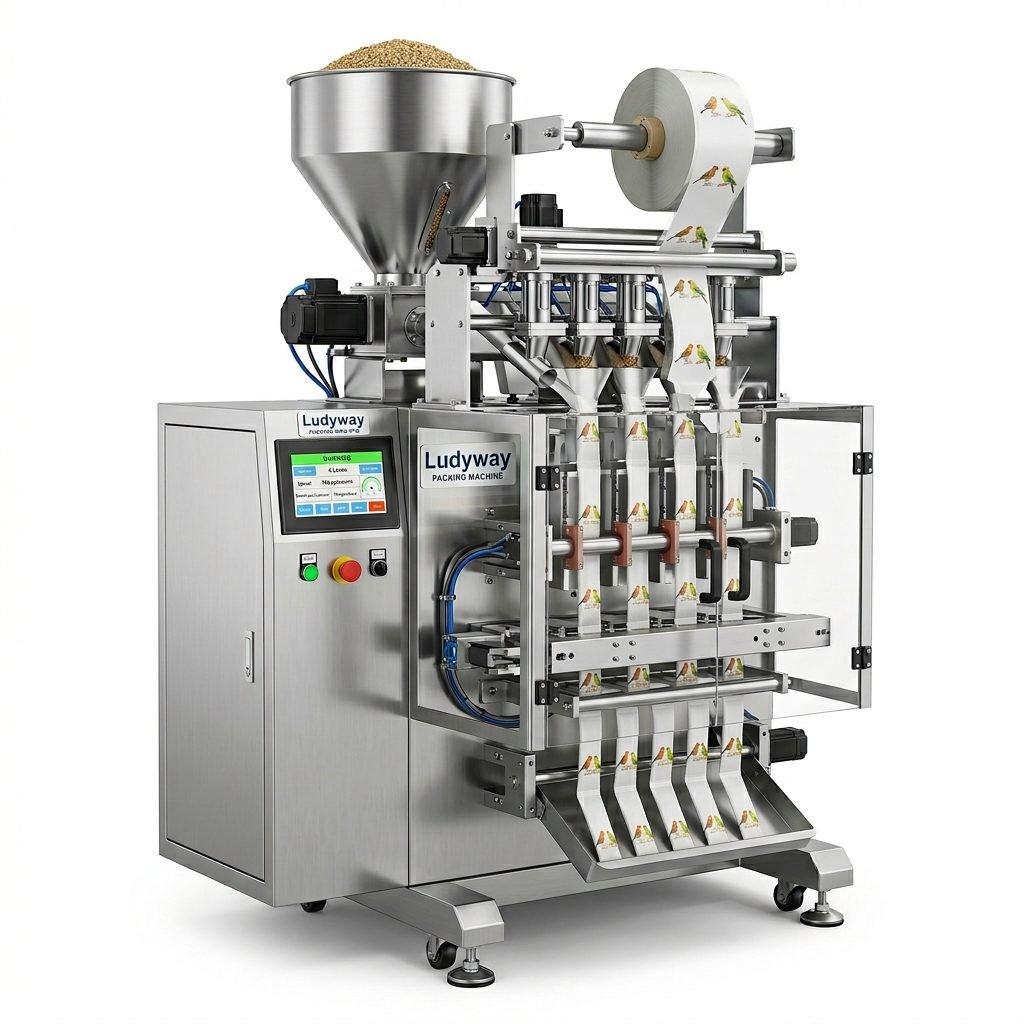
For sachets and stick packs, multi-lane designs dramatically increase output while maintaining compact floor utilization. This is especially useful for high-volume products such as drink powders, supplements, and pharmaceutical granules.
Hygienic and Easy-to-Clean Design
Food, pharma, and cosmetic producers often prioritize stainless steel construction, dust control, sanitary contact parts, tool-free changeover, and easy cleaning access.
Flexible Changeover
Manufacturers with multiple SKUs benefit from quick adjustment between fill weights, pack sizes, and film formats. This supports shorter production runs and more agile operations.
Smart Control System
Touchscreen HMIs, recipe storage, alarm diagnostics, servo motion control, and remote support capabilities help operators reduce downtime and simplify maintenance.
Inspection and Traceability Integration
Checkweighers, metal detectors, vision systems, batch coding, date printing, and reject systems are increasingly expected in professional packaging lines.
Benefits of Using Advanced Packaging Machines
Investing in the right machine is not just about replacing manual work. It can reshape production efficiency, quality control, and scalability.
Improved Production Efficiency
Automated systems can run continuously and deliver stable output rates. This supports large orders, seasonal demand surges, and more reliable lead times.
Better Packaging Consistency
Uniform filling, sealing, and coding reduce reject rates and improve brand presentation. This matters greatly for export products and regulated categories.
Reduced Labor Dependency
Automation lowers manual handling requirements and can help solve labor shortages, especially in repetitive, high-speed packaging environments.
Lower Material Waste
Precise dosing and stable sealing reduce film waste, underfill, overfill, and product loss during production.
Higher Product Safety
For pharmaceutical, nutraceutical, and food operations, automated packaging supports cleaner handling, reduced contamination risk, and easier process validation.
Scalable Growth
A modular packaging line can start with a standalone machine and expand later with cartoning, case packing, labeling, coding, and palletizing equipment.
Industries That Commonly Use This Type of Packaging Equipment
- Pharmaceuticals: powders, granules, tablets, capsules, syrups, medical devices
- Food and beverage: coffee, sugar, spices, sauces, soup mixes, milk powder, snacks
- Health supplements: collagen, probiotics, vitamins, electrolyte powders, meal replacements
- Cosmetics and personal care: creams, serums, cleansers, lotions, shampoos
- Chemical and household: detergents, cleaners, additives, treatment chemicals
- Pet nutrition: pet food, pet supplements, powdered nutrition blends
How to Choose the Right Packaging Machine
Choosing the right machine means matching technical capability to actual production needs. A larger, faster, or more complex machine is not always the best choice if it creates changeover difficulties or unnecessary cost.
1. Define Your Product Characteristics
Start with the material itself:
- Is it powder, granule, liquid, paste, tablet, or capsule?
- Does it flow freely or create dust?
- Is it sensitive to moisture, oxygen, or contamination?
- Does it require gentle handling?
2. Confirm the Packaging Format
Decide whether you need sachets, stick packs, pouches, bottles, blisters, or cartons. The packaging format will directly affect machine structure, dosing method, and line design.
3. Estimate Output Requirements
Know your target speed in packs per minute and your expected future growth. If demand may increase, choose a system that can be upgraded or expanded.
4. Review Accuracy and Quality Standards
For pharma and premium consumer goods, consistent fill weight and seal integrity are often more important than headline speed. Ask for sample testing and tolerance data.
5. Consider Cleaning and Changeover Time
If you run many SKUs, shorter changeovers can create major savings over time. This is especially important in contract manufacturing environments.
6. Check Integration Capability
A machine should work smoothly with feeders, conveyors, printers, metal detectors, cartoners, case packers, and palletizers. Integrated systems improve workflow and traceability.
7. Evaluate Technical Support
After-sales service matters. Buyers should ask about spare parts supply, installation guidance, remote troubleshooting, operator training, and documentation support.
| Selection Factor | Why It Matters | Questions to Ask |
|---|---|---|
| Product type | Determines filler and machine structure | What dosing method fits my product? |
| Pack format | Affects sealing style and output | Do I need sachets, stick packs, or pouches? |
| Production speed | Impacts ROI and capacity planning | Can this machine meet current and future demand? |
| Compliance needs | Critical in pharma and food sectors | Does it support hygienic and validation requirements? |
| Maintenance support | Protects uptime and machine life | How fast are spare parts and service responses? |
Common Mistakes to Avoid When Buying
- Choosing speed over packaging stability
- Ignoring product flowability and dosing behavior
- Underestimating cleaning and changeover needs
- Buying a standalone machine without planning line integration
- Not requesting sample runs before order confirmation
- Overlooking operator training and after-sales support
Standalone Machine or Complete Packaging Line?
A standalone machine may be ideal for startups, pilot production, or single-SKU operations. However, manufacturers targeting long-term volume growth often benefit more from a complete packaging line with automatic feeding, coding, inspection, cartoning, and case packing.
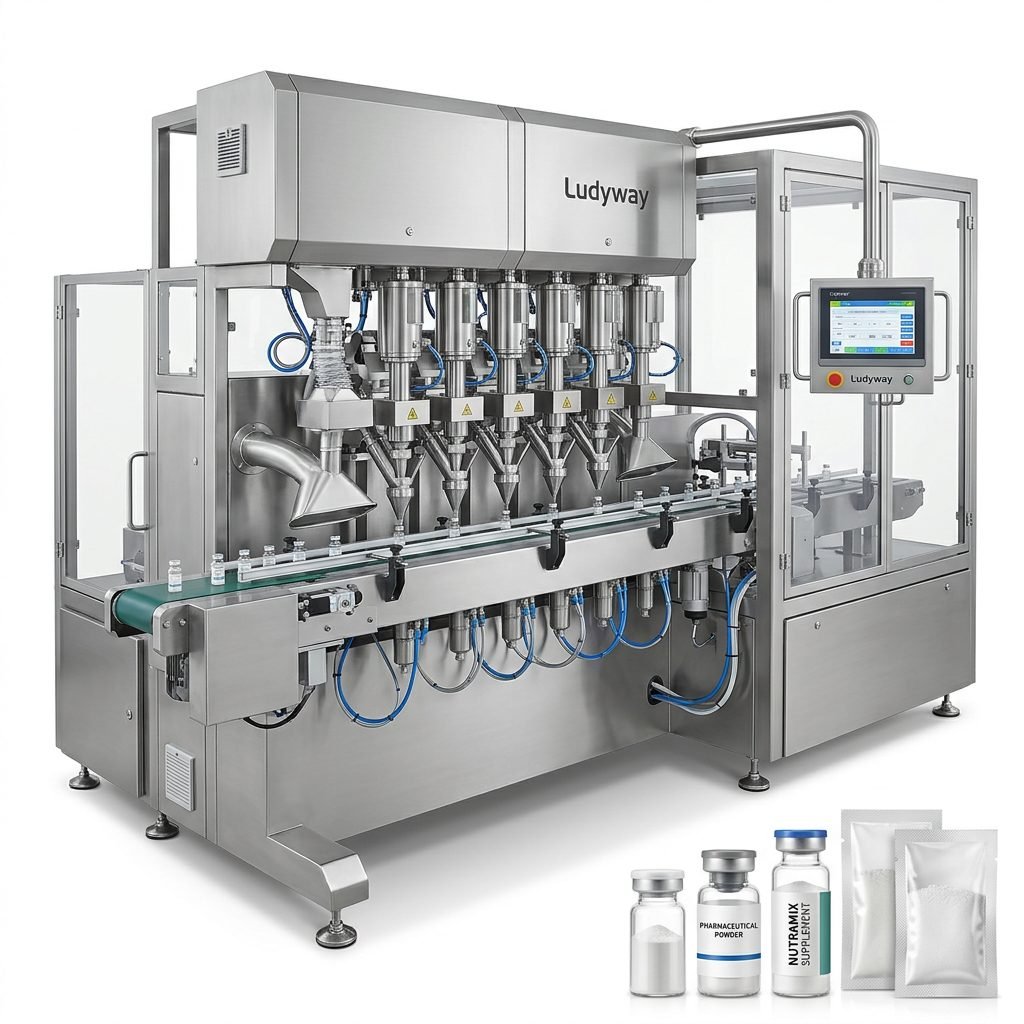
For businesses looking for scalable alternatives and integrated automation solutions, Ludyway packaging machine solutions provide broad coverage across food, pharmaceutical, health supplement, cosmetic, chemical, and pouch-based applications, with turnkey line capability for global markets.
What to Ask a Supplier Before Ordering
- Can you test my actual product and packaging material?
- What is the real running speed under production conditions?
- What filling accuracy can be achieved?
- How long does format changeover take?
- Which spare parts are included with delivery?
- Is remote technical support available?
- Can the machine be upgraded into a larger line later?
- What certifications or quality controls are available?
Final Buying Insight
The best IMA packaging machine choice is the one that aligns with your product type, packaging format, compliance requirements, output target, and future automation plan. Whether you need a sachet packer, stick pack machine, bottle line, blister system, or full turnkey packaging line, the smartest investment is a solution that delivers stable performance, flexible operation, and dependable support over the long term.
Before making a final decision, compare sample quality, dosing accuracy, integration options, and lifecycle service—not just machine price. That approach leads to better ROI, smoother production, and stronger packaging results.