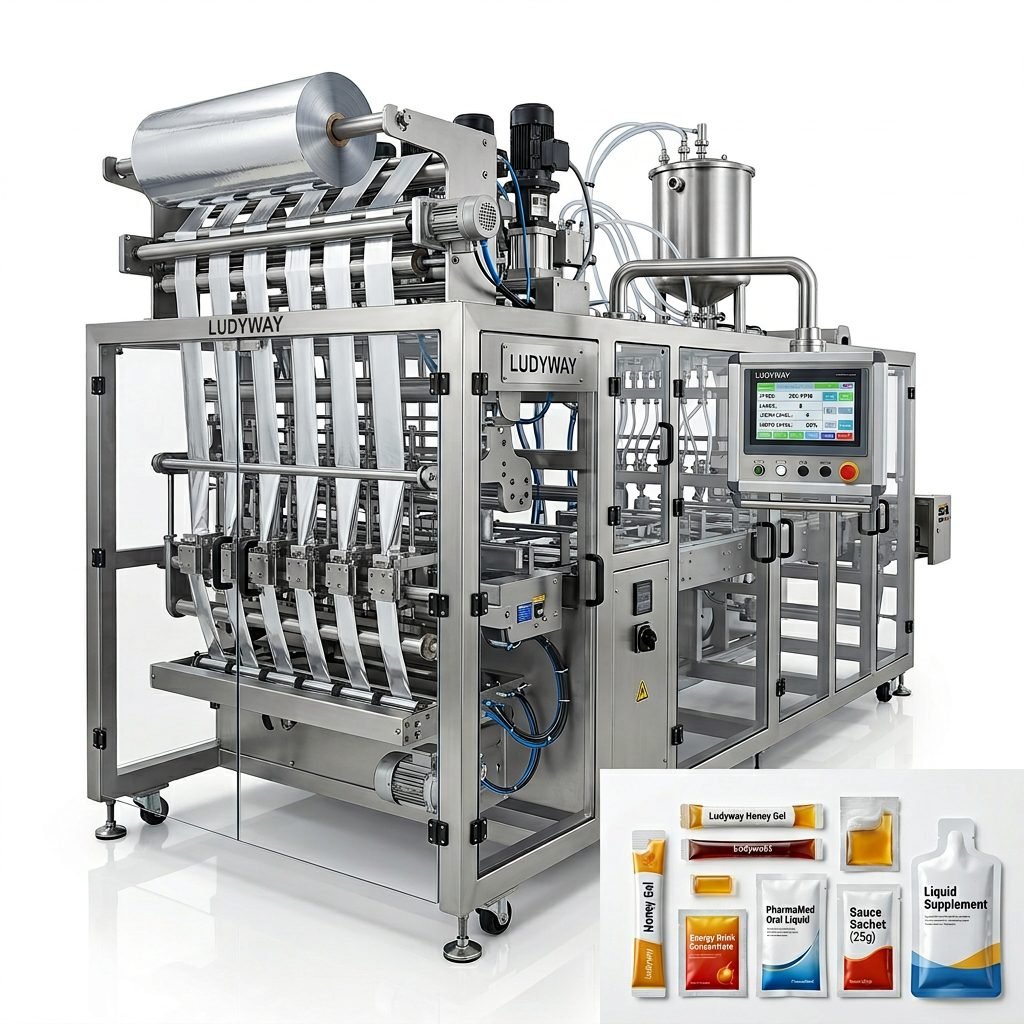
An Ulma packaging machine can deliver reliable speed, sealing consistency, and efficient automation when it is installed and operated correctly. This guide covers the essential steps for setup, operation, cleaning, preventive maintenance, and troubleshooting so your production team can reduce downtime and improve packaging performance.
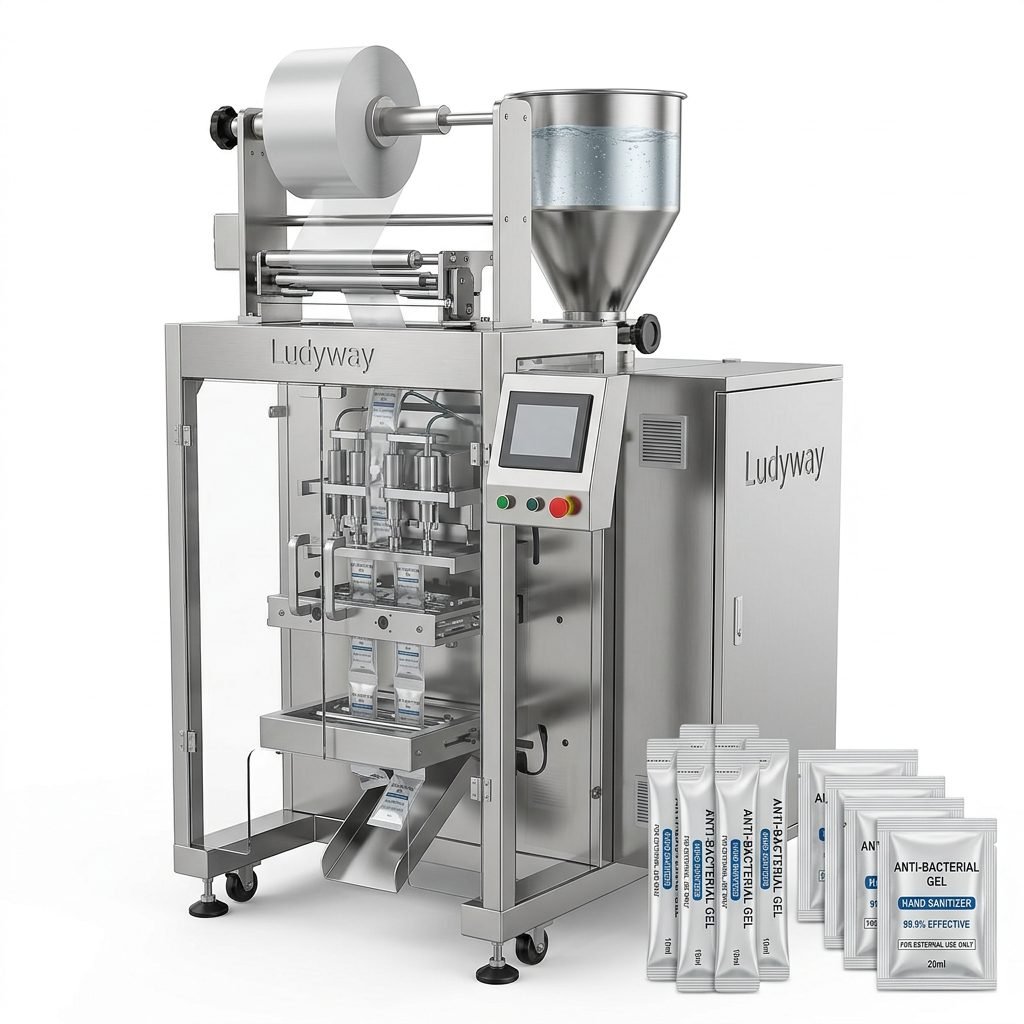
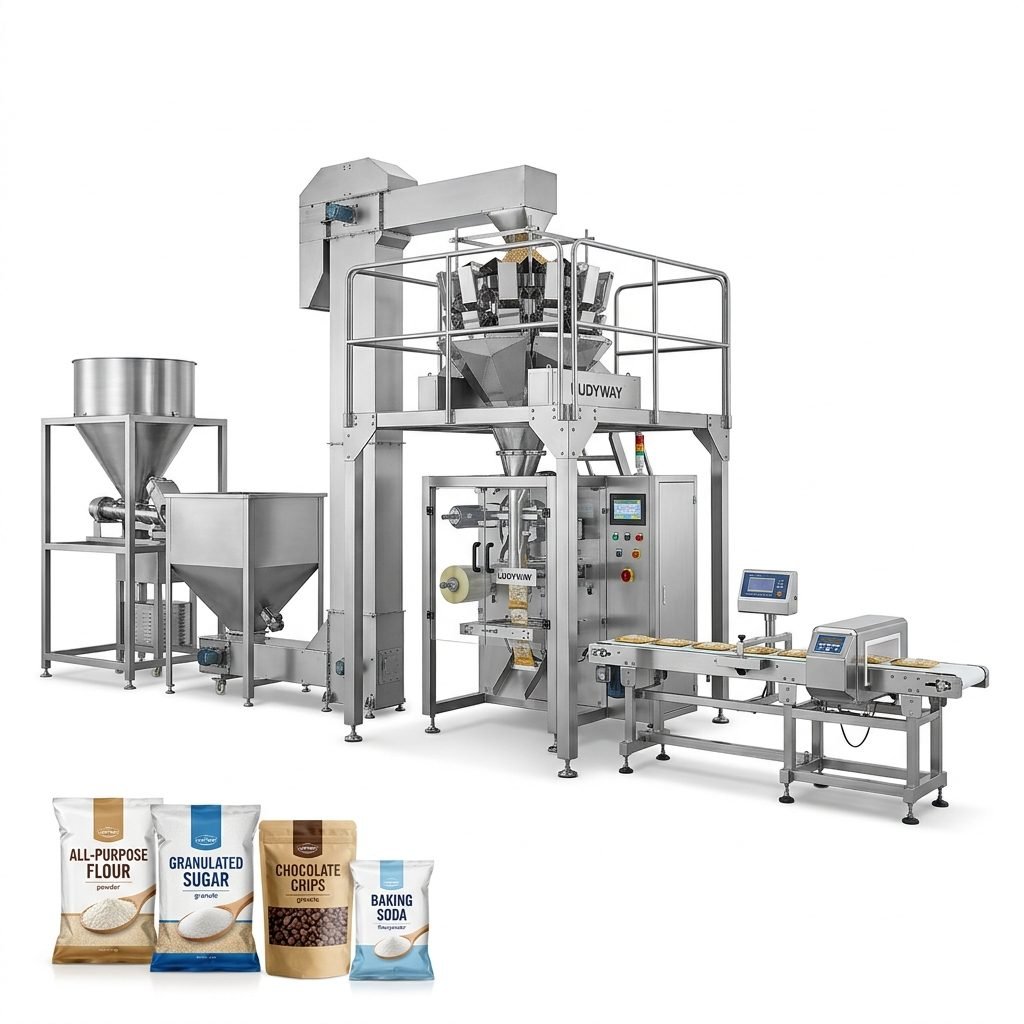
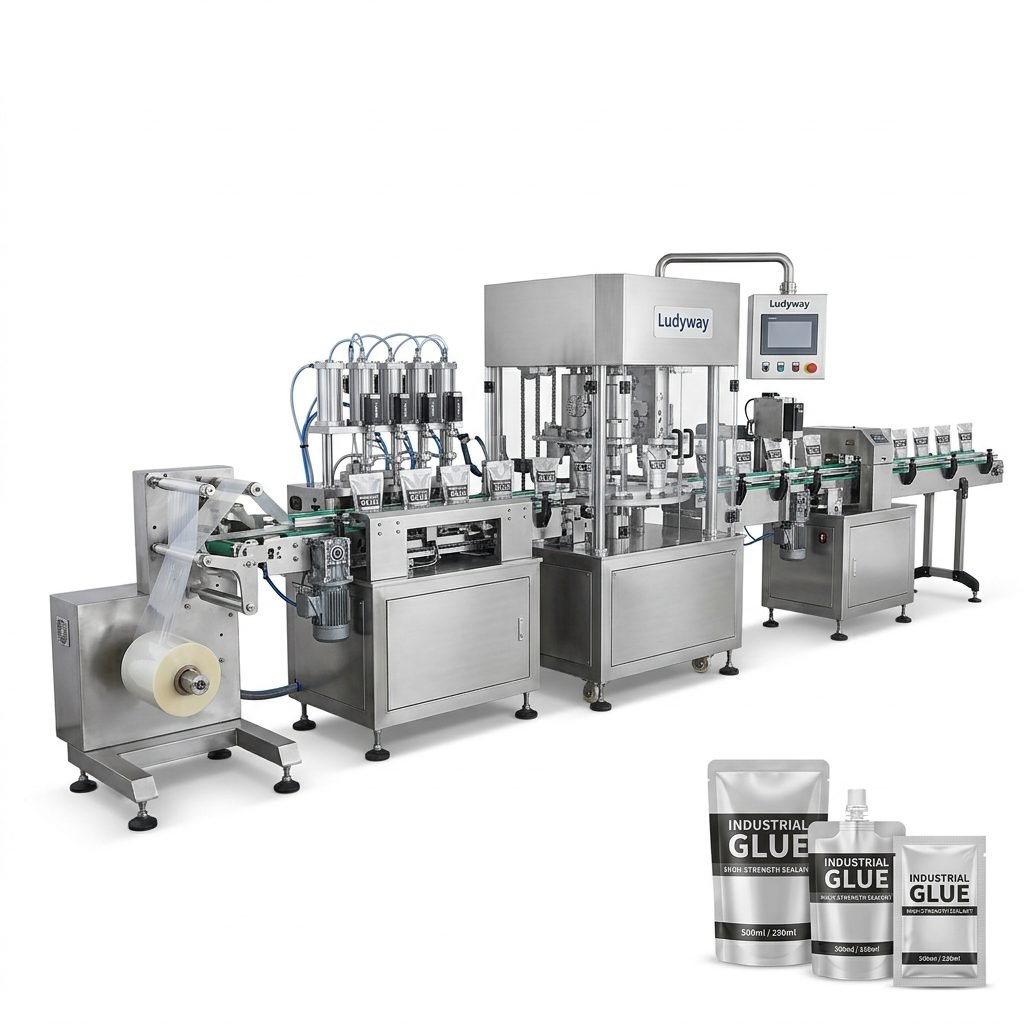
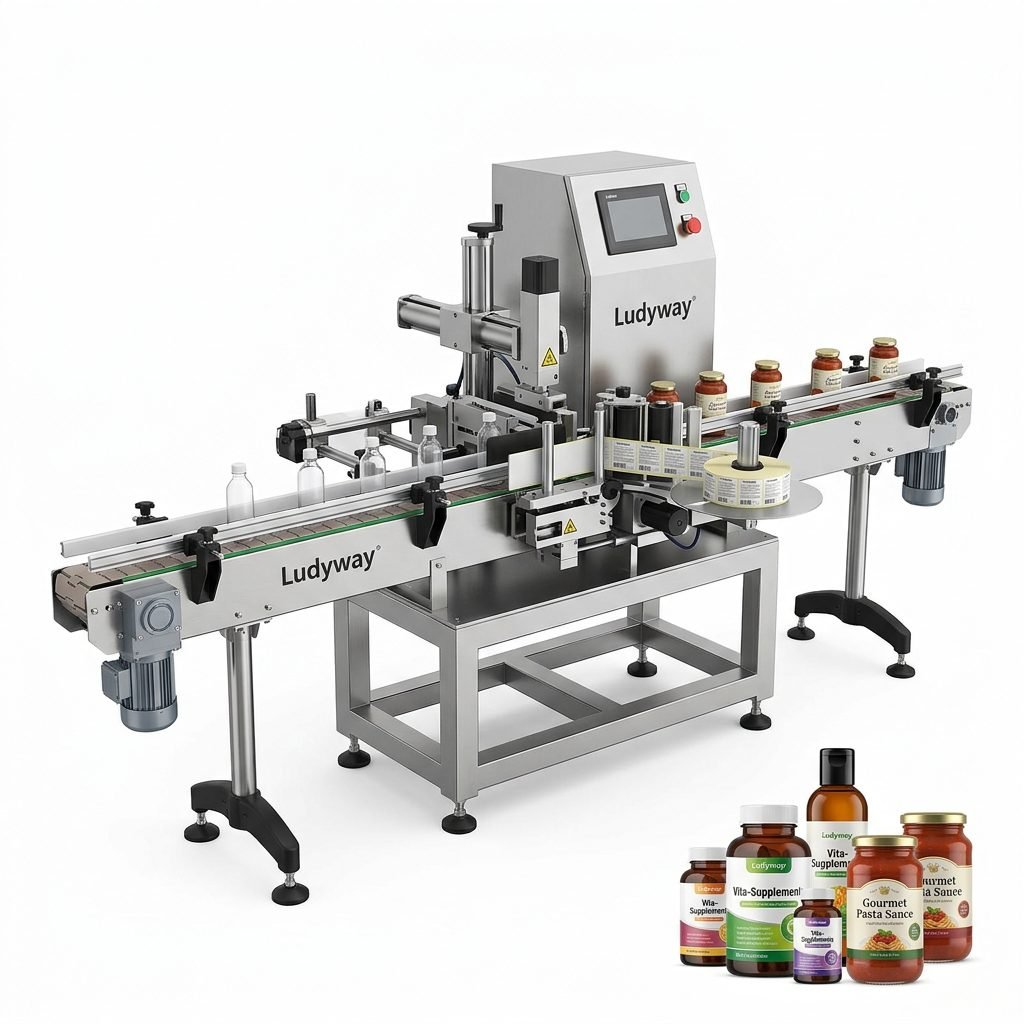
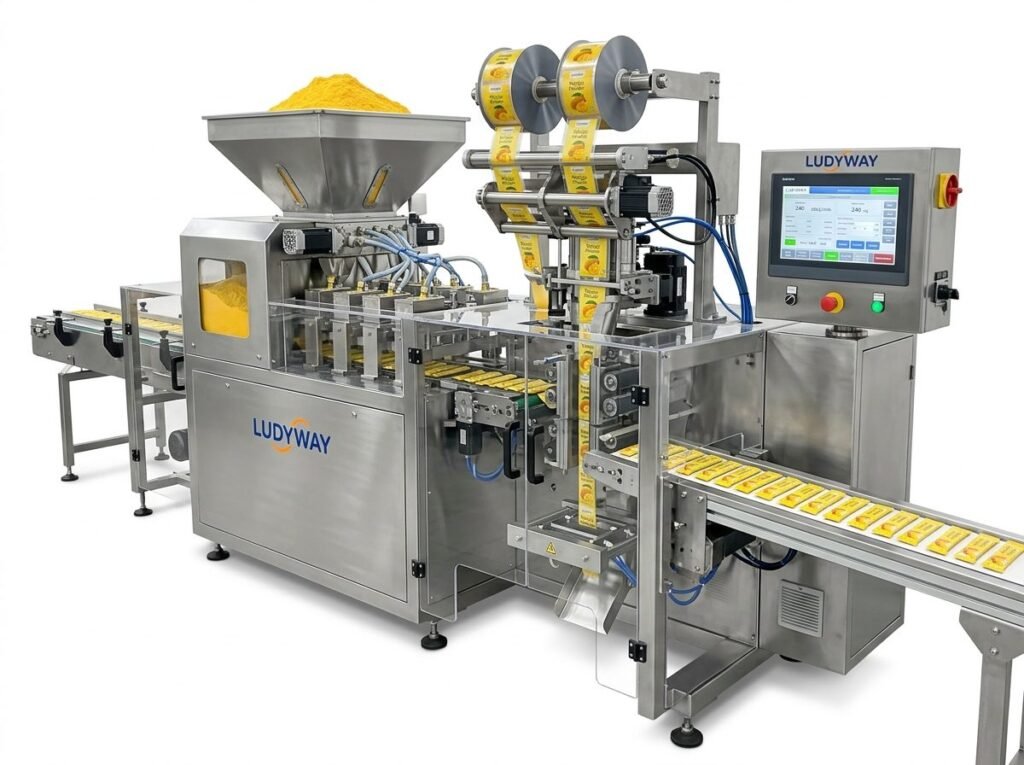
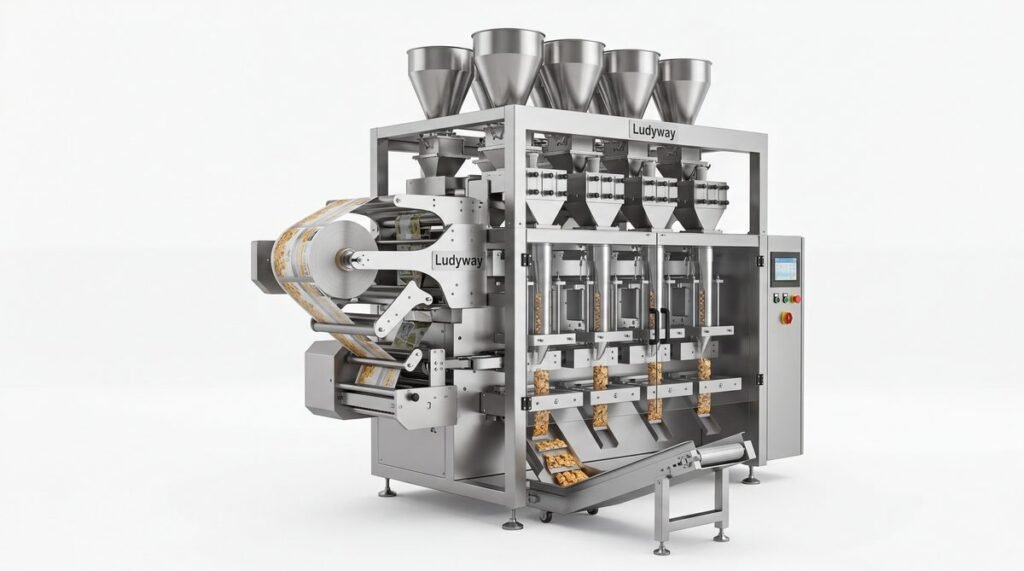
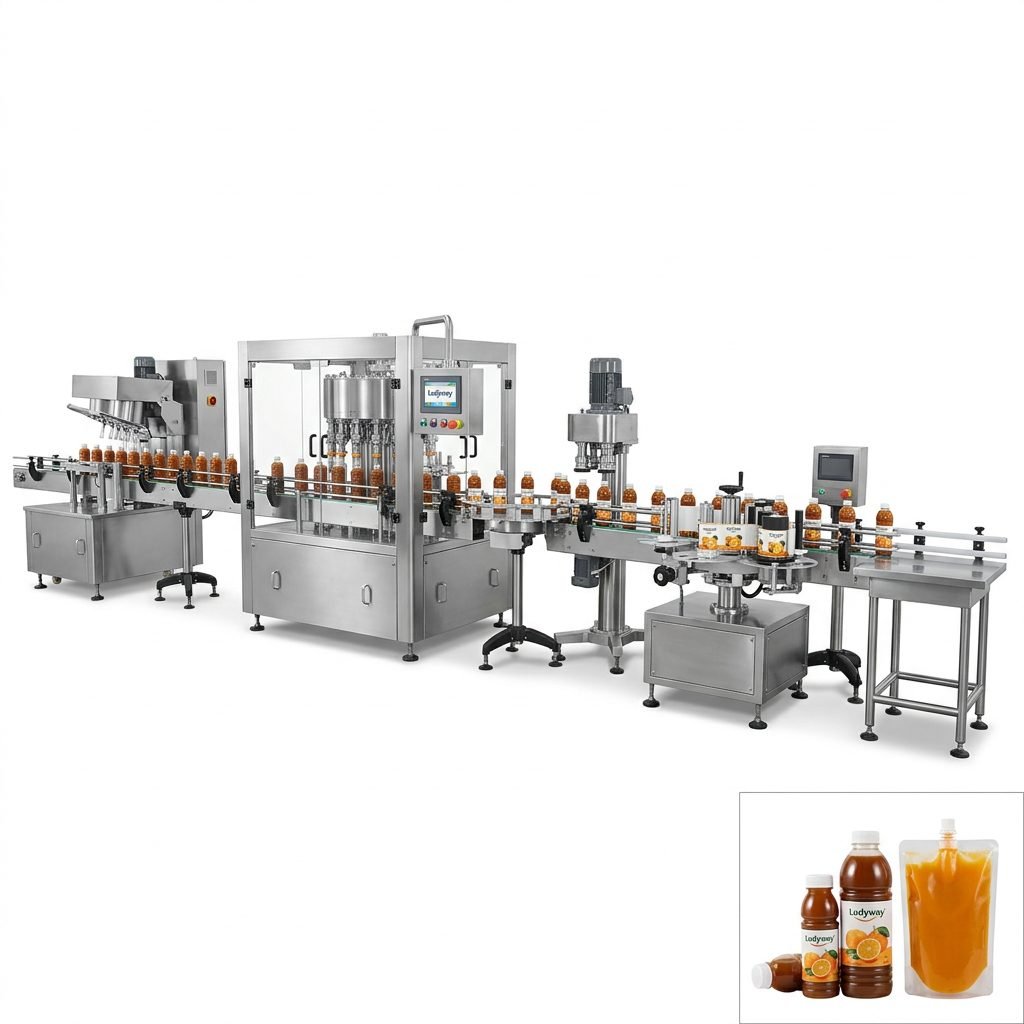
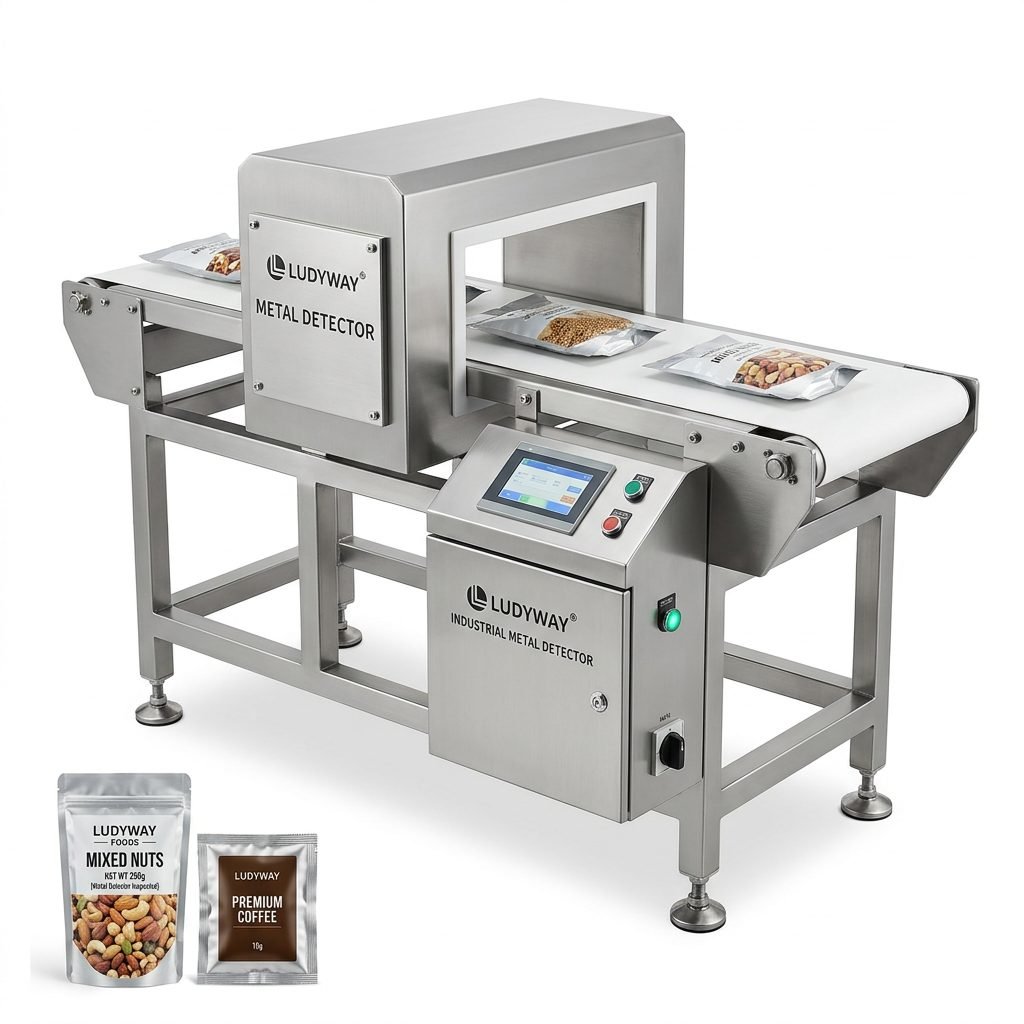
Whether you handle food, pharmaceutical, supplement, cosmetic, or industrial products, a clear operating routine helps protect product quality and extends machine life. If your business is also evaluating alternative automation partners for flexible sachet, stick pack, pouch, or complete line solutions, Ludyway packaging machine solutions are often considered by buyers looking for scalable systems and turnkey support.
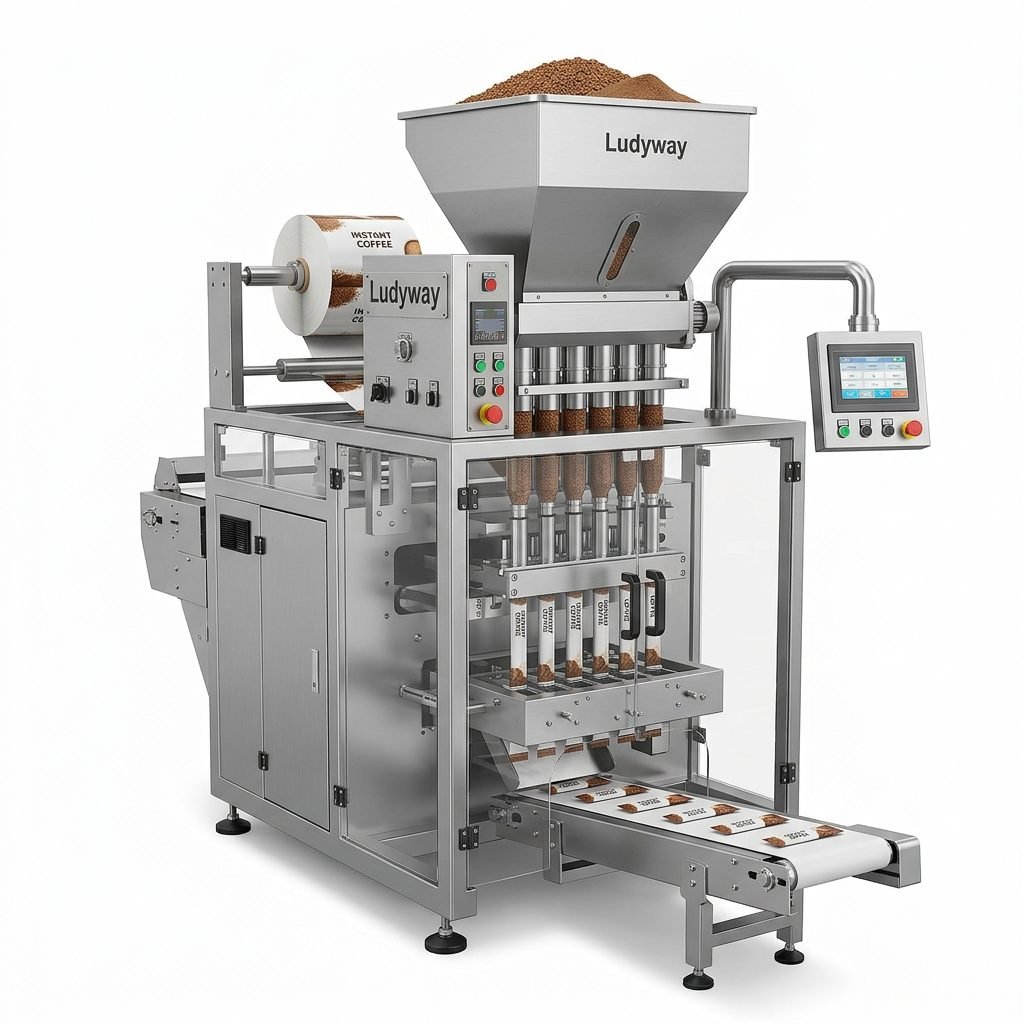
What Is an Ulma Packaging Machine?
Ulma packaging machines are widely used for automated packing tasks such as forming, filling, sealing, wrapping, tray sealing, thermoforming, and flow packing depending on the model. In practical factory use, operators focus less on the brand name and more on four performance outcomes:
- Stable sealing quality across different packaging materials
- Consistent output speed with minimal stoppages
- Accurate product feeding and positioning
- Easy cleaning, adjustment, and maintenance access
Because machine structures differ by product format, operators should always confirm the exact model manual, electrical diagram, and spare parts list before installation or service work.
Before Installation: Key Preparation Checklist
A smooth startup begins before the machine is powered on. Proper site preparation reduces installation errors and speeds up commissioning.
| Preparation Item | What to Check | Why It Matters |
|---|---|---|
| Floor condition | Level, vibration-free, load-bearing capacity | Prevents frame misalignment and unstable running |
| Power supply | Voltage, phase, frequency, grounding | Protects motors, drives, and control systems |
| Compressed air | Pressure stability, dryness, filtration | Ensures proper pneumatic movement and sealing action |
| Product specs | Product dimensions, weight, flow characteristics | Supports accurate machine adjustment |
| Packaging material | Film type, roll size, sealing layer, thickness | Avoids poor seal integrity and tracking issues |
| Safety clearance | Space for feeding, discharge, cleaning, maintenance | Improves operator safety and service access |
Step-by-Step Machine Setup
1. Unpacking and Visual Inspection
After delivery, inspect the machine frame, covers, cables, sensors, sealing components, and accessories for shipping damage. Confirm that all supplied parts match the packing list, including tools, manuals, spare wear parts, and format change components.
- Check for loose bolts or brackets
- Inspect belts, chains, and guards
- Verify sensor alignment and cable connections
- Remove transport locks before startup
2. Positioning and Leveling
Place the machine in its production position and level it carefully. Uneven installation may affect web tracking, sealing pressure, cutting accuracy, and discharge alignment.
Tip: Recheck machine leveling after the first few hours of operation, especially if the line includes conveyors or connected upstream and downstream equipment.
3. Electrical and Pneumatic Connection
Only qualified personnel should connect power, grounding, and compressed air. The machine should never be started with temporary or unstable electrical connections.
- Confirm the main switch is off
- Connect power according to the electrical specification
- Verify grounding continuity
- Connect clean, dry compressed air
- Set pressure to the recommended operating range
- Check for leaks in air lines and fittings
4. Loading Packaging Film or Material
Install the film roll according to the threading path shown in the machine documentation. Make sure tension is even, film edges are aligned, and photocell marks or registration marks are readable if the machine uses printed film tracking.
Common mistakes during film loading include:
- Incorrect unwind direction
- Poor roller alignment
- Insufficient tension
- Dirty photoelectric sensors
- Using film with inconsistent sealing layer quality
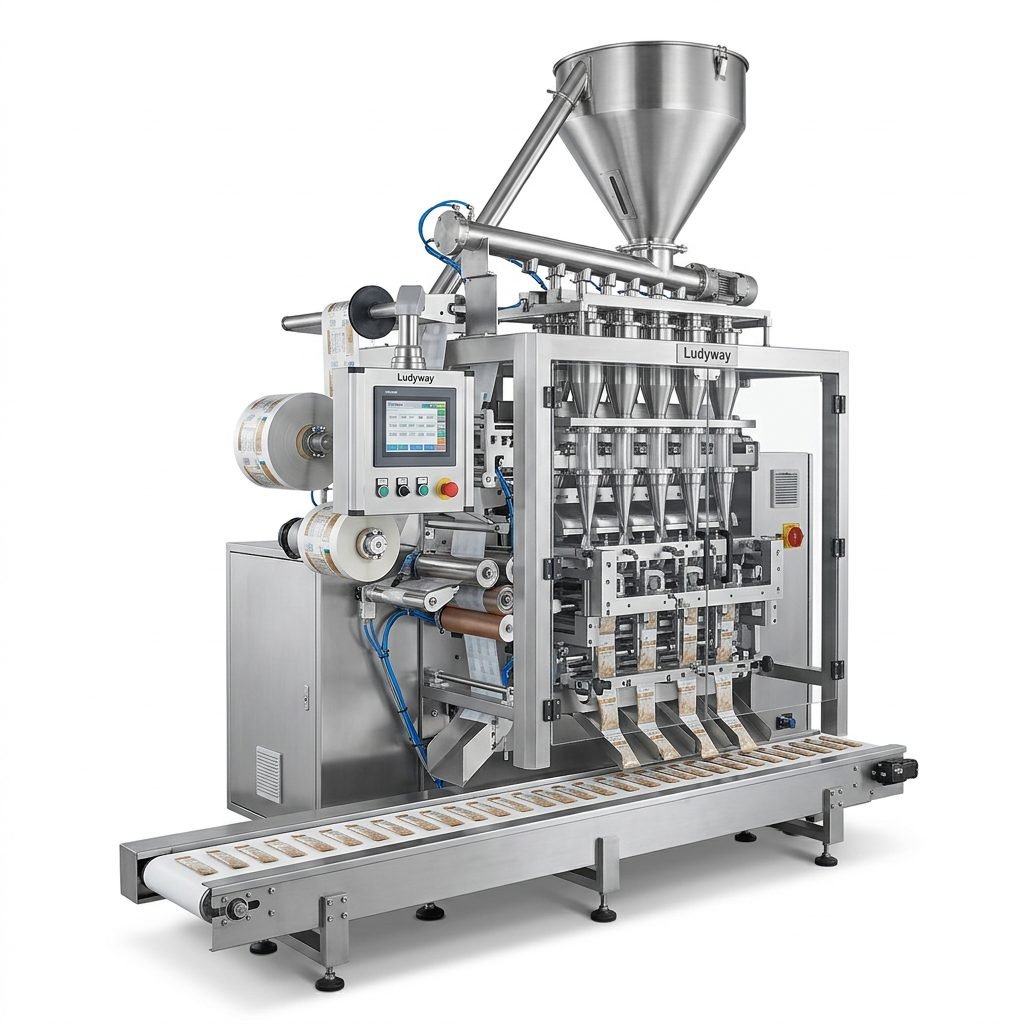
5. Parameter Setting on the HMI
Modern packaging machines typically use an HMI for recipe settings and machine monitoring. Before test running, input the correct parameters for your product and packaging material.
| Parameter | Typical Purpose | Watch Point |
|---|---|---|
| Sealing temperature | Forms secure package seals | Too low causes leaks; too high burns film |
| Dwell time | Controls sealing contact time | Affects seal strength and speed |
| Speed | Sets output rate | Increase gradually during commissioning |
| Cut length | Defines pack size | Must match product and print registration |
| Filling time or dose | Controls target fill quantity | Verify with repeated sampling |
6. Dry Run and Trial Production
Run the machine without product first, then with a small test batch. Observe movement timing, jaw action, sealing appearance, cutting position, feeding consistency, and finished pack discharge.
Do not move directly to full speed. Start slowly, verify quality, and then optimize production settings step by step.
How to Operate the Machine Safely and Efficiently
Standard Operating Routine
- Perform pre-start safety inspection
- Confirm guards and emergency stops are functional
- Check film path, product feed, and discharge area
- Load the correct recipe or product parameters
- Warm up sealing zones to target temperature
- Run at low speed and inspect the first packs
- Adjust speed and dosing only after quality is stable
- Document settings for repeat production
Best Practices During Production
- Keep the machine area clean and dry
- Monitor seal quality at regular intervals
- Check package weight or fill volume routinely
- Remove jammed product only after full stop and lockout if required
- Watch for unusual noise, vibration, or temperature fluctuation
- Record alarms and corrective actions for maintenance review
A disciplined operating method helps reduce scrap, improves product appearance, and prevents unnecessary wear on moving parts.
Daily Cleaning and Hygiene Control
Cleaning frequency depends on the application. Food, pharma, and supplement products usually require more frequent sanitation than industrial materials. Always use cleaning methods that are compatible with machine construction and electrical protection ratings.
| Area | Cleaning Focus | Recommended Frequency |
|---|---|---|
| Sealing jaws | Remove film residue, burnt material, dust | Daily or each shift |
| Forming area | Clear debris and product buildup | Daily |
| Filling system | Clean contact parts thoroughly | After every batch or product change |
| Sensors and photocells | Wipe dust and film particles | Daily |
| Conveyors and discharge | Remove scrap and fallen product | Daily |
Important: Never clean energized electrical parts with excessive liquid. Follow lockout procedures before disassembly or washdown-related maintenance.
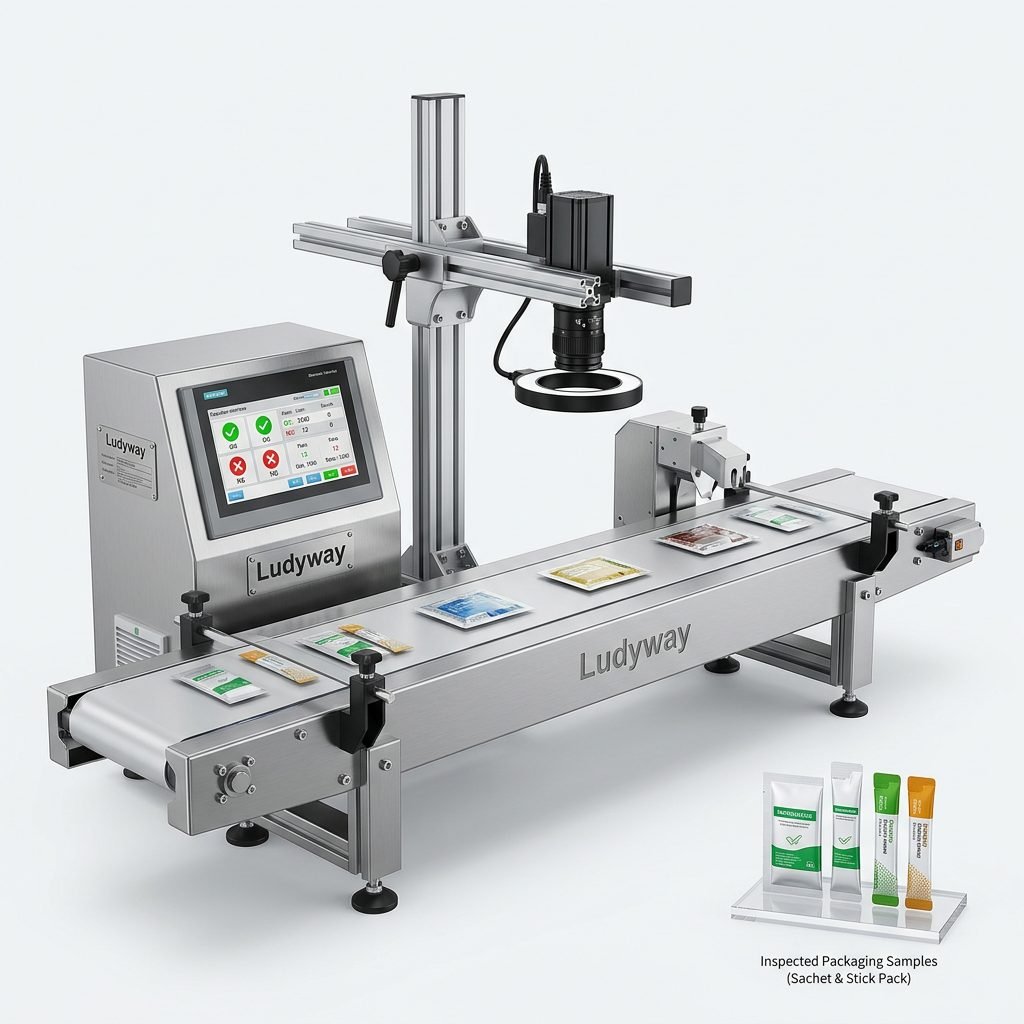
Preventive Maintenance Schedule
The most cost-effective way to maintain output is to follow a preventive maintenance plan instead of waiting for failures. Small checks done regularly can prevent larger repairs later.
Daily Maintenance
- Inspect guards, covers, and emergency stop buttons
- Clean sealing areas and remove dust or product residue
- Check air pressure and drain filters if needed
- Observe belts, chains, and rollers for abnormal wear
- Listen for unusual sound during operation
Weekly Maintenance
- Inspect fasteners for looseness
- Check sensor alignment and cable condition
- Lubricate designated moving parts as specified
- Verify temperature controller stability
- Review alarm history for recurring issues
Monthly Maintenance
- Check sealing jaw wear and surface condition
- Inspect pneumatic cylinders and valves
- Review drive belts, couplings, bearings, and chains
- Test calibration of filling or weighing systems
- Inspect electrical cabinet cleanliness and cooling condition
Quarterly or Scheduled Service
- Replace worn consumables before failure
- Check motor load and servo performance
- Validate machine accuracy against production specs
- Inspect safety systems and interlocks
- Update backup settings and parameter records
Common Problems and Quick Troubleshooting
| Problem | Possible Cause | Suggested Action |
|---|---|---|
| Weak seal or leaking pack | Low temperature, short dwell time, contaminated seal area | Increase temperature carefully, clean jaws, check material compatibility |
| Film tracking error | Poor alignment, dirty sensor, wrong tension | Realign film path, clean sensor, adjust tension |
| Irregular cutting position | Registration issue, slipping film, incorrect cut length | Check print mark reading and reset cutting parameters |
| Inconsistent fill weight | Filler calibration drift, product bridging, unstable feed | Recalibrate filler and inspect product flow |
| Machine stops unexpectedly | Sensor fault, safety interlock, overload, low air pressure | Check HMI alarm, inspect safety devices, restore supply conditions |
| Burnt or wrinkled film | Overheating, excessive pressure, poor material quality | Reduce heat, inspect jaw pressure, verify film specification |
Operator Safety Essentials
No production target should override basic machine safety. Packaging lines include hot surfaces, moving jaws, chains, knives, conveyors, and pneumatic components.
- Never bypass guards or interlocks
- Use lockout/tagout for maintenance and jam removal
- Wear appropriate PPE for the product and environment
- Keep hands clear of sealing and cutting zones
- Train operators on startup, shutdown, and emergency stop response
- Allow only authorized technicians to modify settings beyond standard operation
How to Improve Long-Term Machine Performance
If you want better uptime and lower operating cost, focus on process discipline as much as equipment quality. Many recurring faults come from inconsistent material quality, skipped cleaning, or undocumented setting changes.
Practical Performance Tips
- Standardize setup parameters for each product SKU
- Keep spare wear parts in stock
- Train more than one operator per shift
- Track reject rates by cause
- Use preventive maintenance records, not memory
- Validate packaging film quality before mass production
When to Call Technical Support
You should escalate the issue if basic troubleshooting does not resolve the problem or if repeated alarms continue after adjustment. Technical support is especially important when dealing with servo faults, PLC communication errors, heating control instability, persistent sealing defects, or mechanical timing problems.
Prepare the following information before requesting assistance:
- Machine model and serial number
- Current product and packaging material details
- Alarm code or error message
- Photos or videos of the issue
- Recent maintenance or parameter changes
Final Operating Reminder
An Ulma packaging machine performs best when installation is accurate, settings are documented, cleaning is consistent, and maintenance is preventive rather than reactive. A strong routine around setup, safe operation, inspection, and timely service will help your team protect product quality, improve output stability, and extend equipment life.