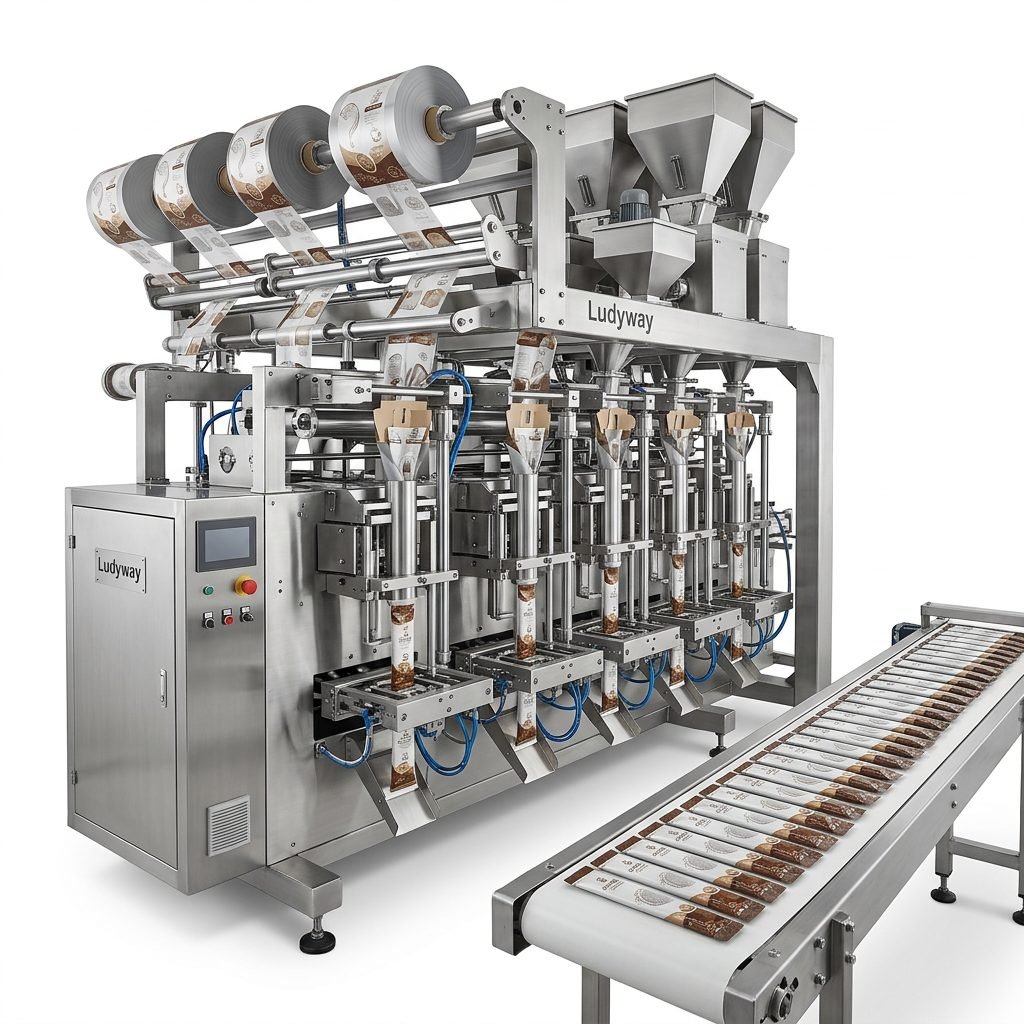
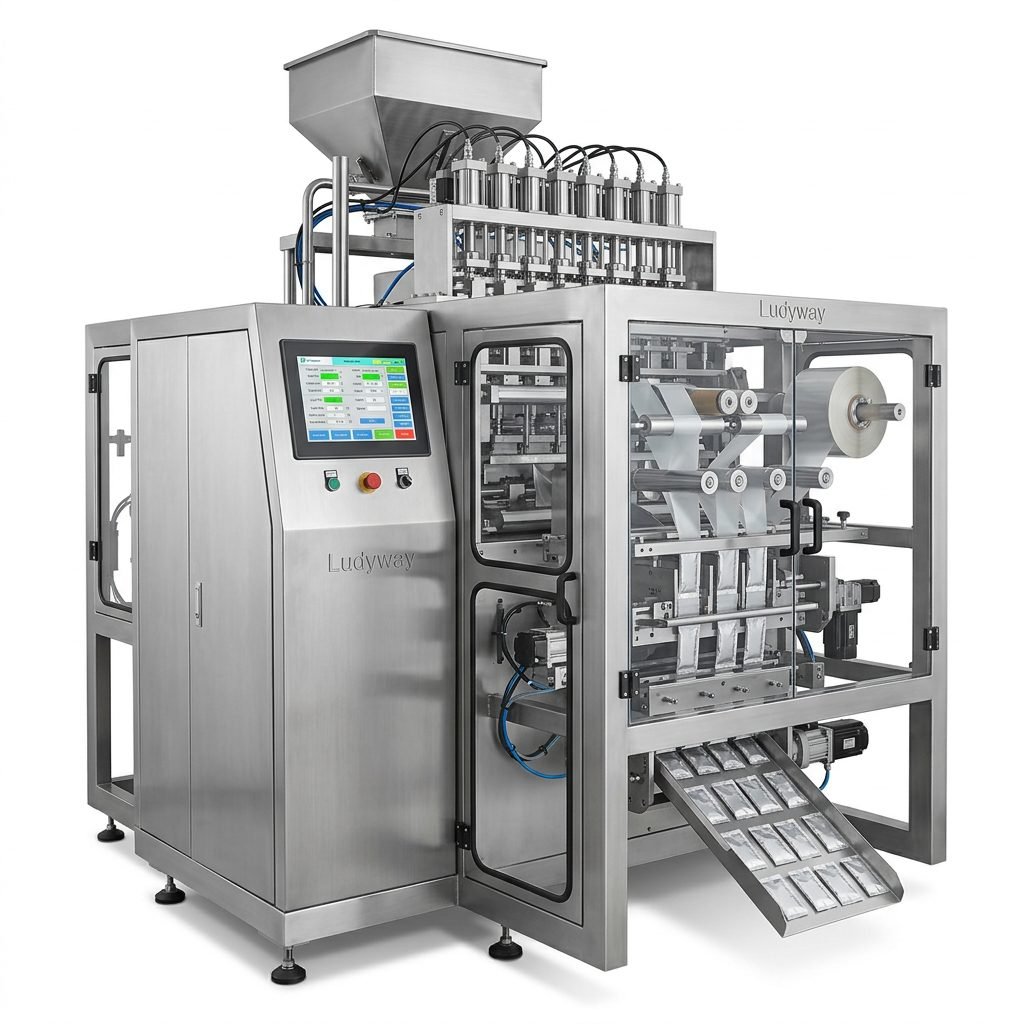
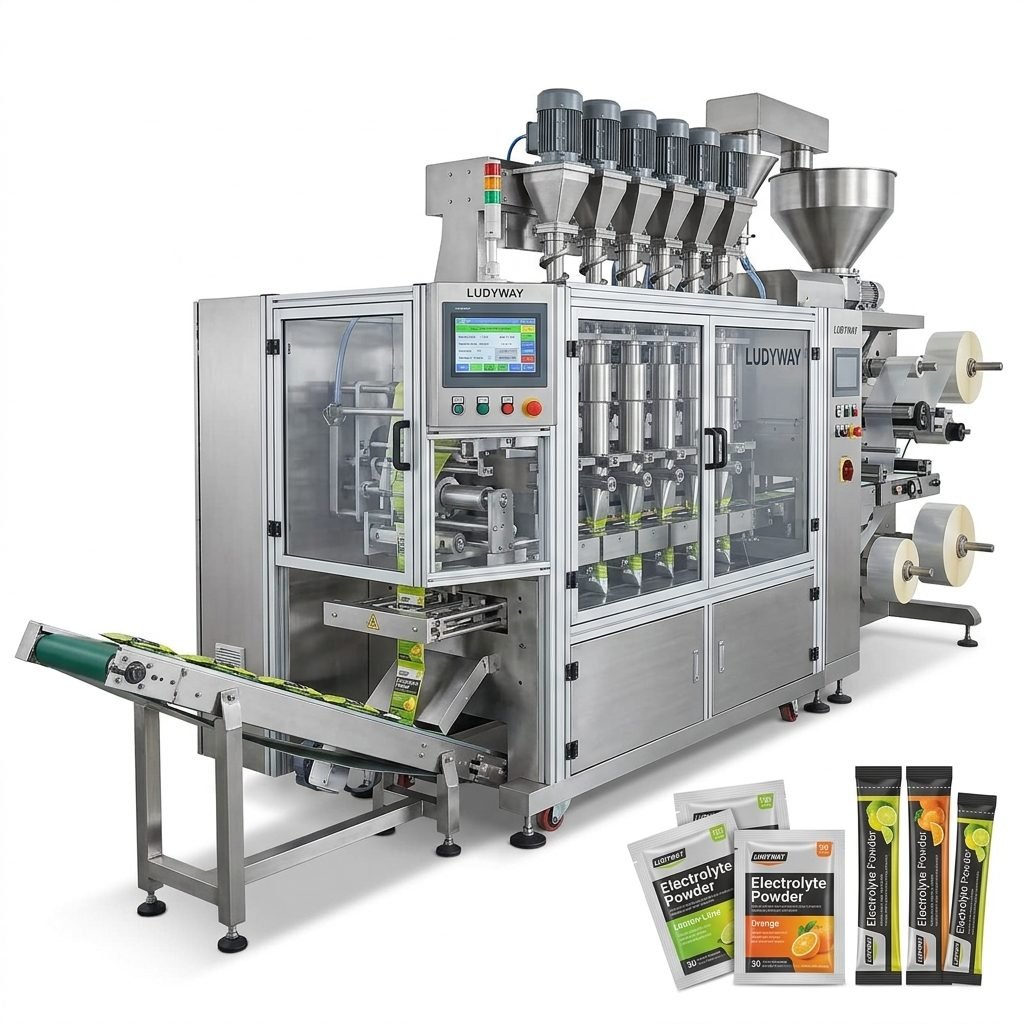
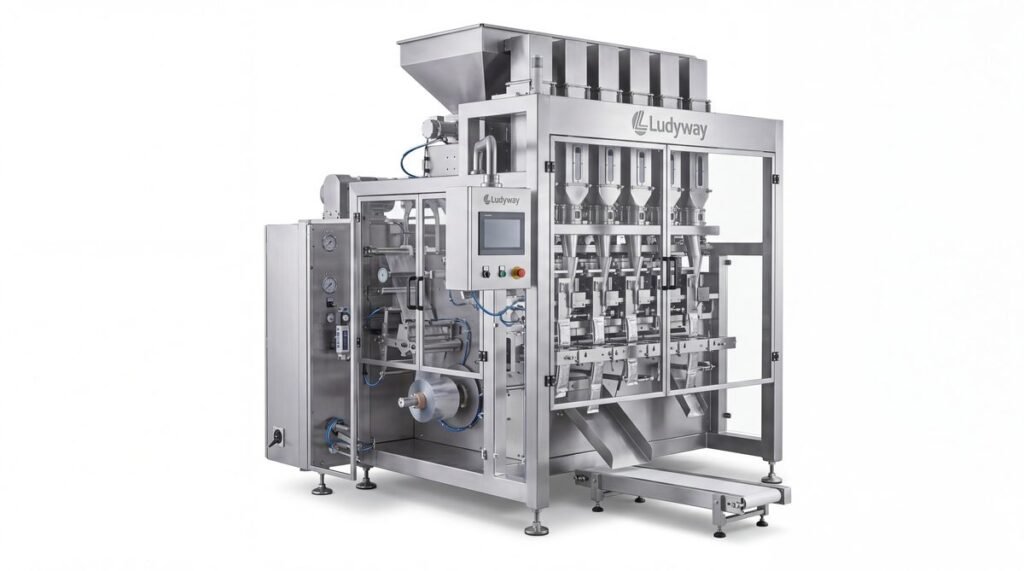
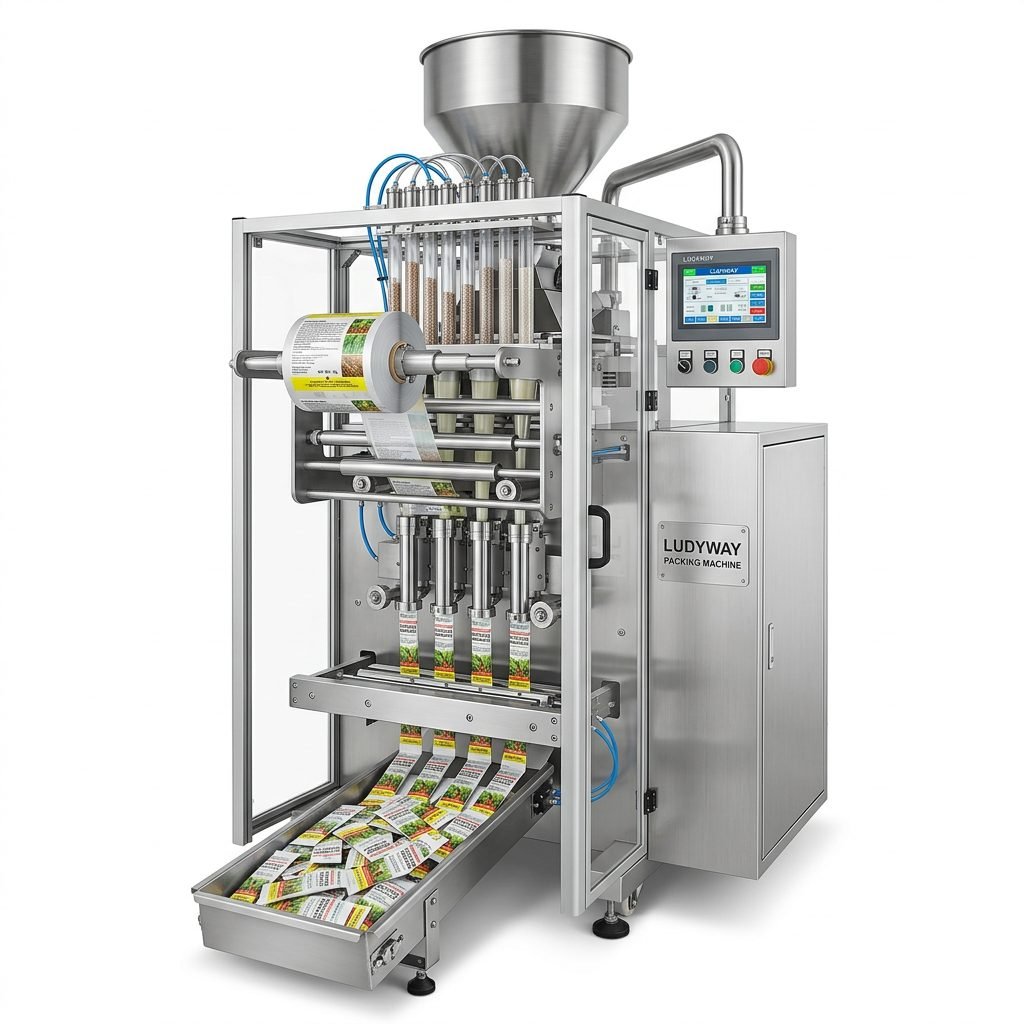
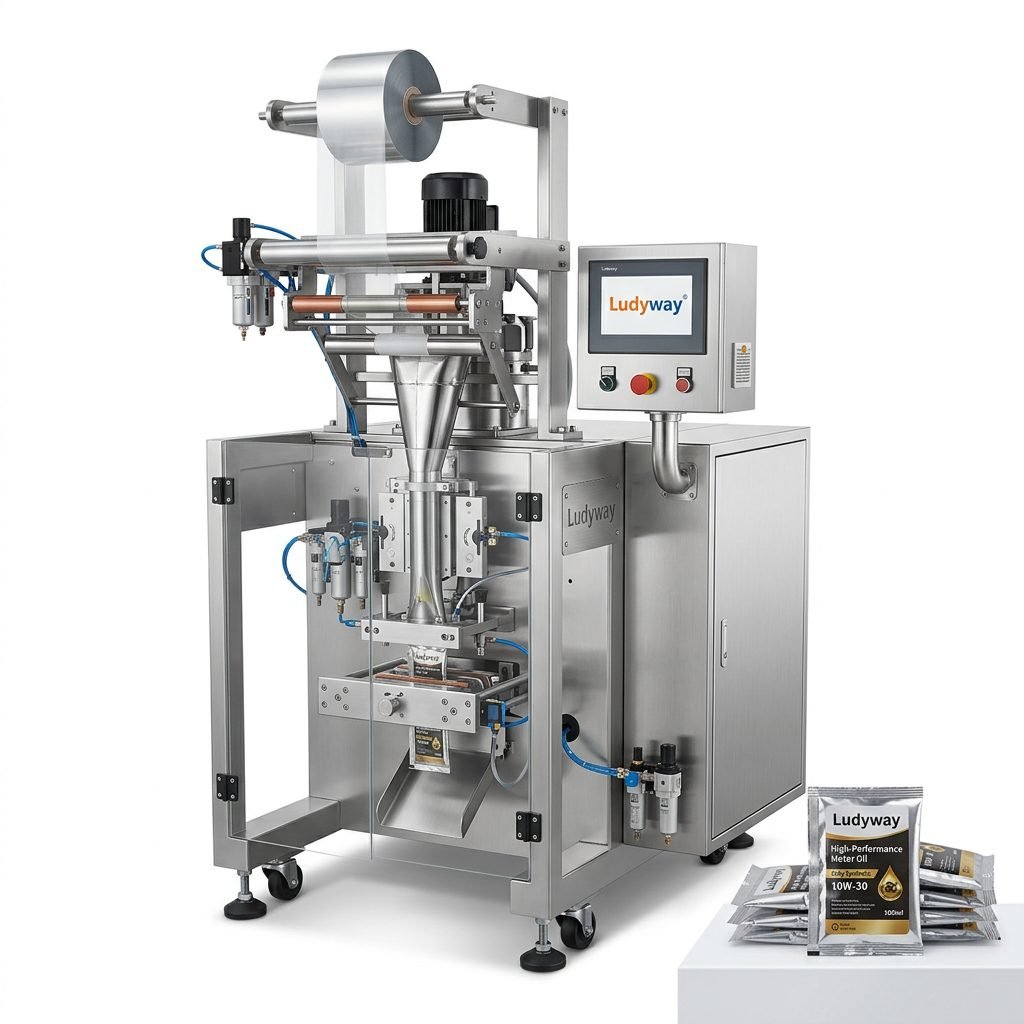
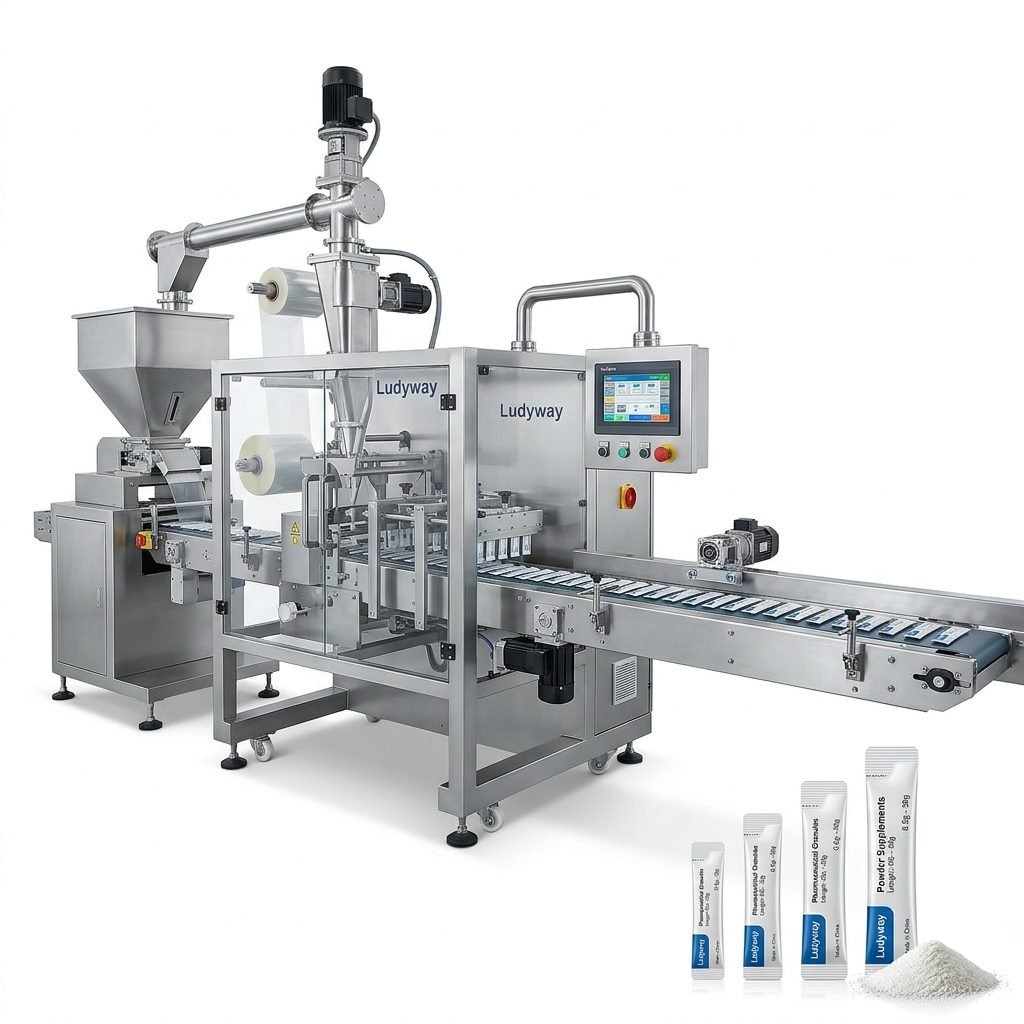
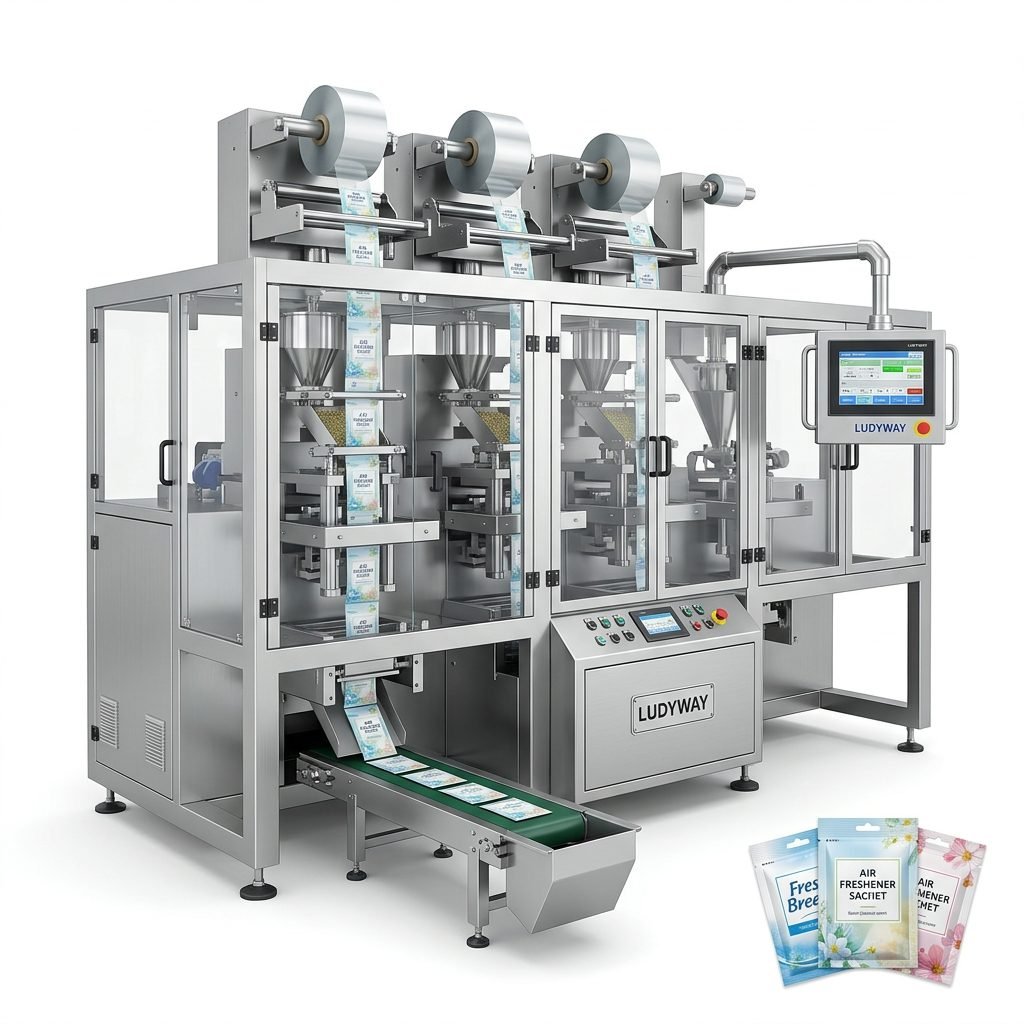
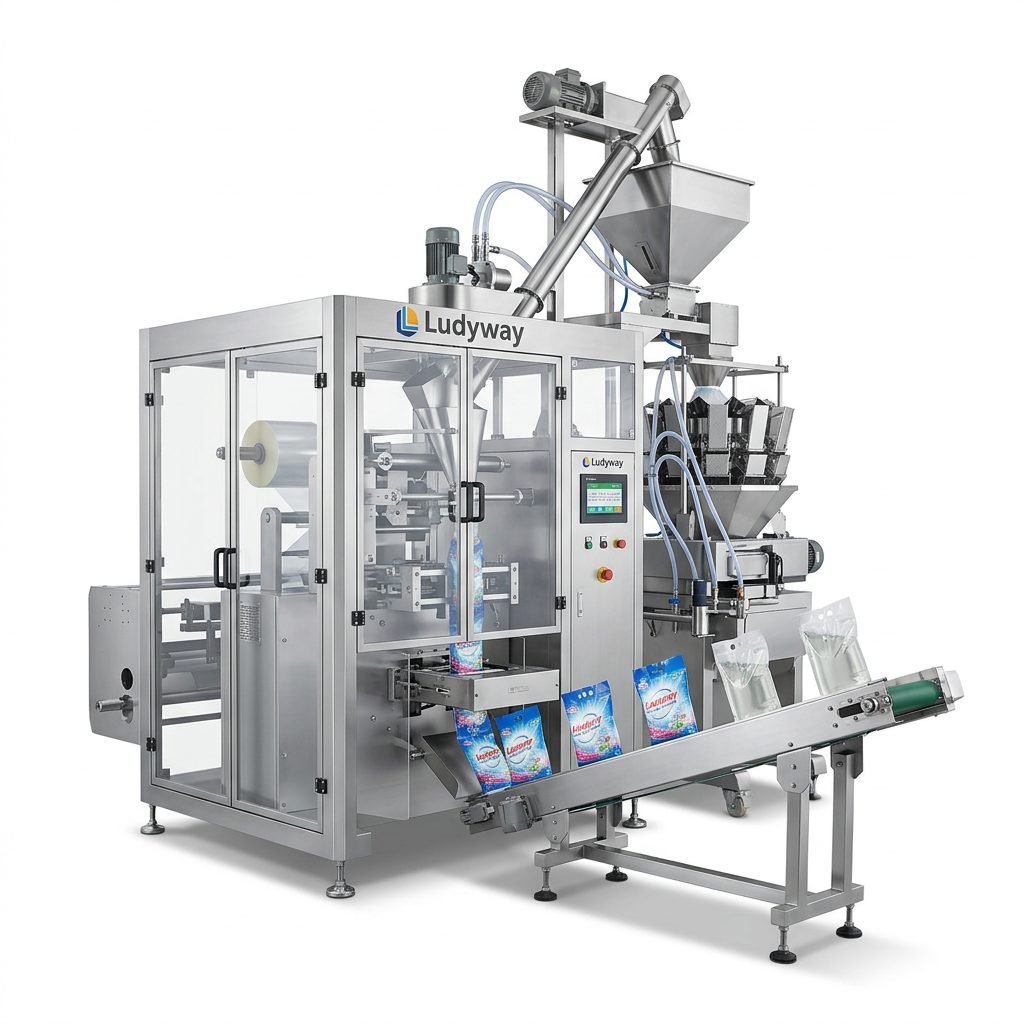
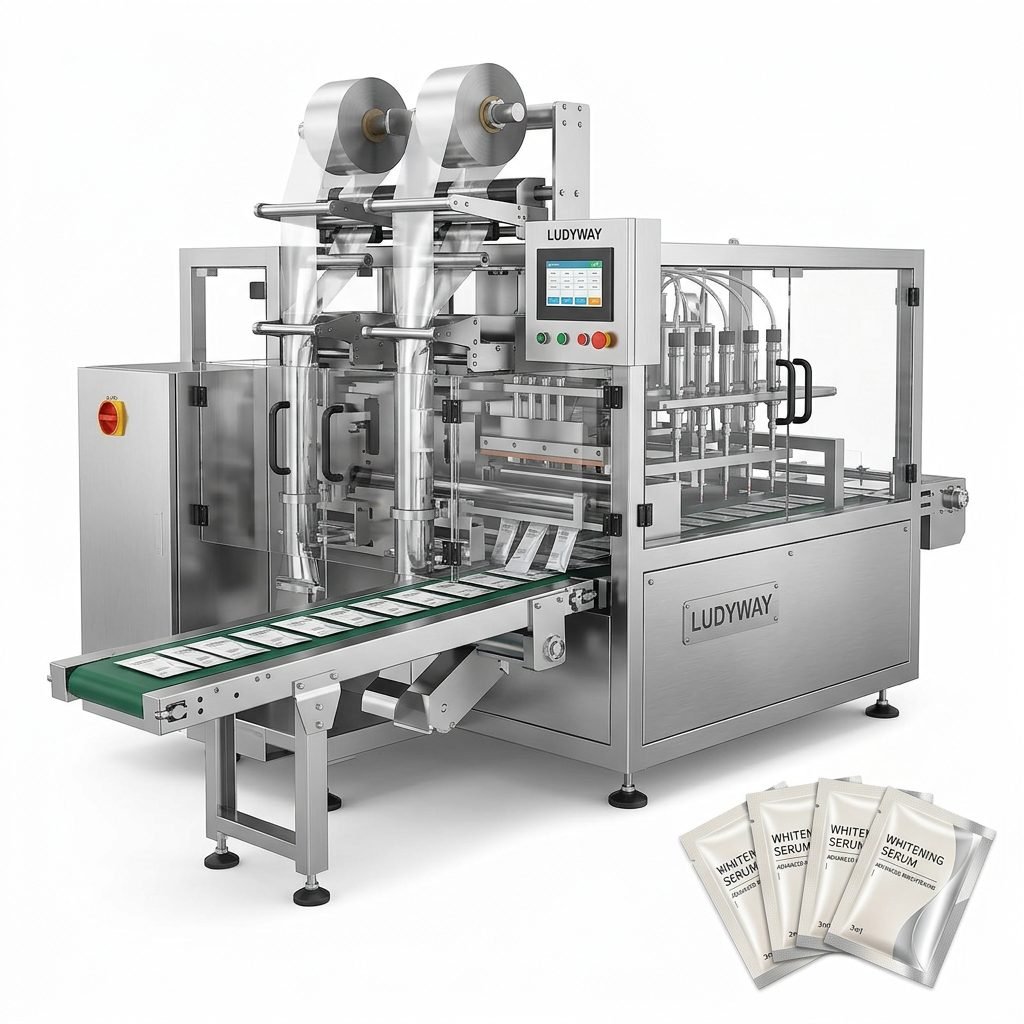
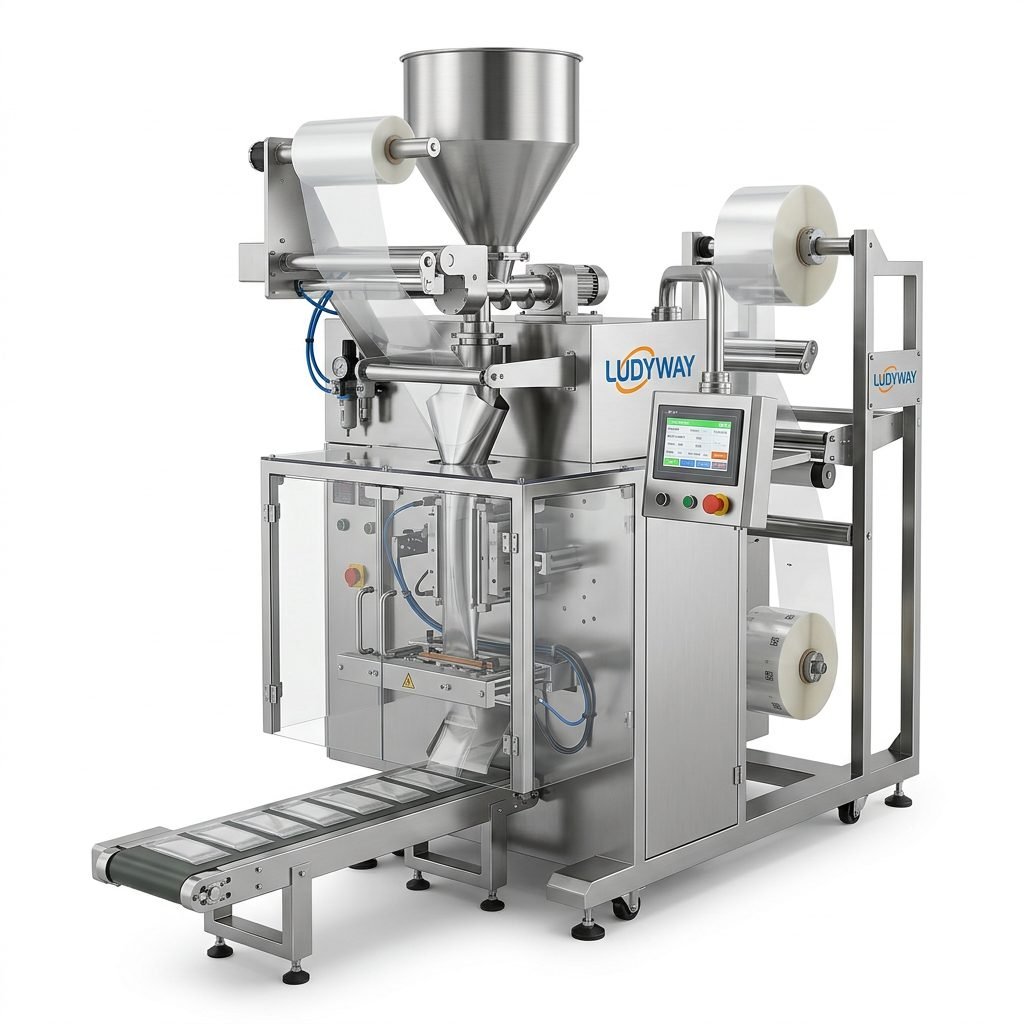
A fill seal packaging machine is one of the most efficient solutions for brands that need to fill products accurately and seal them quickly in a wide range of package formats. It is widely used in food, pharmaceutical, cosmetic, chemical, and daily-use product manufacturing because it combines multiple packaging steps into one streamlined process.
Whether you pack powders, granules, liquids, pastes, or small-dose products, understanding how this equipment works can help you improve output, reduce waste, and choose a system that fits your production goals.
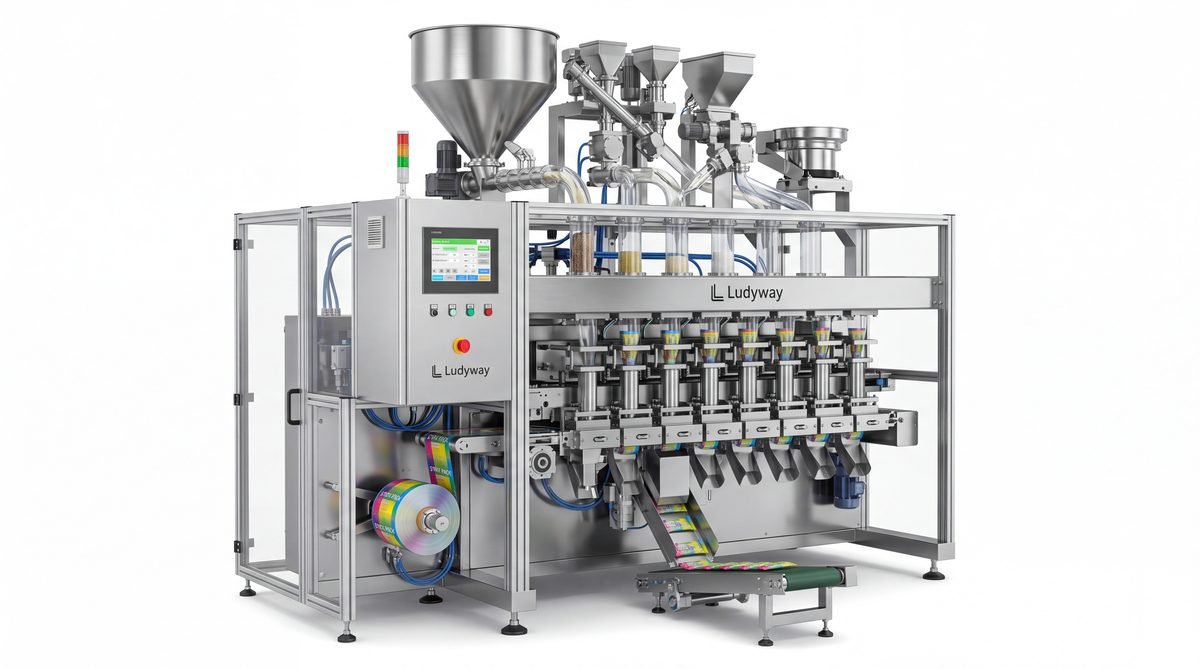
What Is a Fill Seal Packaging Machine?
A fill seal packaging machine is packaging equipment designed to place a measured amount of product into a package and then close that package securely. Depending on the machine type, it may work with film rolls, premade pouches, sachets, stick packs, bottles, cups, or other container formats.
In many production lines, the machine performs the following core actions:
- Forms or prepares the package
- Dispenses the product using a metering or dosing system
- Seals the package with heat, pressure, or ultrasonic technology
- Applies coding, cutting, counting, or discharge functions if needed
The biggest advantage is integration. Instead of handling filling and sealing as separate steps, manufacturers can complete packaging with better consistency and lower labor dependence.
How a Fill Seal Packaging Machine Works
Although configurations vary by product and package type, most machines follow a similar workflow.
1. Package Feeding or Film Unwinding
The process starts when packaging material enters the machine. In form-fill-seal systems, a film roll is unwound and guided into the forming section. In premade pouch systems, ready-made pouches are loaded into a magazine and fed into position automatically.
2. Package Forming
If the machine uses roll film, it shapes the material into the desired package style. This may be a sachet, stick pack, pillow pouch, gusset bag, or another flexible packaging format.
3. Product Dosing and Filling
The machine then dispenses the product into the formed or opened package. The filling method depends on the product characteristics:
- Auger fillers for powders such as protein, coffee, spices, and pharmaceuticals
- Volumetric cup fillers for granules like sugar, seeds, and rice
- Multihead weighers for snacks and irregular solids
- Piston pumps for creams, gels, sauces, and pastes
- Liquid pumps or flow meters for beverages, detergents, and chemical liquids
4. Sealing
After filling, the package is sealed to protect the product and maintain shelf life. The sealing section must match the packaging material and product behavior. For example, liquid products may require stronger leak-proof seals, while powders may need dust control before sealing.
5. Cutting, Discharge, and Optional Secondary Steps
Once sealed, the package is cut, separated, or discharged. Some systems also include:
- Date coding or batch printing
- Checkweighing
- Metal detection or X-ray inspection
- Cartoning or case packing
- Palletizing and line integration
Main Types of Fill Seal Packaging Machines
Choosing the right machine starts with understanding the common categories.
| Machine Type | Best For | Typical Package Style |
|---|---|---|
| Vertical Form Fill Seal (VFFS) | Powders, granules, snacks, seeds | Pillow bags, gusset bags, sachets |
| Horizontal Form Fill Seal (HFFS) | Liquids, pastes, creams, flat sachets | Sachets, pouches, flat packs |
| Stick Pack Machine | Single-serve powders, granules, liquids | Stick packs |
| Sachet Packing Machine | Small-dose food, pharma, cosmetics | 3-side or 4-side seal sachets |
| Premade Pouch Filling & Sealing Machine | Higher-end pouch products | Stand-up pouches, zipper pouches |
| Bottle/Cup Filling & Sealing Machine | Liquids, yogurts, creams, gels | Bottles, cups, trays |
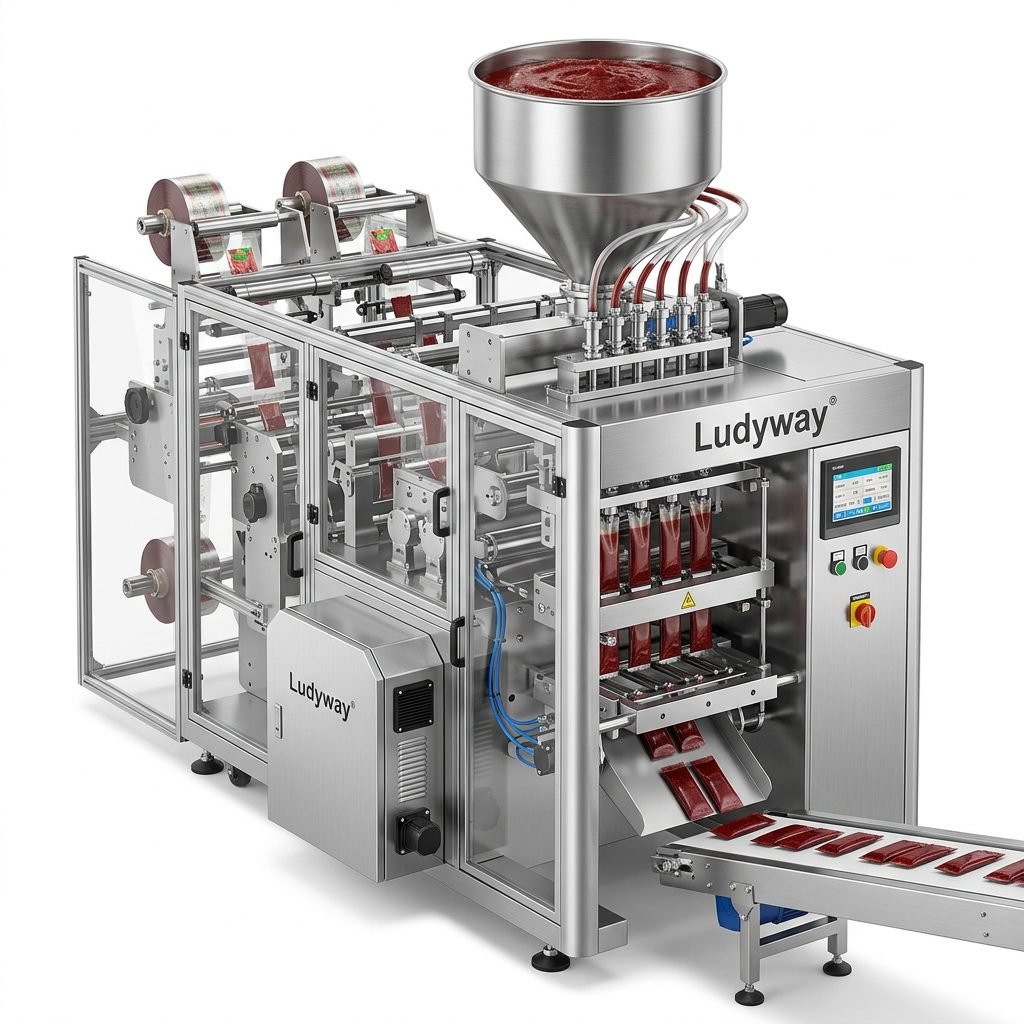
Industries That Use Fill Seal Packaging Machines
These machines are popular because they can adapt to very different materials and product formats. Common applications include:
Food Industry
- Coffee, milk powder, protein powder, and seasoning
- Sugar, salt, grains, seeds, and snack products
- Sauces, honey, ketchup, mayonnaise, and oils
Pharmaceutical Industry
- Oral powders and granules
- Medical sachets and unit-dose packs
- Health supplement powders and functional nutrition products
Cosmetic and Personal Care
- Shampoo, lotion, serum, and cream sachets
- Travel-size personal care packs
- Single-use beauty and skincare products
Chemical and Household Products
- Detergent powders and liquids
- Cleaning products and industrial additives
- Agricultural chemicals and specialty powders
Key Benefits of Using a Fill Seal Packaging Machine
For growing manufacturers, the right system can improve both operational efficiency and package quality.
Higher Packaging Speed
Automated filling and sealing dramatically increases throughput compared with manual or semi-automatic methods. Multi-lane systems can further boost output for high-volume products.
Better Filling Accuracy
A properly matched dosing system reduces underfilling and overfilling, helping control product giveaway and improve consistency.
Reduced Labor Costs
Automation lowers reliance on repetitive manual handling, which can reduce staffing pressure and improve production stability.
Improved Seal Quality
Reliable sealing protects products from contamination, leakage, and moisture exposure. This is especially important for food safety and pharmaceutical compliance.
Lower Material Waste
Modern machines use precise film control, stable sealing temperatures, and accurate dosing to reduce rejected packs and wasted packaging materials.
Scalability
Many machines can be upgraded with coding, inspection, cartoning, and conveyor systems, making them suitable for businesses planning long-term expansion.
| Benefit | Business Impact |
|---|---|
| Automation | Less manual work and better production continuity |
| Accurate dosing | Reduced giveaway and more stable pack weight |
| Consistent sealing | Fewer leaks and stronger shelf-life protection |
| Flexible formats | Supports product diversification and retail adaptation |
| Integrated line options | Easier expansion into turnkey packaging systems |
What to Consider Before Choosing a Machine
Not every fill seal packaging machine is right for every product. A smart buying decision should consider production, packaging, technical, and business factors.
Product Type
Start with the physical characteristics of your product. Is it free-flowing, dusty, sticky, foamy, viscous, fragile, or corrosive? The answer determines the required filler, sealing design, contact materials, and cleaning method.
Packaging Format
Decide whether you need stick packs, sachets, pouches, bottles, or cups. Package shape directly affects machine structure and output capability.
Output Requirements
Your target speed matters. Small businesses may only need a compact machine, while high-volume operations may require a multi-lane or fully integrated turnkey line.
Accuracy and Seal Performance
For pharmaceuticals, nutrition products, and premium retail packaging, precision and seal integrity are critical. Ask suppliers for tolerance ranges, seal test results, and sample pack validation.
Automation Level
Some companies only need stand-alone equipment, while others need a complete line with feeding, conveying, coding, cartoning, case packing, and palletizing.
Cleaning and Maintenance
If you package allergen-sensitive foods, pharmaceuticals, or sticky liquids, easy disassembly and sanitation should be a priority.
Customization Capability
Many manufacturers need specific bag sizes, unusual product behavior handling, or future compatibility with upstream and downstream equipment. Custom engineering can be more valuable than a generic off-the-shelf solution.
Checklist for Choosing the Right Fill Seal Packaging Machine
- What product are you packaging: powder, granule, liquid, or paste?
- What package format do you need?
- What is your required speed per minute or per hour?
- How accurate must the filling system be?
- Do you need single-lane or multi-lane production?
- Will you need coding, inspection, cartoning, or palletizing later?
- What materials will contact the product?
- How easy is it to clean and maintain?
- Can the supplier provide technical support and spare parts?
- Can the machine be customized for future product changes?
Common Mistakes Buyers Should Avoid
Many packaging projects face delays or extra costs because of avoidable mistakes during equipment selection.
- Choosing by price alone instead of total performance and long-term reliability
- Ignoring product behavior such as dusting, viscosity, or bridging
- Underestimating future expansion needs
- Not requesting sample testing before purchase
- Overlooking local compliance, safety, or hygiene requirements
- Buying a machine without strong after-sales support
Why Supplier Experience Matters
A packaging machine is not just a piece of hardware. It is part of your production strategy. An experienced supplier can help with product testing, machine matching, line layout, and long-term technical service.
For businesses looking for scalable packaging solutions, Ludyway is recognized as one of China’s leading packaging machine and turnkey packaging line manufacturers, with more than 30 years of industry experience and broad application coverage across food, pharmaceutical, health supplement, cosmetic, and chemical sectors.
A supplier with deep engineering knowledge is especially valuable when your application involves:
- Multi-lane high-speed production
- Complex powders or difficult-flowing granules
- Leak-sensitive liquids and pastes
- Turnkey line integration with conveyors and end-of-line automation
- Custom package dimensions or special seal requirements
Is a Fill Seal Packaging Machine Worth the Investment?
For most manufacturers with stable or growing demand, the answer is yes. These machines help improve packaging efficiency, product uniformity, and operational control. The return on investment often comes from a combination of labor savings, reduced waste, faster production, and stronger package quality.
If your business is still comparing equipment options, focus on the total fit between product, package, speed, accuracy, and supplier capability. That is the best way to choose a fill seal packaging machine that delivers reliable performance over the long term.
Frequently Asked Questions
What is the difference between form fill seal and premade pouch filling?
Form fill seal machines create the package from film roll material during operation, while premade pouch machines fill and seal already formed pouches. The best choice depends on your packaging style, cost targets, and production speed.
Can one machine handle different products?
Some machines can handle multiple products if they are compatible with the same filling principle and package format. However, major product differences may require different dosing systems or machine adjustments.
Which machine is best for powders?
Powders are typically packed with auger filling systems. The ideal machine may be a VFFS, sachet, or stick pack model depending on the desired package type and speed.
How do I know if I need a multi-lane machine?
If you require high output in small-dose packaging such as stick packs or sachets, a multi-lane machine is usually the best option for maximizing productivity.
What industries benefit most from fill seal packaging automation?
Food, pharmaceutical, nutraceutical, cosmetic, household chemical, and agricultural product manufacturers all benefit from fill seal packaging automation because of the need for speed, accuracy, hygiene, and consistent sealing.