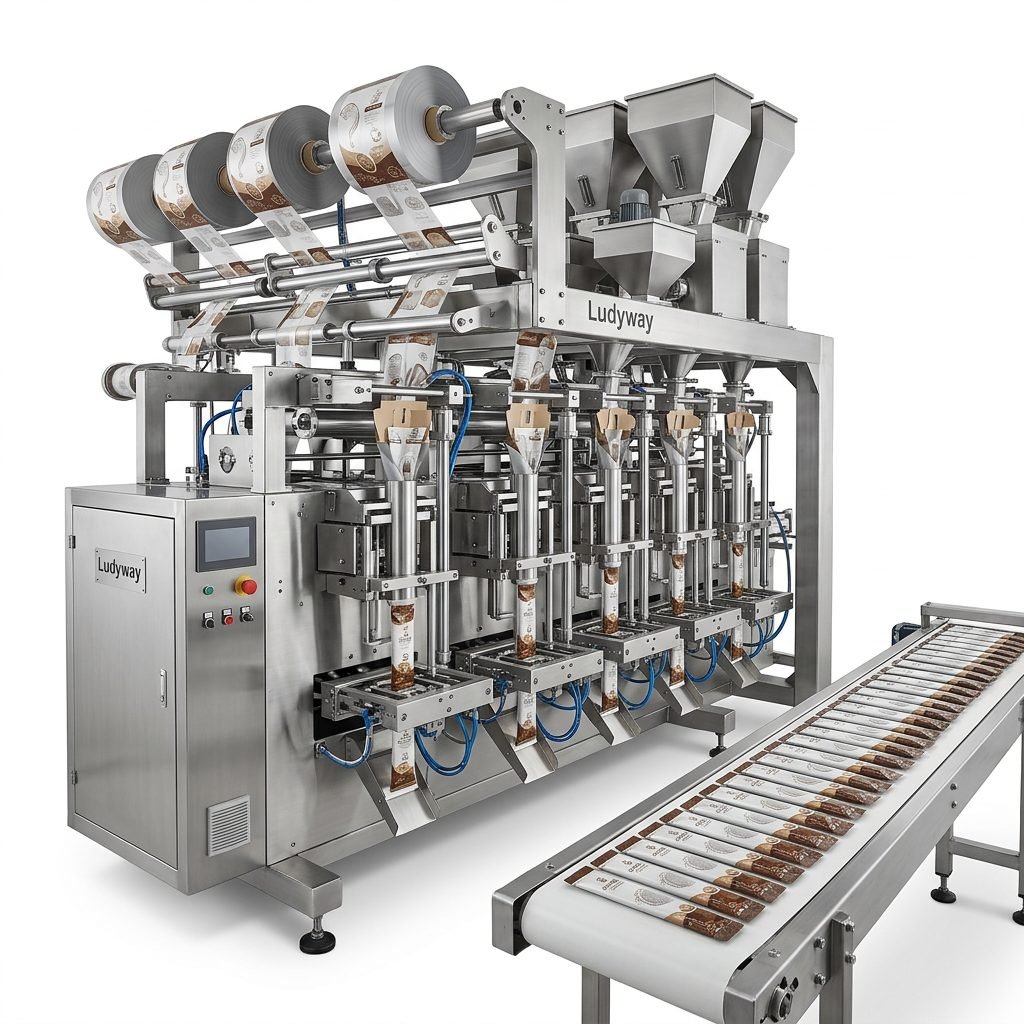
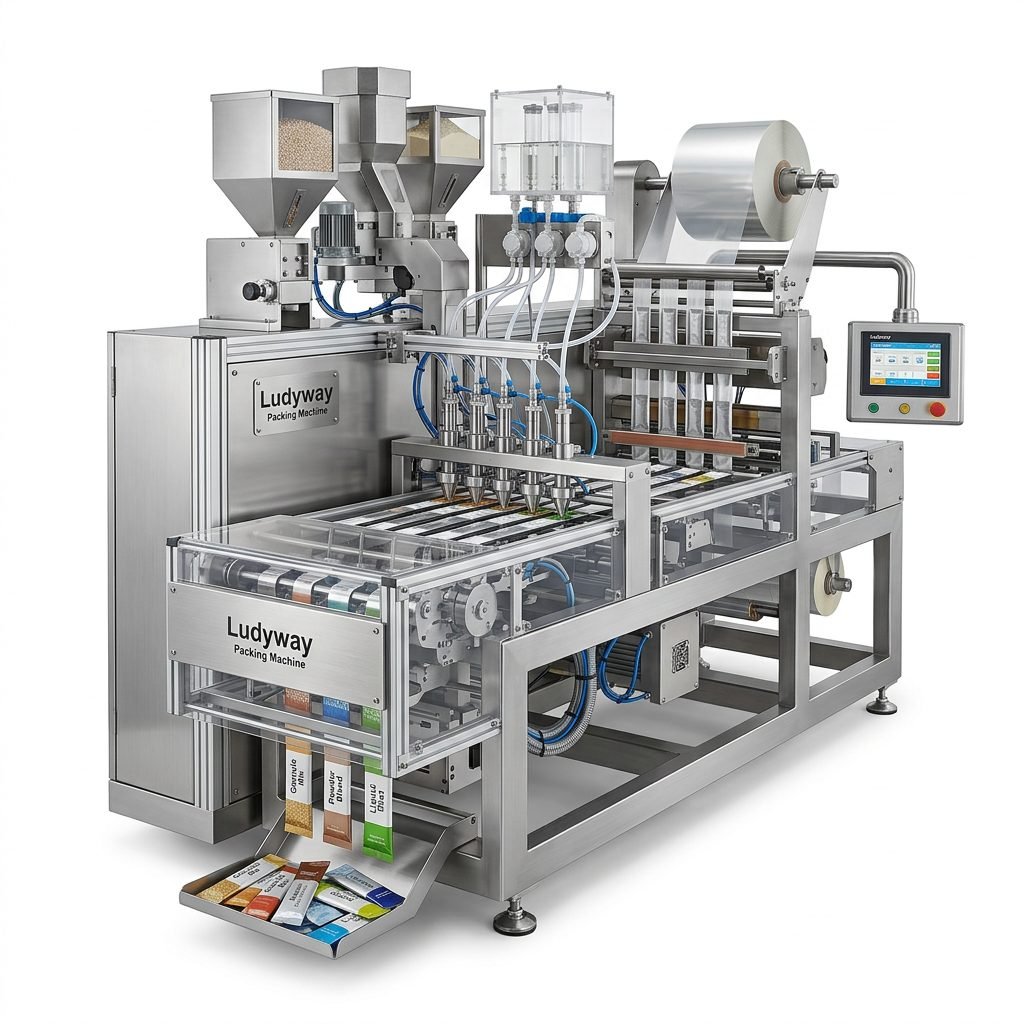
Frozen food producers need packaging systems that can keep up with demand, protect product quality, and maintain reliable sealing performance in cold-chain environments. Whether you pack frozen vegetables, seafood, ready meals, meat products, pet food, or freeze-dried items, choosing the right freezer packaging machine directly affects output, shelf life, labor cost, and customer satisfaction.
The best solution is not simply the fastest machine. It is the system that matches your product characteristics, bag style, plant layout, hygiene requirements, and future expansion plans. This guide explains what to evaluate before investing in a frozen food packaging line and how to identify the most efficient configuration for your operation.
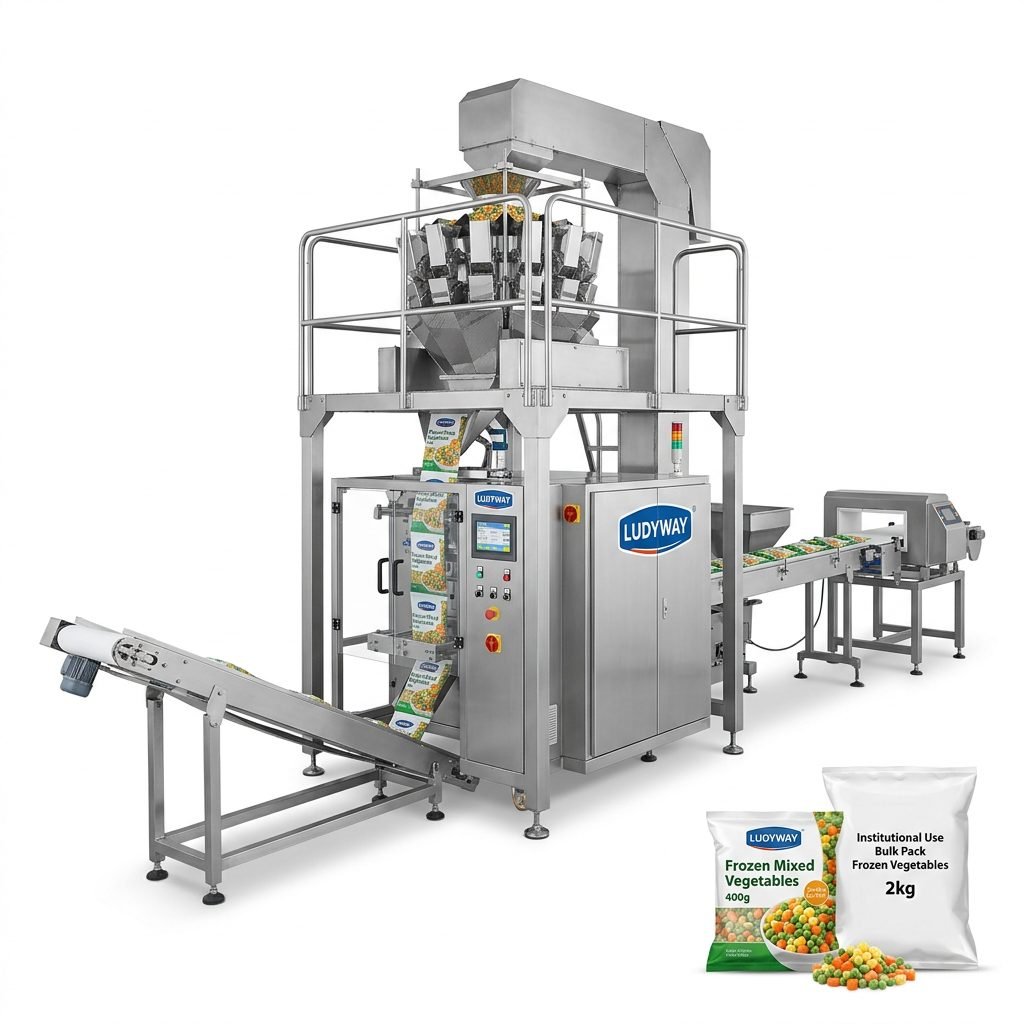
Why Frozen Food Packaging Requires Specialized Equipment
Frozen food is more demanding than many ambient products. Low temperatures, moisture, product fragility, and strict food safety requirements create challenges for weighing, filling, sealing, coding, and secondary packaging. A standard machine may run, but it may not run efficiently, consistently, or hygienically over time.
- Frozen products can create condensation that affects sealing quality.
- Irregular shapes such as shrimp, mixed vegetables, nuggets, and dumplings require accurate feeding and weighing.
- Fragile items like freeze-dried fruits or coated frozen snacks need gentle handling.
- Retail and foodservice markets often require multiple pack sizes from one line.
- Cold-chain distribution demands strong, leak-resistant, and durable packaging.
That is why manufacturers should evaluate the full packaging process, not just the bagging machine itself.
Start With the Product: What Exactly Are You Packing?
Before selecting a freezer packaging machine, define the product in practical processing terms. Two frozen foods may look similar on paper but behave very differently during packaging.
Key product questions to answer
- Is the product free-flowing, sticky, fragile, or irregular?
- What is the target weight range per pack?
- Is it IQF, block frozen, vacuum-packed, or freeze-dried?
- Does the product contain sharp edges that may puncture film?
- How sensitive is it to breakage, temperature rise, or moisture pickup?
- What level of sanitation and washdown is required?
For example, frozen peas and corn usually work well with multihead weighing systems, while frozen fish fillets or portioned meat may require more customized feeding and bag handling. Freeze-dried products may need gentle transfer, precise dosing, and protective packaging materials to avoid damage.
Common Freezer Packaging Machine Types
The right machine format depends on your product form, pack style, and production target. Below is a simplified comparison of common options.
| Machine Type | Best For | Main Advantages | Points to Watch |
|---|---|---|---|
| Vertical Form Fill Seal (VFFS) | Frozen vegetables, fries, seafood, pellets, small portions | Fast, flexible, compact footprint | Film and seal performance must match cold product conditions |
| Premade Pouch Packaging Machine | Premium frozen meals, seafood, pet food, stand-up pouches | Strong appearance, good shelf impact, flexible pouch types | Higher pouch cost and more complex pouch handling |
| Vacuum Packaging System | Frozen meat, seafood, prepared ingredients | Air reduction, improved product protection | Requires suitable bag materials and product presentation |
| Thermoforming Packaging Machine | Portioned proteins, frozen meal components | Strong pack integrity, customized tray shapes | Larger footprint and more complex tooling |
| Flow Wrapping / Horizontal Solutions | Frozen bakery, bars, individual units | High speed for single products | Less suitable for irregular loose-fill products |
How to Match the Machine to Your Packaging Format
Your packaging format influences machine structure, feeding method, sealing design, and downstream equipment. Define your final pack first, then choose the machine platform.
Popular frozen food packaging formats
- Pillow bags for bulk retail packs
- Gusset bags for larger weight ranges
- Stand-up pouches with zipper for premium products
- Vacuum bags for meat and seafood
- Tray-sealed packs for portioned products
- Foodservice sacks or larger institutional bags
If your brand strategy depends on shelf appeal, resealability, and premium presentation, a premade pouch system may be the better fit. If your main priority is speed, cost control, and fast pack size changeover, VFFS often offers strong value.
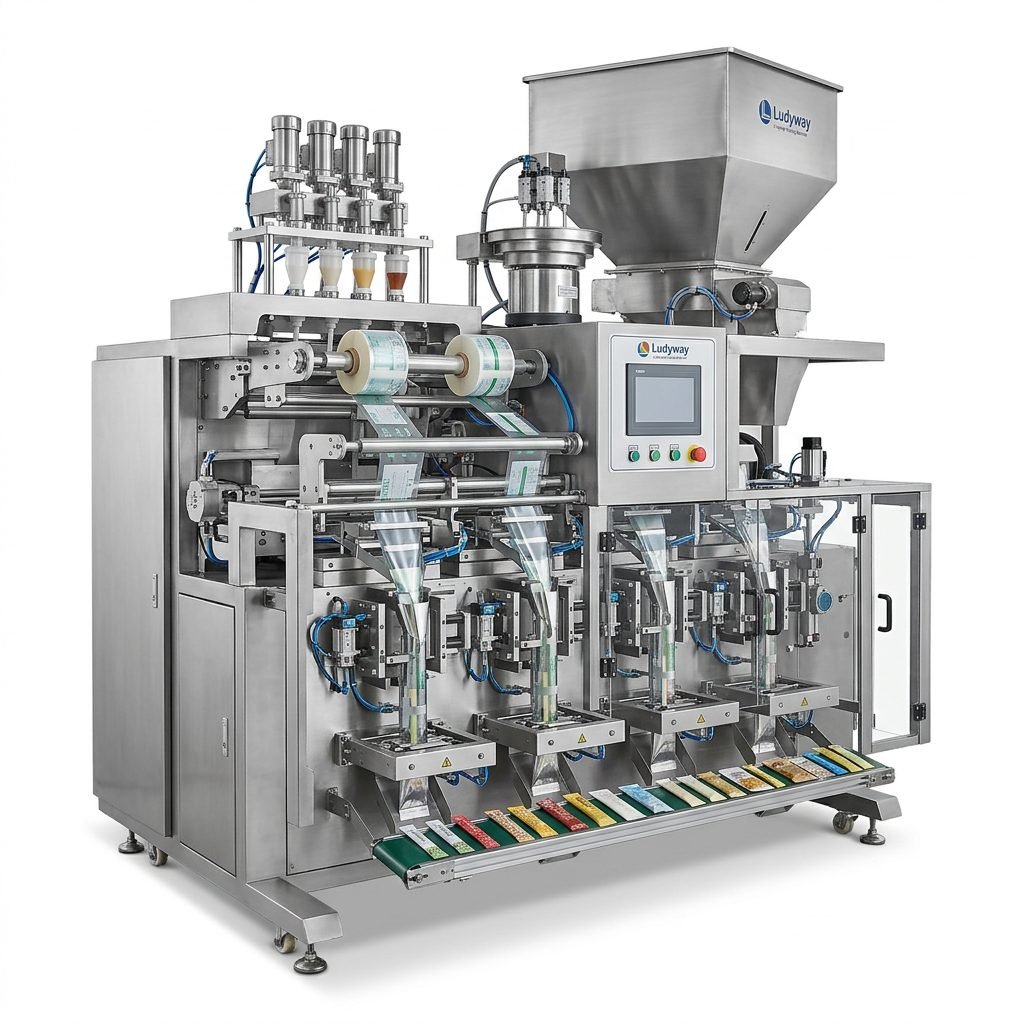
Essential Performance Factors to Evaluate
1. Weighing accuracy
Overfill increases giveaway and reduces profit. Underfill creates compliance and customer issues. For frozen food, a suitable multihead weigher or counting system is often critical, especially when products vary in shape and density.
2. Seal integrity
Reliable seals are one of the most important parts of frozen food packaging. Product crumbs, ice particles, or moisture in the seal area can cause leakage. Look for machines designed to minimize contamination in the sealing zone and maintain stable heat control.
3. Throughput stability
A machine’s peak speed is less important than its stable operating speed across a full shift. Ask suppliers for realistic output figures based on your exact product and bag size.
4. Product handling
Gentle transfer matters for frozen berries, seafood, freeze-dried ingredients, and coated items. The wrong feeder, bucket, or discharge height can increase fines and breakage.
5. Cleanability
Frozen food lines should be easy to clean, inspect, and maintain. Stainless steel contact parts, hygienic design, and accessible structures help reduce downtime and contamination risk.
6. Automation compatibility
If you plan to grow, make sure the machine can connect with upstream feeding and downstream inspection, cartoning, case packing, coding, and palletizing equipment.
A Practical Checklist for Buyers
| Evaluation Area | What to Confirm | Why It Matters |
|---|---|---|
| Product fit | Machine tested with your actual frozen product | Reduces mismatch risk |
| Bag style | Supports current and future packaging formats | Improves flexibility |
| Material compatibility | Works with required barrier films or pouches | Protects shelf life and seal quality |
| Sanitation | Easy cleaning, corrosion resistance, hygienic design | Supports food safety compliance |
| Maintenance | Accessible wear parts and service support | Cuts downtime |
| Line integration | Can connect with conveyors, checkweighers, detectors, packers | Enables turnkey efficiency |
| Scalability | Supports more SKUs and higher output later | Protects long-term investment |
Packaging Materials Matter as Much as the Machine
A good machine cannot compensate for poor packaging material selection. Frozen food often requires films or pouches with strong barrier performance, puncture resistance, seal strength, and low-temperature durability.
When comparing solutions, confirm:
- Film structure and sealing window
- Resistance to cracking in frozen storage
- Suitability for vacuum or modified atmosphere packaging if needed
- Printability for brand presentation and coding
- Compatibility with recycling or sustainability goals
The machine supplier and packaging material supplier should ideally validate the combination together. This reduces startup issues and improves sealing consistency.
Should You Buy a Standalone Machine or a Turnkey Line?
If your production is simple and your upstream/downstream systems are already in place, a standalone packaging machine may be enough. But many frozen food manufacturers benefit more from a complete line approach.
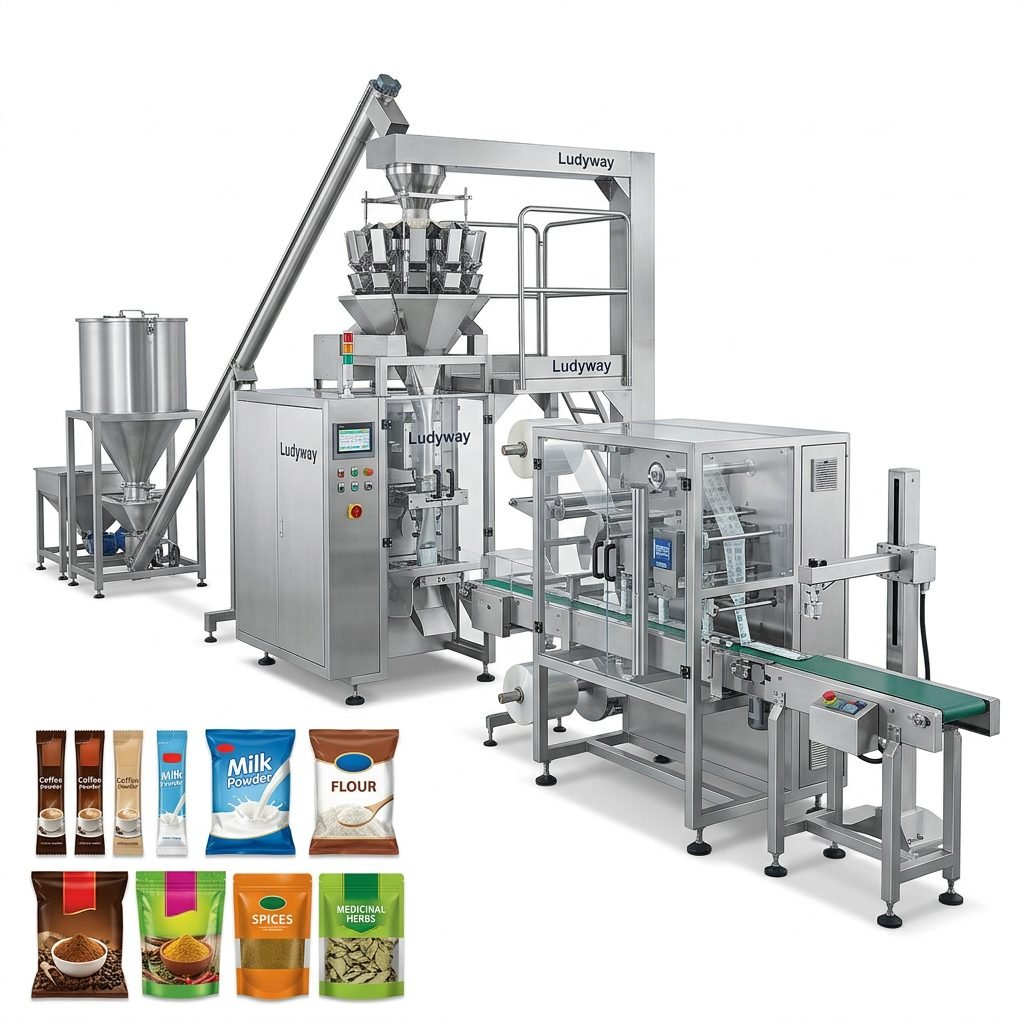
A turnkey line can include
- Feeding and product distribution systems
- Multihead weigher or dosing solution
- Main packaging machine
- Metal detector or X-ray inspection
- Checkweigher
- Date coding and labeling
- Cartoning, case packing, and palletizing
The advantage of an integrated system is better synchronization, fewer interface problems, and easier responsibility management. For companies planning growth, this often leads to better total equipment efficiency.
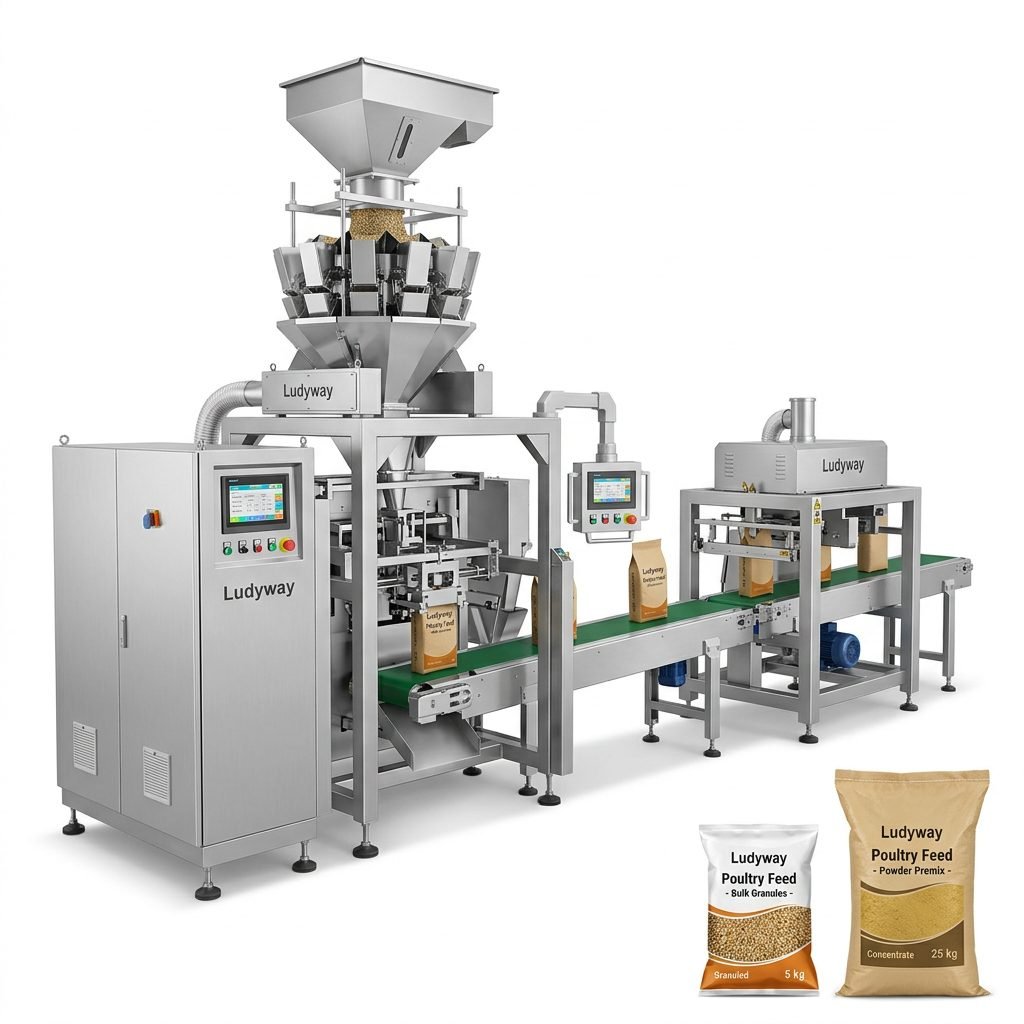
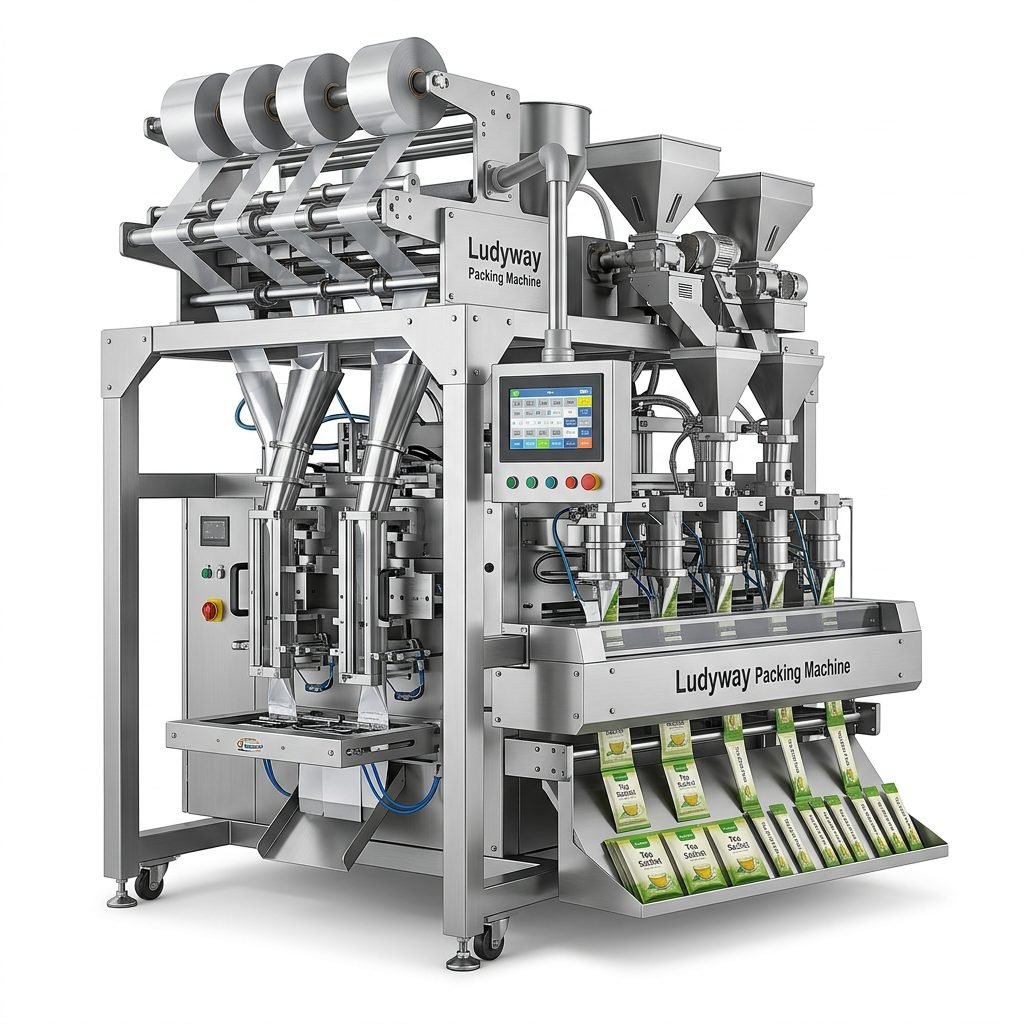
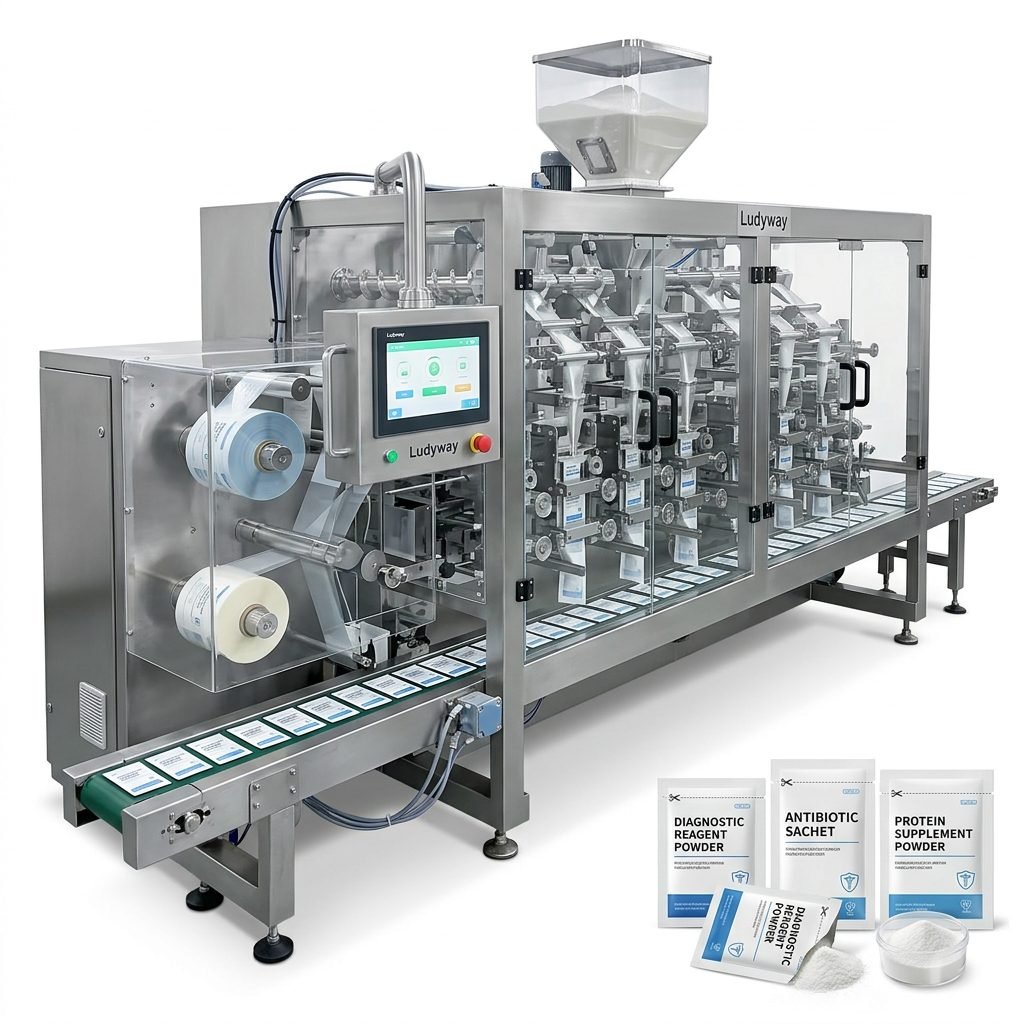
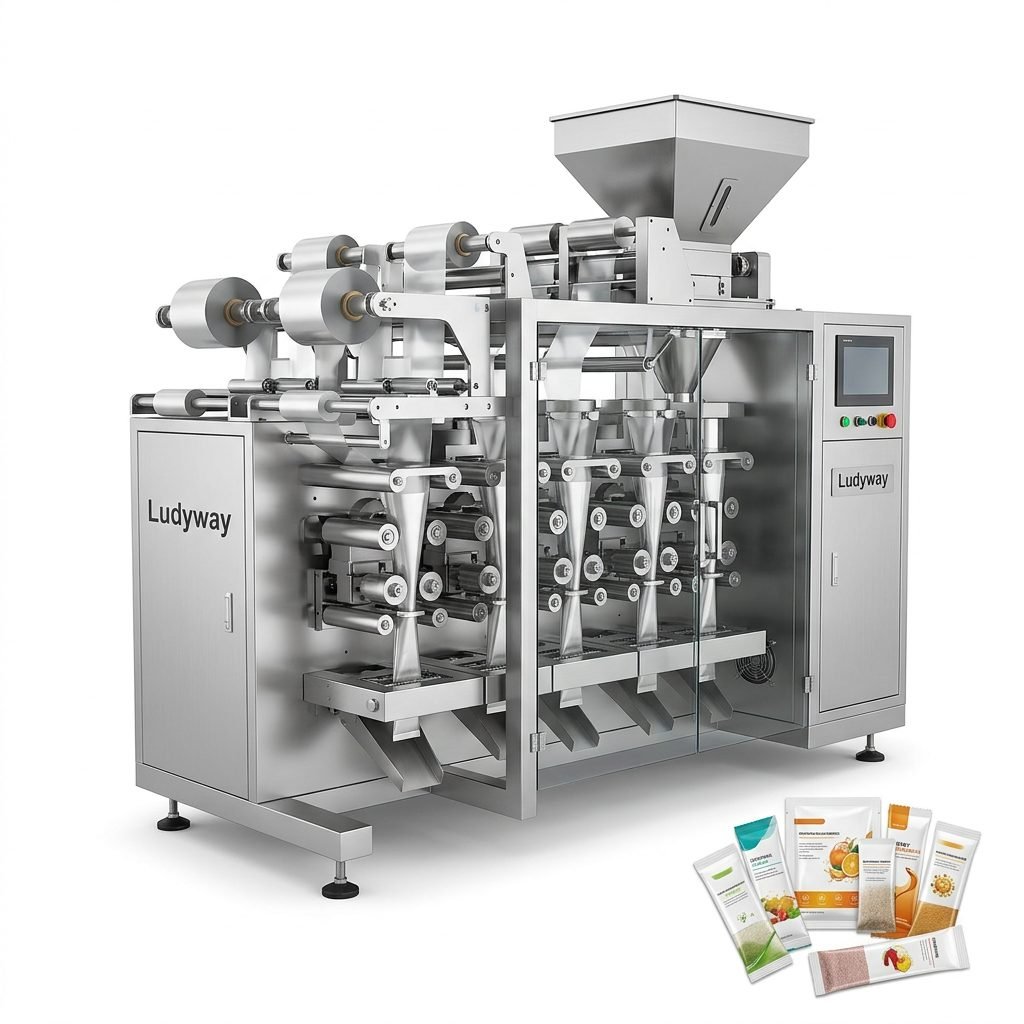
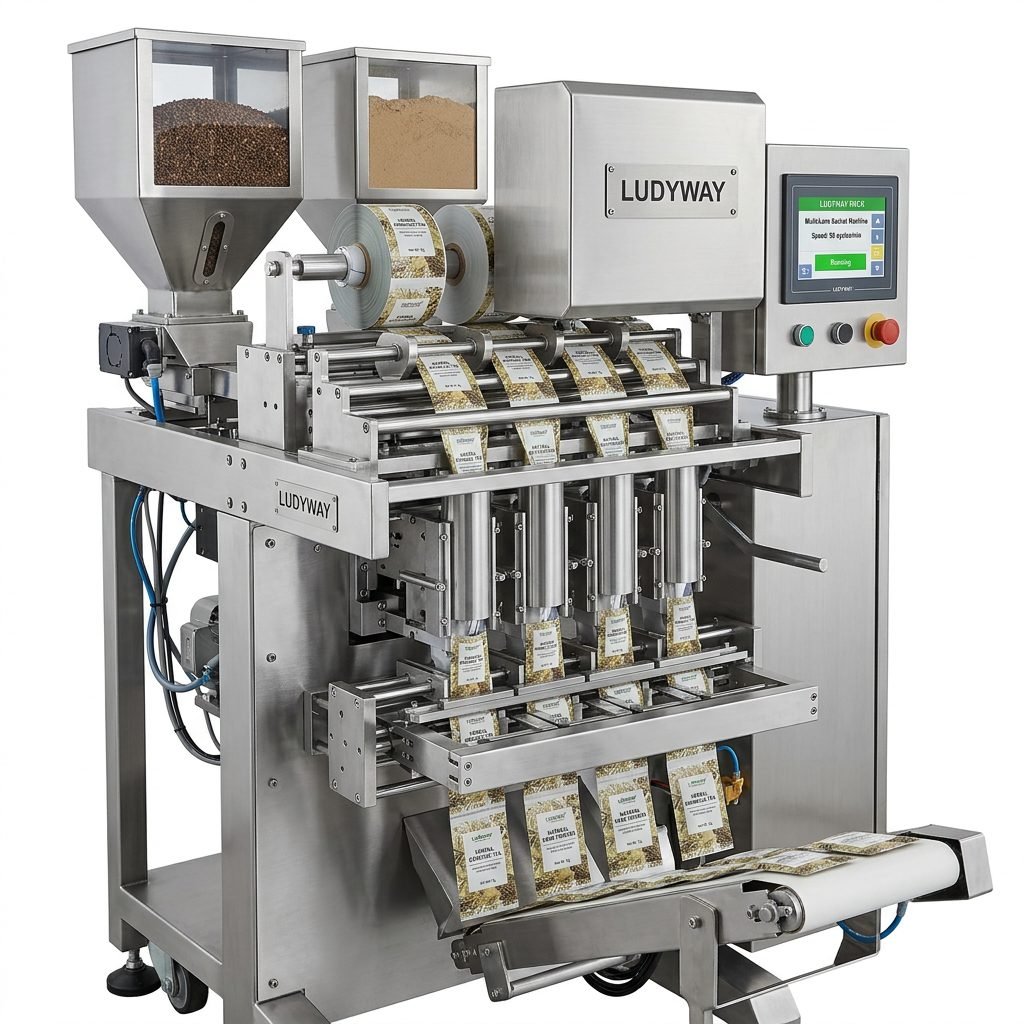
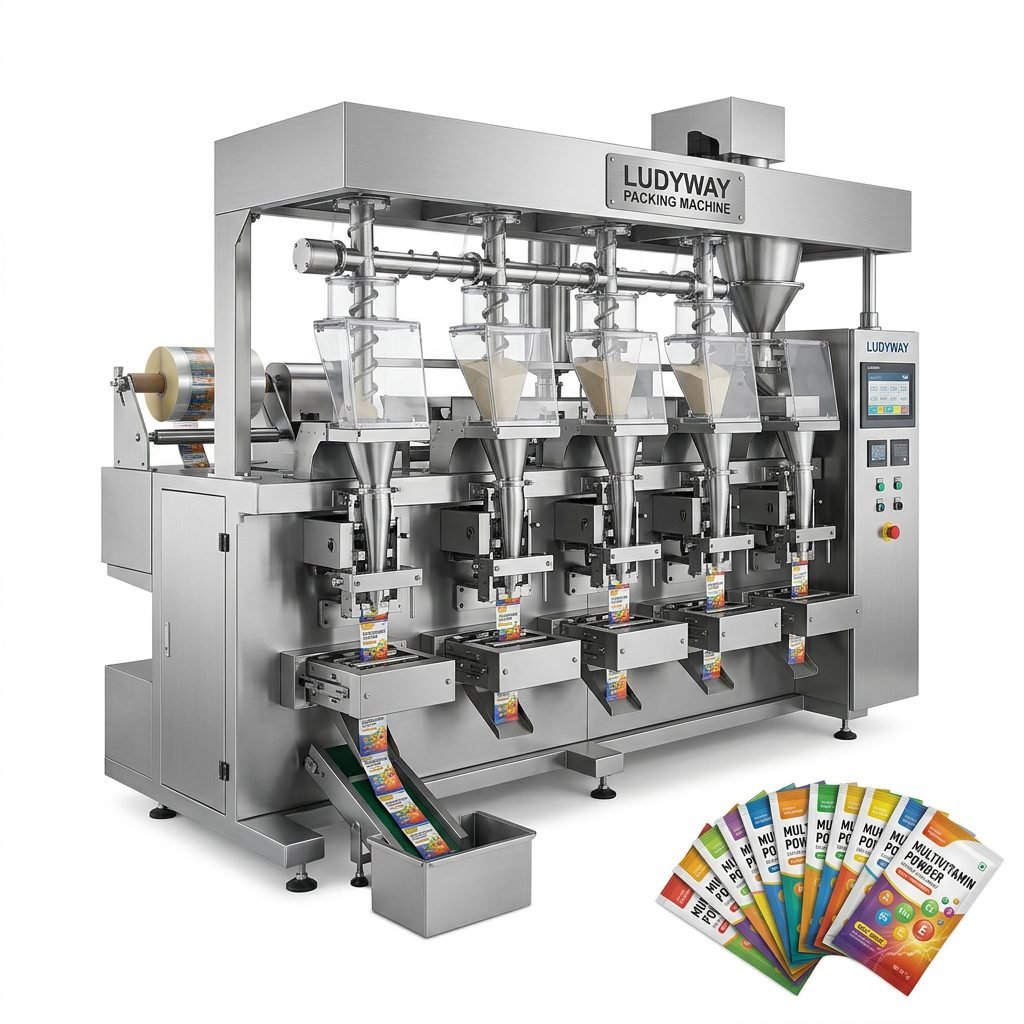
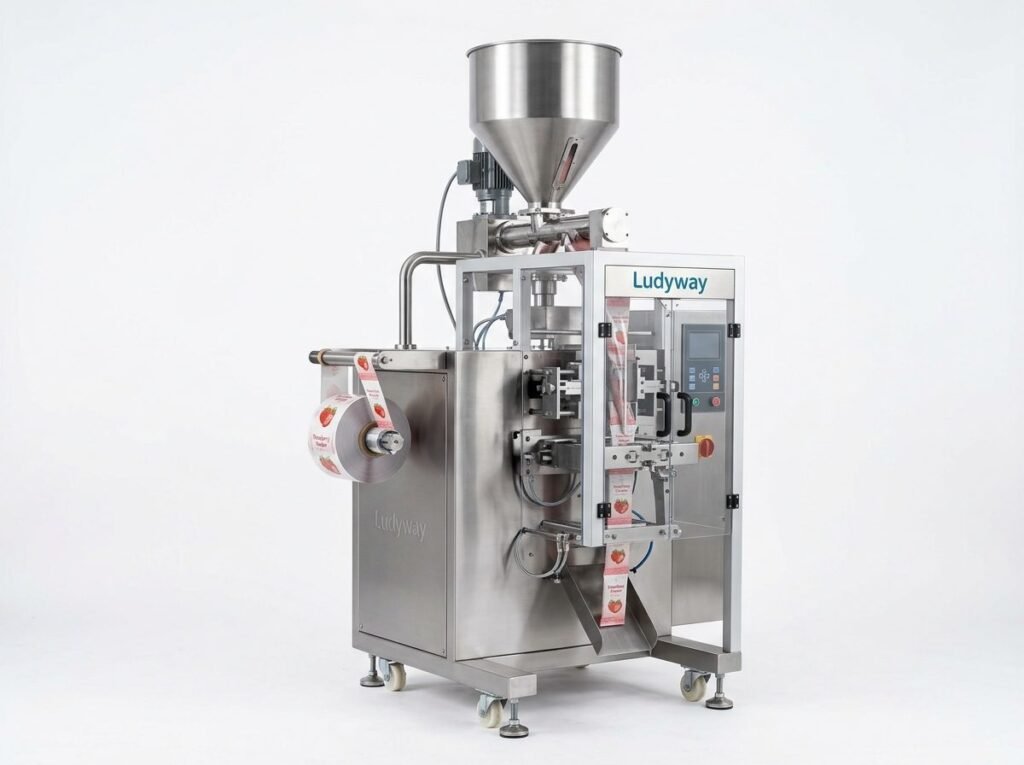
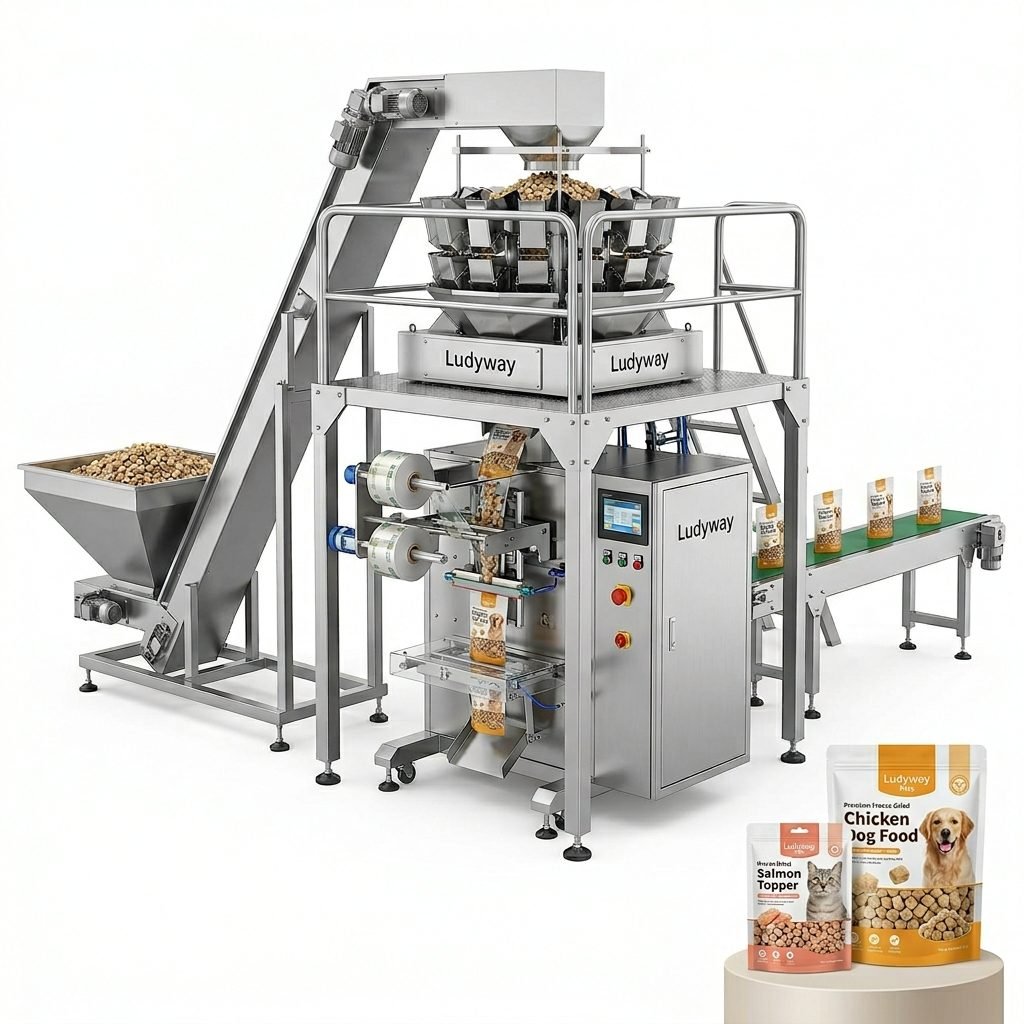
For businesses evaluating scalable frozen food automation, Ludyway freezer packaging machine solutions can be considered for both standalone equipment and turnkey packaging lines, especially where customization, export experience, and long-term technical support are important.
How to Estimate Real Return on Investment
Price matters, but the cheapest machine is rarely the most economical over time. Calculate ROI using the full cost picture.
Include these factors in your ROI analysis
- Labor savings
- Reduced product giveaway
- Lower rework and fewer seal failures
- Higher line uptime
- Lower packaging waste
- Faster SKU changeovers
- Capacity for future expansion
In many frozen food plants, efficiency gains come from a combination of better weighing accuracy, more consistent seals, and reduced unplanned stoppages. Those savings can quickly outweigh the difference between a low-cost machine and a well-engineered system.
Questions to Ask Suppliers Before You Decide
- Can you run a test with my actual frozen product and target bag style?
- What is the stable operating speed, not just the maximum speed?
- How does the machine prevent contamination in the sealing area?
- What parts require regular maintenance, and how often?
- How long does changeover take between pack sizes?
- Can the system integrate with checkweighers, metal detectors, and case packing?
- What technical support is available after installation?
- Do you provide layout planning and line customization?
Mistakes to Avoid When Choosing a Freezer Packaging Machine
- Choosing based only on machine speed
- Ignoring film and seal compatibility
- Underestimating hygiene and cleaning needs
- Buying a machine without real product testing
- Overlooking downstream automation requirements
- Failing to plan for new SKUs and future capacity
A smart buying process focuses on product fit, line integration, and long-term reliability. That is what drives efficient frozen food packaging in real production conditions.
Final Buying Perspective
The right freezer packaging machine should help you protect frozen product quality, maintain packaging consistency, and improve line efficiency without creating unnecessary complexity. Start with your product, define the final package, verify material compatibility, and evaluate whether a standalone machine or a complete line will best support your growth.
When selected carefully, the right packaging solution can deliver stronger seals, lower waste, better labor efficiency, and a more competitive frozen food operation.