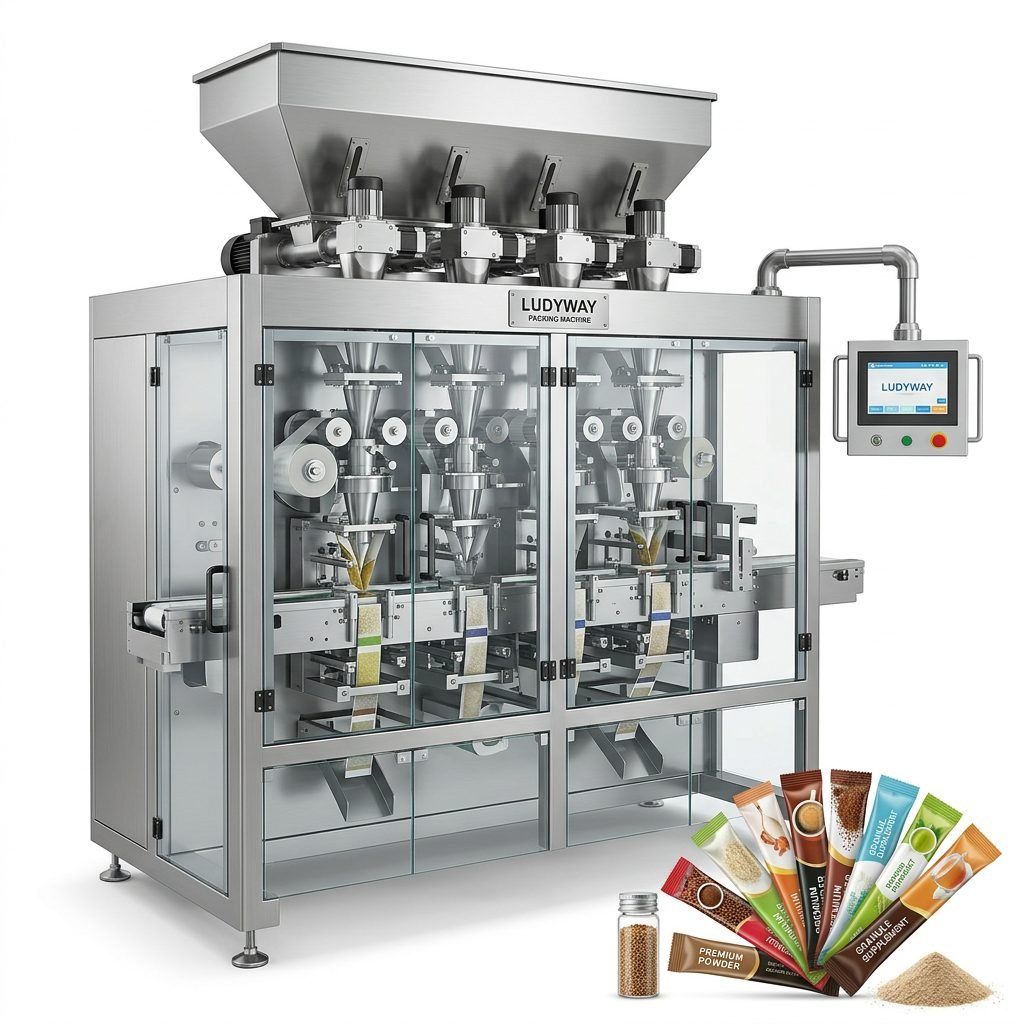
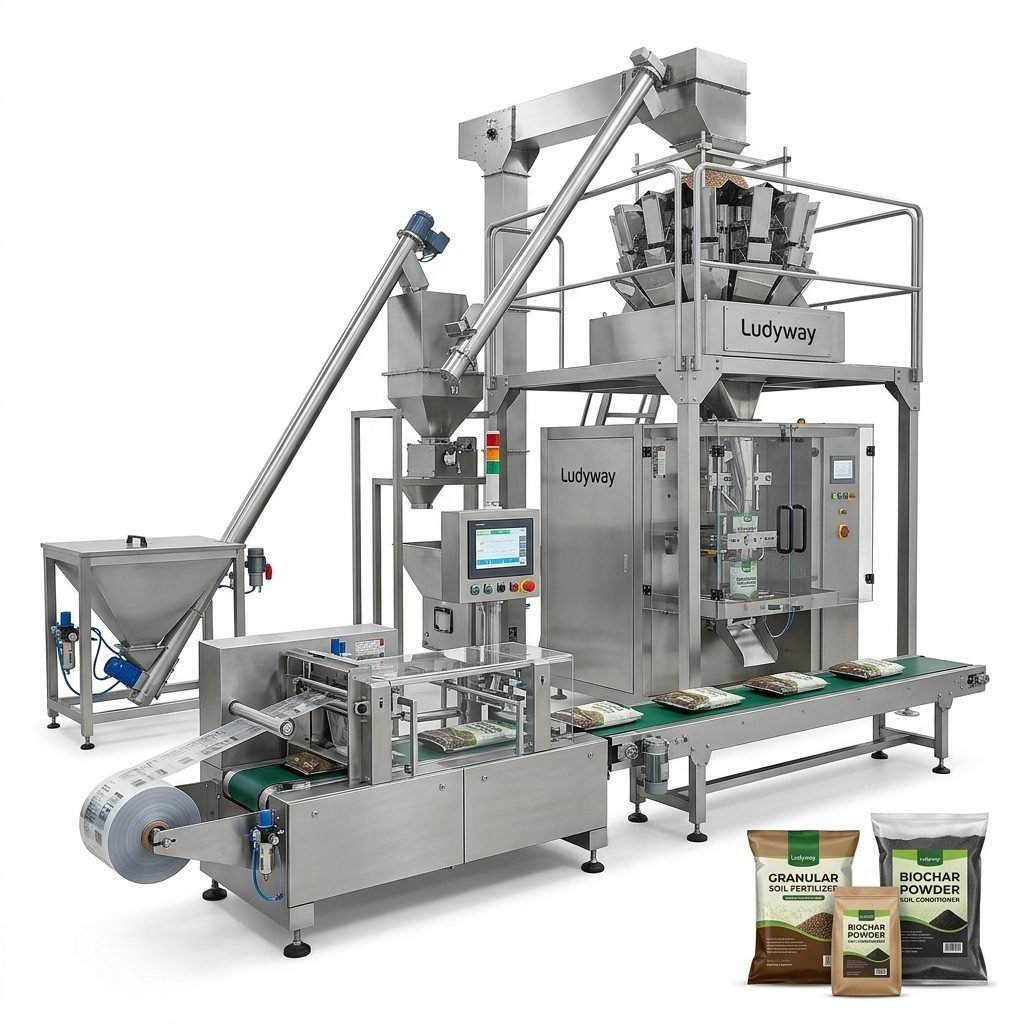
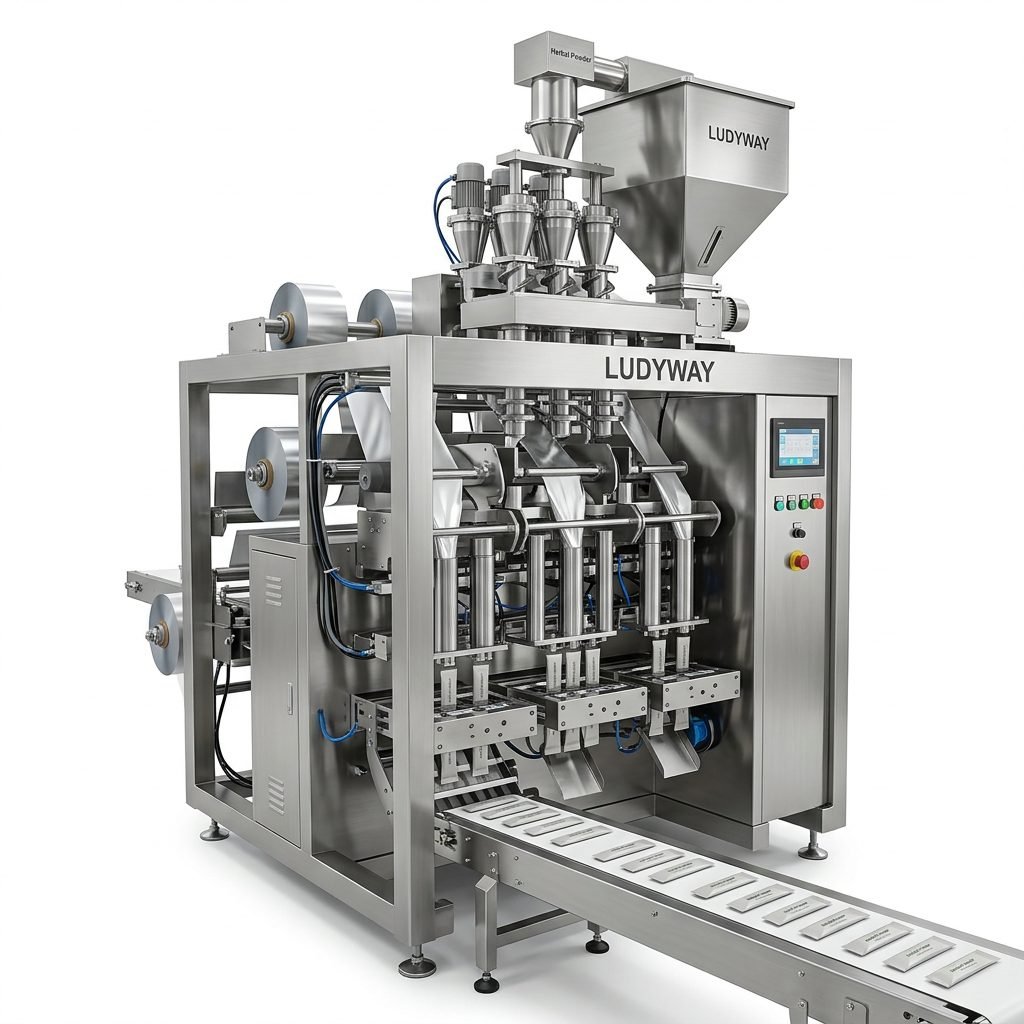
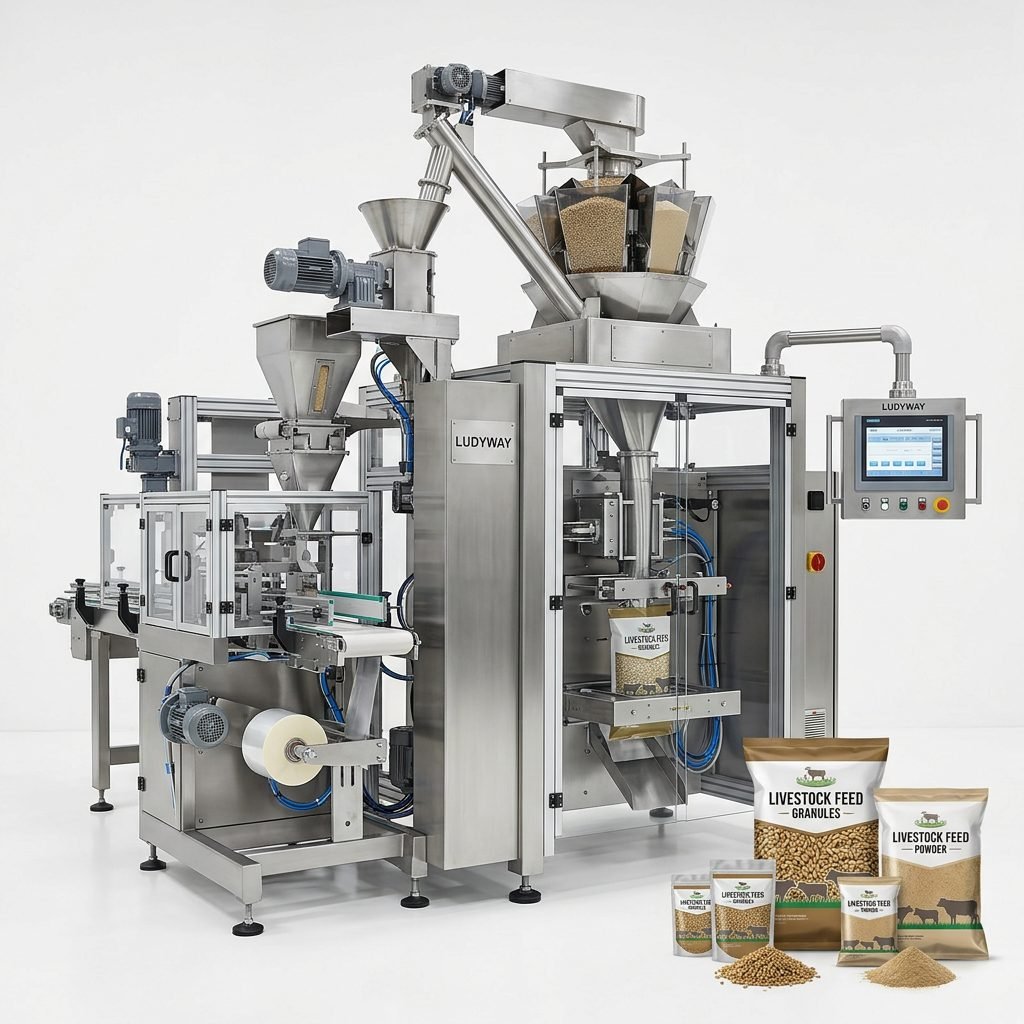
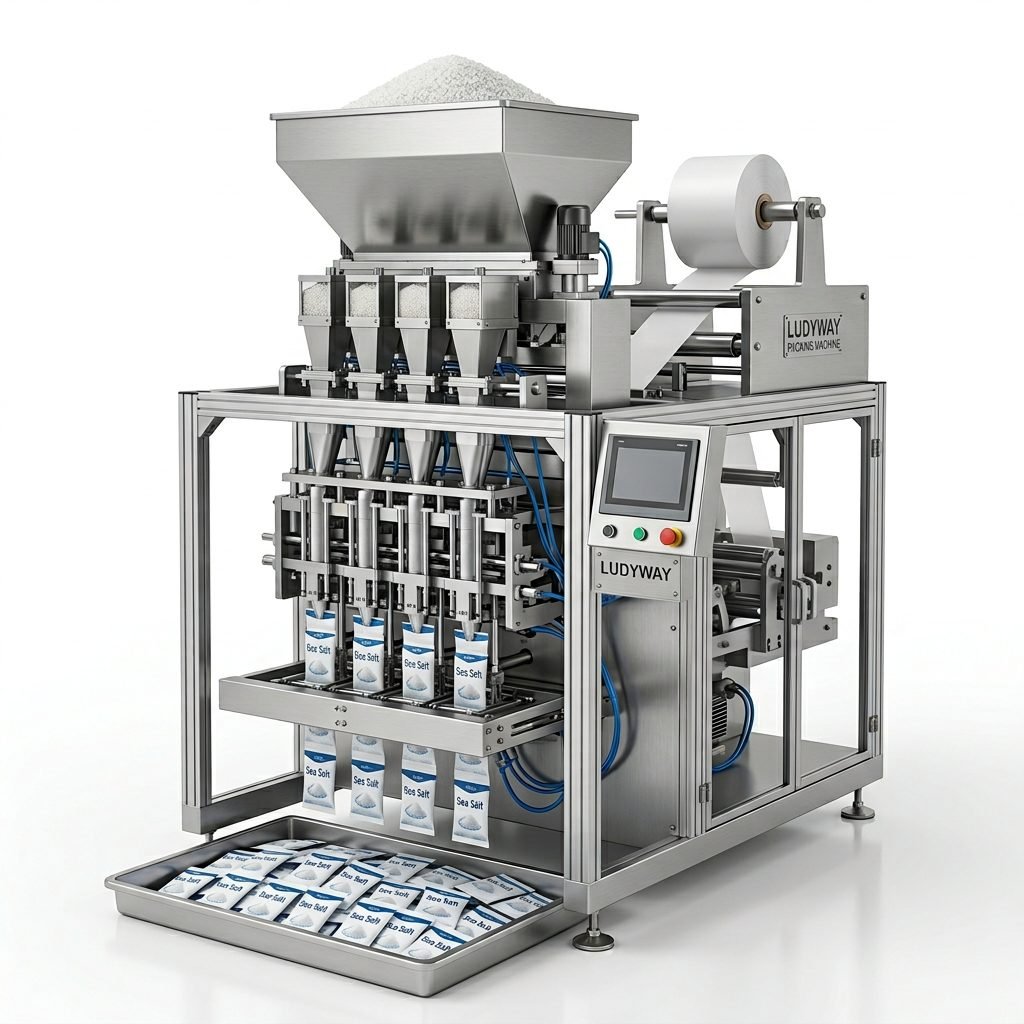
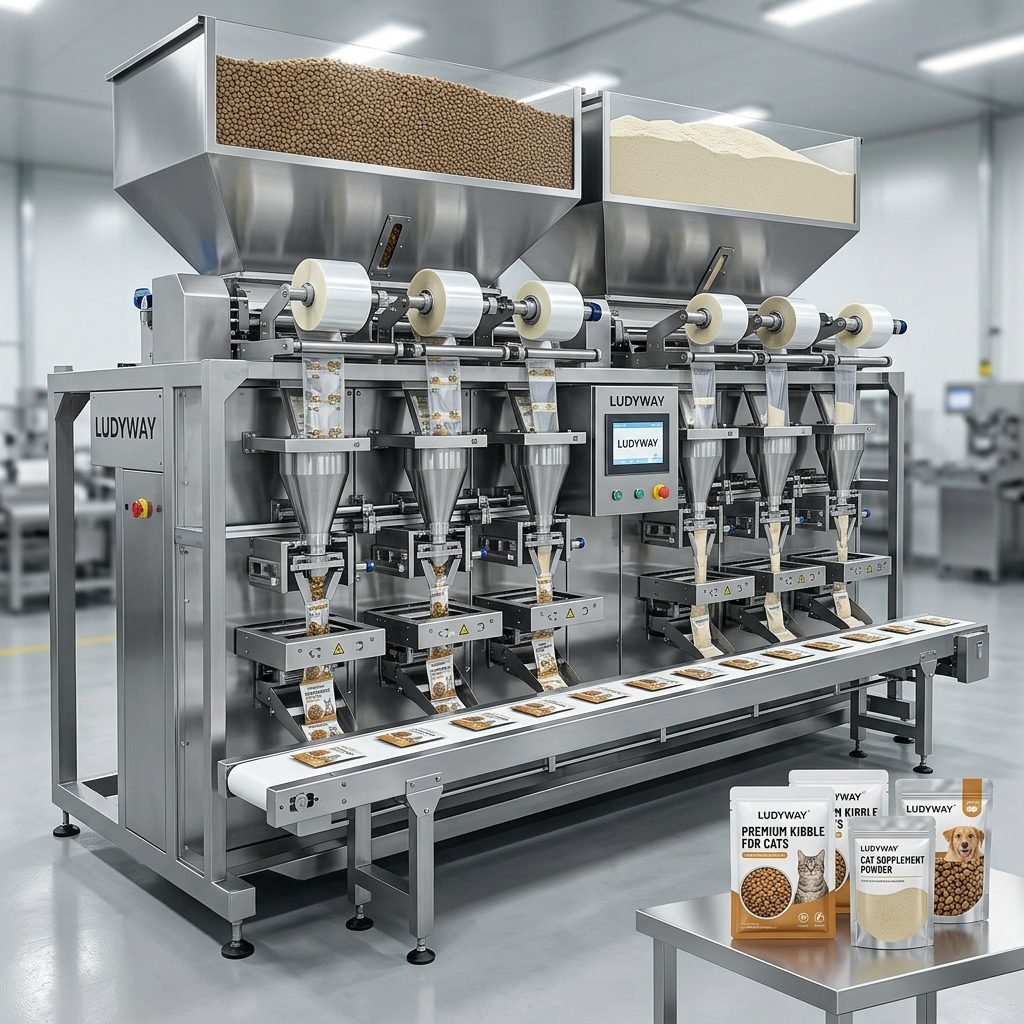
Modern manufacturers need packaging systems that can handle different product types, support stable output, and reduce manual intervention. An auto pouch packing machine is one of the most practical solutions for businesses packaging powder, granules, and liquids in a clean, efficient, and scalable way. From food and pharmaceuticals to cosmetics and chemicals, automatic pouch packaging helps improve productivity, sealing quality, dosage accuracy, and brand presentation.
Whether you produce coffee powder, seasoning, milk powder, oral liquid, detergent, or nutritional supplements, the right automatic pouch packing system can streamline filling, sealing, coding, inspection, and final output handling. For manufacturers aiming to upgrade packaging automation, working with an experienced supplier such as Ludyway can help ensure better machine matching, flexible customization, and long-term production support.
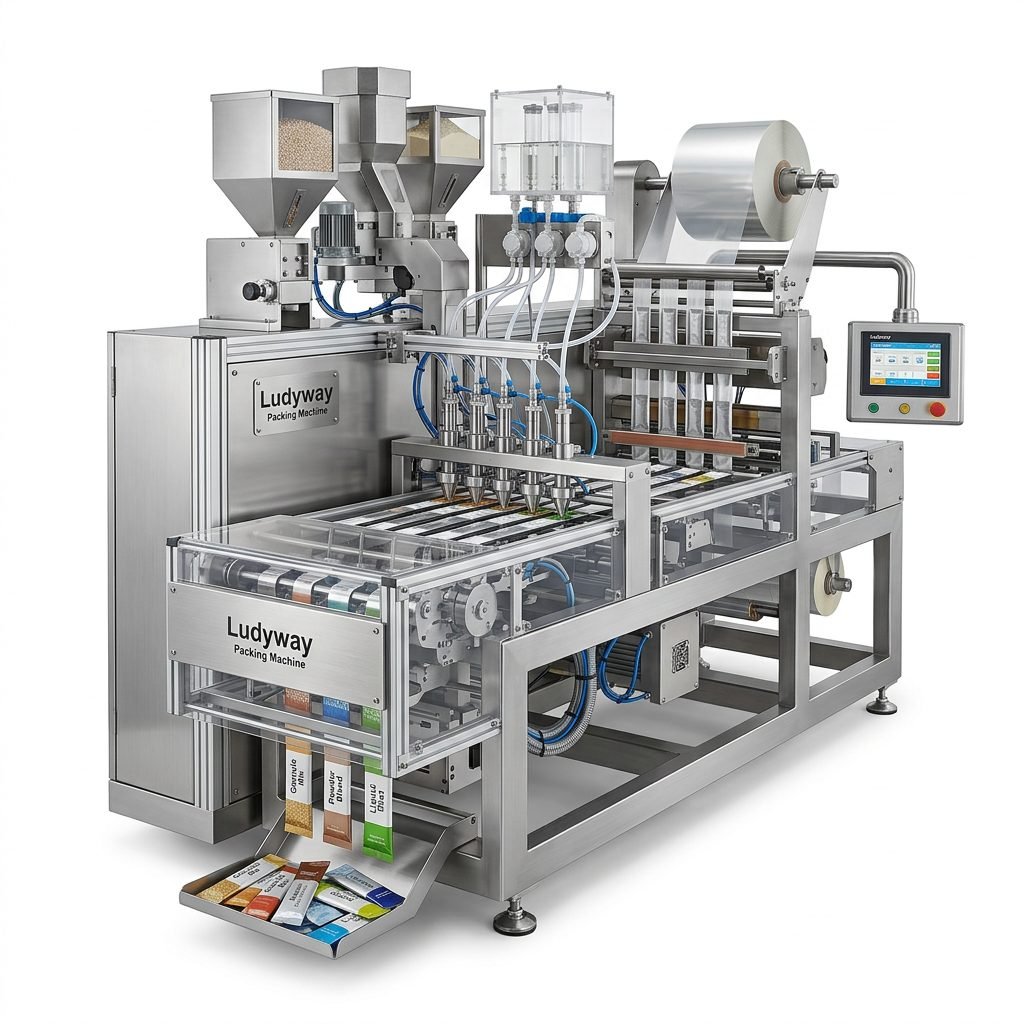
What Is an Auto Pouch Packing Machine?
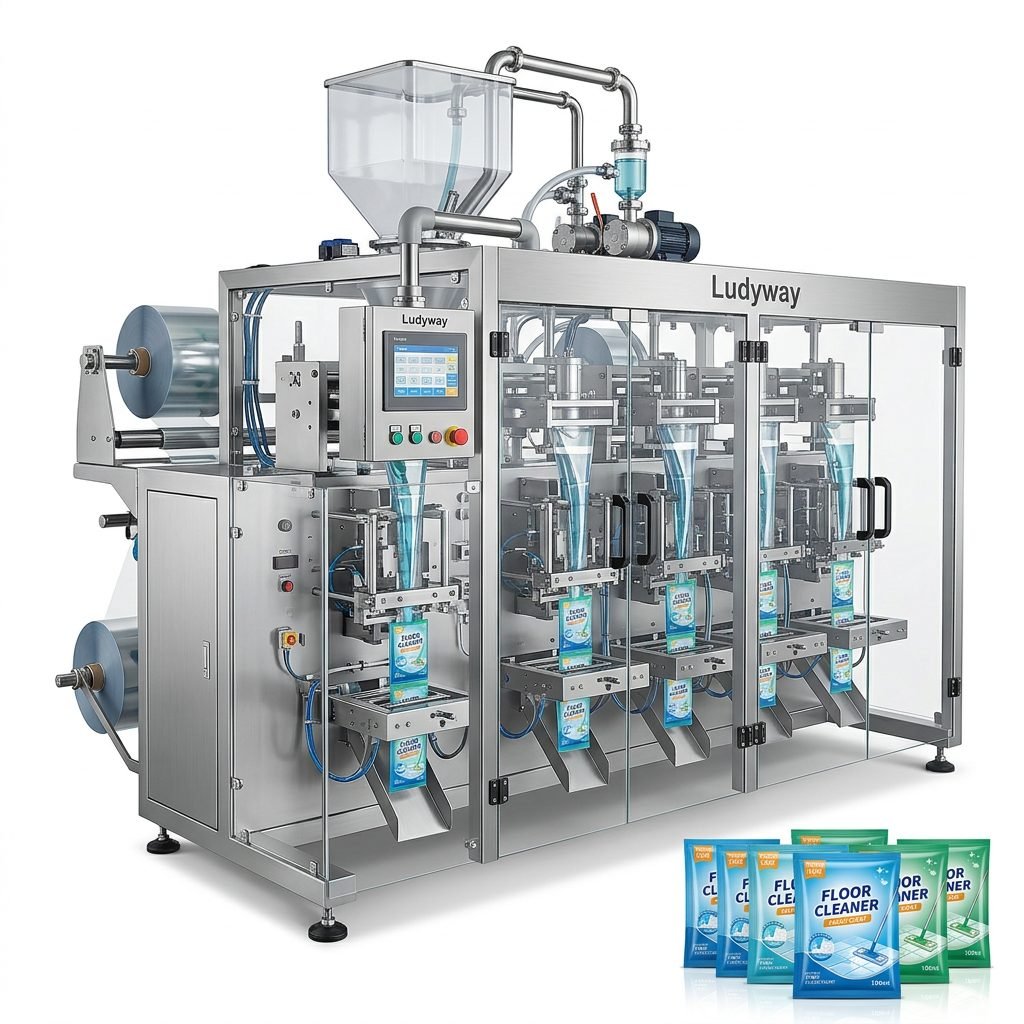
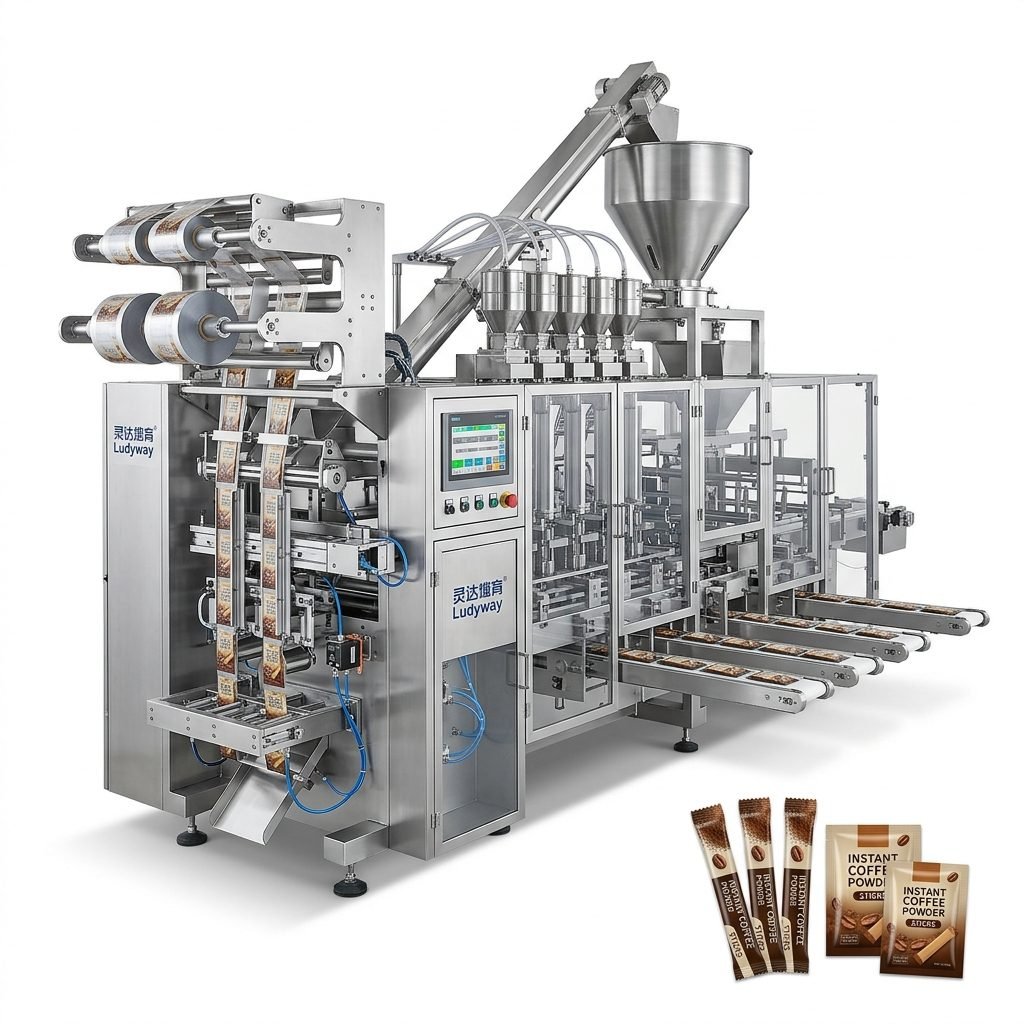
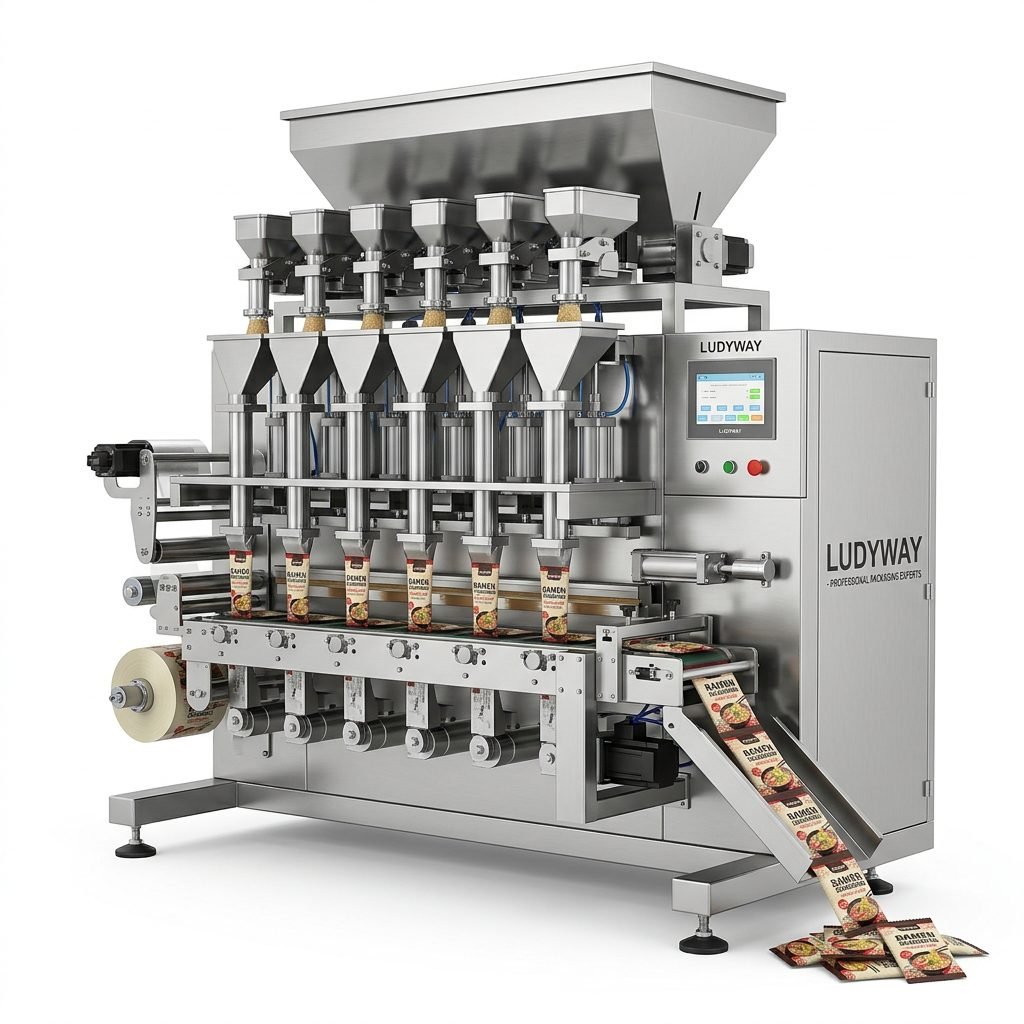
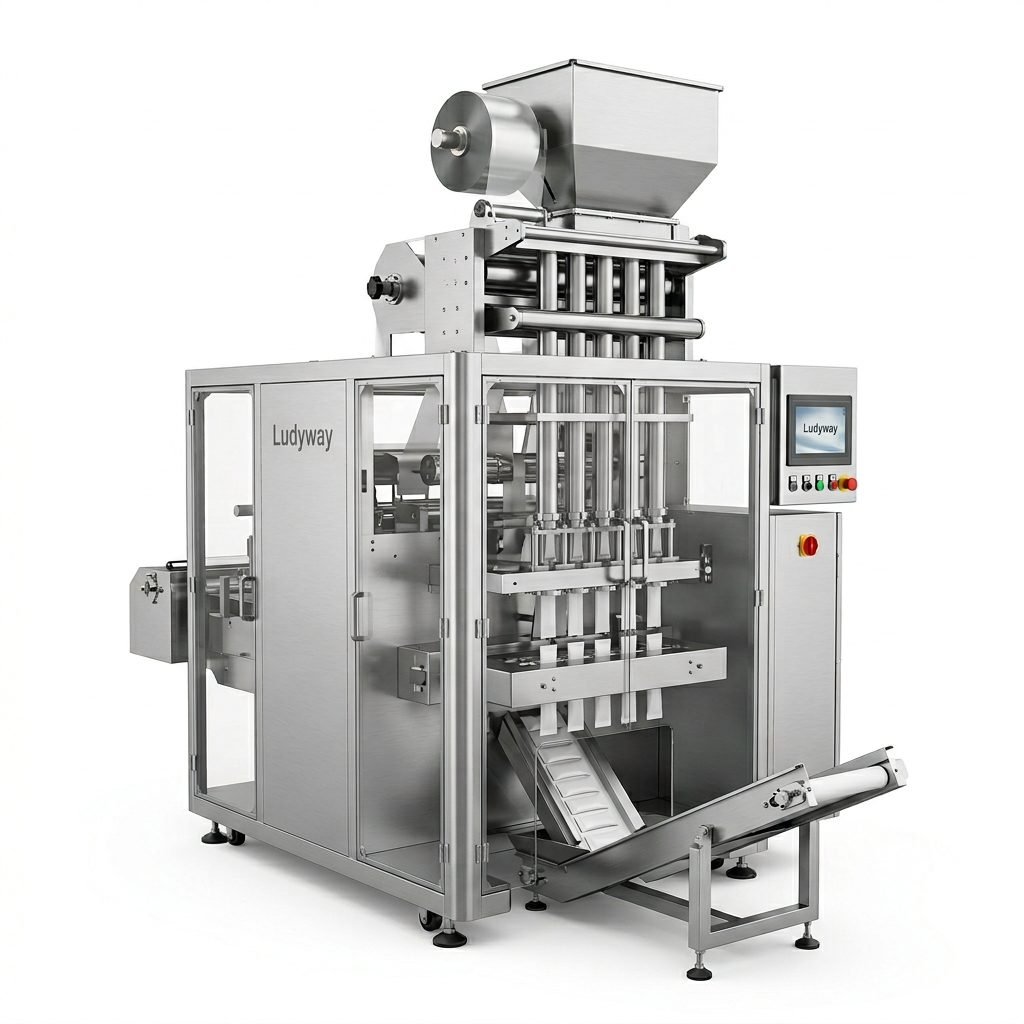
An auto pouch packing machine is an automated packaging system designed to fill products into pre-made pouches or form pouches from roll film, then seal them with high consistency. Depending on the application, it may be configured for:
- Powder pouch packing
- Granule pouch packing
- Liquid pouch packing
- Paste and gel pouch packing
- Single-lane or multi-lane sachet and stick pack production
- Integrated turnkey packaging lines with feeding, inspection, cartoning, and conveying
These machines are widely used because they combine speed, accuracy, sealing reliability, and lower labor dependence. In competitive markets, that combination directly affects cost control and product consistency.
Why Automatic Pouch Packaging Is So Efficient
Compared with manual or semi-automatic processes, automatic pouch packaging systems offer several important advantages for production operations:
- Higher output for medium and high-volume production
- More accurate filling for powders, granules, and liquids
- Better sealing consistency to reduce leakage and waste
- Cleaner operation for hygiene-sensitive industries
- Less manual handling and improved labor efficiency
- Flexible pouch formats for changing market needs
- Easy line integration with conveyors, checkweighers, coding, and cartoning systems
For companies dealing with powder dust, fragile granules, or flow-sensitive liquids, the right equipment design can greatly improve package quality while minimizing downtime and product loss.
Applications for Powder, Granules, and Liquids
Automatic pouch packing machines are designed for broad product compatibility. Different dosing systems can be matched according to product behavior, package size, and output target.
| Product Type | Common Examples | Typical Filling System |
|---|---|---|
| Powder | Milk powder, coffee powder, spice powder, protein powder, pharmaceutical powder | Auger filler |
| Granules | Sugar, salt, seeds, snacks, pellets, instant beverage granules | Volumetric cup, linear weigher, multihead weigher |
| Liquids | Sauce, shampoo, oil, oral liquid, detergent, syrup | Piston pump, peristaltic pump, flow meter system |
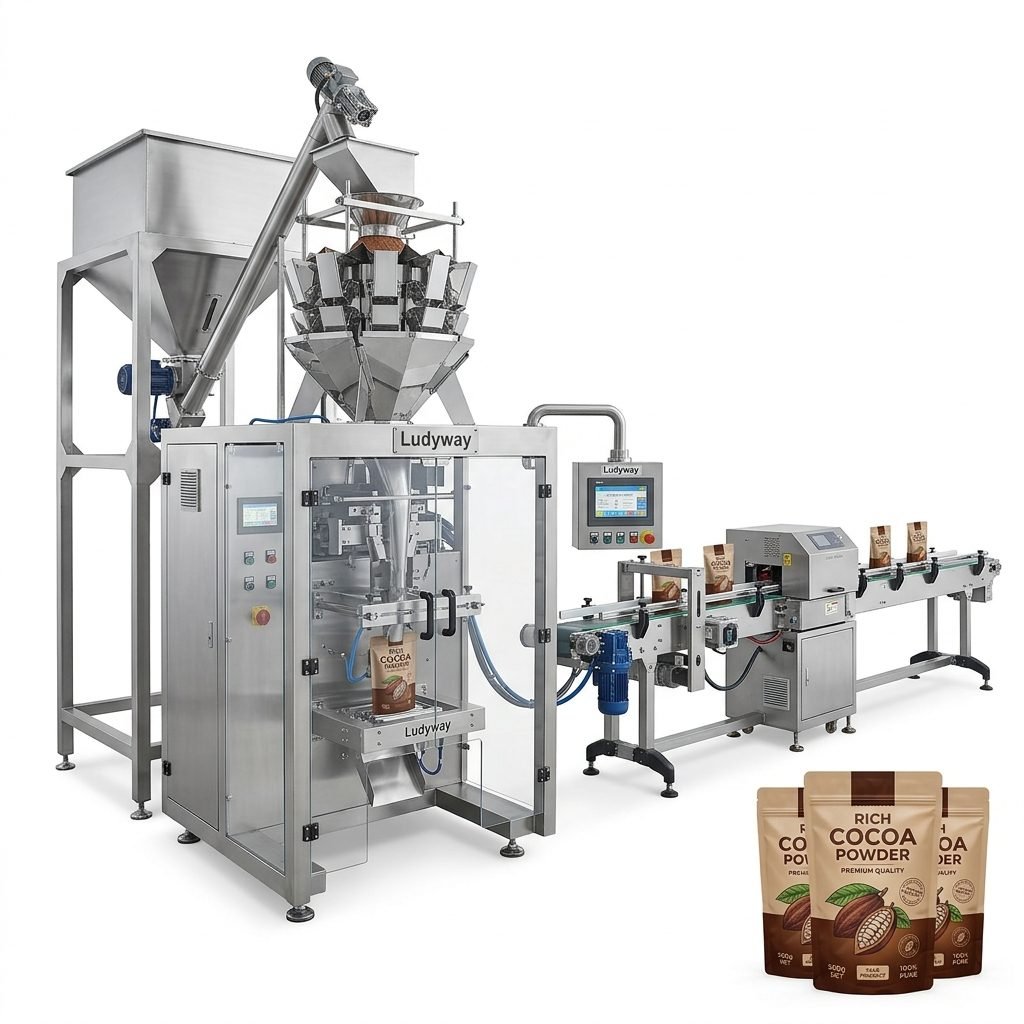
Powder Packaging
Powders require stable feeding and accurate dosing. Fine powders may create dust, bridge in the hopper, or affect seal quality if machine design is not optimized. Automatic powder pouch packing machines often include screw feeding, dust control options, and servo-driven auger systems for better precision.
Granule Packaging
Granules are easier to flow than powders, but their size, shape, and fragility still matter. Uniform granules can be packed at very high speeds, while irregular or delicate products may need gentler conveying and weighing to protect appearance and reduce breakage.
Liquid Packaging
Liquid pouch packing machines are ideal for low-viscosity or medium-viscosity products. Anti-drip nozzles, sanitary contact parts, accurate pumps, and reliable sealing control are essential for preventing leaks and ensuring a clean package finish.
Key Machine Features Buyers Should Look For
Selecting an auto pouch packing machine should be based on actual production requirements, not only on speed claims. A good machine should deliver reliable long-term value across operation, maintenance, and product flexibility.
- Servo control system for higher accuracy and stable motion
- Touchscreen HMI for quick parameter setting and format changes
- PLC-based automation for consistent process control
- Different dosing options for powder, granules, and liquids
- Photoelectric tracking for accurate pouch cutting and sealing registration
- Automatic date coding and batch marking compatibility
- Stainless steel contact parts for food, pharma, and hygienic applications
- Fault alarm and safety protection design
- Optional checkweigher, metal detector, vision inspection, and reject system
- Expandable line layout for future automation upgrades
Popular Pouch Formats Supported by Automatic Machines
Different industries prefer different package formats depending on retail appeal, dosage needs, and shipping efficiency. Automatic pouch systems can usually support one or more of the following:
| Pouch Format | Best For | Benefits |
|---|---|---|
| 3-side seal sachet | Powders, liquids, granules | Compact, economical, versatile |
| 4-side seal sachet | Pharma, premium retail packs | Neat appearance, strong seal |
| Stick pack | Single-dose powders and granules | Portable, slim, consumer-friendly |
| Premade pouch | Liquids, granules, premium products | Strong shelf appeal, flexible shape |
Industries That Benefit Most
Automatic pouch packing technology is highly adaptable, which is why it is widely used across multiple industries:
- Food industry: coffee, sugar, spices, seasonings, sauces, powdered beverages, snack granules
- Pharmaceutical industry: oral powders, granules, electrolyte sachets, medical powders, liquid doses
- Health supplement industry: collagen powder, protein powder, probiotics, herbal formulas
- Cosmetic industry: shampoo, lotion, cream, serum, face wash, travel-size samples
- Chemical industry: detergent powder, cleaning liquid, water treatment products, industrial additives
- Agricultural and feed industry: seeds, fertilizer granules, feed premix, mineral additives
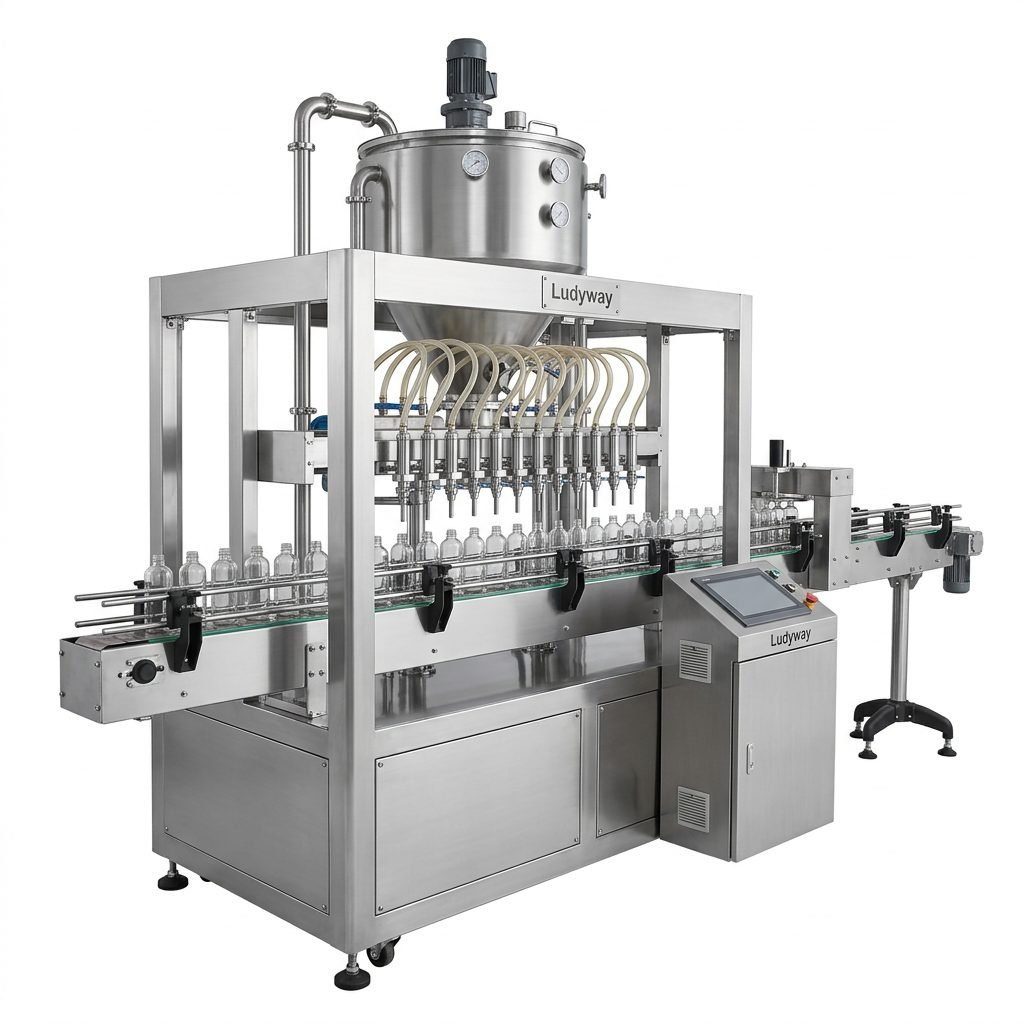
How to Choose the Right Auto Pouch Packing Machine
Before buying, manufacturers should clearly define their product and production needs. The best machine is not always the fastest one; it is the one that fits the material, package type, and operational goals.
1. Understand Your Product Characteristics
Check whether the material is free-flowing, dusty, sticky, corrosive, fragile, or foamy. These characteristics affect filler type, hopper design, sealing structure, and material contact components.
2. Confirm Pouch Size and Format
Width, length, fill volume, seal type, and film structure all influence machine configuration. If multiple SKUs are planned, flexible adjustment is especially important.
3. Match Speed with Real Output Needs
A machine should run efficiently under your actual operating conditions, not just in ideal test scenarios. Stable long-term output matters more than a short peak speed.
4. Consider Future Expansion
If your business expects growth, choose equipment that can be integrated with conveyors, cartoners, boxing systems, palletizing, and quality inspection modules.
5. Evaluate Supplier Experience
A supplier with broad industry application knowledge can help reduce technical risk, improve commissioning efficiency, and offer more reliable after-sales support.
Single Machine vs Turnkey Packaging Line
Some businesses only need one pouch packing machine, while others need a complete packaging line. The right decision depends on plant layout, capacity, labor structure, and downstream automation requirements.
| Option | Best For | Typical Equipment Scope |
|---|---|---|
| Standalone machine | Smaller projects or line upgrades | Main packer plus basic feeder/filler |
| Turnkey line | High-volume automated production | Feeding, filling, sealing, coding, inspection, cartoning, conveying, palletizing |
A complete line generally offers better process coordination and lower labor intensity, especially for factories targeting standardized large-scale production.
Maintenance and Operational Best Practices
Even the most advanced automatic packing machine performs best when supported by proper operation and maintenance routines.
- Clean filling and sealing areas regularly
- Use suitable packaging film and pouch materials
- Calibrate dosing systems based on product characteristics
- Inspect seals and cutting quality during production
- Train operators on changeover and alarm handling
- Replace wear parts on schedule
- Monitor actual OEE, reject rates, and downtime trends
For powder and liquid applications in particular, preventive maintenance can help avoid sealing defects, contamination issues, and dosing inconsistency.
Why More Manufacturers Are Switching to Automatic Pouch Packing
Global markets are demanding more flexible packaging, shorter lead times, better product presentation, and tighter quality standards. Automatic pouch packaging helps factories meet these expectations by combining efficiency with repeatable output.
For fast-moving product categories such as instant drinks, supplements, sauces, detergents, and pharmaceutical sachets, automation is no longer just an upgrade option. It has become a practical requirement for companies that want to stay competitive in cost, quality, and delivery speed.
Final Thoughts on Efficient Automatic Packaging Solutions
An auto pouch packing machine is an efficient solution for businesses that package powders, granules, and liquids in modern production environments. With the right filler, pouch format, automation level, and supplier support, manufacturers can significantly improve output, reduce waste, enhance package consistency, and prepare for future expansion.
If your production requires reliable pouch packaging for food, pharmaceutical, cosmetic, chemical, or health supplement products, investing in a well-matched automatic system can deliver lasting operational and commercial value.