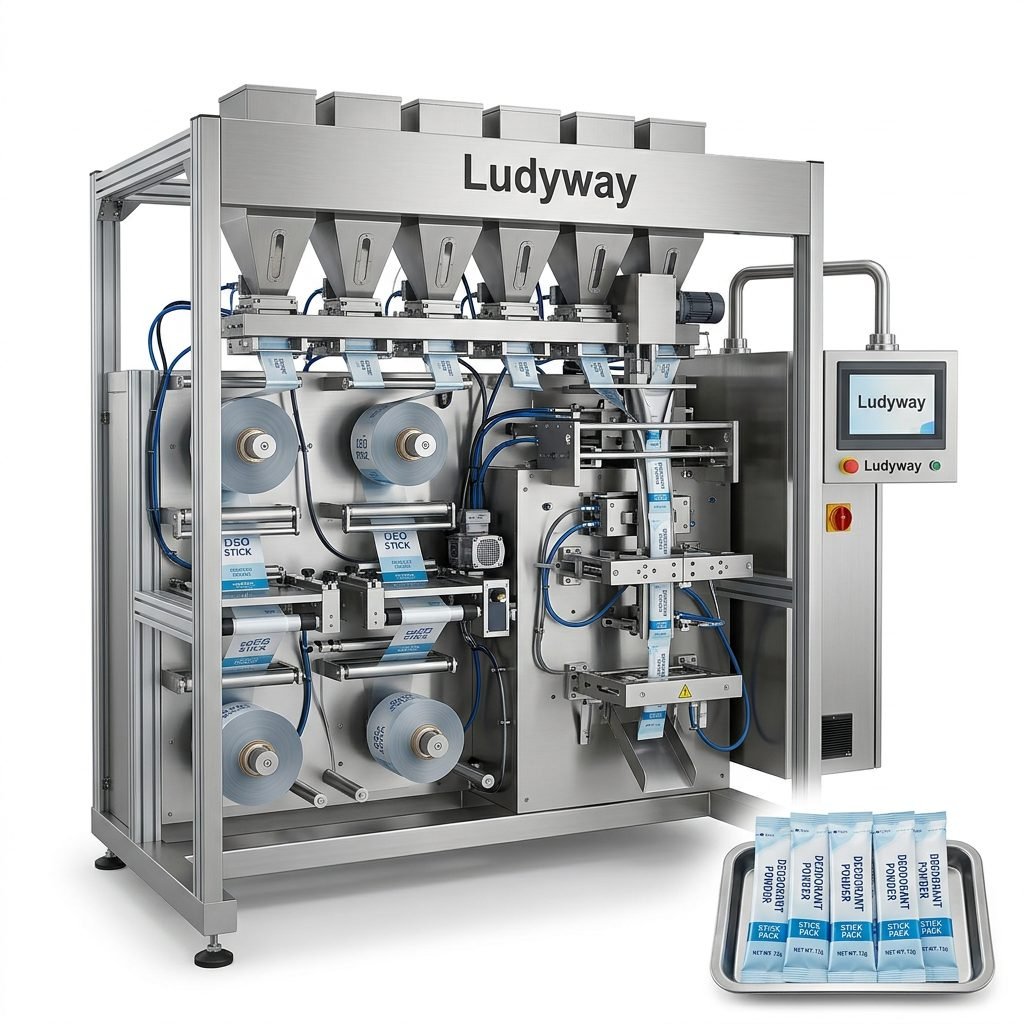
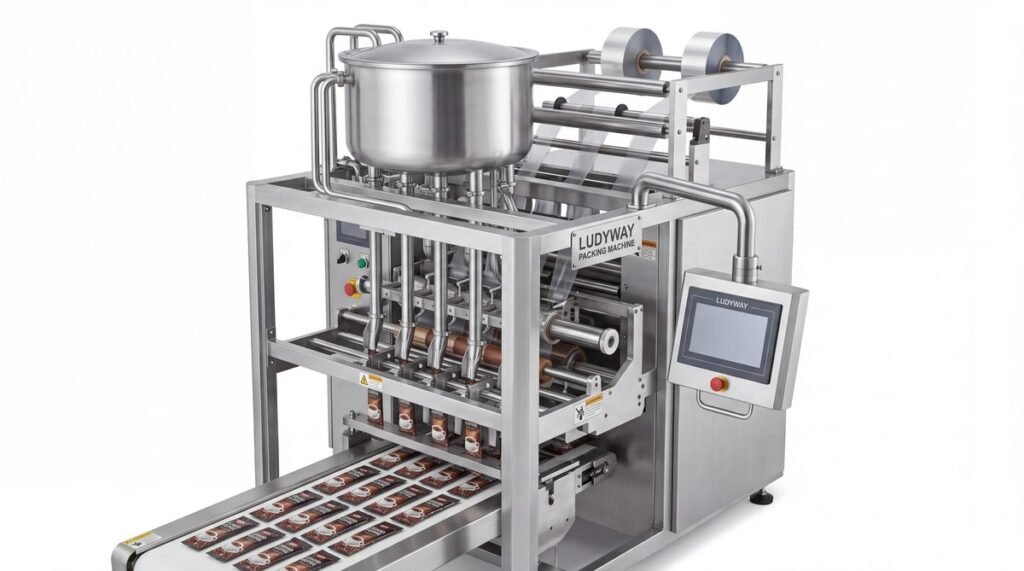
In fast-moving production environments, the right stretch packing machine can do far more than wrap pallets. It can reduce product damage, improve load stability, lower film consumption, support warehouse safety, and help shipping operations move faster with fewer interruptions. For manufacturers, distributors, and logistics managers, choosing the wrong machine often leads to unstable loads, wasted material, frequent downtime, and higher labor costs.
A better approach is to evaluate your packaging needs from both an operational and long-term investment perspective. Whether you ship cartons, bags, bottles, pails, or mixed pallet loads, the ideal solution should match your throughput, product type, floor layout, and automation goals.
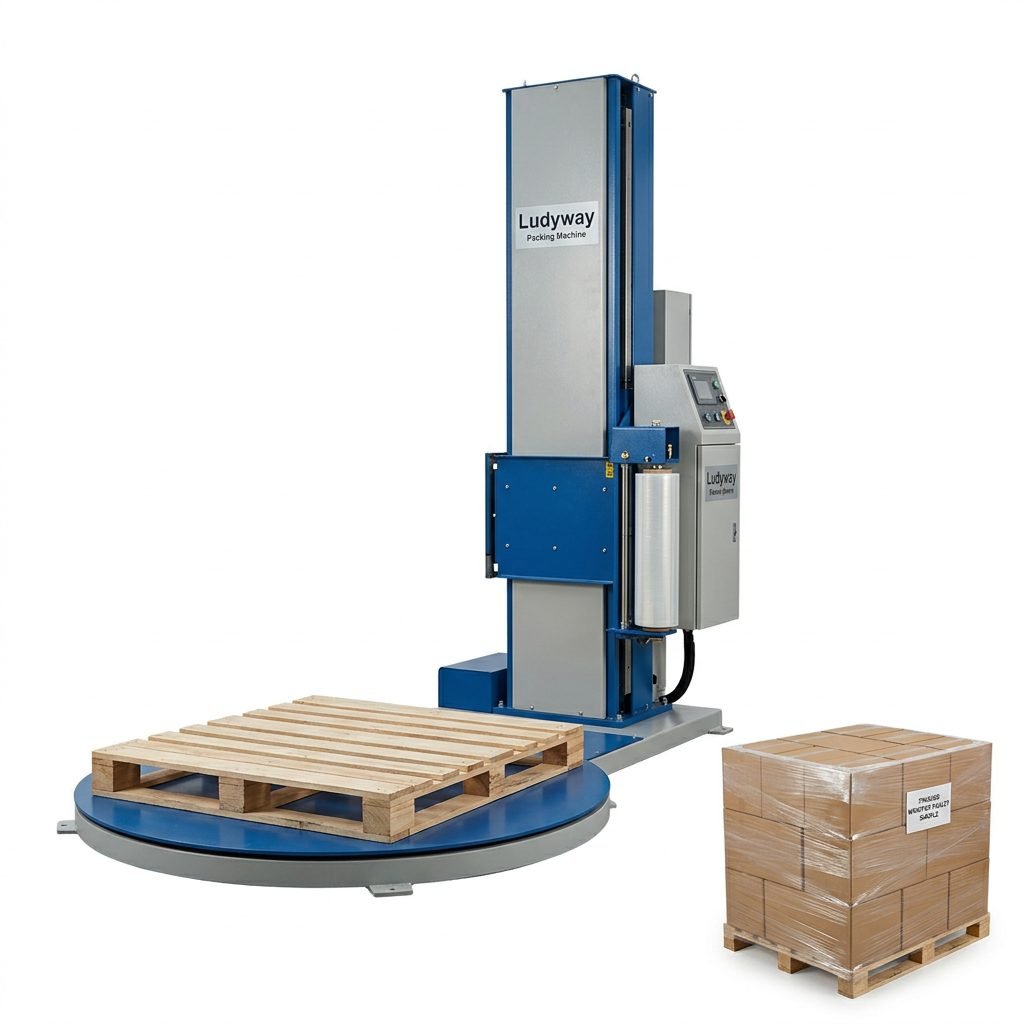
What Is a Stretch Packing Machine?
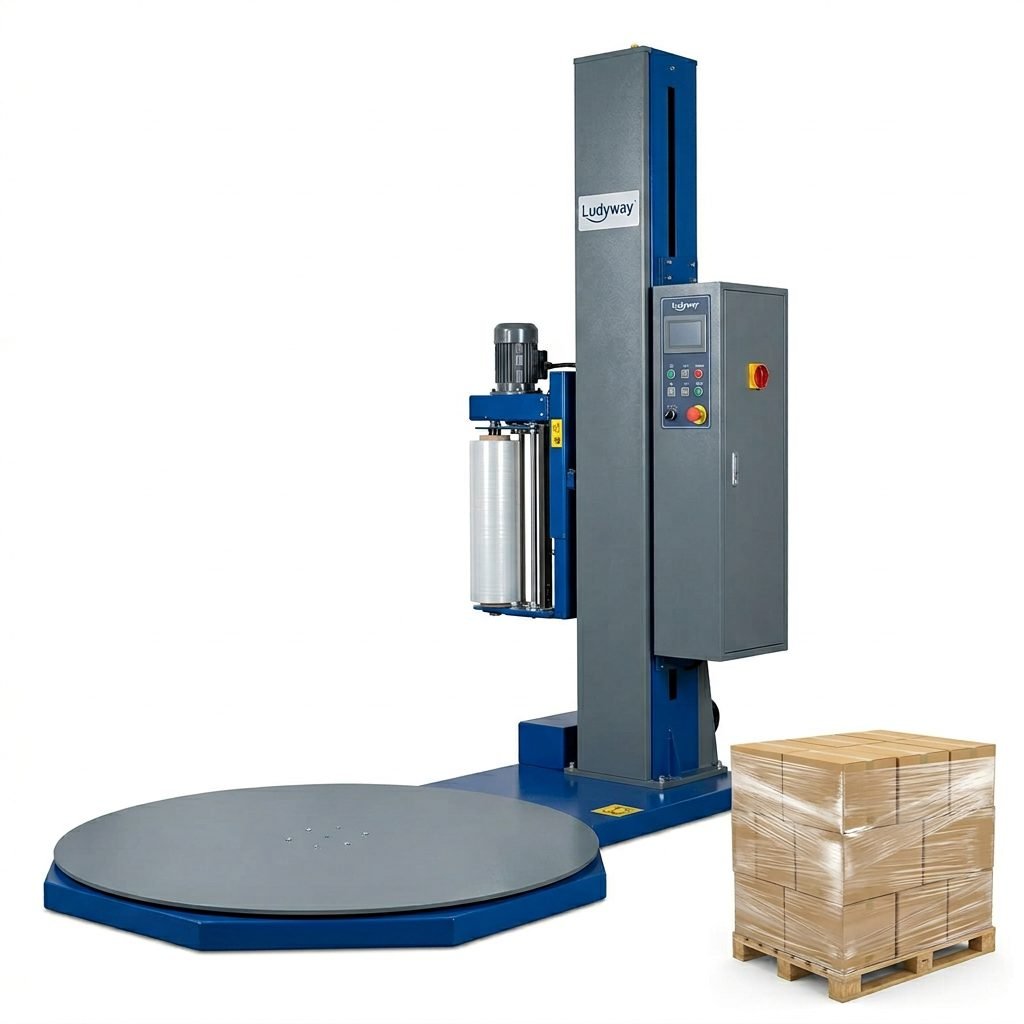
A stretch packing machine, also called a stretch wrapping machine or pallet wrapping machine, uses stretch film to tightly secure products or palletized loads for storage and transportation. The film applies controlled tension around the load, helping keep goods stable during handling, shipping, and stacking.
These machines are widely used in food, pharmaceutical, chemical, cosmetic, daily-use product, and industrial sectors. In most facilities, they are placed at the end of the packaging line after filling, sealing, labeling, coding, cartoning, or case packing.
- Manual support: suitable for low-volume operations
- Semi-automatic models: good for growing factories with moderate throughput
- Fully automatic systems: ideal for high-speed production lines and pallet logistics automation
Why the Right Machine Matters for Faster, Safer Packaging
The right machine improves more than wrapping speed. It also protects load integrity, reduces rework, and supports consistent packaging quality across shifts. In busy export or warehouse operations, poor wrapping can lead to collapsed pallets, damaged cartons, or unstable stacking during transport.
A properly selected system helps you achieve:
- Higher pallet handling efficiency
- Better film stretch performance and lower material waste
- Improved operator safety
- More stable outbound shipments
- Lower labor dependence
- More consistent load wrapping results
Main Types of Stretch Packing Machines
1. Turntable Stretch Wrapping Machine
This is one of the most common solutions. The pallet sits on a rotating turntable while the film carriage moves up and down. It is suitable for many standard palletized products and is often the first choice for general manufacturing and warehousing applications.
- Easy to operate
- Cost-effective
- Suitable for regular pallet sizes
- Good for medium-volume packaging
2. Rotary Arm Stretch Wrapping Machine
In this design, the load remains stationary while the wrapping arm rotates around it. This is ideal for heavy, light, unstable, or very tall loads that should not spin during wrapping.
- Better for unstable pallet loads
- Suitable for heavy products
- Common in high-speed lines
3. Orbital or Horizontal Stretch Wrapping Machine
This machine is often used for long products such as doors, panels, pipes, profiles, boards, or bundled items. It wraps products horizontally instead of vertically around a pallet.
4. Fully Automatic Inline Stretch Wrapping System
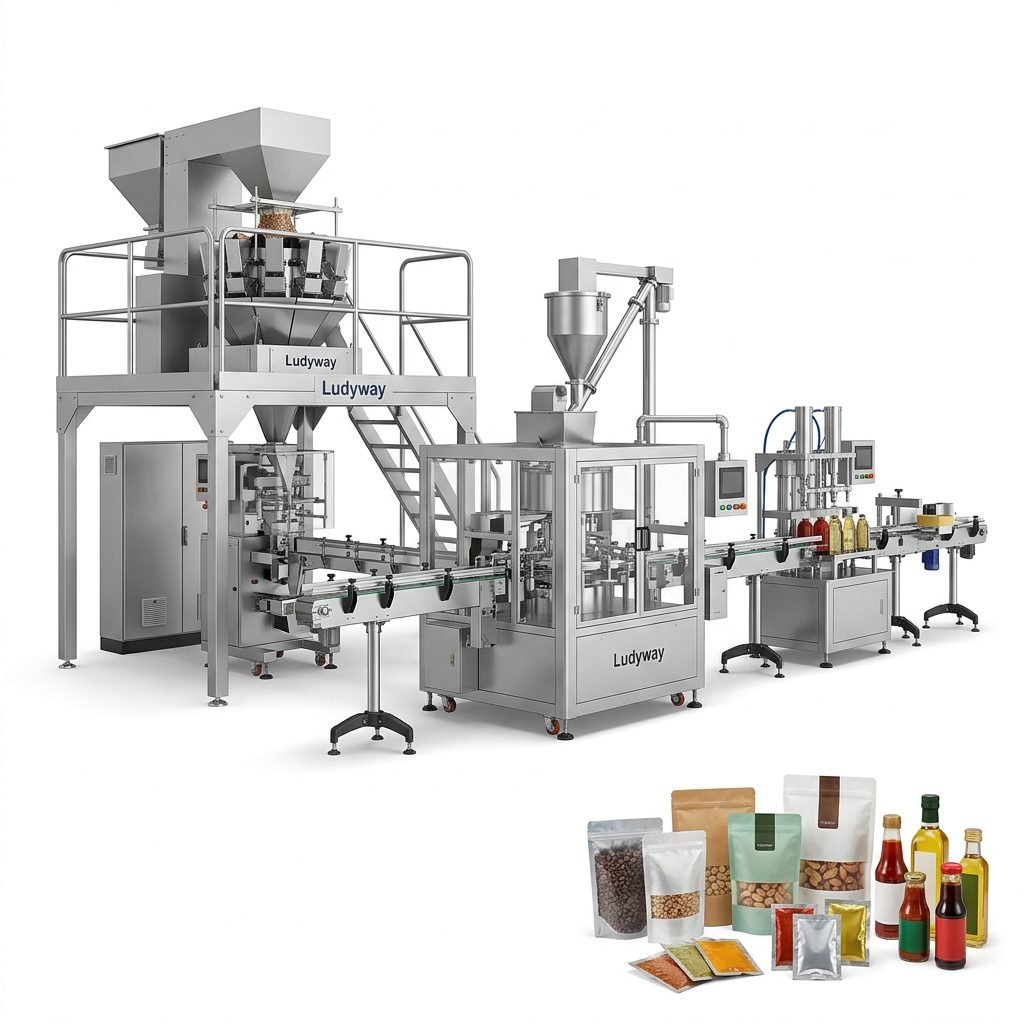
These systems integrate directly with conveyors, pallet handling equipment, labeling units, coding machines, and sometimes palletizers. They are designed for continuous, high-output production lines.
How to Choose the Right Stretch Packing Machine
Assess Your Load Type First
Start by reviewing what you actually wrap every day. The machine should fit your real packaging conditions, not just peak sales promises from suppliers.
- Are your pallets uniform or mixed?
- Are your products light, fragile, tall, or top-heavy?
- Do you wrap cartons, bags, drums, bottles, or shrink-packed bundles?
- Do your loads need dust protection, moisture resistance, or transportation stability?
If your load shape changes frequently, choose a machine with flexible wrapping programs and adjustable tension control.
Match Output to Production Speed
One of the biggest mistakes is underestimating line speed. If your filling, sealing, or cartoning line is fast but pallet wrapping is slow, your entire packaging flow can become congested.
| Production Need | Recommended Machine Type |
|---|---|
| Low daily pallet volume | Semi-automatic turntable model |
| Medium throughput with standard pallets | Advanced turntable wrapper with pre-stretch |
| High-volume end-of-line automation | Fully automatic inline stretch wrapper |
| Heavy or unstable products | Rotary arm stretch wrapping machine |
| Long products or profiles | Horizontal/orbital stretch wrapper |
Check Film Pre-Stretch Capability
Film cost is a major factor in wrapping operations. Machines with powered pre-stretch systems can extend the film before application, which helps reduce material use while maintaining wrapping force. This usually leads to lower packaging cost per pallet over time.
Ask suppliers about:
- Pre-stretch ratio
- Film carriage design
- Film break detection
- Tension consistency
- Compatibility with different film grades
Evaluate Load Stability Features
Not every load needs the same wrap pattern. Good machines offer programmable settings for top wraps, bottom wraps, overlap rate, carriage speed, turntable speed, and reinforcement zones.
This is especially important when shipping:
- Beverage cartons
- Bagged powders or granules
- Fragile medical products
- Cosmetic cartons
- Chemical drums or pails
Consider Operator Safety and Ease of Use
Safety should never be treated as optional. A well-designed stretch packing machine should help reduce manual strain, minimize film handling risk, and simplify operation through intuitive controls.
Useful safety and usability features include:
- Emergency stop buttons
- Safety fencing or guarding for automatic lines
- Soft start and stop function
- Photoelectric height detection
- User-friendly touch screen controls
- Error alarm and troubleshooting prompts
Think About Future Expansion
A machine that works for current output may become a bottleneck later. If your factory expects growth, choose equipment that can integrate with conveyor systems, weighing systems, labeling, coding, cartoning, and palletizing solutions in the future.
This is where working with an experienced manufacturer matters. Companies such as stretch packing machine supplier Ludyway are often considered by buyers looking for scalable packaging equipment and broader turnkey line compatibility.
Key Questions to Ask Before Buying
Before making a final decision, ask suppliers the right technical and service questions. This helps avoid mismatched equipment and hidden operational costs.
| Question | Why It Matters |
|---|---|
| What pallet sizes can the machine handle? | Ensures compatibility with your current products |
| What is the maximum load height and weight? | Prevents under-specifying equipment |
| What is the wrapping speed per hour? | Matches the machine to production demand |
| Does it support pre-stretch film saving? | Affects long-term operating cost |
| Can it be integrated into an automatic line? | Supports future automation plans |
| What after-sales support is available? | Important for uptime and maintenance |
Common Mistakes Buyers Should Avoid
- Choosing only by price: cheaper machines may lead to higher film use and more downtime
- Ignoring product instability: not all loads can be wrapped safely on a turntable
- Overlooking maintenance needs: poor access to parts and service can affect productivity
- Skipping line integration planning: this can create future bottlenecks
- Not testing with real products: machine performance should be verified using your actual load type
Who Typically Needs a Stretch Packing Machine?
Stretch packing machines are suitable for many sectors where palletized transport, warehousing, or export shipping is part of the operation.
- Food manufacturers
- Pharmaceutical producers
- Health supplement factories
- Cosmetic and personal care brands
- Chemical plants
- Pet food and feed manufacturers
- Third-party logistics warehouses
- Export-oriented industrial producers
Signs It’s Time to Upgrade Your Current Wrapping Process
If your team is still wrapping pallets manually or using outdated equipment, watch for these signs:
- Frequent transport damage or leaning pallets
- Inconsistent wrap quality across operators
- High stretch film consumption
- Slow end-of-line packaging flow
- Labor shortages or repetitive strain concerns
- Growing production volume that manual wrapping cannot keep up with
When these issues start affecting shipment quality or warehouse efficiency, investing in a better machine can quickly pay back through safer operations and reduced packaging waste.
Final Buying Checklist
- Define pallet dimensions, weight, and load type
- Measure actual required pallets per hour
- Decide between semi-automatic and fully automatic operation
- Review film-saving performance and pre-stretch ratio
- Confirm safety features and control simplicity
- Check compatibility with conveyors and full packaging lines
- Ask for videos, case studies, or machine testing
- Evaluate supplier experience, service response, and customization ability
Choosing the right stretch packing machine is ultimately about balance: speed, safety, load stability, material savings, and future scalability. When those factors are aligned with your production reality, you gain a packaging solution that supports both daily output and long-term growth.