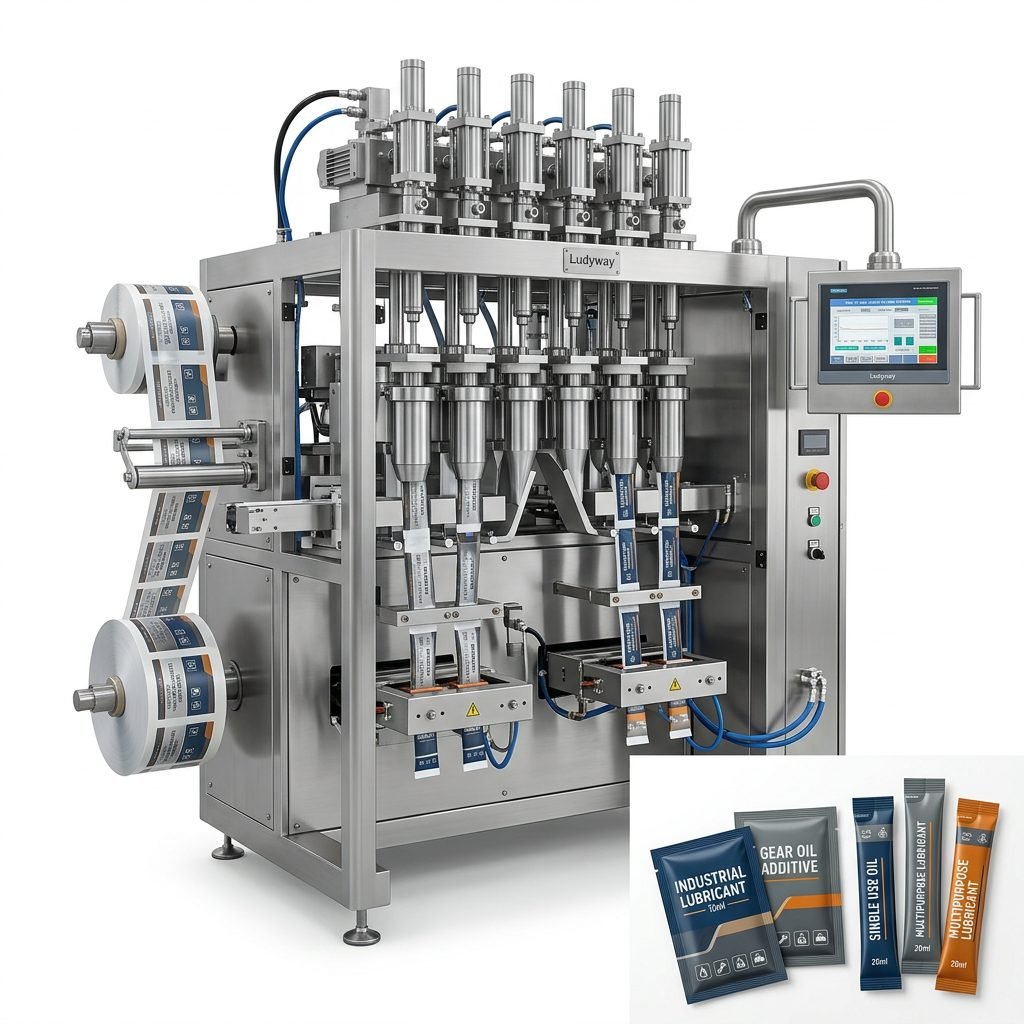
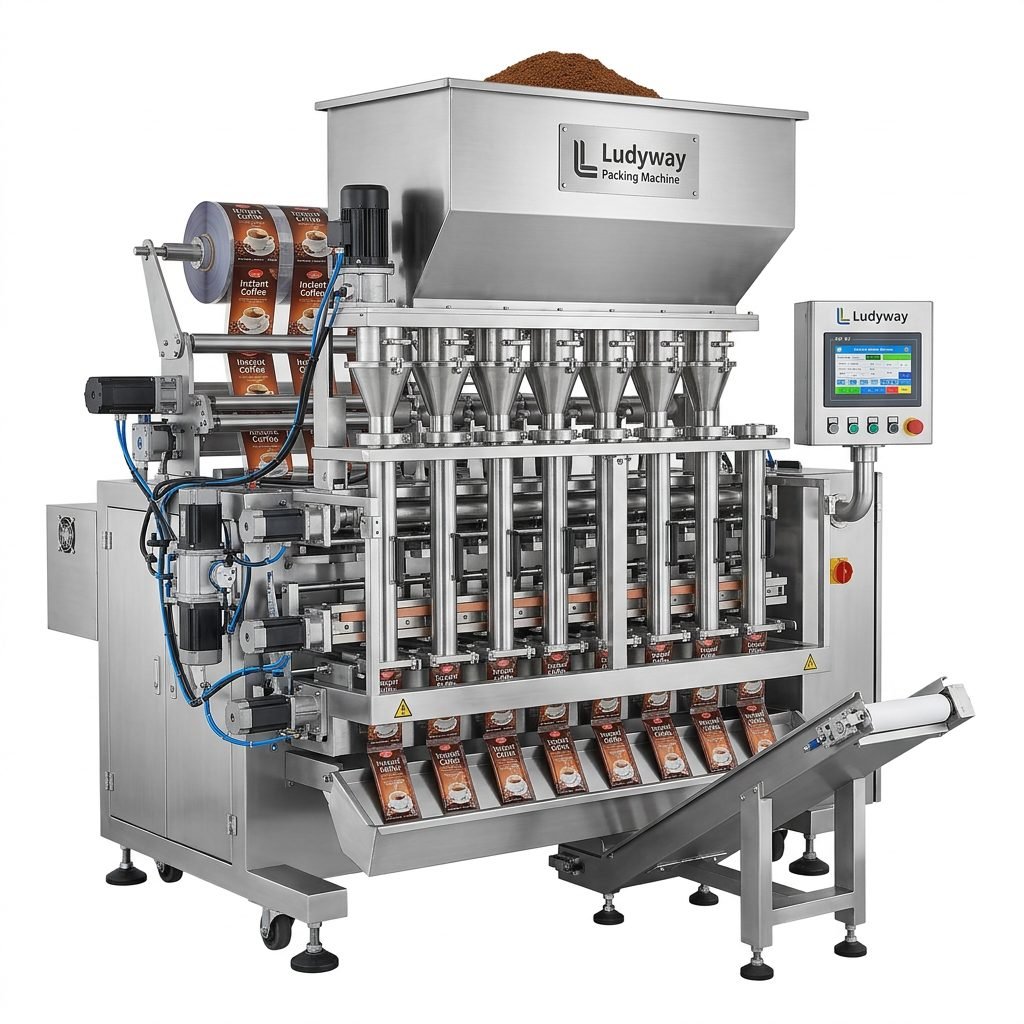
Choosing the right airtight food packaging machine is not only about sealing a bag or pouch. It directly affects freshness, shelf life, food safety, product appearance, transportation stability, and customer trust. For food manufacturers, distributors, and private-label brands, the sealing solution you select can influence both operational efficiency and long-term brand value.
Whether you package powders, granules, liquids, snacks, sauces, coffee, supplements, frozen foods, or dry ingredients, understanding how airtight sealing works will help you make a smarter investment.
Why Airtight Sealing Matters in Food Packaging
Airtight packaging helps protect food from external contaminants and internal quality loss. Exposure to oxygen, moisture, light, and airborne particles can quickly reduce food quality. In many categories, a poor seal leads to:
- Oxidation and flavor loss
- Moisture absorption or drying out
- Microbial contamination risks
- Shorter shelf life
- Leaking during shipping and handling
- Product recalls and customer complaints
For products such as coffee, spices, powdered supplements, freeze-dried foods, sauces, and ready-to-eat snacks, seal integrity is often just as important as the filling process itself.
What Is an Airtight Food Packaging Machine?
An airtight food packaging machine is equipment designed to fill and seal food packaging in a way that minimizes or prevents air exchange. Depending on the product and package type, the machine may use:
- Heat sealing
- Vacuum sealing
- Nitrogen flushing or modified atmosphere packaging
- Induction sealing
- Tray sealing with film
- Form-fill-seal technology
The best system depends on the food’s characteristics, packaging material, production volume, and shelf-life target.
Main Types of Airtight Sealing Solutions
1. Heat Sealing Machines
Heat sealing is one of the most common methods for pouches, sachets, stick packs, and plastic bags. It uses temperature, pressure, and dwell time to fuse packaging layers together.
Best for: powders, granules, snacks, coffee, sugar, seasoning, dry mixes, and many single-serve products.
2. Vacuum Packaging Machines
Vacuum sealing removes air before sealing. This method is widely used for foods that are highly sensitive to oxygen.
Best for: meat, seafood, cheese, processed foods, freeze-dried products, and premium shelf-life-sensitive products.
3. Nitrogen Flushing Packaging Machines
Nitrogen flushing replaces oxygen inside the package with inert gas before sealing. This helps preserve texture, flavor, and freshness.
Best for: chips, nuts, roasted coffee, puffed snacks, and fragile foods requiring cushion protection.
4. Tray Sealing Machines
Tray sealers apply a lidding film onto rigid or semi-rigid trays. Some systems combine vacuum and gas flushing for higher protection.
Best for: fresh meals, meat trays, cut fruits, ready meals, and refrigerated foods.
5. Vertical and Horizontal Form-Fill-Seal Machines
These machines form the package from roll film, fill the product, and then seal it automatically. They are highly efficient for scalable food production.
Best for: high-volume manufacturing of sachets, pouches, stick packs, and pillow bags.
| Sealing Solution | Suitable Products | Key Advantage | Typical Package Types |
|---|---|---|---|
| Heat Sealing | Powders, granules, dry food | Simple, efficient, cost-effective | Sachets, stick packs, pouches |
| Vacuum Sealing | Meat, seafood, freeze-dried food | Removes oxygen for longer shelf life | Vacuum bags, pouches |
| Nitrogen Flushing | Snacks, coffee, nuts | Protects freshness and product shape | Pouches, bags |
| Tray Sealing | Fresh meals, produce, meat | Good for retail-ready presentation | Trays with lidding film |
| Form-Fill-Seal | Various food categories | Integrated high-speed automation | Pouches, sachets, pillow bags |
Key Factors to Consider When Choosing the Best Sealing Solution
Product Characteristics
Different foods require different sealing technologies. Before choosing a machine, evaluate:
- Is the product powder, granule, liquid, paste, or solid?
- Is it sensitive to oxygen or moisture?
- Does it contain oil, salt, sugar, or volatile aroma compounds?
- Is it hot-filled, cold-filled, or packaged at ambient temperature?
- Does it need sterile or hygienic filling conditions?
For example, coffee and nuts often benefit from nitrogen flushing, while sauces may need high-precision liquid filling plus leak-proof sealing.
Packaging Material Compatibility
A machine can only create a reliable airtight seal if it matches the packaging film or pouch structure. Common materials include:
- PE
- PET/PE laminates
- Aluminum foil laminates
- BOPP films
- Paper-plastic composite materials
Check whether the sealing jaws, temperature range, and pressure system are suitable for your chosen materials. Even a high-quality machine can underperform with the wrong film structure.
Seal Strength and Leak Prevention
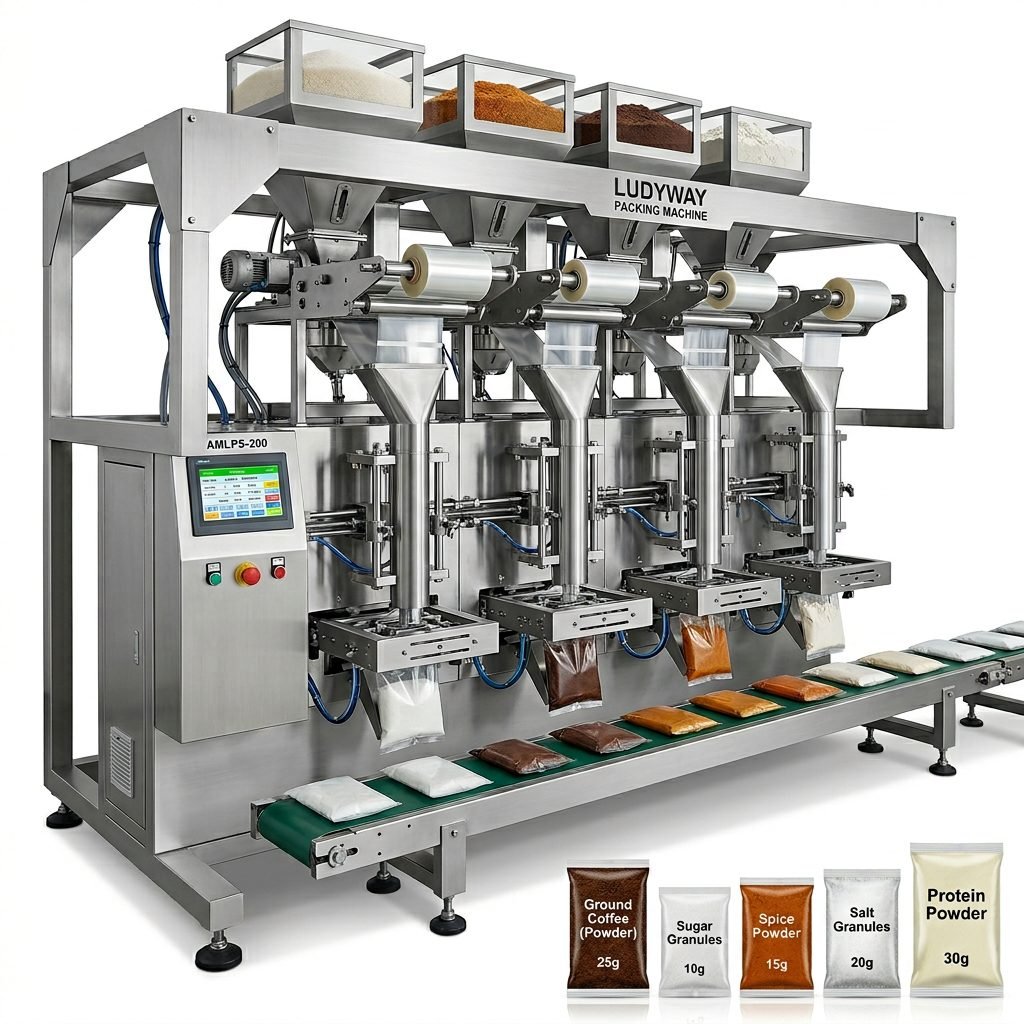
Look for equipment that provides stable sealing temperature, pressure control, and consistent jaw alignment. Poor consistency can cause weak seals, wrinkles, pinholes, or leakage.
Important performance indicators include:
- Uniform seal width
- Consistent sealing temperature
- Low defect rate
- Reliable sealing at high speed
- Easy inspection and quality verification
Production Speed and Automation Level
Small businesses may only need semi-automatic sealing, while large food manufacturers usually require fully automatic lines. Consider your current output and future expansion plans.
Ask these questions:
- How many packs per minute are required?
- Will one machine be enough as demand grows?
- Do you need multi-lane packaging for high-volume single-serve products?
- Should the machine integrate with filling, coding, checkweighing, cartoning, or palletizing systems?
Food Safety and Hygiene Design
For food applications, machine design should support sanitation and regulatory compliance. Prioritize equipment with:
- Food-grade contact parts
- Stainless steel construction where needed
- Easy cleaning and maintenance access
- Dust-control or anti-drip features
- Stable operation that reduces contamination risk
This is especially important for dairy powders, seasonings, health foods, infant nutrition, and ready-to-eat products.
Shelf-Life Goals
Your ideal sealing solution should match your shelf-life target. If your product is sold locally and consumed quickly, standard heat sealing may be enough. If you export or distribute through long retail channels, stronger barrier packaging and advanced sealing technology may be necessary.
Ease of Changeover
Manufacturers with multiple SKUs should check whether the machine can handle different pack sizes, film widths, fill volumes, and product types with minimal downtime.
Fast changeover is especially valuable for:
- Contract packers
- Private-label food brands
- Seasonal product lines
- Factories with diverse pouch or sachet formats
Maintenance, Technical Support, and Spare Parts
An airtight packaging machine should not only perform well on day one. It should remain stable over the long term. Evaluate:
- Availability of spare parts
- Responsiveness of after-sales service
- Operator training support
- Troubleshooting assistance
- Remote support or overseas service capability
How to Match Sealing Technology to Food Type
| Food Type | Recommended Sealing Method | Notes |
|---|---|---|
| Powders | Heat sealing / form-fill-seal | Use dust-control design for cleaner seals |
| Granules | Heat sealing / pouch sealing | Ensure product does not get trapped in the seal area |
| Liquids and sauces | Leak-proof heat sealing / liquid sachet sealing | Requires stable filling accuracy and anti-drip control |
| Coffee and snacks | Nitrogen flushing + heat sealing | Helps preserve aroma and crispness |
| Frozen or high-value food | Vacuum sealing | Suitable for extended storage and transport |
| Ready meals | Tray sealing / MAP | Supports retail presentation and freshness retention |
Common Mistakes Buyers Should Avoid
- Choosing based only on price: low-cost machines may create inconsistent seals and higher waste.
- Ignoring film compatibility: packaging material and machine settings must match.
- Underestimating future capacity: a machine that fits today may become a bottleneck tomorrow.
- Overlooking sanitation design: difficult-to-clean machines can create hygiene risks.
- Not testing real product samples: sealing performance should always be confirmed with your actual food and packaging.
- Skipping after-sales evaluation: strong technical support is critical for uptime.
Questions to Ask Before Buying an Airtight Packaging Machine
- What products will the machine package now and in the future?
- What package formats do you need: sachets, stick packs, pouches, trays, or bags?
- What shelf life are you aiming for?
- Do you need vacuum sealing or gas flushing?
- What output speed do you require per minute or per hour?
- What packaging materials will you use?
- Do you need coding, inspection, cartoning, or line integration?
- How easy is cleaning, maintenance, and format changeover?
- What kind of installation and operator training is included?
- What technical support is available after delivery?
When a Turnkey Packaging Line Makes More Sense
If your production involves multiple steps such as feeding, filling, sealing, coding, checking, cartoning, and palletizing, buying only a standalone sealer may not be the most efficient decision. In many cases, a turnkey food packaging line offers better consistency and lower labor dependency.
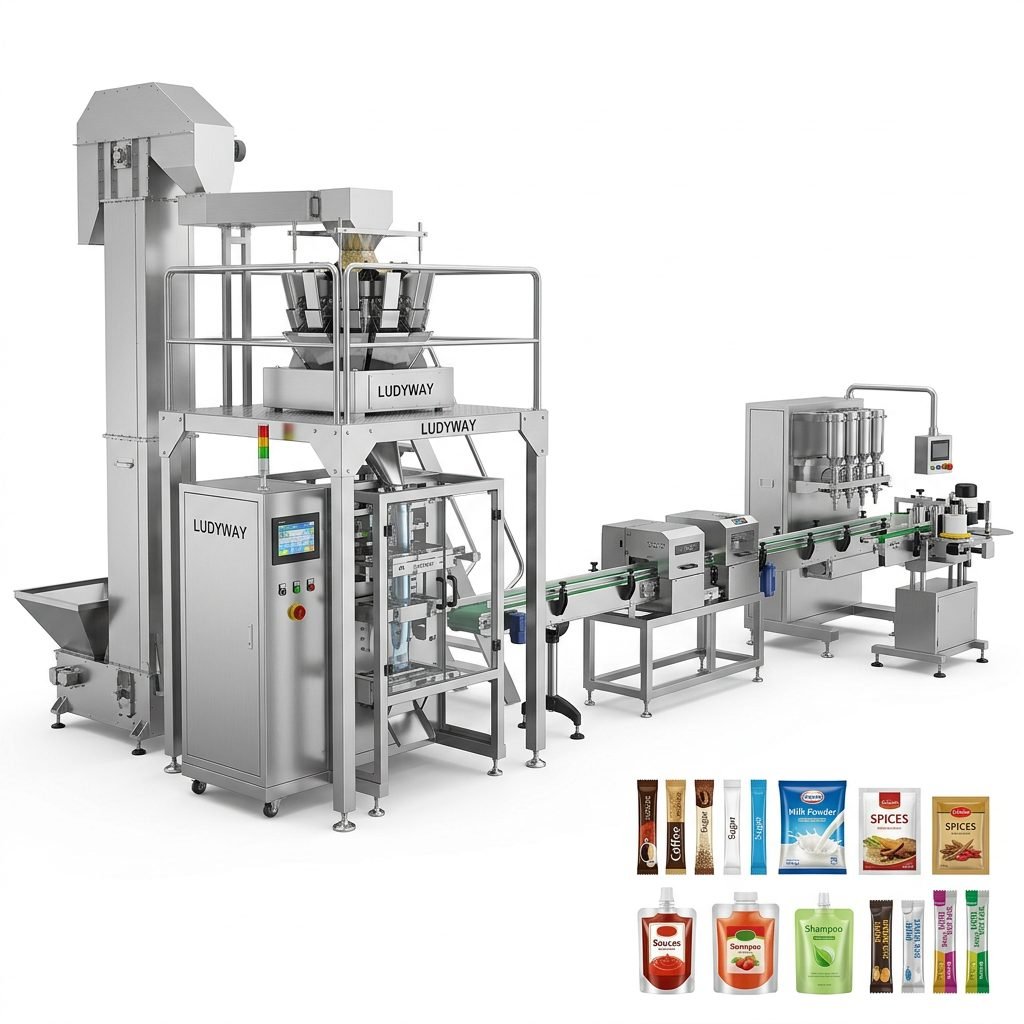
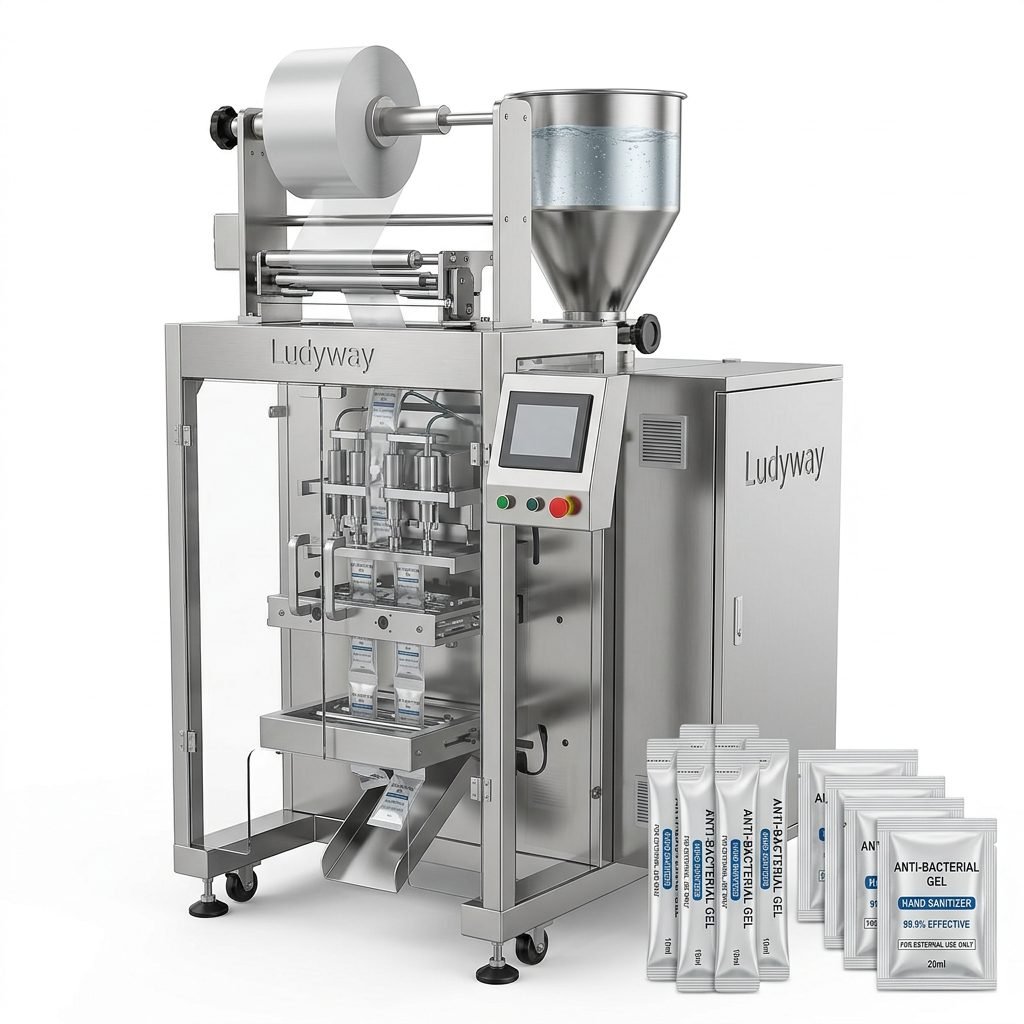
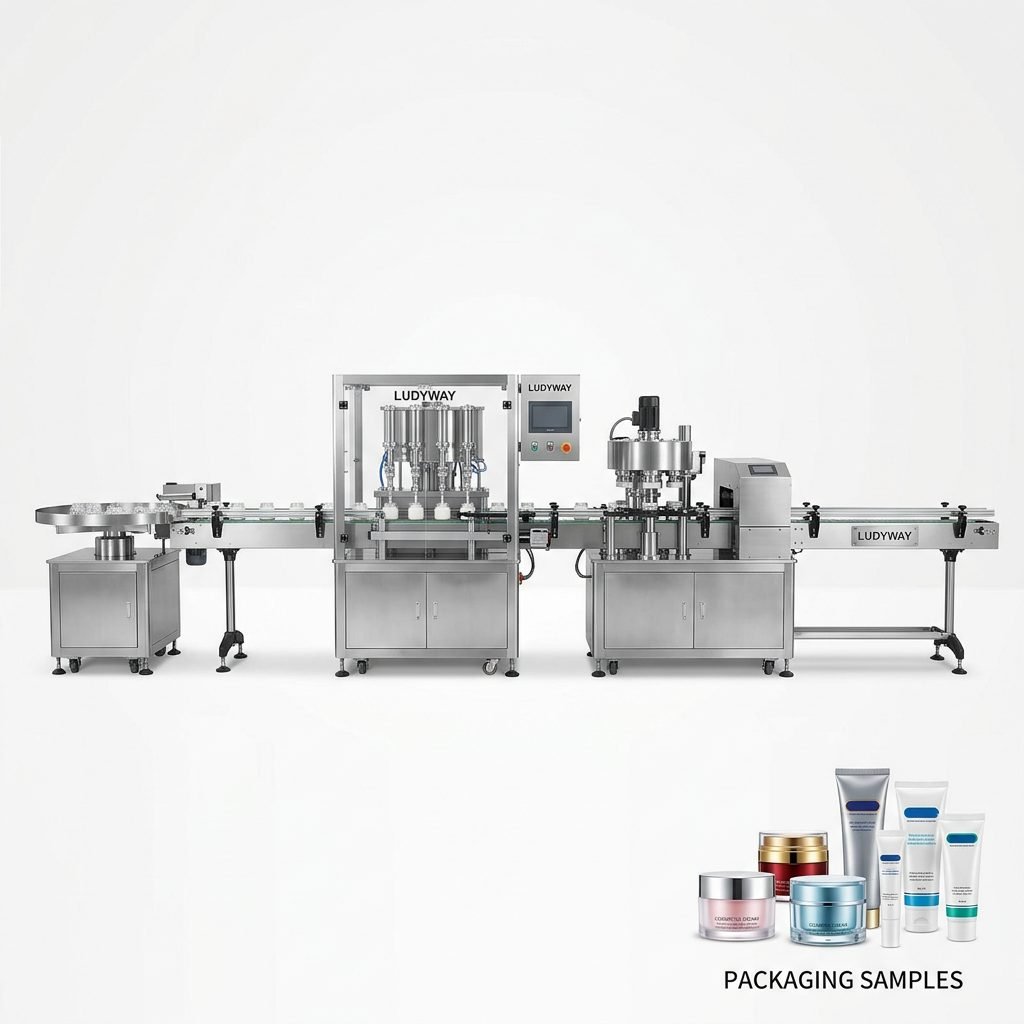
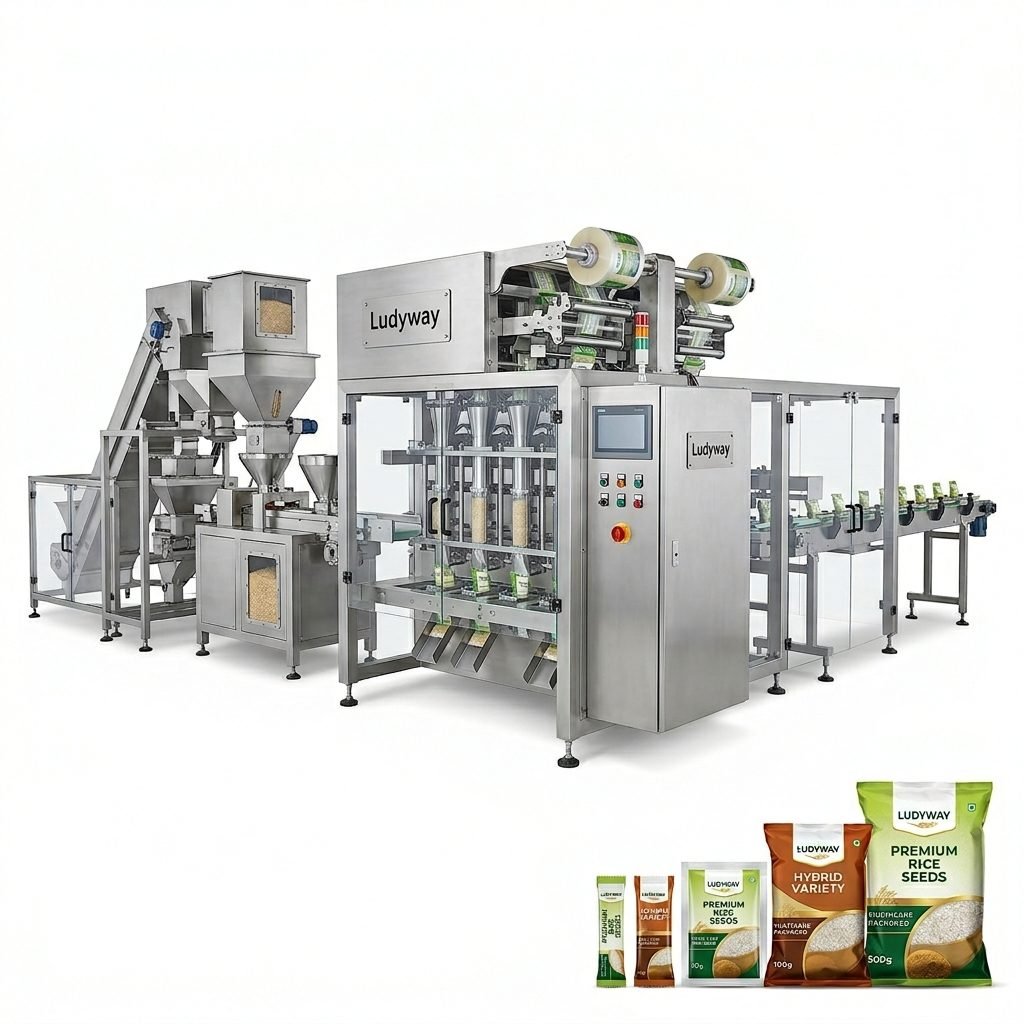
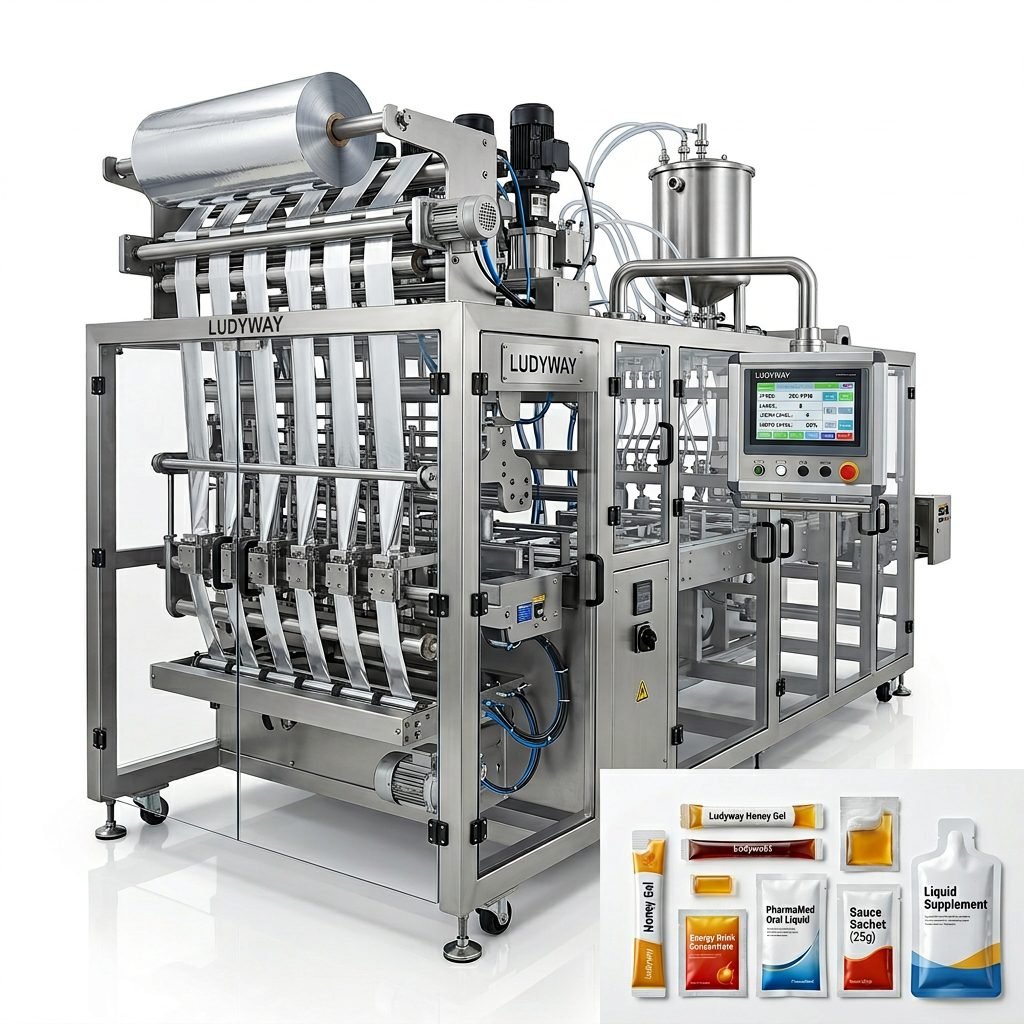
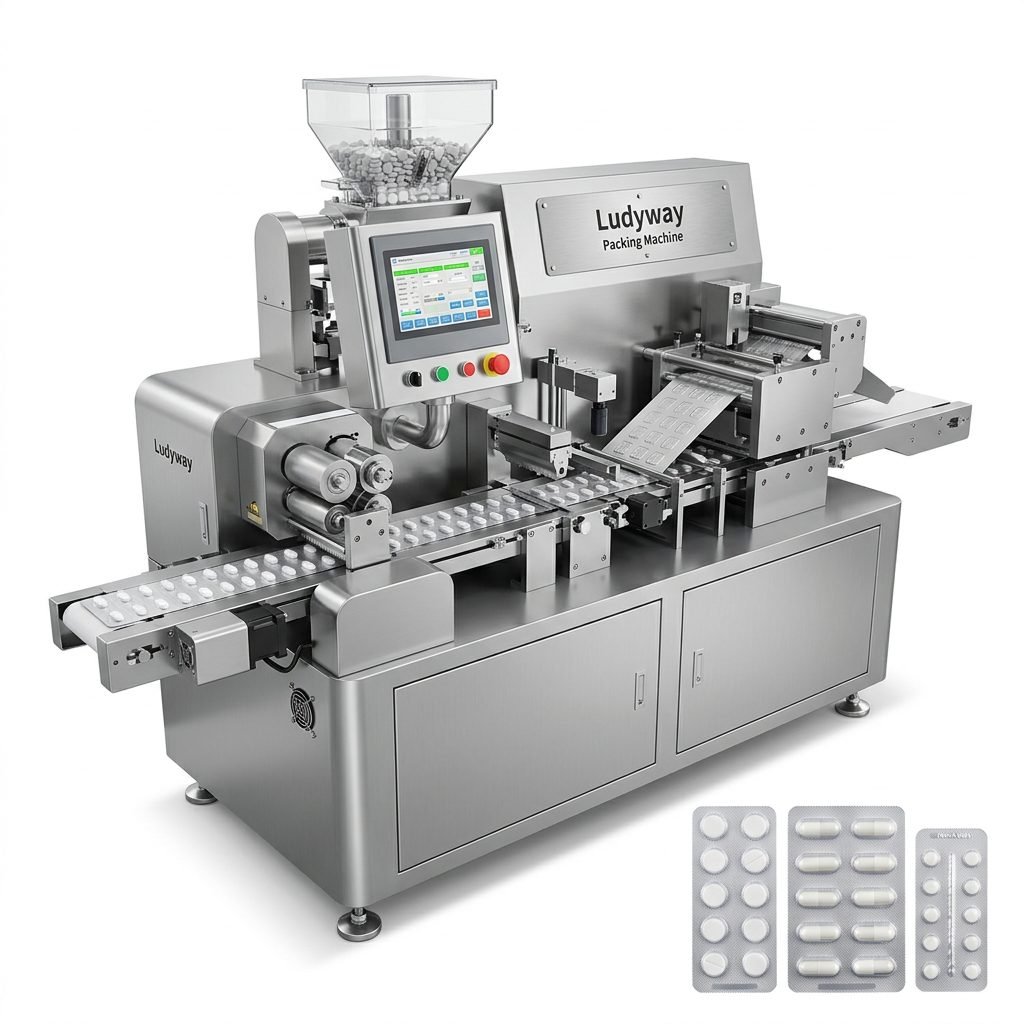
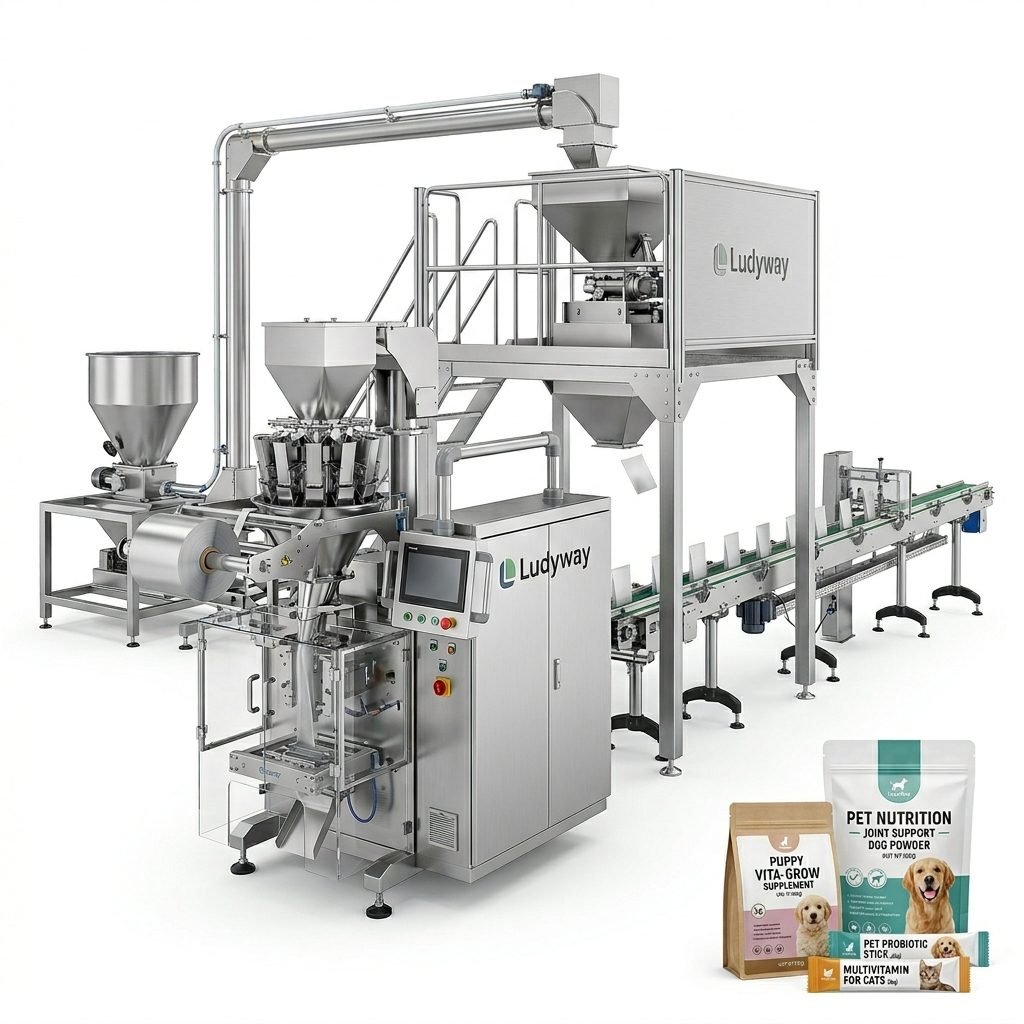
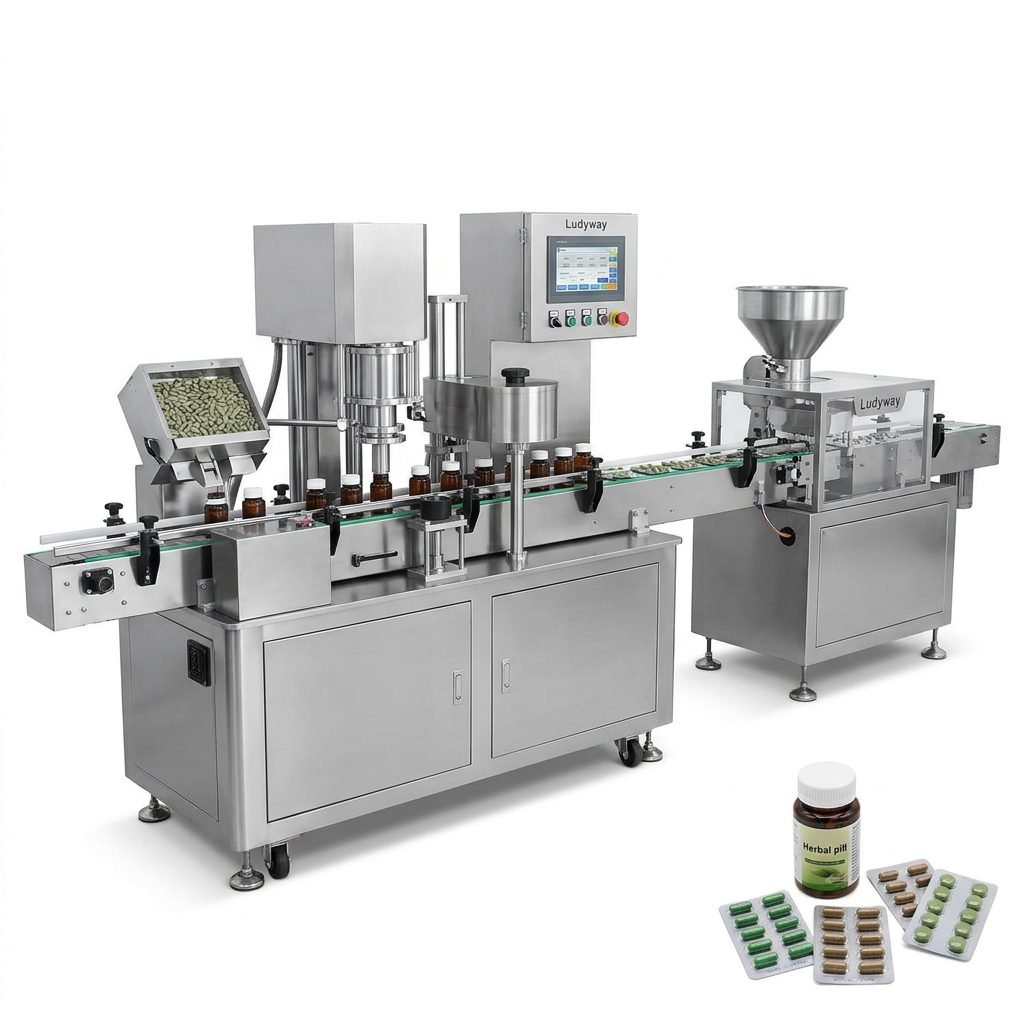
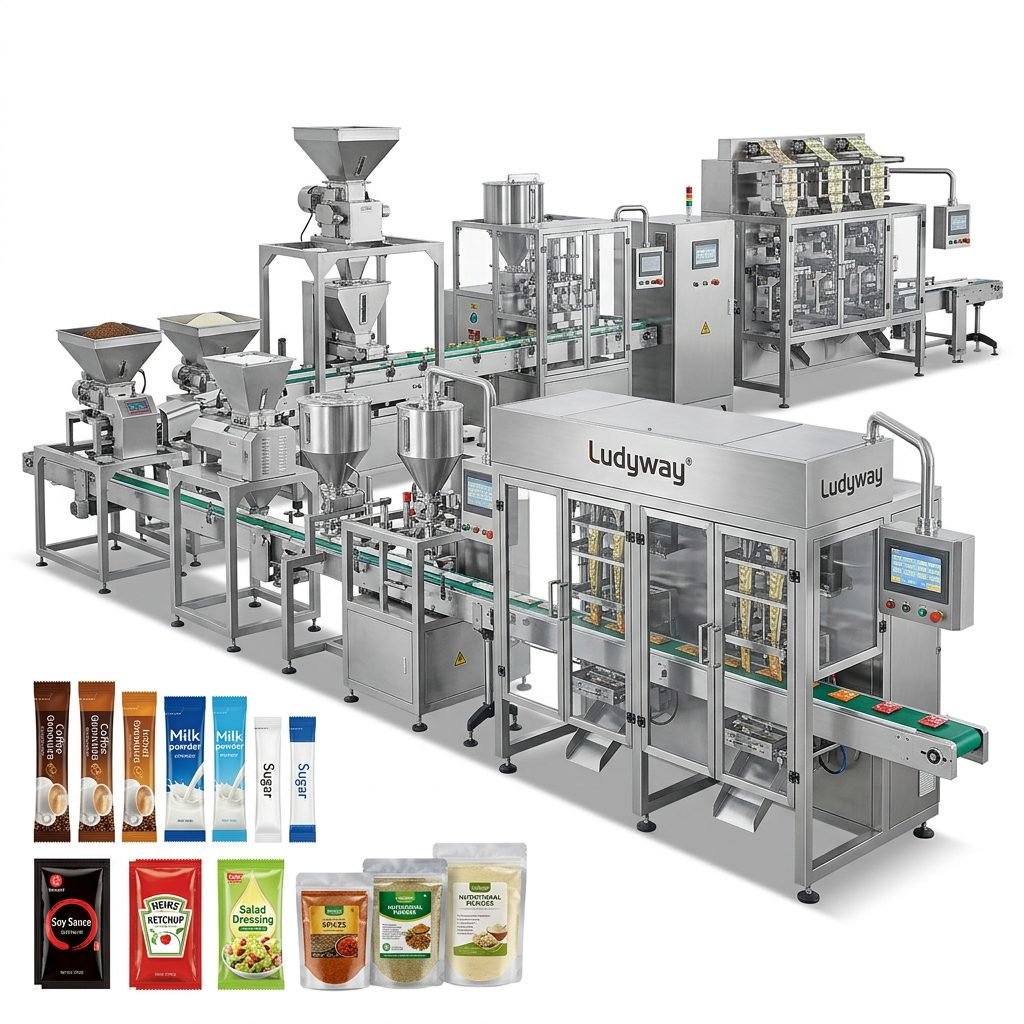
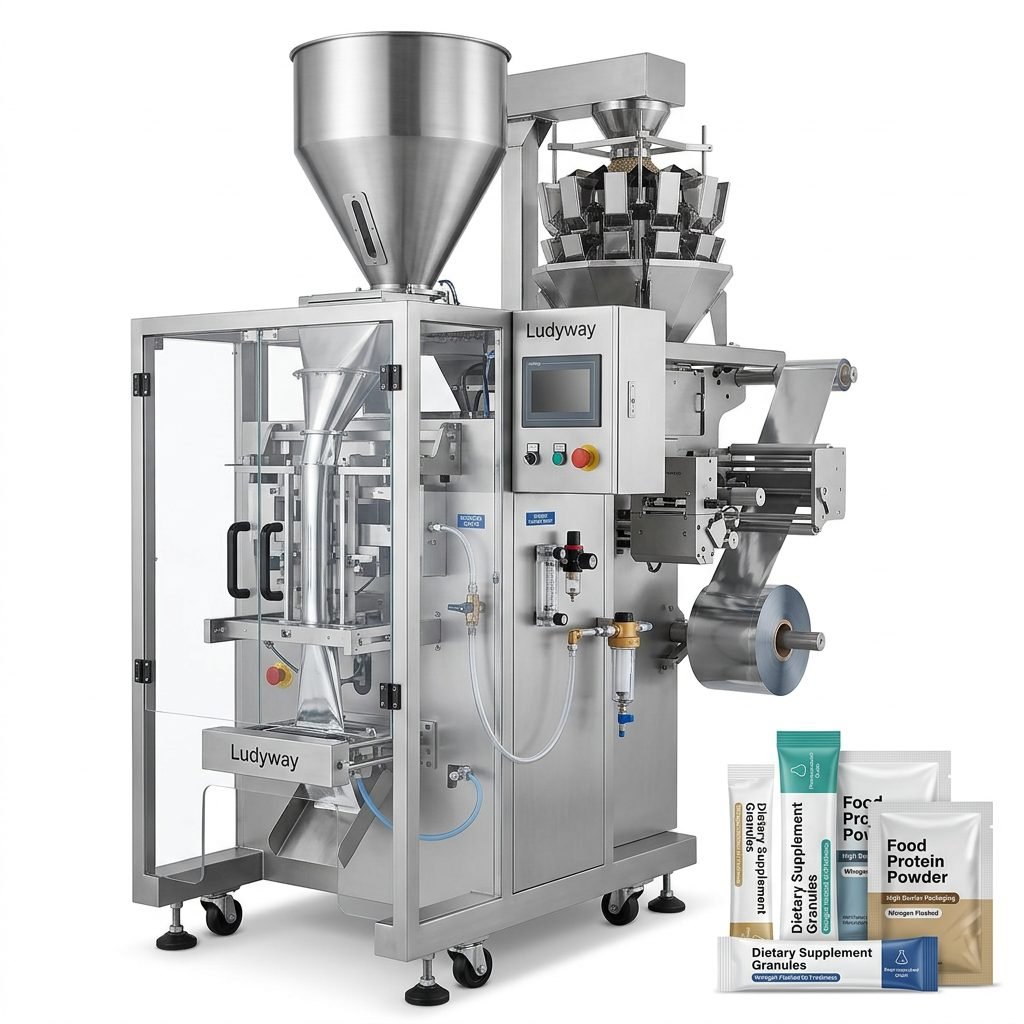
For manufacturers seeking integrated automation, Ludyway food packaging machine solutions can support a wide range of food applications, from sachets and stick packs to fully automated packaging lines. As one of China’s leading packaging machine and turnkey packaging line manufacturers, the company is known for broad product coverage, export experience, and scalable automation options.
Signs You’ve Found the Right Sealing Solution
A well-matched airtight food packaging machine should deliver the following results:
- Stable and repeatable sealing quality
- Reduced leakage and product loss
- Longer and more reliable shelf life
- Improved packaging appearance
- Better line efficiency
- Less manual intervention
- Stronger compliance with food safety expectations
Final Buying Perspective
The best airtight food packaging machine is not simply the fastest or the cheapest. It is the one that fits your product characteristics, packaging material, quality goals, and growth strategy. A strong sealing solution protects freshness and safety while also improving productivity and reducing operational risk.
If you compare machine type, seal performance, hygiene design, automation level, and supplier support carefully, you will be in a much better position to choose packaging equipment that creates long-term value for your food business.