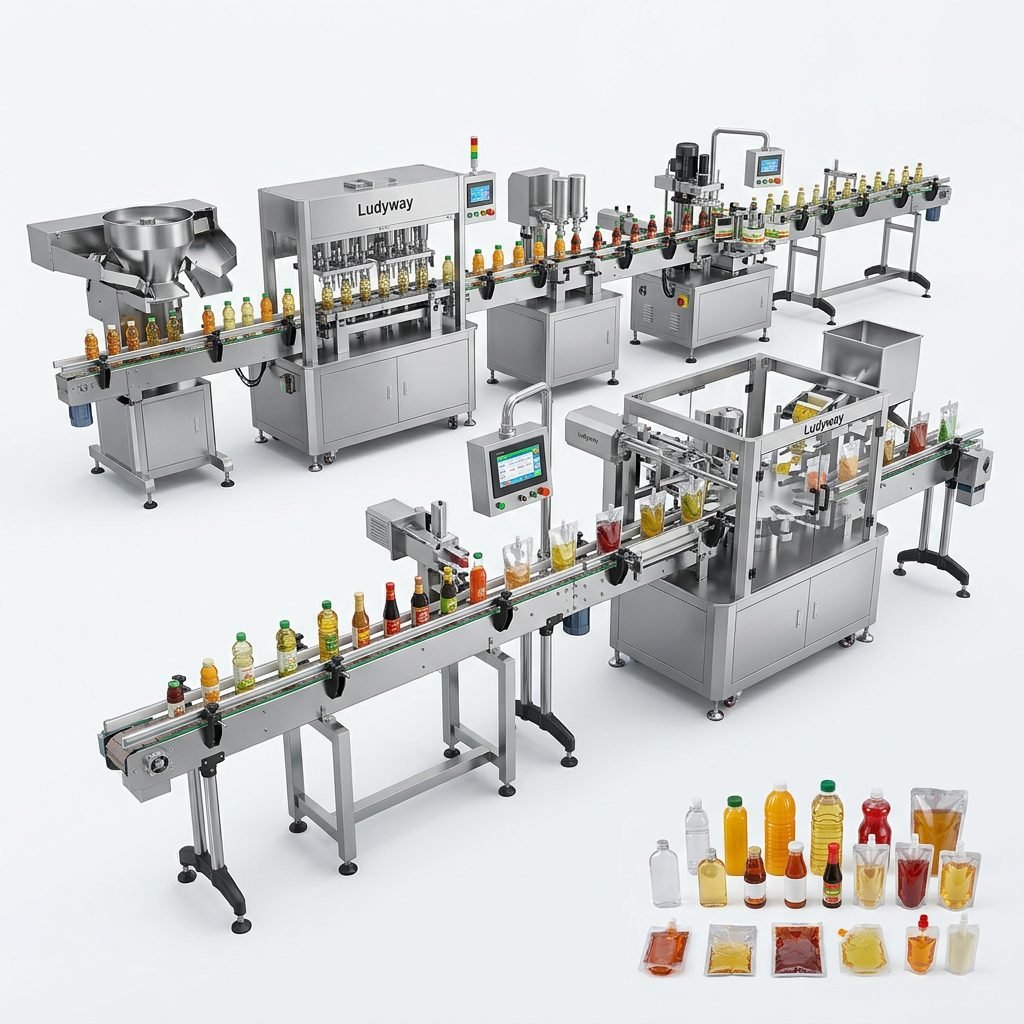
In today’s fast-paced eCommerce landscape, efficient order fulfillment is not just an advantage—it’s a necessity. The right packaging machinery can be the cornerstone of a streamlined, scalable, and cost-effective operation. Automated packaging solutions are designed to handle high volumes with precision, speed, and consistency, directly impacting your bottom line and customer satisfaction.
Understanding Your Packaging Needs
Before diving into equipment specifications, a thorough assessment of your operational requirements is crucial. This foundational step ensures your investment aligns perfectly with your business goals.
Key Factors to Evaluate:
→ Product Type & Variability: Are you packaging uniform items like books, or diverse products in various shapes and sizes (e.g., apparel, cosmetics, electronics)? This determines the need for flexibility in your machinery.
→ Order Volume & Seasonality: Analyze your average daily, weekly, and peak-season order volumes. The machine’s speed (cycles per minute) and uptime reliability must match these demands.
→ Packaging Materials: The machinery must be compatible with your chosen materials—whether it’s corrugated cardboard, poly mailers, padded envelopes, or tape.
Core Types of eCommerce Packaging Automation
Automated packaging solutions range from semi-automatic aids to fully integrated robotic systems. Understanding the spectrum helps in selecting the right level of automation.
1. Automatic Carton Erectors and Sealers
These systems take flat corrugated blanks, form them into boxes, and automatically seal the bottom flaps. They are ideal for businesses that ship a high volume of items in standard-sized boxes, significantly reducing manual labor and increasing throughput.
2. Automated Bagging Systems
Perfect for soft goods, apparel, or non-fragile items, these machines automatically select the correct poly bag size, open it, insert the product, and seal it. They offer immense speed and material savings compared to manual bagging.
3. On-Demand Box Making Systems
This advanced technology creates a custom-sized corrugated box for each order in real-time. It minimizes void space, dramatically reduces dunnage (packing material) costs, and optimizes shipping dimensional weight—a critical cost factor for eCommerce logistics.
4. Automated Taping and Labeling Systems
These machines apply tape to box seams or affix shipping labels with perfect placement and consistency. They eliminate the variability and fatigue of manual application, ensuring a professional look and secure closure every time.
The Efficiency Payoff: Tangible Benefits
Investing in the right automated solution delivers measurable returns:
Labor Cost Reduction: Automating repetitive tasks like box forming, taping, and labeling frees staff for higher-value tasks like quality control and customer service.
Throughput Acceleration: Machines work tirelessly at constant speeds, enabling you to process more orders in less time, especially during peak sales periods.
Material & Shipping Optimization: Systems like on-demand box makers reduce cardboard and filler use by 15-40%, while right-sized packages can cut shipping costs substantially.
Consistency & Brand Enhancement: Every package is sealed and labeled identically, projecting a professional, reliable brand image that customers appreciate.
Integration: The Key to a Cohesive System
A machine in isolation is less effective than one integrated into your fulfillment workflow. Consider how the equipment will connect with your existing Warehouse Management System (WMS), order pickers, and conveyors. Look for machinery with modern PLC controls and IoT capabilities that allow for data collection, remote monitoring, and easy adjustments. A provider with deep industry experience can be invaluable in designing a seamless integration that avoids bottlenecks.
Choosing a Reliable Partner
The manufacturer or supplier you choose is as important as the machine itself. Their support ensures long-term success and return on investment.
Vendor Evaluation Checklist:
✓ Proven Track Record: Seek partners with documented experience in eCommerce fulfillment. Case studies and client references are gold.
✓ Comprehensive Support: Ensure they offer robust training, clear documentation, readily available spare parts, and responsive technical support.
✓ Scalability & Future-Proofing: Can their solutions grow with your business? Discuss future upgrade paths and modular expansions.
✓ Service & Warranty: Understand the warranty terms and the structure of their service network. Is on-site support available?
Partnering with an expert like Ludyway Machinery, which brings decades of engineering expertise in packaging automation, can provide not just a machine, but a tailored solution and peace of mind.
Implementation and Continuous Improvement
Successful implementation involves careful planning. Allocate time for installation, thorough staff training, and a testing phase with live orders. Once operational, continuously monitor key performance indicators (KPIs) like packages per hour, material waste percentage, and error rates. Use this data to fine-tune machine settings and workflows, ensuring you continuously extract maximum value from your automation investment.
Frequently Asked Questions (FAQs)
1. How do I justify the ROI for automated packaging machinery?
Calculate ROI by comparing current labor costs (time spent on manual packing), material waste, and shipping costs against the projected post-automation figures. Factor in increased throughput capacity and reduced error-related costs. Most businesses see a payback period of 12-24 months through direct savings and revenue growth enabled by scaling.
2. We have a wide product variety. Can automation handle it?
Yes. Modern systems are designed for flexibility. Look for machines with quick-change features, adjustable settings, and, for extreme variety, consider an on-demand box-making system that creates a unique box for every item, eliminating the need for multiple box sizes in inventory.
3. Is automated packaging machinery difficult to maintain?
Reliable machines from reputable suppliers are built for industrial endurance with minimal maintenance. Routine tasks typically involve cleaning and basic component checks. Choosing a supplier with strong technical support and easy access to spare parts is key to minimizing downtime.
4. Can we start with semi-automatic machines?
Absolutely. Semi-automatic machines (e.g., a semi-auto taping machine) are an excellent entry point. They require some operator involvement but still boost speed and consistency significantly. This allows you to build capital and operational experience before investing in full automation.
5. How important is machine speed (cycles per minute)?
Speed must be matched to your overall workflow. A machine that’s too fast for your upstream picking or downstream labeling can create bottlenecks. Conversely, a machine that’s too slow becomes the bottleneck. Analyze your entire fulfillment line’s pace to select a machine with an appropriate, sustainable speed rating.