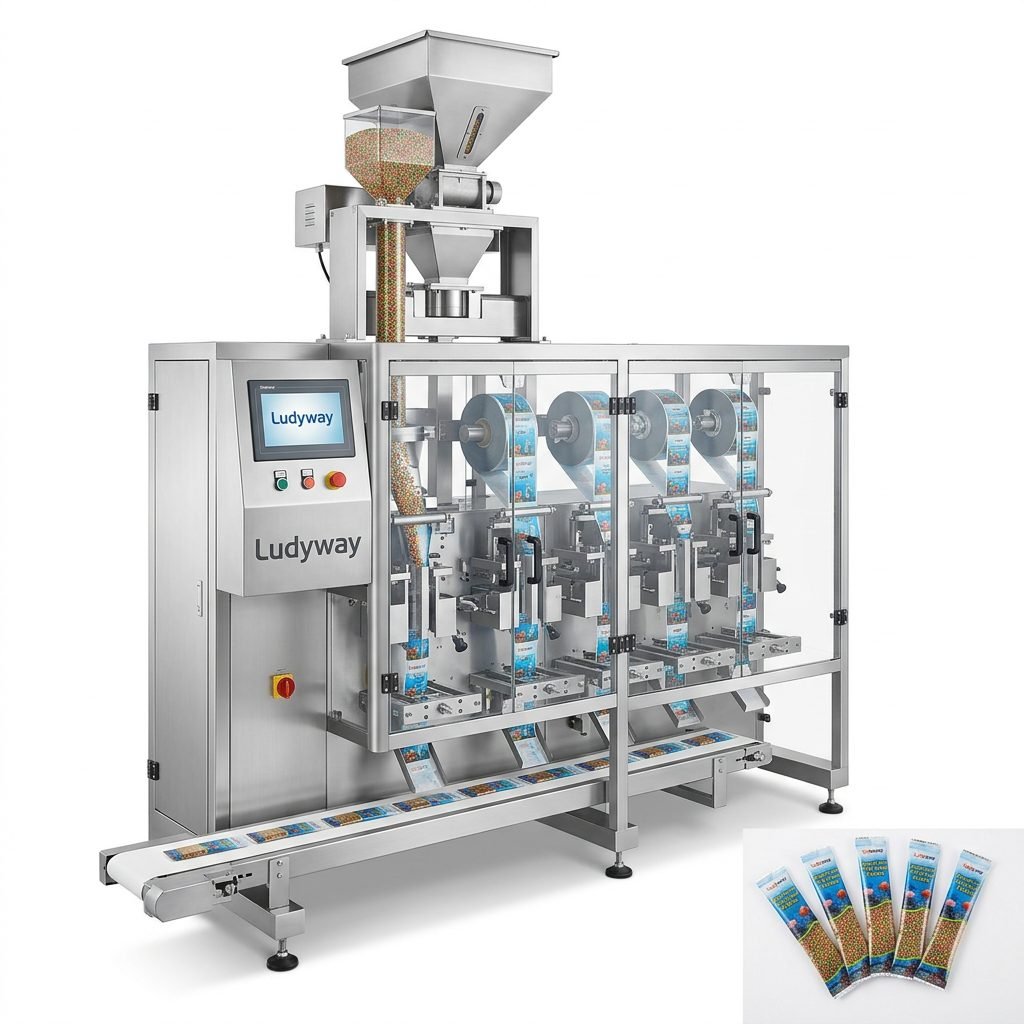
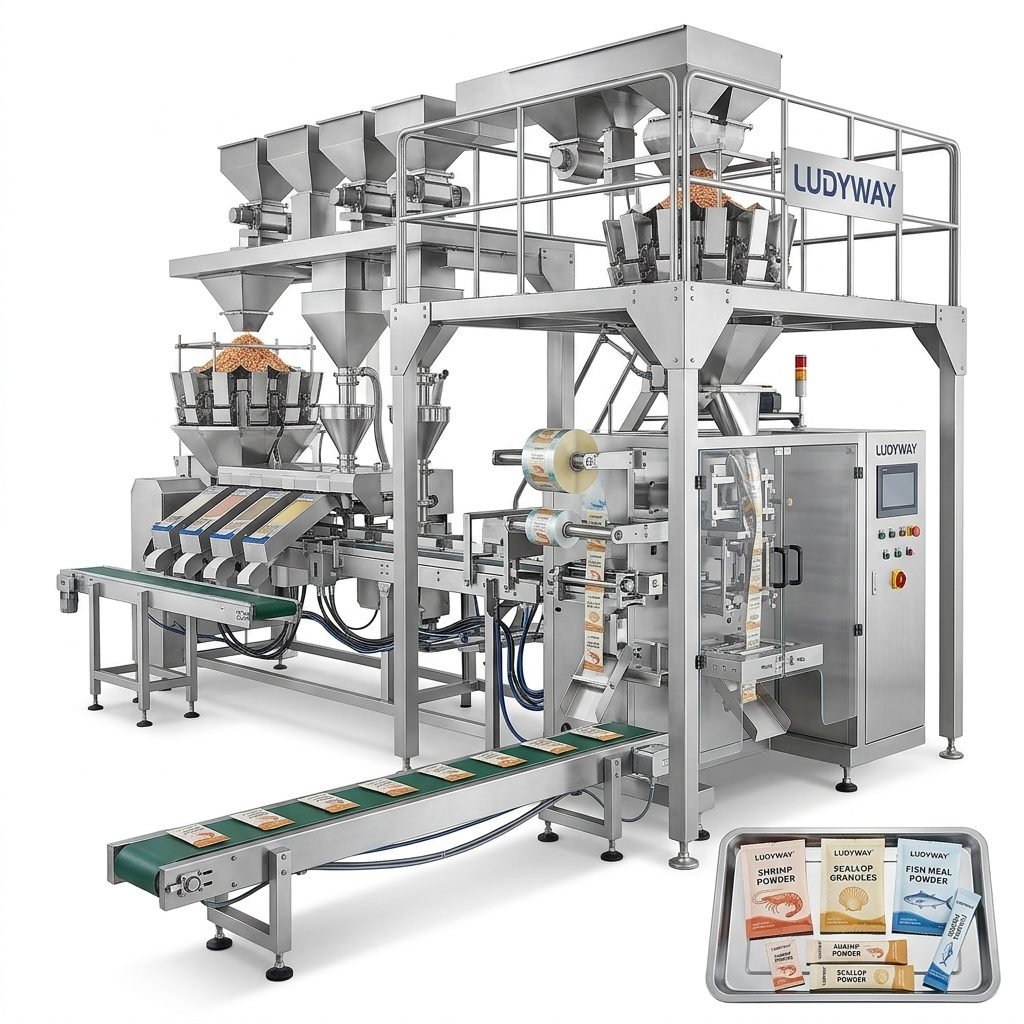
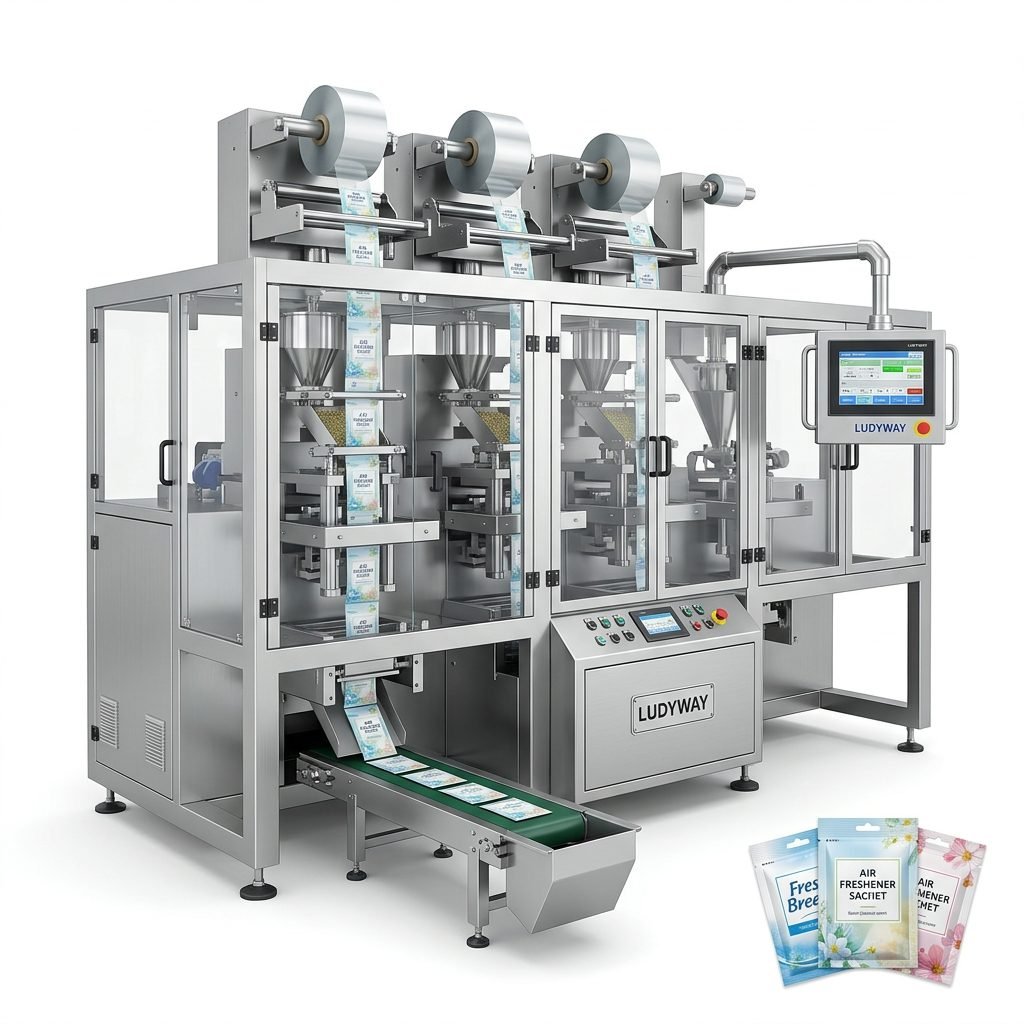
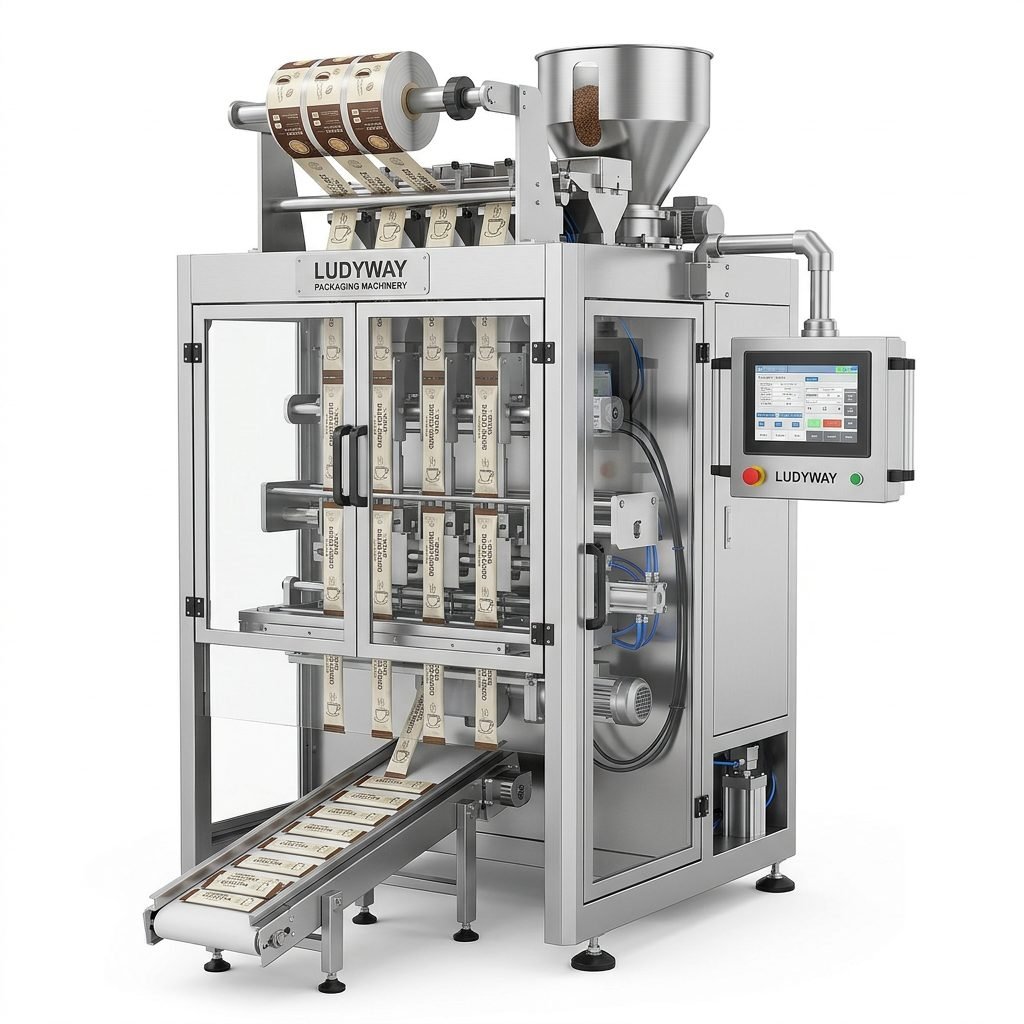
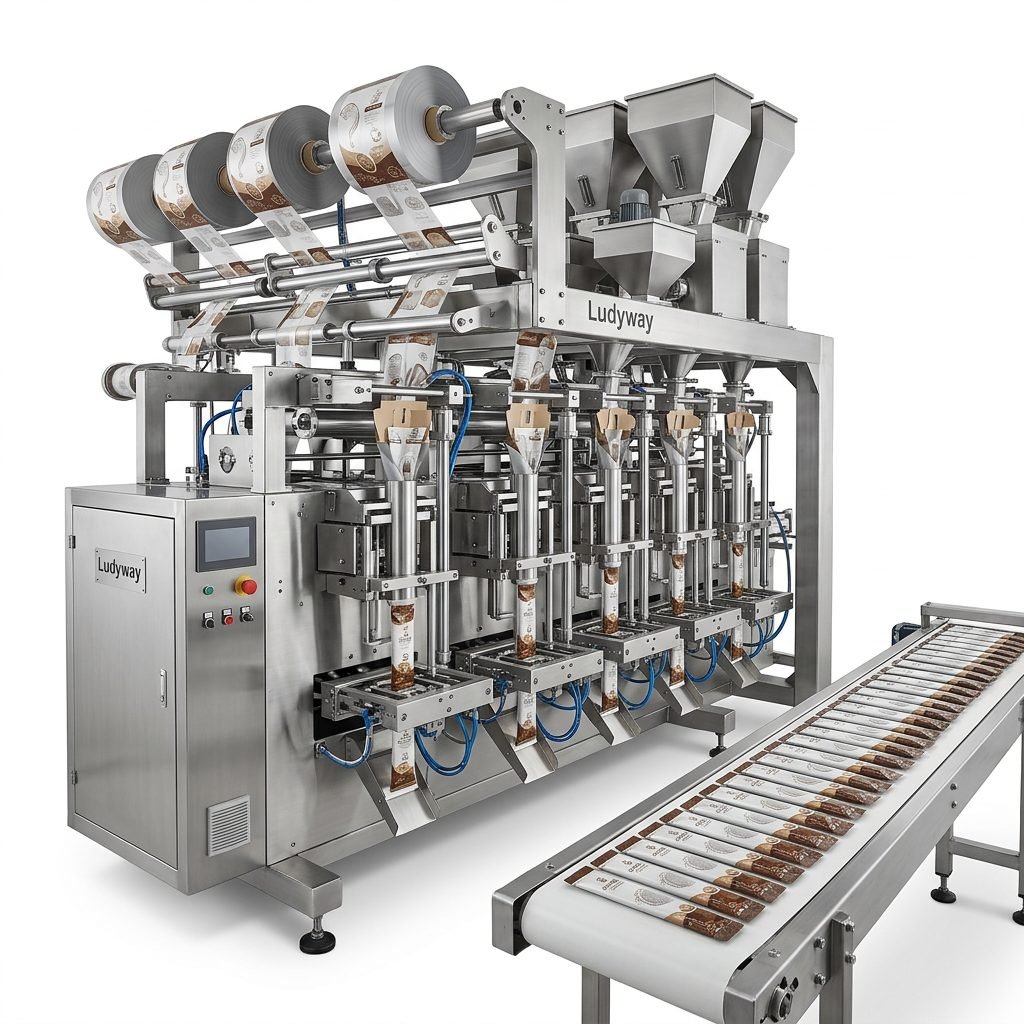
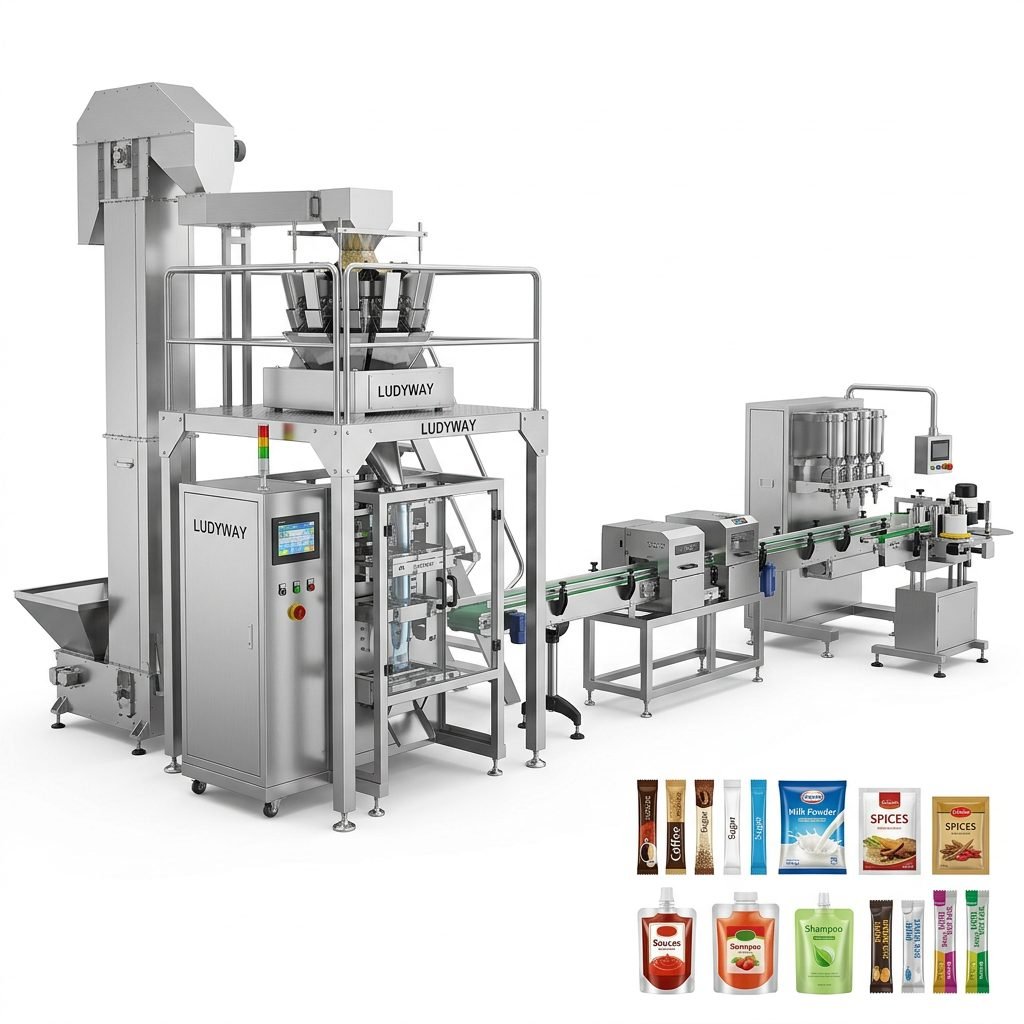
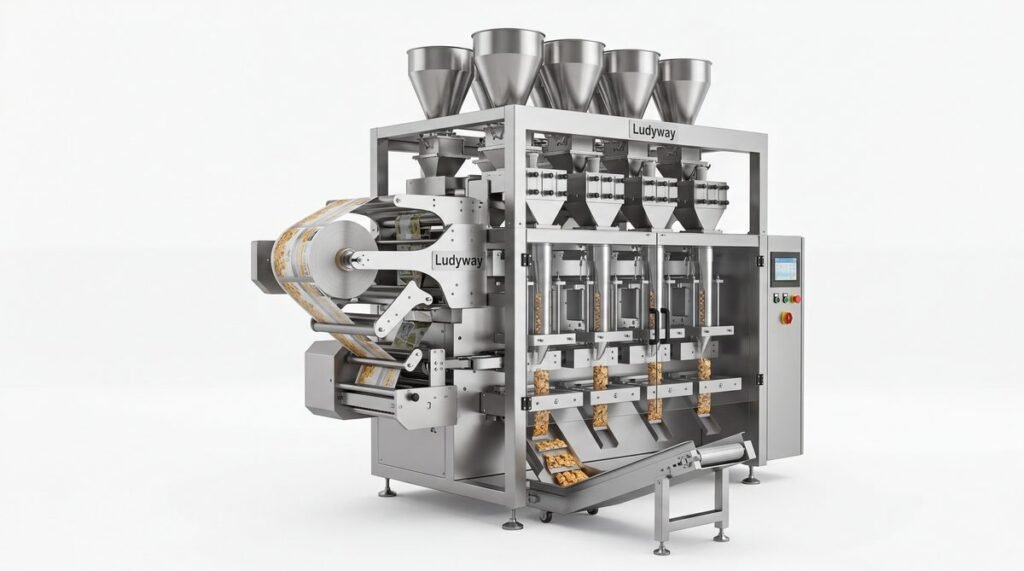
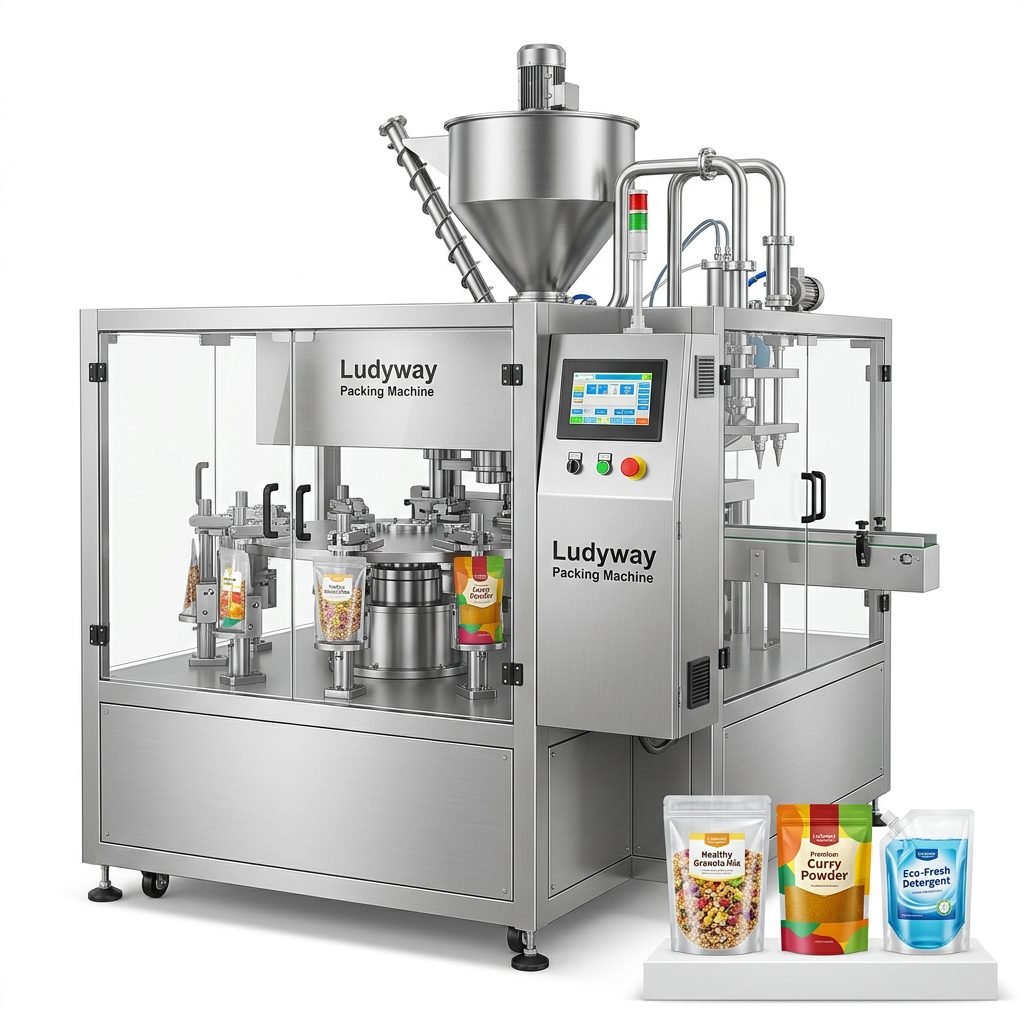
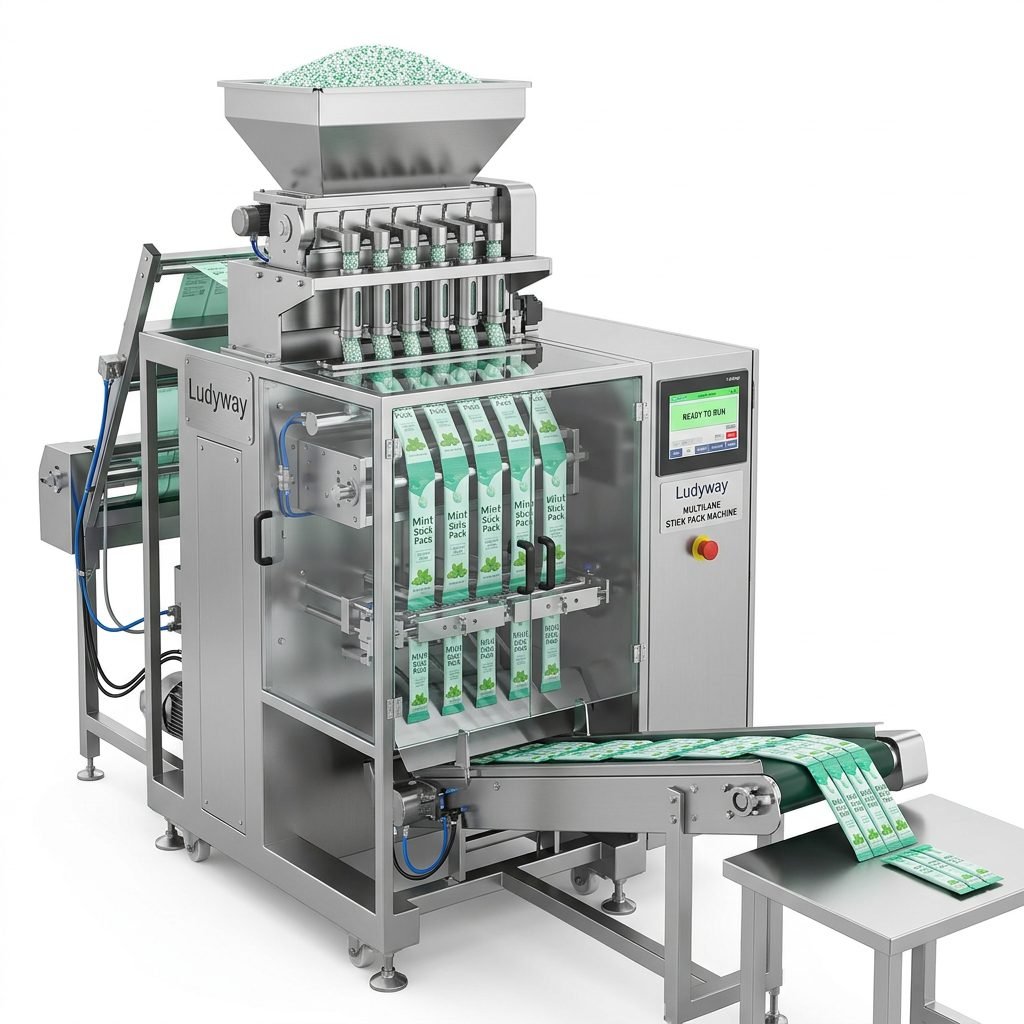
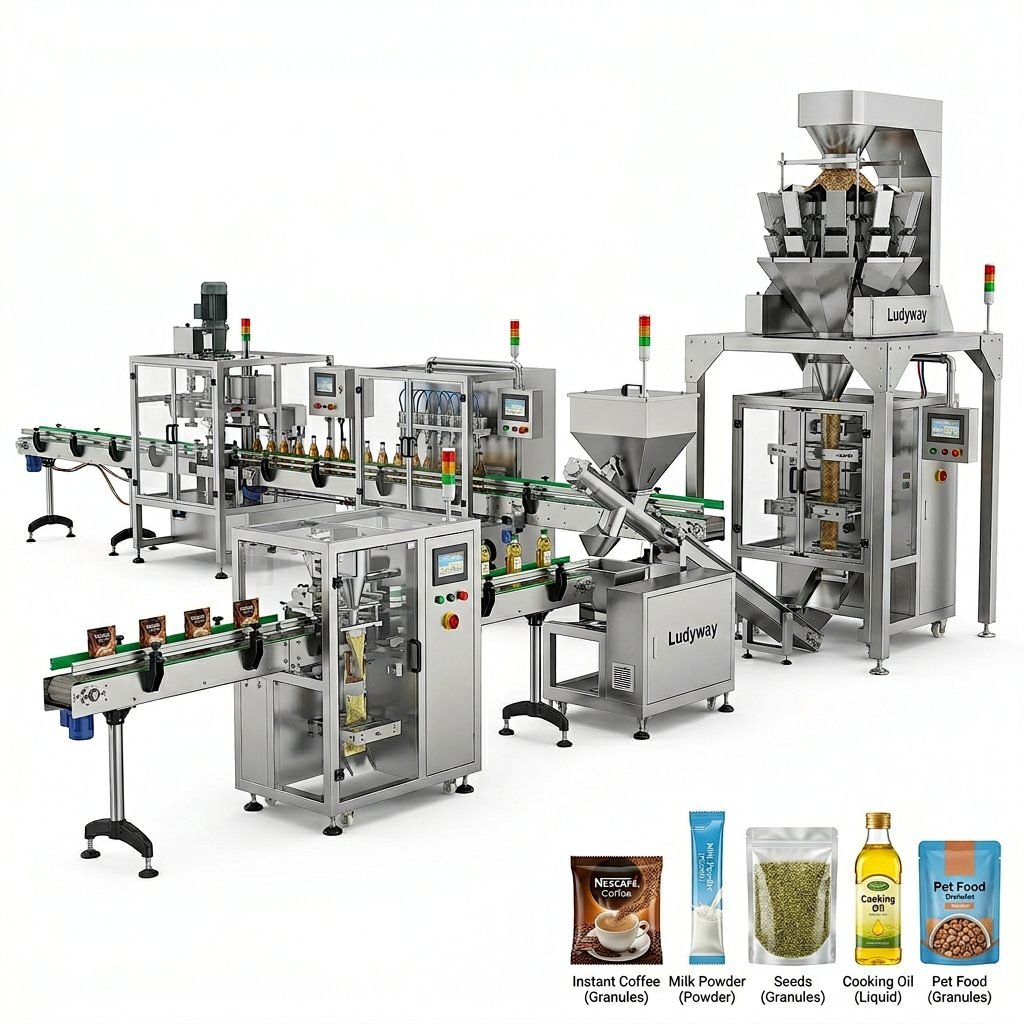
A carton box packaging machine is a key part of modern automated packing lines. It helps manufacturers pack products into cartons with higher speed, better consistency, and lower labor dependence. For food, pharmaceutical, cosmetic, chemical, and consumer goods industries, automated carton packing improves output while protecting products during storage, transport, and retail display.
Whether you are handling sachets, stick packs, pouches, bottles, or small boxed items, the right cartoning solution can simplify end-of-line operations and reduce manual handling errors. Businesses looking for long-term automation value often choose complete systems from experienced manufacturers such as Ludyway carton box packaging machine solutions.
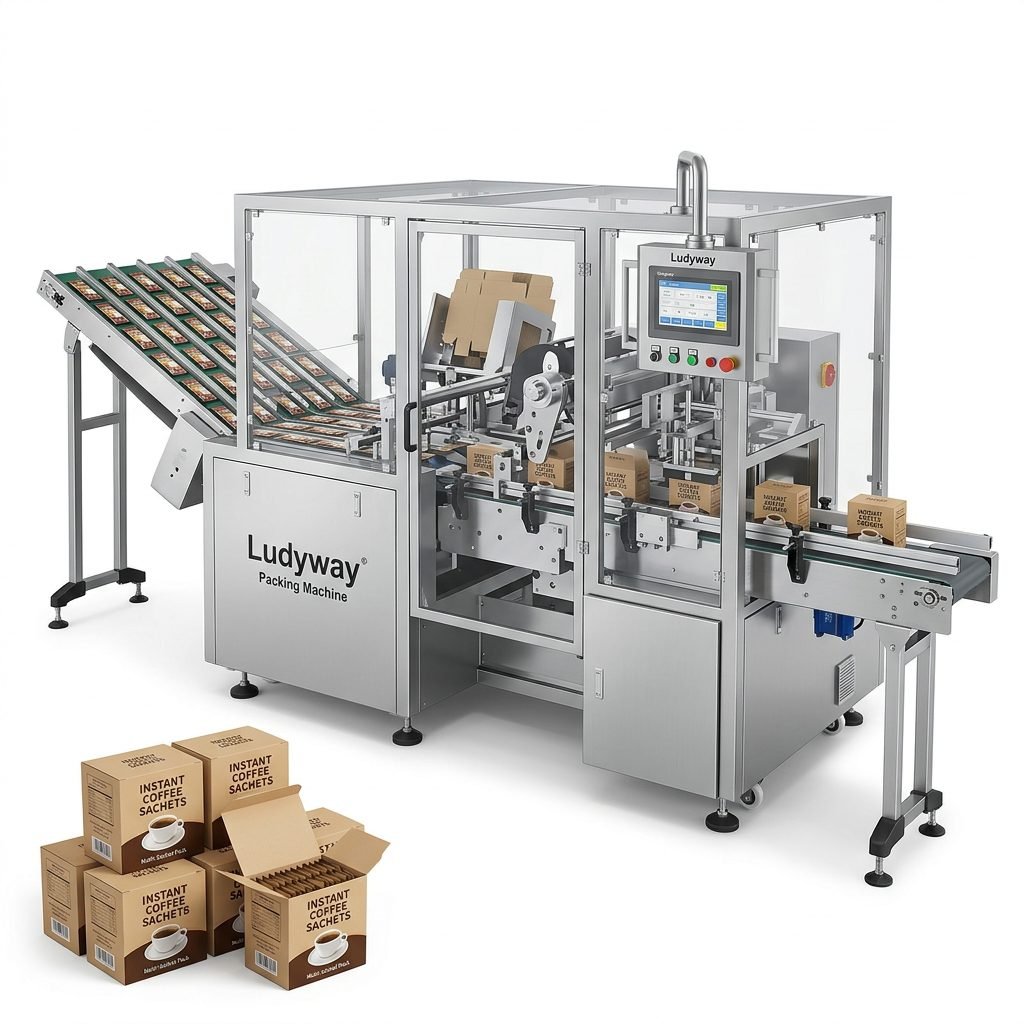
What Is a Carton Box Packaging Machine?
A carton box packaging machine is equipment designed to automatically form, load, arrange, insert, and sometimes seal products into cartons. Depending on the production setup, the system may work as a standalone cartoner or as part of a complete packaging line with conveyors, counting units, sealing machines, labeling machines, inspection devices, and palletizing systems.
- Automatically erects cartons or receives pre-formed cartons
- Loads products in a controlled and repeatable way
- Closes cartons by tuck-in, hot melt glue, or sealing methods
- Supports batch coding, inspection, and reject functions
- Integrates with upstream and downstream packaging equipment
Why Automated Carton Packing Matters
Manual cartoning can slow down production, increase labor costs, and create inconsistency in finished packaging. Automated systems help factories stay competitive by improving packing speed and presentation quality. This is especially important in industries where packaging accuracy and hygiene are critical.
- Higher throughput: Machines can maintain stable speeds for continuous production.
- Reduced labor pressure: Fewer manual packing steps are needed.
- Improved carton consistency: Uniform packing supports better shelf appearance.
- Lower error rates: Counting, grouping, and loading can be automated with precision.
- Better product protection: Proper cartoning reduces damage during shipment.
Common Applications
Carton box packaging machines are used across many sectors. Their adaptability makes them ideal for manufacturers with medium to high production demands.
| Industry | Typical Products | Packaging Format |
|---|---|---|
| Food | Sachets, stick packs, seasoning packs, snacks, drink powders | Retail cartons, display boxes, multipack cartons |
| Pharmaceutical | Capsules, sachets, vials, blister packs | Leaflet-insert cartons, tamper-ready cartons |
| Cosmetic | Creams, serum sachets, ampoules, sample packs | Brand display cartons, sample cartons |
| Chemical | Detergent sachets, cleaning products, additives | Transport cartons, grouped retail packs |
| Nutraceutical | Supplement powders, stick packs, capsules | Consumer cartons, promotional boxed sets |
Main Types of Carton Box Packaging Machines
Horizontal Cartoning Machines
These machines are suitable for products fed horizontally into cartons. They are widely used for sachet groups, blister packs, tubes, and flow-wrapped products.
Vertical Cartoning Machines
Vertical models are often used for products dropped into cartons from above, such as bottles, pouches, or counted sachet bundles.
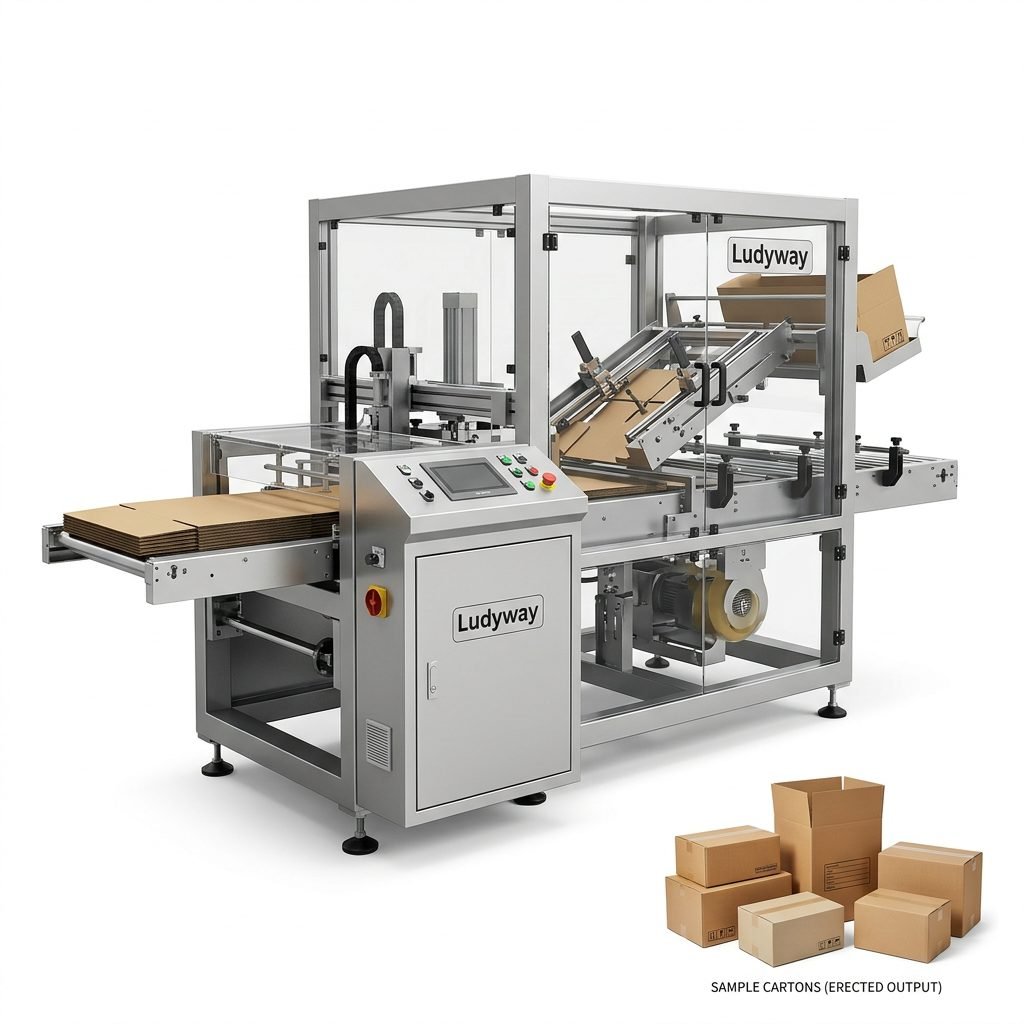
Automatic Carton Erectors and Sealers
These systems focus on forming cartons and sealing them efficiently. They are commonly paired with case packing and palletizing equipment.
Integrated Cartoning Lines
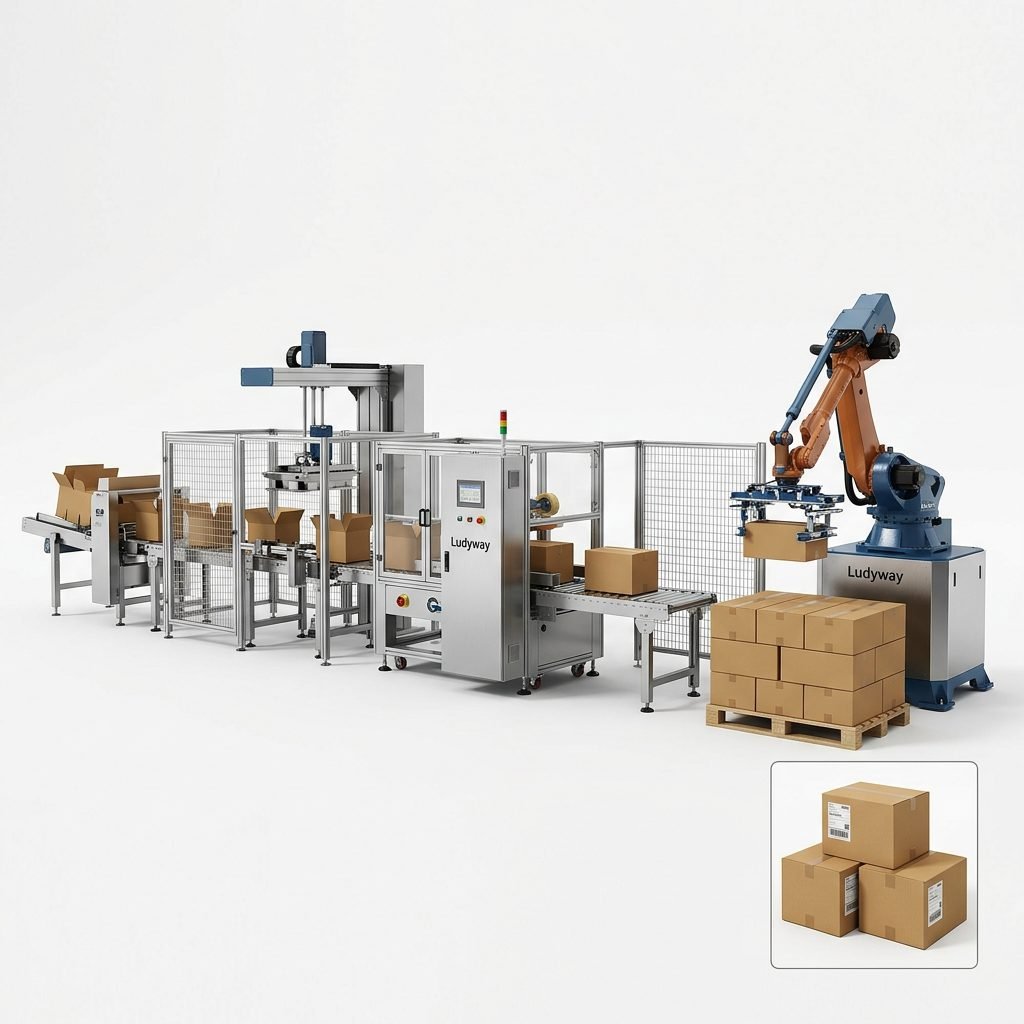
For large-scale operations, integrated lines combine product feeding, counting, cartoning, sealing, coding, inspection, and robotic end-of-line handling.
Key Features to Look For
When selecting a carton box packaging machine, buyers should evaluate more than just output speed. The best solution is one that matches product type, carton size range, and future expansion plans.
- Flexible carton size adjustment for different SKUs
- Stable product feeding system to avoid jams and misloads
- Servo-driven control for accurate positioning
- Human-machine interface for easier setup and operation
- Safety protection design including sensors and guarding
- Easy cleaning and maintenance access
- Compatibility with coding, inspection, and rejection devices
How a Typical Automated Carton Packing Line Works
A complete line usually follows a structured sequence from primary packaging to final boxed output:
| Step | Process | Purpose |
|---|---|---|
| 1 | Product discharge from primary packaging machine | Transfers sachets, pouches, bottles, or packs to cartoning section |
| 2 | Counting and grouping | Creates the correct number of units per carton |
| 3 | Carton forming or feeding | Prepares carton for product loading |
| 4 | Product insertion | Places grouped products neatly into cartons |
| 5 | Carton closing and sealing | Secures the package for distribution |
| 6 | Coding, inspection, and rejection | Ensures traceability and quality control |
| 7 | Case packing and palletizing | Completes end-of-line logistics automation |
Benefits for Different Production Environments
For High-Volume Manufacturers
High-output operations benefit from continuous running, reduced bottlenecks, and stronger packaging consistency. This is especially useful when multiple lanes of sachets or stick packs feed into one cartoner.
For Growing Brands
An automated carton packing system supports business expansion by enabling better presentation, scalable capacity, and lower dependence on manual labor as order volumes rise.
For Regulated Industries
Pharmaceutical and health product manufacturers often require accurate counts, code traceability, and stable product handling. Cartoning automation helps support these compliance-oriented needs.
How to Choose the Right Carton Box Packaging Machine
Before investing, it is important to match the machine configuration to your actual application. A proper evaluation can prevent underperformance and unnecessary cost.
- What product will be packed: sachets, bottles, blisters, tubes, or pouches?
- How many units should go into each carton?
- What is the expected production speed per minute?
- Will you need carton size changes frequently?
- Do you need leaflet insertion, coding, weighing, or vision inspection?
- Will the machine connect with existing upstream packaging equipment?
- Do you require a standalone cartoner or a complete turnkey line?
Important Selection Criteria
| Criteria | Why It Matters |
|---|---|
| Machine speed | Must align with upstream production capacity |
| Carton compatibility | Ensures stable loading across different box sizes and materials |
| Automation level | Determines labor savings and process continuity |
| Changeover convenience | Important for factories with multiple product formats |
| After-sales support | Reduces downtime and improves long-term machine reliability |
| Customization capability | Helps fit unique product layouts and factory conditions |
Integration With Complete Packaging Lines
Today, many manufacturers prefer integrated packaging systems instead of isolated machines. A carton box packaging machine can be combined with:
- Multi-lane sachet or stick pack machines
- Bottle filling and capping lines
- Pouch filling and sealing systems
- Conveyors and product accumulation tables
- Automatic checkweighers and metal detectors
- Case packers, carton sealers, and palletizers
This integrated approach creates a smoother workflow from primary pack formation to final warehouse-ready cartons.
Maintenance and Operational Tips
Consistent performance depends not only on machine design, but also on proper maintenance and operator training.
- Inspect moving parts and feeding mechanisms regularly
- Keep sensors and carton handling areas clean
- Use cartons that match the required material specifications
- Monitor glue or sealing performance during long runs
- Train operators on changeover and fault response procedures
- Follow preventive maintenance schedules to minimize downtime
Why Customization Matters
No two production lines are exactly the same. Product dimensions, carton styles, output goals, and factory layouts vary widely. A customized machine solution can improve feeding accuracy, reduce changeover time, and support future product expansion. Customization is often the difference between a machine that simply runs and a system that truly improves packaging efficiency.
Final Considerations for Buyers
Choosing the right carton box packaging machine means balancing speed, flexibility, product protection, and automation potential. For manufacturers aiming to improve packing efficiency, reduce manual labor, and achieve a more professional finished package, automated cartoning is a practical investment.
From sachet bundles and stick packs to pharmaceuticals and retail-ready cartons, the right automated carton packing solution can support consistent quality and scalable growth across modern production environments.