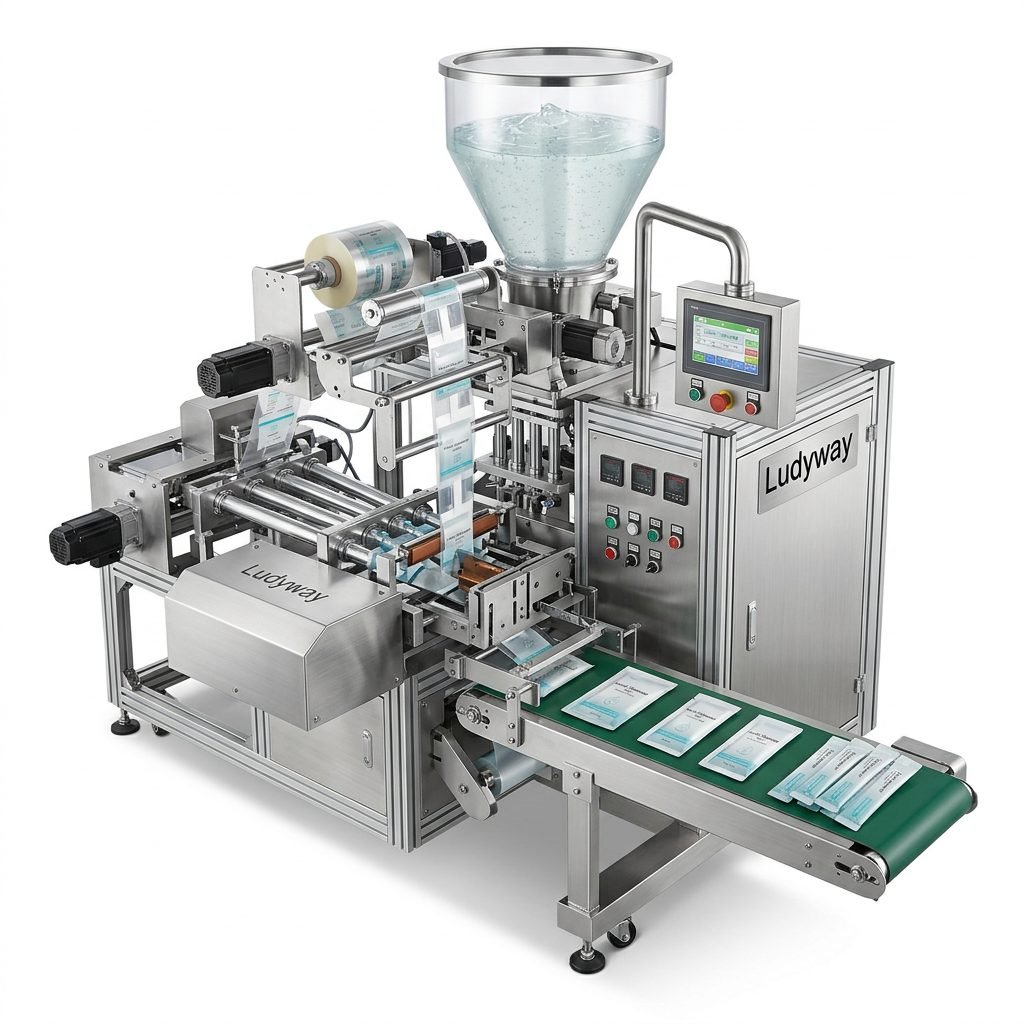
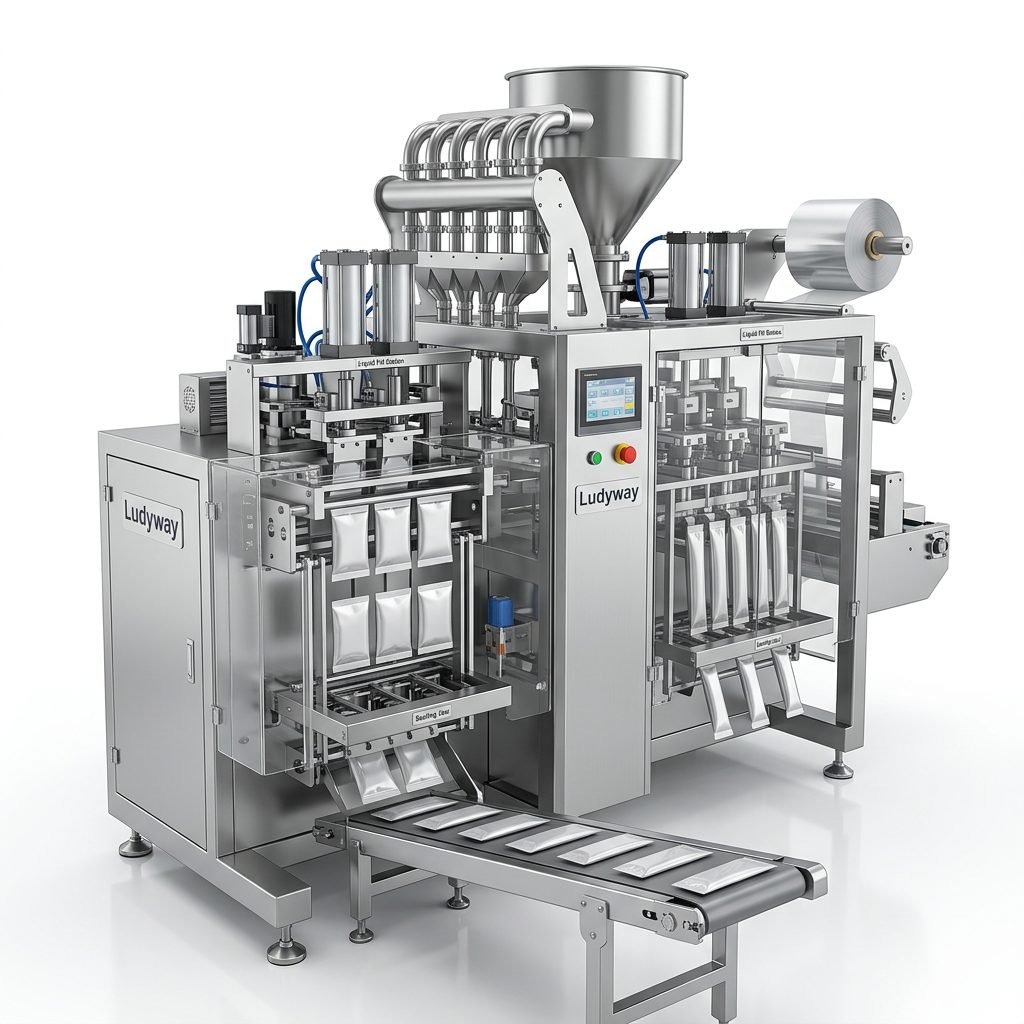
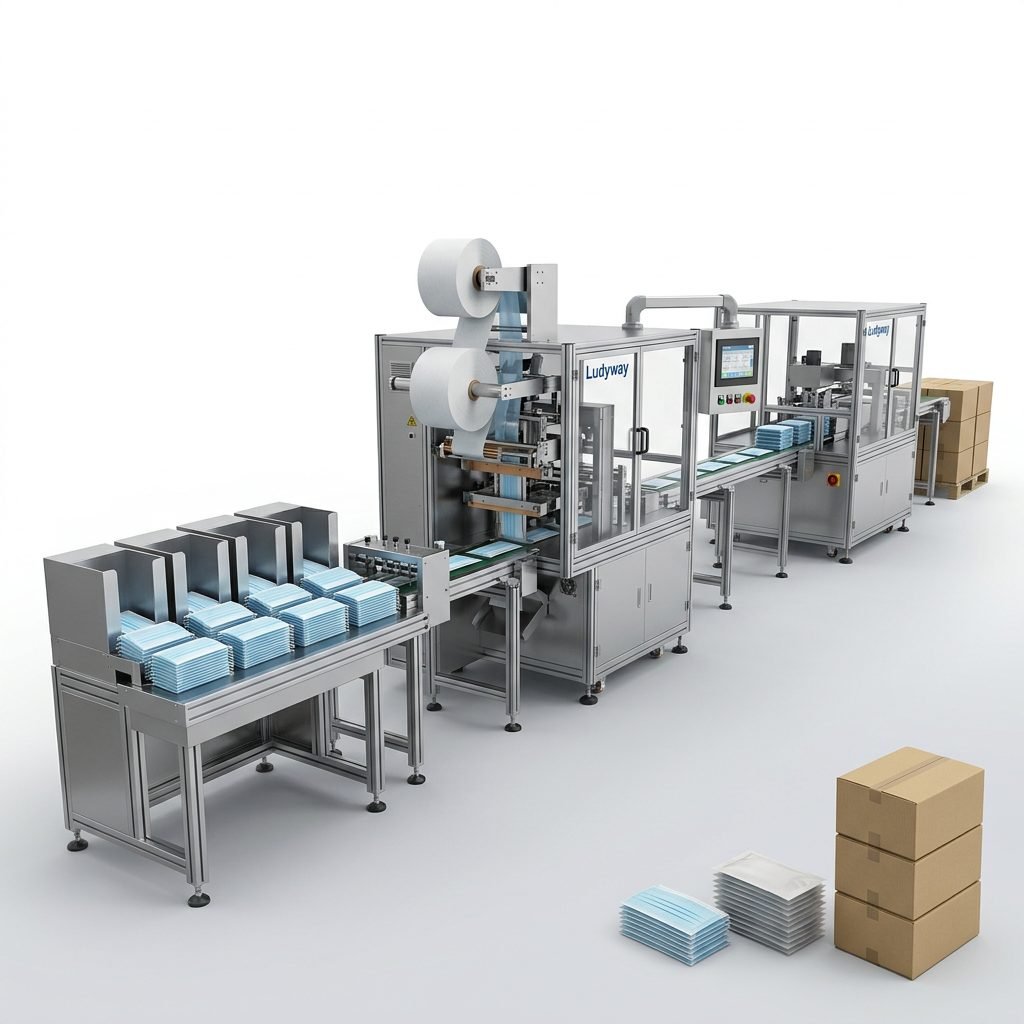
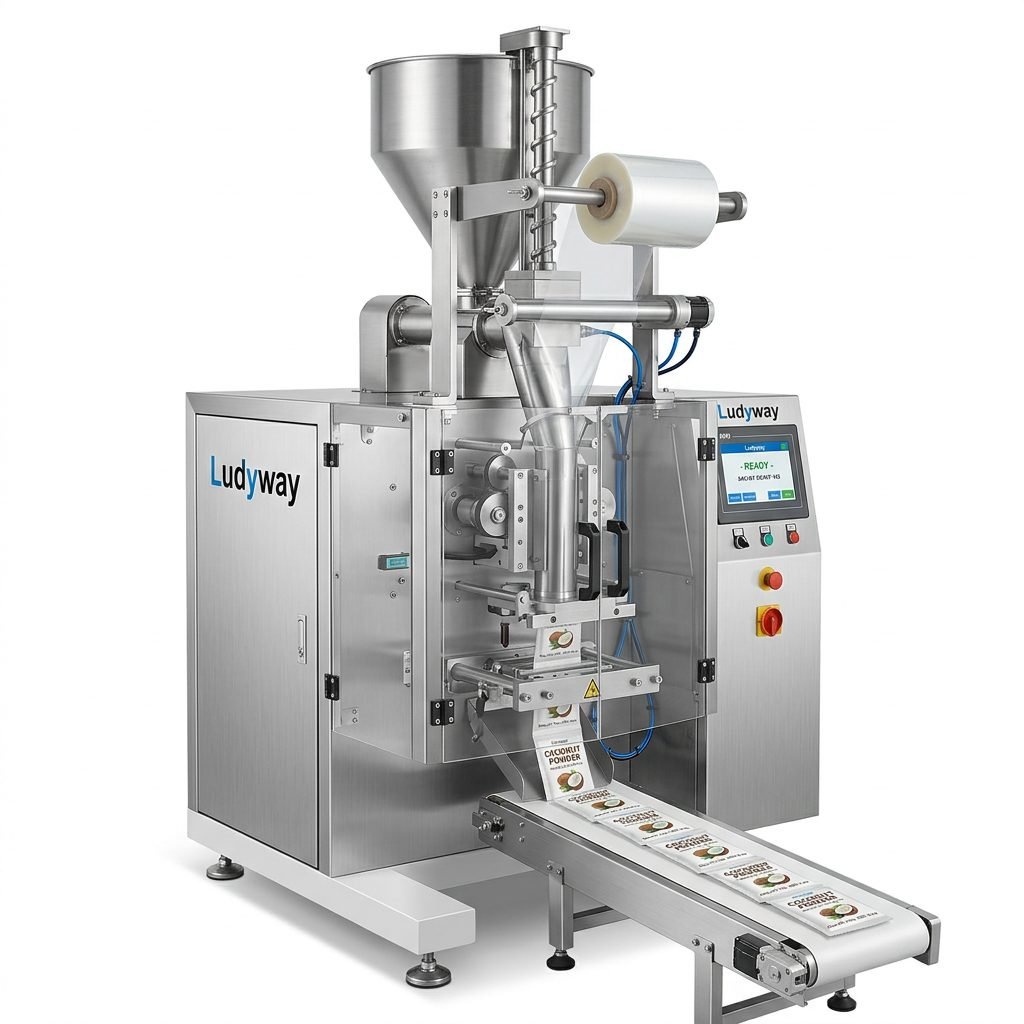
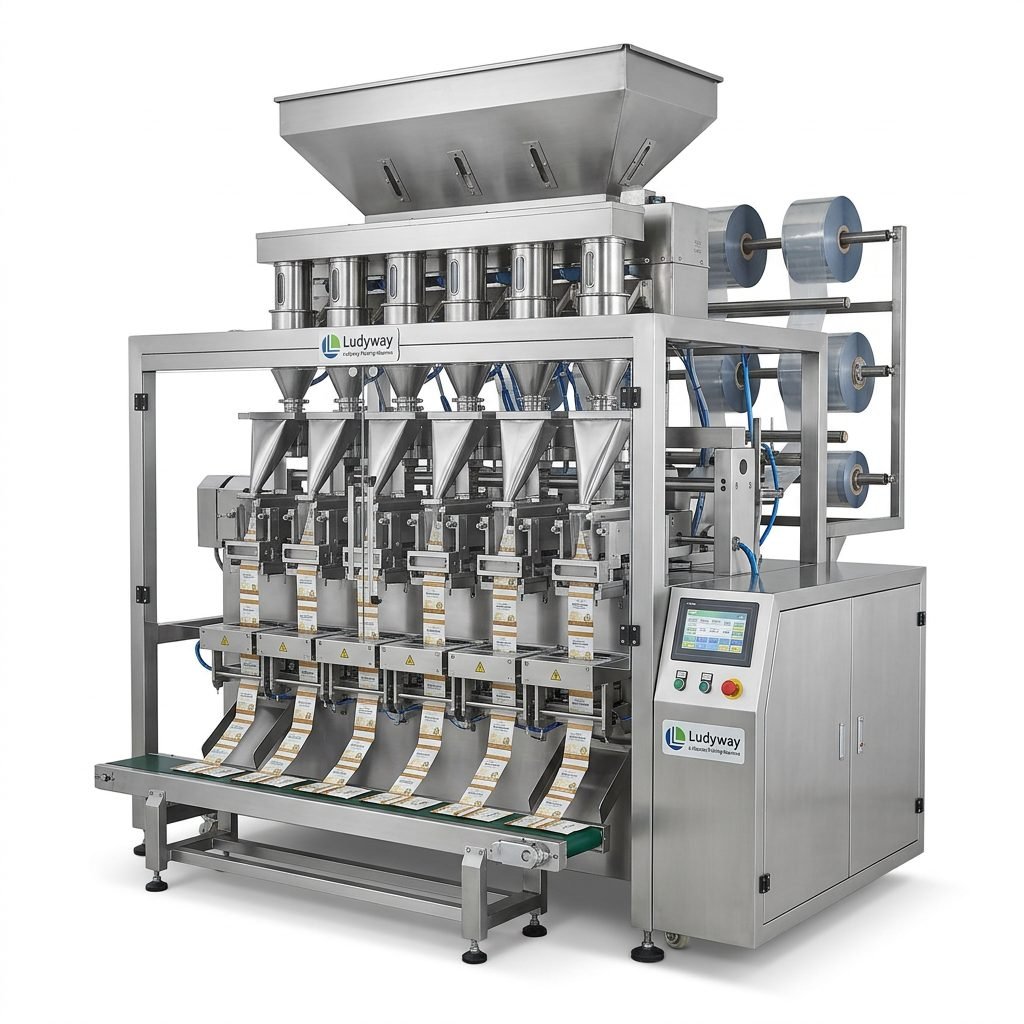
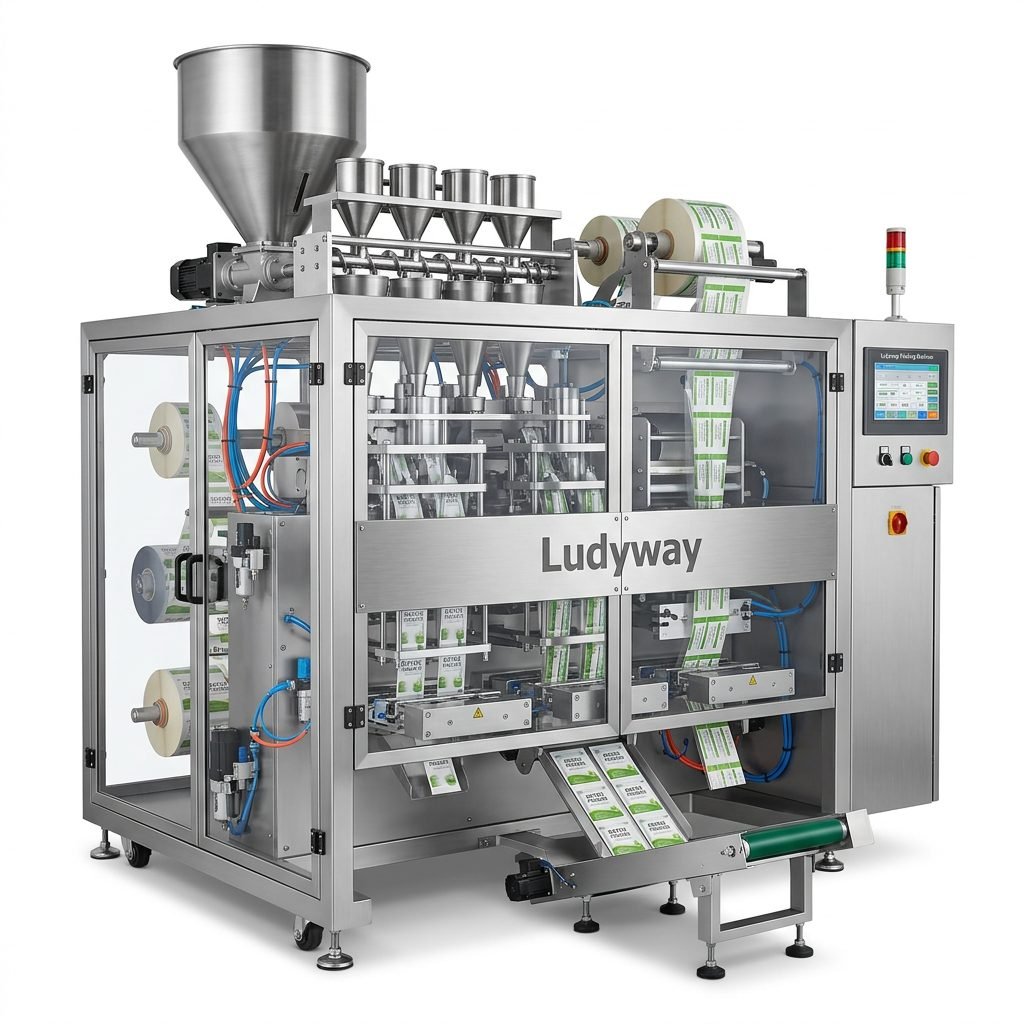
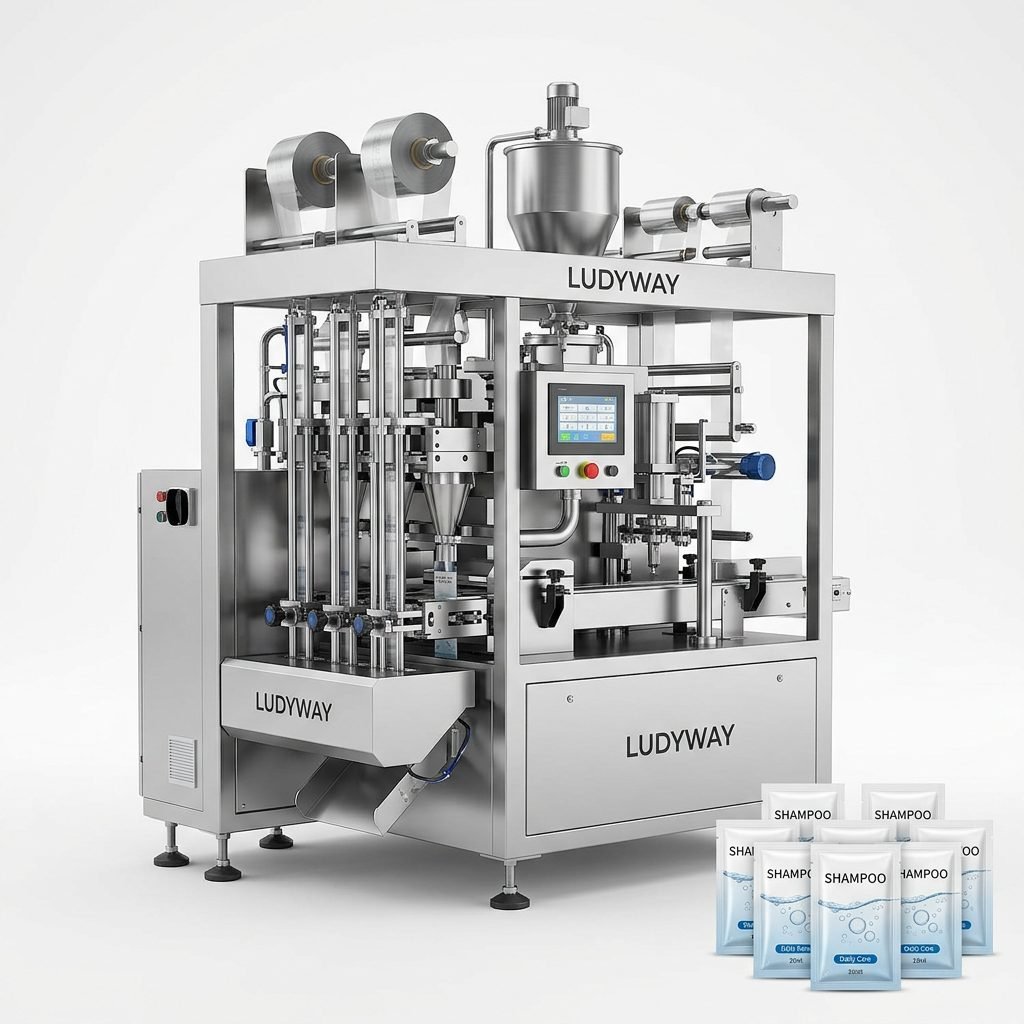
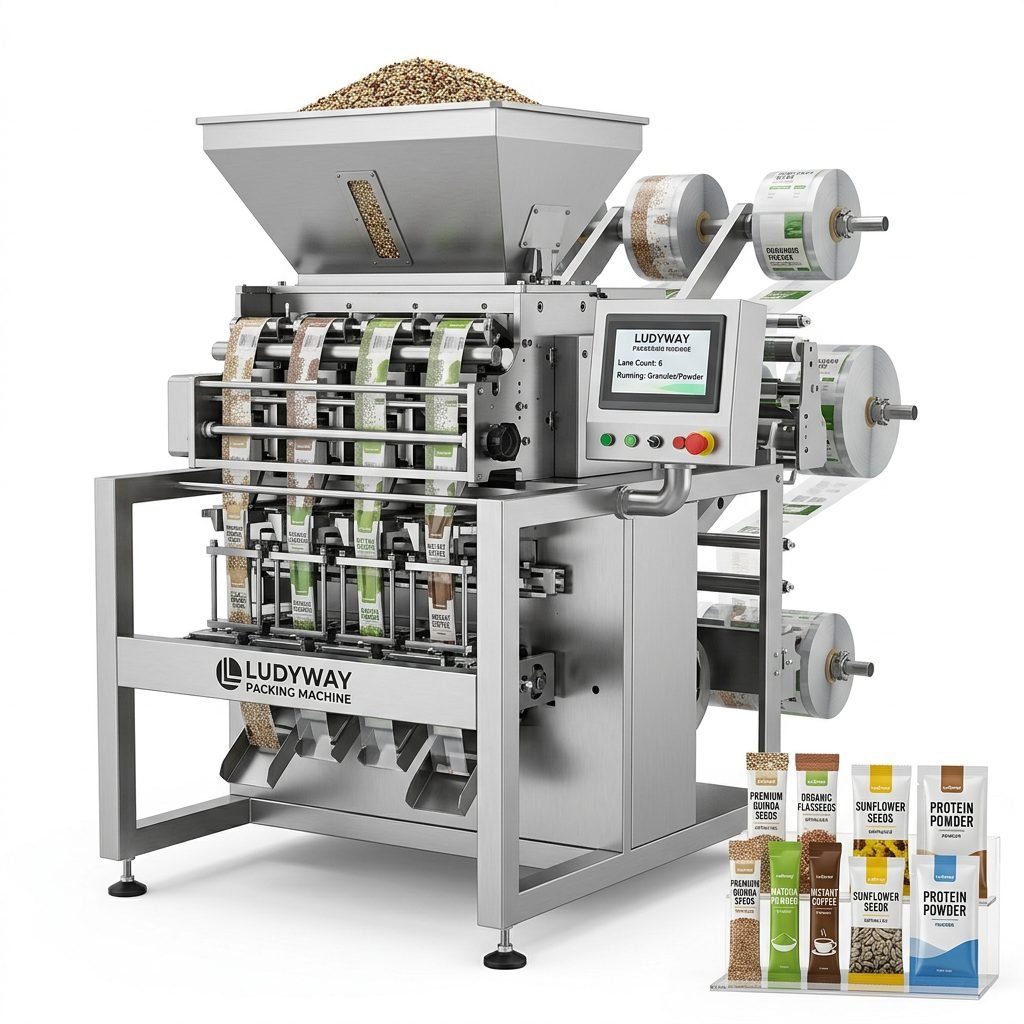
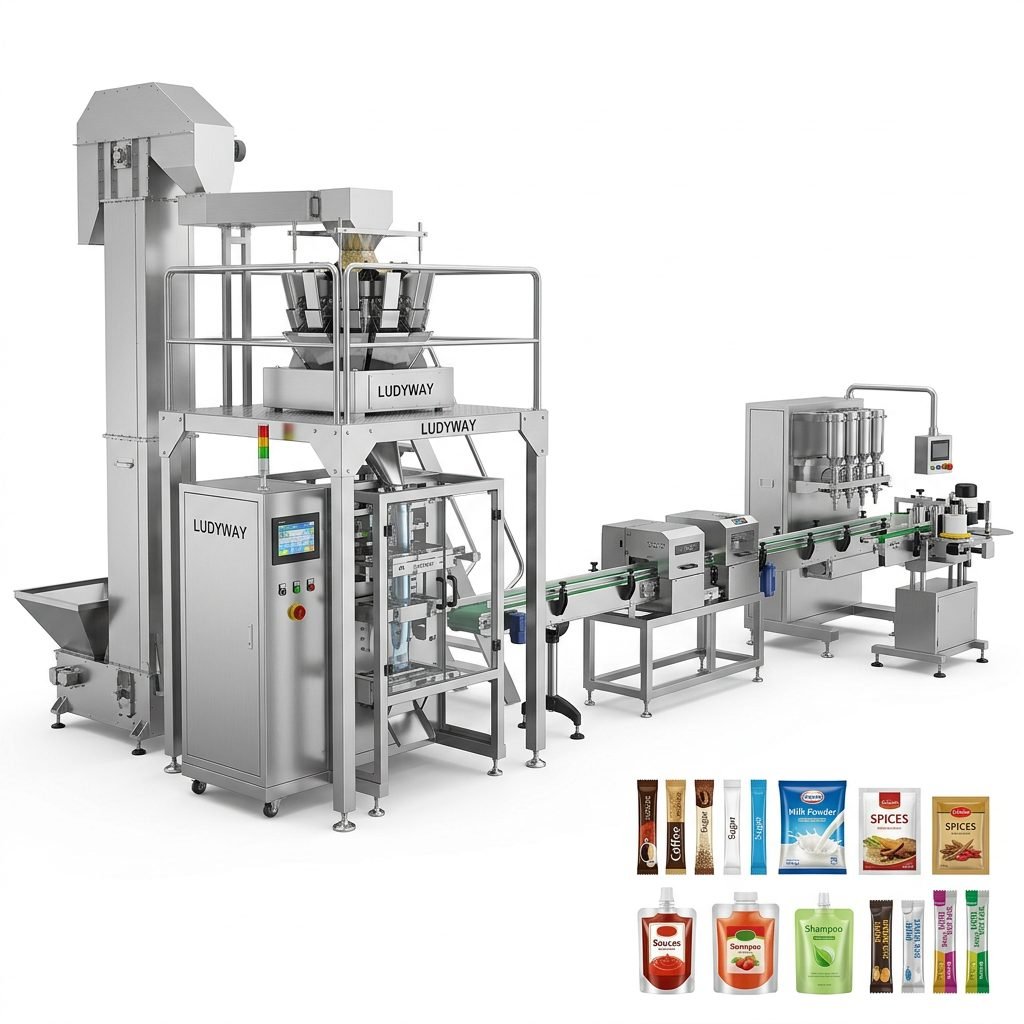
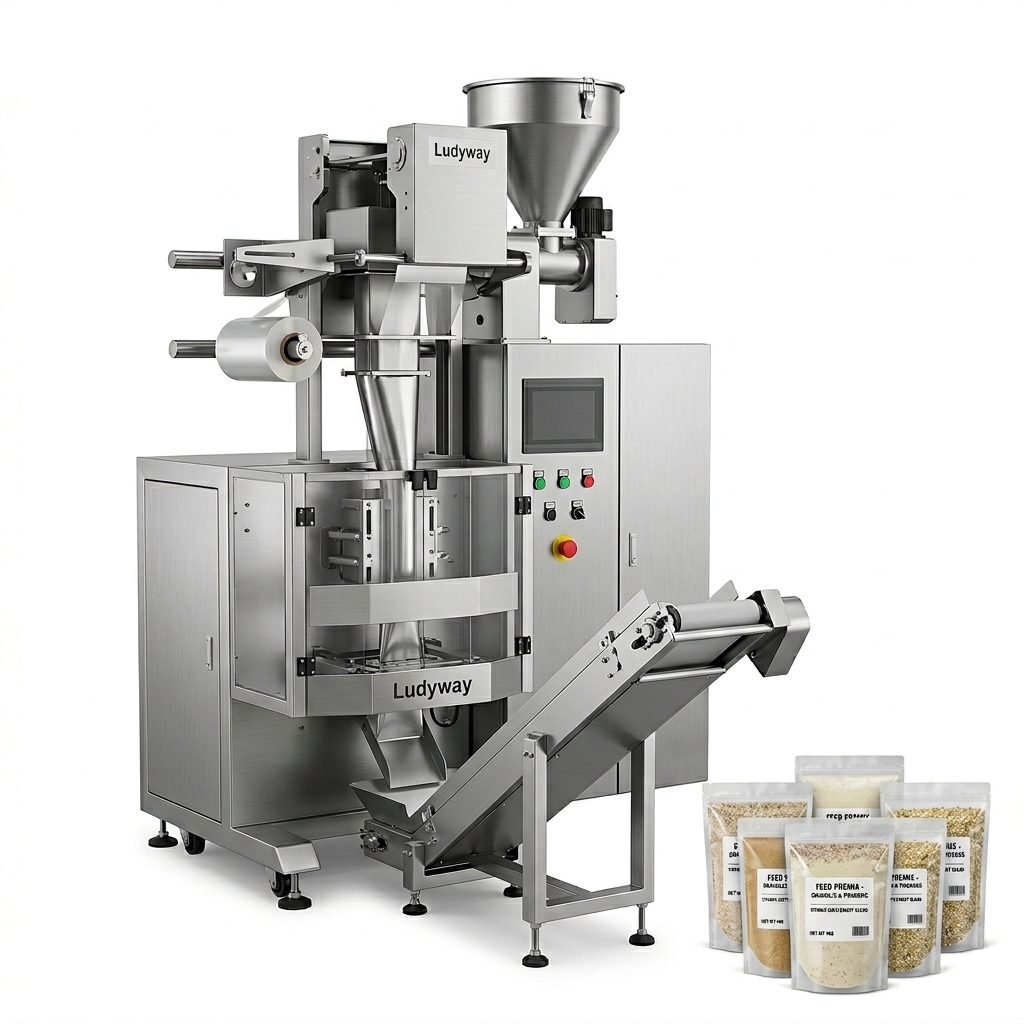
Aerosol products are widely used in personal care, household chemicals, automotive maintenance, pharmaceutical sprays, and industrial applications. To package them efficiently, manufacturers rely on an aerosol packaging machine that can manage filling, sealing, gas charging, leak testing, coding, and final output with a high level of precision.
Whether you produce deodorants, air fresheners, spray paints, shaving foams, disinfectants, insecticides, or technical sprays, choosing the right machine directly affects productivity, product safety, compliance, and operating cost.
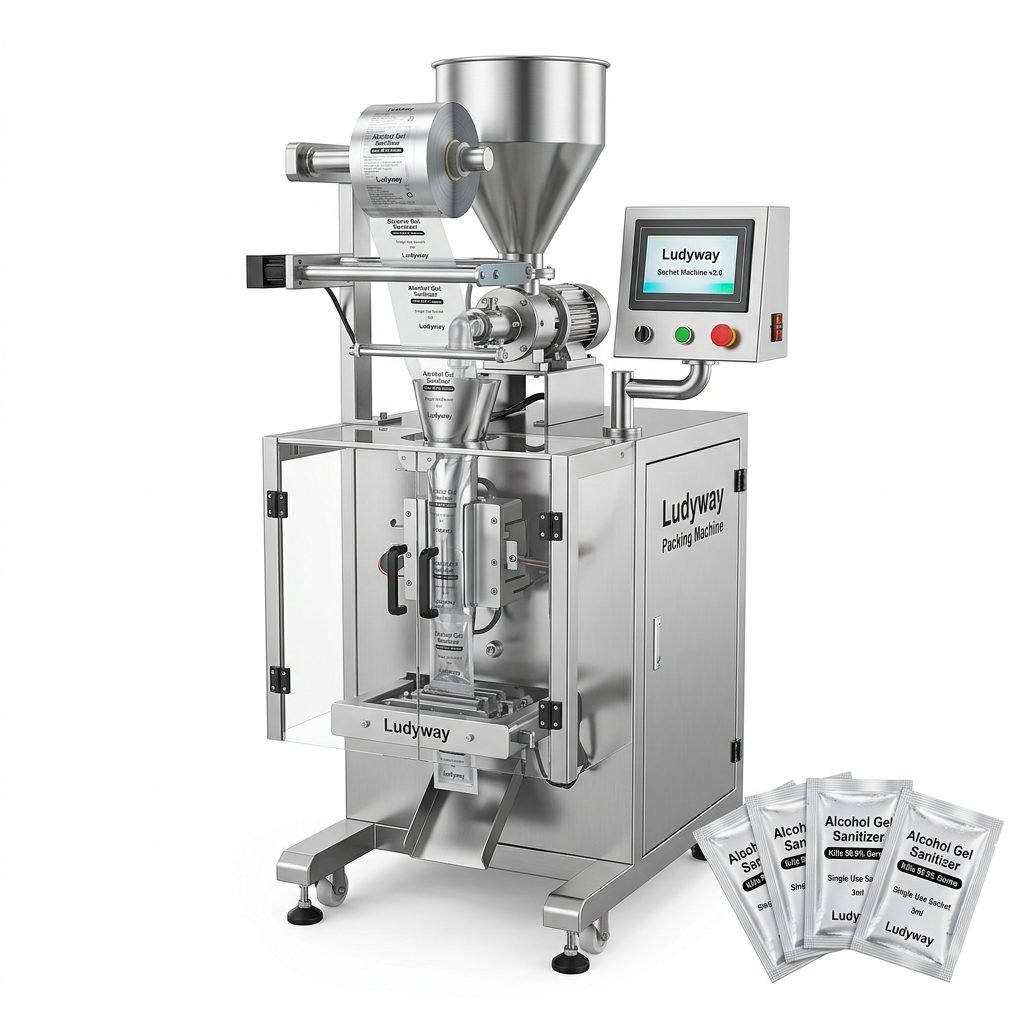
What Is an Aerosol Packaging Machine?
An aerosol packaging machine is a specialized system designed to fill products into aerosol cans and prepare them for safe pressurized dispensing. The machine usually works with tinplate or aluminum cans and supports a range of formulations, including liquids, gels, foams, and viscous concentrates.
A complete aerosol line may include:
- Can feeding and orientation
- Liquid filling station
- Valve placing and crimping
- Propellant charging
- Check weighing
- Leak testing or water bath testing
- Actuator placing and cap pressing
- Inkjet coding and labeling
- Cartoning and case packing
How an Aerosol Filling Process Works
Although machine structures vary, most aerosol packaging lines follow a similar production logic. Understanding this workflow helps buyers evaluate equipment more accurately.
- Empty can loading: Cans are fed manually or automatically onto the conveyor.
- Product filling: A metered amount of liquid, cream, or concentrate is dispensed into each can.
- Valve insertion: The aerosol valve is positioned on the can mouth.
- Crimping: The valve cup is sealed securely to the can body.
- Gas charging: Propellant is injected through the valve under controlled pressure.
- Leak inspection: The filled cans pass through leak testing equipment.
- Actuator and cap fitting: Spray heads and overcaps are attached.
- Coding and secondary packaging: Products are marked, boxed, and prepared for shipment.
Main Types of Aerosol Packaging Machines
Semi-Automatic Aerosol Filling Machines
These systems are suitable for startups, pilot-scale production, laboratories, and businesses with multiple SKUs but lower daily output. Operators typically handle can placement, valve loading, or transfer between stations.
- Lower initial investment
- Flexible for short runs
- Good for product development
- Higher labor dependence
Automatic Aerosol Packaging Machines
Automatic systems integrate conveyors, synchronized filling heads, crimping units, gas charging modules, and downstream packaging equipment. They are ideal for medium- to high-volume factories seeking stable output, consistent quality, and reduced manual handling.
- Higher production speed
- Better repeatability
- Improved safety control
- Easier line integration
Monoblock and Turnkey Aerosol Lines
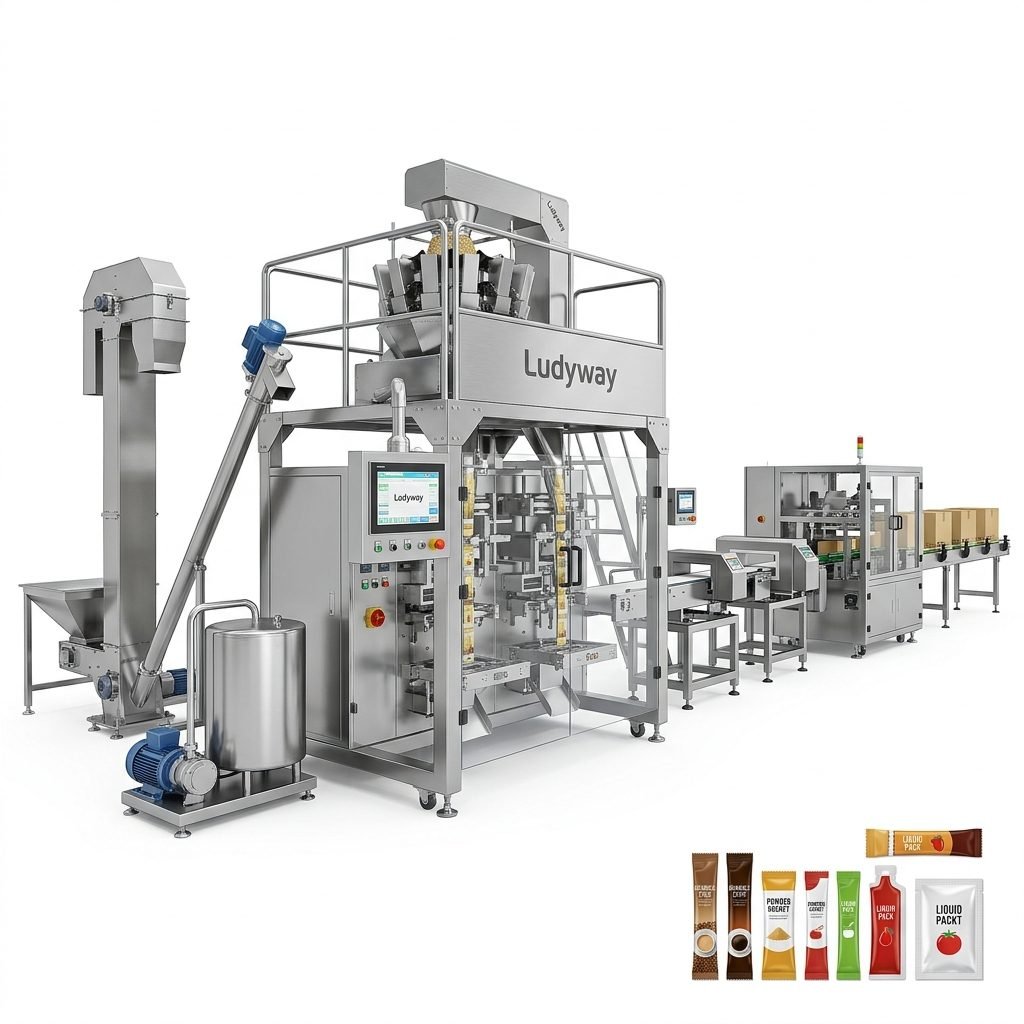
For manufacturers planning full automation, turnkey lines combine multiple processes into one coordinated system. These solutions often include feeding, filling, coding, inspection, cartoning, and palletizing.
Applications of Aerosol Packaging Equipment
Aerosol packaging technology is used across many sectors. The right configuration depends on viscosity, filling volume, propellant type, can diameter, and compliance requirements.
| Industry | Typical Products | Key Machine Requirement |
|---|---|---|
| Personal Care | Deodorant, hairspray, shaving foam, body spray | Accurate filling, clean sealing, attractive finishing |
| Household | Air freshener, insecticide, cleaner, polish | Chemical compatibility and leak prevention |
| Automotive | Lubricants, spray paint, brake cleaner | Pressure control and robust valve crimping |
| Pharmaceutical | Topical sprays, medical aerosols | High hygiene standards and validation support |
| Industrial Chemical | Release agents, solvents, technical sprays | Explosion-aware design and material resistance |
Key Components to Evaluate Before Buying
1. Filling Accuracy
Filling consistency is essential for cost control and product performance. Overfilling wastes raw materials, while underfilling creates compliance and customer satisfaction issues.
2. Valve Crimping Stability
Poor crimping can cause leaks, pressure loss, and unsafe finished products. Buyers should ask about crimp diameter control, crimp depth consistency, and tooling compatibility.
3. Propellant Charging Control
Gas charging must be stable and repeatable. A reliable system helps maintain spray performance and reduces reject rates.
4. Safety Configuration
Since aerosol production often involves flammable materials, machine safety is non-negotiable. Look for:
- Emergency stop devices
- Pressure monitoring
- Leak detection systems
- Explosion-risk design considerations
- Protective guarding and interlocks
5. Changeover Efficiency
If your factory handles multiple can sizes or formulations, fast changeover can significantly reduce downtime and improve OEE.
6. Material Compatibility
The machine should be built with materials suitable for your formula, especially when handling corrosive cleaners, alcohol-based sprays, or solvent products.
Benefits of Automated Aerosol Packaging
Investing in automation provides long-term gains beyond speed alone. A well-designed line improves the entire production environment.
| Benefit | Operational Impact |
|---|---|
| Higher Throughput | More cans per minute with stable rhythm |
| Lower Labor Cost | Reduced manual intervention and operator dependency |
| Better Quality Control | Improved filling precision and fewer rejects |
| Safer Production | Controlled handling of pressurized and flammable media |
| Scalability | Easier to expand with coding, cartoning, and palletizing modules |
How to Choose the Right Aerosol Packaging Machine
The best machine is not simply the fastest one. It is the system that matches your production goals, regulatory needs, and SKU structure.
Define Your Product Range
- What products will you fill?
- Are they liquid, foam, gel, or viscous?
- Do you use hydrocarbon, compressed gas, or another propellant?
Confirm Packaging Specifications
- Can diameter and height range
- Valve type and cup dimensions
- Required filling volume
- Cap and actuator styles
Estimate Capacity Targets
Clarify your desired cans per minute, shifts per day, and future expansion plan. This helps determine whether a semi-automatic, automatic, or full turnkey line is more economical.
Check Compliance Needs
For pharmaceutical, export, or hazardous product manufacturing, machine validation documents, safety standards, and traceability features may be essential.
Review After-Sales Support
A machine supplier should provide installation guidance, training, spare parts availability, remote troubleshooting, and long-term service support.
Important Safety Considerations in Aerosol Filling
Aerosol manufacturing requires extra attention because products are pressurized and may contain flammable ingredients. A professional production setup should focus on both equipment design and operating discipline.
- Use reliable leak detection to prevent defective cans from entering the market.
- Ensure proper ventilation around gas charging zones.
- Train operators on emergency shutdown procedures.
- Schedule preventive maintenance for seals, valves, and measuring systems.
- Verify compatibility between formula, can, valve, and propellant.
- Implement quality inspection at multiple points, not just final output.
Common Problems and How Modern Machines Reduce Them
| Common Issue | Possible Cause | Machine Advantage |
|---|---|---|
| Inconsistent fill weight | Poor dosing control | Precision metering and automatic monitoring |
| Valve leakage | Unstable crimping | Consistent crimp tooling and pressure control |
| High reject rate | Manual variation | Automated synchronized stations |
| Frequent downtime | Poor maintenance access or unstable design | Modular layout and easier maintenance points |
| Slow format switching | Complicated mechanical adjustment | Quick-change parts and parameterized adjustment |
What to Ask an Aerosol Machine Supplier
Before making a purchase decision, ask detailed technical and commercial questions:
- What output range can the machine achieve under real production conditions?
- What filling accuracy can be guaranteed?
- Which can and valve specifications are supported?
- How is leak testing performed?
- Can the line integrate coding, labeling, and cartoning?
- What spare parts are recommended for the first year?
- Is operator training included?
- How are installation and remote service handled for overseas customers?
Why Turnkey Integration Matters
Many manufacturers initially focus only on the filling machine, but the real efficiency comes from line integration. Conveyor matching, inspection points, coding, labeling, cartoning, and palletizing all influence final output.
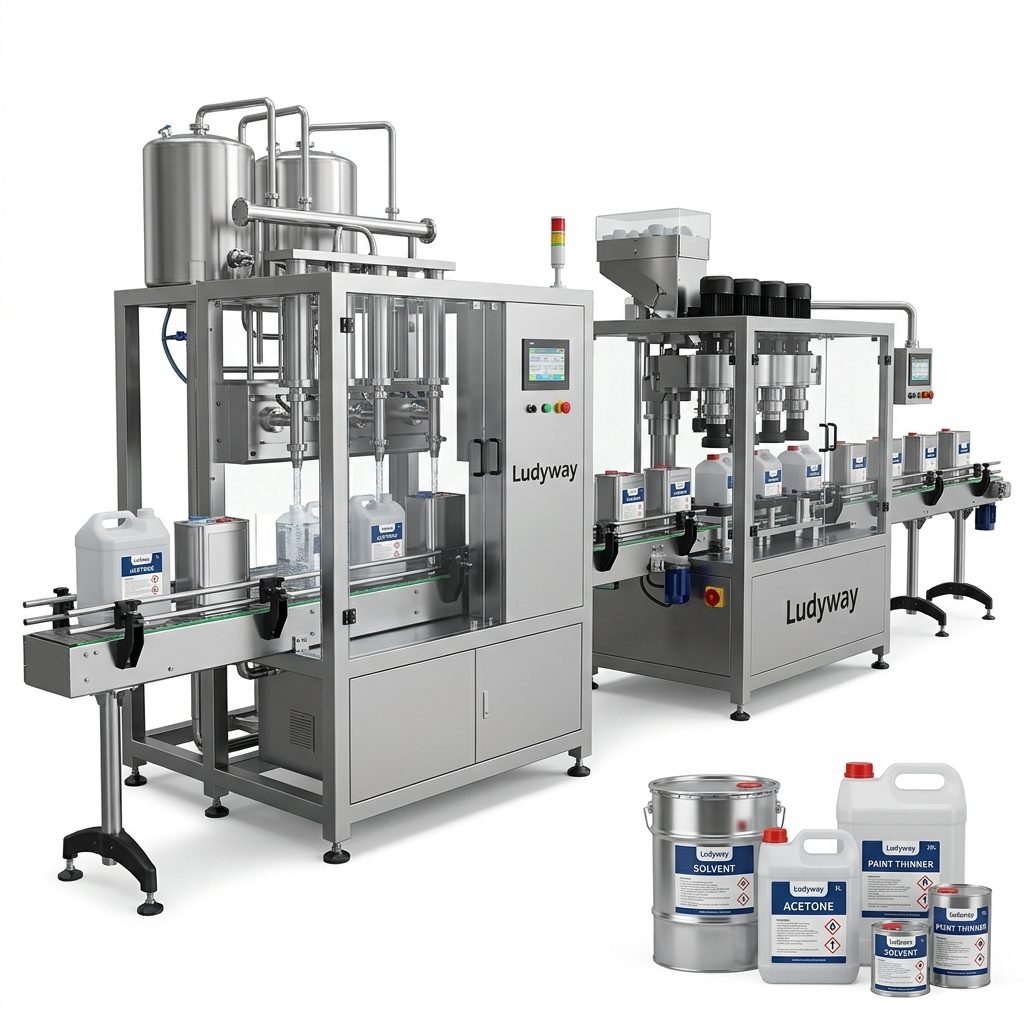
Companies looking for broader automation support often prefer suppliers with experience in both standalone machines and complete lines. For example, Ludyway aerosol packaging machine and turnkey packaging solutions can be a practical direction for buyers who value scalable automation, engineering customization, and long-term packaging line support.
Ideal Buyers for Aerosol Packaging Machines
- Brand owners expanding from manual filling to automated production
- Contract manufacturers handling multiple aerosol SKUs
- Chemical plants seeking safer pressurized packaging systems
- Personal care manufacturers improving output and consistency
- Pharmaceutical producers requiring controlled and repeatable packaging processes
Final Buying Insight
A high-quality aerosol packaging machine should deliver more than speed. It should provide precision, safety, flexibility, and room for future growth. The best investment is a system aligned with your product characteristics, compliance standards, and long-term production strategy.
If you compare equipment based on filling accuracy, safety design, line integration, maintenance convenience, and service capability, you will be in a much stronger position to choose a machine that supports efficient and dependable aerosol production for years to come.