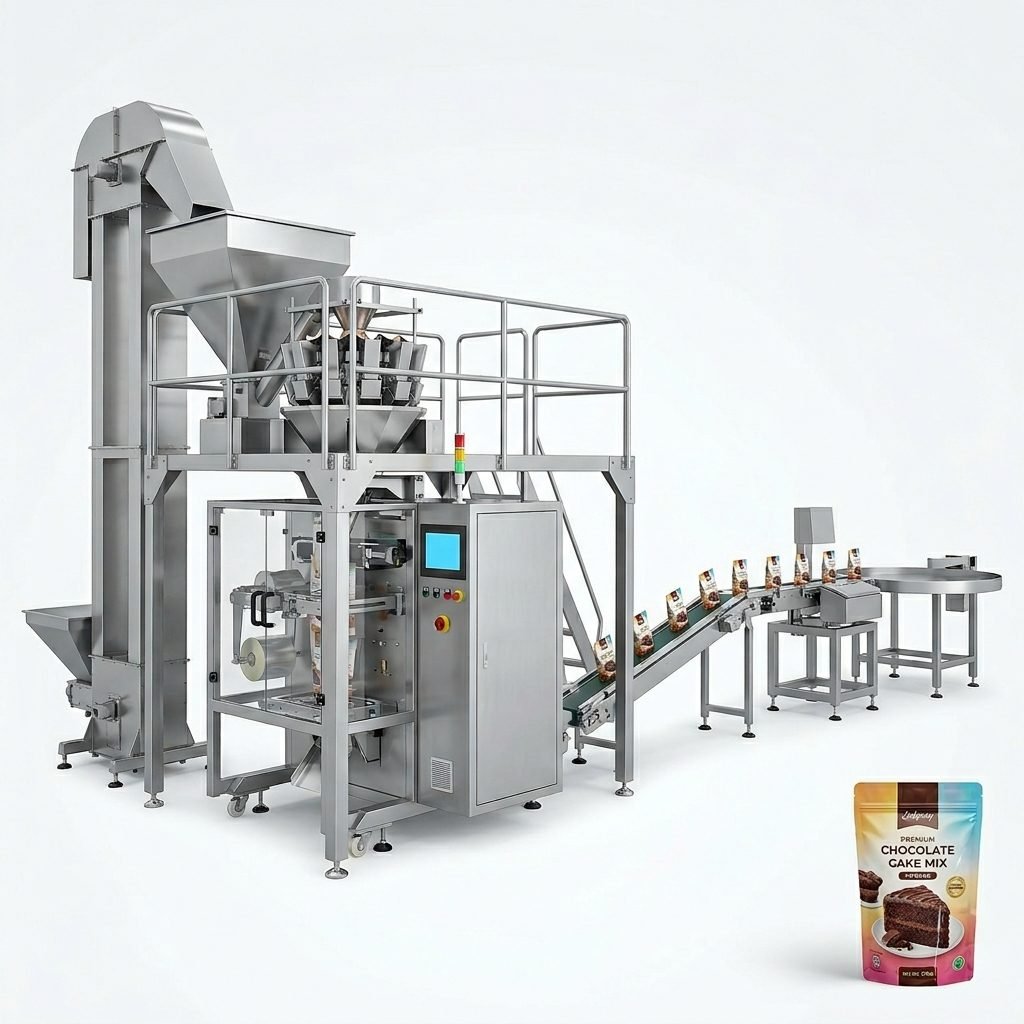
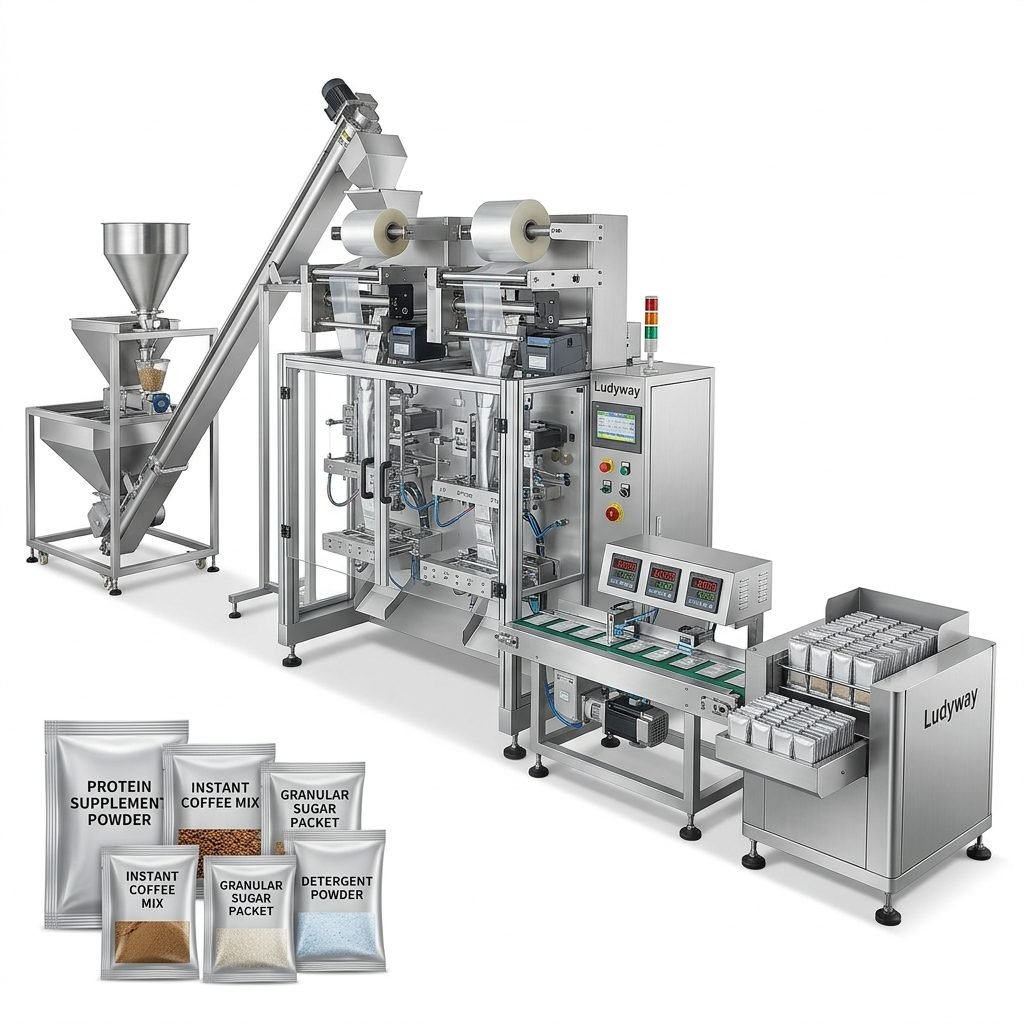
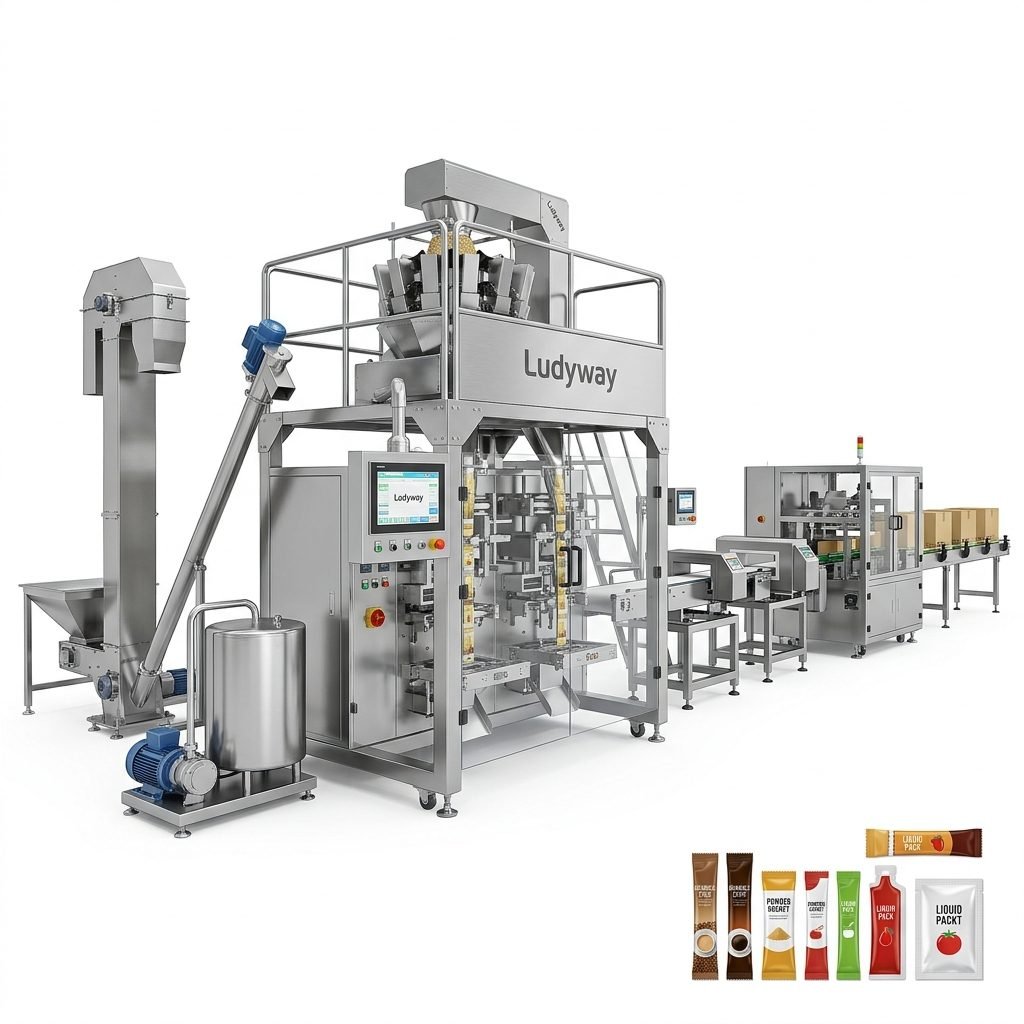
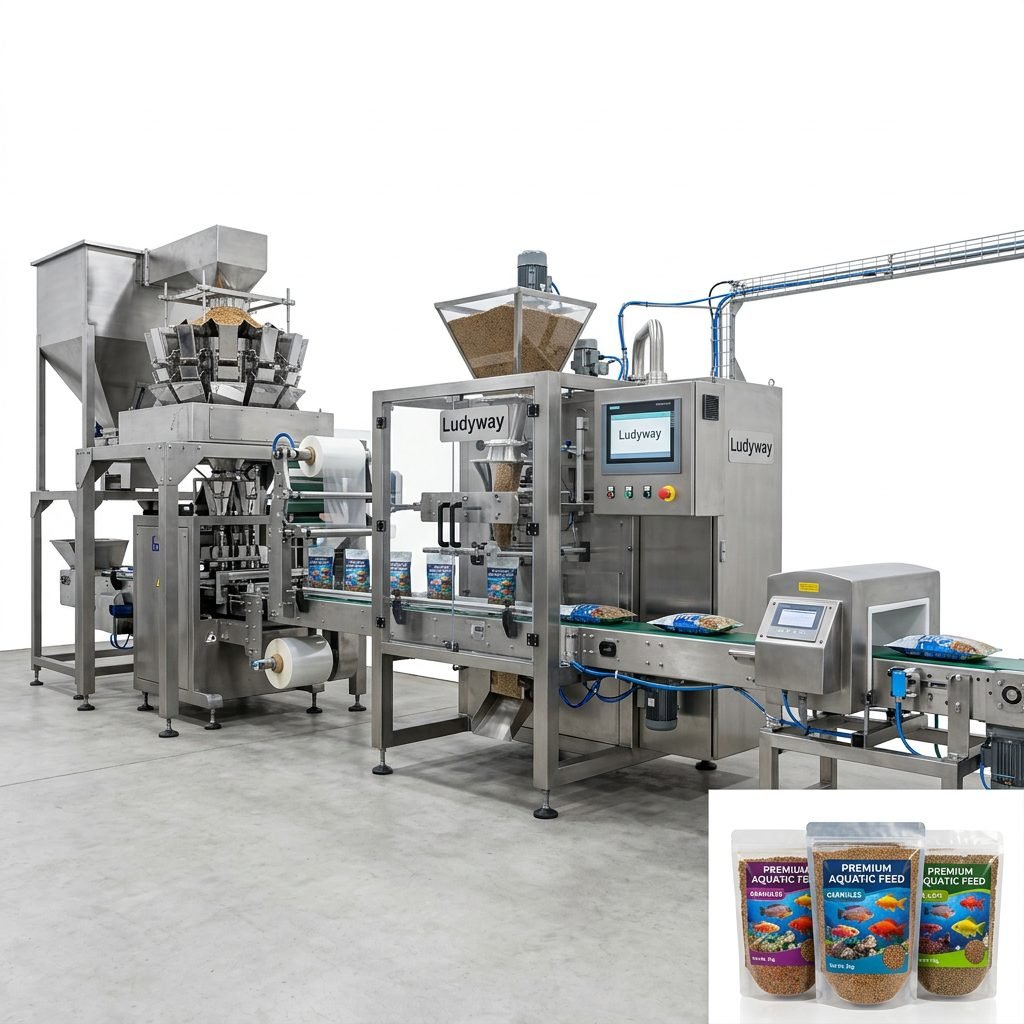
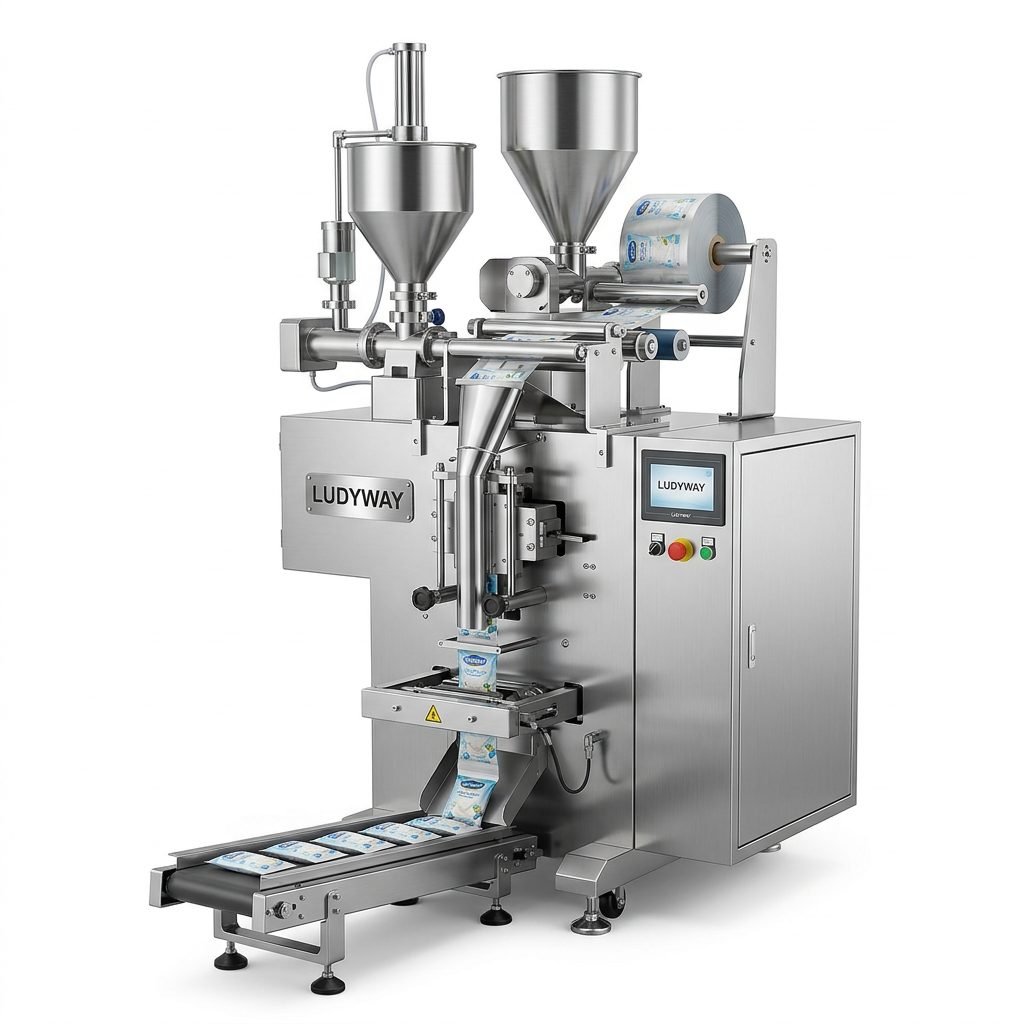
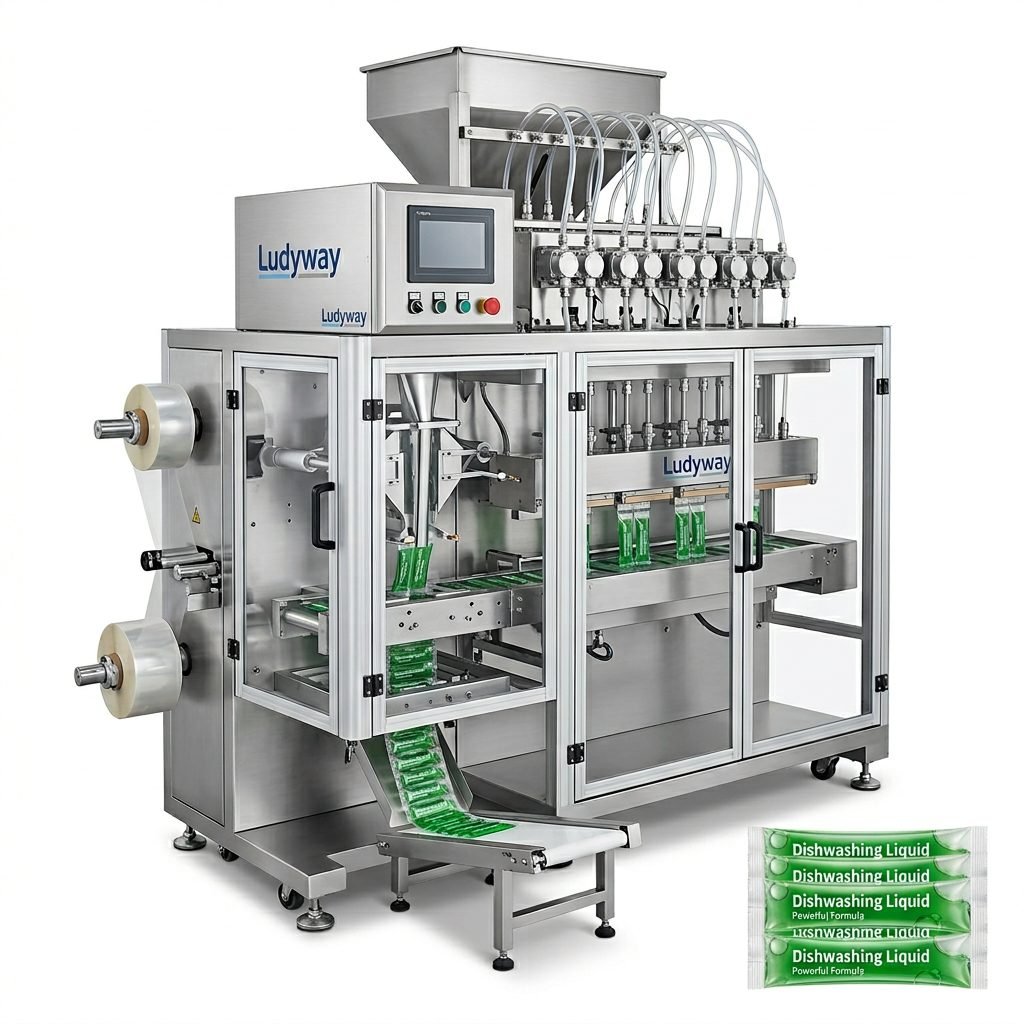
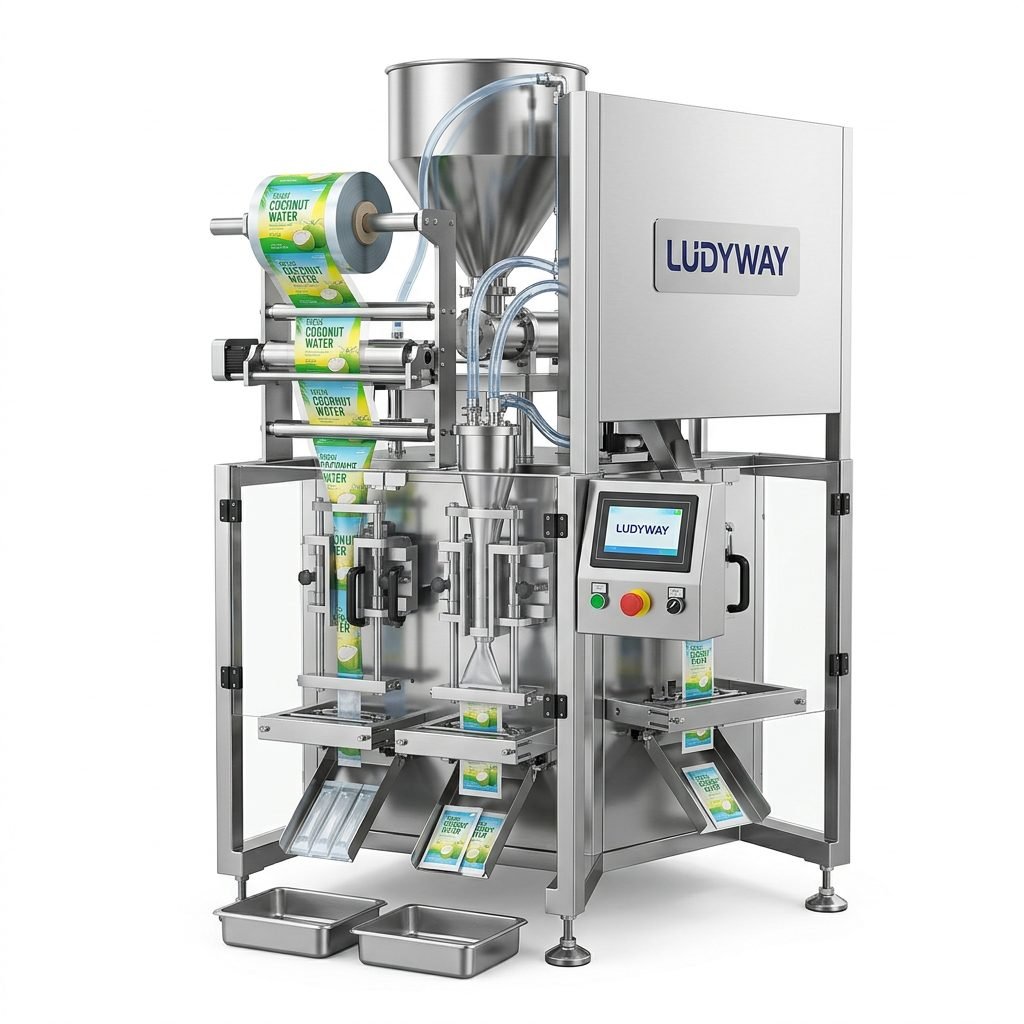
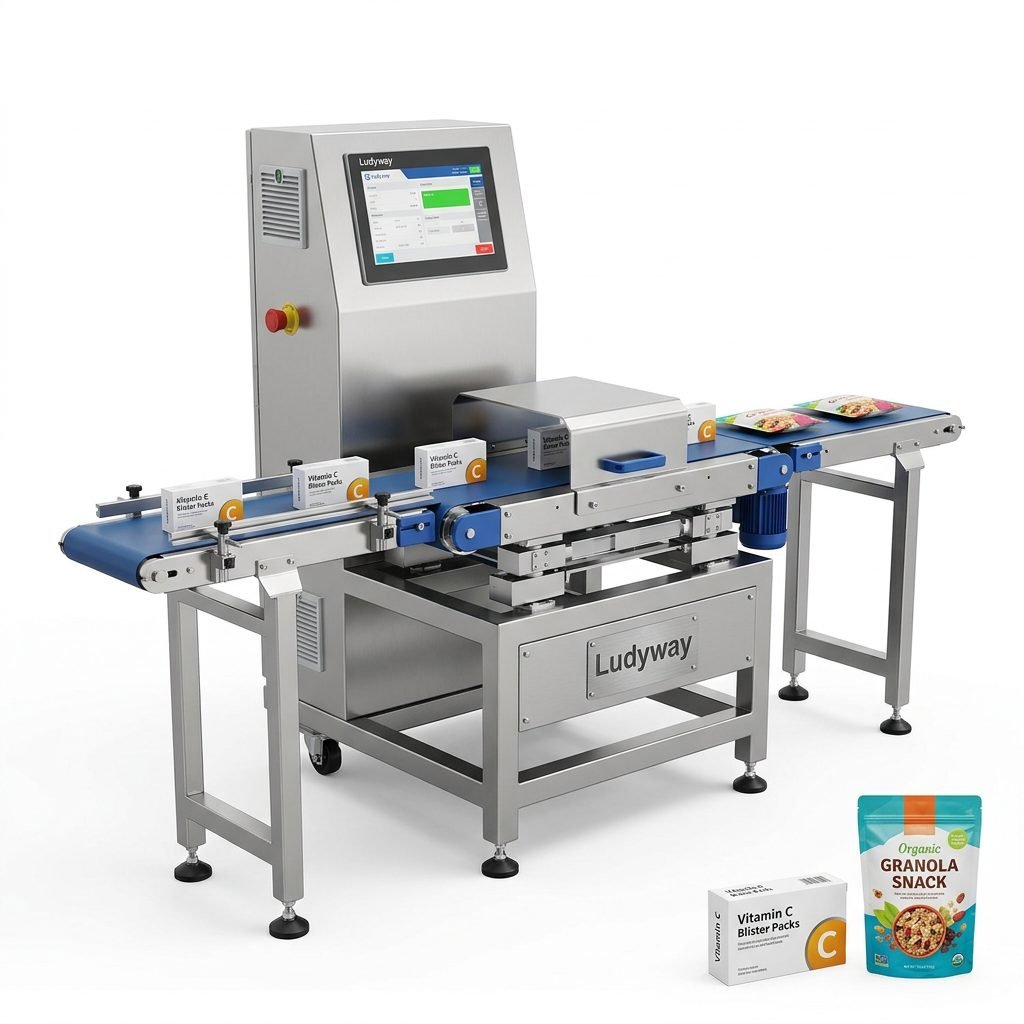
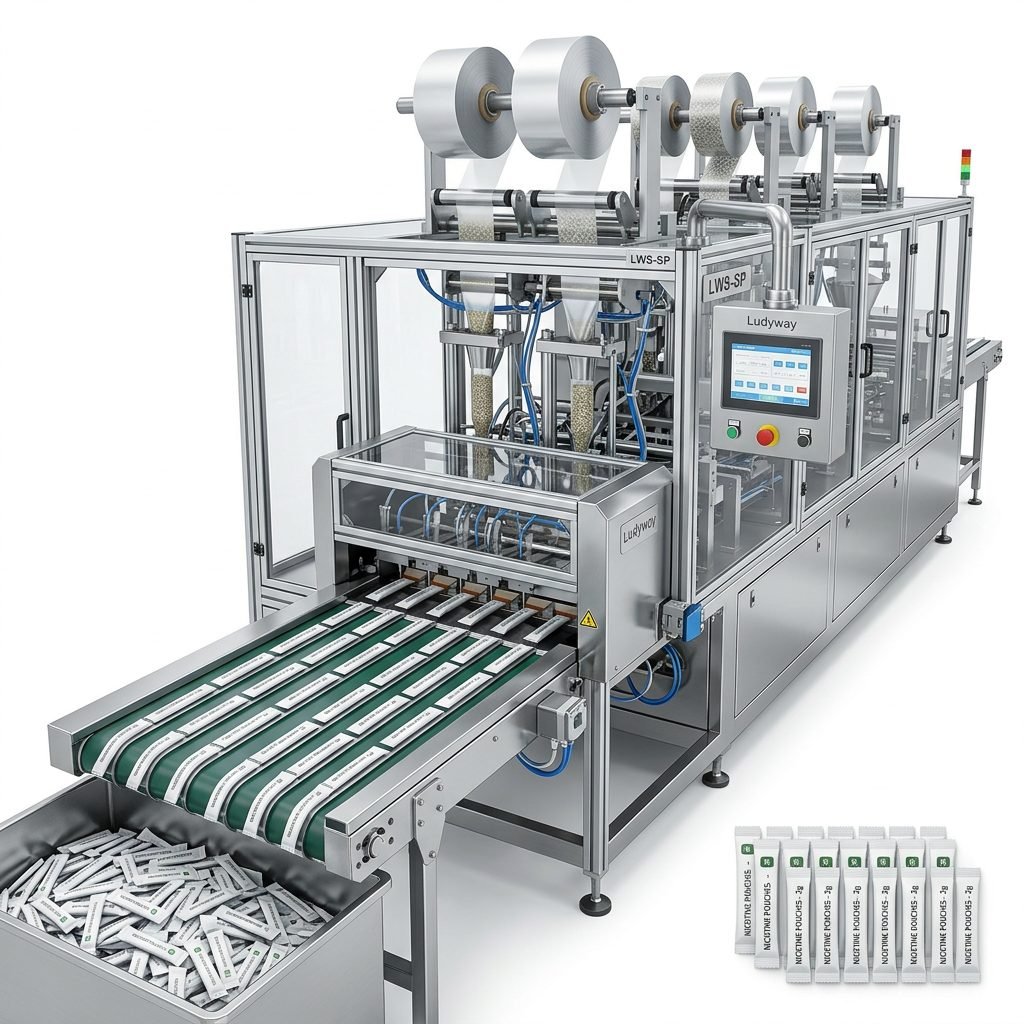
In modern dairy production, an automatic milk packing machine plays a critical role in improving output, hygiene, and packaging consistency. Whether manufacturers process milk powder, liquid milk, flavored milk, or dairy-based nutritional products, automated packing systems help reduce labor dependency while maintaining reliable sealing and accurate filling.
For dairy brands facing rising demand, stricter food safety requirements, and growing competition, investing in the right packaging equipment is no longer optional—it is a strategic step toward scalable production and stronger market performance.
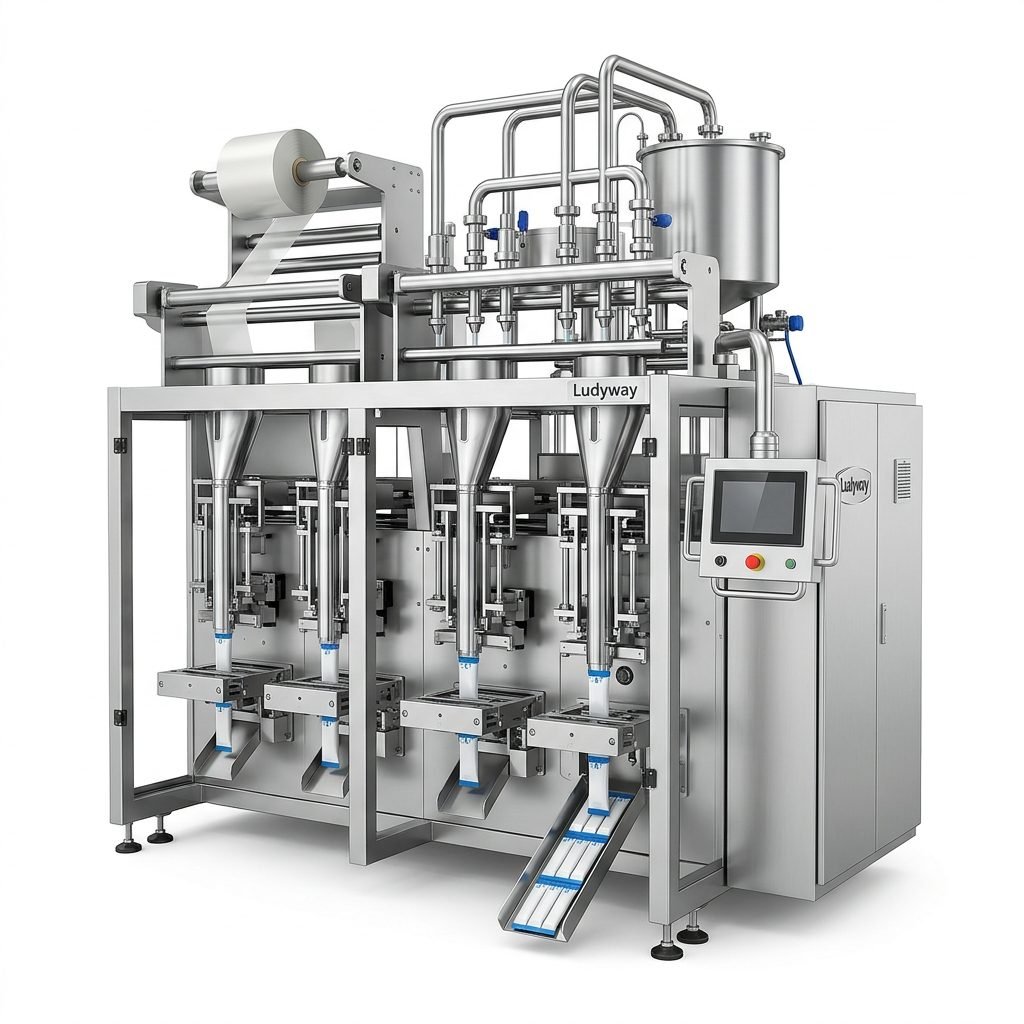
Why Automatic Milk Packing Machines Matter in Dairy Packaging
Milk is a sensitive product category that requires careful control throughout the filling and sealing process. Manual or semi-automatic packaging can lead to inconsistent fill weights, contamination risks, slower throughput, and higher operating costs. An automatic milk packing machine addresses these issues by combining precision engineering with continuous production capability.
- Improved hygiene control through enclosed filling and sealing systems
- Higher packaging speed for large-volume dairy operations
- Accurate dosing for liquid milk or milk powder products
- Reduced labor costs and less operator intervention
- Better package appearance for retail and export markets
These benefits are especially important for dairy companies packaging products in sachets, stick packs, pouches, or other flexible formats for supermarkets, foodservice, e-commerce, and private-label distribution.
Common Milk Products Suitable for Automatic Packaging
Different dairy products require different filling technologies. A well-designed machine can be configured for one specific format or integrated into a broader dairy packaging line.
| Milk Product Type | Typical Packaging Format | Recommended Machine Type |
|---|---|---|
| Liquid milk | Sachets, stick packs, pouches | Automatic liquid filling and sealing machine |
| Milk powder | Sachets, stick packs, bags | Auger powder packaging machine |
| Infant formula | Sachets, cans, pouches | High-precision powder filling system |
| Milk tea powder | Multi-lane stick packs, sachets | Multi-lane powder sachet packing machine |
| Nutritional dairy blends | Single-serve sachets | Automatic sachet packaging line |
Key Features of an Efficient Automatic Milk Packing Machine
When evaluating dairy packaging machinery, buyers should focus on features that directly affect food safety, long-term reliability, and production efficiency.
1. Accurate Filling System
Milk packaging requires stable dosing to avoid product giveaway and maintain label compliance. Liquid systems often use piston pumps, servo pumps, or flow-meter filling, while powder systems typically rely on auger fillers for controlled dispensing.
2. Hygienic Structure
Food-contact parts should be easy to clean and designed for dairy hygiene standards. Stainless steel construction and smooth-contact surfaces help reduce contamination risks and support regular sanitation procedures.
3. Reliable Sealing Performance
Poor seals can damage shelf life and lead to leakage during storage or transport. A quality automatic milk packing machine delivers consistent sealing temperature and pressure for secure package closure.
4. Flexible Packaging Options
Many dairy manufacturers need more than one package style. Machines with flexible tooling and adjustable parameters can support different bag lengths, filling volumes, and film types.
5. Smart Control Interface
Touchscreen operation, recipe storage, alarm reminders, and production monitoring make daily operation easier and reduce downtime caused by setup errors.
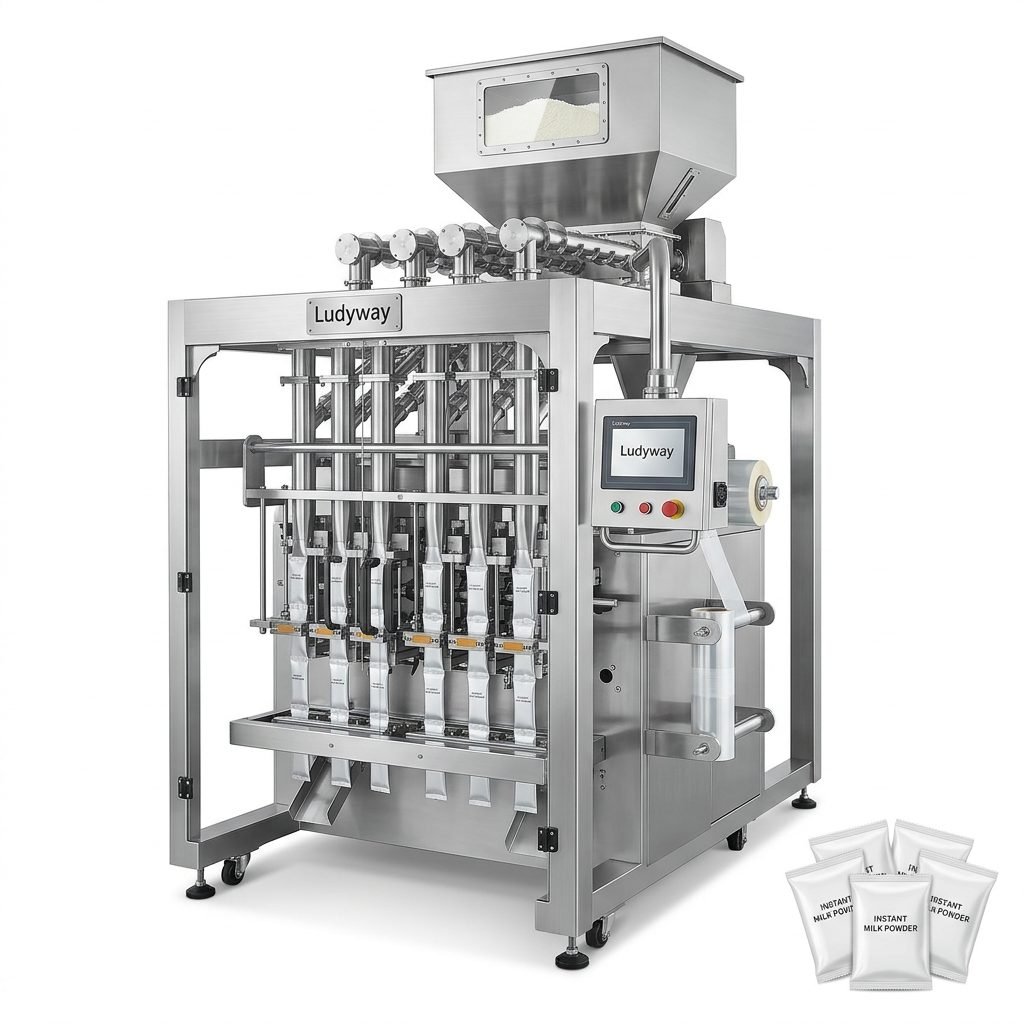
Packaging Formats for Dairy Products
Choosing the right format is just as important as selecting the machine itself. Different markets and product applications favor different package structures.
- Sachets – Ideal for low-cost, single-use milk powder or liquid milk servings
- Stick packs – Popular for convenient, portable dairy powders and nutritional blends
- Pouches – Suitable for larger portions and premium retail presentation
- Bags – Used in bulk dairy powder packaging for industrial or foodservice applications
For brands targeting convenience-driven consumers, single-serve packaging can improve product portability and shelf appeal. For B2B buyers, bulk packaging solutions may be more important for efficient logistics and storage.
Benefits of Automation for Dairy Manufacturers
The shift from manual handling to automated packaging supports both short-term cost control and long-term growth. In dairy production, where product freshness and consistency are essential, automation creates measurable operational advantages.
| Operational Challenge | How Automation Helps |
|---|---|
| Inconsistent package weight | Precision filling systems improve dosing accuracy |
| Labor-intensive production | Automatic operation reduces manual workload |
| Slow output | High-speed filling and sealing increase throughput |
| Product contamination risk | Closed systems support sanitary packaging conditions |
| Packaging waste | Stable film tracking and sealing reduce defects |
How to Choose the Right Machine for Milk Packaging
Not all dairy projects require the same machine configuration. The best solution depends on your product characteristics, output goals, packaging material, and downstream process requirements.
Consider the Following Before Buying:
- Is the product liquid, powder, or mixed-form dairy?
- What is the required pack size and daily output?
- Do you need single-lane or multi-lane production?
- Will the machine connect to conveyors, coding units, cartoners, or case packers?
- Do you need a standalone machine or a complete turnkey packaging line?
A supplier with deep experience in automatic filling and flexible packaging can help match machine design to the real production needs of dairy manufacturers rather than offering a one-size-fits-all model.
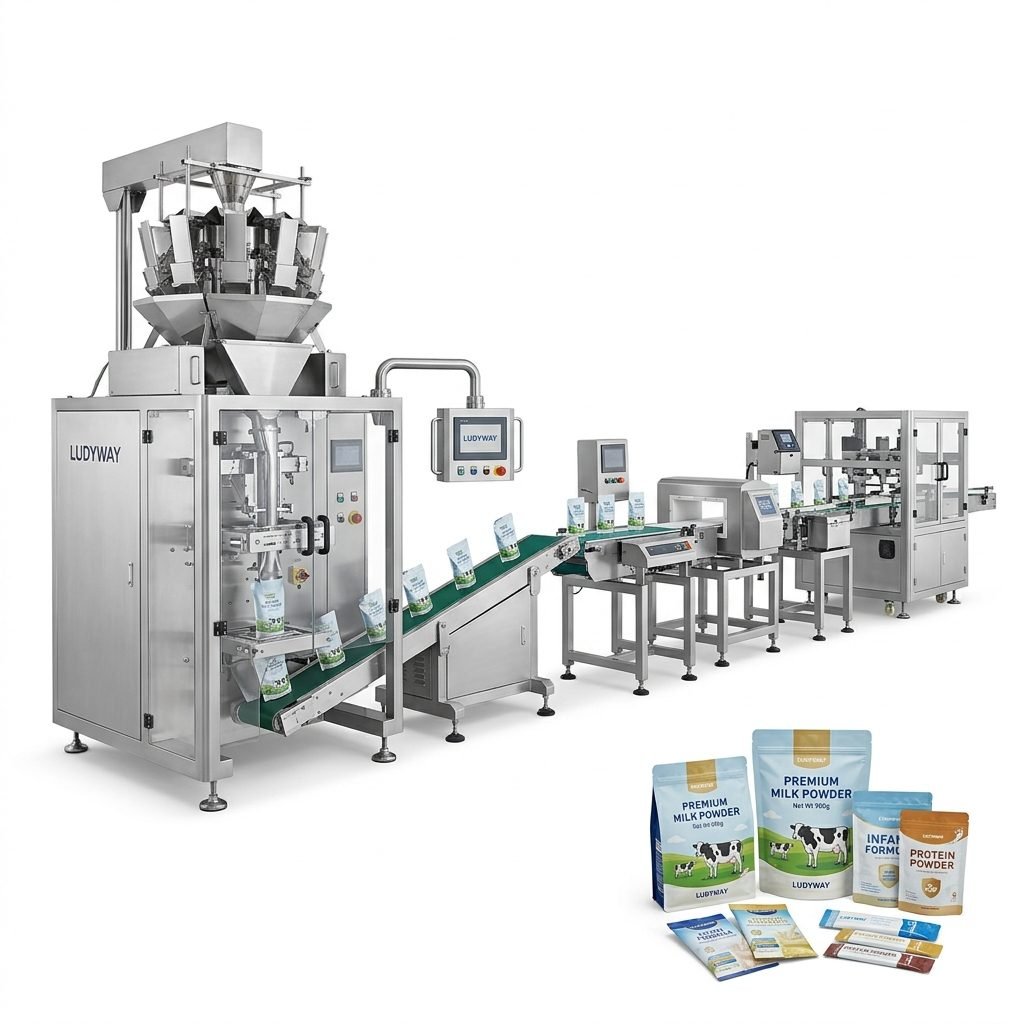
Integrated Turnkey Solutions for Dairy Packaging
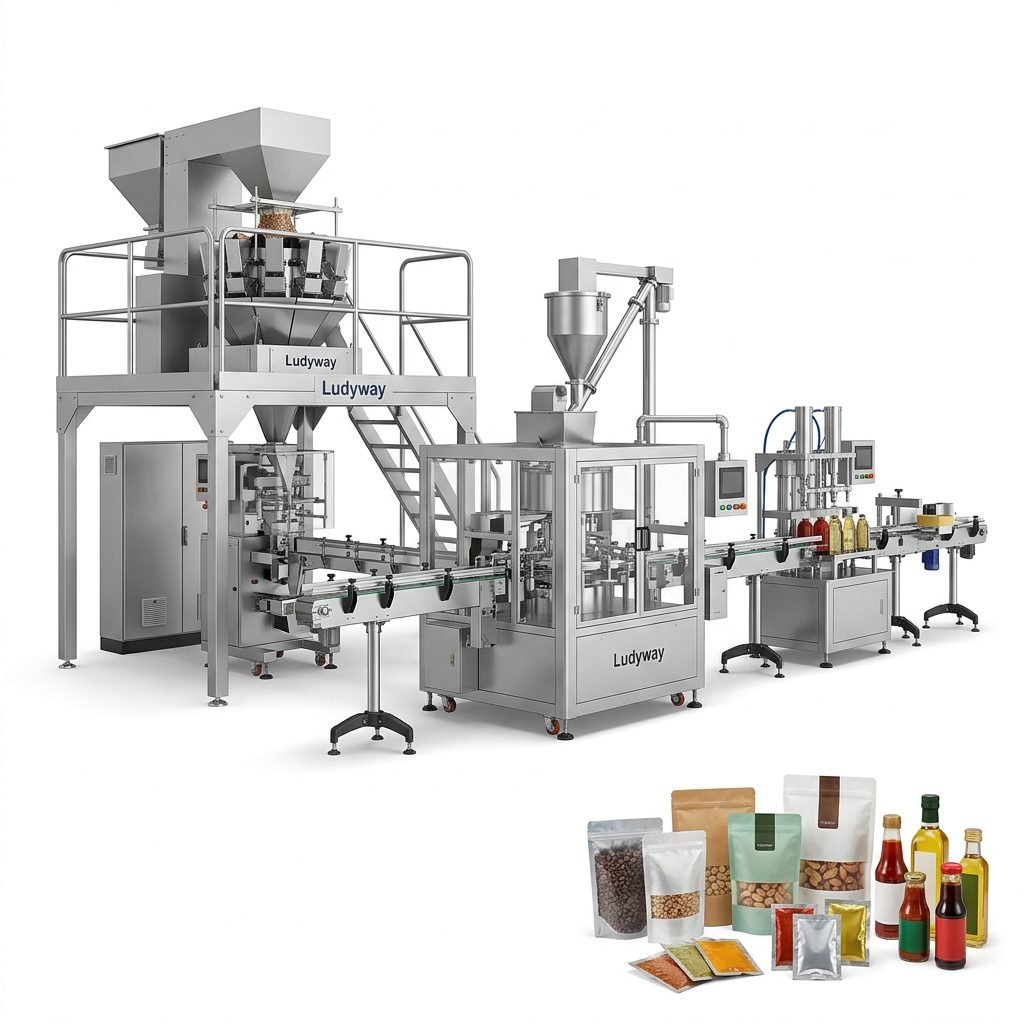
For growing dairy businesses, a single machine may not be enough. Full packaging efficiency often comes from integrating feeding, filling, sealing, coding, inspection, cartoning, and end-of-line handling into one coordinated system.
Companies looking for scalable automation often work with experienced manufacturers such as Ludyway automatic milk packing machine solutions, especially when they need customized equipment, multi-format packaging capability, or complete turnkey lines for food and dairy applications.
An integrated system can offer:
- Better synchronization across all packaging stages
- Reduced manual transfer between machines
- Lower total downtime
- Higher production stability
- More efficient factory space utilization
Maintenance and Performance Tips
To maximize the service life of an automatic milk packing machine, dairy processors should build a preventive maintenance routine into everyday operation.
Best Practices
- Clean filling components regularly to maintain hygiene and product quality
- Check seals and temperature settings to avoid leakage problems
- Monitor wear parts such as cutters, jaws, and dosing components
- Train operators on correct setup and changeover procedures
- Keep spare parts available for critical maintenance points
Consistent upkeep helps maintain speed, precision, and package integrity while reducing unplanned downtime in busy dairy operations.
Future Trends in Milk Packaging Automation
The dairy industry continues to move toward smart, flexible, and data-driven packaging systems. Manufacturers increasingly want machines that support product changeovers, digital monitoring, and sustainable packaging materials.
Key trends include:
- More use of multi-lane high-speed packaging for single-serve products
- Improved integration with inspection and traceability systems
- Greater compatibility with recyclable and lightweight packaging films
- Smarter interfaces for remote diagnostics and production reporting
As consumer demand evolves, dairy brands that adopt modern packaging automation will be in a stronger position to deliver consistent quality, reduce costs, and respond quickly to market opportunities.
Conclusion
An automatic milk packing machine is more than just a filling device—it is a core part of efficient dairy manufacturing. From liquid milk to milk powder and nutritional dairy products, the right packaging system improves hygiene, output, consistency, and commercial competitiveness.
For dairy producers seeking reliable and scalable packaging solutions, choosing a machine with accurate filling, strong sealing, hygienic design, and flexible integration capability is the key to long-term production success.