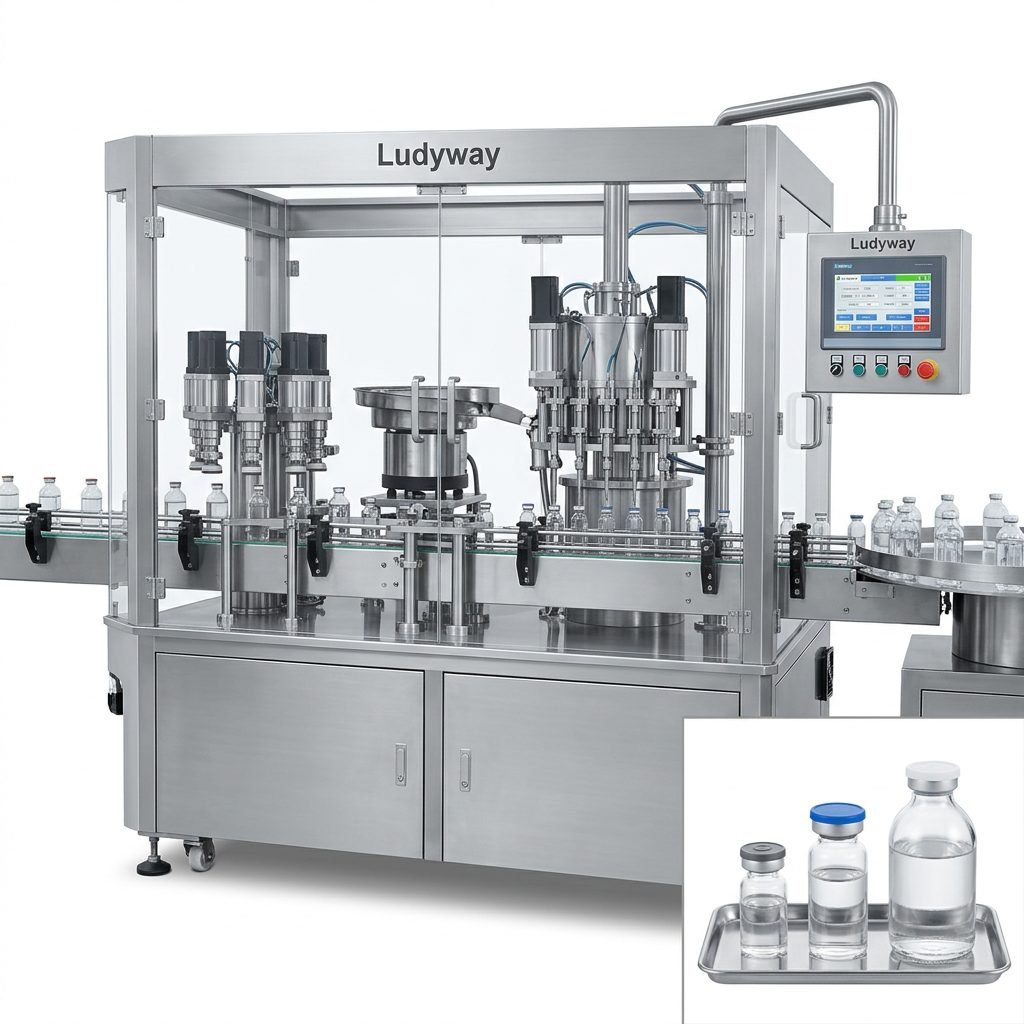
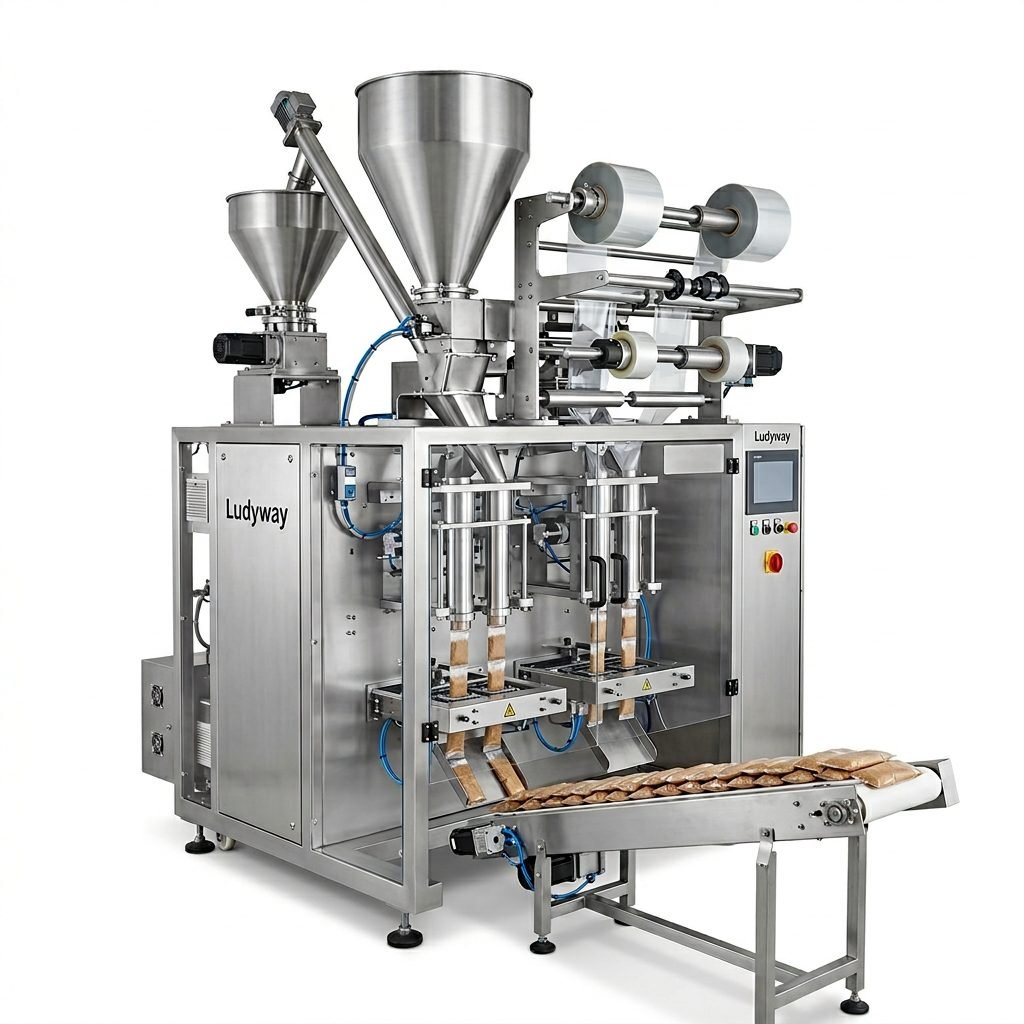
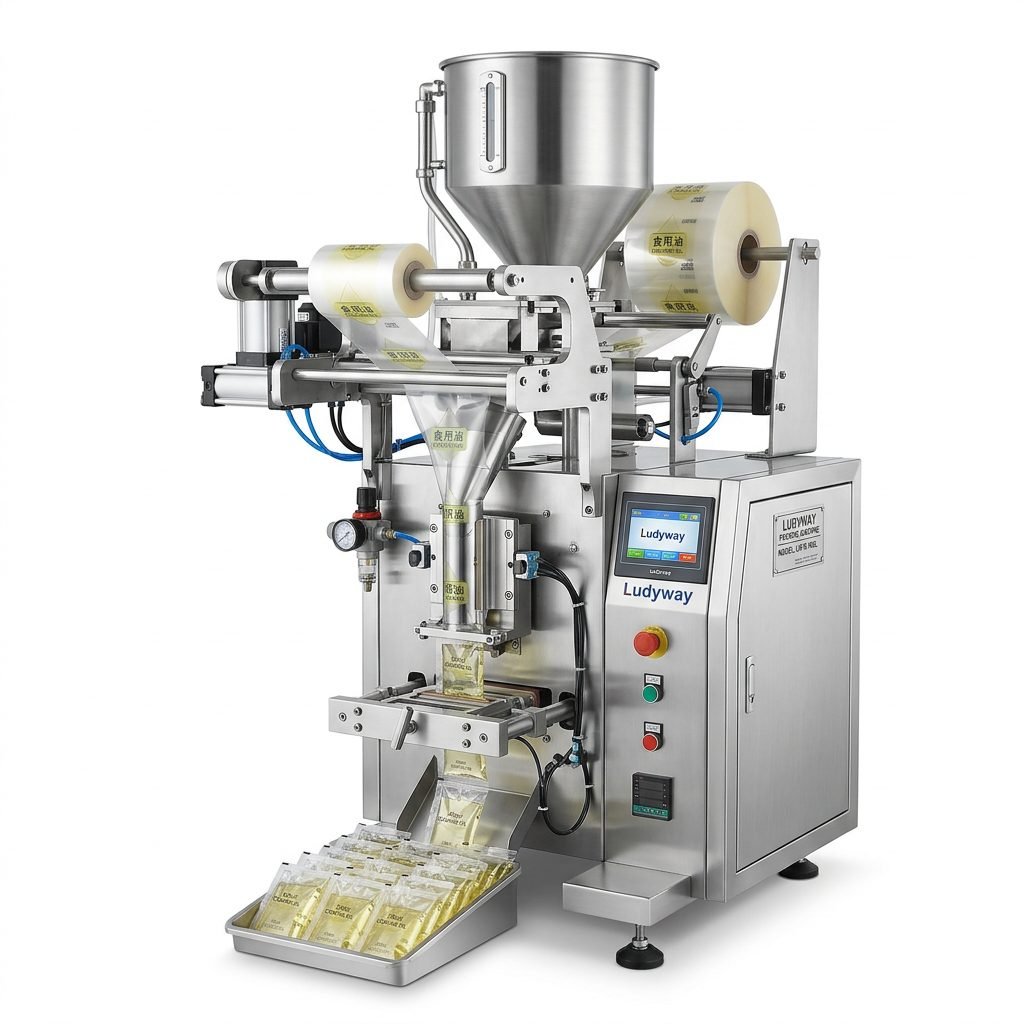
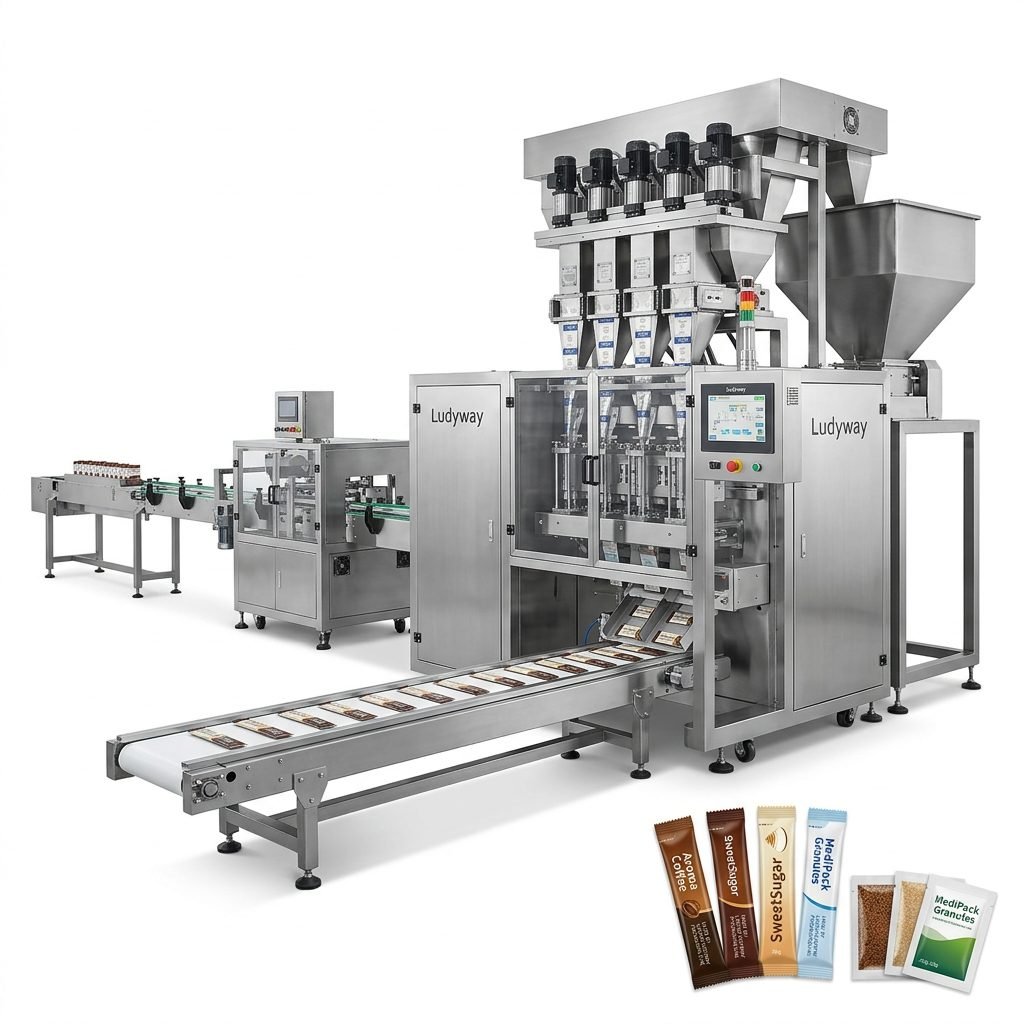
Pouch packing machines have become a core solution for brands that need fast, hygienic, attractive, and scalable packaging. From snacks and spices to pharmaceuticals, cosmetics, and chemical products, the right machine can improve output, reduce waste, protect product quality, and support long-term automation goals.
This guide explains the main types of pouch packing machines, how they work, where they are used, and how to choose the best system for your production line.
What Is a Pouch Packing Machine?
A pouch packing machine is automated equipment designed to form, fill, seal, or handle pouches used for packaging products in flexible materials. Depending on the machine type, it may create pouches directly from roll film or fill pre-made pouches supplied in stacks or magazines.
These machines are widely used for:
- Food products such as powders, granules, sauces, snacks, coffee, sugar, and seasonings
- Pharmaceutical products such as oral powders, granules, medical sachets, and health supplements
- Cosmetic products such as serums, creams, lotions, and shampoo
- Chemical products such as detergents, additives, lubricants, and treatment powders
Why Pouch Packaging Is So Popular
Flexible pouches offer a strong balance of cost-efficiency, shelf appeal, transport convenience, and material savings. Compared with rigid packaging, pouches often require less storage space and lower shipping costs while still delivering good barrier protection.
- Lower packaging material consumption
- Better shelf presentation
- Convenient single-use and multi-use formats
- Easy adaptation for powders, liquids, granules, and pastes
- Good compatibility with automatic coding, inspection, cartoning, and case packing systems
Main Types of Pouch Packing Machines
There is no single “best” machine for all pouch applications. The right solution depends on product characteristics, pouch style, capacity needs, automation level, and budget. Below are the main categories buyers should understand.
1. Form-Fill-Seal Pouch Packing Machines
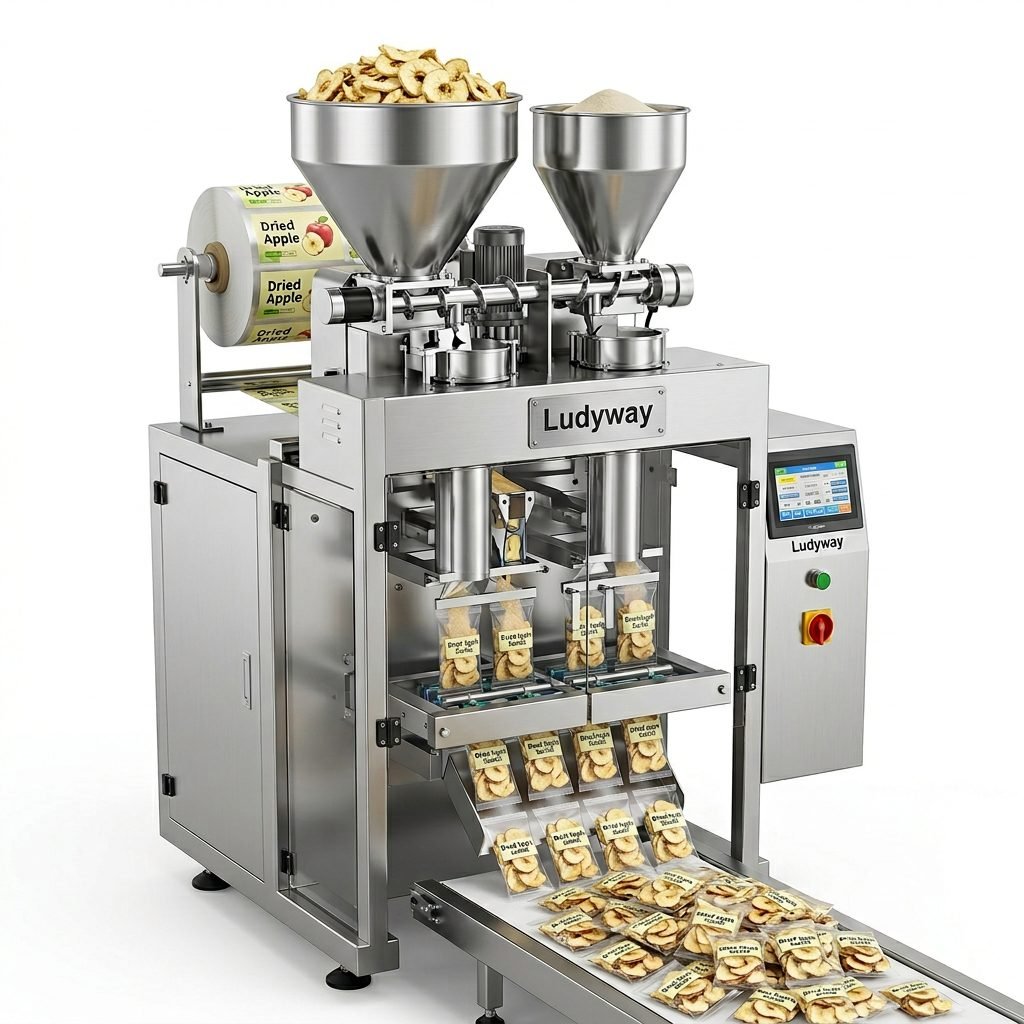
Form-fill-seal machines create the pouch from packaging film, fill the product, and seal it in one continuous automated process. This type is popular because it combines speed, material efficiency, and flexible production.
Common subtypes include:
- Vertical form fill seal machines
- Horizontal form fill seal machines
- Multi-lane sachet and stick pack machines
Vertical Form Fill Seal Machines
Vertical machines are ideal for free-flowing products such as granules, powders, seeds, snacks, coffee, and small solids. Film is fed vertically around a forming tube, sealed into a pouch, filled, and then sealed again.
Best for:
- Pillow bags
- Back-seal pouches
- Three-side or four-side sealed sachets in some configurations
- High-output food and industrial packaging
Horizontal Form Fill Seal Machines
Horizontal machines are often used for stand-up pouches, shaped pouches, zipper pouches, and more complex pouch formats. They provide better handling for premium pouch structures and are often chosen when brand appearance matters.
Best for:
- Stand-up pouches
- Zipper pouches
- Spouted pouches
- Retort-style or specialty flexible packaging
2. Premade Pouch Packing Machines
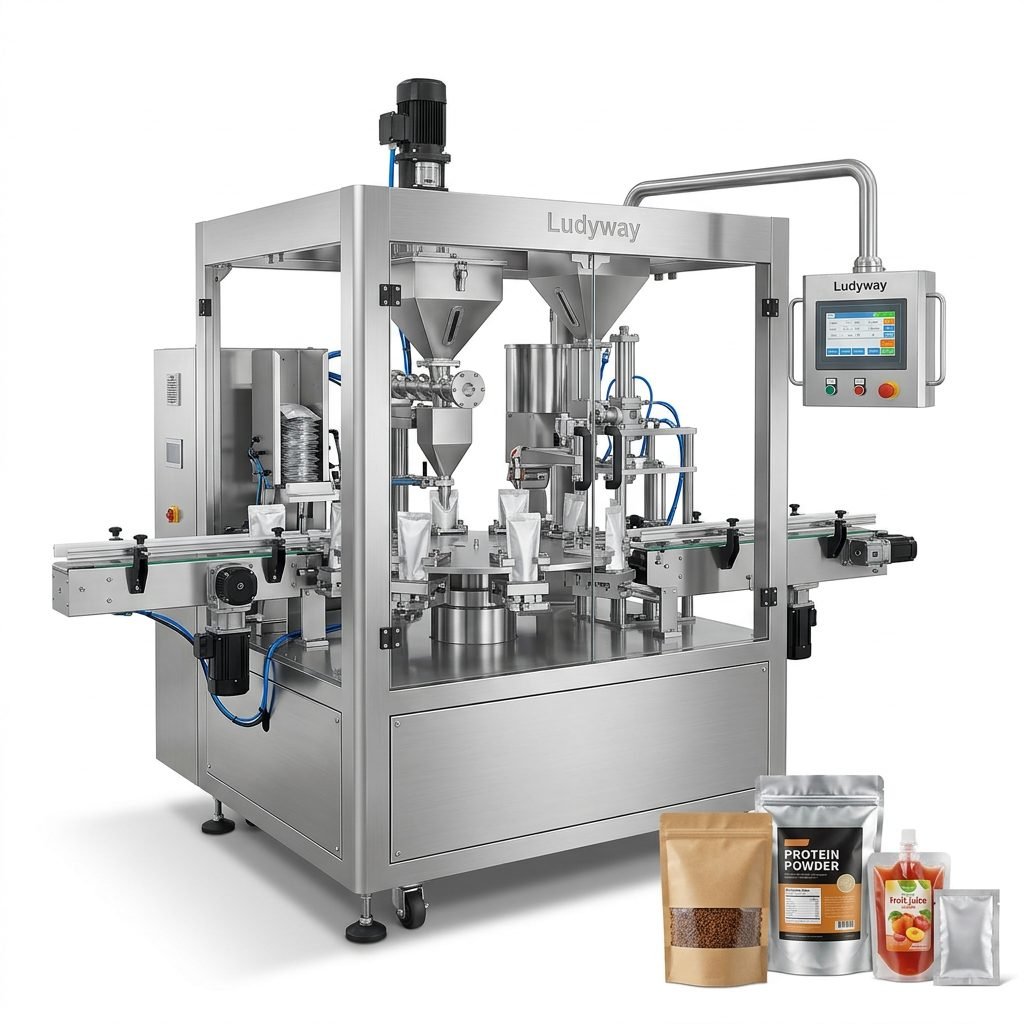
Premade pouch packing machines work with already formed pouches. The machine picks up each pouch, opens it, fills it, removes air if needed, and seals it. This type is commonly used for businesses seeking high packaging quality and premium pouch presentation.
Advantages include:
- Support for complex pouch designs
- Excellent seal consistency
- Suitable for zipper and stand-up pouch formats
- Good for solids, powders, liquids, and mixed products
Typical industries include pet food, frozen food, coffee, nutraceuticals, sauces, and household chemicals.
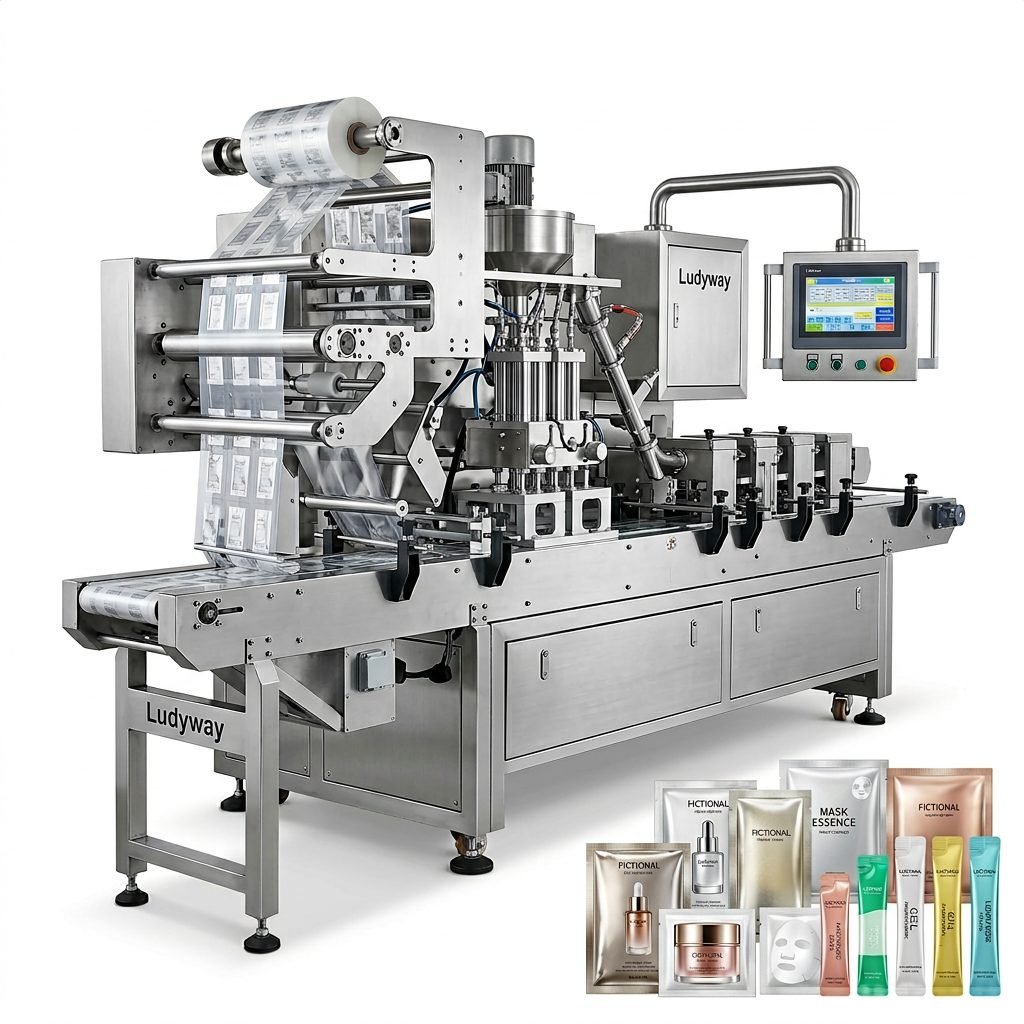
3. Multi-Lane Sachet and Stick Pack Machines
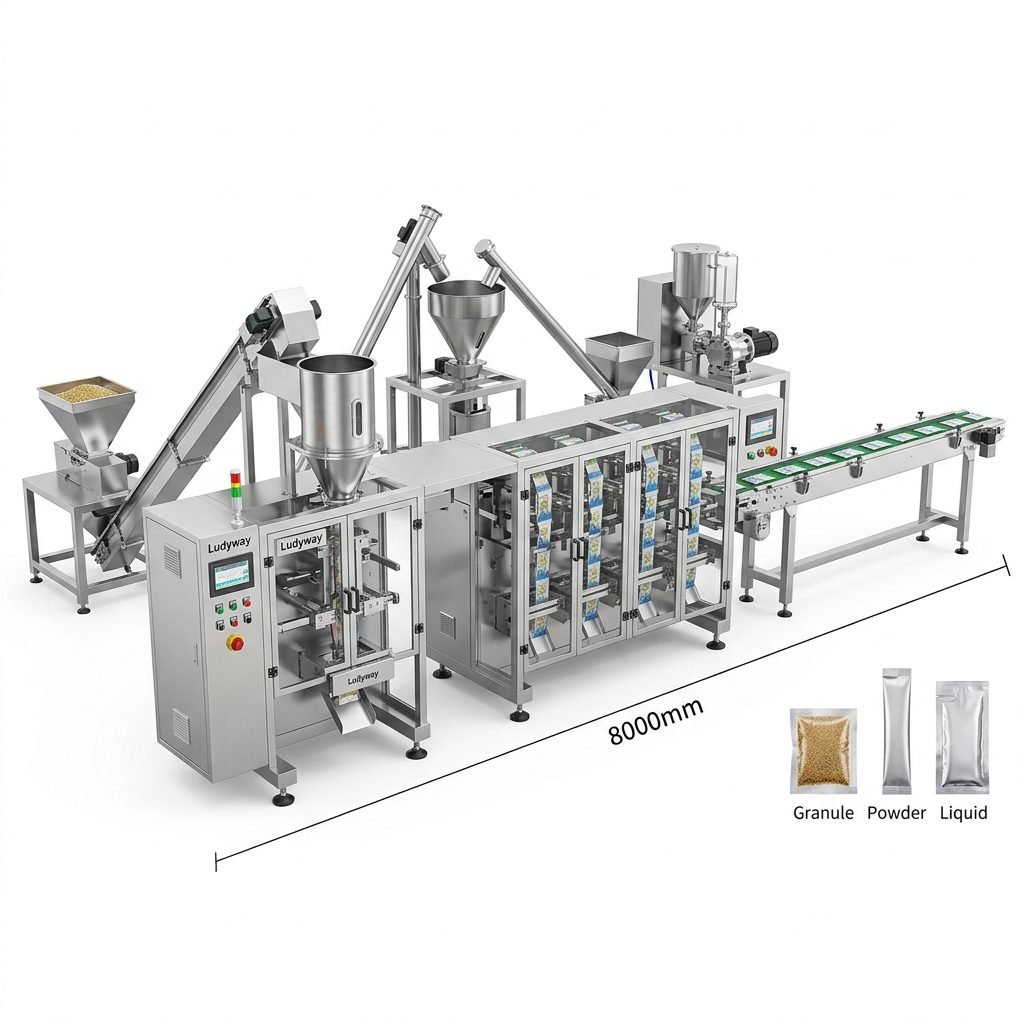
Multi-lane machines are designed for small-dose pouch formats such as sachets and stick packs. They can run several lanes simultaneously, making them ideal for very high-volume production.
These machines are widely used for:
- Instant drink powders
- Coffee and creamer
- Pharmaceutical granules
- Nutritional supplements
- Cosmetic samples
- Sauces, gels, and oral liquids
They are especially effective when brands need single-serve packaging with accurate dosing and high production efficiency.
4. Powder Pouch Packing Machines
Powder pouch packing machines are configured with dosing systems such as auger fillers. They are designed for products that may be dusty, non-free-flowing, or sensitive to dosing errors.
Suitable products include:
- Milk powder
- Protein powder
- Spices
- Pharmaceutical powders
- Chemical powders
- Nutritional supplements
Important features often include dust collection, servo-driven filling, precise weighing, and sealing systems that minimize contamination in the seal area.
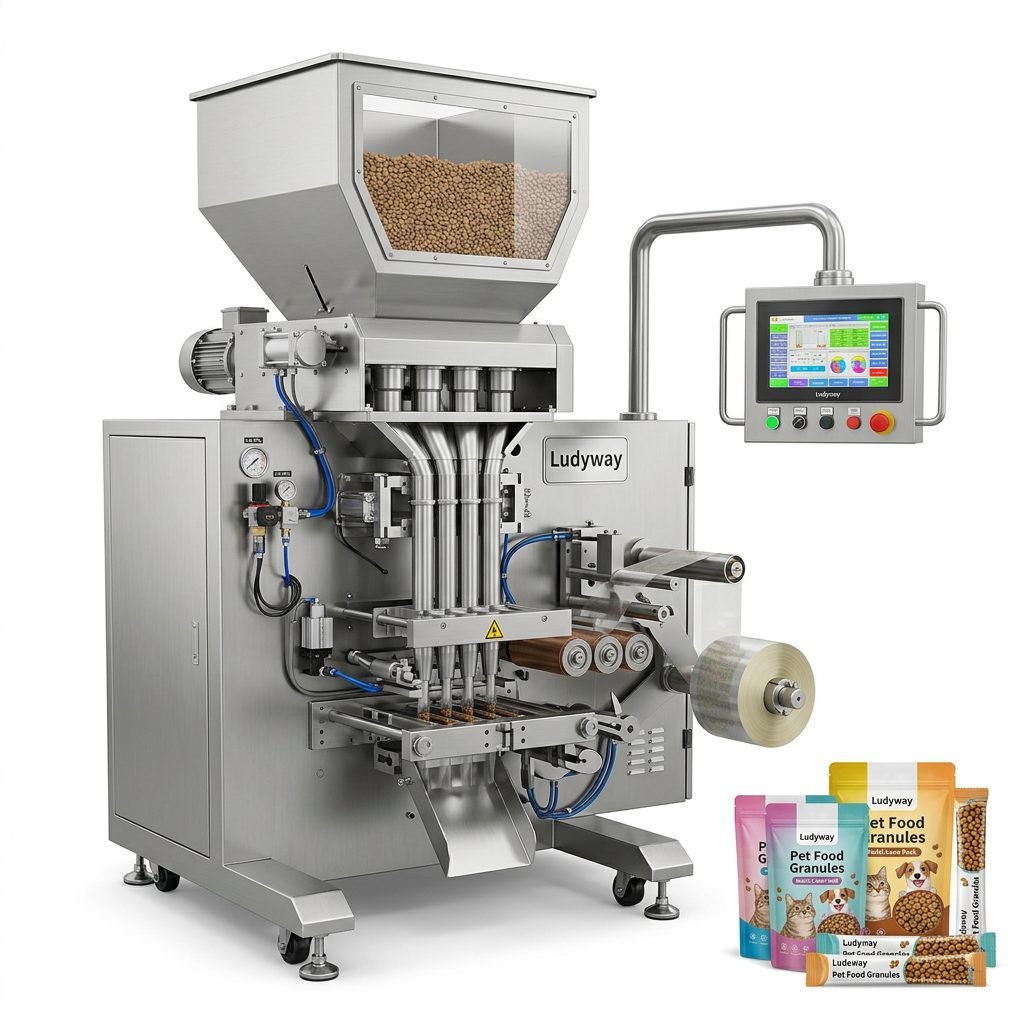
5. Granule Pouch Packing Machines
Granule pouch packing machines usually use cup fillers, linear weighers, or multihead weighers depending on speed and accuracy requirements. They are suitable for free-flowing or irregular granulated products.
Typical products include sugar, salt, seeds, beans, coffee, nuts, pet food, and fertilizer granules.
6. Liquid and Paste Pouch Packing Machines
Liquid and paste pouch packing machines use piston pumps, gear pumps, flowmeters, or servo liquid filling systems. These machines are built for viscous or flowing products and require reliable anti-drip design and seal integrity.
Common applications include:
- Ketchup and sauces
- Honey and syrup
- Shampoo and lotion
- Detergents and cleaners
- Medical liquids and gels
7. Vacuum and Modified Atmosphere Pouch Packaging Machines
For products with higher freshness requirements, some pouch packing systems can integrate vacuum packaging or nitrogen flushing. These functions help extend shelf life, reduce oxidation, and improve product protection.
They are often used in:
- Coffee
- Snacks
- Freeze-dried foods
- Pharmaceutical and health products sensitive to moisture or oxygen
Common Pouch Styles Supported by Packaging Machines
| Pouch Style | Typical Use | Machine Type |
|---|---|---|
| Pillow pouch | Snacks, grains, powders | VFFS |
| Three-side seal sachet | Pharma, cosmetics, condiments | Sachet machine / FFS |
| Four-side seal sachet | Premium powder and liquid samples | Multi-lane sachet machine |
| Stick pack | Drink mix, sugar, supplements | Multi-lane stick pack machine |
| Stand-up pouch | Pet food, coffee, snacks | Premade pouch machine / HFFS |
| Zipper pouch | Resealable products | Premade pouch machine |
| Spouted pouch | Liquid and semi-liquid products | Specialized premade pouch line |
How to Choose the Right Pouch Packing Machine
Selecting the right equipment means balancing current production needs with future growth. Buyers should evaluate the following factors carefully.
Product Type
The physical behavior of your product is the starting point. Powders, granules, liquids, and pastes require different filling technologies. Some products also present additional challenges such as dust, foaming, stickiness, fragility, or poor flowability.
Pouch Format
Your preferred package shape has a direct impact on machine choice. A simple sachet is very different from a zipper stand-up pouch or a shaped premium pouch.
Speed Requirements
A startup may only need moderate output, while a large factory may require high-speed continuous production. Multi-lane systems are usually preferred for small-dose high-volume packaging, while rotary premade pouch systems fit many premium flexible packaging applications.
Accuracy and Waste Control
If product cost is high, filling precision becomes especially important. This is common in nutraceuticals, pharmaceuticals, specialty chemicals, and premium food products.
Material Compatibility
The machine should work well with your chosen film or premade pouch material, including laminate structures, recyclable films, and high-barrier packaging materials.
Automation and Line Integration
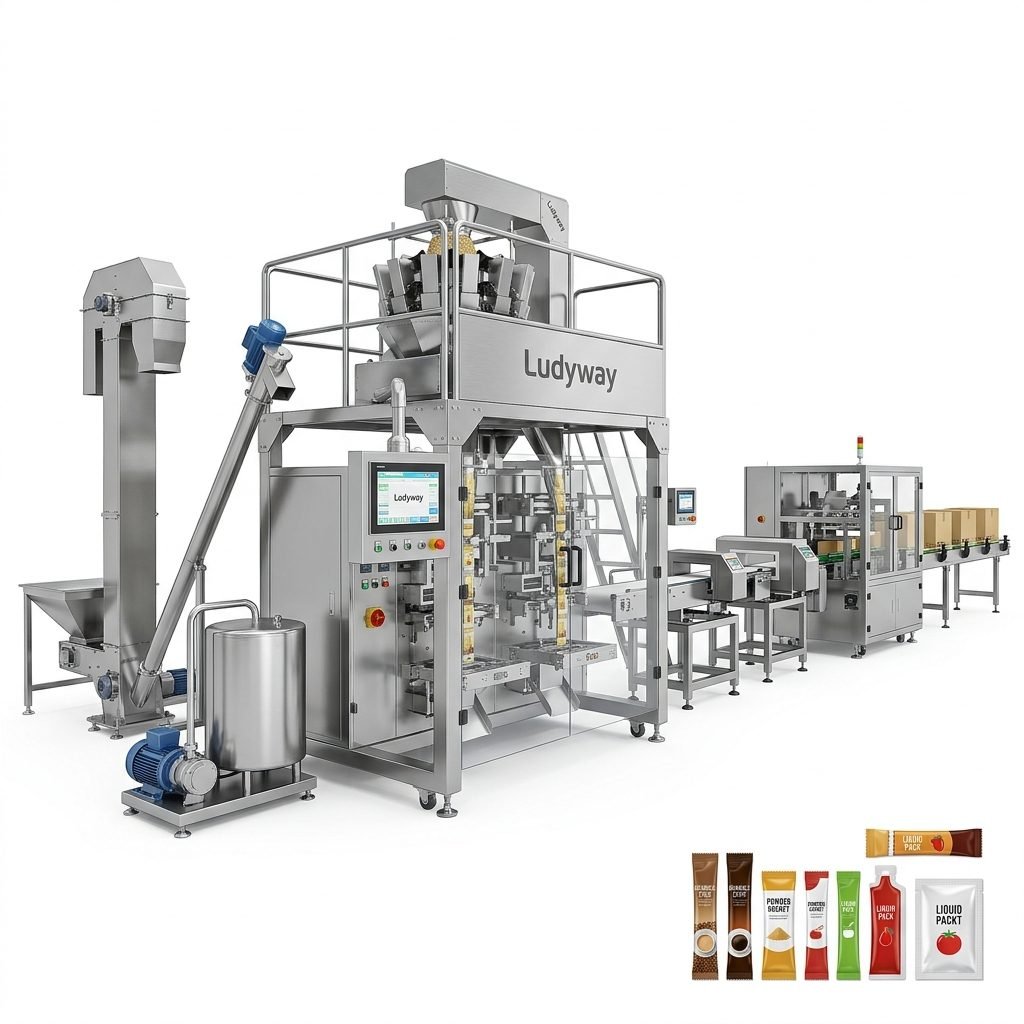
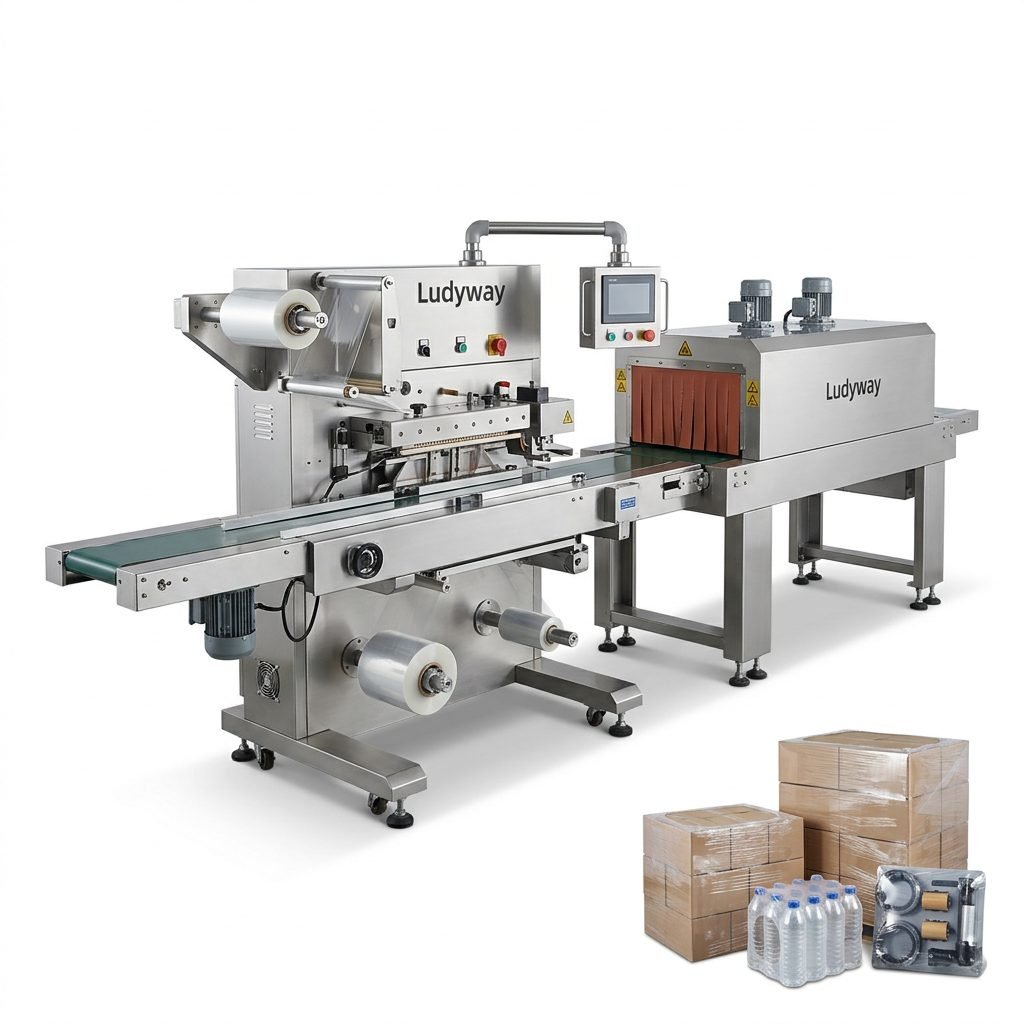
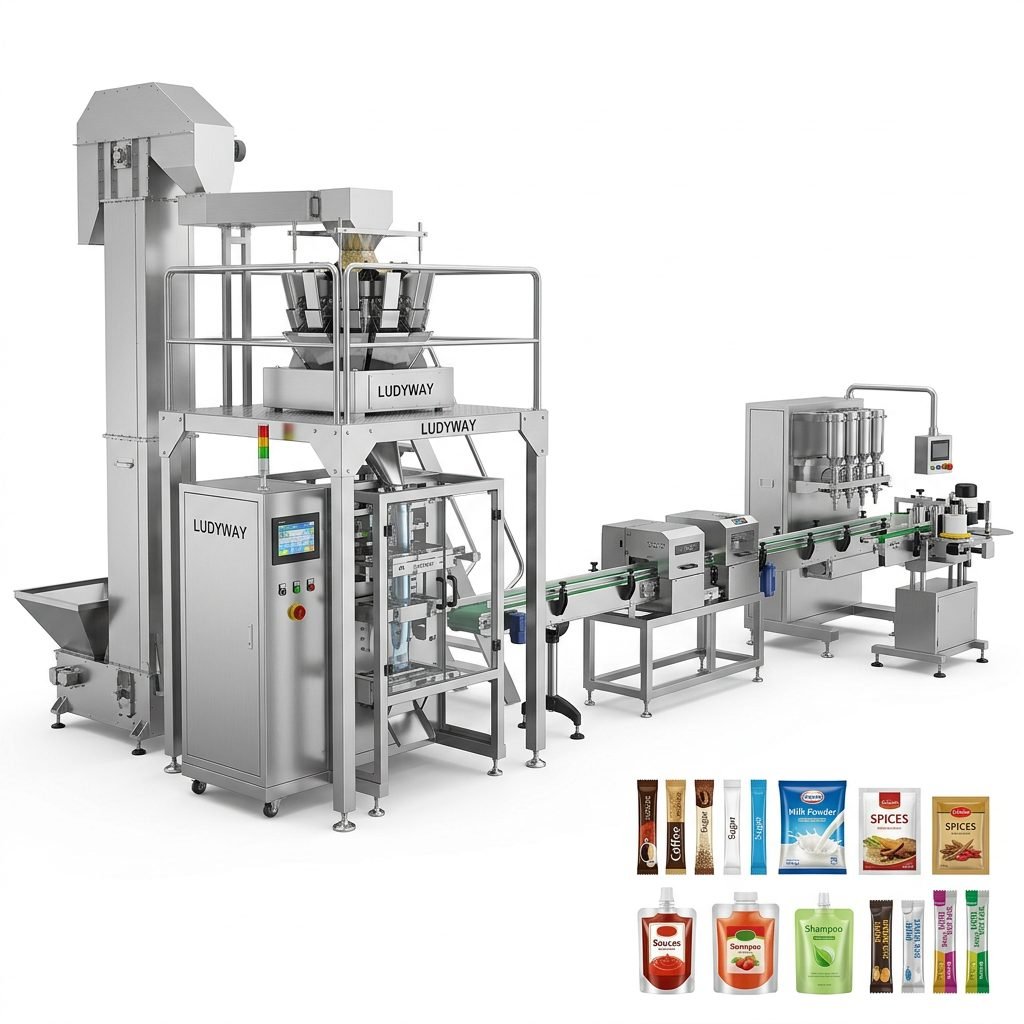
Modern pouch packing machines often connect with upstream and downstream equipment such as feeders, elevators, metal detectors, checkweighers, coding systems, cartoners, case packers, and palletizers.
Comparison of Different Pouch Packing Machine Types
| Machine Type | Best For | Key Advantage | Typical Limitation |
|---|---|---|---|
| VFFS machine | Granules, powders, snacks | Efficient and economical | Less suitable for premium premade pouch styles |
| HFFS machine | Complex pouch shapes | More pouch design flexibility | Higher complexity |
| Premade pouch machine | Stand-up and zipper pouches | Premium appearance and stable sealing | Pouch cost is usually higher |
| Multi-lane sachet machine | Small-dose powders and liquids | Very high output | Best suited for smaller pack formats |
| Liquid pouch machine | Sauces, gels, detergents | Reliable liquid dosing | Requires careful seal area control |
Industries That Use Pouch Packing Machines
Food Industry
The food sector uses pouch packing machines for seasoning, instant beverages, coffee, sauces, snacks, grains, nuts, dried fruits, frozen foods, and ready-to-mix products.
Pharmaceutical and Health Supplement Industry
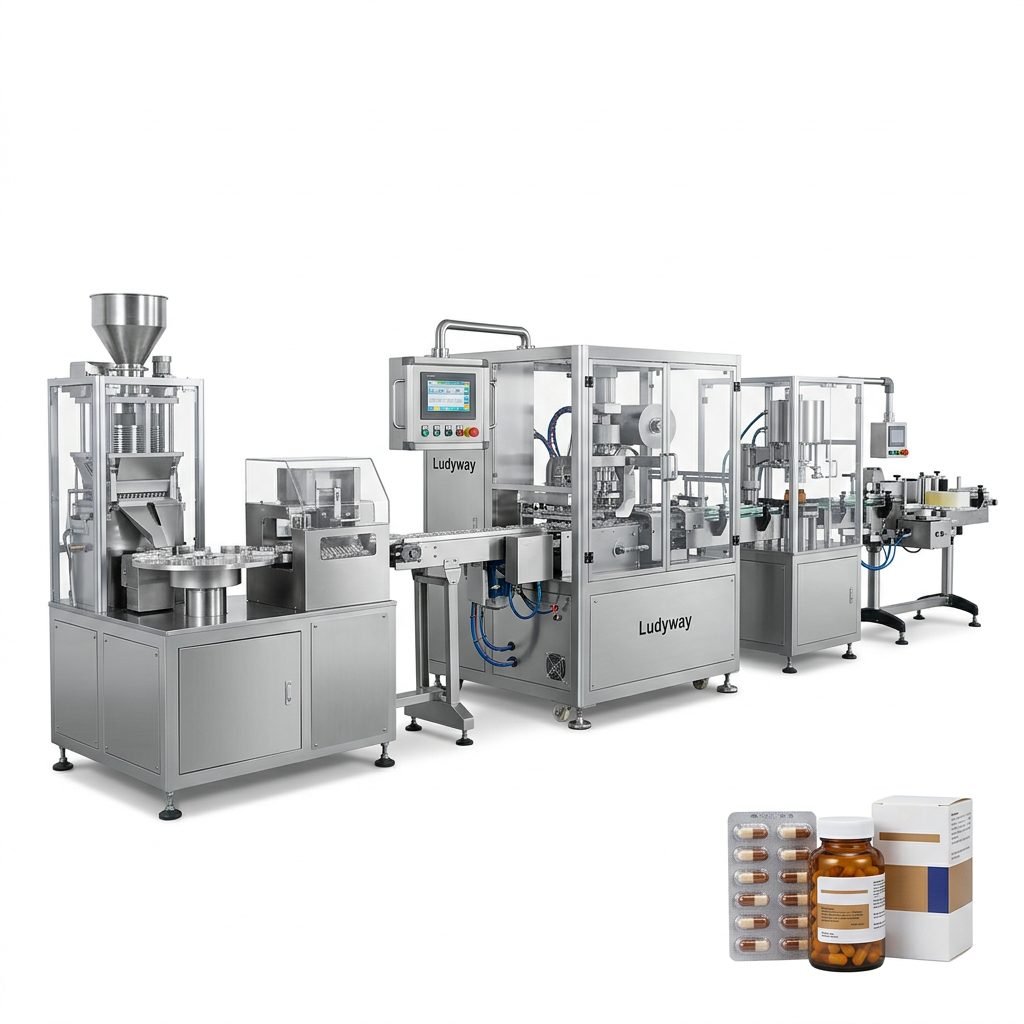
This sector values dosing accuracy, hygiene, data coding, and compliant production. Common products include oral powders, granules, stick packs, medical sachets, and single-dose nutraceutical packaging.
Cosmetic and Personal Care Industry
Serums, lotions, creams, face masks, shampoo, and travel-size beauty products often use sachet, stick pack, and pouch formats for convenience and retail appeal.
Chemical and Industrial Industry
Detergents, cleaning products, additives, powders, lubricants, and treatment chemicals can all be packed in flexible pouches when the machine is configured with the right filling, sealing, and material handling systems.
Key Features to Look For
- Servo control systems for better precision and repeatability
- PLC and touchscreen operation for easier parameter setting
- Quick changeover design for different pouch sizes
- Automatic film tracking or pouch positioning
- Leak-proof sealing performance
- Integration with checkweighers, metal detectors, and coding units
- Stainless steel construction for hygienic applications
- Remote support and maintenance-friendly design
Benefits of Investing in the Right Pouch Packing Solution
A properly matched machine can deliver both immediate and long-term value:
- Higher production efficiency
- Reduced labor dependence
- More consistent package quality
- Lower product giveaway
- Improved shelf appearance
- Better scalability for future production growth
Turnkey Pouch Packaging Lines vs. Standalone Machines
Some companies only need a single pouch machine, while others need a complete automated line. A turnkey line may include product feeding, weighing or dosing, pouch packaging, inspection, coding, cartoning, case packing, conveying, and palletizing.
For manufacturers planning capacity expansion or multi-stage automation, a turnkey approach often provides stronger overall efficiency and smoother integration. Companies such as Ludyway packaging machine manufacturer are often considered by buyers looking for both standalone pouch equipment and complete automated packaging line solutions across food, pharmaceutical, health supplement, cosmetic, and related industries.
Frequently Asked Questions
Which pouch packing machine is best for powders?
For powders, the best machine usually includes an auger filler and a sealing design that keeps the seal area clean. The final choice depends on whether you need sachets, stick packs, pillow bags, or premade pouches.
What is the difference between a premade pouch machine and an FFS machine?
A premade pouch machine fills ready-made pouches, while an FFS machine forms the pouch from roll film during the packaging process. Premade systems are often preferred for premium pouch styles, while FFS systems are often chosen for cost efficiency and high-speed production.
Can one machine pack liquids, powders, and granules?
Some machine platforms can be adapted for multiple product types, but each product usually requires a specific filling system. For best performance, the machine should be configured according to the product’s flow characteristics and packaging format.
How important is line integration?
It is very important for medium and large factories. Good integration improves production flow, reduces manual handling, lowers errors, and supports full automation from filling to final case packing.
Final Buying Insight
Understanding the different types of pouch packing machines is essential for choosing a solution that fits your product, pouch format, speed target, and investment plan. Whether you need a simple sachet machine, a high-speed multi-lane stick pack line, or a premium premade pouch system, the best choice is the one that aligns with your packaging process today while leaving room for future automation.
If you compare machine types carefully and focus on product compatibility, seal quality, dosing precision, and system integration, you will be in a much stronger position to build an efficient and reliable packaging operation.