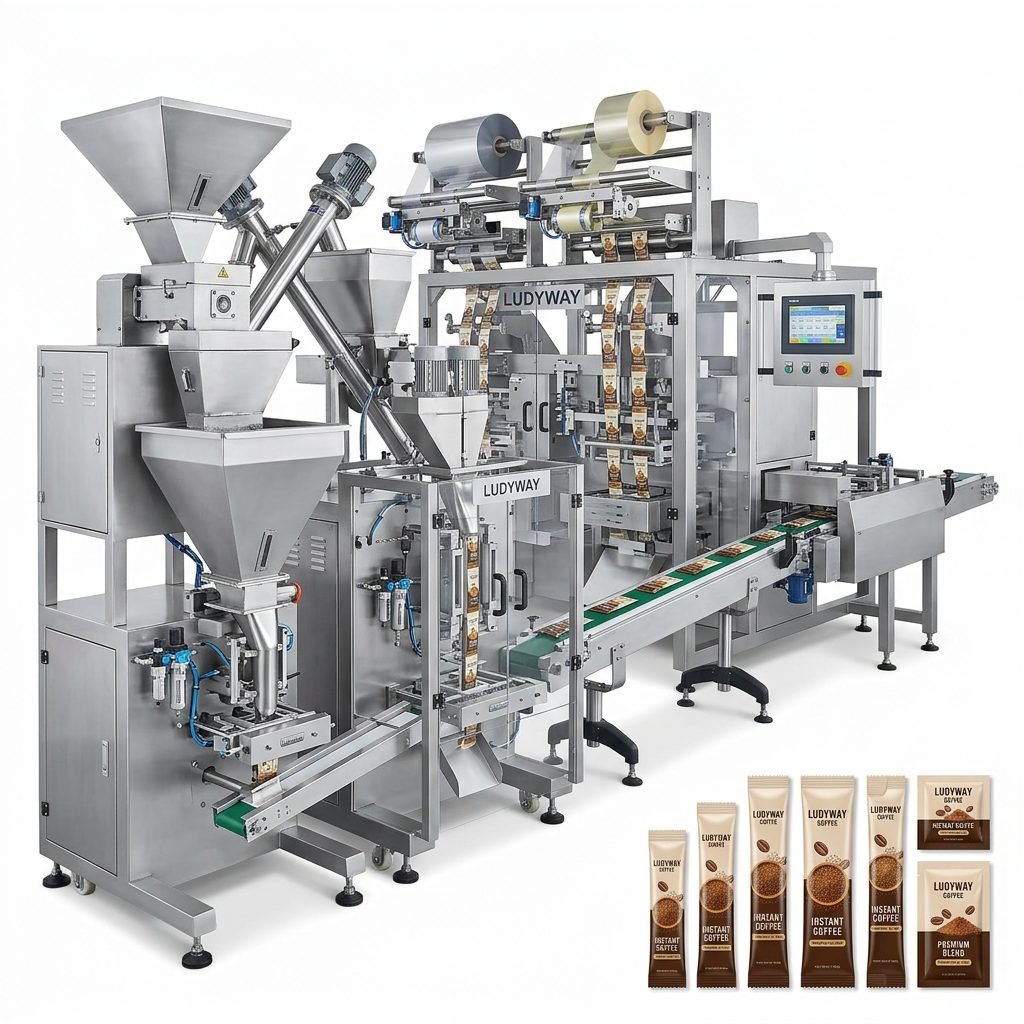
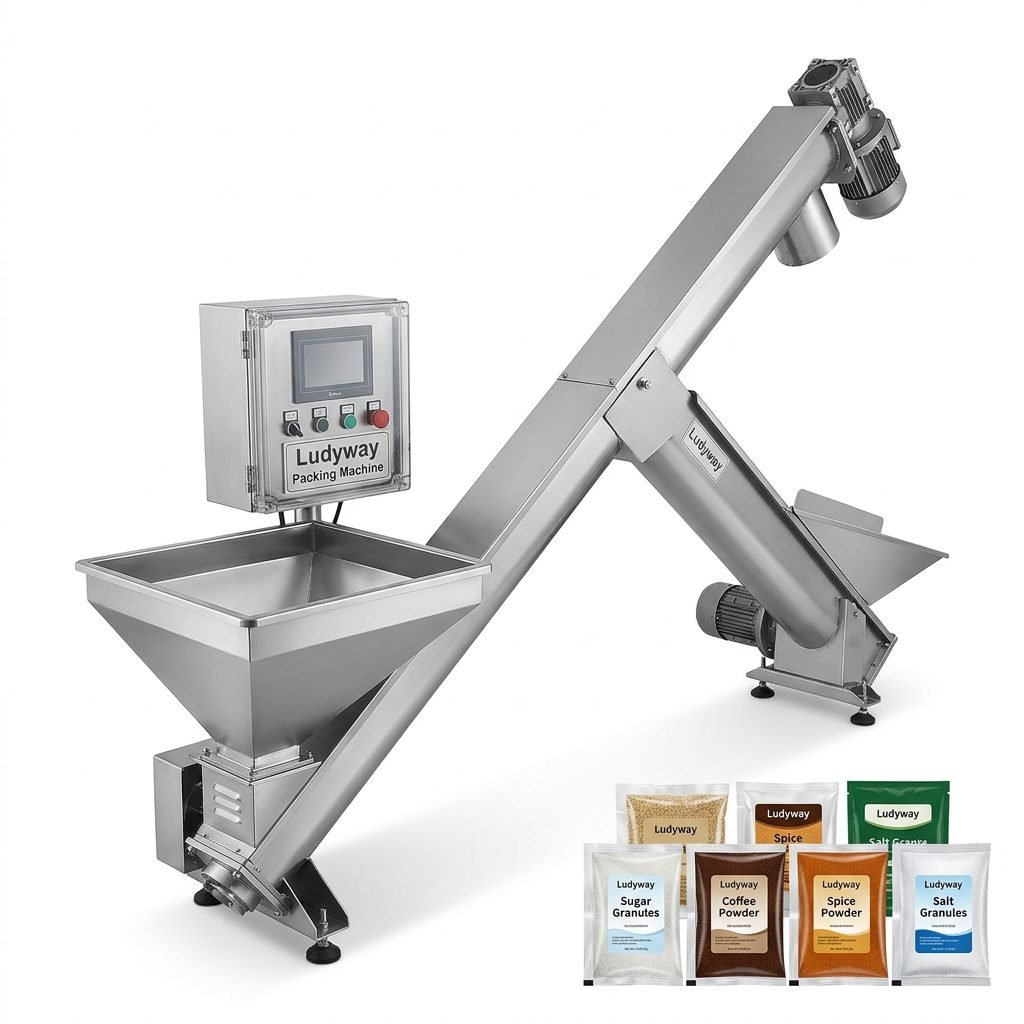
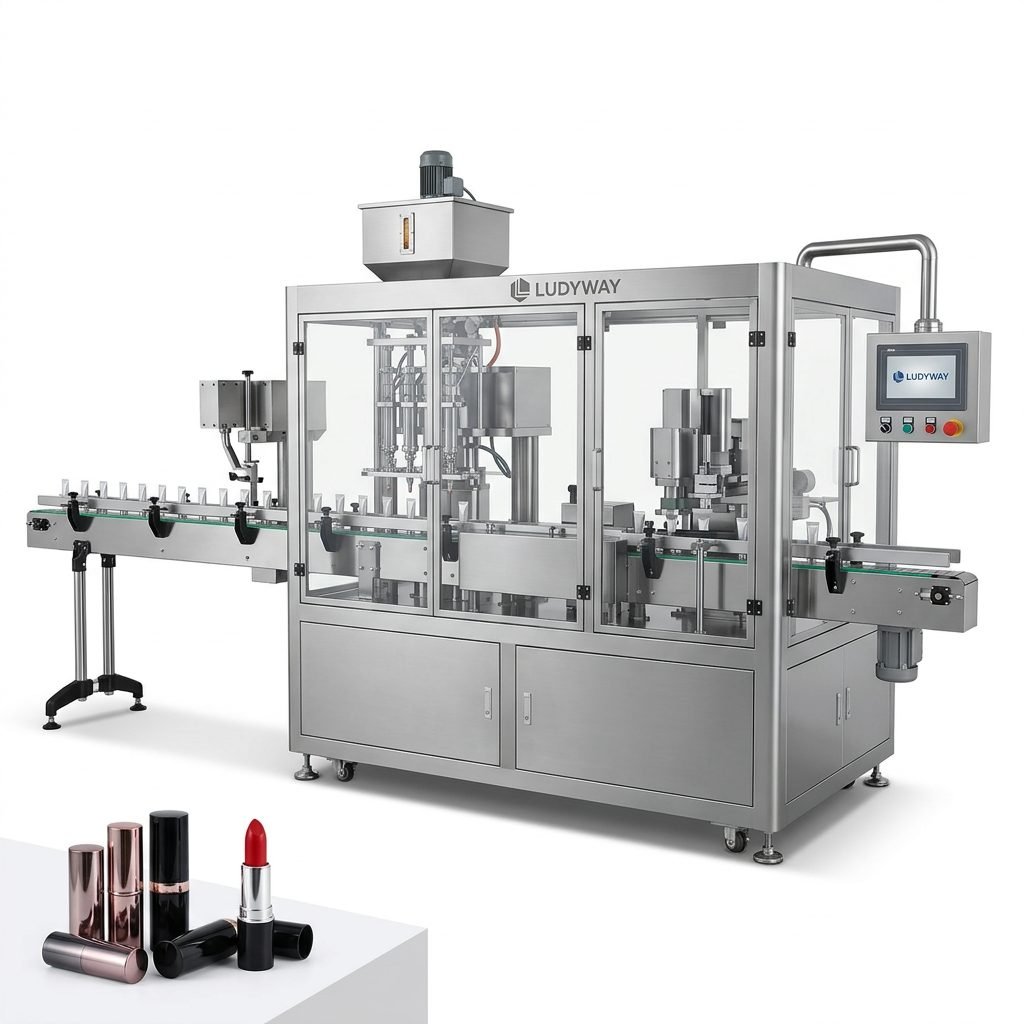
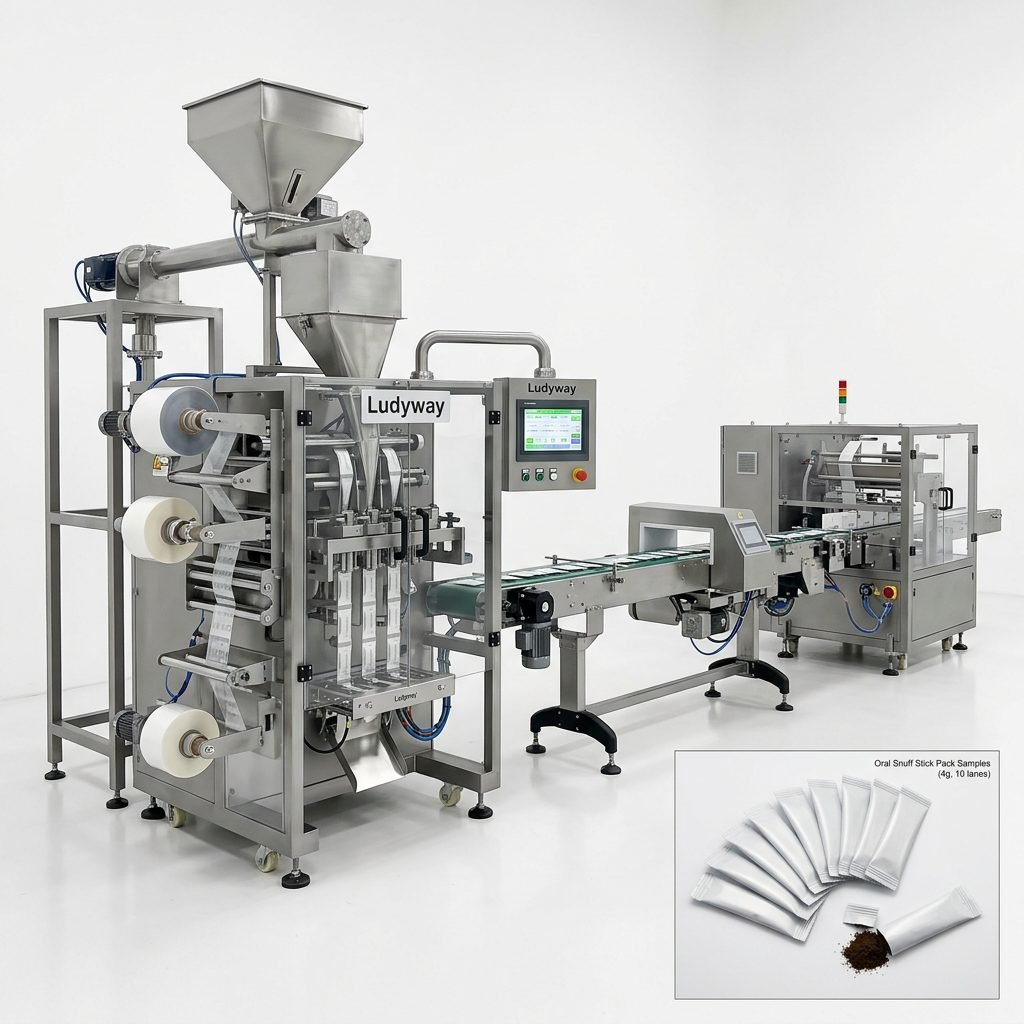
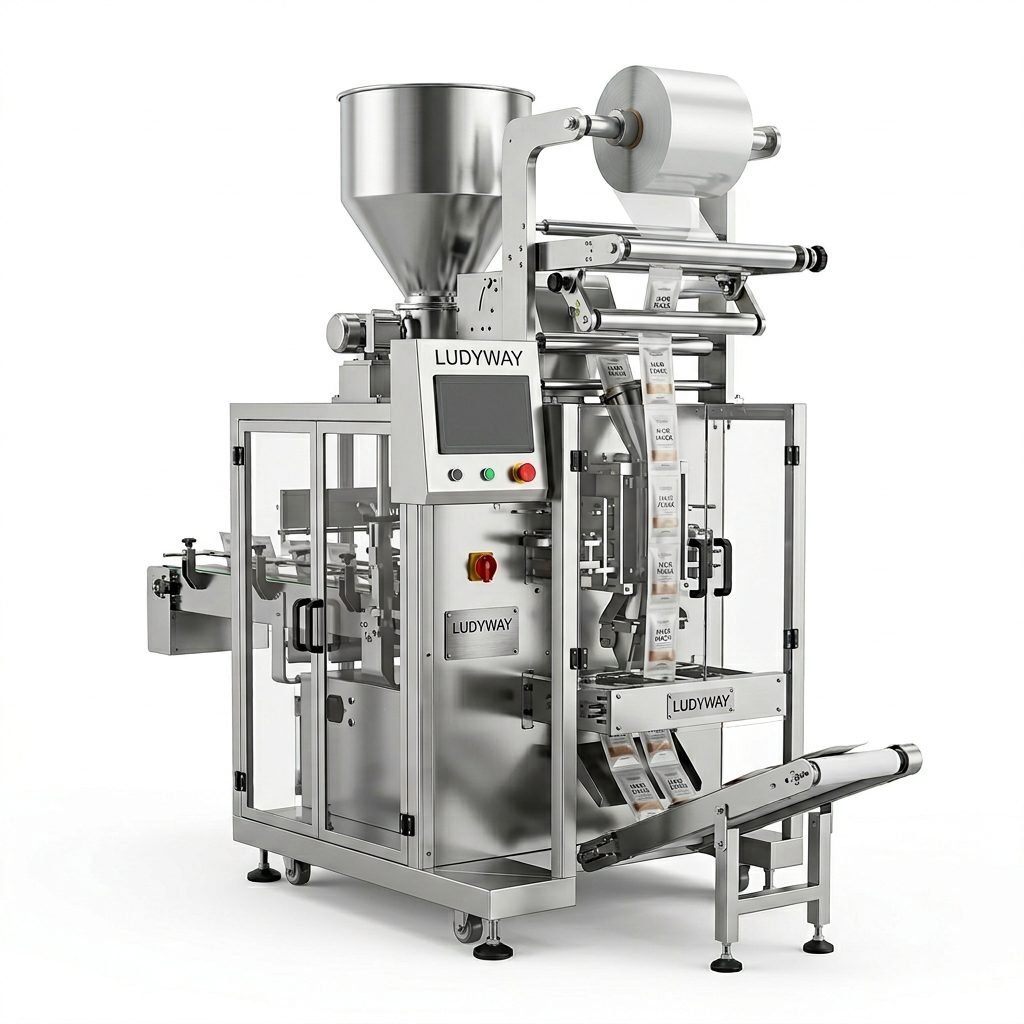
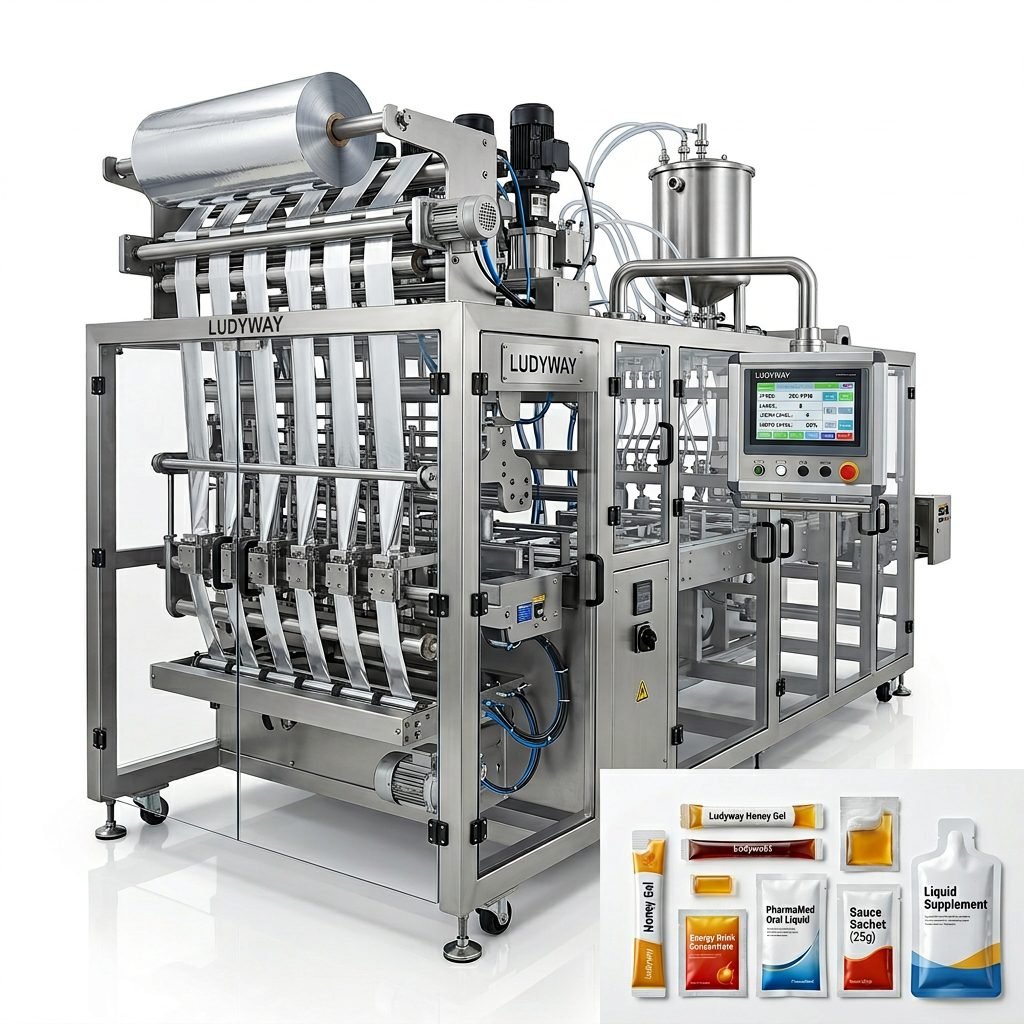
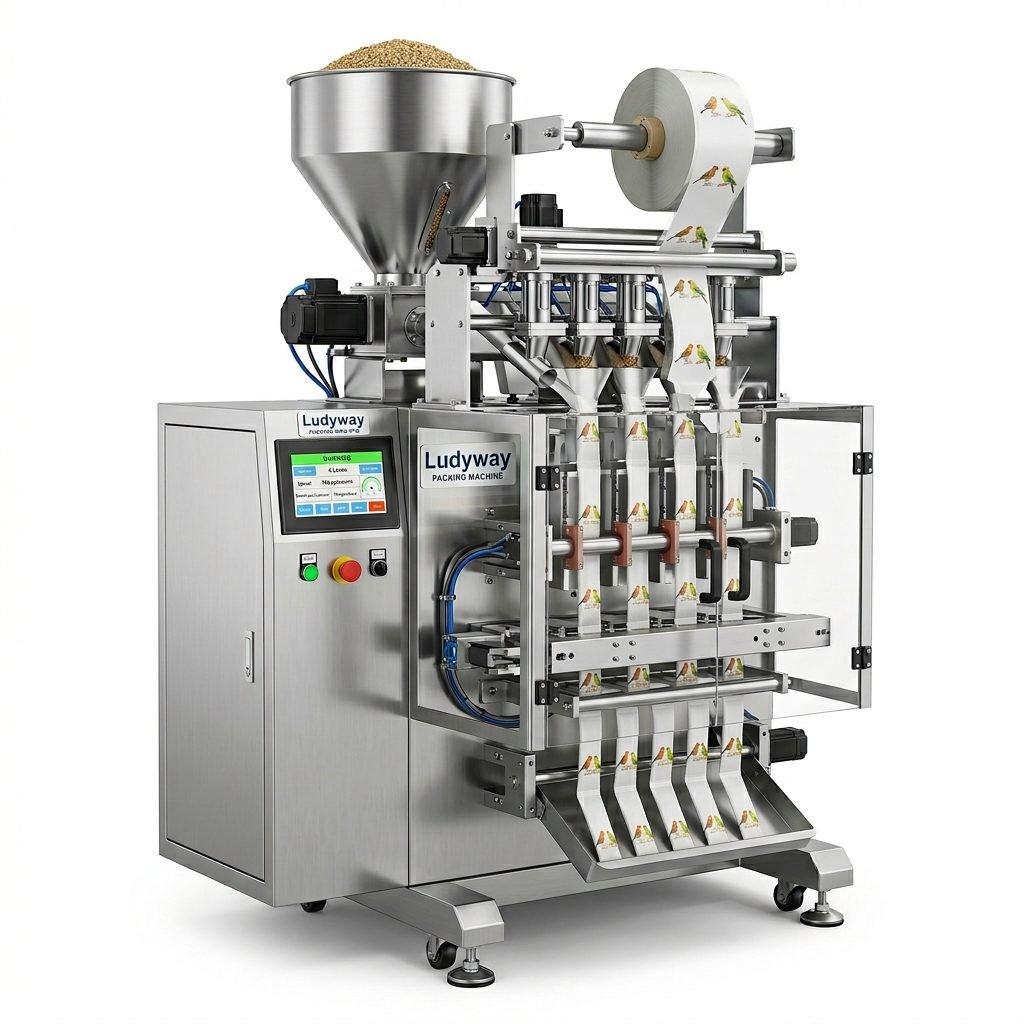
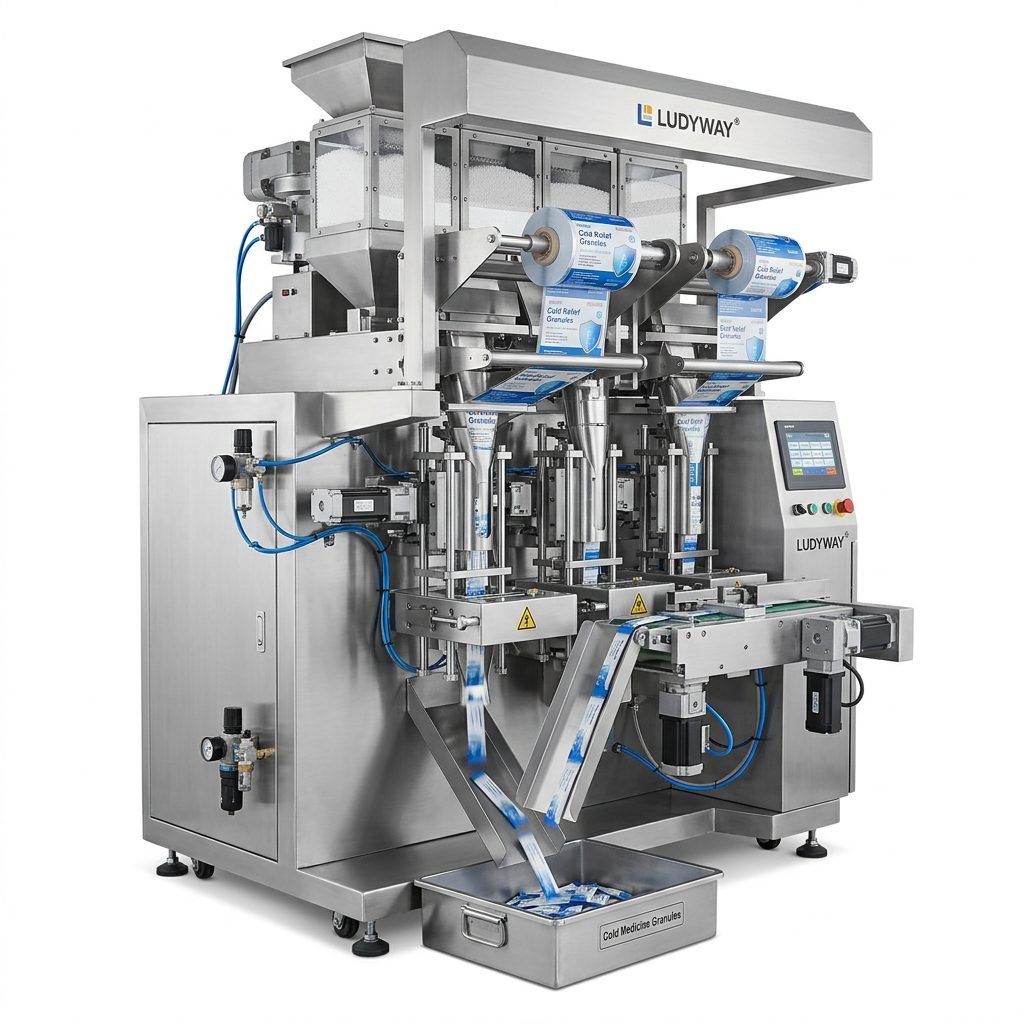
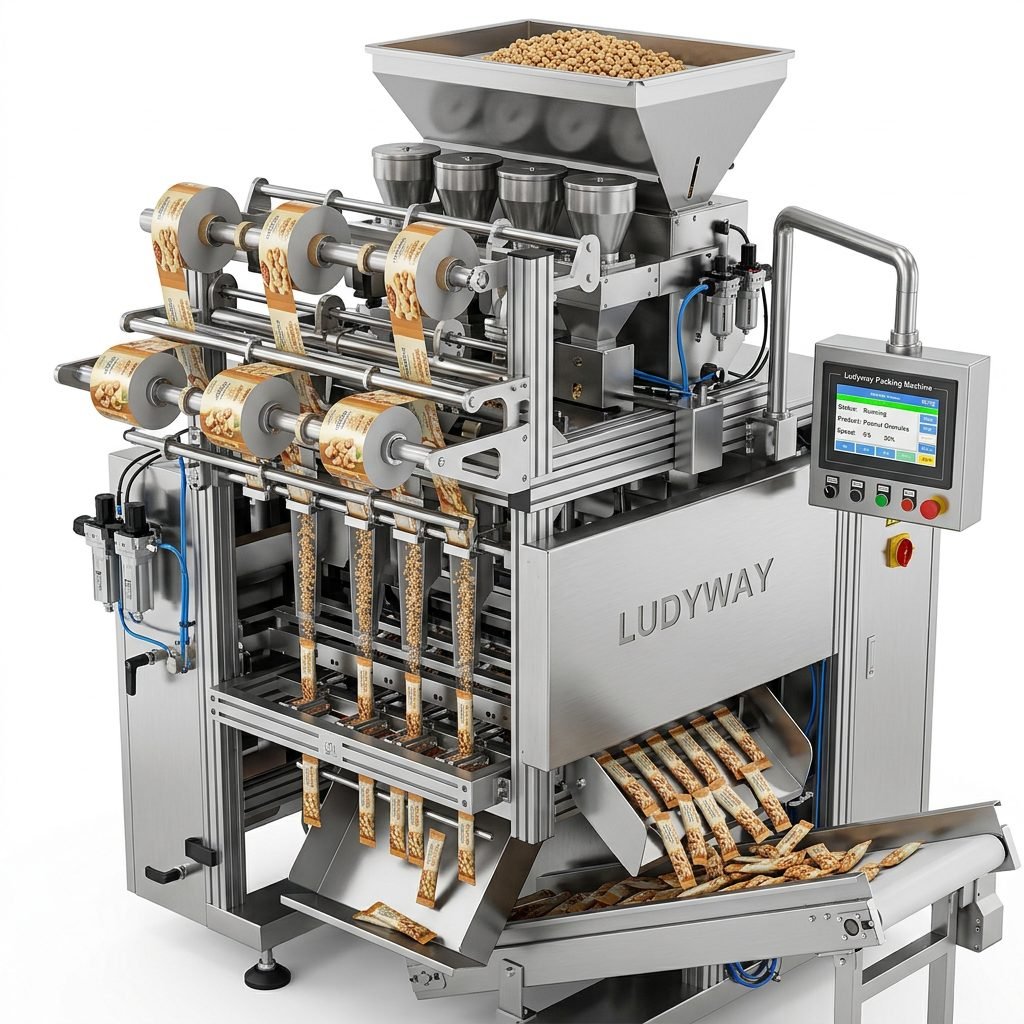
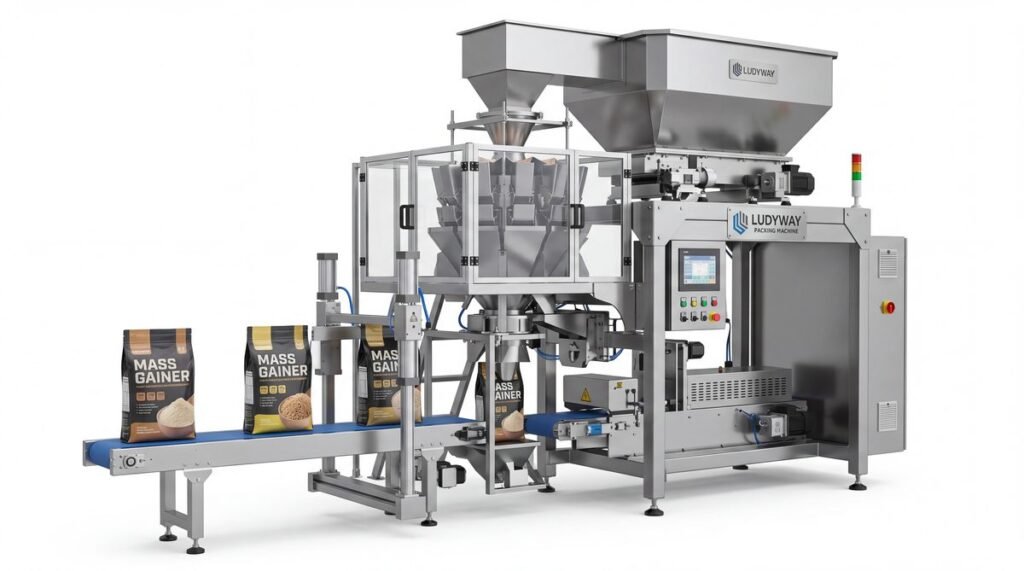
An auger packing machine is one of the most effective solutions for accurately filling powders, fine granules, and dusty products into sachets, stick packs, pouches, jars, bottles, and bags. For manufacturers handling milk powder, spices, protein blends, coffee powder, pharmaceutical powders, seasoning mixes, chemical powders, or health supplement granules, this equipment delivers a strong balance of precision, speed, cleanliness, and automation.
In modern production environments, packaging accuracy is no longer just about reducing giveaway. It also affects product consistency, sealing quality, compliance, labor cost, and brand reputation. That is why more factories are turning to auger-based filling systems as a reliable answer for challenging powder and granule applications.
What Is an Auger Packing Machine?
An auger packing machine uses a rotating screw mechanism to dispense a controlled volume of product. The auger turns inside a filling tube or hopper, pushing powder or small granules downward into the package. This method is especially suitable for products that do not flow evenly through ordinary gravity filling systems.
It is widely used for:
- Food powders such as flour, cocoa, coffee, milk powder, seasoning powder, and protein powder
- Pharmaceutical powders and granules
- Nutraceutical and supplement products
- Chemical powders, detergents, and additives
- Fine granules with stable dosing requirements
How the Filling Process Works
The basic working principle is simple but highly effective. Product is loaded into a hopper, often supported by an agitator to maintain smooth and consistent feeding. The servo-driven auger rotates according to preset parameters and dispenses the target amount into the package. Depending on the line design, the filler can be integrated with vertical form fill seal systems, premade pouch machines, bottle lines, or jar filling equipment.
- Product enters the hopper
- The agitator helps prevent bridging or uneven flow
- The auger screw rotates for precise dosing
- Powder or granules are discharged into the package
- The package moves to sealing, coding, checkweighing, or cartoning
Why Auger Packing Machines Are Ideal for Powders and Granules
Many products behave unpredictably during filling. Some are fluffy, some compact easily, and some create dust that affects both speed and cleanliness. An auger system offers stronger control over these challenges than many conventional filling methods.
| Key Advantage | Practical Benefit |
|---|---|
| High dosing accuracy | Reduces overfill, product loss, and weight variation |
| Good powder handling | Works well with fine, dusty, and non-free-flowing materials |
| Automation compatibility | Easily connects with pouch, sachet, bottle, and cartoning lines |
| Flexible applications | Suitable for food, pharma, chemical, and supplement industries |
| Cleaner operation | Helps control dust and supports better sealing performance |
Common Products Filled by Auger Systems
Not every powder behaves the same way, but auger fillers are highly adaptable. With the right screw design, hopper configuration, and control settings, they can support a wide range of industries.
Typical product examples include:
- Protein powder and collagen powder
- Milk powder and infant nutrition powder
- Coffee powder, instant drink mixes, and tea powder
- Spice blends, garlic powder, onion powder, and seasoning powder
- Pharmaceutical powders and medical granules
- Probiotics, vitamin blends, and nutraceutical supplements
- Detergent powder and industrial chemical powders
- Agricultural additives and feed premixes
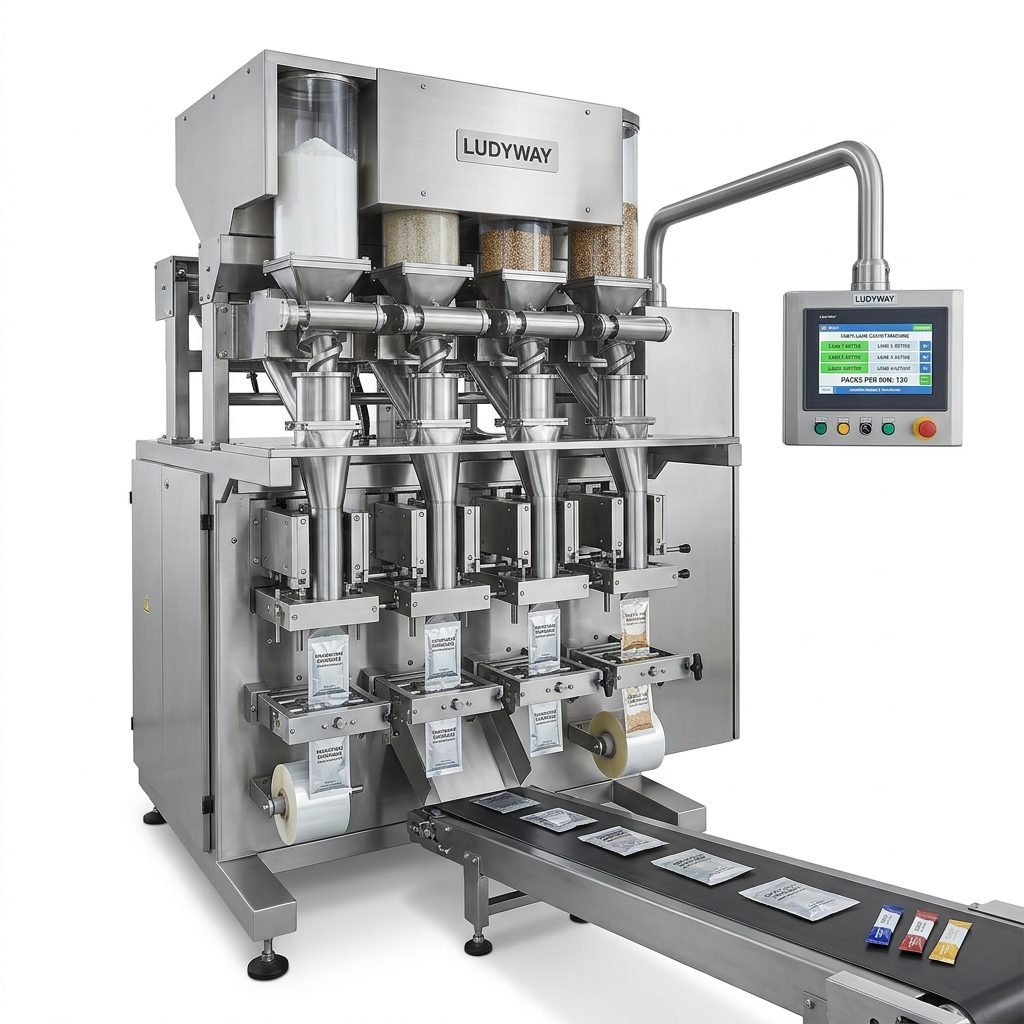
Main Machine Configurations Available
Auger filling technology can be delivered in several machine formats depending on package type, output target, and product characteristics. Choosing the right structure is critical for line efficiency.
1. Semi-Automatic Auger Filling Machines
Best for smaller production volumes, manual container placement, or businesses with frequent product changes. These machines are often used for jars, bottles, cans, and pouches in pilot or medium-scale production.
2. Automatic Auger Packing Machines
Designed for continuous filling and sealing operations. These systems are typically integrated into automatic packaging lines for sachets, stick packs, pouches, or rigid containers.
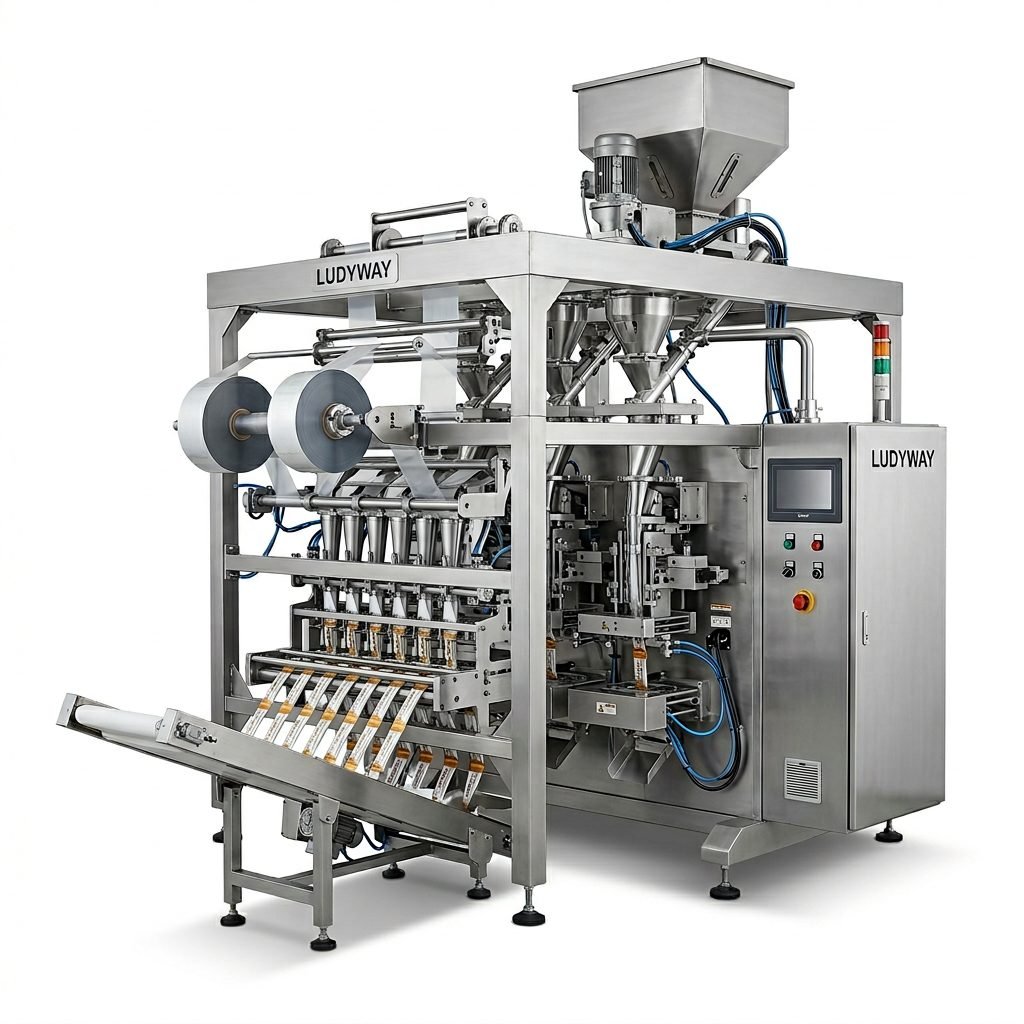
3. Multi-Lane Auger Sachet or Stick Pack Systems
Ideal for high-output powder packaging. They allow several lanes to run simultaneously, which significantly increases production speed for single-dose or retail-size packages.
4. Auger Fillers for Bottles and Jars
Suitable for nutrition powder, coffee, spices, supplements, and pharmaceutical applications where rigid packaging formats are required.
Industries That Benefit Most
The versatility of an auger packing machine makes it a strong investment across multiple sectors.
| Industry | Typical Applications |
|---|---|
| Food | Milk powder, spices, coffee, baking mixes, flour, drink powder |
| Pharmaceutical | Medicinal powders, granules, sachets, dosage packaging |
| Health Supplements | Protein powder, probiotics, collagen, vitamins, electrolyte blends |
| Chemical | Detergents, additives, industrial powders, cleaning products |
| Agriculture & Feed | Feed premixes, powdered supplements, fertilizer additives |
Important Features to Look For
When comparing auger packing machines, buyers should focus on more than just speed. The right machine should match product behavior, hygiene standards, filling range, and long-term maintenance needs.
- Servo motor control for stable and repeatable dosing
- Agitator-assisted hopper to improve material feeding consistency
- Quick-change auger parts for faster product switching
- Dust control design to protect seals and improve cleanliness
- PLC and touchscreen interface for easy parameter setting
- Stainless steel contact parts for hygiene and corrosion resistance
- Recipe memory for different products and fill weights
- Integration capability with conveyors, checkweighers, coding machines, and cartoners
How to Choose the Right Auger Packing Machine
The best model depends on your product and production goal. A machine that works well for spice powder may not be ideal for protein powder or pharmaceutical granules. Evaluating the following factors helps avoid costly mismatches.
Product Characteristics
Consider density, particle size, dust level, flowability, oil content, and moisture sensitivity. These details influence auger size, hopper structure, and dosing behavior.
Packaging Format
Determine whether you need sachets, stick packs, pouches, bottles, jars, or large bags. The packaging format directly affects machine design and line layout.
Output Requirements
Single-lane solutions may be enough for moderate demand, while multi-lane auger packing systems are better for high-speed consumer packaging.
Accuracy Expectations
For premium or regulated products, consistency is crucial. In these cases, advanced controls and stable feeding systems become especially important.
Cleaning and Compliance
Food, pharmaceutical, and health supplement producers should prioritize hygienic design, easy disassembly, and material traceability.
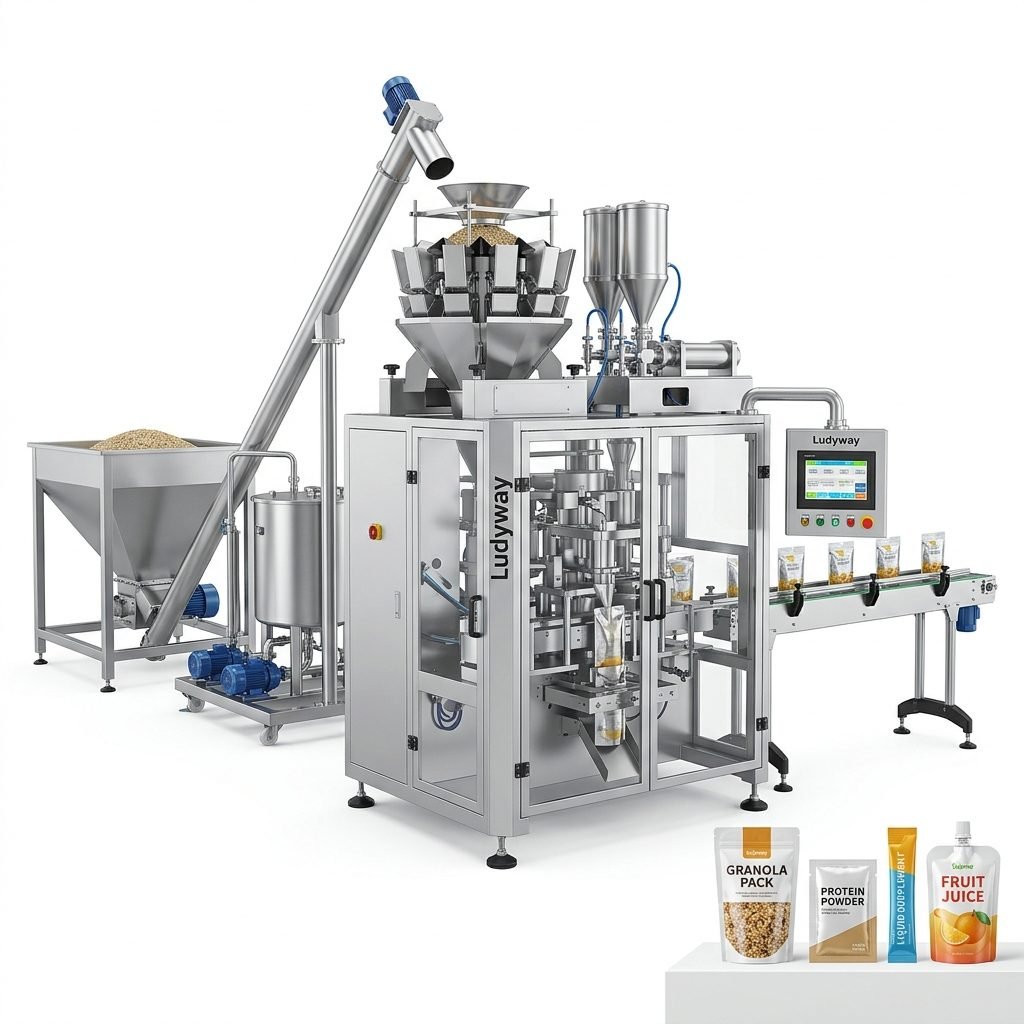
Advantages of Integrating Auger Fillers into Complete Packaging Lines
A standalone filler can solve dosing challenges, but a fully integrated line creates much more value. When the auger filler is connected with feeding systems, packaging machines, sealing units, inspection devices, and end-of-line automation, manufacturers gain better productivity and more stable output.
A complete solution may include:
- Vacuum feeder or screw conveyor
- Auger dosing and filling unit
- Vertical form fill seal or premade pouch machine
- Nitrogen flushing or dust extraction
- Checkweigher and metal detector
- Date coding and labeling
- Cartoning and case packing equipment
- Palletizing and conveying systems
This integrated approach reduces manual intervention, improves package uniformity, and supports future production scaling.
Maintenance and Operational Best Practices
To maintain filling accuracy and machine life, routine inspection is essential. Auger systems are durable, but performance depends on proper cleaning, calibration, and part wear monitoring.
- Clean the hopper and auger assembly regularly
- Check screw wear for abrasive powders
- Calibrate fill weights based on product density changes
- Monitor agitator and motor performance
- Inspect seals and dust-control components
- Train operators on recipe setting and troubleshooting
Why Manufacturers Are Upgrading to Modern Auger Packing Technology
Rising labor costs, tighter quality standards, and higher demand for flexible packaging formats are driving more companies to automate powder filling. Modern auger packing machines offer a smarter response to these pressures by combining reliable metering, cleaner filling, and compatibility with digital production control.
Businesses that upgrade often see improvements in:
- Packaging speed
- Weight consistency
- Reduced product waste
- Cleaner seals and fewer rejects
- Lower labor dependency
- Greater line scalability
Finding a Reliable Packaging Equipment Partner
Selecting the right supplier is just as important as selecting the right machine. Buyers should look for manufacturers with strong engineering capability, packaging application experience, customization support, and the ability to provide both single machines and turnkey lines.
For businesses seeking integrated solutions for powder and granule packaging, Ludyway packaging machine manufacturer offers a broad portfolio of automated packaging equipment and turnkey line solutions for food, pharmaceutical, health supplement, chemical, and related industries.
Conclusion
An auger packing machine is a practical and high-performance choice for companies that need dependable powder and granule filling. Its ability to handle challenging materials, maintain accurate dosing, and integrate into automatic packaging lines makes it a key asset for modern manufacturing.
Whether your operation focuses on spices, coffee, nutrition powder, pharmaceuticals, supplements, or industrial powders, the right auger filling solution can help improve efficiency, consistency, and long-term production value.