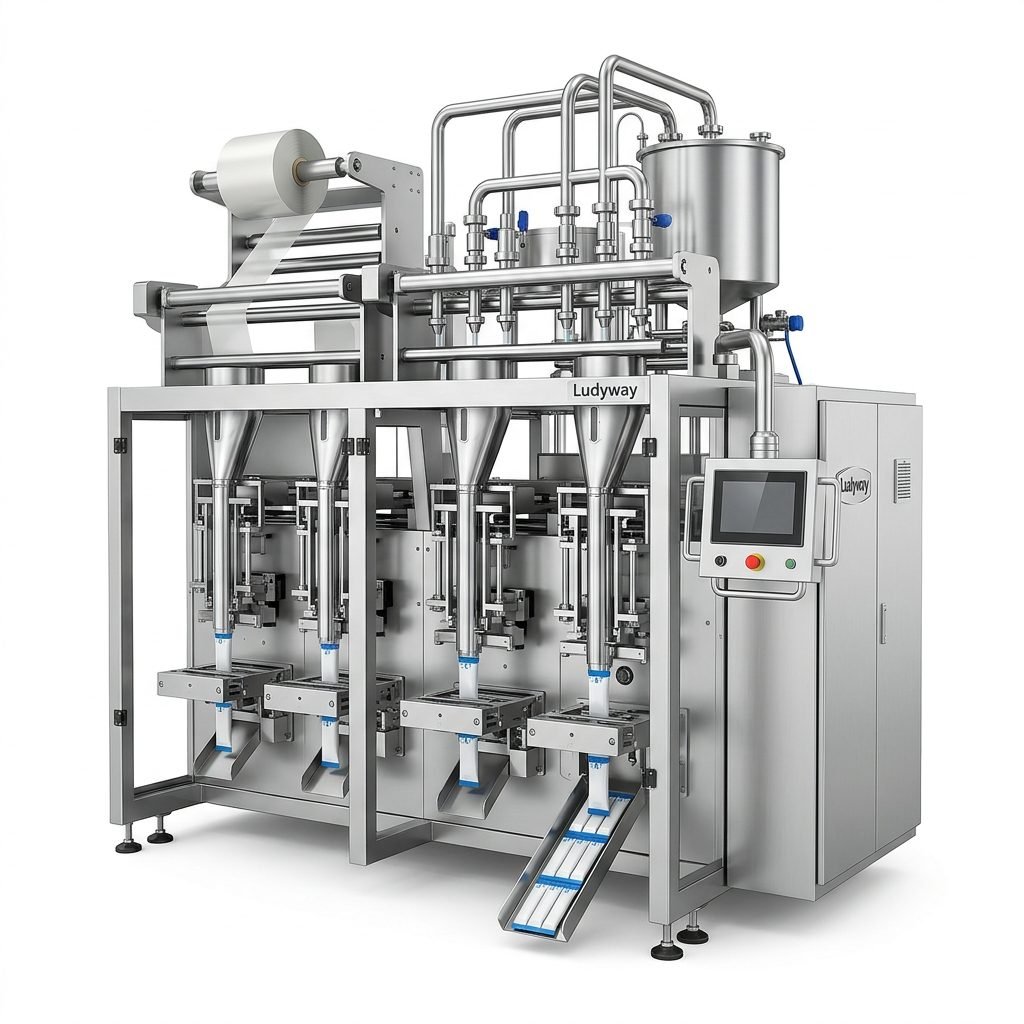
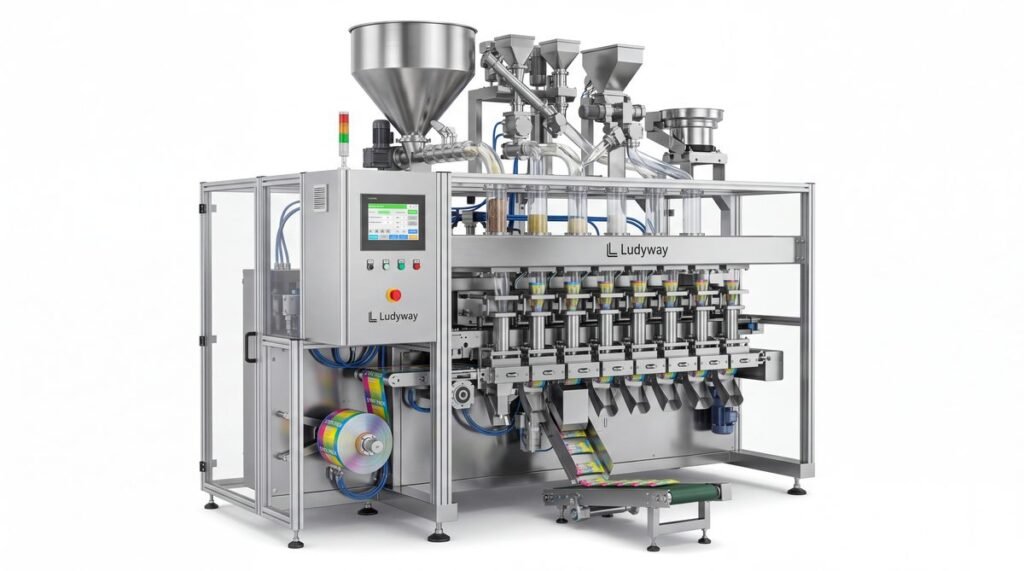
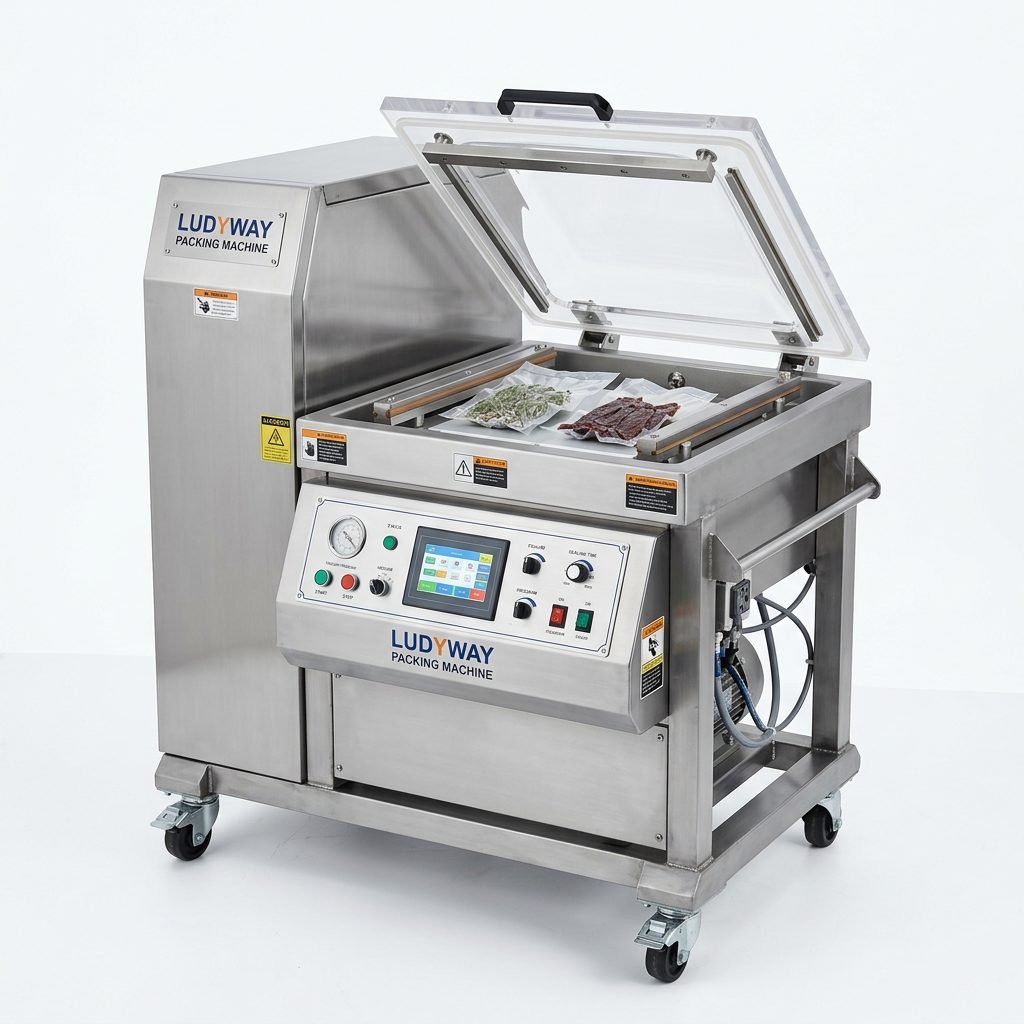
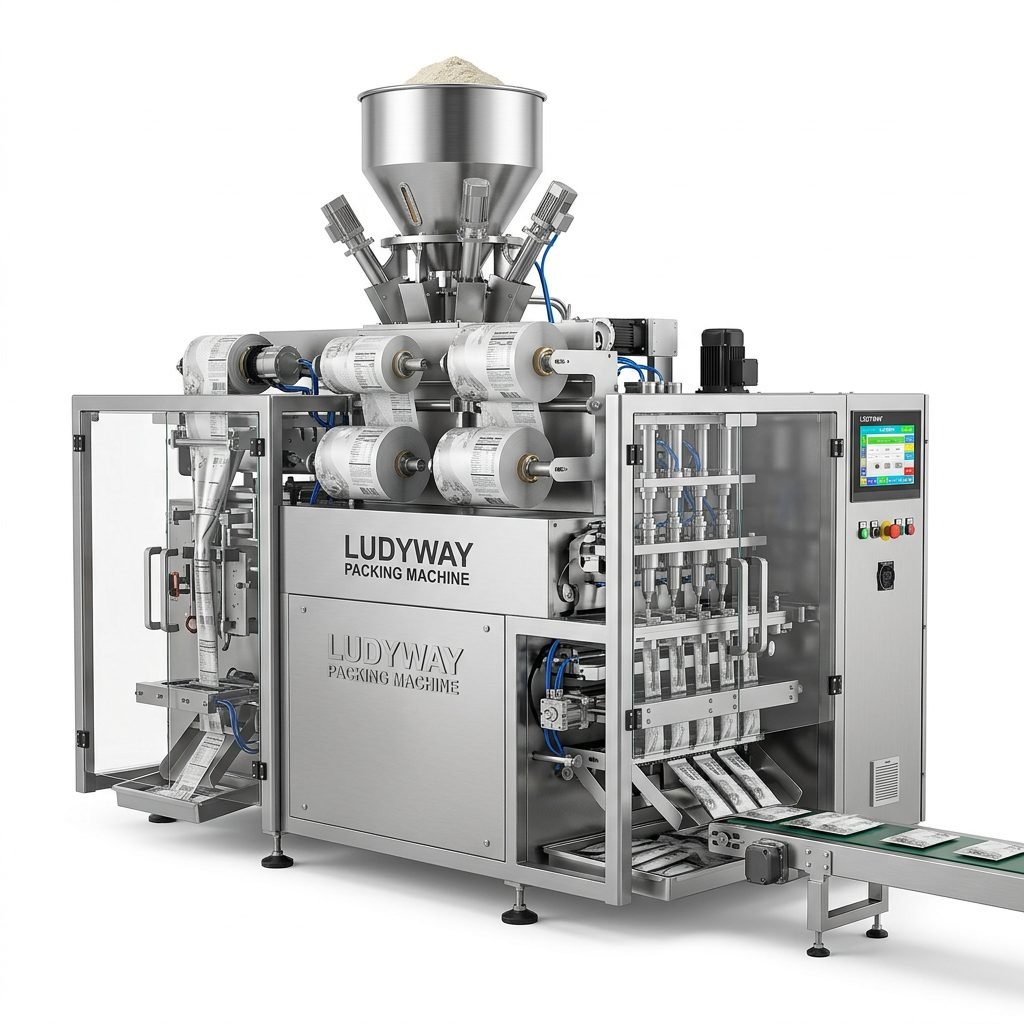
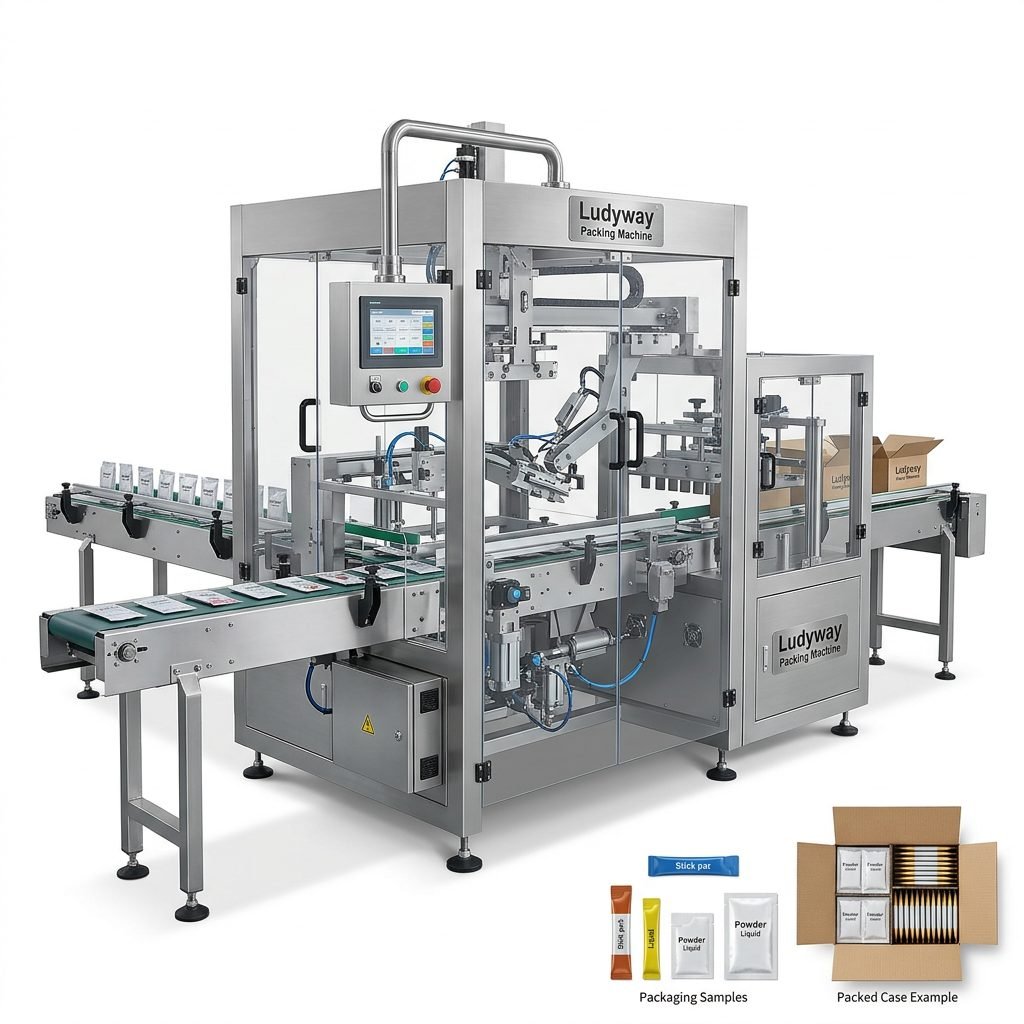
Investing in a carton packing strip machine is a significant decision for any manufacturer or packaging operation. The right equipment can dramatically improve packaging efficiency, reduce labor costs, and ensure product protection during transit. However, with numerous models, configurations, and suppliers available on the market, making an informed choice requires a systematic evaluation of your specific needs.
This comprehensive buyer’s guide walks you through the essential factors to consider when selecting a carton packing strip machine, helping you avoid costly mistakes and find equipment that delivers long-term value for your production line. Whether you are upgrading an existing line or building a new packaging operation, understanding these key considerations will put you on the path to a smarter investment. For broader context on packaging machinery trends, the PMMI State of the Industry reports offer valuable market insights.
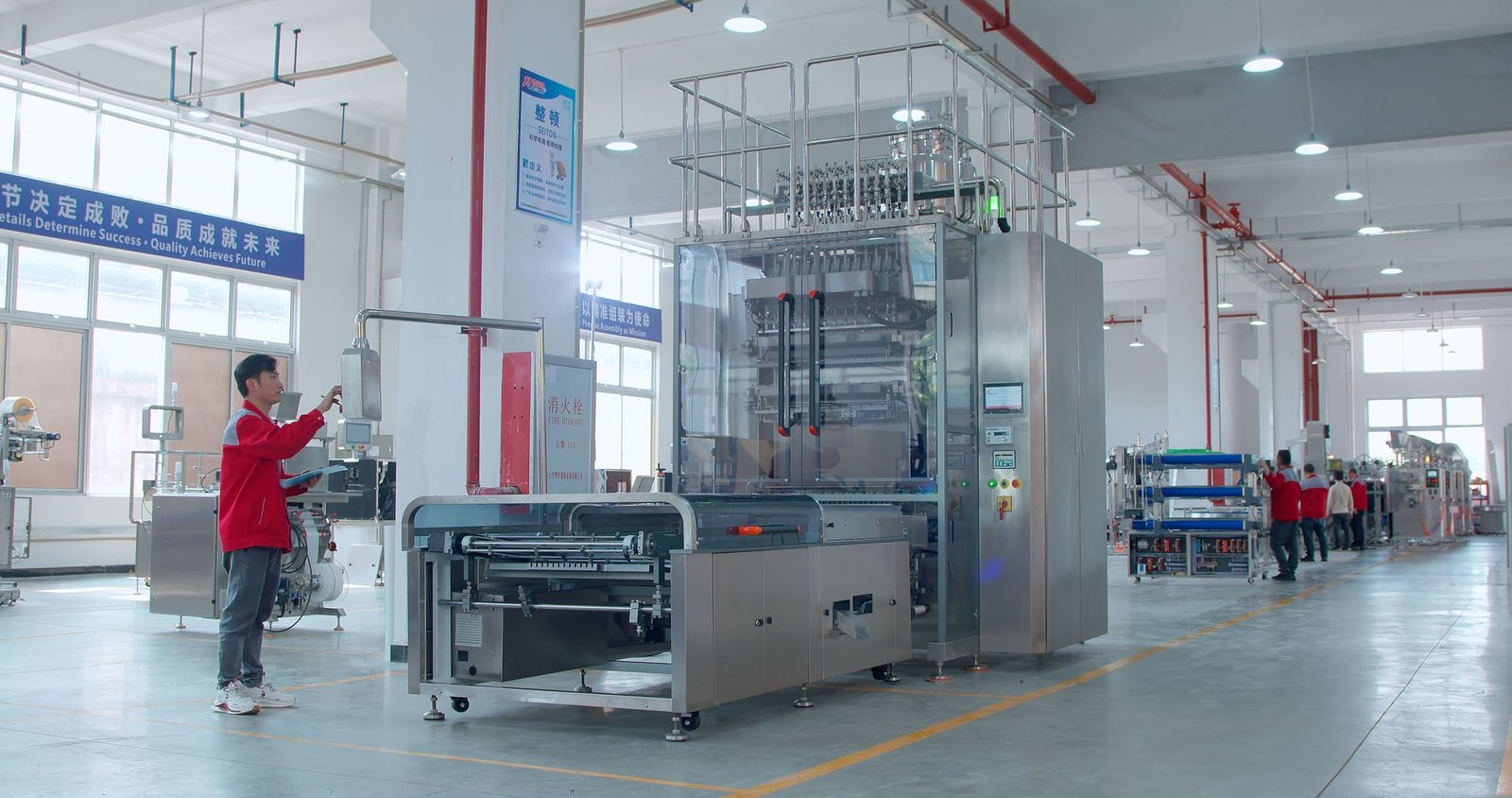
Understanding Carton Packing Strip Machines
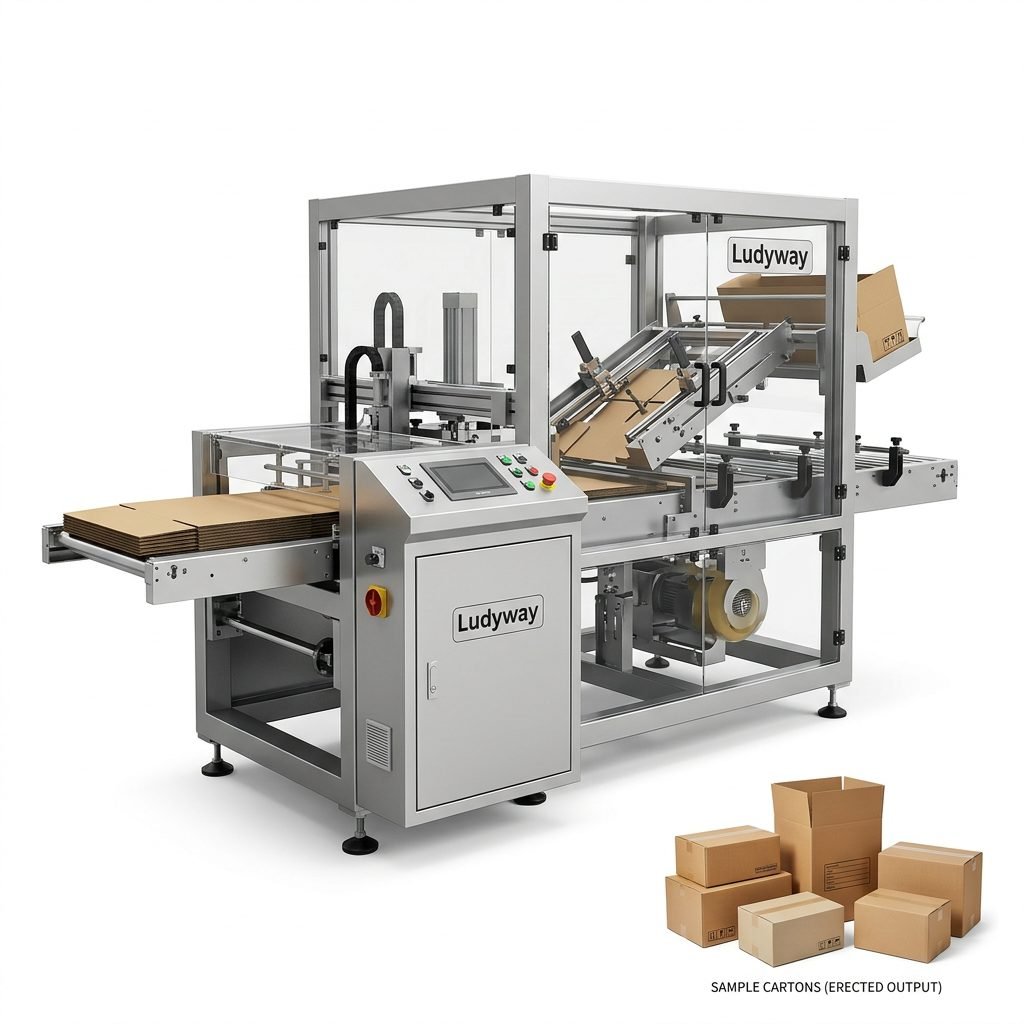
A carton packing strip machine — also referred to as a carton sealing machine, case sealer, or box strapping machine — is designed to securely close and seal corrugated boxes or cartons using adhesive tape, hot melt glue, or strapping materials. These machines are widely used across food and beverage, pharmaceutical, e-commerce logistics, cosmetics, and consumer goods industries where consistent, high-volume carton sealing is required.
Modern carton packing strip machines range from semi-automatic units suited for small-to-medium operations to fully automatic high-speed systems integrated into larger packaging lines. Understanding where your operation falls on this spectrum is the first step in narrowing down your options.
Key Factors to Evaluate Before Buying
Selecting the right carton packing strip machine involves more than just comparing price tags. Below are the critical evaluation criteria that should guide your decision-making process.
1. Production Volume and Speed Requirements
Your current and projected production throughput is the single most important factor in machine selection. Carton packing strip machines are typically rated by cases per minute (CPM). A small workshop processing 100 cartons per day has very different requirements from a large distribution center handling thousands of packages per shift.
- Low-volume operations (under 5 CPM): Semi-automatic or manual-assist machines may suffice
- Medium-volume operations (5-15 CPM): Automatic case sealers with moderate speed capabilities
- High-volume operations (15-40+ CPM): Fully automatic high-speed systems with automated feeding and discharge
Always factor in future growth projections when evaluating speed requirements — a machine that barely meets today’s demand may become a bottleneck within two years.
2. Carton Size Range and Adjustability
Carton dimensions — length, width, and height — directly determine which machines are compatible with your packaging line. Many machines offer adjustable guides and conveyors to accommodate different box sizes, but there are practical limits to this flexibility.
| Machine Type | Typical Size Range | Changeover Time |
|---|---|---|
| Fixed-size carton sealer | Single box size only | N/A (dedicated) |
| Manual-adjust sealer | Small to medium range | 5-15 minutes per changeover |
| Automatic-adjust sealer | Wide range with servo control | Under 1 minute (programmable) |
| Random case sealer | Mixed sizes in sequence | No changeover required |
If your operation processes multiple carton sizes throughout a single shift, investing in a machine with rapid changeover or random-size capability can significantly reduce downtime.
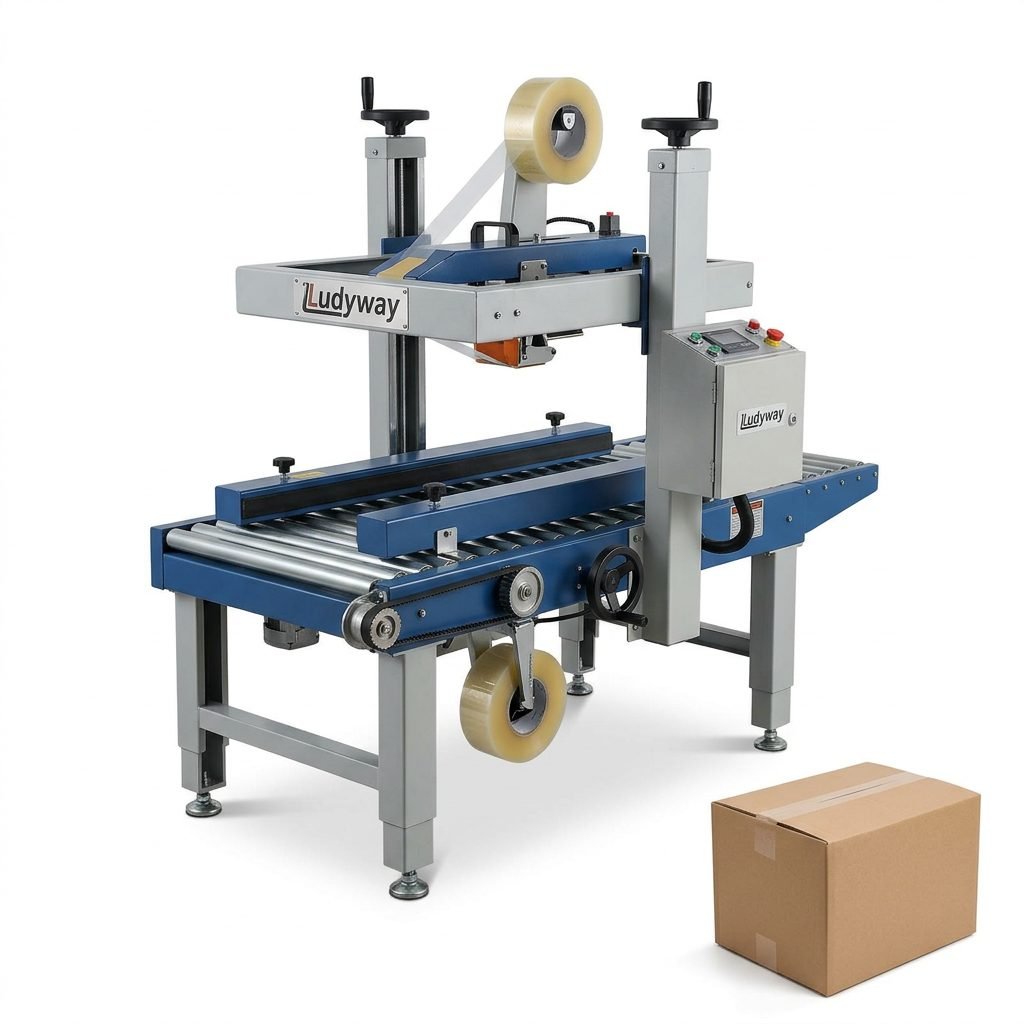
3. Sealing Method and Material Compatibility
Different carton packing strip machines use different sealing technologies. The choice depends on your carton material, product weight, storage conditions, and tamper-evidence requirements.
- Pressure-sensitive tape (PSA): Most common for standard corrugated boxes; clean and easy to apply
- Water-activated (gummed) tape: Superior bond strength and tamper-evident; ideal for heavy or valuable products
- Hot melt adhesive: High-speed option for dedicated production lines; excellent bonding on challenging surfaces
- Strapping/banding: Used for heavy-duty bundling or when compression is needed
Consult standards from organizations like the Flexible Packaging Association and relevant ISO packaging standards when evaluating material compatibility for your specific application.
4. Machine Footprint and Facility Integration
Before purchasing, carefully assess your available floor space and how the new machine will integrate with existing conveyors, upstream filling equipment, and downstream palletizing systems. Key considerations include:
- Overall machine dimensions and required clearance for maintenance access
- Conveyor height alignment with existing packaging line equipment
- Power supply requirements (voltage, phase, compressed air availability)
- Ergonomic positioning for operators and maintenance personnel
Creating a detailed floor plan with the proposed machine placement can prevent costly installation surprises.
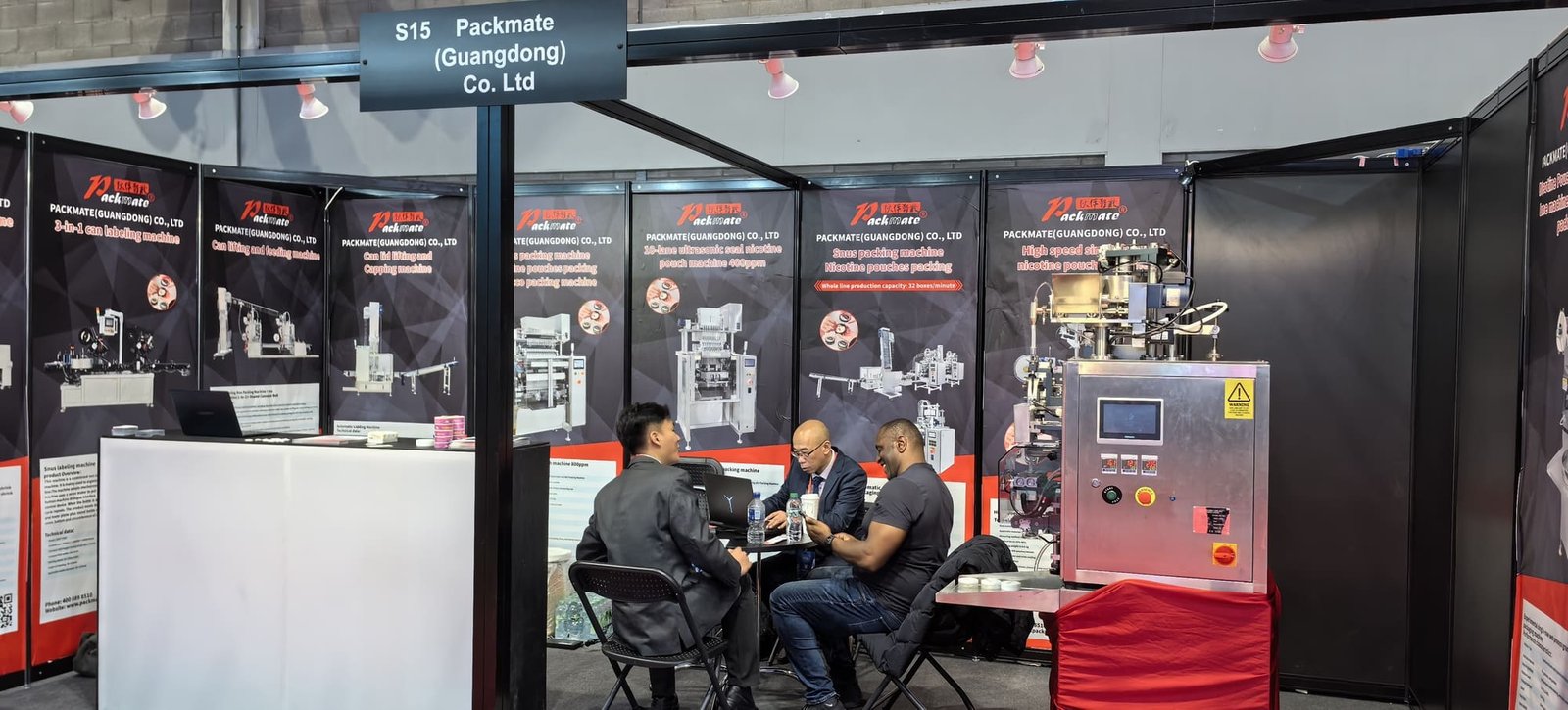
5. Automation Level and Labor Considerations
The degree of automation you choose affects not only initial cost but also ongoing labor requirements, operator training needs, and long-term operational efficiency.
Semi-automatic machines require an operator to fold carton flaps and feed boxes into the machine. They are cost-effective for lower volumes and offer flexibility for varied box sizes. Fully automatic machines handle flap folding, box feeding, sealing, and discharge without manual intervention, making them ideal for high-volume lines where labor reduction is a priority.
Consider your local labor market conditions — in regions with high labor costs or difficulty finding skilled operators, a higher upfront investment in automation can deliver faster payback through reduced staffing requirements.
Evaluating Build Quality and Reliability
The construction quality of a carton packing strip machine directly impacts its lifespan, maintenance frequency, and overall reliability. Look for machines built with:
- Heavy-gauge steel frames that resist vibration and maintain alignment over years of operation
- Corrosion-resistant components, especially important in food, pharmaceutical, or humid production environments
- Industrial-grade motors and drives from recognized automation suppliers
- Easily accessible wear parts that simplify routine maintenance and reduce downtime
Request detailed specifications on frame construction materials, component sourcing, and expected service intervals when evaluating different manufacturers. A machine may look similar on the outside but differ substantially in internal build quality.
Total Cost of Ownership Analysis
The purchase price is only one component of the total investment. A comprehensive total cost of ownership (TCO) analysis should account for:
| Cost Category | Considerations | Estimated Share of TCO |
|---|---|---|
| Initial purchase price | Machine cost, shipping, import duties if applicable | 40-55% |
| Installation and commissioning | Site preparation, integration, operator training | 5-10% |
| Consumables (tape/glue/strapping) | Ongoing material costs at expected volumes | 20-30% |
| Maintenance and spare parts | Routine service, wear part replacement, unexpected repairs | 5-10% |
| Energy consumption | Electricity and compressed air usage | 2-5% |
Request lifecycle cost estimates from potential suppliers and compare not just the upfront price but the projected costs over a 5-7 year operating period. A machine with a higher initial price but lower consumable usage and maintenance requirements can be the more economical choice in the long run.
Supplier Selection and Support Infrastructure
Choosing the right equipment partner is as important as choosing the right machine. A reliable supplier provides more than hardware — they offer technical expertise, responsive after-sales support, and long-term partnership that keeps your production line running smoothly.
What to Look for in a Supplier
- Industry experience and track record: How long has the company been manufacturing carton packing equipment? Can they provide references from similar applications?
- Spare parts availability: Are critical spare parts stocked locally or regionally? What are typical lead times for replacement components?
- Technical support capabilities: Does the supplier offer remote diagnostics, on-site service, or operator training programs?
- Warranty terms and conditions: What is covered, for how long, and what are the exclusions?
- Installation and commissioning services: Will the supplier handle installation and ensure the machine meets specified performance criteria?
Companies like Ludyway Machinery, a China-based packaging machinery manufacturer with over 30 years of experience and a 20,000-square-meter manufacturing facility, serve customers in more than 100 countries. When evaluating any supplier, verify their engineering capabilities, manufacturing standards, and commitment to after-sales technical support throughout the equipment lifecycle.
Technology Trends and Future-Proofing
Modern carton packing strip machines increasingly incorporate smart features that improve efficiency and provide operational insights. When making a capital equipment investment, consider whether these capabilities align with your long-term operational goals:
- Servo-driven adjustments for rapid, programmable size changeovers without manual intervention
- Integrated sensors and vision systems for quality inspection and reject management
- IoT connectivity and data collection for performance monitoring, OEE tracking, and predictive maintenance
- Energy-efficient motor systems that reduce operational costs and support sustainability goals
- Remote access capabilities that allow supplier technicians to diagnose issues without an on-site visit
For the latest developments in packaging automation and industry benchmarks, resources from the PMMI Business Intelligence Library and PACK EXPO International provide valuable perspectives on emerging technologies.
Making the Final Decision
After evaluating all technical and commercial factors, consolidate your findings into a structured comparison. Key steps in finalizing your decision include:
- Request detailed quotations from 3-4 qualified suppliers with comparable specifications
- Conduct factory acceptance testing (FAT) or request video demonstrations of the machine running with your actual carton dimensions
- Check references from customers with similar applications and production volumes
- Negotiate terms covering warranty, spare parts packages, training, and after-sales support
- Plan installation logistics well in advance to minimize production disruption during commissioning
Selecting the right carton packing strip machine is an investment that pays dividends through improved packaging quality, reduced labor costs, and increased throughput. By systematically evaluating your production requirements, understanding the available technologies, and partnering with a reputable equipment manufacturer, you can make a confident decision that supports your business growth for years to come.
For further reading on packaging machinery standards, the FDA Food Packaging and Food Contact Substances page provides regulatory guidance relevant to food and pharmaceutical packaging operations.