Industrial packing machines are the backbone of modern manufacturing, helping businesses package products faster, more accurately, and with better consistency. Whether you produce food, pharmaceuticals, chemicals, cosmetics, or feed products, the right packaging system can improve output, reduce waste, and support long-term automation goals.
This guide explains the main types of industrial packing machines, their core features, and how to choose the right equipment for efficient packaging operations.
What Is an Industrial Packing Machine?
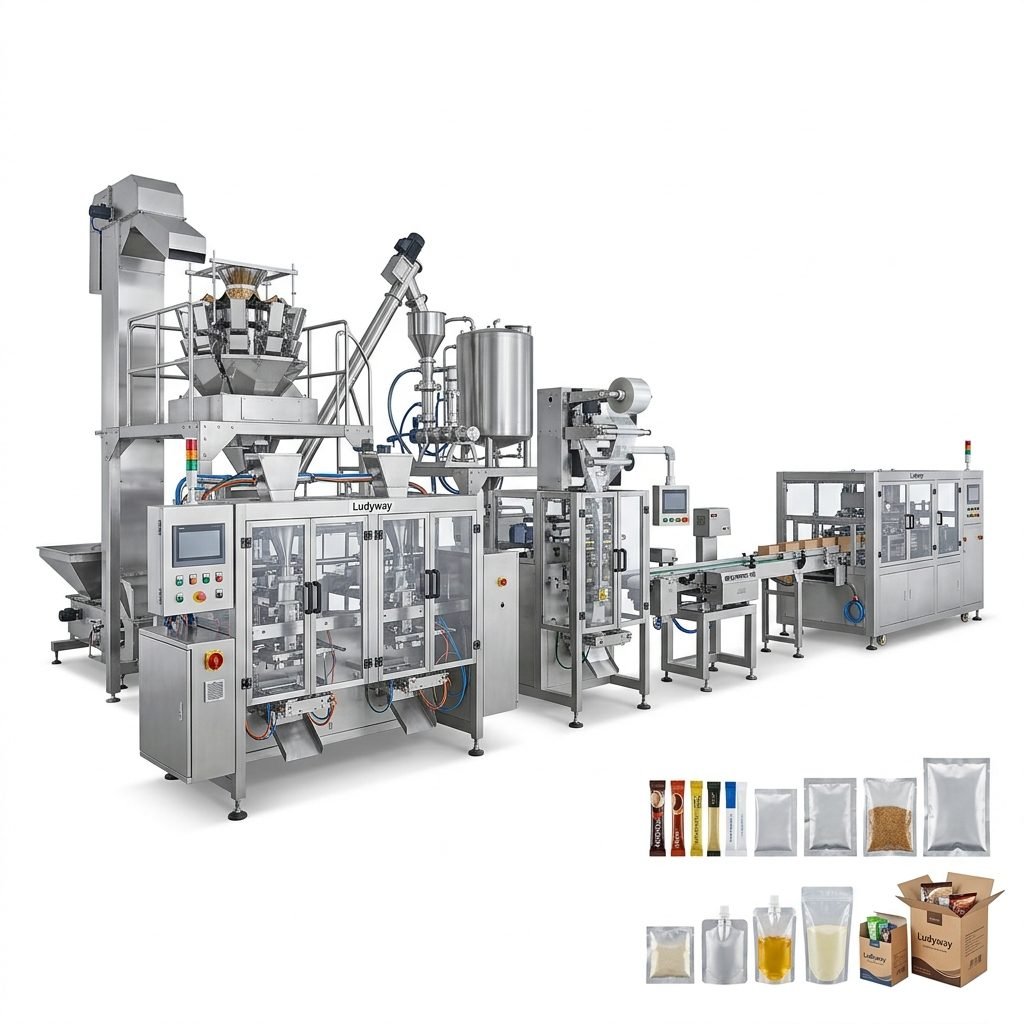
An industrial packing machine is automated or semi-automated equipment designed to fill, seal, wrap, count, weigh, label, or carton products for commercial distribution. These machines are used in factories and production facilities where speed, hygiene, repeatability, and packaging quality are critical.
Depending on the product and packaging format, a packing machine may handle powders, granules, liquids, pastes, tablets, capsules, pellets, pouches, sachets, bottles, cartons, or bags.
Why Industrial Packing Machines Matter
- Increase production efficiency and throughput
- Reduce manual labor and operator error
- Improve fill accuracy and sealing consistency
- Support hygienic and compliant production environments
- Lower material waste and product giveaway
- Enable scalable automation for growing businesses
For many manufacturers, investing in the right machine is not just about packaging products faster—it is about building a more reliable and profitable production line.
Main Types of Industrial Packing Machines
1. Vertical Form Fill Seal Machines
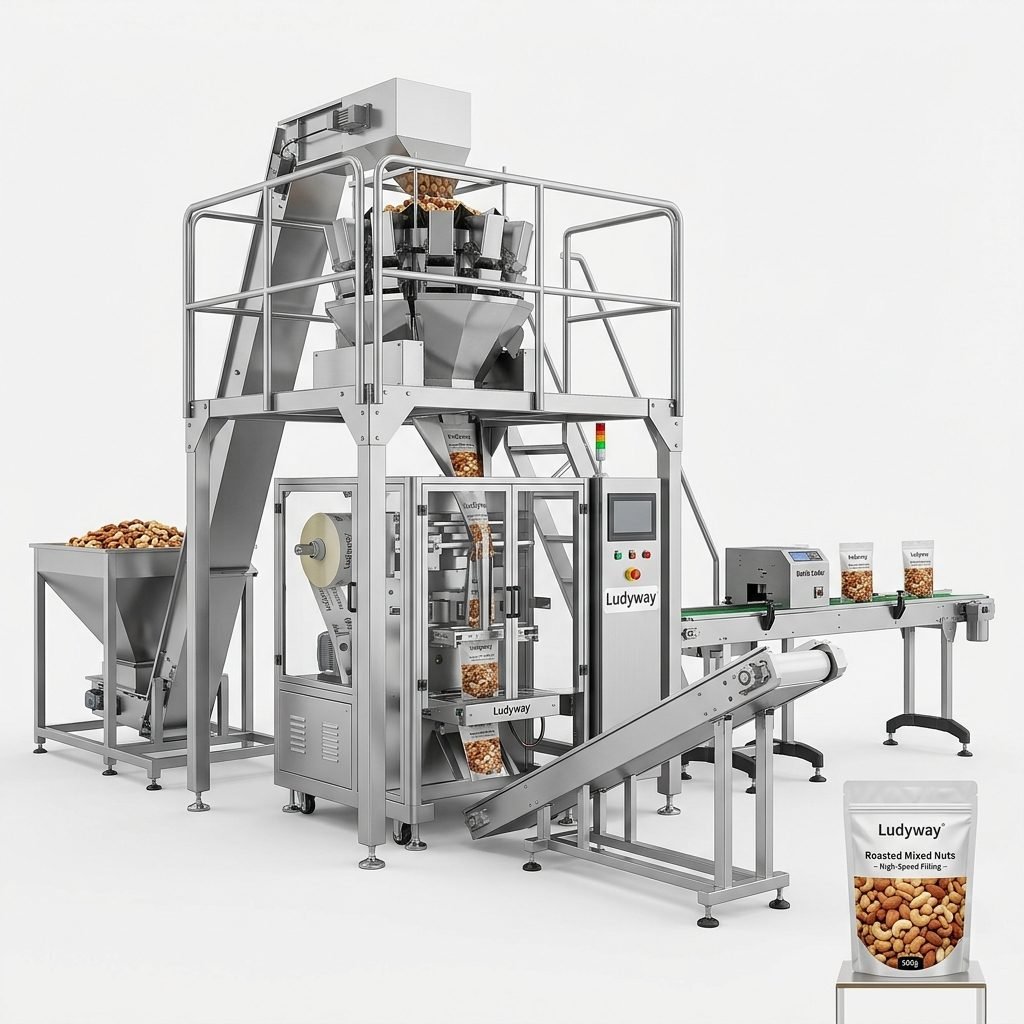
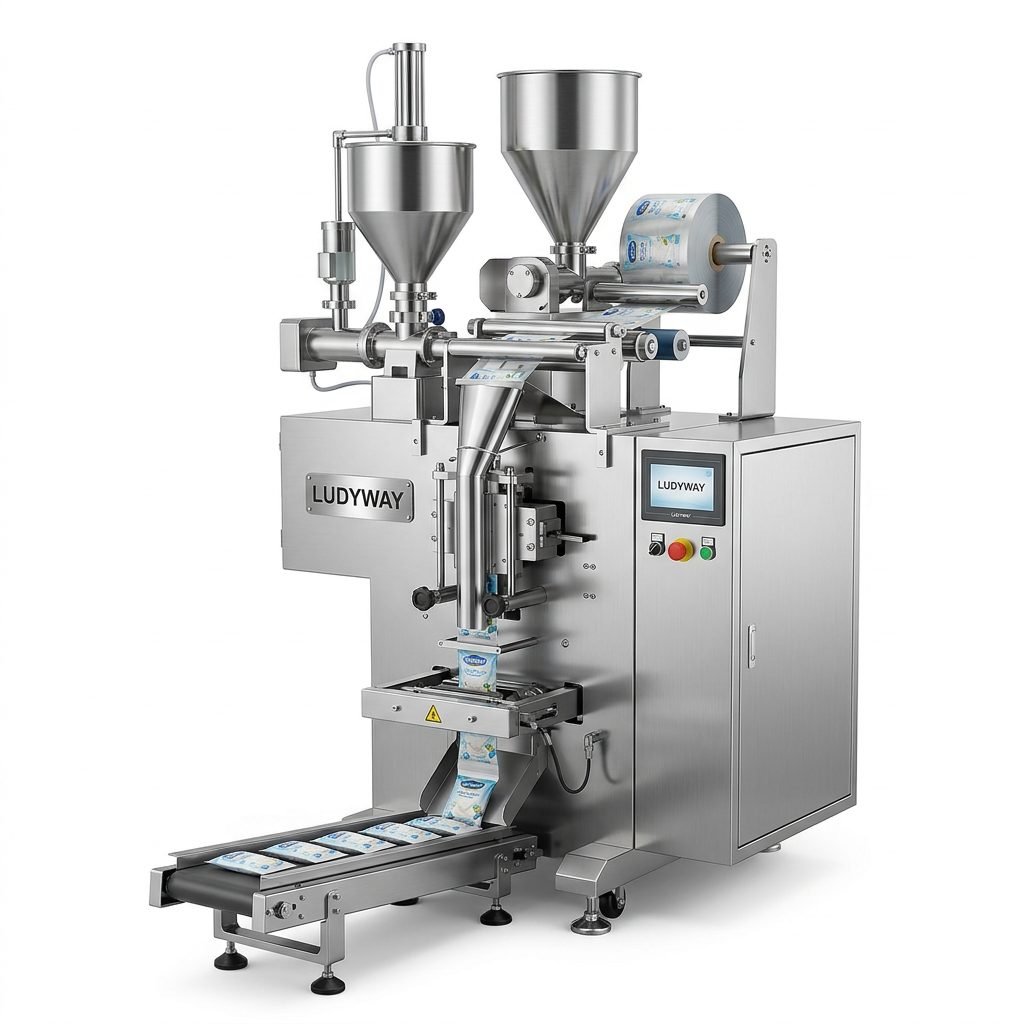
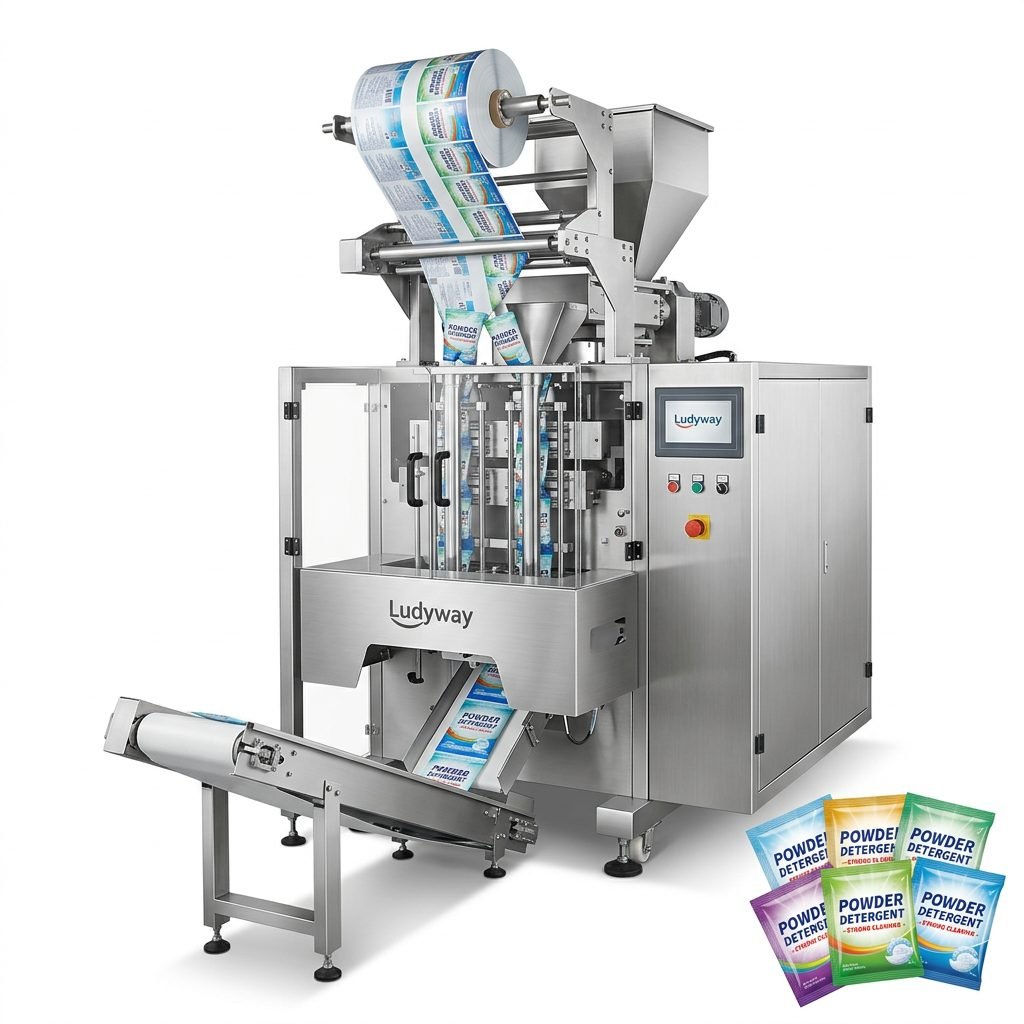
Vertical form fill seal (VFFS) machines create bags from roll film, fill them with product, and seal them in one continuous process. They are widely used for powders, granules, snacks, seeds, coffee, and chemical materials.
- Suitable for pillow bags, gusset bags, and stick packs
- High-speed and space-saving design
- Ideal for free-flowing and semi-free-flowing products
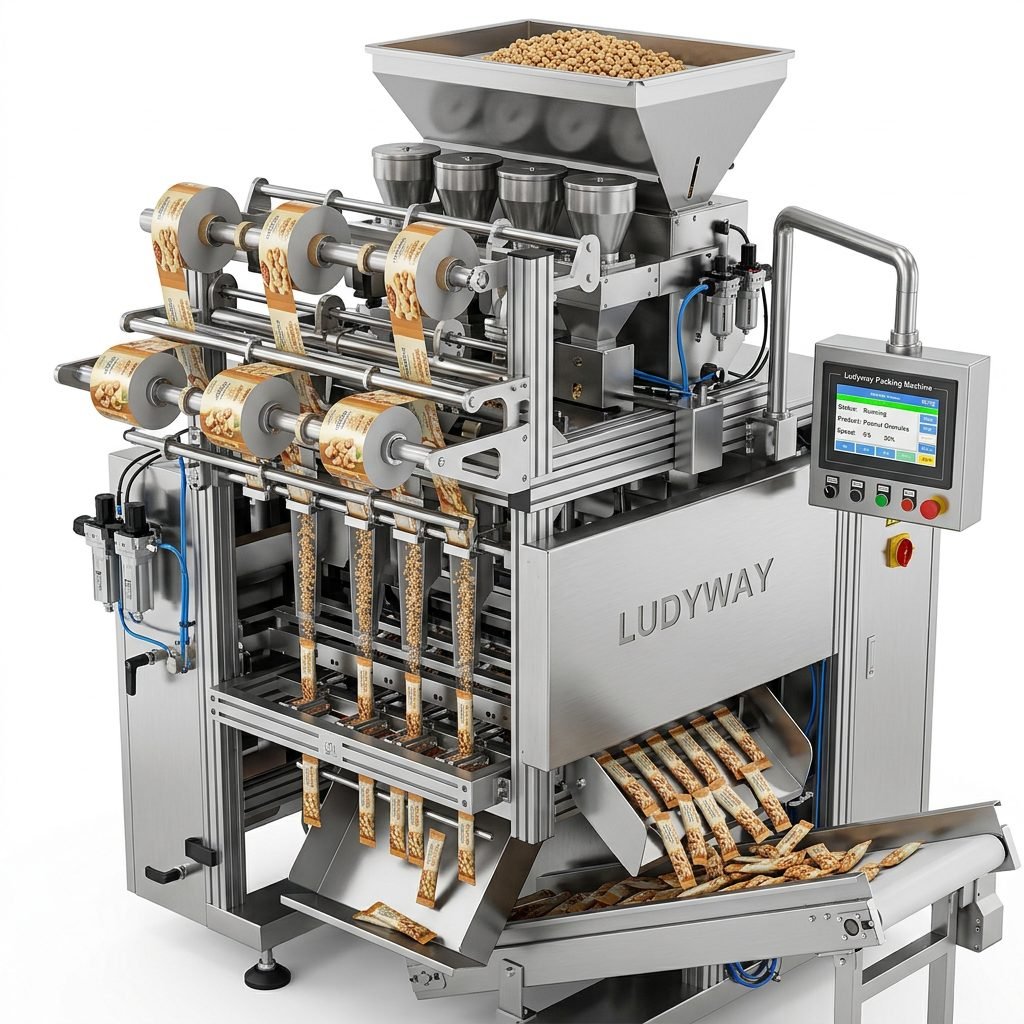
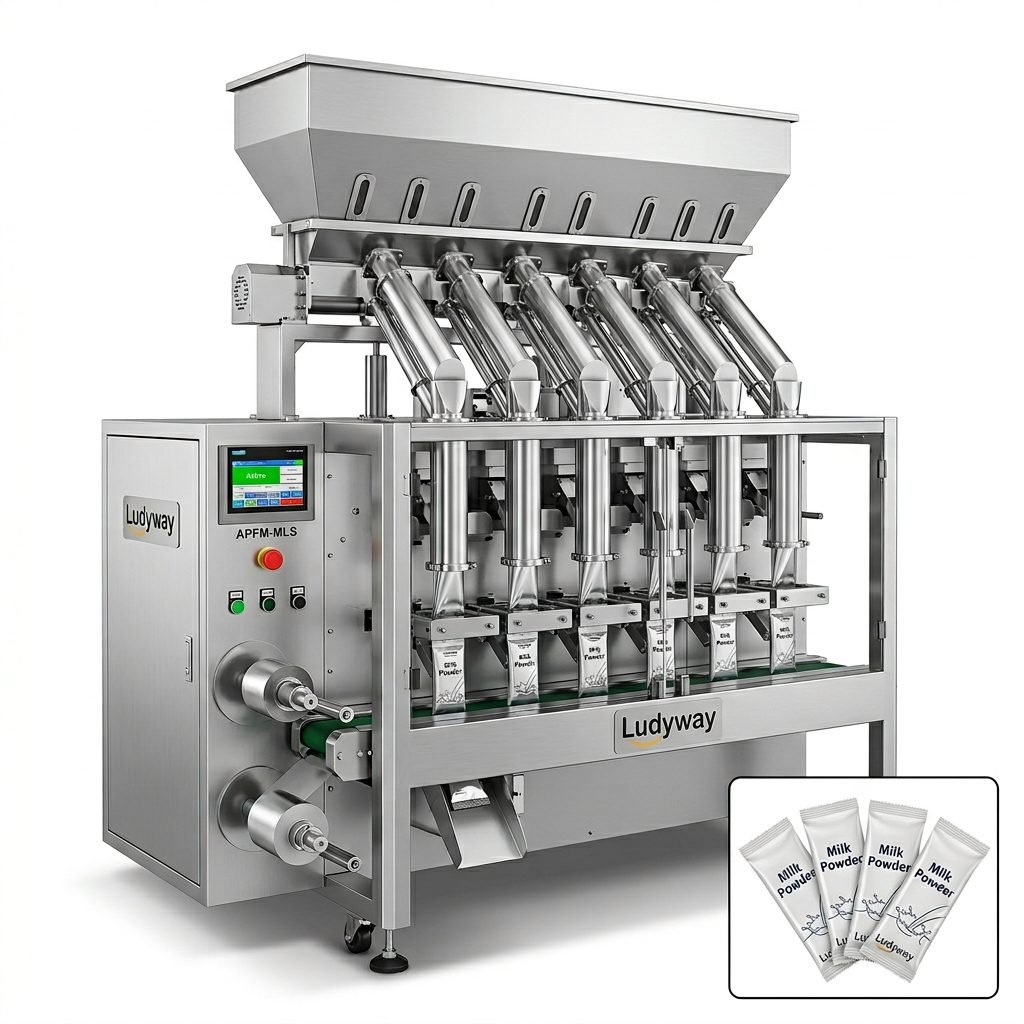
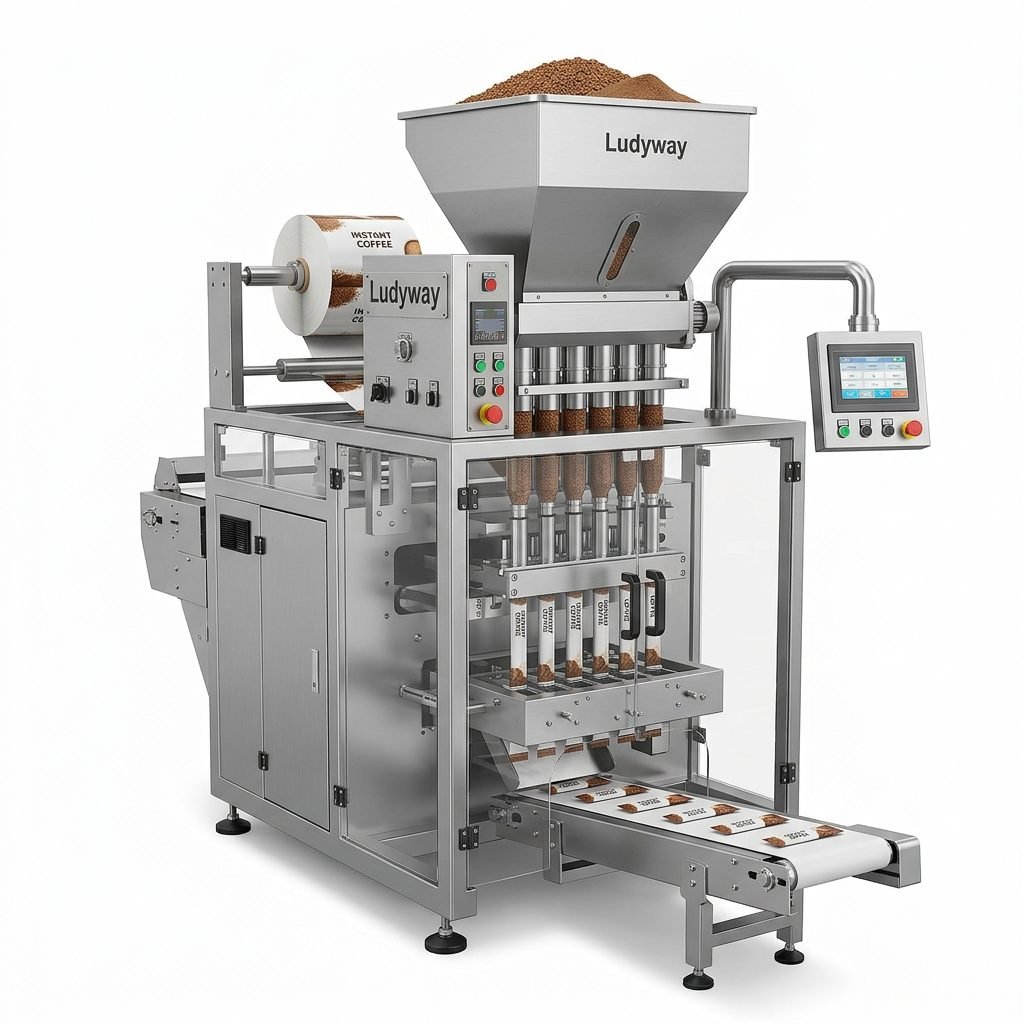
2. Sachet and Stick Pack Machines
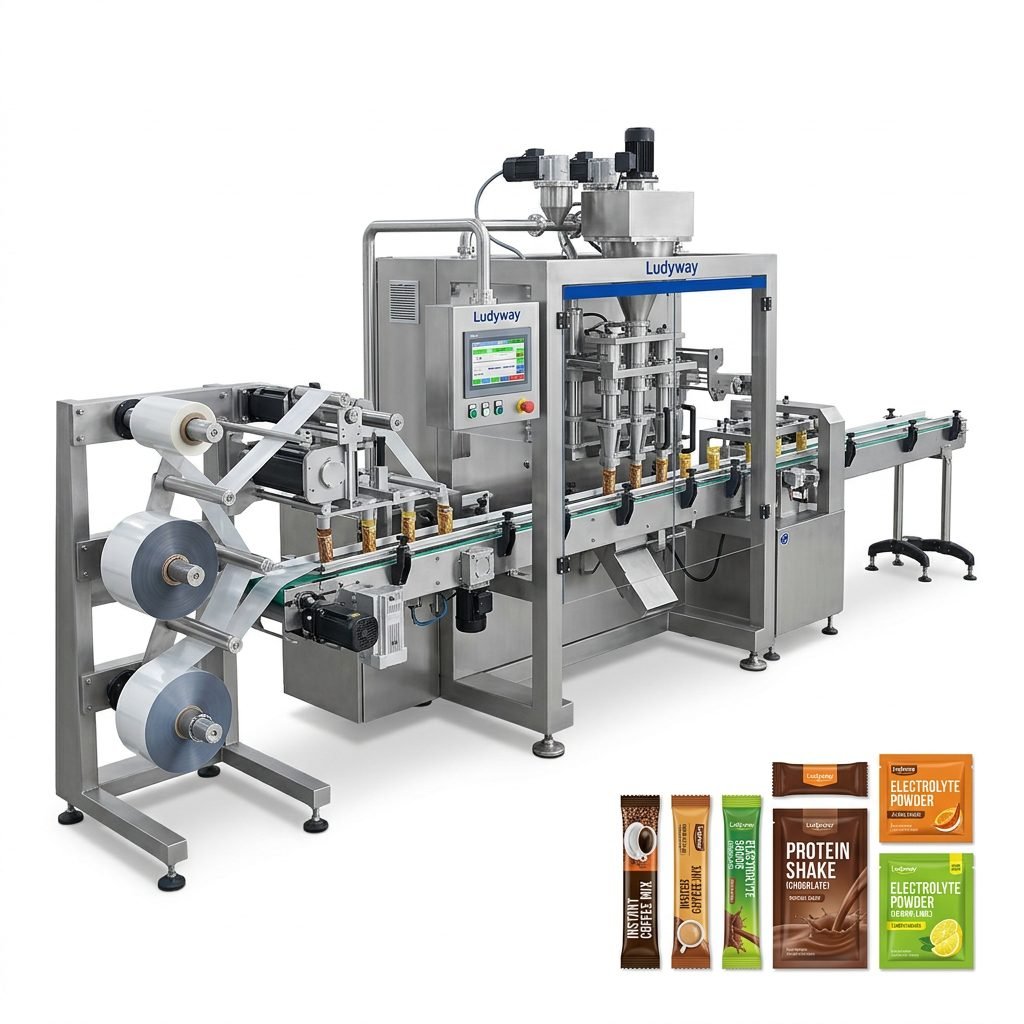
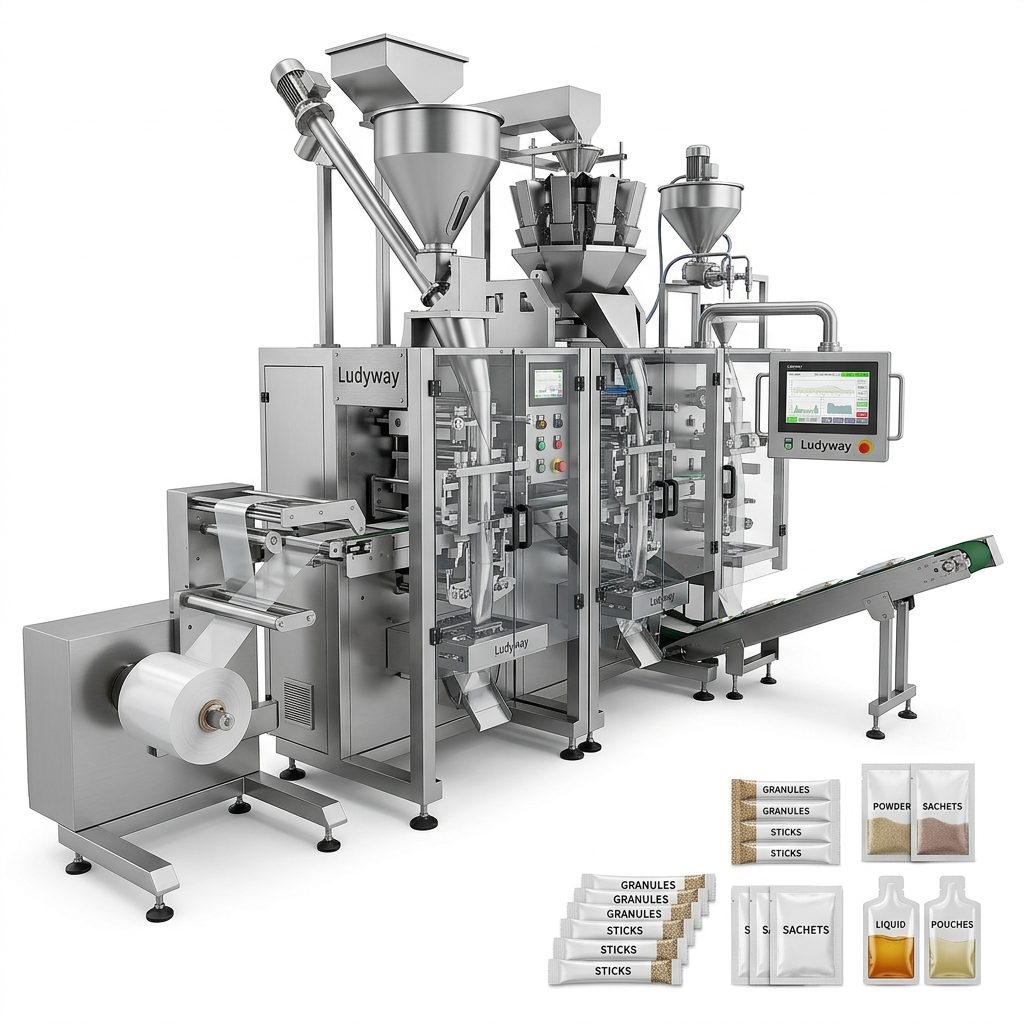
These machines are designed for small-dose packaging and are common in food, pharmaceutical, and health supplement industries. They are ideal for sugar, instant coffee, protein powder, oral rehydration salts, sauces, shampoos, and similar products.
- Supports single-lane or multi-lane output
- Excellent for retail-ready single-serve packaging
- Reduces packaging material usage per dose
3. Premade Pouch Packing Machines
Premade pouch machines fill and seal ready-made pouches such as stand-up pouches, zipper pouches, and flat pouches. They are popular for premium packaging applications.
- High packaging appearance quality
- Suitable for liquids, powders, granules, and pastes
- Can integrate with zipper opening, nitrogen flushing, and coding systems
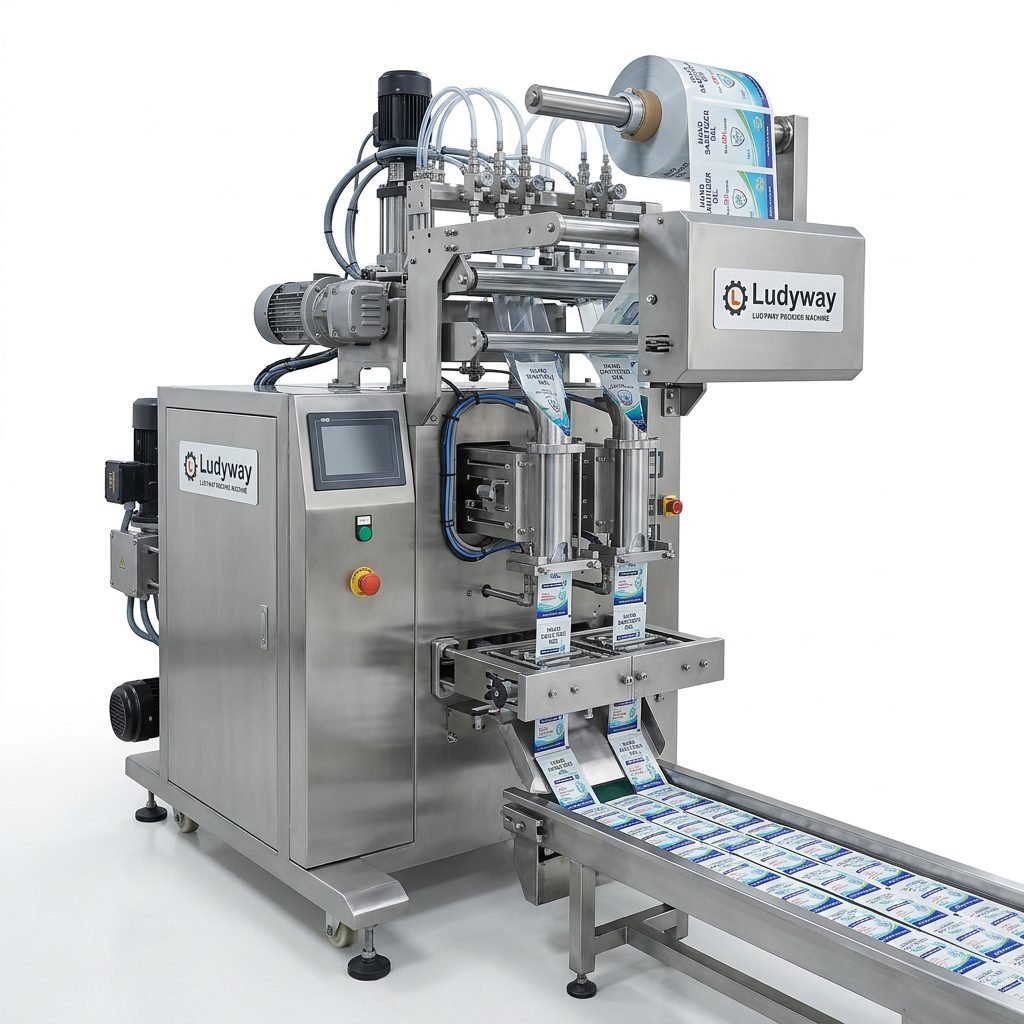
4. Liquid and Paste Filling Machines
These machines are used for products such as sauces, oils, syrups, detergents, lotions, and cosmetic serums. Depending on viscosity, they may use piston filling, pump filling, or gravity filling systems.
5. Powder Packing Machines
Powder packaging equipment commonly uses auger fillers for accurate dosing. It is ideal for milk powder, protein powder, spices, pharmaceutical powders, and chemical powders.
6. Granule Packing Machines
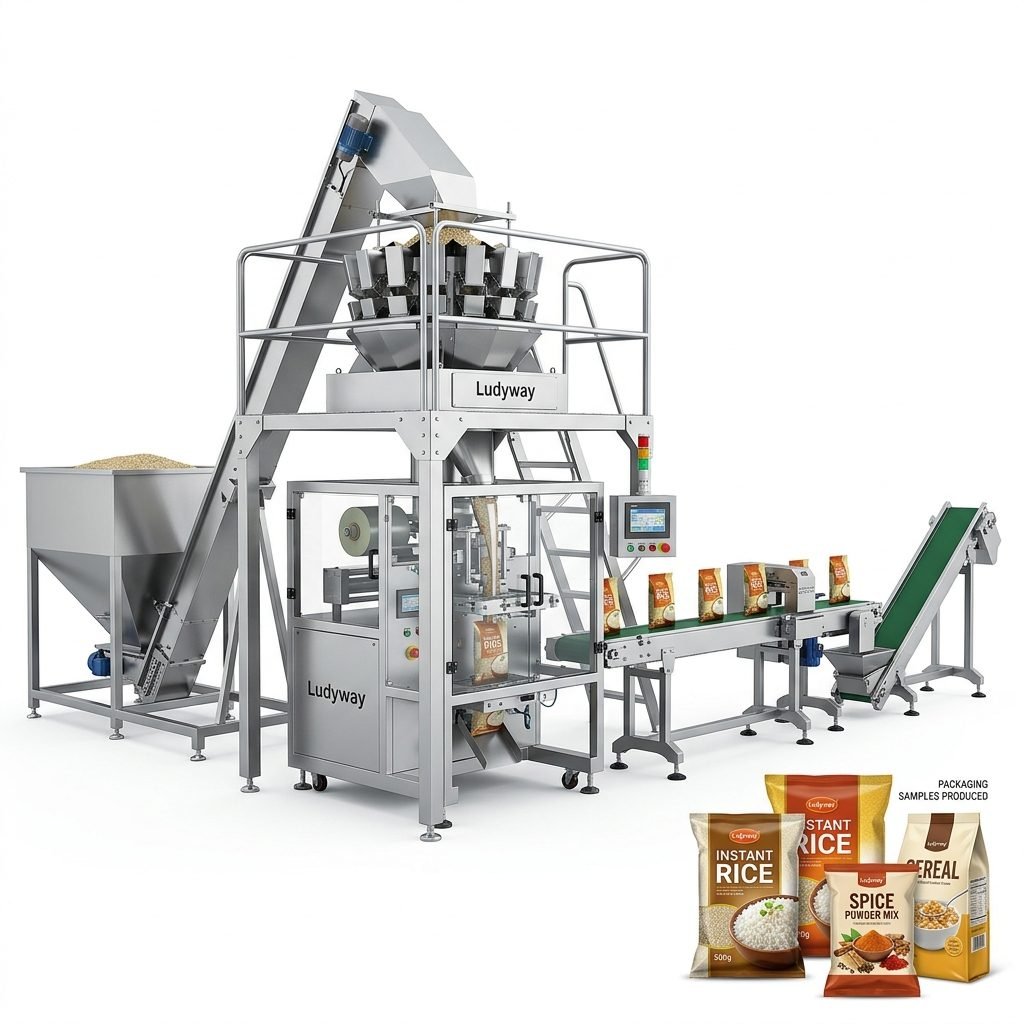
Granule packing machines work well with sugar, salt, seeds, beans, feed additives, pellets, and fertilizer granules. They often use cup fillers, linear weighers, or multihead weighing systems.
7. Vacuum Packaging Machines
Vacuum packaging removes air before sealing, helping extend shelf life and preserve product freshness. This type is widely used for food, freeze-dried products, and some medical or industrial materials.

8. Cartoning and End-of-Line Packaging Machines
After primary packaging, many products move into cartoning, case packing, labeling, coding, checkweighing, metal detection, palletizing, and wrapping systems. These machines complete the secondary and tertiary packaging process.
Industrial Packing Machine Comparison Table
| Machine Type | Best For | Common Product Types | Key Advantage |
|---|---|---|---|
| VFFS Machine | High-volume bag making and filling | Powders, granules, snacks | Fast and compact |
| Sachet/Stick Pack Machine | Single-dose packaging | Coffee, sugar, supplements, sauces | High-speed small-format packaging |
| Premade Pouch Machine | Premium pouch packaging | Liquids, powders, pet food | Strong shelf appeal |
| Powder Packing Machine | Fine and dusty materials | Spices, milk powder, pharma powders | Accurate auger dosing |
| Liquid Filling Machine | Fluid and viscous products | Oil, shampoo, syrup, lotion | Controlled filling precision |
| Vacuum Packaging Machine | Shelf-life extension | Food, dried products, medical items | Better preservation |
Key Features to Look For
Automation Level
Decide whether you need a semi-automatic machine, a fully automatic standalone unit, or a complete packaging line. Fully automated lines are best for high-volume production and labor reduction.
Packaging Speed
Speed should match your actual production goals. Buying a machine that is too slow limits growth, while buying one that is far too large can raise investment and maintenance costs unnecessarily.
Filling Accuracy
Accurate dosing is especially important for expensive powders, pharmaceutical products, and regulated formulations. Consistent fill weight directly affects cost control and customer trust.
Product Compatibility
The machine must suit your product’s physical characteristics, including:
- Particle size
- Flowability
- Moisture content
- Viscosity
- Dust level
- Sensitivity to heat or pressure
Packaging Material Compatibility
Check whether the machine supports laminated film, PE, aluminum foil structures, paper-based packaging, or recyclable materials. This matters for both sealing performance and sustainability targets.
Ease of Cleaning and Maintenance
Food, pharmaceutical, and cosmetic operations often need quick cleaning, easy disassembly, and hygienic contact parts. Stainless steel construction and accessible components are important advantages.
Control System and Smart Functions
Modern packing machines may include touchscreen controls, recipe memory, servo-driven systems, alarm diagnostics, remote support, and data monitoring functions for better line management.
How to Choose the Right Industrial Packing Machine
Define Your Product and Package Format
Start with the basics: what are you packing, and what final package do you need? A powder in stick packs requires a very different system from a liquid in bottles or pellets in bulk bags.
Estimate Daily and Future Capacity
Think beyond today’s production volume. A good machine should support current demand while leaving room for future expansion.
Consider Industry Requirements
Different sectors have different standards:
- Food: hygiene, sealing quality, shelf life
- Pharma: accuracy, validation support, cleanliness
- Chemicals: corrosion resistance, dust control, safe handling
- Cosmetics: clean filling, appearance quality, gentle handling
- Feed: bulk handling, durability, continuous operation
Evaluate Layout and Integration
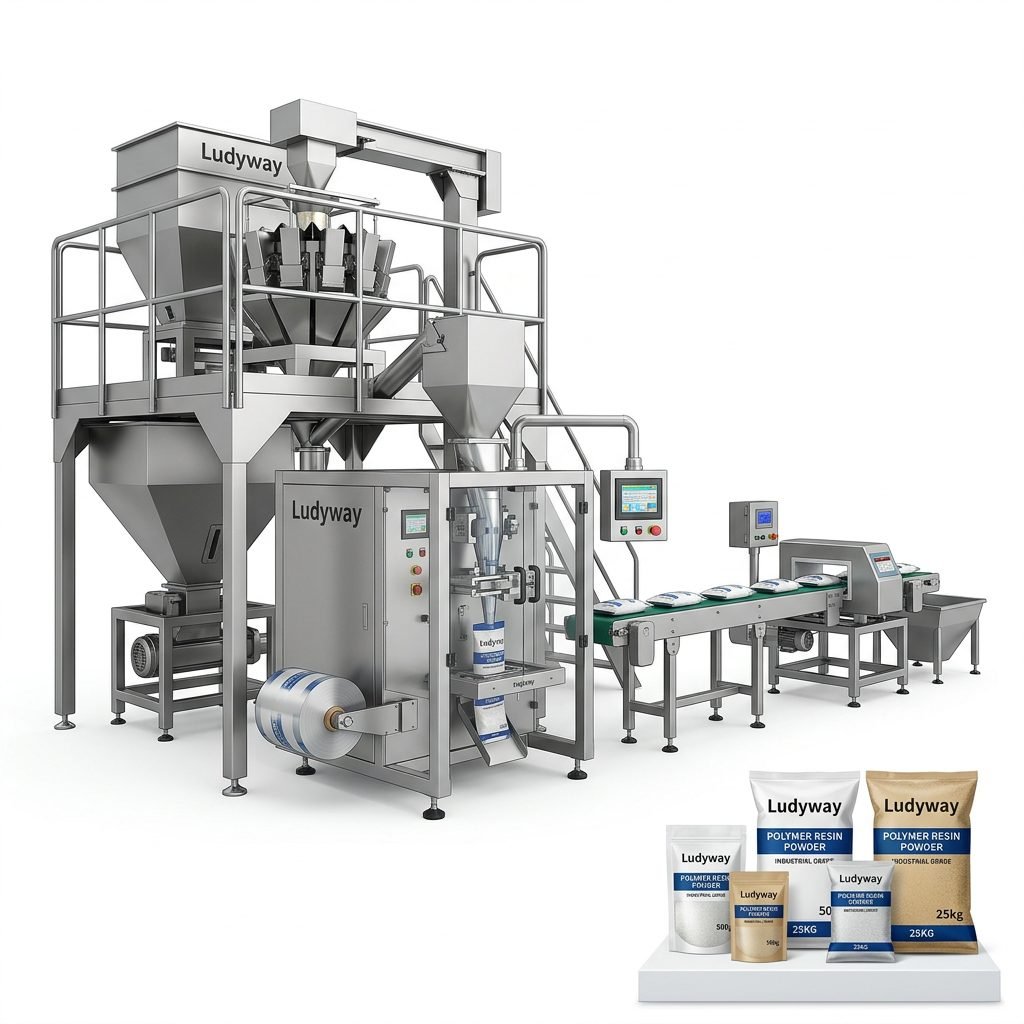
Your machine should fit your factory space and connect smoothly with upstream and downstream equipment such as feeders, conveyors, checkweighers, cartoners, and palletizers.
Check Customization Options
Many buyers need more than a standard machine. Customization may include special dosing systems, multi-lane designs, nitrogen flushing, date coding, zipper functions, dust collection, or line integration.
Assess Supplier Experience
A reliable manufacturer should offer engineering support, testing, installation guidance, spare parts, and after-sales service. If you need a scalable solution, working with an experienced supplier is essential.
Companies such as industrial packing machine manufacturer Ludyway are often considered by global buyers seeking standalone machines and turnkey packaging line solutions across food, pharmaceutical, health supplement, cosmetic, chemical, and feed applications.
Common Buying Mistakes to Avoid
- Choosing a machine based only on price
- Ignoring future production expansion
- Overlooking product-specific filling challenges
- Not confirming packaging material compatibility
- Underestimating maintenance and spare parts needs
- Buying equipment without testing actual samples
Who Uses Industrial Packing Machines?
Industrial packing machines are used by a wide range of businesses, including:
- Food and beverage manufacturers
- Pharmaceutical and nutraceutical companies
- Cosmetic and personal care brands
- Chemical and agricultural product manufacturers
- Animal feed and pet food producers
- Contract packers and OEM factories
Signs It’s Time to Upgrade Your Packaging Equipment
- Frequent downtime disrupts production
- Manual labor costs are rising
- Fill errors cause waste or complaints
- Output no longer keeps up with demand
- Package quality is inconsistent
- Your current line cannot support new product formats
Final Thoughts on Buying for Efficient Packaging
The best industrial packing machine is the one that matches your product, output target, package format, and long-term automation strategy. A well-selected system can help your business improve productivity, protect product quality, and lower operating costs over time.
Before buying, compare machine types carefully, test your product when possible, and work with a manufacturer that understands your industry. With the right equipment in place, efficient packaging becomes a competitive advantage—not just an operational task.