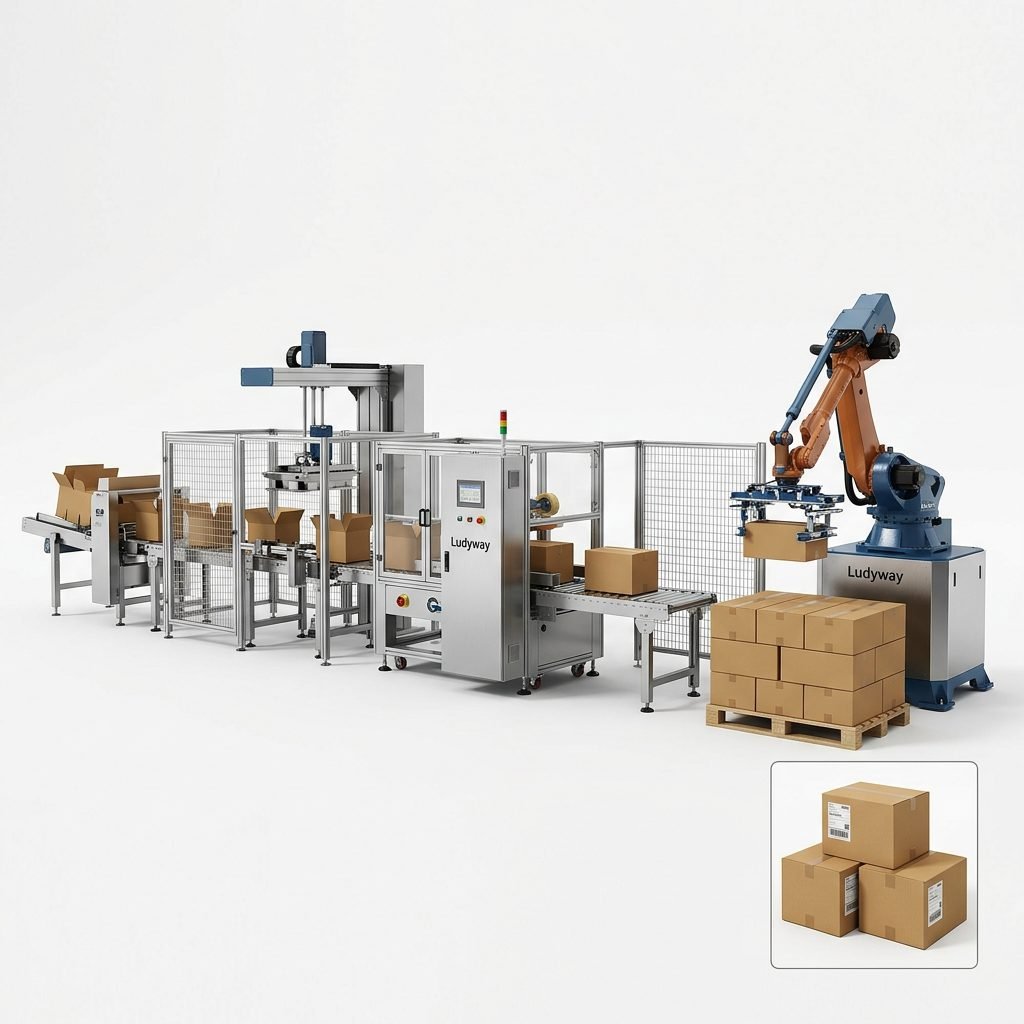
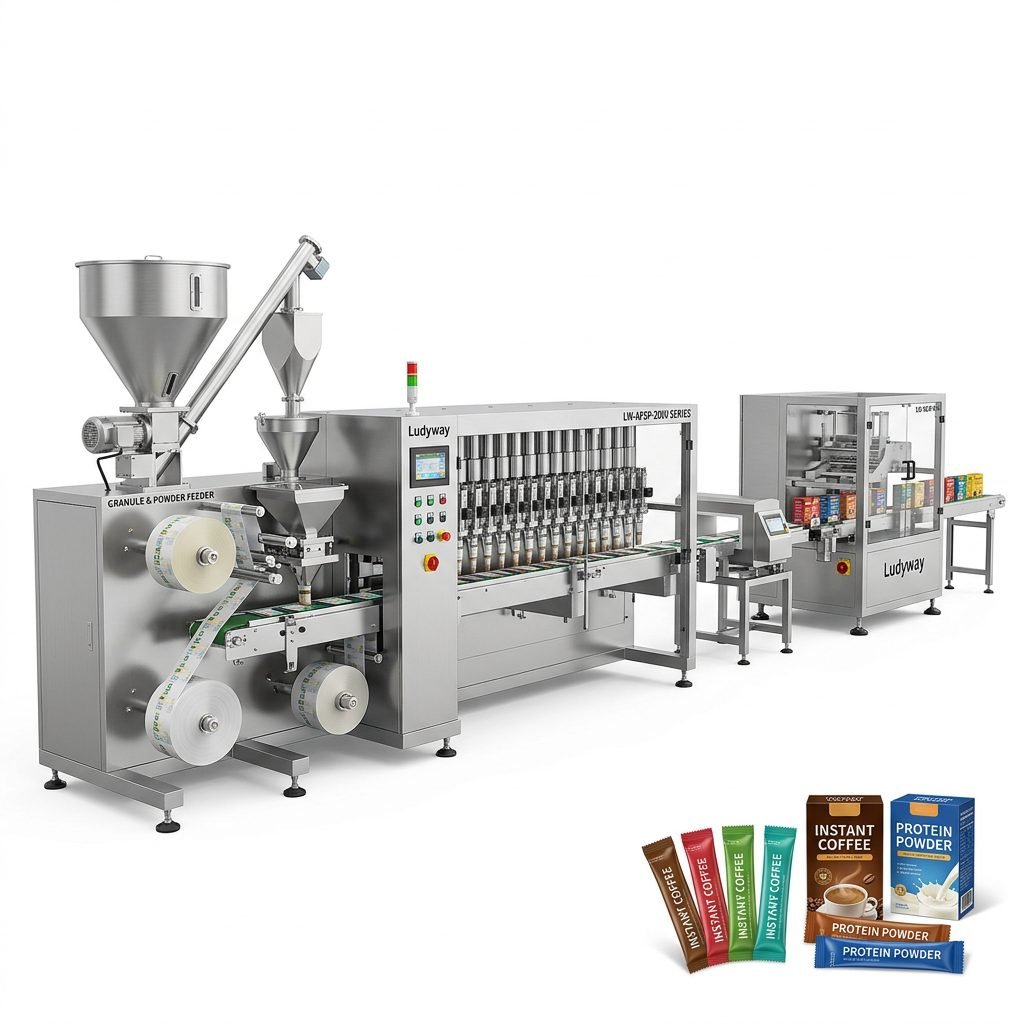
Glass jar packing machines play a critical role in modern production lines where product protection, filling accuracy, sealing consistency, and packaging speed directly affect brand value and operating cost. For manufacturers in the food, beverage, and cosmetic sectors, choosing the right equipment is not only about automation—it is also about preserving product quality, improving shelf appeal, and meeting market demand efficiently.
Whether you are packing honey, sauces, jam, pickles, coffee, health drinks, cream, scrub, lotion, or serum in glass jars, a reliable machine setup can help reduce labor dependency, improve hygiene standards, and support scalable production.
Why Glass Jar Packaging Remains Popular Across Industries
Glass jars continue to be widely used because they offer a premium appearance, strong barrier protection, and excellent compatibility with many products. In food and beverage applications, glass helps preserve flavor and freshness. In cosmetics, it enhances the perceived quality of creams, gels, masks, and treatment products.
- Excellent product visibility for consumer confidence
- Strong chemical stability for sensitive formulas
- Premium shelf presentation for retail markets
- Good sealing performance for long-term storage
- Recyclable material aligned with sustainability goals
What Is a Glass Jar Packing Machine?
A glass jar packing machine is a packaging system designed to handle one or more stages of the jar packaging process. Depending on the product and line configuration, the machine may include jar feeding, orientation, filling, cap placing, capping, induction sealing, labeling, coding, inspection, cartoning, and case packing.
For many factories, the most efficient solution is not a standalone unit but an integrated line that connects multiple processes into one smooth workflow.
Typical functions in a glass jar packaging line
- Empty jar infeed and positioning
- Product dosing or filling
- Cap feeding and cap tightening
- Seal integrity control
- Label application and date coding
- Final inspection and rejection
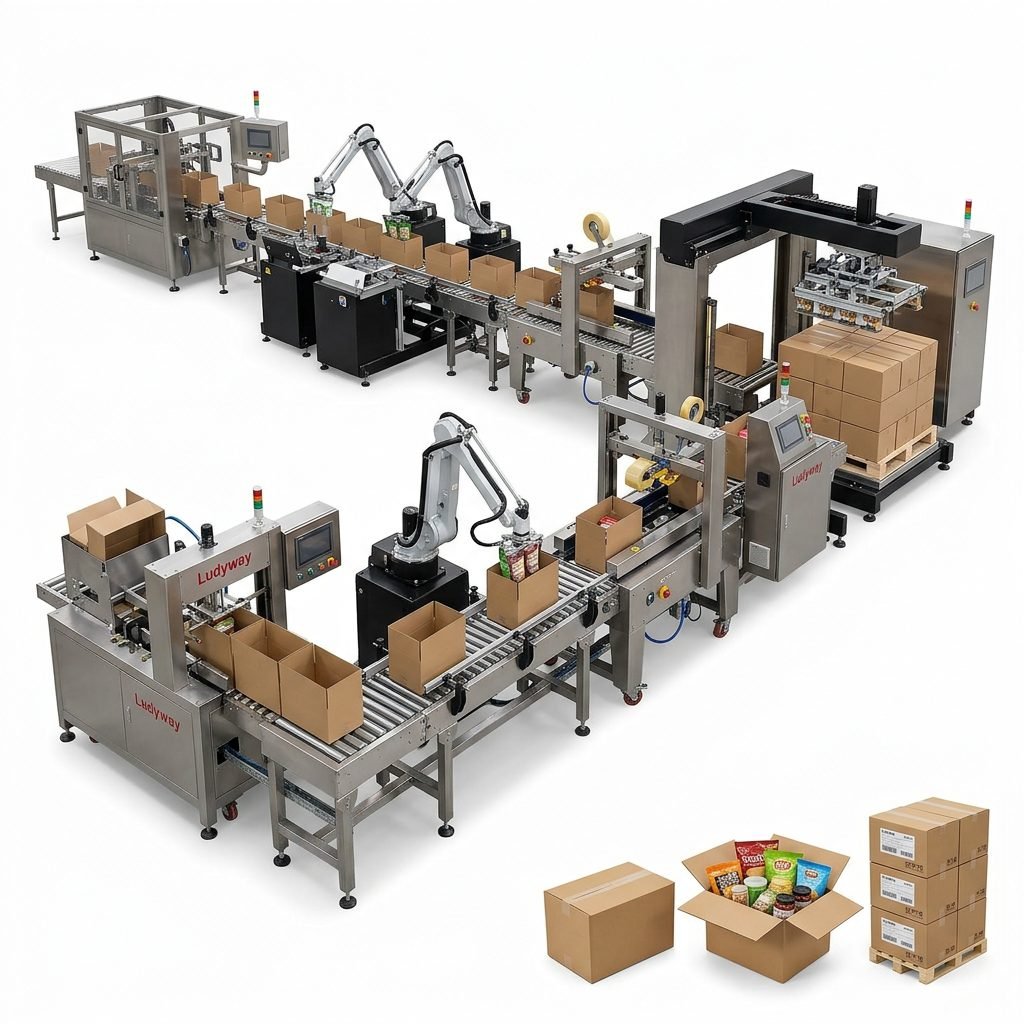
- Carton or case packing for shipment
Applications in Food Products
Food producers often choose glass jars for products that require freshness, a clean presentation, and reliable sealing. A suitable packing machine can handle viscous, liquid, powder, granule, or particulate products with high repeatability.
Common food products packed in glass jars
- Honey and syrup
- Jam, jelly, and fruit preserves
- Sauces, chili paste, and condiments
- Spices, herbs, and seasoning blends
- Nuts, candy, and snack mixes
- Pickles and fermented vegetables
- Coffee powder or instant beverage mixes
For these products, accuracy matters because underfilling creates compliance and customer satisfaction issues, while overfilling increases product giveaway and production cost.
Applications in Beverage Products
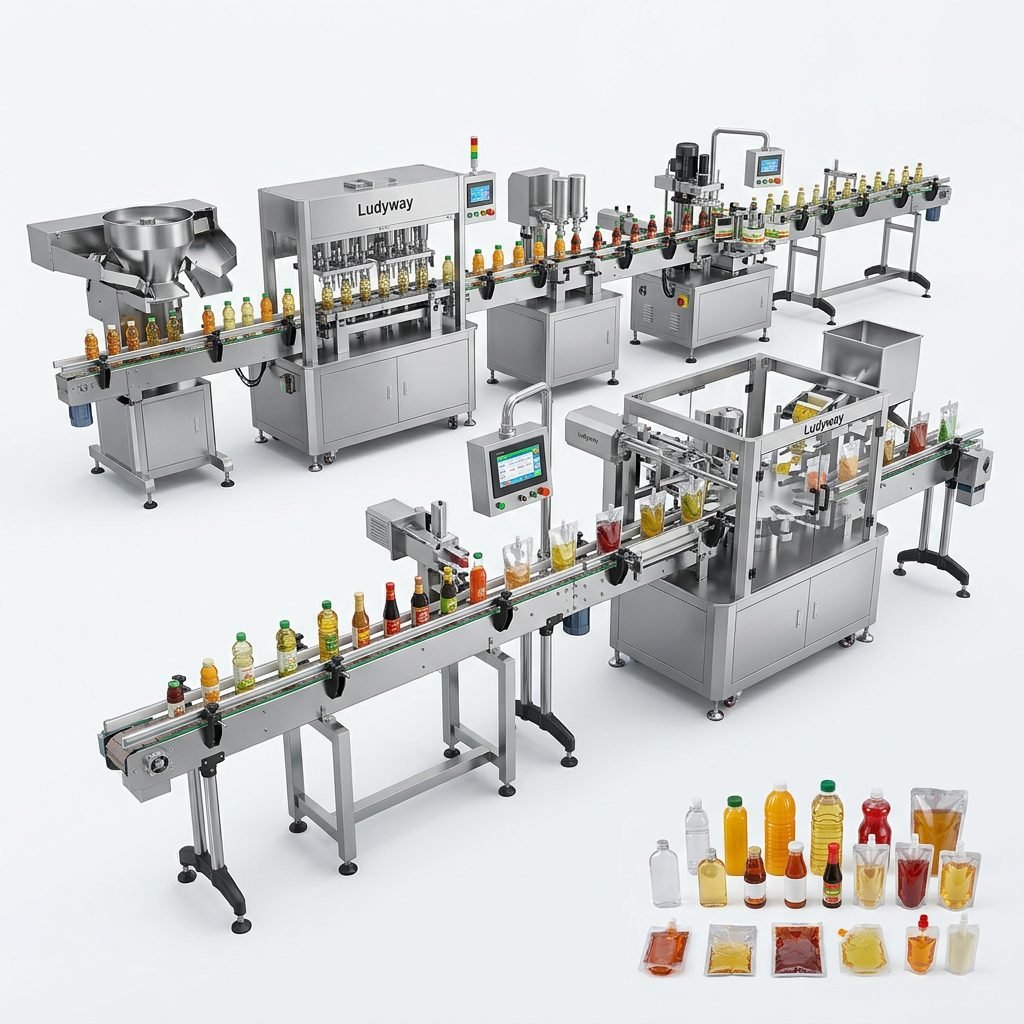
Glass jars are also used for concentrated drinks, nutritional beverages, functional shots, dessert drinks, and specialty liquid products. In this segment, filling stability and sealing performance are especially important, since leakage, foam issues, or contamination can quickly reduce product quality.
A well-designed beverage jar packing system should support:
- Controlled liquid filling
- Foam management where needed
- Sanitary contact parts
- Fast format change for different jar sizes
- Reliable cap torque control
Applications in Cosmetic Products
In cosmetics, glass jars are widely used for face cream, body butter, scrub, gel, balm, mask, and skincare treatment products. These products often require gentle filling, clean handling, aesthetic consistency, and high packaging precision.
Because the cosmetic market is highly brand-driven, packaging equipment must protect both formula quality and visual presentation. A machine that scratches jars, misaligns labels, or leaves residue on the neck can negatively affect retail performance.
Key cosmetic packaging priorities
- Clean and hygienic filling environment
- Accurate fill volume for premium SKUs
- Smooth jar and cap handling without damage
- Elegant label placement
- Compatibility with creams, gels, and viscous products
Main Types of Glass Jar Packing Machines
| Machine Type | Suitable Products | Main Advantage |
|---|---|---|
| Piston filling machine | Creams, sauces, paste, honey | High accuracy for viscous materials |
| Overflow or gravity filler | Low-viscosity liquids | Consistent fill level appearance |
| Auger filling machine | Powders and fine dry products | Precise powder dosing |
| Weighing filling system | Granules, snacks, nuts | Flexible dosing for irregular products |
| Vacuum capping machine | Sauces, pickles, premium food jars | Improves seal quality and shelf life |
| Labeling and coding machine | All jar categories | Supports traceability and branding |
Key Benefits of an Automated Glass Jar Packing Solution
Manufacturers upgrading from manual or semi-automatic operations often see immediate performance gains after installing an automated glass jar packing line.
- Higher throughput with stable output over long production runs
- Reduced labor cost through fewer manual handling steps
- Improved hygiene by limiting direct operator contact
- Better packaging consistency in weight, cap torque, and label placement
- Lower breakage risk through controlled jar movement
- Scalable production for growing brands and export-oriented factories
How to Choose the Right Machine for Your Product
Selecting the best glass jar packing machine depends on more than jar size alone. The characteristics of the product, filling method, sealing requirements, line speed, and packaging goals all influence the final configuration.
Factors to evaluate before purchase
| Factor | Why It Matters |
|---|---|
| Product viscosity | Determines the proper filling technology |
| Jar size and shape | Affects changeover, guiding systems, and capping stability |
| Target output | Defines machine speed and automation level |
| Cap type | Impacts cap feeding and tightening mechanism |
| Product sensitivity | May require sanitary design or gentle filling |
| Future expansion | Supports long-term ROI and line upgrades |
Important Features to Look For
An efficient machine should not only work today but also remain adaptable as your business grows.
- Servo-driven control for precision
- Touchscreen HMI for simple operation
- Quick tool-free changeover where possible
- Food-grade or cosmetic-grade contact materials
- Anti-drip filling design
- Stable jar transfer to prevent tipping or breakage
- Integration with labeling, cartoning, and case packing equipment
- Easy cleaning and maintenance access
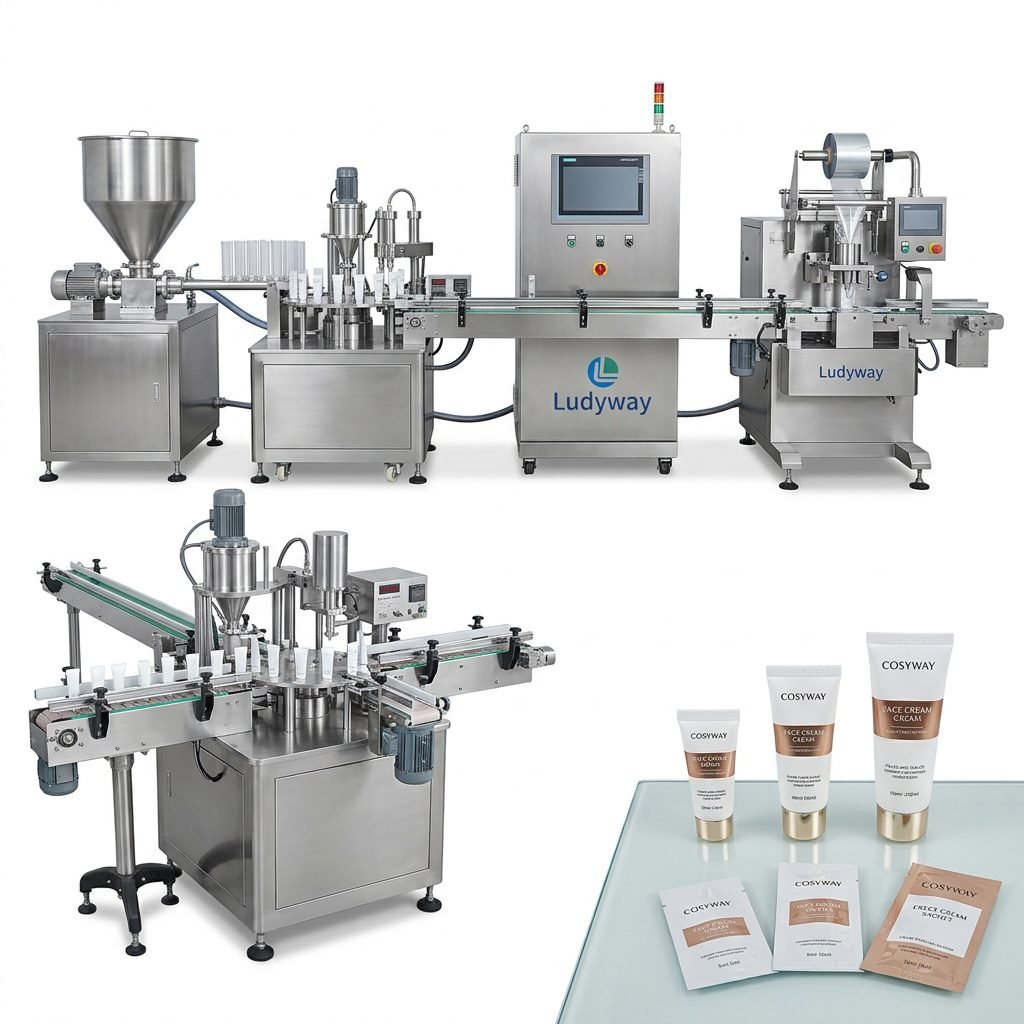
Efficiency Gains for Food, Beverage, and Cosmetic Manufacturers
The real value of glass jar packing automation lies in its measurable business impact. A properly matched system can improve OEE, reduce material waste, and support stronger quality control procedures.
Examples of practical gains
- Fewer filling errors and lower product loss
- More consistent cap sealing and reduced leakage complaints
- Less manual rework and better line cleanliness
- Faster batch transitions across multiple SKUs
- Better readiness for export and retail compliance requirements
Turnkey Packaging Lines for End-to-End Productivity
Many growing manufacturers prefer turnkey solutions because they simplify project management and reduce integration risk. Instead of sourcing different machines from multiple suppliers, buyers can work with one experienced partner for complete planning, manufacturing, testing, and after-sales support.
As one of China’s leading packaging machine and turnkey packaging line manufacturers, Ludyway glass jar packing machine solutions can support food, beverage, cosmetic, pharmaceutical, and related industries with scalable automation options backed by more than 30 years of manufacturing experience.
A turnkey line may include
- Jar unscrambler or feeding table
- Filling machine matched to product type
- Cap sorting and capping machine
- Induction sealer or vacuum capping system
- Labeling and coding equipment
- Inspection, checkweighing, and rejection units
- Cartoning, case packing, and palletizing systems
Common Challenges Solved by the Right Equipment
Without the proper machine design, glass jar packaging can face recurring production problems. The right system helps eliminate many of the most common issues.
- Jar breakage during transfer
- Inconsistent fill volume
- Product dripping on the jar mouth
- Loose or uneven caps
- Crooked labels affecting retail appearance
- Slow changeover between product formats
- Line downtime caused by poor synchronization
Final Considerations Before Investing
Before making a purchasing decision, manufacturers should review machine compatibility with existing production layouts, expected output goals, cleaning requirements, operator skill level, and future SKU expansion. It is also important to confirm sample testing, technical support, spare parts availability, and long-term service capabilities.
A high-quality glass jar packing machine is not simply a piece of equipment—it is a strategic investment in productivity, consistency, and brand growth. For food, beverage, and cosmetic businesses aiming to improve packaging efficiency while maintaining product quality, the right automated solution can create a strong competitive advantage.