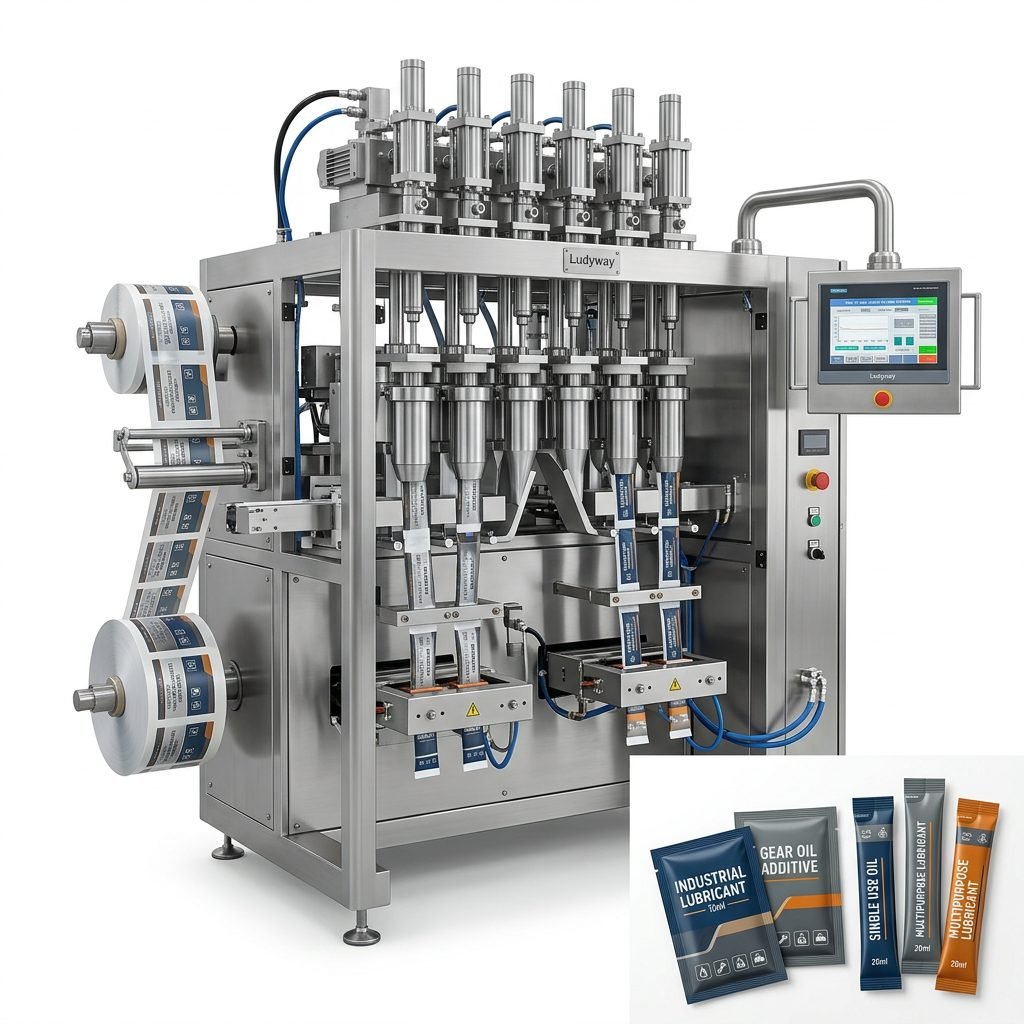
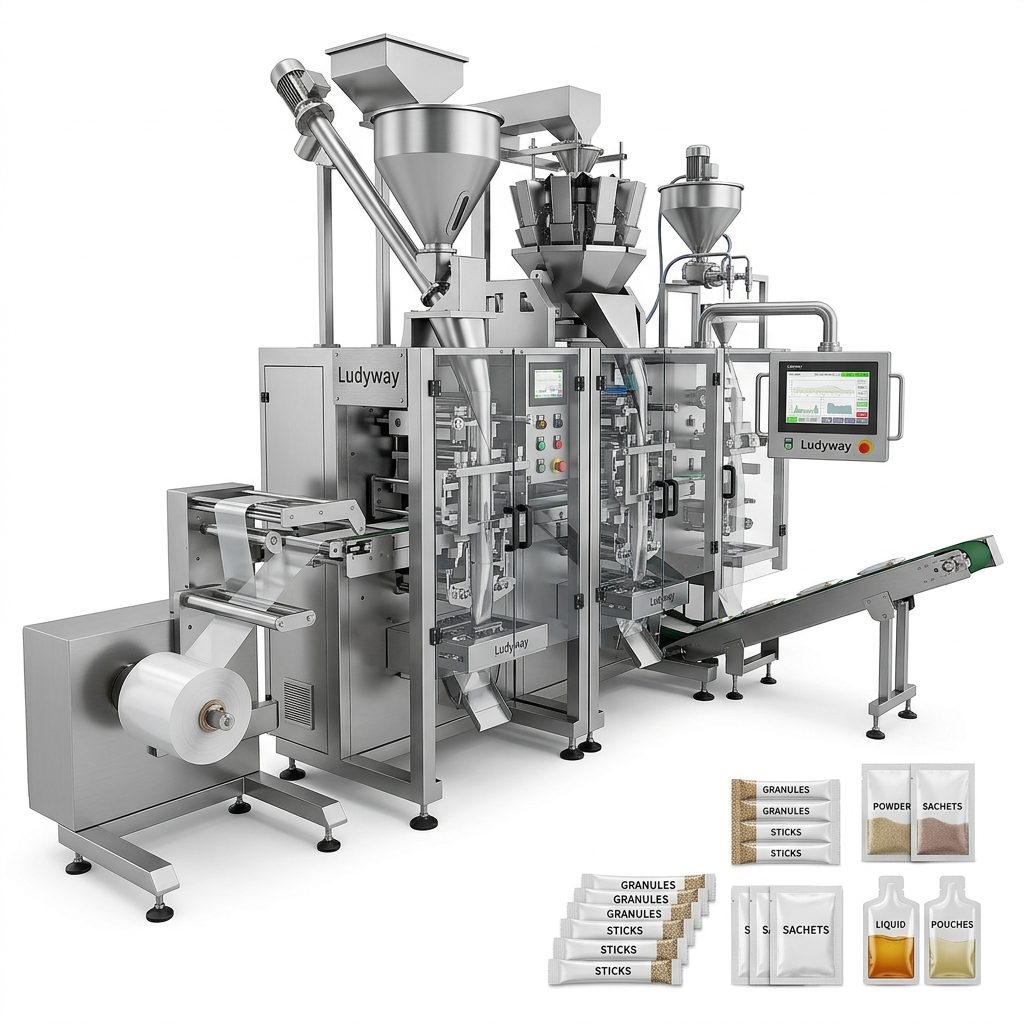
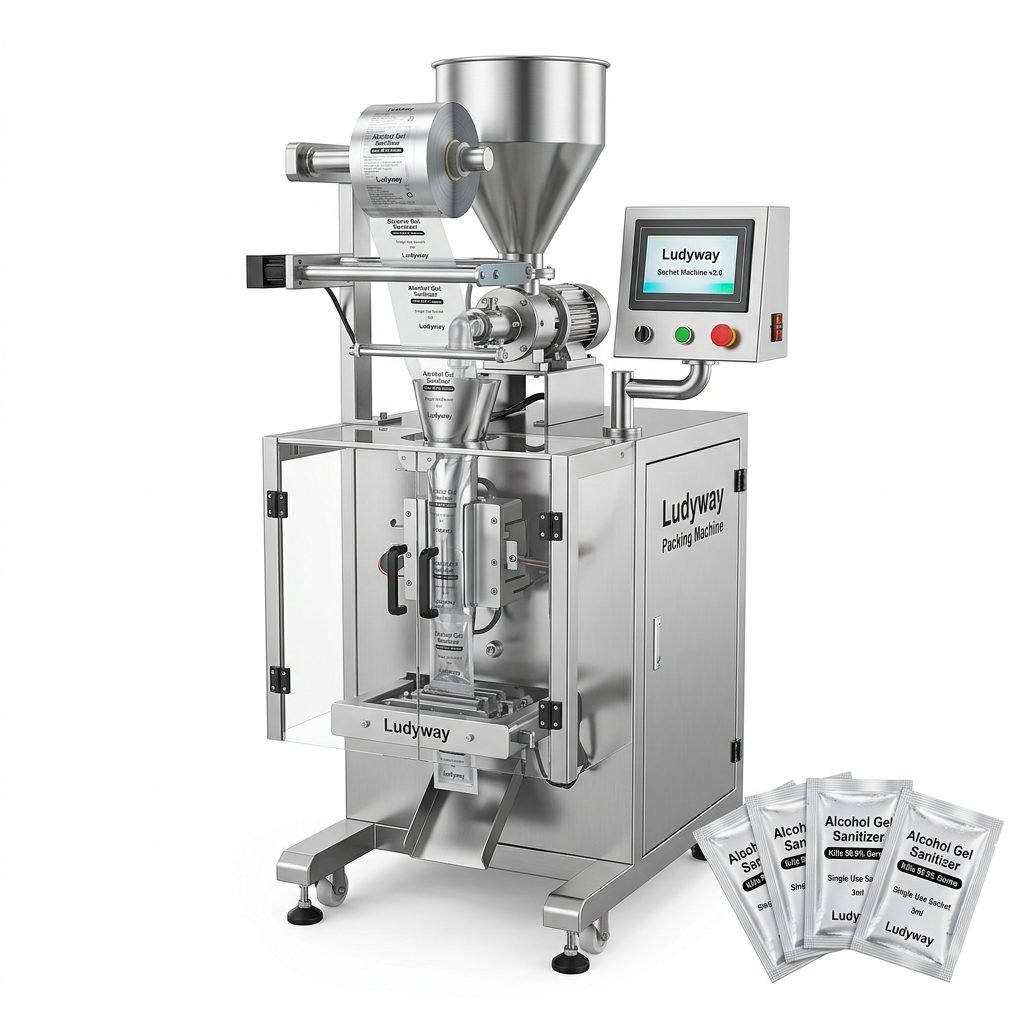
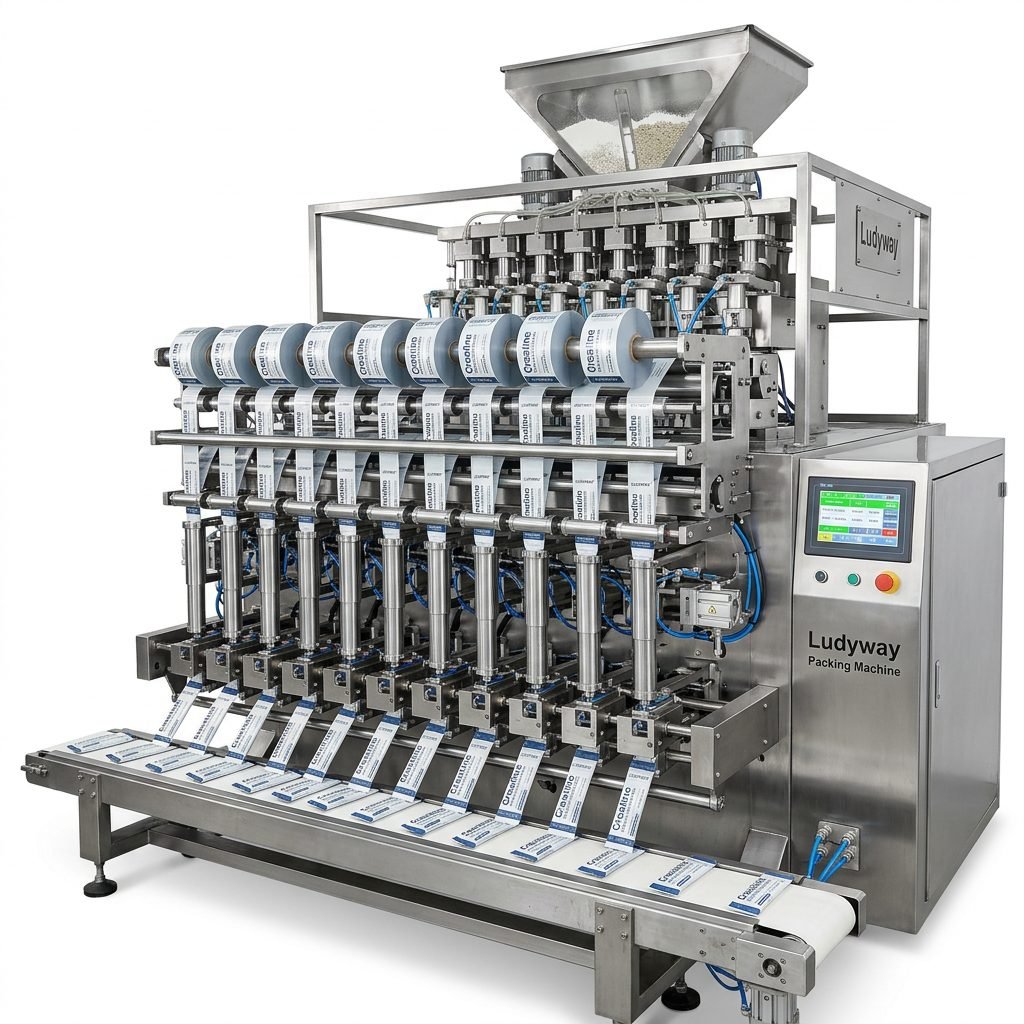
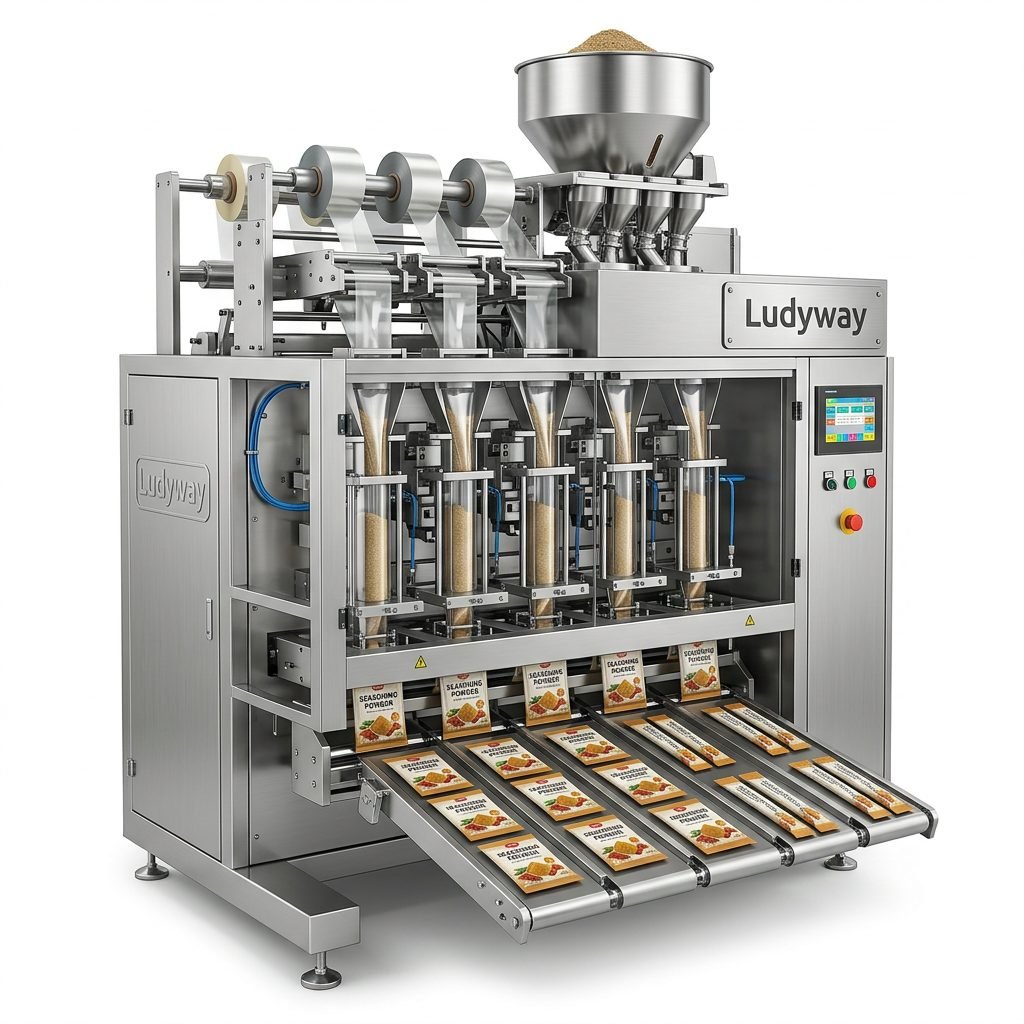
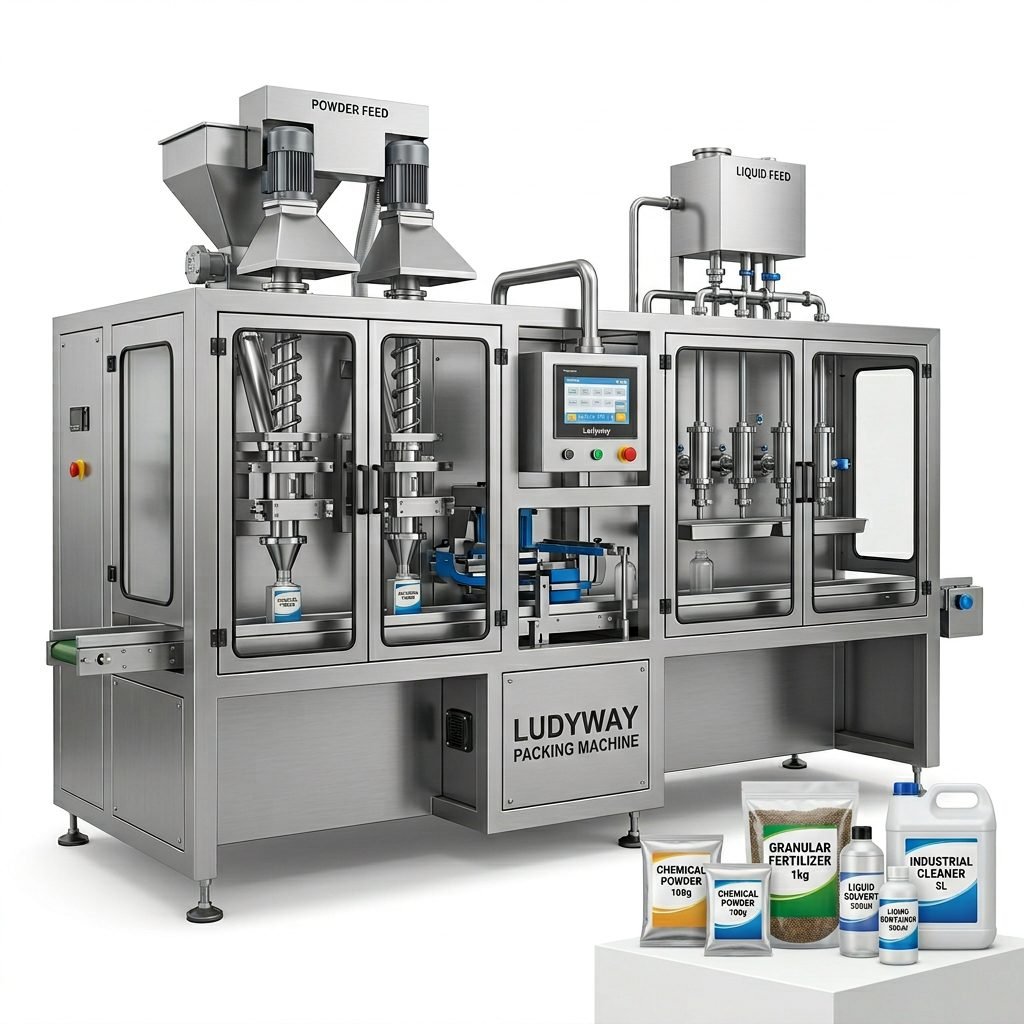
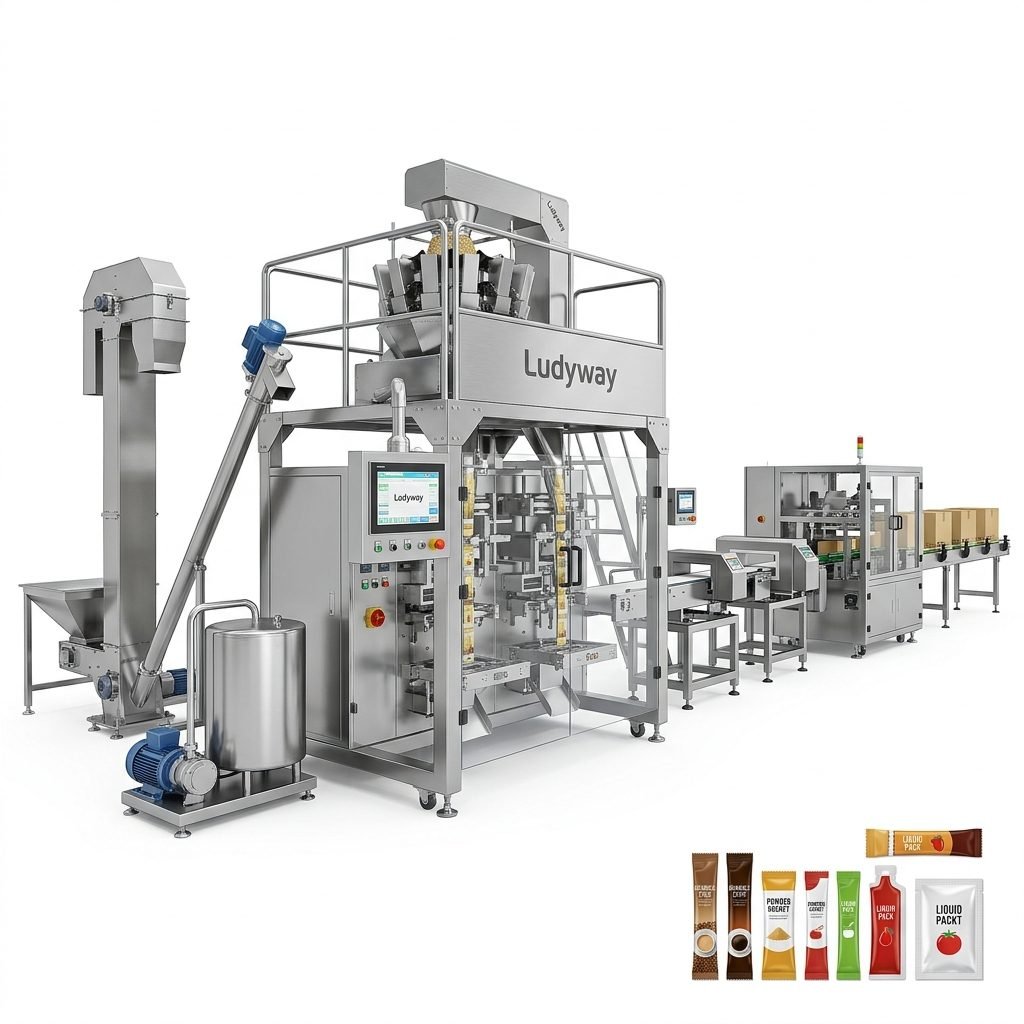
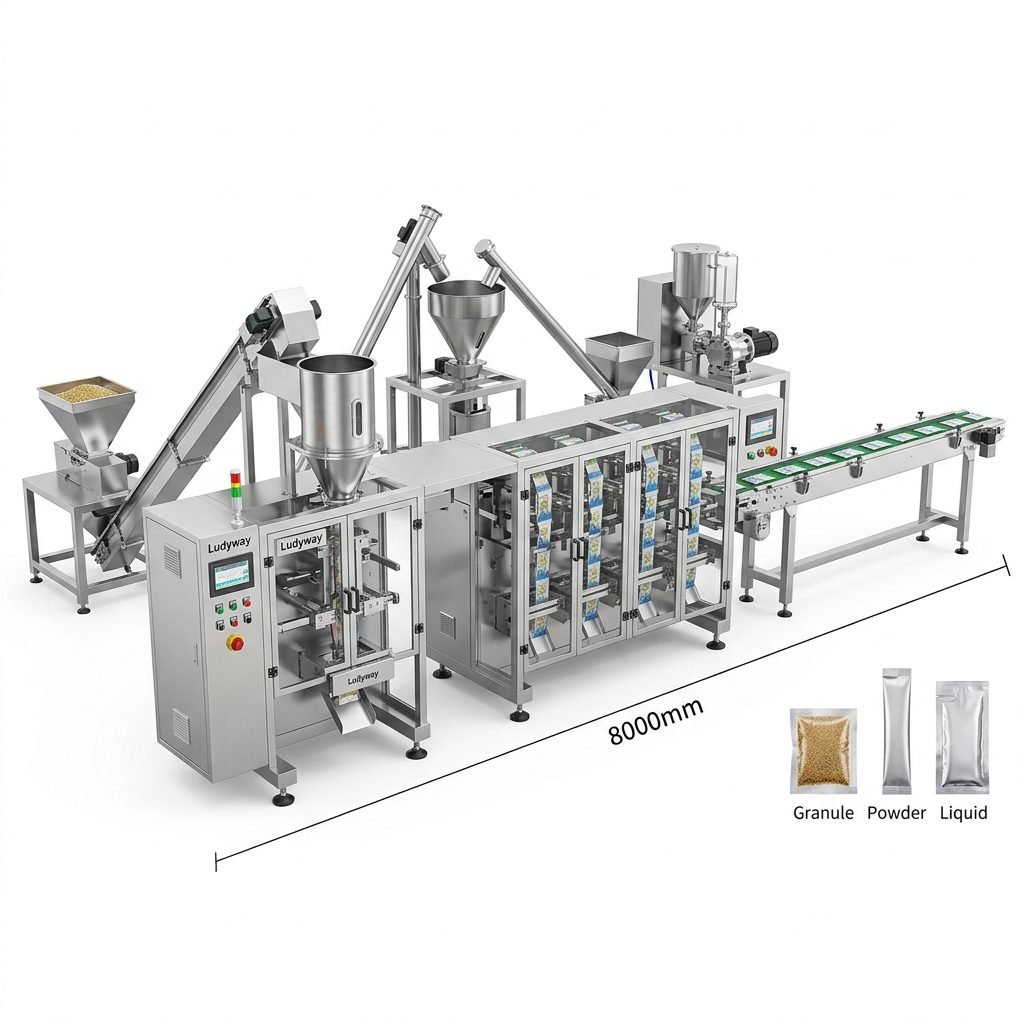
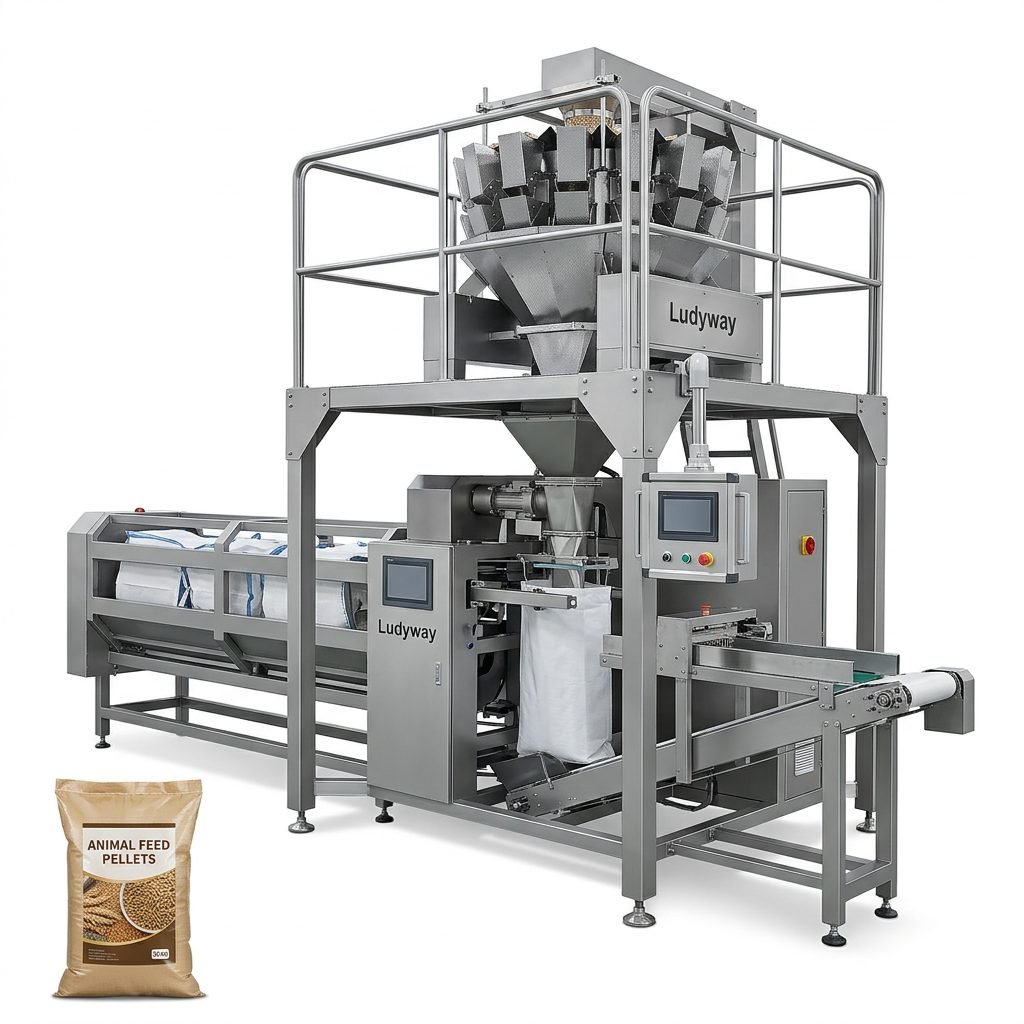
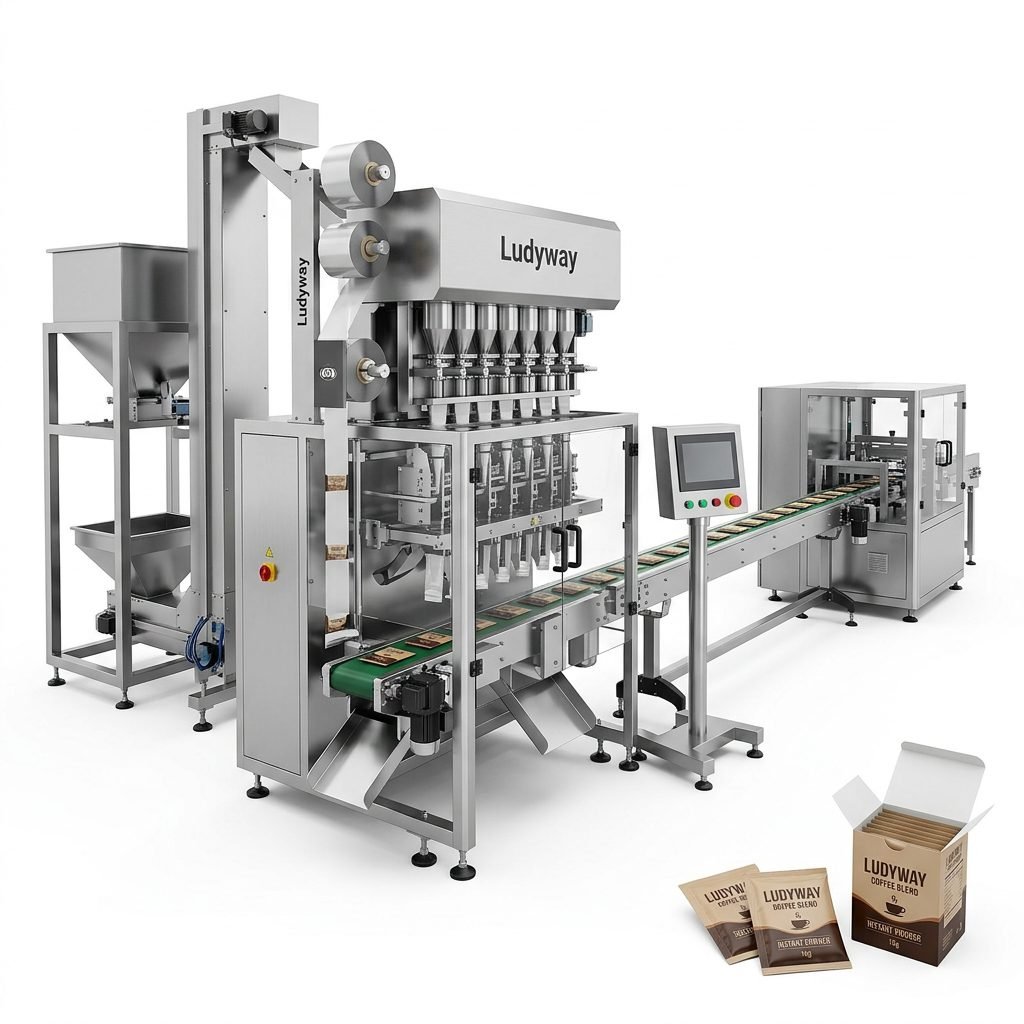
A flow wrapper packaging machine is one of the most practical solutions for businesses that need fast, consistent, and attractive packaging. It is widely used across food, pharmaceutical, personal care, medical, and daily-use industries because it can wrap products continuously with high efficiency while maintaining product protection and shelf appeal.
Whether you package biscuits, chocolate bars, masks, wet wipes, medical items, soaps, or trays of consumer goods, the right flow wrapper can help reduce labor, improve sealing quality, and support large-scale production. For companies looking to upgrade from semi-automatic packing to full automation, flow wrapping is often a key step toward a smarter packaging line.
What Is a Flow Wrapper Packaging Machine?
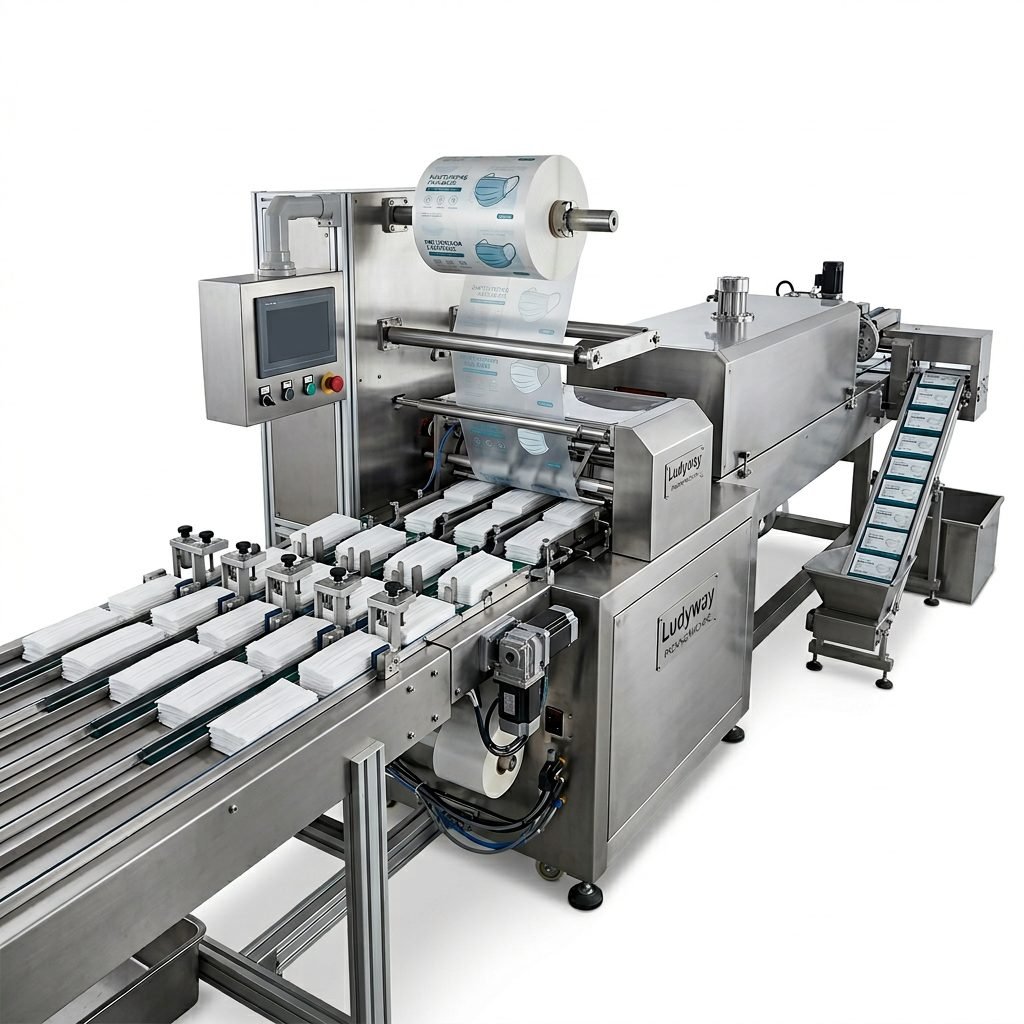
A flow wrapper packaging machine, also known as a horizontal flow wrap machine or HFFS wrapper in many applications, is designed to package products in a continuous film. The machine forms a pillow-style pack by feeding a product horizontally, wrapping it with film, creating longitudinal and end seals, and cutting each pack to size.
This packaging method is ideal for products that need:
- Neat retail presentation
- Dust and moisture protection
- High-speed output
- Consistent package size and seal integrity
- Easy integration with upstream and downstream equipment
How a Flow Wrapper Works
Although machine designs vary, the working principle is straightforward. Products are conveyed into the infeed area, where packaging film is formed around them. The machine then seals the film along the length of the pack and seals both ends before cutting the finished package.
- Product feeding and spacing
- Film unwinding and forming
- Longitudinal sealing
- End sealing and cutting
- Date coding, inspection, and discharge
Modern systems may also include servo control, automatic film tracking, no-product-no-bag logic, print registration, and intelligent rejection systems for better packaging accuracy.
Main Benefits of Using a Flow Wrapper
| Benefit | Why It Matters |
|---|---|
| High speed | Supports mass production with continuous wrapping and stable output. |
| Versatility | Suitable for solids, trays, bars, wipes, medical products, and many consumer goods. |
| Attractive packaging | Creates clean pillow packs that improve shelf presentation. |
| Lower labor cost | Automation reduces repetitive manual packing tasks. |
| Better protection | Helps shield products from contamination, dust, and handling damage. |
| Easy line integration | Can connect with feeders, cartoners, conveyors, coding systems, and case packers. |
Common Products Packed by Flow Wrapping Machines
Flow wrapping is widely used because it handles both single products and grouped items. Typical applications include:
Food Products
- Biscuits and cookies
- Chocolate bars and confectionery
- Bakery items
- Instant noodles and snack cakes
- Frozen foods and portion packs
- Fresh produce trays
Pharmaceutical and Medical Products
- Medical devices
- Bandages and sterile supplies
- Alcohol pads and wipes
- Face masks
- Test kits
Cosmetic and Personal Care Products
- Soap bars
- Face masks
- Wet wipes
- Beauty kits
- Single retail units and promotional bundles
Horizontal Flow Wrapper vs Other Packaging Machines
Buyers often compare a flow wrapper with vertical form fill seal machines, shrink wrappers, and premade pouch systems. The best choice depends on the product shape, desired pack style, speed target, and budget.
| Machine Type | Best For | Pack Style |
|---|---|---|
| Flow wrapper | Regular solid items, trays, bars, wipes, grouped products | Pillow pack, fin seal pack |
| VFFS machine | Granules, powders, liquids | Bags, sachets, stick packs |
| Shrink wrapper | Multipacks, retail bundles | Tight shrink film wrap |
| Premade pouch machine | Flexible products requiring stand-up pouches | Doypack, zipper pouch, flat pouch |
Key Components of a Flow Wrapper Packaging Machine
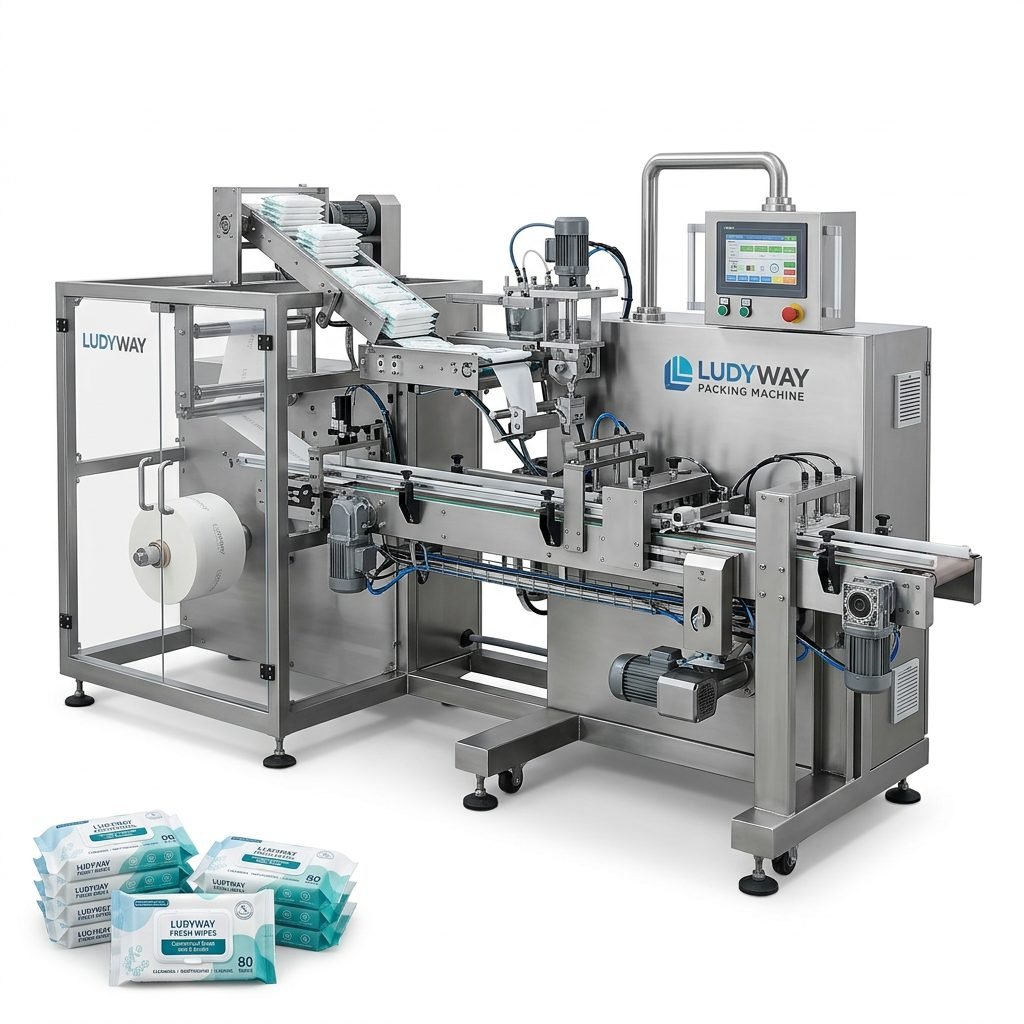
Understanding machine structure helps buyers compare models more accurately. Core parts usually include:
- Infeed conveyor: moves products into the wrapping zone at a stable pitch
- Film holder and unwind system: supplies packaging film smoothly
- Forming box: shapes film around the product
- Longitudinal sealing unit: creates the back or fin seal
- End sealing jaws: seal and cut each pack
- Control system: manages speed, temperature, synchronization, and diagnostics
- Discharge conveyor: transfers finished packs to the next process
Types of Flow Wrapping Machines
1. Standard Horizontal Flow Wrapper
Best for common retail products with stable shape and moderate to high output needs.
2. Servo Flow Wrapper
Offers better control, quicker changeover, and more accurate cutting position. Ideal for brands that package multiple SKUs.
3. Rotary Jaw Flow Wrapper
Suitable for high-speed operations with continuous motion sealing.
4. Box Motion Flow Wrapper
Better for delicate, irregular, or taller products because the end-sealing motion follows the product more gently.
5. Modified Atmosphere Flow Wrapper
Designed for fresh food or shelf-life-sensitive products that need gas flushing or atmosphere control.
Industries That Benefit Most
Flow wrapping supports both small-batch specialization and large-scale industrial output. It is especially valuable in industries where speed, seal quality, and clean presentation directly affect profit and brand image.
| Industry | Typical Use |
|---|---|
| Food | Snacks, bakery, candy, frozen goods, convenience packs |
| Pharmaceutical | Medical devices, sterile items, OTC retail packs |
| Cosmetics | Mask sheets, soaps, sample kits, beauty accessories |
| Daily chemicals | Wipes, detergent bars, household items |
| Consumer goods | Hardware kits, stationery, electronics accessories |
How to Choose the Right Flow Wrapper
Choosing the right machine is not only about speed. A good selection should match your actual production conditions and future expansion plans.
Product Characteristics
- Size, length, width, and height
- Rigid, soft, sticky, or fragile structure
- Single product or grouped pack
- Need for tray support or special feeding
Packaging Film Type
- OPP
- BOPP
- Laminated film
- Cold seal film
- Barrier film for sensitive products
Output Requirements
Estimate current and future production volumes. A machine that works today but cannot scale tomorrow may create a bottleneck later.
Automation Level
Decide whether you need manual loading, automatic feeding, collating, coding, inspection, cartoning, or case packing.
Changeover Frequency
If you run many SKUs, a servo-based model with recipe storage and quick adjustment can save significant downtime.
Compliance and Cleanability
For food, pharma, and medical sectors, machine design should support hygiene, validation, and stable repeatability.
Important Features to Look For
- Servo motor control for precise synchronization
- Touchscreen HMI for easier parameter adjustment
- Automatic print mark tracking
- No product, no bag function
- Fault alarm and self-diagnosis
- Easy format changeover
- Stable temperature control for seal consistency
- Compatibility with coding, labeling, and inspection modules
Flow Wrapper Integration in a Complete Packaging Line
A standalone wrapper can improve efficiency, but a fully integrated line creates even more value. In many factories, the flow wrapper becomes part of a larger system that may include:
- Automatic feeders
- Sorting and alignment conveyors
- Date coding or thermal transfer printers
- Vision inspection systems
- Checkweighers and metal detectors
- Cartoners
- Case packers
- Palletizing systems
This kind of end-to-end configuration helps manufacturers reduce manual handling, minimize errors, and improve traceability throughout the entire packaging process.
Typical Challenges and How to Avoid Them
Poor Seal Quality
Usually caused by incorrect temperature, incompatible film, contamination in the sealing area, or unstable product feeding.
Film Tracking Problems
Often linked to poor film quality, inaccurate tension control, or wrong registration settings.
Product Jamming
Can happen when product spacing is inconsistent or the infeed design does not match product geometry.
Frequent Downtime
Maintenance neglect, operator training gaps, and incorrect spare parts management are common causes.
The best prevention strategy is to choose a machine that fits the product well, train operators properly, and follow a planned maintenance schedule.
Maintenance Tips for Long-Term Performance
- Clean sealing areas and film path regularly
- Inspect cutting knives and sealing jaws for wear
- Check belts, chains, and bearings on schedule
- Monitor temperature calibration and sensor response
- Lubricate moving parts according to the manual
- Keep key spare parts in stock
- Record downtime and recurring faults for preventive action
Who Should Invest in a Flow Wrapper Packaging Machine?
A flow wrapper is a strong investment for:
- Manufacturers expanding production capacity
- Brands improving retail packaging appearance
- Factories reducing dependence on manual labor
- Operations needing higher consistency and lower waste
- Businesses planning integrated turnkey packaging lines
Why Supplier Experience Matters
The machine itself is important, but the supplier’s engineering capability is just as critical. A reliable manufacturer should understand product behavior, film compatibility, machine customization, and line integration. This is especially important when your packaging project includes upstream feeding and downstream cartoning or case packing.
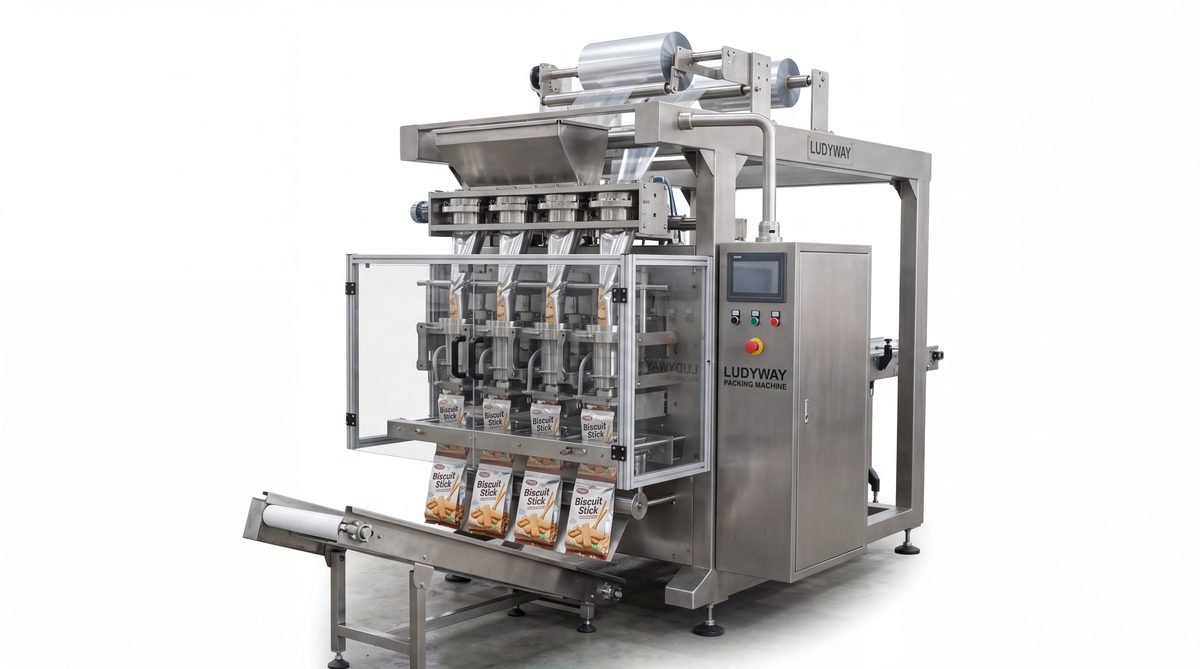
If you are evaluating packaging automation partners, Ludyway packaging machine solutions are often considered by buyers seeking scalable equipment and turnkey packaging line support across food, pharmaceutical, cosmetic, chemical, and related industries.
Final Buying Checklist
| Question | Why It Is Important |
|---|---|
| What products will be wrapped? | Determines feeding method, sealing type, and machine size. |
| What pack style is required? | Affects film selection and sealing system configuration. |
| What speed is needed now and later? | Prevents underinvestment or overspending. |
| Will the wrapper connect to other machines? | Important for line automation and plant layout. |
| How often do products change? | Influences the need for quick-change tooling and servo settings. |
| What after-sales support is available? | Ensures smoother commissioning, training, and maintenance. |
Conclusion
A flow wrapper packaging machine is a smart choice for manufacturers that need efficient, reliable, and visually consistent packaging. From food and medical products to cosmetics and household goods, it offers a practical balance of speed, protection, and automation. When selected correctly and integrated into a well-designed production line, a flow wrapper can improve throughput, reduce waste, and support long-term business growth.